
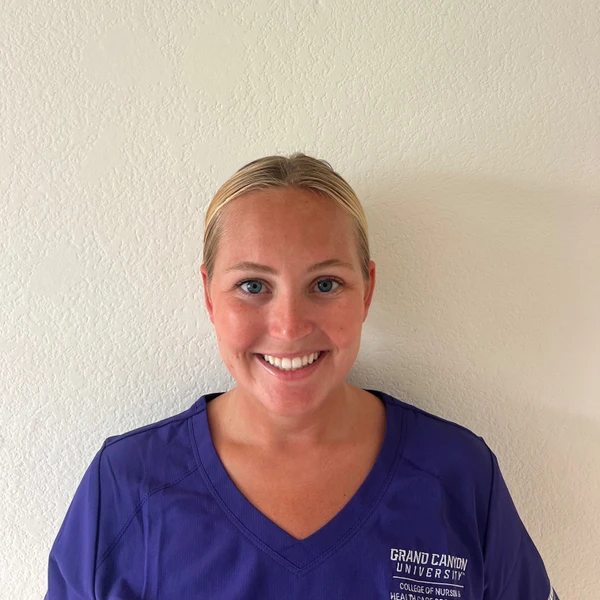
Sierra Blechschmidt
1x
Finalist
Sierra Blechschmidt
1x
FinalistBio
I am currently pursuing my second degree, a Bachelor of Science in Nursing (BSN) at Grand Canyon University, after earning my Bachelor of Science in Public Health from the University of California, Irvine. During my gap year, I worked as an EMT, where I gained hands-on clinical experience and developed strong skills in patient care, communication, and working in high-pressure situations. My background in public health has strengthened my understanding of disease prevention and community care, which I now aim to apply in a clinical setting. I am especially passionate about pediatric nursing, where I can combine my clinical experience with my love for working with children to provide compassionate, family-centered care.
Education
Grand Canyon University
Bachelor's degree programMajors:
- Registered Nursing, Nursing Administration, Nursing Research and Clinical Nursing
University of California-Irvine
Bachelor's degree programMajors:
- Public Health
Miscellaneous
Desired degree level:
Doctoral degree program (PhD, MD, JD, etc.)
Graduate schools of interest:
Transfer schools of interest:
Majors of interest:
Career
Dream career field:
Hospital & Health Care
Dream career goals:
Emergency Medical Technician (EMT)
San Diego Ambulance2024 – 20251 year
Sports
Dancing
Varsity2016 – 20204 years
Research
Health Professions and Related Clinical Sciences, Other
University of California, Irvine — Research Assistant2022 – 2024
Beverly J. Patterson Scholarship
I am passionate about nursing because it allows me to combine science, compassion, and human connection in a way that truly impacts people’s lives. For as long as I can remember, I have been drawn to caring for others, especially children. My experiences growing up, along with my time working with kids and as an EMT, have shown me how meaningful it is to be there for someone during some of the most vulnerable moments of their life. I have seen how a simple conversation, reassurance, or presence can make a difference in a patient’s experience, and that is what continues to motivate me to pursue nursing. I am especially drawn to the role nurses play in advocating for patients and ensuring they receive the best possible care.
As I continue through my ABSN program, I hope to gain strong clinical skills, confidence in patient care, and the ability to think critically in high-pressure situations. I want to become a nurse who not only provides safe and effective care but also makes patients feel heard, valued, and supported. Nursing is not just about treating a condition, but about caring for the whole person, and I hope to grow into a nurse who embodies that mindset every day.
The area of nursing I hope to enter is pediatrics. I have always loved working with children, and I admire their resilience, honesty, and ability to find joy even in difficult situations. Pediatric nursing allows me to connect with both the patient and their family, which is something I value deeply. I believe that supporting families is just as important as caring for the child, especially during hospitalizations that can be stressful and overwhelming.
In my future career, I hope to make an impact by creating a positive and comforting environment for pediatric patients and their families. I want to be the nurse who takes the extra time to explain things in a way that makes sense, eases fear, and builds trust. I also hope to advocate for family-centered care, ensuring that families feel involved and supported throughout their child’s treatment.
Overall, I am passionate about nursing because it gives me the opportunity to make a real difference in people’s lives. I am excited to continue learning, growing, and eventually becoming a nurse who provides compassionate, high-quality care to every patient I encounter. My passion for nursing has continued to grow as I have gained more hands-on experience and exposure to different patient populations
Deborah Stevens Pediatric Nursing Scholarship
From as early as I can remember, I have always been drawn to caring for others, especially children. My passion for working with kids began long before I chose nursing as a career path. I spent years nannying for children of all ages, from infants to teenagers, and those experiences taught me patience, compassion and how meaningful it is to support a child’s growth and well-being. Children bring a unique kind of hope and joy into the world. Their resilience, honesty and ability to find happiness even in difficult moments have always inspired me. That connection is what ultimately led me to pursue a career in nursing.
My decision to go into healthcare also stems from personal experiences that deeply impacted my life. One of my closest friends battled leukemia during childhood, and witnessing that journey changed my perspective forever. I saw firsthand the fear and uncertainty that comes with a serious diagnosis, not only for the patient but for their entire family. At the same time, I also saw the incredible role that nurses played in providing comfort, stability and emotional support. They were not just caregivers, they were advocates, educators and a source of strength during some of the hardest moments. Watching my friend go through treatments while still holding onto pieces of childhood joy showed me how powerful compassionate care can be, and it inspired me to want to be that person for others.
Choosing nursing allows me to combine my passion for helping people with my love for working with children. Pediatric nursing, in particular, feels like the perfect fit because it focuses not only on treating illness but also on supporting a child’s emotional and developmental needs. Children experience healthcare differently than adults. They need reassurance, creativity and a sense of safety. My background in childcare has prepared me to communicate with children in ways that make them feel understood and less afraid. Whether it is through play, conversation or simply being present, I want to help create a positive and comforting environment during what can be a very scary time.
What draws me most to pediatric nursing is the opportunity to make a lasting impact during some of the most vulnerable moments in a child’s life. Even small actions, like making a child smile, easing a parent’s anxiety or explaining something in a way that brings comfort, can make a significant difference. I believe that the human touch in nursing is especially important in pediatrics, where emotional support is just as critical as medical care. Being able to provide both is what makes this field so meaningful to me.
Ultimately, I am choosing a career in nursing because I want to be a source of compassion, advocacy and healing. Pursuing pediatric nursing allows me to align that goal with my lifelong passion for working with children. I hope to bring comfort to families, support children through their toughest challenges and help preserve the sense of hope and joy that makes childhood so special, even in the face of illness.
Jeune-Mondestin Scholarship
I chose healthcare as my field of study because of both personal experiences and a genuine desire to make a meaningful difference in people’s lives. I am currently pursuing my second degree in nursing after earning my first degree in Public Health Sciences from the University of California, Irvine. While my public health education gave me a strong understanding of disease prevention, health promotion, and the systems that impact communities, I always felt called to a more hands-on role. I wanted to be directly involved in patient care—supporting individuals not just at a population level, but in their most vulnerable, personal moments. That calling ultimately led me to pursue nursing.
My passion for healthcare is deeply rooted in my personal life. Over the past two years, I have watched my mom battle stage 3 breast cancer, an experience that has profoundly shaped who I am and the kind of healthcare provider I hope to become. Additionally, seeing my best friend go through leukemia opened my eyes at a young age to the emotional and physical challenges patients and families endure. In both situations, nurses played a critical role—not just in administering treatment, but in offering comfort, reassurance, and a sense of stability during incredibly uncertain times. Those experiences showed me the true impact of compassionate care and inspired me to pursue a career where I could provide that same level of support to others.
Beyond my personal experiences, I have also taken steps to gain hands-on exposure to healthcare. During my gap year, I worked as an EMT, where I responded to emergency calls and cared for patients in high-pressure environments. This role taught me how to think quickly, communicate effectively, and remain calm under stress. It also reinforced the importance of empathy, as I encountered patients from all walks of life, many of whom were experiencing some of the worst moments of their lives. These experiences strengthened my desire to continue in healthcare and confirmed that nursing was the right path for me.
As a future nurse, I hope to make a difference by providing patient-centered, compassionate care, especially in pediatric settings. I have always enjoyed working with children and understand how important it is to not only care for the patient, but to support the entire family. I am particularly passionate about improving communication and creating a sense of comfort and trust between healthcare providers and families. In my community, I have also seen the growing challenges of homelessness, substance use, and mental health issues, and I hope to use my education to give back and advocate for vulnerable populations.
Ultimately, I want to be the kind of nurse who makes patients feel heard, valued, and supported. Whether it is through a simple conversation, a moment of reassurance, or high-quality clinical care, I believe every interaction has the power to impact a patient’s experience. Through my journey in healthcare, I am committed to making a difference not only in individual lives, but in the overall well-being of the communities I serve.
Dashanna K. McNeil Memorial Scholarship
Pursuing a second degree in nursing has been a goal of mine for years, even as I completed my first degree in Public Health Sciences at the University of California, Irvine. During my time at UCI, I developed a strong foundation in understanding population health, prevention, and the broader systems that impact patient outcomes. However, I always felt drawn to a more hands-on role where I could directly connect with patients and make an immediate difference in their lives. That desire led me to pursue nursing, where I could combine my public health background with compassionate, patient-centered care.
My inspiration to advance in nursing also comes from personal experiences. Watching both my mom and my best friend battle cancer showed me the powerful impact that nurses have—not only in clinical care, but in providing comfort, support, and hope during some of the most difficult moments in a person’s life. Those experiences reinforced my passion for being present for patients and their families in meaningful ways.
My goal in nursing is to specialize in pediatric care, where I can advocate for children and support families through challenging health experiences. I am especially interested in promoting family-centered care and improving communication between healthcare teams and families, as I have seen how critical this is to patient outcomes. Ultimately, I hope to continue advancing my education and certifications to become a highly skilled pediatric nurse who not only provides excellent clinical care but also brings empathy, trust, and a strong human connection to every patient interaction.
In addition to my academic background, my hands-on experiences have further solidified my decision to pursue an advanced degree in nursing. During my gap year, I worked as an EMT, where I gained firsthand exposure to patient care in high-pressure situations and learned how critical quick thinking, teamwork, and compassion are in healthcare. I also had the opportunity to care for pediatric patients, which confirmed my passion for working with children and supporting families during vulnerable moments. These experiences taught me that even small actions like listening to a patient or offering reassurance, can have a lasting impact on their overall experience and recovery. As I continue my journey in nursing, I am extremely motivated to build on these skills through advanced education and clinical training, allowing me to provide the highest level of care while also contributing to improving patient experiences and outcomes within my community.
Annie Pringle Memorial Scholarship
Breast health education is deeply important to me because of my personal journey watching my mom battle stage 3 breast cancer over the past two years. What started as something that felt distant and unlikely quickly became a central part of my life, shaping not only my perspective on health but also my purpose moving forward. Seeing someone you love go through such an intense and uncertain experience changes the way you view prevention, awareness, and the role of education in healthcare.
When my mom was first diagnosed, everything felt overwhelming. There were so many appointments, unfamiliar medical terms, and decisions that had to be made quickly. I remember realizing how important it was to understand what was happening, yet how difficult it could be to navigate all the information. This is where breast health education became so powerful to me. Knowledge provided a sense of control in a situation that often felt uncontrollable. Learning about early detection, screening guidelines, treatment options, and side effects helped me support my mom in a more meaningful way and allowed our family to advocate for her care.
Throughout her treatment, whether it was chemotherapy, procedures, or recovery, I saw how much both physical and emotional support mattered. But I also noticed how different her experience might have been if there had been more accessible and widely understood education earlier on. Breast cancer is something that affects so many individuals and families, yet there is still a gap in awareness, especially when it comes to recognizing early signs, understanding risk factors, and reducing fear around screening. Watching my mom’s journey made me realize that education is not just about information, it is about empowerment.
Breast health education is important to me because it has the potential to save lives. Early detection significantly improves outcomes, and something as simple as encouraging regular screenings or teaching individuals how to recognize changes in their bodies can make a life-changing difference. At the same time, education helps reduce stigma and fear. Many people avoid screenings or delay seeking care because they are afraid of what they might find or because they do not fully understand the importance of early action. I want to be part of changing that narrative by promoting awareness in a way that is supportive, approachable, and culturally sensitive.
As a future nurse, I hope to use my experiences to connect with patients on a deeper level. I understand what it feels like to sit on the other side, as a family member, feeling scared, uncertain, and desperate for answers. This perspective will guide how I educate and communicate with my patients. I want to ensure that they feel informed, supported, and never alone in their journey. Whether it is explaining the importance of routine mammograms, discussing lifestyle factors, or simply answering questions with patience and empathy, I hope to make breast health education a natural and consistent part of my care.
Additionally, I am passionate about bringing education into my community. I have seen how disparities in access to healthcare and information can impact outcomes, particularly among underserved populations. In communities facing challenges such as limited resources, homelessness, or mental health struggles, preventive care is often not prioritized or easily accessible. I hope to contribute by participating in outreach efforts, community education programs, and advocacy initiatives that make breast health information more available and understandable to everyone.
Ultimately, my mom’s journey has shown me that breast health education is not just a topic, it is a lifeline. It empowers individuals to take charge of their health, supports families through difficult times, and can truly make the difference between early intervention and advanced disease. Her strength and resilience continue to inspire me every day, and they have solidified my commitment to becoming a nurse who not only provides care, but also educates, advocates, and uplifts others. Through my future career, I hope to honor her journey by helping others feel informed, supported, and empowered in their own health journeys.
Maxwell Tuan Nguyen Memorial Scholarship
I was inspired to pursue a career in the medical field through a combination of personal experiences and meaningful exposure to patient care. Growing up, I was influenced by my grandfather, who was a surgeon, and I admired the impact he had on people’s lives. However, my passion became much more personal when both my mom and my best friend battled cancer. Watching them go through treatment showed me not only the physical challenges of illness, but also the emotional toll it takes on patients and their families. The nurses who cared for them stood out to me because of the comfort, patience, and support they provided, which made a difficult time feel more manageable and gave me a new perspective on what it means to truly care for someone. This helped guide my shift from the desire to be a practioner to a nurse as I want to be that constant source of support.
I also witnessed mental health struggles within my own family, which further opened my eyes to gaps in the healthcare system and the importance of compassionate, patient-centered care. These experiences led me to explore healthcare more deeply through volunteering, a medical pathway program in high school, and eventually studying public health in college. During my gap year, working as an EMT solidified my decision, as I saw firsthand how critical it is to remain calm, communicate clearly, and provide reassurance when patients are at their most vulnerable.
Through my career, I plan to make a difference by combining strong clinical skills with genuine compassion. I want to build trust with my patients, advocate for those who may feel unheard, and ensure that every person I care for feels respected and supported. I am especially passionate about giving back to my community, where homelessness, substance use, and mental health challenges are prevalent. I hope to provide nonjudgmental care and help connect individuals to the resources they need. Ultimately, I want to make a difference not only by treating illness, but by offering hope, dignity, and human connection in every patient interaction. I hope to be a nurse who not only treats illness, but also brings comfort and humanity into every patient interaction. By combining compassion, advocacy, and clinical skill, I want to leave a lasting impact on both my patients and my community. Receiving this scholarship would greatly ease the financial burden of my nursing education and allow me to fully focus on becoming the best nurse I can be.
Community Health Ambassador Scholarship for Nursing Students
I want to pursue a degree in nursing because it brings together everything that has shaped my passion for helping others, my personal experiences, my exposure to healthcare, and my desire to make a meaningful impact in people’s lives. Growing up, I was inspired by my grandfather, who was a surgeon, and I admired the way he was able to directly improve patients’ health. However, my motivation became much more personal when both my mom and my best friend battled cancer. Watching them go through treatments, uncertainty, and emotional hardship showed me how important compassionate and attentive healthcare providers are. The nurses who cared for them made a lasting impression on me, not just because of their clinical skills, but because of the comfort and support they provided during such difficult times.
I have also seen the impact of mental health struggles within my own family, which opened my eyes to the challenges people face when the healthcare system does not fully meet their needs. These experiences pushed me to pursue opportunities in healthcare early on. In high school, I participated in healthcare clubs and a medical pathway program, and in college I studied public health while continuing to volunteer in hospital settings. During my gap year, I worked as an EMT, which further solidified my desire to become a nurse. Responding to emergencies allowed me to see patients at their most vulnerable, and I realized how much simple communication, reassurance, and presence can affect a patient’s experience.
Beyond my personal experiences, I am deeply motivated by the needs I see in my own community. There is a significant issue with homelessness, substance use, and untreated mental health conditions. Many individuals do not have consistent access to healthcare, and as a result, their conditions often worsen over time. I want to be part of the solution by providing compassionate, nonjudgmental care to these populations. As a nurse, I hope to advocate for patients who may feel overlooked and help connect them with the resources they need, whether that is medical care, mental health support, or community services.
I believe nursing is not just about treating illness, but about caring for the whole person. I hope to contribute to my community by building trust with patients, especially those who may feel marginalized or hesitant to seek care. I want to be the kind of nurse who listens, educates, and supports individuals through both physical and emotional challenges. Whether I am working in a hospital, community clinic, or outreach setting, my goal is to give back to the same community that has shaped me and to make a positive difference in the lives of others through compassion, advocacy, and quality care.
Losinger Nursing Scholarship
1. Personal Inspiration for Pursuing Nursing
My inspiration for pursuing a career in nursing comes from both personal experiences and the relationships I have built with patients over time. Growing up, I was exposed to medicine through my grandfather, who was a surgeon, and I remember being fascinated by the impact he had on people’s lives. However, my passion for nursing became much more personal when both my mom and my best friend battled cancer. Watching them go through treatment, uncertainty, and emotional hardship showed me not only how strong they were, but also how important compassionate healthcare providers can be during some of the most difficult moments in a person’s life. Those experiences inspired me to want to be there for others in the same way.
I also witnessed close family members struggle with serious mental health challenges, which further opened my eyes to gaps in the healthcare system and the need for more patient-centered care. In high school, I began exploring healthcare through clubs and a medical pathway program, which confirmed my interest in working directly with patients. I later pursued public health in college and continued volunteering in hospital settings, where I saw firsthand how meaningful even small interactions could be.
During my gap year, I worked as an EMT, which became one of the most influential experiences in shaping my decision to become a nurse. Responding to emergencies allowed me to see people at their most vulnerable, and I learned how much reassurance and communication can affect their experience. What draws me most to nursing is the balance of clinical skill and human connection. I am especially passionate about pediatric nursing, where I can support both children and their families. Ultimately, I want to provide not just care, but comfort, trust, and hope.
2. Meaning of “Human Touch”
To me, the phrase “human touch” goes far beyond physical contact—it represents empathy, presence, and the ability to make a patient feel seen, heard, and valued. In healthcare, where procedures, technology, and time constraints can sometimes take priority, the human touch is what reminds patients that they are more than just a diagnosis. It is shown through simple but powerful actions, such as sitting at the bedside, actively listening, maintaining eye contact, and offering reassurance during moments of fear or uncertainty.
My understanding of the human touch has been shaped by both personal and clinical experiences. Watching my mom and my best friend go through cancer treatments showed me how much emotional support matters alongside medical care. The nurses who took the time to comfort them, explain procedures, and simply be present made a lasting impact not only on them, but on me as well. It showed me that healing is not just physical—it is emotional too.
Through volunteering in hospitals and working as an EMT, I have continued to see how impactful the human touch can be. Patients are often in vulnerable situations, and while clinical treatment is essential, emotional support can greatly influence how they cope. Even small actions, like explaining what is happening in a calm and compassionate way, can reduce anxiety and build trust. Patients may not remember every detail of their treatment, but they will remember how they were treated.
The human touch also improves patient outcomes. When patients feel respected and understood, they are more likely to communicate openly and follow their care plans. This is especially important in pediatric nursing, where both the child and their family need reassurance and support. Ultimately, the human touch is what transforms healthcare into a compassionate profession. As a future nurse, I hope to carry this into every interaction, providing care that supports both the body and the heart.
Eric Maurice Brandon Memorial Scholarship
I have been drawn to healthcare for as long as I can remember. Growing up, I was inspired by my grandfather, who was a surgeon, and I also witnessed the impact of illness firsthand when my best friend was diagnosed with leukemia. Watching her navigate treatment showed me how important not only medical care is, but also the emotional support that surrounds a patient. I began to understand early on that healing is not just about procedures or medications—it is also about connection, compassion, and presence.
Throughout high school, I pursued this passion by joining healthcare clubs and participating in a medical pathway program. These experiences gave me early exposure to the healthcare field and confirmed that I wanted to work closely with patients. I carried that interest into college, where I earned my degree in public health. There, I developed a deeper understanding of prevention, health education, and the broader systems that impact patient outcomes. While in school, I continued volunteering in hospital settings, where I saw how small interactions—like sitting with a patient, listening to their concerns, or simply offering reassurance—could make a meaningful difference in their experience.
After graduating, I worked as an EMT during my gap year, which was one of the most impactful experiences in shaping my desire to pursue nursing. In that role, I cared for patients in vulnerable and often high-stress situations. I learned quickly that while clinical skills are critical, the way you speak to a patient can be just as important. Taking the time to explain what was happening, offering calm reassurance, or simply acknowledging their fear could change the entire tone of the encounter. I saw patients become more cooperative, more hopeful, and more trusting when they felt genuinely cared for.
These experiences have led me to pursue nursing because it allows me to combine hands-on clinical care with meaningful patient relationships. I believe that nurses are in a unique position to provide not only medical support but also emotional comfort. Through hope, empathy, and genuine human connection, nurses can positively influence patient outcomes and experiences. I am committed to becoming a nurse who not only treats illness but also supports patients with compassion and love during some of the most challenging moments of their lives. I hope to carry these values into my career by creating a safe, supportive environment where every patient feels heard, valued, and never alone in their journey.
Christopher Charles Owan Memorial Scholarship
Growing up, I witnessed my older sister struggle with bipolar disorder and severe mental health challenges, including multiple 5150 involuntary holds and suicide attempts. Experiencing this firsthand showed me how difficult it can be not only for the individual, but also for their family, especially when the system meant to help can feel fragmented or insufficient. Watching her go through these cycles was incredibly painful and had a lasting impact on me, shaping how I view mental health care and the importance of compassionate, consistent support.
These experiences are a major reason I have chosen to pursue a career in the mental health field. I want to be part of a system that truly listens, advocates, and provides meaningful care for patients and their families. As I continue my nursing education, I am especially motivated to develop the skills needed to support individuals in crisis, reduce stigma, and help create a more supportive and effective mental health care environment.