user profile avatar

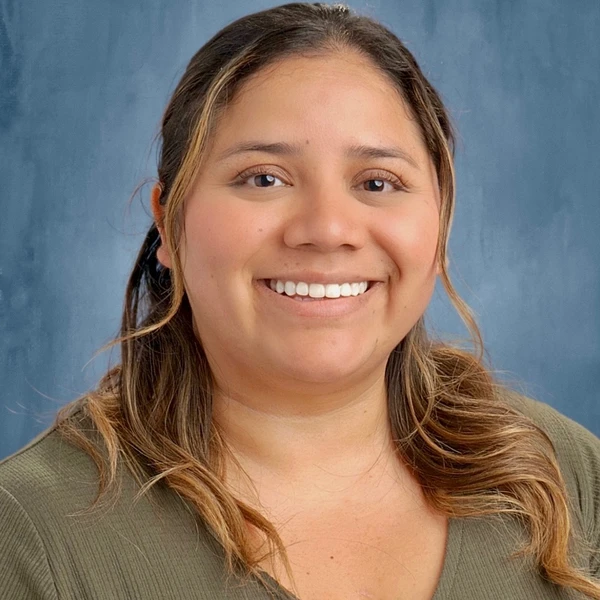
Sheyla Guerrero

1x

Finalist

Bio

Elementary educator and instructional leader with experience supporting diverse learners through data-driven, student-centered instruction. Passionate about equity, collaboration, and helping students reach their full potential.

Education

Florida Atlantic University

Master's degree program
2025 - 2026
  • Majors:
    • Education, Other

Florida Atlantic University

Bachelor's degree program
2015 - 2017
  • Majors:
    • Education, General

Palm Beach State College

Associate's degree program
2012 - 2015
  • Majors:
    • Education, General
  • Not planning to go to medical school
  • Career

    • Dream career field:

      Education

    • Dream career goals:

    • Elementary Teacher

      Whispering Pines Elementary School
      2017 – Present9 years
    • HR Administrator

      Sterling 5, Inc.
      2012 – 20175 years

    Sports

    Cheerleading

    Junior Varsity
    2009 – 20101 year

    Public services

    • Volunteering

      Pentecostals of Cooper City — Main Toddler Teacher
      2008 – 2022
    Taylor Swift Fan Scholarship
    One of the most moving performances of Taylor Swift’s career for me is her live performance of “All Too Well (10 Minute Version)” on Saturday Night Live in 2021. What made this performance so powerful was not just the song itself, but the moment in her career it represented. By the time Taylor performed this version, she was no longer a young artist trying to prove herself—she was a woman fully owning her narrative, her artistry, and her resilience. The performance felt raw and intentional. Taylor stood alone with minimal staging, allowing the storytelling to take center stage. Every lyric was delivered with control rather than desperation, reflecting growth rather than heartbreak alone. Knowing the history behind the song—how fans had waited years for its full release—made the performance feel communal, as if she was honoring both her past self and the audience that grew alongside her. This performance captures the essence of a life in the spotlight: revisiting old wounds with clarity, transforming vulnerability into strength, and using art as both reflection and release. It showed how Taylor has learned not just to survive fame, but to shape it on her own terms—an evolution that perfectly aligns with the spirit of The Life of A Showgirl.
    Nabi Nicole Grant Memorial Scholarship
    One of the most difficult challenges I have faced was the loss of my brother. Grief is not something you ever prepare for, and in the immediate aftermath, I felt overwhelmed by pain, confusion, and a deep sense of emptiness. During that time, my faith became my anchor. When I did not have the words to express my grief or the strength to carry it on my own, I leaned on God to sustain me through moments that felt unbearable. Prayer became a source of comfort and stability for me and my family. Even when I struggled to understand why this loss occurred, I found peace in surrendering my questions and pain to God. Faith did not erase the hurt, but it gave me hope—hope that my brother’s life had meaning beyond this world and that God was walking with us through our sorrow. Trusting in God’s presence helped me take each day one step at a time when looking too far ahead felt impossible. Equally powerful during this time was the support of my church family. Their prayers, encouragement, and presence reminded me that I was not alone. They showed up for my family in tangible ways—through words of comfort, quiet companionship, and unwavering support. Knowing that others were lifting my family up in prayer gave me strength when my own faith felt fragile. It reinforced the belief that faith is not only personal, but communal, rooted in love, service, and shared hope. Through this experience, my faith matured. I learned that relying on God does not mean having all the answers, but trusting Him even in uncertainty. Loss reshaped my perspective on life, deepened my empathy for others who are hurting, and strengthened my desire to serve with compassion. The strength I gained through faith continues to guide how I support others—especially during moments of struggle, loss, or transition. Through this loss I also learned to have empathy for my students and their families, to show God through every conference, every meeting, and every conflict. While grief remains a part of my story, my faith transformed it into a source of resilience. Through God, prayer, and the unwavering support of my church community, I found the courage to heal, to grow, and to move forward with purpose. That season of loss reaffirmed my belief that even in the darkest moments, faith can be a powerful source of hope and healing.
    Special Needs Advocacy Inc. Kathleen Lehman Memorial Scholarship
    I am a fifth-grade teacher and emerging school leader who believes that educational equity begins with presence, advocacy, and intentional systems of support—especially for students with special needs. My passion for serving students with disabilities is deeply personal. Growing up as the oldest sibling, I often stepped into a caregiving role within my family, learning early how patience, empathy, and structure can profoundly shape a child’s confidence and success. Later, the loss of my brother, who struggled with ADHD and negative school experiences, further solidified my commitment to becoming the kind of educator and leader who ensures that students with special needs are truly seen, supported, and believed in. As a classroom teacher, I have worked closely with students receiving exceptional student education (ESE) services, English language learners with disabilities, and students within the Lowest 25% subgroup. These experiences taught me that special education is not about lowering expectations, but about removing barriers and providing the right supports so students can access grade-level learning with dignity. I have seen firsthand how instructional clarity, scaffolding, and strong teacher collaboration can dramatically change outcomes for students who have historically been marginalized. As I transition into leadership, my goal as an assistant principal is to create systemic, sustainable change that positively impacts students with special needs beyond a single classroom. In this role, I plan to advocate for inclusive practices by supporting teachers through targeted professional development focused on differentiation and data-driven instructional decision-making. I believe that when teachers feel supported rather than judged, they are more willing to reflect, adapt, and grow—benefiting students who require individualized support. Additionally, as an assistant principal, I will use data as a tool for equity rather than compliance. By closely monitoring ESE progress data, IEP implementation, and subgroup performance, I can help ensure that instructional decisions are proactive rather than reactive. I am especially committed to fostering collaborative PLCs where general education and special education teachers work together to problem-solve, share strategies, and take collective ownership of student growth. Beyond academics, I recognize the importance of social-emotional development for students with special needs. As a school leader, I will prioritize creating a safe, inclusive school culture where students feel a sense of belonging and are empowered to advocate for themselves. This includes strengthening family partnerships, ensuring clear communication, and promoting restorative practices that support behavior growth rather than punishment. Ultimately, my vision as an assistant principal is to be a leader who builds systems that affirm every learner’s worth. By combining compassion with accountability, and advocacy with action, I hope to create schools where students with special needs are not just accommodated—but celebrated, challenged, and prepared to thrive.
    RonranGlee Special Needs Teacher Literary Scholarship
    “I have learned that the purpose of teaching is to bring the student to his or her sense of his or her own presence.” — Harold Bloom When I read this quote, it immediately made me think about the students who sit in classrooms every day but don’t always feel seen. To me, a “sense of one’s own presence” means helping students recognize that they matter — that their thoughts, feelings, and efforts have value, and that they belong in the learning space just as they are. This idea is exactly why I am passionate about special education. Many students with disabilities spend much of their academic journey being defined by what they struggle with. They are pulled out, labeled, corrected, or compared, often without being given the chance to truly understand themselves as learners. Over time, this can impact their confidence and sense of identity. As a special education teacher, I see my role as helping students reconnect with themselves — not just as students, but as individuals with strengths, voices, and potential. For my students, developing a sense of their own presence starts with feeling safe. I believe students cannot grow if they are constantly anxious about being wrong or misunderstood. I work intentionally to create a classroom environment where mistakes are normal, effort is celebrated, and students feel comfortable showing up as their authentic selves. When students feel emotionally safe, they begin to take risks — and that is where real learning begins. I also guide students toward recognizing their strengths. Even when progress is small, I help students see it and name it. I want them to understand that growth does not always look the same for everyone, and that their path is still meaningful. Through reflection, goal-setting, and consistent encouragement, I help students build confidence in their abilities and develop pride in their progress. Most importantly, I want my students to know that they have a voice. I teach them how to advocate for themselves, express their needs, and reflect on how they learn best. When students can say, “I need help,” “I’m proud of this,” or “I can try again,” they begin to truly experience a sense of their own presence. My mission as a special education teacher is to help students feel seen, capable, and worthy — not in spite of their differences, but because of them. If I can help even one student believe in themselves a little more than they did before, then I know I have fulfilled the purpose of teaching.