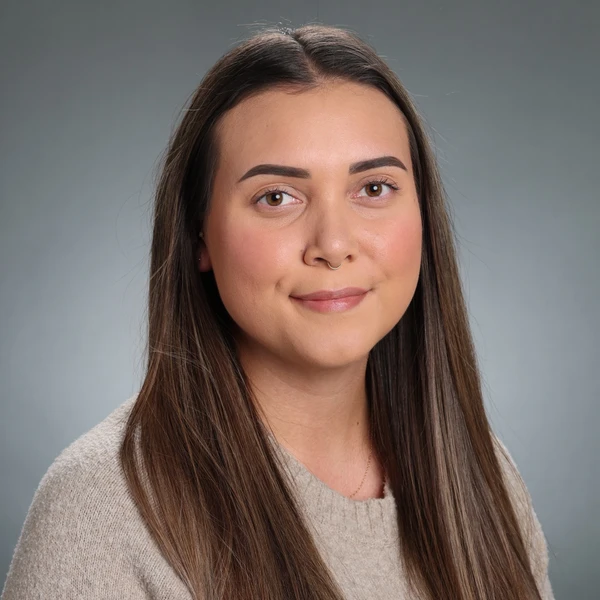
Hayward, CA
Age
24
Gender
Female
Ethnicity
Native American/Indigenous Peoples
Hobbies and interests
Advocacy And Activism
Child Development
Mental Health
Reading
Education
Psychology
Fantasy
I read books daily
US CITIZENSHIP
US Citizen
LOW INCOME STUDENT
Yes
FIRST GENERATION STUDENT
Yes
Sherie Martinez
1x
Finalist1x
Winner
Sherie Martinez
1x
Finalist1x
WinnerBio
I am deeply passionate about mental health and committed to making a lasting impact in the field of counseling psychology. My journey toward becoming a Marriage and Family Therapist (MFT) is fueled by a strong desire to support and guide children, adolescents, and families through their unique challenges. With a background rooted in understanding the complexities of human relationships, I have always been drawn to the healing potential that therapy offers, particularly for those in their formative years.
Growing up, I witnessed firsthand the impact that mental health can have on individuals and families. These experiences shaped my understanding of the importance of emotional well-being and inspired me to pursue a career where I can help others navigate their struggles and find resilience. I believe that fostering secure, empathetic relationships is crucial to healthy development, and I am committed to being a source of support for those who need it most.
Currently, I am pursuing a degree in counseling psychology with the goal of becoming a licensed MFT. My academic journey has been driven by a belief in the power of therapy to transform lives. I have focused my studies on understanding the dynamics within families and the ways in which early experiences shape an individual’s emotional and psychological development.
Education
Santa Clara University
Master's degree programMajors:
- Clinical, Counseling and Applied Psychology
GPA:
3.9
San Francisco State University
Bachelor's degree programMajors:
- Human Development, Family Studies, and Related Services
- Psychology, General
GPA:
3.5
Miscellaneous
Desired degree level:
Master's degree program
Graduate schools of interest:
Transfer schools of interest:
Majors of interest:
Career
Dream career field:
Mental Health Care
Dream career goals:
Marriage and Family Therapist
Assistant Director
Early Childhood Development2021 – 20254 yearsSubstance Use Clinician
Santa Clara County Behavioral Health2025 – Present1 year
Public services
Volunteering
Crisis Text Line — Crisis Volunteer2022 – 2024
Future Interests
Advocacy
Volunteering
Deanna Ellis Memorial Scholarship
My lived experience with substance use has shaped my beliefs, relationships, and career aspirations, and continues to serve as a foundation for my identity as both a person and an emerging clinician in the mental health field. Growing up in a family system impacted by addiction exposed me early to the complexity, pain, and generational impact of substance use disorders, while also revealing the powerful role that stability and support can play in altering life trajectories.
My childhood was marked by significant instability due to my mother’s alcoholism and my stepfather’s opioid addiction. Their relationship was often chaotic and at times associated with emotional and physical abuse. As a child, I did not have the language to understand what I was witnessing, but I experienced the emotional reality of it, unpredictability, fear, and a lack of safety in what should have been a protective environment. Addiction was not an abstract concept for me; it was a lived reality that shaped daily life and family dynamics. Later, I witnessed the effects of addiction again when my sister developed her own struggles with opioids. Seeing her go through a similar cycle reinforced the intergenerational nature of substance use and the ways in which environment, trauma, and access to support can influence outcomes.
These experiences also led to periods of separation within my family, including the loss of my relationship with my mother and sister for some time due to the instability and toxicity of the environment. That loss was deeply impactful and contributed to my understanding that addiction often fractures relationships in ways that are painful and long-lasting. At the same time, my life was also shaped by a powerful counterbalance: my father provided a structured, safe, and nurturing environment. His stability, consistency, and emotional support introduced me to what healthy attachment and caregiving could look like. I often reflect on how significant that intervention was in changing the trajectory of my life. It provided me with the foundation I needed to grow, heal, and eventually pursue opportunities that may not have otherwise been accessible to me.
These contrasting experiences have deeply influenced my beliefs about substance use and recovery. I have come to understand addiction as a complex biopsychosocial condition rather than a moral failing. I recognize how trauma, environment, and systemic barriers intersect to shape substance use patterns, and how critical protective factors such as stable relationships and access to care are in supporting recovery and resilience. My lived experience has strengthened my belief in the importance of compassion, patience, and trauma-informed care in all aspects of treatment.
Currently, I am completing my master’s degree in counseling psychology and preparing to become a licensed clinician. I work directly with youth ages 12–21 who are experiencing substance use and addiction, providing both mental health and recovery-oriented services. In this role, I support young people as they navigate challenges similar in some ways to those, I witnessed growing up family instability, emotional distress, and cycles of use. This work is deeply meaningful to me because it allows me to translate my lived experience into clinical understanding and empathy, while also maintaining professional boundaries and evidence-based practice.
Ultimately, my experiences have not only shaped my career aspirations but also strengthened my commitment to becoming a clinician who offers stability, understanding, and hope. I am driven by the belief that even in the context of addiction and adversity, meaningful change is possible when individuals are met with consistency, compassion, and support.
Bulkthreads.com's "Let's Aim Higher" Scholarship
I want to pursue a career in the nonprofit sector because I am motivated by work that is mission-driven, community-centered, and grounded in direct service rather than profit. My experiences have shown me that some of the most meaningful and necessary support systems exist outside of traditional healthcare settings, often within organizations that are deeply embedded in the communities they serve. Nonprofits are frequently the first point of contact for individuals and families navigating mental health challenges, substance use, housing instability, or other complex needs. I am drawn to being part of that front line where trust is built, barriers are reduced, and care is made more accessible.
What stands out to me about nonprofit work is its flexibility to respond to real community needs rather than rigid systems or insurance-driven models of care. In many of the environments I have worked in or observed, I have seen how quickly gaps appear when services are fragmented or inaccessible. Nonprofit organizations often step into those gaps, offering prevention, outreach, education, and ongoing support that people might not otherwise receive. I want to be part of that kind of responsive and adaptive care, especially for populations that are historically underserved or overlooked.
My passion for this work is also rooted in my desire to support youth and families who are navigating layered challenges such as trauma, substance use, and mental health concerns. I have seen how early intervention and consistent support can significantly change the trajectory of a young person’s life. I also understand how easily individuals can fall through the cracks when systems are difficult to navigate or when care feels out of reach. Working in the nonprofit sector allows me to focus on prevention, engagement, and long-term support rather than only crisis response.
Through my work, I hope to create a positive impact by helping build environments where people feel seen, heard, and supported without judgment. This includes strengthening access to mental health and substance use services, increasing education and awareness around early warning signs, and helping reduce the stigma that often prevents individuals from seeking help. I also hope to contribute to programs that are culturally responsive and community-informed, ensuring that services reflect the lived realities of the populations they are designed to serve.
Another way I hope to make an impact is by supporting collaboration between systems such as schools, healthcare providers, and community organizations so that care feels more connected rather than fragmented. Many individuals struggle not because services do not exist, but because navigating them can be overwhelming. I want to help simplify that process and advocate for integrated approaches that make support more accessible and sustainable.
Ultimately, I am pursuing nonprofit work because it aligns with my values of service, equity, and connection. I want my career to be centered on making tangible differences in people’s daily lives, especially for those who have historically had limited access to care. My goal is to contribute to communities in a way that fosters resilience, hope, long-term healing.
Women in Healthcare Scholarship
Entering the mental health field is not just a career choice for me, but a reflection of the values that have shaped how I understand people, relationships, and systems of care. Through my experiences in case management, substance use services, and mental health support work, I have come to recognize several core values that consistently guide my approach: empathy, advocacy, trauma-informed understanding, and a belief in resilience and growth. These values do not exist in isolation but together, they form the foundation of how I hope to practice and contribute to the field in a meaningful way.
One of my strongest values is empathy and nonjudgmental understanding. In working with individuals experiencing severe mental health challenges, substance use, and complex life circumstances, I have learned that behaviors often represent deeper unmet needs or unresolved experiences. Rather than focusing solely on symptoms or diagnoses, I aim to understand the person behind them. This perspective allows me to approach clients with curiosity instead of judgment and to create space where they feel safe being honest about their experiences. I believe that healing begins in environments where individuals feel seen and understood without any labels.
Closely connected to this is my value of advocacy, particularly for underserved or marginalized populations. Much of my interest in mental health comes from witnessing how systems can unintentionally overlook people who are already struggling. Whether in school-based settings or community services, I have seen how access to care, resources, and consistent support can vary widely. I want my work to help bridge those gaps. Advocacy, for me, means not only supporting clients directly but also helping ensure their needs are communicated clearly within multidisciplinary teams and larger systems of care.
Another guiding value is a trauma-informed perspective. I have come to understand that a person’s current challenges often cannot be separated from their past experiences, environment, or support systems. In my documentation and clinical thinking, I consistently consider context such as family dynamics, stressors, and developmental history when understanding behavior. This approach helps shift the focus from “what is wrong with you” to “what has happened to you”. It also encourages patience in the therapeutic process, recognizing that change often takes time and stability.
Finally, I value resilience and growth, both in clients and in myself as a developing professional. I have worked with individuals navigating recovery, academic pressures, and major life transitions, and I have seen that progress is rarely linear. Even small steps forward can represent meaningful change. This has shaped my belief that people are capable of growth even after setbacks, and that consistency, support, and encouragement can make a significant difference over time.
These values directly inform the kind of mental health professional I aspire to become. They influence how I build rapport, how I interpret client behavior, and how I collaborate with other providers. Most importantly, they remind me that effective mental health work is not only about interventions, but about relationship, understanding, and respect for each person’s story.
Lost Dreams Awaken Scholarship
To me, recovery isn't just about the absence of opioids (my drug of choice); it’s about the presence of purpose. Back when I was a teenager caught in the cycle of addiction, my entire world shrank down to basic survival. Recovery meant finally stepping out of that survival mode and actually learning how to live.
It means looking at the damage I did, both to my own body and to my family, and choosing to use that pain as a blueprint for something better. It’s the quiet, daily commitment to facing reality without being dependent on a chemical. But more than anything, recovery means taking my absolute lowest point and turning it into a tool to help others.
When I sit across from a teenager in my county job who feels just as lost as I did at fifteen, recovery is what allows me to look them in the eye and honestly say, "I get it, and it gets better." As I finish my Master’s in Counseling Psychology and work toward becoming a licensed clinician, recovery is my driving force. It’s the reason I’m so passionate about early prevention. Recovery gave me a second chance, and now, it means dedicating my career to helping the next generation find theirs.
Max Bungard Memorial Scholarship
Starting at fifteen, I didn't realize how quickly a few bad choices could turn into a full-blown prison. What began as experimentation with opioids soon became my entire life, stretching through the end of high school. For a long time, I was just going through the motions, completely controlled by a cycle of addiction that took away my focus, my goals, and my sense of self.
The wake-up call didn't come gradually; it came all at once with my first overdose. Facing a life-or-death situation has a way of stripping away all the excuses. Looking at my family and seeing the pain and fear I had put them through was the hardest part. It wasn't just about what I was doing to my body anymore, but it was about the wake of destruction I was leaving behind. That was the moment I realized I couldn't do this for another day. I chose to survive, and more importantly, I chose to change.
Recovery was a lot of hard, quiet work. It meant learning how to handle reality without a chemical dependency and taking accountability for the person I had become. It was about rebuilding my life brick by brick, and with every day of sobriety, I started to see a future that actually felt worth reaching for. I had to rebuild every relationship that I destroyed and slowly but surely gain each individuals trust back. Of course, there were many times where the drugs kept calling my name back to them. It took a strong support system in place to prevent me from going down that dark path again.
Fast forward to now, and that struggle has completely shaped my career path. I’m currently finishing up my master’s degree in Counseling Psychology and working with the county to provide substance use treatment for youth ages 12 to 21. There’s a unique power in sitting across from a teenager who is struggling and being able to tell them, "I’ve been exactly where you are." My goal is to be a licensed clinician who focuses on early prevention. I want to get ahead of these severe mental health challenges before they spiral into the kind of crisis I went through. Turning my rock bottom into a foundation for helping others has been the most rewarding part of my growth. I went from being a kid lost in the system to a professional dedicated to fixing it, and I’m ready to help the next generation find their way out before they lose themselves.
Future Nonprofit Leaders Award
I want to pursue a career in the nonprofit sector because I am motivated by work that is mission-driven, community-centered, and grounded in direct service rather than profit. My experiences have shown me that some of the most meaningful and necessary support systems exist outside of traditional healthcare settings, often within organizations that are deeply embedded in the communities they serve. Nonprofits are frequently the first point of contact for individuals and families navigating mental health challenges, substance use, housing instability, or other complex needs. I am drawn to being part of that front line where trust is built, barriers are reduced, and care is made more accessible.
What stands out to me about nonprofit work is its flexibility to respond to real community needs rather than rigid systems or insurance-driven models of care. In many of the environments I have worked in or observed, I have seen how quickly gaps appear when services are inaccessible. Nonprofit organizations often step into those gaps, offering prevention, outreach, education, and ongoing support that people might not otherwise receive. I want to be part of that kind of responsive and adaptive care, especially for populations that are historically underserved.
My passion for this work is also rooted in my desire to support youth and families who are navigating layered challenges such as trauma, substance use, and mental health concerns. I have seen how early intervention and consistent support can significantly change the trajectory of a young person’s life. I also understand how easily individuals can fall through the cracks when systems are difficult to navigate or when care feels out of reach. Working in the nonprofit sector allows me to focus on prevention, engagement, and long-term support rather than only crisis response.
Through my work, I hope to create a positive impact by helping build environments where people feel seen, heard, and supported without judgment. This includes strengthening access to mental health and substance use services, increasing education and awareness around early warning signs, and helping reduce the stigma that often prevents individuals from seeking help. I also hope to contribute to programs that are culturally responsive and community informed. Another way I hope to make an impact is by supporting collaboration between systems such as schools, healthcare providers, and community organizations so that care feels more connected. Many individuals struggle not because services do not exist, but because navigating them can be overwhelming. I want to help simplify that process and advocate for integrated approaches that make support more accessible and sustainable.
Ultimately, I am pursuing nonprofit work because it aligns with my values of service, equity, and connection. I want my career to be centered on making tangible differences in people’s daily lives, especially for those who have historically had limited access to care. My goal is to contribute to communities in a way that fosters resilience, hope, and long-term healing.
Pay It Forward Scholarship
I chose to pursue a career in mental health because I have seen how deeply people can struggle in silence, especially when their experiences are misunderstood, minimized, or overlooked. Growing up, I was surrounded by environments where emotional pain, substance use, and instability were present but rarely addressed in ways that felt safe or supportive. I learned early on that people can carry heavy burdens without having the language, resources, or trust to ask for help. That realization stayed with me and shaped how I view both suffering and healing.
What drew me specifically to this field was not just the presence of hardship, but the absence of accessible, meaningful support. I became aware that many individuals, especially youth, are navigating complex emotional and environmental challenges without consistent guidance. Instead of being met with curiosity or care, they are often labeled, disciplined, or ignored. I wanted to be part of a profession that responds differently and one that slows down, listens, and works to understand the full context of a person’s life.
In my current work with youth, I see how early experiences, family dynamics, and social pressures intersect with mental health and substance use. I have worked with young people who are trying to manage overwhelming thoughts, including suicidal ideation, while also dealing with expectations at school, conflict at home, or exposure to substance use. These are not isolated issues, they are interconnected, and they require a thoughtful, integrated approach. This is what continues to draw me deeper into the field: the opportunity to work at those intersections and help young people make sense of their experiences in a way that feels empowering rather than defeating.
Pursuing a graduate degree is the next step in strengthening my ability to do this work effectively and ethically. I want to deepen my clinical understanding of trauma, co-occurring disorders, and adolescent development, while also building skills that allow me to intervene earlier and more effectively. My goal is not only to support individuals in moments of crisis, but to be part of systems that reduce the likelihood of those crises occurring in the first place.
In the future, I plan to use my degree to expand access to mental health care in settings where it is often limited or inconsistent. I am especially interested in school-based and community-based services, where young people are more likely to engage and where prevention can have a lasting impact. I also hope to contribute to program development that integrates mental health and substance use services, rather than treating them as separate issues.
Beyond direct clinical work, I want to be involved in advocacy and education—helping families, schools, and communities better understand mental health and how to respond to it. There is still a significant gap between what people experience and the support that is available to them. I want my work to help close that gap by creating spaces where people feel seen, supported, and equipped to move forward.
Ultimately, I chose this field because it aligns with both my experiences and my values. It allows me to contribute to something larger than myself while working directly with individuals in meaningful and impactful ways.
Arne Hyson Memorial Scholarship: Studies in Mental Health and Related Healthcare
WinnerMy experience with mental health has profoundly shaped my goals, relationships, and understanding of the world. Growing up, I was exposed to multiple Adverse Childhood Experiences which significantly influenced my psychological and emotional development. Chronic stress, instability, and unmet emotional needs shaped how I learned to relate to others and to myself. These early experiences heightened my sensitivity to threat, contributed to persistent anxiety, and fostered a deep sense of hypervigilance. Emotionally, I learned to adapt by suppressing distress and prioritizing survival, often at the expense of self-awareness and connection.
For many years, I understood the world through a lens of caution and self-protection. Relationships felt complex and, at times, unsafe, requiring me to constantly assess my environment and anticipate potential harm. While these adaptations once served as protective mechanisms, they later manifested as emotional dysregulation, somatic anxiety, and difficulty fully engaging in moments of safety and joy. Through therapy and reflective work, I have come to understand these patterns not as personal deficits, but as predictable responses to early relational trauma. This reframing has been central to my healing and to the development of compassion toward myself and others.
These experiences have directly shaped my professional goals and clinical identity. As a substance use clinician working with youth, I see daily how unresolved trauma and chronic stress can lead to maladaptive coping strategies, including substance use. Many of the young people I work with share similar histories of ACEs, emotional neglect, and systemic barriers to care. Witnessing how early distress often goes unnoticed until it escalates into severe mental health or substance-related crises has reinforced my commitment to early intervention.
My lived experience allows me to approach this work with deep empathy and attunement. I am particularly mindful of how mental health challenges can present behaviorally or somatically in youth and how these signs are frequently misunderstood or dismissed. In my clinical practice, I prioritize building trust, normalizing emotional experiences, and helping young clients develop language for feelings that may have previously been expressed through behavior or substance use. I believe that addressing mental health concerns early and before they become entrenched patterns can significantly alter life trajectories.
On a relational level, my experiences have reshaped how I connect with others. I value authenticity, emotional safety, and mutual accountability in relationships. I am more intentional about boundaries and more compassionate toward the complexities people carry into their interactions. Understanding the systemic and relational roots of behavior has softened my judgments and expanded my capacity for empathy, both personally and professionally.
Ultimately, my mental health journey has shifted my understanding of the world from one centered on individual pathology to one rooted in systemic context and relational healing. It has clarified my purpose as a clinician: to advocate for trauma-informed, developmentally appropriate, and accessible mental health care for youth. By intervening early and addressing the underlying emotional and relational needs of young people, I hope to prevent the progression of severe mental health challenges and contribute to more resilient individuals, families, and communities.