
Hobbies and interests
Church
Dance
FBLA
FFA
Volleyball
Advocacy And Activism
Animals
Concerts
Nursing
Pickleball
Shali McCright
1x
Finalist
Shali McCright
1x
FinalistBio
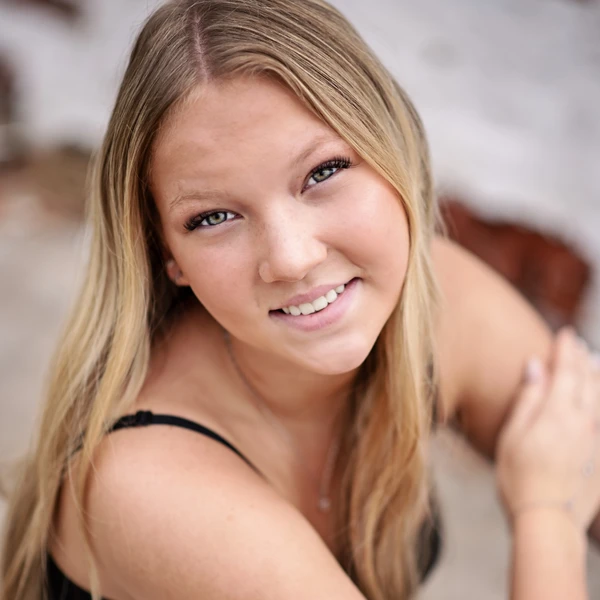
Hi, I’m Shali McCright, a graduating high school senior in the Class of 2026 with a passion for healthcare and helping others. This fall, I’ll be attending Bryan College of Health Sciences to pursue my Bachelor of Science in Nursing and become a Registered Nurse.
For the past year, I’ve been working as a Certified Nursing Assistant, where I’ve gained hands-on experience caring for patients and supporting healthcare teams. That experience has confirmed for me that nursing is exactly where I’m meant to be. I love being able to make a difference, even in small ways, and I’m excited to continue growing my skills and compassion as I work toward my career in nursing.
Education
Bryan College of Health Sciences
Bachelor's degree programMajors:
- Registered Nursing, Nursing Administration, Nursing Research and Clinical Nursing
Wilber-clatonia High School
High SchoolMiscellaneous
Desired degree level:
Bachelor's degree program
Graduate schools of interest:
Transfer schools of interest:
Majors of interest:
- Registered Nursing, Nursing Administration, Nursing Research and Clinical Nursing
Career
Dream career field:
Hospital & Health Care
Dream career goals:
Work as an Registered Nurse in elderly care or endocrinology.
Certified Nursing Assistant
Tabitha2025 – Present1 year
Sports
Volleyball
Varsity2022 – 20264 years
Awards
- Varsity Letter
Arts
Wilber Beseda Dancers
Dance2013 – 2025The Edge
Dance2013 – 2023
Public services
Advocacy
JDRF/Breakthrough T1D — I have walked in the JDRF One Walk/Breakthrough T1D Walk and gathered pledges. I have used social media to spread awareness of the struggles and triumphs of those with T1D, and I have used my voice to advocate for awareness and monetary support.2019 – PresentAdvocacy
Wilber Beseda Dancers — Traditional Czechoslovakian Dancer2013 – 2025Volunteering
Wilber United Methodist Church — Preparing and serving meals, cleaning and organizing, decorating for special events2019 – PresentVolunteering
Beatrice Humane Society — Teaching dogs social skills, cleaning kennels, unloading pet food, laundering kennel towels and blankets, socializing with adoption families2024 – 2025Volunteering
Saline County Aging Services — Fund raising2025 – 2026
Future Interests
Advocacy
Volunteering
Doing Hard Things My Way: Adaptive Athlete Scholarship
I didn't set out to become an adaptive athlete, I became one by learning how to keep playing the sport I love while working through physical challenges most athletes never have to face. I started playing volleyball when I was in elementary school. I loved playing with my friends, and I was inspired by my favorite team, the Huskers. By high school, I was competing on both varsity and club teams, and growing my skills as a volleyball player. At the same time, I was managing Type 1 diabetes, along other chronic health conditions, which meant that every practice, game, and tournament required a level of preparation and awareness that most athletes never have to think about.
Learning to compete while constantly monitoring my glucose was one of the biggest challenges I've faced. Blood sugar doesn't follow a schedule and it doesn't always cooperate with the demands of a physically active young woman. There were times when I felt perfectly fine, only to have my blood sugar drop unexpectedly. It would frustrate me to have to go to the bench, check my levels, treat my low, and miss out on playing time that I worked so hard for. It didn't match up with my goals. I wanted to be consistent, reliable, and fully in the game, but my body sometimes had other plans.
I had to learn to stay mentally strong when things didn't go as expected. I had to become more in tune with my body, more disciplined in my routines, and more patient when things changed. I leaned on my support system, like my mom, who came to every game with a bag of sugary snacks, and my coach, who famously called a time-out in the first minute of a game to bring me a juice box on the court. Communicating with my coaches and team helped me advocate for what I needed. Over time, my teammates and coaches became just as aware of my blood sugar symptoms as I was.
To me, being an adaptive athlete means finding a way to move forward when the path isn't straight or clear. It means always showing up, even when there are extra challenges waiting for you. Its about using resources, being resilient, and being determined. My experience has taught me that I am strong in ways that are physically invisible. I have the ability to adjust and keep going.
Sports shaped my mindset in ways that reach far beyond the court. Volleyball taught me to push through difficult moments and reach for my goals. Living with a disability while competing has given me confidence because I know what it takes to succeed. I've learned that I can do the hard things because I'm willing to put in the effort to make them possible. That mindset carries over into other areas of my life, like academics and future career plans.
I plan to continue pushing myself personally and academically as I move into the next stage of my life. While I may not compete at the same level, the lessons I've learned as an adaptive athlete will stay with me. I will carry forward the discipline, resilience, and advocacy that I learned on the volleyball court. My experiences have also inspired my plans to become a nurse where I can support others facing their own challenges with the same determination.
My experience as an athlete hasn't been typical, but it has been meaningful. I've learned how to adapt, advocate, and take action even when it's hard. More than anything, that is what defines me as an athlete.
Carolyn Craddock Memorial Scholarship
I was 11 years old when I was diagnosed with Type 1 diabetes. At that age, I didn't fully understand how much my life was about to change. I just knew that my parents were suddenly very worried about me and nothing was as simple as it once was. A few weeks after my hospital stay for my Type 1 diagnosis, I found out I also had Celiac disease and Hashimotos disease - what my doctors called the autoimmune trifecta. While other kids my age were focused on school, friends, and sports, I was learning how to count carbs, calculate insulin doses, and recognize gluten in food. But the hardest part wasn't the medical routine, it was learning how to be different in a world where fitting in felt so important.
Junior high and high school made that difference more visible. There were times when my continuous glucose monitor or insulin pump would beep, giving me a lot of anxiety because I knew that other kids didn't beep during class. My teachers even made comments about the noises that came from my devices, giving me the assumption that I was being a burden and a bother. I earned the nickname of "Dump Truck". I felt the weight of being "the girl with diabetes" and just wanted to blend in. In high school, I figured out a way to avoid the beeping from my insulin pump, but it came with a high cost - high blood sugar. By changing some settings on my pump I would automatically become less noisy and fit in, but my health would suffer. I felt like it was a fair trade just to fit in.
The place where I would start to gain confidence was on the volleyball court. As a committed athlete playing both varsity high school and club volleyball, I refused to let diabetes define my limits. I had coaches who finally advocated for me and cared about my health. They didn't complain about my beeping devices. Instead, they made sure that I was okay. I'll never forget the day that my coach called a time-out in the first minute of a game when she heard my CGM alert for a low blood sugar. She brought me a juice box onto the court and from that moment I knew that my health was being taken seriously by my coach, and I began to take it more seriously as well.
The qualities that Carolyn Craddock is remembered for, like kindness, inclusion, work ethic, motivation, determination, drive, and advocacy, are qualities I strive to live out every day. I know what it feels like to stand out in ways you didn’t choose, and because of that, I lead with empathy and inclusion. Managing a chronic illness has required a level of responsibility and persistence that has strengthened my work ethic and determination. And through it all, I’ve developed a drive not just to succeed, but to help others feel seen, supported, and understood.
Today, I am pursuing a future in nursing, where I can turn my experiences into purpose. Living with Type 1 diabetes has given me a perspective that goes beyond textbooks. It has shown me what it truly means to be a patient, to face challenges quietly, and to keep going anyway. I didn’t choose this diagnosis, but I have chosen how I respond to it. And I will continue to carry that resilience, compassion, and determination with me in everything I do.