user profile avatar

Susan Rogers

1x

Finalist

Bio

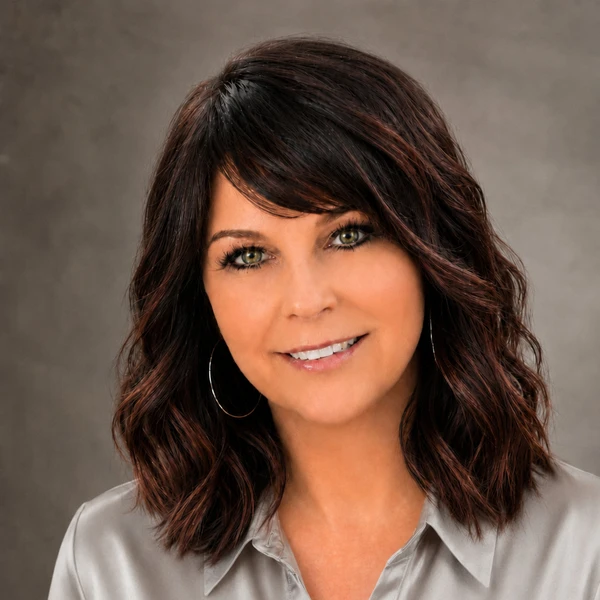
I am 61 years young and returning to school with a deep sense of purpose, resilience, and calling. After a successful career with a Fortune 500 company, I made the difficult but meaningful decision to resign from my position to care for my mother, who was living with advanced dementia. Rather than place her in a care facility, I chose to become her caregiver. We shared fourteen beautiful years together, and I would not trade that time for anything. That experience changed me. It deepened my compassion, strengthened my faith, and gave me a greater understanding of the emotional, relational, and practical challenges women often carry quietly. It also inspired me to return to school to become a therapist. My goal is to specialize in women’s mental health, particularly supporting women who have experienced abuse, trauma, loss, and major life transitions. I am also passionate about serving women and children through community behavioral health, where compassionate and accessible care is so deeply needed. As an older woman returning to school, I bring lived experience, empathy, perseverance, and a strong commitment to helping others heal. This scholarship would support not only my education, but also my dream of using my life experience to serve women, children, and families with dignity, compassion, and hope.

Education

Abilene Christian University

Master's degree program
2025 - 2027
  • Majors:
    • Behavioral Sciences

University of Illinois at Springfield

Bachelor's degree program
2022 - 2025
  • Majors:
    • Behavioral Sciences

Miscellaneous

  • Desired degree level:

    Doctoral degree program (PhD, MD, JD, etc.)

  • Graduate schools of interest:

    • Abilene Christian University
  • Transfer schools of interest:

  • Majors of interest:

  • Not planning to go to medical school
  • Career

    • Dream career field:

      • Mental Health Care
    • Dream career goals:

      Public services

      • Advocacy

        CAST- Child advocasy and marginilized women and children — volunteer
        2013 – Present

      Future Interests

      Advocacy

      Politics

      Volunteering

      Philanthropy

      Entrepreneurship

      Elizabeth Schalk Memorial Scholarship
      My decision to pursue a graduate degree in Marriage and Family Therapy is deeply connected to my own family history. I grew up in a home where verbal, emotional, and physical abuse shaped the atmosphere of everyday life. My mother endured the greatest share of my father’s physical violence, while my sister and I were subjected to ongoing mental and verbal abuse. Home was unpredictable. As a child, I learned to survive by becoming quiet, observant, and emotionally self-contained. I often retreated to my bedroom, where books became both my refuge and my escape. Reading allowed me to enter worlds that felt safer and more understandable than my own. Yet the most damaging lesson was not simply that abuse occurred. It was that we were expected to hide it. I still carry this with me today as receiving mental health counseling back then was taboo. That silence affected my understanding of mental health for many years. Abuse does not end when the shouting stops or when the person leaves the room. It can shape a child’s nervous system, self-worth, relationships, and ability to recognize what is safe. It can teach a person to minimize pain, distrust their own emotions, and believe that keeping the family secret is more important than seeking help. Shame often becomes part of the abuse itself. Families may appear successful, educated, or respected from the outside while privately struggling with violence, fear, addiction, shame, or emotional neglect. In my professional life, I became a leader who valued listening, collaboration, encouragement, and dignity. I learned that people do not thrive under fear or humiliation; they thrive when they are seen, respected, and believed in. I mentored women, repaired strained professional relationships, and helped teams succeed by focusing on their strengths rather than controlling them through intimidation. Eventually, I left that career and returned to Michigan when my mother developed dementia. Rather than place her in a care facility, I became her caregiver for fourteen years. I experienced it as one of the greatest privileges of my life. Caring for my mother allowed me to give her the safety, loyalty, and tenderness she had so often been denied. It also deepened my understanding of grief, trauma, aging, identity, and the emotional needs of families under stress. My mother’s life and the abuse she endured are central to my decision to earn a graduate degree in mental health. This degree is a tribute to her, but it is also a commitment to other women and children whose suffering remains unspoken. My desire is to work in community mental health, especially with underserved women and children affected by domestic violence, intergenerational trauma, neglect, and shame who could otherwise never afford treatment. I want clients to know that their experiences do not make them weak, damaged, or unworthy. Familial abuse can create patterns that repeat across generations. Children may learn that love and fear belong together, that silence is loyalty, or that conflict must be endured rather than resolved. Without intervention, these beliefs can influence adult relationships, parenting, self-esteem, and mental health. Returning to school later in life has required courage and sacrifice. I am not pursuing this degree because I am uncertain about my direction. I am pursuing it because my direction has become clear. My personal history, care giving experience, leadership background, and education have all led me toward the same purpose: to serve people who feel unseen and to help break cycles of abuse that are often protected by secrecy.
      Ethel Hayes Destigmatization of Mental Health Scholarship
      My decision to pursue a graduate degree in Marriage and Family Therapy is deeply connected to my own family history. I grew up in a home where verbal, emotional, and physical abuse shaped the atmosphere of everyday life. My mother endured the greatest share of my father’s physical violence, while my sister and I were subjected to ongoing mental and verbal abuse. As a child, I learned to survive by becoming quiet, observant, and emotionally self-contained. I often retreated to my bedroom, where books became both my refuge and my escape. Reading allowed me to enter worlds that felt safer and more understandable than my own. Yet the most damaging lesson was not simply that abuse occurred. It was that we were expected to hide it. I still carry this with me today, as receiving mental health counseling back then was taboo and never pursued. My sister and I were still expected to earn excellent grades, behave perfectly, and present ourselves as well-adjusted children. We were not allowed to cry, dwell on our pain, or openly discuss what was happening in our home. That silence affected my understanding of mental health for many years. Abuse does not end when the shouting stops or when the person leaves the room. It can shape a child’s nervous system, self-worth, relationships, and ability to recognize what is safe. It can teach a person to minimize pain, distrust their own emotions, and believe that keeping the family secret is more important than seeking help. Shame often becomes part of the abuse itself. Families may appear successful, educated, or respected from the outside while privately struggling with violence, fear, addiction, shame, or emotional neglect. I understand firsthand how easily suffering can remain hidden behind achievement and a polished appearance My sister and I used humor as a coping mechanism, sometimes laughing at circumstances that might otherwise have overwhelmed us. Humor did not erase the pain, but it helped us create emotional distance from it. Over time, I developed perseverance, flexibility, empathy, and the ability to remain calm during conflict. These strengths supported me throughout my education and later during a demanding career in luxury brand sales management. In my professional life, I became a leader who valued listening, collaboration, encouragement, and dignity. I learned that people do not thrive under fear or humiliation; they thrive when they are seen, respected, and believed in. I mentored women, repaired strained professional relationships, and helped teams succeed by focusing on their strengths rather than controlling them through intimidation. Although my career brought success, travel, and financial stability, it did not fully answer the deeper calling created by my own life experiences. I left that career and returned to Michigan when my mother developed dementia. Rather than place her in a care facility, I became her caregiver for fourteen years. Some people may have viewed that decision as giving up a successful career, but I experienced it as one of the greatest privileges of my life. Caring for my mother allowed me to give her the safety, loyalty, and tenderness she had so often been denied. It also deepened my understanding of grief, trauma, aging, identity, and the emotional needs of families under stress. My mother’s life and the abuse she endured are central to my decision to earn a graduate degree in mental health. This degree is a tribute to her, but it is also a commitment to other women and children whose suffering remains unspoken. My desire is to work in community mental health, especially with underserved women and children affected by domestic violence, intergenerational trauma, neglect, and shame who could otherwise never afford treatment. I want clients to know that their experiences do not make them weak, damaged, or unworthy. I want to help them understand that the coping skills they developed were often intelligent responses to unsafe circumstances, even when those same strategies no longer serve them. Familial abuse can create patterns that repeat across generations. Children may learn that love and fear belong together, that silence is loyalty, or that conflict must be endured rather than resolved. Without intervention, these beliefs can influence adult relationships, parenting, self-esteem, and mental health. I hope to help families identify these patterns without shaming them. My goal is not to define people by what happened to them, but to help them understand how their experiences shaped them and how new choices can create a different future. Returning to school later in life has required courage and sacrifice. I am not pursuing this degree because I am uncertain about my direction. I am pursuing it because my direction has become clear. My personal history, care giving experience, leadership background, and education have all led me toward the same purpose: to serve people who feel unseen and to help break cycles of abuse that are often protected by secrecy. A scholarship would support more than my education. It would support my ability to transform painful family experiences into compassionate and ethical service. I cannot change what my mother, my sister, or I endured, but I can decide what grows from it. I can use my education to create safe spaces where women and children are believed, where emotions are not treated as weaknesses, and where asking for help is recognized as an act of strength. My life has taught me that resilience is not pretending that nothing happened. True resilience is facing what happened, understanding its impact, and choosing not to let it have the final word. I am pursuing a career in mental health because I believe healing becomes possible when silence is replaced with truth, shame is replaced with compassion, and fear is replaced with safety. This is how cycles are broken. This is how families change. This is how beauty can rise from ashes.
      Fishers of Men-tal Health Scholarship
      My decision to pursue a graduate degree in Marriage and Family Therapy is deeply connected to my own family history. I grew up in a home where verbal, emotional, and physical abuse shaped the atmosphere of everyday life. My mother endured the greatest share of my father’s physical violence, while my sister and I were subjected to ongoing mental and verbal abuse. Home was unpredictable. As a child, I learned to survive by becoming quiet, observant, and emotionally self-contained. I often retreated to my bedroom, where books became both my refuge and my escape. Reading allowed me to enter worlds that felt safer and more understandable than my own. Yet the most damaging lesson was not simply that abuse occurred. It was that we were expected to hide it. I still carry this with me today, as receiving mental health counseling back then was taboo and never pursued. My sister and I were still expected to earn excellent grades, behave perfectly, and present ourselves a children. We were not allowed to dwell on our pain, or openly discuss what was happening in our home. That silence affected my understanding of mental health for many years. Abuse does not end when the shouting stops or when the person leaves the room. It can shape a child’s nervous system, self-worth, relationships, and ability to recognize what is safe. It can teach a person to minimize pain, distrust their own emotions, and believe that keeping the family secret is more important than seeking help. Shame often becomes part of the abuse itself. Families may appear successful, educated, or respected from the outside while privately struggling with violence, fear, addiction, shame, or emotional neglect. I understand firsthand how easily suffering can remain hidden behind achievement and a polished appearance. At the same time, my childhood also taught me about resilience. My grandparents’ home showed me that relationships could be peaceful, affirming, and safe. My sister and I used humor as a coping mechanism, sometimes laughing at circumstances that might otherwise have overwhelmed us. Humor did not erase the pain, but it helped us create emotional distance from it. Over time, I developed perseverance, flexibility, empathy, and the ability to remain calm during conflict. These strengths supported me throughout my education and later during a demanding career in luxury brand sales management. In my professional life, I became a leader who valued listening, collaboration, encouragement, and dignity. I learned that people do not thrive under fear or humiliation; they thrive when they are seen, respected, and believed in. I mentored women, repaired strained professional relationships, and helped teams succeed by focusing on their strengths rather than controlling them through intimidation. Although my career brought success, travel, and financial stability, it did not fully answer the deeper calling created by my own life experiences. Eventually, I left that career and returned to Michigan when my mother developed dementia. Rather than place her in a care facility, I became her caregiver for fourteen years. Some people may have viewed that decision as giving up a successful career, but I experienced it as one of the greatest privileges of my life. Caring for my mother allowed me to give her the safety, loyalty, and tenderness she had so often been denied. It also deepened my understanding of grief, trauma, aging, identity, and the emotional needs of families under stress. My mother’s life and the abuse she endured are central to my decision to earn a graduate degree in mental health. This degree is a tribute to her, but it is also a commitment to other women and children whose suffering remains unspoken. My desire is to work in community mental health, especially with underserved women and children affected by domestic violence, intergenerational trauma, neglect, and shame who could otherwise never afford treatment. I want clients to know that their experiences do not make them weak, damaged, or unworthy. I want to help them understand that the coping skills they developed were often intelligent responses to unsafe circumstances, even when those same strategies no longer serve them. Familial abuse can create patterns that repeat across generations. Children may learn that love and fear belong together, that silence is loyalty, or that conflict must be endured rather than resolved. Without intervention, these beliefs can influence adult relationships, parenting, self-esteem, and mental health. I hope to help families identify these patterns without shaming them. My goal is not to define people by what happened to them, but to help them understand how their experiences shaped them and how new choices can create a different future. Returning to school later in life has required courage and sacrifice. I am not pursuing this degree because I am uncertain about my direction. I am pursuing it because my direction has become clear. My personal history, caregiving experience, leadership background, and education have all led me toward the same purpose: to serve people who feel unseen and to help break cycles of abuse that are often protected by secrecy. A scholarship would support more than my education. It would support my ability to transform painful family experiences into compassionate and ethical service. I cannot change what my mother, my sister, or I endured, but I can decide what grows from it. I can use my education to create safe spaces where women and children are believed, where emotions are not treated as weaknesses, and where asking for help is recognized as an act of strength. My life has taught me that resilience is not pretending that nothing happened. True resilience is facing what happened, understanding its impact, and choosing not to let it have the final word. I am pursuing a career in mental health because I believe healing becomes possible when silence is replaced with truth, shame is replaced with compassion, and fear is replaced with safety. This is how cycles are broken. This is how families change. This is how beauty can rise from ashes. “It is in deep waters that God teaches us to swim.” Matshona Dhliwayo "The Spirit of the Lord God is upon me. To grant consolation and joy to those who mourn- to give them an ornament of beauty instead of ashes, the oil of joy instead of mourning, the garment of praise instead of a heavy, burdened, and failing spirit—that they may be called oaks of righteousness [lofty, strong, and magnificent, distinguished for uprightness, justice, and right standing with God], the planting of the Lord, that He may be glorified." Isaiah 61:1a, 3 AMPC
      Learner Mental Health Empowerment for Health Students Scholarship
      Beauty for Ashes “It is in deep waters that God teaches us to swim.” — Matshona Dhliwayo My life began at the tail end of the baby boom era, in 1964, in a family where education was deeply valued. I was taught a path of discipline, independence, choices, and growth. My grandfather had the greatest influence on how I came to understand compassion and resilience. He endured deep losses, including the suicide of his father and the death of his young son. Yet he continued to serve others as a physician; serving the marginalized populations at no charge. My childhood was complicated. From the outside, our family looked successful and polished. Inside the home, there was chaos, conflict, and abuse. My mother carried much of my father’s physical violence, while my sister and I experienced the emotional and verbal damage. I had nowhere to go when life became too loud. Despite the instability, the expectations for my sister and me never changed. Just as I was preparing to leave for college, I was in a near-fatal car accident. I went through the windshield of my mother’s car and suffered severe injuries. My recovery was painful and humiliating at times, but my sister helped me laugh, even when life felt unbearable. Humor became one of my survival skills. It taught me not to take myself too seriously and helped me find light in dark places. As an adult, I built a successful career in the global beauty industry. I was recruited by L’Oréal and later by Louis Vuitton Moët Hennessy, where I became a national sales manager. The work was demanding and competitive, but the lessons I had learned early in life helped me succeed. I understood discipline, conflict, resilience, and relationship building. I learned how to lead teams, repair broken business relationships, manage challenges, and grow through failure instead of being defeated by it. My leadership style was shaped by my life experience. I became a servant leader. I believed in listening, encouraging, collaborating, and helping people believe in themselves. I learned that conflict does not have to be destructive. When handled with humility and honesty, conflict can bring understanding and resolution. Eventually, I left my corporate career and returned to Michigan when my mother’s health declined and she developed dementia. I chose to care for her myself rather than place her in a facility. Many people may have seen that decision as giving something up. For me, it became one of the greatest gifts of my life. We had fourteen precious years together, and I would not trade them for anything. Caring for my mother changed me. It deepened my empathy, my faith, and my understanding of human suffering. It also gave me a clearer purpose. Returning to school to earn a graduate degree in mental health is, in many ways, a tribute to her. Because of what she endured, I want to specialize in women’s mental health, abuse recovery, and community behavioral health for women and children. My life has been a story of survival, resilience, and transformation. I have learned that we can become victors rather than victims. “Beauty for ashes” means that the painful parts of life do not have to be wasted. Hurtful words, trauma, loss, illness, accidents, and grief can become part of a larger story of growth, compassion, and service. True success is found in what we are able to give, how we love, how we serve, and how we use our experiences to help others. Ironically, without the ashes, I may never have discovered my beauty.
      Debra S. Jackson New Horizons Scholarship
      Beauty for Ashes “It is in deep waters that God teaches us to swim.” — Matshona Dhliwayo My life began at the tail end of the baby boom era, in 1964, in a family where education was deeply valued. My father was an attorney, my mother had a master’s degree, and both sides of my family included generations of professionals. Education was never presented as optional. It was taught as a path to discipline, independence, choices, and growth. My grandfather had the greatest influence on how I came to understand resilience. He endured deep losses, including the death of his young son. Yet he continued to serve others as a physician, write, attend lectures, and remain a lifelong learner. He taught me, through his example, that growth is possible even after great pain. My childhood was complicated. From the outside, our family looked successful and polished. Inside the home, there was chaos, conflict, and abuse. My mother carried much of my father’s physical violence, while my sister and I experienced the emotional and verbal damage. Despite the instability, the expectations for my sister and me never changed. We were expected to do well in school, behave properly, and appear happy and well-adjusted. Like many women of that era, we were taught to fix our hair, put on lipstick, and smile no matter what. At the time, that felt unfair and silencing. Looking back, I can see that it also taught me perseverance, focus, and the ability to keep moving through difficult circumstances. Just as I was preparing to leave for college, I was in a near-fatal car accident. I went through the windshield of my mother’s car and suffered severe injuries. My recovery was painful and humiliating at times, but my sister helped me laugh, even when life felt unbearable. Humor became one of my survival skills. It taught me not to take myself too seriously and helped me find light in dark places. As an adult, I built a successful career in the global beauty industry. I was recruited by L’Oréal and later by Louis Vuitton Moët Hennessy, where I became a national sales manager. The work was demanding and competitive, but the lessons I had learned early in life helped me succeed. I understood discipline, conflict, resilience, and relationship building. I learned how to lead teams, repair broken business relationships, manage challenges, and grow through failure instead of being defeated by it. Eventually, I left my corporate career and returned to Michigan when my mother’s health declined and she developed dementia. I chose to care for her myself rather than place her in a facility. Many people may have seen that decision as giving something up. For me, it became one of the greatest gifts of my life. We had fourteen precious years together, and I would not trade them for anything. Caring for my mother changed me. It deepened my empathy, my faith, and my understanding of human suffering. It also gave me a clearer purpose. Returning to school to earn a graduate degree in mental health is, in many ways, a tribute to her. Because of what she endured, I want to specialize in women’s mental health, abuse recovery, and community behavioral health for women and children. My life has been a story of survival, resilience, and transformation. I have learned that we can become victors rather than victims. “Beauty for ashes” means that the painful parts of life do not have to be wasted. Hurtful words, trauma, loss, illness, accidents, and grief can become part of a larger story of growth, compassion, and service.