Hobbies and interests
ROTC
Bowling
Chess
Mentoring
Driving
Reading
Weightlifting
Senon Cobbins
1x
FinalistSenon Cobbins
1x
FinalistBio
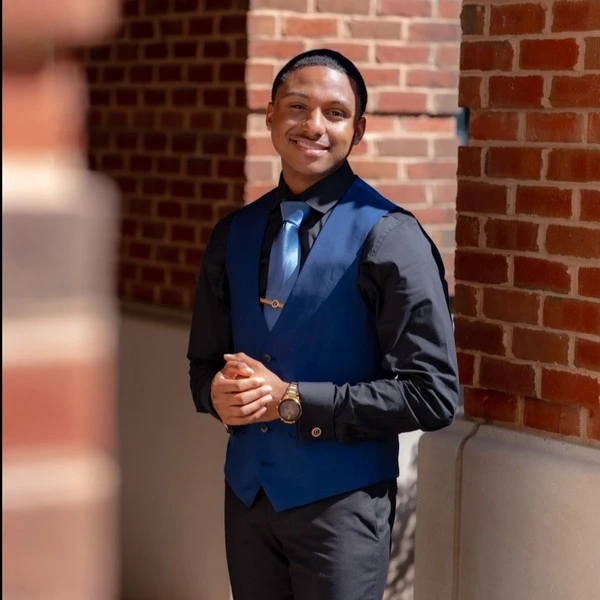
I'm an engineering major and computer science minor at Tuskegee University, and I am proudly serving in the NROTC program. Originally from Orlando, Florida, I’m driven by a deep commitment to leadership, innovation, and service. Through my academic journey and military training, I'm preparing to lead with purpose, whether it's advancing technology or serving my country. With a strong foundation in both engineering and computer science, I’m focused on making a real impact wherever I go.
Education
Tuskegee University
Bachelor's degree programMajors:
- Computer Engineering
Miscellaneous
Desired degree level:
Master's degree program
Graduate schools of interest:
Transfer schools of interest:
Majors of interest:
Career
Dream career field:
Military
Dream career goals:
Footwear Lead and Team Sports Lead
Dick's Sporting Goods2023 – Present3 years
Public services
Volunteering
Skegee Community Serice Committee, Hampton Roads Volunteer Org. — Service my community and do what is needed.2022 – Present
Chadwick D. McNab Memorial Scholarship
One of the most meaningful projects I’ve had the opportunity to work on so far took place during a summer training evolution through my involvement with NROTC. As a midshipmen (MIDN) and a Computer Engineering major, I was tasked with a team project focused on evaluating and improving shipboard communication systems. While I expected to gain technical insight, the experience ended up teaching me just as much about teamwork, leadership, and the importance of communication in high-stakes environments.
The objective was to assess the current communication flow between departments on a simulated naval vessel and identify areas where performance and clarity could be improved. At first, the project seemed purely technical—analyzing latency, signal degradation, and hardware limitations. But once we began interviewing crew members, observing watchstanders, and running through drills, I started to understand how critical clear and reliable communication is to mission success and operational safety.
I worked alongside fellow midshipmen, enlisted mentors, and ship technicians to dig into the real-world impact of the system’s shortcomings. One conversation that stuck with me was with a petty officer who explained how a split-second delay in engineering reports often disrupted the bridge’s ability to respond effectively during high-tempo operations. That interaction shifted the way I approached the project. It wasn’t just about numbers or code—it was about people, timing, and trust.
Our team responded by proposing adjustments to message prioritization protocols and communication routing to reduce signal lag and improve response times. We focused not just on improving technology, but on creating systems that better supported the sailors relying on them. Working together in this environment taught me that successful engineering isn’t just about solving problems—it's about listening, adapting, and collaborating with people from different backgrounds and experiences.
As a MIDN, I’m learning that leadership doesn’t only happen in front of a formation—it’s also found in moments of service and attention to detail. This project showed me how vital it is to combine technical skill with emotional intelligence, to understand the needs of those you’re serving, and to work with humility and purpose. It also reinforced my desire to use my education in Computer Engineering not just for innovation, but to directly support mission readiness and improve lives—on and off the ship.
Looking forward, I’m excited to continue developing as both a future officer and an engineer. I know that the lessons I learned during that project—about teamwork, trust, and the human element of technology—will shape how I lead, how I serve, and how I contribute to any unit or team I’m a part of.
Chris Jackson Computer Science Education Scholarship
I’ve always been curious about how things work. Growing up in Orlando, Florida, I was that kid who loved taking apart gadgets just to see what was inside. Sometimes I got in trouble for it, but that curiosity was the start of something much bigger, a real passion for technology. For a long time, though, it felt more like a hobby than a career path. It wasn’t until I started studying Computer Engineering at Tuskegee University that I realized this could be my future.
Being a Computer Engineering major with a minor in Computer Science has shown me how powerful and creative technology can be. It’s not just about programming or building hardware, it’s about solving problems and making an impact on people’s lives. I love the challenge of working through complex problems and the satisfaction that comes with finding a solution. This drives me to keep learning and improving every day.
After graduation, I plan to commission as an officer in the U.S. Navy through the NROTC program. Serving in the Navy will help me develop leadership skills and give me a chance to serve my country. But my goals go beyond military service. I want to combine leadership and technology to protect and improve communities, whether through cybersecurity, infrastructure, or innovation. Ultimately, I hope to mentor young people, especially those from underrepresented backgrounds, and help them see that technology is a field where they belong.
Mentorship matters to me because growing up, I rarely saw people like me in STEM or leadership roles. That made it hard to imagine myself in those spaces. But when I found mentors and programs that believed in me, it changed everything. I want to pay it forward by supporting others and encouraging them to pursue their passions.
I believe I’m a strong candidate for this scholarship because of my dedication and resilience. Balancing a challenging major with leadership and military training hasn’t been easy, but it’s taught me discipline and time management. More than anything, I’m motivated by a desire to make a positive impact, on my community and the world.
Receiving this scholarship would not only ease financial pressures but also show that someone believes in my potential. It would allow me to focus more on my studies and leadership, and less on financial stress. I’m committed to using this opportunity to grow and give back, creating a path for myself and others to succeed.
Private (PVT) Henry Walker Minority Scholarship
If given the opportunity, I would focus on improving my community by expanding access to STEM education and mentorship for young people, especially those from underserved backgrounds. Growing up in Orlando, I saw how hard it can be for students to stay motivated when they don’t see real opportunities ahead of them. I also know how powerful it can be when someone believes in you, offers guidance, and shows you what’s possible. That’s something I want to be for others.
Right now, I’m studying Computer Engineering with a minor in Computer Science at Tuskegee University, and I’m also a midshipman in the NROTC program. Both experiences have shaped how I view leadership, service, and education. Being in NROTC has taught me discipline, accountability, and how to lead with purpose, while my studies have helped me realize how much impact technology can have on people’s lives. Combining those two passions, leadership and technology, I see an opportunity to create lasting change in the communities that need it most.
If I could, I would start by creating programs that introduce students to STEM in ways that are fun, hands-on, and easy to understand. Not everyone gets exposed to coding or robotics in high school, and even fewer get to see someone from their background working in those fields. I’d build community workshops and partner with local schools to offer classes and mentorship led by college students and professionals, especially those of color, who can relate to where these kids are coming from. When students feel represented, they’re more likely to stay engaged and believe they belong.
But it wouldn’t just be about teaching technical skills. I’d also focus on mentorship, confidence-building, and career exploration. I want to help students understand that their path doesn't have to be limited. They can be engineers, scientists, naval officers, or anything else they set their minds to, regardless of what challenges they’ve faced.
This mission is personal for me. I didn’t always see myself becoming an engineer or a future Naval officer. It took mentors, supportive teachers, and programs that pushed me to grow. Now that I’ve found my direction, I feel a responsibility to give back. I’ve already started doing this in small ways, helping classmates, volunteering in youth outreach programs, and encouraging others to explore STEM, but I know there’s so much more that can be done.
Improving my community is important to me because I know the kind of talent and potential that exists there, it just needs to be unlocked. So many young people are capable of greatness, but they don’t always have access to the tools or encouragement they need. I want to be someone who helps open those doors.
At the end of the day, it's not just about building systems or solving technical problems. It's about building people, building confidence, and building futures. That’s what I want to do, not just with my degree, but with my life.
Larry Joe Gardner Memorial Scholarship for Public Policy
My name is Senon Cobbins, and I’m a Computer Engineering major with a minor in Computer Science at Tuskegee University. I’m also a midshipman in the NROTC program and plan to commission as a Naval Officer after completing my undergraduate degree. I’m originally from Orlando, Florida, and I’ve always been passionate about leadership, service, and technology. My journey is rooted in the desire to not only build things that matter but also to be a part of something greater than myself, something that gives back to the community and inspires others to do the same. Through my degree and future career, I plan to make a positive impact in three main ways.
One, leading through service in the Navy. As a future Naval Officer, I’ll have the privilege of leading Sailors from all walks of life. My job won’t just be to give orders, it will be to serve, mentor, and support those under my command. I plan to create a leadership environment based on respect, accountability, and empowerment. I want to ensure that everyone I work with feels valued and has the tools they need to succeed, both in and outside of the military.
Two, increasing access to future STEM students. With my background in computer engineering and computer science, I plan to help close the opportunity gap in tech by teaching or mentoring students from underrepresented communities. I know how powerful it is to see someone who looks like you doing the work you dream of. Whether it's through coding workshops, speaking at schools, or eventually becoming an educator, I want to make technology feel more accessible and exciting for the next generation, especially for Black and brown students who might not always feel like there's a place for them in STEM.
Finally, promoting ethical Innovation and responsibility. Technology is shaping our world more than ever, but with that power comes responsibility. I want to encourage future engineers and developers to think critically about how their work affects people. Whether in defense, civilian tech, or education, I plan to be a voice for responsible innovation, making sure we build systems that protect people, respect privacy, and serve the greater good. Right now, I’m already working to make an impact through mentorship and community involvement. On campus, I’m committed to supporting my peers, especially those adjusting to the demands of NROTC and STEM coursework. I also participate in volunteer efforts aimed at encouraging high school students to consider college and military pathways. These small moments, whether it’s helping someone with homework, talking to students about scholarships, or simply listening, can make a big difference.
In everything I do, my mission is clear: to lead with integrity, give back to my community, and open doors for others. I believe real change happens when you combine purpose with action, and I’m committed to using my degree and career to make that change last.
Mark A. Jefferson Teaching Scholarship
Growing up in Orlando, Florida, I always had a deep respect for people who gave their lives to something bigger than themselves. Whether it was a teacher who stayed after school to help students or a service member in uniform who showed quiet strength and commitment, I admired those who led by example. That’s what inspired me to follow a path that combined both service and education.
I’m currently a Computer Engineering major with a minor in Computer Science at Tuskegee University, and I’m also a member of the NROTC program. Balancing college and military training isn’t always easy, but it’s helped me grow in ways I never expected. I've learned discipline, time management, and how to stay focused under pressure, but more importantly, I’ve learned the kind of leader I want to be. When I am commissioned as an officer in the U.S. Navy after graduation, I’ll be stepping into a role that demands responsibility, empathy, and a commitment to others, qualities I’ve worked hard to develop.
But my goals don’t stop there. I’ve always had a passion for helping others learn, especially in areas like technology, where access and support can make all the difference. As someone studying engineering and computer science, I know firsthand how challenging and intimidating these fields can be. That’s why I want to become an educator later in my career, not just to teach equations or code, but to show students that they belong in these spaces. I want to be the kind of mentor and guide I once looked up to, especially for students who may not see themselves represented in STEM.
I believe that teaching is one of the most powerful ways to make a lasting impact. Educators don’t just pass on knowledge, they shape confidence, create opportunity, and often help students see potential in themselves that they didn’t know existed. I want to bring that same energy into the classroom one day, combining my military experience and technical background to make learning real, relevant, and empowering.
What I’ve learned through NROTC and my time at Tuskegee is that leadership isn’t about having all the answers, it’s about showing up for people, listening, and helping them grow. That’s the kind of leader I want to be, whether I’m serving in uniform or standing in front of a classroom. I want to use my journey to open doors for others, especially those who come from places like mine.
Ultimately, my mission is simple: to lead with purpose, teach with heart, and leave a legacy beyond myself. I believe that through education and service, I can help build a future where more young people feel seen, supported, and inspired to chase their own dreams—just like I did.