
Hobbies and interests
Photography and Photo Editing
Hiking And Backpacking
Running
Clinical Psychology
Mental Health
Pediatrics
Reading
Adventure
Drama
Health
I read books multiple times per week
Sebastian Cazares
1x
Finalist
Sebastian Cazares
1x
FinalistBio
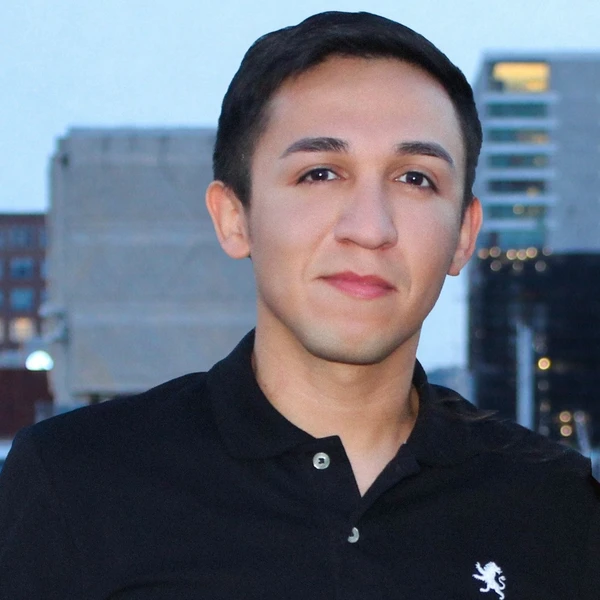
Hi! My name is Sebastian Cazares, and I am currently working toward my Bachelor of Science in Nursing, expected to graduate in 2026. As a first-generation college student raised by immigrant parents, earning my degree means more than personal success it represents sacrifice, resilience, and opportunity.
I have worked in healthcare for over ten years, and those experiences have shown me how powerful compassion and clear communication can be. As a bilingual healthcare professional, I have seen how language barriers can affect patient care, and I am committed to being a nurse who makes every patient feel heard and respected.
I want to make a positive impact by serving diverse and underserved communities with empathy, cultural understanding, and strong advocacy. Nursing is not just a career for me it is a way to give back and create meaningful change, one patient at a time.
Thank you to everyone who takes the time to support students like me. Your encouragement helps make these goals possible.
Education
West Coast University-Dallas
Bachelor's degree programMajors:
- Registered Nursing, Nursing Administration, Nursing Research and Clinical Nursing
Minors:
- Neurobiology and Neurosciences
Tarleton State University
Bachelor's degree programMajors:
- Psychology, General
Miscellaneous
Desired degree level:
Master's degree program
Graduate schools of interest:
Transfer schools of interest:
Majors of interest:
- Registered Nursing, Nursing Administration, Nursing Research and Clinical Nursing
Career
Dream career field:
Medical Practice
Dream career goals:
Nurse Tech
Baylor All Saints2018 – Present8 years
Sports
Cross-Country Running
Intramural2021 – 20221 year
Research
Behavioral Sciences
MHMR — Psychology Research Assistant2024 – Present
Arts
Adobe Premiere Pro
Cinematography2018 – Present
Public services
Public Service (Politics)
FW Animal Care & Control — Volunteer2024 – 2025
Future Interests
Advocacy
Volunteering
Entrepreneurship
Second Chance Scholarship
The night I realized I was heading down the wrong path, I saw the disappointment in my parents’ eyes—but I also saw something stronger: hope. Even when I gave them every reason to give up on me, they never did. Their belief in me, especially when I didn’t believe in myself, is the reason I want to make a permanent change in my life. I want my story to become proof that your worst decisions do not have to define your future. For a period of my life, I made choices that didn’t align with the person I was raised to be. I surrounded myself with the wrong influences and lost sight of my goals. What changed me was not a single dramatic moment, but the quiet consistency of my parents’ support. They held me accountable, reminded me of my potential, and refused to let my mistakes become my identity. That unconditional support made me realize I owed it to them—and to myself—to become better.
Since then, I have taken intentional steps to rebuild my life with discipline and purpose. I returned to school with a renewed mindset and committed myself fully to my education. As a nursing student, I’ve dedicated long hours to studying, clinical preparation, and personal growth. I have worked to develop stronger habits, manage my time effectively, and surround myself with people who push me forward rather than pull me back. Most importantly, I’ve learned to take responsibility for my actions and to view challenges as opportunities to grow instead of excuses to quit.
This scholarship would relieve financial stress and allow me to focus more fully on my academic performance and clinical excellence. Nursing school is demanding, both mentally and financially. With this support, I can dedicate more time to mastering the skills necessary to provide safe and compassionate care. It would also serve as confirmation that my efforts to change direction truly matter—that others see potential in me just as my parents always have. I do not want my story to end with personal success; I want it to multiply. My goal is to share my experiences with teenagers and young adults who may feel stuck or defined by poor choices. Many young people believe that one mistake determines their entire future. I want to stand in front of them as living proof that redemption is possible. Whether through mentorship programs, community outreach, or simply honest conversations, I plan to use my journey to encourage others to take responsibility, seek support, and choose growth.
My parents never gave up on me, even when they had every reason to. This scholarship would help me continue building a life that reflects their faith in me. More importantly, it would help me pay that faith forward—by becoming the kind of person who refuses to give up on others.
Sarah Eber Child Life Scholarship
One of the most significant periods of adversity in my life occurred during my nursing education, when I was balancing intense academic demands, financial strain, and personal mental health challenges all at once. As someone paying for school out of pocket while working and managing daily responsibilities, the pressure often felt overwhelming. At the same time, I was navigating anxiety, depression, ADHD, and the academic challenge of dyscalculia, which made medication math especially difficult due to frequently mixing up numbers despite understanding the concepts. There were moments when the stress felt constant and discouraging, and I began to question whether I was capable of succeeding in such a demanding program.
Initially, I viewed this adversity as a personal limitation rather than a challenge that could be managed. I felt frustrated that I had to work twice as hard in certain areas, especially with medication calculations and timed exams, while also maintaining clinical performance and work responsibilities. However, after reflecting on my long-term goals and why I chose healthcare, I realized that giving up was not an option. My passion for nursing, combined with my years of experience in healthcare, reminded me that temporary struggles did not define my ability to become a compassionate and competent nurse.
My plan of action focused on adaptation rather than avoidance. Instead of ignoring my academic difficulties, I changed my study strategies to better align with how I learn. I began practicing medication math daily, breaking problems into structured steps, and slowing down to prioritize accuracy over speed. I also sought academic support, stayed organized with a strict schedule, and developed healthier coping mechanisms to manage stress and maintain focus. Most importantly, I learned to advocate for myself and acknowledge that needing support is part of growth, not weakness.
Over time, this experience significantly impacted my perception of life. I began to understand that adversity is not always meant to stop progress; sometimes it is meant to strengthen resilience and self-awareness. Struggling in such a high-pressure environment taught me patience, discipline, and perseverance in ways that success alone never could. It also deepened my empathy for others who face invisible challenges, whether academic, emotional, or personal.
This adversity ultimately changed how I view challenges and setbacks. Instead of seeing them as failures, I now see them as opportunities for growth and adaptation. It reinforced my belief that resilience is built through persistence, self-reflection, and continued effort even during uncertainty. Most importantly, it shaped my outlook on life by reminding me that progress is not always linear, but determination and purpose can carry you through even the most difficult circumstances.
Lippey Family Scholarship
I remember sitting in a medication math exam, double-checking my work repeatedly, yet still second-guessing every number I wrote down. No matter how well I understood the concepts, I often struggled with mixing up numbers, transposing digits, or overthinking calculations under pressure. As a nursing student, where accuracy in medication math is critical, this challenge felt overwhelming and discouraging. It was during this time that I had to confront how my dyscalculia was directly impacting my academic performance and confidence.
Medication math became one of the most difficult parts of my nursing program, not because I lacked effort or understanding, but because numbers required significantly more time and mental processing for me. Timed exams and dosage calculations heightened my anxiety, and I found myself spending extra time checking and rechecking my work out of fear of making small numerical mistakes. There were moments where I questioned my abilities and worried that this struggle would hold me back from progressing in a career I am deeply passionate about.
Instead of allowing frustration to define my experience, I chose to adapt and develop new strategies that worked for how I learn. I began practicing medication calculations daily, breaking problems down step by step, and using structured methods to avoid mixing up numbers. I also started slowing down intentionally, focusing on accuracy over speed, and using repetition to strengthen my confidence. Most importantly, I learned to advocate for myself academically and seek out additional support rather than silently struggling.
Through this challenge, I experienced significant personal growth. Struggling with medication math taught me resilience, patience, and discipline in a way that success alone could not. It showed me that persistence is not about being naturally strong in every area, but about continuing to improve despite difficulty. Over time, my confidence increased, and I became more comfortable approaching calculations with a calm and systematic mindset rather than fear.
This experience also deepened my empathy for others who face invisible learning challenges. It reminded me that many individuals work twice as hard to achieve the same outcomes, and that perseverance often goes unnoticed. As a future nurse, this lesson is especially meaningful. Patients, students, and colleagues may all face unseen struggles, and approaching them with patience and understanding is essential in healthcare.
Ultimately, my struggle with dyscalculia and medication math did not weaken my determination; it strengthened it. It taught me how to adapt, advocate for myself, and remain committed even when learning felt frustrating. Most importantly, it reinforced my resilience and reminded me that growth often comes from the challenges that initially feel the most discouraging.
First Generation Scholarship For Underprivileged Students
As a first-generation college student, pursuing higher education has never felt like a simple or straightforward path. It has required persistence, self-discipline, and the courage to navigate systems that were unfamiliar to both me and my family. I am currently a nursing student with over ten years of experience working in healthcare, and my journey has been shaped by personal challenges, financial responsibility, and a deep commitment to building a better future through education.
Growing up, higher education was not something that came with a clear roadmap. I had to learn how to balance work, school, and personal responsibilities largely on my own while managing financial strain and academic pressure. There were moments of self-doubt, especially while paying for school out of pocket and working toward my anticipated graduation in 2026, but I remained committed to my goals. My experiences with mental health challenges, including anxiety, depression, and ADHD, as well as navigating identity and stigma, strengthened my resilience and determination to continue forward rather than give up even during difficult periods.
Because of my background, I understand how intimidating higher education can feel for first-generation students. Many of us face barriers such as financial stress, lack of guidance, and the pressure of being the first in our families to pursue a degree. These experiences have shaped my desire not only to succeed academically but also to encourage and support others who may feel uncertain about their ability to pursue college or professional careers.
I plan to inspire and motivate other first-generation students by leading through example and authenticity. By sharing my story openly—both the struggles and the progress—I hope to show that challenges do not define a person’s potential. I want other students to see that it is possible to work, overcome personal obstacles, and still pursue higher education with determination and purpose. Representation matters, and being someone who understands their experiences can make higher education feel more attainable and less overwhelming.
In my future career as a nurse, I also hope to mentor students from diverse and first-generation backgrounds who are interested in healthcare. Whether through peer support, mentorship, or community involvement, I want to encourage others to believe in their capabilities and pursue their goals despite obstacles. Ultimately, my goal is to motivate first-generation students to view education not as an impossible path, but as an opportunity for growth, empowerment, and long-term impact within their families and communities.
Jimmy Cardenas Community Leader Scholarship
There was a time in my life when the weight of personal, academic, and emotional challenges made it feel easier to give up than to keep going. While pursuing my education and working in healthcare, I was also navigating depression, anxiety, ADHD, financial stress, and the pressure of not fully being able to express my identity due to stigma as a member of the LGBTQ community. Balancing these obstacles while remaining committed to my long-term goal of becoming a nurse was one of the most difficult periods of my life. However, instead of giving up, I chose to seek support, develop healthier coping strategies, and remain focused on the purpose that originally led me into healthcare.
One of the greatest obstacles I have overcome is continuing my nursing education despite financial strain and emotional challenges. Paying for school out of pocket while managing work and clinical responsibilities has required discipline, resilience, and sacrifice. There were moments of exhaustion and self-doubt, especially when the workload felt overwhelming. Rather than stepping away, I reminded myself of my experiences growing up around hospitals and my desire to make a meaningful difference in patients’ lives. Staying committed through these challenges has strengthened my perseverance and reinforced my dedication to completing my degree and graduating in 2026.
I have also demonstrated leadership throughout my time in healthcare and nursing school by supporting both patients and peers. With over ten years of experience in healthcare, I naturally take on a supportive role by helping new staff members, assisting classmates, and advocating for patients who may feel unheard. As a bilingual healthcare worker, I often step in to translate and explain care to Spanish-speaking patients and families, ensuring they fully understand their treatment and feel respected. This form of leadership is rooted in service, empathy, and advocacy rather than titles.
Additionally, during my current pediatric rotation, I have demonstrated leadership by remaining calm, adaptable, and patient-centered in clinical settings. I actively communicate with my team, ask thoughtful questions, and prioritize compassionate care, especially when working with children and anxious families. Leadership, to me, means setting a positive example through professionalism, kindness, and reliability, even during stressful situations.
Overcoming personal, financial, and academic obstacles has shaped me into a resilient and compassionate individual. These experiences have taught me that leadership is not just about authority, but about persistence, advocacy, and uplifting others. By refusing to give up despite challenges, I have demonstrated my commitment to my goals, my patients, and my future role as a nurse who leads with empathy, strength, and purpose.
Deborah Stevens Pediatric Nursing Scholarship
The moment I began my pediatric rotation, something immediately felt different. The environment, the energy, and the way nurses interacted with children and their families resonated with me in a way I did not expect. I found myself naturally drawn to the patience, creativity, and compassion required in pediatric care, and I quickly realized that this was a population I genuinely loved working with.
My decision to pursue nursing comes from both personal experiences and over ten years of working in healthcare. Growing up around hospitals due to close family members battling cancer, I witnessed firsthand how nurses provided not only medical care but also emotional support during some of the most vulnerable moments in a family’s life. Those experiences shaped my desire to become a nurse who advocates, comforts, and provides holistic care. Additionally, my personal journey with mental health challenges and navigating stigma as a member of the LGBTQ community strengthened my empathy and reinforced my passion for creating safe, supportive environments for patients.
Pediatric nursing, in particular, stood out to me during my clinical rotation because of the unique level of trust and reassurance children require. Caring for pediatric patients is not just about treating an illness; it involves easing fears, building trust, and supporting both the child and their family. I found fulfillment in using a calm, patient approach and adapting my communication style to meet children at their developmental level. Even small interactions, such as explaining procedures in a comforting way or helping a child feel less afraid, felt incredibly meaningful.
Another reason I am drawn to pediatric nursing is the opportunity to advocate early in a patient’s life. Children are often unable to fully express their needs, fears, or symptoms, which makes strong advocacy essential. As a bilingual healthcare professional, I am especially passionate about supporting diverse families, including Spanish-speaking parents who may feel overwhelmed or anxious in medical settings. Being able to bridge communication gaps while providing compassionate care aligns with my long-term goals as a nurse.
Ultimately, I am choosing nursing because it allows me to combine clinical skill with empathy, advocacy, and human connection. I want to pursue pediatric nursing because it gives me the opportunity to make a lasting impact during critical stages of a child’s life. By creating a supportive, safe, and compassionate environment, I hope to help children feel less fearful of healthcare and ensure families feel heard, respected, and genuinely cared for during difficult moments.
Jeune-Mondestin Scholarship
Some of my earliest memories are in hospital waiting rooms, watching loved ones battle different forms of cancer and witnessing how compassionate healthcare professionals could bring comfort during some of the most uncertain moments of our lives. Those experiences did not just influence my career choice—they shaped my values, resilience, and sense of purpose. I saw how nurses provided not only clinical care but also emotional support, reassurance, and advocacy for patients and families. From a young age, I understood that healthcare was more than medicine; it was about humanity, empathy, and being present when people needed it most.
I chose healthcare, specifically nursing, because it aligns deeply with both my personal experiences and my professional journey. I have worked in healthcare for over ten years, and throughout that time I have developed a strong passion for patient-centered care and advocacy. As a bilingual individual, I take pride in supporting Spanish-speaking patients and helping bridge communication gaps that often lead to fear, confusion, or misunderstandings in medical settings. Being able to advocate for patients in their preferred language and ensure they feel understood has shown me how impactful culturally competent care truly is.
My path into healthcare has also been shaped by personal challenges, including experiencing depression, anxiety, and ADHD, as well as navigating stigma as a member of the LGBTQ community. There was a time when I felt I could not fully be myself due to fear of judgment, and that experience gave me a deeper understanding of how isolating vulnerability can feel. These challenges strengthened my empathy, resilience, and emotional awareness, all of which are essential qualities in a healthcare professional. They also reinforced my belief that healthcare environments should be safe, inclusive spaces where patients feel respected regardless of their background or identity.
The difference I want to make in healthcare is rooted in advocacy, compassion, and human connection. I want to be the kind of nurse who reminds patients that they are more than a diagnosis or a chart number—they are individuals who deserve dignity, respect, and holistic care. I am especially passionate about supporting diverse and underserved populations, including those who face language barriers, cultural stigma, or limited access to care.
Ultimately, by pursuing a career in health science and nursing, I hope to create a lasting impact through compassionate, culturally sensitive, and patient-centered care. My goal is to combine clinical knowledge with genuine empathy so that every patient I encounter feels heard, valued, and supported during some of the most vulnerable moments of their lives, while also advocating for more inclusive and equitable healthcare systems.
Losinger Nursing Scholarship
Hospitals have been a constant presence throughout my life. From a young age, I watched close family members battle different cancers, and those experiences shaped the way I viewed healthcare and compassion. I remember sitting in hospital rooms, observing the nurses who not only provided medical care but also comforted my family during some of our most vulnerable moments. Their patience, empathy, and ability to advocate for patients left a lasting impression on me and planted the first seed of my desire to become a nurse.
My inspiration also comes from my own personal challenges. Growing up, I struggled with depression, anxiety, and ADHD, and as a member of the LGBTQ community, I often felt the pressure to hide parts of who I was due to stigma and fear of judgment. There was a time in my life when my mental health struggles felt overwhelming, and those experiences gave me a deeper understanding of how important compassionate care truly is. I learned how powerful it is when a healthcare professional treats you as a whole person rather than just a diagnosis.
In addition, I have spent over ten years working in healthcare, which has solidified my passion for nursing. Being bilingual has allowed me to advocate for Spanish-speaking patients and help bridge communication gaps that can impact care. Seeing patients feel relieved when they are understood and supported has reinforced my purpose. These combined personal and professional experiences have inspired me to pursue nursing so I can provide empathetic, culturally competent, and patient-centered care to individuals during their most vulnerable moments.
To me, the phrase “human touch” goes far beyond physical contact; it represents compassion, presence, empathy, and genuine connection. In healthcare, patients are often experiencing fear, pain, uncertainty, or loss of control. The human touch is the ability to remind them that they are not just a diagnosis, a chart, or a room number, but a person who deserves dignity, advocacy, and understanding.
Human touch can be as simple as listening attentively, speaking kindly, or acknowledging a patient’s emotions without judgment. During vulnerable moments, patients often remember how they were treated emotionally just as much as the clinical care they received. A nurse who takes the time to sit with a patient, explain procedures clearly, or offer reassurance can significantly reduce anxiety and build trust. This trust allows patients to feel safer, more cooperative in their care, and more open about their needs and concerns.
My personal experiences with mental health challenges and navigating stigma have shaped how I view the importance of human touch. I understand what it feels like to be silently struggling while appearing “fine” on the outside. Because of this, I am especially mindful of the emotional and psychological needs of patients. A compassionate interaction can make a meaningful difference, particularly for individuals who may feel overlooked, misunderstood, or afraid within the healthcare system.
Human touch also plays a vital role in advocacy. When healthcare professionals approach patients with empathy and respect, they are more likely to recognize subtle concerns, cultural needs, and emotional distress. This leads to more holistic and effective care. As a future nurse, I believe that combining clinical skill with genuine compassion is essential to quality patient care.
Ultimately, human touch is about reminding patients of their humanity during moments when they may feel vulnerable or powerless. It is the reassurance that they are seen, heard, and valued. By practicing empathy, cultural sensitivity, and active advocacy, nurses can create a healing environment where patients feel supported not only physically, but emotionally and mentally as well.
JK and Mary Ann Newville Memorial Engineering and Nursing Scholarship
There was a point in my life where my mental health felt heavier than anything I had ever carried. At a young age, I struggled deeply with depression and anxiety, and as a member of the LGBTQ community, those feelings were intensified by fear, stigma, and the pressure of not being able to fully be myself. I remember feeling like I had to hide parts of who I was just to feel accepted, and that internal conflict made my battle with depression even more isolating. There were moments where I felt like I was losing that battle, but those experiences ultimately became a turning point in how I view mental health, identity, and purpose.
Living through depression, anxiety, and ADHD has shaped my beliefs in profound ways. I no longer see mental health as something separate from overall health; instead, I believe it is foundational to a person’s well-being. Experiencing emotional struggles at a young age taught me resilience, self-awareness, and the importance of seeking support, even when it feels difficult. It also showed me how harmful silence and stigma can be, especially for individuals who already feel marginalized or misunderstood.
These experiences have significantly influenced my relationships. Because I know what it feels like to struggle internally while appearing “fine” on the outside, I approach others with more empathy, patience, and compassion. I am more intentional about creating safe spaces for open conversations and supporting those around me without judgment. My journey has helped me become a better listener, a more understanding friend, and someone who recognizes the importance of validating people’s experiences, even when they are not visible.
Academically and professionally, ADHD, anxiety, and depression have challenged me, but they have also strengthened my determination. As a nursing student, I have had to develop strong coping strategies, time management skills, and self-discipline to stay focused and succeed. Balancing mental health while pursuing a rigorous healthcare education has not been easy, but it has made me more adaptable, persistent, and committed to my goals. Rather than allowing these challenges to define my limitations, I have learned to use them as motivation to keep moving forward.
Most importantly, my mental health journey has directly shaped my career aspirations in healthcare. Having experienced the weight of stigma, especially as an LGBTQ individual, I am passionate about providing inclusive, compassionate, and culturally sensitive care. I want patients—especially those who feel unseen, misunderstood, or afraid—to feel safe being their authentic selves in healthcare settings. I understand firsthand how powerful it is to be treated with dignity, respect, and genuine understanding.
Once I am established in my nursing career, I plan to advocate for holistic care that prioritizes both mental and physical health. I hope to be a healthcare professional who recognizes the emotional struggles patients may be facing and supports them without bias or judgment. My experiences with depression, anxiety, ADHD, and identity challenges have not only shaped who I am, but they have strengthened my empathy, resilience, and commitment to helping others. They are the reason I am determined to create a positive impact in the lives of patients who may be silently fighting battles of their own.
Community Health Ambassador Scholarship for Nursing Students
Hospitals have been a part of my life for as long as I can remember. From a young age, I watched close family members battle different cancers, and those experiences deeply shaped my perspective on healthcare and my future. During some of the most difficult moments, it was the nurses and healthcare professionals who brought comfort, clarity, and compassion to my family. Seeing the difference they made inspired me to pursue a career in nursing so I could one day provide that same level of support to others. Those early experiences, combined with over ten years of working in healthcare, have solidified my commitment to this field and to serving patients with empathy, cultural awareness, and dedication.
Being selected for this scholarship would have a direct and meaningful impact on my ability to complete my education. I am currently paying approximately $2,400 out of pocket, which has placed a significant financial strain on me while balancing tuition, academic responsibilities, and daily living expenses. As I work toward my anticipated graduation in 2026, I would be devastated to come this far and risk not completing my degree due to financial hardship. I have remained committed to my education despite these challenges, but the ongoing financial pressure creates constant stress that can affect focus and stability. This scholarship would ease that burden and allow me to dedicate my full attention to succeeding in my nursing program and clinical training.
Throughout my years in healthcare, I have developed a strong passion for advocacy, especially for underserved and diverse populations. As a bilingual healthcare worker, I take pride in supporting Hispanic patients who speak Spanish, as well as individuals from many different ethnic backgrounds. I have witnessed how language barriers and cultural misunderstandings can lead to fear, confusion, and gaps in care. Being able to communicate effectively, explain treatments, and provide reassurance in a patient’s preferred language allows me to build trust and improve their overall healthcare experience.
Once established in my nursing career, I plan to continue giving back by advocating for equitable, patient-centered care and supporting communities that often face barriers within the healthcare system. I also hope to mentor future healthcare students, particularly those from diverse or underrepresented backgrounds, and encourage them to pursue careers in nursing. My long-term goal is to be a compassionate nurse who not only provides clinical care but also serves as a voice for patients and families during vulnerable moments. Receiving this scholarship would not only support my financial need but also invest in a future nurse who is committed to service, advocacy, and making a lasting difference in the lives of others.
EBG Nursing Scholarship
Hospitals have been a part of my life for as long as I can remember. From a young age, I watched close family members battle different cancers, and those experiences deeply shaped my perspective on healthcare and my future. During some of the most difficult moments, it was the nurses and healthcare professionals who brought comfort, clarity, and compassion to my family. Seeing the difference they made inspired me to pursue a career in nursing so I could one day provide that same level of support to others. Those early experiences, combined with over ten years of working in healthcare, have solidified my commitment to this field and to serving patients with empathy, cultural awareness, and dedication.
Being selected for this scholarship would have a direct and meaningful impact on my ability to complete my education. I am currently paying approximately $2,400 out of pocket, which has placed a significant financial strain on me while balancing tuition, academic responsibilities, and daily living expenses. As I work toward my anticipated graduation in 2026, I would be devastated to come this far and risk not completing my degree due to financial hardship. I have remained committed to my education despite these challenges, but the ongoing financial pressure creates constant stress that can affect focus and stability. This scholarship would ease that burden and allow me to dedicate my full attention to succeeding in my nursing program and clinical training.
Throughout my years in healthcare, I have developed a strong passion for advocacy, especially for underserved and diverse populations. As a bilingual healthcare worker, I take pride in supporting Hispanic patients who speak Spanish, as well as individuals from many different ethnic backgrounds. I have witnessed how language barriers and cultural misunderstandings can lead to fear, confusion, and gaps in care. Being able to communicate effectively, explain treatments, and provide reassurance in a patient’s preferred language allows me to build trust and improve their overall healthcare experience.
Once established in my nursing career, I plan to continue giving back by advocating for equitable, patient-centered care and supporting communities that often face barriers within the healthcare system. I also hope to mentor future healthcare students, particularly those from diverse or underrepresented backgrounds, and encourage them to pursue careers in nursing. My long-term goal is to be a compassionate nurse who not only provides clinical care but also serves as a voice for patients and families during vulnerable moments. Receiving this scholarship would not only support my financial need but also invest in a future nurse who is committed to service, advocacy, and making a lasting difference in the lives of others.