Hobbies and interests
Dance
Social Justice
Savannah Anderson
1x
Finalist1x
Winner
Savannah Anderson
1x
Finalist1x
WinnerBio
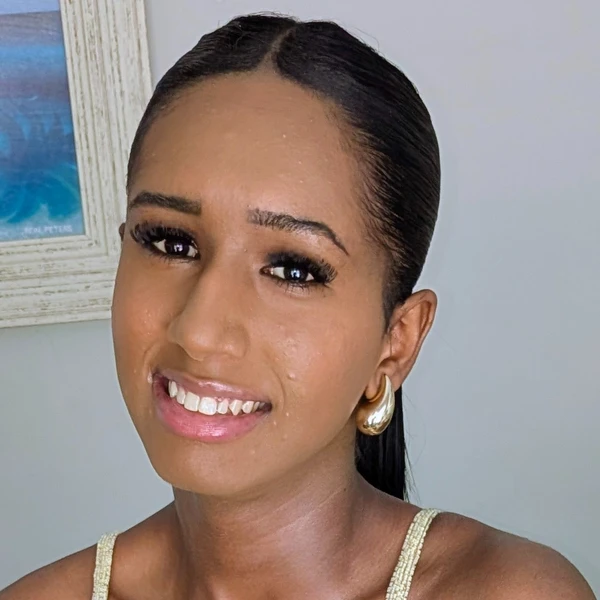
I am a High school senior involved in high school sports and in service throughout my community. I enjoy doing community work, such as serving in the homeless ministry within our church, as well as mentoring incoming freshmen and encouraging them to focus on their mental health and well-being.
I plan on studying psychology in college and then going on to PA school, hopefully at the same university. I am very ambitious and excited to get started on my career path and looking forward to seeing how I can assist others along the way by serving and advocating for them, just as there have been others who have done the same for me along my journey.
Education
Northview High School
High SchoolMiscellaneous
Desired degree level:
Bachelor's degree program
Majors of interest:
- Psychology, Other
Career
Dream career field:
Hospital & Health Care
Dream career goals:
Sports
Tennis
Junior Varsity2024 – 20262 years
Research
Social Sciences, General
Vanderbilt University - Mentor Immersion Program. — Conducted policy and advocacy research, analyzed grassroots movements, and developed a Strategic Plan including a policy brief and Op-Ed.2025 – 2025
Public services
Advocacy
Mentor Sister — To mentor incoming freshmen on the challenges ahead in high school and help them prepare mentally and emotionally for the journey.2024 – 2026Volunteering
Homeless Ministry — Preparing lunches, packing clothes to distribute, meeting and praying with individuals that are part of this community2018 – Present
Future Interests
Advocacy
Volunteering
Philanthropy
Entrepreneurship
“I Matter” Scholarship
I used to think helping someone in need had to be something big to really matter. Something people would notice or remember. But one experience changed the way I see that completely.
Every week, I volunteer with my church’s homeless ministry in downtown Atlanta. We prepare and hand out meals, but over time, I realized it was never just about the food. One night in particular has stayed with me.
There was a man I had seen a few times before, but we had never really talked. That night, when I handed him a meal, I decided to slow down instead of moving on to the next person. I asked him his name, and he told me. Then he asked for mine. It seems small, but the way his face changed when we exchanged names made me pause. It was like, in that moment, he felt seen.
We started talking for a few minutes. He shared a little about his life, not everything, just pieces. But what stood out to me was not just what he said, it was how rarely he seemed to get the chance to say it. People walked by, some didn’t make eye contact, some were in a hurry. And I realized how easy it is to overlook someone, even when they are right in front of you.
I did not have a solution for his situation. I could not change everything he was going through. But I could listen. I could treat him like a person, not just someone receiving help. Before I left, he thanked me, not just for the meal, but for talking with him. That part stayed with me the most.
That experience made me realize that helping someone is not always about fixing their problems. Sometimes, it is about making them feel valued in a moment where they might otherwise feel invisible.
Since then, I have tried to approach every service opportunity differently. Whether I am volunteering, mentoring younger students, or just interacting with people in my daily life, I try to be more present. I try to listen more, to slow down, and to actually connect with people instead of rushing past them.
This moment also shaped how I see my future. I plan to pursue a career in psychology because I want to help people who feel like they have to carry everything on their own. I have seen how much of a difference it makes when someone feels heard, even in a short conversation. That is something I want to build on in a bigger way through my career.
Helping that man did not solve everything, but it changed me. It reminded me that small moments of connection can have a lasting impact. It showed me that everyone deserves to feel seen, no matter their situation.
At the end of the day, that experience taught me something simple but important. Helping someone in need is not always about doing something big. Sometimes, it is just about taking the time to care.
Big Picture Scholarship
The movie that has had the greatest impact on my life is Inside Out. At first, it may seem like a simple animated movie about emotions, but to me it is much more than that. It tells an honest story about what happens inside people when life changes, feelings become overwhelming, and someone tries to carry everything alone. That message has stayed with me because it reflects something many people my age experience but do not always know how to express.
My name is Savannah Anderson, and I am a senior at Northview High School in Georgia. Throughout high school, I have worked hard academically while also being involved in leadership and service. I have learned that success is not only about grades or achievements. It is also about how we care for others, especially when they are struggling silently.
What impacted me most about Inside Out is how it shows that every emotion has value. Many people think they always need to appear happy, strong, and in control. In reality, sadness, fear, stress, and uncertainty are part of being human. The movie reminds us that healing often begins when we stop hiding those emotions and allow ourselves to be honest. I think that lesson is especially important for students today. So many young people smile on the outside while battling anxiety, loneliness, or pressure on the inside.
I connect with this message because I have seen how much people need support. As co leader of my school’s Big Little mentoring program, I help younger students adjust to high school life. Sometimes they need advice about schedules or classes, but many times they simply need someone to listen. I have seen how powerful it can be when someone feels safe enough to share what they are carrying.
That is one reason I want to study psychology in college. I want to better understand how the mind works, how emotions shape behavior, and how people can heal from stress, trauma, and self doubt. More importantly, I want to use that knowledge to help others. My goal is to become a psychologist or counselor who supports children, teens, and families through difficult seasons of life. I want to create spaces where people feel seen instead of judged, and supported instead of alone.
The movie also taught me that growth often comes through uncomfortable moments. In Inside Out, the main character learns that life is not about avoiding hard feelings, but learning how to move through them. I have carried that lesson into my own life. Challenges, pressure, and uncertainty do not have to break us. They can shape us into stronger, more compassionate people.
Education is important to me because it will give me the tools to turn compassion into action. Through psychology, I hope to help reduce the stigma around mental health, especially for young people who may feel embarrassed to ask for help. I want to bring awareness and support into schools and communities so more people know that struggling does not mean failing. It means being human.
Inside Out had the greatest impact on my life because it changed how I view emotions, strength, and healing. It reminded me that being there for others sometimes starts with simply understanding what they feel. That lesson has helped shape the future I want to build, one where people feel heard, valued, and never alone.
Dream BIG, Rise HIGHER Scholarship
There have been moments in my life when education felt like more than classes, homework, and grades. It felt like direction. It felt like hope. It felt like the bridge between where I am now and the person I know I am becoming. Education has given me something powerful, a clearer understanding of my purpose and the confidence to believe I can make a real difference in the lives of others.
My name is Savannah Anderson, and I am a senior at Northview High School in Georgia. Throughout high school, I have maintained Honor Roll every semester while completing both healthcare and language pathways. I have worked hard academically, but the greatest lessons I have learned did not come only from textbooks. They came through serving people, leading others, and learning how deeply human connection matters.
One of the biggest ways education has shaped my goals is by helping me discover my passion for psychology. I have always been drawn to understanding people, especially the emotions and struggles that are often hidden beneath the surface. Sometimes the people who seem strongest are carrying the heaviest burdens in silence. I have seen that in my own generation, where many students feel pressure to appear fine while privately dealing with anxiety, loneliness, or self doubt. Realizing this gave me direction. I do not just want a career, I want a purpose. I want to become someone who helps others feel seen, heard, and supported.
Some of the challenges I have overcome have been internal ones. Like many students, I have experienced the pressure of balancing academics, responsibilities, future decisions, and the expectations that come with wanting to succeed. High school can be overwhelming. There are moments when students question themselves, compare themselves to others, or feel uncertain about the future. I have had to learn how to push through stress, stay focused, and keep believing in myself even when things felt unclear. Those experiences strengthened me and also deepened my empathy for others who may be facing silent battles of their own.
Another challenge many students face is financial uncertainty when thinking about college. For students with big dreams, finances can sometimes feel like a wall standing in the way. Instead of letting that discourage me, it has motivated me to work harder and value every opportunity in front of me. It has taught me resilience, gratitude, and the importance of using every resource available to build a better future.
Education has also shown me the power of service. During a medical mission trip to Panama, I worked in rural clinics helping provide care to hundreds of patients. While the trip focused on physical health, I noticed how emotional support could be just as meaningful. A smile, patience, and genuine kindness often changed the energy in the room. That experience reminded me that healing is about more than medicine. It is also about compassion and connection.
At school, I have also served as co leader of the Big Little mentoring program, helping freshmen transition into high school. What started as helping younger students adjust often became conversations about stress, friendships, confidence, and belonging. Those moments confirmed what I already felt in my heart, people need spaces where they can be honest without fear of judgment. Sometimes one caring conversation can change the direction of someone’s day, or even their life.
That is why I plan to study psychology in college. I want to understand the science behind behavior, emotions, trauma, and healing so I can use that knowledge to support others in meaningful ways. My long term goal is to work with children, teens, or families as a psychologist or counselor. I want to help young people navigate anxiety, depression, stress, and identity struggles while teaching them healthy tools for growth. I want them to know that needing help is not weakness, it is strength.
I also hope to bring mental health awareness into communities where those conversations are often avoided. Many people suffer quietly because they fear judgment or do not know where to turn. I want to help change that through education, outreach, and accessible support systems in schools, churches, and community centers. If more people feel safe asking for help, more lives can be changed.
This Scholarship represents something I deeply believe, that who we are becoming matters just as much as where we are going. My journey has taught me that challenges do not define us. They can refine us. Pressure can build strength. Uncertainty can create determination. And education can turn dreams into direction.
For myself, education means independence, opportunity, and purpose. For others, I hope my education becomes a source of healing, encouragement, and hope. I want to build a future where people feel less alone, where mental health is taken seriously, and where young people know their struggles do not have to limit their future.
I may still be at the beginning of my journey, but I know where I am headed. I am headed toward a life of service, compassion, and impact. Education has given me that direction, and I plan to use it to rise higher and help others do the same.
Stephan L. Daniels Lift As We Climb Scholarship
When I think about why I want to pursue STEM, I think about the quiet moments most people never see. I think about the student who smiles in class but is falling apart inside. I think about the person who says they are “fine” because they do not know how to ask for help. I think about how many people carry pain in silence. That is why I want to study psychology. I want to use science to understand the mind, support healing, and help people feel seen again.
My name is Savannah Anderson, and I am a senior at Northview High School in Georgia. Throughout high school, I have worked hard academically, earning Honor Roll every semester while completing both healthcare and language pathways. I have also learned that success is not only measured by grades, but by how we treat people and how we lift them when life feels heavy.
Psychology stands at the intersection of science and compassion. It uses research, biology, behavior, and evidence based methods to improve lives. I am especially interested in mental health because so many people struggle quietly with anxiety, depression, trauma, and stress. Too often, these struggles are ignored or misunderstood, especially in communities of color where mental health conversations have sometimes been limited by stigma or lack of access. I want to help change that.
My passion has grown through experiences serving others. As co leader of my school’s Big Little mentoring program, I help freshmen adjust to high school life. What began as guidance about schedules and classes often became deeper conversations about fear, loneliness, and pressure. I saw how powerful it can be when someone simply listens without judgment. Sometimes support starts with being present.
I also served on a medical mission trip to Panama, assisting in rural clinics that helped hundreds of patients. While we focused on physical care, I noticed something important, emotional health matters just as much. A kind voice, patience, and genuine care often changed a person’s entire experience. That trip showed me that healing is not only physical, it is mental and emotional too.
If selected for the Stephan L. Daniels scholarship, I would carry forward the idea of lifting others as we climb. My degree would not be only for personal success. It would be a tool to serve my community. I hope to become a psychologist or counselor who creates safe spaces for young people, especially Black youth, to talk openly about mental health and receive quality support. I want to help students manage anxiety, build confidence, and believe their future is bigger than their current struggle.
I also hope to bring mental health education into schools, churches, and community centers. Many families do not seek help simply because they lack information or trust. I want to bridge that gap through outreach, education, and compassion. When people understand that asking for help is strength, lives can change.
Representation in STEM matters. When young Black students see professionals who look like them in science and healthcare, new possibilities open. I want to be part of that change. I want to show others that they belong in these spaces too.
STEM gives us the power to solve problems. Psychology gives us the chance to heal people. I want to do both, and then reach back to help others rise with me.
Christian Fitness Association General Scholarship
If you asked me a few years ago what mattered most in school, I probably would have said grades or achievements. And while those things are important, what has stayed with me the most are the moments where I was able to connect with people and make a difference in someone else’s life. That is what has shaped who I am, and it is a big part of why I believe I should be considered for this scholarship.
My name is Savannah Anderson, and I am currently finishing my senior year at Northview High School. Throughout high school, I have worked hard to stay consistent academically, maintaining honor roll every semester and completing both the healthcare and language pathways. Balancing academics with everything else in my life has not always been easy, but it has taught me discipline, time management, and how to stay focused on long term goals even when things feel overwhelming.
Outside of the classroom, I have been heavily involved in leadership and service. I currently serve as president of Fellowship of Christian Athletes at my school. This role has pushed me to grow in ways I did not expect. Leading FCA is not just about planning meetings, it is about creating a space where people feel included, supported, and comfortable being themselves. I have learned how to lead with empathy, how to listen, and how to bring people together in a positive way.
Another experience that has meant a lot to me is being a co leader in my school’s Big Little mentoring program. In this role, I work with freshmen as they transition into high school. What started as helping with schedules and basic advice quickly turned into something deeper. Many students opened up about stress, anxiety, and feeling like they were not enough. Being someone they could talk to showed me how much of a difference it can make when a person feels heard. Those conversations are a big part of why I became interested in psychology.
I have also had the opportunity to serve outside of my school community. Through my church’s homeless ministry, I regularly help prepare and distribute meals in downtown Atlanta. At first, I thought I was simply helping meet physical needs, but I quickly realized how important connection is. Taking the time to learn someone’s name or listen to their story can mean just as much as the meal itself. That experience changed the way I see service and the way I interact with people in general.
One of the most impactful experiences I have had was participating in a medical mission trip to Panama. There, I worked in rural clinics helping provide care to hundreds of patients. While the focus was healthcare, what stood out to me most was how much small acts of kindness mattered. Even with language barriers, a smile, patience, and genuine attention made people feel more comfortable. It showed me that healthcare is not just about treatment, it is about connection.
These experiences are what led me to pursue a degree in psychology. I want to better understand how people think, feel, and cope with challenges. I have seen how many people struggle quietly, especially with anxiety and pressure, and I want to be someone who helps change that. In the future, I hope to work in the mental health field, supporting individuals dealing with anxiety, depression, and other challenges. I want to create a space where people feel safe enough to open up without fear of judgment.
In addition to leadership and service, I have also been involved in athletics, including junior varsity tennis and cheerleading. These activities have taught me teamwork, resilience, and how to stay committed even when things get difficult. I have also earned recognition such as the Student of Excellence Award and the Arete Award, which reflect my commitment to leadership, character, and compassion.
What makes me a strong candidate for this scholarship is not just what I have accomplished, but why I have pursued these experiences. Everything I have been involved in connects back to my desire to help people and make a positive impact. Whether it is mentoring a younger student, serving in my community, or working toward my academic goals, I try to approach everything with purpose and consistency.
Financial support through this scholarship would allow me to continue pursuing my education without the added stress of financial barriers. It would bring me one step closer to reaching my goal of working in the mental health field and making a difference in people’s lives.
At the end of the day, I am someone who genuinely cares about people and wants to use my education and experiences to support others. I am committed to growing, learning, and giving back in meaningful ways. Being considered for this scholarship would not only support my academic journey, but also help me continue working toward a future where I can make a lasting impact.
Our Destiny Our Future Scholarship
I have always believed that making a difference does not have to start with something big. Sometimes it starts with small moments, like listening to someone when they feel alone or showing kindness when it is least expected. Over time, those small moments can turn into something much bigger.
My name is Savannah Anderson, and I am a senior at Northview High School. Throughout high school, I have been involved in leadership and service, including serving as president of Fellowship of Christian Athletes and as a co leader in my school’s Big Little mentoring program. I have also volunteered through my church’s homeless ministry and participated in a medical mission trip to Panama. Through these experiences, I have learned that making an impact is really about how you treat people and how you choose to show up for them.
One of the biggest ways I plan to make a positive impact on the world is through studying psychology. I have always been drawn to understanding people, especially in moments when they are struggling. I have seen how easy it is for people to hide what they are going through, and how much of a difference it makes when someone simply listens.
Through mentoring younger students, I have had conversations where people opened up about stress, anxiety, and feeling like they are not enough. Those moments showed me how important it is for people to feel seen and heard. It is not always about having the perfect advice, it is about being present and making someone feel like they matter.
My service experiences have also shaped the way I want to make an impact. In my church’s homeless ministry, I learned that helping others is not just about meeting physical needs, it is about connection. Taking time to talk with someone, learn their name, and listen to their story can mean more than anything else. During my medical mission trip, I saw how even small acts of kindness could make people feel more comfortable and cared for.
In the future, I hope to work in the mental health field, supporting individuals dealing with anxiety, depression, and other challenges. I want to help break the stigma around mental health and create spaces where people feel safe opening up. Too many people feel like they have to struggle in silence, and I want to help change that.
I also want to continue giving back to my community in meaningful ways. Whether that is through volunteering, mentoring, or simply being there for someone who needs support, I believe that impact is built through consistency and compassion.
The person this scholarship honors was known for being giving and caring, and that is something I deeply admire. It reminds me that a meaningful life is not just about personal success, but about how you uplift others along the way.
At the end of the day, my goal is simple. I want to help people feel less alone. I want to use my education and experiences to support others, build real connections, and create a positive impact that goes beyond just one moment.
I believe that even the smallest acts of kindness can create a ripple effect, and I hope to spend my life being part of that.
Hines Scholarship
Going to college has always meant more to me than just continuing my education. It represents opportunity, growth, and the chance to build a future where I can truly make a difference in other people’s lives.
My name is Savannah Anderson, and I am a senior at Northview High School. Throughout high school, I have worked hard academically while also staying involved in leadership and service. I serve as president of Fellowship of Christian Athletes and as a co leader in my school’s Big Little mentoring program. Through these experiences, I have learned that success is not just about what you achieve, but how you impact the people around you.
For me, going to college is about taking everything I have learned so far and building on it. It is a chance to grow not only academically, but also personally. As a minority student, I understand that opportunities like higher education are not always easily accessible. That is part of what motivates me. I want to make the most of the opportunities I have and use them to create a better future, not just for myself, but for others as well.
One of my biggest goals in college is to study psychology. Over the years, I have realized how important mental health is, especially for people my age. I have seen friends struggle with anxiety, pressure, and feeling like they have to handle everything on their own. I have also faced my own challenges with anxiety, which has helped me better understand how overwhelming it can feel.
Through my role in the Big Little mentoring program, I have had the chance to support younger students as they adjust to high school. Many of them come in trying to seem like they have everything together, but in real conversations, they open up about what they are going through. Being able to listen and support them has shown me how much of a difference one person can make. That is what inspired me to pursue psychology.
In college, I hope to gain the knowledge and skills needed to truly understand people and what they are going through. I want to learn how to support individuals dealing with anxiety, depression, and other mental health challenges in a meaningful way. More importantly, I want to help break the stigma around mental health, especially in communities where it is not always openly discussed.
Going to college also means setting an example. I want to show others that it is possible to overcome challenges and pursue your goals, no matter where you come from. I hope to use my education to give back to my community and create spaces where people feel safe, supported, and understood.
At the end of the day, college is not just a step in my education, it is a step toward my purpose. It is an opportunity to grow into someone who can make a real difference. I want to use what I learn to help people feel less alone and more understood.
For me, going to college means building a future where I can turn my passion for helping others into something that truly impacts lives.
Jake Thomas Williams Memorial Scholarship
I would not say I have experienced loss in the most obvious way, but I have felt it in quieter moments, through people I care about who have struggled and through the realization that not everyone shares what they are going through. Sometimes loss does not look like losing a person, it looks like watching someone slowly lose parts of themselves while trying to hide it.
My name is Savannah Anderson, and I am a senior at Northview High School. Over the years, I have seen how real mental health struggles are, especially among people my age. I have had friends who seemed completely fine on the outside but later opened up about anxiety, depression, and feeling like they had to carry everything on their own. Those moments stayed with me because they made me realize how easy it is for someone to suffer in silence.
I have also faced my own challenges with anxiety. It shows up in overthinking, pressure to do everything right, and feeling overwhelmed at times. Learning how to manage that has helped me better understand what others might be feeling, even if their struggles look different from mine. It has made me more patient and more willing to listen.
Reading about Jake Thomas Williams reminded me how important it is to talk about mental health openly. His story is a powerful reminder that struggles are not always visible, and that silence can be dangerous. It made me think about how many people might be feeling the same way but do not know how to ask for help.
My experiences have shaped both my relationships and my goals. As a co leader in my school’s Big Little mentoring program, I work with freshmen adjusting to high school. Many of them try to appear strong, but in quiet conversations, they open up about stress, pressure, and feeling like they are not enough. In those moments, I have learned that the most important thing I can do is listen.
Those experiences are what led me to pursue psychology. I want to understand what people are going through and learn how to support them in a meaningful way. Mental health is still something many people are afraid to talk about, and I want to help change that.
In the future, I hope to work with individuals dealing with anxiety, depression, and suicidal thoughts. I want to help recognize the signs early and create a space where people feel safe opening up. Suicide prevention starts with connection, making sure people feel seen, heard, and valued.
I also want to help break the stigma around mental health, especially among young people. Too many people feel like they have to hide what they are going through. I want to show that asking for help is a sign of strength.
Jake Thomas William's story is a reminder of why this work matters so much. There are so many people struggling quietly, and they deserve support before it is too late.
At the end of the day, my goal is simple. I want to help people feel less alone. If I can be someone who listens and understands, even for one person, then I know I am making a difference.
Charles B. Brazelton Memorial Scholarship
I have always been the kind of person who notices the little things. Not the obvious ones, but the quiet details most people miss, like when someone’s voice changes slightly, or when they say they are fine but something about it feels off. For a long time, I thought that made me a little awkward. I would overthink conversations and replay moments in my head, wondering if I was reading too much into things.
Over time, though, I realized that this is actually one of the most important parts of who I am.
My name is Savannah Anderson, and I am a senior at Northview High School. I have been involved in leadership and service throughout high school, serving as president of Fellowship of Christian Athletes and as a co leader in my school’s Big Little mentoring program. Through these experiences, I started to see that what once felt like a weakness is actually a strength.
In the mentoring program, I work with freshmen adjusting to high school. Many of them try to seem like they have everything together, but I have learned that is not always true. Because I notice small changes, I can often tell when something is not right. It might be a pause before they answer or avoiding eye contact. Because of that, I take the time to ask one more question or just sit with them a little longer. That is usually when they open up.
Those conversations matter. Students talk about stress, pressure, and feeling like they are not enough. Moments like that showed me how important it is for people to feel seen and heard, and how much of a difference it makes when someone simply listens.
I have seen this in other parts of my life too. Through my church’s homeless ministry, I learned that helping someone is not just about meeting a need, it is about connection. Paying attention, learning someone’s name, or taking a moment to talk can mean more than people realize. My medical mission trip to Panama reinforced this. Even small interactions, like a smile or patience, helped people feel more comfortable and cared for.
These experiences are what led me to pursue psychology. I want to understand people on a deeper level and learn how to support them in meaningful ways. I have seen how many people struggle quietly, and I want to be someone who helps change that. I want to create a space where people feel safe being honest about what they are going through.
In the future, I hope to work with individuals dealing with anxiety, depression, and other mental health challenges. I want to help reduce the stigma around mental health and make it easier for people to ask for help without feeling judged.
Reading about Charles B. Brazelton reminded me that everyone has something that makes them different. His story shows that you do not have to fit a certain mold to have value. In the same way, what once felt like overthinking or being too sensitive has become my purpose.
At the end of the day, I have learned that what makes you different can become your greatest strength. For me, it is the way I notice and care about the small things, and I hope to use that to make a real difference in people’s lives.
Ethel Hayes Destigmatization of Mental Health Scholarship
Sometimes the people who seem the strongest are the ones carrying the most weight in silence. That is something I have come to understand not just by looking at others, but by being honest with myself too.
I would not say I have faced the deepest struggles with mental health, but I have dealt with anxiety over the years. It shows up in quiet ways, overthinking small things, feeling pressure to do everything right, or worrying about how I am being perceived. From the outside, it does not always look like anything is wrong. But on the inside, it can feel overwhelming. Learning how to manage that has helped me better understand how real and valid mental health challenges are, even when they are not visible.
What has impacted me even more, though, is watching people around me struggle. I have had friends who I have known for years who seemed completely fine, until one day they opened up about what they were going through. Anxiety, depression, feeling like they were not enough, or feeling like they had to keep everything inside. It made me realize how easy it is to miss what someone is carrying if you are not really paying attention.
Those experiences changed the way I see people. I have learned not to assume that someone is okay just because they look like it. It has made me more aware, more patient, and more intentional in my relationships. I try to check in with people, to really listen, and to create a space where they feel comfortable being honest. Sometimes that just means sitting with someone and letting them talk. Other times it means reminding them that what they are feeling is valid.
Being part of my school’s Big Little mentoring program has given me the opportunity to put that into action. As a mentor, I have worked with younger students who are adjusting to high school. A lot of those conversations start out simple, but sometimes they turn into something deeper. Students open up about stress, pressure, or feeling like they are falling behind. In those moments, I see how important it is for someone to just be there. Not to judge or immediately try to fix things, but to listen and understand.
My involvement in my church’s homeless ministry has also shaped my perspective. Talking with people who have faced incredibly difficult circumstances has shown me that mental and emotional struggles are often connected to life experiences in ways we cannot always see. It has reminded me that everyone has a story, and that compassion matters more than assumptions.
These experiences have influenced my goals in a very clear way. I plan to pursue a degree in psychology because I want to better understand what people are going through and learn how to support them in a meaningful way. Mental health is still something that many people are uncomfortable talking about, especially in certain communities. There is often fear, stigma, or the belief that asking for help is a weakness.
I want to help change that.
I want to be part of a generation that makes it normal to talk about mental health openly and honestly. I want people to feel like they do not have to hide what they are going through or pretend to be okay when they are not. Everyone deserves to feel supported, no matter what their situation looks like.
My own experiences with anxiety have also taught me that growth is possible. It does not mean the feelings completely disappear, but it does mean you learn how to manage them, how to talk about them, and how to not let them define you. That understanding is something I want to share with others.
In my future, I hope to work in a field where I can directly support individuals dealing with anxiety, depression, and other mental health challenges. I want to create a safe environment where people feel comfortable opening up, especially those who feel like they have been carrying everything on their own for too long.
The story behind this scholarship is a reminder of why this matters so much. There are so many people who are struggling in silence, and too often, those struggles go unnoticed or unspoken. That is why conversations about mental health are so important. The more we talk about it, the more we create space for healing.
At the end of the day, my journey with mental health has shaped the way I see the world. It has made me more compassionate, more aware, and more committed to helping others. It has shown me that strength is not about hiding what you are going through, but about being willing to face it and talk about it.
If I can be someone who helps even one person feel seen, heard, and understood, then I know I am making a difference. And that is the kind of impact I hope to have for the rest of my life.
Patricia Lindsey Jackson Foundation - Eva Mae Jackson Scholarship of Education
Faith has always been a steady part of my life, even in moments when everything else felt uncertain. It is not something I only think about on certain days, it is something that shows up in how I treat people, how I respond to challenges, and how I make decisions about my future.
For me, faith is not just about belief, it is about action. It is about choosing kindness when it is easier to walk away, choosing patience when things feel overwhelming, and choosing to care about people even when their struggles are not visible. This mindset has shaped who I am both in and out of the classroom.
One of the biggest ways my faith has impacted my life is through my involvement in Fellowship of Christian Athletes at my school, where I serve as president. Being part of FCA has given me a community where I feel supported, but it has also challenged me to become a leader. Leading FCA is not just about organizing meetings, it is about creating a space where people feel comfortable being themselves. I try to make sure everyone feels included and valued, no matter their background or where they are in their faith. That responsibility has helped me grow in confidence and has taught me how to lead with integrity and compassion.
My faith has also deeply influenced my commitment to service. Through my church’s homeless ministry, I have had the opportunity to serve meals to people in downtown Atlanta. At first, I thought I was simply helping others, but over time I realized how much those experiences were changing me. Taking the time to talk with people, learn their names, and hear small parts of their stories made me see them in a completely different way. It reminded me that everyone has value and deserves to be treated with dignity. Those moments showed me that serving others is not just about meeting physical needs, it is about making people feel seen and respected.
Another experience that strengthened both my faith and my goals was my medical mission trip to Panama. While we were there to provide care to hundreds of patients, what stood out to me most was the power of simple human connection. Even with language barriers, a smile, patience, and genuine care made a difference. It reminded me that faith is something you live out through your actions, especially in how you treat others during difficult moments.
These experiences have had a direct impact on my academic and future goals. I plan to pursue a degree in psychology because I want to help people not only physically, but emotionally and mentally as well. I have seen how many people struggle in silence, feeling like they have to handle everything on their own. My faith has taught me the importance of being there for others, and I want to carry that into my future career. I hope to create a safe space where people feel comfortable opening up, knowing they will be met with understanding and not judgment.
The people in my life have also played a huge role in pushing me toward higher education. My family has always encouraged me to work hard and take my education seriously. They have supported me through challenges and reminded me that education is an opportunity to grow and make a difference. My teachers and mentors have also inspired me by believing in me and encouraging me to pursue my goals, even when they felt out of reach.
When I think about the legacy of women like Patricia Lindsey and Eva Mae Jackson, I am inspired by their commitment to education, faith, and uplifting others. That is something I strive to reflect in my own life. I want to be someone who not only works toward my own success, but also helps others along the way.
Faith has given me a sense of purpose and direction. It reminds me to stay grounded, to keep going when things are difficult, and to use my abilities to serve others. As I continue my education, I want to carry those values with me and use them to make a positive impact on the people around me.
At the end of the day, faith is the foundation of who I am. It has shaped my character, guided my goals, and continues to push me to become someone who leads with kindness, integrity, and compassion.
Women in Healthcare Scholarship
I used to think healthcare was mostly about doctors diagnosing illnesses and giving patients the right treatment. But over time, I realized it is also about something much deeper, making people feel seen, heard, and cared for during some of the hardest moments of their lives. That is what led me to pursue a degree in healthcare, with a focus on psychology.
Throughout high school, I found myself drawn to people, especially in moments when they needed someone to talk to. As a co leader in my school’s Big Little mentoring program, I worked with freshmen who were trying to adjust to high school. A lot of them seemed fine at first, but when we actually sat down and talked, they would open up about feeling stressed, overwhelmed, or like they were not good enough. I remember one girl telling me she felt like she had to keep everything together, even when she was struggling inside. That moment really stayed with me. It made me realize how common it is for people to hide what they are going through, and how important it is to have someone who will just listen.
Experiences like that made me want to go into a field where I could support people not just physically, but emotionally too.
My medical mission trip to Panama helped me see this in a different way. We worked in clinics serving hundreds of patients, but what stood out to me most was how much small acts of kindness mattered. Even with a language barrier, taking time to smile, be patient, and really pay attention to someone made a difference. It showed me that healthcare is not just about treating a condition, it is about treating a person as a whole.
I also learned a lot through volunteering with my church’s homeless ministry. At first, I thought I was just helping by serving meals, but it became so much more than that. Getting to know people, hearing parts of their stories, and even just remembering their names created real connections. It taught me that everyone deserves to feel valued, no matter their situation, and that compassion can go a long way.
As a woman going into healthcare, I hope to bring empathy and understanding into everything I do. Women have not always had equal opportunities in this field, but that is part of what motivates me. I want to be part of a future where women are not only included in healthcare, but are leading and helping shape it for the better.
I also want to help change the way people view mental health. So many people are afraid to talk about what they are going through because they think it makes them weak. I see it as the opposite. I think it takes strength to be honest and ask for help. In my future career, I want to create a safe space where people feel comfortable opening up, especially those who feel like they have to deal with everything on their own.
At the end of the day, the reason I chose healthcare is simple. I care about people. I want to understand them, support them, and help them feel less alone. As a woman in this field, I hope to make a difference not just by treating patients, but by connecting with them in a real and meaningful way.
Tawkify Meaningful Connections Scholarship
I still remember one of the first real conversations I had with a freshman I was mentoring. She looked completely put together on the outside, smiling, nodding, saying all the right things. But when we sat down and it got quiet for a second, she admitted she felt overwhelmed and alone. That moment stuck with me, not because I had the perfect advice, but because she trusted me enough to be honest. It reminded me how powerful it is when someone feels safe enough to be seen.
One of the most meaningful relationships in my life has come through being a co leader in my school’s Big Little mentoring program. At first, I thought I would just be helping freshmen adjust to schedules and classes. But it became so much more than that. These girls were not just looking for guidance, they were looking for someone who would listen without judgment, someone who genuinely cared.
Through those relationships, I learned that connection is not about having all the answers. It is about showing up, being present, and creating space for someone else to be real. There were times when conversations shifted from school stress to deeper struggles like anxiety, pressure, or feeling like they were not enough. In those moments, I realized that sometimes the most meaningful thing you can offer someone is simply your attention and your empathy.
This experience has shaped the way I approach every relationship in my life. Whether I am leading Fellowship of Christian Athletes, serving in my church’s homeless ministry, or working with patients during my medical mission trip to Panama, I carry that same mindset with me. I try to meet people where they are, not where I expect them to be. I try to listen more than I speak. And I try to make people feel valued, even in small, everyday interactions.
In Panama, I saw this in a completely different setting. While we were there to provide medical care, what stood out to me most was how much a simple conversation could mean to someone. Even with a language barrier, a smile, patience, and genuine care created connection. It made me realize that human connection goes beyond words. People can feel when you truly see them.
My work with the homeless ministry deepened that understanding even more. At first, I thought I was there to give, to serve meals and help meet physical needs. But over time, I realized that the connection went both ways. Learning people’s names, hearing pieces of their stories, and seeing their resilience changed me. It taught me that everyone has a story worth hearing, and that dignity comes from being recognized as a person, not just a situation.
These relationships have directly influenced my passion for psychology and my future goals. I want to spend my life helping people feel seen, heard, and supported, especially those who feel like they have to carry everything on their own. I have seen how easy it is for people to hide what they are going through, and how life changing it can be when someone finally feels understood.
The relationship I built through mentoring showed me that connection is not something complicated or out of reach. It is built through consistency, kindness, and a willingness to care. It is built in quiet conversations, in moments of honesty, and in choosing to really listen.
Because of that, I try to build connections that go deeper than surface level. I want people to feel safe being themselves around me. I want them to know they are not alone. And I want to carry that into my future, whether I am working with patients, clients, or anyone who needs support.
At the end of the day, that one conversation with a freshman reminded me of something simple but powerful. People do not always need solutions. Sometimes, they just need someone who cares enough to sit with them, listen, and remind them that they matter. And that is the kind of connection I want to keep building for the rest of my life.
Forever90 Scholarship
Some of my earliest memories of service are not big or extraordinary moments, but quiet ones. Packing meals with my church, handing them out in downtown Atlanta, and seeing the gratitude in someone’s eyes. Those moments stayed with me, not because of what I gave, but because of what I learned. Service is not about recognition, it is about showing up for people, consistently and with care.
That idea has shaped the way I live my life. Through my church’s homeless ministry, I have spent countless weekends preparing and delivering meals to those in need. At first, I thought I was just helping provide food, but over time I realized it was much more than that. It was about connection. Taking a moment to speak with someone, to acknowledge them, and to treat them with dignity. Those experiences taught me compassion in a way that no classroom ever could.
Service has also been a part of my leadership journey. As President of Fellowship of Christian Athletes, I have had the opportunity to create a space where students feel welcomed, supported, and encouraged in their faith. Leading is not always easy, but I have learned that true leadership is rooted in service. It means listening to others, lifting people up, and putting their needs before your own. Whether I am planning meetings or mentoring younger students, I try to lead with the same kindness and patience that others have shown me.
Being a co leader in the Big Little mentoring program has been another meaningful way I serve. Helping freshmen navigate their first year of high school reminded me how important it is to have someone in your corner. I have made it a priority to be that person for others, offering guidance, encouragement, and sometimes just a listening ear. These small acts may not seem significant on their own, but together they create a sense of community and belonging.
My commitment to service has also extended beyond my local community. During a medical mission trip to Panama, I worked alongside healthcare professionals to assist in clinics serving over 800 patients. It was one of the most eye opening experiences of my life. I saw firsthand how access to care can change everything, and how many communities still lack the resources they need. That experience strengthened my desire to pursue a career in a STEM field, specifically one that allows me to serve others through healthcare.
Mrs. Marion Makin's legacy of faith, education, and service deeply resonates with me. Like her, I believe that serving others is not something you do once in a while, it is a way of life. It is about using your time, your skills, and your heart to make a difference, no matter how big or small.
As I continue my education, I plan to carry that mindset with me. I want to use my knowledge in healthcare to provide compassionate, accessible care to underserved communities. I want to advocate for those who may not always have a voice, and to be someone who not only treats patients, but truly cares for them. Education will give me the tools, but service will guide how I use them.
To me, a life of service is about impact. It is about choosing to care, choosing to give, and choosing to uplift others every day. And that is a choice I will continue to make, wherever life takes me.
Julia Elizabeth Legacy Scholarship
I still remember the moment I realized that not everyone gets the same opportunities in spaces that are supposed to change the world. It was during a discussion in one of my programs where we were studying social change and policy. We started talking about who is represented in leadership, in research, and in innovation, and more importantly, who is not. That conversation stayed with me, especially as someone who hopes to pursue a future in a STEM field.
To me, diversity in STEM is not just important, it is necessary. STEM shapes the world we live in, from healthcare to technology to environmental solutions. If the people creating those solutions all come from the same background, then the outcomes will reflect a limited perspective. But when people from different races, cultures, and life experiences are included, the ideas become stronger, more creative, and more effective.
As an African American student, I have become more aware of how underrepresented we are in these spaces. It is not just about numbers, it is about voices. When voices are missing, entire communities can be overlooked. For example, in healthcare, understanding cultural differences can directly impact how patients are treated and how comfortable they feel seeking care. Representation helps build trust, and trust saves lives.
This idea became even more real to me during my medical mission trip to Panama. While working in clinics and helping serve patients, I saw how important it was to connect with people on a human level. Every patient had a different story, a different need, and a different perspective. It reminded me that science and medicine are not just about knowledge, they are about people. And to truly serve people, you need diversity among those providing the care.
Diversity in STEM also creates opportunity. Growing up, it is powerful to see someone who looks like you doing something you once thought was out of reach. Representation shows younger students that they belong in those spaces too. It breaks down the idea that certain careers are only meant for certain groups. I think about the younger students I mentor, and how important it is for them to see possibilities for their future. I want to be someone who helps open that door.
At the same time, the lack of diversity in STEM highlights deeper issues, like unequal access to education and resources. Not everyone starts with the same opportunities, and that gap can follow students into their careers. Addressing diversity in STEM means addressing those barriers, and creating pathways for students from all backgrounds to succeed.
The legacy of Julia Elizabeth represents more than just support for students like me. It represents a belief that change is possible, and that our voices matter in shaping the future. Being part of a more diverse STEM community means being part of that change. It means bringing new ideas to the table, challenging old ways of thinking, and helping create solutions that truly work for everyone.
For me, diversity in STEM is personal. It is about making sure that people like me are not just included, but valued. It is about creating a future where innovation reflects the world as it really is, diverse, complex, and full of potential. And it is about using my own journey to help make that future a reality.
David Foster Memorial Scholarship
I remember walking into my Spanish class freshman year feeling completely overwhelmed. High school had already started to feel like a constant cycle of tests, deadlines, and pressure to be perfect. I was trying so hard to keep up, but inside I felt anxious and unsure of myself. Then I stepped into Professor Jimenez’s classroom, and something shifted almost immediately.
Her room felt different in a way that is hard to explain unless you experienced it. It was calm, welcoming, and safe. Instead of feeling like I had to prove myself every second, I felt like I could just be a student who was still learning. Professor Jimenez made it clear from the very beginning that mistakes were not something to be embarrassed about, they were something to learn from. That simple idea changed everything for me.
One day, I remember stumbling through a Spanish conversation exercise and getting almost everything wrong. I expected to feel embarrassed, maybe even discouraged. Instead, she smiled, gently corrected me, and told me she was proud of me for trying. That moment stayed with me. It made me realize that growth does not come from getting everything right, it comes from being willing to try even when you might fail.
What made Professor Jimenez even more special was how much she cared about us as people, not just students. She would check in with us, ask how we were doing, and actually listen to our answers. During a time in my life when everything felt fast and stressful, her classroom became a place where I could slow down and feel supported. Because of her, I started to try harder, not out of fear of failing, but because I knew someone truly believed in me.
Her influence did not stay in that classroom. It followed me into every part of my life. I began to approach challenges differently. Instead of avoiding things I was not immediately good at, I leaned into them. I became more confident in leadership roles, whether it was serving as President of Fellowship of Christian Athletes or mentoring younger students in the Big Little program. I realized that being a leader is not about being perfect, it is about showing up, being willing to learn, and helping others feel supported just like she did for me.
Even during my experiences outside of school, like serving on a medical mission trip in Panama, I carried her lessons with me. I was working in an unfamiliar environment, doing things I had never done before. Instead of feeling overwhelmed, I reminded myself that it was okay to make mistakes as long as I was learning and giving my best effort. That mindset allowed me to fully engage and make a meaningful impact.
Professor Jimenez embodies the kind of teacher that the David Foster Memorial Scholarship honors. Like David Foster, she goes beyond simply teaching a subject. She changes the way her students think about themselves and the world around them. She created a space where curiosity, courage, and growth were more important than perfection.
Because of her, I no longer see mistakes as something to fear. I see them as opportunities. I approach life with more confidence, more compassion, and a willingness to keep growing. And I know that wherever I go next, I will carry her lessons with me.
Sarah Eber Child Life Scholarship
When I read about Sarah Eber and her desire to give back to children after facing her own life changing challenges, it made me reflect on how adversity can shape not only who we are, but who we choose to become. Her story is a reminder that even the hardest moments in life can lead to a deeper sense of purpose. That perspective is something I connect with, especially when I think about my own experiences with adversity.
One of the most significant challenges I have faced has been learning how to manage the pressure and anxiety that came with balancing academics, leadership, and service throughout high school. From the outside, it may have seemed like I had everything together. I maintained strong grades, stayed involved in extracurricular activities, and took on leadership roles such as serving as President of Fellowship of Christian Athletes and co leading a mentoring program. But internally, there were times when I felt overwhelmed trying to meet my own expectations.
At first, I viewed this adversity as a weakness. I thought that feeling stressed or anxious meant I was not capable enough to handle everything I had committed to. I tried to push through it by working harder and ignoring how I felt, but that only made things more difficult. Eventually, I realized that continuing in that way was not sustainable, and I needed to approach the situation differently.
My plan of action began with being honest with myself. I recognized that I needed to find a healthier balance, not just for my success, but for my well being. I started by improving my time management, prioritizing what truly mattered, and allowing myself space to rest without feeling guilty. I also leaned into my faith and the support systems around me, which helped me stay grounded during stressful moments.
At the same time, I began to shift how I viewed adversity. Instead of seeing it as something that held me back, I started to see it as something that could help me grow. I realized that challenges are not meant to define us, but to teach us. That change in perspective made a significant difference in how I handled future situations.
One of the most meaningful outcomes of this experience has been how it has allowed me to support others. Through my role in the Big Little mentoring program, I have worked with students who are facing similar feelings of stress and self doubt. Because of what I have gone through, I am able to connect with them in a more genuine way. I can remind them that it is okay to struggle and that asking for help is not a sign of weakness.
This experience has taught me that strength is not about avoiding challenges, but about learning how to move through them with resilience and self awareness. It has also deepened my empathy for others, especially those who may be dealing with difficulties that are not always visible.
Sarah Eber’s story inspires me to take the lessons I have learned from adversity and use them to help others, especially children who may be facing their own challenges. As I pursue a career in healthcare, I hope to create environments where young patients feel safe, supported, and understood, not just physically, but emotionally as well.
Adversity has shaped me into someone who is more resilient, more compassionate, and more intentional about how I live my life. It has shown me that even difficult moments can lead to growth, and that growth can be used to make a meaningful difference in the lives of others.
Valerie Rabb Academic Scholarship
When I read about Valerie Rabb and the way she dedicated her life to uplifting students, it made me reflect on the kind of impact I want to have in my own life. She saw potential in others and worked to help them succeed, and that is something I deeply admire. It reminds me that making a difference is not always about big moments, it is about consistently showing up for people and believing in them, even when they may not believe in themselves.
My name is Savannah Anderson, and I am a senior at Northview High School in Georgia. Throughout high school, I have worked hard to maintain strong academics while also staying involved in leadership, extracurricular activities, and community service. I currently serve as President of Fellowship of Christian Athletes and as a co leader in my school’s Big Little mentoring program. In both roles, I have focused on creating spaces where students feel supported, encouraged, and included.
Outside of school, I have been committed to serving my community through my church’s homeless ministry, where I regularly help provide meals to individuals in downtown Atlanta . I have also participated in a medical mission trip to Panama, where I worked in clinics serving hundreds of patients . These experiences have shaped how I see the world and reinforced my desire to pursue a career where I can directly help others.
I plan to pursue a career as a Physician Assistant, where I can combine my passion for healthcare with my commitment to service. My goal is to work in underserved communities, providing not only medical care, but also compassion and understanding. I want to be someone who listens to patients, supports them through difficult moments, and helps them feel seen and valued. I also hope to incorporate mental health awareness into my work, recognizing that true care goes beyond just physical treatment.
One of the biggest challenges I have faced has been learning how to manage the pressure I place on myself. Balancing academics, leadership, and service has not always been easy, and there were times when I felt overwhelmed trying to meet my own expectations. I struggled with stress and self doubt, often feeling like I needed to handle everything perfectly.
Over time, I learned that resilience is not about avoiding challenges, it is about learning how to grow through them. I began to focus on better time management, setting realistic expectations, and giving myself the space to rest when needed. I also leaned into my faith and the support systems around me, which helped me stay grounded during difficult moments.
This experience has shaped me in a meaningful way. It has made me more self aware, more resilient, and more compassionate toward others who may be facing their own struggles. It has also helped me become a better leader and mentor, because I am able to connect with others on a deeper level and remind them that they are not alone.
Valerie Rabb’s legacy of uplifting students is something I hope to carry forward in my own way. Whether through mentoring, service, or my future career in healthcare, I want to make a positive impact by helping others grow, succeed, and believe in themselves.
At the end of the day, my goal is to use my life to serve others. I want to make a difference not just through what I do, but through how I treat people
Arlin Diaz Memorial Scholarship
When I read about Arlin Diaz, I was struck by her strength, not just in what she accomplished, but in how she lived. She did not allow her challenges to define her, and instead chose to lead with courage, compassion, and determination. That is something I deeply admire, and it is the kind of mindset I hope to carry with me as I pursue my own path in psychology.
Although I do not personally live with epilepsy, I have seen how medical conditions, especially those that are not always visible, can affect individuals in ways that go far beyond the physical. Through my experiences in school, service, and healthcare settings, I have become increasingly aware of how important it is to understand the emotional and psychological impact of these challenges. That awareness is a large part of what has drawn me to pursue a degree in psychology.
As a senior at Northview High School, I have worked to balance strong academics with leadership and service. I serve as President of Fellowship of Christian Athletes and as a co leader in my school’s Big Little mentoring program, where I support younger students as they navigate the challenges of high school. In these roles, I have seen how many people carry struggles that are not always obvious. Whether it is anxiety, stress, or personal hardships, many students feel pressure to handle everything on their own. Being someone who listens and creates a safe space for others has been one of the most meaningful parts of my high school experience.
My passion for understanding and helping others has also been shaped through hands on service. During a medical mission trip to Panama, I worked in rural clinics serving hundreds of patients . While I assisted with basic medical tasks, what stood out to me most was how much compassion mattered. Many patients were not only dealing with physical conditions, but also fear, uncertainty, and limited access to care. That experience helped me realize how closely physical and mental health are connected.
Arlin Diaz’s background in psychology makes her story especially meaningful to me. Like her, I want to use my education to better understand people and to support those facing challenges that may not always be visible to others. Her ability to live with grace and resilience despite her condition is a powerful reminder that strength is not about the absence of struggle, but about how you respond to it.
Receiving this scholarship would significantly ease the financial burden of pursuing my education. It would allow me to focus more fully on my studies and continue seeking opportunities to grow in the field of psychology. More importantly, it would serve as a reminder of the responsibility I have to use my education to make a difference.
I intend to honor Arlin’s legacy by carrying forward the values she embodied, compassion, resilience, and a commitment to helping others. As I pursue my degree in psychology, I hope to work with individuals who are navigating both physical and mental health challenges, including those with chronic conditions like epilepsy. I want to be someone who not only understands their experiences, but also advocates for their well being and supports them in a meaningful way.
Even though I may come from a different background, I believe that Arlin’s story transcends culture. Her life represents perseverance, empathy, and the power of choosing to keep moving forward despite obstacles. Those are values that I connect with deeply and that I strive to reflect in my own life.
At the end of the day, this scholarship is about more than financial support. It is about continuing a legacy of courage and compassion. I would be honored to carry that forward, using my education and experiences to uplift others and make a lasting impact in the lives of those I serve.
Angelia Zeigler Gibbs Book Scholarship
When I read about Angelia Zeigler Gibbs and her love for reading, it made me reflect on how important it is to slow down, learn, and grow, especially during challenging moments. Reading has always been a steady place for me, something I could turn to when life felt overwhelming. That became especially clear during a time in high school when I faced one of my biggest personal challenges.
I have always held myself to high expectations, balancing academics, leadership roles, and community service. At one point, that pressure began to catch up with me. My schedule was full, and I was trying to give my best in every area, but instead, I started to feel overwhelmed. My focus and confidence began to slip, and it was frustrating because I felt like I should be able to handle everything without struggling.
At first, I saw this as a failure. I thought that needing to step back meant I was not capable enough. But over time, I realized the challenge was not my ability, it was how I was approaching everything. I was trying to be perfect instead of being balanced, and that mindset was not sustainable.
During that time, I turned back to reading more often. It gave me a chance to pause, reflect, and reset. Reading reminded me that growth is not always a straight path, and that even strong people face challenges. It helped me regain perspective and refocus on what truly mattered.
I began making changes by prioritizing my responsibilities, managing my time more effectively, and allowing myself space to rest. I also learned to give myself grace, understanding that it is okay to not have everything under control all the time.
This experience taught me that setbacks are not failures, they are opportunities to grow. It helped me develop resilience, self awareness, and a healthier approach to handling pressure. It also deepened my appreciation for reading, not just as something I enjoy, but as something that grounds me during difficult times.
Angelia Zeigler Gibbs’ legacy of encouraging a love for reading is meaningful to me because I have experienced how powerful it can be. Reading has shaped how I think, how I cope, and how I continue to grow. It reminded me that success is not about perfection, it is about learning, adapting, and continuing to move forward.
Simon Strong Scholarship
Adversity does not always look like one big, life changing moment. Sometimes it shows up quietly, in the form of pressure, self doubt, and feeling like you have to hold everything together even when it is hard. For me, one of the most significant challenges I have faced has been learning how to manage stress and anxiety while still trying to meet my own expectations and support others around me.
Throughout high school, I have been deeply involved in academics, leadership, and service. On the outside, it may have looked like I had everything under control. I maintained strong grades, stayed active in extracurriculars, and took on leadership roles like serving as President of Fellowship of Christian Athletes and co leading a mentoring program. But internally, there were moments when I felt overwhelmed trying to balance everything. I put a lot of pressure on myself to succeed, to be dependable, and to never fall behind.
There were times when that pressure turned into anxiety, and I started to question whether I was doing enough or if I was capable of keeping up with everything I had committed to. Instead of ignoring those feelings, I had to learn how to face them. I began to realize that overcoming adversity is not about pretending everything is fine, it is about being honest with yourself and finding ways to move forward in a healthier way.
I started focusing on managing my time better, setting realistic expectations for myself, and allowing space to rest when I needed it. I leaned into my faith, which gave me a sense of peace and perspective during stressful moments. I also reminded myself why I was doing everything in the first place, not just to achieve success, but to grow and to be in a position to help others.
One of the most meaningful parts of this experience is how it has allowed me to support others. Through my role in the Big Little mentoring program, I have worked with students who are facing similar feelings of stress and self doubt. Because of what I have gone through, I am able to connect with them in a more genuine way. I can remind them that it is okay to not have everything figured out, and that struggling does not mean they are failing.
This adversity has shaped me by teaching me resilience, self awareness, and empathy. It has helped me understand that strength is not about never struggling, it is about continuing to move forward even when things are difficult. It has also made me more compassionate toward others, because I know that everyone is dealing with something, even if it is not always visible.
If I could give advice to someone facing similar challenges, I would tell them this, do not be afraid to acknowledge what you are feeling. It is okay to ask for help, to take a step back, and to give yourself grace. Growth does not happen all at once, and it is okay to take things one step at a time.
I would also remind them to focus on progress, not perfection. You are not defined by your hardest moments, but by how you respond to them. Adversity is not something that holds you back forever, it can be something that shapes you into a stronger, more understanding person.
My experience with adversity has made me more resilient and more intentional about how I live life. It has taught me that even in challenging moments, there are opportunities to grow, to learn, and to become someone who can uplift others along the way.
Peter and Nan Liubenov Student Scholarship
I have come to realize that being a positive force in society is not about being the loudest person in the room or having all the answers. It is about how you treat people when no one is watching, the choices you make when it would be easier to stay silent, and the consistency of your actions over time. For me, being a positive force means leading with empathy, choosing integrity, and using every opportunity I have to uplift others.
As a senior at Northview High School, I have tried to live this out through both leadership and service. As President of Fellowship of Christian Athletes, I have worked to create an environment where students feel welcomed, supported, and included. I have learned that leadership is not about authority, it is about responsibility. It is about making sure people feel seen, especially those who might otherwise feel overlooked.
I have also served as a co leader in my school’s Big Little mentoring program, where I support freshmen as they adjust to high school. Many of these students come in feeling overwhelmed or unsure of themselves, and I have made it a priority to be someone they can rely on. By listening, encouraging, and simply being present, I have been able to help create a sense of belonging for others. Those small moments of connection are where I believe real impact happens.
Outside of school, my involvement in my church’s homeless ministry has further shaped how I see my role in the community . Serving meals in downtown Atlanta has taught me that being a positive force is not about what you have, it is about what you are willing to give. It has also shown me the importance of dignity and respect, treating every person as valuable, regardless of their circumstances.
Social norms have played a significant role in shaping how I think about all of this. In today’s world, there is often pressure to present a perfect image, to compare yourself to others, or to prioritize personal success over community. There can also be an unspoken expectation to stay quiet in uncomfortable situations or to go along with what is popular rather than what is right. I have had to learn how to navigate those pressures while staying true to my values.
Instead of allowing those norms to define me, I try to challenge them. I believe that success should not come at the cost of integrity, and that kindness is not a weakness, but a strength. Choosing to take the moral high ground is not always easy, but it is something I strive for in my daily life. Whether that means standing up for someone, including others, or simply choosing honesty when it would be easier not to, those decisions shape the kind of person I am becoming.
Looking ahead, I plan to continue being a positive force through my career in healthcare. As a future Physician Assistant, I want to serve communities that may not always have access to quality care, while also creating environments where patients feel respected and heard. I believe that healthcare is not just about treating illness, it is about building trust and advocating for people.
At the end of the day, being a positive force is about intention. It is about choosing to do what is right, even when it is not easy, and using your life to make things better for others. That is the mindset I carry with me now, and it is the one I will continue to build on in the future.
Julie Adams Memorial Scholarship – Women in STEM
I have always been curious about how things work, not just on the surface, but at a deeper level. Growing up, I found myself asking questions about the human body, about why people get sick, and what it really takes to help someone heal. Over time, that curiosity grew into something more meaningful. It became a desire not only to understand, but to serve. That is what ultimately led me to pursue a degree in a STEM field on a pre health track, with the goal of becoming a Physician Assistant.
For me, this path is not just about choosing a career, it is about choosing a purpose. I am passionate about my degree because it sits at the intersection of science and compassion. It allows me to combine critical thinking, problem solving, and technical knowledge with empathy, connection, and care for others. I have come to realize that the medical field is not just about treating illness, it is about treating people, and that is what draws me to it the most.
Throughout high school, I have taken every opportunity to challenge myself academically while also exploring my interest in healthcare. Completing the healthcare pathway at my school gave me a strong foundation in understanding the basics of medicine and patient care. But more importantly, it confirmed that I am genuinely interested in this field. I found myself not only understanding the material, but wanting to go beyond it, to ask more questions, to learn more, and to apply that knowledge in real ways.
One of the most defining experiences that strengthened my passion for this path was participating in a medical mission trip to Panama. During that time, I worked in rural clinics alongside healthcare professionals, helping to serve hundreds of patients. I assisted with tasks like patient intake, organizing medications, and supporting different areas of the clinic. While those responsibilities were important, what impacted me most were the human interactions.
I remember watching how the providers spoke to patients, how they took the time to listen, even when there were long lines and limited resources. There was a level of patience and compassion that went beyond just doing a job. It was clear that they cared about each individual, not just as a patient, but as a person. Even with language barriers, there was a shared understanding that kindness and respect do not require words. That experience showed me that medicine is as much about heart as it is about knowledge.
It was also during that trip that I became more aware of healthcare disparities. Many of the patients we served did not have regular access to medical care. Some had been living with conditions for years without treatment. Seeing that reality made me realize how important it is to have healthcare providers who are willing to go where they are needed most. It made me want to be part of the solution, to use my education and skills to help bridge those gaps.
In addition to my experiences abroad, my involvement in my local community has also shaped my passion for this field. Through my church’s homeless ministry, I have had the opportunity to regularly serve individuals in downtown Atlanta. While my role often involves preparing and distributing meals, what has stayed with me the most are the conversations and connections formed during those moments.
These experiences have taught me that many people are dealing with challenges that go far beyond what is visible. Physical health, mental health, and life circumstances are all deeply connected. It has shown me that being able to provide care means understanding the whole person, not just their symptoms. This perspective is something I will carry with me into my future career.
My leadership roles have also played a part in shaping who I am and why I am passionate about this path. As President of Fellowship of Christian Athletes, I have worked to create a space where students feel supported and encouraged. Through this role, I have learned how to lead with empathy, how to listen, and how to bring people together. Similarly, as a co leader in my school’s mentoring program, I have supported younger students as they navigate the challenges of high school.
In both of these roles, I have seen how important it is to be present for others, especially during times of stress or uncertainty. While these experiences are not clinical, they have strengthened the interpersonal skills that are essential in the medical field. They have reinforced my belief that connection and trust are at the heart of helping others.
The reason I am specifically drawn to becoming a Physician Assistant is because of the balance it offers between autonomy and collaboration. I appreciate that PAs work closely with physicians and other healthcare professionals while also having the ability to build meaningful relationships with patients. I am drawn to the hands on nature of the role and the opportunity to work in different specialties throughout my career.
I also value the flexibility that comes with this path, as it will allow me to serve in a variety of settings, including underserved communities. My goal is not just to work in a hospital or clinic, but to go where I am needed most. Whether that means working in rural areas, participating in medical missions, or supporting community health initiatives, I want to use my career as a way to reach people who may not otherwise have access to care.
Another aspect of my passion for this field is my desire to help break down the stigma surrounding mental health. Through my experiences mentoring peers and engaging with my community, I have seen how many people struggle silently. I believe that healthcare providers have a unique opportunity to create safe spaces where patients feel comfortable opening up about both their physical and emotional well being.
As I continue my education, I plan to focus not only on gaining knowledge, but also on developing the skills necessary to be a compassionate and effective provider. I want to approach every patient interaction with empathy, understanding that each person has their own story, challenges, and needs.
Julie Adams’ legacy as an educator who was passionate about helping young women succeed in STEM is incredibly inspiring to me. Her dedication to her students and her belief in their potential is something I deeply admire. As a young woman pursuing a STEM degree, I feel a responsibility to not only succeed, but to uplift others along the way, just as she did.
I hope to one day mentor other students who are interested in healthcare, especially young women who may not always see themselves represented in STEM fields. Representation and encouragement matter, and I want to be someone who helps others believe that they are capable of achieving their goals.
At the core of my passion for this degree is a simple but powerful desire, to help people. I want to be there for individuals during some of their most vulnerable moments, to provide care that is not only effective, but also compassionate. I want to make a difference in ways that extend beyond treatment, by building relationships, offering support, and helping people feel seen and valued.
Choosing to pursue a degree in a STEM field, specifically in healthcare, is not just about what I want to do, it is about who I want to be. I want to be someone who uses knowledge to serve, who leads with empathy, and who makes a lasting impact on the lives of others.
That is why I am passionate about the path I am pursuing, because it gives me the opportunity to turn my purpose into action and my compassion into something that can truly change lives.
Maxwell Tuan Nguyen Memorial Scholarship
I do not think my passion for the medical field came from just one moment. It has been shaped over time through experiences, relationships, and a growing understanding of how much impact one person can have on another’s life. For me, choosing a career in medicine is not just about science, it is about people, compassion, and being there for someone when they need it most.
My name is Savannah Anderson, and I am a senior at Northview High School in Georgia. Throughout high school, I have been drawn to opportunities that allow me to serve others, especially in ways that involve care and connection. One of the most impactful experiences that inspired me to pursue a career in medicine was participating in a medical mission trip to Panama. There, I worked in rural clinics alongside healthcare professionals, helping serve hundreds of patients . I assisted with intake, triage, and pharmacy support, but what stayed with me the most were the interactions with patients.
I saw how something as simple as patience, kindness, and genuine concern could bring comfort to someone who might be scared or unsure. Even when there were language barriers, the way the medical team treated each person with dignity made a lasting impression on me. That experience showed me that medicine is not just about diagnosing or treating, it is about building trust and making people feel cared for.
My desire to help others has also been shaped through my service in my local community. Through my church’s homeless ministry, I regularly help provide meals to individuals in downtown Atlanta . These moments have taught me that many people face challenges that go beyond what we can see, and that access to care, both physical and emotional, is not always equal. It made me realize how important it is to have healthcare providers who are not only skilled, but also compassionate and understanding.
Because of these experiences, I plan to pursue a career as a Physician Assistant. I am drawn to this path because it allows me to work closely with patients, build relationships, and provide hands on care in a meaningful way. In college, I plan to follow a pre health track and continue gaining experience through volunteering and clinical opportunities that will prepare me for this role.
As a future healthcare provider, I want to make a difference by serving in communities that may not have easy access to quality medical care. I hope to work in underserved areas, where I can help bridge the gap in healthcare disparities and ensure that more people receive the care they deserve. I also want to focus on treating the whole person, not just their symptoms, by paying attention to mental and emotional well being as well.
In addition, I hope to continue participating in medical mission work, both locally and globally, so I can reach people who might otherwise go without care. I believe that everyone deserves to feel valued, respected, and cared for, regardless of their circumstances.
The medical field is more than a career to me, it is a calling to serve others with both skill and compassion. Maxwell Tuan Nguyen’s legacy is a reminder of the importance of supporting those who want to make a difference through medicine. I hope to honor that by dedicating my life to helping others heal, not just physically, but emotionally as well.
At the end of the day, my goal is simple. I want to be someone who shows up for people in their most vulnerable moments and makes them feel seen, cared for, and never alone.
Sunshine Legall Scholarship
Education, to me, is more than a personal achievement. It is a pathway to creating meaningful change in the lives of others and in communities that are often overlooked. As a senior at Northview High School in Johns Creek, Georgia, I have worked to build a strong academic foundation while also discovering how I can use my education to serve others. My academic goal is to pursue a career in healthcare, where I can address disparities in access to care and advocate for underserved populations.
My passion for healthcare was shaped not only in the classroom, but through hands on experiences that revealed the realities many people face. During a medical mission trip to rural Panama, I assisted in providing care to over 800 patients. I helped with intake, triage, and pharmacy support, working alongside healthcare professionals to serve individuals who otherwise had little access to medical services. This experience opened my eyes to global health inequities and showed me the powerful role compassionate care can play in transforming lives. It solidified my desire to pursue a profession where I can combine science, service, and advocacy.
In my own community, I have worked to give back in ways that build connection and dignity. Through my church’s homeless ministry, I regularly help package and deliver meals to individuals in downtown Atlanta. What began as a service opportunity quickly became something more personal. I began to listen to people’s stories, learn their names, and understand the challenges they face beyond food insecurity. These experiences reminded me that service is not just about meeting immediate needs, but about recognizing the humanity in every person.
Leadership has also been an important part of how I give back. As President of Fellowship of Christian Athletes and co leader of a mentoring program for incoming freshmen, I have worked to create supportive environments where others feel encouraged and valued. Whether I am leading meetings or helping a freshman adjust to high school, I strive to uplift others and foster a sense of belonging. These roles have taught me that making an impact does not always require large scale change, but rather consistent effort and genuine care.
As a BIPOC student, I am especially aware of the barriers that can limit access to higher education and opportunities. This awareness has strengthened my commitment to not only succeed academically, but to use my future career to advocate for equity in healthcare. I want to be part of a system that works to close gaps in access, ensuring that quality care is not determined by background or circumstance.
Receiving this scholarship would support my journey toward higher education and allow me to focus on my academic and professional goals without the weight of financial stress. More importantly, it would empower me to continue the work I have already begun, using my education as a tool to give back, uplift others, and create lasting change in the world.
Kalia D. Davis Memorial Scholarship
I am a senior at Northview High School in Johns Creek, Georgia, where I have worked to balance academic excellence, athletics, leadership, and service. Maintaining a 3.7 GPA while participating in tennis, cheerleading, and multiple leadership roles has required discipline and resilience, but more importantly, it has shaped my character. I have learned that success is not just about achievement, but about how you impact others along the way.
When I read about Kalia D. Davis, I was deeply inspired by the way she lived her life with purpose, determination, and joy. Her commitment to excellence, her ability to uplift those around her, and her drive to pursue her goals reflect the kind of person I strive to be. Like Kalia, I believe in giving my full effort in everything I do, whether that is in the classroom, in athletics, or in serving my community.
Athletics have taught me perseverance and teamwork. As a member of the junior varsity tennis team and a cheerleader, I have experienced both challenges and growth. These experiences have pushed me to stay committed, support my teammates, and continue improving even when it is difficult. Through sports, I have learned that true strength comes from consistency and a willingness to keep going.
Service has been one of the most meaningful parts of my life. Through my church’s homeless ministry, I regularly help deliver meals to individuals in downtown Atlanta. Over time, these moments became more than acts of service. They became opportunities to connect, listen, and understand. My experience on a medical mission trip to Panama, where I helped serve over 800 patients, further opened my eyes to the importance of compassion and access to care. These experiences have inspired me to pursue a career in healthcare so I can continue making a difference in people’s lives.
In leadership, I have focused on building community and encouraging others. As President of Fellowship of Christian Athletes and co leader of a mentoring program for freshmen, I have worked to create spaces where people feel supported and valued. I believe that leadership is not about recognition, but about lifting others up and helping them succeed.
This scholarship would ease the financial burden of college and allow me to fully commit to my education and future goals in healthcare. More importantly, it would connect me to Kalia’s legacy, one defined by excellence, kindness, and strength. I would carry that legacy with me, striving each day to live with purpose, to uplift others, and to make the most of every opportunity I am given.
Chi Changemaker Scholarship
Growing up in the Johns Creek area, I became increasingly aware of the disconnect between available resources and those who need them most, particularly among individuals experiencing homelessness in nearby Atlanta. While my community is often perceived as affluent, just a short drive away, many people face daily food insecurity and lack consistent access to basic necessities. Witnessing this contrast motivated me to take action.
Through my work with the homeless ministry at my church, I began packaging and delivering meals to individuals in downtown Atlanta on a weekly basis. What started as a simple act of service quickly became something more meaningful. I took initiative by helping organize logistics, increasing volunteer participation, and ensuring consistency in outreach efforts. Over time, I built relationships with the individuals we served, which deepened my understanding of the systemic challenges they face, including limited access to healthcare and stable housing.
My passion for addressing inequities expanded further through my participation in the Vanderbilt University Mentor Immersion Program, where I studied strategies for social change. There, I conducted research on grassroots movements and developed a policy focused strategic plan, which strengthened my ability to think beyond direct service and toward long-term solutions.
So far, I have contributed consistent service hours, helped sustain a reliable outreach program, and grown as a leader committed to compassionate action. In the future, I hope to expand my efforts by integrating healthcare access into my service work organizing mobile health initiatives or partnering with clinics to provide basic screenings for underserved populations. My experience on a medical mission trip to Panama has already shown me the power of combining service with healthcare.
By continuing to bridge gaps between communities and resources, I aim to create lasting, meaningful change, one that not only addresses immediate needs but also empowers individuals toward stability and dignity.
Trees for Tuition Scholarship Fund
I have always believed that making the world a better place does not start with something huge, it starts with consistency, compassion, and a willingness to show up for others. The small things, the conversations, the moments of service, those are what truly create change over time. That belief has shaped how I serve my community now, and it is what will guide me long after I graduate from college.
My name is Savannah Anderson, and I am a senior at Northview High School in Georgia. Throughout high school, I have been intentional about finding ways to give back to my community while also growing as a leader. One of the most meaningful ways I have done that is through my church’s homeless ministry, where I regularly help package and deliver meals to individuals in downtown Atlanta . While providing food is important, what has impacted me the most are the relationships built in those moments. Taking the time to listen, speak, and simply acknowledge someone’s presence has shown me how powerful compassion can be.
I have also worked to make a difference within my school community. As President of Fellowship of Christian Athletes, I have focused on creating an environment where students feel supported, encouraged, and included. In addition, through my involvement as a co leader in the Big Little mentoring program, I have helped freshmen navigate the transition into high school. These experiences have shown me that building a stronger community starts with making people feel like they belong.
One of the most impactful experiences I have had was participating in a medical mission trip to Panama, where I worked in rural clinics serving hundreds of patients . That experience opened my eyes to the reality of healthcare disparities and reinforced my desire to pursue a career where I can directly serve others. It also reminded me that no matter where you are in the world, people need compassion, care, and someone willing to show up for them.
After college, I plan to become a Physician Assistant and use my career as a way to serve communities that often lack access to quality healthcare. I want to work in underserved areas where I can provide not only medical care, but also education and support that empower individuals to take control of their health. I believe that healthcare is not just about treating illness, it is about building trust, forming connections, and helping people feel valued.
Beyond my career, I plan to continue serving through outreach programs and community initiatives. I would love to help organize free health clinics, provide resources to low income families, and create programs that bring awareness to both physical and mental health. I am especially passionate about breaking the stigma around mental health and creating spaces where people feel safe to speak openly about their struggles.
Making the world a better place is not something that happens overnight. It is built through everyday actions, intentional choices, and a commitment to putting others before yourself. That is something I have tried to live out in my own life, and it is something I will continue to carry with me into the future.
At the end of the day, my goal is simple. I want to use my life, my education, and my career to serve others in a way that creates lasting impact. If I can help people feel healthier, supported, and seen, then I know I am contributing to a stronger, more compassionate world.
Hester Richardson Powell Memorial Service Scholarship
Resilience, to me, is not always about overcoming one big moment. Sometimes it is about choosing to keep showing up, even when things feel overwhelming, uncertain, or heavy. It is about pushing forward quietly, while still finding ways to support others along the way. That is the kind of resilience I have worked to develop throughout high school, and it is what has allowed me to inspire others in ways I did not always realize at the time.
As a student, I have always held myself to a high standard. Maintaining strong academics while balancing leadership roles, athletics, and service commitments has not always been easy. There have been moments of stress, self doubt, and pressure to keep everything together. But instead of letting those moments define me, I have learned how to manage them, grow through them, and continue moving forward with purpose.
One of the most meaningful ways I have demonstrated resilience is through my role as a mentor in my school’s Big Little program. I have worked closely with younger students who were struggling to adjust to high school, many of whom felt overwhelmed academically and emotionally. In order to support them, I had to be honest about my own challenges while also showing them that it is possible to keep going, even when things are difficult.
I remember one student in particular who was dealing with anxiety and felt like she was falling behind. She often doubted herself and questioned whether she belonged. Instead of just offering advice, I shared my own experiences with stress and pressure, and how I learned to manage those feelings over time. I made it a point to check in with her regularly, encourage her, and remind her that growth does not happen all at once. Slowly, I began to see her confidence build. She started participating more, trusting herself, and believing that she could succeed.
That experience taught me that resilience is not just personal, it is something that can be passed on. By choosing to keep going in my own life, I was able to show someone else that they could do the same. It is not about being perfect or having everything figured out, it is about being real, staying consistent, and refusing to give up.
My resilience has also been shaped through service. Whether working with my church’s homeless ministry or serving on a medical mission trip, I have seen people facing challenges far greater than my own. Those experiences have given me perspective and strengthened my determination to use my life to serve others. They have also reminded me that resilience often grows through compassion, both for yourself and for others.
Hester Richardson Powell’s life is a powerful example of resilience rooted in purpose and service. Despite the barriers she faced, she chose to rise, and in doing so, she lifted others with her. That is the kind of impact I hope to have. I want to continue building resilience not just for my own success, but so I can inspire, encourage, and uplift those around me.
At the end of the day, resilience is about continuing to move forward and bringing others with you. If my journey can help even one person believe in themselves a little more, then I know I am making a difference.
Ava Wood Stupendous Love Scholarship
Kindness in Action
One moment that has always stayed with me happened through my school’s Big Little mentoring program. I was paired with a freshman who was having a really difficult time adjusting to high school. She was quiet, overwhelmed, and you could tell she did not feel like she belonged yet. At first, our conversations were short and a little awkward, but I made it a point to keep showing up for her, checking in, sitting with her at events, and reminding her that she was not alone.
One day, she finally opened up to me about feeling anxious and out of place, like everyone else had already figured things out except her. I remember telling her that most people feel that way at some point, they just do not always show it. We talked for a while, not about fixing everything, but just about being honest. Over time, I started to see a change. She became more confident, more willing to engage, and more comfortable being herself.
That moment was important to me because it showed me how powerful simple kindness can be. It is not always about doing something big or dramatic. Sometimes, it is just about being present, being patient, and making someone feel seen. That experience reinforced the kind of person I want to be, someone who creates space for others to feel valued and accepted, especially when they are struggling to find their place.
Creating Connection
Creating connection has been a big part of my high school experience, especially through my role as President of Fellowship of Christian Athletes. When I stepped into that position, I wanted to make sure that everyone, not just athletes or a certain group of students, felt welcome. I focused on creating an environment where people could come as they are, without feeling judged or pressured to fit into a certain image.
We worked to make meetings more inclusive and intentional, encouraging open conversations and making sure new faces were always acknowledged and welcomed. I made it a priority to personally reach out to students who might feel hesitant to attend, because I know how intimidating it can be to walk into a space where you are not sure you belong.
Outside of school, I have also helped create connection through community service, especially with my church’s homeless ministry . Serving meals is important, but what matters just as much is taking the time to talk, listen, and treat people with dignity. Those interactions remind me that connection goes beyond shared experiences, it is about recognizing each other’s humanity.
For me, creating belonging is about intention. It is about noticing who might feel left out and choosing to include them. It is about building spaces where people feel safe to be themselves. That is the kind of impact I hope to continue making, not just now, but in every community I am a part of in the future.
S.O.P.H.I.E Scholarship
When I read about Sophie and the way she poured into her community, it made me think about how real impact is not always loud or recognized. Sometimes it looks like showing up consistently, caring deeply, and doing small things with a big heart. That idea resonates with me, because the way I have tried to serve my community has never been about recognition, it has been about making people feel seen, supported, and valued.
My name is Savannah Anderson, and I am a senior at Northview High School in Georgia. Throughout high school, I have been intentional about getting involved in activities that allow me to serve others while also growing as a leader. I currently serve as President of Fellowship of Christian Athletes, where I help lead meetings, organize events, and create a space where students feel encouraged and connected. For me, this role is not just about leadership, it is about creating a sense of belonging.
I have also served as a co leader in my school’s Big Little mentoring program, where I work closely with freshmen as they transition into high school. This experience has been especially meaningful to me because I have seen how overwhelming that transition can be. Being someone they can talk to, whether about school, stress, or personal challenges, has shown me how powerful it is to simply be present for someone else.
Outside of school, my commitment to community service continues through my church’s homeless ministry. This experience has changed my perspective in so many ways. It has taught me that service is not just about meeting physical needs, but also about restoring dignity and reminding people that they are not forgotten. Something as simple as a conversation or a smile can mean more than we realize.
One of the most impactful experiences I have had was participating in a medical mission trip to Panama, where I worked in rural clinics serving hundreds of patients . While I assisted with tasks like intake and pharmacy support, what stayed with me the most were the human connections. That experience showed me that no matter where you are, people need compassion, care, and someone willing to show up for them.
Looking ahead, I want to continue building on these experiences to make an even greater impact in my community. One idea I am passionate about is creating a community outreach program that combines both healthcare and mentorship. This program would focus on providing basic health education, mental health awareness, and mentorship opportunities for younger students. I believe that investing in both physical and emotional well being is key to building stronger communities.
In addition, I would love to expand efforts to support underserved populations by organizing regular community events that provide resources such as food, hygiene products, and access to health screenings. I also believe that creating safe spaces for open conversations, especially around mental health, is something that could have a lasting impact for future generations.
Sophie’s legacy is a reminder that one person’s dedication to their community can ripple out and touch countless lives. That is the kind of impact I hope to have. I do not just want to serve in the moment, I want to build something that continues to uplift others long after I am gone.
At the end of the day, improving a community starts with people who care enough to act. I am committed to being one of those people, continuing to serve, lead, and invest in others so that future generations can grow up in a stronger, more compassionate community.
Aserina Hill Memorial Scholarship
When I read about Aserina Hill, I could not help but think about how powerful quiet generosity can be. The idea that she gave so much of herself, even when she did not have much, is something that really stayed with me. It made me reflect on the kind of life I want to live, one where success is not just measured by what I achieve, but by how many people I help along the way.
My name is Savannah Anderson, and I am a senior at Northview High School in Georgia. Throughout high school, I have maintained honor roll every semester while completing both healthcare and language pathways . I have always taken my education seriously, not only because I want to succeed, but because I see it as a way to open doors that allow me to serve others in meaningful ways.
Outside of the classroom, I have been deeply involved in leadership and service. I currently serve as President of Fellowship of Christian Athletes, where I help create an encouraging and inclusive environment for students. I am also a co leader in our school’s Big Little mentoring program, where I work with freshmen as they adjust to high school life. These experiences have taught me how important it is to be present for others, to listen, and to lead with compassion.
My commitment to service extends beyond school as well. Through my church’s homeless ministry, I regularly help package and deliver meals to individuals in downtown Atlanta . This has been one of the most humbling experiences of my life. It has shown me that even small acts of kindness can make someone feel valued and seen. I have also participated in a medical mission trip to Panama, where I assisted in clinics serving hundreds of patients. That experience reinforced my desire to pursue a career where I can combine service with healthcare.
After high school, I plan to attend college on a pre health track with the goal of becoming a Physician Assistant. I want to work in communities that may not always have easy access to quality care, and I hope to use both my education and my faith to make a lasting impact.
If I had the opportunity to start my own charity, it would focus on supporting both the physical and mental well being of underserved communities. My mission would be to create a program that provides free health screenings, basic medical care, and mental health support, especially for individuals who may not have access to these resources. I would want to serve low income families, the homeless population, and communities where healthcare disparities are most common.
Volunteers would help organize community health events, assist with distributing food and hygiene supplies, and support outreach efforts. For those with medical training, they could assist with screenings and patient care, while others could focus on mentorship, education, and encouragement. I would also include workshops focused on mental health awareness, helping break stigma and help people to open up.
Aserina Hill’s legacy reminds me that you do not have to have everything to give something. Her life was a reflection of selflessness, sacrifice, and love for others. I hope to carry that same spirit with me, using my education and experiences to uplift those around me.
Mattie's Way Memorial Scholarship
WinnerSometimes the people who seem the strongest are the ones carrying the most weight in silence. Learning about Mattie’s story really stayed with me, because it reflects something I’ve seen in my own generation, how easy it is to smile on the outside while struggling on the inside. It is also why I feel so strongly about pursuing psychology. I do not just want to understand people, I want to help them feel seen, heard, and supported in ways that might truly change or even save a life.
My name is Savannah Anderson, and I am currently a senior at Northview High School in Georgia. Throughout high school, I have worked hard academically, maintaining honor roll every semester while completing both healthcare and language pathways . But what matters most to me is not just what I have achieved in the classroom, but how I have been able to connect with and support others along the way.
A big part of who I am comes from my leadership and service experiences. As President of Fellowship of Christian Athletes, I have opportunities to create a space where students feel encouraged and accepted. I have also served as a co leader in our school’s Big Little mentoring program, where I help freshmen adjust to high school life. In that role, I have seen firsthand how overwhelming transitions can be, and how much of a difference it makes when someone simply listens without judgment. Sometimes those conversations go deeper than academics. Sometimes they are about anxiety, pressure, or feeling like you are not enough. Those moments are what truly drew me toward psychology.
I have also explored my passion for helping others through hands on experiences. During a medical mission trip to Panama, I worked in rural clinics serving hundreds of patients . While the focus was physical health, I could not help but notice how closely mental and emotional well being are connected. A kind word, a patient smile, or simply taking the time to listen often made just as much of an impact as any treatment we provided.
What draws me to psychology is the opportunity to understand the deeper reasons behind what people feel and experience, and to use that understanding to make a real difference. Mental health is still something many people struggle to talk about openly. There is often fear, stigma, or the belief that asking for help is a sign of weakness. I see it differently. I see strength in vulnerability, and I want to be part of a generation that changes that conversation.
In college, I plan to major in psychology and continue building the knowledge and skills needed to support others. My long term goal is to work in a field where I can directly help individuals navigate anxiety, depression, and other mental health challenges, whether through counseling, clinical work, or integrating mental health support into healthcare settings. I want to be someone who creates a safe space for people to open up, especially for those who feel like they have to keep everything inside.
Mattie’s story is heartbreaking, but it is also a powerful reminder of why this work matters so much. No one should feel like they have to fight their battles alone. If I can be even one person who helps someone feel understood, supported, and hopeful, then I know I am on the right path.
At the end of the day, my passion for psychology comes down to this, I care deeply about people, and I want to spend my life helping them heal, grow, and realize they are not alone.
Abigail O. Adewunmi Memorial Scholarship
I keep thinking about what it must have been like to be known as “Miss No Stress.” In a world that feels so fast and overwhelming sometimes, that kind of peace is rare and beautiful. Reading about Abigail made me pause and ask myself, how do I want to move through life, especially when things are hard? Like her, I want my life to be rooted in faith, guided by purpose, and meaningful in the way I serve others.
As I prepare to graduate from Northview High School, I’m excited to continue my education on a pre-health track, with the goal of eventually becoming a Physician Assistant. Throughout high school, I’ve been drawn to healthcare not just because of the science behind it, but because of the human connection it requires. I want to be someone who can bring both skill and compassion into spaces where people are often at their most vulnerable. In college, I plan to major in a STEM related field while continuing to explore opportunities that allow me to serve, whether through clinical volunteering, medical missions, or community health initiatives.
My passion for service really deepened during my medical mission trip to Panama. There, I worked alongside healthcare professionals in rural clinics, helping provide care to over 800 patients. I assisted with intake, triage, and pharmacy operations, but more importantly, I learned how powerful it is to simply show up for people. Even when language barriers existed, kindness and empathy spoke clearly. That experience reminded me that service isn’t always about having all the answers, it’s about being present, willing to care, and being compassionate.
Back home, I’ve stayed committed to serving my community through my church’s homeless ministry, where I help package and deliver meals and other essential items in downtown Atlanta. I understand that providing a meal will not end homelessness, but the act of service will hopefully be passed on. Offering prayer and worship hopefully provides something that is not tangible, but rather felt. Week after week, I’ve come to understand that small, consistent acts of service can make a real difference. I’ve also had the opportunity to serve as Co-Leader of a mentoring program at my school, helping freshmen navigate the challenges of high school. Supporting others, whether emotionally, spiritually, or physically, has become a central part of who I am.
In college and beyond, I plan to continue this work by combining my passion for healthcare with my commitment to service. I hope to participate in more medical mission trips, volunteer in underserved communities, and eventually use my career as a Physician Assistant to provide accessible, compassionate care. Long term, I would love to work in areas where healthcare disparities are most evident, making sure that people who are often overlooked still receive the care they deserve.
Abigail’s story is a reminder that life is both fragile and meaningful. She didn’t get the chance to pursue all of her dreams, but the way she lived with faith, curiosity, and a heart for others, obviously continues to inspire people like me. I want to honor that legacy by not taking my opportunities for granted, by continuing to learn, and by using what I gain to serve others with the same grace and quiet strength she showed.
If I can move through life even a little like “Miss No Stress”, grounded in faith, committed to growth, and always looking for ways to uplift others, then I know I’m on the right path.