
Framingham, MA
Hobbies and interests
Violin
Dance
Reading
Exploring Nature And Being Outside
Reading
Historical
Realistic Fiction
Self-Help
I read books multiple times per week
Saulene Sebeda
1x
Finalist1x
Winner
Saulene Sebeda
1x
Finalist1x
WinnerBio
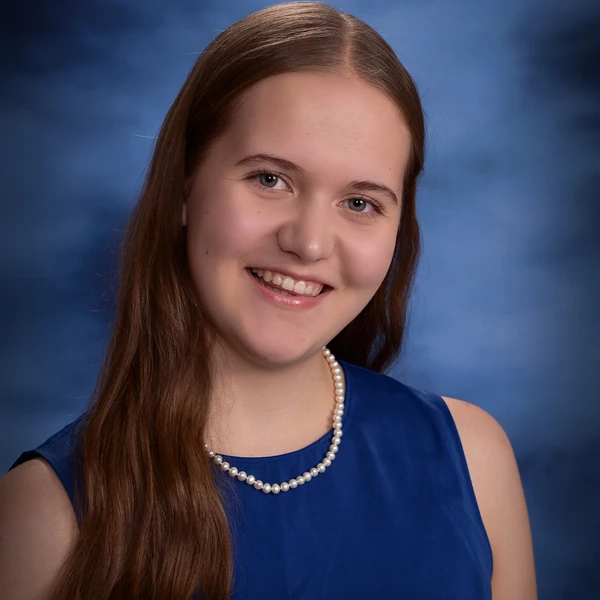
Hello! My name is Saulene Sebeda, and I am a self-motivated life-long learner with a keen interest in cellular and plan biology, genetics, and biomedical research. As a first-generation student, I have high aspirations for my future and am not willing to give up.
Education
Worcester Polytechnic Institute
Bachelor's degree programMajors:
- Biotechnology
- Biological and Biomedical Sciences, Other
Framingham High School
High SchoolMiscellaneous
Desired degree level:
Doctoral degree program (PhD, MD, JD, etc.)
Graduate schools of interest:
Transfer schools of interest:
Majors of interest:
- Biological and Biomedical Sciences, Other
- Medicine
- Biology, General
- Biochemistry, Biophysics and Molecular Biology
- Genetics
- Biotechnology
Career
Dream career field:
Medicine
Dream career goals:
My long-term career goal is to become either a researcher in biology/biotechnology or a pediatric cardiologist.
Student Assistant in Archives and Special Collections Department at WPI
Worcester Polytechnic Institute2025 – Present1 yearAuthor of biology blog, "Biology's Branches"
Young4STEM2024 – 20251 year
Sports
Dancing
2018 – Present8 years
Research
Public Health
Worcester Polytechnic Institute — Researcher2025 – 2025Biological and Biomedical Sciences, Other
AP Biology Course at high school — Student of AP Biology course, participant of research project2024 – 2024
Arts
High School's Orchestra
Music2021 – PresentBoston Lithuanian Folk Ensemble
Dance2024 – PresentBrandi Rae's School of Dance/All About That Dance Company
Dance2022 – Present
Public services
Volunteering
Ecotarium — Education Program Volunteer2026 – PresentVolunteering
Young4STEM — Author of biology blog, "Biology's Branches"2024 – 2025Volunteering
Brandi Rae's School of Dance — Volunteered with cleaning and organizing2022 – 2022Volunteering
Why Not Devin — Volunteer at concession stand2022 – 2022
Future Interests
Advocacy
Volunteering
Philanthropy
Willie Louis Pegues Science Scholarship
I did not fall in love with science all at once. At first, it intimidated me.
In ninth grade Honors Biology, I remember sitting in class as we learned about CRISPR-Cas9 gene editing. The diagrams felt overwhelming, the terminology foreign, and the ethical implications far beyond what I thought I could grasp. I understood the basic mechanics, but I did not yet understand how to think like a scientist. Instead of feeling inspired, I felt uncertain. That uncertainty changed the way I approached science.
Rather than giving up, I began asking more questions. Science, I realized, is not about immediate understanding, it's about curiosity and persistence. My interest deepened when medicine became personal. When my mother experienced paroxysmal atrial fibrillation and my father later suffered a cardiac episode, biology moved from textbook pages into hospital rooms. I watched physicians interpret data, remain calm under pressure, and translate complex science into reassurance. In those moments, I saw what it meant to use knowledge not just to understand the body, but to steady fear.
Years later, I returned to CRISPR at the Tufts Mini-Medical School Intensive. This time, instead of struggling to keep up, I chose to lead my own Capstone project exploring the bioethical dimensions of gene editing. I wanted to understand not only how we can edit genes, but how we should. That experience marked a turning point: I no longer saw science as something to survive, I saw it as something to shape responsibly.
My career goal is to become a physician-scientist, likely in cardiology, where I can bridge research and patient care. I am fascinated by how molecular mechanisms influence systemic health, particularly in cardiovascular disease. I hope to contribute to research that improves early detection and personalized treatment while also practicing medicine that prioritizes compassion and cultural awareness. Science, to me, is most powerful when it is human-centered.
Beyond academics, leadership and service have shaped my growth. As president of a student-led dance company and a violinist, I have learned that healing and connection extend beyond laboratories and clinics. Organizing performances at nursing homes and community events has shown me that joy and presence are forms of care, too. These experiences remind me that being a scientist requires not only analytical skill, but empathy and communication.
Receiving this scholarship would significantly influence my educational journey. With both my twin and me pursuing higher education and my family managing medical expenses, financial strain is a constant reality. This support would allow me to dedicate more time to research, clinical volunteering, and advanced coursework rather than dividing my focus between financial pressures and academic ambition. It would provide stability during a demanding period of scientific training.
More importantly, this scholarship would affirm the path I am working toward, one where resilience replaces self-doubt, curiosity replaces intimidation, and science becomes a tool for service. I intend to pay that affirmation forward by mentoring younger students, especially those who feel overwhelmed by STEM at first glance. I know what it feels like to question whether you belong in science. I also know how transformative it is to realize that growth is possible.
I once struggled to understand CRISPR. Now I study its ethics and applications. That transformation reflects more than academic progress, it reflects who I am becoming. I am not just pursuing science; I am growing into someone capable of contributing to it thoughtfully and compassionately.
This scholarship would not simply support my education. It would strengthen my ability to become the kind of scientist who uses knowledge to heal, question responsibly, and uplift others.
Second Chance Scholarship
I want to make a change in my life because I have seen firsthand how fragile health can be — and how powerful knowledge and compassion are in moments of fear. When my mother experienced paroxysmal atrial fibrillation and my father later suffered a cardiac episode, I watched medicine move from something abstract in a textbook to something urgent, personal, and lifesaving. I realized I did not just want to understand biology; I wanted to use it to steady someone else’s uncertainty the way physicians steadied ours.
That realization transformed how I approached my education. Instead of simply completing assignments, I began seeking depth. In ninth grade, I struggled through a lesson on CRISPR-Cas9 in Honors Biology, feeling overwhelmed by its complexity. Years later, at the Tufts Mini-Medical School Intensive, I returned to CRISPR not just to understand how it edits genes, but to explore the bioethical questions surrounding it. For my Capstone project, I examined how scientific innovation must be paired with ethical responsibility, a theme that continues to guide me. Growth, for me, has meant leaning into what once intimidated me.
Beyond the classroom, I have worked to lead and serve. As former president of a student-led dance company, I would coordinate performances at nursing homes and community events because I believe healing also happens through human connection. Music and dance have always grounded me — as former first chair violinist and as a Lithuanian folk dancer, including performing in Lithuania during the centennial Song Festival. These experiences remind me that culture, joy, and community are forms of care too.
This scholarship would ease the financial pressure on my family as both my twin and I pursue higher education while my parents navigate medical expenses and loan obligations. More than financial relief, it would allow me to focus more fully on research, clinical volunteering, and academic growth without the constant weight of economic strain. It would not simply support my education, it would expand my abilitiy to serve others.
I plan to pay it forward by mentoring younger students interested in STEM, particularly young children who doubt whether or not STEM is attainable. I know that feeling well. I also intend to continue community outreach through medicine and cultural engagement, ensuring that science remains accessible and human-centered. One day, as a physician, I hope to create spaces where patients feel heard, not hurried, especially those from underrepresented cultural backgrounds who may struggle to advocate for themselves.
Change, for me, is not about leaving behind who I am. It is about growing into someone who can carry knowledge, culture, and compassion forward, and use them to make someone else’s hardest moment a little lighter.
Jim Maxwell Memorial Scholarship
Faith has been the compass guiding me through life’s most difficult moments. Though my parents planted the seed of faith early on, it was during the isolation of the COVID-19 pandemic that I truly came to know Jesus. At that time, I was struggling with anger and bitterness toward my father, unable to forgive him for the ways he had hurt me. I believed I was being punished and could not understand why life felt so heavy.
Through social media, I encountered a testimony and Bible study by an influencer named Gabe Poirot. Listening to his story, I realized that forgiveness was the key to freeing myself from a broken past. Despite my father’s continued difficult behavior, I chose to forgive him, and in doing so, I discovered a joy I had never experienced. That moment became the turning point of my spiritual journey, showing me the power of grace and the transformative nature of faith.
Since turning 18, I have committed myself to deepening my relationship with Jesus. I was recently baptized in November, marking a milestone in my faith journey, and I have become actively involved in my college Christian community. I co-lead a Bible study through Christian Bible Fellowship, play the violin on the worship team, and attend church every Sunday. One of my proudest moments was bringing five friends to church—something I had never experienced as a child, yet now I can be that friend for others, sharing the joy of faith in tangible ways. Another beautiful moment I experienced was when my college roomate so proudly showed off her new bible she had been gifted for Christmas. She seemed so excited to share that she had started reading the bible and I couldn't have been prouder. When I first started college and attending church on my own, inviting others truly seemed daunting and something I was not capable of. Now, as I've grown in my faith I have also grown in my confidence in Christ. I move more boldy in faith by inviting anyone I talk to and proclaim the love of God. These experiences have taught me that faith is not only personal but also communal; it grows when shared with others and when we guide them toward hope and understanding.
Faith has not only shaped my spiritual life but has strengthened my ambition and purpose. As a pre-med student studying biology and biotechnology, I am driven to use my education to serve others, particularly in pediatrics and cardiology. My faith inspires me to approach medicine with compassion, integrity, and a desire to uplift every person I encounter. Just as I found forgiveness and grace, I hope to bring healing and hope to the lives of others, both through medical care and through mentorship.
Receiving the Jim Maxwell Memorial Scholarship would allow me to continue pursuing my education while staying committed to service and faith. It would empower me to honor Jim Maxwell’s legacy by living a life rooted in purpose, guiding others toward hope, and using my talents to make a meaningful impact in both my community and my future career.
Jimmie “DC” Sullivan Memorial Scholarship
Dance has been one of the most important parts of my life, shaping not only how I move, but how I connect with others. At my dance studio, I found a second home built on trust, encouragement, and connection. My dance teacher became more than an just instructor; she became a mentor and a friend, showing me the power of leading with empathy and consistency. That example deeply influenced the way I now work with younger dancers, especially those who are shy or unsure of themselves.
At my studio I had the privilege of participating in a student-led dance company, All About That Dance company. My freshman year, I was just part of the company as a team member but as I grew older, I also wanted to grow within the company. As a sophormore and junior I was the Vice-President. This role was intense and mentally demanding. I spent hours outside of the studio choreographing dances, organing performance details, fundraising, and designing merchandise for the studio. Finally, my senior year I became the President of AATD. I continued on with all of my previous responsibilities whilst trying to improve in any possible way I could. My senior year and even now I reflect on my immense growth at my studio. I began as a timid, reserved 11 year old who did not have very many friends but as I grew older so did my circle and my confidence. Constantly being at the studio, people began to recognize me, especially younger dancers who would come up to me and ask about how they could join the company.
One of the greatest privileges I had as both a member and leader of AATD company was being able to perform for seniors in my community through our nursing and retire living home performances. A few times each year we would visit our local community homes and perform a full set of dances, ranging from large group numbers to smaller solos. This was the first time I truly felt connected to my communtiy, especially because previously I was not sure how to connect to those outside of my inner circle.
After our first performance, I decided to commit my life to reaching out to others. We later volunteered at a local 5K as cheerleaders for the runners. We stood by the sidelines and cheered on every single runner and waited until the very last one crossed the finish line. We started and ended with the same passionate energy, maybe even got even louder and more energetic for the very last one.
At the end of the race, a local resident approached us to thank us for our infectious energy. She shared that at many races she’d attended, the cheering usually died out halfway through, leaving the last runners to finish in silence. Her words reminded me how even small acts of encouragement can make someone feel seen, and they strengthened my commitment to showing up for others whenever I can.
Moving forward, I plan to continue mentoring and teaching young dancers, using dance as a way to build confidence, resilience, and community, just as my studio once did for me.
Dorothy Walker Dearon Scholarship
WinnerMy academic goal is to earn a degree in biology and biotechnology while completing the pre-medical track, building a strong foundation in molecular biology, genetics, physiology, and applied research. I am particularly interested in understanding how biological systems function at both the cellular and systemic levels, and how biotechnological innovations can be used to improve disease prevention, diagnosis, and treatment. Through coursework, laboratory experience, and research opportunities, I aim to develop the analytical and technical skills necessary to translate scientific knowledge into meaningful healthcare solutions.
My interest in biotechnology stems from its ability to bridge discovery and application. Advances in genetic testing, molecular diagnostics, and targeted therapies have transformed the way diseases are identified and managed, and I am eager to contribute to this rapidly evolving field. Academically, I hope to engage in research that explores how emerging biotechnologies can improve early detection and personalized treatment strategies, particularly for chronic and life-altering conditions. This interdisciplinary approach allows me to connect biological science with real-world health outcomes, reinforcing my commitment to patient-centered care.
Professionally, my goal is to become a physician who integrates biotechnology into clinical practice, with a special interest in pediatrics and cardiology. I am drawn to pediatrics because early intervention has the power to shape lifelong health, and to cardiology because cardiovascular conditions remain a leading cause of morbidity despite significant scientific advancement. By combining my training in biology and biotechnology with clinical medicine, I hope to improve preventative care, refine treatment options, and enhance long-term outcomes for patients across all stages of life.
Beyond individual patient care, I am deeply interested in the broader implications of medicine for public health. I aspire to work at the intersection of research, clinical practice, and health education, where scientific innovation can be translated into accessible and equitable healthcare solutions. Whether through research initiatives, community outreach, or advocacy, my long-term goal is to ensure that advancements in biotechnology benefit diverse and underserved populations rather than remaining limited to those with greater access to care.
As a first-generation college student from an immigrant family, I approach my academic and professional goals with focus, resilience, and purpose. I am motivated not only by intellectual curiosity, but by a responsibility to use my education to create impact. By pursuing a career that integrates biology, biotechnology, and medicine, I hope to advance scientific progress, promote public health, and contribute to a healthcare system that is innovative, ethical, and inclusive.
Elevate Women in Technology Scholarship
When my mother was diagnosed with paroxysmal atrial fibrillation, her life—and by extension, mine—was reshaped by the uncertainty that comes with heart rhythm disorders. Each flutter of her heartbeat sparked concern. Despite medications and lifestyle changes, the episodes continued. It wasn’t until recently, when she underwent a procedure called pulse field ablation, that I witnessed the transformative power of medical technology—not just to treat illness, but to restore hope.
Pulse ablation, a newer advancement in catheter-based heart surgery, uses non-thermal electrical fields to target and neutralize the heart tissue causing arrhythmias. Compared to traditional ablation techniques, which use extreme heat or cold, this method is more precise and gentler on surrounding tissues. My mother was up and walking the same day. The science felt almost futuristic—yet it was very real, and it was saving her quality of life.
Watching her recover with such ease inspired me to dig deeper into the biotechnology behind the procedure. I was fascinated by how this innovation harnessed electric fields to produce a biological change—an intersection of physics, engineering, and medicine. It showed me that healing doesn’t always require drastic intervention.
This technology encouraged my desire to study biology and biotechnology in college. It showed me that science is not just about discovery—it’s about delivery. It's about ensuring that people like my mother, and countless others, can return to their lives without fear shadowing every heartbeat. Pulse ablation didn’t just stabilize her heart; it energized mine.
In a world where chronic illness touches every family, technologies like pulse ablation remind me that the future of healthcare lies not only in curing disease but in making care less invasive, more accessible, and deeply human. That’s the future I want to be part of—one where science listens to the rhythms of life and answers with innovation.
Pastor Thomas Rorie Jr. Furthering Education Scholarship
Once I earn my college degree, I hope to do far more than simply enter a profession—I want to serve, uplift, and inspire others in a way that reflects the purpose I believe God has given me. Graduating with a degree in biology and biotechnology from Worcester Polytechnic Institute will be the first major step toward my goal of becoming a cardiologist. But even more than that, it will be a step toward a life of service—one rooted in science, strengthened by compassion, and guided by my faith.
My career aspiration to become a cardiologist has both scientific and personal foundations. I have always been fascinated by how the human body functions, and I’m especially drawn to the heart—not just as a vital organ, but as a powerful symbol of healing, strength, and vulnerability. That fascination grew deeper when my father suffered a heart attack. He refused to go to the emergency room for nearly five hours despite the severity of his condition. When he finally sought medical attention, the damage to his heart was significant, but miraculously, he survived. That moment was terrifying, yet transformative. It made me reflect on how fragile life is, and how vital timely, compassionate care can be.
But the impact of that experience went beyond science—it also touched my faith and my relationship with my father. My relationship with him has long been complicated. Although he has provided for our family financially, he has often struggled to be emotionally present, and his temper and harsh words left deep emotional scars. I used to carry resentment toward him for many years. But witnessing his near-death experience and the grace that followed helped soften my heart. I began to understand forgiveness not just as a feeling, but as a choice rooted in love and faith. I believe God gave my father another chance—not just for him, but also to allow healing within our family. That moment helped me see my purpose more clearly. I realized I wanted to be a physician who treated people with not only knowledge and skill, but also with patience, empathy, and grace.
Faith plays an integral role in everything I do—from how I navigate challenges to how I envision my future. Though I was raised in a culturally Catholic Lithuanian household and attended heritage camps growing up, my true journey into Christianity began during my later high school years. At a time when I felt emotionally drained, spiritually empty, and overwhelmed by academic stress, I found God again—this time in a real, personal way. I came across Christian voices on social media who shared their testimonies, scripture, and stories of hope. At first, I was just listening out of curiosity. But slowly, something began to shift in me. I realized that I didn’t just need encouragement—I needed a Savior.
That year, I made the decision to give my life to Christ. I started reading the Bible daily, praying with purpose, and seeking out worship music and teachings that spoke to my heart. I began to feel peace even in the middle of chaos. Despite living in a household where my faith wasn’t always understood or welcomed, I stood firm. My siblings would occasionally tease me for my beliefs, and it was difficult not being able to fully share my spiritual growth with my family. Still, I continued to pursue a relationship with God, knowing that He was with me even when I felt alone.
Now, as I enter college, I am committed to keeping my faith at the center of my life. I’m already seeking out Christian fellowship groups on campus so that I can grow spiritually and be surrounded by others who share my values. I believe that God has called me to be a light in a field where empathy is often undervalued, and I take that calling seriously.
My long-term goals go far beyond earning a white coat or having the title “doctor” before my name. I want to serve communities where access to compassionate medical care is limited. I hope to work in hospitals, but also in underserved areas—locally or even abroad—where I can offer not just medicine, but hope. I envision leading outreach efforts, mentoring underrepresented students in STEM, and even participating in medical mission trips that combine my love for science with my desire to serve through faith. I don’t just want to treat patients—I want to walk alongside them, listen to their stories, and offer care that heals the body and touches the soul.
Pursuing higher education is not just my dream—it’s the fulfillment of sacrifices made by others, particularly my parents. My father is the sole provider in our household, and while our relationship has had its difficulties, I respect how hard he works to keep our family afloat. My mother, though not employed, has supported me in quiet and meaningful ways. Neither of them had the opportunity to pursue higher education, and it means everything to me to be able to take that step not just for myself, but for my family’s future. I want to break generational cycles and create new possibilities—ones rooted in resilience, growth, and purpose.
However, as a student from a low-income background, the path to a college degree is financially daunting. Tuition, housing, books, lab materials, and daily living expenses quickly add up. I’ve already been awarded several grants and scholarships, but even after federal aid and loans, there’s still a significant gap I need to cover. I also want to limit the amount of debt I graduate with, so I can one day serve patients without being burdened by financial strain. That’s why receiving this scholarship would mean so much. It would ease that burden and allow me to focus more fully on my academic and pre-medical training. It would also give me the flexibility to participate in meaningful research or volunteer work without needing to work excessive hours to make ends meet.
In practical terms, this scholarship would allow me to afford books, lab equipment, and other materials essential to success in a rigorous STEM program. But on a deeper level, it would be a vote of confidence in my journey. It would affirm that someone believes in not only what I’m doing, but who I am becoming—a scientist, a servant, a leader, and a woman of faith.
Looking forward, I see a future where I am walking into hospitals and clinics, not just with a stethoscope, but with a heart full of purpose. I see myself comforting families, mentoring students, and being a representative of God’s love in places where hope can sometimes feel lost. My life won’t be perfect, but it will be meaningful—and this scholarship would help make that vision a reality.
Patricia Lindsey Jackson Foundation - Eva Mae Jackson Scholarship of Education
Faith is the foundation of my life. It shapes the way I see the world, how I respond to challenges, and how I envision my future. My relationship with God has been a journey marked by growth, healing, and purpose—and it has become the driving force behind both my academic pursuits and my dreams for the future.
Although I was introduced to Christianity in childhood through a culturally Catholic Lithuanian household, my true faith journey began later in life. I knew of Jesus, but I didn’t yet understand the fullness of His love or what it meant to have a personal relationship with Him. It wasn’t until I encountered God through Christian voices online—at a time when I felt alone, misunderstood, and spiritually adrift—that I truly gave my life to Christ. What began as curiosity quickly became commitment. I started reading my Bible daily, praying with intention, worshiping wholeheartedly, and finding strength and identity in Him. Faith moved from being a concept to a living, guiding presence in my life.
This transformation happened during one of the most difficult seasons of my life—my senior year of high school. I faced immense academic pressure, emotional exhaustion, and a sense of isolation that weighed heavily on me. But in my lowest moments, I found that God was nearest. He became my comfort, my strength, and the source of my perseverance. With Christ, I began to see myself not as someone limited by circumstances, but as someone equipped for a purpose.
That purpose has taken root in my desire to become a cardiologist. I am currently pursuing a degree in biology and biotechnology, not only because I love science, but because I feel called to serve people during their most vulnerable moments. My faith has given me a heart for healing—not just physical healing, but emotional and spiritual restoration too. When my own father suffered a heart attack and delayed treatment for hours, I witnessed both the fragility of life and the power of God’s mercy. That experience, and the forgiveness it brought into my family, solidified my decision to enter medicine. I want to care for patients not just with knowledge and skill, but with empathy, patience, and compassion—reflecting the love that God has so freely given to me.
Alongside faith, my motivation to pursue higher education has also come from witnessing the sacrifices of others. My father, despite our complex relationship, has worked tirelessly as the sole provider for our family. My mother, though not employed, has been a silent pillar of strength in many ways. They did not have the same opportunities I have, and their lives have made me determined to break generational cycles and pursue something greater. I also think of the teachers and mentors who saw potential in me when I struggled to see it in myself. Their belief in me, paired with my belief in God’s plan for my life, is what keeps me moving forward.
Higher education is not just a goal—it’s a calling. It is the path through which I hope to honor my faith, uplift my family, and serve others with excellence and love. Receiving the Patricia Lindsey Jackson Scholarship would ease the financial burden that often weighs heavily on my mind as a student from a low-income household. It would give me the space to focus more on my studies, my faith, and the future I am building not only for myself, but for the people I hope to impact.
I don’t walk this path alone. God walks with me, guides me, and gives me the strength to keep going. I hope to use every lesson, every struggle, and every blessing to glorify Him—and to make a difference in the lives of others.
Pastor Thomas Rorie Jr. Christian Values Scholarship
Though the seed of faith was planted early in my life, my true journey into Christianity didn’t begin until later. I grew up in a Lithuanian household with culturally Catholic roots. Every summer, we attended a Lithuanian heritage camp that introduced us to religious traditions, community, and national pride. I was familiar with the story of Jesus from a young age. I knew the basics of His life, death, and resurrection. But I didn’t yet grasp the depth of His sacrifice or the life-changing truth that through Him, we are offered a personal relationship with God.
For much of my early life, my prayers were occasional and my understanding of faith was limited to what I’d seen around me—rituals, stories, and heritage, but not transformation. I believed in God in theory, but I didn’t know Him in a way that changed how I lived. That all began to shift during high school, when a combination of emotional pain, family struggles, and unexpected divine encounters began to awaken something much deeper in me.
I first felt pulled to give my life to Christ because I longed for a relationship with a true Father in Heaven. My relationship with my earthly father has always been complex and strained. While he was physically present in our home, he wasn’t always emotionally or spiritually available. Throughout my childhood and adolescence, he struggled with anger and was often verbally abusive. The tension in our relationship left me feeling hurt, isolated, and uncertain of my worth.
As I grew older, I began to understand that much of my father’s behavior stemmed from his own pain. He didn’t grow up with a consistent father figure himself, and the trauma he carried inevitably shaped the way he parented. Still, those explanations didn’t erase the wounds I had accumulated over the years. I carried them quietly—until I encountered Jesus in a real and personal way.
It was through social media, of all places, that I was first introduced to a different kind of Christianity—one rooted not in religion, but in relationship. While social media often gets a bad reputation for spreading negativity or superficiality, it also allowed Christian creators to reach people like me. I stumbled upon videos of young believers sharing their testimonies, Bible verses, worship playlists, and gentle but powerful reminders of God’s love. These digital voices cut through the noise of the world and spoke directly to my heart. For the first time, I saw that Jesus wasn’t just a historical figure—I saw that He was alive, that He wanted a relationship with me, and that He had already paid the price for my healing and redemption.
I made the decision to follow Christ, and in that moment, something shifted. I no longer felt spiritually alone. I had a new Father—one who never left, who never condemned me, and who loved me unconditionally. But while I had found my Savior, living out my faith in a home of non-believers proved to be another challenge. My siblings occasionally joked about my beliefs, and there were few opportunities to discuss my faith openly. I often felt like I had to hide this part of myself in order to keep the peace. Despite this, I held on.
During my senior year of high school, I hit an emotional low. I was overwhelmed by academic stress, struggling with anxiety, and facing a series of personal disappointments. Graduation season—a time that was supposed to be joyful—became one of my darkest seasons. But it was also the moment I truly returned to God with everything I had. I began reading my Bible every day—not as a task, but as nourishment for my soul. I replaced background noise with worship music, swapped out social media trends for Christian teachings, and sought out digital and local communities of faith. This time, I was all in. I wasn’t just curious—I was committed.
Now, as I prepare to attend university, I’m continuing to build my faith on a solid foundation. One of my first priorities is to join a Christian fellowship group on campus so that I can grow spiritually and walk in accountability with other believers. I know that college will bring new challenges, but I am more rooted than ever in my identity in Christ.
Academically, I am pursuing a degree in biology and biotechnology with the goal of becoming a cardiologist. My passion for medicine is not only scientific—it is deeply spiritual. I want to serve people in their most vulnerable moments, showing them the same compassion, hope, and love that God has shown me. My calling to cardiology is deeply intertwined with my personal testimony of forgiveness and mercy.
My father, the man who had hurt me deeply, suffered a heart attack that nearly took his life. In his stubbornness, he refused to go to the emergency room for nearly five hours. By the time he sought help, significant damage had been done to his heart. And yet, he survived. I believe that God spared him—not just for his sake, but for mine. That moment helped soften my heart. It made forgiveness real. I realized that if God could spare my father and offer him another chance at life, then I could offer him grace, too. That experience didn’t just change my relationship with my dad—it confirmed my desire to become a doctor who sees the whole person, not just their diagnosis. It affirmed my calling to bring empathy, integrity, and Christ-like care into a field where those qualities are often overshadowed by routine and pressure.
Receiving this scholarship would be a tremendous blessing. As a student from a low-income household, where my father is the sole provider and earns a modest income, finances are a constant concern. My educational dreams are big, but they come with a high cost. This scholarship would help lift some of that financial burden, allowing me to focus more on my studies, my faith, and my personal growth. It would also allow me to spend more time in service—both through academic and faith-based opportunities—rather than worrying about how to afford books, fees, or basic necessities.
Looking ahead, my long-term goal is not only to become a doctor, but to live a life that reflects the love and character of Christ. I want to be the kind of physician who listens deeply, speaks kindly, and acts justly. Whether through mentoring younger students, leading Bible studies for pre-med peers, or simply treating each patient with dignity, I want my life to point back to Jesus. Every room I walk into, whether it’s an exam room or a dorm room, is an opportunity to be a light.
This scholarship is not just a financial gift—it’s a stepping stone toward a future where I can live out my purpose with excellence, faith, and compassion. I am confident that with God’s help, and with support like yours, I can walk this path boldly—not for my glory, but for His.
Sean Carroll's Mindscape Big Picture Scholarship
The universe has always felt like an invitation, an endless mystery asking us to look closer, question further, and understand deeper. Growing up as a Lithuanian-American, I was immersed in a heritage that values storytelling, folklore, and an incredibly deep connection to the world around us. Some of my most cherished memories reflect this bond, like the night I left a national concert for the 100th anniversary of the Lithuanian Song and Dance Festival.
It was around midnight, and the performance had ended in celebration and song. As we walked through the trails of a quiet park, the forest embraced us with its stillness. I looked up, and the stars stretched endlessly above, unspoiled by city lights. Each star seemed like a small portal into something infinite. The air was filled with the quiet hum of conversation, but I couldn’t help feeling the weight of the universe’s vastness and mystery. In that moment, I wondered: How do we fit into all of this? How can something so immense also feel so personal?
To me, understanding the nature of the universe is not merely a scientific pursuit—it is an act of cultural and human continuity. The stories of my ancestors, passed down through generations, attempted to explain the unexplainable: why the stars shine, why seasons change, why humans exist. Science, in its essence, continues this legacy of storytelling, using equations instead of metaphors, telescopes instead of oral tradition.
My dream is to merge the timeless curiosity of my heritage with the cutting-edge tools of modern science. By studying biology, particularly CRISPR Cas9 and bioethics, I have come to realize that the universe’s greatest mysteries do not just lie in distant galaxies but within the intricacies of life itself. DNA, like the stars, holds the history of where we come from and hints at where we might go.
As I explore the universe, I hope to employ ideas rooted in both my heritage and science: connection and inquiry. Connection reminds me that no discovery exists in isolation; every insight builds upon the collective work of humanity. Inquiry demands that I look beyond my current understanding, always questioning and searching for deeper truths.
A better understanding of the universe is vital because it overcomes the boundaries of time, culture, and discipline. It unites us in a shared pursuit of knowledge that can spark innovations, challenge preconceptions, and inspire generations to come. As someone whose Lithuanian roots have taught me to treasure both the known and the unknown, I am determined to explore the universe with a sense of humility, wonder, and purpose.
Whether by gazing at the stars or examining the smallest building blocks of life, I believe in the transformative power of discovery. By seeking to understand the universe, we not only honor the curiosity of those who came before us but also ignite a passion for the future—a future where our understanding deepens, our stories evolve, and our connections endure.