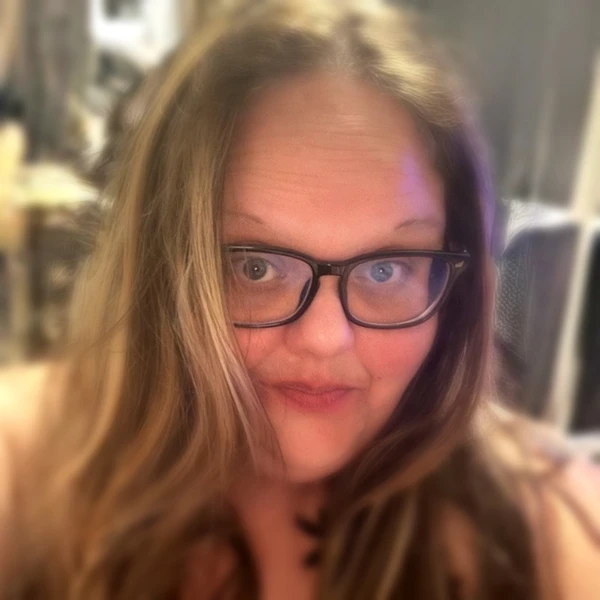
Sandra Fitzgerald
1x
FinalistSandra Fitzgerald
1x
FinalistBio
My path into psychology was forged through lived experience, disciplined scholarship, and a commitment to expanding access to ethical, evidence-based mental health care.
In September 2025, I will mark ten years in recovery from opioid addiction — a milestone that now drives my professional mission. As a first-generation college student and single mother, I have maintained a 4.0 GPA while completing my Master of Science in Forensic Psychology at Southern New Hampshire University. I have been accepted into the Clinical Mental Health Counseling program at The College of New Jersey and am currently awaiting decisions from UCLA’s Clinical Psychology PhD program and Johns Hopkins University’s Clinical Mental Health Counseling program.
Professionally, I serve as a clinical practice manager and co-founded Transcend Community Healing, Inc., a nonprofit delivering clinician-guided support groups and case management for underserved families. My research examines psychedelic-assisted therapy efficacy and how War on Drugs–era messaging continues to shape public opinion.
Through NSLS Foundations, Advanced, and Executive Leadership certifications, I continue building the skills necessary to expand trauma-informed, community-centered care nationwide.
Education
Southern New Hampshire University
Master's degree programMajors:
- Clinical, Counseling and Applied Psychology
Minors:
- Research and Experimental Psychology
Southern New Hampshire University
Bachelor's degree programMajors:
- Psychology, General
Middlesex County College
Associate's degree programMajors:
- Social Sciences, General
Miscellaneous
Desired degree level:
Master's degree program
Graduate schools of interest:
Transfer schools of interest:
Majors of interest:
- Clinical, Counseling and Applied Psychology
- Research and Experimental Psychology
- Psychology, General
- Psychology, Other
- Student Counseling and Personnel Services
- Social Sciences, General
- Public Administration and Social Service Professions, Other
- Mental and Social Health Services and Allied Professions
- Social Sciences, Other
- Clinical/Medical Laboratory Science/Research and Allied Professions
Career
Dream career field:
Mental Health Care
Dream career goals:
Forensic Psychology/ Clinical Psychology/ Mental Healthcare Management Case Management
Private Practice Mental Health Administrator/ Intake Coordinator/ Case Manager
2016 – Present10 years
Research
Research and Experimental Psychology
Southern New Hampshire University — Research Student2025 – 2026Clinical, Counseling and Applied Psychology
Southern New Hampshire University — Research Student2025 – 2025Biopsychology
Southern New Hampshire University — Case Study Thesis & Projected Analysis2025 – PresentBiopsychology
Southern New Hampshire University — Reasearch Gap Thesis- Metaanalysis2025 – Present
Public services
Advocacy
Multidisciplinary Association for Psychedelic Studies — Educating the public on psychedelic therapies while working with agencies like the FDA and EMA to ensure ethical research, sound funding, and legal access through well-regulated, evidence-based frameworks.2025 – PresentVolunteering
Community Chef — Providing nutritional meals, engage in meaningful conversation, provide resources for healing and assistance2025 – Present
Future Interests
Advocacy
Politics
Volunteering
Philanthropy
Entrepreneurship
Jill S. Tolley Scholarship
The moment I realized I needed to change my life was not dramatic from the outside, but it was everything from within. I was holding my young niece, who had been left in my care, and I understood in that instant that I had two choices: continue down a path shaped by instability and addiction, or become the person she, and eventually my own son, could depend on. I chose change. That decision became the foundation of my recovery, my return to education, and my commitment to building a life centered on purpose, healing, and service.
As a single mother, pursuing higher education has required a level of discipline and resilience that cannot be taught in a classroom. My son, born in November 2022, depends on me for everything, and I carry that responsibility with pride. My days are filled with balancing coursework, parenting, and professional responsibilities supporting mental health clinicians who serve vulnerable populations. My nights are often spent studying after my son falls asleep. While many students worry about deadlines, I am also navigating childcare, financial pressure, and the emotional responsibility of being the sole provider for my family. Despite these challenges, I have maintained a 4.0 GPA and continue to push forward with unwavering determination.
My reason for pursuing higher education is deeply personal, but it extends far beyond my own life. Having experienced addiction and recovery firsthand, I understand the gaps in our mental health and substance use treatment systems, especially for women and mothers. I am currently pursuing my Master of Science in Forensic Psychology and plan to continue into a Clinical Mental Health Counseling program to obtain licensure. My long term goal is to become a clinician specializing in trauma, addiction, and family reunification, helping individuals rebuild their lives in the same way I have fought to rebuild mine.
In addition to my academic journey, I am the founder of Transcend Community Healing, a nonprofit initiative focused on providing trauma informed care, case management, and support for underserved populations, particularly single mothers in recovery. This work is not theoretical to me. It is lived. I know what it feels like to struggle in silence, to navigate systems that are difficult to access, and to need support that simply is not available. Through my nonprofit and professional work, I aim to close those gaps and create sustainable pathways to healing and stability for others.
I am uniquely deserving of this award because I represent the resilience this scholarship was designed to support. I am not only working to change my own life, but to create change in my community. Every class I complete, every late night I push through, and every step I take forward is rooted in a larger mission to ensure that other mothers, families, and individuals in recovery have access to the support, dignity, and opportunities they deserve. This scholarship would not only ease the financial burden of my education, but it would directly contribute to a future where I can continue transforming adversity into meaningful impact.
Sharra Rainbolt Memorial Scholarship
For many years, my life felt like it was moving in the wrong direction. I struggled with heroin addiction and the instability that often follows it, unsure whether I would ever find a path forward. Recovery did not come easily, but it brought a profound realization. If I was given another chance at life, I would dedicate it to helping others who felt as lost and unseen as I once did. Today, as a single mother pursuing graduate education in psychology, that purpose guides everything I do.
Returning to school as a nontraditional student requires discipline and sacrifice. There are long nights studying after he falls asleep, early mornings preparing for coursework, and the constant financial pressure that comes with raising a child alone while pursuing higher education. These challenges remind me why I am working so hard.
Much of my strength comes from my grandmother. She lived with severe agoraphobia caused by complex trauma and spent the last decade of her life rarely leaving her bedroom. To many people her world may have appeared small, but within those four walls lived one of the strongest and most compassionate people I have ever known. She had a remarkable ability to see the good in others and remind them of their worth when they could not see it themselves.
Later in life she was diagnosed with colon cancer. The illness added physical pain to a lifetime already shaped by quiet battles. In the final weeks of her life, while she was on hospice, I experienced one of the most profound moments of my life. In the comfort of that space she finally allowed herself to speak about a traumatic experience she endured when she was fifteen years old. It was something she had carried silently for decades. Listening to her release that pain was heartbreaking, but it was also an act of extraordinary courage. In that moment I understood how deeply trauma can shape a life and how powerful it is when someone is finally given the space to tell their story.
Despite everything she endured, my grandmother remained a source of hope. Her favorite song was “I Hope You Dance,” and it became a message she passed down to me. She often spoke about feeling as though her wings had been clipped by circumstances she could never fully escape. Yet instead of allowing that pain to make her bitter, she encouraged the people she loved to take the chances she never had.
Her life taught me that suffering does not define a person’s impact. Even within the limitations she faced, she inspired countless people through her empathy, wisdom, and belief in others.
Today I carry that lesson into my own life. Along with raising my son, I help support my teenage niece who came into my care after experiencing instability within her own family. I am also working closely with mental health clinicians and building a nonprofit initiative focused on trauma informed community support and family healing. Through my graduate studies in psychology, I hope to help individuals and families who are navigating the same invisible wounds that shaped my grandmother’s life.
Furthering my education will allow me to transform my past struggles into compassion and advocacy for others. I want my son to grow up knowing that resilience, empathy, and education can transform even the most painful chapters of life.
My grandmother believed her wings had been clipped. Because of her courage, I have learned that when given the choice to sit it out or dance, you always choose to dance.
And because of her, I always will.
Dylan's Journey Memorial Scholarship
Living with ADHD has shaped nearly every part of my academic and professional journey. What many people experience as simple focus or executive functioning has, for me, required intentional structure, persistence, and an enormous amount of self-awareness. Layered onto this is my role as a single mother to my young son, who has been diagnosed with Autism Spectrum Disorder. Together, our neurodiverse household has taught me that disability is not a limitation of potential, but rather a call for systems that are more compassionate, flexible, and human-centered.
As a graduate student currently completing my Master of Science in Forensic Psychology at Southern New Hampshire University, I navigate coursework, research, and leadership responsibilities while also managing the daily realities of parenting a neurodivergent child. There are days when executive functioning is a conscious effort and nights when sleep is secondary to caregiving. Yet these lived experiences have strengthened my resolve rather than weakened it. They have given me a level of empathy and practical insight that cannot be taught in textbooks.
My personal and family experiences with neurodiversity directly inform my professional mission. As co-founder and Clinical Coordinator of Transcend Community Healing, Inc., I am working to build trauma-informed, clinician-guided peer support spaces for underserved populations. Many of the families we aim to serve are navigating the same fragmented systems that I have personally encountered. Too often, individuals with ADHD, ASD, and other disabilities fall through the cracks between mental health care, educational support, and community resources. I am committed to helping close those gaps.
Academically, my research interests include psychedelic-assisted therapy and public perception of emerging mental health treatments, particularly among populations that have historically been overlooked or stigmatized. My long-term goal is to pursue clinical mental health counseling and doctoral-level training so I can contribute both clinically and through research to more inclusive, evidence-based care models.
Living with ADHD while parenting a child with ASD has required me to develop strong adaptive strategies, time management systems, and emotional regulation skills. More importantly, it has deepened my understanding that accessibility is not simply about accommodations. It is about dignity, voice, and belonging. These experiences have made me not only a stronger student, but a more attuned future clinician and advocate.
I am pursuing higher education not in spite of disability, but informed by it. Every challenge has sharpened my purpose. Every barrier has clarified the work that still needs to be done. My path forward is grounded in service, guided by lived experience, and focused on building systems where neurodiverse individuals and families are not merely supported, but truly understood.
Ella's Gift
The night my life almost ended did not look dramatic from the outside. It began with a car accident that introduced me to prescription pain medication and eventually led me down a path I never imagined for myself. What started as medical treatment quietly evolved into dependence, and then into heroin use that consumed nearly a decade of my life. Statistically speaking, my story could have ended there.
Instead, my turning point came in the smallest, most unexpected way. A few weeks before Christmas, my young niece Harmony took my hand and said softly, “Aunt Sandra, I saved you the star.” In that moment, something inside me broke open. I saw clearly that the version of me standing in front of her was not the woman I was meant to be. I chose sobriety ten years ago because of that moment. I chose it because one little girl deserved better.
At the time, I did not know just how important that decision would become.
Nearly a decade later, Harmony’s parents’ struggles with addiction and mental health reached a breaking point, and she was left in my care at fifteen years old. What once felt like a moment of quiet clarity had, in many ways, been preparation. Because I had chosen sobriety years earlier, I was able to step fully into the role she needed. Not long ago, she told me something that stays with me every day. She said she knows she is exactly where she is meant to be.
Those words are the clearest measure of recovery I could ever receive.
My path has been shaped by both trauma and profound growth. After surviving addiction, I committed myself to rebuilding my life through education, service, and purpose. Today, I am completing my graduate education in forensic psychology while working as a clinical case manager and building Transcend Community Healing, Inc., a nonprofit dedicated to trauma informed support, family healing, and recovery focused care for underserved communities.
Recovery for me is not a finish line. It is an ongoing, intentional practice. I maintain my sobriety through structured routines, continued self reflection, community accountability, and by staying deeply connected to the populations I serve. I have learned that healing is sustained not only by abstinence, but by purpose, connection, and meaningful contribution.
Ella’s story resonates deeply with me because I understand how quickly a promising life can feel derailed by circumstances that begin outside of our control. I also understand the quiet, determined work it takes to reclaim that life piece by piece. My academic goals are rooted in becoming a clinician who specializes in addiction, trauma, and family reunification, particularly for women and caregivers navigating recovery. Professionally, I aim to expand Transcend Community Healing into a statewide and eventually national support network that bridges clinical care with peer driven healing communities.
Most importantly, I want to be a constant source of hope for those who believe they have run out of options. Too many people standing where I once stood do not know where to begin rebuilding, or whether rebuilding is even possible. My life is evidence that it is.
If awarded this scholarship, I will continue investing every resource into my education, my recovery, and the communities I serve. I will continue paying forward the second chance that was given to me the night a little girl handed me a star and unknowingly helped save my life.
Because sometimes the smallest moments change everything. And sometimes the greatest legacy we can build is simply refusing to give up, then reaching back to help someone else do the same.
Second Chance Scholarship
There was a time in my life when the concept of a second chance felt more like a distant hope than a realistic outcome. Like many individuals in recovery, I once stood at a crossroads where the weight of my past threatened to define the rest of my future. Choosing sobriety was not a single decision but a daily commitment to rebuild my life with honesty, accountability, and purpose.
What drives me most today is the deep understanding that transformation is possible when someone is given the right support at the right moment. Over the past several years, I have taken intentional steps to move closer to my goals. I returned to school as a nontraditional student and now maintain a 4.0 GPA while completing my Master of Science in Forensic Psychology at Southern New Hampshire University. I have been accepted into the Clinical Mental Health Counseling program at The College of New Jersey and continue to pursue doctoral training so I can expand my impact in the mental health field.
Beyond academics, I co founded Transcend Community Healing, Inc., a nonprofit focused on trauma informed peer support and case management for underserved populations, particularly individuals and families navigating recovery, grief, and major life transitions. Through this work, I have seen firsthand how powerful it can be when someone who has walked through adversity reaches back to guide another person forward.
This scholarship would allow me to continue building the clinical and research foundation necessary to serve vulnerable communities with both competence and compassion. As a single mother balancing graduate education, nonprofit development, and professional work in mental health administration, financial support directly translates into increased capacity to focus on the work that matters most.
Paying it forward is not a future intention for me. It is already embedded in how I live and work. I currently support mental health clinicians in building sustainable practices that serve underserved populations, and through Transcend Community Healing, I am developing clinician guided peer support groups paired with follow up case management to close critical gaps in care. My long term vision is to expand access to evidence based and innovative treatments, including psychedelic assisted therapy within ethical and trauma informed frameworks.
Nelson Vecchione’s belief that everyone deserves a second chance deeply resonates with my lived experience. I am proof that when someone is given the opportunity, support, and belief that change is possible, the ripple effects extend far beyond one individual life.
Receiving this scholarship would not simply help me continue my education. It would strengthen the work I am already doing to ensure that others who are standing at their own crossroads are met with guidance, dignity, and real pathways forward. My commitment is to keep that door open for as many people as possible.
Dr. G. Yvette Pegues Disability Scholarship
My experience navigating disability has not been defined by a single diagnosis, but by layers of neurodiversity within both my own life and my family. Living and learning with ADHD while raising a son on the autism spectrum has given me a deeply personal understanding of how differently the world can be experienced, and how often systems are not built with neurodiverse individuals in mind.
For much of my academic journey, my ADHD presented challenges that were largely invisible to others. Sustained attention, executive functioning, and cognitive overload often required significantly more energy and structure than my peers appeared to need. At the same time, I was learning to advocate not only for myself, but for my son following his diagnosis of Autism Spectrum Disorder. Balancing graduate level expectations with the realities of parenting a neurodiverse child added layers of complexity that few people outside our experience fully see.
Yet these challenges have also become one of my greatest sources of purpose.
As I continue my Master of Science in Forensic Psychology while maintaining a 4.0 GPA, I do so with a clear awareness that academic success for neurodiverse individuals often depends not simply on ability, but on access, flexibility, and informed support systems. Too many capable students quietly disengage from higher education because the environments around them were never designed with cognitive diversity in mind.
My son’s journey has further deepened my commitment to this work. Parenting a child with Autism Spectrum Disorder has required me to become fluent in advocacy, individualized supports, and the importance of early, trauma informed, and developmentally appropriate interventions. I have witnessed firsthand both the progress that is possible when the right supports are in place and the frustration that emerges when systems fall short.
These lived experiences directly inform my professional path. As a clinical practice manager and co founder of Transcend Community Healing, Inc., I am working to expand access to clinician guided support groups and case management services for underserved populations, including neurodiverse individuals and families navigating complex developmental and mental health needs. My long term goal is to help bridge gaps between mental health care, educational systems, and community based supports so that neurodiverse individuals are not simply accommodated, but genuinely understood and empowered.
Living with ADHD while parenting a child with ASD has taught me that disability is often less about limitation and more about the environment in which a person is expected to function. When systems are rigid, individuals struggle. When systems are responsive, flexible, and informed by lived experience, individuals can thrive in extraordinary ways.
My continued graduate education represents more than personal advancement. It is preparation for sustained advocacy on behalf of individuals and families whose needs are too often overlooked. I intend to use both my clinical training and my lived experience to help build more inclusive, trauma informed, and neurodiversity affirming models of care.
What began as a personal navigation of ADHD and autism within my own family has grown into a lifelong commitment to disability justice, inclusion, and meaningful systems change.
James T. Godwin Memorial Scholarship
It was not until my son’s namesake, my grandfather Bill Chance, was nearing the end of his time here on earth that he began to speak candidly with me about his service in the United States Navy. Like many veterans of his generation, he carried his stories quietly for most of his life. But in those final seasons, something softened, and he began to share.
My grandfather served proudly aboard the USS Kittiwake during the Korean War. He spoke of long diving drills, the discipline required of Navy life, and the deep bonds he formed with men he never would have met otherwise. They came from different races, different cultures, and different corners of the country, yet in service they became brothers. What stayed with me most was when he reflected that he left for the Navy a seventeen year old boy and returned home a twenty year old man.
That transformation shaped the rest of his life.
He returned home with quiet determination and a clear sense of purpose. He often joked that while stationed in the Caribbean, his thoughts frequently drifted back to his childhood best friend’s younger sister, the girl he had always held a soft spot for before leaving in 1950. That young woman would later become my grandmother, and from that love story came the family that eventually led to me.
My grandfather was proud to be a Navy man. He was equally proud to be an American, a husband, and the steady rock for his six children, eight grandchildren, and three great grandchildren. Like James T. Godwin, he understood that service does not end when the uniform comes off. It continues in the way a man shows up for his family, his community, and the generations that follow him.
Before he passed, I sat beside him and made a promise. As his first grandchild, I told him it would be my honor one day to visit the USS Kittiwake with my son, his great grandson, who I proudly named Billy in his honor. I wanted my son to understand the legacy he carries in his name and the quiet strength of the man who came before him.
Today, the USS Kittiwake rests beneath the waters of Grand Cayman, where it was purposefully sunk in 2011 and now serves as one of the world’s most recognized artificial reefs and dive sites. There is something profoundly fitting about that. A ship that once protected our waters now continues to give life in an entirely different way, supporting a vibrant underwater ecosystem and drawing people from around the world to witness its enduring presence.
When my son and I make that journey one day, it will not simply be a visit to a historic vessel. It will be a pilgrimage of gratitude. It will be a moment to honor a young seventeen year old who answered the call to serve, the man he became because of it, and the legacy that continues to ripple forward through our family.
That is what military service gave my grandfather. And that is the legacy I am committed to carrying forward.
Strong Leaders of Tomorrow Scholarship
Leadership, in my experience, is rarely loud. It is not defined by titles or visibility, but by the quiet, consistent decision to show up for others, especially when the path forward is uncertain. My leadership journey has been shaped less by moments of authority and more by moments of responsibility, resilience, and service.
As a first-generation graduate student, single mother, and clinical practice manager working within the mental health field, I have learned that leadership often begins in the spaces where systems fall short. Supporting clinicians across New Jersey and New York has given me a front-row view of the gaps that many vulnerable individuals face when trying to access stable, trauma-informed care. Rather than accept those gaps as fixed, I felt called to help build something better.
This calling led me to co-found Transcend Community Healing, Inc., a nonprofit initiative focused on clinician-guided support groups paired with follow-up case management. Our mission is grounded in a simple but powerful belief: healing is more sustainable when individuals are supported both clinically and practically. Through this work, I have stepped into leadership not by directing from above, but by coordinating care, building partnerships, and helping ensure that individuals navigating recovery, trauma, and major life transitions do not fall through systemic cracks.
My leadership has also been deeply shaped by personal adversity. During my pregnancy, I developed a significant thyroid condition that ultimately required surgical removal. Two weeks post-operatively, I experienced a severe calcium deficiency that resulted in lasting neuropathy in my left leg. There are still days when walking is physically difficult, and moments when I am reminded that resilience is not theoretical. It is lived, step by step.
Yet these challenges have only strengthened my commitment to lead with empathy, patience, and determination. As a mother, I am especially mindful that leadership is something we model long before we formally teach it. My son watches how I navigate obstacles, how I continue my graduate studies while managing work and nonprofit development, and how I remain committed to serving others even when the road is demanding. That accountability keeps my leadership grounded in purpose rather than performance.
Academically, I am currently completing my Master of Science in Forensic Psychology with a 4.0 GPA, with plans to continue advancing in clinical mental health counseling. My long-term goal is to help bridge gaps between mental health care, medical systems, and community-based supports, particularly for underserved populations navigating substance use recovery, trauma, and complex family transitions.
What makes me a leader is not that I have arrived at the destination, but that I continue to build pathways where few previously existed. I lead by listening carefully, by creating structure where there was fragmentation, and by remaining committed to the belief that meaningful change happens through sustained, compassionate action.
Leadership, at its core, is stewardship of people, of purpose, and of the futures we help make more possible for others. That is the work I intend to continue for years to come.
Natalie Joy Poremski Scholarship
Faith, for me, has never been abstract, it has been something lived, tested, and carried forward through seasons that required both surrender and strength. My Christian-inclusive foundation has shaped not only how I move through adversity, but also how I understand the inherent dignity and value of every human life, particularly at its most vulnerable stages.
Throughout my personal and professional journey, I have come to see that supporting life requires more than conviction alone; it requires compassionate systems of care that surround individuals and families with practical, emotional, and clinical support. As a first-generation graduate student pursuing advanced training in forensic psychology and clinical mental health counseling, my work is intentionally positioned at the intersection of law, medicine, and public policy. I believe meaningful protection of life must be informed by all three disciplines working in thoughtful collaboration.
Natalie Joy Poremski’s story reflects a profound expression of faith in action. Her mother’s decision to carry her pregnancy to term, despite the heartbreaking diagnosis of anencephaly, speaks to the deep courage that can emerge when faith and love guide difficult choices. While Natalie’s life on earth was brief, her mother’s pro-life decision ensured that Natalie’s presence- however short- became a lasting gift to her family. In many ways, that choice reflects one of the quiet truths I have come to believe: the only beauty we can sometimes find in death is the legacy that love leaves behind. Through Natalie’s life, her family was given both the opportunity to love her fully and the responsibility to carry her memory forward.
In my day-to-day life, I actively live out my faith through service-oriented work that prioritizes dignity, stability, and whole-person care. As a clinical practice manager and co-founder of Transcend Community Healing, Inc., I help support clinician-guided groups and case management services for individuals and families navigating trauma, recovery, and major life transitions. My goal is to ensure that when we speak about valuing life, we are equally committed to building the support structures that make choosing life sustainable and supported in real-world contexts.
Looking ahead, I intend to use my education to help bridge the persistent gaps between mental health care, medical systems, and legal and policy frameworks. Too often, these sectors operate in silos, leaving vulnerable populations to navigate fragmented care. By integrating biopsychological research, trauma-informed clinical practice, and policy-aware advocacy, I hope to contribute to a more compassionate and coordinated model of care that protects and uplifts individuals across all stages of life.
My faith continues to guide both my professional direction and my personal commitments. It reminds me that meaningful change rarely happens through ideology alone, but through consistent, humble service to those most in need of support. In honoring Natalie’s legacy, I remain committed to advancing work that not only affirms the value of life, but also strengthens the systems that help life flourish.
Lauren Rebekah Uterine Fibroid & Endometriosis Research Scholarship
In my late thirties, I came to understand the full spectrum of my reproductive health for the first time in my life. What I discovered did not simply change my medical history — it reshaped my understanding of how quietly and profoundly uterine fibroids can alter the course of a woman’s future.
After spending twelve years with the same partner, including four years of marriage, I had come to a quiet and painful acceptance that motherhood might never be part of my story. Conception had never occurred, and like many women, I was repeatedly reassured that these things sometimes “just take time.” It was not until immediately following my divorce that deeper medical evaluation revealed the true underlying issue: an intrauterine fibroid that had likely been growing throughout most of my adult life, obstructing my fallopian tubes and silently impacting my fertility.
I subsequently underwent uterine fibroid embolization (UFE), and in the period between two embolization procedures, something extraordinary happened. After the fibroids were cleared from my tubes, my partner at the time and I conceived. At thirty-nine, after years of believing motherhood was out of reach, I was given the profound gift of becoming a mother at forty years old.
That experience fundamentally changed both my personal and professional lens. I came to appreciate how uterine fibroids do not simply exist as isolated gynecological findings — they can disrupt hormonal balance, fertility, emotional well-being, and a woman’s sense of bodily autonomy. Yet despite their prevalence, fibroids remain under-discussed, under-researched, and often under-supported in both clinical and peer environments.
As I continue my graduate training in forensic psychology and expand the mission of Transcend Community Healing, Inc., I am deeply committed to integrating reproductive health–informed peer support into our programming. Women navigating fibroids, fertility challenges, and complex reproductive health journeys often do so in isolation, without structured emotional support or trauma-informed guidance. This is a gap I have lived personally, witnessed professionally, and intend to help close.
My long-term academic interests in biopsychology and neuropsychology also position me to contribute to broader interdisciplinary conversations about how chronic reproductive health conditions influence whole-body homeostasis, stress physiology, and psychological resilience. Advancing research in uterine fibroid development, early detection, and patient-centered treatment is not merely an academic goal for me — it is deeply personal.
This scholarship resonates with me in ways that are difficult to fully capture in words. My journey from infertility uncertainty to unexpected motherhood illuminated both the fragility and the strength embedded in women’s reproductive health experiences. Through continued research, advocacy, and community-based support initiatives, I hope to contribute to a future where fewer women spend years without answers, and more receive timely, compassionate, and comprehensive care.
Issa Foundation HealthCare Scholarship
Medicine and mental health care rarely unfold the way textbooks suggest. One of the most humbling realizations during my professional and academic training has been recognizing how often the greatest barriers to healing are not clinical knowledge gaps, but systemic and human ones.
In my role as a clinical practice manager and case coordinator working alongside psychotherapists across New Jersey and New York, I have had a front-row seat to the moments when patients are most vulnerable—particularly those navigating substance use recovery, trauma, and major life transitions. Early in my training, I believed that access to a qualified provider was the primary hurdle most individuals faced. What I came to understand, however, is that access alone is rarely sufficient. Continuity of care, emotional safety, financial stability, and coordinated support systems often determine whether treatment truly succeeds.
One experience that deeply challenged my assumptions involved working with individuals in early recovery who were technically “connected” to services but still struggling to maintain stability. On paper, they had what the system considered adequate support. In reality, many were juggling housing insecurity, childcare responsibilities, untreated trauma, and profound isolation. Watching this disconnect forced me to confront an uncomfortable truth: effective care requires far more than clinical competence—it requires systems that recognize the full complexity of human lives.
This realization fundamentally shaped the type of healthcare professional I am becoming. It pushed me to move beyond a narrow, symptom-focused view of treatment toward a more biopsychosocial and trauma-informed framework. It also directly inspired me to co-found Transcend Community Healing, Inc., a nonprofit initiative designed to bridge the gap between traditional clinical services and the real-world supports individuals need to sustain progress.
Academically, this perspective has guided my graduate work in Forensic Psychology, where I currently maintain a 4.0 GPA. My research interests in neuropsychology and emerging therapies, including psychedelic-assisted treatments, are grounded in the same core question: how can we improve not only symptom reduction, but meaningful, durable quality of life for individuals navigating complex psychological and medical challenges?
Perhaps most importantly, this journey has reshaped my understanding of humility in healthcare. I have learned that patients are rarely “noncompliant”; more often, they are navigating circumstances the system has failed to adequately address. As I continue my clinical and academic training, I carry forward a commitment to listen more closely, to look beyond surface-level presentations, and to advocate for care models that treat patients as whole people rather than isolated diagnoses.
Medicine and mental health work will always be demanding and unpredictable. But it is precisely this complexity that fuels my dedication to becoming a clinician who not only understands the science of healing, but also honors the human realities that make healing possible.
Dr. DeNinno’s Scholarship for Mental Health Professionals
My decision to pursue a graduate degree in mental health was not born from a single moment, but from a series of lived experiences that steadily revealed both the fragility and resilience of the human mind. Long before I entered graduate school, I witnessed how gaps in mental health support can ripple through entire families, often leaving individuals to navigate trauma, grief, and recovery without adequate guidance or continuity of care. Those observations eventually became personal, and they ultimately shaped the direction of my academic and professional life.
As a first-generation college student and single mother, my educational path has required both persistence and careful prioritization. I am currently completing my Master of Science in Forensic Psychology at Southern New Hampshire University while maintaining a 4.0 GPA. Alongside my academic work, I serve as a clinical practice manager and case coordinator supporting private mental health clinicians across the New Jersey and New York region. In this role, I have developed a front-row view of the systemic barriers that often prevent individuals—particularly those from underserved or economically vulnerable backgrounds—from receiving consistent, trauma-informed care.
These experiences directly inspired me to co-found Transcend Community Healing, Inc., a nonprofit initiative focused on clinician-guided support groups paired with follow-up case management. Our goal is simple but urgent: to help close the gap between clinical treatment and real-world stability for individuals navigating substance use recovery, major life transitions, re-entry challenges, and complex family stressors. What I have learned through both my professional work and lived experience is that healing rarely happens in isolation; it requires coordinated, compassionate systems of support.
My graduate training is allowing me to deepen this work through a biopsychological and neuropsychological lens. I am particularly interested in how emerging, evidence-based interventions—including psychedelic-assisted therapies—may help address treatment-resistant trauma, depression, and end-of-life distress when implemented ethically and responsibly. While these approaches require careful clinical oversight, they represent an important frontier in expanding our understanding of how the brain processes fear, meaning, and emotional healing.
Ultimately, my long-term goal is to become a licensed clinician and psychology professor who helps train future mental health professionals while continuing to build community-based models of care that are accessible, trauma-informed, and family-centered. I am especially committed to serving populations that are often overlooked in traditional treatment pathways, including individuals in sustained recovery, single-parent households under chronic stress, and families navigating major life disruptions.
Pursuing graduate education as a first-generation student has required significant financial sacrifice, but it has also strengthened my resolve. I am not simply working toward a degree; I am building the clinical, academic, and community infrastructure necessary to create measurable, lasting impact in the mental health field. This scholarship would directly support my continued training and allow me to further expand the reach of the work I have already begun.
Saswati Gupta Cancer Research Scholarship
My academic and professional trajectory is rooted in a deep commitment to biopsychology and neuropsychology, with a particular focus on how emerging therapies can improve quality of life for individuals facing serious and terminal illness. As I complete my Master of Science in Forensic Psychology with a 4.0 GPA, my research has increasingly centered on the neurobiological and psychological mechanisms underlying psychedelic-assisted therapies, particularly psilocybin.
One of the most compelling areas of this research involves patients diagnosed with terminal cancer. A growing body of evidence suggests that psilocybin-assisted therapy may significantly reduce end-of-life anxiety, depression, and existential distress while increasing acceptance, emotional peace, and psychological flexibility. From a neuropsychological perspective, these outcomes appear linked to psilocybin’s effects on default mode network modulation, meaning-making processes, and fear extinction pathways.
My long-term goal is to pursue advanced clinical and research training that bridges neuroscience, mental health treatment, and compassionate end-of-life care. Through my work with Transcend Community Healing, Inc., and my ongoing graduate studies, I aim to contribute to ethical, evidence-based integration of psychedelic-assisted therapies within trauma-informed and oncology-adjacent care models. This bridges my passion to advocate for families on a holistic level, because when we see our loved ones who are dying of terminal cancer, at peace with themselves, so to are we, very often.
Ultimately, I hope to help expand responsible access to interventions that not only extend life where possible, but also improve the emotional dignity, acceptance, and peace experienced by individuals navigating life-limiting illness. Supporting research and education in this space has the potential to transform how we approach psychological suffering at the end of life.
Joshua’s Light: Suicide Awareness & Resilience Scholarship by Solace Mind®
Grief has a way of stripping life down to its most honest truths. For me, that moment came after the death of my grandmother—the woman who first taught me the power of words, resilience, and quiet strength. In the months that followed, I found myself emotionally unmoored and searching for stability in a way I had never experienced before. I traveled to California in a state of deep distress, carrying both unresolved grief and the growing awareness that the life I was living was no longer sustainable.
What followed was one of the most difficult but defining decisions of my life: I chose to leave my marriage in order to protect my mental and emotional well-being. That season forced me to confront the reality that survival sometimes requires radical honesty and courageous change. It was also the period that sharpened my understanding of how closely mental health, trauma, identity, and life transitions are intertwined.
These lived experiences did not push me away from the mental health field—they pulled me directly toward it. Today, I am completing my Master of Science in Forensic Psychology while maintaining a 4.0 GPA as a first-generation college student and single mother. Professionally, I serve as a clinical practice manager and co-founded Transcend Community Healing, Inc., a nonprofit delivering clinician-guided support groups and case management to underserved individuals and families navigating recovery, trauma, and major life transitions.
Self-advocacy has become both my personal discipline and my professional framework. I practice it by maintaining my long-term recovery, by pursuing advanced clinical training, and by using my voice to challenge stigma—particularly surrounding emerging treatments such as psychedelic-assisted therapies, which are central to my current research on public perception and therapeutic efficacy.
Through my future work as a licensed clinician and psychology professor, I intend to expand suicide awareness, prevention education, and trauma-informed care in communities that have historically been overlooked. My goal is not only to support individual healing but to strengthen the family systems and community structures that make sustained recovery possible.
My journey began in grief and difficult transition, but it has evolved into a lifelong commitment to helping others find stability, dignity, and hope when they need it most.
Frank and Patty Skerl Educational Scholarship for the Physically Disabled
Becoming part of the physically disabled community was not something I anticipated, but it has profoundly reshaped both my worldview and my purpose. What began as a complicated thyroid disorder during pregnancy evolved into a medical journey that permanently changed my physical functioning and deepened my commitment to serving others who feel unseen in healthcare and mental health systems.
During my pregnancy, I developed subclinical hypothyroidism that progressed rapidly. The hormonal instability was physically and emotionally exhausting. Ultimately, the condition became so severe that my surgeon later told me it was the second largest thyroid she had removed in her career. While the surgery was medically necessary, the complications that followed altered my life in ways I could not have predicted.
Two weeks after surgery, in July 2025, I developed a significant calcium deficiency that triggered severe nerve trauma down my left leg. What initially presented as acute pain evolved into permanent neuropathy. Today, nerve damage in my left leg limits my mobility, and there are moments when I lose functional control of my toes and foot entirely. Walking long distances is difficult, and I must be intentional and adaptive in how I move through daily life.
What this experience has taught me most is how quickly physical limitations can lead to isolation, frustration, and invisibility within systems that are not always designed with disability in mind. It has given me a deeply personal understanding of the gaps that exist in both medical follow up care and emotional support for individuals navigating sudden physical changes.
Despite these challenges, I continue to push forward, motivated in large part by my young son. As an older single mother, I am committed to rebuilding my physical strength and maintaining as much mobility as possible so that I can remain actively present in his life. At the same time, I am completing my Master of Science in Forensic Psychology and preparing to pursue clinical mental health counseling licensure.
My lived experience with physical disability now directly informs my professional mission. Through my work with Transcend Community Healing, Inc., I aim to support underserved individuals and families who are navigating complex medical, psychological, and life transitions. I understand firsthand how physical health challenges intersect with emotional wellbeing, identity, and access to care.
Being part of the disabled community has not diminished my ambition. It has refined it. My goal is to use both my education and my lived experience to advocate for more compassionate, trauma informed, and accessible support systems so that others facing sudden physical limitations do not have to navigate that journey alone.
Wicked Fan Scholarship
I am a fan of Wicked because its story goes far beyond fantasy and speaks directly to the lived experience of being misunderstood while still choosing to rise. At its core, Wicked is about identity, resilience, and the courage to stand firmly in who you are, even when the world has already decided who you should be.
Elphaba’s journey especially resonates with me. Her path reflects what many people experience when they feel different, overlooked, or judged before being fully known. Yet instead of shrinking, she learns to harness her strength and quite literally defy gravity. That message has always felt deeply human to me.
As someone pursuing a career in clinical mental health counseling, I am drawn to stories that validate complexity and growth. Wicked reminds us that people are rarely just “good” or “wicked.” We are shaped by circumstances, relationships, and the moments that challenge us to evolve. This perspective is central to the work I hope to do supporting individuals and families who are rebuilding after difficult seasons of life.
Wicked continues to inspire me because it celebrates transformation. It reminds us that sometimes the very qualities that make us feel different are the ones that allow us to rise the highest.
Love Island Fan Scholarship
One of the reasons Love Island continues to resonate with viewers is because it captures something very real beneath the glamour: relationships only grow when communication is honest and intentional. With that in mind, I would introduce a new challenge called “The Clarity Challenge.”
The Clarity Challenge is designed to test emotional awareness, communication skills, and authentic compatibility rather than just surface level chemistry. Each Islander would be paired with their current partner and given a private prompt card containing three meaningful questions. These questions would focus on real relationship themes such as conflict style, long term goals, and emotional needs. For example, questions might include: What makes you feel most secure in a relationship? How do you typically respond when you feel misunderstood? What does commitment look like to you six months from now?
Rules of the Challenge
First, each couple must answer the questions separately in a private confessional. This prevents them from simply mirroring what they think their partner wants to hear. Next, the couples come together in front of the group where their answers are revealed side by side. Islanders then have the opportunity to discuss where their responses aligned and where they differed.
To raise the stakes, the public would vote on which couples demonstrated the strongest emotional compatibility and most authentic communication. The winning couple would receive a meaningful reward such as a private villa date, while the couple with the largest disconnect would be vulnerable at the next recoupling.
Objectives and Impact
The objective of The Clarity Challenge is to add emotional depth to the villa while still maintaining the drama and excitement viewers love. Too often, reality dating shows focus primarily on physical attraction and short term chemistry. This challenge would give both Islanders and viewers insight into how well couples actually understand one another.
It would also naturally create compelling moments. Some couples would discover strong alignment and deepen their bond. Others would uncover surprising disconnects that could shift villa dynamics overnight. Because the questions focus on real relationship patterns, the conversations that follow would feel more meaningful and less performative.
As someone pursuing a career in clinical mental health counseling, I am especially drawn to formats that encourage honest communication and self awareness. Love Island is at its best when it balances entertainment with genuine human moments. The Clarity Challenge would preserve the fun, suspense, and romance of the show while introducing a layer of emotional intelligence that today’s audiences increasingly appreciate.
At its core, Love Island is about connection. The Clarity Challenge simply helps reveal which connections are truly built to last.
Sabrina Carpenter Superfan Scholarship
I became a fan of Sabrina Carpenter during one of the most difficult transitions in my family’s life. When my niece was left in our care unexpectedly and her mother never returned, our home shifted overnight. She was young, confused, and trying to make sense of an absence that felt too big for her to name. During that time, Sabrina’s shows and music became something steady for her.
My niece admired Sabrina’s character on Girl Meets World and later connected deeply with her music. There was something about Sabrina’s confidence, humor, and warmth that resonated with her. In a season filled with uncertainty, Sabrina represented normalcy, creativity, and a kind of safe energy that my niece could hold onto. Watching her smile and laugh at the screen reminded me how powerful representation and positivity can be for a child navigating instability.
As an adult, I also appreciated Sabrina’s evolution. She transitioned from a Disney actress into a musician who confidently embraced her identity and voice. Her growth felt authentic rather than manufactured. She embodies resilience and reinvention, qualities that resonated with me as I was rebuilding my own life, pursuing higher education later in life, and working toward a career in mental health counseling.
Sabrina’s career has impacted me not just because of her talent, but because of what she represented during a pivotal time in our home. She was a small but meaningful source of light for a child who needed consistency. That experience reminded me that artists often do more than entertain. They provide comfort, confidence, and even stability during moments when life feels unpredictable.
Today, as I work toward becoming a clinical mental health counselor, I carry that lesson with me. Healing does not always come in grand gestures. Sometimes it arrives through music playing in the background while a child feels safe enough to smile.
Sabrina Carpenter’s career represents growth, authenticity, and the courage to evolve. For my niece and for me, that example mattered more than she will probably ever know.
Taylor Swift Fan Scholarship
One of Taylor Swift’s most moving performances, in my opinion, is her live performance of “I Hope You Dance.” While she did not originally write the song, the way she delivers it captures the heart of her career and the emotional storytelling that has made her such a powerful presence in music. What makes this performance especially meaningful to me is the message of choosing courage even when life feels uncertain.
The lyrics remind listeners that life will always present moments where it feels safer to stay still rather than take a risk. Yet the song gently insists that growth requires movement, vulnerability, and faith in what might be possible. That message has resonated deeply with my own journey as an adult learner, single mother, and future mental health professional.
What makes Taylor’s performance so powerful is not just her vocal ability but her emotional authenticity. She does not simply sing the words; she communicates the lived feeling behind them. As someone who plans to work in clinical mental health counseling, I am especially drawn to artists who create spaces where people feel seen and understood. Taylor Swift has built a career on doing exactly that.
“The Life of a Showgirl” era reflects her ongoing evolution in the spotlight, and this performance captures what I believe is one of her greatest strengths: the ability to remain emotionally grounded while continuing to grow publicly and artistically. That balance between vulnerability and strength is something I deeply admire and try to embody in my own life and work.
Music has a unique way of reaching people during moments when words alone fall short. Taylor Swift’s performance of “I Hope You Dance” is moving because it reminds us that even when life feels uncertain, we still have the choice to step forward with courage. That message continues to inspire me as I pursue my education and my commitment to helping others rebuild with hope.
Special Needs Advocacy Inc. Kathleen Lehman Memorial Scholarship
My path toward serving individuals with special needs has been shaped by both professional exposure and deeply personal conviction. Over the past decade working in behavioral health administration and practice management, I have repeatedly witnessed how individuals with developmental differences, trauma histories, and complex mental health needs often struggle to access coordinated and compassionate care. Too many families are left to navigate fragmented systems at the very moment they most need guidance.
What motivates me most is not simply the presence of need, but the preventable isolation that often surrounds it.
In my professional work supporting psychotherapists across New Jersey and New York, I have seen parents of neurodivergent children spend months attempting to secure appropriate services. I have watched adults with co occurring mental health and cognitive challenges encounter barriers that were logistical rather than clinical. These experiences made it clear that meaningful advocacy requires both empathy and systems level change.
In response, I co founded Transcend Community Healing, Inc., a trauma informed nonprofit initiative focused on supporting underserved individuals and families, including those navigating developmental, emotional, and behavioral challenges. Our model combines clinician guided support groups with structured case management so that participants receive both emotional validation and practical assistance accessing services. For many families connected to the special needs community, this type of coordinated support can significantly reduce overwhelm and improve continuity of care.
Academically, I am currently completing my Master of Science in Forensic Psychology at Southern New Hampshire University. My studies focus heavily on trauma, stigma, and barriers to care, all of which disproportionately affect individuals with special needs and their families. My next step is to pursue clinical licensure through a Clinical Mental Health Counseling program at The College of New Jersey so that I can provide direct, evidence based support to these populations.
My long term goal is to specialize in working with individuals who present with co occurring mental health and developmental or neurodivergent profiles, particularly within families already navigating socioeconomic stressors. I am especially committed to supporting single parent households, caregivers experiencing burnout, and individuals in recovery who also face cognitive or emotional regulation challenges. These overlapping needs are often treated in isolation, when in reality they require integrated, trauma informed care.
Beyond direct clinical work, I plan to continue expanding Transcend Community Healing into a broader community based support network that reduces stigma and improves accessibility for families who may feel intimidated by traditional service systems. I believe strongly that when support is easier to enter and more culturally responsive, families are far more likely to engage early and consistently.
This scholarship would directly support my continued education and strengthen my ability to serve the special needs community with both clinical competence and compassionate advocacy. More importantly, it would help accelerate the development of programs designed to ensure that individuals with unique needs, and the families who support them, are not left to navigate complex systems alone.
Kathleen Lehman’s legacy of advocacy for the special needs community reflects the very work I am committed to advancing. Through continued education, clinical training, and community leadership, I intend to help build more coordinated, humane, and accessible pathways of care.
Every individual deserves to be seen, supported, and understood. My career will be dedicated to helping make that standard a reality rather than an exception.
Susie Green Scholarship for Women Pursuing Education
The courage that brought me back to school did not appear overnight. It was planted in me many years ago by my grandmother, long before I fully understood what she was preparing me for.
My grandmother lived a complicated life shaped by trauma and severe anxiety, yet she possessed one of the sharpest and most sophisticated minds I have ever encountered. Even during the years when her world grew physically small, her expectations for my future remained boundless. She spoke to me with intention, teaching me advanced vocabulary as a young child and insisting that words, education, and knowledge were keys that could unlock doors she herself had never been able to walk through.
She believed deeply that her oldest granddaughter was meant to soar.
For many years, life moved quickly and responsibility came early. Like many women balancing family, work, and survival, my own educational goals were placed on hold while I built stability for those who depended on me. Yet my grandmother’s voice never fully faded into the background. It surfaced in quiet moments, in difficult seasons, and especially during times when I questioned whether returning to school later in life was realistic.
What ultimately gave me the courage to move forward was the realization that pursuing my education was not only about personal advancement. It was about honoring the legacy she worked so hard to plant in me.
I returned to higher education with a renewed sense of purpose and am currently completing my Master of Science in Forensic Psychology at Southern New Hampshire University. Balancing graduate studies while raising my child and maintaining professional responsibilities has required resilience and careful discipline. However, every milestone has reinforced that this path is exactly where I am meant to be.
My long term goal is to obtain clinical licensure through a Clinical Mental Health Counseling program at The College of New Jersey so that I can provide direct, trauma informed support to underserved individuals and families. Through my work in behavioral health administration and as co founder of Transcend Community Healing, Inc., I have seen firsthand how many people struggle in isolation simply because support systems feel out of reach or overwhelming to navigate.
My grandmother had a remarkable ability to see people who felt unseen. That gift shaped my own commitment to mental health work and community support. Where she offered powerful words of encouragement, I hope to build structured pathways that make healing more accessible and less intimidating for those who are ready to rebuild their lives.
This scholarship would help ease the financial demands of returning to school as an adult learner and single mother, but its impact would extend far beyond tuition assistance. It would help sustain the momentum of a journey that began years ago in my grandmother’s quiet but unwavering belief in my potential.
Her dreams for me were never small. She envisioned a life where I would step beyond the limits that confined her own opportunities. Today, every class I complete and every step I take toward licensure is a continuation of that vision.
The courage to return to school was born from her faith in me. The impact of that courage is only just beginning.
Pay It Forward Scholarship
I chose to pursue a career in mental healthcare because I have spent years witnessing how easily individuals and families can fall through the cracks of systems that were designed to support them. Over time, what began as professional exposure evolved into a clear personal mission to help close those gaps.
As a first generation college student and single mother, my educational journey has required persistence, sacrifice, and careful financial planning. Returning to graduate school later in life was not simply an academic decision. It was a commitment to building the knowledge and clinical skills necessary to better serve communities that are too often overlooked.
For more than a decade, I have worked in behavioral health administration and practice management, supporting psychotherapists throughout New Jersey and New York. In this role, I gained a close view of both the strengths and the limitations of our current mental health system. I repeatedly saw individuals who were ready for help but overwhelmed by the complexity of accessing it. Many were single parents, individuals in recovery from substance use disorders, or families navigating trauma and sudden life disruption.
These experiences shaped my decision to formally pursue advanced education in psychology and counseling.
I am currently completing my Master of Science in Forensic Psychology at Southern New Hampshire University, where my academic work focuses heavily on stigma, access to care, and the long term impact of untreated trauma. My next step is to pursue clinical licensure through a Clinical Mental Health Counseling program at The College of New Jersey so that I can provide direct, evidence based support to underserved populations.
In addition to my academic path, I co founded Transcend Community Healing, Inc., a trauma informed nonprofit initiative designed to support individuals who often face barriers to consistent care. Our model combines clinician guided support groups with structured case management, ensuring that participants receive both emotional support and practical assistance navigating resources. This work reflects my core belief that healing becomes more sustainable when individuals are supported both psychologically and structurally.
My long term goal is to specialize in working with individuals navigating substance use recovery, trauma related disorders, and major life transitions. I plan to expand Transcend Community Healing into a broader community based support network that reduces stigma and makes help seeking more approachable for underserved populations.
Financial support through this scholarship would significantly ease the burden of continuing my graduate education while raising my child and building community programs. More importantly, it would allow me to accelerate the work I am already doing to strengthen access to mental health support in vulnerable communities.
Dr. Michael Paglia and Dr. Albina Claps Paglia devoted their lives to helping others through medicine. Their commitment to service and mentorship reflects the same values that guide my path in mental health. I hope to honor that legacy by using my education not only to build a career, but to expand meaningful support systems for individuals and families who are ready to rebuild their lives.
My goal is simple but deeply important. When people reach the moment they are ready to move forward, there should be a clear, compassionate pathway waiting for them. Through continued education, clinical training, and community leadership, I am committed to helping build that pathway.
Debra S. Jackson New Horizons Scholarship
Returning to higher education later in life was not a decision I made lightly. It was the result of years spent working closely with individuals and families who were struggling to find stable, coordinated mental health support. Over time, what began as professional exposure evolved into a deeply personal commitment to become part of the solution.
For more than a decade, I worked behind the scenes in behavioral health administration and practice management, supporting psychotherapists throughout New Jersey and New York. In that role, I saw both the strengths and the fractures within our mental health system. Many individuals, especially single parents, those in recovery from substance use disorders, and families navigating trauma, were often overwhelmed long before they ever reached consistent care. The barriers were rarely about willingness to seek help. More often, they were about access, stigma, cost, and emotional exhaustion.
As a single mother and adult learner, I began to reflect more seriously on the kind of impact I wanted to make. I realized that if I wanted to help close these gaps in a meaningful way, I needed to deepen my clinical knowledge and expand my formal training. That realization became the catalyst for my return to school.
I am currently completing my Master of Science in Forensic Psychology at Southern New Hampshire University, where I have maintained strong academic performance while focusing my research on stigma, access to care, and the long term effects of untreated trauma. Returning to graduate school while balancing parenthood and professional responsibilities has required discipline and resilience, but it has also reaffirmed that this path is exactly where I am meant to be.
During this journey, I co founded Transcend Community Healing, Inc., a trauma informed nonprofit initiative dedicated to supporting underserved individuals and families. Our model pairs clinician guided support groups with structured case management so that participants receive both emotional support and practical resource navigation. This work reflects my core belief that people rebuild most successfully when they feel both supported and empowered.
My next academic step is to pursue a Clinical Mental Health Counseling degree at The College of New Jersey in order to obtain professional licensure. With advanced clinical training, I plan to specialize in working with individuals navigating substance use recovery, trauma related disorders, and major life transitions. These populations remain significantly underserved, and my goal is to help create more accessible, coordinated pathways to care.
Education has already transformed my perspective, my confidence, and my capacity to serve others. This scholarship would directly support my continued progress as an adult learner and allow me to further expand both my clinical training and my community based initiatives. More importantly, it would help accelerate the growth of programs designed to ensure that fewer individuals face their most difficult seasons without support.
Debra S. Jackson’s legacy of courageously returning to school later in life deeply resonates with my own journey. Her story reflects the power of second chances and the profound impact that education can have at any stage of life. Like her, I believe that it is never too late to step into work that creates meaningful change.
My long term goal is to continue expanding Transcend Community Healing while providing direct, trauma informed counseling services within underserved communities. Through continued education, clinical practice, and community leadership, I am committed to helping individuals who are ready to rebuild their lives do so with guidance, dignity, and hope.
Christina Taylese Singh Memorial Scholarship
If there is one pattern I have witnessed repeatedly in the behavioral health field, it is this: the people who need support the most are often the ones who struggle the hardest to access it. That reality is what ultimately guided my path into the mental healthcare profession.
For more than a decade, I have worked behind the scenes supporting psychotherapists across New Jersey and New York in administrative and practice management roles. From the outside, the mental health system can appear well resourced. However, through both professional experience and lived observation, I began to notice significant gaps. Many individuals, particularly single parents, those in recovery from substance use disorders, and families navigating trauma, were not receiving timely and coordinated support. Often, they were overwhelmed, financially strained, or emotionally exhausted long before they ever reached a clinician’s office.
These experiences solidified my decision to formally pursue a career in mental healthcare.
I am currently completing my Master of Science in Forensic Psychology at Southern New Hampshire University, where I have maintained strong academic performance while deepening my understanding of trauma, stigma, and behavioral health systems. My long term goal is to obtain licensure through a Clinical Mental Health Counseling program at The College of New Jersey so that I can provide direct, evidence based support to underserved populations.
In addition to my academic work, I co founded Transcend Community Healing, Inc., a trauma informed nonprofit initiative focused on serving individuals who often fall through traditional support gaps. Our model combines clinician guided support groups with structured case management, ensuring that participants receive both emotional validation and practical resource navigation. This work reflects my core belief that healing is most sustainable when people are supported both psychologically and structurally.
My interest in healthcare is rooted not only in professional ambition but in a deep commitment to reducing isolation in vulnerable populations. Too often, individuals who are ready to fight for their stability and well being must do so alone. I intend to help change that reality by building programs and clinical pathways that make support more accessible, less intimidating, and more culturally responsive.
Receiving this scholarship would directly support my continued education and allow me to expand both my clinical training and my community based work. As I progress toward licensure, I plan to specialize in supporting individuals navigating substance use recovery, trauma related disorders, and major life transitions, areas where service gaps remain significant.
Christina Taylese Singh’s commitment to occupational therapy and helping others build functional, meaningful lives reflects the same spirit that guides my work in mental health. While my path is in counseling rather than occupational therapy, the underlying mission is shared. Both fields empower individuals to regain stability, purpose, and connection within their daily lives.
My career in healthcare is not simply about entering a profession. It is about strengthening the support systems that allow individuals and families to rebuild with dignity. Through continued education, clinical training, and the expansion of Transcend Community Healing, I am committed to ensuring that fewer people face their most difficult chapters without guidance, resources, and hope.
Organic Formula Shop Single Parent Scholarship
The most challenging part of being both a student and a single parent is carrying the full weight of responsibility while striving to build a better future at the same time. There is no pause button. There is no backup parent. Every decision, every schedule change, every emotional need, and every academic deadline ultimately rests on me. I am raising my son while raising myself into a new life, and that balancing act requires constant intention, discipline, and emotional strength.
My son is neurodivergent, and his needs require patience, structure, and deep attunement. His therapies, routines, and emotional regulation are not negotiable—they are foundational. I structure my coursework around his needs, often studying late at night after he is asleep or early in the morning before he wakes. There are days when exhaustion is real and time feels impossibly scarce. The challenge is not just logistical; it is emotional. I want to be fully present for him while also giving my education the focus it deserves. I refuse to let either role suffer, even when it would be easier to put myself last.
But my journey as a caregiver did not begin with my son. It began years earlier with my niece, Harmony. When she was left in my care due to her parents’ active addiction, I became one of her primary caregivers at a time when I was still finding my own footing in recovery. That experience changed me. Harmony was only five years old when she looked at me and said, “Aunt Sandra, I saved you the star.” That moment became the catalyst for my sobriety and the anchor for my sense of purpose. Caring for her showed me how deeply children see, how profoundly they are impacted by the adults in their lives, and how one stable presence can change the course of a child’s story.
Being a caregiver to both my niece and now my son has taught me that resilience is not abstract—it is built in the quiet, uncelebrated moments. It is built in late nights, early mornings, and choosing consistency when no one is watching. The hardest part of being a student and single parent is knowing that I cannot afford to fail—not because of pride, but because two small lives are shaped by the outcome.
This scholarship would ease a weight that is difficult to describe. Financial strain is constant when you are the sole provider. Tuition costs compete with therapy bills, childcare, groceries, and basic stability. This scholarship would not just help me pay for school—it would give me breathing room. It would allow me to focus more fully on learning and parenting without the constant anxiety of choosing which need comes first.
More importantly, this scholarship is an investment in generational change. I am not just earning a degree for myself. I am building a different future for my son and honoring the child who once saved me with a Christmas star. I am breaking cycles of addiction, instability, and absence. I am showing my children that healing is possible and that hard beginnings do not dictate endings.
The challenge is heavy, but the purpose is clear. This scholarship helps me keep moving forward—for me, for my son, and for Harmony—so that the children who changed my life can grow up in a world where stability, education, and hope are the norm, not the exception.
Eden Alaine Memorial Scholarship
The loss of my biological father was one of the most defining and transformative experiences of my life. It did not just change my family—it changed me. It reshaped my understanding of grief, resilience, addiction, and purpose, and it revealed a strength in me that I did not know existed.
In 2020, I lost my father to complications from Hepatitis C after a lifelong struggle with mental illness, addiction, and homelessness. For most of my life, he lived on the margins, cycling in and out of instability and untreated trauma. Our relationship was complicated, marked by absence and unpredictability. Yet in the final year before his death, something extraordinary happened: for the first time, I got to know him sober.
He was drug-free, properly medicated, and mentally present. I saw clarity in his eyes and sincerity in his voice. I met the man he might have been if life had been kinder or if support had come sooner. That year gave me a glimpse of who he truly was beneath the addiction, and I will always be grateful for that. But sobriety came late, and his body had already paid the price. He spent that final year on dialysis three times a week, struggling to breathe, to move, and to smile. Watching him suffer was heartbreaking. It was also deeply eye-opening. It showed me, in the most raw and human way, the long-term consequences of untreated addiction and mental illness.
Before I could fully grieve his death, tragedy compounded. His ex-wife—the mother of my two younger half-sisters—passed away suddenly from COVID complications. In a matter of months, my sisters lost both parents. As the oldest of his daughters, it became my personal responsibility to travel alone to a small mining town in Montana to support them and my four-year-old niece. I was only a few years into my own sobriety at the time, still learning how to live without numbing, still learning how to sit with pain. And yet, I had to become the rock.
I held space for their grief while carrying my own. I comforted them while breaking inside. I navigated shock, anger, and helplessness all at once. There were moments when I felt completely unqualified to lead anyone through loss—but I did it anyway. Because love doesn’t wait for readiness. It shows up.
That experience changed me. It taught me that I am stronger than I believe. It taught me that empathy is not weakness—it is endurance. It showed me that I can remain steady in chaos and present in pain. Most importantly, it revealed my capacity to hold hope for others when their world has collapsed.
Losing my father and walking my sisters through their grief reshaped my life. It deepened my compassion, strengthened my resolve, and clarified my purpose. It is the reason I returned to school. It is the reason I am pursuing a career in mental health. I have seen what happens when people suffer without support, and I have seen how powerful it is when someone simply stays.
My father’s life taught me the cost of untreated pain. His death taught me the importance of presence. And that season of loss taught me who I am: someone who stands in the hardest moments and does not turn away.
Poynter Scholarship
Balancing my education with my commitment to my family is not something I approach casually—it is something I approach with structure, intention, and deep respect for the responsibility I carry as a single mother. My son is neurodivergent, and raising him has taught me the value of consistency, patience, and planning. I do not see motherhood and education as competing priorities. I see them as interconnected. My commitment to learning is part of how I provide stability, security, and opportunity for him.
I plan carefully. I schedule coursework around therapy appointments, developmental activities, and bedtime routines. I use early mornings and late evenings to study, write, and complete assignments. I break large projects into manageable steps so that I can stay present for my child without falling behind academically. I have learned that balance is not about perfection—it is about adaptability. Some days require flexibility, and I give myself grace while staying disciplined. This approach has allowed me to maintain strong academic performance while being fully engaged as a parent.
Being a single parent has sharpened my time management and strengthened my focus. I do not have the luxury of procrastination. Every hour matters. I am intentional with my energy, my boundaries, and my goals. I model perseverance, emotional regulation, and accountability for my son because I know he is always watching. I want him to grow up seeing that challenges can be met with courage and that education is a pathway, not a burden.
My motivation is deeply personal. I am breaking generational cycles of instability, addiction, and untreated mental health struggles. I am building a life rooted in healing, purpose, and resilience. Earning my degree is not just a professional milestone—it is a promise to my child that our future will be different. That promise keeps me grounded on the hardest days.
This scholarship would make a meaningful difference in my ability to sustain this balance. As a single parent, financial strain is real. Every dollar allocated to tuition is a dollar not available for childcare, therapy, transportation, or basic needs. Receiving this scholarship would ease that pressure and allow me to focus more fully on my education and my family without constant financial stress. It would provide stability, not just for me, but for my son.
More importantly, this scholarship is an investment in impact. I am pursuing a career in mental health to serve individuals and families navigating trauma, addiction, and systemic barriers. I plan to work with parents in recovery, women impacted by incarceration, and families rebuilding after chaos. My education will directly translate into service. Supporting me in this journey is supporting the communities I am committed to helping.
Balancing school and single parenthood is not easy, but it is purposeful. I am disciplined because I have to be. I am resilient because I have learned to be. And I am committed because the future I am building is bigger than me. This scholarship would not just help me earn my degree—it would help me continue creating a life defined by stability, growth, and service.
Deanna Ellis Memorial Scholarship
My experience with substance abuse has reshaped every part of who I am. It has altered the way I see people, the way I build relationships, and the work I am committed to doing in the world. Addiction was not a chapter I expected in my life, but it became one of my greatest teachers. Through it, I learned about pain, resilience, accountability, and the profound capacity for change. Recovery did not just save my life—it redefined my purpose.
For nearly a decade, addiction dictated my choices, my relationships, and my sense of self. I lived in survival mode, disconnected from my values and from the people who loved me. Substance use became both my escape and my prison. It taught me how easily unresolved trauma and emotional pain can hijack judgment, and how convincing hopelessness can be when you feel trapped. Through recovery, I came to understand that addiction is not a moral failure, but a response to unprocessed pain, unmet needs, and a nervous system that has learned to survive at all costs. That belief now guides how I see others: with compassion rather than judgment.
My relationships were deeply impacted by my substance use, and later, profoundly transformed by my recovery. Addiction isolated me. It eroded trust and created distance between me and the people who mattered most. Rebuilding those relationships required humility, consistency, and accountability. Recovery taught me how to show up emotionally, how to listen without defensiveness, and how to repair rather than avoid. It also sharpened my awareness of unhealthy dynamics. Having experienced trauma bonding in an abusive relationship, I learned how addiction and codependency can intertwine, distorting self-worth and attachment. Today, I am far more intentional in how I connect with others. I value honesty, emotional safety, and boundaries because I know what it costs to live without them.
One of the most pivotal influences on my recovery was my niece, Harmony. When she once took my hand and told me she had saved me the star for the Christmas tree, I saw myself through the eyes of a child—someone worthy of love and stability. That moment became a catalyst for change. I realized that my choices did not exist in isolation; they rippled outward. Recovery became not just about saving myself, but about becoming someone others could depend on.
Substance abuse has also shaped my career aspirations in a very specific way. I am pursuing a career in mental health because I understand, from the inside, what it feels like to be lost and what it takes to come back. I have lived the shame, the isolation, and the fear—and I have experienced the power of support, treatment, and second chances. I want to work at the intersection of trauma, addiction, and family reunification, supporting parents in recovery, women impacted by incarceration, and families rebuilding after chaos. I am especially passionate about creating community-based, trauma-informed spaces that honor lived experience and restore dignity.
As a single mother raising a neurodivergent son, my commitment to sobriety and emotional health has deepened even further. I know that my healing shapes his future. I am determined to break generational cycles and model resilience, self-compassion, and emotional regulation.
Addiction changed me. Recovery rebuilt me. I no longer see people as broken—I see them as adaptive. I see pain as information. And I see healing as possible. My experience with substance abuse did not derail my life; it redirected it. And I will spend my life helping others find their way back to themselves, just as I did.
Priscilla Shireen Luke Scholarship
Giving back is not something I do occasionally—it is how I move through the world. Service, advocacy, and emotional support are woven into both my personal life and my professional work. I give back because I know what it feels like to be unseen, unsupported, and struggling in silence, and I am committed to being the person I once needed.
Professionally, I work as a self-employed practice manager and consultant for private mental health clinicians across New Jersey, New York, and Pennsylvania. In this role, I help therapists launch and sustain practices that serve underserved populations. I actively encourage clinicians to offer pro bono or reduced-fee services and support them in creating ethical, inclusive, trauma-informed spaces. By helping providers build sustainable practices, I am expanding access to mental health care for individuals and families who might otherwise go without support. I also facilitate collaborative conversations among clinicians to share strategies for equitable care, knowing that community-minded leadership multiplies impact.
Outside of my professional work, I support women in early recovery, single mothers, and individuals navigating reentry after incarceration. I speak openly about addiction, resilience, and emotional regulation, offering both practical tools and genuine encouragement. Often, giving back looks like listening without judgment, validating someone’s experience, and reminding them that their story is not over. I also participate in community outreach efforts, including helping organize pop-up events that provide meals, haircuts, and basic resources to individuals experiencing homelessness. What begins as outreach often becomes connection, and connection is where healing starts.
At home, I give back through intentional, emotionally attuned parenting. As a single mother raising a neurodivergent son, I prioritize emotional safety, patience, and self-compassion. I am raising a child who knows that his feelings matter and that difference is not something to be hidden. I believe that creating emotionally healthy homes is one of the most powerful forms of social change.
In the future, I plan to positively impact the world through a career in mental health focused on trauma, addiction, and family reunification. My goal is to become a clinician who supports parents in recovery, women impacted by incarceration, and families rebuilding after chaos. I am actively working toward creating community-based, trauma-informed programs, including my vision for SHE TRANSCENDS—a holistic clinic for single mothers in recovery that integrates therapy, mindfulness, peer support, and second-chance employment pathways.
I do not want to build a career based on distance or hierarchy. I want to build one rooted in presence, dignity, and empowerment. I believe healing should be accessible, not privileged, and that lived experience is a form of expertise. I give back because I can. I plan to continue because it is my purpose. And I will spend my life helping others rise from places I know intimately—because I know that transformation is real, and no one should have to walk their hardest chapters alone.
Enders Scholarship
Loss has been a defining teacher in my life. It has shaped my resilience, my emotional depth, and the direction of my purpose. In 2020, I lost my biological father to complications from Hepatitis C after a lifelong battle with mental illness and substance use. His life was marked by instability, homelessness, and untreated trauma, yet in the final year before his death, I was given something I never expected: the opportunity to know him sober.
For the first time, I saw my father drug-free and properly medicated. I saw clarity in his eyes and sincerity in his voice. I witnessed the man he might have been if support had come sooner. But sobriety came late, and it could not undo the damage his body had endured. That final year was spent on dialysis three times a week. He struggled to breathe, to move, and to smile. Watching him suffer was devastating, but it was also transformative. It was an unfiltered lesson in the cost of addiction and the urgency of mental health advocacy.
Before I could fully grieve his death, tragedy compounded. His ex-wife—the mother of my two younger half-sisters—passed away suddenly due to COVID complications. In a matter of months, those girls lost both parents.
As the oldest of his daughters, it became my responsibility to travel alone to a small mining town in Montana to support my sisters and my four-year-old niece. I was only a few years into my own sobriety and still learning how to live without numbing. And yet, I had to become the rock. I held space for their grief while still carrying my own. There were moments when I felt unqualified to lead anyone through loss—but I did it anyway. Because love doesn’t wait for readiness. It shows up.
That experience taught me more about myself than any classroom ever could. I learned that I am stronger than I believe. That empathy is not weakness—it is endurance.
Grief forced me to develop emotional tools instead of emotional escapes. I turned to journaling, meditation, and breathwork to process what I could not say out loud and manage my anxiety. These tools were my salvation following the deaths of my father and stepmother, and I shared them with my sisters during their own period of intense grief. They continue to anchor me today.
I want to continue my education because I refuse to let pain be the end of the story. Education is how I transform loss into purpose. I am pursuing a career in mental health because I have lived the consequences of untreated illness, addiction, and systemic neglect. I have watched people I love deteriorate in silence, and I have experienced the power of recovery and second chances.
Mental health is not theoretical to me. It is generational. It is personal. It is urgent.
The biggest influences in my life are those who survived with grace. My father showed me that change is possible, even if it comes late. My sisters showed me that children are resilient beyond comprehension. My mother, a psychiatric nurse, instilled in me respect for the complexity of the human mind. And my grandmother, who lived with agoraphobia due to complex PTSD, taught me that limitation does not erase worth.
Loss has changed me. It has softened me and sharpened me. It has broken me open and rebuilt me with intention. I am here because of them. I am here for them. I will spend my life making sure that other families do not have to learn these lessons the hard way.
Learner Mental Health Empowerment for Health Students Scholarship
Mental health is important to me as a student because it is not separate from learning—it is the foundation of it. I did not come to higher education from a linear or easy path. I returned to school after years of addiction, trauma, and recovery, and I understand firsthand how emotional health determines our ability to focus, persist, and believe in ourselves. For me, pursuing education is not just an academic goal; it is part of my healing. Mental wellness is what makes growth possible.
As a student in psychology, I see clearly how unaddressed mental health challenges can derail even the most capable individuals. I know how anxiety can silence participation, how depression can drain motivation, and how trauma can make safety feel conditional. Because I have lived those realities, I approach my education with deep intentionality. I prioritize self-reflection, emotional regulation, and balance, knowing that resilience is built through care, not pressure. Mental health is not something I manage “on the side”—it is something I actively protect so that I can show up fully, both academically and personally.
Advocating for mental health is something I do naturally, in both quiet and visible ways. In my school community, I speak openly about recovery, emotional wellness, and the importance of seeking support. I normalize conversations around therapy, stress, burnout, and self-doubt because I know how isolating silence can be. When classmates express overwhelm or discouragement, I offer grounding support, encouragement, and practical strategies, reminding them that struggling does not mean failing.
At home, advocacy looks like emotional safety. As a single mother raising a neurodivergent son, I am intentional about modeling emotional literacy, patience, and self-compassion. We name feelings, we talk about hard days, and we treat emotions as information, not inconvenience. I am raising a child who knows that his inner world matters—and that is advocacy in its most personal form.
Professionally, I advocate through my work as a practice manager and consultant for mental health clinicians. I encourage providers to offer pro bono services, support underserved populations, and create inclusive, trauma-informed spaces. I also speak with women in recovery and those navigating reentry after incarceration, offering both emotional support and practical guidance. Often, advocacy begins with something simple: listening without judgment.
Mental health matters to me because I have seen what happens when it is ignored—and what becomes possible when it is nurtured. I advocate because I believe that healing should not be a privilege, and that no one should have to suffer in silence. Whether in the classroom, my home, or the community, I will always be a voice for emotional dignity, access, and hope.
ADHDAdvisor Scholarship for Health Students
Supporting others’ mental health has never been something I separate from who I am—it is woven into my daily life, my work, and my purpose. I help others not only through formal roles, but through presence, advocacy, and lived understanding. Having walked through addiction, trauma, and recovery myself, I know the power of being truly seen, and I strive to offer that to others whenever I can.
Professionally, I work as a self-employed practice manager and consultant for private mental health clinicians across New Jersey, New York, and Pennsylvania. I support therapists in launching and sustaining practices that serve underserved populations, and I actively encourage the inclusion of pro bono or reduced-fee services for clients without insurance. I also facilitate collaborative conversations among providers to share strategies for ethical, equitable care. In this role, I am not just helping clinicians succeed—I am helping expand access to mental health services for individuals who might otherwise go without support.
Beyond my professional work, I speak openly about addiction, recovery, and resilience, particularly with women navigating early sobriety, single motherhood, or reentry after incarceration. I share practical tools such as mindfulness techniques, emotional regulation strategies, and relapse prevention approaches, while also offering something equally important: hope. Many of the women I support have never been told that their pain makes sense. I help them reframe shame into survival and see themselves as worthy of healing.
As a single mother raising a neurodivergent son, I am intentional about modeling emotional literacy and self-compassion, knowing that children absorb how we respond to stress and vulnerability. My home is a space where feelings are named, not punished, and where difference is honored, not minimized.
In the future, I plan to use my studies and career in mental health to work at the intersection of trauma, addiction, and family reunification. I am actively working toward creating community-based, trauma-informed programs—such as my vision for SHE TRANSCENDS, a holistic clinic for single mothers in recovery—that combine therapy, mindfulness, peer support, and practical resources.
Ultimately, I support others by believing in them before they can believe in themselves. I know what it is to be lost, and I know what it is to be found. My purpose is to be the steady presence who holds hope when someone else cannot—and to help others discover that healing is not only possible, but deserved.
Ethel Hayes Destigmatization of Mental Health Scholarship
My experience with mental health has shaped every dimension of who I am—how I see people, how I build relationships, and the work I am committed to doing in the world. I did not come to this field through theory alone, but through lived experience: through addiction and recovery, through trauma and resilience, and through loving people who struggled deeply. Mental health is not an abstract concept to me; it is personal, embodied, and transformative.
For nearly a decade, my life was defined by addiction, emotional isolation, and survival. I know what it feels like to live in a constant state of fear, where shame replaces self-worth and hope feels inaccessible. That chapter of my life shaped my understanding of human vulnerability. It taught me that mental illness and substance use are not moral failures, but human responses to pain, trauma, and unmet needs. It also taught me how convincing hopelessness can be when support is absent.
My turning point came through my niece, Harmony. One evening, she took my hand and told me she had saved me the star for the Christmas tree. In that moment, I saw myself through the eyes of a child—someone worthy of love, not defined by her worst mistakes. That single interaction became the catalyst for my sobriety. I realized she deserved a version of me who was present, stable, and whole. Her love became my north star and reshaped my belief in redemption, growth, and second chances.
My relationships have been deeply influenced by my experiences with mental health. I grew up in a family where bipolar disorder, intellectual disability, and substance use were part of our reality. My mother was a psychiatric nurse, and through her I witnessed the complexities of the human mind and the intersection of biology, environment, and behavior. I was raised alongside a cousin with bipolar disorder and had a close friend in high school who lived with a life-threatening illness. These relationships taught me early that suffering is not selective and that strength takes many forms.
As an adult, I experienced trauma bonding in an abusive relationship, which further deepened my understanding of how unhealed wounds shape connection and self-worth. These experiences changed how I relate to others. They made me more patient, more emotionally attuned, and more compassionate. I learned that behavior always has a story behind it, and that judgment often blocks understanding.
My grandmother, who lived with agoraphobia due to complex PTSD, was another powerful influence. Even when her world became small, her impact was vast. She saw people deeply and loved them fiercely, teaching me that pain does not cancel purpose. Her empathy shaped my own and showed me that healing does not always mean being “fixed”—sometimes it means choosing love despite fear.
These experiences have shaped my goals in a very specific way. I am pursuing a career in mental health to work at the intersection of trauma, addiction, and family reunification. I want to support parents in recovery, women impacted by incarceration, and families rebuilding after chaos. I am especially passionate about creating accessible, trauma-informed, community-based models of care that honor lived experience and restore dignity.
As a single mother raising a neurodivergent son, my understanding of mental health has deepened even further. I see daily how complex and beautifully unique the human mind is. Motherhood has expanded my empathy and strengthened my commitment to advocacy, equity, and compassionate care. I no longer see people as broken or difficult—I see them as adaptive. I see behavior as communication and pain as information.
Mental health is not just my field of study—it is my calling. I have lived the struggle, done the healing, and now I am building a future where I can help others do the same. If I can be the steady presence who believes in someone before they can believe in themselves—if I can be the “Harmony” in someone else’s story—then every hard chapter of my own will have meaning.
Autumn Davis Memorial Scholarship
My experience with mental health has shaped every dimension of who I am—how I see the world, how I connect with others, and the work I am committed to doing in it. For nearly a decade, my life was defined by addiction, trauma, and emotional isolation. I know what it means to live in survival mode, where fear and shame drown out hope. But I also know the power of transformation, and that knowledge has become the foundation of my beliefs, my relationships, and my career aspirations in mental health.
The turning point in my life came through my niece, Harmony. One evening, she took my hand and told me she had saved me the star for the Christmas tree. In that moment, I saw myself through the eyes of a child—someone worthy of love, not defined by my mistakes. Her innocence cut through years of self-loathing and became the catalyst for my sobriety. I realized she deserved a version of me that was present, stable, and whole. That realization reshaped my belief system. I no longer saw people as broken beyond repair, but as layered, complex, and capable of extraordinary change when met with compassion.
My relationships have also been deeply influenced by my experiences with mental illness and recovery. Growing up with a mother who was a psychiatric nurse and a family history marked by bipolar disorder, intellectual disability, and substance use, I was exposed early to the realities of mental health challenges. Later, I experienced trauma bonding in an abusive relationship and witnessed firsthand how unaddressed trauma can distort connection. These experiences taught me that behavior is never simple and that empathy must come before judgment. They have made me more attuned to emotional nuance, more patient with struggle, and more intentional in how I show up for others.
My grandmother, who lived with agoraphobia due to complex PTSD, was another profound influence. Though her world became small, her impact was vast. She saw people deeply and loved fiercely, and she taught me that pain does not cancel purpose. Her legacy of empathy and resilience lives in me and guides how I engage with those who are hurting. Because of her, and because of my own recovery, I believe that healing is not only possible—it is transformative.
These experiences have shaped my career aspirations in a very specific way. I am pursuing a career in mental health to work at the intersection of trauma, addiction, and family reunification. My goal is to become a clinician who helps parents in recovery rebuild their lives and reconnect with their children. I am passionate about serving women impacted by incarceration, systemic barriers, and generational trauma, and I am actively working toward creating community-based, accessible models of care that honor lived experience. I want to be the person I once needed—the steady presence who believes in someone before they can believe in themselves.
Mental health is not just my field of study; it is my life’s work. I have lived the pain, done the healing, and now I am building a future where I can help others do the same. If I can be the “Harmony” in someone else’s story, then every hard chapter of my own will have been worth it.
Therapist Impact Fund: NextGen Scholarship
1. Lived experience and professional identity
My decision to pursue a career in mental health is inseparable from my lived experience as a single mother in long-term recovery from opioid use disorder and as a first-generation college student who rebuilt her life through connection, education, and support. Nearly a decade ago, sobriety gave me clarity not only about my own healing, but about the gaps in care faced by families navigating addiction, trauma, and mental illness simultaneously. Moments of profound relational impact—such as a small but life-altering gesture from my niece during active addiction—taught me that healing often begins in relationship, not pathology.
These experiences shape the kind of provider I aspire to be: one who leads with humility, cultural attunement, and an understanding that clients’ lives cannot be separated from their social, economic, and caregiving realities. I aim to practice trauma-informed, empowerment-based care that recognizes resilience without romanticizing suffering. My work is grounded in the belief that recovery and mental health are not linear journeys, and that clinicians with lived experience can ethically and effectively bridge trust, reduce stigma, and model what sustainable healing can look like.
2. One systemic change for access, equity, and inclusion
If I could make one significant change to today’s mental healthcare system, it would be the integration of family-centered, wraparound services as a standard—not an exception—particularly for caregivers. Too often, treatment models assume clients can separate therapy from parenting, employment instability, transportation barriers, or childcare needs. This assumption disproportionately excludes women, single parents, and those in recovery.
True equity requires designing care around real lives. This means embedding mental health services within systems that include childcare options, peer support, flexible scheduling, and hybrid delivery models. When therapy acknowledges the full context of a person’s life, engagement improves, outcomes strengthen, and intergenerational cycles of trauma are more likely to be interrupted. Expanding access is not just about increasing provider numbers—it is about redesigning systems to meet people where they actually are.
3. Teletherapy: benefits, challenges, and innovation
Teletherapy has been transformative in expanding access for individuals who face geographic, financial, or caregiving barriers—particularly single parents, people in recovery, and those living in underserved communities. It offers flexibility, continuity of care, and reduced stigma, especially for clients who may not feel safe or represented in traditional clinical spaces.
However, teletherapy also presents challenges, including digital inequities, limited privacy in crowded homes, and the risk of one-size-fits-all care. Innovation must therefore focus on equitable implementation, not just technological expansion. This includes investing in digital literacy support, offering flexible formats (video, audio, asynchronous tools), and training clinicians in culturally responsive telepresence.
When designed thoughtfully, teletherapy can become not a compromise, but a powerful equalizer—one that amplifies voices historically excluded from care. As a future provider, I see teletherapy as a cornerstone of an inclusive mental health landscape that prioritizes access, dignity, and human connection alongside innovation.
Sloane Stephens Doc & Glo Scholarship
I have lived many lives in one, each shaping me into the woman, mother, student, and advocate I am today. I am the first woman in my family to graduate college, a single mother to a neurodivergent toddler, and a practice manager helping mental health clinicians build thriving practices for underserved communities. My path has been far from easy, but it is precisely these challenges that have given me my greatest strength—resilience—and my clearest vision for the future: to become a clinical psychologist dedicated to addiction, trauma, and family reunification.
My turning point began one December evening when my five-year-old niece, Harmony, slipped her small hand into mine and said, “Aunt Sandra, I saved you the star.” Delivered by a Marlboro police officer in a Ford Explorer on Valentine’s Day, Harmony has always carried a fierce grace in my life. As I lifted her up to place that star on the Christmas tree, I felt the weight of who I had been—and the possibility of who I could become. That moment planted the seed of my sobriety.
I retreated back to isolation shortly after, crying because I knew she deserved a better version of me—one she could be proud of, one she could depend on. With both of her parents actively using drugs, I resolved to get sober and stay that way so I could be the kind of support I knew she would need. Nine years later, when her mother dropped her off two weeks before Thanksgiving and never returned, the promise I had made to myself—and to her—mattered more than ever. Now fifteen, Harmony is thriving, and caring for her has deepened my resolve to ensure other families can break free from cycles of trauma and addiction.
I recently earned my bachelor’s degree in Psychology from Southern New Hampshire University with a 4.0 GPA. Education has become my compass and my opportunity to serve. Alongside my studies, I run a consulting business supporting women psychotherapists in New Jersey and New York. I guide them through billing, credentialing, and practice management, helping them establish sustainable practices that expand access to mental health care in communities where it is desperately needed.
My ambitions stretch further. I plan to pursue a master’s and doctorate in clinical psychology, with a research focus on psychedelic-assisted therapy for women in recovery from opioid use disorder and co-occurring mood disorders. I believe in evidence-based innovation and want to stand at the forefront of treatments that integrate science with compassion. My vision is to open a holistic healing center where single mothers in recovery can find not only therapy, but also community, family counseling, and support for their children.
But ambition alone is not what drives me—need does. As a single mother, I balance parenting and professional commitments without a financial safety net. Scholarships like this one are not just financial aid; they are lifelines that make it possible for me to continue this journey without sacrificing my son’s stability. They are an investment in a future psychologist who will multiply the impact by serving families who often feel invisible.
Boldness, to me, is not about being fearless—it is about moving forward despite the fear. It is speaking openly about recovery, single motherhood, and trauma in spaces where silence has long prevailed. It is daring to imagine new models of care and stepping into leadership when others might doubt your place at the table. My story is proof that resilience can transform pain into purpose, and I am determined to keep writing the next chapters with courage and grit- but most importantly with genuine human compassion.
Tracey Johnson-Webb Adult Learners Scholarship
Eitel Scholarship
My name is Sandra, and I am currently completing my Bachelor of Arts in Psychology, which will be officially conferred on September 1st. This degree represents more than academic success—it marks a decade of growth, healing, and purpose. Immediately after graduation, I plan to begin graduate studies in psychology with the ultimate goal of becoming a clinical psychologist specializing in trauma, addiction, and psychedelic-assisted therapy.
This career path is deeply rooted in my personal journey. I am a woman in long-term recovery from opioid addiction, and this September I will celebrate ten years of sobriety. My recovery not only saved my life—it redefined it. Along the way, I discovered a deep passion for understanding the human mind and a calling to support others through their own healing. Carl Jung’s theory of the shadow helped me accept that transformation requires us to confront and integrate the parts of ourselves we often hide. Rather than denying my pain, I’ve learned to walk with it. Maslow’s hierarchy of needs also resonated with me deeply. I moved from survival and safety to belonging and esteem, and now strive toward self-actualization and transcendence by using my experiences to serve others.
While completing my degree, I’ve maintained a 4.0 GPA as a full-time student and single mother to a neurodivergent child. I also work as a self-employed consultant, helping psychotherapists in New Jersey, New York, and Pennsylvania establish private practices that serve underserved populations. Supporting these clinicians—most of whom are women deeply committed to community care—has only deepened my belief in the power of ethical, accessible mental health support.
Beyond school and work, I’ve been involved in some of the most meaningful community outreach of my life. I volunteer with a dear friend—a chef and barber—who hosts pop-up events in urban areas of NJ and PA to support people experiencing homelessness. At these events, we serve hot, nutritious meals, offer free haircuts, and take time to sit with people, speak with them, and remind them of their worth. These experiences have reminded me that healing begins with dignity, presence, and connection. They’ve shaped not only my worldview, but my future goals as a clinician.
I am especially passionate about the emerging field of psychedelic-assisted therapy. I’ve closely followed research efforts, particularly those led by MAPS, exploring the use of MDMA and psilocybin for PTSD, addiction, and depression. I hope to contribute to this growing body of research in graduate school and eventually become a licensed facilitator once such care is legalized in New Jersey and Pennsylvania. I believe these therapies offer powerful hope for people who have not found relief through traditional treatments.
Receiving this scholarship would significantly ease the financial burden of my continued education. I rely on federal loans and a Pell Grant, and I receive no financial assistance from my child’s father. My ability to work is limited to part-time so I can be present for both my child and my academic goals. This scholarship would allow me to continue pursuing my dream without sacrificing the roles that matter most.
My journey from addiction to academic and community service is living proof that healing is possible. With your support, I will continue to turn my lived experience into lasting impact—for individuals, families, and the future of mental health care.
Lieba’s Legacy Scholarship
My career goal of becoming a clinical psychologist is rooted in the belief that children deserve environments that honor both their emotional needs and intellectual potential—especially gifted children, whose brilliance is often misunderstood or unsupported when paired with complex life experiences.
Gifted children are frequently celebrated for their cognitive strengths, but what is often overlooked is how deeply sensitive, emotionally intense, and socially vulnerable they can be. Asynchronous development—where intellectual advancement outpaces emotional maturity—is common. Without proper emotional support, these children may struggle with anxiety, perfectionism, peer relationships, or a sense of isolation. This is especially true for gifted children living in dysfunctional or traumatic home environments.
A child cannot soar academically when they are stuck in survival mode. Having experienced trauma myself, and as a mother to a neurodivergent child, I understand how a chaotic home life can stifle a child’s potential. When a child is exposed to abuse, neglect, or chronic stress, their nervous system is wired for protection rather than exploration. Creativity, curiosity, and the desire to learn are suppressed beneath fear and vigilance. My work will focus on changing that.
I plan to specialize in trauma-informed care, with a focus on family systems and parent-child reunification following abuse or neglect. I believe this work is imperative to unlocking the full intellectual capacity of a child. Healing fractured attachments, rebuilding trust, and supporting safe, stable home environments allows gifted children to move out of survival and into thriving. Once the emotional groundwork is laid, these children are free to grow, explore, and achieve—on their own terms.
My current work as a consultant for mental health providers, combined with my lived experience and upcoming graduate studies, prepares me to serve this population with both clinical insight and deep compassion. I aim to bridge the gap between gifted education and mental health services, creating therapeutic spaces that affirm a child’s full identity—not just their intellect, but their emotions, fears, hopes, and dreams.
Carl Jung’s theory of the shadow has guided my own healing journey and will shape how I support children as they navigate their own inner worlds. His belief that healing requires confronting what’s hidden and painful resonates strongly in the context of trauma and giftedness. I intend to help children face their emotions, build resilience, and find meaning—not in spite of their struggles, but through them.
By fostering safety, stability, and emotional connection, I can help unlock the intellectual brilliance of children who might otherwise be held back by pain or instability. My goal is to help every gifted child I work with move from merely surviving to fully soaring.
TRAM Purple Phoenix Scholarship
My plan to create positive change in the world is rooted in a truth I had to live through: that survival is only the first step—healing, and helping others heal, is where transformation begins. As a survivor of intimate partner violence, and someone who will celebrate ten years of sobriety this September, I’ve come to understand that my lived experiences are not just painful memories—they are tools. And I intend to use them to build safety, dignity, and empowerment for others, especially those who have been silenced by abuse, addiction, or trauma.
The father of my child is an alcoholic with a diagnosed dissociative disorder. When I first entered that relationship, I believed that my empathy and love could somehow fix what was broken. I confused enduring with helping. I stayed through manipulation, emotional volatility, physical intimidation, and isolation—convincing myself that loyalty meant sacrifice. But the day I looked into my infant son’s eyes and saw the possibility of a better future, I realized the greatest act of love wasn’t staying. It was leaving. Leaving for him. Leaving for me.
I returned to college in my 40s as a single mother to a neurodivergent toddler. I’ve worked tirelessly to maintain a 4.0 GPA while raising my child, managing a part-time consulting career for private psychotherapists, and continuing my own healing journey. I will graduate with my BA in Psychology this September and immediately begin graduate school, with the goal of becoming a clinical psychologist specializing in trauma, addiction recovery, and family systems.
My education is the bridge between what I’ve survived and how I’ll serve. Through my degree, I am gaining the clinical tools, research knowledge, and ethical foundation needed to help others navigate experiences like mine. But it is my lived experience that allows me to truly connect—with understanding, humility, and compassion. I know what it feels like to be trapped in a cycle of abuse. I know the shame, the isolation, the false hope. And I know how powerful it is to be seen and heard by someone who has walked that road and made it out.
My work will be rooted in helping others reclaim their power and rewrite their narratives. I want to support survivors in understanding the psychological impacts of IPV, and help them rebuild trust in themselves and others. Through my educational learning, Carl Jung’s theory of the shadow was a pivotal part of my personal healing. His wisdom—that healing requires confronting the darkest parts of ourselves, and that the “wounded doctor heals” only to the degree they’ve faced their own wounds—guides my path. I had to look at my own guilt, fear, and sense of failure. I had to sit with them, understand them, and forgive myself. Only through that process did I begin to transform pain into purpose.
I am committed to using my degree and experiences to create a compassionate, nonjudgmental space for others, a space where they can safely rebuild their sense of self and move forward not just surviving—but thriving. I believe that I owe this to the broken girl who I left behind. For her, I want to show others that sometimes to heal, we must confront our shadows and allow them to become ghosts, not who haunt us, but who remind us of what we needed to bury in order to rise from the ashes.
Mattie K Peterson Higher Education Scholarship
Serving my community is not something I do out of obligation—it is something I do from the core of who I am. For me, community service is an extension of gratitude, a reflection of purpose, and a form of healing, both for myself and others. After surviving the darkest chapter of my life—nearly a decade of active opioid addiction—and now standing ten years in recovery this September, I feel an unshakable responsibility to give back to the people and spaces that remind others they are not alone, not forgotten, and not beyond redemption.
I know what it feels like to be lost, overlooked, and broken. But I also know what it feels like to be seen, supported, and believed in. That difference saved my life, and it’s the difference I now strive to embody through service. Community work, for me, is not just about giving—it’s about remembering what it means to be human.
My return to school at age 42 as a single mother to a neurodivergent toddler is an act of service in itself. I want to show my son—and others watching—that it is never too late to rebuild, to rise, and to be a force for good. I am completing my BA in Psychology this September and plan to enter graduate school immediately after, with the goal of becoming a clinical psychologist specializing in trauma, addiction, and family reunification. My career will be built on service, and my education is the foundation of that work.
In the meantime, I’ve poured myself into community engagement wherever I can. One of the most meaningful ways I serve is through grassroots outreach with a dear friend who is both a chef and a barber. Together, we host pop-up events in NJ and PA offering hot, healthy meals and free haircuts to the homeless. But what’s most powerful about these events is not the services—it’s the connection. We don’t just serve food; we sit down and talk. We don’t just cut hair; we offer dignity. These moments are sacred. They are reminders that everyone deserves care, no matter their current circumstances.
My work as a consultant for private psychotherapists in New Jersey, New York, and Pennsylvania has also allowed me to serve behind the scenes, helping mental health providers—many of them women—create ethical, accessible practices that serve underserved communities. Being part of this infrastructure has given me a deeper understanding of the barriers people face when seeking care, and it motivates me to eventually be the one on the other side of the therapy room, offering safety and support firsthand.
I’m also passionate about the future of mental health care, especially the potential of psychedelic-assisted therapy. I plan to contribute to its development through research and eventually practice as a licensed facilitator when legislation allows. This work has the potential to revolutionize how we treat trauma, and I want my community—especially those who’ve been overlooked by traditional systems—to have access to that care.
To serve is to remember where I came from. It is to give what I’ve been given. It is to help others reclaim their stories, just as I have reclaimed mine. I serve because I believe healing is possible. I serve because someone once showed up for me. And now, it is my turn to show up—for my child, for my clients, for my community, and for those who still feel like they are too far gone. They’re not. And I want to be proof of that.
Debra S. Jackson New Horizons Scholarship
Returning to school at 42 has been one of the most humbling, empowering, and transformative decisions of my life. To apply for the Debra S. Jackson Memorial Scholarship is incredibly meaningful to me—not only because I see reflections of my own journey in Debra’s story, but because this scholarship honors the profound courage it takes to begin again.
This September, I will celebrate ten years of sobriety from opioid addiction. My recovery has been the most sacred chapter of my life—not only because it saved me, but because it taught me how to live with integrity, purpose, and compassion. A decade ago, I was just trying to survive. Today, I am working toward a future rooted in healing others. After my Bachelor of Arts in Psychology is conferred this September, I will begin graduate studies with the goal of becoming a clinical psychologist. My focus will be on addiction, trauma, and family reunification, especially for underserved populations who, like myself, have faced barriers and stigmas that often make recovery and support feel out of reach.
I am a single mother to a beautiful 2.5-year-old neurodivergent son who inspires me every day to be the best version of myself. He is the living proof that second chances ripple outward. I want him to grow up knowing that it's never too late to change your life, to dream boldly, and to make an impact. Like Debra Jackson, I made the decision to return to school after years in a demanding career—in my case, working as a consultant for private mental health clinicians across New Jersey and New York. While I’ve always taken pride in helping therapists build ethical, client-centered practices, I knew in my heart that I wanted to step beyond the administrative side and into the healing itself.
This path was shaped not only by my own recovery, but by my deep engagement in my community. One of the most fulfilling experiences of my life has been volunteering alongside a close friend who is both a chef and a barber. Together, we host pop-up events in NJ and PA, offering hot, healthy meals and free haircuts to individuals experiencing homelessness. But the real work happens in the conversations—the moments when someone feels seen, heard, and treated with dignity. These moments have only deepened my calling to pursue mental health care as a clinician.
My personal values—resilience, empathy, and service—have all been forged through lived experience. I believe that healing is not linear, and that true transformation begins when we are given the tools, space, and compassion to confront our pain. That’s what I hope to provide for others. I’m especially passionate about the emerging field of psychedelic-assisted therapy and hope to contribute to the research and clinical application of these treatments in graduate school and beyond.
Receiving this scholarship would be more than financial assistance—it would be a gesture of belief in the power of second chances, in the strength of adult learners, and in the quiet, daily courage it takes to start over when the world expects you to settle. Like Debra, I know the impact education can have when pursued later in life. Her legacy inspires me, and I hope to honor it by using my education to create spaces of healing, advocacy, and hope for others walking similar paths.
Thank you for considering my application and for keeping Debra’s beautiful spirit alive by supporting students like me who are ready to begin again—with heart, purpose, and a fierce will to serve.
Ethan To Scholarship
My name is Sandra, and I am in the final stages of completing my Bachelor of Arts in Psychology, which will be officially conferred on September 1st. Choosing this path wasn’t just an academic decision—it was a deeply personal commitment to healing, transformation, and service. My decision to pursue a career in the mental health field stems from my lived experience and the desire to help others discover the same hope and healing that changed my life.
I am a woman in long-term recovery from opioid addiction, and this September marks ten years of sobriety. That milestone reflects more than freedom from substances—it represents the rebuilding of identity, self-worth, and purpose. In early recovery, I became fascinated with psychology, not only as a way to understand my journey, but as a guide for helping others. Carl Jung’s concept of the “shadow” resonated with me on a deep level. I learned that true healing comes when we confront the parts of ourselves we fear or hide. That awareness became a cornerstone of my personal growth—and now, my professional path.
Maslow’s hierarchy of needs also shaped how I understood my transformation. I began in survival mode, working through safety and security, and over time found myself climbing toward self-actualization. Now, I strive toward transcendence—serving others by using my life experience as a tool for connection, advocacy, and empowerment. I want to help people move from surviving to thriving, and that is what led me to the mental health field.
Currently, I maintain a 4.0 GPA while balancing the responsibilities of being a single mother to a neurodivergent child and working part-time as a consultant to private psychotherapists. My work involves supporting clinicians across New Jersey and New York with the logistics and systems needed to launch and grow ethical, client-centered private practices. Most of the providers I work with serve marginalized populations, and I take pride in helping extend their reach and impact. This work has not only strengthened my understanding of the field but confirmed my passion for being part of meaningful mental health care delivery.
Beyond professional experience, I’m also deeply engaged in community outreach. One of the most fulfilling roles I’ve had is working alongside a close friend—a chef and barber—who organizes pop-up events for the homeless in NJ and PA. We provide hot, healthy meals, free haircuts, and, most importantly, moments of genuine human connection. This work has shown me that healing begins with presence and dignity, and it’s shaped the kind of clinician I want to be—compassionate, accessible, and grounded in service.
Looking ahead, I plan to begin graduate school immediately after completing my BA, with the goal of becoming a clinical psychologist. I’m especially passionate about psychedelic-assisted therapy and have closely followed the research on its use for trauma, addiction, and depression. I hope to contribute to this growing field, both academically and clinically, and eventually become a licensed facilitator once legislation allows it in New Jersey and Pennsylvania.
This path is not just a career for me—it is my purpose. I’ve lived the reality of untreated trauma and addiction, and I’ve experienced the transformative power of compassion, therapy, and self-discovery. My ultimate goal is to help others feel seen, supported, and empowered to heal.
With the foundation of academic excellence, professional experience, and a heart devoted to service, I’m ready to take the next step in this journey and continue making a difference in the lives of others.
Brian J Boley Memorial Scholarship
My decision to pursue a degree in the mental health field is deeply personal and rooted in a journey of transformation. This September, I will celebrate ten years in recovery from opioid addiction—a milestone that reflects not only sustained sobriety, but a profound evolution of identity, purpose, and values. Through my own healing, I’ve come to understand that mental health is the foundation of everything we hope to become. That belief has become my compass, guiding me toward a life of service.
Throughout my recovery, I became drawn to the study of psychology not just as an academic discipline, but as a path to understanding myself and others. Carl Jung’s theory of the shadow was especially powerful for me. Jung teaches that we must confront and integrate the hidden, often painful parts of ourselves in order to become whole. I began to face the shame, grief, and fear that had lived in my shadow for years—and rather than running from them, I began walking with them. That process taught me compassion, resilience, and the importance of self-awareness in healing. I want to help others do the same: to create a safe, nonjudgmental space where people can meet their pain with courage and emerge transformed.
Maslow’s hierarchy of needs also shaped how I see the world. Early in my recovery, I was focused on surviving—securing safety, shelter, stability. But as I progressed, I began to climb that pyramid, moving through connection, self-esteem, and eventually into self-actualization. Today, I aspire to what Maslow called the sixth level: transcendence—using my gifts to serve something greater than myself. That’s why I’m pursuing this degree. I want to help others move from surviving to thriving, from being stuck in cycles of trauma to discovering their worth and potential.
Currently, I’m a single mother and full-time student maintaining a 4.0 GPA. I also work as a consultant for private mental health clinicians, supporting their growth while helping them serve underserved communities. Balancing motherhood, work, and school hasn’t been easy, but it’s taught me discipline, empathy, and the power of purpose-driven work. Beyond that, I actively participate in grassroots outreach alongside a close friend who is both a chef and a barber. Together, we host pop-up events in NJ and PA, offering hot, healthy meals and free haircuts to the homeless. But it’s not just about food and services—it’s about dignity and connection. We look people in the eye, ask them how they’re doing, and remind them they matter. Those moments have been among the most meaningful of my life.
Looking ahead, I hope to specialize in trauma, addiction, and alternative therapies—particularly psychedelic-assisted therapy. I’ve followed the research closely, and I’m inspired by its potential to bring lasting relief to those who haven’t responded to traditional treatment. I plan to contribute to this field through graduate research and eventually become a licensed facilitator once it becomes legal in New Jersey and Pennsylvania. I believe that healing is not one-size-fits-all, and that these therapies, when delivered ethically and thoughtfully, can unlock powerful transformation.
In every role I hold—mother, student, advocate, community member—I strive to be a source of compassion and encouragement. Earning this degree is not just a personal goal—it’s a commitment to being of service. I want to help others face their shadows, rise through their own hierarchy of needs, and rediscover the wholeness that has always been within them. Because I know healing is possible—and I want to spend my life helping others believe that too.