user profile avatar

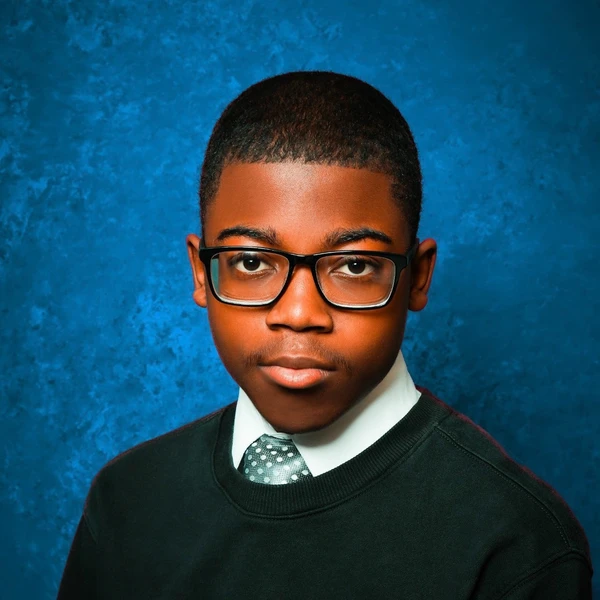
Samuel Price

1x

Finalist

Bio

I am a Washington, D.C. native and a Finance major at North Carolina A&T State University, driven by the belief that financial literacy and technological innovation are the ultimate tools for social equity. I don't just study markets; I build systems. As the founder of StratAi, I lead a team in leveraging AI to optimize investment strategies, proving that the next generation of finance is analytical, automated, and accessible. My leadership extends from the boardroom to the halls of government. From advocating for Sickle Cell legislation alongside the First Lady to advising D.C. policymakers on equitable AI governance, I am committed to ensuring that innovation never leaves underserved communities behind. Whether I am leading on the wrestling mat, mentoring student entrepreneurs, or creating content for 300,000+ peers, my mission is to scale personal brands into sustainable enterprises without losing the community-driven spirit that defines them. I am a "business-first" creative, a policy-minded strategist, and a future leader at the intersection of entertainment, technology, and wealth-building. I am here to ensure that the next generation doesn't just participate in the economy—we own it.

Education

North Carolina A & T State University

Bachelor's degree program
2026 - 2030
  • Majors:
    • Finance and Financial Management Services
Washington Leadership Academy PCS

High School
2022 - 2026

Miscellaneous

  • Desired degree level:

    Bachelor's degree program

  • Graduate schools of interest:

  • Transfer schools of interest:

  • Majors of interest:

    • Finance and Financial Management Services
  • Not planning to go to medical school
  • Career

    • Dream career field:

      Investment Banking

    • Dream career goals:

    • Finance Advocate

      Carolina Canyon Corporation
      2025 – 2025

    Sports

    Wrestling

    Junior Varsity
    2022 – 20242 years

    Research

    • Public Policy Analysis

      Children's Hospital — Volunteer
      2016 – 2018

    Arts

    • Discord

      Computer Art
      2024 – Present

    Public services

    • Public Service (Politics)

      Executive Branch of the United States — Speaker
      2016 – Present
    • Volunteering

      DC Central Food Kitchen — Volunteer
      2022 – 2025

    Future Interests

    Advocacy

    Politics

    Volunteering

    Philanthropy

    Entrepreneurship

    G.A. Johnston Memorial Scholarship
    Watercolor has become a way for me to express my creativity and emotions in the simplest of of forms. Watercolor is fluid and each painting allows for the colors to blend in a way to create something unique and special about each painting and technique used. Despite my degree and career goals in the finance industry, watercolor provides for me a balance to my creativity. My eventual goal is to start an asset management firm with a focus on underrepresented communities. Many of the qualities gained through my painting career are reflective of the skills required to succeed in business. My first painting depicts a sunset over water. I was inspired by the feeling of peace and calmness often felt during sunset. Colors used for the painting include purple, pink, orange and yellow for the sunset, reflected in the water beneath the horizon. The sunlight represents clarity and focus. My second painting depicts a simple arrangement of colorful flowers in a pot. I was inspired by the idea of growth and positive energy associated with flowers. Colors include pink, purple and blue for energy and individuality, as well as green for the stems and growth of the flowers. The simplicity of the painting represents the idea that positive energy does not require much complexity to be beautiful. Watercolor has allowed for me to appreciate the beauty of creativity in its most natural form. Overall, my pursuit of a career in business will continue to allow me to use my creativity and discipline to make an impact upon my future career and community.
    Future Green Leaders Scholarship
    Sustainability must be a priority across all sectors, particularly in business and finance, where choices directly influence how resources are allocated, invested, and managed. As someone aiming for a career in finance and eventually founding an asset management firm, I recognize that financial systems can either perpetuate environmental damage or foster positive change. Embracing sustainability is no longer merely an ethical choice it is essential for long-term economic resilience and global welfare. Historically, finance has prioritized profit maximization, frequently overlooking environmental impacts. Yet this perspective is evolving as the realities of climate change grow more apparent. Businesses that dismiss sustainability risks like resource scarcity, pollution, and climate-related disruptionsare facing declining viability. That is why sustainable investing, including ESG (Environmental, Social, and Governance) approaches, is gaining significance. Investors increasingly understand that enduring success relies on backing companies that are environmentally accountable and forward-thinking. To me, sustainability is not a passing trend but a duty. Early experiences taught me how swiftly situations can shift and why long-term thinking matters. This outlook shapes my approach to both life and business. Just as individuals must make choices to safeguard their futures, companies and financial leaders must do the same for our planet. Neglecting environmental consequences now only leads to greater challenges later. In my career, I intend to help lessen environmental harm by embedding sustainability into financial decisions. As a portfolio manager and future firm owner, I will focus on investing in companies that are actively cutting their carbon emissions, advancing renewable energy, and adopting sustainable methods. This involves not only steering clear of damaging industries but also proactively supporting businesses that offer solutions. Beyond investing, I aim to use my position to improve financial literacy about sustainable investing, particularly in underserved communities. Many people don’t realize that their investments whether in retirement accounts, stocks, or funds can affect environmental results. By educating others, I can help direct more capital toward sustainable enterprises, amplifying our collective effect. I also see financial innovation as vital for sustainability. Creating new instruments like green bonds or impact funds can open more avenues for individuals and institutions to back eco-friendly projects. With thoughtful strategies, finance can serve not only as an engine for wealth but also as a catalyst for environmental advancement. Sustainability deserves emphasis in business because the economy’s future is tied to the planet’s health. I aspire to join a new wave of financial leaders who see profit and sustainability not as opposing forces, but as interconnected. By linking financial achievement with environmental stewardship, I hope to help build a future that is both economically robust and ecologically sound.
    Richard Neumann Scholarship
    One issue I have not only faced, but also seen others struggle with, is the challenge of managing chronic illness while trying to pursue school and future aspirations. As someone who lives with sickle cell, I have certainly had to battle with keeping up with assignments, staying organized, planning, and ultimately keeping up with the demands of school. It is not a motivational issue, just a systemic issue that fails to support the logistical and organizational demands that accompany an illness that is not consistently unpredictable. This is the struggle I aimed to tackle through “ThriveSync.” ThriveSync is meant to be a mobile and web-based platform that aims to tackle the challenges of managing a chronic illness while trying to pursue an education. Specifically, it attempts to integrate health management, educational planning, and fiscal management to assist students in staying focused on their goals despite chronic illnesses that have the potential to disrupt their academic journey. The first component is a health tracker that is personalized to each user. They are able to input their symptoms, pain levels, and any triggers that they may encounter. The platform would learn the input patterns in order to forecast instances when the user needs to take a break, or may have a lighter workload. This way students are able to proactively not reactively avoid disruptions in their routine. Student support is the focus of the second component. Users are able to input everything related to their educational commitments (ex. calendar events, assignments, due dates). The platform will automatically make arrangements to meet expectations and plans that have been disrupted by illness. For instance, it will reorganize the to-do list and adjustable to-do priorities based on the user’s physical energy. The platform will also draft messages to educators to explain the user’s absence and any workload that is due. This will help users reduce their stress and keep their organizational system in check all the while providing a focus on task achievement. The last component is around financial literacy. Students who endure chronic illnesses often face additional challenges due to the costs of medical care and the lack of work opportunities. ThriveSync would offer budgeting tools and financial planning resources as well as scholarship opportunities. This means a lot to me because I aspire to work in finance and hope to create a firm that supports underserved populations. Building this from scratch means I would want to recruit a development team, healthcare practitioners, and educators first to create a functional and safe platform. I would want to pilot the project in a few classrooms to collect data to iterate on the platform before scaling. I created ThriveSync to address my own needs. It is my wish that students receive the shelter and encouragement to understand that their environment does not define their opportunities.
    Mark Caldwell Memorial STEM/STEAM Scholarship
    A note arrived, just one. No rallies, no famous names - only words written while lungs struggled for air. Pain had mapped out each day, thanks to sickle cell. Yet doing nothing was never an option. At first, the thought was small: could a person in power ever see truth in a single life told straight?  A request landed at the White House - not out of confidence, yet from lack of alternatives. People started adding names, first a trickle. Speed picked up later. It passed milestones that felt unreachable earlier. Once it hit one hundred thousand marks, officials had to respond by rule. Only then did quiet work turn into something others joined. Talks were set in motion after that. An appointment appeared on calendars. Nothing promised, merely shown.  Inside the East Wing, doctors filled the space more than government figures did. Quiet exchanges of data slipped through - something odd that most overlook. Patient voices hardly ever join talks on research money at such an early stage. Yet in this case, decisions started not behind lab glass or desk calendars, instead rising from hospital bed thoughts shaped into demands. What was said brought numbers usually pushed aside: days lost from class yearly, how often emergency rooms got visited, refusals by insurers linked to delayed diagnoses based on skin color.  Later on, millions flowed into sickle cell research - a shift tied to wider changes at the NIH. Public pressure played a role, officials said. In government machinery, clear lines between action and result blur easily, but the sequence hints at connection. Not a full win, just a nudge felt inside slow-turning gears now noticing what was long overlooked.  After that moment, attention didn’t grow - opportunity did. Entry points appeared: meetings where scientists seek patient views before launching research. Local groups passing around trial findings in clear language, skipping expensive journal barriers. A quiet change, mostly unseen: teens stepping into FDA proposal talks, using personal struggle as data strong enough to matter.  Overnight fixes never showed up. Pain keeps coming without warning. Yet something shifted underneath. Earlier, asking for help meant looking up, hands out like a plea. Today it flows sideways - people linking across, sharing ways to push back. Belief stays shaky; steps forward wobble. Even so, ideas once tossed aside for price tags now sit on desks again.  This story has nothing to do with becoming stronger through pain. Struggle did not build better qualities. Instead it showed what was missing - care, support, systems - things willpower cannot fix by itself. Still doing anything at all, aware of how unlikely success might be, brought a different kind of result: evidence that ways in still open, however small they seem. Progress never came complete. It slipped through.
    Stephan L. Daniels Lift As We Climb Scholarship
    A path through STEM doesn’t come from deciding - it grows out of something older, deeper, like echoes from youth spent observing family face pain without complaint. Because sickle cell disease shows up quietly, even though it touches lives in Africa, India, and southern Europe by the million, few treat it as urgent. Common? Yes. Given attention? Hardly. This gap does not shout - it pulls you toward purpose.  Spending patterns favor illnesses common in wealthy nations. Tropical disease funding dwarfs that for sickle cell, despite its severe impact - frequent hospital stays, shortened lives, added stress on households facing healthcare barriers. Though scientists know the root cause lies in genetics, effective therapies beyond bone marrow replacement stay rare. Access to even that option? Blocked by price tags and lack of medical systems ready to deliver it.  Getting a degree in biomedical engineering gives you ways to rethink how problems are solved - focusing less on quick fixes, more on helping people manage day to day. One direction takes shape through flexible diagnostics: today’s testing often needs machines found only in labs, missing remote areas completely. Instead of waiting, imagine using paper tests like those for sugar levels, usable right inside village shops or traveling health vans. They do exist already - not dreams, but real models under trial across parts of West Africa such as Ghana and Nigeria. Growing that work means finding builders skilled not just in living systems, yet also aware of how hard it can be to deliver supplies steadily.  Most attention goes to checking fluid levels. When kids lose too much water, blood vessels can suddenly block. Devices that measure salt in sweat already help runners, yet basic models could warn young patients earlier if adapted for warm areas. These affordable fixes stay ignored - profit rarely follows ease of access.  Out here, it’s not just about gadgets - information shapes outcomes. Across several African countries, there's no single list tracking who has sickle cell disease. Missing that paperwork slows down progress on laws meant to help. Picture algorithms built for broken-together medical networks, pulling pieces from phone surveys or hidden clinic notes - they might expose trends we simply do not see now.  Fame means little here. Instead, attention turns to closing spaces where knowing stops and doing begins. Sure, a diploma hands out tools, yet along with them comes duty - steering talent into corners others walk past. Change rarely arrives through miracle medicines alone. Often, it sneaks in by turning old science loose in places it was never built for.
    Forever90 Scholarship
    Quiet work often goes unseen. No spotlight needed, just doing what matters. Years passed like this - setting up community events, guiding programs, staying late when everyone else went home. Then came a letter, asking to lead a fundraiser at the White House for sickle cell disease. The honor wasn’t in the place, but in seeing how tiny actions sometimes grow beyond imagining. About 100,000 people in America live with sickle cell disease, mainly those of African descent, though it gets less funding than you might expect for such a serious condition. This shortfall didn’t happen by chance - instead, it grew from long-standing imbalances in healthcare, rooted more in past indifference than scientific challenge.  Nobody walked away healed. Still, people began to see things differently. Questions popped up at kitchen tables. Clubs appeared in schools without warning. Some clinics added screenings into talks weeks later. Small acts piled up where big moments failed. The lesson settled quietly: steady work feeds progress better than sudden bursts ever could.  Here, education matters less as proof of learning - more as a doorway. Doorway into rooms where choices take shape. Public health study comes next, with attention on unequal gene-related outcomes. Not about running initiatives alone, instead shaping them so neighborhoods steer their own efforts. Evidence points one way: when peers join care setups sooner, belief in treatment grows strong. Most places still see public opinion as extra, not essential. Fixing it takes understanding rules, sure - yet hinges on recognizing who can walk into offices when everyone else has gone home.  One step ahead could mean helping small clinics run better in places struggling with basic care access. Where roads falter and power flickers, steady medical follow-up often breaks down - nursing teams that share information tend to lift results higher than rare expert trips. Getting medicine like hydroxyurea where it needs to go might sound dull, yet survival rates quietly rise when bottles reach hands reliably.  Showing up matters most, especially once the energy drops. Not sacrifice - just consistency. Learning works best as a tool, that is all. On its own, it cannot fix unfairness. Yet when mixed with being there, day after day, it may lift words already spoken but rarely echoed.  A single event failed to balance out research funds. Still, it opened up room. The real task ahead lies in using that opening with readiness, modesty, careful thought - centering those who gain the most.
    Julia Elizabeth Legacy Scholarship
    It starts with who shows up. Not every mind sees the same gap - some notice cracks others walk past. When different lives enter labs and code rooms, priorities change without announcement. Problems once ignored suddenly have names. Familiar teams often chase familiar puzzles. New voices bring new angles, quietly reshaping what matters. The point isn’t balance on a chart. It’s how questions form when experience widens.  Take old voice tech. It struggled to understand women, people who spoke English as a second language. Mostly men, mostly one language in the room when building it. Not meant to harm - simply didn’t see. Same thing happened with dummies built like typical male bodies. Left out real differences across people. Safety fixes came late because of that gap.  This changes nothing if taken lightly. Thinking differently shows up in what people expect, value, how they see things - it alters the very idea of a problem. A research project showed mixed teams doing better on tough tasks than uniform ones; not due to higher IQs, rather because fresh angles cut down repeated loops. What matters grows clearer when minds don’t mirror each other.  Still, numbers fall short. About 28% of those working in science and engineering are women. Even though Black and Hispanic people account for close to 30% of Americans, they fill only around 13% of these jobs. Across the world, Indigenous groups appear hardly at all.  Here’s something people don’t talk about much: how diversity shapes invention. Look at the numbers over many years - those records show a pattern. Inventors from marginalized backgrounds often create solutions tied to their community's struggles. Think sickle cell therapies, or tools spotting skin cancer on deeper skin tones. When teams lack variety, those ideas tend to get overlooked. Not always on purpose - just where attention lands.  What shapes how risks get judged? Part of it comes down to who's in the room. When pandemic forecasts fell short on spread in poorer city areas, blind spots showed up - like not grasping shared homes across generations or heavy bus and train use. Better guesses emerged later, once local outbreak researchers joined the work.  Just training people isn’t the whole fix. Access built into systems makes a real difference. Some high-level labs demand free work, which locks out anyone needing pay. Big-name journals tend to highlight writers from top schools, making it harder for others to be seen.  It's not just about location, yet where a student learns can shape what they get to study. Some classrooms offer deep choices in subjects like calculus, others barely touch them. Kids in remote areas often miss out on chances to take high-level science classes. Those gaps show up long before applications are sent to universities.  Out here, progress isn’t just workshops or pairing juniors with seniors - helpful as those can seem. Shifting what gets rewarded makes space: when funders back fresh influence more than paper trails, selection groups weigh broad thinking next to precision, gatherings pull voices beyond the usual circles.  Science improves when fairness leads, not numbers. Quotas miss the point entirely.
    Brent Gordon Foundation Scholarship
    Losing my father to a heart attack drastically changed my life in a way that nothing else ever could have. His death was the result of choices that he made that negatively impacted his health. When I was young, I did not understand what this meant for our family. All I knew was that one day my father was at home with me and the next he was gone. I struggled with a variety of emotions after his passing. Many of them revolved around the fact that some of the situations in our lives could have been avoided. I often thought of the lives that I could have spent with my father and the experiences that he could have shared with me. Losing my father as I did meant that I grew up without his guidance or presence in my life. Yet, losing my father forced me to grow up quickly. I became more aware of my responsibilities in life and the type of man that I wanted to be. I understood that time and health could not be taken for granted; lessons that I will always cherish about the importance of my future and the decisions that I would have to make. Another decision that my father made ultimately influenced how I view success. For me, success is about making choices in such a way that my life is healthy and productive. My ultimate desire is to break the cycles that my father lived in and made better decisions for the family that I will one day start. That's why after college I plan to help families struggling with a similar problem, and help others know that you are not defined by the mistakes of your parents. While I may have lost my father in my life, I cannot change the outcome of it. Therefore, my educational journey will be driven by the pain that I experienced as a result of losing my father and the lessons that I learned throughout this difficult chapter in my life. Even though my father is no longer in this life, he is still present in mine. His absence taught me lessons of resilience. His story showed me lessons of accountability. Yet, most importantly, the loss of my father gave me a reason to push forward in his name. My journey has been shaped by what I lost and more importantly, how I responded to it.
    Curtis Holloway Memorial Scholarship
    The night that my mother sat at the kitchen table with a bundle of bills and a smile filled with concern, I understood what support looks like. Support is not always loud and obvious to see. Sometimes it requires sacrifice, hard work, and choosing your child’s future over your own. Growing up in a single-parent household, my mother has always been the foundation, the motivation, and the biggest believer in my education. My mother has supported me in ways that go beyond the typical help with homework or attending school events. She has taught me the importance of resilience. Even on the most exhausting of days, she has always taken the time to ask about my classes and encouraged me to continue striving for more. When challenges emerged in my education, especially during periods of health challenges with sickle cell, my mother supported me and reminded me of my capabilities despite my circumstances. The loss of my second parent in the household meant more responsibility for me. I have always remembered how challenges of the family were learned by me at an early age. I learned about the importance of perseverance and discipline from my mother. Her sacrifice supported me in ways that I will always cherish about our relationship. Seeing my mother overcome challenges alone helped to teach me about the importance of success. I will honor my mother through my actions. My dedication to school, my goals, and the opportunities that I take advantage of are a result of my mother’s sacrifices for me. I never take my education for granted due to her sacrifices for my education. I work hard for me but also for her - to ensure that her sacrifices for my education were not in vain. My goals for the future to start my own asset management firm in the field of finance stem from a desire to provide the same stability that she continues to provide for me and for other families that share the same experiences of lacking resources when I was growing up. My mother’s support has definitely shaped the man that I am today. Her support drove me to be successful in the areas of my life that I have chosen for myself. I take full responsibility for all the opportunities that I seek out for myself due to my mother’s difficult upbringing in a single-parent household. Her support for me, as a single parent, was instrumental in my life because it gave me my identity. It showed me who I was, what I was capable of doing in my life, and why I could not ever give up the life that I have. All of the opportunities that I seek for myself or any that I achieve will always be a result of the foundation that my mother laid for me and the strength that she displayed for me from the very beginning.