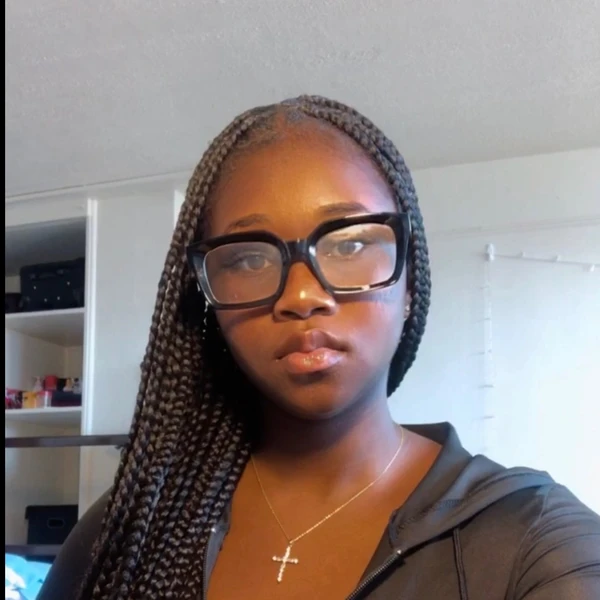
Growing up, I did not always have access to the best oral health care, and I know firsthand how self-conscious it feels to hide your smile. That experience shaped my desire to pursue dentistry and make oral health accessible, especially for underserved communities who often avoid care due to stigma or cost. I am also a collegiate water polo athlete, a sport that has taught me resilience, teamwork, and discipline while fueling my awareness of dental injuries and the importance of preventive care. Beyond athletics and academics, I dedicate my summers to teaching children and adults how to swim and stay safe in the water, which has deepened my commitment to health education and giving back to my community. Volunteering with Parkinson’s patients, where I helped monitor their progress and supported them through adapted exercise, further strengthened my compassion and understanding of how small acts of care can improve quality of life. These values of empathy, service, and determination guide my journey. They remind me that human health and wellness go beyond physical treatment; they encompass confidence, dignity, and opportunity. My experiences have made me passionate about pursuing dentistry as a career where I can combine science, service, and empathy to make a lasting impact.
To me, empathy means the ability to step into someone else’s shoes, to not just hear their words but to truly understand their feelings, struggles, and hopes. It is the foundation of human connection, and in health care especially dentistry it is what transforms treatment from a procedure into an act of healing. Patients often arrive at the dentist with fear, shame, or uncertainty. Without empathy, those emotions can become barriers to care. With empathy, however, a provider can build trust, ease anxiety, and empower patients to take control of their health.
In my journey toward dentistry, empathy has shown up in countless ways. As a volunteer working with Parkinson’s patients, I saw how simple actions listening to their stories, encouraging them through new exercises, or patiently adjusting to their needs could brighten their day and strengthen their confidence. Teaching swim lessons has taught me that every learner progresses at their own pace, and it takes patience, reassurance, and encouragement to help someone overcome fear and embrace growth. As a student-athlete, I’ve also learned that behind every teammate’s performance lies a personal struggle or story, reminding me that empathy is key to both leadership and collaboration.
In dentistry, empathy is especially important because oral health is deeply tied to self-esteem and identity. I remember hiding my smile before I could get braces, and I know how isolating that feels. This personal experience drives me to ensure that no patient feels unseen or dismissed. Through a human-centered lens, my goal is to meet patients where they are whether that means creating affordable care pathways, educating them about preventive health, or simply providing a welcoming space where they feel respected.
Practically, I will uphold empathy by listening before acting, valuing the patient’s perspective as much as my clinical expertise. I will strive to communicate clearly and compassionately, so patients never feel judged or misunderstood. I will also advocate for expanding access to oral health, particularly for underserved communities who face systemic barriers. In this way, empathy becomes not just a feeling but a guiding principle that shapes action.
Ultimately, empathy ensures that health care remains about people, not just procedures. It is what allows providers to see beyond the surface to the fears, dreams, and dignity of every patient. In my career as a dentist, empathy will remain the compass that directs me to care for the whole person, not just their teeth.