Hobbies and interests
Photography and Photo Editing
Movies And Film
Directing
Music
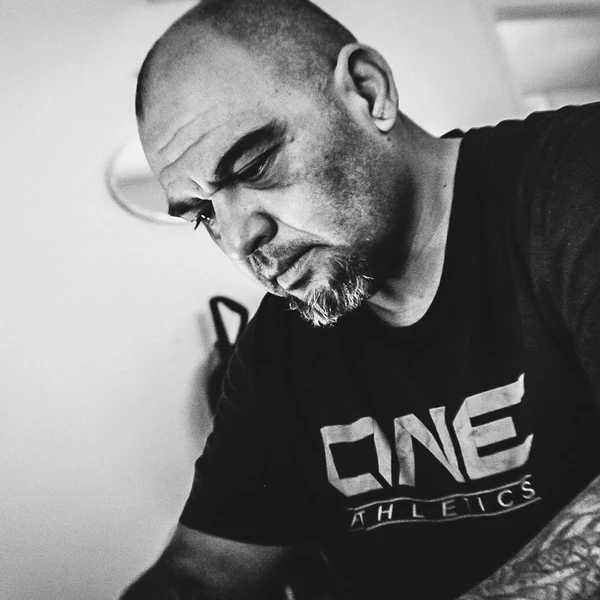
Salvador Gomez
1x
FinalistSalvador Gomez
1x
FinalistBio
I’m a freshman pursuing a Bachelor’s in Education at the University of Phoenix, driven by a passion for inspiring students through creativity and critical thinking. With five years as a self-employed media manager, content creator, videographer, and photographer, I’ve honed skills in visual storytelling, project management, and communication. My love for art, photography, and music shapes my teaching philosophy, as I strive to spark curiosity and resilience in my students. As a community leader and coach, I’m dedicated to mentoring youth, fostering inclusive classrooms, and blending artistic expression with practical life skills to empower the next generation.
Education
University of Phoenix
Bachelor's degree programMajors:
- Education, General
Miscellaneous
Desired degree level:
Bachelor's degree program
Graduate schools of interest:
Transfer schools of interest:
Majors of interest:
Career
Dream career field:
Education
Dream career goals:
Becoming a elementary education/special needs teacher
Pierson Family Scholarship for U.S. Studies
I grew up in Albuquerque, New Mexico, in a close-knit, working-class family with deep Mexican-American roots. My parents immigrated from Mexico and worked multiple low-wage jobs—my dad in construction and my mom cleaning homes and offices—to provide for me and my siblings. Our community in Burque is vibrant and supportive, filled with neighbors who look out for each other, local traditions like family gatherings and fiestas, and a strong sense of resilience despite economic challenges. As a first-generation college student, I was the first in my immediate family to pursue higher education in the U.S.
What inspired me to attend college here was seeing my parents’ sacrifices and wanting to break the cycle of limited opportunities. In high school, I struggled with algebra and nearly gave up, doubting I was “college material.” A dedicated teacher, Mr. Garcia, stayed after school for weeks to tutor me, breaking down concepts patiently and believing in me when I didn’t. That support turned my grade around and showed me that with guidance and persistence, anything is possible. It motivated me to enroll at the University of New Mexico (UNM), a welcoming institution that serves many first-generation and Hispanic students like me.
One major challenge I overcame was balancing academics with family responsibilities and financial pressures. As the oldest sibling, I often helped with household duties and worked part-time while studying, which led to burnout and moments of self-doubt. There were nights I questioned whether I could keep going. Through UNM’s support programs and my own determination, I learned the value of asking for help, time management, and resilience. I realized that setbacks are temporary, and perseverance—combined with community support—builds strength. This experience taught me empathy and the importance of paying it forward, which now drives my work helping others in my community.
A key figure who has inspired me is my high school teacher, Mr. Garcia. His belief in me, even when I felt defeated, mirrored the compassion and dedication I now strive for in my own life and volunteer efforts. He showed me that one person’s encouragement can change a trajectory.
After graduation, my post-graduate plans include pursuing a master’s degree in education or community development, then working as an educator or community organizer in Albuquerque. I want to support first-generation students, expand access to resources, and continue initiatives like my homeless outreach project, “Welcome to Burque,” to build a stronger, more inclusive community. Education has given me tools to create change, and I plan to use them to uplift others in Burque.
RonranGlee Special Needs Teacher Literary Scholarship
Why I Am Passionate About the Special Education Teacher Profession
As a first-generation Mexican-American single parent pursuing a Bachelor’s degree in Education, my passion for becoming a special education teacher stems from a deep belief that every child—regardless of ability, background, or challenge—deserves to be fully seen, valued, and empowered to recognize their own worth. My own life experiences, including overcoming barriers as a single parent and witnessing systemic inequities, have shown me how transformative it is when someone believes in your potential. In special education, I see the profound opportunity to offer that belief to students who are often marginalized or overlooked, helping them discover their unique strengths and voice in a world that too frequently silences them.
Professor Harold Bloom’s statement—“I have learned that the purpose of teaching is to bring the student to his or her sense of his or her own presence”—captures the heart of why I am drawn to this field. To me, this means guiding students to an awareness of their own existence as meaningful, capable, and significant. It is about awakening a deep internal recognition: “I am here. I matter. I have something valuable to contribute.” For many students with special needs, societal messages, academic struggles, or communication barriers can dim this sense of presence, leaving them feeling invisible or defined solely by their disabilities. True teaching, then, is the deliberate act of illuminating their inherent dignity and agency.
My mission as a special education teacher is to accomplish this through individualized, strength-based, and culturally responsive practices. I will create safe, inclusive classrooms where students’ differences are celebrated as assets. Using tools like assistive technology, visual supports, sensory integration, and Universal Design for Learning, I will remove barriers so every student can access the curriculum and express themselves. I will build trusting relationships, listen deeply to nonverbal cues and alternative communication methods, and consistently affirm each child’s efforts and progress. By incorporating students’ interests, cultural backgrounds, and personal stories into lessons—whether through adapted projects on Latino history, hands-on art, or collaborative storytelling—I will help them see their lives reflected and valued. Through consistent encouragement, differentiated goals, and opportunities for choice and leadership, I will guide them toward moments of self-recognition: the smile when they solve a problem independently, the pride when they advocate for themselves, the quiet realization that they belong.
A Brief Fairy Tale: The Teacher of Hidden Lights
Once in a kingdom shrouded by mist, there lived children whose inner lights flickered faintly, hidden beneath heavy cloaks woven from doubt and difference. The villagers rarely noticed these lights, for the children spoke in whispers, moved in unique rhythms, or shone in colors unseen by ordinary eyes.
A brave teacher named Luna, herself once a child who had journeyed through storms as a lone guardian of her own young star, entered the misty realm. She carried no magic wand, only a heart full of patience and a lantern fueled by belief. Luna built a wondrous garden classroom where every seed—fast-blooming or slow-unfurling—was treasured equally.
Day by day, she knelt beside each child. To the one who spoke with pictures, she offered a canvas of endless colors. To the one who danced instead of walked, she cleared space for movement. To the silent dreamer, she listened with her eyes and heart. She whispered, “Your light is already here. Let me help you see it.”
One by one, the cloaks fell away. The children began to glow—some softly, some brilliantly—until their combined radiance pierced the mist. The kingdom awoke to a sky full of stars it had never noticed before.
And Luna, the teacher of hidden lights, knew her quest was eternal: to guide each child to the moment they looked within and declared, “This light is mine. I am here.”
In this work, I find my calling—to help every special needs student claim their presence and illuminate the world with it.
Law Family Single Parent Scholarship
Hello, As a first-generation Mexican-American single parent pursuing a Bachelor’s degree in Education at the University of Phoenix, my journey has been shaped by resilience, sacrifice, and an unwavering commitment to breaking generational cycles. Raised by a teenage single mother who navigated poverty, unstable housing, and systemic barriers with extraordinary strength, I witnessed firsthand how limited access to education can perpetuate inequity. Those early experiences profoundly influenced my own path as a single parent balancing childcare, work, and coursework while earning my GED and committing to higher education.
Being a single parent has demanded adaptability, discipline, and empathy—qualities that have directly fueled my academic pursuit. Late-night study sessions after putting my child to bed, managing finances on a tight budget, and overcoming self-doubt have taught me perseverance and the true value of lifelong learning. These challenges mirror the obstacles many of my future students will face, particularly Latino youth from underrepresented communities. My coursework has sharpened my critical thinking and cultural awareness, reinforcing my belief that education is the most powerful tool for empowerment and social change.
My passion lies in teaching history and Latino studies to elementary and high school students. I aspire to create inclusive classrooms where Mexican-American heritage is celebrated and integrated into the curriculum. By weaving narratives like the Chicano Movement, farmworker rights, and contemporary Latino contributions into lessons, I plan to help students—especially those from similar backgrounds—see themselves reflected in history and feel validated in their identities. Through hands-on projects, collaborative discussions, and reflective activities, I will foster environments that encourage curiosity, challenge stereotypes, and build confidence, giving them hope for the future.
As a community leader, photographer, and youth coach, I have already mentored young people in creativity and leadership. Becoming a teacher will amplify this impact on a larger scale. I am committed to addressing educational disparities by providing culturally relevant pedagogy that connects academic content to students’ lived experiences. By empowering the next generation to embrace their heritage, think critically, and pursue their dreams, I aim to cultivate stronger, more equitable communities.
Ultimately, my experiences as a single parent have not only driven me toward higher education but have equipped me with the empathy and determination needed to inspire change. As a future educator, I will pay forward the resilience my mother modeled and the opportunities education has afforded me, ensuring that every student I teach knows their story matters and their potential is limitless.
Debra S. Jackson New Horizons Scholarship
Reflecting on My Journey to Higher Education and Its Impact on My Values, Aspirations, and Community Commitment
As a first-generation Mexican-American freshman pursuing a Bachelor’s in Education at the University of Phoenix, my journey to higher education is a testament to resilience, cultural pride, and a deep commitment to uplifting others. At this stage in my life, choosing to pursue a college degree is both a personal milestone and a tribute to my family’s sacrifices. My experiences as a self-employed media manager, content creator, videographer, photographer, community leader, and coach have shaped my values of perseverance, empathy, and inclusivity, fueling my aspiration to become a teacher for students with special needs. This scholarship will empower me to achieve these goals, enabling me to make a lasting impact in education and my community.
Growing up in a Mexican-American household, I was immersed in a culture of hard work and community. My parents, immigrants who faced systemic barriers, worked tirelessly to provide for us, often without access to higher education. Their sacrifices inspired me to become the first in my family to pursue a college degree, driven by a desire to honor their dreams and break cycles of limitation. Navigating the college application process as a first-generation student was challenging—without familial guidance, I relied on my resourcefulness to secure financial aid and scholarships. This journey taught me perseverance, a value I carry into my studies and future career.
My five years as a self-employed media manager, content creator, videographer, and photographer honed my creativity, adaptability, and problem-solving skills. Crafting videos or capturing moments through my lens taught me to tell stories that resonate, a skill I’ll use to engage students. My roles as a community leader and coach further shaped my path. Guiding youth through challenges, like helping a shy child join a team activity, showed me the power of mentorship. These experiences solidified my decision to pursue education now, when I’m ready to channel my skills into a career that empowers others, particularly students with special needs.
My values—perseverance, empathy, and inclusivity—stem from these experiences. Overcoming obstacles as a first-generation student taught me to push through challenges, a quality I’ll share with my students. Coaching and community leadership showed me the importance of understanding diverse perspectives, especially for students with unique needs. My Mexican-American heritage, with its emphasis on community and cultural pride, drives my commitment to create inclusive classrooms where every student feels valued.
My aspiration to teach students is fueled by the need for equitable education. The 2025 Individuals with Disabilities Education Act (IDEA) data shows that 15% of U.S. students receive special education services, yet many lack tailored support. I plan to use my creative background in art, photography, and music to design multisensory lessons, like rhythm games for motor skills or photography projects for self-expression, ensuring students with disabilities thrive. As a teacher, I’ll mentor underserved youth, especially first-generation and minority students, to pursue higher education. I’ll also lead community workshops on emotional intelligence and media literacy, empowering families to support their children’s growth.
This scholarship will alleviate financial burdens, allow me to focus on my studies and community work. It will fund resources like teaching materials and professional development, enhancing my ability to serve students with special needs. By supporting my education, the scholarship will affirm my journey as a first-generation Mexican-American, enabling me to create inclusive classrooms, advocate for equitable education, and honor my heritage by uplifting my community. My degree will be a tool to empower students to discover their potential, just as I have, leaving a legacy of opportunity and change.
RonranGlee Special Needs Teacher Literary Scholarship
Passion for Teaching Students with Special Needs and Guiding Their Journey
As a first-generation Mexican-American freshman pursuing a Bachelor’s in Education at the University of Phoenix, my passion for becoming a teacher for students with special needs is deeply rooted in my cultural heritage, personal experiences, and a fierce commitment to equity. Growing up in a vibrant Mexican-American community, I witnessed the resilience of my family, who faced systemic barriers without access to tailored educational support. My five years as a self-employed media manager, content creator, videographer, and photographer, combined with my roles as a community leader and coach, have equipped me with creative, empathetic, and adaptive skills that I’m eager to bring to special education. Teaching students with special needs is my calling because it allows me to empower those often overlooked, helping them unlock their potential through individualized support, creativity, and unwavering belief in their abilities.
My passion stems from a personal connection to overcoming challenges. As a first-generation student, I navigated college applications and financial aid without a roadmap, much like students with special needs navigate unique learning barriers. This experience taught me patience, problem-solving, and the value of tailored guidance—qualities I’ll apply to create inclusive classrooms. My coaching experience, where I’ve mentored youth in teamwork and resilience, reinforces my belief that every child, regardless of ability, thrives with encouragement and structure. For example, guiding a shy kindergartener to join a group activity showed me how small, intentional steps can build confidence, a lesson I’ll carry into special education.
The 2025 Individuals with Disabilities Education Act (IDEA) data shows that 15% of U.S. students receive special education services, yet many lack teachers trained to address their unique needs. I’m driven to fill this gap by creating engaging, accessible lessons that blend my love for art, photography, and music. For instance, I might use rhythm games to help a student with autism improve motor skills or photography projects to foster self-expression in a student with ADHD. My media background equips me to design multisensory activities that cater to diverse learning styles, ensuring every student feels seen and capable.
Response to Quote: “The art of teaching is the art of assisting discovery.” – Mark Van Doren
This quote resonates deeply with my teaching philosophy. For students with special needs, discovery is not just academic—it’s personal, emotional, and social. As a teacher, I will guide my students by creating a safe, inclusive space where they can explore their strengths at their own pace. I’ll use individualized education plans (IEPs) to tailor lessons, like adapting a math activity with tactile tools for a student with dyslexia or incorporating music to calm a student with sensory sensitivities. My role is to scaffold their learning, celebrate small victories, and foster independence. For example, in my coaching experience, I helped a child with anxiety join a team activity by breaking it into manageable steps, a strategy I’ll use to guide students toward self-discovery. By leveraging my creativity and empathy, I’ll assist students in uncovering their potential, turning challenges into opportunities for growth.
Fairy Tale: The Light of Learning
Once upon a time, in a vibrant village where stories danced like colors in the sky, lived a young heroine named Amy. She was no ordinary soul—she carried the spirit of her Mexican-American ancestors, with a heart full of art, music, and dreams. Amy had a gift: she could see the hidden spark in every child, especially those whose light seemed dimmed by challenges others couldn’t understand.
In the village school, some children struggled to read, connect, or dream big because their needs were unique, like stars that shone differently in the night sky. The village elders, wise but weary, sought a hero to guide these children. Amy, with her camera capturing moments of joy and her songs weaving courage, stepped forward. “I will help them shine,” she vowed.
Her quest began in a classroom filled with enchanted tools—paints, rhythms, and stories. For a boy who spoke through silence, she crafted a song that let his hands dance to the beat, unlocking his voice. For a girl whose words tangled like vines, Amy used pictures to weave stories, helping her find her path. Each child’s challenge was a riddle, and Amy’s patience, learned from her own journey as the first in her family to chase a great dream, was her magic.
One day, a great storm of doubt swept through the village. “These children cannot learn like others!” some cried. But Amy with her heart ablaze, stood firm. She gathered the children in a circle, sharing tales of her ancestors’ strength and her own triumphs over obstacles. With art, music, and gentle guidance, she helped each child discover their spark. The boy who was silent sang a song that echoed through the village. The girl with tangled words wrote a story that made the elders weep with pride.
By the season’s end, the village school glowed with light. The children, once hidden in shadows, shone as brightly as any star. [Your Name] had fulfilled her quest, not with a sword, but with creativity, empathy, and an unyielding belief that every child could discover their own magic. The elders crowned her the Keeper of Sparks, and her legacy lived on, lighting the way for every child to shine.
Conclusion
My ambition to become a teacher for students with special needs is fueled by a drive to break barriers and a passion for empowering every child to discover their potential. Through creativity, cultural pride, and tailored guidance, I aim to create classrooms where students with special needs thrive. My fairy tale reflects my vision: to be a beacon of light, helping each student find their spark and illuminating a path to a brighter, more inclusive future
B.R.I.G.H.T (Be.Radiant.Ignite.Growth.Heroic.Teaching) Scholarship
If I Could Change Anything in Education
As a first-generation Mexican-American college freshman pursuing a Bachelor’s in Education at the University of Phoenix, I am driven by a deep commitment to shaping a more equitable and empowering educational system. My experiences as a community leader, coach, photographer, and media creator have shown me the transformative power of education, but also its gaps. If I could change one thing in education, it would be to mandate a comprehensive life skills curriculum for all K-12 students, focusing on financial literacy, emotional intelligence, media literacy, civics, and practical skills. This change would equip students with the tools to navigate adulthood confidently, reduce systemic inequities, and foster a generation of critical thinkers and engaged citizens.
Growing up in a Mexican-American household, I saw my family’s resilience in the face of limited educational opportunities. My parents, who immigrated with dreams of a better life, worked tirelessly but lacked access to knowledge about financial systems or civic processes. This shaped my understanding of how education can either perpetuate or break cycles of inequality. A 2023 National Financial Educators Council study found that 65% of Gen Z feel unprepared for financial independence, a challenge disproportionately affecting underrepresented communities like mine. By integrating life skills into the K-12 curriculum, we could address this gap early, ensuring all students—regardless of background—have the tools to thrive.
A life skills curriculum would be tailored to each developmental stage. For early childhood, I envision activities like pretend play with “store” scenarios to teach basic money concepts or group storytelling to build empathy. My experience coaching young children has shown me how play-based learning fosters emotional and social growth. For example, guiding a kindergartener’s hand in a drawing activity not only builds fine motor skills but also confidence and trust. A 2024 study from the Journal of Early Childhood Research highlights how such activities enhance emotional regulation, setting a foundation for lifelong resilience.
For middle schoolers, the curriculum would introduce media literacy and critical thinking. As a content creator with five years of experience in media management, I’ve seen how misinformation spreads rapidly online. Pew Research (2024) notes that 70% of teens encounter false information weekly. Teaching students to analyze sources, spot biases, and question algorithms would empower them to navigate the digital world critically. I’d use hands-on projects, like dissecting social media posts, to make these lessons engaging and relevant.
High schoolers would focus on financial literacy, civics, and practical skills. Budgeting, understanding credit, and filing taxes are daunting for many young adults, yet rarely taught in schools. My own journey as a first-generation student navigating financial aid taught me the importance of these skills. I’d incorporate simulations, like creating a mock budget or debating policy issues, to prepare students for real-world challenges.
Civics education would also foster active citizenship—voter turnout among young adults is low, with only 50% of 18- to 29-year-olds voting in the 2024 U.S. election, per CIRCLE data. Teaching students about government systems and advocacy could change this.
This curriculum would have a profound impact. First, it would prepare students for adulthood, reducing stress and poor decision-making. Financial literacy could prevent debt traps, while emotional intelligence could lower anxiety, which affects 20% of high schoolers, according to 2025 CDC data. Second, it would reduce inequality by equipping underserved students with knowledge to navigate systems historically stacked against them. Third, media literacy and critical thinking would combat misinformation, fostering a more informed society. Finally, civics education would boost civic engagement, strengthening democracy.
My passion for this change stems from my roles as a coach and community leader, where I’ve seen how mentorship and practical guidance transform lives. For instance, coaching youth in teamwork and resilience has shown me how small interventions can build confidence. My creative background in art, photography, and music also informs my vision—I believe learning should be engaging and joyful. By weaving these skills into a life skills curriculum, I aim to create classrooms where students feel empowered to take on the world.
Implementing this change faces challenges, like teacher training and curriculum standardization. However, starting with pilot programs in diverse districts, supported by community partnerships, could prove its value. My Mexican-American heritage, with its emphasis on community and resilience, inspires me to advocate for this change. As a future educator, I want to ensure every student—especially those from backgrounds like mine—has the tools to succeed. This curriculum would not only prepare students for life but also honor the sacrifices of families like mine, creating a legacy of empowerment and opportunity
Live From Snack Time Scholarship
As a first-generation Mexican-American college freshman pursuing a Bachelor’s in Education, my passion for supporting early childhood development is rooted in my cultural heritage, personal experiences, and a commitment to empowering young learners. My plan to support early childhood development combines my creative background in art, photography, and music with evidence-based educational strategies to foster holistic growth in young children. Below, I outline my approach and the reasons behind my choice of this field.
How I Plan to Support Early Childhood Development
1. Creating a Culturally Inclusive Environment: Drawing from my Mexican-American roots, I aim to design classrooms that celebrate diversity and make every child feel valued. By incorporating multicultural stories, songs, and art projects, I’ll help children develop a sense of identity and belonging from an early age. For example, I might use bilingual books or traditional Mexican folktales alongside other cultural narratives to build language skills and cultural pride.
2. Integrating Creative Arts: My experience as a photographer, videographer, and musician informs my belief that creative expression is vital for young children’s cognitive and emotional growth. I plan to use art and music activities—like painting to express emotions or rhythm games to enhance motor skills—to stimulate creativity and problem-solving. Research, such as a 2023 study from the Journal of Early Childhood Research, shows that arts-based learning boosts language development and emotional regulation in preschoolers.
3. Fostering Emotional Intelligence: As a coach, I’ve seen how early emotional skills shape lifelong resilience. I’ll teach children to recognize and manage emotions through activities like role-playing or mindfulness exercises tailored for young learners. For instance, simple breathing games can help 4-year-olds calm down, while group storytelling can build empathy.
4. Promoting Practical Life Skills: Even in early childhood, foundational skills like sharing, basic counting for money, or simple decision-making can be introduced through play. I’ll use hands-on activities, such as pretend grocery stores or group projects, to teach cooperation and basic problem-solving, setting the stage for independence.
5. I plan to engage parents through workshops on early literacy or emotional development, ensuring a cohesive support system. For example, hosting family art nights can strengthen parent-child bonds and reinforce learning at home.
Why I Chose Early Childhood Development
My decision to focus on early childhood development stems from personal, cultural, and practical motivations:
• Personal Inspiration: As a first-generation student, I saw how my family’s lack of access to early education resources shaped their challenges. I want to ensure young children, especially from underrepresented communities, have a strong start.
• Cultural Connection: My Mexican-American heritage emphasizes family and community, values that align with early childhood education’s focus on nurturing young minds. I want to bring cultural pride into the classroom, showing children that their backgrounds are strengths, just as mine has been for me.
• Impact of Early Years: Research, like the 2024 Perry Preschool Study follow-up, shows that early interventions improve lifelong outcomes in academic success and mental health. I chose this field because the first five years are critical for brain development, and I want to make a lasting impact.
• Creative Passion: My five years as a self-employed media manager and content creator taught me how creativity engages people. Working with young children allows me to use my love for art, photography, and music to make learning joyful and impactful.
By blending my cultural roots, creative skills, and commitment to equity, I aim to create nurturing, dynamic classrooms that set children up for success. If you’d like me to elaborate on specific strategies or adapt this for a particular purpose (e.g., a teaching philosophy statement), let me know!
José Ventura and Margarita Melendez Mexican-American Scholarship Fund
As a first-generation Mexican-American college freshman pursuing a Bachelor’s in Education at the University of Phoenix, my passion for becoming the first in my family to graduate college stems from a deep-rooted desire to break barriers, honor my heritage, and inspire others. Growing up in a vibrant Mexican-American household, I witnessed my family’s relentless work ethic and resilience in the face of limited access to higher education. My parents, who immigrated with dreams of a better life, poured their energy into providing for us, often sacrificing their own aspirations. Their sacrifices ignited a fire in me to seize the opportunity they never had, making my journey as a college student a deeply personal mission to redefine what’s possible for my family and community.
Being a first-generation student is both a challenge and a privilege. Navigating college applications, financial aid, and academic expectations without a familial blueprint was daunting, but it taught me perseverance and resourcefulness. My Mexican-American identity fuels my drive, blending cultural pride with a determination to challenge stereotypes. I carry the vibrancy of my heritage—its music, art, and storytelling—into everything I do, from my studies to my creative pursuits. As a self-employed media manager, content creator, videographer, and photographer for five years, I’ve honed skills in visual storytelling and project management, which I now channel into my educational goals. My love for art, photography, and music isn’t just a hobby; it’s a lens through which I connect with others and envision a classroom where creativity sparks learning.
My passion for education is deeply tied to my desire to empower others, especially those from underrepresented backgrounds. I’ve seen firsthand how systemic barriers can limit opportunities, and I want to be a teacher who bridges those gaps. By integrating practical life skills—financial literacy, emotional intelligence, and media literacy—into my future classroom, I aim to equip students with tools to navigate life’s challenges. My experience as a community leader and coach has shown me the power of mentorship. Guiding youth through challenges, whether on a sports field or in a creative project, has reinforced my belief that education is about more than academics—it’s about fostering resilience, curiosity, and confidence.
Becoming a college graduate is a milestone that extends beyond myself. It’s a beacon for my younger siblings, cousins, and community, showing that higher education is within reach. The 2023 National Financial Educators Council reported that 65% of Gen Z feel unprepared for financial independence, and as a Mexican-American student, I’ve seen how these gaps disproportionately affect communities like mine. By teaching skills like budgeting or media literacy, I hope to empower students to take control of their futures. My cultural background also informs my commitment to inclusivity. I want my classroom to be a space where students feel seen, whether they’re first-generation like me or navigating their own unique challenges.
This journey is about legacy. Earning my degree is a way to honor my parents’ sacrifices and prove that their dreams for me were not in vain. It’s about paving a path for others, showing that a first-generation Mexican-American can thrive in academia and beyond. My passion for art, photography, and music will shape my teaching, creating engaging, culturally rich lessons that inspire students to think critically and express themselves. As I work toward graduation, I carry the weight and joy of being a trailblazer, knowing that my degree will open doors not just for me but for those who follow. By becoming an educator, I hope to ignite the same passion in my students, empowering them to break their own barriers and write their own stories of success
Reimagining Education Scholarship
Class: Practical Life Skills
Course Overview: The class would focus on essential life skills often overlooked in traditional curricula, tailored to each grade level’s developmental stage. Topics would include:
• Financial Literacy: Budgeting, saving, understanding credit, taxes, and basic investing. Younger students learn basic money concepts (e.g., saving allowances), while older students tackle real-world scenarios like loan interest or retirement planning.
• Emotional Intelligence: Self-awareness, empathy, conflict resolution, and stress management. Activities like role-playing or mindfulness exercises would build emotional resilience.
• Critical Thinking & Media Literacy: Evaluating sources, spotting bias, and understanding logical fallacies. Students would analyze news articles, social media posts, or advertisements to discern truth from misinformation.
• Basic Civics & Social Responsibility: Understanding government systems, voting, civic engagement, and community involvement. Older students would explore policy impacts and advocacy.
• Practical Skills: For younger kids, tying shoes or basic cooking; for older students, changing a tire, basic first aid, or job interview skills.
• Digital Literacy: Safe internet use, understanding algorithms, and basic coding or tech troubleshooting.
Structure:
• Weekly classes, integrated into the school schedule, with hands-on projects and real-world simulations.
• Age-appropriate modules: K-5 focuses on foundational skills (e.g., sharing, basic budgeting), 6-8 builds complexity (e.g., media analysis, teamwork), and 9-12 emphasizes independence (e.g., taxes, career prep).
• Taught by trained educators with guest speakers (e.g., financial advisors, community leaders) for relevance.
Impact:
1. Preparedness for Adulthood: Students would graduate with practical tools to manage finances, relationships, and civic duties, reducing stress and poor decision-making in early adulthood.
2. Reduced Inequality: Financial and media literacy would empower students from all backgrounds to navigate systems that disproportionately affect underserved groups.
3. Critical Thinkers: A generation trained to question information and think logically would combat misinformation and polarization, fostering a more informed society.
4. Emotional Resilience: Teaching emotional intelligence would improve mental health outcomes, reduce bullying, and enhance classroom collaboration.
5. Engaged Citizens: Civics education would increase voter turnout and community involvement, strengthening democratic participation.
Evidence of Need:
• Studies (e.g., 2023 National Financial Educators Council) show 65% of Gen Z feel unprepared for financial independence.
• Misinformation spreads rapidly among youth, with 2024 Pew Research indicating 70% of teens encounter false information online weekly.
• Emotional health issues are rising, with CDC data (2025) noting 20% of high schoolers report persistent anxiety.
This class would create well-rounded, capable individuals ready to navigate life’s challenges, fostering a more equitable, informed, and resilient society.