user profile avatar

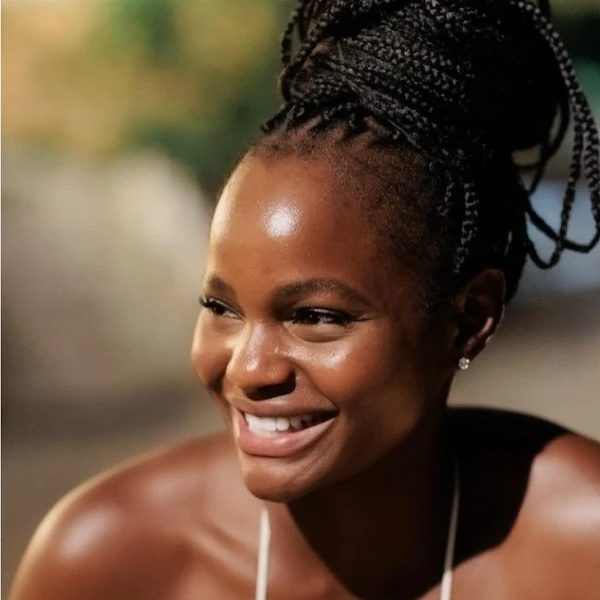
Safiyah Basir

1x

Finalist

General information

Hobbies & Interests

  • Advocacy And Activism
  • Music
  • Art

Bio

Safiyah Basir is a Health Administration student at Eastern Michigan University, certified health and wellness coach, and lifelong Type 1 diabetes advocate. Diagnosed with Type 1 diabetes at the age of seven and living with multiple invisible disabilities, she has dedicated her life to helping others navigate chronic illness with confidence, compassion, and hope. As a mother of identical twin boys, Safiyah understands the importance of resilience, perseverance, and community. Her lived experience has inspired her work as a diabetes advocate, health coach, public speaker, and patient navigator, where she supports individuals and families through education, healthcare resources, and meaningful connection. Safiyah has been interviewed three times by FOX 2 Detroit for her advocacy, featured by Blue Cross Blue Shield of Michigan for her work changing the narrative around diabetes, and nominated for the George Romney Award for Lifetime Achievement in Volunteerism. She is also the author of two children's books focused on Type 1 diabetes and body confidence. Her long term goal is to become a Physician Assistant with an endocrinology focus, combining compassionate clinical care with a deep understanding of healthcare systems to improve the lives of people living with chronic conditions. She believes every person deserves to feel seen, heard, and empowered, and that healthcare is at its best when it treats the whole person, not just the diagnosis.

Education

Eastern Michigan University

Bachelor's degree program

2026 – 2027

Majors:
  • Health and Medical Administrative Services
Washtenaw Community College

Associate's degree program

2023 – 2025

Majors:
  • Health Professions and Related Clinical Sciences, Other

Miscellaneous

Desired degree level:
Master's degree program
Desired degree modality:
Hybrid
Medical school interest:
No

Career

Miscellaneous

Dream career field:
Physician Assistant
Work experience:
10+ years
Has nursing license:
No
Marie Jean Baptiste Memorial Scholarship
Dear Scholarship Committee, Growing up with Type 1 diabetes, diagnosed at the age of seven, has shaped much of who I am today. It taught me resilience early on, but it also revealed the remarkable difference that caring people can make during hard times. That experience led to a lifelong commitment to helping others, and it ultimately inspired me to return to college as an adult. Now, I am pursuing a degree in Health Administration and working toward my goal of becoming a Physician Assistant with a focus on endocrinology. As a single mother of eight year old identical twin boys, my family is my greatest motivation. Every choice I make is influenced by the example I hope to set for them. I want them to see that challenges do not define us; how we respond to them does. Whether I am helping with homework, encouraging them to try new things like the Little League fall ball they recently joined, or teaching them about kindness and service, I aim to raise young men who appreciate the importance of giving back to their community. Community service is now a central part of my life. As a certified health and wellness coach, I support individuals making important lifestyle changes through the YMCA's Diabetes Prevention Program. I also work as a concierge coach with the Kyler Cares Foundation, where I help families facing a new Type 1 diabetes diagnosis by connecting them with resources, offering emotional support, and reminding them they are not alone. In addition to coaching, I volunteer as a diabetes advocate and speaker, sharing my experiences with healthcare professionals, families, and others living with diabetes. I have written two children's books about Type 1 diabetes to help young children feel understood, and I believe that storytelling is a powerful way to build empathy and encourage change. After college, I intend to keep serving my community throughout my career. As a Physician Assistant, I hope to blend evidence based medicine with compassionate care, especially for people living with chronic illnesses. I also plan to keep mentoring newly diagnosed families, advocating for better access to diabetes care and technology, and volunteering with organizations that work to improve health equity. My goal is not just to treat patients; I want to help build healthier, more informed, and more connected communities. The most important lesson I have learned is that real change happens one relationship at a time. Whether I am supporting a family through a new diagnosis, coaching someone toward better health, raising my sons, or caring for future patients, I hope to leave each person feeling a bit more hopeful than when we first met. That is the difference I want to keep making for the rest of my life.
Shaunterrio Hudson Memorial Scholarship
One of the most meaningful moments of my healthcare journey did not take place in a hospital. It happened during a conversation with a parent whose child had just received a Type 1 diabetes diagnosis. As a concierge coach with the Kyler Cares Foundation, I often meet families during one of the most difficult times in their lives. Their world has changed overnight. They feel overwhelmed by insulin, blood sugar checks, carb counting, insurance issues, and the fear of making a mistake that could harm their child. Before they need information, they need someone to remind them that they will be okay. I know that feeling because I have experienced it myself. I was diagnosed with Type 1 diabetes at the age of seven. Although I went through it as a child, I have seen the fear in my own mother's eyes through the stories she has shared with me over the years. Today, I also live with ADHD, PTSD, and major depressive disorder, experiences that have deepened my empathy for people facing both visible and invisible challenges. These experiences have shown me that healing begins when people feel seen, heard, and understood. During one coaching session, I spent almost an hour listening to a parent who kept apologizing for crying. She was afraid she was not strong enough to care for her child. Instead of trying to solve every problem, I just listened. I shared my own story of growing up with Type 1 diabetes, graduating, building a career, becoming a mother, and returning to college to study medicine. I wanted her to see what her child could not yet imagine—that a diagnosis does not mean the end of a full and meaningful life. By the end of our conversation, her tears had turned into cautious optimism. She told me, "This is the first time since the diagnosis that I feel like we might actually be okay." That sentence has stayed with me. It reminded me that healthcare is not only about procedures, medications, or technology. Those things are important, but people also remember how they were treated during their most vulnerable moments. Sometimes the greatest gift we can give is not an answer, but our presence. As an African American woman, a first generation college student returning to school as an adult, a single mother of eight year old identical twin boys, and someone living with Type 1 diabetes and other disabilities, I understand many of the barriers underserved communities face when trying to access healthcare. These experiences have motivated me to pursue a degree in Health Administration as I work toward becoming a Physician Assistant specializing in endocrinology. I want every patient who comes to my future clinic to feel respected, understood, and empowered, no matter their background or circumstances. Shaunterrio Hudson's story reminds us that healthcare is a calling built on both excellence and compassion. While he stood beside physicians during life-saving procedures, he was also remembered for making people feel welcome and cared for. That is the kind of healthcare professional I hope to become. My goal is not only to treat disease. It is to give people hope during moments when hope feels hard to find. If I can help every patient and family feel just a little less afraid than they were before we met, then I will know I am honoring both my purpose and the legacy this scholarship celebrates.
Working Student Scholarship
Returning to school as an adult has meant careful planning, discipline, and a willingness to face challenges I never expected. While working toward my degree in Health Administration at Eastern Michigan University, I work part-time at the university's Swoops Food Pantry and serve as a concierge coach with the Kyler Cares Foundation, where I support families dealing with a new Type 1 diabetes diagnosis. Both roles remind me why I chose to return to school: to build a career focused on serving others and improving the lives of people facing complex health challenges. Balancing work, college, and raising my eight year old identical twin boys has been one of the biggest learning experiences of my life. Each week takes intentional planning. My days are filled with classes, studying, coaching families, helping students access food resources, attending my sons' activities, and making sure they know they are loved and supported. There are definitely times when I feel stretched thin, but those moments also remind me of my reasons for doing this. I want my boys to grow up seeing that perseverance, education, and service to others are worth the effort. Working while attending school has also given me experiences that connect directly to what I'm learning in class. At the Swoops Food Pantry, I see up close how food insecurity impacts college students and families. At Kyler Cares, I work directly with parents who are overwhelmed after their child is diagnosed with Type 1 diabetes. As someone who has lived with Type 1 diabetes since I was seven, I understand many of their fears and uncertainties. Being able to offer both practical advice and empathy reminds me every day that healthcare goes far beyond a doctor's office. One of the hardest times of my life began after I unexpectedly lost my full-time job in 2025. As a single mother, I suddenly faced financial uncertainty while raising my sons and deciding whether it was finally time to pursue the career I had always wanted. Returning to school felt overwhelming at first. There were times when I wondered if I could really balance everything. Instead of letting fear decide for me, I focused on what I could control. I set up a structured routine, organized my coursework around my work schedule and my children's needs, and used every academic resource I could find. Living with Type 1 diabetes and multiple invisible disabilities had already taught me resilience, adaptability, and the importance of solving one problem at a time. Those same skills helped me through this transition. Looking back, I see that losing my job wasn't the end of my story; it became the start of a new chapter. It gave me the courage to pursue a career that truly matches my purpose. Every challenge I've faced has made me more determined to become a Physician Assistant specializing in endocrinology, where I can combine my lived experience with clinical knowledge to care for others. Today, I don't see balancing work and school as competing responsibilities. Instead, they fit together. Every class deepens my understanding of healthcare, every shift at work reminds me why this journey matters, and every obstacle shows me that meaningful goals are rarely reached through easy paths. I know the work I'm doing now is building a better future not just for myself and my sons, but also for the patients and families I hope to serve in the years ahead.
Teaching Technicians Scholarship
Using Knowledge to Build a Better Healthcare System When I was diagnosed with Type 1 diabetes at the age of seven, I did not realize I was beginning a lifelong education in healthcare. Long before I understood medicine, I learned how to count carbohydrates, monitor blood sugars, and make many health-related decisions each day. Living with Type 1 diabetes and several invisible disabilities has shown me that healthcare is about far more than treatments or technology. It is about people. It is about building systems that help individuals feel seen, supported, and empowered. These experiences motivated me to return to college as an adult and pursue a degree in Health Administration. My long-term goal is to become a Physician Assistant with a focus on endocrinology, combining clinical care with a thorough understanding of healthcare systems. I want to use science, technology, and evidence-based medicine to improve outcomes for people living with chronic conditions, while also making healthcare easier for them to navigate. My path has not been conventional. In May 2025, I unexpectedly lost my job, which forced me to rethink my future. As a single mother raising identical twin boys, I chose to view that setback as a chance to pursue the career I had always imagined. Returning to school while balancing family responsibilities, advocacy, and work has called for resilience, discipline, and a willingness to keep moving forward, even when the way ahead has been difficult. Outside the classroom, I have spent much of my life on diabetes advocacy. I have supported families facing new diagnoses, coached people working toward healthier lives, spoken at conferences across the country, and been interviewed by FOX 2 Detroit three times about my journey and advocacy. These experiences have reinforced something I believe strongly: technology alone does not change lives, people do. The most innovative healthcare solutions only succeed when they are created with compassion, accessibility, and real human experiences in mind. Throughout my career, I hope to help bridge the gap between patients and healthcare systems. Whether it is improving access to diabetes technology, helping families understand complex treatment plans, or contributing to healthcare policies that remove barriers to care, I want to make sure innovation reaches those who need it most. I believe my greatest contribution will be using both my lived experience and technical education to improve healthcare from several perspectives. I know what it is like to be the patient, the caregiver, the advocate, and the student preparing for a career in medicine. Those experiences let me approach problems with empathy while searching for practical, evidence-based solutions. The world does not just need better technology. It needs compassionate people who know how to use technology to improve lives. My goal is to be one of those people, helping to create a healthcare system that is more accessible, more equitable, and more human for every person it serves.
Safiyah Basir Student Profile | Bold.org