Hobbies and interests
Piano
Soccer
Music Composition
Reading
Psychology
I read books daily
Rylee Neville
1x
Finalist1x
Winner
Rylee Neville
1x
Finalist1x
WinnerBio
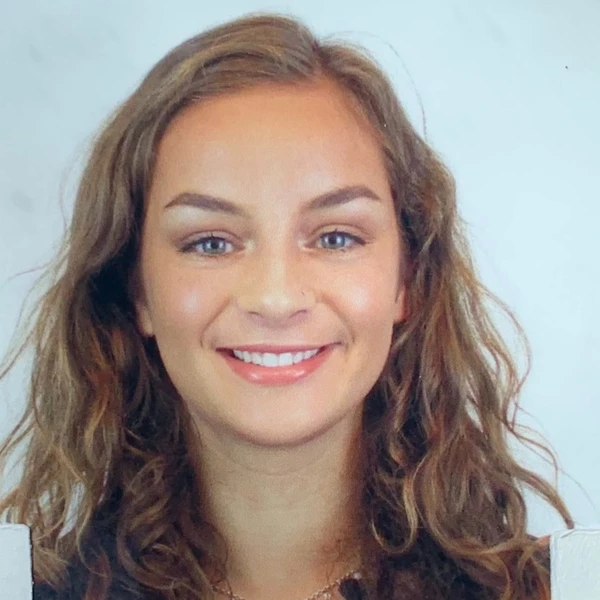
I’m a future Neurodevelopmental Psychologist. My lived experience has given me a unique lens of empathy, grit, and fire. I’m passionate about creating trauma informed systems that don’t just treat symptoms but see the whole person, especially children.
I study neurodevelopmental psychology with plans to earn a PhD and work with kids impacted by trauma. I believe healing is possible when compassion meets science, and I’m determined to be that bridge.
Education
University of California-Berkeley
Bachelor's degree programMajors:
- Psychology, General
Whitman College
Bachelor's degree programMajors:
- Economics
Miscellaneous
Desired degree level:
Doctoral degree program (PhD, MD, JD, etc.)
Graduate schools of interest:
Transfer schools of interest:
Majors of interest:
- Psychology, General
- Neurobiology and Neurosciences
Career
Dream career field:
- Individual & Family Services
Dream career goals:
Child Neuropsychologist or Neurodevelopmental Trauma Specialist
Senior Data Analyst
R1RCM2021 – 20243 years
Sports
Soccer
Varsity2017 – 20214 years
Research
Neurobiology and Neurosciences
UC Berkeley — Research Assistant2025 – Present
Arts
Self Employed
Music2017 – Present
Future Interests
Advocacy
Volunteering
Philanthropy
Entrepreneurship
Trudgers Fund
Growing up around alcoholism, and eventually losing my father to it, shaped the way I learned to cope with pain. By the time I reached adulthood, many of the same patterns I watched in fear as a child had become my own.
I used alcohol and marijuana to escape emotions I did not know how to process. I drank as often as I could, smoked before exams to numb anxiety, and made reckless decisions that put both myself and others at risk. At the time, I convinced myself I was functioning because I was still moving forward on the surface. In reality, I was quietly falling apart.
I felt trapped between wanting to succeed and feeling unable to cope with the weight of my grief, trauma, and mental health struggles. Eventually, everything reached a breaking point, and I was hospitalized during a psychiatric crisis under a 5150 hold. That experience forced me to confront how far my life had drifted from the person I wanted to become. For the first time, I recognized how easily untreated pain can repeat itself across generations if it is never confronted.
I am now eight months sober, and for the first time in years, I feel fully present in my own life. Sobriety did not instantly erase grief or trauma, but it gave me the clarity to finally face these emotions honestly instead of running from them. I began journaling consistently, reflecting on the pain rather than suppressing it, and learning healthier ways to cope with stress.
I care about myself now. Tasks that once felt impossible during the worst periods of my addiction, even simple things like brushing my teeth, keeping routines, eating properly, or showing up consistently, no longer feel overwhelming. I have rebuilt trust in myself, and I feel hopeful about my life.
One of the biggest changes sobriety gave me was the ability to believe in my future again. Before returning to school, I worked in corporate analytics, but I felt disconnected from any real sense of purpose. After getting sober, I made the decision to return to school and pursue psychology. Today, I have a 4.0 GPA at UC Berkeley and am working toward a career focused on trauma and mental health research. Returning to school after addiction recovery has required significant financial sacrifice, but sobriety gave me the belief that my future was worth investing in.
Through my education, I hope to help children and families develop emotional regulation and coping skills before pain turns into crisis or addiction. Too often, mental health care becomes reactive only after someone is already struggling severely. I want to contribute to preventative mental health support that helps children understand their emotions, build healthy coping mechanisms, and feel supported long before they reach the point of hopelessness. My experiences with addiction have shown me how easily untreated pain can quietly grow over time, and I want to help create systems that intervene earlier with compassion, education, and support.
Sobriety has not simply changed my habits, it has changed the direction of my life. For the first time, I feel like I am building a future instead of trying to escape the present.
Ethel Hayes Destigmatization of Mental Health Scholarship
A Blueprint for Becoming
Depression didn’t just knock on my door, it lived inside the walls of my childhood home. I was born into a world where survival meant more than struggling to find food and shelter, it meant enduring constant physical and emotional chaos and still finding the strength to live another day. I remember being eight years old, curled in a corner of my room, feeling like the world had no space for someone like me. At that age, I had already tried to end my life. Not because I didn’t want to live, but because I didn’t know how to survive what I was living through.
Abuse wasn’t an occasional event, it was the air I breathed. I had no idea what it meant to feel safe, let alone loved. I carried a constant sadness I couldn’t explain. While other kids played and laughed, I was learning how to breathe through the weight of simply existing.
And yet, I survived. Still, some days my greatest achievement is just being here. But being here is what allows me to build something better.
This desire to build something better only deepened when I lost my cousin. My cousin was also a victim of mental health burdens. He wasn’t just family, he was my safe place, my mirror, my co-survivor. We understood one another’s invisible burdens. He was young, bright, and full of quiet pain.
Depression stole him before the world ever got to see what he could be. His absence is a constant ache, but also a constant reminder that I want to be part of the solution and to never let anyone feel as alone as he did. I feel the urgency of this fight like never before. His life reminded me of how fragile we are. His death reminded me of how necessary it is to fight for a world where mental health is seen, respected, and supported, especially for kids.
This lifelong battle with mental health continues to shape not just my goals, but also my relationships. Because of my trauma, I often feel like I have to earn love, or that I am too much, too broken, to be truly known. I’ve struggled with trust, with letting people in.
But I’ve also developed a profound sense of empathy. I can see pain in others, even when they’re silent. I listen deeply, because I know what it’s like to feel like no one hears you. I choose to love fiercely, because I know how it feels to be unloved. Healing has also meant learning what healthy love looks like, how to set boundaries, how to accept care, how to let go of shame. I’m still learning, and that’s okay. But I am so proud of myself for how far I have come. Relationships are no longer about survival for me, they’re about connection, growth, and mutual care.
These personal experiences have become the foundation of my purpose. My only wish in life is to create a more trauma informed world. I want to make children feel seen, heard, and safe. I am studying neurodevelopmental psychology, with aspirations to obtain my PhD and go on to be a neurodevelopmental trauma specialist or a child neuropsychologist. My goal is to use my pain as fuel, to study, to serve, and to build systems that actually work for people like me. I want to study the ways trauma shapes the brain, especially in childhood, and advocate for early interventions that can change lives. I want to work with families and communities to break cycles of abuse and silence. I will change the systems that failed me and so many others, foster care, education, mental health, justice. I want to create trauma-informed, culturally competent approaches that don’t just treat symptoms, but honor the whole person.
To me, strength is not in perfection, but in persistence. There is a burning necessity to change our system, rely on community healing, and revolutionize compassion. I will be a part of that change.
I am not my mental illness, but I am shaped by it. I am choosing to use it as a blueprint for healing, for growth, and for building a life full of meaning. My story isn’t one of tragedy, it’s one of becoming. I carry my past not as a burden, but as a compass. I am committed to building a world where children don’t have to choose between surviving and being seen. Where compassion isn’t an afterthought, it’s the foundation.