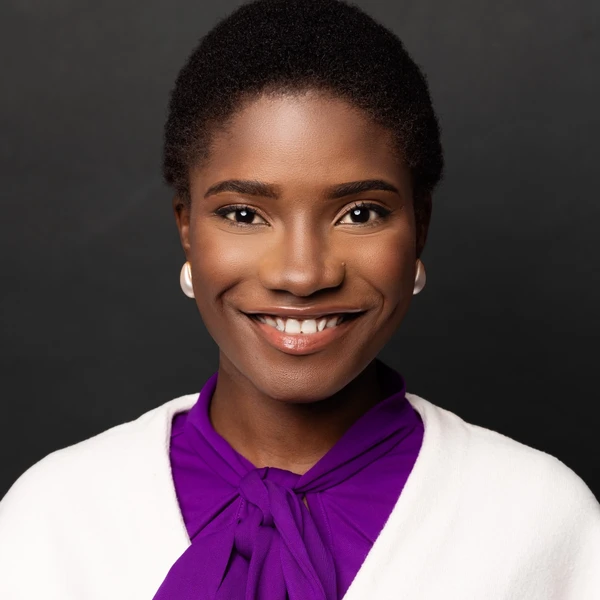
user profile avatar

Ruth Socree

1x

Finalist

1x

Winner

Bio

I am currently an undergraduate at the University of Minnesota pursuing a BA in Economics and BASC in Healthcare Management. My goal is to support and advocate for enhancing healthcare systems through data-driven decisions and ensure that all have access to quality, accessible, and value-based care. I am in the process of gaining valuable insights into healthcare operations, financial modeling, and policy analysis, equipping me to impact this industry. Outside of the classroom, my direct patient care and community health experience have taught me how to make healthcare more efficient, accessible, and patient-centered. However, I have also realized that there is still much to improve. With a focus extending from strategy to service, I lead work that weaves together industry trends, care plan management, and charitable efforts. My passion is to influence the next evolution of healthcare through financial and operational insights that build sustainable, impactful solutions.

Education

University of Minnesota-Twin Cities

Bachelor's degree program
2024 - 2027
  • Majors:
    • Health Professions and Related Clinical Sciences, Other
  • Minors:
    • Psychology, General

Anoka-Ramsey Community College

Associate's degree program
2021 - 2023
  • Majors:
    • Psychology, Other

Miscellaneous

  • Desired degree level:

    Doctoral degree program (PhD, MD, JD, etc.)

  • Graduate schools of interest:

  • Transfer schools of interest:

  • Majors of interest:

    • Economics and Computer Science
    • Health and Medical Administrative Services
  • Not planning to go to medical school
  • Career

    • Dream career field:

      Hospital & Health Care

    • Dream career goals:

    • Direct Care Professional

      ACR Homes
      2021 – Present5 years

    Sports

    Artistic Gymnastics

    Junior Varsity
    2019 – 2019

    Public services

    • Volunteering

      AmeriCorps — Member
      2021 – 2022
    Brent Gordon Foundation Scholarship
    My mother taught me who I was before I had the words to understand it. I was six years old when she passed away. At that age, grief is not something you can explain. It comes as an absence. I remember the silence most of all. There was an empty space where her voice should have been. There were questions no one could answer in a way that made sense to a child. Losing her was not just losing a parent; it was losing the person who would have helped me understand the world as I grew up. And yet, she never truly left. Later, I was adopted into a home that gave me stability, opportunity, and care. Still, I grew up with two truths: I was chosen, and I had experienced loss. Learning to carry both shaped me in ways I did not see at the time. It taught me to live with complexity, to move forward without full closure, and to find strength in something that could have broken me. Losing my mother changed the way I approach life. It made me independent earlier than most. I had to learn to face challenges without the guidance that many people have. I needed to develop discipline, focus, and a sense of responsibility, not just for myself but for the future I wanted to build. I learned that resilience is not about avoiding hardship. It is about continuing on, even when the path is unclear. That resilience became the foundation of my journey. As a first-generation college student working toward degrees in Economics and Healthcare Management, I am creating a new path for myself. I have balanced tough classes with work and financial responsibilities, often making hard choices to stay focused on my goals. One of those choices was leaving full-time work to invest in my education. It was a risk, but it showed my belief that making a difference takes focus, sacrifice, and purpose. My mother’s absence shaped how I see others. It gave me a deep awareness of what people carry that cannot be seen. I know what it means to live with loss, and that shapes how I support others. I work with people who have behavioral and developmental needs, helping create safe and supportive environments. I volunteer in healthcare outreach programs that expand access to care and nutrition for more families. I set aside part of my income to help children in need. These actions are not separate from my story. They are a continuation of it. Her loss did not diminish my ambition; it clarified it. I am working toward a career in healthcare systems and policy, focused on improving access, coordination, and outcomes for underserved communities. I have seen how gaps in care and slow support can affect lives, and I am committed to building systems that respond better and more fairly. My goal is to ensure fewer families face the problems caused by limited access to care and delayed care. Receiving this scholarship will allow me to dedicate more time to my studies, pursue internships with local healthcare organizations, and develop the skills necessary to lead effective policy change. It will help relieve financial pressure, giving me the flexibility to participate in research opportunities and community health projects that are directly connected to my future goals. Most importantly, support from this scholarship will help me make a meaningful difference for underserved communities and turn my commitment into a lasting impact. Although my mother did not get to see who I am becoming, everything I am building is rooted in what she gave me.
    Harry & Mary Sheaffer Scholarship
    As a first-generation college student, I have learned that understanding others begins with navigating spaces where you are often the only one like you. I am a Liberian, African American student pursuing a dual degree in Economics and Healthcare Management. In many classes, especially economics, I am often one of the few women and the only person with my cultural background. No one speaks my language or shares my experiences. These situations have taught me to listen deeply, communicate intentionally, and bridge differences. Adaptability, empathy, and communication form the foundation of my commitment to fostering a more understanding global community. My perspective is shaped by both my identity and my experiences. Growing up between cultures has shown me how systems can include or exclude individuals. I have seen how access to healthcare, education, and basic resources differs across communities. Personal loss, including the passing of my mother and brother, revealed the lasting impact of gaps in care and delayed access. These experiences guide me to approach people and challenges with empathy and a commitment to finding solutions. I intend to apply my skills to foster empathy at both individual and systemic levels. On an individual level, I practice empathy through service. I work with individuals with behavioral and developmental needs, where empathy is essential. I have learned that understanding others requires patience, adaptability, and meeting people where they are. I also volunteer in healthcare outreach programs that expand access to care and nutrition for families. Additionally, I set aside part of my income to support children in need. These actions reflect my belief that empathy is not just a feeling but a consistent practice. On a broader scale, I aim to design systems that demonstrate empathy in practice. Through my studies in economics and healthcare management, I am preparing for a career as a health economist. My goal is to improve healthcare system design to better serve diverse populations. In this context, empathy means creating systems that recognize varied needs and remove barriers to access. It also means ensuring care is timely, coordinated, and available to all communities, not only those with resources or connections. My ability to navigate diverse environments, communicate across differences, and remain committed to service enables me to help build a more connected world. I recognize that empathy involves not only understanding others’ stories but also using that understanding to drive change. As a first-generation student, I am forging my own path while contributing to something greater than myself. I use my education, experiences, and perspective to support a global community that values inclusion, understanding, and equitable opportunity. True empathy is not only about seeing others; it is about creating systems that ensure they are recognized.
    Bulkthreads.com's "Let's Aim Higher" Scholarship
    I want to build systems that make opportunity and care accessible, not accidental. As a Liberian, African American, first-generation college student pursuing a dual degree in Economics and Healthcare Management, my education is not just a personal milestone; it is a tool. I am building toward a future where healthcare systems are more efficient, equitable, and responsive, especially for underserved and special needs populations who are often left behind. This vision is rooted in loss. I lost my mother at a young age, and years later, I lost my brother to liver failure after a late diagnosis. Both losses exposed the same reality: access to timely, coordinated care is not guaranteed. Delays, lack of information, and limited resources can determine outcomes. For my family, they did. Experiencing that kind of loss did not just shape my perspective; it gave my education a clear purpose. I began asking questions I could not ignore. Why was care delayed? What systems failed to respond in time? What could have been done differently? Those questions became the foundation of what I now want to build. I want to build healthcare systems that reduce delays and increase access to systems that prioritize early diagnosis, ensure consistent communication, and ensure care is not dependent on circumstance. As a future health economist, I plan to work at the intersection of policy, data, and healthcare operations to improve how resources are distributed and how care is delivered. I want to help create systems that prevent more families from experiencing preventable loss. My education is the foundation of this work. Through my studies, I am developing the analytical and operational skills needed to understand how systems function and how they can be improved. But I am not waiting until the future to create impact. I work with individuals with behavioral and developmental needs, where I see how structured care and consistency can stabilize lives. I volunteer in healthcare outreach programs that expand access to care and nutrition for families. I also give from what I have, setting aside part of my income each month to provide food for children in need. These actions reflect what I am building now: not just knowledge, but responsibility. Losing my family did not stop my path it clarified it. It taught me that time, access, and systems matter. It showed me that behind every statistic is a person, and behind every gap is a consequence. These lessons drive both my ambition and my commitment to creating change. This scholarship directly supports that vision. Easing the financial burden of my education allows me to focus more fully on developing the skills needed to design better systems. It is not just an investment in my education; it is an investment in the impact I am preparing to create. I am not just building a future for myself. I am building systems that create access, improve outcomes, and ensure that care does not come too late.
    Special Needs Advocacy Inc. Kathleen Lehman Memorial Scholarship
    When a client first trusted me to follow a new routine, I realized that progress in the special needs community is often quiet but transformative. That experience shaped my understanding of care and my definition of impact. I work in behavioral and developmental care as a Youthcare Professional at Nexus Family Healing and previously as a Direct Care Professional at ACR Homes. In these roles, I create structured environments, document clinical and behavioral changes, and collaborate with teams to provide consistent support. I have learned that individuals with special needs do not lack ability; they often lack systems that fully support their potential. I have seen what happens when those systems fall short. A missed staff update can disrupt progress. Limited resources delay interventions. Inconsistent care plans create confusion rather than stability. These issues determine whether someone improves, regresses, or remains overlooked. This is why my goal is not only to provide care, but also to redesign how care is delivered. I am pursuing a dual degree in Economics and Healthcare Management at the University of Minnesota to prepare for a career as a health economist focused on improving care systems. My work is guided by the understanding that outcomes depend not only on effort, but also on structure: how services are funded, coordinated, and prioritized. I aim to design systems that ensure early intervention, consistent care, and equitable access for individuals with special needs. This mission is also personal. I lost my brother to liver failure after a late diagnosis, which showed me how gaps in systems can have irreversible consequences. It reinforced my belief that better systems do not just improve outcomes; they save lives. My perspective is shaped by both experience and identity. As a Liberian, African American, and first-generation college student, I often navigate spaces where I am underrepresented. In male-dominated economics classrooms, I am frequently the only woman or the only person with my background. No one speaks my language or shares my exact experience. Instead of shrinking, I have learned to lead with my perspective. This allows me to ask questions that focus on access, equity, and real-world impact. Service is not something I wait to practice in the future; it is how I live now. I support families through food programs and contribute part of my own income to provide meals for children in need. These actions reflect my belief that impact is built through consistency, not convenience. My long-term goal is to transform how systems serve individuals with special needs by shifting from reactive care to proactive, coordinated, and equitable support. I want to help create a future where individuals are empowered by the systems around them, not limited by them. The special needs community does not lack potential; it lacks systems to recognize and support it. I am committed to building those systems because dignity should never depend on circumstance.
    Minority Women in LAS Scholarship
    My experience as an immigrant has influenced both the way I approach my education and how I see its importance. As a Liberian, African American woman and the child of immigrants, I am pursuing goals that were once out of reach for my family. Education was never guaranteed; it was something we had to earn. This perspective guides me in every classroom, decision, and challenge. As a first-generation college student, I am forging my own path. Without guidance on navigating college or balancing finances and academics, I have learned by doing: managing my time, advocating for myself, and persevering through uncertainty. My immigrant background has shaped how I navigate different environments. As a Liberian woman studying Economics, I am often one of the few women in my classes and sometimes the only one with my background. No one speaks my language or shares my perspective. In these moments, I have learned to speak up, even when it feels unfamiliar. Although it can be challenging, I recognize that my perspective is valuable, especially in fields where representation is limited. My immigrant experience has brought both financial and personal challenges. I have worked full-time while attending school and taken on responsibilities for others. At one point, I left a full-time job to focus on my studies. This difficult decision required sacrifice, but it was necessary to remain committed to my long-term goals. These challenges have not held me back; they have made me stronger. These experiences have taught me discipline, resilience, and the importance of purpose. I am pursuing a dual degree in Economics and Healthcare Management to become a health economist. My goal is to address disparities in healthcare access and outcomes, especially in communities like mine. My brother’s death from liver failure after a late diagnosis showed me how systemic barriers can impact lives. I am committed to helping create systems that are fair, efficient, and responsive. My immigrant experience also shapes how I support others. I volunteer in healthcare settings such as Children’s Dental Services, assisting with outreach to improve access to care. I support families through food programs and contribute part of my income to help children in need. I also remain connected to Liberia by sending supplies to communities in need. These actions reflect my belief that education is not only for personal growth but also a means to create positive change. My immigrant experience has not made my path easier, but it has made it clearer. It has shown me that success is earned through persistence, sacrifice, and determination, even when nothing is guaranteed. I am not only working toward a degree; I am creating opportunity, representation, and change.
    Maggie's Way- International Woman’s Scholarship
    When Malgorzata Kwiecien moved to the United States alone, she brought not only ambition but also uncertainty, isolation, and a determination to succeed without support. I understand that experience. As a Liberian woman studying in the United States, I have learned to build a life in unfamiliar environments. At times, I am the only person in the room who looks or sounds like me, or who shares my experiences. No one speaks my language or shares my story. Yet, like Maggie, I move forward not because it is easy, but because I refuse to let difficulty define my limits. Maggie was described as intellectually bold, someone who pursued knowledge deeply and refused to remain within boundaries. I see myself reflected in these qualities. I am pursuing a dual degree in Economics and Healthcare Management, fields that require analytical thinking, discipline, and resilience. As a woman in economics, I am often one of the few women in male-dominated classrooms and the only Liberian student. Speaking up in these settings requires confidence, especially when my voice is unfamiliar. I have learned to trust my perspective. I do not wait for permission to contribute; I prepare, engage, and lead with intention. Like Maggie, I believe knowledge is powerful only when applied. My academic goal is to become a health economist so I can address systemic gaps in healthcare access and outcomes. This ambition is deeply personal. I lost my brother to liver failure after a late diagnosis, which showed me how system failures can have irreversible consequences. I want to help build systems that are more efficient, equitable, and responsive so fewer families experience preventable loss. Maggie faced challenges beyond academics, building her life in a new country without a support system and relying on her own strength. I relate to that independence. As a first-generation college student, I have navigated higher education without a roadmap. I have balanced work, financial responsibilities, and rigorous coursework, often making difficult choices to prioritize long-term goals over short-term stability. One such decision was stepping away from full-time work to focus on my studies, a choice rooted in the same determination Maggie demonstrated. Beyond academics, I challenge myself through service. I volunteer in healthcare settings, support families through food programs, and contribute resources to help children in need. Like Maggie, I believe strength is not only intellectual; it is shown through action, consistency, and a willingness to move beyond comfort. What I admire most about Maggie is not only her accomplishments, but her fearlessness and willingness to embrace challenges rather than avoid them. That is how I choose to live. I am not waiting for the world to make space for me. I am preparing to step forward with knowledge, purpose, and resilience. Like Maggie, I am building from the ground up, with no guarantees but with unwavering determination.
    7023 Minority Scholarship
    My commitment to service is shaped by my identity and experiences. As a Liberian, African American, and first-generation college student, I have seen that opportunity is not equally available and that meaningful change requires both action and intention. I am pursuing a dual degree in Economics and Healthcare Management at the University of Minnesota. My goal is to become a healthcare leader and health economist dedicated to improving systems for vulnerable and underserved populations. I have witnessed how gaps in access, delayed care, and limited resources impact individuals and families. These experiences shape both what I study and my motivation for doing so. Service is not occasional for me; it is a guiding principle in my life. I volunteer in healthcare settings, including Children’s Dental Services, supporting outreach that expands care for families who might otherwise go without treatment. I also assist with farmers’ market programs that help new parents use food vouchers to provide healthier meals for their children. These programs address essential needs, such as healthcare and nutrition, which are often overlooked but critical to long-term well-being. Beyond organized programs, I believe service means giving what you can, even when resources are limited. I set aside part of my paycheck each month to provide food for children in need and collect supplies for local shelters. These actions may seem small, but I believe impact is built through consistency rather than convenience. I also maintaI maintain strong ties to my roots through Holiday’s Hope & Smiles, an initiative I lead that provides food, clothing, and essential supplies to underserved communities in Liberia. This work connects my background to my purpose and reminds me that the impact I seek extends beyond a single community or country.I support, healthcare access, food security, and community support, are important to me because I understand what it means to live in spaces where resources are limited. I have seen how a lack of access can shape outcomes, and I am committed to being part of the solution. My future goals focus on creating systemic change. I aim to work at the intersection of healthcare administration and economics to improve how care is delivered, funded, and accessed. I am especially interested in addressing disparities in early diagnosis and preventive care, having seen how treatment delays can have lasting consequences. Through policy, data, and leadership, I want to help design systems that are more equitable and effective. Being an African American woman in a male-dominated field like economics has shaped my perspective. I am often one of the few women, and sometimes the only person with my background, in the room. I view this not as a barrier but as a responsibility. Representation matters, and I am committed to demonstrating what is possible. Addie James Hamerter believed in using education as a tool for justice. I share that belief. I am not only pursuing a degree but also preparing to use my knowledge to create access, opportunity, and change for others.
    Wesley Beck Memorial Scholarship
    My commitment to serving individuals with special needs is rooted in hands-on experience. As a Youthcare Professional at Nexus Family Healing and previously a Direct Care Professional at ACR Homes, I worked daily with individuals whose needs often exceeded the capacity of traditional care systems. These roles taught me that effective support is measured not by routine tasks, but by the ability to foster stability, dignity, and trust in environments where consistency is vital. Each day, I maintained structured routines, documented behavioral and clinical observations, and collaborated with multidisciplinary teams to ensure continuity of care. Beyond these duties, I saw firsthand how systems communication, staffing, funding, and coordination directly affect the quality of life for individuals with special needs. These experiences clarified my purpose. I am committed not only to serving individuals within the system, but also to improving the system itself. This clarity led me to a difficult decision. While working full-time at ACR Homes, I realized that creating meaningful, long-term impact required a deeper investment in my education. I chose to leave my full-time role to focus on academic training. This was a strategic step to gain the knowledge and skills needed to address the systemic gaps I had observed. As a first-generation college student pursuing dual degrees in Economics and Healthcare Management at the University of Minnesota, I am preparing to lead at the intersection of care delivery and system design. My focus is health economics, specifically how funding, policy, and resource allocation influence access to care and outcomes for individuals with special needs. My perspective is shaped by both my professional experience and my identity. As a Liberian, African American woman, I often navigate underrepresented spaces, such as male-dominated economics classrooms where I am frequently the only person with my background. These experiences have strengthened my independence, leadership, and ability to contribute perspectives often missing in policy discussions. My volunteer work reinforces this commitment. Through Children’s Dental Services, I support outreach efforts to expand care for underserved communities. I assist programs that help families access nutrition resources and personally set aside part of my income to provide food for children in need. These actions reflect my belief that service is defined by responsibility, not position. My experiences have taught me that individuals with special needs do not require “fixing”; they need systems that are responsive, inclusive, and designed to support their full potential. I have seen how gaps in coordination and access create barriers, while thoughtful, consistent care can transform lives. My long-term goal is to become a healthcare leader and health economist focused on improving access, early intervention, and coordinated care systems. I aim to design systems that guarantee quality care, not by circumstance but by structure. Stepping away from full-time work to focus on my education has required sacrifice. This scholarship would allow me to continue developing the skills needed to lead meaningful change. I have learned that care is not only delivered, but it is designed. I intend to design it better.
    Gladys Ruth Legacy “Service“ Memorial Scholarship
    I learned early on that being different is not always a choice. Sometimes, it is something you grow into over time. As a Liberian, African American, and first-generation college student, my story is shaped by resilience, responsibility, and purpose. I am creating a path that is new for my family. I will be the first to graduate from college, and I am doing this while working toward a dual degree in Economics and Healthcare Management. My journey is defined not by what I was given, but by what I continue to build. What sets me apart is not just my identity. It is also how I show up for others. I am present and willing to help, even when there is no reward. I volunteer in healthcare settings, including Children’s Dental Services, where I help with outreach and patient care without pay because I believe everyone should have access to healthcare, no matter their income. I also help with farmers’ market programs that support new parents in using food vouchers to provide healthier meals for their families. I give what I can by setting aside part of my paycheck each month to buy food for children in need. I also collect towels and supplies for animal shelters because I believe service should reach every part of the community. Being true to myself means I do not wait for recognition before doing meaningful work. I act because it matters. As a Youthcare Professional, I support people with behavioral and developmental needs. I help create stable environments, keep records of care, and work with teams to make sure support is consistent. These experiences have taught me that service is often quiet, but its impact lasts. There might be someone watching me, someone who notices that I am balancing school, work, and service without making excuses. Maybe they will see that giving back is possible, even if you do not have much. I may never know who that person is, but I know that leadership often shows through steady action. My ambition is about more than personal success. I am preparing for a career in healthcare administration and health economics to address gaps in access to care, especially in communities like mine. I want to help build systems that work better for people who are often overlooked. What makes me different is not just my story. It is also my actions. I choose to give, to lead, and to keep moving forward. I am becoming someone who does not wait for change, but creates it, even when no one is watching.
    Hazel Joy Memorial Scholarship
    When I was six, I learned that the people you love most can be gone in an instant. My mother was the first to leave. Ten years later, I lost my brother. Losing my brother, though, was a different kind of loss, a loss that tested me in ways I hadn't experienced before. He was more than my sibling; he was my stability. After my mother died, he took on an unexpected role, supporting me with quiet strength. He became my protector, my guide, and helped me feel safe again. He encouraged me, stayed consistent, and believed in my potential. When he died from liver failure after a late diagnosis, I lost more than a brother; I lost the person who helped me rebuild my life. His death also left me with lingering questions. Why wasn’t his condition found sooner? What prevented his diagnosis? I began to see his loss as evidence of larger healthcare problems. That realization changed the direction of my life. Grief was not new to me, but this time it felt heavier. I already knew how to live with loss, but this demanded more. I had to learn to move forward without the person who kept me strong. For a while, I felt lost and silent. Even in that silence, his influence shaped my choices. He was steady, encouraging, and never let me give up. He worked hard and loved deeply. Because he believed in me, I believed in myself. Giving up would have meant turning away from his faith in me. That understanding and his belief in me pushed me to a decision: I would keep going. I poured my energy into education. Now, I pursue degrees in Economics and Healthcare Management. I aim for a career as a health economist to address the delays and unequal access in healthcare that harmed my brother. Through work with data, policy, and systems, I hope to create solutions for early detection and better patient outcomes. I also supported others facing loss and uncertainty. I didn’t have all the answers, but I knew what it meant to keep going after a life-changing event. I learned perseverance is moving forward while carrying what stays with you. Losing my brother changed how I see time, opportunity, and purpose. I no longer take tomorrow for granted. Knowing how quickly life changes drives me to keep growing and make a difference. The Hazel Joy Memorial Scholarship stands for resilience after loss. Like Hazel’s family, I have learned that grief can either quiet you or help you grow. I have chosen to let it shape who I am. My brother gave me strength when I needed it most. I carry that strength with me in my work, my education, and my purpose. I want to help build a healthcare system where fewer families have to face the same questions I did.
    Curtis Holloway Memorial Scholarship
    `The biggest influence on my educational experience was my mother. She died when I was six years old. My father left me when I was two years old. She raised me by herself and worked hard so we could have a better life. She taught me about strength and perseverance. She was my first example of resilience. My mother did something incredible, raising me as a single parent. She graduated from high school after having me, and even started college. She wanted better for us, so she pushed through the toughest times, believing in education. She wanted me to know that no matter where you come from, you can expand your opportunities through education. Too soon, we had to say goodbye. My mother died from liver cancer after fighting for years to receive the care she deserved. There was nothing stopping her from getting better, except that the treatment was too expensive. It killed me that she died so young and still haunts me today. How I see the world, including our healthcare system, was shaped by her death. As a child, I couldn't grasp how someone so strong-willed could die due to the inability to pay for healthcare. Even though my mother was only in my life for a brief period, her resilience lives on in me and inspires my choices and ambitions. I pay tribute to her by continuing her legacy of getting an education and never giving up. I am currently studying Economics and Healthcare Management with the hopes of reforming healthcare and increasing access to care for underserved populations. Knowing her story fuels my passion. I hope to one day be part of a healthcare system that doesn’t force families to lose their loved ones just because they can’t afford treatment. I hope no child ever has to question if their parent would still be here if they could receive affordable care. Being raised without either parent taught me to be strong, independent, and motivated early in life. I could have let my struggles defeat me, but it only made me work harder to achieve my goals. Every milestone I reach in my education is a tribute to my mother and everything she sacrificed and dreamed for us. By continuing to work towards my goals and fighting for meaningful change in our broken healthcare system, I can carry on my mother’s legacy of strength, bravery, and faith that education can change lives.
    Learner Mental Health Empowerment for Health Students Scholarship
    Mental health is significant to me because I have personally experienced just how fragile academic drive can become when faced with mental and physical exhaustion. Throughout my college journey as a first-generation student working two jobs, sometimes with overnight shifts followed by classes, I've experienced burnout that made it difficult for me to focus, feel confident, and feel good overall. Through these experiences, I found that no matter how disciplined you think you are, success is conditional on your mental health and support. Mental illness has always been taboo in my Liberian community, and most of my family's that lives here in the United States. We would downplay emotions or feel like we didn't know what we were going through if we did share. Asking for help was considered weak. I grew up this way, so I would simply bottle up my stress. Until I began working in a Level 5 facility providing care and support to youth facing serious trauma and behavioral health issues. I saw firsthand what untreated mental illnesses do to education, relationships, and outcomes- but most importantly, how therapeutic care can help kids have a sense of normalcy again. Consequently, I practice mental health awareness in my workplace and community. At work, I allow youth space to vent their feelings without judgment, I reinforce coping skills, and advocate for appropriate safety planning during transitions. I remind coworkers to look for burnout and take care of their mental health. I strive to normalize mental health discussions within my Liberian communities and church. I openly discuss my own experiences with burnout and stress. This can help destigmatize the topic and allow others to feel comfortable asking questions. I can let people know it's ok to talk about emotions rather than just brushing them off. In school, I uplift classmates to take advantage of campus counseling and ask for help when they need it. Good mental health allows you to excel. I hope to go beyond just obtaining my degree- I plan to study health policy and healthcare management to help increase access to mental health services that are culturally responsive. I want to help shape policies that understand students and immigrants are under pressure and need resources that are accessible and stigma-free. Promoting mental health awareness isn't just personal for me; it's cultural and systemic. If, through encouraging conversations, destigmatizing mental health in Liberian communities, and empowering vulnerable youth, I can make seeking help normal, then, through empathy, leadership, and grace, I hope to shift the culture of mental health in my community and the world.
    Hearts on Sleeves, Minds in College Scholarship
    Winner
    Talking used to feel dangerous to me for the majority of my life. I stutter. So speaking felt less like communication and more like undressing when I was growing up. Words that sounded crisp and clear in my head became sluggish, broken, stuck. I quickly learned that some people don't know how to wait for you. They'll interrupt you. Finish your sentences. After a while, it just became easier to remain quiet. I became quieter still after my mother died from our broken healthcare system in Liberia. Mourning, immigration, and assimilation taught me how to live through observation. I studied, played by the rules, and shouldered responsibility, but I avoided opportunities that asked me to voice my thoughts. With my stutter, I doubted if people would ever listen. The day that transformed me occurred during a shift at a Level 5 residential treatment facility for youth with intensive trauma and behavioral health needs. I had pulled an overnight shift and went to class that morning without sleeping. That afternoon, I found out one of the youth I worked with was being discharged/transferred without an adequate safety plan. I knew better. But I also knew if I didn't speak up, someone would get hurt. It was scary to speak up. I recall hyperventilating, trying to organize my thoughts, knowing they might come out disjointed. I took a breath and spoke. I stuttered but didn't stop. I told them what I saw, why this transition was unsafe, and what help was needed. My voice wasn't perfect, but it was steady. And this time someone listened. The plan was altered, and the youth transitioned safely. That changed my perspective on communication. Confidence doesn't mean talking without mistakes. Confidence is talking with conviction. Because of my stutter, I was speaking authentically. It didn't make my point less true; it made it true that I was saying it. I spoke with a voice of authority because I lived it and owned it. I’ve learned to use my voice since. I speak up for kids. I voice concerns clearly. And I say something even when it’s awkward to do so. I realized that being Black and a first-gen college student means my voice has a perspective that these systems lack. If there’s a matter of safety, dignity, or fairness, I don’t wait to be asked to speak. Moving forward, I hope to advocate on a larger scale. I am currently studying Economics and Healthcare Management to one day work in health policy consulting and become a health economist. I hope to speak where the decisions are being made. Using data, lived experience, and clear voices to help shape policies that create fewer disparities within healthcare, mental health accessibility, and economic opportunity. My stutter used to make me think silence was the safer option. My stutter now teaches me that change starts when we bravely use our voice, stuttering or not. I will use my voice to speak up, advocate, lead, and work towards creating a world where everyone feels seen and heard, stuttering or not.
    Ruthie Brown Scholarship
    Hi! I am Ruth, and I am a BIPOC first-generation college student managing to cover my expenses independently during my education. I am currently double-majoring in Economics and Healthcare Management. My current financial responsibilities demonstrate that college affordability already impacts my everyday life through consistent work and budget management. I have two jobs. I work 34 hours a week overnight at $20/hr and another job 12 hours a week at $16/hr. After paying federal taxes, along with state and payroll taxes in Minnesota, my take-home pay is minimal. I am ineligible for Pell Grants during the next academic year, which adds to my financial responsibilities. I live off campus and pay for all necessities by myself. Rent, gas, food, textbooks, and gas to drive to school Monday-Friday. Even with these limitations, I take steps to minimize my student loan debt as much as possible. I pay $300 towards my student loans from each paycheck. This allows me to chip away at the principal and keep interest from accruing. I choose to do this even when money is short because I do not want to graduate heavily in debt. I also budget and monitor my spending to avoid unnecessary loans. Working and going to school have been physically draining for me. Some nights I work overnight and go straight to class with no sleep. Then I have classes until 5: 00 p.m., sleep for a couple of hours, and work overnight again. I do this all week long. It has made me exhausted and burned out, but I know school is my only chance at stability and opportunity. I also prepare for debt in the future. I diligently search for scholarships to decrease my tuition and select majors that lead to good jobs. Once I graduate, I will have stable employment to pay off any loans. I will utilize income-based repayments and auto-pay to prevent any missed payments and accruing interest. The Ruth Brown Scholarship would lessen the amount of time I spend doing grueling overnight work shifts. It would keep me from taking on more student debt. It would allow me to give 100% of my attention to my classes. It would keep me from harming my health. It would allow me to graduate on time. This scholarship won't be taking the place of my effort - it's supplementing it. I am working. I am paying down debt. I am planning for my future responsibly. With this help, I can finish school debt-free.
    Jeannine Schroeder Women in Public Service Memorial Scholarship
    The sound of overcrowded waiting rooms echoes in my memory far louder than any relief. Healthcare in Liberia as a child meant lines, whispers of fear, and unanswered questions. Queuing up with your family for hours, hoping you would receive care, but never being guaranteed that you would. Losing my mother later in life to our broken healthcare system, I learned what those moments truly cost. Her death should have been avoided because it happened due to systemic healthcare shortcomings. She died because she couldn’t get care in time. After all, there weren’t enough resources, and systems collapsed at moments of need. I dedicate my professional life to public service because I aim to improve healthcare staffing shortages, timely care, and mental health inequalities. Now, I work directly with those affected by addressing these disparities head-on. I work at a Level 5 residential treatment facility with youth who have been through intense trauma and behavioral health needs. My job allows me to help ensure safety, structure, and continuity of care in times of crisis. I frequently volunteer extra time outside of my schedule to ensure that these youth know someone cares about them and wants them to succeed when they leave our doors. This career path has allowed me to see how inadequate funding for mental health services and a lack of consistency can stunt healing and potential. I also tackle this problem by volunteering within the community. As I work to sustain myself financially, I purposefully allocate the money I earn towards donating during the holiday season to a charity organization that feeds children and elderly people living in underserved communities. Our ability to access necessities during challenging seasonal periods plays a critical role in maintaining health. I also volunteer my time to spread awareness and support for domestic violence survivors, cancer, and women's health. Public service requires sustainability and practical approaches that emphasize maintaining dignity. I am currently double-majoring in Economics and Healthcare Management. Economics allows me to view social problems at the systems level and understand how policy and funding decisions impact access to care. Healthcare management gives me the tools I need to positively impact operations, staffing/planning, and service delivery. My career goal is to go into health policy consulting after graduation and receive advanced training as a health economist. I am combating healthcare and mental health disparities through direct service, community advocacy, and education. I hope to continue Jeannine Schroeder's legacy of utilizing talent, empathy, and initiative to create a more equitable, accessible, and humane world.
    Sgt. Albert Dono Ware Memorial Scholarship
    I first learned what service meant when help arrived too late. As a child in Liberia, communities rallied together when systems broke down. There was limited access to health care and education. Getting by was a struggle, and oftentimes you sacrificed your own needs because you put others first, even if you had nothing to give. Those experiences informed my sense of responsibility long before I knew anything about policy and leadership. Service. Sacrifice. Bravery. Those words took on new meaning for me when my mother died as a victim of our fractured healthcare system. Her death was preventable. It occurred because care was delayed, resources were scarce, and coordination was weak. My mother’s death taught me that bravery is not some vague concept. Bravery is stepping up when the system collapses, and people suffer. My mother’s death taught me that service needs to be sustained and tangible, not symbolic. I have carried these values with me since arriving in the United States. As an African immigrant and first-generation college student, I am a full-time financial independent student studying a double major in Economics and Healthcare Management. I work two jobs and still find time to serve my community because when life gets hard, responsibility shouldn't stop. I work with youth in a Level 5 residential treatment placement battling serious trauma and behavioral health challenges. Many days, I take time off work to volunteer because I feel these kids need someone to ensure they are safe and getting the best care to become stable. On top of that, I save my money to provide for a holiday obligation where we gift children and elderly individuals with food. I believe if you are going to serve, you have to sacrifice. The life of Sgt. Albert Dono Ware fuels my passion for wanting to impact the struggles of people of African descent living in America. There are still gaps in health care, mental wellness, and socioeconomic status for many Africans and African Americans. This is due to under-resourced services, lack of culturally competent care, and misrepresentation within the space of policymaking. Solutions include policy reforms with an emphasis on accessibility, accountability, and long-term solutions. Key policy changes moving forward must include broadening access to affordable healthcare, addressing gaps in mental wellness support and advocacy, and diversifying health and human service leadership. Programs should emphasize preventative care as well as equitable, culturally responsive services with sustained investment in community health and social service providers. Economic policies that address education, housing security, and job growth will be necessary for sustainable advancement in Black communities. Change must be collaborative. Public policy leaders must commit to equitable investments and inclusive policy design. Health and human services systems, schools, must develop pipelines that include Black and Brown professionals and leaders. Community-based organizations and faith institutions are critical to connect and build trust. Most importantly, Black and Brown people must be involved in driving solutions firsthand. Sgt. Albert Dono Ware lived a life of service characterized by bravery and sacrifice. I pay homage to his legacy by pledging my studies, career, and future workplace to building better systems that serve the people of the African diaspora. I promise to transform service into a system, sacrifice into long-term gains, and bravery into reality.
    Jim Maxwell Memorial Scholarship
    In life, we frequently pass opportunities that appear to brighten up our path and direct us to growth and bliss. This chance before me is not mere luck; it is a blessing directing me to my journey. Growing up, my family broke up at the age of three, and I then lost my mother at the age of six. After the death of her, I become the leftover nobody wanted. All my relatives perceived me as a misfortune, and I do not know why. I saw life hanging me up to the edge of the life where I kept my faith. With all the hardships I have been through, I did not give up faith. I kept faith as my brother and sister walking beside me on the road to success. The book Matthew 21:22 said, “And whatever you ask in prayer, you will receive, if you have faith.” My faith serves as source of strength and resilience because I believe in the highest God who inspire his courage into me to persevere when the odds are unconquerable. Sailing through turbulent times, I faced various challenges along my journey. From academic losses to personal tribulations, each task tested my perseverance. Nevertheless, with unshakeable faith as my compass, I resisted giving in to despair. Rather, I saw these problems as chances for growth and learning, relying on my faith to guide me in illuminating the way. Irrespective of the dilemmas, I experienced moments of glory that made me joyful and blessed. Whether it was accomplishing academic milestones despite the odds or lending a helping hand to those in need, each win strengthened my belief in the power of faith. Through patience and commitment, I found that religion is more than simply a passive belief; it is an active force that enables us to overcome challenges and achieve our goals. Looking ahead, I am devoted to using my faith as a guiding force to achieve even higher heights. I imagine a future in which I may use my education and abilities to positively impact my town and beyond. Whether it's through volunteer work, activism, or choosing a job dedicated to helping others, my faith will inspire and motivate me every step of the way. Ultimately, This scholarship opportunity is more than simply financial help; it represents the realization of my hopes and goals. My path thus far has been a witness to faith's transformational power, helping me through obstacles and enjoying victories. As I embark on this new chapter in my life, I am grateful for the support and encouragement that my faith offers. With faith as my compass, I am confident that I can navigate the journey ahead with courage, resilience, and undying drive.