user profile avatar

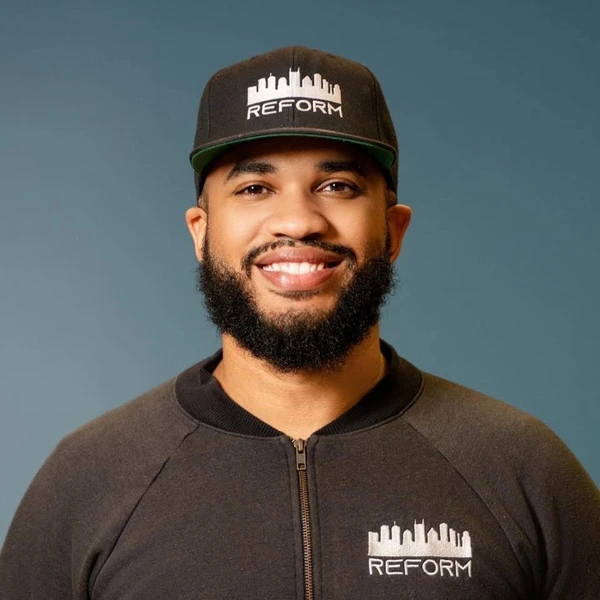
Russell Pointer

1x

Finalist

General information

Hobbies & Interests

  • African American Studies
  • Basketball
  • Church
  • Counseling And Therapy

Reading

  • Christianity

I read books daily.

Bio

I am a husband, father, pastor, and graduate student pursuing a career in mental health counseling with a foundation in ministry and pastoral care. My passion lies in holistic healing that honors both psychological science and spirituality. I hope to serve individuals and communities by providing culturally responsive, compassionate care that supports emotional, spiritual, and relational well-being.

Education

Lipscomb University

Master's degree program

2024 – 2026

Majors:
  • Mental and Social Health Services and Allied Professions
Boston University

Doctoral degree program (PhD, MD, JD, etc.)

2020 – 2025

Majors:
  • Religion/Religious Studies

Vanderbilt University

Master's degree program

2018 – 2020

Majors:
  • Theology and Religious Vocations, Other

The University of Tennessee-Knoxville

Master's degree program

2016 – 2018

Majors:
  • Sports, Kinesiology, and Physical Education/Fitness

Morehouse College

Bachelor's degree program

2012 – 2016

Majors:
  • Sports, Kinesiology, and Physical Education/Fitness

Miscellaneous

Medical school interest:
No

Career

  • Pastor

    Religion · Reformation Church Nashville

    Jan 2019 – Present

Miscellaneous

Dream career field:
Mental Health Care
Work experience:
10+ years
Has nursing license:
No
Michael Pride, Jr/ProjectEX Memorial Scholarship
Service has never been something I “added” to my life. It has been the context of my life. For years, I have served my community through ministry, pastoral care, and grassroots outreach—often at the intersections of grief, trauma, poverty, and spiritual disillusionment. As a pastor and community leader, I have walked alongside individuals and families navigating loss, addiction, incarceration, family breakdown, and untreated mental health challenges. Long before I entered formal clinical training, people trusted me with their pain. That trust shaped my understanding of service not as charity, but as presence, advocacy, and sustained care. Currently, my humanitarian work takes place through my leadership in faith-based and community-centered initiatives that address emotional, spiritual, and material needs. This includes facilitating support groups, offering pastoral counseling, organizing community resource efforts such as clothing closets and food support, and partnering with schools to provide stability and dignity for students and families experiencing hardship. Much of this work serves communities where mental health care is stigmatized, inaccessible, or culturally misaligned. I have seen firsthand how unmet emotional needs often surface as behavioral issues, academic struggles, relational conflict, or spiritual distress. These experiences compelled me to pursue formal education in clinical mental health counseling. While ministry gave me language for meaning, hope, and resilience, my education in psychology is giving me tools—assessment, diagnosis, evidence-based intervention, and ethical frameworks—to provide care that is both compassionate and clinically sound. My goal is not to replace spirituality with psychology, but to integrate them responsibly. I believe holistic care must honor the whole person: mind, body, culture, story, and spirituality. As a Black man entering the mental health field, I am particularly committed to serving communities that have historically been underserved, over-criminalized, and under-treated. I am pursuing education not simply for personal advancement, but to expand access to culturally responsive, trauma-informed care. In the future, I plan to continue serving in community-based settings where mental health support is woven into trusted spaces—such as churches, schools, and community organizations—rather than isolated from them. Receiving this scholarship would directly support my ability to continue this work without compromising my responsibilities to my family and community. More importantly, it represents an investment in someone who is already doing the work and intends to deepen, professionalize, and sustain it long-term. My education will allow me to bridge gaps between faith communities and mental health systems, reduce stigma, train leaders, and create spaces where healing is not a luxury but a shared value. Service is not something I plan to start in the future. It is something I am already living. This scholarship would help ensure that the care I provide continues to grow in depth, reach, and impact.
Russell Pointer Student Profile | Bold.org