
Hobbies and interests
Animals
Reading
Psychology
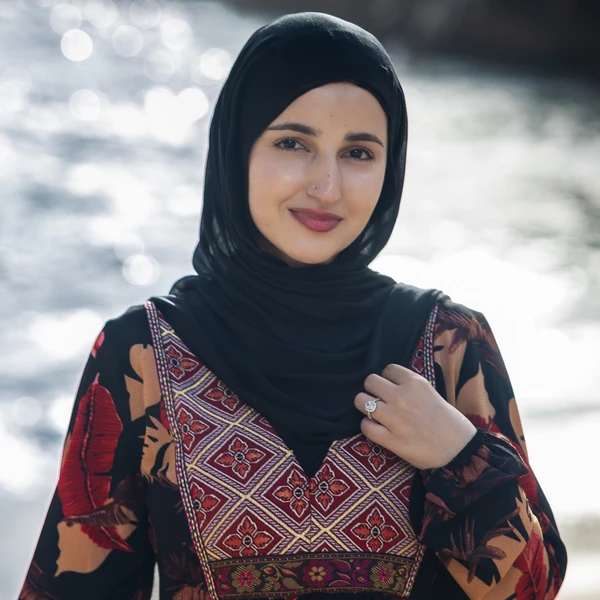
Rukhshana Momand
1x
Finalist
Rukhshana Momand
1x
FinalistBio
Growing up in Afghanistan was never easy but I'm getting closer to my dream here I want to became a therapist and break all the stigma around mental health and heal myself and many more people me from mental health stress
Education
Chabot College
Associate's degree programMajors:
- Social Work
Minors:
- Psychology, General
Tennyson High
High SchoolMiscellaneous
Desired degree level:
Bachelor's degree program
Graduate schools of interest:
Transfer schools of interest:
Majors of interest:
- Psychology, General
- Social Work
- Clinical, Counseling and Applied Psychology
- Research and Experimental Psychology
Career
Dream career field:
Hospital & Health Care
Dream career goals:
Student Assistance
Chabot college2024 – Present2 yearsWellness Ambassador
CARES Chabot college2024 – 20262 years
Sports
Soccer
2014 – 20162 years
Awards
- yes
Research
Psychology, General
Cares — wellness Ambassador2024 – 2026
Public services
Public Service (Politics)
Chabot college — helping people gets their need meet2024 – Present
Future Interests
Advocacy
Volunteering
Philanthropy
Entrepreneurship
Future Nonprofit Leaders Award
I want to pursue a career in the nonprofit sector because I have a strong passion for helping others and making a positive difference in my community. My interest in this field comes from both my personal experiences and the work I have already done while studying at Chabot College. I have seen how many people struggle with mental health challenges, financial difficulties, and lack of support, and I want to be part of creating solutions that help people improve their lives.
Growing up in Afghanistan and later moving to the United States gave me a new understanding of how important community support is. Adjusting to a new country and culture was not easy, and I saw how important it is for people to have access to resources and guidance. My family also went through difficult experiences, especially my father, who worked with American soldiers during the war and later struggled with PTSD. Seeing how these experiences affected him helped me understand how important emotional support and mental health care are.
Later in my own life, I also experienced challenges with my mental health, including depression and PTSD. During that time, therapy helped me understand my emotions and begin healing. This experience inspired me to choose a path where I can help others who are going through similar struggles. I realized that many people do not have access to support or feel ashamed to ask for help, especially in communities where mental health is not openly discussed.
While studying at Chabot College, I have already started working in roles that connect closely to nonprofit work. As a Wellness Ambassador, I helped promote free therapy services for students. Many students did not know these services were available, so I helped spread awareness and encouraged them to seek help. I also work as a Student Assistant helping students with basic needs such as food, school supplies, emergency funds, and other resources. These experiences showed me how important nonprofit services are in supporting people and improving their quality of life.
In the future, I hope to work in the nonprofit sector, especially in organizations that focus on mental health and community support. I want to help create programs that provide access to therapy, education, and basic needs for individuals who may not have support. My goal is to create safe spaces where people feel comfortable, understood, and respected.
Through my work, I hope to create a positive impact by helping individuals heal, grow, and feel less alone. I want to support communities by raising awareness about mental health and reducing stigma. By combining my education, experiences, and passion for helping others, I believe I can contribute to building a more supportive and understanding community for everyone.
Redefining Victory Scholarship
Harry & Mary Sheaffer Scholarship
I will use my unique talents and skills to build a more empathetic and understanding global community by focusing on mental health support, communication, and cultural understanding. Growing up in Afghanistan and later moving to the United States has given me the ability to see the world from different perspectives. I understand what it feels like to live between two cultures, and this helps me connect with people from different backgrounds.
One of my strengths is my ability to listen and understand others without judging them. Through my personal experiences with mental health challenges, I learned how important it is for people to feel heard and supported. This has helped me become more patient, compassionate, and open-minded. I believe these qualities are very important in building a more empathetic community.
While studying at Chabot College, I have already started using these skills in my work. As a Wellness Ambassador, I helped promote mental health services and talked to students about therapy. Many students felt nervous or unsure about asking for help, but by speaking with them in a kind and respectful way, I helped them feel more comfortable. I also work as a Student Assistant, where I help students with basic needs such as food, school supplies, and other resources. These experiences taught me that empathy is not only about understanding feelings, but also about taking action to support others.
In the future, I plan to become a therapist and wellness coach. I want to use my education and experiences to help people who are struggling with trauma, stress, and mental health challenges. I especially want to support communities where mental health is often misunderstood or stigmatized. By creating safe spaces where people feel comfortable expressing themselves, I hope to help build stronger and more understanding communities.
I also believe that cultural understanding plays an important role in building empathy. Because I have lived in different cultural environments, I understand that people think and experience life in different ways. I want to use this knowledge to connect with people from diverse backgrounds and help them feel respected and understood.
Overall, I will use my listening skills, compassion, and life experiences to support others and promote understanding. By helping people feel heard and valued, I hope to contribute to a global community that is more empathetic, inclusive, and supportive for everyone. if we want to change something we should first start it with yourselves.
Learner Mental Health Empowerment for Health Students Scholarship
Mental health is very important to me as a student because it directly affects my ability to focus, learn, and succeed. When a student is struggling mentally or emotionally, it becomes very difficult to stay motivated, complete assignments, or even attend classes. I have experienced this myself during a difficult time in my life when I was dealing with depression, PTSD, and the effects of being in an abusive relationship. During that time, it was hard to concentrate on school, and I felt overwhelmed. This experience helped me understand that mental health is just as important as physical health, especially for students who are trying to build their future.
As a student, having good mental health allows me to stay focused, manage stress, and perform better academically. It also helps me build better relationships with classmates and professors. When I take care of my mental health, I feel more confident, motivated, and capable of reaching my goals. That is why I believe schools should pay more attention to mental health and provide support for students who may be struggling.
I also advocate for mental health in my community in simple but meaningful ways. At home, I try to create a safe and supportive environment where my family members feel comfortable talking about their feelings. I have seen how mental health struggles can affect my father, who experienced PTSD after working in dangerous conditions, and this made me more aware of how important support and understanding are. I try to listen without judgment and encourage open conversations about emotions and stress.
In my school community, I support others by being someone they can talk to. If a friend or classmate is going through a hard time, I try to be present, listen carefully, and offer encouragement. I also share what I have learned about mental health, including the importance of seeking help and not being ashamed of it. I believe that even small actions, like checking on someone or showing kindness, can make a big difference.
In addition, I advocate for mental health by speaking openly about my own experiences. I know that it can be difficult to talk about topics like depression or domestic violence, but sharing my story can help others feel less alone. It also helps reduce the stigma around mental health in my community, especially in cultures where these topics are not often discussed.
Overall, mental health is important to me because it affects every part of a student’s life. I believe that by supporting others, encouraging open conversations, and sharing my experiences, I can help create a more understanding and supportive community.
Kristinspiration Scholarship
Why is education important to you, and what kind of legacy do you hope to leave?
Education is very important to me because it represents opportunity, growth, and the chance to create a better future. Coming from a background where life was not always stable, I learned that education is one of the most powerful ways to change your life. It is not only about getting a degree, but also about gaining knowledge, building skills, and becoming a stronger and more independent person. Education gives me the ability to understand the world around me, think critically, and make better decisions for my future.
As someone who immigrated to the United States, education has played a very important role in helping me adjust to a new life. Moving to a different country came with many challenges, including learning a new language and adapting to a different culture and school system. At first, it was difficult, and I felt unsure of myself. However, through education, I became more confident and comfortable. I learned how to communicate better, express my ideas, and connect with people from different backgrounds. These experiences helped me grow not only academically, but also personally.
My personal struggles have also made education more meaningful to me. I went through a difficult time with my mental health, especially after being in an abusive relationship and experiencing domestic violence. That period of my life affected my confidence and emotional well-being. However, through support and personal growth, I was able to overcome those challenges. This experience helped me understand how important it is to have knowledge, support systems, and access to care. It also inspired me to pursue a career in healthcare, especially in mental health, so I can help others who may be going through similar struggles.
The legacy I hope to leave is one of compassion, strength, and positive impact. I want to be remembered as someone who used her education to help others and make a real difference in people’s lives. I hope to break the stigma around mental health, especially in communities where people feel ashamed or afraid to ask for help. I want to create a safe and supportive space where individuals feel heard, respected, and understood.
I also hope to inspire others, especially young women from similar backgrounds, to continue their education and believe in themselves. I want my journey to show that even if life is difficult, you can still succeed and create a meaningful future. Overall, education is important to me because it gives me purpose, direction, and the ability to give back. The legacy I hope to leave is not only about my own success, but about helping others heal, grow, and believe in their own potential.
Rose Ifebigh Memorial Scholarship
1. About You (Identity & Background)
I would describe myself as a strong, caring, and hardworking person. My life experiences have shaped me into who I am today. I was born and raised in Afghanistan, and later I moved to the United States with my family. Growing up in a difficult environment and then starting a new life in a different country taught me how to be patient, adaptable, and strong.
My father worked alongside American soldiers, and seeing his experiences had a big impact on me. I also went through personal challenges, including being in an abusive relationship, which affected my mental health. Over time, I learned how to heal and rebuild myself. These experiences helped me become more understanding and compassionate toward others.
I do not have a direct connection to Nigeria or the African diaspora, but I relate to people who come from different cultures and face challenges with identity and belonging.
2. Learning Across Cultures
Moving to the United States was a big change for me. I had to learn a new language, adjust to a new school system, and understand a different culture. At first, it was not easy, and I felt out of place.
However, this experience helped me grow. I became more independent and open-minded. I learned how to communicate with people from different backgrounds and respect different cultures. Being in a diverse environment helped me understand both my own culture and others better.
As a student in a new country, I learned how to stay strong, work hard, and not give up even when things are difficult.
3. Perspective & Growth
Through my education and life experiences, I have learned a lot about myself and the world. I learned that challenges can make you stronger if you keep going. My mental health struggles taught me the importance of asking for help and supporting others.
I also became more understanding of people because I know that many people go through struggles that others cannot see. This helped me become more patient and less judgmental.
One of the most important lessons I learned is that mental health is very important, and people should not feel ashamed to talk about it.
4. Education & Future Direction
I am interested in healthcare, especially mental health. I want to become a therapist or wellness coach to help people who are struggling emotionally. I want to support people who feel alone or misunderstood, especially in communities where mental health is not openly discussed.
This scholarship will help me continue my education and focus on my goals without too much financial stress. It will allow me to work harder and get closer to my career.
In the future, I want to use my education to help others, support my community, and make a positive difference in people’s lives.
Ethel Hayes Destigmatization of Mental Health Scholarship
My experience with mental health has shaped my goals, relationships, and understanding of the world in deeply meaningful ways. A significant part of my mental health struggles came from being in an abusive relationship and experiencing domestic violence. That period of my life was extremely difficult, and it affected not only my emotional well-being but also how I saw myself and the world around me. There were moments when I felt powerless, confused, and isolated, and it was not easy to recognize what I was going through or find the strength to leave.
Being in that situation taught me how complex mental health can be. It is not always visible, and many people suffer in silence. At the time, I struggled with anxiety, depression, and a loss of confidence. However, leaving that relationship was one of the most important and difficult decisions I have ever made. It required courage, support, and a belief that I deserved better. Through that process, I began to rebuild myself and understand the importance of self-worth, boundaries, and emotional safety.
This experience has had a strong impact on my relationships. It taught me to value respect, trust, and healthy communication. I have become more aware of the signs of unhealthy dynamics, and I now approach relationships with a deeper understanding of what it means to feel safe and supported. It has also made me more empathetic toward others. I understand that people may be going through struggles that are not visible, and I try to listen without judgment and offer support when I can.
In addition, my experience has shaped my goals. It inspired me to pursue a career in mental health, where I can help others who may be experiencing similar situations. I want to support individuals who feel trapped, unheard, or unsure of their worth. I especially want to help people from communities where speaking about abuse or mental health is difficult due to stigma. My goal is to create a safe and supportive space where individuals feel empowered to seek help and begin their healing journey.
Most importantly, this experience changed my understanding of the world. I now see how important it is to raise awareness about mental health and domestic violence. I understand that strength is not just about enduring hardship, but also about choosing to walk away from harm and rebuild your life. While that chapter of my life was painful, it also led to growth, resilience, and a stronger sense of purpose. It has shaped me into someone who wants to make a difference and help others find their strength, just as I found mine.
Women in Healthcare Scholarship
I chose to pursue a degree in healthcare because of both my personal experiences and the experiences of my family. Growing up, I witnessed how trauma and emotional struggles can deeply affect a person’s life, not only physically but mentally and emotionally as well. My father worked alongside American soldiers in Afghanistan, where he faced many dangerous and life-threatening situations. After those experiences, he struggled with PTSD, and seeing how it impacted him opened my eyes to the importance of mental health care. It made me realize that many people carry invisible pain, and without proper support, that pain can affect every part of their lives.
Later in my own life, I also experienced a difficult period where I struggled with depression and PTSD. During that time, it was hard to stay motivated and focused, and I often felt overwhelmed. However, seeking help through therapy changed my life. It allowed me to understand my emotions, begin healing, and regain a sense of control. That experience showed me how powerful healthcare can be, especially when it is delivered with compassion and understanding. It inspired me to choose a path where I could help others who may feel lost or alone, just as I once did.
In addition, I come from a culture where mental health is not always openly discussed, and many people, especially women, feel ashamed or afraid to seek help. This stigma can prevent individuals from getting the care they need. Because of this, I feel a strong responsibility to be part of a positive change. I want to help break these barriers and create a safe environment where people feel comfortable speaking about their struggles. Pursuing a degree in healthcare gives me the opportunity to combine my personal experiences with professional knowledge so I can support others in a meaningful way.
As a woman in the healthcare field, I hope to make a positive impact by advocating for mental health awareness and providing compassionate care. I want to support individuals from diverse backgrounds, particularly those who may feel misunderstood or unheard. I believe that representation is important, and being someone who understands cultural challenges can help build trust with patients. I want to encourage open conversations, reduce stigma, and make mental health care more accessible.
In the future, I hope to work as a therapist or wellness coach, focusing on individuals who have experienced trauma. My goal is to create a space where patients feel safe, respected, and supported. I want to empower them to understand themselves, heal from their experiences, and move forward with strength. Overall, pursuing a degree in healthcare is not just a career choice for me it is a purpose. I am committed to using my education and experiences to make a meaningful difference in the lives of others.
Mikey Taylor Memorial Scholarship
My experience with mental health has shaped the way I see myself, others, and my future in profound ways. Going through a period of depression and PTSD was one of the most difficult times in my life. During that time, I struggled with motivation, focus, and a sense of direction. It was not easy to understand what I was feeling, and at times, I felt alone. However, that experience ultimately changed my beliefs, strengthened my relationships, and guided me toward my career goals.
First, my experience changed my beliefs about mental health. I grew up in a culture where mental health is often not openly discussed, and people may feel ashamed to seek help. Because of that, I initially believed that I had to handle everything on my own. Over time, I realized that mental health is just as important as physical health, and seeking support is a sign of strength, not weakness. Therapy played a major role in helping me understand my emotions and begin healing. It taught me that everyone deserves support, compassion, and a safe space to express themselves without judgment.
My experience also had a strong impact on my relationships. It helped me become more empathetic and understanding toward others. I now listen more carefully, try to see situations from different perspectives, and offer support without judging. It also strengthened my relationship with my family, especially as we began to better understand each other’s struggles. Seeing my father deal with PTSD and going through my own challenges created a deeper sense of connection between us. We learned the importance of patience, communication, and emotional support.
Most importantly, my experience influenced my career aspirations. It inspired me to pursue a career in mental health, where I can help others who may be going through similar struggles. I want to become a therapist or wellness coach and create a space where people feel safe, heard, and supported. I am especially passionate about helping individuals from communities where mental health is stigmatized, because I understand how difficult it can be to ask for help in those environments.
Overall, my journey with mental health has transformed my perspective on life. It taught me resilience, compassion, and the importance of seeking and giving support. While it was a challenging experience, it gave me a clear sense of purpose to use my story to help others heal and to make a meaningful difference in the field of mental health.
Best Greens Powder Heroes’ Legacy Scholarship
Yes, my experience as the child of a parent connected to the military is meaningful, even though my father was not officially enlisted. My father worked alongside American soldiers in Afghanistan for several years, supporting military operations in dangerous and unstable conditions. His work placed him at constant risk, and as his child, I grew up with both pride in his courage and fear for his safety. This experience shaped my childhood in ways that continue to influence my life today.
Living in a war-affected environment meant that uncertainty was part of our daily lives. There were times when we did not know what would happen next or whether our family would remain safe. Even as a child, I understood that my father’s work was important, but it also came with real consequences for our family. Eventually, we made the difficult decision to leave our home and immigrate to the United States in search of safety and a better future. Adjusting to a new country, language, and culture was not easy, but it gave me opportunities that I am deeply grateful for today.
One of the most impactful parts of this experience has been witnessing how my father was affected after everything he went through. Like many individuals connected to military environments, he struggled with PTSD. Seeing his emotional and psychological challenges helped me understand that the effects of conflict do not end when the work is over. It also taught me that strength is not just about enduring hardship, but also about facing emotional pain and continuing forward.
These experiences have shaped my values and my goals. I have developed resilience, empathy, and a deep understanding of the importance of mental health support. They are also the reason I am pursuing a career in mental health. I want to help individuals who have experienced trauma, including those connected to military service, feel supported and understood. I want to be someone who can make a difference in people’s lives, just as I wish my family had more support during difficult times.
Overall, being the child of a parent who worked alongside American soldiers has taught me the meaning of sacrifice, strength, and perseverance. It has given me a unique perspective on both the visible and invisible impacts of conflict, and it continues to guide me toward a future where I can help others heal and grow. And open up like they never did before.
Wicked Fan Scholarship
I am a fan of Wicked because it tells a powerful and meaningful story that goes beyond what people expect. At first, many people think it is just a retelling of The Wizard of Oz, but it actually gives a deeper perspective on the characters, especially Elphaba and Glinda. It shows that things are not always as simple as “good” and “evil,” and that people are often misunderstood.
One of the main reasons I admire Wicked is because of its message about identity and acceptance. Elphaba is judged her entire life because she is different, yet she stays true to herself. This is inspiring because it shows the importance of not changing who you are just to fit in. It also highlights how society can label someone unfairly without knowing their full story. This message is very relevant today, especially for people who feel different or misunderstood.
Another reason I love Wicked is the emotional connection between the characters. The friendship between Elphaba and Glinda is complex and realistic. They start off very different, but over time they learn from each other and build a strong bond. Their relationship shows how people can grow and change through understanding and empathy.
Finally, the music in Wicked is unforgettable. Songs like “Defying Gravity” are powerful and emotional, and they help express the characters’ inner struggles and growth. Overall, Wicked is more than just a musical it is a story about identity, friendship, and staying true to yourself, which is why it has such a strong impact on me.
Love Island Fan Scholarship
Love Island Challenge: “Heart Rate Heist”
The challenge I created is called “Heart Rate Heist.” This challenge is designed to test attraction, communication, and emotional awareness among the Islanders, while also creating suspense and unexpected connections.
The main idea of this challenge is to see how well contestants understand each other and how they naturally react when trying to impress someone. Each Islander is given a heart rate monitor so their physical reactions can be tracked in real time. Before the challenge begins, each contestant is secretly assigned another Islander as their “target.” Their goal is to raise that person’s heart rate as much as possible without knowing for sure who it is.
During the challenge, Islanders take turns performing in front of the group. They can choose any approach they want, such as flirting, dancing, humor, or even sharing something emotional. This allows each person to show their personality and creativity. While they are performing, the other Islanders’ heart rates are displayed on a screen, but without revealing whose heart rate is being affected the most. This builds suspense and keeps everyone guessing.
To make the challenge more interesting, there is also a hidden twist. One Islander is secretly chosen as a “saboteur.” Their role is to distract others during performances and prevent strong emotional reactions. This adds an element of strategy and unpredictability, as contestants must stay focused despite interruptions.
After all performances are complete, the results are revealed. The Islanders see whose heart rate increased the most and who caused that reaction. Then, the hidden targets and the saboteur are revealed. This moment often leads to surprising outcomes, especially if someone’s heart rate increased the most for a person they were not originally coupled with.
The winners of the challenge are the contestants who most successfully raised their target’s heart rate. As a reward, they earn a private date, giving them the opportunity to strengthen their connection. However, if the results reveal unexpected attractions, it may also create tension or lead to new relationships forming.
This challenge is effective because it combines fun, emotional vulnerability, and competition. It encourages Islanders to step out of their comfort zones while also revealing genuine feelings. At the same time, it creates drama and excitement, which are essential elements of the show. Overall, “Heart Rate Heist” adds a unique twist by blending physical reactions with emotional connections, making it both entertaining and meaningful.
Champions for Intellectual Disability Scholarship
My decision to pursue a career supporting the intellectual disability community is deeply personal and rooted in my relationship with my brother. Growing up, my brother and I were always very close. There is only a two-year age gap between us, so we did everything together as children. Over time, as he grew older, he was diagnosed with autism, and his condition gradually became more challenging. Watching these changes in his life shaped not only my understanding of disability, but also my purpose.
Even now, at 20 years old, my brother still depends on me in many ways. He follows me around the house, whether I am in the living room or another space, simply because he feels comfort being near me. He often asks me to make his food, and he shows his love in the purest ways through random hugs and asking for kisses. These small moments may seem simple, but to me, they are incredibly meaningful. They remind me that connection, patience, and care are at the heart of supporting individuals with intellectual disabilities.
Being close to my brother has taught me lessons that no classroom ever could. I have learned patience during moments when communication is difficult. I have learned how to understand emotions without words, and how to respond with compassion instead of frustration. At the same time, I have also seen the challenges my family faces how difficult it can be to find the right resources, support systems, and understanding from others. These experiences opened my eyes to the gaps that exist in care and awareness for individuals with intellectual disabilities and their families.
This is what inspired me to pursue a career in this field. I want to be someone who can support not only individuals like my brother, but also families who may feel overwhelmed or alone. I want to create a space where people with intellectual disabilities are treated with dignity, respect, and understanding. Too often, they are misunderstood or overlooked, and I want to be part of changing that.
My brother has also influenced my educational goals. Because of him, I am more motivated to learn about mental health, behavioral support, and effective ways to communicate and connect. I want to build the skills necessary to provide meaningful care and guidance. My goal is to become a professional who can advocate for individuals with intellectual disabilities, help improve their quality of life, and ensure they are included and valued in society.
In the future, I hope to make a difference by combining my personal experience with professional knowledge. I want to work closely with individuals and families, offering both emotional support and practical solutions. Most importantly, I want to carry the same love, patience, and understanding that I have learned from my brother into my career.
My brother is not just part of my story he is the reason behind my passion and the inspiration for the path I have chosen.
Jim Maxwell Memorial Scholarship
This opportunity is meaningful to me because it represents more than financial support—it represents recognition of my journey, my struggles, and my purpose. As someone who is pursuing a career in mental health, I carry both personal and cultural experiences that have shaped who I am today. This scholarship would not only help me continue my education, but also allow me to move closer to my goal of becoming someone who can support others through their most difficult moments.
I was born and raised in Afghanistan, where life was not always easy. My family experienced instability and hardship, especially during times of conflict. My father worked with American soldiers for several years, risking his life to create a better future for us. His strength and sacrifice have always inspired me, but I also witnessed the emotional toll those experiences had on him. He struggled with PTSD, and seeing his pain opened my eyes to the importance of mental health support. However, in my culture, mental health is often not openly discussed. Many people suffer in silence because of fear, stigma, or lack of understanding.
Later in my own life, I also went through a very difficult period where I struggled with depression and PTSD. There were times when I felt lost, unmotivated, and unsure about my future. During those moments, my faith became my anchor. Through prayer, patience, and trust in Allah, I found the strength to keep going even when things felt overwhelming. My faith reminded me that hardships are not without purpose and that every challenge comes with growth and meaning. It gave me hope when I could not see a way forward.
With time, I sought help and began therapy, which played a major role in my healing. That experience changed my perspective completely. I realized how powerful it is to have someone listen, support, and guide you through pain without judgment. This is what inspired me to pursue a career in mental health. I want to become a therapist and wellness coach, especially for people from communities like mine, where seeking help is often discouraged. I want to create a safe space where individuals feel understood, respected, and supported.
Throughout my journey, my faith has continued to guide me. It has taught me resilience, gratitude, and compassion. Even in moments of success, I remain grounded by remembering that everything I achieve is by the will of Allah. My faith encourages me to give back, to help others, and to use my experiences for a greater purpose.
In the future, I plan to continue using my faith as a source of strength and direction. As I advance in my education and career, I want to combine professional knowledge with the values of empathy, patience, and service that my faith teaches. I hope to reach greater heights not just for personal success, but to uplift others who may feel unseen or unheard.
This opportunity would allow me to continue my journey with purpose, guided by both my experiences and my unwavering faith.
This opportunity is meaningful to me because it represents more than financial support—it represents recognition of my journey, my struggles, and my purpose. As someone who is pursuing a career in mental health, I carry both personal and cultural experiences that have shaped who I am today. This scholarship would not only help me continue my education, but also allow me to move closer to my goal of becoming someone who can support others through their most difficult moments.
Taylor Swift Fan Scholarship
One of the most moving performances by Taylor Swift, in my opinion, is her live performance of “All Too Well (10 Minute Version)” at Saturday Night Live in 2021. This performance stands out because it shows not only her talent as a singer, but also her ability to tell a deep and emotional story through music. It connects strongly to the idea of her album The Life of A Showgirl, which reflects her life in the spotlight and the emotional experiences behind it.
What makes this performance so powerful is the raw emotion she brings to the stage. Unlike many performances that focus on visuals or choreography, this one is simple and focused. Taylor stands in a dimly lit setting with autumn leaves falling around her, which creates a quiet and reflective atmosphere. This allows the audience to focus completely on her voice and the story she is telling. Her facial expressions and tone of voice make it clear that the song is very personal to her. You can feel the pain, nostalgia, and growth in every part of the performance.
Another reason this performance is so moving is the storytelling. The 10-minute version of “All Too Well” goes deeper than the original song. It describes a relationship in detail, including the happy moments, the heartbreak, and the lasting impact it had on her. Taylor uses specific images, like a scarf or a memory of a car ride, to make the story feel real and relatable. Even people who have not experienced the exact same situation can still connect to the feelings of love and loss. This shows her strength as a songwriter and performer.
In addition, this performance reflects Taylor’s growth as an artist. Earlier in her career, she was often seen as just a country or pop singer. However, this performance proves that she is much more than that. She is a storyteller who can hold an audience’s attention for ten minutes with just her voice and emotions. It also shows her confidence in sharing her personal experiences, even when they are painful. This connects to the idea of being a “showgirl,” where she is constantly in the public eye but still finds a way to express her true self.
Overall, Taylor Swift’s performance of “All Too Well (10 Minute Version)” is one of her most moving because of its emotional depth, strong storytelling, and simplicity. It shows how she turns personal experiences into something meaningful for others. This performance represents not just her career, but also her ability to grow, reflect, and connect with her audience on a deep level.
Deanna Ellis Memorial Scholarship
I chose to pursue a field in healthcare, specifically mental health, because of both my personal experiences and the experiences of my family. Growing up, I saw how trauma and emotional struggles can affect a person’s life in deep ways. My father worked with American soldiers during the war in Afghanistan and went through many dangerous and traumatic situations. He saw many of his friends die and was also injured when his tank was hit by an explosion. He later struggled with PTSD, and seeing how those experiences affected him helped me understand how important mental health support is.
Later in my own life, I also went through a difficult time where I struggled with depression and PTSD. During that period, it was not easy to stay focused or motivated, and it affected many parts of my life, including my education. However, therapy helped me understand my emotions and begin healing. That experience changed my perspective and made me realize how powerful mental health care can be. It inspired me to choose a career where I can help others who may be going through similar struggles.
I also grew up in a culture where mental health is not always openly talked about. Many people feel ashamed or afraid to ask for help, even when they are struggling deeply. This made me want to be part of a change where people feel safe, supported, and not judged when they seek help. I want to help break the stigma around mental health and encourage people to take care of their emotional well-being.
While studying at Chabot College, I have already taken steps toward this path. I worked as a Wellness Ambassador, where I helped promote free therapy services that were already covered by students’ tuition. Many students did not know these services were available, so I helped spread awareness and encouraged them to seek support when they needed it. I also work as a Student Assistant, helping students with their basic needs such as food resources, school supplies, and emergency support. These experiences have shown me how important it is to support people both emotionally and physically.
In the future, I want to use my degree to become a therapist and wellness coach. My goal is to create safe spaces where people feel comfortable talking about their struggles without fear of judgment. I especially want to work with individuals who are dealing with trauma, stress, and mental health challenges, and with communities where mental health is often misunderstood or stigmatized.
Through my career, I hope to make a positive impact by helping people heal, build resilience, and improve their quality of life. I want to use my education not only as a career, but also as a way to give back to my community and support others in meaningful and lasting ways.
Pay It Forward Scholarship
I chose to pursue a field in healthcare, specifically mental health, because of both my personal experiences and the experiences of my family. Growing up, I saw how trauma and emotional struggles can affect a person’s life in deep ways. My father worked with American soldiers during the war in Afghanistan and went through many dangerous and traumatic situations. He later struggled with PTSD, and seeing how those experiences affected him helped me understand how important mental health support is.
Later in my own life, I also went through a difficult time where I struggled with depression and PTSD. During that period, it was not easy to stay focused or motivated. However, therapy helped me understand my emotions and begin healing. That experience changed my perspective and made me realize how powerful mental health care can be. It inspired me to choose a career where I can help others who may be going through similar struggles.
I also grew up in a culture where mental health is not always openly talked about. Many people feel ashamed or afraid to ask for help, even when they are struggling deeply. This made me want to be part of a change where people feel safe, supported, and not judged when they seek help.
While studying at Chabot College, I have already taken steps toward this path. I worked as a Wellness Ambassador where I helped promote free therapy services that were already covered by students’ tuition. I also work as a Student Assistant helping students with their basic needs such as food resources, school supplies, and emergency support. These experiences have shown me how important it is to support people both emotionally and physically.
In the future, I want to use my degree to become a therapist and wellness coach. My goal is to create safe spaces where people feel comfortable talking about their struggles without fear of judgment. I especially want to work with individuals who are dealing with trauma, stress, and mental health challenges, and with communities where mental health is often misunderstood or stigmatized.
Through my career, I hope to make a positive impact by helping people heal what thay can not talk about and help them open up,build resilience, and improve their quality of life. I want to use my education not only as a career, but as a way to give back to my community and support others in meaningful ways.
Made for More Educational Scholarship: A Truly Wicked, Inc. (TWSC) Initiative
I am working toward a future where I can make a meaningful difference in people’s lives through mental health support. As a student at Chabot College in the Bay Area, my goal is to continue my education and become a therapist and wellness coach. I want to create a future where people feel safe talking about their struggles and know that they are not alone.
What gives me a strong sense of purpose is knowing that my experiences can help others. I have seen how mental health challenges can affect both individuals and families. These experiences helped me understand how important it is to have support, understanding, and safe spaces where people can express themselves. Thinking about becoming someone who can provide that support gives me motivation to keep moving forward.
My education is very important to me because it represents opportunity and growth. As someone who moved from Afghanistan to the United States, continuing my education means building a better future not only for myself but also for my family. Being a college student in the Bay Area has allowed me to meet people from different backgrounds and learn in an environment that encourages growth and diversity.
Through my work at Chabot College as a Wellness Ambassador and Student Assistant, I have already started taking steps toward my future goals. I have helped students access mental health services and basic needs support such as food, school supplies, and emergency resources. These experiences bring me a sense of pride because I know that even small actions can make a difference in someone’s life. Seeing students feel supported and less stressed reminds me why I chose this path.
Looking ahead, I imagine a future where I can work with individuals who are struggling with trauma, stress, and mental health challenges. I especially want to support communities where mental health is often misunderstood or stigmatized. My goal is to help people feel heard, understood, and empowered to take care of their well being.
This scholarship would support my future by helping me continue my education without as much financial stress. It would allow me to focus more on my studies and continue building the skills I need for my career. More importantly, it would help me move one step closer to creating a life that is meaningful, fulfilling, and focused on helping others.
What keeps me motivated is the belief that my future can have a positive impact. I am working toward a life where I can give back to my community, support others, and create change through compassion and understanding.
Henry Respert Alzheimer's and Dementia Awareness Scholarship
Alzheimer’s disease and other forms of dementia are illnesses that affect not only the person diagnosed but also their entire family and community. Although I have not personally had a close family member diagnosed with Alzheimer’s, I have learned about its impact through observing how serious mental and neurological conditions can change a person’s life and the lives of those around them.
Growing up, I saw how trauma and mental health challenges affected my family, especially my father, who experienced PTSD after working in war conditions in Afghanistan. While PTSD and Alzheimer’s are different conditions, they both show how deeply the brain and memory can affect a person’s identity, behavior, and daily life. These experiences helped me understand how important patience, support, and compassion are when caring for someone dealing with a condition that affects their mind.
From learning about Alzheimer’s disease, I understand that one of the most difficult parts is how it slowly affects memory, thinking, and personality. Families often feel emotional pain as they watch their loved one change over time. It can be very difficult to see someone forget important moments, relationships, and even their sense of self. This creates not only emotional stress but also physical and financial challenges for caregivers.
One important lesson I have learned is the value of empathy and understanding. People living with Alzheimer’s or dementia need support, patience, and respect. Even when they forget things, they still deserve to be treated with dignity. Caregivers also need support, as they often carry a heavy emotional responsibility while taking care of their loved ones.
Another important lesson is the need for awareness and education. Many people do not fully understand dementia-related illnesses, which can lead to misunderstanding or lack of support. By educating communities, we can create more supportive environments for both patients and their families.
These lessons have influenced my future goals. I plan to pursue a career in the mental health field as a therapist. I want to work with individuals and families who are dealing with emotional and psychological challenges, including those related to chronic illnesses. I believe that mental health support is very important not only for patients but also for caregivers who need guidance and emotional strength.
Overall, Alzheimer’s disease shows how important it is to support both individuals and families during difficult times. It teaches us patience, compassion, and the importance of human connection. Through my future career, I hope to contribute to a more understanding and supportive community where people facing these challenges are not alone.
Simon Strong Scholarship
Everyone faces adversity in their life, and for me, one of the biggest challenges I faced was struggling with my mental health after going through a difficult period in my life. I experienced depression and PTSD, which made it very hard for me to stay motivated, focused, and hopeful about my future. During that time, I often felt overwhelmed and unsure about how to move forward.
At first, I tried to handle everything on my own because in my culture mental health is not always openly talked about. I felt like I needed to stay strong and not show my struggles to others. However, over time I realized that keeping everything inside was making things harder for me. I began to understand that asking for help is not a weakness, but a step toward healing.
One of the most important decisions I made was choosing to seek therapy. That decision was not easy, but it changed my life. Through therapy, I was able to better understand my emotions, process my experiences, and learn healthy ways to cope with stress and trauma. I also had strong support from my father, who encouraged me to take care of my mental health even though it is not always accepted in our culture. His support gave me strength and helped me continue moving forward.
Overcoming this adversity was not something that happened overnight. It was a gradual process that required patience, effort, and self-reflection. I learned how to manage my emotions, set small goals, and focus on my growth. Instead of letting my struggles define me, I used them as motivation to become stronger and more determined.
This experience shaped me in many ways. It made me more compassionate and understanding toward others who are going through difficult situations. It also helped me discover my passion for the mental health field. Because of what I went through, I now want to become a therapist and help others who may be struggling with similar challenges.
If I could give advice to someone facing the same situation, I would tell them that they are not alone and that it is okay to ask for help. Healing takes time, but it is possible. Talking to someone, whether it is a therapist, a friend, or a trusted person, can make a big difference. It is important to be patient with yourself and take small steps toward improving your well-being.
Today, I see my adversity not as something that held me back, but as something that helped me grow and find my purpose. It taught me strength, resilience, and the importance of supporting others.
Skin, Bones, Hearts & Private Parts Scholarship for Nurse Practitioners, Physician Assistants, and Registered Nurse Students
One of my biggest motivations for pursuing advanced education comes from my personal experiences and my desire to help others. I was born and raised in Afghanistan and later moved to the United States with my family in search of safety and better opportunities. Growing up in two different cultures has shaped my values and helped me understand the importance of education, resilience, and giving back to the community.
My motivation also comes from my family, especially my father. He worked with American soldiers during the war in Afghanistan and went through many dangerous and traumatic experiences. He saw many of his friends die and was injured when his tank was hit by an explosion. He was unconscious for many hours and spent about thirty days in the hospital. These experiences left him struggling with PTSD and emotional trauma. Seeing how deeply trauma affected his life helped me understand how important mental health support is.
Later in my own life, I also went through a difficult time where I struggled with depression and PTSD. During that time, therapy helped me understand my emotions and begin healing. This experience changed my life and became a strong motivation for me to pursue higher education in the mental health field. I want to become a therapist and wellness coach so I can help others who are dealing with similar challenges.
Pursuing advanced education will allow me to gain the knowledge and skills I need to support individuals with mental health challenges. It will also give me the opportunity to work in different communities, especially those where mental health is often misunderstood or stigmatized. My goal is to create safe spaces where people feel comfortable talking about their struggles and receiving support.
This scholarship would benefit me by helping reduce the financial burden of my education. As a college student, managing tuition and other expenses can be challenging. Receiving this scholarship would allow me to focus more on my studies and continue working toward my career goals without as much financial stress.
In addition, this scholarship would support my journey of making a positive impact in my community. Through my work at Chabot College as a Wellness Ambassador and Student Assistant, I have already started helping students access mental health resources and basic needs support. With further education, I will be able to expand this impact and help even more people.
Overall, this scholarship would help me continue my education, achieve my goals, and make a meaningful difference in the lives of others by supporting their mental health and well-being.
Special Needs Advocacy Inc. Kathleen Lehman Memorial Scholarship
My name is Rukhshana Momand, and I am currently a student at Chabot College working toward my Associate’s degree. I was born and raised in Afghanistan and later moved to the United States with my family in search of safety and better opportunities. Growing up in two different cultures has helped shape my values and taught me the importance of resilience, education, and supporting others in my community.
My interest in the mental health field comes from both my personal experiences and the experiences of my family. My father worked with American soldiers during the war in Afghanistan and went through many dangerous and traumatic situations. During the war, he saw many of his friends die and was injured when his tank was hit by an explosion. He was unconscious for many hours and spent about thirty days in the hospital. These experiences left him struggling with PTSD and emotional trauma. Seeing how these experiences affected his life helped me understand how important mental health support is, especially for people who have gone through difficult situations.
Later in my own life, I also experienced a difficult time where I struggled with depression and PTSD. During that time, therapy helped me understand my emotions and begin healing. This experience inspired me to pursue a career in the mental health field so I can help others who may be going through similar challenges.
I am especially interested in supporting individuals with special needs, including those who face emotional, developmental, or mental health challenges. Many individuals with special needs often feel misunderstood, isolated, or unsupported. I want to help create safe spaces where they feel accepted, heard, and valued. I believe that everyone deserves equal access to support, understanding, and opportunities to succeed.
While studying at Chabot College, I have already started working in roles that support students and their well-being. I worked as a Wellness Ambassador where I helped promote free therapy services for students on campus. I also work as a Student Assistant helping students with their basic needs such as food resources, school supplies, emergency funds, and sometimes snacks or fresh produce. These experiences have helped me understand how important it is to support people both emotionally and physically.
In the future, I plan to become a therapist and wellness coach. My goal is to work with individuals with special needs and help them manage their emotions, build confidence, and develop life skills. I also want to advocate for more awareness and support for people with special needs, especially in communities where these topics are often misunderstood.
Through my career, I hope to make a positive social impact by helping individuals feel supported, understood, and empowered. I want to help people overcome challenges, improve their mental health, and build a better future for themselves. By doing this, I hope to contribute to a more inclusive and supportive society where everyone has the opportunity to grow and succeed.
Jeune-Mondestin Scholarship
My name is Rukhshana Momand, and I am currently a student at Chabot College working toward my Associate’s degree. I was born and raised in Afghanistan and later moved to the United States with my family in search of a safer life and better opportunities. Growing up in two different cultures has shaped who I am today and helped me understand the importance of resilience, education, and supporting others in my community.
I chose to pursue a degree in healthcare, specifically in the mental health field, because of both my personal experiences and my family’s experiences. My father worked with American soldiers during the war in Afghanistan and went through many dangerous and traumatic situations. During the war, he saw many of his friends die and was also injured when his tank was hit by an explosion. He was unconscious for many hours and spent about thirty days in the hospital. These experiences left him struggling with PTSD and emotional trauma. Seeing how deeply these experiences affected his life helped me understand how important mental health support is for people who go through difficult situations.
Later in my own life, I also experienced a very challenging time where I struggled with depression and PTSD. During that period, it was difficult for me to stay motivated and focused. However, therapy and emotional support helped me understand my feelings and slowly begin healing. That experience changed my life and gave me a new perspective on mental health. It inspired me to pursue a career where I can help others who may be going through similar struggles.
While studying at Chabot College, I have already started working in roles that support students and their well-being. I worked as a Wellness Ambassador where I helped promote free therapy services that were already covered by students’ tuition. Many students did not know these services were available, so we talked to them around campus and encouraged them to seek help if they needed support. I also work as a Student Assistant helping students with their basic needs such as food resources, school supplies, emergency funds, and sometimes snacks or fresh produce to take home. Through these experiences, I have learned that supporting people means helping them both emotionally and physically.
In the future, I plan to become a therapist and wellness coach. My goal is to create safe and supportive spaces where people feel comfortable talking about their struggles without fear of judgment. I especially want to help individuals from communities where mental health is often misunderstood or stigmatized.
The difference I want to make is to help people feel supported, understood, and not alone. I want to help individuals heal, build strength, and create healthier lives for themselves. By doing this, I hope to make a positive impact not only on individuals but also on the community as a whole.
Robert F. Lawson Fund for Careers that Care
y name is Rukhshana Momand, and I am currently a student at Chabot College working toward my Associate’s degree. I was born and raised in Afghanistan and later moved to the United States with my family in search of safety and better opportunities. Growing up in two different cultures has shaped who I am today and helped me understand the importance of resilience, education, and helping others.
One of the biggest influences in my life has been my family, especially my father. During the war in Afghanistan, my father worked with American soldiers and experienced many dangerous and traumatic situations. He saw many of his friends die during the war and was once injured when his tank was hit by an explosion. He was unconscious for many hours and spent about thirty days in the hospital. These experiences left him struggling with PTSD and emotional trauma. Watching him go through these challenges helped me understand how deeply trauma can affect someone’s life.
Later in my own life, I also experienced a difficult period where I struggled with depression and PTSD. During that time, therapy helped me understand my emotions and begin healing. That experience changed the way I see mental health and inspired me to pursue a career where I can help others who may be going through similar struggles.
While studying at Chabot College, I have already started working in roles that support students and their well-being. I worked as a Wellness Ambassador where I helped promote free therapy services that were already covered by students’ tuition. Many students did not know these services existed, so we talked with them and encouraged them to seek help if they needed support. I also work as a Student Assistant helping students with their basic needs such as food resources, school supplies, emergency funds, and sometimes snacks or fresh produce to take home.
In the future, I plan to pursue a career in the mental health field as a therapist and wellness coach. My goal is to create safe and supportive spaces where people feel comfortable talking about their struggles without feeling judged. I especially want to help individuals who are dealing with trauma, stress, and mental health challenges, particularly in communities where mental health is often misunderstood or stigmatized.
Through my career, I hope to make a positive impact by helping people heal, build resilience, and feel less alone in their struggles. I believe that by supporting people’s mental and emotional well-being, we can create stronger and healthier communities.
Fire and EMS Academy Scholarship
Receiving this scholarship would help me continue my education and move closer to achieving my goal of working in the mental health field. I am currently a student at Chabot College working toward my Associate’s degree, and I plan to continue my education to earn a bachelor’s degree in the future. My goal is to become a therapist and wellness coach so I can support individuals who are dealing with trauma, stress, and mental health challenges. Scholarships like this would help reduce the financial stress of tuition and allow me to focus more on my studies and my future career.
My passion for helping people who experience trauma comes from both my personal experiences and my family’s experiences. My father worked with American soldiers during the war in Afghanistan and went through many difficult and dangerous situations. During the war he saw many of his friends die and was also injured when his tank was hit by an explosion. He was unconscious for many hours and spent about thirty days in the hospital. These experiences left him struggling with PTSD and emotional trauma.
Seeing how these experiences affected my father helped me understand how important mental health support is for people who face traumatic events. Many individuals who work in dangerous and stressful environments, such as firefighters, EMS workers, and other first responders, witness very difficult situations while helping others. These experiences can have a lasting emotional impact, and many people in these professions struggle with stress, anxiety, or PTSD.
Although I am not planning to work directly in the fire or EMS field, I hope to support individuals who work in these professions through mental health care. My goal is to become a therapist who can help first responders and others process trauma and develop healthy ways to cope with stress. I want to help create safe spaces where people feel comfortable talking about their experiences without feeling judged.
During my time at Chabot College, I have already started working in roles that support students and their well-being. I worked as a Wellness Ambassador where I helped promote free therapy services for students. I also work as a Student Assistant helping students with basic needs such as food resources, school supplies, and emergency funds. These experiences have strengthened my passion for helping others and confirmed my desire to pursue a career in mental health.
This scholarship would help me continue my education and move closer to my goal of supporting individuals who dedicate their lives to helping others. By becoming a therapist, I hope to make a meaningful difference by helping people heal from trauma and build healthier and stronger lives.
STLF Memorial Pay It Forward Scholarship
One way I have volunteered and given back to my community was through my work at Chabot College as a Wellness Ambassador. In this role, I helped organize and participate in outreach events on campus where we promoted mental health resources for students. During these events, we set up tables around campus and talked with students about the free therapy sessions that were already covered by their tuition. Many students did not know these services existed, so it was important for us to spread awareness and encourage students to seek help when they needed support.
Through this volunteering experience, I helped students feel more comfortable asking questions about mental health and connecting them to the right resources. Sometimes students just needed someone to listen to them or guide them toward the counseling services available on campus. It felt meaningful to know that even small conversations could help someone feel less alone.
In addition to this, I also worked as a Student Assistant where I helped support students with their basic needs. In this role, I helped distribute food resources, school supplies, snacks, and sometimes fresh produce such as fruits and meat for students to take home. I also helped connect students to emergency funds and other resources that could support them during difficult times. These experiences allowed me to give back to my community by helping students who were struggling with financial or personal challenges.
Leadership through service is very important because it focuses on helping others rather than only focusing on personal success. A good leader supports their community and looks for ways to improve the lives of others. Through my volunteering experiences, I learned that leadership does not always mean being in charge. Sometimes leadership means listening, showing compassion, and guiding people to the resources they need.
These experiences helped me grow both personally and professionally. They also strengthened my passion for helping others and confirmed my goal of pursuing a career in the mental health field. In the future, I hope to continue serving my community by becoming a therapist and creating safe spaces where people feel supported and understood. I believe that leadership through service can create stronger and healthier communities where everyone has the opportunity to succeed.I also plan to continue volunteering and supporting community programs that focus on mental health awareness and student well-being. Many people struggle silently with stress, trauma, and personal challenges, and having supportive resources can make a big difference in their lives. By continuing to serve others, I hope to inspire people to seek help when they need it and remind them that they are not alone. Leadership through service allows individuals to create positive change, and I hope to carry these values with me throughout my future career and life.
Annie Pringle Memorial Scholarship
Breast health education is important to me because it helps people understand their bodies and take care of their health. Many people do not have enough information about breast health, so they may not know what changes to look for or when to visit a doctor. Education gives people the knowledge they need to notice problems early and make good decisions about their health.
One important reason breast health education matters is early detection of diseases such as Breast Cancer. When this disease is found early, treatment is usually more successful and people have a better chance of recovery. Many times, breast cancer does not cause pain in the beginning, so people may not realize there is a problem. Through education, people can learn the common warning signs, such as lumps, changes in the shape of the breast, skin changes, or unusual discharge. Knowing these signs encourages people to seek medical help quickly.
Another important part of breast health education is learning about regular screenings. Medical tests such as Mammography help doctors find breast cancer even before symptoms appear. Many people may feel nervous about getting these tests, but education helps explain why they are important and how they can protect a person’s health. When people understand the purpose of screenings, they are more likely to get checked regularly.
Breast health education also helps reduce fear and stigma. In some communities, people feel embarrassed or uncomfortable talking about breast health. Because of this, they may ignore symptoms or avoid asking questions. Education creates a safe space where people can talk openly about their health. It encourages conversations between friends, family members, and healthcare providers. These conversations can help people feel supported and less alone.
Another reason breast health education is important to me is because it promotes equality in healthcare. Not everyone has the same access to medical information or healthcare services. Some communities may face barriers such as language differences, limited healthcare access, or lack of awareness. Education programs can reach these communities and provide simple, clear information. When people understand their health risks and available services, they can take steps to protect themselves.
Breast health education also empowers individuals. When people learn about their health, they gain confidence to ask questions, schedule medical appointments, and make healthy lifestyle choices. For example, education can encourage habits such as regular exercise, healthy eating, and avoiding harmful behaviors. These habits can support overall health and may reduce the risk of some diseases.
In addition, breast health education helps people support others. When someone learns about breast health, they can share that information with their family, friends, and community. This creates a chain of awareness where more people become informed and encouraged to take care of their health. One person’s knowledge can help many others stay healthy.
In conclusion, breast health education is important because it helps people understand their bodies, detect problems early, and seek medical care when needed. It also reduces fear, promotes equality in healthcare, and empowers individuals to make informed decisions. By spreading knowledge and encouraging open conversations, breast health education can protect lives and help create healthier communities.
Maxwell Tuan Nguyen Memorial Scholarship
What inspired me to pursue a career in the medical and mental health field is both my personal experiences and the experiences of people around me. Growing up, I saw how many individuals struggle with emotional pain, trauma, and stress but often do not receive the support they need. In many communities, especially where I come from, mental health is not openly discussed, and many people feel ashamed or afraid to ask for help.
My father worked with American soldiers during the war in Afghanistan and experienced many traumatic situations. Because of those experiences, he later struggled with PTSD. Seeing how trauma can affect someone’s life helped me understand how important mental health support is. Even though mental health is not often talked about in our culture, my father always encouraged our family to take care of our emotional well-being.
Later in my own life, I also experienced a difficult time where I struggled with depression and PTSD. During that period, therapy helped me understand my emotions and begin healing. That experience showed me how powerful mental health care can be and inspired me to pursue a career where I can help others who may be going through similar struggles.
While studying at Chabot College, I have already started working in roles that support students and their well-being. I worked as a Wellness Ambassador where I helped promote free therapy sessions that were already covered by students’ tuition. Many students did not know these services were available, so we helped spread awareness and encouraged students to seek help when they needed support.
I also work as a Student Assistant helping students with their basic needs such as food resources, school supplies, emergency funds, and sometimes snacks or fresh produce. Through this work, I have seen how important it is to support people not only academically but also emotionally and physically.
In the future, I plan to become a therapist and wellness coach. My goal is to create safe spaces where people feel comfortable talking about their struggles without feeling judged. I want to help individuals who are dealing with trauma, stress, and mental health challenges, especially in communities where mental health is often misunderstood or stigmatized.
Through my career, I hope to make a difference by helping people heal, build resilience, and realize that they are not alone in their struggles. I want to use my education and personal experiences to support others and contribute to a healthier and more compassionate community.
Stephan L. Wolley Memorial Scholarship
My name is Rukhshana Momand, and I am currently a student at Chabot College working toward my Associate’s degree. I was born and raised in Afghanistan and later moved to the United States with my family in search of safety and better opportunities. Growing up in two different cultures has shaped who I am today and helped me understand the importance of resilience, education, and helping others.
My family has played a very important role in my life and in shaping my values. My father worked with American soldiers during the war in Afghanistan and experienced many dangerous situations. Because of the trauma he went through, he later struggled with PTSD. Despite these challenges, he has always been very supportive of our family and encouraged us to focus on education and personal growth. Even though mental health is not always openly talked about in our culture, my father understood its importance and encouraged us to take care of our emotional well-being.
My schooling has been very important to me because I see education as a way to create opportunities and give back to my community. While studying at Chabot College, I have worked in roles that support students and their well-being. I worked as a Wellness Ambassador where I helped promote free therapy services that were already covered by students’ tuition. Many students did not know these services were available, so we helped spread awareness and encouraged them to seek support if they needed it. I also work as a Student Assistant helping students with basic needs such as food resources, school supplies, emergency funds, and sometimes snacks or fresh produce to take home.
Through my experiences and the challenges I have faced, I developed a strong passion for mental health and helping others. In the future, I plan to pursue a career in the mental health field and become a therapist and wellness coach. My goal is to create safe and supportive spaces where people feel comfortable talking about their struggles and receiving the help they need.
I hope to use my education and personal experiences to give back to my community and support individuals who are struggling with trauma, stress, and mental health challenges. My goal is to make a positive difference by helping people heal, grow stronger, and build healthier lives. I want to help people feel more comfortable talking about their problem without feeling ashamed and judged.
Jeannine Schroeder Women in Public Service Memorial Scholarship
One important social issue that I care deeply about is mental health awareness and access to support. In many communities, especially where I come from, mental health is often misunderstood or not openly discussed. Many people struggle silently with depression, trauma, anxiety, or stress because they feel ashamed or afraid to ask for help. This stigma can prevent individuals from receiving the support they truly need.
My passion for addressing this issue comes from both my personal experiences and my family’s experiences. My father worked with American soldiers during the war in Afghanistan and went through many traumatic situations that later left him struggling with PTSD. Even though mental health is not always talked about openly in our culture, he understood the importance of emotional support because of what he experienced.
Later in my own life, I also went through a difficult period where I struggled with depression and PTSD. During that time, therapy helped me understand my emotions and begin healing. That experience showed me how important mental health support can be and inspired me to work toward helping others who may be facing similar challenges.
While studying at Chabot College, I have already started working to address this issue through my work on campus. I worked as a Wellness Ambassador where I helped promote free therapy sessions that were already covered by students’ tuition. Many students did not know these services were available, so we would talk to them around campus and let them know that therapists were available if they needed support. By spreading awareness about these resources, we helped encourage students to take care of their mental health.
I also work as a Student Assistant helping students with their basic needs such as food resources, school supplies, emergency funds, and sometimes snacks or fresh produce to take home. Through this work, I have learned that supporting mental health is not only about therapy but also about helping people feel secure and supported in their daily lives.
In the future, I plan to continue addressing the issue of mental health stigma by becoming a therapist and wellness coach. My goal is to create safe spaces where people feel comfortable talking about their struggles without fear of judgment. I especially want to support communities where mental health is often misunderstood or ignored.
By using my education, experiences, and compassion, I hope to make a difference by helping others feel supported, understood, and empowered to take care of their mental well-being.
Kalia D. Davis Memorial Scholarship
My name is Rukhshana Momand and I am currently a student at Chabot College working toward my Associate’s degree. I was born and raised in Afghanistan and later moved to the United States with my family in search of safety and better opportunities. Growing up in two different cultures has shaped who I am today and helped me understand the importance of resilience, community, and helping others.
One of the biggest influences in my life has been my father. During the war in Afghanistan, my father worked with American soldiers for many years in very dangerous situations. He experienced many traumatic events, including losing friends during the war and surviving an explosion when his tank was hit. After the explosion he was unconscious for many hours and spent about thirty days in the hospital. During that time our family did not hear from him and many people believed he had died. These experiences left him with PTSD, but they also helped him understand how important mental health support is.
Even though mental health is not openly talked about in many parts of our culture, my father always encouraged our family to take care of our emotional well-being. Later in my own life, I experienced a very difficult time that left me struggling with depression and PTSD. During that time, therapy helped me understand my feelings and slowly begin healing. That experience changed my life and inspired me to pursue a career where I can help others who may be going through similar struggles.
Because of these experiences, I plan to pursue a career in the mental health field and become a therapist and wellness coach. I want to help people who are dealing with trauma, stress, and emotional challenges, especially in communities where mental health is often misunderstood or stigmatized.
While studying at Chabot College, I have already started working in roles that support students and their well-being. I worked as a Wellness Ambassador where I helped promote free therapy sessions that were already covered by students’ tuition. Many students did not know that these services were available, so we talked to them around campus and encouraged them to seek help if they needed support. I also work as a Student Assistant helping students with their basic needs such as food resources, school supplies, emergency funds, and sometimes snacks or fresh produce to take home. Through this work, I have seen how important it is to support people not only academically but also emotionally and physically.
This scholarship would help me continue my education and move closer to my goal of becoming a therapist. As a student balancing school and financial responsibilities, scholarships like this allow me to focus more on my studies and my future career. With this support, I will be able to continue my education and work toward creating safe spaces where people feel comfortable talking about their mental health and receiving the support they need.
In the future, I hope to use my education and personal experiences to give back to my community by promoting mental health awareness and helping people feel less alone in their struggles. My goal is to make a meaningful difference by helping others heal and build stronger, healthier lives.
Brian J Boley Memorial Scholarship
I am pursuing a degree in the mental health field because of both my personal experiences and the experiences of people around me. Growing up, I saw how many individuals struggle silently with emotional pain, trauma, and stress. In many communities, especially where I come from, mental health is not often talked about openly, and many people feel ashamed or afraid to ask for help.
I was born and raised in Afghanistan and later moved to the United States with my family. My father worked with American soldiers during the war in Afghanistan and went through many difficult and dangerous experiences. Those experiences left him with PTSD and emotional struggles. Seeing how trauma can affect someone’s life helped me understand how important mental health support is.
Later in my own life, I also went through a difficult time and struggled with depression and PTSD. During that period, therapy and emotional support helped me understand my feelings and begin healing. That experience made me realize how powerful mental health care can be and inspired me to pursue a career where I can help others who are going through similar struggles.
While studying at Chabot College, I have already had the opportunity to support students through my work. I worked as a Wellness Ambassador where I helped promote free therapy services for students that were already covered by their tuition. Many students did not know these services were available, so we helped spread awareness and encouraged students to seek help when they needed support.
I also work as a Student Assistant helping students with their basic needs such as food resources, school supplies, emergency funds, and sometimes snacks or fresh produce. Through this work, I have seen how important it is to support people not only academically but also emotionally and physically.
In the future, I plan to become a therapist and wellness coach. My goal is to create safe and supportive spaces where people feel comfortable talking about their struggles without feeling judged. I want to help individuals who are dealing with trauma, stress, and mental health challenges, especially in communities where mental health is often misunderstood or stigmatized.
By pursuing a degree in the mental health field, I hope to make a difference by helping people heal, grow stronger, and realize that they are not alone in their struggles. I want to use my education and personal experiences to support others and contribute to a healthier and more understanding community.
Sunflowers of Hope Scholarship
Art has been an important way for me to cope with the challenges I have faced in my life. In the past, I struggled with depression and PTSD because of difficult experiences. During those times, it was not always easy for me to talk about my feelings or explain what I was going through. Sometimes words were not enough to describe the emotions I felt. Because of this, creative activities such as writing, photography, and other forms of art became a way for me to express myself and release my emotions.
Art allows me to slow down and reflect on my thoughts and feelings. When I take photos, write, or create something meaningful, it helps me clear my mind and focus on something positive. It gives me a healthy way to deal with stress and difficult memories. Instead of keeping everything inside, art allows me to express those emotions in a creative and peaceful way. This process helps me feel calmer and more balanced.
Photography is one form of art that has helped me a lot. When I take pictures, I pay attention to small details and beautiful moments around me. This helps me stay present and appreciate the good things in life, even during difficult times. It reminds me that there is still beauty and hope in the world. Creating something meaningful through art also gives me a sense of accomplishment and confidence.
Art also keeps me motivated and engaged because it encourages creativity and self-expression. It reminds me that healing is a journey and that it is possible to grow even after difficult experiences. Whenever I create something, I feel proud of myself and it motivates me to continue moving forward.
Through my own experiences, I have also learned that art can be a powerful tool for emotional healing for many people. Some individuals find it difficult to talk openly about their struggles, especially when they are dealing with trauma or mental health challenges. Art can provide a safe space for them to express feelings that may be hard to explain in words. Activities such as drawing, writing, painting, or photography can help people process their emotions and better understand themselves.
In the future, as I work toward becoming a therapist, I hope to encourage creative activities like art, journaling, and storytelling as ways for people to cope with emotional challenges. I believe art can play an important role in mental health and personal healing. For me, art is not just a hobby. It is a way to cope, stay motivated, and continue growing as a person. It reminds me that even during difficult times, there are always ways to express ourselves and find hope for the future.
Christina Taylese Singh Memorial Scholarship
My name is Rukhshana Momand, and I am currently a student at Chabot College working toward my Associate’s degree. I was born and raised in Afghanistan and later moved to the United States with my family. Growing up in two different cultures has shaped who I am today and helped me understand the importance of helping others and supporting my community.
I plan to go into the mental health field and become a therapist or wellness coach in the future. The reason I chose this field is because of both my personal experiences and the experiences of people around me. In the past, I went through a very difficult time in my life that affected my mental health and left me struggling with depression and PTSD for several years. During that time, therapy and emotional support helped me understand my struggles and slowly begin healing. That experience made me realize how important mental health support is and how powerful it can be when someone listens and helps guide you through difficult moments.
I also grew up in a culture where mental health is not always openly talked about. Many people feel embarrassed or afraid to ask for help, even when they are struggling deeply. Because of this, I want to work in a field where I can help break that stigma and create a safe space for people to talk about their mental health without feeling judged.
While studying at Chabot College, I have already had the opportunity to work in positions that support students’ well-being. I worked as a Wellness Ambassador where I helped promote free therapy sessions that were already covered by students’ tuition. Many students did not know these services were available, so we would talk to them and let them know that therapists were there to help them if they needed support. This experience made me even more interested in the mental health field.
I also work as a Student Assistant helping students with their basic needs such as food, school supplies, emergency funds, and other resources. Through this work, I have seen how important it is to support people not only physically but also emotionally.
In the future, I hope to continue my education and earn a bachelor’s degree so I can become a therapist and help people who are struggling with trauma, stress, and mental health challenges. My goal is to help others feel supported, understood, and not alone in their struggles. I want to use my education and experiences to make a positive difference in people’s lives.
Let Your Light Shine Scholarship
n the future, I hope to create a legacy by helping people heal and feel supported in their lives. My goal is to become a therapist and wellness coach so I can work with individuals who are struggling with mental health challenges, trauma, and emotional stress. I want to especially help people from communities where mental health is not openly talked about and where many people feel ashamed to ask for help.
Growing up in Afghanistan and later moving to the United States helped me see how different cultures think about mental health. In many communities, people are taught to hide their struggles and deal with problems alone. Because of my own life experiences and the challenges I faced with depression and PTSD, I understand how important it is for people to have someone who listens and supports them. I want my legacy to be creating safe spaces where people feel comfortable talking about their struggles and learning how to heal.
One day, I hope to create my own wellness center or counseling practice. My dream business would be a place where people can receive therapy, emotional support, and guidance for their mental health. I would like this space to be welcoming for people from different cultural backgrounds and especially for communities where mental health support is limited. I would also like to provide workshops about mental health awareness, stress management, and emotional well-being so people can learn how to take care of themselves and their families.
I believe I shine my light by helping others and supporting people who may be struggling. Through my work as a Wellness Ambassador and Student Assistant at Chabot College, I have already had the opportunity to help students find resources such as therapy services, food support, school supplies, and other basic needs. Sometimes even small help, like listening to someone or guiding them to the right resources, can make a big difference in their life.
In the future, I want to continue shining my light by using my education, experiences, and compassion to help others feel less alone. My goal is to inspire people to take care of their mental health, believe in themselves, and build stronger and healthier lives. By doing this, I hope to leave a positive impact on my community and create a legacy of support, healing, and kindness. The same way I would hope someone helped me when I needed help.
Arne Hyson Memorial Scholarship: Studies in Mental Health and Related Healthcare
I was born and raised in Afghanistan and later moved to the United States with my family in search of a safer and better future. Growing up, I saw how much sacrifice my parents made for our family. My father worked with American soldiers for many years during the war in Afghanistan, and his experiences taught me the importance of courage, resilience, and helping others. Watching my parents work hard to build a new life inspired me to take my education seriously and use it as a way to give back to others.
Today I am a student at Chabot College working toward my Associate’s degree, and I plan to continue my education to earn a bachelor’s degree in the future. My career goal is to become a therapist and wellness coach. I want to work with individuals who are struggling with mental health challenges and help them find support, healing, and stability in their lives.
My interest in mental health comes from both my personal experiences and the experiences of people around me. In the past, I went through a difficult time in my life that affected my mental health and left me struggling with depression and PTSD for several years. During that time, therapy and emotional support helped me understand my struggles and begin healing. This experience showed me how powerful mental health support can be and inspired me to pursue a career where I can help others who are going through similar situations.
While studying at Chabot College, I have already started working in roles that support students and their well-being. I worked as a Wellness Ambassador where I helped promote free therapy services that were already covered by students’ tuition. We would talk to students around campus and let them know that therapists were available if they needed support. This experience helped me see how many students struggle silently and how important it is to make mental health resources accessible.
I also work as a Student Assistant helping students meet their basic needs. In this role, I help connect students with resources such as food, book supplies, emergency funds, and sometimes small things like snacks or coffee to help them get through the day. We also provide fresh produce such as fruits and meat for students who need support at home. Through this experience, I have learned that helping others often starts with meeting their basic needs and showing them that someone cares about their well-being.
In the future, I hope to make a positive impact by becoming a therapist who supports people from different communities, especially those where mental health is often misunderstood or stigmatized. I want to create safe spaces where people feel comfortable speaking about their struggles and know they will be heard without judgment. My goal is to use my education and experiences to help others heal, grow, and build healthier lives.
Lieba’s Legacy Scholarship
My career goal is to become a therapist and wellness coach so I can support children and young people with their mental health and emotional well-being. Gifted children are often seen as very smart and successful, but many people forget that they can also face emotional challenges. Some gifted children feel a lot of pressure to succeed, struggle with perfectionism, or feel isolated from other students their age. Because of this, their social-emotional needs are just as important as their intellectual growth.
As a future therapist, I want to help gifted children develop strong emotional skills so they can manage stress, anxiety, and expectations in a healthy way. I believe that when children feel emotionally supported, they are better able to focus on learning and reaching their full potential. Therapy and counseling can help gifted students understand their feelings, build confidence, and learn how to deal with challenges in a positive way.
In addition, I want to work with schools and families to create environments where gifted children feel understood and supported. Sometimes gifted students may feel different from their peers, which can make them feel lonely or misunderstood. By providing guidance and emotional support, we can help them build healthy relationships and feel more connected to their community.
My work experience at Chabot College has already shown me how important emotional support is for students. As a Wellness Ambassador, I helped promote free therapy services for students on campus. Many students did not know these services were available, and once they learned about them, they felt relieved to know they could talk to someone about their struggles. I also worked as a Student Assistant helping students with their basic needs, such as food, school supplies, and other resources. These experiences taught me that when students feel supported emotionally and physically, they are better able to succeed academically.
In the future, I hope to use my education and experiences to help gifted children grow not only academically but also emotionally. By supporting their mental health, encouraging self-confidence, and helping them manage stress, I believe we can help gifted students reach their full potential and live balanced, healthy lives.I also hope to continue learning about child development, trauma-informed care, and emotional support strategies so I can better understand the needs of different students. My goal is to create safe and supportive spaces where gifted children feel comfortable expressing themselves and developing both their intellectual abilities and emotional well-being.
CW4 Savidge Memorial Scholarship
Breaking the Stigma: Mental Health in the Military
Mental health in the military is an important topic that is not always talked about openly. Many soldiers experience trauma, stress, and emotional pain during their service. However, in military culture there is often pressure to stay strong and not show weakness. Because of this, many service members struggle silently with issues like PTSD, depression, and anxiety.
Although I have not personally served in the military or participated in ROTC, the military has had a strong impact on my life through my father. My father worked with American soldiers in Afghanistan for about seven years. During that time, he was involved in very dangerous situations. He sometimes fought with the enemy for more than 24 hours without rest and saw many of his friends die in front of his eyes during the war. These experiences deeply affected him and later left him struggling with PTSD.
One of the most difficult moments our family experienced was when my father’s tank was hit by an explosion. The blast left him unconscious for many hours until he was finally found and rescued. He spent about 30 days in the hospital. During that time, we did not hear from him, and many people believed he had died. It was one of the most painful and frightening times for our family.
Even though in Afghanistan many people do not openly believe in mental health or therapy, my father understood how important it was because of his own experiences. He always supported our mental well-being and encouraged us to seek help if we ever needed it. When I struggled with depression and PTSD in my own life, he encouraged me to go to therapy and take care of my mental health. When I told him that I wanted to become a therapist in the future, he fully supported my decision.
Hearing about my father’s experiences helped me understand that many soldiers carry invisible wounds long after the war ends. PTSD and other mental health struggles can make it very difficult for veterans to return to normal life. Unfortunately, many of them hesitate to ask for help because mental health is sometimes seen as weakness in military culture.
Breaking this stigma is very important. Soldiers should feel safe asking for help without fear of judgment. Military organizations should encourage open conversations about mental health and make support services easy to access.
Communities can also play a role in helping veterans. Colleges, organizations, and mental health professionals can provide counseling services, support groups, and programs that help veterans adjust to civilian life.
As someone who plans to become a therapist in the future, this issue is very meaningful to me. My own experiences and my father’s experiences have inspired me to help people who are dealing with trauma and emotional pain. I hope to work with individuals, including veterans, who need support and guidance in their healing journey.
Soldiers show great courage while serving their country. Society should also support them when they face emotional battles after their service. By breaking the stigma around mental health in the military, we can make sure those who served are not left to fight their invisible battles alone.
Hue Ta Asian American Scholarship
Mental health and disability advocacy are very important in the Asian American community because many people grow up in cultures where mental health is not openly discussed. In many Asian cultures, people are often taught to stay strong and keep personal struggles private. Because of this, many individuals who are suffering from depression, anxiety, trauma, or other mental health conditions do not feel comfortable asking for help. Sometimes they fear judgment from their family or community, or they feel that others will not understand their experiences. This can cause many people to struggle in silence.
As someone who was born and raised in Afghanistan and later moved to the United States, I have seen how stigma around mental health can affect people. In my own life, I experienced domestic violence, which left me dealing with depression and PTSD for several years. During that time, I realized how difficult it can be to ask for help when you feel ashamed or afraid that people will judge you. This experience made me understand how important it is to create safe spaces where people feel comfortable speaking about their struggles.
Because of this, I decided that I want to become a therapist in the future. I want to work with individuals from communities where mental health is often misunderstood or ignored. My goal is to help people feel supported and to remind them that seeking help is not something to be ashamed of.
At Chabot College, I began working as a Wellness Ambassador. In this role, my team and I helped promote free therapy sessions that were already covered by students’ tuition. We would set up tables around campus and talk to students about the counseling services available to them. Many students did not know that therapy was available to them, so our job was to let them know that help was there if they needed it. Through this experience, I saw how important mental health resources are for students.
I also work as a Student Assistant helping students with their basic needs. I help connect students with food resources, book supplies, emergency funds, and sometimes snacks, coffee, or fresh produce like fruits and meat for students to take home. These experiences have helped me understand that supporting people’s well-being is not only about mental health, but also about making sure their basic needs are met.
This scholarship would help me continue my education and move closer to my goal of becoming a therapist. Financial support would allow me to focus more on my studies and continue serving my community. In the future, I hope to advocate for mental health awareness, especially in communities where people feel afraid to ask for help. I want to use my education and experiences to help others heal and know that they are not alone.
Wesley Beck Memorial Scholarship
Growing up, I learned that helping others is one of the most important things a person can do. I was born and raised in Afghanistan and later moved to the United States with my family. My father worked with American soldiers for many years and risked his life so our family could have a safer and better future. Watching the sacrifices my parents made taught me the importance of resilience, hard work, and caring for others.
Today I am a college student at Chabot College working toward my Associate’s degree, and I plan to continue my education to earn a bachelor’s degree in the future. My goal is to become a therapist and wellness coach so I can help people who are struggling with their mental health and personal challenges.
One of the main reasons I want to become a therapist comes from my own life experience. In the past, I was a victim of domestic violence. This experience affected me deeply and left me struggling with depression and symptoms of PTSD for many years. During that difficult time, I realized how important mental health support can be. I understood how painful it can feel when someone is suffering and does not know where to turn for help. This experience made me want to support others who are going through similar situations.
While studying at Chabot College, I started working as a Wellness Ambassador. In this role, we helped promote free therapy sessions that were already covered by students’ tuition fees. We would do tabling on campus and talk to students, letting them know that if they needed help, therapists were available to support them. Many students did not know that these services existed, so our job was to make sure they knew they were not alone and that help was available.
This experience made me even more interested in the mental health field. At the same time, I was also able to receive therapy sessions myself, which helped me work through my depression and continue focusing on my education. Being both someone who received help and someone who helped connect others to resources gave me a deeper understanding of how important these services are.
I also started working as a Student Assistant at Chabot College where I help students with their basic needs. In this role, I assist students who may need support with food, book supplies, emergency financial assistance, or small things like snacks and coffee to help them get through their day. Sometimes we also provide fresh produce such as fruits and meat for students to take home. Through this work, I see every day how important it is to support students not only academically but also personally.
These experiences have strengthened my passion for helping others and confirmed that this is the field where I belong. I want to continue my education so I can become a therapist and support people who are struggling with trauma, mental health challenges, or difficult life situations.
Financially, continuing my education can be challenging. Scholarships like this one would help reduce the financial pressure and allow me to focus more on my studies and future career goals. My goal is to use my education and experiences to help others heal and remind them that they are not alone.