Hobbies and interests
Foreign Languages
Combat Sports
Babysitting And Childcare
Boxing
Reading
Classics
Cultural
Academic
Novels
Philosophy
Romance
True Story
I read books multiple times per week
Rose-Marie Le Corre
1x
Finalist
Rose-Marie Le Corre
1x
FinalistBio
Hello, my name is Rose-Marie. I moved from my home country, four years ago to come and study in the United States to achieve my goal, being one of the greatest doctors and make an impact in male dominating sport. I would like to have a doctorate in psychiatry. I am currently a psychology major with a double minor in biology and chemistry. I am passionate in sport since I’m a kid, I have tried plenty of them my heart always choose judo, which I have been practicing for 15 years now.
Education
Johnson C Smith University
Bachelor's degree programMajors:
- Psychology, General
Minors:
- Chemistry
- Biological and Physical Sciences
Miscellaneous
Desired degree level:
Doctoral degree program (PhD, MD, JD, etc.)
Graduate schools of interest:
Transfer schools of interest:
Majors of interest:
- Medicine
Career
Dream career field:
Medicine
Dream career goals:
professional athlete
USAJ2022 – Present4 yearsIntern
Tribunal de Saint-Ouen2022 – 2022Intern
Pharmacie de loperhet2021 – 2021Waitress
Private caterer2022 – 2022
Sports
Judo
Club2010 – Present16 years
Research
Alternative and Complementary Medicine and Medical Systems, General
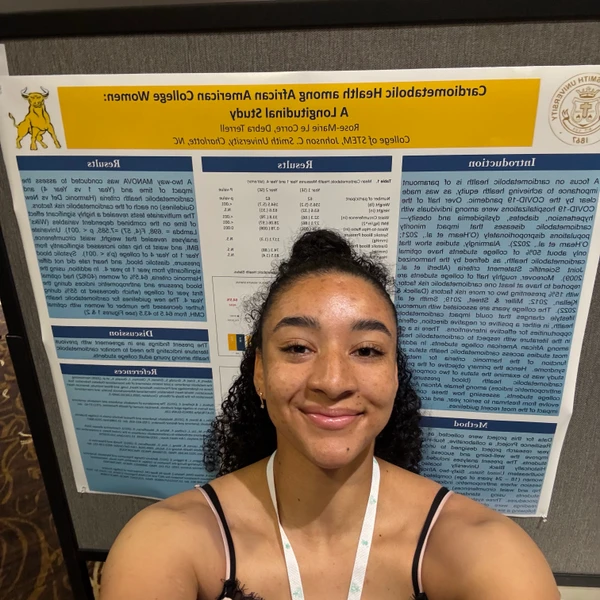
Johnson C Smith University — Assistant researcher2024 – Present
Public services
Volunteering
Bellaire house — Helper2022 – 2023
Future Interests
Volunteering
Philanthropy
Entrepreneurship
500 Bold Points No-Essay Scholarship
7023 Minority Scholarship
I am an immigrant from Cameroon, a student-athlete, and a future healthcare professional pursuing a career in mental health. My journey has been shaped by resilience, personal challenges, and a deep commitment to serving others. Growing up, I witnessed mental health struggles within my own family, particularly my father’s battle with bipolar disorder. Experiencing that at a young age changed how I understood people, emotions, and the importance of support systems.
After my father passed away, I faced my own challenges with grief, anxiety, and depression. There were times when I felt overwhelmed and disconnected, unsure of how to move forward. Through therapy and personal growth, I began to understand how powerful it is to be supported during difficult moments. That experience transformed my perspective and gave me a sense of purpose. I realized that I wanted to be part of that support system for others.
As an immigrant, my understanding of mental health is also shaped by cultural differences. In many communities, including parts of my own, mental health is often misunderstood or stigmatized. Moving to the United States exposed me to more resources, but also highlighted disparities in access to care. I learned that many people, especially those from marginalized backgrounds, do not receive the help they need—not because they do not want it, but because it is not accessible or culturally understood.
The causes I care most deeply about are mental health awareness, access to care, and support for individuals with developmental and communication challenges. My current work reflects that commitment. As a nanny, I care for two five-year-old twins on the autism spectrum who are nonverbal. When I first started, communication was limited, and many daily interactions were challenging. Over time, through patience and consistency, I have seen meaningful progress in their development. They have improved in sign language, emotional regulation, and even begun to say a few words. Being part of their growth has shown me how impactful consistent care and support can be, especially at a young age.
I am currently studying psychology on a pre-med track, with the goal of becoming a physician specializing in mental health. My goal is to provide care that is not only medically effective, but also culturally aware and accessible. I want to serve communities that are often overlooked, both in the United States and internationally.
In the future, I plan to open a free clinic in Cameroon to provide accessible mental health and medical services. In many areas, mental health care is either unavailable or heavily stigmatized. I want to create a space where individuals feel safe seeking help, where they are understood, and where care is provided with dignity and respect. I also hope to advocate for broader changes that improve access to mental health services for underserved populations.
Receiving this scholarship would directly support my educational journey and help me continue working toward these goals. As a low-income student balancing school, work, and athletics, financial support plays a critical role in my ability to succeed. This opportunity would allow me to focus more on my studies and training, and continue building a future where I can give back to my community.
My experiences have shown me that support can change lives. Through my education and future career, I am committed to making that support more accessible, more inclusive, and more impactful for those who need it most.
Arnetha V. Bishop Memorial Scholarship
My journey into mental health did not begin in a classroom—it began in my own life. Growing up, I witnessed the effects of mental illness within my family, particularly my father’s struggle with bipolar disorder. As a child, I did not fully understand what he was going through, but I experienced the emotional impact it had on our relationship and our home. Over time, I watched someone I loved change, and that experience shaped how I understand both the fragility and the value of mental health.
After my father passed away, I faced my own challenges with grief, anxiety, and depression. There were periods where I felt disconnected, overwhelmed, and unsure of how to move forward. Access to support, including therapy, played a critical role in my healing. Through that process, I began to understand how powerful it is to be heard, supported, and cared for during vulnerable moments. That realization transformed my perspective and ultimately shaped my career aspirations.
As an immigrant from Cameroon, my experience with mental health is also influenced by cultural context. In many communities, mental health is often misunderstood or stigmatized, and access to care is limited. Moving to the United States exposed me to new resources, but it also made me aware of disparities in access to care across different populations. Navigating a new country, a different language, and financial challenges further highlighted the importance of culturally competent and accessible mental health services.
These experiences have shaped my commitment to serving marginalized communities. I have learned that mental health care is not only about treatment, but about understanding individuals within their cultural, social, and economic contexts. Many people are not receiving the care they need—not because they do not want help, but because the system is not accessible or does not reflect their experiences.
My current work has reinforced this understanding. As a nanny, I work closely with two five-year-old twins on the autism spectrum who are nonverbal. When I began, communication was limited, and many daily interactions were challenging. Over time, through patience and consistency, I have witnessed meaningful progress in their development, including improvements in sign language, emotional regulation, and even early verbal communication. Being part of their growth has shown me how impactful early support and individualized care can be. It has also strengthened my desire to work with individuals who require specialized and compassionate mental health services.
I am currently studying psychology on a pre-med track, with the goal of becoming a physician specializing in mental health. My goal is to bridge gaps in care by providing accessible, culturally aware, and patient-centered treatment. I want to serve communities that are often overlooked, both in the United States and internationally.
In the future, I plan to open a free clinic in Cameroon to provide accessible mental health and medical services. In many regions, mental health care is either unavailable or heavily stigmatized. I want to create a space where individuals feel safe seeking help, where their experiences are validated, and where care is provided with dignity and respect. I also hope to advocate for broader systemic changes that improve access to mental health care for marginalized populations.
My experiences have taught me that mental health care can change lives, but only when it is accessible and inclusive. I am committed to being part of that change by using my education, my experiences, and my voice to serve others and make a lasting impact in communities that need it most.
Rose Ifebigh Memorial Scholarship
I would describe myself as someone shaped by resilience, adaptability, and purpose. I am an immigrant from Cameroon, a student, and a high-level athlete training in the United States. My journey has been defined by navigating change—moving to a new country at a young age, adapting to a different culture, and building a life in an unfamiliar environment. At the same time, my African background remains central to who I am. It has shaped my values of discipline, respect, and perseverance, and continues to guide how I approach my goals.
Being part of the African diaspora has given me a unique perspective. I carry the culture and mindset I was raised with while learning to navigate life in the United States. This dual identity has taught me how to adapt across environments, understand different perspectives, and stay grounded in my identity.
Living and studying in a new country has been both challenging and transformative. One of my biggest challenges was adjusting to a different language and educational system. English is not my first language, and there were moments when expressing myself academically felt difficult. I also faced financial and administrative challenges, including navigating immigration processes and periods where I was unable to return to my home country. These experiences required independence, discipline, and resilience.
At the same time, they became opportunities for growth. I learned how to adapt quickly, communicate across cultures, and push through discomfort. Being placed in unfamiliar situations forced me to develop confidence in my ability to succeed, even when circumstances were uncertain.
Through my educational journey, I have gained a deeper understanding of myself and the world around me. I have learned that my background is not a limitation, but a strength. It allows me to bring a different perspective into academic and professional spaces. One of the most important lessons I have learned is how to turn adversity into motivation. Whether it was adapting to a new culture, managing financial challenges, or balancing school with a demanding athletic schedule, each experience has contributed to my growth.
My academic interests are in psychology on a pre-med track, with the goal of pursuing a career in mental health. My personal experiences have shown me how critical access to compassionate and culturally aware care is, especially for underserved communities. I want to become a physician who not only treats patients, but understands the social and cultural factors that shape their experiences.
In the future, I hope to make an impact both in the United States and in Cameroon. I plan to open a free clinic in Cameroon to provide accessible healthcare, particularly in mental health, where resources are limited. I want to create a space where individuals feel supported, understood, and able to receive care regardless of their financial situation.
Receiving this scholarship would directly support my ability to continue my education and pursue these goals. As a low-income student balancing school, work, and athletics, financial support plays a critical role in my journey. This opportunity would allow me to focus more on my studies and training while continuing to build toward a future where I can give back to my community.
My journey as an immigrant has not been easy, but it has shaped me into someone who is resilient, adaptable, and driven by purpose. I am committed to using my education not only to build a future for myself, but to create opportunities and impact for others.
Patricia Lindsey Jackson Foundation - Eva Mae Jackson Scholarship of Education
Faith has been a constant foundation in my life, especially during moments when everything else felt uncertain. It has shaped not only who I am as a person, but also how I approach my academic journey, my athletic career, and my goals for the future.
Growing up, faith was always present, but it became truly personal during some of the most difficult periods of my life. After losing my father and navigating the emotional challenges that followed, I struggled with my mental health, my sense of identity, and my direction. There were moments where I felt overwhelmed and disconnected, unsure of what my future would look like. During that time, faith became more than something I believed in—it became something I relied on.
Faith changed the way I see difficult moments in my life. Instead of only seeing the struggle, I learned to look for growth within it. It reminds me that everything has a purpose, even when I don’t fully understand it at the time. Because of that, I’ve learned to use adversity as a source of strength rather than something that holds me back. This mindset became especially important during the hardest periods of my life, when I had to find meaning in loss, uncertainty, and personal challenges.
As a student-athlete, faith plays a role in how I show up every day. Balancing school, work, and training at a high level requires discipline and consistency. There are days where I feel exhausted, where results are not immediate, and where it would be easier to give up. In those moments, faith reminds me that discipline is not based on how I feel, but on my commitment. It teaches me to trust the process and to keep moving forward even when progress is not visible.
Being part of Undrdog Athletic has also reinforced the connection between faith and purpose in my life. Their message of perseverance, discipline, and faith aligns with my values and reminds me that my journey is about more than just personal success. It is about representing something bigger than myself and using my platform to inspire others.
Faith has also influenced my academic and career goals. I am currently studying psychology on a pre-med track, with the long-term goal of becoming a physician specializing in mental health. My personal experiences have shown me how important it is to have access to compassionate care, especially for individuals facing invisible challenges. Faith has guided me toward a purpose that is rooted in service.
In the future, I hope to open a free clinic in Cameroon, where my family is from, to provide accessible healthcare to underserved communities. I want to create a space where individuals feel seen, supported, and understood. Faith reminds me that education is not only a tool for personal advancement, but also a responsibility to give back and uplift others.
Beyond faith itself, my experiences as an immigrant, a student, and an athlete have pushed me to pursue higher education. Adapting to a new country, balancing financial responsibilities, and managing personal challenges have required resilience and determination. There were moments where the path forward felt uncertain, but each challenge reinforced my commitment to continue building my future.
Faith does not remove challenges from my life, but it changes how I face them. It gives me strength when I feel weak, perspective when I feel lost, and purpose when I question my path.
Today, I carry my faith with me in everything I do—in my studies, in my training, and in the way I support others. It is not something separate from my goals, but something that shapes them. My journey is still unfolding, but I know that through faith, discipline, and purpose, I am building something meaningful.
Socials: @rosemarie_lcr
Let Your Light Shine Scholarship
For me, creating a legacy is not about building something for recognition—it is about building something that continues to serve others long after I am gone. My goal is to create impact through healthcare, specifically by expanding access to mental health services in underserved communities. I plan to do this not only as a physician, but also as an entrepreneur.
I am currently studying psychology on a pre-med track, with the long-term goal of earning both an MD and a PhD. My experiences—growing up around mental illness, navigating my own challenges, and witnessing the lack of access to care—have shaped my vision. I have seen how easily people fall through the cracks of healthcare systems, especially when financial barriers are involved.
The business I hope to create is a free or low-cost mental health clinic, starting in Cameroon, where my family is from. In many communities there, access to healthcare—especially mental health care—is extremely limited. Families often go without treatment due to cost, lack of infrastructure, or stigma. My goal is to create a sustainable model that combines healthcare, education, and community support.
This would not be a traditional clinic focused only on treatment, but a space designed to support individuals as a whole. It would provide mental health services, education for families, and outreach programs to reduce stigma and increase awareness. I also hope to integrate research into this model, allowing the clinic to continuously improve and adapt to the needs of the community.
Creating this kind of impact requires more than medical knowledge—it requires an entrepreneurial mindset. It means building something from the ground up, finding solutions where resources are limited, and creating systems that can sustain themselves over time. It also requires resilience, something I have developed throughout my life.
As a low-income student, I have learned how to be resourceful and disciplined. I work while attending school and train as a professional athlete, balancing multiple responsibilities every day. These experiences have taught me how to manage time, stay focused, and continue working toward long-term goals, even when the path is challenging.
In addition to my academic and athletic commitments, I give back through my work as a French tutor and caregiver. Supporting others, especially those who are learning or navigating challenges, is a consistent part of my life. This is how I “shine my light”—not through one big action, but through consistent effort, patience, and the willingness to show up for others.
My legacy will not be defined by a single achievement, but by the systems I build and the lives I impact. I want to create opportunities for people who might not otherwise have access to care, and to contribute to a more equitable healthcare system.
I am not just working toward a career—I am building toward something that will outlast me.
Tawkify Meaningful Connections Scholarship
One of the most meaningful relationships in my life was with my father. It was not a simple or easy relationship, but it shaped the way I understand human connection more than anything else.
My father lived with bipolar disorder and struggled with depression. Growing up, I witnessed both the love he had to give and the weight of the illness he carried. There were moments when he was present, caring, and deeply connected to me, and others when he became distant, overwhelmed, and difficult to reach. As a child, I did not fully understand why those changes happened, but I learned to adapt. I learned to listen beyond words, to pay attention to emotions, and to recognize that people are often fighting battles that are not visible.
Over time, our relationship became more complex. My parents were separated, my relationship with my brother was distant, and we had no close relatives around. In many ways, I was my father’s closest support. I became aware of his struggles in a way that most children are not. I remember moments when he expressed a desire to give up, when he felt that life was too heavy to carry. Those experiences were difficult, but they also taught me something fundamental: connection is not always easy, but it is essential.
When I lost my father, I did not only lose a parent—I lost a relationship that had shaped how I saw the world. In the weeks that followed, I felt disconnected from everything around me. But over time, I began to reflect on what that relationship had given me. I realized that even in its challenges, it had taught me empathy, patience, and the importance of showing up for others, even when it is difficult.
That understanding now shapes the way I build connections with others. I approach relationships with intention and awareness. I try to listen deeply, to understand people beyond what they show on the surface, and to create spaces where others feel safe being themselves. I know what it feels like to need support and not always receive it in the right way, and because of that, I am committed to being someone who offers understanding without judgment.
This perspective also extends into my professional goals. As someone pursuing a career in mental health, I see human connection as the foundation of effective care. Treatment is not only about knowledge or diagnosis—it is about trust. It is about making people feel seen, heard, and understood. My relationship with my father showed me how powerful that connection can be, and also how damaging it can be when it is lacking.
Beyond my personal life, I see connection in the way I interact with others in my daily roles. As a French tutor and a caregiver, I work with individuals who rely on trust and communication. Whether helping a student gain confidence in a new language or supporting children as they learn to express themselves, I focus on building relationships that are grounded in patience and understanding.
Human connection is not always perfect. It can be complicated, challenging, and at times painful. But it is also what gives meaning to our lives. My relationship with my father taught me that even imperfect connections can shape us in profound ways.
Today, I carry those lessons with me. They guide how I interact with others, how I approach my future career, and how I define the kind of impact I want to have. Connection, to me, is not just about being present—it is about understanding, supporting, and truly seeing the people around us.
Special Needs Advocacy Inc. Kathleen Lehman Memorial Scholarship
My name is Rose-Marie Le Corre, and I am currently an undergraduate student studying psychology on a pre-med track, with the goal of pursuing a career in mental health. My path into healthcare has been shaped by both personal experiences and the people I have had the opportunity to work with, including children with special needs.
One of my current jobs is working as a nanny, where I care for two five-year-old twin girls who are on the autism spectrum and are nonverbal. When I first started working with them, communication was one of the biggest challenges. They struggled to express their needs, regulate their emotions, and engage with others in ways that felt understood. Over time, I became part of their daily routine and development, and I was able to witness meaningful progress.
Through consistency, patience, and learning how to adapt to their needs, I saw improvements in their use of sign language, their ability to manage emotions, and even in early verbal communication. They began to express themselves more clearly, follow routines like potty training more independently, and engage more comfortably with their environment. Being part of that growth showed me how impactful the right support system can be, especially when it is built on understanding rather than expectation.
This experience changed the way I see the special needs community. It made me realize that progress is not always measured in large milestones, but often in small, meaningful steps that reflect trust, comfort, and connection. It also showed me how important it is for caregivers and professionals to meet individuals where they are, rather than forcing them into systems that are not designed for them.
My interest in mental health is also deeply personal. Having grown up around mental illness and managing my own challenges, I understand how important it is to have access to compassionate and informed care. I see a strong connection between mental health and developmental needs, particularly in how individuals with special needs are often misunderstood or underserved.
In my future career, I plan to work in mental health care with a focus on underserved populations, including individuals with developmental and cognitive differences. I want to contribute to a system that is more inclusive, where care is tailored to the individual and where families are supported as part of the process. My goal is not only to treat conditions, but to create environments where people feel seen, understood, and respected.
Long-term, I also hope to expand access to care globally. My family is from Cameroon, where resources for both mental health and special needs support are limited. I want to be part of creating spaces where children and families have access to the support they need, regardless of their circumstances.
Working with these children has shown me that impact does not always come from large actions, but from consistent, patient effort over time. It has reinforced my commitment to pursuing a career where I can support individuals with unique needs and contribute to a more inclusive and compassionate healthcare system.
Strong Leaders of Tomorrow Scholarship
Leadership is often associated with titles or positions, but for me, leadership has been defined by how I show up in difficult moments—especially when no one is watching. My journey has required me to lead myself first, before I could lead others.
As someone managing an anxiety disorder while navigating school in a second language, I have had to develop discipline and self-awareness early on. There have been moments when my anxiety disrupted my routine and made even simple tasks feel overwhelming. At the same time, learning in English required me to work harder to understand and express myself academically. These challenges could have held me back, but instead, they pushed me to take responsibility for my growth. Leadership, for me, began with learning how to manage my own mind, stay consistent, and continue moving forward even when it felt difficult.
One of the most defining moments of my leadership came during a period when my anxiety resurfaced intensely. For a week, I withdrew from my responsibilities, unable to attend training, classes, or engage with others. It would have been easy to stay in that state, but I chose to act. I reached out to my psychologist, returned to the coping strategies I had learned, and rebuilt my routine step by step. That experience taught me that leadership is not about avoiding setbacks, but about how you respond to them. It is about taking accountability and finding a way forward.
Beyond leading myself, I strive to lead through impact. As a French tutor, I work with students who are learning a new language, often facing the same frustrations and self-doubt I once experienced. I create a space where they feel comfortable making mistakes and growing from them. I also recognize leadership in the way my story affects others. When people tell me that they feel inspired or motivated by what I am doing—balancing school, work, athletics, and personal challenges—I see that as a form of leadership. Having a positive impact on others, even in small ways, matters to me. It reminds me that resilience is not only personal, but something that can influence and uplift others.
Leadership also shows in how I manage my responsibilities. As a full-time student, a professional athlete, and someone who works to support herself financially, I have learned to stay disciplined and committed across different areas of my life. I lead by example, demonstrating that challenges do not have to define limitations.
My goal of pursuing a career in medicine, particularly in mental health, is also rooted in leadership. I want to advocate for individuals facing invisible challenges and contribute to a system that is more compassionate and accessible. Leadership in healthcare means listening, understanding, and creating spaces where people feel seen.
What makes me a leader is not a title—it is my ability to grow through challenges, to support others, and to inspire through my actions. I have learned that leadership begins within, and from there, it can create meaningful impact in the lives of others.
Jeune-Mondestin Scholarship
My name is Rose-Marie Le Corre, and I am currently an undergraduate student studying psychology on a pre-med track. I am also a professional judo athlete, balancing rigorous training with my academic responsibilities. My journey into healthcare is not just academic—it is deeply personal, shaped by experiences that have shown me both the importance and the gaps within the system.
I chose to pursue a career in healthcare because I was exposed early to the realities of illness. Growing up, I helped care for my father, who lived with bipolar disorder alongside other chronic conditions such as diabetes and high blood pressure. I witnessed how complex managing both physical and mental health can be, not only for the individual but for the entire family. There were moments of instability, confusion, and lack of support that left lasting impressions on me. After losing my father, I was left with questions about what could have been done differently and how care could be improved for people facing similar challenges.
My own experience with an anxiety disorder has also shaped my path. Navigating school, work, and athletics while managing my mental health has given me a deeper understanding of the importance of accessible and compassionate care. There were times when I struggled to afford the support I needed, including periods when I had to go without medication. These experiences showed me how easily people can fall through the cracks of the healthcare system, especially when financial barriers are involved.
In addition to my academic work, I support myself by working as a French tutor and babysitter while training at a high level in judo. Balancing these responsibilities has required discipline, resilience, and strong time management skills. It has also reinforced my commitment to my goals, even when the path is not easy.
My long-term goal is to pursue both an MD and a PhD, focusing on mental health. I want to combine clinical practice with research to better understand the connections between mental illness, environment, and access to care. I am particularly interested in how healthcare systems can better support patients as whole individuals, rather than focusing only on symptoms.
The difference I hope to make is both local and global. In the future, I want to open a free clinic in Cameroon, where my family is from. I have seen how limited access to healthcare can affect entire communities, especially when it comes to mental health services. I want to create a space where individuals can receive care regardless of their financial situation, and where mental health is treated with the same importance as physical health.
Healthcare, to me, is not just about treating illness—it is about restoring dignity, providing support, and creating systems that truly serve people. My experiences have shown me both the strengths and the limitations of current systems, and they have motivated me to be part of the change.
I am not only pursuing healthcare as a career, but as a way to give back and create opportunities for others.
Elijah's Helping Hand Scholarship Award
Mental health has shaped my life in ways I did not fully understand when I was younger. Growing up, I was exposed early to the reality of mental illness through my father, who struggled with bipolar disorder and depression. I remember hearing him say that he wanted to die, that life felt too heavy. As a child, I did not have the tools to process those words, but I carried them with me. They created a constant awareness of how serious and fragile mental health can be.
Over time, I watched my father change. The person I knew slowly became distant, affected by an illness he struggled to manage. When he passed away, I was left with grief, but also with the realization that mental health struggles do not only affect one person—they impact entire families. His death forced me to confront the reality of suicide and mental illness in a very personal way.
In the weeks following his death, I went into what felt like a survival mode. Outwardly, I continued moving forward, but internally I was struggling. I experienced depression, trauma, and a loss of direction. There were moments when I felt disconnected from myself and uncertain about my future. It took time, therapy, and support for me to begin understanding what I had gone through.
Through that process, I learned that mental health is not something that can be ignored or minimized. It requires attention, care, and support systems that are often not accessible to everyone. I also learned the importance of asking for help, even when it feels difficult. Recovery was not immediate or easy, but it taught me resilience and gave me a deeper understanding of both my own experiences and those of others.
This experience has shaped not only who I am, but also the path I have chosen. I am currently pursuing a degree in psychology on a pre-med track, with the goal of working in mental health. I want to be able to support individuals who are struggling, as well as their families, in ways that I wish had been available to me. I understand what it feels like to be on the other side—to feel helpless, to want answers, and to need guidance.
My goal is to contribute to a mental health system that is more compassionate, more accessible, and more human. I want to help create spaces where people feel heard and supported, rather than isolated in their struggles. I also hope to work in underserved communities, where access to mental health care is often limited.
Mental health challenges have impacted my life in profound ways, but they have also given me a sense of purpose. They have shown me the importance of empathy, resilience, and connection. While I cannot change what I experienced, I can use it to move forward and help others.
That is the path I have chosen.
Brian J Boley Memorial Scholarship
My decision to pursue a career in the mental health field is deeply personal. Growing up, I witnessed firsthand the impact that mental illness can have not only on an individual, but on an entire family. A parent of mine struggled with bipolar disorder alongside other chronic conditions. As a child, I did not have the language or knowledge to fully understand what was happening, but I felt the emotional weight of it every day. I saw how difficult it was to navigate care, how inconsistent support could be, and how isolating the experience became for both the patient and those around them.
After losing that parent, I carried not only grief, but also unanswered questions. I began to reflect on what could have been different—what kind of support, intervention, or understanding might have changed the outcome. That reflection is what first led me toward the mental health field. I did not just want to understand these conditions from a distance; I wanted to be equipped to help others facing similar struggles.
My own experiences with anxiety have further shaped my perspective. Managing an anxiety disorder while balancing school, work, and athletic commitments has shown me how complex mental health can be. There have been moments when I felt in control, and others when I experienced setbacks that disrupted my daily life. Through therapy and support, I have learned coping strategies and gained a deeper understanding of mental health care from the perspective of a patient. This dual perspective—both personal and academic—has strengthened my commitment to this field.
I am currently studying psychology on a pre-med track, with the goal of earning both an MD and a PhD. I want to combine clinical practice with research to better understand the relationship between mental illness and other factors such as environment, access to care, and social support. I am particularly interested in the connection between mental health and substance use, as these issues often overlap and require comprehensive, individualized care.
In the future, I hope to contribute to a more accessible and compassionate mental health system. One of the most important changes I want to see is a shift toward more patient-centered care—where individuals are treated as whole people, not just diagnoses. This includes improving access to affordable mental health services, reducing stigma, and ensuring that families are supported as part of the treatment process.
I also want to work in underserved communities, where access to mental health care is often limited. My long-term goal is to open a free clinic in Cameroon, where my family is from, to provide care for individuals who might otherwise go without it. Mental health services are often overlooked in these areas, and I want to help create spaces where people feel safe seeking support.
Mental illness does not exist in isolation, and neither should treatment. My experiences have taught me that effective care requires empathy, consistency, and a system that truly listens to those it serves. By pursuing a career in mental health, I hope to be part of that change—providing support, understanding, and care to individuals and families who need it most.
Julie Holloway Bryant Memorial Scholarship
I grew up in a multilingual environment where language was never just a subject, but a way of understanding the world. My first language is French, and over time I also learned English, German, and Italian. Being surrounded by multiple languages from a young age shaped how I think, communicate, and connect with others. Today, I continue to use this skill in my daily life, including in my work as a French tutor, where I help others navigate a language that once challenged me as well.
When I moved to the United States at sixteen, I quickly realized that knowing a language is very different from learning and performing in it academically. While I could communicate in English, understanding lectures, writing essays, and keeping up with the pace of college-level courses required a completely different level of mastery. I often had to spend more time than my peers reading, translating, and reviewing material just to reach the same level of understanding. Expressing complex ideas in English was especially challenging, and there were moments when I doubted myself—not because I did not understand the content, but because I struggled to communicate it as clearly as I could in French.
Some days, the challenge is not just academic, but mental. Switching constantly between languages can be exhausting, especially when I am already overwhelmed. On those days, my accent becomes stronger, and I notice that people sometimes have more difficulty understanding me. It can be frustrating to feel like your voice is less clear, even when your thoughts are not. These moments remind me that language is not just about words—it is also about perception, and how others choose to listen.
Despite these challenges, being multilingual has become one of my greatest strengths. It has taught me discipline, adaptability, and patience. Learning in multiple languages has strengthened my ability to think critically and approach problems from different perspectives. Each language I speak carries its own way of interpreting ideas, emotions, and experiences, which has helped me develop a broader and more nuanced understanding of the world.
My multilingual background has also allowed me to give back to others. As a French tutor, I use my experience to support students who are learning a new language. I understand the frustration, the effort, and the vulnerability that come with not always having the right words. Because of that, I approach teaching with patience and empathy, creating a space where students feel comfortable making mistakes and growing from them.
Looking ahead, I plan to pursue a career in medicine, with a focus on mental health. I aim to earn both an MD and a PhD so that I can combine clinical practice with research. Being multilingual will allow me to connect with a wider range of patients, especially those who may feel more comfortable expressing themselves in their native language. In healthcare, communication is essential, and I believe that speaking multiple languages can help build trust and improve the quality of care.
Being bilingual and multilingual is often seen as a challenge in academic settings, but for me, it has been a source of strength. It has shaped my work ethic, expanded my perspective, and allowed me to connect with others in meaningful ways. While learning in a second language requires extra effort, it has given me skills that go far beyond the classroom—skills that I will carry with me into my future career and use to make a difference in the lives of others.
New Beginnings Immigrant Scholarship
At sixteen, I left everything familiar behind and moved to the United States. I was not only entering a new country, but also a new culture, a new language, and a completely different academic system. As a first-generation immigrant student, I had to learn quickly how to navigate this environment on my own. At the same time, I was still carrying the weight of personal loss and adjusting to a life far from home.
One of the most difficult parts of my journey was the uncertainty of my immigration status. At one point, my paperwork was being processed, and during that time, I was unable to return to my home country. Knowing that I could not go back—even temporarily—created a constant feeling of distance from my family and my roots. It made the experience of adapting to a new life even more isolating. I had to accept that my future depended on building something here, even when it felt emotionally difficult.
Academically, learning in English as a second language added another layer of challenge. Understanding lectures, completing assignments, and keeping up with the pace of classes required extra effort. I often had to spend more time studying than others just to reach the same level of understanding. Despite this, I remained committed to my education because I knew it was my path forward.
Being an immigrant has taught me resilience in a way that no classroom could. I learned how to adapt, how to stay disciplined, and how to continue moving forward even when things felt uncertain. I balanced school with work to support myself financially, while also training as a professional athlete. This experience forced me to develop strong time management skills and a deep sense of responsibility for my future.
My immigrant experience has also shaped my career aspirations. Through personal experiences in my family and exposure to healthcare disparities, I developed a strong interest in medicine. I am currently studying psychology on a pre-med track, with the goal of earning both an MD and a PhD. I want to specialize in mental health, combining clinical practice with research to better understand and treat complex conditions.
My long-term goal is to open a free clinic in Cameroon, where my family is from, to provide accessible healthcare to underserved communities. I have seen firsthand how limited access to care can impact families, and I want to be part of the solution.
Being an immigrant has shaped not only my path, but also my perspective. It has taught me that success is not defined by where you start, but by how you adapt and grow through challenges. I have learned to embrace uncertainty, to work harder for every opportunity, and to believe in the future I am building.
My journey has not been easy, but it has given me clarity and purpose. I am not only pursuing an education for myself, but also to create opportunities for others and to give back to the communities that shaped me.
Sarah Eber Child Life Scholarship
When I was fourteen, I faced one of the most defining adversities of my life. I became a caregiver to a parent living with multiple chronic illnesses, including diabetes, bipolar disorder, and high blood pressure. At that age, I was not fully aware of the complexity of these conditions, but I understood the responsibility that came with them. I learned how to be present for someone in pain, how to manage uncertainty, and how to support someone emotionally even when I did not have the answers.
At first, I viewed this situation as something I simply had to endure. I did not question it—I adapted. But everything changed when I lost that parent suddenly. The loss forced me to confront the reality of illness and the limits of what I could control. I felt helpless, not only because of the loss itself, but because I had seen firsthand how difficult it is for families to navigate health challenges without enough support.
For a long time, I carried that experience as grief alone. I did not yet see it as something that could shape my future. However, over time, my perspective shifted. Instead of seeing it only as a painful memory, I began to understand it as a source of purpose. I realized that what I had gone through gave me a unique understanding of what patients and families experience—not just medically, but emotionally.
My plan of action was not immediate or perfectly defined. It developed gradually as I moved forward in my education. I chose to pursue psychology and a pre-med path because I wanted to better understand both the physical and mental aspects of illness. I wanted to be able to support people not just as patients, but as individuals going through some of the most difficult moments of their lives. My experiences motivated me to stay committed to my studies, even when facing other challenges such as adapting to a new country, learning in a second language, and managing financial pressures.
This adversity changed the way I see life. It taught me that challenges are not always obstacles to overcome, but experiences that can guide you toward your purpose. It also showed me how important compassion and support are, especially for children and families dealing with illness. I understand what it feels like to be in that position, and that perspective will always shape the way I interact with others in my future career.
Today, I do not view my past as something that limited me. Instead, I see it as the foundation of who I am becoming. It has given me resilience, empathy, and a clear sense of direction. I want to use my education to become someone who can make a difference in the lives of others—especially for those who, like me, once felt uncertain, overwhelmed, and in need of support.
Dream BIG, Rise HIGHER Scholarship
When I was fourteen, my life changed in a way I could not fully understand at the time. I helped care for a parent living with multiple chronic illnesses, including diabetes, bipolar disorder, and high blood pressure. I watched what it meant for someone to depend on others not just physically, but emotionally. I learned how unpredictable health can be, and how deeply it affects a family. When I lost that parent suddenly, I was left with grief, but also with a sense of responsibility I could not ignore. That experience is what first gave my life direction. I did not just want to understand illness—I wanted to be able to help people through it.
At sixteen, I immigrated to the United States. I had to adapt quickly to a new culture, a new language, and a new academic system while still carrying that loss with me. Learning in English as a second language made everything more difficult. I had to spend extra time reading, translating, and reviewing material just to keep up. Beyond academics, there was also loneliness. I had to rebuild my identity in a place where everything felt unfamiliar. Over time, I learned to harness that loneliness and turn it into motivation. Instead of letting it isolate me, I used it to push myself forward.
Financial challenges added another layer to my journey. I support myself by working as a French tutor and babysitter, balancing around fourteen hours of work each week while being a full-time student. My scholarships help, but they do not cover all of my expenses, including rent. At one point, I had to make a choice between paying for my anxiety medication or buying food for the day. I went months without medication because I could not afford both. That experience forced me to confront how fragile stability can be, especially without access to healthcare. It also strengthened my determination to create a future where others do not have to make those kinds of choices.
At the same time, I am a professional athlete. I train in judo up to three times a day, five to six days a week, along with meetings with my psychologist, nutritionist, and physical therapy team. Balancing this level of commitment with school and work has required discipline and resilience. Judo has been more than a sport for me—it has been a form of stability. It helped me navigate grief, depression, and the challenges of adapting to a new country. Through it, I learned that my identity is not defined by a single role, but by the values I carry: perseverance, consistency, and purpose.
One of the most important lessons I have learned is how to shift my perspective. For a long time, I focused only on how far I still had to go. I worried about whether I would be able to afford my education, whether I was doing enough, and whether I would reach my goals. Over time, I realized that where I am today is already part of the dream I once had. As a teenager, I could not have imagined being halfway through a bachelor’s degree and preparing for doctoral programs. That realization helped me stop living in constant fear of the future and start appreciating my progress.
Education has given me more than knowledge—it has given me direction and the confidence to expand my ambitions. When I first began college, I aimed to become a psychiatrist. Even that goal felt ambitious at the time. Now, through my academic and research experiences, I aspire to pursue both an MD and a PhD. I want to combine clinical care with research, especially in mental health, to better understand and treat conditions that are often misunderstood or overlooked.
My goals are also deeply connected to my background. My family is from Cameroon, and I have seen firsthand the disparities in access to healthcare. My grandmother had to leave her home and come live with us for two years just to receive proper medical care. That experience showed me how unequal access to healthcare can be depending on where you are born. It is one of the reasons I hope to eventually open a free clinic in Cameroon. I want to provide care for individuals and families who might otherwise go without it, especially in areas like mental health, where resources are often limited.
Every challenge I have faced—grief, immigration, financial instability, language barriers, and the demands of balancing multiple responsibilities—has shaped who I am today. These experiences have not discouraged me; they have strengthened my sense of purpose. They have shown me that education is not just a path for personal success, but a tool for creating change.
I am not only working toward a degree. I am building a future where I can give back, support others through their most difficult moments, and contribute to a more accessible and compassionate healthcare system. My journey has not been easy, but it has given me clarity. It has taught me that where I am coming from matters, but where I am going—and what I choose to do with my experiences—matters even more.
Lippey Family Scholarship
For the past few years, I had learned how to manage my anxiety disorder. Through therapy and consistent coping strategies, I felt in control. I understood my triggers, and I knew how to calm myself down. But last year, I experienced a relapse that reminded me how quickly that control can slip away.
For about a week, I was overwhelmed by constant waves of panic. I had multiple anxiety attacks every day. I could not go to training, attend class, or even talk to my roommates. I completely withdrew and disappeared from my routine. As a student-athlete, my life depends on discipline and consistency, so losing that structure made everything worse. The more I avoided my responsibilities, the more anxious I became. It felt like I was losing control over my own life.
What made it even harder was the fear of coming back. I was scared to return to training and explain why I had suddenly disappeared. I was afraid people would not understand. At the same time, I was dealing with academic pressure as a non-native English speaker. When I fall behind, it takes me longer to catch up, which only added to the stress. Coming from a low-income background, I also felt the weight of knowing I could not afford to fall behind. Every missed class, every lost day, felt like a risk I could not take.
What helped me get out of that moment was going back to the support system I had built. I reached out to my psychologist and returned to the coping strategies I had learned through therapy. Instead of trying to fix everything at once, I focused on small steps—rebuilding my routine, showing up to one class, then one training, and slowly regaining control. It was not immediate, but it was steady.
That experience changed me. I am stronger now, not because I no longer struggle, but because I understand my anxiety better. I can recognize the early signs of an episode and respond before it escalates. I have learned that strength is not about always being in control, but about knowing how to regain it when you lose it.
As someone pursuing a career in medicine, this experience has shaped how I see others. It has taught me empathy, patience, and the importance of support systems—especially for those who feel overwhelmed or misunderstood. I want to be part of a healthcare system that recognizes both visible and invisible challenges.
This challenge did not set me back. It taught me how to move forward with awareness, discipline, and resilience—and that is something I will carry with me throughout my academic and professional journey.
Daelyn Bledsoe Legacy of Love and Leadership Scholarship
In the chapters of my life, transitioning from France to the United States of America marked a pivotal moment in my pursuit of dreams and aspirations. At sixteen, I embarked on a journey to Texas, captivated by the promise of freedom and the opportunity to build a future in the country that had captured my heart. Little did I know that this decision would be intricately woven into a tapestry of personal experiences, familial struggles, and a profound commitment to making a positive impact on our nation and future generations.
The trajectory of my life took an unexpected turn at the age of fourteen when my father passed away. For two decades, he grappled with chronic illness and mental health challenges. This firsthand exposure to the effects of such conditions left me with a deep-seated sense of worry and an understanding that moral support, though essential, is often insufficient in the face of life-altering struggles. But regardless of the pain, I found the courage to move out of my country to come live with a side of my family that I barely knew.
Since I am in Texas, the role of being the eldest sister was given to me. While having become the big sister of five, my responsibilities expanded beyond the typical teenage concerns. It is not just about taking the kids to practice or supporting them by attending their choir concerts; it became a new journey of creating a special relationship with people that used to be my cousins and then become my siblings. But within me, there is a daily battle that has been increasing each day about the looming shadow of the Alzheimer's gene that ran through my family's veins. Witnessing loved ones succumb to this devastating disease added another layer of complexity to my journey, fostering a fear of forgetting that extended beyond everyday tasks to the very essence of who I am.
The loss of my father intensified this fear, prompting me to contemplate the potential of forgetting the intricate details that defined him and shaped my understanding of life. Three years after his death I am not sure anymore that the memories I have of him are accurate or just an idealization of what I wished he was more like. This fear extended to the prospect of losing my native language, therefore the ability to communicate with the biggest part of my family that doesn't speak English or even losing the muscle memory associated with the sport I love—judo, a journey that began at the tender age of four.
In navigating the challenges of adapting to a new country and coping with personal loss, I found solace and purpose in the world of judo. As a brown belt, my next milestone is the coveted black belt, which involves not just personal achievement but a commitment to sharing knowledge with peers. I embraced this responsibility by training to become a sensei and coach, leading classes for students of varying ages and skill levels. Despite initial communication challenges, I overcame language barriers to effectively deliver lessons and earn the respect of judokas at my dojo.
My role in the judo community goes beyond instruction; I strive to inspire young girls to persevere in a male-dominated sport. As a female athlete, I aim to motivate these young ladies to pursue their passion fearlessly, challenging societal norms and stereotypes.
This fear of forgetting, coupled with my dedication to judo and a desire to contribute meaningfully to the field of neuroscience, fuels my ambition to major in neuroscience. I am driven to unravel the intricacies of the human brain, particularly with a focus on Alzheimer's disease. Acknowledging the extensive research already conducted, I am confident in my ability to provide a fresh perspective that can unveil new approaches for understanding and treating this debilitating condition.
The Daelyn Bledsoe Legacy of Love and Leadership Scholarship serves as a beacon, illuminating a path for me to channel my passion for neuroscience into actionable initiatives. Beyond neurosurgery, I aspire to pursue a second medical degree in psychiatry, recognizing its crucial role in the holistic approach to healthcare.
My innovative vision involves establishing a research foundation dedicated to Alzheimer's disease. This foundation would serve as a nexus for collaboration between neuroscientists, neurosurgeons, and psychiatrists, fostering a dynamic synergy that comprehensively addresses the disease. The goal is to explore novel approaches to diagnosis, treatment, and ultimately prevention, bringing us closer to a world without the devastating impact of Alzheimer's.
Additionally, I envision community-based awareness programs aimed at destigmatizing mental health issues and promoting early intervention. Collaborations with schools, community centers, and healthcare providers would ensure that mental health education becomes an integral part of our societal fabric, reducing barriers to seeking help and fostering a more empathetic and informed society.
Reflecting on my journey, the decision to move to the United States was not only about personal growth but also about embracing leadership roles that emerged in various aspects of my life. As the big sister of five, I have become a guiding force for my younger siblings, instilling values, and encouraging them to express themselves. In the realm of judo, my progression from a brown belt to a sensei and coach exemplifies my leadership qualities, particularly in inspiring young girls to pursue their passions in a male-dominated sport.
Moreover, my leadership extends to academic pursuits, where I serve as the president of the French club. Through this role, I have fostered inclusivity and cross-cultural understanding, leading a team of dedicated officers to organize weekly meetings that showcase the richness of French culture.
My leadership philosophy revolves around recognizing and valuing each individual, irrespective of any biases, and understanding that while individual success is attainable, it is amplified and more fulfilling when achieved collaboratively as a team. This philosophy underlies my approach to judo, academia, and the vision for Alzheimer's research and mental health advocacy.
In conclusion, my journey from France to the United States has not only shaped my personal growth but has also ignited a passion for making a positive impact on the world. The Daelyn Bledsoe Legacy of Love and Leadership Scholarship provides a unique opportunity to translate my experiences, fears, and aspirations into impactful initiatives that contribute to the betterment of our nation and leave a lasting legacy for future generations.
Krewe de HOU Scholarship
In the pursuit of dreams and the face of adversity, I found solace and strength in the embrace of my adoptive country, the United States of America. My journey began with the loss of my father, a pivotal moment that ignited the courage within me to take a leap toward the aspirations I had harbored for years.
As a four-year-old, I ventured into the world of judo, a passion that has grown with me over the years. In a nation where combat sports enthusiasts are a rarity, my judo community has become my anchor, a family that transcends the traditional boundaries of blood. Being a female in a predominantly male-dominated sport, I carry the torch with the intention of inspiring every young girl to believe that gender is never a barrier to excellence.
Now, at the age of seventeen, I stand on the precipice of a new chapter in my life. I am not merely content with pursuing personal achievements; instead, I am driven by a profound desire to make a positive impact on my local community and beyond.
My future aspirations are deeply intertwined with a commitment to both academic and community excellence. If all goes according to plan, I envision myself at Texas A&M, immersing myself in the study of neuroscience while actively participating in the judo community. This journey, marked by a pursuit of knowledge, is a stepping stone toward my ultimate goal of contributing to the medical field.
Beyond acquiring a bachelor's degree in neuroscience, I am dedicated to fulfilling the pre-med requirements that will pave the way for my entry into the U.S. Army. Joining the army is not just a career choice for me; it is a pathway to serve the nation that welcomed me with open arms. Through my medical studies, with a focus on surgery, I aim to repay the debt of gratitude I owe to this country by providing essential healthcare services to those who defend its ideals.
However, my journey doesn't conclude with a single medical degree. I harbor a vision of obtaining a second medical degree, specializing in psychiatry and particularly focusing on Post-Traumatic Stress Syndrome (PSTS) within the military context. This choice stems from a profound understanding of the mental health challenges faced by those who safeguard the liberties and values we hold dear.
My decision to give back to the community is rooted in gratitude and a sense of duty. This scholarship, the Krewe de HOU Scholarship, aligns perfectly with my values and aspirations. By supporting students committed to making a positive impact, it recognizes the importance of contributing to a mission larger than oneself. This scholarship represents more than financial aid; it is an acknowledgment of the potential within each student to become a force for good.
In conclusion, my journey is one of dreams, determination, and dedication. From a young girl finding her place in a male-dominated sport to an aspiring neuroscientist and future military medical professional, I am committed to giving back to the country that has given me so much. The Krewe de HOU Scholarship is not just an opportunity; it is a partnership in the shared vision of creating a better world through individual contributions.
Ward Green Scholarship for the Arts & Sciences
I aspire to be more than just a student; I want to be special, to make a significant difference in the future. Pursuing a major in neuroscience and aspiring to become a military doctor, specializing in surgery and psychiatry, I am driven by a profound passion to address the challenges faced by military personnel dealing with PTSD. My vision extends beyond the boundaries of traditional medical practice, encompassing the harmonious integration of art and science to heal the invisible wounds that our soldiers bear.
From a young age, I have been captivated by the intricate workings of the human mind and the resilience of the human spirit. This fascination led me to neuroscience, where I discovered the immense potential to unravel the complexities of conditions like PTSD. However, my journey isn't solely about academic achievements or professional accolades; it's about making a tangible impact on the lives of those who have sacrificed so much for our safety.
My love for medicine is deeply rooted in my family. My mother, a dedicated nurse, instilled in me the values of compassion and empathy. She not only inspired my interest in the medical field but also demonstrated the transformative power of care and understanding. Through her, I witnessed firsthand the impact of healthcare on individuals, especially as she tirelessly cared for my father, who battled chronic diseases and mental health issues.
In my future endeavors, I envision creating a holistic approach to PTSD treatment. Armed with a deep understanding of neuroscience, I will explore innovative scientific interventions that can alleviate the symptoms of PTSD. Simultaneously, I recognize the healing power of art – the ability of music, painting, and other creative forms to transcend language and reach the depths of human emotions.
I plan to harness the therapeutic potential of artistic expression within the realm of mental health. By incorporating art therapies into my medical practice, I aim to provide a safe space for military personnel to explore and express their feelings, fears, and hopes. Through personalized art therapy sessions, tailored to individual experiences, I intend to facilitate the healing process, allowing those suffering from PTSD to reclaim their lives and rediscover their sense of self.
Furthermore, my commitment extends to community outreach and education. I aspire to establish workshops and awareness programs that not only destigmatize mental health issues but also empower individuals to embrace creative outlets as a means of healing. By collaborating with local communities and organizations, I aim to create a supportive network where art and science intersect to uplift and heal the souls of those affected by PTSD.
In conclusion, my educational journey is not just a personal pursuit; it is a mission to bridge the gap between art and science, bringing innovative and compassionate care to the brave souls who have served our nation. With ambition, drive, passion, and a profound sense of service, I am dedicated to making a lasting impact on the lives of those suffering from military PTSD. This scholarship will not only enable me to realize my dreams but will also empower me to contribute significantly to the well-being of my community at large.