Rose Lutz
1x
Finalist
Rose Lutz
1x
FinalistBio
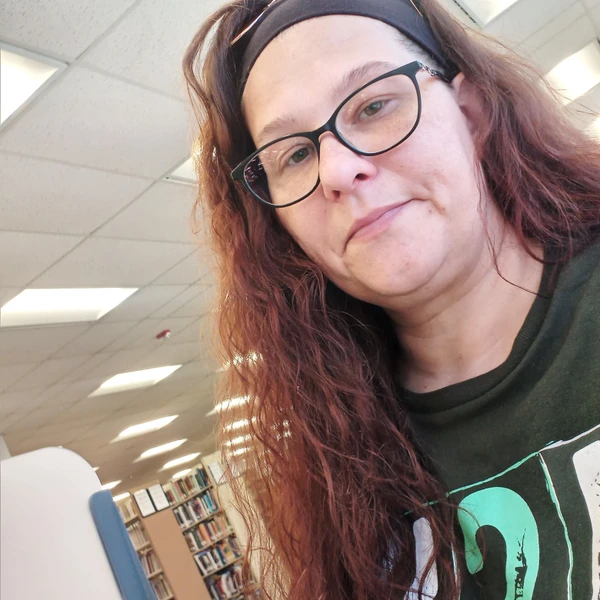
Hello, I am a nontraditionally student that is studying Nutritional Science. From hearing so many stories from adults my age that when to college right out of high school, I understand the importance of applying for scholarships is extremely helpful. I want to become a dietitian to help my community that suffers from the highest diabetes rate in America with countless other food related disease. Scholarships help lift some of the burden of school debt. I want to thank all the people who take the time and effort to help students like me in achieving and securing scholarships.
Education
Northeastern State University
Bachelor's degree programMajors:
- Nutrition Sciences
Miscellaneous
Desired degree level:
Bachelor's degree program
Graduate schools of interest:
Transfer schools of interest:
Majors of interest:
- Dietetics and Clinical Nutrition Services
Career
Dream career field:
Health, Wellness, and Fitness
Dream career goals:
Public services
Volunteering
Cherokee Nation — distributing food2025 – 2025
Future Interests
Advocacy
Volunteering
Amber D. Hudson Memorial Scholarship
Improving the quantity and quality of life for patients begins with education that is compassionate, culturally aware, and grounded in evidence-based nutrition. If granted this scholarship, I will use my Clinical Nutrition education to help patients and families make informed decisions that support health and prevent disease. As a member of the Cherokee Nation, I know first-hand my community has the highest rate of diabetes in the country.
My approach would begin with meeting people where they are. Many families face barriers such as limited access to healthy foods, generational trauma, chronic stress, or a lack of culturally relevant guidance. I believe education must honor a person’s lived experience rather than replace it. For Native communities especially, nutrition is deeply connected to identity, land, and tradition. I would work to integrate cultural foods, traditional practices, and community values into nutrition education so that patients feel seen, respected, and supported.
I would focus on teaching practical, everyday strategies that families can apply immediately. This includes understanding food labels, recognizing nutrient dense options, planning balanced meals, and identifying small, sustainable changes that fit their lifestyle. I would also emphasize the importance of whole foods, mindful eating, and the role of nutrition in supporting energy, mood, and long-term health. My goal is not to overwhelm people with information, but to give them tools that build confidence and autonomy.
Education is most powerful when it is shared, so I would also involve families in the learning process. Chronic conditions affect entire households, not just individuals. By offering group sessions, cooking demonstrations, culturally relevant workshops, and supportive conversations, I would help families create environments that encourage healthier habits and mutual accountability. When families learn together, they heal together.
Beyond individual education, I hope to advocate for broader community change. This includes supporting access to fresh foods, promoting nutrition literacy in schools, and collaborating with tribal programs to strengthen food sovereignty initiatives. By combining clinical knowledge with community engagement, I can help create long term improvements in health outcomes.
Ultimately, my mission is to empower patients with knowledge that restores dignity, strengthens families, and honors cultural identity. Nutrition is more than a science, it is a pathway to healing, resilience, and a better quality of life. With the support of this scholarship, I will continue working toward a future where every patient has the opportunity to thrive. I thank the people that take my application into consideration ahead of time.
Christina Taylese Singh Memorial Scholarship
At the age of 40, I find myself embarking on a new journey that I never anticipated, returning to school after raising a family. This decision was born out of a deep-seated desire to reignite my passion for nutrition and to set an example for my children that it's never too late to pursue one's dreams. My experiences as a mother have equipped me with resilience, determination, and a unique perspective that I believe will greatly benefit my academic and professional journey.
Raising a family has been both the most challenging and the most rewarding experience of my life. As a mother, I have navigated countless obstacles, from sleepless nights to financial struggles, all while ensuring that my children receive the best possible care and education. These experiences have instilled in me a strong sense of responsibility, patience, and the ability to adapt to ever-changing circumstances.
The turning point for me came when my youngest child reached his sophomore year in high school. With my children growing more independent, I realized it was time to focus on my own aspirations. My passion for nutrition was sparked by my family's health challenges, including managing dietary needs and promoting healthy eating habits. I knew that furthering my education in this field would not only fulfill my personal ambitions but also enable me to make a meaningful impact in my community.
As a enrolled member of the Cherokee Nation, one of the most pressing issues facing American Indian and Alaska Native communities is the high rate of diet related illnesses, especially diabetes, heart disease, and obesity. These health challenges are deeply connected to limited access to nutritious foods, historical disruptions to traditional food systems, and a lack of culturally relevant nutrition education. Many Native families want to make healthier choices but face barriers such as food deserts, affordability, and confusing or conflicting health information.
It is also important to have more Native professionals working in health and nutrition, as they are familiar with the cultural, historical, and community backgrounds related to these issues. Representation matters, especially when trust in healthcare systems has been shaped by generations of inequity.
My academic path in nutrition directly aligns with addressing these needs. Through my studies, I am learning how food affects the body, how chronic illnesses develop, and how education can empower people to take control of their health. I hope to use this knowledge to support Native communities by providing clear, culturally respectful guidance and by helping families understand how food can be used as medicine.
In the future, I also want to contribute to research and policy work within tribal nations, helping develop healthier food programs and long-term strategies that support wellness for future generations.