Hobbies and interests
4-H
Yoga
Hiking And Backpacking
Advocacy And Activism
Agriculture
Anatomy
ATV Riding
Aviation
Beach
Beekeeping
Biomedical Sciences
Camping
Chemistry
Cooking
Epidemiology
Exercise And Fitness
FFA
Food And Eating
Flying And Aviation
Forensics
Health Sciences
Kayaking
HOSA
Medicine
Mentoring
Nursing
Science
Research
Witchcraft
Violin
Reading
Academic
Adult Fiction
Cookbooks
Science
I read books multiple times per month
Robin Langdon
2x
Finalist1x
WinnerRobin Langdon
2x
Finalist1x
WinnerBio
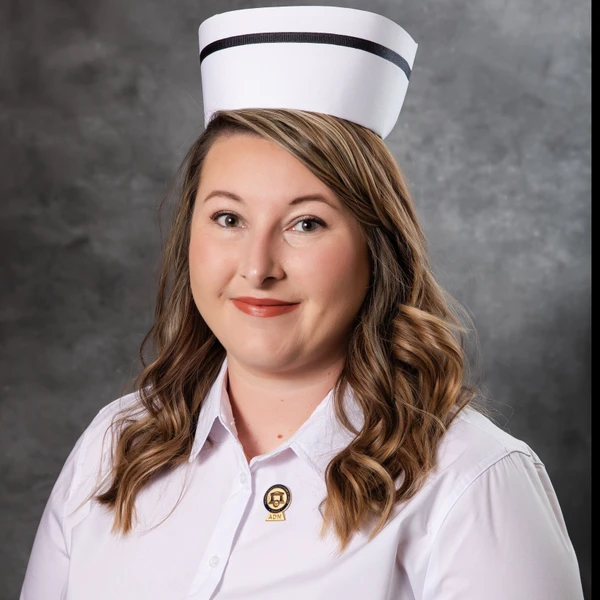
I’m a hard-driving nurse and paramedic with nearly two decades of real-world experience delivering care where it matters most—in ERs, ambulances, and helicopters. I became a CNA at 18, an EMT by 2010, a paramedic by 2013, and an RN in 2023. Now I’m earning my BSN and charging full speed toward becoming a Family Nurse Practitioner with a focus on emergency and rural medicine. I hold FP-C and CFRN certifications because I don't believe in being average—I believe in being ready.
I was raised on a dairy and tobacco farm in rural Kentucky, where work ethic wasn’t optional—it was life. I’m a mother of five who balances trauma bays and science exams with cheer practices and bedtime stories. I’ve answered calls no one else wanted, cared for patients others ignored, and stood firm in a system that doesn’t always make room for women, mothers, or rural providers. I’m not just building a career—I’m building a legacy of care, leadership, and fierce advocacy for those who need it most.
Education
Western Governors University
Bachelor's degree programMajors:
- Registered Nursing, Nursing Administration, Nursing Research and Clinical Nursing
Owensboro Community and Technical College
Associate's degree programMajors:
- Registered Nursing, Nursing Administration, Nursing Research and Clinical Nursing
Owensboro Community and Technical College
Associate's degree programMajors:
- Health Professions and Related Clinical Sciences, Other
Grayson County High School
High SchoolMiscellaneous
Desired degree level:
Master's degree program
Graduate schools of interest:
Transfer schools of interest:
Majors of interest:
- Registered Nursing, Nursing Administration, Nursing Research and Clinical Nursing
Career
Dream career field:
Hospital & Health Care
Dream career goals:
Paramedic/RN
AirEvac2020 – Present6 yearsEMT/Paramedic
Grayson County EMS2010 – 202212 yearsCNA
SpringView Health & Rehab2007 – 20103 years
Sports
Softball
Club1997 – 20047 years
Arts
School Orchestra
Music1999 – 2003
Public services
Volunteering
4-H — Volunteer2005 – Present
Future Interests
Advocacy
Volunteering
Entrepreneurship
Post Malone Fan No-Essay Scholarship
Miley Cyrus Fan No-Essay Scholarship
Beverly J. Patterson Scholarship
I am passionate about nursing because I have seen firsthand what happens when patients are not fully heard, taken seriously, or advocated for. I started my career in EMS, where I learned to recognize how quickly a patient’s condition can change and how important early intervention is. Becoming a nurse allowed me to take that a step further by combining critical thinking, clinical skill, and patient advocacy to directly influence outcomes.
What I hope to get out of my career is the ability to make meaningful, timely decisions that improve patient care, especially in high-risk and underserved settings. I currently work in emergency and transport nursing, where I care for patients during some of the most critical moments of their lives. These experiences have reinforced that nursing is not just about treating symptoms, but about identifying problems early, speaking up when something is wrong, and ensuring patients receive appropriate care without delay.
My long-term goal is to become a nurse practitioner, with a focus on serving rural and underserved populations. Access to healthcare in these areas is limited, and delays in care often lead to worse outcomes. I want to help bridge that gap by providing accessible, evidence-based care to patients who might otherwise fall through the cracks.
I am particularly interested in women’s health and trauma-informed care. Throughout my career, I have seen situations where women’s symptoms were minimized or their concerns were not taken seriously, especially in cases involving pregnancy complications, sexual assault, or chronic pain. I want to be a provider who listens carefully, assesses thoroughly, and advocates strongly. My goal is to contribute to a standard of care where women feel safe, respected, and believed.
The impact I hope to make in my specialty is centered on advocacy and early recognition. Whether it is identifying a life-threatening condition before it progresses, ensuring appropriate resources are activated, or supporting a patient through a vulnerable experience, I want to be the provider who makes a difference when it matters most. I also hope to mentor others and promote continued education, particularly in understanding pathophysiology and recognizing subtle clinical changes that can significantly affect outcomes.
Nursing is more than a career for me. It is a responsibility to provide safe, competent, and compassionate care, regardless of a patient’s background or circumstances. This scholarship would support my continued education and allow me to expand my impact as a nurse and future provider.
Skin, Bones, Hearts & Private Parts Scholarship for Nurse Practitioners, Physician Assistants, and Registered Nurse Students
I did not take a traditional path into nursing, and that is exactly what shaped the provider I am becoming.
I became a mother at 18 and learned very quickly what responsibility really means. There was no safety net, no extra time, and no room to fail. I worked as a CNA, then became an EMT, and later a paramedic, all while raising my children. Every step forward in my education came with tradeoffs. There were semesters I had to pause, shifts I worked exhausted, and moments where continuing felt overwhelming. But quitting was never an option.
What kept me going was not just the goal of becoming a nurse, but the responsibility I felt to build something better for my family and for the patients I would eventually care for.
Now, as a registered nurse working in a rural emergency department and in flight medicine, that motivation has only grown stronger. I care for patients at some of the most critical moments of their lives, often in environments where resources are limited and time matters. I have seen how delays in care, lack of access, and gaps in provider availability directly affect outcomes. I have watched patients wait too long for answers, travel too far for care, or deteriorate while systems struggled to keep up.
Those experiences stay with you.
They have shifted my perspective from simply doing my job well to asking what more I can do. I do not want to stop at recognizing problems. I want to be equipped to solve them.
That is why I am pursuing advanced education.
Becoming a nurse practitioner is not just a professional goal for me, it is a natural next step in how I want to serve. I want the ability to assess, diagnose, and treat independently, especially in rural and underserved settings where provider shortages are real and impactful. I want to reduce delays, improve continuity of care, and be someone my patients can rely on when options are limited.
My background in EMS and emergency nursing has taught me how to think critically, act quickly, and advocate fiercely. It has also shown me the limits of my current role. There have been countless moments where I knew what a patient needed but did not have the authority to provide it. That gap is what drives me forward.
This scholarship would directly support that mission.
I have worked hard to fund my education while supporting a family, often paying out of pocket and making careful financial decisions to avoid long-term debt. While I am committed to continuing regardless, financial support would allow me to stay on track without delays and focus fully on my education and clinical growth.
More importantly, it would support the kind of impact I am working toward. I am not pursuing this degree for a title. I am pursuing it because I have seen the consequences of limited access to care, and I want to be part of changing that.
I have spent years building the foundation to do this work. Now I am ready to take the next step.
Jessica's Journey Brain Tumor Survivor Scholarship
I have never had a brain tumor, but I have lived with a condition that often feels like one.
I was diagnosed with idiopathic intracranial hypertension, also known as pseudotumor cerebri, a condition where increased pressure in the brain mimics the symptoms of a brain tumor. At the time, I didn’t fully understand what that meant, but I quickly learned how much it could impact my daily life.
The symptoms were not subtle. Persistent headaches, vision changes, and pressure that made it difficult to function normally. What made it harder was that the condition is often misunderstood, especially in patients like me. I encountered skepticism and bias, and at times felt like I had to prove that what I was experiencing was real.
One of the most pivotal moments in my journey was realizing that I had to advocate for myself. There were times when my symptoms were minimized or attributed to other factors, and I had to push for further evaluation and appropriate care. That experience changed how I view healthcare, both as a patient and as a provider.
Living with this condition has made me more aware of how easily patients can feel dismissed or overlooked. It has also shown me how important it is to listen, to take concerns seriously, and to look beyond assumptions. As a nurse, I carry that with me in every patient interaction. I am more intentional in how I communicate, how I assess, and how I advocate for my patients.
This experience has also shaped my goals. I am continuing my education with the intention of becoming a nurse practitioner so I can take a more active role in patient care. I want to be a provider who listens, who considers the full picture, and who does not dismiss symptoms simply because they are difficult to explain or don’t fit a typical pattern.
In addition to influencing how I practice, this diagnosis has impacted how I live my life. It has forced me to pay attention to my health, recognize my limits, and adapt when needed. It has also reinforced the importance of persistence, both in managing my own condition and in pursuing my long-term goals.
Balancing a chronic condition while raising a family, working in high-acuity healthcare settings, and continuing my education has not been easy. There have been setbacks, but I have continued to move forward. That resilience is something I take pride in.
This scholarship would help support my continued education as I work toward becoming a nurse practitioner. More importantly, it would help me continue developing into a provider who understands firsthand what it feels like to navigate a complex and often frustrating healthcare experience.
While my diagnosis may not be a traditional brain tumor, it has shaped my perspective in a lasting way. It has made me a stronger advocate, a more empathetic provider, and someone who is committed to improving the experience of patients who feel unheard.
Divers Women Scholarship
There has never been a point in my life where I was just a student.
I became a mom at 18, and from that point on, everything I did had to work around raising my child. School, work, and life didn’t happen in neat phases. They all happened at the same time. Over the years, I’ve raised four children while building a career in healthcare and continuing my education whenever I could.
It hasn’t been a straight path. I graduated high school early and started college, but quickly realized I needed to step back and focus on providing for my child. I worked as a CNA, then became an EMT in 2010. From there, I continued forward one step at a time. I became a paramedic in 2013, went back to college in 2014, and had my third child that same year. I finished my paramedic degree in 2021 and my nursing degree in 2023.
There were times I had to pause school because of finances, childcare, or just the reality of trying to manage everything at once. I didn’t always have access to financial aid, so I paid for most of my education out of pocket, often taking classes one at a time. It took longer than a traditional path, but it was the path that worked for my life.
Being a mother shaped why I chose healthcare in the first place. I wanted a career that was stable, meaningful, and allowed me to provide for my family while also helping others. Over time, that motivation grew into something more. Working in EMS, the emergency department, and flight nursing showed me how much of a difference access to care can make, especially in rural communities like the one I’m from.
I’ve cared for patients who waited too long to seek treatment because of cost, lack of transportation, or not understanding what was happening with their health. As a mom, I understand what it’s like to make decisions based on what you can realistically manage, not what is ideal. That perspective influences how I care for people. I don’t just think about what should happen medically. I think about what will actually work for them when they leave.
I am continuing my education with the goal of becoming a nurse practitioner so I can have a greater impact on patient care, especially in underserved areas. I want to be able to provide care that is accessible, practical, and supportive for patients who may not have many options.
Just as important, I want my children to see what it looks like to keep going even when things are hard. They have grown up watching me work, study, and build something over time. I hope that shows them that success doesn’t have to be perfect or fast. It just has to be consistent.
This scholarship would help ease the financial pressure of continuing my education while raising a family. More than that, it would support the work I am doing to build a stable future for my children and to give back to the communities I serve.
Brooks Martin Memorial Scholarship
The most significant loss I’ve experienced didn’t come with a funeral.
When I was 15, my grandmother suffered a traumatic brain injury as a result of domestic violence. She survived, but she was never the same. The person I knew was gone, even though she was still physically there. Over time, I had to come to terms with the fact that I hadn’t lost her in the traditional sense, but I had still lost her.
That experience changed how I understand loss. It isn’t always immediate or clear. Sometimes it happens slowly, and you’re left grieving someone who is still alive. There’s no real closure, just an adjustment to a new reality that doesn’t feel right.
As I got older and entered healthcare, my understanding of loss expanded. Working in EMS, the emergency department, and flight nursing, I see death regularly. Some of those moments stay with me, and some of them don’t. What I’ve learned is that loss affects everyone differently, including the people providing the care. You learn how to keep going, how to stay focused, and how to be present for others even when you’re carrying pieces of those experiences with you.
Losing my grandmother in the way I did shaped how I approach both my life and my work. It taught me not to take people for granted and to recognize that the person in front of me may not be who they used to be. Whether it’s a patient experiencing a life-changing injury or a family trying to process what just happened, I understand that loss is not always about death. It’s about change, identity, and the reality that things may never go back to the way they were.
That perspective has made me more intentional in how I care for patients. I focus not just on what needs to be done medically, but on how I communicate and support people in those moments. Sometimes there is nothing to fix, but there is still a need for presence, clarity, and honesty.
This experience has also influenced my goals. I am continuing my education with the intention of becoming a nurse practitioner so I can take a more active role in patient care, particularly in rural and underserved communities. In these areas, delays in care can lead to worse outcomes and more life-altering situations. I want to be part of improving access to care so that fewer people and families are left dealing with preventable loss.
What I experienced with my grandmother taught me that loss does not always look the way people expect it to. It can be quiet, complicated, and long-lasting. It also taught me how to adapt, how to keep moving forward, and how to show up for others when they are facing something similar.
That understanding is something I carry with me every day, both as a person and as a nurse.
Jeannine Schroeder Women in Public Service Memorial Scholarship
In rural healthcare, access is often the biggest problem, not the diagnosis.
I see it every day in my work in EMS, the emergency department, and flight nursing. Patients delay care because they can’t afford to miss work, don’t have reliable transportation, or simply don’t have access to a primary care provider. By the time they reach us, what could have been managed early has often turned into something much more serious. These are not isolated situations. It is a pattern I see repeatedly.
One of the most direct ways I address this issue is through how I care for patients at the bedside. I focus on making sure they actually understand what is happening and what comes next. Patients are frequently discharged with instructions they don’t fully understand or can’t realistically follow. I take the time to explain things in a way that fits their situation, not just in clinical terms. If a patient cannot afford a medication, doesn’t have transportation for follow-up, or doesn’t fully understand their diagnosis, then the plan of care needs to be adjusted. Otherwise, we are setting them up to fail.
I also work to address these gaps by speaking up when I see breakdowns in care. In emergency settings, delays in communication and unclear processes can have real consequences. I advocate for more direct communication between departments, clearer transfer processes, and faster response times when patients are waiting on critical decisions. These may seem like small system issues, but in time-sensitive situations, they directly impact outcomes.
What I have learned through my work is that access to care is not just about whether services exist. It is about whether those services are usable for the patient in front of you. If a patient cannot realistically follow the plan we give them, then access has not truly been achieved. This is especially true in rural communities, where resources are already limited and patients often have fewer options.
I am continuing my education with the goal of becoming a nurse practitioner so I can take a more active role in addressing these challenges. In many rural areas, nurse practitioners serve as a primary point of care. I want to help bridge the gap between emergency treatment and long-term management by providing care that is both clinically sound and practical for the patient’s life. That includes focusing on education, early intervention, and helping patients better understand and manage their health over time.
Addressing access to care is not about one large solution. It is about consistent, everyday actions. It is about how we communicate with patients, how we advocate within our systems, and how willing we are to adjust care to meet people where they are.
This is the work I am already doing, and it is the work I plan to continue as I advance my role in healthcare.
Law Family Single Parent Scholarship
I’m not currently a single parent, but I’ve been there more than once. I had my first child at 18, and for a long time, life looked like figuring things out on my own while trying to build something better at the same time.
My path through school hasn’t been clean or linear. I graduated high school early, started college, and then had to step back because providing for my child came first. I worked as a CNA, then became an EMT in 2010. From there, I kept moving forward when I could. Paramedic in 2013. Started college again in 2014, the same year I had my third child. There were pauses, setbacks, and times where school had to wait because real life didn’t.
Being on my own at times forced me to think differently about education. It wasn’t just about goals or timelines. It was about survival, stability, and making decisions that made sense for my kids. I didn’t have the option to fail or quit completely, so I learned how to adjust instead.
It took longer, but I finished. I earned my associate degree as a paramedic in 2021 and my associate degree in nursing in 2023. I paid for most of it myself, often a class at a time, and did it without taking on student debt. It wasn’t the fastest route, but it was the one I could sustain.
That experience shows up in how I take care of people now. I work in EMS, the emergency department, and flight nursing, and I see patients every day who are dealing with the same kinds of barriers I did. Limited money. Limited access. Hard choices. Delaying care because they don’t have another option. I don’t judge that. I understand it.
That’s a big part of why I’m continuing my education and working toward becoming a nurse practitioner. I want to be able to do more for patients in rural and underserved communities where access is already limited. Not just treat what’s in front of me, but help people manage their health in a way that actually works for their lives.
I also care a lot about education. I teach in EMS, and I’ve seen how much better patient care is when providers really understand what they’re doing. In smaller communities, that matters even more.
Being a young and at times single parent didn’t make anything easier, but it made me consistent. It taught me how to keep going without waiting for things to line up perfectly.
This scholarship would help me keep building on what I’ve already worked hard to achieve and continue moving toward a role where I can have a bigger impact on the communities I serve.
Jennifer D. Hale Memorial Scholarship
became a mother at 18 years old. At the time, I had already graduated high school a semester early and planned to go straight into college. Like a lot of young moms, I had to quickly reassess what mattered most. Continuing school was important to me, but providing stability for my child came first.
I started working as a CNA using the certifications I already had so I could support my child. It wasn’t easy, but it gave me a firsthand look at patient care and reinforced that healthcare was where I was meant to be. I eventually went back to school, but my path was not linear. I had to take breaks due to financial constraints and work full-time to support my family. There were times when continuing my education felt out of reach, especially when I reached a point where I no longer qualified for financial aid.
Despite those challenges, I kept going. Over time, I earned two associate degrees, one as a paramedic and one in nursing. I funded the majority of my education out of pocket, and while that meant progress was sometimes slower, it also meant I learned discipline, persistence, and how to prioritize long-term goals over short-term comfort. I have been able to complete my education so far without taking on student debt, which is something I am incredibly proud of.
My experience as a young mother shaped the way I approach both my education and my career. It taught me how to manage my time, stay focused under pressure, and keep moving forward even when things are difficult. More importantly, it gave me a deeper understanding of the challenges many patients face outside of the hospital. I understand what it feels like to make decisions based on finances, access, and limited resources, because I have lived it.
That perspective is a big part of why I chose to pursue nursing. Through my work in EMS, the emergency department, and flight nursing, I have seen how difficult it can be for people in rural communities to access care. Patients often delay seeking treatment because of cost, transportation, or lack of available providers. By the time they do receive care, their conditions are often more severe and more complicated to manage.
I am continuing my education with the goal of becoming a nurse practitioner so I can help address some of these gaps. I want to provide care that is not only clinically sound, but also realistic and accessible for the patients I serve. In rural and underserved areas, healthcare providers are often one of the only consistent resources patients have. I want to be someone who not only treats illness, but also helps patients understand their health, manage chronic conditions, and navigate a system that can feel overwhelming.
Being a teen mom did not make my path easier, but it gave me a level of determination and perspective that I would not trade. It forced me to grow up quickly, take responsibility for my future, and stay committed to my goals even when progress was slow.
This scholarship would help ease the financial burden of continuing my education and allow me to stay focused on advancing my career. More importantly, it would support my ability to continue serving rural and underserved populations by improving access to care and advocating for patients who are often overlooked.
Community Health Ambassador Scholarship for Nursing Students
The first time I understood what nursing really meant wasn’t in a classroom. It was standing at a patient’s bedside, realizing that what I said and did in that moment mattered just as much as any medication or intervention. It wasn’t just about treating a condition. It was about showing up for someone when they were scared, overwhelmed, and often alone.
My path into nursing started in EMS, where I spent over a decade caring for patients in unpredictable and high-pressure environments. That experience taught me how to think quickly and stay calm, but it also showed me something deeper. I saw how hard it can be for people in rural communities to access care. I saw patients wait too long to seek treatment because of cost, distance, or lack of resources. I saw families trying to navigate a healthcare system that often felt confusing and out of reach. Those experiences are what pushed me to become a nurse.
Now, working in the emergency department and as a flight nurse, I continue to care for patients during some of the most critical moments of their lives. But what stands out to me most isn’t just the acuity. It’s the barriers. Many of my patients are not just dealing with illness or injury. They are dealing with limited access to primary care, transportation challenges, and gaps in education about their own health. These are not small problems, and they don’t get fixed in a single visit.
That is why I am continuing my education and working toward becoming a nurse practitioner. I want to be able to do more than treat what is right in front of me. I want to help manage chronic conditions, provide education, and build relationships with patients over time. In rural and underserved communities, access to providers can be limited, and nurse practitioners often fill a critical role in closing that gap.
My goal is to continue serving these communities by providing care that is not only accessible, but also practical and patient-centered. That means meeting people where they are, both physically and in terms of their understanding of their health. It means taking the time to explain things in a way that actually makes sense, helping patients feel confident in managing their conditions, and advocating for resources that support better outcomes.
In addition to patient care, I am passionate about education. As an EMS educator, I have seen how much of a difference it makes when providers truly understand why they are doing what they are doing. I plan to continue mentoring and teaching, because stronger providers lead to safer patients, especially in areas where resources are already limited.
Nursing is not easy. It requires resilience, adaptability, and a commitment to keep learning. But it is also one of the most meaningful ways to make a difference. Every patient interaction is an opportunity to improve someone’s experience, even in small ways.
This scholarship would help ease the financial burden of continuing my education and allow me to stay focused on my goal of becoming a nurse practitioner. More importantly, it would support my ability to continue serving rural and underserved populations by improving access to care and helping patients feel seen, heard, and supported in a system that often overlooks them.
Jeune-Mondestin Scholarship
I chose to pursue healthcare because I have seen what happens when people fall through the cracks, and I know how much it matters when someone shows up and actually cares. My interest in health science did not come from a single moment or an idealized vision of medicine. It came from lived experience, responsibility, and learning early on that access to care is not equal for everyone.
I am an undergraduate student working toward a healthcare degree while balancing real life. Work, family, and financial pressure are not side notes in my story. They are part of it. Continuing my education has required persistence, sacrifice, and a willingness to keep going even when the path is not easy or straightforward. The cost of school is a constant consideration, and like many students, I have had to make careful decisions just to stay enrolled.
What draws me to healthcare is the human side of it. I want to be the person who takes the time to explain what is happening when someone is scared, who notices when something does not feel right, and who advocates when a patient cannot advocate for themselves. I am especially passionate about caring for people who feel overlooked or dismissed, whether due to limited resources, complex medical needs, or simply not being heard.
My drive comes from knowing that competence and compassion together can change outcomes. I do not want to just work in healthcare. I want to be someone patients trust and someone colleagues can rely on. I am committed to continuing my education and growing into a provider who understands the realities of the system while still pushing for better, safer, and more equitable care.
The difference I hope to make is personal. I want patients to feel respected and supported, even in difficult moments. I want families to leave encounters with healthcare feeling informed rather than confused or powerless. These goals guide my education and the kind of professional I am working to become.
This scholarship would relieve some of the financial strain that comes with pursuing a healthcare degree and allow me to stay focused on my education. More than that, it would affirm the work I am putting in and the path I am committed to. I am pursuing healthcare because it matters to me, and because I know the impact one dedicated provider can have on a patient’s experience.
Losinger Nursing Scholarship
1. My Inspiration for Pursuing a Career in Nursing
My journey to nursing began when I was fifteen years old. I came home from school one afternoon and found my grandmother unresponsive in the yard. I remember the panic, the helplessness, and the desperate feeling of not knowing what to do. That moment changed my life. It made me realize I wanted to learn how to help others in their most critical moments.
In high school, I earned my CNA certification and discovered how much I enjoyed caring for people. At that time, my dream was to become a nurse midwife, but my path evolved as I gained experience. I worked as a nurse aide for several years before moving into emergency medical services. Over the next fifteen years, I became a paramedic, a flight paramedic, and eventually a registered nurse. Each role strengthened my respect for the human body and deepened my commitment to helping others.
Before nursing school, I already understood the emotional toll of medicine. Working in EMS meant living in constant high alert. I have told mothers their babies were gone, held the hands of strangers as they took their last breaths, and cried beside families whose lives were forever changed. Those moments shaped me and taught me that medicine is not just about saving lives but about preserving dignity and offering comfort.
What I did not fully grasp until becoming a nurse was the depth of advocacy this profession requires. Nursing demands both skill and courage. It means speaking up for those who cannot, protecting patients from harm, and being the calm voice in the chaos. My approach to nursing has been shaped by observation. I have seen extraordinary nurses who inspired trust, and I have seen others who lacked compassion. Those experiences taught me exactly what kind of nurse I strive to be.
One of the most meaningful moments of my career came when I cared for a man suffering a heart attack who went into cardiac arrest. We revived him back, and months later I met him again. Alive, and fully recovered. Seeing him standing in front of me reminded me why this work matters. Every choice, every skill, and every act of care can change a life.
My goal is to complete my BSN and become a nurse practitioner. I want to bring compassion, understanding, and advocacy to a system that too often overlooks patients who are struggling. I have experienced what it feels like to be dismissed, and I never want anyone under my care to feel that way. I will listen, fight for answers, and treat every patient with respect.
2. What “Human Touch” Means to Me
The human touch is the heart of nursing. It is more than a physical act. It is connection. It means seeing beyond illness and recognizing the person in front of you.
In the emergency department, chaos is constant. Alarms sound, people rush, and fear fills the air. Yet even in that environment, the smallest gestures matter. A calm voice, a reassuring hand, or a few moments spent listening can comfort a frightened patient more than any medication. Patients may forget my name, but they will remember how I made them feel. That is the true human touch.
The same connection extends to how we treat one another as nurses. Offering help during a busy shift, checking on a coworker after a hard call, or simply acknowledging each other’s effort builds a stronger team. Compassion among caregivers strengthens our ability to care for patients.
To me, the human touch is what makes nursing sacred. It turns skill into healing and transforms care into compassion. Every patient encounter is a chance to bring kindness and understanding into someone’s darkest moment. That is what nursing means to me, and it is the kind of nurse I strive to be every day.
Sammy Hason, Sr. Memorial Scholarship
Living with a rare disease has changed how I see healthcare. I have idiopathic intracranial hypertension, a condition that causes increased pressure around the brain without a clear cause. It can mimic the symptoms of a brain tumor with debilitating headaches, vision changes, and constant pressure, yet it often goes unseen and misunderstood. My experience with this condition has taught me what it means to feel invisible in a system that does not always recognize rare illnesses. It has also fueled my determination to change that for others.
As an emergency nurse, I often meet patients in their most frightening moments. Many come in terrified and unsure, desperate for someone to listen. I have been that patient before. I have felt the frustration of being dismissed and the exhaustion of trying to explain symptoms that do not fit neatly into a textbook. That is why I make it a priority to treat every patient with empathy and curiosity. Whether it is someone with a rare neurological disorder, a lung condition, or an unexplained illness, I listen, I validate, and I advocate.
Emergency medicine gives me the chance to make a difference in those first critical moments when patients are often scared and overlooked. My own diagnosis took years, and I learned the importance of clinicians who take the time to look deeper. Now, when I assess a patient with subtle but serious symptoms, I do not rush to the most common explanation. I consider the rare. That mindset can be lifesaving.
Beyond the bedside, I want to use my experience to promote awareness for rare diseases like idiopathic intracranial hypertension. Conditions like mine are often under-researched and underfunded, leaving patients without answers or adequate care. I hope to contribute to initiatives that improve early recognition, patient education, and provider training. When I complete my BSN program and continue on to become a nurse practitioner, I plan to use that advanced role to help shape care protocols that include rare and complex conditions instead of excluding them.
My goal is not only to treat symptoms but to improve the patient experience as a whole. People living with rare or chronic illnesses deserve compassion and competent care, not disbelief. They deserve to feel seen. Every time I connect with a patient who feels hopeless or unheard, I see an opportunity to change the trajectory of their care. Sometimes that means catching a subtle clue in their presentation, and sometimes it simply means offering reassurance that someone believes them. Both can be life-changing.
Sammy Hason faced his own rare condition with resilience and purpose, and that spirit deeply resonates with me. Like him, I have learned that adversity can be a teacher. Living with a rare disease has not stopped me from pursuing a demanding career in healthcare. It has strengthened my resolve to do it better. I want to be the nurse who sees what others miss, who advocates when others dismiss, and who continues to push for change even in the face of uncertainty.
Through my work in emergency medicine and my personal experience with idiopathic intracranial hypertension, I have come to believe that the greatest impact we can make in healthcare starts with empathy. I cannot cure my disease, but I can use it to help others. I plan to spend the rest of my career doing exactly that, improving care for those who are too often overlooked, one patient at a time.
No Essay Scholarship by Sallie
Online Education No Essay Scholarship
Rose Browne Memorial Scholarship for Nursing
WinnerMy path to nursing has been anything but conventional. I began college in 2007, but it would take sixteen years filled with single motherhood, full-time work, and personal challenges before I finally earned my RN in 2023. Along the way, I have worked as a paramedic, endured divorce and abusive relationships, rebuilt my life more than once, and learned the kind of perseverance that turns obstacles into fuel.
For most of my adult life, I have been both a mother and a first responder. My EMS career began long before nursing school, and it taught me how to stay calm in chaos, think critically when seconds matter, and provide compassionate care to people in their most vulnerable moments. Working as a flight paramedic brought unique challenges. Every patient interaction happened in a high-stakes, resource-limited environment, often hundreds of feet in the air. My role demanded precision, teamwork, and the ability to make life-saving decisions quickly.
When I was accepted into nursing school, I did not slow down. I worked full time while completing my degree, often pulling 24-hour shifts on the helicopter between classes and clinicals. I studied during downtime at the base, reviewed material after transporting critically ill patients, and walked into class after nights without sleep. It was exhausting, but my EMS background gave me both the knowledge and mental stamina to push forward.
My personal life brought its own tests. As a single mother for many years, I learned to balance raising children with the relentless demands of a medical career. I have faced divorce and abusive relationships, rebuilding my sense of stability and security from the ground up. In 2021, I married my husband, whose support helped me cross the finish line of nursing school. However, my journey to that point was one I largely carried on my own. These experiences strengthened my resolve to create a better life for my family and deepened my commitment to caring for others with empathy and respect.
The day I passed my boards in 2023, I was not just celebrating a credential. I was celebrating every sleepless night, every shift spent in the air, and every sacrifice made to reach that moment. Nursing is not simply a career choice for me. It is the culmination of years of grit, resilience, and purpose.
Like Rose Browne, I have built my career while balancing the demands of family, full-time work, and higher education. This scholarship would not only honor her legacy but also help me continue my education so I can expand my role in patient care, mentor future nurses, and bring the unique perspective of both EMS and nursing into everything I do. My ambition is to serve with excellence, lead with compassion, and inspire others who may be walking their own long road toward their dreams.
Brett Brakel Memorial Scholarship
I spent my childhood on the softball field. Some kids had summer vacations; I had doubleheaders, dirt-stained pants, and late-night batting practice under the lights. I wasn’t just a player—I was a competitor, a teammate, and a student of the game. I played nearly every position, but shortstop was my favorite. It’s where I felt most alive: in the middle of the action, thinking ahead, communicating, and leading by instinct. I also pitched when needed, stepping up when the pressure was high. That versatility and a fierce sense of responsibility became my superpower. Softball didn’t just shape who I was on the field—it built the foundation for who I am today: a registered nurse, a leader in emergency medicine, a lifelong learner, and a mother of five who never backs down from a challenge.
Shortstop taught me to be alert, decisive, and calm under pressure—traits I now use daily in the trauma bay. Whether managing a code or coordinating care across multiple teams, I draw on the same mindset I used when a ball screamed off the bat and I had less than a second to react. Like a shortstop, a nurse must read the field, anticipate needs, and back up her team without hesitation. I see the ER like I saw the diamond: fast-paced, unpredictable, and full of opportunities to change someone’s outcome.
On the field, I learned to lose with grace and win with humility. I knew that showing up—especially on the tough days—matters. I learned to push through discomfort, to lift my teammates, and to stay mentally sharp when everything felt like it was falling apart. These lessons followed me beyond the field. They showed up in 2007 when I began working as a CNA, caring for elderly patients. They guided me through EMS as I became an EMT in 2010, a paramedic in 2013, and a nurse in 2023. They were with me when I earned advanced certifications like FP-C and CFRN—not because they were required, but because my patients deserve someone who leads from the front and never stops improving.
Softball gave me role models—coaches who believed in me, teammates who celebrated and grieved with me, and opponents who tested me. I carry those lessons forward as a nurse, mother, and future Family Nurse Practitioner with a focus on emergency medicine. I teach my children and coworkers the same values I learned at shortstop: lead with grit, stay ready, and never underestimate the impact of a well-timed assist.
Like Brett Brakel, I believe in the power of mentorship, resilience, and education. I’m committed to using my story to inspire others, just as I was inspired by those who coached me through life, both on and off the field. Softball didn’t just make me a better player—it made me a better nurse, a stronger mother, and a more compassionate human. And I’ll keep carrying those values forward—wherever I’m needed most.
Henry Respert Alzheimer's and Dementia Awareness Scholarship
Dementia doesn’t just erase memory. It erases people—and their dignity—long before death ever does. My mission is to protect that dignity and ensure every patient is seen, heard, and valued.
I’ve seen it. I’ve lived it. At 18, working as a CNA, I stood by patients who had no calls, no visits—forgotten because their minds changed. I quickly learned what many never do: dementia strips away everything, especially dignity, if we let it.
But not on my watch.
We—the staff—became their family. Remembered birthdays. Decorated rooms. Learned their language—even if it was a flicker of recognition or a song hummed off-key. And when they died, we wept. We were more than caregivers—we were their only family.
That fire followed me into EMS. I’ve pulled dementia patients from sidewalks, dangerous situations, and homes where families were desperate, scared of behaviors they didn’t understand. People called them "combative" or "difficult," but they were terrified, trapped inside minds they couldn’t control.
They weren’t violent. They were left alone.
These patients are being failed. By systems. By stigma. By silence.
For nearly two decades, I’ve stood between chaos and care—as a CNA, EMT, paramedic, and now a Registered Nurse with FP-C and CFRN certifications. I work in emergency departments and in the air with the sickest patients. I’m not done yet.
Now that I am earning my BSN, I aim to be a Family Nurse Practitioner in emergency medicine—because we need FNPs who know dementia in real life, not just from textbooks. Dementia isn’t just quiet forgetfulness. It’s swinging fists, desperate eyes, and silence. Miss these signs, and you miss the person underneath.
My passion for cognitive care is professional and personal. My grandmother doesn’t have dementia, but a traumatic brain injury from domestic violence changed her instantly. Once independent, she now has the mental capacity of a child. I’ve seen how quickly the world loses patience with those whose minds change.
That will not be me. That will never be my practice.
We need more nurses who’ve celebrated birthdays in dementia wards and cried in utility closets after losing patients the world forgot. We need providers who fight for the voiceless and treat every patient like they matter. Because they do.
The Henry Respert Memorial Scholarship would do more than support my education—it would fuel my mission: to treat, teach, and change the system from within. It would honor every patient I have cared for and every story I carry with me.
This is why I fight: to uphold their dignity, to change how systems see them, and to remind the world that every life—and every voice—matters.
Pro-Life Advocates Scholarship
"Pro-life" is more than a political slogan. As a nurse, mother, and woman with nearly two decades in healthcare, I see being pro-life as protecting lives in crisis, not controlling them.
If we’re serious about life, we must anchor our beliefs in the four ethical principles of healthcare: beneficence, non-maleficence, justice, and autonomy. Without them, “pro-life” is nothing more than a hollow phrase.
Beneficence means actively doing good. In nearly 20 years of emergency care—across ERs, ambulances, and hospital beds—I’ve celebrated healthy pregnancies and managed those that threatened a woman’s life. I’ve cared for teenagers terrified to tell their parents and mothers with no money to feed another child. Forcing someone to continue a pregnancy without access to healthcare, housing, or support is not doing good—it’s cruelty disguised as conviction.
Non-maleficence demands that we do no harm. But banning abortion causes measurable, lasting harm. The Turnaway Study found that women denied abortions were more likely to experience chronic pain, anxiety, poverty, and partner violence. They were also more likely to stay tethered to abusive relationships and less likely to achieve long-term goals like education and financial independence. Meanwhile, a 2023 study published in JAMA showed that states with abortion bans saw a 3x higher increase in maternal deaths, especially among women with pre-existing health conditions.
Let’s not forget the medical cases that demand swift, compassionate action. According to the Kaiser Family Foundation, 7% of abortions in the U.S. are performed for medical reasons, including severe fetal anomalies and conditions like preeclampsia, cancer, or ectopic pregnancy. Denying care in these scenarios isn’t pro-life—it’s a violation of medical ethics.
Justice means equity in care. It’s not justice if only the wealthy have access to safe options. One in three reproductive-age women now lives in a state where abortion is banned or severely restricted. These bans disproportionately harm poor and rural communities—places like the one I was raised in, where support systems are thin and options are few. Black women in the U.S. are three times more likely to die from pregnancy-related causes than white women. What kind of pro-life system accepts that as collateral?
And then there’s autonomy—the ethical principle most often ignored in these debates. You cannot claim to value life while denying someone the right to make decisions about their own body. Autonomy is not a loophole—it is the foundation of ethical, patient-centered care. I trust women. I trust their capacity to make difficult decisions with courage and love, especially when no perfect option exists.
I’ve administered Plan B. I’ve explained all the options without bias. I’ve stayed past shift change to secure a ride home, connect a patient with a shelter, or get them food before discharge. I’m earning my BSN and working toward becoming a Family Nurse Practitioner specializing in emergency medicine, where life often comes down to seconds and ethics matter more than ever. I will never stop fighting for life through action, not dogma.
Being pro-life means showing up for all of it—not just the flicker on an ultrasound, but for the mother with no support, the rape survivor with a positive pregnancy test, the woman facing medical catastrophe, and the patients who are already here, already struggling, already alive.
That’s what it means to be pro-life. Anything less is just control.
Stevens Family Scholarship
From the moment I became a CNA in 2007, I knew I had found my purpose—serving people during their most vulnerable moments. My journey in healthcare has grown from emergency medical services into registered nursing. With each new role, I have become more dedicated to helping my community. I am committed to using my experience, education, and compassion to make a lasting difference for those I serve.
I grew up poor in rural Kentucky on a small dairy and tobacco farm, where life taught me resilience and the value of community support. That spirit of helping others defines my approach to emergency care.
In 2010, I became an EMT and advanced to a paramedic by 2013. I’ve since worked on the front lines, stabilizing critical patients in unpredictable environments. Earning FP-C and CFRN certifications, I advanced to flight paramedic and now flight nurse—always striving to give my patients the best chance possible.
I officially became a registered nurse in 2023 and am now pursuing my BSN, building on over fifteen years of direct, hands-on experience in diverse emergency settings. This multi-disciplinary background—rare among nurses—provides me with a unique perspective and skill set. I plan to advance to my MSN and become a Family Nurse Practitioner, focusing on serving in emergency and rural settings—places where access to quality care is limited, but where my specialized background can make a significant difference. The deeper I go into this field, the more I realize that my work is about more than medical interventions—it's about being a steady, skilled presence in someone’s worst moment and helping them find hope through it.
I’m also a mother to five children. I want them to grow up knowing that making a difference doesn’t require fame or fortune—just courage, compassion, and commitment. That’s the legacy I want to pass on to them, and the standard I strive to uphold in my work and community.
My EMS and nursing experiences taught me that every call and patient matters. I’ve encountered a range of emergencies and moments of service that continue to drive my growth and commitment.
The Stevens Family Scholarship would make a direct and meaningful impact on my journey by alleviating financial burdens, allowing me to dedicate more focus to my BSN studies and maintain my commitment to serving patients in emergency care. This support would ensure that I can continue my education without compromising the quality of care I provide on the front lines, ultimately enabling me to expand my skills and serve even more effectively in rural and emergency settings.
Thank you for considering my application. I look forward to continuing to serve my community and making a meaningful impact in emergency care.
Sara Jane Memorial Scholarship
Nursing has always drawn me, even if I didn’t see it as a career at first. Growing up poor on a dairy farm in rural Kentucky meant hard work, resourcefulness, and close community ties. Those years shaped me into the nurse I strive to be: dependable, compassionate, and resilient.
I began my journey in healthcare in 2007 as a certified nursing assistant. I was young and unsure of myself, but something about caring for people in their most vulnerable moments felt deeply right. Over time, my confidence and skill grew. I became an EMT in 2010 and a paramedic in 2013. Working in emergency medicine taught me the value of staying calm under pressure, thinking critically, and treating every patient with dignity, no matter the situation. I learned that saving a life doesn’t always happen in dramatic fashion—sometimes it’s just about listening, holding someone’s hand, or advocating for them when no one else will.
Even with years of experience, I still wanted to do more. In 2023, I became a registered nurse and am currently pursuing my Bachelor of Science in Nursing. Earning my RN wasn’t just a career milestone; it was a personal victory. I worked full-time while going to school and raising five children. It hasn’t been easy, but it’s been worth every sacrifice. My goal is to become a family nurse practitioner, continuing to serve rural and underserved communities. In the future, I plan to expand access to care, build community health initiatives, and mentor the next generation of healthcare providers from backgrounds like mine. I want to be the kind of nurse who makes people feel safe, seen, and supported—especially those who are often overlooked.
Education has always been important to me, and I’m committed to lifelong learning. I’ve earned both the Flight Paramedic-Certified (FP-C) and Certified Flight Registered Nurse (CFRN) credentials. These advanced certifications have enabled me to deliver critical care in high-acuity situations, frequently in transport or remote environments. I’ve also taken on the role of EMS educator, teaching classes and helping new providers gain confidence in their skills. Sharing knowledge is one of the most rewarding parts of my work.
In addition to my professional experience, I’ve been fortunate to have meaningful volunteer opportunities along the way. As a teenager, I served as a 4-H teen leader, helping younger members grow their confidence and abilities. During nursing school, I volunteered through class activities by visiting programs for individuals with special needs. These visits were eye-opening and humbling. They reminded me that nursing isn’t just about clinical knowledge—it’s about presence, patience, and genuine human connection.
My journey hasn’t been typical or easy, but it’s been deeply fulfilling. I’m proud of what I’ve accomplished, and I know I’m not finished yet. I still have a great deal to offer, and I intend to continue learning and growing in this field for the remainder of my life.
Sara Jane’s legacy speaks to the very heart of why I chose nursing. Her compassion, her dedication, and her support for others mirror the values I strive to uphold every day. Receiving this scholarship would not only help me continue my education but also empower me to make a lasting impact by advancing healthcare services, mentoring students, and embodying Sara Jane’s spirit in my work. I am honored to apply, knowing I will pay this opportunity forward in countless ways.
Wieland Nurse Appreciation Scholarship
I didn’t grow up thinking I’d become a nurse. I grew up on a dairy farm in rural Kentucky, where my family also raised tobacco. We didn’t have much, but we had grit. I learned early what hard work looked like—hauling feed before school, staying up late to help with barn chores, and watching my parents stretch every dollar. That upbringing shaped me. It gave me determination, resilience, and the belief that no one was coming to hand me anything—I’d have to earn it.
That same mindset has carried me through my career in healthcare. I started as a CNA in 2007, working long shifts and learning the true meaning of compassion. I became an EMT in 2010 and a paramedic in 2013, answering calls in the middle of the night, treating trauma on the side of highways, and supporting people through the worst days of their lives. But I knew I wasn’t finished. In 2023, I became a registered nurse, and now I’m pursuing my BSN, determined to take my career even further.
I’ve built my career step by step, while raising five kids and continuing to work in emergency and flight medicine. I hold advanced certifications, such as FP-C and CFRN, because I never want to stop growing. I believe in pushing the limits of what I can learn, how I can serve, and the difference I can make.
The inspiration to pursue nursing came from two places: the people I’ve cared for, and the people who believed in me. I’ve worked in emergency medicine long enough to know that people don’t always remember your title—they remember how you made them feel. I’ve sat beside patients on the brink, held their hands in the chaos, and seen how dignity and empathy can calm even the stormiest moments. That’s what fuels me. I want to be the nurse who brings not just skill, but presence.
At the same time, I’ve had mentors who pulled me forward when I doubted myself. Nurses who took the time to teach. Medics who pushed me to aim higher. Now, I’m becoming that kind of mentor—teaching courses, guiding new providers, and showing others that you don’t have to come from privilege to make a powerful impact.
Nursing isn’t just a job for me—it’s a mission. I’m building a legacy for my children, my community, and every patient I serve. I welcome challenges, because on the other side is growth, and nurses are the changemakers this world needs.
Receiving this scholarship would alleviate a significant financial burden, enabling me to focus fully on my studies, advance my nursing education, and continue serving my community. It will help me build the skills and knowledge I need to make a bigger impact, both for my patients and as a role model for my children.
I found this scholarship through bold.org.
Eric Maurice Brandon Memorial Scholarship
Nursing, for me, is not just a profession—it is my lifelong calling and purpose. My primary mission is to deliver compassionate care and advocate for those who are most in need, drawing on my own life experiences, perseverance, and commitment to service. My healthcare journey began in 2007 as a Certified Nursing Assistant. As a young mother, I juggled raising children with caring for patients, learning daily how sacred human connection is. That experience planted a seed that has shaped my every chapter since.
Building on those early experiences, I became an EMT in 2010 and a paramedic in 2013. Prehospital medicine taught me to think critically, act quickly, and offer compassion in times of crisis. I worked on the front lines with trauma and medical emergencies, later moving into flight medicine and emergency nursing. Earning FP-C and CFRN deepened my skills. In 2023, I became a Registered Nurse and am now pursuing my Bachelor of Science in Nursing, as learning never stops when your mission is to care.
Alongside my professional growth, my personal journey influences my perspective. I am a white woman and a mother of five, raising my children in a rural community in Kentucky. While I may not meet the traditional definition of an underrepresented minority, I serve populations who do. Many of my patients face poverty, food insecurity, and healthcare inequities. I have seen how cultural misunderstandings, implicit bias, and limited access to care affect outcomes. These experiences have shaped me into a nurse advocate. I am someone who not only delivers care but also works to change the system for the better.
These intertwined personal and professional experiences reinforce what draws me most to nursing: its unique blend of science, heart, and humanity. Nurses are the interpreters between diagnosis and dignity, between protocol and person. We are educators, protectors, and sometimes simply witnesses to pain that cannot be fixed but must be honored. I have cradled infants in flight, stabilized trauma patients in fields, and comforted grieving spouses in fluorescent-lit emergency rooms. I have also come home to make dinner, help with homework, and tuck my children into bed before going back out to serve. Every moment has taught me what it truly means to care.
My commitment is further inspired by Eric Maurice Brandon’s legacy. His life as a military nurse, respiratory therapy technician, and caregiver for children with tracheostomies reflects the values I hold sacred: dedication, versatility, courage, and compassion. Like Eric, I have left my children behind at night to care for someone else’s, hoping to make a difference even in the dark. I am honored to carry forward the torch of service he lit so brightly.
With Eric’s example in mind, receiving this scholarship would not just support my education. It would enable me to have a deeper impact. I plan to continue advancing in trauma and critical care, with the ultimate goal of becoming a Family Nurse Practitioner. I want to expand access to high-quality, culturally competent care in rural and underserved areas. I want to be the voice in the room that says, “We can do better for this patient,” and then ensures that we do.
In summary, I am not finished growing, learning, or serving. Nursing has given me purpose, perspective, and a sense of power. With your support, I will continue to carry that forward in honor of Eric, in service to others, and in pursuit of a better, more compassionate world.