Hobbies and interests
Music Production
Community Service And Volunteering
Golf
Gaming
Music Composition
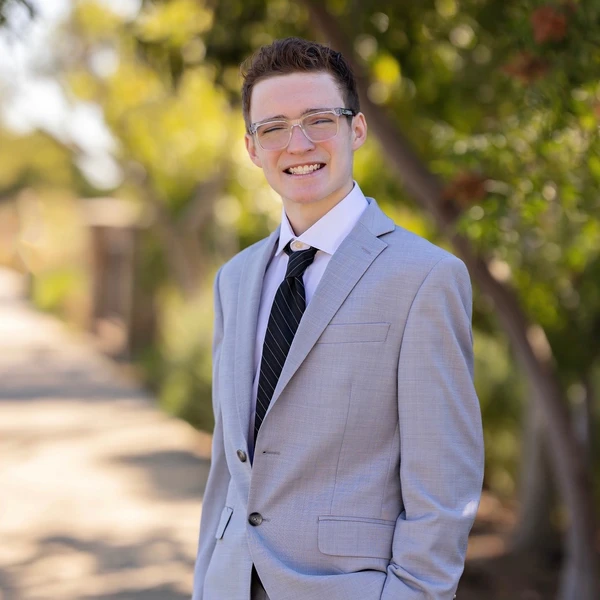
Robert Coffman
4x
Nominee1x
FinalistRobert Coffman
4x
Nominee1x
FinalistBio
I am a graduating senior planning to major in Music Technology and Audio Engineering, with the goal of building a career that blends creativity, technical skill, and service to others. Music has always been more than a hobby for me—it’s how I connect with people, tell stories, and create experiences that matter. I’m especially interested in how sound can be used to support artists, communities, and meaningful projects.
Beyond music, service has played a defining role in who I am. Through long-term involvement in community outreach and volunteer work, I’ve learned the importance of consistency, empathy, and showing up for others even when it’s uncomfortable or time-consuming. These experiences have shaped my leadership style and taught me that real impact often happens behind the scenes.
I consider myself a strong candidate because I bring perseverance, curiosity, and a willingness to work hard even when results aren’t immediate. I’ve learned to adapt, improve, and keep moving forward through challenges—academically, creatively, and personally. In college and beyond, I hope to use my education to create, collaborate, and give back in ways that leave people better than I found them.
Education
Legacy Christian Academy
High SchoolMiscellaneous
Desired degree level:
Bachelor's degree program
Majors of interest:
- Music
- Audiovisual Communications Technologies/Technicians
- Business, Management, Marketing, and Related Support Services, Other
Career
Dream career field:
Audio Technology Engineering
Dream career goals:
Sports
Golf
Varsity2023 – 20263 years
Arts
High School Marching Band
Music2023 – 2026
Public services
Volunteering
Helping Hands Open Hearts — Junior volunteer2014 – 2026
Future Interests
Advocacy
Volunteering
Philanthropy
Entrepreneurship
Learner Mental Health Empowerment for Health Students Scholarship
My understanding of mental health did not come from a class or a textbook. It came from watching my grandmother slowly disappear in front of me. Two years ago, she was a vibrant part of our family. Within less than a year, Alzheimer’s disease took away her memory, her independence, and eventually her life. Witnessing that rapid decline changed how I see relationships, goals, and the world around me.
One of the hardest parts was realizing that mental health is not always something you can fix or reverse. There were days when my grandmother recognized me and days when she did not. There were moments of clarity followed by confusion, fear, and frustration. Watching someone you love struggle to understand where they are or who they are forces you to confront how fragile the human mind can be. It taught me that mental health is just as real and serious as physical health, even when the symptoms are invisible.
That experience deeply affected my relationships. I learned to be more patient, more present, and more compassionate. With my grandmother, I realized that what mattered most was not whether she remembered my name, but whether she felt safe and loved in that moment. That lesson has carried into how I treat everyone in my life. I try to listen more carefully, respond with more empathy, and avoid judging people based on what I see on the surface. You never know what someone is dealing with internally.
Watching Alzheimer’s take away someone’s memories also made me think about what really lasts. My grandmother forgot details, stories, and even faces, but she still responded to kindness, tone of voice, and music. That showed me that human connection goes deeper than memory. It made me want to focus my own life on creating experiences and relationships that matter, not just achievements.
This experience has also shaped my goals. I want to work in music and audio engineering, and seeing how music could still reach my grandmother when words could not has reinforced why that matters to me. Music has the ability to connect to emotions and identity in ways nothing else can. I want to be part of creating things that help people feel understood, especially when they are struggling.
My grandmother’s illness also changed how I understand the world. It made me more aware of how many families are quietly dealing with mental health challenges, dementia, and caregiving stress. It is easy to look at someone and assume everything is fine, but I have seen how much pain can exist behind closed doors. That awareness has made me more thoughtful and more motivated to be kind, because small acts of patience and support can mean more than people realize.
Most of all, her journey taught me about resilience and love. Even as her mind failed, our family continued to show up for her. That showed me what it means to truly care for someone, even when it is difficult or heartbreaking. It has shaped the way I define success, not just as personal achievement, but as the ability to show up for others when they need you most.
Losing my grandmother to Alzheimer’s was one of the most painful experiences of my life, but it also gave me a deeper understanding of mental health, relationships, and what it means to be human. It changed the way I see the world, and it continues to guide how I choose to live in it.
Elijah's Helping Hand Scholarship Award
My understanding of mental health did not come from a class or a textbook. It came from watching my grandmother slowly disappear in front of me. Two years ago, she was a vibrant part of our family. Within less than a year, Alzheimer’s disease took away her memory, her independence, and eventually her life. Witnessing that rapid decline changed how I see relationships, goals, and the world around me.
One of the hardest parts was realizing that mental health is not always something you can fix or reverse. There were days when my grandmother recognized me and days when she did not. There were moments of clarity followed by confusion, fear, and frustration. Watching someone you love struggle to understand where they are or who they are forces you to confront how fragile the human mind can be. It taught me that mental health is just as real and serious as physical health, even when the symptoms are invisible.
That experience deeply affected my relationships. I learned to be more patient, more present, and more compassionate. With my grandmother, I realized that what mattered most was not whether she remembered my name, but whether she felt safe and loved in that moment. That lesson has carried into how I treat everyone in my life. I try to listen more carefully, respond with more empathy, and avoid judging people based on what I see on the surface. You never know what someone is dealing with internally.
Watching Alzheimer’s take away someone’s memories also made me think about what really lasts. My grandmother forgot details, stories, and even faces, but she still responded to kindness, tone of voice, and music. That showed me that human connection goes deeper than memory. It made me want to focus my own life on creating experiences and relationships that matter, not just achievements.
This experience has also shaped my goals. I want to work in music and audio engineering, and seeing how music could still reach my grandmother when words could not has reinforced why that matters to me. Music has the ability to connect to emotions and identity in ways nothing else can. I want to be part of creating things that help people feel understood, especially when they are struggling.
My grandmother’s illness also changed how I understand the world. It made me more aware of how many families are quietly dealing with mental health challenges, dementia, and caregiving stress. It is easy to look at someone and assume everything is fine, but I have seen how much pain can exist behind closed doors. That awareness has made me more thoughtful and more motivated to be kind, because small acts of patience and support can mean more than people realize.
Most of all, her journey taught me about resilience and love. Even as her mind failed, our family continued to show up for her. That showed me what it means to truly care for someone, even when it is difficult or heartbreaking. It has shaped the way I define success, not just as personal achievement, but as the ability to show up for others when they need you most.
Losing my grandmother to Alzheimer’s was one of the most painful experiences of my life, but it also gave me a deeper understanding of mental health, relationships, and what it means to be human. It changed the way I see the world, and it continues to guide how I choose to live in it.
Ethel Hayes Destigmatization of Mental Health Scholarship
My understanding of mental health did not come from a class or a textbook. It came from watching my grandmother slowly disappear in front of me. Two years ago, she was a vibrant part of our family. Within less than a year, Alzheimer’s disease took away her memory, her independence, and eventually her life. Witnessing that rapid decline changed how I see relationships, goals, and the world around me.
One of the hardest parts was realizing that mental health is not always something you can fix or reverse. There were days when my grandmother recognized me and days when she did not. There were moments of clarity followed by confusion, fear, and frustration. Watching someone you love struggle to understand where they are or who they are forces you to confront how fragile the human mind can be. It taught me that mental health is just as real and serious as physical health, even when the symptoms are invisible.
That experience deeply affected my relationships. I learned to be more patient, more present, and more compassionate. With my grandmother, I realized that what mattered most was not whether she remembered my name, but whether she felt safe and loved in that moment. That lesson has carried into how I treat everyone in my life. I try to listen more carefully, respond with more empathy, and avoid judging people based on what I see on the surface. You never know what someone is dealing with internally.
Watching Alzheimer’s take away someone’s memories also made me think about what really lasts. My grandmother forgot details, stories, and even faces, but she still responded to kindness, tone of voice, and music. That showed me that human connection goes deeper than memory. It made me want to focus my own life on creating experiences and relationships that matter, not just achievements.
This experience has also shaped my goals. I want to work in music and audio engineering, and seeing how music could still reach my grandmother when words could not has reinforced why that matters to me. Music has the ability to connect to emotions and identity in ways nothing else can. I want to be part of creating things that help people feel understood, especially when they are struggling.
My grandmother’s illness also changed how I understand the world. It made me more aware of how many families are quietly dealing with mental health challenges, dementia, and caregiving stress. It is easy to look at someone and assume everything is fine, but I have seen how much pain can exist behind closed doors. That awareness has made me more thoughtful and more motivated to be kind, because small acts of patience and support can mean more than people realize.
Most of all, her journey taught me about resilience and love. Even as her mind failed, our family continued to show up for her. That showed me what it means to truly care for someone, even when it is difficult or heartbreaking. It has shaped the way I define success, not just as personal achievement, but as the ability to show up for others when they need you most.
Losing my grandmother to Alzheimer’s was one of the most painful experiences of my life, but it also gave me a deeper understanding of mental health, relationships, and what it means to be human. It changed the way I see the world, and it continues to guide how I choose to live in it.
Mrs. Yvonne L. Moss Scholarship
Attending Legacy Christian Academy has shaped not only who I am as a student, but who I am as a person. Being in an environment that emphasizes academic excellence, faith, and service has shown me that education is not just about earning a diploma, but about becoming someone who uses knowledge to serve others. My teachers and mentors at Legacy have encouraged me to think critically, lead with integrity, and pursue my goals with purpose. Because of them, I see higher education not simply as the next step, but as a calling to grow and give back.
One of the biggest ways Legacy has inspired me is by helping me understand the connection between learning and responsibility. In my classes, I have been challenged to push beyond what is easy and to take ownership of my progress. Through projects, presentations, and leadership roles, I have learned how to communicate, collaborate, and think creatively. These experiences have prepared me for college by teaching me how to manage time, handle pressure, and stay committed even when things are difficult.
Legacy has also played a major role in shaping my passion for music and technology. Through marching band, percussion, and other music programs, I discovered how creativity and discipline work together. Music is not just something I enjoy. It is how I connect with others and express ideas that words cannot always capture. That is why I plan to major in Music Technology and Audio Engineering. I want to turn my passion into a career that allows me to create, collaborate, and make a meaningful impact through sound and storytelling.
Beyond academics, Legacy has taught me the importance of serving others. Service is not something we talk about once a year. It is something we live out. That mindset has led me to be deeply involved with Helping Hands Open Hearts, a nonprofit that serves people experiencing homelessness, food insecurity, and hardship in our community. Through this organization, I have helped prepare and distribute meals, organize clothing drives, and participate in outreach events. These experiences have shown me how much a simple act of kindness can matter.
Seeing people receive food, clothing, and encouragement has changed the way I look at the world. It has reminded me that everyone has a story, and many people are only one hard situation away from needing help. Serving alongside my family and community has taught me compassion, humility, and the value of showing up when others need support.
I also contribute to my community through school activities and leadership. In marching band and other group settings, I have learned how to work as part of a team, support others, and lead by example. Whether we are preparing for a performance or organizing a service project, I try to bring energy, responsibility, and a positive attitude.
Higher education is important to me because I want to continue growing both academically and personally. College will give me the tools to sharpen my technical skills, expand my creativity, and prepare for a career in music and audio production. At the same time, I plan to continue serving wherever I go. I want to be someone who uses his education not just for personal success, but to make a difference in the lives of others.
Legacy Christian Academy has given me the foundation to do that. It has shown me that faith, learning, and service go hand in hand. Because of this school, I am motivated to pursue higher education with purpose, and to keep using my time, talents, and education to positively impact my community.
Tim Dunham Blood Disorder Awareness Scholarship
Blood disorders are not something I learned about in a textbook. I learned about them at home, watching my mom fight every day to stay healthy, stable, and alive. My understanding of these conditions comes from seeing what chronic illness really looks like behind the scenes. My mom lives with chronic gastrointestinal anemia caused by a bone marrow disorder and secondary Addison’s disease. She has also survived a carotid artery dissection. These conditions have shaped not only her life, but mine as well.
Growing up, I learned that blood is not just something you see in lab reports. It determines how much energy you have, how clearly you can think, and how well your organs can function. When my mom’s anemia flares, even simple tasks become exhausting. There are days when she looks fine on the outside but feels completely depleted inside. That disconnect taught me how invisible blood disorders can be, even when they are serious.
The uncertainty has been one of the hardest parts. Because her conditions are complex and rare, doctors do not always have quick answers. I have watched her go through countless tests, infusions, and medical appointments just to maintain stability. Living with secondary Addison’s disease means her body cannot properly respond to stress, illness, or injury, which makes even small health issues potentially dangerous. When she had a carotid artery dissection, I realized how quickly everything can change. One moment we were living our normal life, and the next we were facing something that could have taken her from us.
Those experiences changed how I see the world. They made me more aware of how many people are living with conditions others never notice. Blood disorders do not always come with visible signs, but their effects are life-altering. I have seen how hard it is for my mom to advocate for herself, especially when symptoms are dismissed or misunderstood. That struggle has made me want to be someone who speaks up, asks questions, and does not ignore what others are going through.
I plan to spread awareness about blood disorders by using both my voice and my actions. One of the most powerful tools we have is education. Many people do not realize that fatigue, dizziness, or frequent illness can be signs of serious blood conditions. I want to help change that by sharing real stories like my mom’s, so people understand what these disorders actually look like in daily life.
Most importantly, I want to honor my mom’s journey by making sure others do not feel alone. Watching her face illness with courage, perseverance, and grace has inspired me. She has shown me what it means to keep going even when your body is working against you. That strength is something I carry with me into everything I do.
Blood disorders affect more people than most realize, and they deserve more awareness, research, and compassion. My mom’s story is the reason I care so deeply about this issue, and it is why I want to help shine a light on conditions that are too often hidden. Through education, service, and advocacy, I hope to be part of a future where no one has to fight these battles without understanding and support.
Katherine Vogan Springer Memorial Scholarship
Speech and debate taught me much more than how to speak in front of a crowd. It taught me how to listen, how to think clearly under pressure, and how to communicate with both confidence and respect. Those skills have played a major role in how I share my Christian faith, especially in a world where people come from many different beliefs and backgrounds.
One of the first lessons I learned in speech and debate was that words carry weight. You cannot simply say what you feel. You have to organize your thoughts, support them with reason, and present them in a way others can understand. That discipline has helped me grow in how I talk about my faith. Being a Christian is not just about what I believe, but how I express it. Speech and debate trained me to be thoughtful instead of reactive, and intentional instead of careless.
Debate also taught me the importance of seeing other perspectives. In order to argue well, you must first understand what someone else believes and why. That skill has been especially valuable when talking about faith. Not everyone sees the world the same way I do, and I have learned that meaningful conversations come from empathy, not confrontation. When I talk about my faith now, I focus on listening first, asking questions, and finding common ground before sharing my own beliefs.
Speech and debate prepared me to speak with confidence, but also with humility. In competitions, I learned that being persuasive does not mean being loud or forceful. It means being clear, honest, and respectful. That same principle applies when sharing my faith. I do not feel the need to argue people into believing what I believe. Instead, I try to communicate through my words, my actions, and my character. My goal is not to win a debate, but to reflect Christ in how I treat others.
Public speaking has also helped me overcome fear. Standing in front of a room and sharing something personal takes courage. Over time, speech and debate helped me trust my voice and understand that what I have to say matters. That confidence has carried into how I talk about my faith. I am more willing now to speak up, even when it feels uncomfortable, because I know that sharing truth requires both courage and compassion.
Most importantly, speech and debate taught me that communication is a form of service. When you speak clearly and honestly, you give people the chance to understand you. That mindset has shaped how I share my Christian faith. I try to communicate in a way that builds bridges, not walls. Whether I am in a classroom, a competition, or a conversation with a friend, I want my words to reflect the love, patience, and integrity that my faith calls me to live out every day.
Aserina Hill Memorial Scholarship
My name is Jake Coffman, and I am a senior at Legacy Christian Academy with a passion for music, service, and creative problem solving. I plan to major in Music Technology and Audio Engineering, where I can combine my love for sound with the technical skills needed to produce, mix, and engineer music. Whether I am in the percussion section of the marching band, working on a track in a DAW, or helping organize a service event, I enjoy being part of something bigger than myself and using my skills to make an impact.
Outside the classroom, I am involved in varsity golf, marching band, and community leadership groups. One of the most important parts of my life has been my involvement with Helping Hands Open Hearts, a nonprofit that serves people experiencing homelessness, food insecurity, and hardship in our community. Through meal distributions, clothing drives, and outreach events, I have seen how something as simple as a warm meal or a kind conversation can restore dignity and hope. Those experiences have shaped how I see the world and what I want to do with my future.
After high school, I plan to continue both my education and my service. I want to use music and technology not only as a career, but also as a way to connect with people and tell meaningful stories. I believe creativity has the power to heal, inspire, and bring communities together, especially for those who feel unseen or unheard.
If I could start my own charity, it would focus on supporting young people from underserved communities through music, technology, and mentorship. My mission would be to give students access to tools, training, and encouragement that they might not otherwise receive. Too many talented kids never get the chance to explore their creativity because they lack resources or guidance. I would want my organization to change that.
The people we would serve would include middle and high school students from low-income neighborhoods who are interested in music, audio production, or creative technology. We would provide equipment like instruments, recording tools, and laptops, along with safe spaces where students could learn and create. Volunteers would include musicians, engineers, college students, and community members who could teach skills, tutor students, and mentor them as they grow.
Volunteers would also help run workshops, organize recording sessions, and host community showcases where students could share their work. In addition to creative skills, we would teach teamwork, responsibility, and confidence. The goal would not just be to produce music, but to help young people see their own potential.
My experiences in school, music, and service have shown me that when people are given opportunity and support, they can do incredible things. That belief is what drives me, and it is what I hope to continue building on in college and beyond.
Learner Math Lover Scholarship
Why I Love Math
Math has always been more than numbers to me. It is a way of thinking, a way of organizing the world, and a way of finding patterns where others see chaos. What I love most about math is that it rewards curiosity. When you sit with a problem long enough, it starts to reveal its logic, almost like a story slowly unfolding. There is something deeply satisfying about working through confusion and arriving at clarity using nothing but reasoning and persistence.
I did not always find math easy, but that is part of why I love it. Struggling through a problem teaches patience and resilience. Every time I get stuck, I know that there is a solution waiting if I keep thinking, testing, and refining my approach. That process has helped shape how I face challenges in all areas of life. Whether it is school, leadership, or music, math has taught me that progress comes from not giving up when things feel difficult.
Math also connects to the things I am passionate about. In music and audio engineering, math is everywhere. Sound waves, frequencies, timing, and mixing all rely on mathematical principles. When I am working on a track or adjusting levels, I am really using math to create balance and harmony. Understanding the numbers behind the sound helps me bring creative ideas to life in a more precise and powerful way.
I also enjoy how math applies to real-world situations. From tracking statistics in sports to understanding how technology works, math helps explain why things happen the way they do. It gives me tools to make smarter decisions and see problems from a logical point of view. That ability to break complex situations into smaller, solvable parts is one of the most valuable skills math provides.
Most of all, I love math because it builds confidence. Every solved problem proves that I can take something that once felt impossible and make sense of it. That feeling of accomplishment is motivating and empowering. Math reminds me that with effort, focus, and creativity, I can solve not just equations, but any challenge I choose to take on.
Jessie Koci Future Entrepreneurs Scholarship
The field of higher education I plan to study is music technology and audio production. I chose this path because it combines creativity, technical skill, and problem-solving in a way that feels authentic to who I am. Music has been a constant in my life, but what draws me most is not just performing—it’s understanding how sound is created, shaped, and used to communicate emotion and meaning. I’m interested in what happens behind the scenes: recording, mixing, production, and the technical choices that allow an idea to reach people clearly and honestly.
I’m pursuing this field because it gives me the flexibility to work across industries and communities. Music technology can support artists, nonprofits, live events, media projects, and storytelling efforts. It’s a field that rewards curiosity, adaptability, and hands-on learning, which aligns with how I work best. I enjoy building skills through practice and collaboration, and I’m motivated by the idea of creating something useful and meaningful rather than following a rigid or traditional path.
I’ve planned an entrepreneurial career because I value independence, creativity, and ownership of my work. Entrepreneurship allows me to build something from the ground up, take responsibility for outcomes, and adapt quickly when things change. I’m drawn to the idea of creating my own opportunities instead of waiting for them. Whether that means running a small production business, freelancing, or developing creative services for organizations that need them, entrepreneurship gives me the freedom to align my work with my values.
Another reason I’m drawn to entrepreneurship is impact. I want the flexibility to choose projects that matter and to work with people who share a sense of purpose. Being able to combine creativity with service is important to me, and entrepreneurship allows space for that balance.
I believe I will be successful in my business endeavors because I understand that success is built on consistency, not shortcuts. Through athletics, music, and leadership, I’ve learned how to handle feedback, recover from mistakes, and keep improving even when progress feels slow. I don’t expect overnight success, and I’m comfortable learning through trial and error. Many people fail in business because they underestimate the work required or give up when results aren’t immediate. I’m prepared for long-term effort and steady growth.
I also believe success comes from relationships. I value collaboration, clear communication, and trust, and I know that reputation matters. Showing up prepared, treating people with respect, and following through are habits I’ve built over time, and I plan to carry them into any business venture.
To me, a successful life isn’t defined by status or income alone. It’s about doing work that feels honest, supporting myself responsibly, and using my skills to contribute something positive. Success means having balance—room for creativity, service, growth, and connection. By pursuing music technology through an entrepreneurial lens, I’m working toward a future that reflects not just what I can do, but who I want to be.
Dream BIG, Rise HIGHER Scholarship
Education has never been just about grades or credentials for me. It has been the framework that helped me understand who I am, what I value, and how I want to move through the world. Over time, education gave me direction—not by handing me a single, clear answer, but by teaching me how to think, reflect, adapt, and grow through challenge.
Some of my earliest lessons came from learning how to balance multiple commitments. Between academics, band, athletics, leadership roles, and community service, I learned quickly that success wasn’t about doing everything perfectly. It was about consistency and effort. Education taught me how to manage time, accept feedback, and keep going when progress felt slow. Those lessons didn’t always come easily, but they helped me develop discipline and resilience—skills that shaped my goals more than any single class.
Band played a significant role in how education gave me direction. Through music, I learned that learning is not passive. Improvement comes from repetition, reflection, and collaboration. No performance is built alone, and no result happens overnight. Education, like music, requires patience and trust in the process. That understanding helped me approach school with a different mindset. I stopped focusing only on outcomes and started paying attention to growth.
Athletics reinforced that lesson in a different way. Competitive golf taught me accountability. There is no one else to blame for your performance, and there is no shortcut around preparation. Education mirrored that reality. If I didn’t prepare, it showed. If I adjusted and kept working, progress followed. Learning how to recover from mistakes—whether on the course or in the classroom—became one of the most valuable skills I developed.
Along the way, my family faced challenges that shaped how I viewed education and opportunity. I grew up aware that stability isn’t guaranteed and that perseverance matters. Watching the adults in my life navigate stress, health concerns, and uncertainty taught me that education isn’t something to take lightly. It’s a tool—one that can open doors, provide security, and create options where few exist. That perspective made me more intentional about my goals and more grateful for the chance to pursue them.
Service also played a role in giving my education meaning. Through a family-led outreach initiative serving individuals experiencing homelessness, I saw firsthand how gaps in opportunity affect real people. Conversations during those events stayed with me. Education helped me understand that creating a better future doesn’t always start with fixing big systems—it often starts with listening, learning, and responding thoughtfully. That realization shaped how I see my role in the world.
As I continued learning, I became increasingly drawn to music technology and audio production. Education gave me the space to explore that interest and see it as more than a hobby. I realized that sound is not just creative—it’s powerful. It can preserve stories, amplify voices, and create connection. That discovery gave my goals direction. I want to use my education to develop technical skills that serve people, whether through music, media, or storytelling.
I have also faced personal challenges in finding balance and confidence. There were moments when I questioned whether I was doing enough or choosing the right path. Education helped me overcome that by teaching me how to evaluate progress honestly rather than emotionally. I learned that growth doesn’t always feel impressive in the moment. Sometimes it looks like steady effort when no one is watching. That lesson helped me stay focused during difficult seasons.
Looking ahead, I hope to use my education to create a better future not only for myself, but for others as well. I want to work in spaces where creativity meets service—supporting individuals, organizations, or communities that don’t always have access to professional resources. Whether that means working with artists, nonprofits, or youth programs, I want my education to be practical and purposeful.
I also hope to mentor younger students who may feel uncertain about their direction. I’ve learned that confidence often comes from having someone believe in you before you fully believe in yourself. Education gave me that support through teachers, coaches, and mentors, and I want to pay that forward.
Ultimately, education gave me more than knowledge. It gave me perspective. It taught me how to handle challenge, how to stay curious, and how to align effort with purpose. My goals continue to evolve, but my direction is clear: to use what I learn to serve others, create connection, and build a future rooted in integrity and intention. Education showed me that growth is ongoing—and that is a lesson I plan to carry with me wherever I go.
Raise Me Up to DO GOOD Scholarship
Being raised in a blended family has shaped how I understand relationships, responsibility, and empathy. Having an older half sister from my father’s first marriage meant that family was never something I viewed as simple or one-dimensional. Instead, it was something that required patience, communication, and an awareness that people can share love and connection even when their paths look different.
Growing up in a blended household taught me early that families are built through effort, not just structure. I learned how important it is to listen, adapt, and respect different perspectives. Navigating schedules, transitions, and shared experiences showed me that connection doesn’t happen automatically—it takes intention. Those lessons made me more aware of how my actions affect others and helped me develop emotional maturity at a young age.
Having an older half sister also gave me a broader view of what support looks like. Watching her grow, face challenges, and find her own path reminded me that everyone moves through life at a different pace and with different circumstances. It taught me not to compare journeys, but to appreciate them. That understanding has stayed with me and influences how I interact with peers, teammates, and people in my community.
Living in a blended family also taught me flexibility. There were moments when things didn’t feel perfectly balanced or easy, but those moments pushed me to grow. I learned how to communicate openly, how to adjust expectations, and how to show grace when situations were complicated. Those skills have helped me in school, athletics, leadership, and service, especially when working with groups of people who bring different experiences to the table.
As I think about my future, I don’t feel pressure to have everything figured out right now. What I do know is that I want to use my talents to do good and help people. Whether through music, technology, mentorship, or service, I want my work to create connection and support. Growing up in a blended family showed me that impact often happens in small, consistent ways—by showing up, listening, and being dependable.
Music and creativity are talents I plan to continue developing because they create space for understanding and expression. I’ve seen how sound and shared experiences can bring people together across differences. Even if I don’t yet know exactly what career I’ll enter, I know I want my work to involve collaboration, service, and authenticity. I want to contribute something that helps people feel heard, included, or supported.
Ultimately, being raised in a blended family taught me that purpose isn’t about having a perfect plan. It’s about how you treat people along the way. My future goals are rooted in that belief. I hope to build a life that reflects empathy, responsibility, and service—using the lessons I learned at home to make a positive difference wherever I end up.
Arthur and Elana Panos Scholarship
Faith has been a steady presence in my life, not always loud or dramatic, but consistent. It has shaped how I handle challenges, how I treat others, and how I define success. My faith hasn’t removed hardship or uncertainty from my life, but it has given me perspective during those moments and reminded me that growth often happens quietly, over time.
One of the most important ways my faith has helped me is by grounding me when things feel out of my control. There have been seasons in my family’s life marked by uncertainty, stress, and situations that couldn’t be quickly fixed. During those times, faith gave me a sense of stability. It reminded me that I didn’t have to have every answer immediately and that perseverance, patience, and trust still mattered even when outcomes were unclear. That mindset helped me stay focused and hopeful rather than overwhelmed.
Faith has also shaped how I see other people. I was taught early on that everyone has value, regardless of background, circumstances, or differences. That belief has influenced how I respond when I see someone being treated unfairly or excluded. It has pushed me to speak up when something feels wrong and to act with empathy rather than judgment. My faith has taught me that kindness and integrity are not optional traits—they are responsibilities.
In my own life, faith has encouraged accountability. It has challenged me to take ownership of my actions and decisions, even when that’s uncomfortable. I’ve learned that doing the right thing isn’t always the easiest path, but it’s the one that leads to lasting peace and growth. That lesson has stayed with me in academics, leadership, athletics, and service.
As I look toward my future career in music technology and audio production, I believe my faith will continue to guide how I work and why I work. The creative world can be competitive and fast-paced, and it’s easy to get caught up in recognition or comparison. My faith reminds me to stay grounded in purpose rather than ego. It encourages me to pursue excellence without losing humility and to measure success not just by achievements, but by impact.
I want my career to reflect service as much as skill. Faith has shown me that the abilities I’ve been given are not just for personal gain, but for contributing something meaningful to others. Whether I’m supporting artists, collaborating with teams, or using sound to tell important stories, I want my work to be honest, respectful, and intentional. My faith helps me keep that focus.
Ultimately, faith has taught me to trust the process, even when the path ahead isn’t clear. It has given me confidence to move forward with courage, patience to grow through challenges, and a desire to use my talents responsibly. As I continue into college and beyond, I believe my faith will remain a foundation—guiding my choices, shaping my character, and helping me build a career rooted not just in creativity, but in purpose.
Richard Neumann Scholarship
One of the most meaningful things I’ve created came out of a simple frustration: wanting to help, but not having the right tools to do it well. Through a family-led outreach initiative that serves individuals experiencing homelessness, I noticed that many organizations and volunteers had powerful stories to share, but no practical way to capture them. Events would end, conversations would fade, and important voices would be lost because no one had the equipment or experience to record them respectfully and clearly.
To solve this, I put together a small, portable audio setup using what I already had access to. I researched affordable microphones, learned basic field-recording techniques, and created a simple workflow for capturing short interviews and ambient sound without being intrusive. The goal wasn’t to create polished productions, but to preserve stories with dignity. Even simple recordings made a difference. They allowed us to reflect, share experiences with other volunteers, and better understand the people we were serving. Creating this solution showed me how technical skills can directly support human connection.
That experience also made me think bigger about the problem. Many community organizations, youth programs, and nonprofits struggle with the same issue: they rely on storytelling to raise awareness and support, but lack the resources to do it well. If I had the funding and resources, I would expand this idea into a scalable solution designed specifically for community use.
My plan would be to create a low-cost, nonprofit-focused audio and media kit paired with training and ongoing support. The kit would include durable microphones, a simple recording interface, headphones, and a tablet or mobile device preloaded with easy-to-use recording and editing software. The technology itself wouldn’t be complicated—the focus would be on accessibility and reliability.
Beyond equipment, the most important piece would be education. I would develop short, practical training modules that teach volunteers and youth leaders how to record audio ethically, respectfully, and effectively. This would include guidance on consent, storytelling without exploitation, and how to let people speak for themselves. The goal would be to empower organizations to tell stories without feeling overwhelmed by technology.
With more resources, I would also create a shared digital platform where organizations could store, manage, and selectively share audio stories. This platform would prioritize privacy and control, allowing contributors to decide how their stories are used. Over time, it could also connect organizations, allowing them to learn from one another and collaborate.
This solution matters to me because I’ve seen how easily good intentions can fall short without the right tools. I’ve also seen how powerful it is when people feel heard. Creating something that bridges that gap—between service and storytelling—aligns with both my technical interests and my values.
Building that first small audio setup taught me that problem-solving doesn’t always start with money. It starts with paying attention. With greater resources, I believe this idea could grow into something that helps communities preserve voices, build understanding, and create lasting impact—one story at a time.
Tebra Laney Hopson All Is Well Scholarship
The college degree I plan to pursue is in music technology and audio production. I am seeking this degree because it combines creativity, technical skill, and collaboration in a way that feels both purposeful and authentic to who I am. Music has been a constant in my life, but my interest goes beyond performance. I am drawn to how sound is created, shaped, and used to tell stories, bring people together, and communicate emotion in ways words alone often cannot.
Through my experiences in band and music-related projects, I’ve learned that what happens behind the scenes is just as important as what happens on stage. The balance of technical precision and creative instinct is something I enjoy deeply. Studying music technology will allow me to develop the skills needed to support artists, organizations, and communities by producing high-quality audio that helps ideas and stories reach others clearly and honestly.
I am also seeking this degree because it reflects how I learn best—by doing. Music technology is hands-on and constantly evolving, which challenges me to adapt, problem-solve, and collaborate. Those skills translate far beyond music. Whether working in studios, live sound environments, or community-based projects, I want to build a career that values both excellence and intention.
While I did not have Tebra Hopson as a teacher, I believe it is important to acknowledge the broader impact that dedicated educators can have on students’ lives. Throughout my education, I have been shaped by teachers who cared deeply about their students as individuals, not just as grades or test scores. These educators created environments where curiosity was encouraged, mistakes were treated as opportunities to learn, and students felt seen and supported.
From those experiences, I learned that the best teachers do more than deliver information—they model integrity, empathy, and commitment. They show students what it looks like to pursue excellence while remaining grounded and compassionate. Those lessons have influenced how I approach my own goals and how I interact with others in leadership, service, and collaboration.
My pursuit of a degree in music technology is also rooted in service. I want to use my education to support nonprofits, community organizations, and individuals who may not have access to professional creative resources. Sound has the power to amplify voices, preserve stories, and create connection, and I want my work to contribute positively to the world around me.
College represents an important step toward that future. By pursuing a degree that aligns with both my skills and values, I am investing in a path that allows creativity to serve a greater purpose. I am not seeking this degree simply for personal success, but for the opportunity to contribute meaningfully, collaborate thoughtfully, and continue learning in ways that challenge and inspire me.
Education has taught me that growth happens when passion meets discipline. A degree in music technology will give me the structure, tools, and mentorship to turn what I love into work that matters—and that is why I am committed to pursuing it.
Ryan Stripling “Words Create Worlds” Scholarship for Young Writers
What I love about writing is that it gives shape to things that are hard to say out loud. Whether I’m writing words or music, the process feels the same to me—it’s about translating emotion, experience, and thought into something that can be shared. Writing has become one of the ways I understand myself and connect with others, even when I don’t have the exact language for what I’m feeling.
Music is where my love for writing began. Writing melodies and rhythms has always felt natural to me, long before I thought of myself as a “writer” in the traditional sense. A melody can communicate emotion instantly. It doesn’t ask for explanations or context—it just exists and resonates. I’ve seen how music can calm, energize, or comfort people without saying a single word. That’s why I believe melody is good for the soul. It reaches places that conversation sometimes can’t.
When I write music, I’m often starting with a feeling rather than a plan. A chord progression, a beat, or a simple motif can turn into something meaningful if I give it time. Writing music has taught me patience and trust in the process. Not every idea works, and not every session leads to something finished, but even the unfinished pieces teach me something. That mindset has also shaped how I approach writing in general. I don’t expect perfection on the first try. I allow myself to revise, refine, and listen.
Writing, for me, is also deeply connected to listening. Whether it’s listening to other artists, the people around me, or my own reactions to the world, writing helps me slow down and pay attention. Music writing especially forces me to be present. When a melody finally fits the emotion I’m trying to express, there’s a sense of clarity that’s hard to describe. It feels honest.
As I move into college, I plan to continue writing in both musical and written forms. Studying music technology and audio production will give me the technical tools to develop my ideas more fully, but I want to keep writing at the center of that process. I plan to write and record original music, collaborate with other musicians, and explore how sound and storytelling intersect. I’m especially interested in how music can support mental health, community building, and creative expression.
I also want to continue writing reflectively—through journals, lyrics, and short pieces that help me process new experiences. College will bring change, challenge, and growth, and writing is one of the ways I plan to stay grounded. It helps me make sense of uncertainty and gives me a place to return when things feel overwhelming or unclear.
Ultimately, writing is how I create connection. Whether through a song, a melody, or a few honest lines on a page, writing allows me to share something real. I plan to carry that with me into college and beyond, continuing to write not just to create, but to listen, reflect, and connect—because sometimes a melody says exactly what the soul needs to hear.
Jimmie “DC” Sullivan Memorial Scholarship
I am a student, an athlete, and a leader who believes strongly in the power of sports to shape character and community. Athletics have played a meaningful role in my life, not just by teaching me how to compete, but by teaching me how to support others, handle setbacks, and lead with integrity. Through youth sports, I plan to make a positive impact by creating environments where kids feel encouraged, included, and safe to grow.
My primary athletic experience has been in competitive golf, a sport that requires accountability and mental discipline. From keeping my own score to managing pressure on the course, golf taught me early on that success is built on honesty and consistency. There’s no one else to blame for your outcome, and improvement comes from reflection rather than excuses. Those lessons have shaped how I approach leadership, especially with younger athletes who are still learning confidence and self-belief.
In addition to golf, my involvement in band and school leadership has helped me understand the importance of teamwork and encouragement. Even though band isn’t traditionally seen as a sport, the discipline, repetition, and mental focus required are very similar. Being part of structured teams taught me how powerful it is when coaches and leaders create spaces where effort matters more than perfection. That philosophy directly influences how I hope to work with youth athletes.
I plan to give back through youth sports by mentoring younger players and helping create programs that emphasize development over pressure. Too often, kids leave sports not because they lack talent, but because they feel overwhelmed or discouraged. I want to help change that by reinforcing positive coaching, teaching resilience after mistakes, and reminding young athletes that their worth isn’t tied to a scoreboard.
I’m especially passionate about protecting kids from negative experiences like bullying or exclusion within sports environments. Through my leadership roles, I’ve learned how important it is to speak up when behavior crosses a line and to model respect both on and off the field. Youth sports should be a place where kids feel safe to try, fail, and grow—not a space where fear or judgment limits participation.
As I continue my education, I plan to stay involved in athletics through coaching, mentoring, or volunteer roles with youth programs. Whether helping with practices, organizing clinics, or simply being a positive presence, I want to use my experiences to support the next generation of athletes. My long-term goal is to combine sports, leadership, and service in a way that strengthens both individuals and the community as a whole.
Sports gave me confidence, discipline, and perspective during important years of my life. Now, I feel a responsibility to pay that forward. By investing time and energy into youth sports, I hope to help young athletes build not only physical skills, but also character, resilience, and a sense of belonging that will stay with them long after the game ends.
Kalia D. Davis Memorial Scholarship
Learning about Kalia D. Davis and the life she lived immediately stood out to me—not only because of her academic excellence and athletic commitment, but because of the way she balanced ambition with kindness and joy. She was clearly someone who didn’t settle for doing things halfway. She showed up fully in every role she took on, whether as a student, athlete, leader, or friend. That is the kind of life I strive to live.
I am a high school senior who has been shaped by music, athletics, leadership, and service. Through band, competitive golf, and community outreach, I’ve learned the importance of discipline, accountability, and consistency. Sports taught me how to push through discomfort, manage pressure, and keep perspective after setbacks. Music taught me how to listen, collaborate, and contribute to something bigger than myself. Community service taught me empathy and responsibility.
One of the most meaningful parts of my life has been volunteering through a family-led outreach initiative that serves individuals experiencing homelessness. I help prepare and distribute meals, organize supplies, and spend time talking with the people we serve. Those conversations have taught me that excellence isn’t just about achievement—it’s about how you treat people when no one is watching. That value is something I see reflected in Kalia’s story as well.
Kalia’s work ethic and involvement in both athletics and leadership resonate deeply with me. She didn’t limit herself to one lane. She pursued excellence across academics, service, and personal growth, all while maintaining joy and connection with others. That balance is something I admire and work toward in my own life.
I also feel a personal connection to this scholarship through health challenges related to carotid artery dissection. While my experience was different, it gave me a deep appreciation for how fragile life can be and how important it is to use your time intentionally. It reinforced the importance of perseverance, gratitude, and not taking opportunities for granted. Learning about Kalia’s life and legacy strengthened my commitment to living with purpose and intention, even when circumstances are unpredictable.
This scholarship would help me as I enter higher education by easing the financial burden associated with tuition, housing, and program-specific expenses, particularly as I pursue a degree in music technology and audio production. Receiving this support would allow me to focus more fully on academics, creative development, and continued service, rather than financial stress.
More than financial assistance, this scholarship represents the values I strive to embody: hard work, kindness, leadership, and a commitment to excellence. If awarded, I would carry Kalia’s legacy forward by continuing to give my best effort in everything I do, supporting others with encouragement and respect, and using my education to make a positive and meaningful impact.
Living, loving, laughing, and learning—those values reflect not only Kalia’s life, but the kind of legacy I hope to build as well.
David Foster Memorial Scholarship
There are teachers who teach content, and then there are teachers who change how you see people, yourself, and the kind of life you want to live. For me, that teacher is Jenny Brady. Her influence on my life has extended far beyond the classroom, shaping how I respond to adversity, stand up for others, and lead with integrity.
What makes Ms. Brady stand out is not just what she teaches, but what she consistently models. At Legacy Christian Academy, she has been one of the few voices that actively champions diversity, empathy, and inclusion—not as abstract ideals, but as daily responsibilities. She doesn’t shy away from difficult conversations. Instead, she creates space for them, even when it would be easier to remain silent.
One of the most defining moments of my high school experience happened when I stood up for a student who was being treated horribly because of his skin color. At the time, I didn’t see my actions as brave—I simply knew what was happening was wrong. Still, the situation escalated quickly, and I became a target for bullying myself. Ms. Brady was one of the administrators who stepped in and took the situation seriously. She listened. She acted. And most importantly, she made it clear that doing the right thing matters, even when it comes with consequences.
That moment changed how I approach life. Ms. Brady showed me that integrity isn’t about comfort or approval—it’s about consistency. She reinforced the idea that standing up for others is not something you do only when it’s easy or popular. Watching her advocate for fairness and accountability helped me understand that leadership often requires courage and clarity, not volume.
Her influence continued through my involvement in the Bridge Builders club, where she serves as the advisor. As a leader in the club, I’ve learned how to bring people together across differences, encourage honest dialogue, and serve the community with intention. Ms. Brady doesn’t lead by controlling the room—she empowers students to think critically, listen actively, and take responsibility for their impact. She trusts us, challenges us, and holds us to high standards, which has pushed me to grow more than I expected.
Because of Ms. Brady, I approach life with a stronger sense of responsibility. I’ve learned to speak up when something feels wrong, to listen when perspectives differ from my own, and to lead in a way that reflects respect rather than ego. She helped me understand that real change often starts quietly, with one person choosing to act with courage.
As I move forward into college and beyond, the lessons Ms. Brady taught me will continue to guide my decisions. She didn’t just influence how I think—she influenced how I act. For that reason, her impact on my life will last far beyond high school.
Matthew E. Minor Memorial Scholarship
I would describe myself as someone who values responsibility, consistency, and service. I’m a student, a musician, an athlete, and an active volunteer in my community, and each of those roles has shaped how I approach both leadership and empathy. Being involved in my community isn’t something I do occasionally—it’s something my family and I have built into our daily lives.
One of the most meaningful ways I serve is through a family-led outreach initiative focused on supporting individuals experiencing homelessness. We organize and host regular events where we provide meals, clothing, and essential items. My role includes preparing food, setting up distribution areas, and spending time talking with the people we serve. Those conversations have been just as impactful as the physical support. I’ve learned that people want to feel respected and heard, not rushed or overlooked. This experience has shaped my understanding of service as something rooted in dignity and consistency rather than recognition.
In addition to community outreach, my involvement in band, athletics, and school leadership has helped me work closely with younger students and peers. These settings naturally create opportunities to model positive behavior, accountability, and inclusion. I’ve learned that leadership doesn’t always come from being the loudest voice—it often comes from being dependable and approachable.
As I prepare to enter higher education, financial need is a real consideration for my family. While my parents have worked hard to support me, college represents a significant financial commitment. Tuition, housing, books, and program-specific expenses add up quickly, especially in a field like music technology that involves specialized equipment and resources. Receiving scholarship support would help reduce that burden and allow me to focus more fully on academics, creative growth, and continued service rather than financial stress.
Keeping children and youth safe—both in person and online—is something I take seriously. Through my experiences in school and extracurricular activities, I’ve seen how bullying and cyberbullying can quietly affect confidence, mental health, and a sense of belonging. I try to be intentional about how I treat others and how I intervene when I see harmful behavior. Sometimes that means checking in privately with someone who seems isolated, speaking up when jokes cross a line, or encouraging peers to think about the long-term impact of what they post online.
I also believe education and example matter. Younger students often watch how older peers behave, especially online. By modeling respectful communication and responsible use of social media, I try to set a standard that discourages harassment and exclusion. I’ve learned that creating a safe environment isn’t about confrontation—it’s about consistency, awareness, and making it clear that everyone deserves respect.
Community involvement has taught me that positive change doesn’t usually come from one big action. It comes from daily choices: showing up, listening, and acting with integrity. As I move into higher education, I plan to continue serving my community, mentoring younger students, and using my skills and education to contribute in meaningful ways. With the support of a scholarship, I would be better equipped to pursue those goals while staying grounded in the values that have shaped who I am.
Big Picture Scholarship
The movie that has had the greatest impact on my life is Interstellar. I didn’t fully understand it the first time I watched it, and that’s part of why it stuck with me. It’s not a movie you watch once and move on from. Every time I return to it, I notice something different—about time, sacrifice, responsibility, and what it means to leave something behind for the sake of something greater.
What affected me most wasn’t the science, even though the ideas about space, gravity, and time are fascinating. It was the emotional weight of the choices the characters make, especially Cooper. He’s forced to leave his children knowing he might never return the same, or at all. Watching that kind of sacrifice made me think deeply about what it means to love someone enough to make an impossible decision. The movie doesn’t frame those choices as heroic in an obvious way. They’re painful, complicated, and often misunderstood by the people closest to you.
The concept of time in Interstellar also changed how I think about my own life. Seeing years pass in minutes while characters remain unaware of what they’re losing made me more aware of how valuable time really is. It made me think about moments with family, opportunities to learn, and the responsibility we have to use time intentionally. The idea that time can move differently depending on where you stand stuck with me, both literally and metaphorically. It reminded me that small decisions can have long-term consequences we don’t immediately see.
Another reason the film resonated with me is its focus on hope and perseverance. Even when the odds feel impossible, the characters continue searching for answers. That persistence feels real to me. The movie doesn’t promise easy solutions or perfect outcomes. Instead, it shows that progress often comes through failure, trial, and the willingness to keep going when certainty disappears.
As someone interested in music technology and sound, I was also deeply impacted by the film’s score and sound design. The way sound is used to create emotion—sometimes through silence, sometimes through overwhelming intensity—showed me how powerful audio can be as a storytelling tool. The music doesn’t just accompany the story; it becomes part of the experience. That realization influenced how I listen to films, music, and even everyday sound differently.
Interstellar has stayed with me because it challenges you to think bigger while staying grounded in human emotion. It made me reflect on responsibility, sacrifice, and the way our actions ripple forward in time. More than anything, it reminded me that exploring the unknown—whether in space, creativity, or life—requires courage, patience, and trust in something larger than yourself. That message continues to shape how I approach my goals and the choices I make moving forward.
Valerie Rabb Academic Scholarship
I would describe myself as someone who values responsibility, creativity, and consistency. I’m a student, a musician, an athlete, and a volunteer, and each of those roles has shaped how I see my future. I plan to pursue a career in music technology and audio production, not only because I love sound and music, but because I believe creativity can be used to bring people together, tell important stories, and create meaningful impact.
Music has been a constant in my life for as long as I can remember. Through band and performance, I learned that sound is more than entertainment—it’s communication. A well-produced piece of music or audio can make people feel understood, connected, and less alone. In my career, I hope to work behind the scenes to support artists, organizations, and communities that may not have access to professional-quality production. I want to help amplify voices that might otherwise go unheard and use technical skills to support creative and mission-driven work.
I also plan to use my career to support nonprofit and community organizations through audio and media. Many groups rely on storytelling to raise awareness, build trust, and inspire action, but lack the resources to do so effectively. Whether it’s recording interviews, producing music for events, or helping organizations share their message, I want my work to serve a purpose beyond myself.
The values driving my goals come directly from the adversity my family has faced. Before I was born, my mother spent time in foster care, growing up without the stability many people take for granted. Later in her life, she experienced serious medical challenges that required years of advocacy, perseverance, and resilience. Growing up in that environment taught me early on that security isn’t guaranteed and that strength often comes from persistence rather than comfort.
As a family, we chose to respond to those challenges by serving others. We are actively involved in a local outreach initiative that provides meals and essential items to individuals experiencing homelessness. Through this work, I learned that adversity doesn’t have to harden you—it can expand your sense of responsibility. Serving people who are navigating their own hardships gave me perspective and reinforced my commitment to making a positive impact wherever I can.
I’ve also faced personal challenges along the way. Balancing academics, band, athletics, and service required discipline and self-accountability. There were times when progress felt slow or when setbacks tested my confidence. Through those experiences, I learned how to adjust, ask for help when needed, and stay focused on long-term goals instead of immediate outcomes.
Overcoming adversity, for me, has never been about dramatic turning points. It has been about showing up consistently, learning from mistakes, and staying grounded when things feel uncertain. That mindset is something I carry with me as I look toward my career.
I plan to make a positive impact by combining my technical education, creative passion, and commitment to service. I don’t see success as individual recognition, but as the ability to contribute something meaningful. By using my career to support others, amplify stories, and create connection through sound, I hope to leave a lasting and positive mark on the world.
George W. Jones, Jr. Memorial Scholarship
Band has shaped my character in ways that extend far beyond music. It has taught me discipline, accountability, humility, and how to be part of something bigger than myself. Some of my most memorable musical performances didn’t stand out because everything went perfectly, but because of what they required from me in the moment and what they taught me afterward.
One performance that stands out took place during marching season, when our ensemble had spent weeks preparing a demanding show. Rehearsals were long, conditions weren’t always ideal, and there were moments when fatigue tested everyone’s focus. On performance day, I remember realizing that no individual part mattered more than the collective sound. If one section rushed or lost concentration, it affected the entire ensemble. That experience reinforced the importance of responsibility—not just to my own role, but to every person relying on me to do my job consistently.
Another memorable experience came from indoor percussion, where precision and trust are everything. Performing in a smaller, more exposed setting forced me to confront nerves and stay mentally present. There’s nowhere to hide in those moments. I learned how preparation creates confidence and how mistakes, when they happen, must be handled without panic. Staying composed under pressure became a skill I carried into other areas of my life, including academics and leadership.
Some of the most impactful performances weren’t the biggest competitions or the loudest applause. They were the moments when the ensemble finally connected—when timing locked in, dynamics felt natural, and everyone trusted one another. Those performances taught me humility. Success wasn’t about individual recognition; it was about shared effort and mutual respect. Band taught me how to listen just as much as how to play.
Band also helped shape my work ethic. Progress didn’t come quickly or easily. There were early mornings, repetitive drills, and constant refinement. At times, improvement felt slow, but looking back, those small, daily commitments made all the difference. Band showed me that growth is built through consistency, not shortcuts.
Looking ahead, I anticipate future band involvement continuing to shape my goals in meaningful ways. I plan to pursue music technology and audio production, and my band experience provides a foundation that will directly support that path. Understanding ensemble balance, timing, and musical intention gives me a deeper appreciation for sound as both an art and a technical craft. I want to stay involved in band settings in college, not only as a performer but also as someone who contributes behind the scenes through audio support, production, or mentoring younger musicians.
Beyond technical skills, band has influenced how I approach teamwork and leadership. I’ve learned how to accept feedback, support peers, and lead by example rather than authority. Those lessons will continue to guide me as I work toward long-term goals that combine creativity, collaboration, and service.
Band has been a constant in my life during seasons of change. It taught me how to show up prepared, stay accountable, and trust the people around me. As I move forward, I know that continued involvement in band—whether through performance, production, or support—will remain a grounding force, shaping not only my goals, but the kind of person I strive to be.
Ava Wood Stupendous Love Scholarship
Kindness in Action
One of the most meaningful acts of kindness I’ve been part of didn’t involve a big moment or a public gesture. It happened during a community outreach event my family helps run, serving meals to individuals experiencing homelessness. Toward the end of the night, I noticed a man standing off to the side, not getting in line. When I asked if he wanted food, he said he was fine. Something about the way he said it made me pause, so I sat down next to him instead of pushing the issue.
We ended up talking for a long time. He told me about his job before he lost housing, the music he liked, and how exhausting it was to feel invisible. Eventually, he admitted he didn’t want to be seen as “needing help.” I asked if it would be okay if we just shared a meal together. He agreed. We ate, talked more, and when he left, he thanked me—not for the food, but for listening.
That moment mattered because it changed how I think about kindness. I learned that support isn’t always about providing something tangible. Sometimes it’s about meeting someone where they are and letting them keep their dignity. Since then, I’ve tried to lead with presence instead of assumptions. Kindness doesn’t have to be loud to be meaningful. Often, it’s quiet, personal, and remembered long after the moment passes.
⸻
Creating Connection
Creating connection has been a consistent theme in my life, especially through service and shared experiences. One of the ways I’ve helped bring people together is through a family-led outreach initiative that serves individuals experiencing homelessness. What started as organizing meals grew into something more intentional: creating a space where people felt welcome, known, and included.
At our events, I help with setup, food preparation, and distribution, but I also make it a point to engage with people beyond logistics. I’ve learned names, listened to stories, and introduced volunteers to the people they’re serving so interactions feel human instead of transactional. Small choices—like sitting down to eat with someone or remembering a conversation from a previous week—go a long way in building trust and belonging.
I’ve also seen connection form among volunteers. Many arrive unsure of what to expect, but by working together and interacting directly with the community, barriers come down. People who might not otherwise cross paths end up sharing meaningful conversations and perspectives. Being part of that environment has shown me that inclusion doesn’t require a perfect plan—it requires consistency and a willingness to engage.
Creating connection, to me, means making space for people to feel seen. Whether through service, music, or everyday interactions, I try to contribute to environments where people feel they belong. Those moments of connection may be brief, but they have the power to change how people see themselves and each other.
Summer Chester Memorial Scholarship
The support I have received from others has shaped who I am and how I see my responsibility to give back. I’ve learned that generosity doesn’t always look dramatic or obvious. Often, it shows up through consistency, patience, and people who choose to invest their time and belief when it would be easier not to. Because of that, paying it forward is not something I see as optional—it’s something I plan to build into how I live.
One of the most meaningful ways others have given to me is through stability and encouragement, especially during times when my family faced uncertainty. Growing up, I watched my parents navigate challenges that required resilience and persistence. Even when circumstances were stressful, they created an environment that emphasized gratitude, empathy, and responsibility. That foundation gave me a sense of security and perspective that I didn’t fully understand at the time but recognize now as a gift.
Beyond my family, mentors and educators have played an important role in my growth. Teachers who took extra time to explain difficult material, coaches who expected accountability instead of excuses, and leaders who trusted me with responsibility all contributed to my confidence. In golf, for example, coaches didn’t just focus on performance—they emphasized mental discipline, honesty, and learning from failure. Those lessons extended far beyond the course and shaped how I approach challenges in academics and leadership.
I have also been impacted by people who gave without expecting anything in return. Through community service, I’ve met individuals who showed kindness and gratitude despite having very little themselves. Their perspective changed how I define generosity. It’s not about how much you have, but how willing you are to share it. Those moments taught me humility and reinforced the importance of treating everyone with dignity.
Because I’ve benefited from the support of others, I feel a strong responsibility to pay it forward in practical, consistent ways. One of the primary ways I do this now is through a family-led outreach initiative that serves individuals experiencing homelessness. I help organize events, prepare meals, distribute supplies, and spend time talking with the people we serve. Being present and dependable matters, and I’ve learned that service is most meaningful when it’s ongoing rather than occasional.
As I continue my education in music technology and audio production, I plan to pay it forward by using my skills to support others creatively and professionally. Many nonprofits, community groups, and independent artists lack access to quality audio, media, or promotional resources. I want to use what I learn to help them share their stories more effectively, whether through recorded interviews, event sound support, or creative content that brings attention to their mission.
I also hope to mentor younger students, especially those who may not have consistent encouragement or access to creative opportunities. Sometimes the most impactful gift is simply someone who believes in you and takes the time to guide you. I’ve benefited from that kind of support, and I want to be that person for someone else.
The ways others have given to me—through stability, mentorship, patience, and belief—have shaped how I define success. Paying it forward means living with awareness, gratitude, and responsibility. It means using my education not just to advance myself, but to create opportunities, amplify voices, and offer support where it’s needed. That is how I plan to honor what has been given to me.
Sammy Ochoa Memorial Scholarship
I would describe myself as someone shaped by responsibility, creativity, and resilience. I’m a student, a musician, an athlete, and a volunteer, but more than anything, I’m someone who believes that how you respond to challenges matters more than the challenges themselves. My experiences—both personal and within my family—have influenced how I see the world and how I plan to make a positive impact on it.
I plan to pursue an education in music technology and audio production because sound has always been a powerful way for me to connect with people. Music and audio create space for stories, emotions, and perspectives that might otherwise be ignored. Through my education, I want to develop the technical and creative skills needed to help amplify voices that often go unheard. Whether that means working with independent artists, producing content for nonprofits, or helping community organizations tell their stories more effectively, my goal is to use creativity as a bridge between people.
Service has played a major role in shaping that goal. My family is actively involved in a local outreach initiative that serves individuals experiencing homelessness. I help prepare and distribute meals, organize supplies, and most importantly, interact directly with the people we serve. Those interactions have changed my understanding of what service really means. I’ve learned that positive impact isn’t always loud or immediate. Sometimes it looks like consistency, listening, and treating people with dignity when they may feel invisible elsewhere.
The motivation behind my commitment to service is deeply connected to the trials my family has faced. Before I was born, my mother spent time in foster care, growing up without stability and learning independence at a very young age. Later in her life, she faced serious medical challenges that required years of persistence, advocacy, and strength to overcome. Growing up, I saw how uncertainty can become a constant part of daily life—and how resilience is built not through dramatic moments, but through endurance.
Those experiences shaped the values in our household. I learned early that nothing is guaranteed, and that compassion often grows out of hardship. Watching my family navigate long periods of stress and uncertainty taught me patience and perspective. It also showed me the importance of helping others whenever possible, especially when you understand what it feels like to struggle.
I’ve carried those lessons into my own life through academics, leadership, athletics, and service. Competitive golf taught me accountability and mental discipline—there’s no one else to blame for your score, and you have to recover quickly from mistakes. That mindset has translated into how I handle setbacks in school and in life. I’ve learned that progress is rarely perfect, but growth comes from persistence and self-reflection.
Looking ahead, I plan to make a positive impact by combining my education with service. I want to use my skills in audio and media to support organizations that rely on storytelling to create awareness and change. I also hope to mentor younger students, especially those from unstable or nontraditional backgrounds, and show them that their circumstances do not define their potential.
The challenges my family and I have faced taught me that resilience isn’t about avoiding hardship—it’s about choosing purpose despite it. My education will give me the tools to turn that purpose into action. By using what I learn to serve others, tell meaningful stories, and create space for connection, I hope to make a lasting and positive impact on the world.
Be A Vanessa Scholarship
Education has always represented more than a pathway to a career for me—it is a tool for service, advocacy, and meaningful change. I plan to use my education not only to build a life for myself, but to actively improve the lives of others by combining technical skill, creativity, and compassion to serve communities that are often unseen or unheard.
I intend to study music technology and audio production, a field that blends creativity with innovation. I’ve seen how sound can connect people—how a song, a voice, or even a simple recording can tell a story in a way that feels personal and real. Through my education, I hope to amplify voices that might otherwise go unnoticed. That could mean producing music for artists with limited resources, creating audio content for nonprofit organizations, or helping share the stories of individuals and communities working to overcome adversity. Access to creative platforms should not be reserved for the privileged, and I want to be someone who helps make those opportunities more accessible.
My desire to use education as a force for good is deeply rooted in my family’s experiences. Before I was born, my mother spent time in foster care, navigating instability at a young age and learning resilience far earlier than most. Later in life, she faced serious medical challenges that required years of perseverance, self-advocacy, and strength to overcome. Growing up, I watched what it looks like to keep moving forward when circumstances are unfair, uncertain, and exhausting—and there’s no clear finish line. Those experiences shaped the values in our household: gratitude, empathy, and the belief that helping others is not optional, but essential.
As a family, we chose to turn adversity into action through service. We founded and actively run a local outreach initiative that provides meals, clothing, and personal care items to individuals experiencing homelessness. From preparing food to organizing events and engaging directly with those we serve, I have learned that meaningful change often begins with simply showing up. These experiences reinforced my belief that education is most powerful when it is paired with humility, consistency, and a willingness to listen.
Overcoming adversity has also shaped how I approach challenges in my own life. Through academics, leadership roles, athletics, and creative pursuits, I have learned that progress is rarely perfect or linear. Setbacks happen, but they do not define outcomes—how you respond does. That mindset has guided me as I prepare for college and beyond. I do not view education as something I am entitled to, but as an opportunity I am responsible for using well.
In the long term, I hope to use my education to mentor younger students, particularly those from nontraditional or unstable backgrounds, and to support community-based organizations through creative and technical contributions. I don’t expect to change the world all at once. But if I can use what I learn to help tell one story honestly, support one community, or give someone a platform they wouldn’t otherwise have, then my education will have done exactly what it was meant to do.
Nick Lindblad Memorial Scholarship
Music has been one of the few constants throughout my high school years. While classes changed, schedules shifted, and life often felt unpredictable, music remained steady, demanding, and honest. It didn’t just fill my time—it shaped the way I think, work, and understand myself.
I started high school like a lot of people do, trying to figure out where I fit. At times, that process was harder than expected. When I took up for other students who were being treated unfairly, it didn’t always go over well, and I experienced some difficult moments because of it. During those times, music and band became the place I retreated to. The band room was one of the few places where I felt grounded and accepted. There, effort mattered more than popularity, and commitment mattered more than image.
Music demanded focus. You couldn’t half-show up and expect results. If I rushed a section or ignored the details, it showed immediately. Over time, that taught me discipline in a way nothing else did. Improvement didn’t come from talent alone—it came from consistency, patience, and the willingness to push through frustration. Music gave me something constructive to pour my energy into when things felt out of my control.
Band also taught me how to handle pressure. Performances don’t allow excuses. When you’re on stage, there’s no rewind button and no one else to blame. Early on, mistakes felt overwhelming, especially when confidence was already shaken. Eventually, I learned that mistakes are part of growth, not the end of it. You learn, adjust, and move forward. That mindset carried over into my academics, leadership roles, and everyday life.
One of the most meaningful aspects of music in high school was the sense of belonging it created. Being part of an ensemble taught me the importance of listening—not just playing my part, but understanding how it fit into something bigger. Music is collaborative by nature. Everyone is accountable, and everyone matters. That environment reinforced values I already believed in: standing up for others, working hard, and showing up even when it’s uncomfortable.
Music also became an outlet. High school can be overwhelming, even when things appear fine on the surface. On days when words didn’t come easily, music did. Practicing gave me space to reset, regain confidence, and remind myself that progress takes time.
Looking back, music was more than an activity—it was a refuge, a teacher, and a foundation. It shaped my work ethic, strengthened my confidence, and helped me grow through challenges. Music didn’t just influence what I did in high school; it influenced who I became.
Tom LoCasale Developing Character Through Golf Scholarship
Golf taught me accountability long before I understood the word itself. From the first time I kept my own score, I realized there was no one else responsible for the outcome but me. Every swing, every decision, and every result was mine to own. If I rushed a shot or let frustration take over, the scorecard told the truth. Golf didn’t allow excuses, and over time, neither did I.
One of the hardest lessons I learned was how to recover from mistakes. In golf, bad shots are unavoidable. I’ve hit balls out of bounds, missed short putts, and watched rounds unravel faster than I expected. Early on, I let those moments define the rest of the day. Eventually, I learned that one bad hole doesn’t ruin a round unless you allow it to. Learning how to reset mentally—walking to the next tee with a clear head—has been one of the most valuable skills golf gave me. That mindset has carried over into school, leadership, and everyday life, where progress is rarely perfect and setbacks are inevitable.
Golf also taught me patience. Improvement doesn’t happen overnight. You can practice for weeks and still struggle, then suddenly something clicks when you least expect it. That slow, frustrating process taught me to trust effort even when results weren’t immediate. I learned that consistency matters more than motivation, and that showing up day after day builds confidence over time. Those lessons have shaped how I approach my goals and responsibilities outside of the course.
Integrity is another value golf instilled in me. It’s one of the few sports where you are expected to call penalties on yourself, even when no one is watching. That expectation forced me to think about who I wanted to be when it would be easier to stay quiet. Golf taught me that character isn’t proven when things go well, but when honesty costs you something. I carry that lesson with me in how I treat others, handle responsibility, and make decisions.
As I look toward my future, I plan to use these lessons in every area of my life. Whether I’m pursuing my education, working in a creative field like music technology, or contributing to my community, I know success will depend on accountability, patience, and integrity. Golf showed me that growth takes time, mistakes are part of the process, and how you respond matters more than the outcome. Those lessons will stay with me long after the final score is posted.