Hobbies and interests
Swimming
Basketball
Drawing And Illustration
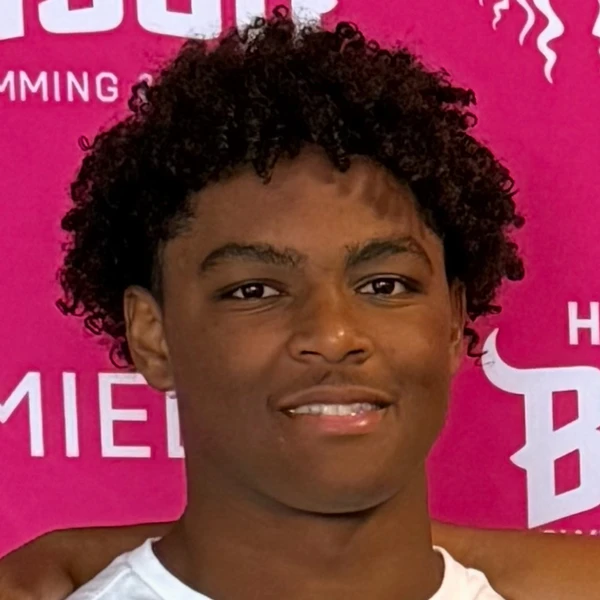
Riley Martinez
1x
FinalistRiley Martinez
1x
FinalistBio
Driven and principled high school student-athlete with a 3.2 GPA looking to secure admission at a college or university where I can grow academically, personally, and athletically while pursuing a career in Physical Therapy.
Education
Bayside High School
High SchoolMiscellaneous
Desired degree level:
Doctoral degree program (PhD, MD, JD, etc.)
Majors of interest:
- Sports, Kinesiology, and Physical Education/Fitness
- Medicine
Career
Dream career field:
physical therapy
Dream career goals:
west bathhouse pool lifeguard
Long Island State Parks (Jones Beach)2025 – Present1 year
Sports
Climbing
Club2017 – 20247 years
Swimming
Varsity2022 – Present4 years
Basketball
Junior Varsity2023 – 20241 year
Swimming
Club2016 – Present10 years
Public services
Volunteering
CYO Swimming - Archdiocese of Queens and Brooklyn — Escort swimmers to appropriate locations at swim meets, boost team morale by providing encouragement and guidance to swimmers, provide assistance to coaches in whatever capacity needed.2024 – Present
Future Interests
Advocacy
Volunteering
Philanthropy
Entrepreneurship
Jimmie “DC” Sullivan Memorial Scholarship
Youth sports have shaped the foundation of who I am. At 17, after nearly a decade of competitive swimming and basketball, I am preparing to dive into the world of Division 1 athletics. These years have taught me the true value of discipline, resilience, and the importance of giving back to the communities that have shaped my journey.
Swimming, my first love, has shown me the real meaning of consistency and perseverance. Progress in the water is never instant; it demands patience and the grit to keep going when every muscle aches and your mind begs for rest. Early morning practices, juggling schoolwork with training, and holding myself to my goals have all shaped how I tackle challenges. Basketball added another layer, sharpening my communication skills, teamwork, and teaching me that true success isn’t an individual endeavor but rather woven from the collective effort and trust of a team.
As an Afro-Latino athlete, my journey in competitive swimming has been especially unique. In a sport where few athletes look like me, I didn’t always have someone to look up to. Rather than letting that discourage me, the lack of representation fueled my ambition. I wanted to succeed not just for myself but for the younger athletes who may one day see themselves in me. I have come to see just how powerful representation can be and how it inspires young people to believe they, too, can fulfill their own big dreams.
Youth sports have provided me with structure, mentorship, and a true sense of belonging. My coaches have challenged me to stay accountable, even when progress seemed invisible. My teammates have become my second family, cheering for my victories, lifting me through defeats, and helping me grow both as an athlete and as a person. Through these experiences, I have gained confidence in myself and, above all, learned to stay committed to the journey, even when the path ahead looks uncertain.
As I step into my college swimming career, I am eager to give back to the community that shaped me. I plan to continue mentoring younger athletes and volunteering with programs that introduce kids to swimming, like the Catholic Youth Organization swim team, AOK, where I once swam and have spent the past two years volunteering. I have seen younger swimmers look up to older athletes who are close to their age. In college, I want to become more involved with organizations such as Diversity in Aquatics to help make year-round swimming lessons available to all families, especially in minority communities, regardless of their ability to pay. Swimming is a life-saving skill everyone deserves to learn. My mission is to teach children about water safety and inspire competitive swimmers to dream boldly, just as I did. Without the drive of big dreams and discipline, I would not be heading to my dream college, Howard University, this Fall.
Valerie Rabb Academic Scholarship
I am passionate about pursuing a career in physical therapy, because I want to transform how minority communities experience healthcare. Many people avoid medical treatment when providers do not look like them, often due to historical and ongoing experiences of misdiagnosis, judgment, and dismissal. This distrust leads to neglected care, poor outcomes, and frustration for patients who simply want to be seen and understood.
As a Black student-athlete in swimming, a sport often dominated by White and Asian athletes, I’ve spent much of my life navigating spaces where I was “the only one.” Early on, that feeling of being othered could have made me shrink, but instead, it strengthened me. Over time, I learned that my presence in those spaces wasn’t just different, it was powerful.
Being one of the few Black swimmers has shaped how I see community and healthcare. I’ve learned to collaborate with people from all backgrounds, build bridges through understanding, and show up fully as myself even when I don’t blend in. Those experiences have given me the confidence to sit comfortably at any table, to listen, contribute, and create space for others who might not always feel seen. These lessons in representation, resilience, and belonging are the foundation of how I approach every new challenge.
I am committed to being part of the solution to extend my prior knowledge and experience to patients who may also feel othered. Increasing representation in medicine can create safe, affirming spaces where patients feel valued, understood, and empowered. I aim to combine scientific knowledge with cultural competence and advocacy, ensuring that care addresses both the physical and emotional needs of patients. I hope to inspire future scholars, athletes, and medical professionals to recognize that representation matters, not only for equity but for the health, confidence, and dignity of our communities.
My interest in physical therapy stems from seeing firsthand how devastating injuries can be, not only physically but emotionally, particularly for athletes. As a student-athlete, I have experienced being sidelined from sports I love due to injuries, which can feel like losing a part of yourself. I’ve seen how injury recovery demands not only strength, but also resilience, trust, and guidance. I want to be that guiding force, the person who helps others recover, rebuild, and return to what brings them joy, just as my physical therapist did for me. My goal is to help them regain their strength and confidence, not just as patients, but as athletes, individuals, and human beings.
I hope to learn not only the science behind human health and performance but also the social and cultural factors that influence care. I want to become a bridge, someone who understands both the science of the human body and the lived experiences of marginalized people. By integrating coursework with real-word application, engaging in research, gaining hands-on clinical experience and through mentorship, I will develop the skills to address health disparities and support communities historically neglected by the healthcare system. I will help ensure that every patient feels seen, valued, and cared for. This vision motivates me daily and gives purpose to the hard work I know lies ahead. I’m ready to turn that purpose into practice.
Zedikiah Randolph Memorial Scholarship
I am passionate about pursuing a career in physical therapy, because I want to transform how minority communities experience healthcare. Many people avoid medical treatment when providers do not look like them, often due to historical and ongoing experiences of misdiagnosis, judgment, and dismissal. This distrust leads to neglected care, poor outcomes, and frustration for patients who simply want to be seen and understood. Currently, Black male physical therapists make up only 1-2% of the professional population.
Similarly, as Black student-athlete in swimming, a sport often dominated by White and Asian athletes, I’ve spent much of my life navigating spaces where I was “the only one.” Early on, that feeling of being othered could have made me shrink, but instead, it strengthened me. Over time, I learned that my presence in those spaces wasn’t just different, it was powerful.
Being one of the few Black swimmers has shaped how I see community and healthcare. I’ve learned to collaborate with people from all backgrounds, build bridges through understanding, and show up fully as myself even when I don’t blend in. Those experiences have given me the confidence to sit comfortably at any table, to listen, contribute, and create space for others who might not always feel seen. These lessons in representation, resilience, and belonging are the foundation of how I approach every new challenge.
I am committed to being part of the solution to extend my prior knowledge and experience to patients who may also feel othered. Increasing representation in medicine can create safe, affirming spaces where patients feel valued, understood, and empowered. I aim to combine scientific knowledge with cultural competence and advocacy, ensuring that care addresses both the physical and emotional needs of patients. I hope to inspire future scholars, athletes, and medical professionals to recognize that representation matters, not only for equity but for the health, confidence, and dignity of our communities.
My interest in physical therapy stems from seeing firsthand how devastating injuries can be, not only physically but emotionally, particularly for athletes. As a student-athlete, I have experienced being sidelined from sports I love due to injuries, which can feel like losing a part of yourself. I’ve seen how injury recovery demands not only strength, but also resilience, trust, and guidance. I want to be that guiding force, the person who helps others recover, rebuild, and return to what brings them joy, just as my physical therapist did for me. My goal is to help them regain their strength and confidence, not just as patients, but as athletes, individuals, and human beings.
I hope to learn not only the science behind human health and performance but also the social and cultural factors that influence care. I want to become a bridge, someone who understands both the science of the human body and the lived experiences of marginalized people. By integrating coursework with real-word application, engaging in research, gaining hands-on clinical experience and through mentorship, I will develop the skills to address health disparities and support communities historically neglected by the healthcare system. I will help ensure that every patient feels seen, valued, and cared for. This vision motivates me daily and gives purpose to the hard work I know lies ahead. I’m ready to turn that purpose into practice.