Hobbies and interests
Painting and Studio Art
Bodybuilding
3D Modeling
Art
History
Anime
Gaming
Board Games And Puzzles
Comics
Coffee
Basketball
Collecting
Fitness
Golf
Fencing
Human Rights
Magic The Gathering
Reading
Reading
Academic
Adult Fiction
Adventure
Fantasy
History
Literary Fiction
Young Adult
Science Fiction
Historical
Anthropology
I read books daily
Ricky Tracy
1x
FinalistRicky Tracy
1x
FinalistBio
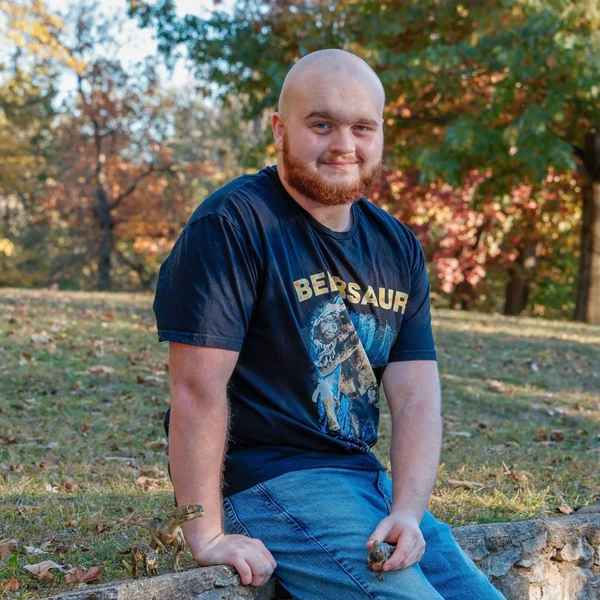
History has always been more than a subject to me. It is a way of understanding the world. I love exploring the past through reading, research, and learning about different cultures and events. Outside of academics, I enjoy art and painting Warhammer miniatures, combining creativity with my appreciation for historical detail.
My goal is to major in history and anthropology, earn a Ph.D., and work in museums, ideally leading an education department. Some of my most vivid childhood memories are visiting museums and feeling a sense of wonder as I walked through exhibits. Those experiences inspired my love of history, and I hope to create that same excitement for others.
In elementary school I was diagnosed with dyslexia, dyscalculia, and dysgraphia, and later with ADHD in high school. These challenges pushed me to develop resilience and determination. Despite them, I earned a 36 in reading on my ACT and will transfer more than 30 credit hours into college.
I hope to use my passion for history to help others discover the stories of the past and develop the same curiosity and love of learning that museums once sparked in me.
Education
Quincy Senior High School
High SchoolMiscellaneous
Desired degree level:
Bachelor's degree program
Majors of interest:
- History
- Anthropology
Career
Dream career field:
Museums and Institutions
Dream career goals:
Junior Resident Assistant for 2 summers Supported classroom instruction and supervised students. Coordinated daily camp activities and managed camper behavior.
College for Kids Inc. in Columbia, MO2024 – 20251 yearFront Desk Manager for Health and Fitness Center Operate retail and point-of-sale system for merchandise. Provide customer service and manage inquiries, including processing memberships. Support facility operations.
Quincy University2024 – Present2 yearsIntern Researched historical artifacts and documents to support museum exhibits and educational materials. Assisted with exhibit preparation by writing descriptions and verifying historical information.
Quincy Historical Society2026 – Present5 monthsMaintenance Assistant during summers 2023, 2024, 2025, 2026. Serviced HVAC systems and performed general repairs. Painted and repaired campus walls and furniture. Relocated furniture and prepared campus facilities.
Quincy University2023 – Present3 years
Sports
Football
Junior Varsity2022 – 20242 years
Research
Historic Preservation and Conservation
Quincy Historical Society — Intern2026 – Present
Public services
Volunteering
Toys for Tots — Supported holiday toy drives by helping collect, organize, and distribute donated toys to families in need within the local community.2022 – 2024Volunteering
Special Olympics — Assisted Special Olympics athletes during bowling events by helping with organization, providing encouragement, and supporting event staff to ensure a positive and inclusive experience.2022 – 2022Volunteering
Quincy Historical Society — Volunteered at Frontier Days historical event by assisting with setup, guiding visitors, supporting historical demonstrations, and helping staff coordinate activities.2022 – 2022Volunteering
Quincy University — Provided volunteer support to the college athletic program by assisting coaches during practices and games, organizing equipment, helping with practice setup and breakdown, and supporting team operations.2023 – 2024
Future Interests
Advocacy
Volunteering
Philanthropy
Tawkify Meaningful Connections Scholarship
When I think about a meaningful relationship that has shaped who I am today, I immediately think of my dad. His life is a powerful example of perseverance and integrity, and our relationship has influenced the way I see both challenges and the people around me.
My dad did not grow up with many advantages. In fact, he came from a family in which his own father did not graduate from high school. Despite this, he refused to let his circumstances define his future. He worked hard in school, became the first person in his family to attend college, and eventually earned his degree and became a doctor. Even after becoming a doctor, he had struggles, especially when my mom and he got married, and the recession hit the year I was born. Hearing about his journey has shaped the way I approach my own life. It has taught me that strong relationships are built on encouragement and mutual belief, especially during difficult moments.
What has influenced me most, however, is not just what my dad has accomplished, but how he treats others. He shows every person he meets with the same level of care and respect, regardless of their financial situation or background. Whether someone is struggling or successful, he treats them with dignity. Because of this, I have learned to approach relationships without judgment and to value people for who they are. I try to build connections based on respect, empathy, and fairness, just as he does.
On a personal level, my dad has shaped the way I connect with others by first showing me what it means to feel accepted. He allows me to be myself and encourages me to grow into my own person. This has been especially meaningful as someone who has faced challenges with learning disabilities, something he has also experienced. His understanding and support have taught me to be patient and encouraging with others, especially when they are facing their own struggles. He has taught me to advocate for myself, standing up for what is right and fighting for myself, and sometimes that means helping others. I remember when I was younger, he would explain that I should help those being bullied and not be the bully, and I remember doing that. I was in elementary school, and a teacher would only let us use "skin color" to color people, but I chose colors that didn't match mine because I didn't want my friends to feel left out. Eventually, I went to the principal because I learned to stand up for myself and others.
The relationship I have with my dad has shaped who I am and continues to influence how I form connections with others. Because of his example, I strive to build relationships where people feel valued, understood, and supported, just as he has always makes me feel. I carry his lessons with me in my everyday interactions, whether it is including someone who feels left out, listening more carefully, or offering support when someone needs it. In this way, his influence extends beyond our relationship and shapes how I show up for others in my own life.
Ethel Hayes Destigmatization of Mental Health Scholarship
My experiences with mental health have shaped the way I see the world, the kind of relationships I want to have, and the goals I have for my future. Mental health and suicide prevention are important topics among people my age because many students struggle with things that others cannot see. School, expectations, social media, and pressure about the future can affect how we feel about ourselves. I cannot tell you how many times I have been asked, "So what are you going to major in? Where are you going to school? Did you get your homework done? Are you ready for the AP test?" It is a lot. When you combine those expectations with everything happening in the world around us, it can sometimes feel overwhelming.
My own experiences with mental health started early. In fourth grade, my parents took me to the University of Iowa for a global assessment because we knew I learned differently, but did not know why. That is when I was diagnosed as twice exceptional, gifted but also with dyslexia, dysgraphia, dyscalculia, and ADHD. My parents supported me with tutoring, occupational therapy, and counseling. Before I understood my diagnosis, I often felt like something was wrong with me. I remember being teased by other kids and feeling like I was behind or different. As a young kid, that feeling can really affect how you see yourself. When I finally understood why my brain worked the way it did, my parents helped me see that it was not just a challenge but also a gift. That changed the way I started to look at myself.
Mental health became an even bigger part of my life in middle school. In eighth grade, I started struggling with depression. At first, I did not fully understand what was happening. I just knew that I felt sad, tired, and disconnected from things that used to make me happy. By ninth grade, things got worse. There were days when getting through school felt exhausting, even though I still loved learning. Eventually, I realized that I needed help and asked to see a doctor. With support from my parents, we began working with medication and counseling. For a while, I went to therapy every week, sometimes even more often.
Counseling helped me understand my thoughts and emotions in ways I never had before. I learned coping skills that helped me work through anxiety and depression instead of letting those feelings take over. Over time, I began to feel more confident and more comfortable with who I was. I still go to counseling sometimes, but not as often, because I have developed healthier ways of handling things. That does not mean everything is always easy. Sometimes I still struggle with imposter syndrome. There are days when I start worrying about everything at once and fall into a rabbit hole of negative thoughts. But now I know how to recognize those moments and work through them instead of feeling stuck in them.
These experiences have shaped the way I understand relationships. Through my struggles, I realized that the people you surround yourself with matter. I want relationships where people can be honest with each other, where it is okay to say you are having a bad day, feeling lonely, or struggling with depression. I have learned that a real partner does not take those feelings personally or get upset with you for being honest. Instead, they listen and support you.
I have also realized something important about myself: I often want to help everyone. When someone is struggling, my instinct is to try to fix things or take on some of their pain. But over time, I have learned that if you are not careful, trying to help everyone else can sometimes hurt you. I have learned that healthy relationships require balance. You can care deeply about others while still protecting your own mental health.
My experiences have also changed how I see the world around me. Social media often makes it look like everyone else is living a perfect life, but I have learned that those images rarely show the full story. Everyone is dealing with something, even if it is invisible to others. We should not feel pressure to live a perfect "Instagram life." Real life is messy, complicated, and sometimes difficult, and that is okay.
One thing I have learned through my own struggles is that vulnerability is not weakness. For a long time, people believed that men should hide their emotions or pretend everything was fine. I do not believe that. It is okay for a man to cry. It is okay to lean on others for support. It is okay to admit when you feel vulnerable. In fact, being honest about those feelings takes strength.
Because of my experiences, I believe everyone deserves to have their story heard. Mental health struggles are often invisible, but they are real, and hearing someone else's story can remind people that they are not alone. My own journey has taught me empathy, patience, and the importance of understanding what someone else might be going through. These lessons have shaped my future goals. I want to study history and work in museums so I can help share the stories of people, cultures, and communities that have shaped our world. History is really a collection of human stories of struggle, resilience, and hope. By helping share those stories from the past and the cultures that shaped them, I hope to encourage empathy, curiosity, and a deeper respect for others' experiences. When people understand others' stories, they begin to see the world differently, and that understanding can help create a more compassionate future.
Tammurra Hamilton Legacy Scholarship
Mental health and suicide prevention are important topics among people my age because many students struggle with things that others can't see. School, expectations, social media, and pressure about the future can all affect how we feel about ourselves. I can't tell you how many times I was asked, "So, what are you going to major in? Where are you going to school? Did you get your homework done? Are you ready for the AP test?" It is just a lot, and combine that with our world, and all that is happening there, and it sometimes feels overwhelming. In my generation, more people are willing to talk about mental health, and I think that is because our parents made us, because they could not. For many people, the shame is gone.
My own experiences with mental health have shaped the way I think about this. In fourth grade, my parents took me to the University of Iowa for a global assessment because we knew I learned differently, but didn't know why. That's when I was diagnosed as twice exceptional, gifted but also with dyslexia, dysgraphia, dyscalculia, and ADHD. My parents supported me with tutoring, occupational therapy, and counseling. I mention this because I always felt different, like there was something wrong with me, and as a young kid, others would make fun of me, and I remember feeling so down on myself. Once I found out, my parents helped me understand it was a gift.
Mental health became a bigger part of my life in middle school. When I was in eighth grade, I started struggling with depression. By ninth grade, things got worse, and I realized I needed help. I asked to see a doctor, and with support from my parents, we began working with medication and counseling. For a while, I went to therapy every week, sometimes even more often. Over time, I learned coping skills that helped me better understand my thoughts and emotions.
Now I don't need to go to counseling as often because I've developed better ways to handle things. That doesn't mean everything is always easy. Sometimes I still deal with imposter syndrome or find myself worrying and getting caught in a rabbit hole of negative thoughts. When that happens, I try to use the coping skills I've learned and remind myself that it's okay to ask for support.
Mental health is also something I've seen in my family. My father struggles with depression, and my mom's mother had severe mental health issues that deeply affected her childhood. Hearing those stories made me realize how much mental health can shape someone's life. It also showed me why it's important to talk about these things rather than hide them.
My experiences have also shaped how I treat others. When I turned sixteen, I was given 16 gift cards to a restaurant, but I chose to give them to people experiencing homelessness. Many people experiencing homelessness struggle with mental health challenges that others can't see. That moment reminded me that compassion matters and that even small actions can make a difference.
Because of my experiences, I believe everyone deserves compassion and the chance to have their story heard. Mental health struggles are often invisible, but they are real. Talking about them helps reduce stigma and reminds people that they are not alone. My experiences have taught me resilience and empathy, and have shaped my future goals. I want to pursue a career where I can help others share their stories and feel understood, because stories have the power to bring hope and help people heal.
Our Destiny Our Future Scholarship
Understanding the past can change the future. I believe every life holds inherent value and that every story deserves to be remembered. When we learn about the people who came before us, we gain more than knowledge; we develop empathy, understanding, and respect for others. Because of this belief, I plan to make a positive impact on the world by preserving and sharing the stories of the past so that future generations can learn from them and build a more thoughtful and compassionate society.
History is more than a collection of dates and events; it is the story of humanity. It tells us how people lived, struggled, adapted, and built communities. When these stories are told honestly and thoughtfully, they allow people to see themselves in others and recognize the shared humanity that connects us all. By helping others understand history, I hope to encourage people to look beyond their own experiences and develop a deeper appreciation for cultures and perspectives different from their own.
I plan to pursue this goal through a career in museums and historical institutions. Museums have a unique ability to educate the public by bringing history to life through artifacts, personal stories, and immersive exhibits. Unlike traditional classrooms, museums allow people of all ages and backgrounds to engage with history in meaningful ways. By creating exhibits and educational programs, I want to help people connect with the past and understand how it continues to shape the present. In doing so, I hope to inspire curiosity, empathy, and a greater respect for the diverse communities that make up our world.
One of the ways I hope to make a meaningful difference is by researching and sharing the histories of Native American tribes that existed long before settler colonialism. Too often, museums fail to accurately represent the Indigenous peoples who once lived in the regions they now occupy. Their cultures, traditions, and experiences deserve to be represented with the same care and attention given to other parts of history. By helping create exhibits and educational resources that more accurately reflect these histories, I hope to ensure that these communities are recognized and remembered.
To prepare for this work, I plan to major in history and anthropology at Saint Louis University and continue my education by earning a master’s degree and eventually a Ph.D. I have already begun gaining experience through my internship at the Quincy Historical Society, where I have participated in staff meetings, assisted with artifact preparation and research, and helped with work on an upcoming Civil War exhibit. These experiences have shown me how powerful museums can be in shaping public understanding of history.
By preserving and sharing the stories of the past, I hope to help people better understand one another. When people learn about different cultures, histories, and experiences, it becomes harder to see others as strangers. Through my work in museums, I hope to help create a world where understanding the past leads to greater empathy, respect, and connection between people.
Valerie Rabb Academic Scholarship
I cannot remember a time when I was not fascinated by history. For as long as I can remember, I have been drawn to the stories of the past and the people who lived through them. What interests me most are the voices of ordinary individuals. Letters, journals, and personal accounts allow historians to see major events through the eyes of those who experienced them and better understand how people interpreted the world around them. These stories remind us that history is not just a series of dates and events, but the lived experiences of real people.
One of the moments that truly shaped my passion for history happened in eighth grade when I visited Gettysburg. During the tour, our guide showed us photographs taken shortly after the battle and described what life was like for the soldiers and civilians who experienced those events. Hearing those stories made the battlefield feel like more than just a place. It felt like a connection to the people who had once stood there.
Later, I returned with my family and visited other Civil War sites, including Antietam. Standing in the Sunken Road at Antietam, where Confederate soldiers once took cover, made history feel immediate and human. I could imagine what those soldiers must have felt, and it reminded me that real people lived the events we read about in textbooks.
These experiences shaped how I see history and why it matters. History and anthropology help us understand the cultures, perspectives, and experiences of people who came before us. When we study those lives honestly, we develop empathy and respect for others. One area that has particularly captured my interest is the history and cultures of Indigenous peoples in the United States. Learning about the forced removal of Native communities and attempts to erase their cultures has made me realize that we have a responsibility to tell these stories truthfully and respectfully.
Because of this passion, I plan to double major in history and cultural anthropology at Saint Louis University and eventually pursue a master’s degree and a Ph.D. My goal is to work in a museum education department, designing exhibits that help visitors connect with the past. I am currently interning at the Quincy Historical Society, where I assist with research, artifact preparation, and exhibit planning. Through this experience, I have seen how museums preserve history and share it with the public in meaningful ways.
My academic achievements are especially meaningful because I have reached them while managing several learning differences. I have dyslexia, dysgraphia, dyscalculia, ADHD, and generalized anxiety, and I work under a 504 plan. These challenges required me to develop persistence, discipline, and strong self-advocacy skills. With the support of my family, teachers, tutors, and counselors, I learned strategies that allowed me to succeed academically while continuing to challenge myself.
Despite these obstacles, I completed four AP courses, earned a 36 on the ACT Reading section, and will graduate from high school with 28 college credit hours from Quincy University and a 3.63 GPA. These experiences taught me that adversity does not define a person; how they respond to it does. The support I received from others helped me grow stronger and more confident in my abilities.
Because of this, I believe in using my education to make a positive impact on others. By helping share the stories of the past and the cultures that have shaped our world, I encourage empathy, curiosity, and a deeper respect for others' experiences.
Ryan T. Herich Memorial Scholarship
I cannot remember a time when I was not fascinated by history. For as long as I can remember, I have been drawn to the stories of the past and the people who lived through them. What interests me most are the voices of ordinary individuals. Letters, journals, and personal accounts allow historians to see major events through the eyes of those who experienced them and to understand better how individuals understood the world around them. These stories make history feel alive and remind us that the past is made up of real human lives. Studying these voices also helps us understand how culture, belief, and experience shaped the decisions people made in their own time.
One of the moments that truly shaped my passion for history happened in eighth grade when I visited Gettysburg. During the tour, our guide showed us photographs taken shortly after the battle and described what life was like for the soldiers and civilians who experienced those events. Hearing those stories made the battlefield feel more than just a place. It felt like a connection to the people who had once stood there, and I remember leaving that trip wishing I could return someday.
Later, I had the opportunity to return to Gettysburg with my family and visit other Civil War sites, including Antietam. Standing in the Sunken Road at Antietam, where Confederate soldiers once took cover during the battle, was a powerful experience. In that moment, history no longer felt distant. It felt immediate and human. I could imagine what those soldiers must have felt, and it reminded me that the events we read about in textbooks were lived by real people who faced fear, uncertainty, and sacrifice.
Experiences like these shaped how I see history and why I believe it matters. History and cultural anthropology help us understand the lives, cultures, and perspectives of people who came before us. When we study those lives honestly, we develop empathy and respect for others. Understanding the past allows us to recognize both the achievements and the injustices that shaped our world and to learn from them.
One area that has particularly captured my interest is the history and cultures of Indigenous peoples in the United States. The country we live in today exists in part because many Native communities were forcibly removed from their lands and subjected to policies that attempted to erase their cultures and identities. Learning about this history has made me realize that we have a responsibility to tell these stories truthfully and respectfully. Studying Indigenous cultures through both history and cultural anthropology helps us better understand the resilience, traditions, and perspectives of these communities. It encourages a deeper respect for cultures that are too often overlooked.
Because of this passion, I plan to double major in history and cultural anthropology at Saint Louis University and eventually pursue a master’s degree and a Ph.D. My long-term goal is to work in a museum education department, helping design exhibits that bring history to life.
I plan to work in a museum rather than a traditional classroom because museums can reach a broader audience. Visitors of all ages and backgrounds can encounter history through artifacts, stories, and shared human experiences.
One day, I hope to create exhibits that allow visitors to connect with history the same way I did, standing at Antietam or walking the fields of Gettysburg. By helping people understand the stories of those who came before us, I aim to inspire greater empathy, respect, and curiosity about the world we share.
Joseph C. Lowe Memorial Scholarship
I cannot remember a time when I was not interested in history. Ever since I was young, I have been fascinated by the stories of the past and the people who lived through them. What draws me to history most is the voices of ordinary individuals, letters, journals, and personal accounts that allow us to see major events through the eyes of the people who experienced them. These stories make history feel alive and remind us that the past is made up of real human lives.
One of the moments that truly shaped my passion for history happened in eighth grade when I visited Gettysburg. During the tour, our guide showed us photographs taken shortly after the battle and described what life was like for the soldiers and civilians who experienced those events. What stayed with me most were the personal stories; letters written home and the everyday experiences of people caught in the middle of the war. Hearing those stories made the battlefield feel more than just a place; it felt like a connection to the people who had once stood there. I remember leaving that trip wishing I could return someday without the rush of a school group so I could spend more time exploring and learning.
Later, I had the chance to return to Gettysburg with my family and visit other Civil War sites, including Antietam. My visit to Antietam left a particularly strong impression. I still clearly remember standing in the Sunken Road, where Confederate soldiers had taken cover during the battle. Standing there, in the same trench as those soldiers once occupied, I could almost imagine what they must have felt. That moment made history feel incredibly real to me. It reminded me that these events were not distant stories, but experiences lived by real people.
My love of history comes from my love of stories. History is the story of humanity, its struggles, achievements, and everyday lives. Those stories matter because they help us understand who we are today. We also have a responsibility to tell those stories honestly and respectfully. For example, museums must share the history of Indigenous peoples who lived on this land long before others arrived. Their stories deserve to be preserved and told just as much as any other part of our past.
Because of this passion, I plan to major in history and anthropology at Saint Louis University. I hope to continue my education by earning a master’s degree and eventually a Ph.D. My long-term goal is to work in a museum or historical society as a curator or exhibit specialist.
I am currently interning at the Quincy Historical Society, where I have seen firsthand how museums preserve and share history. During my internship, I participated in staff meetings, assisted with artifact preparation and research, and helped with work on an upcoming Civil War exhibit. These experiences have strengthened my desire to work in this field.
One day, I plan to create exhibits that allow visitors to experience history the way I did, standing at Antietam or walking the fields of Gettysburg through the stories of the people who lived there. Museums have the power to preserve those voices and share them with future generations. By working in this field, I aim to ensure that those stories are never forgotten.