user profile avatar

Rick Caldwell

1x

Finalist

Bio

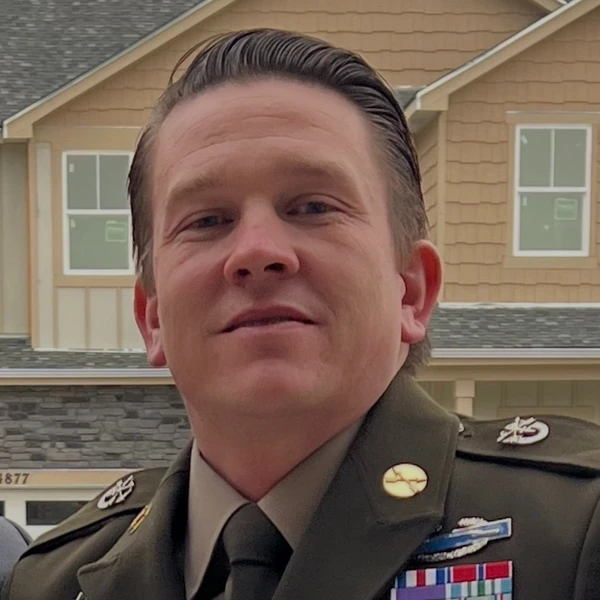
I am a 42-year-old veteran with 23 years of service as a Special Operations Medic in the United States military. Throughout my career, I deployed globally in support of operational missions, including Afghanistan, Africa, Europe, and South America. These experiences allowed me to provide lifesaving medical care in austere and high-risk environments. For my actions in combat, I was awarded the Silver Star and the Purple Heart. I hold a Bachelor of Science in Liberal Arts and am a National Registry Paramedic. My years of operational medicine strengthened my commitment to healthcare and serving others. I have been married for 20 years and have an 11-year-old daughter. Outside of work and school, I enjoy skiing and paddleboarding. I also grew up competing in international travel baseball and ballroom dancing, and I speak conversational French. As I transition from military service, my goal is to pursue a Bachelor of Science in Nursing (BSN) followed by a Doctor of Nursing Practice (DNP). Through advanced nursing education, I hope to continue serving my community and improving access to high-quality medical care.

Education

Northern Arizona University

Master's degree program
2026 - 2028
  • Majors:
    • Registered Nursing, Nursing Administration, Nursing Research and Clinical Nursing

University of New England

Bachelor's degree program
2026 - 2028
  • Majors:
    • Health Professions and Related Clinical Sciences, Other
  • Minors:
    • Science, Technology and Society
    • Medicine
    • Human Biology

Excelsior College

Bachelor's degree program
2020 - 2022
  • Majors:
    • Registered Nursing, Nursing Administration, Nursing Research and Clinical Nursing
  • Minors:
    • Medicine

Miscellaneous

  • Desired degree level:

    Bachelor's degree program

  • Graduate schools of interest:

    • University of Colorado Denver/Anschutz Medical Campus
    • Grand Canyon University
    • University of Arizona
    • University of New England
  • Transfer schools of interest:

  • Majors of interest:

    • Registered Nursing, Nursing Administration, Nursing Research and Clinical Nursing
    • Health/Medical Preparatory Programs
    • Law
  • Not planning to go to medical school
  • Career

    • Dream career field:

      • Medicine
    • Dream career goals:

      RN to DNP

    • Nursing House Manager

      Ryan Larkin Field hospital
      2020 – 2020
    • USAF Pararesuce

      USAF
      2003 – 20118 years
    • Special Forces Medic

      US Army Special Operations Command
      2011 – Present15 years

    Sports

    Rugby

    Intramural
    2002 – 201412 years

    Football

    Varsity
    1988 – 200214 years

    Baseball

    Varsity
    1989 – 200213 years

    Arts

    • Arizona All State Choir

      Music
      2002 – 2002

    Public services

    • Volunteering

      Special Operations Medical Association — Board Member
      2023 – Present
    • Volunteering

      Cross Pointe Church — Pastor
      2013 – 2017
    • Volunteering

      New Life Church — Youth Leadership volunteer
      2022 – Present

    Future Interests

    Politics

    Volunteering

    Entrepreneurship

    Working Student Scholarship
    I am a not traditional student in many ways. Currently I am perusing my pre-requisite courses to start a Bachelors of Science in Nursing next summer. While I am working on my pre-requisites, I am working full-time as an Active duty service member in the United States Army, and have a family to care for. Even as I transition out of the Army and into full time school next summer, I will still need to work, wither part or full time. For many students the though of full time school and full time work can be overwhelming. For me this is just another day. I am used to performing at high levels while having to balance, education, finances, family, and operational missions some where in the world. learning to adapt the changes in pace and culture with civilian life is something I am far more concerned about as I transition from full time soldier to full time student. Making sure that prioritize and balance my studies, family, and work appropriately is a challenge that I accept and that I look forward to. With my previous bachelor's degree, i maintained a 4.0 GPA while deployed in combat zones in both South West Asia and Africa. My life has been dedicated to service and to others. I have spent the last 24 years in the military, and I am preparing to retire and transition into civilian life. A large part of what I have done in the military is bring health care to improvised and underserved areas globally. I have been able to treat illness and injuries in Africa, South-west Asia, Eastern Europe, and disaster areas around the US, including setting up Army-style field hospitals in NYC during COVID. I have been able to work much like a Physician's Assistant (PA) or Nurse Practitioner (NP). However, the credentials that have allowed me to do so are fully tied to me being in the military. I hope to earn a nursing degree and complete an NP program so that I can continue to provide quality health care to underserved areas around the world, both at home and abroad. As I continue my education, I also hope to help inspire other vets to do the same. The transition into civilian life can be overwhelming for so many, as we lose connection to service and purpose, we struggle to find meaning and mission in what we do. As I pursue my education, I hope to petition lawmakers at both the federal and state levels to develop better military-to-community service programs that will allow us to better translate the skills and experience military members have into civilian credentials and opportunities. This idea, if successful, could serve two groups simultaneously. One is the underserved communities around the country, many of which are areas that our veterans call home and will return to after they separate. The other is our veteran population. With suicide rates that often double those of their civilian peers, many veterans feel that they have lost their purpose and identity when they get home. Education and helping these highly driven men and women find new missions and new purposes are things I am looking forward to. As I further my education, as a nurse and future NP, I look forward to the day when every community in our country has well-qualified, trained, and educated medical professionals in their community to provide health care ranging from primary care to emergency medical services (things that are lacking in several areas of the country.
    Michael Rudometkin Memorial Scholarship
    My life has been dedicated to service and to others. I have spent the last 24 years in the military, and I am preparing to retire and transition into civilian life. A large part of what I have done in the military is bring health care to improvised and underserved areas globally. I have been able to treat illness and injuries in Africa, South-west Asia, Eastern Europe, and disaster areas around the US, including setting up Army-style field hospitals in NYC during COVID. I have been able to work much like a Physician's Assistant (PA) or Nurse Practitioner (NP). However, the credentials that have allowed me to do so are fully tied to me being in the military. I hope to earn a nursing degree and complete an NP program so that I can continue to provide quality health care to underserved areas around the world, both at home and abroad. As I continue my education, I also hope to help inspire other vets to do the same. The transition into civilian life can be overwhelming for so many, as we lose connection to service and purpose, we struggle to find meaning and mission in what we do. As I pursue my education, I hope to petition lawmakers at both the federal and state levels to develop better military-to-community service programs that will allow us to better translate the skills and experience military members have into civilian credentials and opportunities. This idea, if successful, could serve two groups simultaneously. One is the underserved communities around the country, many of which are areas that our veterans call home and will return to after they separate. The other is our veteran population. With suicide rates that often double those of their civilian peers, many veterans feel that they have lost their purpose and identity when they get home. Education and helping these highly driven men and women find new missions and new purposes are things I am looking forward to. As I further my education, as a nurse and future NP, I look forward to the day when every community in our country has well-qualified, trained, and educated medical professionals in their community to provide health care ranging from primary care to emergency medical services (things that are lacking in several areas of the country. I thank you for your consideration of this scholarship and look forward to my next steps in serving our country domestically.
    Robert F. Lawson Fund for Careers that Care
    My life has been dedicated to service and to others. I have spent the last 24 years in the military, and I am preparing to retire and transition into civilian life. A large part of what I have done in the military is bring health care to improvised and underserved areas globally. I have been able to treat illness and injuries in Africa, South-west Asia, Eastern Europe, and disaster areas around the US, including setting up Army-style field hospitals in NYC during COVID. I have been able to work much like a Physician's Assistant (PA) or Nurse Practitioner (NP). However, the credentials that have allowed me to do so are fully tied to me being in the military. I hope to earn a nursing degree and complete an NP program so that I can continue to provide quality health care to underserved areas around the world, both at home and abroad. As I continue my education, I also hope to help inspire other vets to do the same. The transition into civilian life can be overwhelming for so many, as we lose connection to service and purpose, we struggle to find meaning and mission in what we do. As I pursue my education, I hope to petition lawmakers at both the federal and state levels to develop better military-to-community service programs that will allow us to better translate the skills and experience military members have into civilian credentials and opportunities. This idea, if successful, could serve two groups simultaneously. One is the underserved communities around the country, many of which are areas that our veterans call home and will return to after they separate. The other is our veteran population. With suicide rates that often double those of their civilian peers, many veterans feel that they have lost their purpose and identity when they get home. Education and helping these highly driven men and women find new missions and new purposes are things I am looking forward to. As I further my education, as a nurse and future NP, I look forward to the day when every community in our country has well-qualified, trained, and educated medical professionals in their community to provide health care ranging from primary care to emergency medical services (things that are lacking in several areas of the country. I thank you for your consideration of this scholarship and look forward to my next steps in serving our country domestically.
    Sloane Stephens Doc & Glo Scholarship
    My life has been dedicated to service and to others. I have spent the last 24 years in the military, and I am preparing to retire and transition into civilian life. A large part of what I have done in the military is bring health care to improvised and underserved areas globally. I have been able to treat illness and injuries in Africa, South-west Asia, Eastern Europe, and disaster areas around the US, including setting up Army-style field hospitals in NYC during COVID. I have been able to work much like a Physician's Assistant (PA) or Nurse Practitioner (NP). However, the credentials that have allowed me to do so are fully tied to me being in the military. I hope to earn a nursing degree and complete an NP program so that I can continue to provide quality health care to underserved areas around the world, both at home and abroad. As I continue my education, I also hope to help inspire other vets to do the same. The transition into civilian life can be overwhelming for so many, as we lose connection to service and purpose, we struggle to find meaning and mission in what we do. As I pursue my education, I hope to petition lawmakers at both the federal and state levels to develop better military-to-community service programs that will allow us to better translate the skills and experience military members have into civilian credentials and opportunities. This idea, if successful, could serve two groups simultaneously. One is the underserved communities around the country, many of which are areas that our veterans call home and will return to after they separate. The other is our veteran population. With suicide rates that often double those of their civilian peers, many veterans feel that they have lost their purpose and identity when they get home. Education and helping these highly driven men and women find new missions and new purposes are things I am looking forward to. As I further my education, as a nurse and future NP, I look forward to the day when every community in our country has well-qualified, trained, and educated medical professionals in their community to provide health care ranging from primary care to emergency medical services (things that are lacking in several areas of the country. I thank you for your consideration of this scholarship and look forward to my next steps in serving our country domestically.
    Mary Jane Sanders Memorial Scholarship
    I embody a life of service, a constant thread through my military, family, faith, and community roles. Service is not a single role, but a commitment to help others in difficult times, using my skills to share their burdens. My foundation of service began early with my family. Both parents served in the Army, shaping my understanding of discipline, sacrifice, and responsibility. This led me into military service, first in the Air Force, then in the Army, where I served as a Special Operations medic and a critical care paramedic. Service meant being prepared to respond anywhere, even in harsh, high-risk situations where calm, rapid decisions were crucial for patients. As a medic, I learned that service is not only about technical skill, but also about presence—being there for someone when they are scared, injured, or uncertain. Whether treating trauma in combat zones, supporting civilians in underserved regions, or responding during the COVID-19 pandemic while working in a hospital in New York City, my focus has always been the same: to provide the best care possible with compassion, precision, and respect for human dignity. My commitment to service has also extended beyond medicine. I served as a youth pastor for 4 years, working with young people navigating complex personal, emotional, and spiritual challenges. That experience taught me a different dimension of care—listening without judgment, mentoring through difficult seasons, and helping individuals find direction and purpose. I continue to volunteer in my church today because I believe service is not confined to a job or uniform; it is a lifestyle grounded in consistency, humility, and faith. My faith has played a central role in shaping this commitment. I became a Christian in 2002, just before entering the military, and since then, it has guided how I view the value of every person. My belief that all people have inherent worth influences how I care for patients, support teammates, and engage with my community. It also motivates my desire to serve in healthcare in a way that is both clinically excellent and deeply compassionate. Throughout my military career, I have also witnessed the heavy toll of mental health challenges, including PTSD and suicide among teammates. I have lost more than ten fellow Special Forces soldiers, as well as experienced personal family loss through my wife’s aunt. These experiences reinforced that service also means standing beside people in their darkest moments and advocating for care that addresses both physical and mental health needs. As I move into nursing, education is my next step in service. I plan to become a registered nurse, then a Nurse Practitioner, focusing on primary care, chronic disease, and mental health. My aim is to provide lasting, relationship-based care for lifelong wellness. I will serve others by combining military medical experience, pastoral leadership, and clinical training into a patient-centered approach. I want to be a provider who listens, advocates, and treats every patient as a whole person, improving access and ensuring patients feel seen, heard, and supported. A life of service defines me. Education will let me expand this commitment, continuing to care for others through medicine, faith, and community.
    Max Bungard Memorial Scholarship
    Drug addiction and substance abuse are topics that are touching more and more families and communities in our country. I remember as a kid thinking that my uncle, who lived with us, was likely the only person I knew or would know that would be affected by addiction in my life. As I have grown older, that assumption has proved wrong in so many ways. While addiction is not something that I have personally struggled with, it has impacted my life in many ways. I watched my brother-in-law, a highly accomplished Navy special warfare operator, throw his career and subsequently his marriage away as drugs became his coping mechanism for the trauma he had experienced in Iraq and Afghanistan in the early 2000s. What started as a one-time mistake while on a work trip overseas devolved into an addiction and lifestyle that nearly ended his life. While high, he had attempted to commit suicide; luckily, he failed in this attempt. This was the straw that broke his marriage to my sister and ultimately saved his life. I have had teammates and friends get back from deployments in war zones around the world, unable to cope with reintegrating into civilian life. The rush and adrenaline of combat became addictive to them, and they were unable to deal with the shift in lifestyle, pace of life, and drastic changes from war to life in the United States again. I have watched almost helplessly as many friends and teammates turned to booze and drugs to deal with the changes that they were not prepared to deal with. Learning how to spot these trends in friends has been something that I have been able to do to help prevent issues and get guys help as issues begin to occur. Moving forward, as I retire from the Army, I am pursuing a degree in Nursing (BSN) as my first step toward becoming a Nurse Practitioner so that I may be able to treat better and recognize issues that patients, peers, teammates, and friends are struggling with. One thing that I have seen lacking in so many of the lives of so many of my friends who have fallen into drugs is the lack of a good support system with compassionate people who understand what they have done. After nearly a dozen deployments as a Green Beret, I can absolutely relate to the pain and issues these folks are experiencing. I hope to be a bridge and guardrail to help get them back on track.
    TRAM Panacea Scholarship
    I embody a life of service, a constant thread through my military, family, faith, and community roles. Service is not a single role, but a commitment to help others in difficult times, using my skills to share their burdens. My foundation of service began early with my family. Both parents served in the Army, shaping my understanding of discipline, sacrifice, and responsibility. This led me into military service, first in the Air Force, then in the Army, where I served as a Special Operations medic and a critical care paramedic. Service meant being prepared to respond anywhere, even in harsh, high-risk situations where calm, rapid decisions were crucial for patients. As a medic, I learned that service is not only about technical skill, but also about presence—being there for someone when they are scared, injured, or uncertain. Whether treating trauma in combat zones, supporting civilians in underserved regions, or responding during the COVID-19 pandemic while working in a hospital in New York City, my focus has always been the same: to provide the best care possible with compassion, precision, and respect for human dignity. My commitment to service has also extended beyond medicine. I served as a youth pastor for 4 years, working with young people navigating complex personal, emotional, and spiritual challenges. That experience taught me a different dimension of care—listening without judgment, mentoring through difficult seasons, and helping individuals find direction and purpose. I continue to volunteer in my church today because I believe service is not confined to a job or uniform; it is a lifestyle grounded in consistency, humility, and faith. My faith has played a central role in shaping this commitment. I became a Christian in 2002, just before entering the military, and since then, it has guided how I view the value of every person. My belief that all people have inherent worth influences how I care for patients, support teammates, and engage with my community. It also motivates my desire to serve in healthcare in a way that is both clinically excellent and deeply compassionate. Throughout my military career, I have also witnessed the heavy toll of mental health challenges, including PTSD and suicide among teammates. I have lost more than ten fellow Special Forces soldiers, as well as experienced personal family loss through my wife’s aunt. These experiences reinforced that service also means standing beside people in their darkest moments and advocating for care that addresses both physical and mental health needs. As I move into nursing, education is my next step in service. I plan to become a registered nurse, then a Nurse Practitioner, focusing on primary care, chronic disease, and mental health. My aim is to provide lasting, relationship-based care for lifelong wellness. I will serve others by combining military medical experience, pastoral leadership, and clinical training into a patient-centered approach. I want to be a provider who listens, advocates, and treats every patient as a whole person, improving access and ensuring patients feel seen, heard, and supported. A life of service defines me. Education will let me expand this commitment, continuing to care for others through medicine, faith, and community.
    DAC Rugby Scholarship
    I embody a life of service, a constant thread through my military, family, faith, and community roles. Service is not a single role, but a commitment to help others in difficult times, using my skills to share their burdens. My foundation of service began early with my family. Both parents served in the Army, shaping my understanding of discipline, sacrifice, and responsibility. This led me into military service, first in the Air Force, then in the Army, where I served as a Special Operations medic and a critical care paramedic. Service meant being prepared to respond anywhere, even in harsh, high-risk situations where calm, rapid decisions were crucial for patients. As a medic, I learned that service is not only about technical skill, but also about presence—being there for someone when they are scared, injured, or uncertain. Whether treating trauma in combat zones, supporting civilians in underserved regions, or responding during the COVID-19 pandemic while working in a hospital in New York City, my focus has always been the same: to provide the best care possible with compassion, precision, and respect for human dignity. My commitment to service has also extended beyond medicine. I served as a youth pastor for 4 years, working with young people navigating complex personal, emotional, and spiritual challenges. That experience taught me a different dimension of care—listening without judgment, mentoring through difficult seasons, and helping individuals find direction and purpose. I continue to volunteer in my church today because I believe service is not confined to a job or uniform; it is a lifestyle grounded in consistency, humility, and faith. My faith has played a central role in shaping this commitment. I became a Christian in 2002, just before entering the military, and since then, it has guided how I view the value of every person. My belief that all people have inherent worth influences how I care for patients, support teammates, and engage with my community. It also motivates my desire to serve in healthcare in a way that is both clinically excellent and deeply compassionate. Throughout my military career, I have also witnessed the heavy toll of mental health challenges, including PTSD and suicide among teammates. I have lost more than ten fellow Special Forces soldiers, as well as experienced personal family loss through my wife’s aunt. These experiences reinforced that service also means standing beside people in their darkest moments and advocating for care that addresses both physical and mental health needs. As I move into nursing, education is my next step in service. I plan to become a registered nurse, then a Nurse Practitioner, focusing on primary care, chronic disease, and mental health. My aim is to provide lasting, relationship-based care for lifelong wellness. I will serve others by combining military medical experience, pastoral leadership, and clinical training into a patient-centered approach. I want to be a provider who listens, advocates, and treats every patient as a whole person, improving access and ensuring patients feel seen, heard, and supported. A life of service defines me. Education will let me expand this commitment, continuing to care for others through medicine, faith, and community.
    Beyond The Ride Scholarship
    Service and loss have profoundly shaped my life. For over twenty years, I served as a Special Forces medic in the U.S. military. During that time, I lost many teammates and friends, each loss leaving its mark. The hardest loss, however, was my father's passing. My father was my greatest role model. We spoke daily, and he provided guidance on family, life, and what it meant to be a good person. He died of service-related cancer a week before I earned my Green Beret—one of my proudest moments, but bittersweet because he wasn't there to share it. A year later, while deployed to Afghanistan, I earned a Silver Star for actions in combat. The recognition was meaningful, but it was difficult knowing I could never share the experience with my dad. Losing him created an emptiness that military hardships never did, forcing me to confront emotions I had often ignored. Grief challenged me in ways combat never could. I faced sadness, anger, and survivor’s guilt, and for a long time believed I needed to stay strong for others. Over time, I learned strength comes from facing emotions honestly and resilience means finding healthy ways to process pain and move forward. Meditation and journaling helped me organize my thoughts and manage stress. Writing let me reflect on grief and service, while meditation taught me to stay present. These practices made me more self-aware and emotionally grounded. I want to continue my education because growth and service never truly end. My military experience taught me the value of leadership and compassion. Higher education will help me serve others and honor the sacrifices of those who shaped my life. My father, teammates, and those I served alongside continue to inspire me with their courage and resilience, shaping who I am every day.
    Kaprieasha Tyler Healthcare Scholarship
    My understanding of mental health and its importance in healthcare has been shaped not only by my military service but also by deeply personal experiences involving friends, teammates, and family. Over more than two decades as a Special Operations medic in the United States Army, I have witnessed firsthand the invisible wounds of war. While physical injuries often receive immediate attention, the psychological impact of combat and repeated operational stress is often slower to surface and, at times, more difficult to treat. The impact of these struggles became even more real as I experienced loss within my own personal circle. My wife lost her aunt to suicide, a tragedy that deeply affected our family. That experience brought home the reality that mental health crises extend far beyond the individual—they ripple outward, affecting spouses, children, parents, and entire communities. It also highlighted how difficult it can be for individuals to reach out for help or find support before reaching a crisis point. Within my own military community, I have also lost more than ten teammates from Special Forces to suicide over the course of my career. Each loss was not just a statistic, but a person I knew, trained with, and trusted in life-and-death situations. These experiences have been some of the most difficult aspects of my service. They have also underscored a critical gap in care: while we are highly trained to address physical trauma, mental health support is often underutilized, delayed, or stigmatized. Ultimately, the losses and struggles I have witnessed have reinforced my commitment to serving others in a healthcare role where I can make a meaningful difference. My goal is to become a nurse who not only treats physical conditions but also understands and supports the mental and emotional challenges that so often accompany
    TRAM Resilience Scholarship
    I embody a life of service, a constant thread through my military, family, faith, and community roles. Service is not a single role, but a commitment to help others in difficult times, using my skills to share their burdens. My foundation of service began early with my family. Both parents served in the Army, shaping my understanding of discipline, sacrifice, and responsibility. This led me into military service, first in the Air Force, then in the Army, where I served as a Special Operations medic and a critical care paramedic. Service meant being prepared to respond anywhere, even in harsh, high-risk situations where calm, rapid decisions were crucial for patients. As a medic, I learned that service is not only about technical skill, but also about presence—being there for someone when they are scared, injured, or uncertain. Whether treating trauma in combat zones, supporting civilians in underserved regions, or responding during the COVID-19 pandemic while working in a hospital in New York City, my focus has always been the same: to provide the best care possible with compassion, precision, and respect for human dignity. My commitment to service has also extended beyond medicine. I served as a youth pastor for 4 years, working with young people navigating complex personal, emotional, and spiritual challenges. That experience taught me a different dimension of care—listening without judgment, mentoring through difficult seasons, and helping individuals find direction and purpose. I continue to volunteer in my church today because I believe service is not confined to a job or uniform; it is a lifestyle grounded in consistency, humility, and faith. My faith has played a central role in shaping this commitment. I became a Christian in 2002, just before entering the military, and since then, it has guided how I view the value of every person. My belief that all people have inherent worth influences how I care for patients, support teammates, and engage with my community. It also motivates my desire to serve in healthcare in a way that is both clinically excellent and deeply compassionate. Throughout my military career, I have also witnessed the heavy toll of mental health challenges, including PTSD and suicide among teammates. I have lost more than ten fellow Special Forces soldiers, as well as experienced personal family loss through my wife’s aunt. These experiences reinforced that service also means standing beside people in their darkest moments and advocating for care that addresses both physical and mental health needs. As I move into nursing, education is my next step in service. I plan to become a registered nurse, then a Nurse Practitioner, focusing on primary care, chronic disease, and mental health. My aim is to provide lasting, relationship-based care for lifelong wellness. I will serve others by combining military medical experience, pastoral leadership, and clinical training into a patient-centered approach. I want to be a provider who listens, advocates, and treats every patient as a whole person, improving access and ensuring patients feel seen, heard, and supported. A life of service defines me. Education will let me expand this commitment, continuing to care for others through medicine, faith, and community.
    Catrina Celestine Aquilino Memorial Scholarship
    I embody a life of service, a constant thread through my military, family, faith, and community roles. Service is not a single role, but a commitment to help others in difficult times, using my skills to share their burdens. My foundation of service began early with my family. Both parents served in the Army, shaping my understanding of discipline, sacrifice, and responsibility. This led me into military service, first in the Air Force, then in the Army, where I served as a Special Operations medic and a critical care paramedic. Service meant being prepared to respond anywhere, even in harsh, high-risk situations where calm, rapid decisions were crucial for patients. As a medic, I learned that service is not only about technical skill, but also about presence—being there for someone when they are scared, injured, or uncertain. Whether treating trauma in combat zones, supporting civilians in underserved regions, or responding during the COVID-19 pandemic while working in a hospital in New York City, my focus has always been the same: to provide the best care possible with compassion, precision, and respect for human dignity. My commitment to service has also extended beyond medicine. I served as a youth pastor for 4 years, working with young people navigating complex personal, emotional, and spiritual challenges. That experience taught me a different dimension of care—listening without judgment, mentoring through difficult seasons, and helping individuals find direction and purpose. I continue to volunteer in my church today because I believe service is not confined to a job or uniform; it is a lifestyle grounded in consistency, humility, and faith. My faith has played a central role in shaping this commitment. I became a Christian in 2002, just before entering the military, and since then, it has guided how I view the value of every person. My belief that all people have inherent worth influences how I care for patients, support teammates, and engage with my community. It also motivates my desire to serve in healthcare in a way that is both clinically excellent and deeply compassionate. Throughout my military career, I have also witnessed the heavy toll of mental health challenges, including PTSD and suicide among teammates. I have lost more than ten fellow Special Forces soldiers, as well as experienced personal family loss through my wife’s aunt. These experiences reinforced that service also means standing beside people in their darkest moments and advocating for care that addresses both physical and mental health needs. As I move into nursing, education is my next step in service. I plan to become a registered nurse, then a Nurse Practitioner, focusing on primary care, chronic disease, and mental health. My aim is to provide lasting, relationship-based care for lifelong wellness. I will serve others by combining military medical experience, pastoral leadership, and clinical training into a patient-centered approach. I want to be a provider who listens, advocates, and treats every patient as a whole person, improving access and ensuring patients feel seen, heard, and supported. A life of service defines me. Education will let me expand this commitment, continuing to care for others through medicine, faith, and community.
    Brett Brakel Memorial Scholarship
    The experiences that have shaped my life are deeply connected to both service and loss. I have served in the United States military as a Special Forces medic for more than twenty years. During that time, I have lost more than fifty friends and teammates in the line of duty or as a result of suicide after their service. Each loss carried its own weight, but the most difficult loss I have ever experienced was the passing of my father. My dad was one of the most important influences in my life. We spoke on the phone nearly every day about family, life, and what it meant to be a good father and husband. He was the person I trusted most for guidance and perspective. He passed away from service-related cancer just one week before I earned my Green Beret. While that accomplishment was one of the proudest moments of my life, it was also marked by grief because the one person I most wanted to share it with was no longer there. One year later, I deployed to Afghanistan and earned a Silver Star for actions in combat on 16 Aug 2016. Although the recognition was meaningful, one of the hardest parts of that experience was knowing I could never call my dad to talk through what had happened. Throughout my military career, I had become accustomed to carrying difficult experiences, but losing my father created a different kind of emptiness. His absence forced me to confront emotions I had often pushed aside during years of military service. Grief has challenged me in ways combat never did. I have had to navigate sadness, anger, loneliness, and the emotional exhaustion that comes with repeated loss. At times, I struggled with survivor’s guilt and the feeling that I needed to remain strong for everyone around me. Over time, however, I learned that strength is not about avoiding emotion; it is about facing it honestly. I discovered that resilience does not mean carrying pain alone, but learning healthy ways to process it and continue moving forward. Meditation and journaling have become important tools in my life. Journaling helped me organize thoughts and emotions that were difficult to express verbally. Writing gave me a way to reflect on grief, service, and the lessons I learned from the people I lost. Meditation taught me how to slow down, remain present, and manage stress in a healthier way. Both practices helped me become more self-aware and emotionally grounded. I want to continue my education because I believe growth and service never truly end. My experiences in the military taught me the importance of leadership, compassion, and lifelong learning. I hope to use higher education to continue serving others, expand my ability to help people, and honor the sacrifices of those who influenced my life. The greatest influences in my life have been my father, my teammates, and the men and women I served beside throughout my career. Their courage, sacrifice, and resilience continue to inspire the person I strive to become everyday
    Hazel Joy Memorial Scholarship
    The experiences that have shaped my life are deeply connected to both service and loss. I have served in the United States military as a Special Forces medic for more than twenty years. During that time, I have lost more than fifty friends and teammates in the line of duty or as a result of suicide after their service. Each loss carried its own weight, but the most difficult loss I have ever experienced was the passing of my father. My dad was one of the most important influences in my life. We spoke on the phone nearly every day about family, life, and what it meant to be a good father and husband. He was the person I trusted most for guidance and perspective. He passed away from service-related cancer just one week before I earned my Green Beret. While that accomplishment was one of the proudest moments of my life, it was also marked by grief because the one person I most wanted to share it with was no longer there. One year later, I deployed to Afghanistan and earned a Silver Star for actions in combat on 16 Aug 2016. Although the recognition was meaningful, one of the hardest parts of that experience was knowing I could never call my dad to talk through what had happened. Throughout my military career, I had become accustomed to carrying difficult experiences, but losing my father created a different kind of emptiness. His absence forced me to confront emotions I had often pushed aside during years of military service. Grief has challenged me in ways combat never did. I have had to navigate sadness, anger, loneliness, and the emotional exhaustion that comes with repeated loss. At times, I struggled with survivor’s guilt and the feeling that I needed to remain strong for everyone around me. Over time, however, I learned that strength is not about avoiding emotion; it is about facing it honestly. I discovered that resilience does not mean carrying pain alone, but learning healthy ways to process it and continue moving forward. Meditation and journaling have become important tools in my life. Journaling helped me organize thoughts and emotions that were difficult to express verbally. Writing gave me a way to reflect on grief, service, and the lessons I learned from the people I lost. Meditation taught me how to slow down, remain present, and manage stress in a healthier way. Both practices helped me become more self-aware and emotionally grounded. I want to continue my education because I believe growth and service never truly end. My experiences in the military taught me the importance of leadership, compassion, and lifelong learning. I hope to use higher education to continue serving others, expand my ability to help people, and honor the sacrifices of those who influenced my life. The greatest influences in my life have been my father, my teammates, and the men and women I served beside throughout my career. Their courage, sacrifice, and resilience continue to inspire the person I strive to become everyday
    Enders Scholarship
    The experiences that have shaped my life are deeply connected to both service and loss. I have served in the United States military as a Special Forces medic for more than twenty years. During that time, I have lost more than fifty friends and teammates in the line of duty or as a result of suicide after their service. Each loss carried its own weight, but the most difficult loss I have ever experienced was the passing of my father. My dad was one of the most important influences in my life. We spoke on the phone nearly every day about family, life, and what it meant to be a good father and husband. He was the person I trusted most for guidance and perspective. He passed away from service-related cancer just one week before I earned my Green Beret. While that accomplishment was one of the proudest moments of my life, it was also marked by grief because the one person I most wanted to share it with was no longer there. One year later, I deployed to Afghanistan and earned a Silver Star for actions in combat on 16 Aug 2016. Although the recognition was meaningful, one of the hardest parts of that experience was knowing I could never call my dad to talk through what had happened. Throughout my military career, I had become accustomed to carrying difficult experiences, but losing my father created a different kind of emptiness. His absence forced me to confront emotions I had often pushed aside during years of military service. Grief has challenged me in ways combat never did. I have had to navigate sadness, anger, loneliness, and the emotional exhaustion that comes with repeated loss. At times, I struggled with survivor’s guilt and the feeling that I needed to remain strong for everyone around me. Over time, however, I learned that strength is not about avoiding emotion; it is about facing it honestly. I discovered that resilience does not mean carrying pain alone, but learning healthy ways to process it and continue moving forward. Meditation and journaling have become important tools in my life. Journaling helped me organize thoughts and emotions that were difficult to express verbally. Writing gave me a way to reflect on grief, service, and the lessons I learned from the people I lost. Meditation taught me how to slow down, remain present, and manage stress in a healthier way. Both practices helped me become more self-aware and emotionally grounded. I want to continue my education because I believe growth and service never truly end. My experiences in the military taught me the importance of leadership, compassion, and lifelong learning. I hope to use higher education to continue serving others, expand my ability to help people, and honor the sacrifices of those who influenced my life. The greatest influences in my life have been my father, my teammates, and the men and women I served beside throughout my career. Their courage, sacrifice, and resilience continue to inspire the person I strive to become everyday.
    Charles B. Brazelton Memorial Scholarship
    I grew up in a home where my mother is a Emergency Room and Critical Care flight nurse, and my father was a paramedic. Growing up i continually heard stories of life saving efforts they took part in. After graduating high school, I joined the US Air Force to serve as a Search and Rescue specialist as a Pararescuemen. During my early Air Force training I was trained as a Nationally Registered Paramedic, i later transferred for the air Force to the Army where I have continued to serve as a Special Forces (Green Beret) Medic. After more than 20 years of military service I am preparing to retire from the military. As I transition to the civilian sector, I am perusing a my education as an RN then hopefully on to DNP. My goal take the advanced and independent medical practice that I have as a Special Forces Medic to my community outside the military. While most of my career in medicine to this point has been focused on trauma and crisis care, I look to be able to provide both primary care and emergency care in rural Utah where I plan to retire. In 2020 during the height of the Covid-19 pandemic I was able to work with amazing nursing and providers at the Ryan Larkin Field Hospital as part of the New York Presbyterian Hospital systems response to the pandemic. This experience was a turning point in my career that up to that point had largely been focused on trauma medicine. My military career has been marked and measured by the number of friends and teammates that I was unable to save. As I transition, I look at my civilian role models like my mom, who's career in nursing has spanned more than 50 years. In her career as an ER nurse, she was obviously touched by death, but her success and legacy are measured in the lives impacted and saved over her 50 year plus career. Her legacy is a large part of why I want to go into nursing. Some of the biggest personnel and career accomplishments that I have are completing the Special Forces Qualification Course and the Pararescue pipeline. These training courses boost an 80-90% failure rate. The academic load in these courses produce well over 100 college credit hours in two years of training. Including a two-year civilian paramedic course that is accelerated into roughly six months. These training pipelines have prepared me learn and adapt to rapidly to be successful in my education. I completed by bachelor's degree with a 4.0 GPA while deploying to combat zones, being a husband and father. I look forward to completing nursing school and continuing to serve my community. Thank you for considering my application for this scholarship.
    Sara Jane Memorial Scholarship
    I grew up in a home where my mother is a Emergency Room and Critical Care flight nurse, and my father was a paramedic. Growing up i continually heard stories of life saving efforts they took part in. After graduating high school, I joined the US Air Force to serve as a Search and Rescue specialist as a Pararescuemen. During my early Air Force training I was trained as a Nationally Registered Paramedic, i later transferred for the air Force to the Army where I have continued to serve as a Special Forces (Green Beret) Medic. After more than 20 years of military service I am preparing to retire from the military. As I transition to the civilian sector, I am perusing a my education as an RN then hopefully on to DNP. My goal take the advanced and independent medical practice that I have as a Special Forces Medic to my community outside the military. While most of my career in medicine to this point has been focused on trauma and crisis care, I look to be able to provide both primary care and emergency care in rural Utah where I plan to retire. In 2020 during the height of the Covid-19 pandemic I was able to work with amazing nursing and providers at the Ryan Larkin Field Hospital as part of the New York Presbyterian Hospital systems response to the pandemic. This experience was a turning point in my career that up to that point had largely been focused on trauma medicine. My military career has been marked and measured by the number of friends and teammates that I was unable to save. As I transition, I look at my civilian role models like my mom, who's career in nursing has spanned more than 50 years. In her career as an ER nurse, she was obviously touched by death, but her success and legacy are measured in the lives impacted and saved over her 50 year plus career. Her legacy is a large part of why I want to go into nursing. Some of the biggest personnel and career accomplishments that I have are completing the Special Forces Qualification Course and the Pararescue pipeline. These training courses boost an 80-90% failure rate. The academic load in these courses produce well over 100 college credit hours in two years of training. Including a two-year civilian paramedic course that is accelerated into roughly six months. These training pipelines have prepared me learn and adapt to rapidly to be successful in my education. I completed by bachelor's degree with a 4.0 GPA while deploying to combat zones, being a husband and father. I look forward to completing nursing school and continuing to serve my community. Thank you for considering my application for this scholarship.
    Dream BIG, Rise HIGHER Scholarship
    My understanding of mental health and its importance in healthcare has been shaped not only by my military service but also by deeply personal experiences involving friends, teammates, and family. Over more than two decades as a Special Operations medic in the United States Army, I have witnessed firsthand the invisible wounds of war. While physical injuries often receive immediate attention, the psychological impact of combat, repeated deployments, and sustained operational stress is often slower to surface and, at times, far more difficult to recognize, acknowledge, and treat. Throughout my career, I have seen many friends and teammates struggle with post-traumatic stress disorder (PTSD). These struggles rarely appeared in an obvious or immediate way after deployment. Instead, they often developed gradually over time, sometimes months or even years later, quietly affecting relationships, decision-making, sleep, and overall well-being. I have watched individuals who were once highly capable, confident, and resilient begin to withdraw from others, isolate themselves, and struggle to reintegrate into daily life after repeated exposure to trauma. What has been particularly striking is how these changes often went unnoticed at first, even among close teammates. In Special Operations environments, there is a strong culture of resilience, discipline, and self-reliance. While these traits are essential in combat, they can also make it more difficult for individuals to acknowledge when they are struggling. Over time, I came to understand that mental health challenges do not discriminate based on rank, training, experience, or toughness. Even the most elite and well-trained individuals are not immune to the psychological effects of sustained trauma. The impact of these struggles became even more real and personal through experiences within my own family. My wife lost her aunt to suicide, a tragedy that deeply affected our entire family. That loss brought the reality of mental health crises into our home in a very personal way. It reinforced that mental health challenges are not isolated to the individual experiencing them—they ripple outward, impacting spouses, children, parents, and entire communities. It also highlighted how difficult it can be for individuals to reach out for help, even when they are clearly in distress, due to stigma, fear, or lack of accessible support. Within my own military community, I have also experienced profound loss. Over the course of my career, I have lost more than ten teammates from Special Forces to suicide. Each of these losses was not an abstract statistic, but a person I knew personally—someone I trained with, deployed with, and trusted in life-and-death situations. These were individuals who had demonstrated extraordinary courage and capability in combat, yet still struggled with invisible battles that ultimately became overwhelming. These losses have been among the most difficult experiences of my service, and they continue to weigh heavily on me. These experiences have also underscored a critical gap in care within both military and civilian systems. While we are highly trained to identify and treat physical trauma, mental health support is often underutilized, delayed, or stigmatized. Even when resources exist, individuals may not feel safe or encouraged to use them. This disconnect between need and access has had real and lasting consequences within the communities I have served. As a medic, I often found myself in the position of supporting teammates through difficult periods. Sometimes that meant encouraging them to seek professional help, sometimes it meant simply listening without judgment, and other times it meant just being present so they were not alone. Over time, I came to understand that effective care for mental health requires many of the same principles as physical medicine—early intervention, trust, continuity, and compassionate care. However, it also requires something more: breaking down the cultural and systemic barriers that prevent individuals from asking for help in the first place. These experiences have significantly shaped my approach to healthcare and directly influenced my decision to pursue nursing. I have come to see mental health not as a separate or secondary issue, but as an essential component of overall health and well-being. Physical health and mental health are deeply interconnected, and effective care must address both simultaneously. Ignoring one inevitably undermines the other. As I transition into civilian healthcare, I want to be a provider who recognizes the early signs of psychological distress and responds with empathy, patience, and action. I want to be someone who patients feel comfortable talking to—someone who listens without judgment and takes concerns seriously. I also want to play an active role in connecting patients with appropriate mental health resources and support systems before they reach a crisis point. My military background has taught me to operate effectively in high-stress environments, but it has also taught me the importance of prevention and long-term care. I have seen what happens when mental health challenges are not addressed early, and I have also seen the difference that timely intervention and support can make. These lessons are central to how I want to practice nursing. Ultimately, the losses and struggles I have witnessed have reinforced my commitment to serving others in a healthcare role where I can make a meaningful difference. My goal is to become a nurse who not only treats physical conditions, but who also understands, acknowledges, and actively supports the mental and emotional challenges that so often accompany them. I want to help build a healthcare environment where mental health is treated with the same urgency, compassion, and seriousness as physical health. In carrying these experiences forward into nursing, I hope to honor the lives of those I have lost by contributing to a system that better recognizes, supports, and cares for individuals facing mental health challenges.
    Organic Formula Shop Single Parent Scholarship
    I embody a life of service, a constant thread through my military, family, faith, and community roles. Service is not a single role, but a commitment to help others in difficult times, using my skills to share their burdens. My foundation of service began early with my family. Both parents served in the Army, shaping my understanding of discipline, sacrifice, and responsibility. This led me into military service, first in the Air Force, then in the Army, where I served as a Special Operations medic and a critical care paramedic. Service meant being prepared to respond anywhere, even in harsh, high-risk situations where calm, rapid decisions were crucial for patients. As a medic, I learned that service is not only about technical skill, but also about presence—being there for someone when they are scared, injured, or uncertain. Whether treating trauma in combat zones, supporting civilians in underserved regions, or responding during the COVID-19 pandemic while working in a hospital in New York City, my focus has always been the same: to provide the best care possible with compassion, precision, and respect for human dignity. My commitment to service has also extended beyond medicine. I served as a youth pastor for 4 years, working with young people navigating complex personal, emotional, and spiritual challenges. That experience taught me a different dimension of care—listening without judgment, mentoring through difficult seasons, and helping individuals find direction and purpose. I continue to volunteer in my church today because I believe service is not confined to a job or uniform; it is a lifestyle grounded in consistency, humility, and faith. My faith has played a central role in shaping this commitment. I became a Christian in 2002, just before entering the military, and since then, it has guided how I view the value of every person. My belief that all people have inherent worth influences how I care for patients, support teammates, and engage with my community. It also motivates my desire to serve in healthcare in a way that is both clinically excellent and deeply compassionate. Throughout my military career, I have also witnessed the heavy toll of mental health challenges, including PTSD and suicide among teammates. I have lost more than ten fellow Special Forces soldiers, as well as experienced personal family loss through my wife’s aunt. These experiences reinforced that service also means standing beside people in their darkest moments and advocating for care that addresses both physical and mental health needs. As I move into nursing, education is my next step in service. I plan to become a registered nurse, then a Nurse Practitioner, focusing on primary care, chronic disease, and mental health. My aim is to provide lasting, relationship-based care for lifelong wellness. I will serve others by combining military medical experience, pastoral leadership, and clinical training into a patient-centered approach. I want to be a provider who listens, advocates, and treats every patient as a whole person, improving access and ensuring patients feel seen, heard, and supported. A life of service defines me. Education will let me expand this commitment, continuing to care for others through medicine, faith, and community.
    SuperDad Scholarship
    I embody a life of service, a constant thread through my military, family, faith, and community roles. Service is not a single role, but a commitment to help others in difficult times, using my skills to share their burdens. My foundation of service began early with my family. Both parents served in the Army, shaping my understanding of discipline, sacrifice, and responsibility. This led me into military service, first in the Air Force, then in the Army, where I served as a Special Operations medic and a critical care paramedic. Service meant being prepared to respond anywhere, even in harsh, high-risk situations where calm, rapid decisions were crucial for patients. As a medic, I learned that service is not only about technical skill, but also about presence—being there for someone when they are scared, injured, or uncertain. Whether treating trauma in combat zones, supporting civilians in underserved regions, or responding during the COVID-19 pandemic while working in a hospital in New York City, my focus has always been the same: to provide the best care possible with compassion, precision, and respect for human dignity. My commitment to service has also extended beyond medicine. I served as a youth pastor for 4 years, working with young people navigating complex personal, emotional, and spiritual challenges. That experience taught me a different dimension of care—listening without judgment, mentoring through difficult seasons, and helping individuals find direction and purpose. I continue to volunteer in my church today because I believe service is not confined to a job or uniform; it is a lifestyle grounded in consistency, humility, and faith. My faith has played a central role in shaping this commitment. I became a Christian in 2002, just before entering the military, and since then, it has guided how I view the value of every person. My belief that all people have inherent worth influences how I care for patients, support teammates, and engage with my community. It also motivates my desire to serve in healthcare in a way that is both clinically excellent and deeply compassionate. Throughout my military career, I have also witnessed the heavy toll of mental health challenges, including PTSD and suicide among teammates. I have lost more than ten fellow Special Forces soldiers, as well as experienced personal family loss through my wife’s aunt. These experiences reinforced that service also means standing beside people in their darkest moments and advocating for care that addresses both physical and mental health needs. As I move into nursing, education is my next step in service. I plan to become a registered nurse, then a Nurse Practitioner, focusing on primary care, chronic disease, and mental health. My aim is to provide lasting, relationship-based care for lifelong wellness. I will serve others by combining military medical experience, pastoral leadership, and clinical training into a patient-centered approach. I want to be a provider who listens, advocates, and treats every patient as a whole person, improving access and ensuring patients feel seen, heard, and supported. A life of service defines me. Education will let me expand this commitment, continuing to care for others through medicine, faith, and community.
    Arthur and Elana Panos Scholarship
    I embody a life of service, a constant thread through my military, family, faith, and community roles. Service is not a single role, but a commitment to help others in difficult times, using my skills to share their burdens. My foundation of service began early with my family. Both parents served in the Army, shaping my understanding of discipline, sacrifice, and responsibility. This led me into military service, first in the Air Force, then in the Army, where I served as a Special Operations medic and a critical care paramedic. Service meant being prepared to respond anywhere, even in harsh, high-risk situations where calm, rapid decisions were crucial for patients. As a medic, I learned that service is not only about technical skill, but also about presence—being there for someone when they are scared, injured, or uncertain. Whether treating trauma in combat zones, supporting civilians in underserved regions, or responding during the COVID-19 pandemic while working in a hospital in New York City, my focus has always been the same: to provide the best care possible with compassion, precision, and respect for human dignity. My commitment to service has also extended beyond medicine. I served as a youth pastor for 4 years, working with young people navigating complex personal, emotional, and spiritual challenges. That experience taught me a different dimension of care—listening without judgment, mentoring through difficult seasons, and helping individuals find direction and purpose. I continue to volunteer in my church today because I believe service is not confined to a job or uniform; it is a lifestyle grounded in consistency, humility, and faith. My faith has played a central role in shaping this commitment. I became a Christian in 2002, just before entering the military, and since then, it has guided how I view the value of every person. My belief that all people have inherent worth influences how I care for patients, support teammates, and engage with my community. It also motivates my desire to serve in healthcare in a way that is both clinically excellent and deeply compassionate. Throughout my military career, I have also witnessed the heavy toll of mental health challenges, including PTSD and suicide among teammates. I have lost more than ten fellow Special Forces soldiers, as well as experienced personal family loss through my wife’s aunt. These experiences reinforced that service also means standing beside people in their darkest moments and advocating for care that addresses both physical and mental health needs. As I move into nursing, education is my next step in service. I plan to become a registered nurse, then a Nurse Practitioner, focusing on primary care, chronic disease, and mental health. My aim is to provide lasting, relationship-based care for lifelong wellness. I will serve others by combining military medical experience, pastoral leadership, and clinical training into a patient-centered approach. I want to be a provider who listens, advocates, and treats every patient as a whole person, improving access and ensuring patients feel seen, heard, and supported. A life of service defines me. Education will let me expand this commitment, continuing to care for others through medicine, faith, and community.
    Strength in Adversity Scholarship
    My journey in medicine and education has been long and shaped by challenges that have tested both my resilience and my purpose. One of the most defining moments in that journey was my father’s cancer diagnosis in 2014. At the time, I was a Special Forces medic student at Fort Bragg, North Carolina, fully immersed in one of the most demanding training environments of my career. While I was learning how to save lives in austere and high-risk conditions, my family was facing a very different kind of battle hundreds of miles away. My parents were living in northern Arizona, and the distance made an already difficult situation even more challenging. I watched my father struggle with cancer from across the country, unable to be present for many of the appointments, treatments, and daily hardships that come with such a diagnosis. At the same time, my wife and I were navigating the demands of military life and training. Balancing my responsibilities as a soldier, a student, a husband, and a son during that time required an emotional endurance I had not previously experienced. Despite my medical training, there was a profound sense of helplessness in not being able to directly care for my own father. That experience reshaped my understanding of illness—not just as a clinical condition, but as something that affects entire families. It also deepened my appreciation for the healthcare providers who supported my father and our family during his treatment. Their compassion, communication, and professionalism left a lasting impression on me. My father ultimately passed away from soft tissue sarcoma lymphoma, but his fight with cancer continues to influence my path today. His diagnosis and passing became a driving force behind my decision to return to school and pursue a career as a nurse practitioner. I realized that I wanted to expand my ability to care for patients and families facing similar battles, not only in acute settings but throughout the continuum of care. My experiences with cancer have not been limited to my family. As a Special Forces medic, I have also seen several teammates and close friends diagnosed with various forms of cancer, ranging from breast cancer to glioblastoma. Watching strong, highly capable individuals face these diagnoses reinforced the reality that cancer does not discriminate. It also highlighted a gap that I hope to help address—early detection and awareness, particularly among younger, highly active populations such as military personnel. These experiences have directly impacted my educational journey. Returning to school after years of military service has been challenging, but also purposeful. I am not simply pursuing a degree; I am working toward a goal shaped by personal loss and professional experience. My focus is not only on becoming a competent clinician but also on contributing to improved patient outcomes for those facing cancer. As I continue my education, I hope to be involved in efforts to promote earlier diagnosis and a better understanding of cancer among younger populations. Whether through patient education, clinical practice, or research, I want to help improve the chances of early detection and successful treatment. I also hope to support patients and families in a way that acknowledges both the medical and emotional challenges they face. Cancer has profoundly affected my life, my education, and my career goals. While it brought hardship and loss, it also gave me clarity of purpose. It has strengthened my commitment to healthcare and continues to motivate me to serve others with compassion, knowledge, and dedication.
    Annie Pringle Memorial Scholarship
    My journey in medicine and education has been long and shaped by challenges that have tested both my resilience and my purpose. One of the most defining moments in that journey was my father’s cancer diagnosis in 2014. At the time, I was a Special Forces medic student at Fort Bragg, North Carolina, fully immersed in one of the most demanding training environments of my career. While I was learning how to save lives in austere and high-risk conditions, my family was facing a very different kind of battle hundreds of miles away. My parents were living in northern Arizona, and the distance made an already difficult situation even more challenging. I watched my father struggle with cancer from across the country, unable to be present for many of the appointments, treatments, and daily hardships that come with such a diagnosis. At the same time, my wife and I were navigating the demands of military life and training. Balancing my responsibilities as a soldier, a student, a husband, and a son during that time required an emotional endurance I had not previously experienced. Despite my medical training, there was a profound sense of helplessness in not being able to directly care for my own father. That experience reshaped my understanding of illness—not just as a clinical condition, but as something that affects entire families. It also deepened my appreciation for the healthcare providers who supported my father and our family during his treatment. Their compassion, communication, and professionalism left a lasting impression on me. My father ultimately passed away from soft tissue sarcoma lymphoma, but his fight with cancer continues to influence my path today. His diagnosis and passing became a driving force behind my decision to return to school and pursue a career as a nurse practitioner. I realized that I wanted to expand my ability to care for patients and families facing similar battles, not only in acute settings but throughout the continuum of care. My experiences with cancer have not been limited to my family. As a Special Forces medic, I have also seen several teammates and close friends diagnosed with various forms of cancer, ranging from breast cancer in my best friend to a glioblastoma in my teammate. Watching strong, highly capable individuals face these diagnoses reinforced the reality that cancer does not discriminate. It also highlighted a gap that I hope to help address—early detection and awareness, particularly among younger, highly active populations such as military personnel. These experiences have directly impacted my educational journey. Returning to school after years of military service has been challenging, but also purposeful. I am not simply pursuing a degree; I am working toward a goal shaped by personal loss and professional experience. My focus is not only on becoming a competent clinician but also on contributing to improved patient outcomes for those facing cancer. As I continue my education, I hope to be involved in efforts to promote earlier diagnosis and a better understanding of cancer among younger populations. Whether through patient education, clinical practice, or research, I want to help improve the chances of early detection and successful treatment. I also hope to support patients and families in a way that acknowledges both the medical and emotional challenges they face. Cancer has profoundly affected my life, my education, and my career goals. While it brought hardship and loss, it also gave me clarity of purpose. It has strengthened my commitment to healthcare and continues to motivate me to serve others with compassion, knowledge, and dedication.
    Let Your Light Shine Scholarship
    I embody a life of service, a constant thread through my military, family, faith, and community roles. Service is not a single role, but a commitment to help others in difficult times, using my skills to share their burdens. My foundation of service began early with my family. Both parents served in the Army, shaping my understanding of discipline, sacrifice, and responsibility. This led me into military service, first in the Air Force, then in the Army, where I served as a Special Operations medic and a critical care paramedic. Service meant being prepared to respond anywhere, even in harsh, high-risk situations where calm, rapid decisions were crucial for patients. As a medic, I learned that service is not only about technical skill, but also about presence—being there for someone when they are scared, injured, or uncertain. Whether treating trauma in combat zones, supporting civilians in underserved regions, or responding during the COVID-19 pandemic while working in a hospital in New York City, my focus has always been the same: to provide the best care possible with compassion, precision, and respect for human dignity. My commitment to service has also extended beyond medicine. I served as a youth pastor for 4 years, working with young people navigating complex personal, emotional, and spiritual challenges. That experience taught me a different dimension of care—listening without judgment, mentoring through difficult seasons, and helping individuals find direction and purpose. I continue to volunteer in my church today because I believe service is not confined to a job or uniform; it is a lifestyle grounded in consistency, humility, and faith. My faith has played a central role in shaping this commitment. I became a Christian in 2002, just before entering the military, and since then, it has guided how I view the value of every person. My belief that all people have inherent worth influences how I care for patients, support teammates, and engage with my community. It also motivates my desire to serve in healthcare in a way that is both clinically excellent and deeply compassionate. Throughout my military career, I have also witnessed the heavy toll of mental health challenges, including PTSD and suicide among teammates. I have lost more than ten fellow Special Forces soldiers, as well as experienced personal family loss through my wife’s aunt. These experiences reinforced that service also means standing beside people in their darkest moments and advocating for care that addresses both physical and mental health needs. As I move into nursing, education is my next step in service. I plan to become a registered nurse, then a Nurse Practitioner, focusing on primary care, chronic disease, and mental health. My aim is to provide lasting, relationship-based care for lifelong wellness. I will serve others by combining military medical experience, pastoral leadership, and clinical training into a patient-centered approach. I want to be a provider who listens, advocates, and treats every patient as a whole person, improving access and ensuring patients feel seen, heard, and supported. A life of service defines me. Education will let me expand this commitment, continuing to care for others through medicine, faith, and community.
    Tawkify Meaningful Connections Scholarship
    I embody a life of service, a constant thread through my military, family, faith, and community roles. Service is not a single role, but a commitment to help others in difficult times, using my skills to share their burdens. My foundation of service began early with my family. Both parents served in the Army, shaping my understanding of discipline, sacrifice, and responsibility. This led me into military service, first in the Air Force, then in the Army, where I served as a Special Operations medic and a critical care paramedic. Service meant being prepared to respond anywhere, even in harsh, high-risk situations where calm, rapid decisions were crucial for patients. As a medic, I learned that service is not only about technical skill, but also about presence—being there for someone when they are scared, injured, or uncertain. Whether treating trauma in combat zones, supporting civilians in underserved regions, or responding during the COVID-19 pandemic while working in a hospital in New York City, my focus has always been the same: to provide the best care possible with compassion, precision, and respect for human dignity. My commitment to service has also extended beyond medicine. I served as a youth pastor for 4 years, working with young people navigating complex personal, emotional, and spiritual challenges. That experience taught me a different dimension of care—listening without judgment, mentoring through difficult seasons, and helping individuals find direction and purpose. I continue to volunteer in my church today because I believe service is not confined to a job or uniform; it is a lifestyle grounded in consistency, humility, and faith. My faith has played a central role in shaping this commitment. I became a Christian in 2002, just before entering the military, and since then, it has guided how I view the value of every person. My belief that all people have inherent worth influences how I care for patients, support teammates, and engage with my community. It also motivates my desire to serve in healthcare in a way that is both clinically excellent and deeply compassionate. Throughout my military career, I have also witnessed the heavy toll of mental health challenges, including PTSD and suicide among teammates. I have lost more than ten fellow Special Forces soldiers, as well as experienced personal family loss through my wife’s aunt. These experiences reinforced that service also means standing beside people in their darkest moments and advocating for care that addresses both physical and mental health needs. As I move into nursing, education is my next step in service. I plan to become a registered nurse, then a Nurse Practitioner, focusing on primary care, chronic disease, and mental health. My aim is to provide lasting, relationship-based care for lifelong wellness. I will serve others by combining military medical experience, pastoral leadership, and clinical training into a patient-centered approach. I want to be a provider who listens, advocates, and treats every patient as a whole person, improving access and ensuring patients feel seen, heard, and supported. A life of service defines me. Education will let me expand this commitment, continuing to care for others through medicine, faith, and community.
    Sarah Eber Child Life Scholarship
    I embody a life of service, a constant thread through my military, family, faith, and community roles. Service is not a single role, but a commitment to help others in difficult times, using my skills to share their burdens. My foundation of service began early with my family. Both parents served in the Army, shaping my understanding of discipline, sacrifice, and responsibility. This led me into military service, first in the Air Force, then in the Army, where I served as a Special Operations medic and a critical care paramedic. Service meant being prepared to respond anywhere, even in harsh, high-risk situations where calm, rapid decisions were crucial for patients. As a medic, I learned that service is not only about technical skill, but also about presence—being there for someone when they are scared, injured, or uncertain. Whether treating trauma in combat zones, supporting civilians in underserved regions, or responding during the COVID-19 pandemic while working in a hospital in New York City, my focus has always been the same: to provide the best care possible with compassion, precision, and respect for human dignity. My commitment to service has also extended beyond medicine. I served as a youth pastor for 4 years, working with young people navigating complex personal, emotional, and spiritual challenges. That experience taught me a different dimension of care—listening without judgment, mentoring through difficult seasons, and helping individuals find direction and purpose. I continue to volunteer in my church today because I believe service is not confined to a job or uniform; it is a lifestyle grounded in consistency, humility, and faith. My faith has played a central role in shaping this commitment. I became a Christian in 2002, just before entering the military, and since then, it has guided how I view the value of every person. My belief that all people have inherent worth influences how I care for patients, support teammates, and engage with my community. It also motivates my desire to serve in healthcare in a way that is both clinically excellent and deeply compassionate. Throughout my military career, I have also witnessed the heavy toll of mental health challenges, including PTSD and suicide among teammates. I have lost more than ten fellow Special Forces soldiers, as well as experienced personal family loss through my wife’s aunt. These experiences reinforced that service also means standing beside people in their darkest moments and advocating for care that addresses both physical and mental health needs. As I move into nursing, education is my next step in service. I plan to become a registered nurse, then a Nurse Practitioner, focusing on primary care, chronic disease, and mental health. My aim is to provide lasting, relationship-based care for lifelong wellness. I will serve others by combining military medical experience, pastoral leadership, and clinical training into a patient-centered approach. I want to be a provider who listens, advocates, and treats every patient as a whole person, improving access and ensuring patients feel seen, heard, and supported. A life of service defines me. Education will let me expand this commitment, continuing to care for others through medicine, faith, and community.
    Forever90 Scholarship
    I embody a life of service, a constant thread through my military, family, faith, and community roles. Service is not a single role, but a commitment to help others in difficult times, using my skills to share their burdens. My foundation of service began early with my family. Both parents served in the Army, shaping my understanding of discipline, sacrifice, and responsibility. This led me into military service, first in the Air Force, then in the Army, where I served as a Special Operations medic and a critical care paramedic. Service meant being prepared to respond anywhere, even in harsh, high-risk situations where calm, rapid decisions were crucial for patients. As a medic, I learned that service is not only about technical skill, but also about presence—being there for someone when they are scared, injured, or uncertain. Whether treating trauma in combat zones, supporting civilians in underserved regions, or responding during the COVID-19 pandemic while working in a hospital in New York City, my focus has always been the same: to provide the best care possible with compassion, precision, and respect for human dignity. My commitment to service has also extended beyond medicine. I served as a youth pastor for 4 years, working with young people navigating complex personal, emotional, and spiritual challenges. That experience taught me a different dimension of care—listening without judgment, mentoring through difficult seasons, and helping individuals find direction and purpose. I continue to volunteer in my church today because I believe service is not confined to a job or uniform; it is a lifestyle grounded in consistency, humility, and faith. My faith has played a central role in shaping this commitment. I became a Christian in 2002, just before entering the military, and since then, it has guided how I view the value of every person. My belief that all people have inherent worth influences how I care for patients, support teammates, and engage with my community. It also motivates my desire to serve in healthcare in a way that is both clinically excellent and deeply compassionate. Throughout my military career, I have also witnessed the heavy toll of mental health challenges, including PTSD and suicide among teammates. I have lost more than ten fellow Special Forces soldiers, as well as experienced personal family loss through my wife’s aunt. These experiences reinforced that service also means standing beside people in their darkest moments and advocating for care that addresses both physical and mental health needs. As I move into nursing, education is my next step in service. I plan to become a registered nurse, then a Nurse Practitioner, focusing on primary care, chronic disease, and mental health. My aim is to provide lasting, relationship-based care for lifelong wellness. I will serve others by combining military medical experience, pastoral leadership, and clinical training into a patient-centered approach. I want to be a provider who listens, advocates, and treats every patient as a whole person, improving access and ensuring patients feel seen, heard, and supported. A life of service defines me. Education will let me expand this commitment, continuing to care for others through medicine, faith, and community.
    Kyla Jo Burridge Memorial Scholarship for Brain Cancer Awareness and Support
    My journey in medicine and education has been long and shaped by challenges that have tested both my resilience and my purpose. One of the most defining moments in that journey was my father’s cancer diagnosis in 2014. At the time, I was a Special Forces medic student at Fort Bragg, North Carolina, fully immersed in one of the most demanding training environments of my career. While I was learning how to save lives in austere and high-risk conditions, my family was facing a very different kind of battle hundreds of miles away. My parents were living in northern Arizona, and the distance made an already difficult situation even more challenging. I watched my father struggle with cancer from across the country, unable to be present for many of the appointments, treatments, and daily hardships that come with such a diagnosis. At the same time, my wife and I were navigating the demands of military life and training. Balancing my responsibilities as a soldier, a student, a husband, and a son during that time required an emotional endurance I had not previously experienced. Despite my medical training, there was a profound sense of helplessness in not being able to directly care for my own father. That experience reshaped my understanding of illness—not just as a clinical condition, but as something that affects entire families. It also deepened my appreciation for the healthcare providers who supported my father and our family during his treatment. Their compassion, communication, and professionalism left a lasting impression on me. My father ultimately passed away from soft tissue sarcoma lymphoma, but his fight with cancer continues to influence my path today. His diagnosis and passing became a driving force behind my decision to return to school and pursue a career as a nurse practitioner. I realized that I wanted to expand my ability to care for patients and families facing similar battles, not only in acute settings but throughout the continuum of care. My experiences with cancer have not been limited to my family. As a Special Forces medic, I have also seen several teammates and close friends diagnosed with various forms of cancer, ranging from breast cancer to glioblastoma. Watching strong, highly capable individuals face these diagnoses reinforced the reality that cancer does not discriminate. It also highlighted a gap that I hope to help address—early detection and awareness, particularly among younger, highly active populations such as military personnel. These experiences have directly impacted my educational journey. Returning to school after years of military service has been challenging, but also purposeful. I am not simply pursuing a degree; I am working toward a goal shaped by personal loss and professional experience. My focus is not only on becoming a competent clinician but also on contributing to improved patient outcomes for those facing cancer. As I continue my education, I hope to be involved in efforts to promote earlier diagnosis and a better understanding of cancer among younger populations. Whether through patient education, clinical practice, or research, I want to help improve the chances of early detection and successful treatment. I also hope to support patients and families in a way that acknowledges both the medical and emotional challenges they face. Cancer has profoundly affected my life, my education, and my career goals. While it brought hardship and loss, it also gave me clarity of purpose. It has strengthened my commitment to healthcare and continues to motivate me to serve others with compassion, knowledge, and dedication.
    Patricia Lindsey Jackson Foundation - Eva Mae Jackson Scholarship of Education
    My understanding of mental health and its importance in healthcare has been shaped not only by my military service but also by deeply personal experiences involving friends, teammates, and family. Over more than two decades as a Special Operations medic in the United States Army, I have witnessed firsthand the invisible wounds of war. While physical injuries often receive immediate attention, the psychological impact of combat and repeated operational stress is often slower to surface and, at times, more difficult to treat. Throughout my career, I have seen many friends and teammates struggle with post-traumatic stress disorder (PTSD). These struggles did not always appear immediately after deployment; in many cases, they emerged gradually over time, affecting relationships, decision-making, and overall well-being. I have seen individuals who were once highly capable and resilient begin to withdraw, isolate themselves, or struggle to reintegrate into daily life after repeated exposure to trauma. Despite the strength and discipline required in Special Operations, these experiences reinforced for me that mental health challenges do not discriminate based on training, rank, or toughness. The impact of these struggles became even more real as I experienced loss within my own personal circle. My wife lost her aunt to suicide, a tragedy that deeply affected our family. That experience brought home the reality that mental health crises extend far beyond the individual—they ripple outward, affecting spouses, children, parents, and entire communities. It also highlighted how difficult it can be for individuals to reach out for help or find support before reaching a crisis point. Within my own military community, I have also lost more than ten teammates from Special Forces to suicide over the course of my career. Each loss was not just a statistic, but a person I knew, trained with, and trusted in life-and-death situations. These experiences have been some of the most difficult aspects of my service. They have also underscored a critical gap in care: while we are highly trained to address physical trauma, mental health support is often underutilized, delayed, or stigmatized. As a medic, I often found myself supporting teammates through difficult periods, whether by encouraging them to seek help, listening without judgment, or simply being present. Over time, I came to understand that effective care for mental health requires the same principles as physical medicine—early intervention, trust, continuity, and compassion. However, it also requires breaking down barriers that prevent individuals from asking for help in the first place. These experiences have significantly shaped my approach to healthcare and my decision to pursue nursing. I have come to see mental health as an essential component of overall well-being, not a separate issue. As I transition into civilian healthcare, I want to be a provider who recognizes the signs of psychological distress early, responds with empathy, and connects patients with the resources they need. Ultimately, the losses and struggles I have witnessed have reinforced my commitment to serving others in a healthcare role where I can make a meaningful difference. My goal is to become a nurse who not only treats physical conditions but also understands and supports the mental and emotional challenges that so often accompany them.
    Bulkthreads.com's "Let's Aim Higher" Scholarship
    My understanding of mental health and its importance in healthcare has been shaped not only by my military service but also by deeply personal experiences involving friends, teammates, and family. Over more than two decades as a Special Operations medic in the United States Army, I have witnessed firsthand the invisible wounds of war. While physical injuries often receive immediate attention, the psychological impact of combat and repeated operational stress is often slower to surface and, at times, more difficult to treat. Throughout my career, I have seen many friends and teammates struggle with post-traumatic stress disorder (PTSD). These struggles did not always appear immediately after deployment; in many cases, they emerged gradually over time, affecting relationships, decision-making, and overall well-being. I have seen individuals who were once highly capable and resilient begin to withdraw, isolate themselves, or struggle to reintegrate into daily life after repeated exposure to trauma. Despite the strength and discipline required in Special Operations, these experiences reinforced for me that mental health challenges do not discriminate based on training, rank, or toughness. The impact of these struggles became even more real as I experienced loss within my own personal circle. My wife lost her aunt to suicide, a tragedy that deeply affected our family. That experience brought home the reality that mental health crises extend far beyond the individual—they ripple outward, affecting spouses, children, parents, and entire communities. It also highlighted how difficult it can be for individuals to reach out for help or find support before reaching a crisis point. Within my own military community, I have also lost more than ten teammates from Special Forces to suicide over the course of my career. Each loss was not just a statistic, but a person I knew, trained with, and trusted in life-and-death situations. These experiences have been some of the most difficult aspects of my service. They have also underscored a critical gap in care: while we are highly trained to address physical trauma, mental health support is often underutilized, delayed, or stigmatized. As a medic, I often found myself supporting teammates through difficult periods, whether by encouraging them to seek help, listening without judgment, or simply being present. Over time, I came to understand that effective care for mental health requires the same principles as physical medicine—early intervention, trust, continuity, and compassion. However, it also requires breaking down barriers that prevent individuals from asking for help in the first place. These experiences have significantly shaped my approach to healthcare and my decision to pursue nursing. I have come to see mental health as an essential component of overall well-being, not a separate issue. As I transition into civilian healthcare, I want to be a provider who recognizes the signs of psychological distress early, responds with empathy, and connects patients with the resources they need.
    Brent Gordon Foundation Scholarship
    My journey in medicine and education has been long and shaped by challenges that have tested both my resilience and my purpose. One of the most defining moments in that journey was my father’s cancer diagnosis in 2014. At the time, I was a Special Forces medic student at Fort Bragg, North Carolina, fully immersed in one of the most demanding training environments of my career. While I was learning how to save lives in austere and high-risk conditions, my family was facing a very different kind of battle hundreds of miles away. My parents were living in northern Arizona, and the distance made an already difficult situation even more challenging. I watched my father struggle with cancer from across the country, unable to be present for many of the appointments, treatments, and daily hardships that come with such a diagnosis. At the same time, my wife and I were navigating the demands of military life and training. Balancing my responsibilities as a soldier, a student, a husband, and a son during that time required an emotional endurance I had not previously experienced. Despite my medical training, there was a profound sense of helplessness in not being able to directly care for my own father. That experience reshaped my understanding of illness—not just as a clinical condition, but as something that affects entire families. It also deepened my appreciation for the healthcare providers who supported my father and our family during his treatment. Their compassion, communication, and professionalism left a lasting impression on me. My father ultimately passed away from soft tissue sarcoma lymphoma, but his fight with cancer continues to influence my path today. His diagnosis and passing became a driving force behind my decision to return to school and pursue a career as a nurse practitioner. I realized that I wanted to expand my ability to care for patients and families facing similar battles, not only in acute settings but throughout the continuum of care. My experiences with cancer have not been limited to my family. As a Special Forces medic, I have also seen several teammates and close friends diagnosed with various forms of cancer, ranging from breast cancer to glioblastoma. Watching strong, highly capable individuals face these diagnoses reinforced the reality that cancer does not discriminate. It also highlighted a gap that I hope to help address—early detection and awareness, particularly among younger, highly active populations such as military personnel. These experiences have directly impacted my educational journey. Returning to school after years of military service has been challenging, but also purposeful. I am not simply pursuing a degree; I am working toward a goal shaped by personal loss and professional experience. My focus is not only on becoming a competent clinician but also on contributing to improved patient outcomes for those facing cancer. As I continue my education, I hope to be involved in efforts to promote earlier diagnosis and a better understanding of cancer among younger populations. Whether through patient education, clinical practice, or research, I want to help improve the chances of early detection and successful treatment. I also hope to support patients and families in a way that acknowledges both the medical and emotional challenges they face. Cancer has profoundly affected my life, my education, and my career goals. While it brought hardship and loss, it also gave me clarity of purpose. It has strengthened my commitment to healthcare and continues to motivate me to serve others with compassion, knowledge, and dedication.
    Our Destiny Our Future Scholarship
    My understanding of mental health and its importance in healthcare has been shaped not only by my military service but also by deeply personal experiences involving friends, teammates, and family. Over more than two decades as a Special Operations medic in the United States Army, I have witnessed firsthand the invisible wounds of war. While physical injuries often receive immediate attention, the psychological impact of combat and repeated operational stress is often slower to surface and, at times, more difficult to treat. Throughout my career, I have seen many friends and teammates struggle with post-traumatic stress disorder (PTSD). These struggles did not always appear immediately after deployment; in many cases, they emerged gradually over time, affecting relationships, decision-making, and overall well-being. I have seen individuals who were once highly capable and resilient begin to withdraw, isolate themselves, or struggle to reintegrate into daily life after repeated exposure to trauma. Despite the strength and discipline required in Special Operations, these experiences reinforced for me that mental health challenges do not discriminate based on training, rank, or toughness. The impact of these struggles became even more real as I experienced loss within my own personal circle. My wife lost her aunt to suicide, a tragedy that deeply affected our family. That experience brought home the reality that mental health crises extend far beyond the individual—they ripple outward, affecting spouses, children, parents, and entire communities. It also highlighted how difficult it can be for individuals to reach out for help or find support before reaching a crisis point. Within my own military community, I have also lost more than ten teammates from Special Forces to suicide over the course of my career. Each loss was not just a statistic, but a person I knew, trained with, and trusted in life-and-death situations. These experiences have been some of the most difficult aspects of my service. They have also underscored a critical gap in care: while we are highly trained to address physical trauma, mental health support is often underutilized, delayed, or stigmatized. As a medic, I often found myself supporting teammates through difficult periods, whether by encouraging them to seek help, listening without judgment, or simply being present. Over time, I came to understand that effective care for mental health requires the same principles as physical medicine—early intervention, trust, continuity, and compassion. However, it also requires breaking down barriers that prevent individuals from asking for help in the first place. These experiences have significantly shaped my approach to healthcare and my decision to pursue nursing. I have come to see mental health as an essential component of overall well-being, not a separate issue. As I transition into civilian healthcare, I want to be a provider who recognizes the signs of psychological distress early, responds with empathy, and connects patients with the resources they need. Ultimately, the losses and struggles I have witnessed have reinforced my commitment to serving others in a healthcare role where I can make a meaningful difference. My goal is to become a nurse who not only treats physical conditions but also understands and supports the mental and emotional challenges that so often accompany them.
    SrA Terry (TJ) Sams Jr. Civil Engineering Scholarship
    My understanding of mental health and its importance in healthcare has been shaped not only by my military service but also by deeply personal experiences involving friends, teammates, and family. Over more than two decades as a Special Operations medic in the United States Army, I have witnessed firsthand the invisible wounds of war. While physical injuries often receive immediate attention, the psychological impact of combat and repeated operational stress is often slower to surface and, at times, more difficult to treat. Throughout my career, I have seen many friends and teammates struggle with post-traumatic stress disorder (PTSD). These struggles did not always appear immediately after deployment; in many cases, they emerged gradually over time, affecting relationships, decision-making, and overall well-being. I have seen individuals who were once highly capable and resilient begin to withdraw, isolate themselves, or struggle to reintegrate into daily life after repeated exposure to trauma. Despite the strength and discipline required in Special Operations, these experiences reinforced for me that mental health challenges do not discriminate based on training, rank, or toughness. The impact of these struggles became even more real as I experienced loss within my own personal circle. My wife lost her aunt to suicide, a tragedy that deeply affected our family. That experience brought home the reality that mental health crises extend far beyond the individual—they ripple outward, affecting spouses, children, parents, and entire communities. It also highlighted how difficult it can be for individuals to reach out for help or find support before reaching a crisis point. Within my own military community, I have also lost more than ten teammates from Special Forces to suicide over the course of my career. Each loss was not just a statistic, but a person I knew, trained with, and trusted in life-and-death situations. These experiences have been some of the most difficult aspects of my service. They have also underscored a critical gap in care: while we are highly trained to address physical trauma, mental health support is often underutilized, delayed, or stigmatized. As a medic, I often found myself supporting teammates through difficult periods, whether by encouraging them to seek help, listening without judgment, or simply being present. Over time, I came to understand that effective care for mental health requires the same principles as physical medicine—early intervention, trust, continuity, and compassion. However, it also requires breaking down barriers that prevent individuals from asking for help in the first place. These experiences have significantly shaped my approach to healthcare and my decision to pursue nursing. I have come to see mental health as an essential component of overall well-being, not a separate issue. As I transition into civilian healthcare, I want to be a provider who recognizes the signs of psychological distress early, responds with empathy, and connects patients with the resources they need. Ultimately, the losses and struggles I have witnessed have reinforced my commitment to serving others in a healthcare role where I can make a meaningful difference. My goal is to become a nurse who not only treats physical conditions but also understands and supports the mental and emotional challenges that so often accompany them.
    Mikey Taylor Memorial Scholarship
    My understanding of mental health and its importance in healthcare has been shaped not only by my military service but also by deeply personal experiences involving friends, teammates, and family. Over more than two decades as a Special Operations medic in the United States Army, I have witnessed firsthand the invisible wounds of war. While physical injuries often receive immediate attention, the psychological impact of combat and repeated operational stress is often slower to surface and, at times, more difficult to treat. Throughout my career, I have seen many friends and teammates struggle with post-traumatic stress disorder (PTSD). These struggles did not always appear immediately after deployment; in many cases, they emerged gradually over time, affecting relationships, decision-making, and overall well-being. I have seen individuals who were once highly capable and resilient begin to withdraw, isolate themselves, or struggle to reintegrate into daily life after repeated exposure to trauma. Despite the strength and discipline required in Special Operations, these experiences reinforced for me that mental health challenges do not discriminate based on training, rank, or toughness. The impact of these struggles became even more real as I experienced loss within my own personal circle. My wife lost her aunt to suicide, a tragedy that deeply affected our family. That experience brought home the reality that mental health crises extend far beyond the individual—they ripple outward, affecting spouses, children, parents, and entire communities. It also highlighted how difficult it can be for individuals to reach out for help or find support before reaching a crisis point. Within my own military community, I have also lost more than ten teammates from Special Forces to suicide over the course of my career. Each loss was not just a statistic, but a person I knew, trained with, and trusted in life-and-death situations. These experiences have been some of the most difficult aspects of my service. They have also underscored a critical gap in care: while we are highly trained to address physical trauma, mental health support is often underutilized, delayed, or stigmatized. As a medic, I often found myself supporting teammates through difficult periods, whether by encouraging them to seek help, listening without judgment, or simply being present. Over time, I came to understand that effective care for mental health requires the same principles as physical medicine—early intervention, trust, continuity, and compassion. However, it also requires breaking down barriers that prevent individuals from asking for help in the first place. These experiences have significantly shaped my approach to healthcare and my decision to pursue nursing. I have come to see mental health as an essential component of overall well-being, not a separate issue. As I transition into civilian healthcare, I want to be a provider who recognizes the signs of psychological distress early, responds with empathy, and connects patients with the resources they need. Ultimately, the losses and struggles I have witnessed have reinforced my commitment to serving others in a healthcare role where I can make a meaningful difference. My goal is to become a nurse who not only treats physical conditions but also understands and supports the mental and emotional challenges that so often accompany them.
    Dick Loges Veteran Entrepreneur Scholarship
    My understanding of mental health and its importance in healthcare has been shaped not only by my military service but also by deeply personal experiences involving friends, teammates, and family. Over more than two decades as a Special Operations medic in the United States Army, I have witnessed firsthand the invisible wounds of war. While physical injuries often receive immediate attention, the psychological impact of combat and repeated operational stress is often slower to surface and, at times, more difficult to treat. Throughout my career, I have seen many friends and teammates struggle with post-traumatic stress disorder (PTSD). These struggles did not always appear immediately after deployment; in many cases, they emerged gradually over time, affecting relationships, decision-making, and overall well-being. I have seen individuals who were once highly capable and resilient begin to withdraw, isolate themselves, or struggle to reintegrate into daily life after repeated exposure to trauma. Despite the strength and discipline required in Special Operations, these experiences reinforced for me that mental health challenges do not discriminate based on training, rank, or toughness. The impact of these struggles became even more real as I experienced loss within my own personal circle. My wife lost her aunt to suicide, a tragedy that deeply affected our family. That experience brought home the reality that mental health crises extend far beyond the individual—they ripple outward, affecting spouses, children, parents, and entire communities. It also highlighted how difficult it can be for individuals to reach out for help or find support before reaching a crisis point. Within my own military community, I have also lost more than ten teammates from Special Forces to suicide over the course of my career. Each loss was not just a statistic, but a person I knew, trained with, and trusted in life-and-death situations. These experiences have been some of the most difficult aspects of my service. They have also underscored a critical gap in care: while we are highly trained to address physical trauma, mental health support is often underutilized, delayed, or stigmatized. As a medic, I often found myself supporting teammates through difficult periods, whether by encouraging them to seek help, listening without judgment, or simply being present. Over time, I came to understand that effective care for mental health requires the same principles as physical medicine—early intervention, trust, continuity, and compassion. However, it also requires breaking down barriers that prevent individuals from asking for help in the first place. These experiences have significantly shaped my approach to healthcare and my decision to pursue nursing. I have come to see mental health as an essential component of overall well-being, not a separate issue. As I transition into civilian healthcare, I want to be a provider who recognizes the signs of psychological distress early, responds with empathy, and connects patients with the resources they need. Ultimately, the losses and struggles I have witnessed have reinforced my commitment to serving others in a healthcare role where I can make a meaningful difference. My goal is to become a nurse who not only treats physical conditions but also understands and supports the mental and emotional challenges that so often accompany them.
    WCEJ Thornton Foundation Low-Income Scholarship
    My understanding of mental health and its importance in healthcare has been shaped not only by my military service but also by deeply personal experiences involving friends, teammates, and family. Over more than two decades as a Special Operations medic in the United States Army, I have witnessed firsthand the invisible wounds of war. While physical injuries often receive immediate attention, the psychological impact of combat and repeated operational stress is often slower to surface and, at times, more difficult to treat. Throughout my career, I have seen many friends and teammates struggle with post-traumatic stress disorder (PTSD). These struggles did not always appear immediately after deployment; in many cases, they emerged gradually over time, affecting relationships, decision-making, and overall well-being. I have seen individuals who were once highly capable and resilient begin to withdraw, isolate themselves, or struggle to reintegrate into daily life after repeated exposure to trauma. Despite the strength and discipline required in Special Operations, these experiences reinforced for me that mental health challenges do not discriminate based on training, rank, or toughness. The impact of these struggles became even more real as I experienced loss within my own personal circle. My wife lost her aunt to suicide, a tragedy that deeply affected our family. That experience brought home the reality that mental health crises extend far beyond the individual—they ripple outward, affecting spouses, children, parents, and entire communities. It also highlighted how difficult it can be for individuals to reach out for help or find support before reaching a crisis point. Within my own military community, I have also lost more than ten teammates from Special Forces to suicide over the course of my career. Each loss was not just a statistic, but a person I knew, trained with, and trusted in life-and-death situations. These experiences have been some of the most difficult aspects of my service. They have also underscored a critical gap in care: while we are highly trained to address physical trauma, mental health support is often underutilized, delayed, or stigmatized. As a medic, I often found myself supporting teammates through difficult periods, whether by encouraging them to seek help, listening without judgment, or simply being present. Over time, I came to understand that effective care for mental health requires the same principles as physical medicine—early intervention, trust, continuity, and compassion. However, it also requires breaking down barriers that prevent individuals from asking for help in the first place. These experiences have significantly shaped my approach to healthcare and my decision to pursue nursing. I have come to see mental health as an essential component of overall well-being, not a separate issue. As I transition into civilian healthcare, I want to be a provider who recognizes the signs of psychological distress early, responds with empathy, and connects patients with the resources they need. Ultimately, the losses and struggles I have witnessed have reinforced my commitment to serving others in a healthcare role where I can make a meaningful difference. My goal is to become a nurse who not only treats physical conditions but also understands and supports the mental and emotional challenges that so often accompany them.
    Strong Leaders of Tomorrow Scholarship
    My understanding of mental health and its importance in healthcare has been shaped not only by my military service but also by deeply personal experiences involving friends, teammates, and family. Over more than two decades as a Special Operations medic in the United States Army, I have witnessed firsthand the invisible wounds of war. While physical injuries often receive immediate attention, the psychological impact of combat and repeated operational stress is often slower to surface and, at times, more difficult to treat. Throughout my career, I have seen many friends and teammates struggle with post-traumatic stress disorder (PTSD). These struggles did not always appear immediately after deployment; in many cases, they emerged gradually over time, affecting relationships, decision-making, and overall well-being. I have seen individuals who were once highly capable and resilient begin to withdraw, isolate themselves, or struggle to reintegrate into daily life after repeated exposure to trauma. Despite the strength and discipline required in Special Operations, these experiences reinforced for me that mental health challenges do not discriminate based on training, rank, or toughness. The impact of these struggles became even more real as I experienced loss within my own personal circle. My wife lost her aunt to suicide, a tragedy that deeply affected our family. That experience brought home the reality that mental health crises extend far beyond the individual—they ripple outward, affecting spouses, children, parents, and entire communities. It also highlighted how difficult it can be for individuals to reach out for help or find support before reaching a crisis point. Within my own military community, I have also lost more than ten teammates from Special Forces to suicide over the course of my career. Each loss was not just a statistic, but a person I knew, trained with, and trusted in life-and-death situations. These experiences have been some of the most difficult aspects of my service. They have also underscored a critical gap in care: while we are highly trained to address physical trauma, mental health support is often underutilized, delayed, or stigmatized. As a medic, I often found myself supporting teammates through difficult periods, whether by encouraging them to seek help, listening without judgment, or simply being present. Over time, I came to understand that effective care for mental health requires the same principles as physical medicine—early intervention, trust, continuity, and compassion. However, it also requires breaking down barriers that prevent individuals from asking for help in the first place. These experiences have significantly shaped my approach to healthcare and my decision to pursue nursing. I have come to see mental health as an essential component of overall well-being, not a separate issue. As I transition into civilian healthcare, I want to be a provider who recognizes the signs of psychological distress early, responds with empathy, and connects patients with the resources they need. Ultimately, the losses and struggles I have witnessed have reinforced my commitment to serving others in a healthcare role where I can make a meaningful difference. My goal is to become a nurse who not only treats physical conditions but also understands and supports the mental and emotional challenges that so often accompany t
    MSGT & DET Bridgette Rochelle Horn Memorial Scholarship
    My understanding of mental health and its importance in healthcare has been shaped not only by my military service but also by deeply personal experiences involving friends, teammates, and family. Over more than two decades as a Special Operations medic in the United States Army, I have witnessed firsthand the invisible wounds of war. While physical injuries often receive immediate attention, the psychological impact of combat and repeated operational stress is often slower to surface and, at times, more difficult to treat. Throughout my career, I have seen many friends and teammates struggle with post-traumatic stress disorder (PTSD). These struggles did not always appear immediately after deployment; in many cases, they emerged gradually over time, affecting relationships, decision-making, and overall well-being. I have seen individuals who were once highly capable and resilient begin to withdraw, isolate themselves, or struggle to reintegrate into daily life after repeated exposure to trauma. Despite the strength and discipline required in Special Operations, these experiences reinforced for me that mental health challenges do not discriminate based on training, rank, or toughness. The impact of these struggles became even more real as I experienced loss within my own personal circle. My wife lost her aunt to suicide, a tragedy that deeply affected our family. That experience brought home the reality that mental health crises extend far beyond the individual—they ripple outward, affecting spouses, children, parents, and entire communities. It also highlighted how difficult it can be for individuals to reach out for help or find support before reaching a crisis point. Within my own military community, I have also lost more than ten teammates from Special Forces to suicide over the course of my career. Each loss was not just a statistic, but a person I knew, trained with, and trusted in life-and-death situations. These experiences have been some of the most difficult aspects of my service. They have also underscored a critical gap in care: while we are highly trained to address physical trauma, mental health support is often underutilized, delayed, or stigmatized. As a medic, I often found myself supporting teammates through difficult periods, whether by encouraging them to seek help, listening without judgment, or simply being present. Over time, I came to understand that effective care for mental health requires the same principles as physical medicine—early intervention, trust, continuity, and compassion. However, it also requires breaking down barriers that prevent individuals from asking for help in the first place. These experiences have significantly shaped my approach to healthcare and my decision to pursue nursing. I have come to see mental health as an essential component of overall well-being, not a separate issue. As I transition into civilian healthcare, I want to be a provider who recognizes the signs of psychological distress early, responds with empathy, and connects patients with the resources they need. Ultimately, the losses and struggles I have witnessed have reinforced my commitment to serving others in a healthcare role where I can make a meaningful difference. My goal is to become a nurse who not only treats physical conditions but also understands and supports the mental and emotional challenges that so often accompany t
    Lippey Family Scholarship
    My understanding of mental health and its importance in healthcare has been shaped not only by my military service but also by deeply personal experiences involving friends, teammates, and family. Over more than two decades as a Special Operations medic in the United States Army, I have witnessed firsthand the invisible wounds of war. While physical injuries often receive immediate attention, the psychological impact of combat and repeated operational stress is often slower to surface and, at times, more difficult to treat. Throughout my career, I have seen many friends and teammates struggle with post-traumatic stress disorder (PTSD). These struggles did not always appear immediately after deployment; in many cases, they emerged gradually over time, affecting relationships, decision-making, and overall well-being. I have seen individuals who were once highly capable and resilient begin to withdraw, isolate themselves, or struggle to reintegrate into daily life after repeated exposure to trauma. Despite the strength and discipline required in Special Operations, these experiences reinforced for me that mental health challenges do not discriminate based on training, rank, or toughness. The impact of these struggles became even more real as I experienced loss within my own personal circle. My wife lost her aunt to suicide, a tragedy that deeply affected our family. That experience brought home the reality that mental health crises extend far beyond the individual—they ripple outward, affecting spouses, children, parents, and entire communities. It also highlighted how difficult it can be for individuals to reach out for help or find support before reaching a crisis point. Within my own military community, I have also lost more than ten teammates from Special Forces to suicide over the course of my career. Each loss was not just a statistic, but a person I knew, trained with, and trusted in life-and-death situations. These experiences have been some of the most difficult aspects of my service. They have also underscored a critical gap in care: while we are highly trained to address physical trauma, mental health support is often underutilized, delayed, or stigmatized. As a medic, I often found myself supporting teammates through difficult periods, whether by encouraging them to seek help, listening without judgment, or simply being present. Over time, I came to understand that effective care for mental health requires the same principles as physical medicine—early intervention, trust, continuity, and compassion. However, it also requires breaking down barriers that prevent individuals from asking for help in the first place. These experiences have significantly shaped my approach to healthcare and my decision to pursue nursing. I have come to see mental health as an essential component of overall well-being, not a separate issue. As I transition into civilian healthcare, I want to be a provider who recognizes the signs of psychological distress early, responds with empathy, and connects patients with the resources they need. Ultimately, the losses and struggles I have witnessed have reinforced my commitment to serving others in a healthcare role where I can make a meaningful difference. My goal is to become a nurse who not only treats physical conditions but also understands and supports the mental and emotional challenges that so often accompany t
    Beverly J. Patterson Scholarship
    My understanding of mental health and its importance in healthcare has been shaped not only by my military service but also by deeply personal experiences involving friends, teammates, and family. Over more than two decades as a Special Operations medic in the United States Army, I have witnessed firsthand the invisible wounds of war. While physical injuries often receive immediate attention, the psychological impact of combat and repeated operational stress is often slower to surface and, at times, more difficult to treat. Throughout my career, I have seen many friends and teammates struggle with post-traumatic stress disorder (PTSD). These struggles did not always appear immediately after deployment; in many cases, they emerged gradually over time, affecting relationships, decision-making, and overall well-being. I have seen individuals who were once highly capable and resilient begin to withdraw, isolate themselves, or struggle to reintegrate into daily life after repeated exposure to trauma. Despite the strength and discipline required in Special Operations, these experiences reinforced for me that mental health challenges do not discriminate based on training, rank, or toughness. The impact of these struggles became even more real as I experienced loss within my own personal circle. My wife lost her aunt to suicide, a tragedy that deeply affected our family. That experience brought home the reality that mental health crises extend far beyond the individual—they ripple outward, affecting spouses, children, parents, and entire communities. It also highlighted how difficult it can be for individuals to seek help or find support before reaching a crisis point. Within my own military community, I have also lost more than ten teammates from Special Forces to suicide over the course of my career. Each loss was not just a statistic, but a person I knew, trained with, and trusted in life-and-death situations. These experiences have been some of the most difficult aspects of my service. They have also underscored a critical gap in care: while we are highly trained to address physical trauma, mental health support is often underutilized, delayed, or stigmatized. As a medic, I often found myself supporting teammates through difficult periods, whether by encouraging them to seek help, listening without judgment, or simply being present. Over time, I came to understand that effective care for mental health requires the same principles as physical medicine—early intervention, trust, continuity, and compassion. However, it also requires breaking down barriers that prevent individuals from asking for help in the first place. These experiences have significantly shaped my approach to healthcare and my decision to pursue nursing. I have come to see mental health as an essential component of overall well-being, not a separate issue. As I transition into civilian healthcare, I want to be a provider who recognizes the early signs of psychological distress, responds with empathy, and connects patients with the resources they need. Ultimately, the losses and struggles I have witnessed have reinforced my commitment to serving others in a healthcare role where I can make a meaningful difference. My goal is to become a nurse who not only treats physical conditions but also understands and supports the mental and emotional challenges that so often accompany t
    Dashanna K. McNeil Memorial Scholarship
    My understanding of mental health and its importance in healthcare has been shaped not only by my military service but also by deeply personal experiences involving friends, teammates, and family. Over more than two decades as a Special Operations medic in the United States Army, I have witnessed firsthand the invisible wounds of war. While physical injuries often receive immediate attention, the psychological impact of combat and repeated operational stress is often slower to surface and, at times, more difficult to treat. Throughout my career, I have seen many friends and teammates struggle with post-traumatic stress disorder (PTSD). These struggles did not always appear immediately after deployment; in many cases, they emerged gradually over time, affecting relationships, decision-making, and overall well-being. I have seen individuals who were once highly capable and resilient begin to withdraw, isolate themselves, or struggle to reintegrate into daily life after repeated exposure to trauma. Despite the strength and discipline required in Special Operations, these experiences reinforced for me that mental health challenges do not discriminate based on training, rank, or toughness. The impact of these struggles became even more real as I experienced loss within my own personal circle. My wife lost her aunt to suicide, a tragedy that deeply affected our family. That experience brought home the reality that mental health crises extend far beyond the individual—they ripple outward, affecting spouses, children, parents, and entire communities. It also highlighted how difficult it can be for individuals to reach out for help or find support before reaching a crisis point. Within my own military community, I have also lost more than ten teammates from Special Forces to suicide over the course of my career. Each loss was not just a statistic, but a person I knew, trained with, and trusted in life-and-death situations. These experiences have been some of the most difficult aspects of my service. They have also underscored a critical gap in care: while we are highly trained to address physical trauma, mental health support is often underutilized, delayed, or stigmatized. As a medic, I often found myself supporting teammates through difficult periods, whether by encouraging them to seek help, listening without judgment, or simply being present. Over time, I came to understand that effective care for mental health requires the same principles as physical medicine—early intervention, trust, continuity, and compassion. However, it also requires breaking down barriers that prevent individuals from asking for help in the first place. These experiences have significantly shaped my approach to healthcare and my decision to pursue nursing. I have come to see mental health as an essential component of overall well-being, not a separate issue. As I transition into civilian healthcare, I want to be a provider who recognizes the signs of psychological distress early, responds with empathy, and connects patients with the resources they need. Ultimately, the losses and struggles I have witnessed have reinforced my commitment to serving others in a healthcare role where I can make a meaningful difference. My goal is to become a nurse who not only treats physical conditions but also understands and supports the mental and emotional challenges that so often accompany t
    STLF Memorial Pay It Forward Scholarship
    My understanding of mental health and its importance in healthcare has been shaped not only by my military service but also by deeply personal experiences involving friends, teammates, and family. Over more than two decades as a Special Operations medic in the United States Army, I have witnessed firsthand the invisible wounds of war. While physical injuries often receive immediate attention, the psychological impact of combat and repeated operational stress is often slower to surface and, at times, more difficult to treat. Throughout my career, I have seen many friends and teammates struggle with post-traumatic stress disorder (PTSD). These struggles did not always appear immediately after deployment; in many cases, they emerged gradually over time, affecting relationships, decision-making, and overall well-being. I have seen individuals who were once highly capable and resilient begin to withdraw, isolate themselves, or struggle to reintegrate into daily life after repeated exposure to trauma. Despite the strength and discipline required in Special Operations, these experiences reinforced for me that mental health challenges do not discriminate based on training, rank, or toughness. The impact of these struggles became even more real as I experienced loss within my own personal circle. My wife lost her aunt to suicide, a tragedy that deeply affected our family. That experience brought home the reality that mental health crises extend far beyond the individual—they ripple outward, affecting spouses, children, parents, and entire communities. It also highlighted how difficult it can be for individuals to reach out for help or find support before reaching a crisis point. Within my own military community, I have also lost more than ten teammates from Special Forces to suicide over the course of my career. Each loss was not just a statistic, but a person I knew, trained with, and trusted in life-and-death situations. These experiences have been some of the most difficult aspects of my service. They have also underscored a critical gap in care: while we are highly trained to address physical trauma, mental health support is often underutilized, delayed, or stigmatized. As a medic, I often found myself supporting teammates through difficult periods, whether by encouraging them to seek help, listening without judgment, or simply being present. Over time, I came to understand that effective care for mental health requires the same principles as physical medicine—early intervention, trust, continuity, and compassion. However, it also requires breaking down barriers that prevent individuals from asking for help in the first place. These experiences have significantly shaped my approach to healthcare and my decision to pursue nursing. I have come to see mental health as an essential component of overall well-being, not a separate issue. As I transition into civilian healthcare, I want to be a provider who recognizes the signs of psychological distress early, responds with empathy, and connects patients with the resources they need. Ultimately, the losses and struggles I have witnessed have reinforced my commitment to serving others in a healthcare role where I can make a meaningful difference. My goal is to become a nurse who not only treats physical conditions but also understands and supports the mental and emotional challenges that so often accompany t
    Stephan L. Wolley Memorial Scholarship
    My understanding of mental health and its importance in healthcare has been shaped not only by my military service but also by deeply personal experiences involving friends, teammates, and family. Over more than two decades as a Special Operations medic in the United States Army, I have witnessed firsthand the invisible wounds of war. While physical injuries often receive immediate attention, the psychological impact of combat and repeated operational stress is often slower to surface and, at times, more difficult to treat. Throughout my career, I have seen many friends and teammates struggle with post-traumatic stress disorder (PTSD). These struggles did not always appear immediately after deployment; in many cases, they emerged gradually over time, affecting relationships, decision-making, and overall well-being. I have seen individuals who were once highly capable and resilient begin to withdraw, isolate themselves, or struggle to reintegrate into daily life after repeated exposure to trauma. Despite the strength and discipline required in Special Operations, these experiences reinforced for me that mental health challenges do not discriminate based on training, rank, or toughness. The impact of these struggles became even more real as I experienced loss within my own personal circle. My wife lost her aunt to suicide, a tragedy that deeply affected our family. That experience brought home the reality that mental health crises extend far beyond the individual—they ripple outward, affecting spouses, children, parents, and entire communities. It also highlighted how difficult it can be for individuals to reach out for help or find support before reaching a crisis point. Within my own military community, I have also lost more than ten teammates from Special Forces to suicide over the course of my career. Each loss was not just a statistic, but a person I knew, trained with, and trusted in life-and-death situations. These experiences have been some of the most difficult aspects of my service. They have also underscored a critical gap in care: while we are highly trained to address physical trauma, mental health support is often underutilized, delayed, or stigmatized. As a medic, I often found myself supporting teammates through difficult periods, whether by encouraging them to seek help, listening without judgment, or simply being present. Over time, I came to understand that effective care for mental health requires the same principles as physical medicine—early intervention, trust, continuity, and compassion. However, it also requires breaking down barriers that prevent individuals from asking for help in the first place. These experiences have significantly shaped my approach to healthcare and my decision to pursue nursing. I have come to see mental health as an essential component of overall well-being, not a separate issue. As I transition into civilian healthcare, I want to be a provider who recognizes the signs of psychological distress early, responds with empathy, and connects patients with the resources they need. Ultimately, the losses and struggles I have witnessed have reinforced my commitment to serving others in a healthcare role where I can make a meaningful difference. My goal is to become a nurse who not only treats physical conditions but also understands and supports the mental and emotional challenges that so often accompany t
    Lily Tantillo Scholarship
    My understanding of mental health and its importance in healthcare has been shaped not only by my military service but also by deeply personal experiences involving friends, teammates, and family. Over more than two decades as a Special Operations medic in the United States Army, I have witnessed firsthand the invisible wounds of war. While physical injuries often receive immediate attention, the psychological impact of combat and repeated operational stress is often slower to surface and, at times, more difficult to treat. Throughout my career, I have seen many friends and teammates struggle with post-traumatic stress disorder (PTSD). These struggles did not always appear immediately after deployment; in many cases, they emerged gradually over time, affecting relationships, decision-making, and overall well-being. I have seen individuals who were once highly capable and resilient begin to withdraw, isolate themselves, or struggle to reintegrate into daily life after repeated exposure to trauma. Despite the strength and discipline required in Special Operations, these experiences reinforced for me that mental health challenges do not discriminate based on training, rank, or toughness. The impact of these struggles became even more real as I experienced loss within my own personal circle. My wife lost her aunt to suicide, a tragedy that deeply affected our family. That experience brought home the reality that mental health crises extend far beyond the individual—they ripple outward, affecting spouses, children, parents, and entire communities. It also highlighted how difficult it can be for individuals to reach out for help or find support before reaching a crisis point. Within my own military community, I have also lost more than ten teammates from Special Forces to suicide over the course of my career. Each loss was not just a statistic, but a person I knew, trained with, and trusted in life-and-death situations. These experiences have been some of the most difficult aspects of my service. They have also underscored a critical gap in care: while we are highly trained to address physical trauma, mental health support is often underutilized, delayed, or stigmatized. As a medic, I often found myself supporting teammates through difficult periods, whether by encouraging them to seek help, listening without judgment, or simply being present. Over time, I came to understand that effective care for mental health requires the same principles as physical medicine—early intervention, trust, continuity, and compassion. However, it also requires breaking down barriers that prevent individuals from asking for help in the first place. These experiences have significantly shaped my approach to healthcare and my decision to pursue nursing. I have come to see mental health as an essential component of overall well-being, not a separate issue. As I transition into civilian healthcare, I want to be a provider who recognizes the signs of psychological distress early, responds with empathy, and connects patients with the resources they need. Ultimately, the losses and struggles I have witnessed have reinforced my commitment to serving others in a healthcare role where I can make a meaningful difference. My goal is to become a nurse who not only treats physical conditions but also understands and supports the mental and emotional challenges that so often accompany t
    Harry & Mary Sheaffer Scholarship
    My understanding of mental health and its importance in healthcare has been shaped not only by my military service but also by deeply personal experiences involving friends, teammates, and family. Over more than two decades as a Special Operations medic in the United States Army, I have witnessed firsthand the invisible wounds of war. While physical injuries often receive immediate attention, the psychological impact of combat and repeated operational stress is often slower to surface and, at times, more difficult to treat. Throughout my career, I have seen many friends and teammates struggle with post-traumatic stress disorder (PTSD). These struggles did not always appear immediately after deployment; in many cases, they emerged gradually over time, affecting relationships, decision-making, and overall well-being. I have seen individuals who were once highly capable and resilient begin to withdraw, isolate themselves, or struggle to reintegrate into daily life after repeated exposure to trauma. Despite the strength and discipline required in Special Operations, these experiences reinforced for me that mental health challenges do not discriminate based on training, rank, or toughness. The impact of these struggles became even more real as I experienced loss within my own personal circle. My wife lost her aunt to suicide, a tragedy that deeply affected our family. That experience brought home the reality that mental health crises extend far beyond the individual—they ripple outward, affecting spouses, children, parents, and entire communities. It also highlighted how difficult it can be for individuals to reach out for help or find support before reaching a crisis point. Within my own military community, I have also lost more than ten teammates from Special Forces to suicide over the course of my career. Each loss was not just a statistic, but a person I knew, trained with, and trusted in life-and-death situations. These experiences have been some of the most difficult aspects of my service. They have also underscored a critical gap in care: while we are highly trained to address physical trauma, mental health support is often underutilized, delayed, or stigmatized. As a medic, I often found myself supporting teammates through difficult periods, whether by encouraging them to seek help, listening without judgment, or simply being present. Over time, I came to understand that effective care for mental health requires the same principles as physical medicine—early intervention, trust, continuity, and compassion. However, it also requires breaking down barriers that prevent individuals from asking for help in the first place. These experiences have significantly shaped my approach to healthcare and my decision to pursue nursing. I have come to see mental health as an essential component of overall well-being, not a separate issue. As I transition into civilian healthcare, I want to be a provider who recognizes the signs of psychological distress early, responds with empathy, and connects patients with the resources they need. Ultimately, the losses and struggles I have witnessed have reinforced my commitment to serving others in a healthcare role where I can make a meaningful difference. My goal is to become a nurse who not only treats physical conditions but also understands and supports the mental and emotional challenges that so often accompany t
    Jeune-Mondestin Scholarship
    My understanding of mental health and its importance in healthcare has been shaped not only by my military service but also by deeply personal experiences involving friends, teammates, and family. Over more than two decades as a Special Operations medic in the United States Army, I have witnessed firsthand the invisible wounds of war. While physical injuries often receive immediate attention, the psychological impact of combat and repeated operational stress is often slower to surface and, at times, more difficult to treat. Throughout my career, I have seen many friends and teammates struggle with post-traumatic stress disorder (PTSD). These struggles did not always appear immediately after deployment; in many cases, they emerged gradually over time, affecting relationships, decision-making, and overall well-being. I have seen individuals who were once highly capable and resilient begin to withdraw, isolate themselves, or struggle to reintegrate into daily life after repeated exposure to trauma. Despite the strength and discipline required in Special Operations, these experiences reinforced for me that mental health challenges do not discriminate based on training, rank, or toughness. The impact of these struggles became even more real as I experienced loss within my own personal circle. My wife lost her aunt to suicide, a tragedy that deeply affected our family. That experience brought home the reality that mental health crises extend far beyond the individual—they ripple outward, affecting spouses, children, parents, and entire communities. It also highlighted how difficult it can be for individuals to reach out for help or find support before reaching a crisis point. Within my own military community, I have also lost more than ten teammates from Special Forces to suicide over the course of my career. Each loss was not just a statistic, but a person I knew, trained with, and trusted in life-and-death situations. These experiences have been some of the most difficult aspects of my service. They have also underscored a critical gap in care: while we are highly trained to address physical trauma, mental health support is often underutilized, delayed, or stigmatized. As a medic, I often found myself supporting teammates through difficult periods, whether by encouraging them to seek help, listening without judgment, or simply being present. Over time, I came to understand that effective care for mental health requires the same principles as physical medicine—early intervention, trust, continuity, and compassion. However, it also requires breaking down barriers that prevent individuals from asking for help in the first place. These experiences have significantly shaped my approach to healthcare and my decision to pursue nursing. I have come to see mental health as an essential component of overall well-being, not a separate issue. As I transition into civilian healthcare, I want to be a provider who recognizes the signs of psychological distress early, responds with empathy, and connects patients with the resources they need. Ultimately, the losses and struggles I have witnessed have reinforced my commitment to serving others in a healthcare role where I can make a meaningful difference. My goal is to become a nurse who not only treats physical conditions but also understands and supports the mental and emotional challenges that so often accompany t
    Maxwell Tuan Nguyen Memorial Scholarship
    My understanding of mental health and its importance in healthcare has been shaped not only by my military service but also by deeply personal experiences involving friends, teammates, and family. Over more than two decades as a Special Operations medic in the United States Army, I have witnessed firsthand the invisible wounds of war. While physical injuries often receive immediate attention, the psychological impact of combat and repeated operational stress is often slower to surface and, at times, more difficult to treat. Throughout my career, I have seen many friends and teammates struggle with post-traumatic stress disorder (PTSD). These struggles did not always appear immediately after deployment; in many cases, they emerged gradually over time, affecting relationships, decision-making, and overall well-being. I have seen individuals who were once highly capable and resilient begin to withdraw, isolate themselves, or struggle to reintegrate into daily life after repeated exposure to trauma. Despite the strength and discipline required in Special Operations, these experiences reinforced for me that mental health challenges do not discriminate based on training, rank, or toughness. The impact of these struggles became even more real as I experienced loss within my own personal circle. My wife lost her aunt to suicide, a tragedy that deeply affected our family. That experience brought home the reality that mental health crises extend far beyond the individual—they ripple outward, affecting spouses, children, parents, and entire communities. It also highlighted how difficult it can be for individuals to reach out for help or find support before reaching a crisis point. Within my own military community, I have also lost more than ten teammates from Special Forces to suicide over the course of my career. Each loss was not just a statistic, but a person I knew, trained with, and trusted in life-and-death situations. These experiences have been some of the most difficult aspects of my service. They have also underscored a critical gap in care: while we are highly trained to address physical trauma, mental health support is often underutilized, delayed, or stigmatized. As a medic, I often found myself supporting teammates through difficult periods, whether by encouraging them to seek help, listening without judgment, or simply being present. Over time, I came to understand that effective care for mental health requires the same principles as physical medicine—early intervention, trust, continuity, and compassion. However, it also requires breaking down barriers that prevent individuals from asking for help in the first place. These experiences have significantly shaped my approach to healthcare and my decision to pursue nursing. I have come to see mental health as an essential component of overall well-being, not a separate issue. As I transition into civilian healthcare, I want to be a provider who recognizes the signs of psychological distress early, responds with empathy, and connects patients with the resources they need. Ultimately, the losses and struggles I have witnessed have reinforced my commitment to serving others in a healthcare role where I can make a meaningful difference. My goal is to become a nurse who not only treats physical conditions but also understands and supports the mental and emotional challenges that so often accompany t
    Wieland Nurse Appreciation Scholarship
    My understanding of mental health and its importance in healthcare has been shaped not only by my military service but also by deeply personal experiences involving friends, teammates, and family. Over more than two decades as a Special Operations medic in the United States Army, I have witnessed firsthand the invisible wounds of war. While physical injuries often receive immediate attention, the psychological impact of combat and repeated operational stress is often slower to surface and, at times, more difficult to treat. Throughout my career, I have seen many friends and teammates struggle with post-traumatic stress disorder (PTSD). These struggles did not always appear immediately after deployment; in many cases, they emerged gradually over time, affecting relationships, decision-making, and overall well-being. I have seen individuals who were once highly capable and resilient begin to withdraw, isolate themselves, or struggle to reintegrate into daily life after repeated exposure to trauma. Despite the strength and discipline required in Special Operations, these experiences reinforced for me that mental health challenges do not discriminate based on training, rank, or toughness. The impact of these struggles became even more real as I experienced loss within my own personal circle. My wife lost her aunt to suicide, a tragedy that deeply affected our family. That experience brought home the reality that mental health crises extend far beyond the individual—they ripple outward, affecting spouses, children, parents, and entire communities. It also highlighted how difficult it can be for individuals to reach out for help or find support before reaching a crisis point. Within my own military community, I have also lost more than ten teammates from Special Forces to suicide over the course of my career. Each loss was not just a statistic, but a person I knew, trained with, and trusted in life-and-death situations. These experiences have been some of the most difficult aspects of my service. They have also underscored a critical gap in care: while we are highly trained to address physical trauma, mental health support is often underutilized, delayed, or stigmatized. As a medic, I often found myself supporting teammates through difficult periods, whether by encouraging them to seek help, listening without judgment, or simply being present. Over time, I came to understand that effective care for mental health requires the same principles as physical medicine—early intervention, trust, continuity, and compassion. However, it also requires breaking down barriers that prevent individuals from asking for help in the first place. These experiences have significantly shaped my approach to healthcare and my decision to pursue nursing. I have come to see mental health as an essential component of overall well-being, not a separate issue. As I transition into civilian healthcare, I want to be a provider who recognizes the signs of psychological distress early, responds with empathy, and connects patients with the resources they need. Ultimately, the losses and struggles I have witnessed have reinforced my commitment to serving others in a healthcare role where I can make a meaningful difference. My goal is to become a nurse who not only treats physical conditions but also understands and supports the mental and emotional challenges that so often accompany t
    Eric Maurice Brandon Memorial Scholarship
    My understanding of mental health and its importance in healthcare has been shaped not only by my military service but also by deeply personal experiences involving friends, teammates, and family. Over more than two decades as a Special Operations medic in the United States Army, I have witnessed firsthand the invisible wounds of war. While physical injuries often receive immediate attention, the psychological impact of combat and repeated operational stress is often slower to surface and, at times, more difficult to treat. Throughout my career, I have seen many friends and teammates struggle with post-traumatic stress disorder (PTSD). These struggles did not always appear immediately after deployment; in many cases, they emerged gradually over time, affecting relationships, decision-making, and overall well-being. I have seen individuals who were once highly capable and resilient begin to withdraw, isolate themselves, or struggle to reintegrate into daily life after repeated exposure to trauma. Despite the strength and discipline required in Special Operations, these experiences reinforced for me that mental health challenges do not discriminate based on training, rank, or toughness. The impact of these struggles became even more real as I experienced loss within my own personal circle. My wife lost her aunt to suicide, a tragedy that deeply affected our family. That experience brought home the reality that mental health crises extend far beyond the individual—they ripple outward, affecting spouses, children, parents, and entire communities. It also highlighted how difficult it can be for individuals to reach out for help or find support before reaching a crisis point. Within my own military community, I have also lost more than ten teammates from Special Forces to suicide over the course of my career. Each loss was not just a statistic, but a person I knew, trained with, and trusted in life-and-death situations. These experiences have been some of the most difficult aspects of my service. They have also underscored a critical gap in care: while we are highly trained to address physical trauma, mental health support is often underutilized, delayed, or stigmatized. As a medic, I often found myself supporting teammates through difficult periods, whether by encouraging them to seek help, listening without judgment, or simply being present. Over time, I came to understand that effective care for mental health requires the same principles as physical medicine—early intervention, trust, continuity, and compassion. However, it also requires breaking down barriers that prevent individuals from asking for help in the first place. These experiences have significantly shaped my approach to healthcare and my decision to pursue nursing. I have come to see mental health as an essential component of overall well-being, not a separate issue. As I transition into civilian healthcare, I want to be a provider who recognizes the signs of psychological distress early, responds with empathy, and connects patients with the resources they need. Ultimately, the losses and struggles I have witnessed have reinforced my commitment to serving others in a healthcare role where I can make a meaningful difference. My goal is to become a nurse who not only treats physical conditions but also understands and supports the mental and emotional challenges that so often accompany t
    Learner Mental Health Empowerment for Health Students Scholarship
    My understanding of mental health and its importance in healthcare has been shaped not only by my military service but also by deeply personal experiences involving friends, teammates, and family. Over more than two decades as a Special Operations medic in the United States Army, I have witnessed firsthand the invisible wounds of war. While physical injuries often receive immediate attention, the psychological impact of combat and repeated operational stress is often slower to surface and, at times, more difficult to treat. Throughout my career, I have seen many friends and teammates struggle with post-traumatic stress disorder (PTSD). These struggles did not always appear immediately after deployment; in many cases, they emerged gradually over time, affecting relationships, decision-making, and overall well-being. I have seen individuals who were once highly capable and resilient begin to withdraw, isolate themselves, or struggle to reintegrate into daily life after repeated exposure to trauma. Despite the strength and discipline required in Special Operations, these experiences reinforced for me that mental health challenges do not discriminate based on training, rank, or toughness. The impact of these struggles became even more real as I experienced loss within my own personal circle. My wife lost her aunt to suicide, a tragedy that deeply affected our family. That experience brought home the reality that mental health crises extend far beyond the individual—they ripple outward, affecting spouses, children, parents, and entire communities. It also highlighted how difficult it can be for individuals to reach out for help or find support before reaching a crisis point. Within my own military community, I have also lost more than ten teammates from Special Forces to suicide over the course of my career. Each loss was not just a statistic, but a person I knew, trained with, and trusted in life-and-death situations. These experiences have been some of the most difficult aspects of my service. They have also underscored a critical gap in care: while we are highly trained to address physical trauma, mental health support is often underutilized, delayed, or stigmatized. As a medic, I often found myself supporting teammates through difficult periods, whether by encouraging them to seek help, listening without judgment, or simply being present. Over time, I came to understand that effective care for mental health requires the same principles as physical medicine—early intervention, trust, continuity, and compassion. However, it also requires breaking down barriers that prevent individuals from asking for help in the first place. These experiences have significantly shaped my approach to healthcare and my decision to pursue nursing. I have come to see mental health as an essential component of overall well-being, not a separate issue. As I transition into civilian healthcare, I want to be a provider who recognizes the signs of psychological distress early, responds with empathy, and connects patients with the resources they need. Ultimately, the losses and struggles I have witnessed have reinforced my commitment to serving others in a healthcare role where I can make a meaningful difference. My goal is to become a nurse who not only treats physical conditions but also understands and supports the mental and emotional challenges that so often accompany t
    Elijah's Helping Hand Scholarship Award
    My understanding of mental health and its importance in healthcare has been shaped not only by my military service but also by deeply personal experiences involving friends, teammates, and family. Over more than two decades as a Special Operations medic in the United States Army, I have witnessed firsthand the invisible wounds of war. While physical injuries often receive immediate attention, the psychological impact of combat and repeated operational stress is often slower to surface and, at times, more difficult to treat. Throughout my career, I have seen many friends and teammates struggle with post-traumatic stress disorder (PTSD). These struggles did not always appear immediately after deployment; in many cases, they emerged gradually over time, affecting relationships, decision-making, and overall well-being. I have seen individuals who were once highly capable and resilient begin to withdraw, isolate themselves, or struggle to reintegrate into daily life after repeated exposure to trauma. Despite the strength and discipline required in Special Operations, these experiences reinforced for me that mental health challenges do not discriminate based on training, rank, or toughness. The impact of these struggles became even more real as I experienced loss within my own personal circle. My wife lost her aunt to suicide, a tragedy that deeply affected our family. That experience brought home the reality that mental health crises extend far beyond the individual—they ripple outward, affecting spouses, children, parents, and entire communities. It also highlighted how difficult it can be for individuals to reach out for help or find support before reaching a crisis point. Within my own military community, I have also lost more than ten teammates from Special Forces to suicide over the course of my career. Each loss was not just a statistic, but a person I knew, trained with, and trusted in life-and-death situations. These experiences have been some of the most difficult aspects of my service. They have also underscored a critical gap in care: while we are highly trained to address physical trauma, mental health support is often underutilized, delayed, or stigmatized. As a medic, I often found myself supporting teammates through difficult periods, whether by encouraging them to seek help, listening without judgment, or simply being present. Over time, I came to understand that effective care for mental health requires the same principles as physical medicine—early intervention, trust, continuity, and compassion. However, it also requires breaking down barriers that prevent individuals from asking for help in the first place. These experiences have significantly shaped my approach to healthcare and my decision to pursue nursing. I have come to see mental health as an essential component of overall well-being, not a separate issue. As I transition into civilian healthcare, I want to be a provider who recognizes the signs of psychological distress early, responds with empathy, and connects patients with the resources they need. Ultimately, the losses and struggles I have witnessed have reinforced my commitment to serving others in a healthcare role where I can make a meaningful difference. My goal is to become a nurse who not only treats physical conditions but also understands and supports the mental and emotional challenges that so often accompany t
    Jackanow Suicide Awareness Scholarship
    My understanding of mental health and its importance in healthcare has been shaped not only by my military service but also by deeply personal experiences involving friends, teammates, and family. Over more than two decades as a Special Operations medic in the United States Army, I have witnessed firsthand the invisible wounds of war. While physical injuries often receive immediate attention, the psychological impact of combat and repeated operational stress is often slower to surface and, at times, more difficult to treat. Throughout my career, I have seen many friends and teammates struggle with post-traumatic stress disorder (PTSD). These struggles did not always appear immediately after deployment; in many cases, they emerged gradually over time, affecting relationships, decision-making, and overall well-being. I have seen individuals who were once highly capable and resilient begin to withdraw, isolate themselves, or struggle to reintegrate into daily life after repeated exposure to trauma. Despite the strength and discipline required in Special Operations, these experiences reinforced for me that mental health challenges do not discriminate based on training, rank, or toughness. The impact of these struggles became even more real as I experienced loss within my own personal circle. My wife lost her aunt to suicide, a tragedy that deeply affected our family. That experience brought home the reality that mental health crises extend far beyond the individual—they ripple outward, affecting spouses, children, parents, and entire communities. It also highlighted how difficult it can be for individuals to reach out for help or find support before reaching a crisis point. Within my own military community, I have also lost more than ten teammates from Special Forces to suicide over the course of my career. Each loss was not just a statistic, but a person I knew, trained with, and trusted in life-and-death situations. These experiences have been some of the most difficult aspects of my service. They have also underscored a critical gap in care: while we are highly trained to address physical trauma, mental health support is often underutilized, delayed, or stigmatized. As a medic, I often found myself supporting teammates through difficult periods, whether by encouraging them to seek help, listening without judgment, or simply being present. Over time, I came to understand that effective care for mental health requires the same principles as physical medicine—early intervention, trust, continuity, and compassion. However, it also requires breaking down barriers that prevent individuals from asking for help in the first place. These experiences have significantly shaped my approach to healthcare and my decision to pursue nursing. I have come to see mental health as an essential component of overall well-being, not a separate issue. As I transition into civilian healthcare, I want to be a provider who recognizes the signs of psychological distress early, responds with empathy, and connects patients with the resources they need. Ultimately, the losses and struggles I have witnessed have reinforced my commitment to serving others in a healthcare role where I can make a meaningful difference. My goal is to become a nurse who not only treats physical conditions but also understands and supports the mental and emotional challenges that so often accompany t
    Community Health Ambassador Scholarship for Nursing Students
    My understanding of mental health and its importance in healthcare has been shaped not only by my military service but also by deeply personal experiences involving friends, teammates, and family. Over more than two decades as a Special Operations medic in the United States Army, I have witnessed firsthand the invisible wounds of war. While physical injuries often receive immediate attention, the psychological impact of combat and repeated operational stress is often slower to surface and, at times, more difficult to treat. Throughout my career, I have seen many friends and teammates struggle with post-traumatic stress disorder (PTSD). These struggles did not always appear immediately after deployment; in many cases, they emerged gradually over time, affecting relationships, decision-making, and overall well-being. I have seen individuals who were once highly capable and resilient begin to withdraw, isolate themselves, or struggle to reintegrate into daily life after repeated exposure to trauma. Despite the strength and discipline required in Special Operations, these experiences reinforced for me that mental health challenges do not discriminate based on training, rank, or toughness. The impact of these struggles became even more real as I experienced loss within my own personal circle. My wife lost her aunt to suicide, a tragedy that deeply affected our family. That experience brought home the reality that mental health crises extend far beyond the individual—they ripple outward, affecting spouses, children, parents, and entire communities. It also highlighted how difficult it can be for individuals to reach out for help or find support before reaching a crisis point. Within my own military community, I have also lost more than ten teammates from Special Forces to suicide over the course of my career. Each loss was not just a statistic, but a person I knew, trained with, and trusted in life-and-death situations. These experiences have been some of the most difficult aspects of my service. They have also underscored a critical gap in care: while we are highly trained to address physical trauma, mental health support is often underutilized, delayed, or stigmatized. As a medic, I often found myself supporting teammates through difficult periods, whether by encouraging them to seek help, listening without judgment, or simply being present. Over time, I came to understand that effective care for mental health requires the same principles as physical medicine—early intervention, trust, continuity, and compassion. However, it also requires breaking down barriers that prevent individuals from asking for help in the first place. These experiences have significantly shaped my approach to healthcare and my decision to pursue nursing. I have come to see mental health as an essential component of overall well-being, not a separate issue. As I transition into civilian healthcare, I want to be a provider who recognizes the signs of psychological distress early, responds with empathy, and connects patients with the resources they need. Ultimately, the losses and struggles I have witnessed have reinforced my commitment to serving others in a healthcare role where I can make a meaningful difference. My goal is to become a nurse who not only treats physical conditions but also understands and supports the mental and emotional challenges that so often accompany t
    Jean Ramirez Scholarship
    My understanding of mental health and its importance in healthcare has been shaped not only by my military service but also by deeply personal experiences involving friends, teammates, and family. Over more than two decades as a Special Operations medic in the United States Army, I have witnessed firsthand the invisible wounds of war. While physical injuries often receive immediate attention, the psychological impact of combat and repeated operational stress is often slower to surface and, at times, more difficult to treat. Throughout my career, I have seen many friends and teammates struggle with post-traumatic stress disorder (PTSD). These struggles did not always appear immediately after deployment; in many cases, they emerged gradually over time, affecting relationships, decision-making, and overall well-being. I have seen individuals who were once highly capable and resilient begin to withdraw, isolate themselves, or struggle to reintegrate into daily life after repeated exposure to trauma. Despite the strength and discipline required in Special Operations, these experiences reinforced for me that mental health challenges do not discriminate based on training, rank, or toughness. The impact of these struggles became even more real as I experienced loss within my own personal circle. My wife lost her aunt to suicide, a tragedy that deeply affected our family. That experience brought home the reality that mental health crises extend far beyond the individual—they ripple outward, affecting spouses, children, parents, and entire communities. It also highlighted how difficult it can be for individuals to reach out for help or find support before reaching a crisis point. Within my own military community, I have also lost more than ten teammates from Special Forces to suicide over the course of my career. Each loss was not just a statistic, but a person I knew, trained with, and trusted in life-and-death situations. These experiences have been some of the most difficult aspects of my service. They have also underscored a critical gap in care: while we are highly trained to address physical trauma, mental health support is often underutilized, delayed, or stigmatized. As a medic, I often found myself supporting teammates through difficult periods, whether by encouraging them to seek help, listening without judgment, or simply being present. Over time, I came to understand that effective care for mental health requires the same principles as physical medicine—early intervention, trust, continuity, and compassion. However, it also requires breaking down barriers that prevent individuals from asking for help in the first place. These experiences have significantly shaped my approach to healthcare and my decision to pursue nursing. I have come to see mental health as an essential component of overall well-being, not a separate issue. As I transition into civilian healthcare, I want to be a provider who recognizes the signs of psychological distress early, responds with empathy, and connects patients with the resources they need. Ultimately, the losses and struggles I have witnessed have reinforced my commitment to serving others in a healthcare role where I can make a meaningful difference. My goal is to become a nurse who not only treats physical conditions but also understands and supports the mental and emotional challenges that so often accompany them.
    Henry Respert Alzheimer's and Dementia Awareness Scholarship
    I have chosen to pursue nursing because I am deeply motivated by a lifelong commitment to serving others through medicine and the military. My main drive is helping people at their most vulnerable moments, combining my background in service with my desire to provide hands-on, compassionate healthcare. I come from a family with a strong military background—both of my parents served in the United States Army. Their service instilled in me an early understanding of discipline, sacrifice, and the responsibility to care for others. That foundation ultimately shaped my own decision to serve, first in the United States Air Force and later in the United States Army, where I built a career as a Special Operations medic and critical care paramedic. Over more than two decades of service, I have been entrusted with the care of patients in some of the most demanding environments imaginable. As a Special Forces medic, I provided advanced trauma and emergency care in austere, resource-limited settings. Quick thinking and clinical precision were essential. I learned to adapt rapidly and prioritize care under pressure. I maintained composure in high-stakes situations where lives depended on every decision. These experiences built a strong clinical foundation and reinforced my commitment to lifelong service in healthcare. In addition to my military experience, I gained valuable civilian clinical exposure during the early stages of the COVID-19 pandemic while working in a hospital in New York City. Serving in one of the most heavily impacted regions was both challenging and formative. The intensity of the pandemic environment highlighted the importance of teamwork, adaptability, and compassionate care in times of crisis. It gave me a deeper appreciation for civilian healthcare systems and the critical role nurses play under extraordinary pressure. Throughout my career, I have developed specialized experience in complex patient care, including wound management and stoma care. As both a Special Forces medic and critical care paramedic, I frequently cared for patients with significant tissue damage, surgical wounds, and ostomies that required ongoing management. These cases taught me that recovery is not only physical but also deeply emotional. Patients undergoing stoma care often face challenges related to identity, independence, and quality of life. I learned that technical proficiency must be paired with empathy, patience, and education. This helps patients successfully adapt to major life changes. My experiences have led me to pursue nursing as the next step in my career, with a focus on supporting patients requiring long-term care, chronic disease management, and specialized support in wound and stoma care. I am drawn to this work because I have seen how consistent, knowledgeable care improves outcomes and restores dignity for patients facing challenging medical conditions. I also value the role of continuity in helping patients regain confidence and independence after significant health events. My military background has also given me a strong awareness of healthcare disparities and underserved populations. I saw the impact of access gaps when treating civilians in deployed environments. The same was true while supporting overwhelmed hospital systems during the COVID-19 pandemic. These experiences have strengthened my desire to become a nurse who provides direct care. I also want to bridge those gaps through education, advocacy, and patient-centered practice. As I transition into nursing, I bring with me the discipline of military service, the clinical experience of special operations and critical care medicine, and the adaptability developed in both combat and pandemic healthcare settings. I have learned to function effectively in uncertain situations, lead in high-pressure environments, and prioritize patient needs above all else. Nursing continues my lifelong commitment to service. It allows me to integrate my military medical background, expertise in wound and stoma care, and dedication to compassionate care. My goal is to deliver high-quality clinical care and support patients through vulnerable times, helping them regain health, dignity, and
    EverGreen Trails of Service Scholarship
    I have chosen to pursue nursing because I am deeply motivated by a lifelong commitment to serving others through medicine and the military. My main drive is helping people at their most vulnerable moments, combining my background in service with my desire to provide hands-on, compassionate healthcare. I come from a family with a strong military background—both of my parents served in the United States Army. Their service instilled in me an early understanding of discipline, sacrifice, and the responsibility to care for others. That foundation ultimately shaped my own decision to serve, first in the United States Air Force and later in the United States Army, where I built a career as a Special Operations medic and critical care paramedic. Over more than two decades of service, I have been entrusted with the care of patients in some of the most demanding environments imaginable. As a Special Forces medic, I provided advanced trauma and emergency care in austere, resource-limited settings. Quick thinking and clinical precision were essential. I learned to adapt rapidly and prioritize care under pressure. I maintained composure in high-stakes situations where lives depended on every decision. These experiences built a strong clinical foundation and reinforced my commitment to lifelong service in healthcare. In addition to my military experience, I gained valuable civilian clinical exposure during the early stages of the COVID-19 pandemic while working in a hospital in New York City. Serving in one of the most heavily impacted regions was both challenging and formative. The intensity of the pandemic environment highlighted the importance of teamwork, adaptability, and compassionate care in times of crisis. It gave me a deeper appreciation for civilian healthcare systems and the critical role nurses play under extraordinary pressure. Throughout my career, I have developed specialized experience in complex patient care, including wound management and stoma care. As both a Special Forces medic and critical care paramedic, I frequently cared for patients with significant tissue damage, surgical wounds, and ostomies that required ongoing management. These cases taught me that recovery is not only physical but also deeply emotional. Patients undergoing stoma care often face challenges related to identity, independence, and quality of life. I learned that technical proficiency must be paired with empathy, patience, and education. This helps patients successfully adapt to major life changes. My experiences have led me to pursue nursing as the next step in my career, with a focus on supporting patients requiring long-term care, chronic disease management, and specialized support in wound and stoma care. I am drawn to this work because I have seen how consistent, knowledgeable care improves outcomes and restores dignity for patients facing challenging medical conditions. I also value the role of continuity in helping patients regain confidence and independence after significant health events. My military background has also given me a strong awareness of healthcare disparities and underserved populations. I saw the impact of access gaps when treating civilians in deployed environments. The same was true while supporting overwhelmed hospital systems during the COVID-19 pandemic. These experiences have strengthened my desire to become a nurse who provides direct care. I also want to bridge those gaps through education, advocacy, and patient-centered practice. As I transition into nursing, I bring with me the discipline of military service, the clinical experience of special operations and critical care medicine, and the adaptability developed in both combat and pandemic healthcare settings. I have learned to function effectively in uncertain situations, lead in high-pressure environments, and prioritize patient needs above all else. Nursing continues my lifelong commitment to service. It allows me to integrate my military medical background, expertise in wound and stoma care, and dedication to compassionate care. My goal is to deliver high-quality clinical care and support patients through vulnerable times, helping them regain health, dignity, and
    Veterans Next Generation Scholarship
    My desire to pursue nursing stems from a lifelong commitment to service, personal loss, and firsthand care for others in challenging environments. Every experience affirmed that nursing is where I am meant to serve. Building on my lifelong drive to serve, I began my medical career as a Special Operations medic in the United States Army. For over twenty years, I deployed to combat zones and provided care in austere, unpredictable environments. In these settings, I treated everything from traumatic injuries to complex conditions. Often, I had limited resources and worked under extreme pressure. These experiences taught me to think critically, act decisively, and remain calm in crisis. More importantly, they showed me the profound impact of compassionate, competent care on a person’s survival and recovery. While I initially viewed my role as a stepping stone toward becoming a physician, my perspective shifted over time. During deployments, I frequently treated not only service members but also civilians, including children, who had limited or no access to healthcare. Caring for young patients in these environments was especially impactful. It required more than clinical skill—it required patience, empathy, and the ability to comfort families in moments of fear and uncertainty. These experiences made me realize that healthcare is not just about treating injury or disease; it is about supporting people through some of the most vulnerable moments of their lives. This shift in perspective was deepened by my personal life, which also profoundly influenced my decision to pursue nursing. In 2014, while I was attending Special Forces medic training at Fort Bragg, my father was diagnosed with cancer. My parents lived in Arizona, while my wife and I were across the country. The physical distance made an already difficult situation even more painful. Despite my medical background, I felt helpless watching my father go through treatment without being able to directly care for him. He ultimately passed away from soft tissue sarcoma lymphoma. That experience reshaped how I view healthcare—it is not only clinical, but deeply emotional and profoundly personal. In addition to my father's journey, my wife’s health challenges also contributed to my decision. Early in our marriage, she was diagnosed with endometriosis, which caused chronic pain and made it extremely difficult for us to start a family. We ultimately required the help of a fertility specialist to have our daughter. Walking through that process gave me a deeper understanding of women’s health, chronic illness, and the emotional toll that medical conditions can take on patients and families. It also highlighted the importance of providers who listen, advocate, and treat patients as whole people. Continuing from these deeply personal experiences, my time in the military also exposed me to the critical importance of mental health care. I have seen teammates struggle with post-traumatic stress, addiction, and suicide. These experiences reinforced that healing is not limited to physical injuries. Mental and emotional health are equally important, and healthcare providers must be prepared to address all aspects of a patient’s well-being. These experiences helped me realize that nursing matches my skills and sense of purpose. Nursing allows me to provide patient care, build relationships, educate, and support health outcomes, combining expertise with compassion and advocacy—qualities I value deeply. As I transition from military service, I am pursuing nursing to continue serving meaningfully. I am especially drawn to primary care and holistic management, focusing on prevention, education, and early intervention—helping patients before crises arise and ensuring they feel supported. I chose nursing because it allows me to combine my military experience, personal loss, and commitment to service within a profession dedicated to improving lives.
    John Acuña Memorial Scholarship
    My desire to pursue nursing stems from a lifelong commitment to service, personal loss, and firsthand care for others in challenging environments. Every experience affirmed that nursing is where I am meant to serve. Building on my lifelong drive to serve, I began my medical career as a Special Operations medic in the United States Army. For over twenty years, I deployed to combat zones and provided care in austere, unpredictable environments. In these settings, I treated everything from traumatic injuries to complex conditions. Often, I had limited resources and worked under extreme pressure. These experiences taught me to think critically, act decisively, and remain calm in crisis. More importantly, they showed me the profound impact of compassionate, competent care on a person’s survival and recovery. While I initially viewed my role as a stepping stone toward becoming a physician, my perspective shifted over time. During deployments, I frequently treated not only service members but also civilians, including children, who had limited or no access to healthcare. Caring for young patients in these environments was especially impactful. It required more than clinical skill—it required patience, empathy, and the ability to comfort families in moments of fear and uncertainty. These experiences made me realize that healthcare is not just about treating injury or disease; it is about supporting people through some of the most vulnerable moments of their lives. This shift in perspective was deepened by my personal life, which also profoundly influenced my decision to pursue nursing. In 2014, while attending Special Forces medic training at Fort Bragg, my father was diagnosed with cancer. My parents lived in Arizona, while my wife and I were across the country. The physical distance made an already difficult situation even more painful. Despite my medical background, I felt helpless watching my father go through treatment without being able to directly care for him. He ultimately passed away from soft tissue sarcoma lymphoma. That experience reshaped how I view healthcare—it is not only clinical, but deeply emotional and profoundly personal. In addition to my father's journey, my wife’s health challenges also contributed to my decision. Early in our marriage, she was diagnosed with endometriosis, which caused chronic pain and made it extremely difficult for us to start a family. We ultimately required the help of a fertility specialist to have our daughter. Walking through that process gave me a deeper understanding of women’s health, chronic illness, and the emotional toll that medical conditions can take on patients and families. It also highlighted the importance of providers who listen, advocate, and treat patients as whole people. Continuing from these deeply personal experiences, my time in the military also exposed me to the critical importance of mental health care. I have seen teammates struggle with post-traumatic stress, addiction, and suicide. These experiences reinforced that healing is not limited to physical injuries. Mental and emotional health are equally important, and healthcare providers must be prepared to address all aspects of a patient’s well-being. These experiences helped me realize that nursing matches my skills and sense of purpose. Nursing allows me to provide patient care, build relationships, educate, and support health outcomes, combining expertise with compassion and advocacy—qualities I value deeply. As I transition out of military service, I am pursuing nursing to continue serving meaningfully. I am especially drawn to primary care and holistic management, focusing on prevention, education, and early intervention—helping patients before crises arise and ensuring they feel supported. I chose nursing because it allows me to combine my military experience, personal loss, and commitment to service within a profession dedicated to improving lives.
    Christopher Charles Owan Memorial Scholarship
    Service has always been central in my life, rooted in a family dedicated to healthcare. My father, a paramedic instructor, and my mother, an emergency room and flight nurse, inspired my initial interest. Their dedication guided me toward my own path of service, first through military medicine. For more than twenty years, I served in the United States Army as a Special Operations medic. In that role, I cared for people in some of the most demanding environments imaginable. As a medic, I learned to treat traumatic injuries, manage medical emergencies, and support teammates far from traditional hospitals. These experiences confirmed something I had felt since childhood: I found purpose in caring for people when they needed it most. Many healthcare professionals encouraged me to continue my education and pursue medical school. I considered it several times, but deployments, training, and family responsibilities made it difficult to balance with my roles as a soldier, husband, and father. My wife and I have been married for twenty years and are raising our daughter. Approaching retirement, I am pursuing a Bachelor of Science in Nursing and aim to become a Primary Care Nurse Practitioner. This direction builds on my medical experience and aligns with my passion for long-term care and service. Military medicine showed me that healthcare is more than immediate treatment. Many health challenges stem from enduring stress, lifestyle, and mental health. As a Special Operations medic, I have seen many friends and colleagues struggle with mental health, especially in a culture that values pushing through pain over emotional acknowledgment. Over time, I witnessed friends struggle with post-traumatic stress, anger, addiction, and, in the most tragic cases, suicide. These experiences deeply shaped my understanding of the importance of mental health. At the same time, I recognize how fortunate I have been to have strong support from my family, my unit, and trusted peers who encouraged open conversations about trauma and loss. As I continue my education to become a Primary Care Nurse Practitioner, I hope to practice medicine, recognizing the connection between physical and mental health. I aim to be a trusted provider not only through my training but also by appreciating the challenges many people face. For me, healthcare extends a lifelong commitment to serving others. My goal is to provide compassionate, patient-centered care that equally supports the physical and mental well-being of those I serve.
    Christian Fitness Association General Scholarship
    My path to becoming a registered nurse is uniquely shaped by over two decades of military service as a Special Operations medic, profound personal loss, my faith, and experiences caring for people in challenging conditions. Each moment has guided me to pursue nursing as the next chapter of my life, deepening my commitment to serving others in healthcare. Early exposure to healthcare came from my father, a paramedic and instructor, and my mother, an emergency room and flight nurse. Their work shaped daily conversations and planted the seeds of service. However, my path initially led me into the military. In September 2002, just before joining the Army, I became a Christian, forming my understanding of service and the value of life. As a Special Operations medic, I spent more than 20 years providing medical care in austere, high-risk environments around the world. I treated traumatic injuries, managed complex medical conditions, and made critical decisions with limited resources. These experiences taught me resilience, adaptability, and the importance of remaining calm under pressure. More importantly, they reinforced my desire to care for people when they are at their most vulnerable. During this time, I also pursued higher education while serving full-time, deploying globally, and raising a family. I completed a Bachelor’s degree in Liberal Arts with a 4.0 GPA despite frequent deployments, operational demands, and limited stability. My wife and I were raising our daughter while I balanced academic requirements with military responsibilities. That experience required discipline, sacrifice, and extreme time management. It also confirmed my ability to succeed academically under pressure while clarifying that my long-term calling was evolving toward nursing and advanced practice care. Much of my military work was trauma-focused, but some of the most meaningful experiences came from treating civilians—especially children—in conflict zones. In areas with limited or no healthcare, I cared for patients experiencing injury, illness, or ongoing instability. Treating children in these environments required medical skill, empathy, patience, and family support. These moments showed me healthcare is about compassion, communication, and supporting patients long-term. My journey includes deeply personal experiences. In 2014, while attending Special Forces medic training at Fort Bragg, my father was diagnosed with cancer. He and my mother lived in northern Arizona. My wife and I were across the country. The distance made the situation more painful. Despite my medical background, I felt helpless watching him undergo treatment from afar. He eventually passed away from soft tissue sarcoma lymphoma. His loss became a defining moment in my life. It reshaped my view of healthcare, showing that it affects whole families, not just patients. My wife’s early diagnosis of endometriosis brought chronic health struggles and infertility, eventually leading us to a fertility specialist for our daughter. This experience deepened my understanding of women's health, chronic illness, and the emotional load patients carry, reinforcing the need for compassionate, whole-person care. Throughout my military career, I have witnessed the profound impact of mental health challenges. I have seen teammates struggle with post-traumatic stress, addiction, and, in some tragic cases, suicide. These experiences reinforced the need for healthcare to address both physical and mental health. Healing is incomplete without recognizing the importance of emotional and psychological well-being. Mental health is often overlooked, yet it is central to overall health and quality of life. My faith has guided my values since shortly before I joined the military. I believe in the inherent value of every life. Being pro-life means recognizing dignity at every stage and supporting families with compassion. This commitment shapes my patient interactions. I have operational experience and have also served as a board member for the Special Operations Medical Association. In this role, I worked with physicians, researchers, and medics. We advanced education, improved training, and shared lessons from operational medicine. This experience taught me about healthcare systems. It reinforced the importance of collaboration, lifelong learning, and evidence-based practice in patient outcomes. Returning to school after military service requires balancing academic work and family life, often under financial pressure. Despite challenges, my purpose remains clear, grounded by my family’s support. I have used modern learning tools, online platforms, and educational resources to succeed. These tools helped me adapt to civilian education and grasp complex material. They allow me to be flexible with a demanding schedule. I have reinforced my ability to learn independently. This is a critical skill in healthcare, where continuous education is essential. My goal is to become a registered nurse and later a Nurse Practitioner. I want to focus on primary care and holistic patient management. I am especially interested in preventative care, chronic disease management, and mental health integration. Improving access to early detection and treatment of conditions like cancer and women’s health disorders also drives me. I want to help patients before crises occur—not only respond after. My desire to become a nurse is rooted in a lifetime of service—shaped by loss, strengthened by faith, and refined through military experience. Nursing lets me combine clinical skill, compassion, and leadership in a profession devoted to improving lives. I see this path not as a departure from my past, but as its continuation. My journey instilled resilience and empathy and taught me to stand with people in their most vulnerable moments. As a nurse, I aim to use these lessons to positively impact every patient and community I serve.
    Nancy B. Shirley Memorial Nursing Scholarship
    My path to becoming a registered nurse is rooted in over two decades as a Special Forces Medic, shaped by personal loss, faith, and caring for people in the most challenging conditions. These experiences have transformed my enduring desire to serve into a clear calling: nursing is the next chapter of my life. I was introduced to healthcare early. My father was a paramedic and instructor; my mother worked as an emergency and flight nurse. Patient care and responsibility were part of my upbringing. Though these influences planted a seed, I first joined the military. In September 2002, just before joining the Army, I became a Christian—a decision that shaped my view of service and sacrifice. As a Special Operations medic, I spent over 20 years providing medical care in austere, high-risk environments. I treated traumatic injuries, managed complex conditions, and made critical decisions with limited resources. These experiences taught me resilience and adaptability, and the importance of staying calm under pressure. They also deepened my desire to care for people at their most vulnerable. Much of my work was trauma care, but some of my most impactful moments involved treating civilians, especially children in conflict zones. In places with scarce healthcare, I cared for young patients amid injury, illness, and instability. Treating them demanded not just skill, but patience, empathy, and family connection during fear and uncertainty. These moments showed me that healthcare is more than treatment—it is compassion, communication, and a commitment to improving lives. My journey has been shaped by personal experiences, especially my family’s health issues. In 2014, while at Special Forces medic training in Fort Bragg, NC, my father was diagnosed with cancer. My parents were in northern Arizona and my wife and I were across the country, making a hard situation harder. Despite my medical background, I felt helpless watching my father decline and unable to care for him directly. He passed away from soft tissue sarcoma lymphoma, and his death was a turning point for me. That experience changed my view of healthcare. I wanted to provide more than emergency care—I wanted to support patients and families long-term. I saw the effect of compassionate providers on both patients and families. This strengthened my resolve to seek advanced education and serve in a broader way. My wife’s health issues also shaped my path. Early in marriage, she was diagnosed with endometriosis. Chronic pain and infertility followed, requiring a fertility specialist for our daughter. Supporting her deepened my understanding of complex, often misunderstood healthcare issues and reinforced my commitment to advocacy and compassion. I witnessed the impact of mental health struggles during my military career. Friends faced post-traumatic stress, addiction, and some lost their lives to suicide. These experiences taught me that mental health is deeply tied to physical health. As a nurse, I want to treat patients holistically, focusing on physical and emotional healing. My faith continues to guide my approach to healthcare. I believe that every life has inherent value and purpose, and that belief shapes how I care for others. Being pro-life, to me, means more than a stance—it means actively supporting individuals and families at every stage of life. It means offering compassion, resources, and care to those facing difficult circumstances. In my role as a nurse, I hope to live out that belief by treating every patient with dignity and respect. In addition to my operational experience, I have served as a board member of the Special Operations Medical Association. This role allowed me to collaborate with medical professionals, contribute to education and training initiatives, and help improve the delivery of care in complex environments. It reinforced my belief that healthcare is not only about individual patient interactions, but also about advancing knowledge, improving systems, and supporting the next generation of providers. Returning to school after more than twenty years in the military has not been easy. Balancing academic responsibilities with family life and transitioning out of military service presents unique challenges. As a single-income family during this time, financial strain is a constant consideration. However, these challenges have only strengthened my resolve. I am not pursuing nursing out of convenience, but out of a deep sense of purpose. I have embraced modern learning tools, including online platforms, educational resources, and technology, to support my education. These tools have allowed me to adapt to academic life and continue progressing despite a demanding schedule. More importantly, they have helped me become a more effective learner, preparing me for the continuous growth required in healthcare. My goal is not only to become a registered nurse, but to continue advancing my education and eventually become a Nurse Practitioner. I am particularly interested in primary care, where I can build long-term relationships with patients and focus on prevention, education, and overall wellness. I also hope to contribute to areas such as cancer awareness and early detection, especially among populations that may not prioritize preventative care. My lifelong calling to serve is now focused on nursing—a way to translate my clinical skills, compassion, and faith into daily impact and meaningful care for others. At its heart, my journey is about answering the call to help where it matters most. I am on this path because my experiences and lessons have prepared me to serve others as a nurse. Resilience, empathy, and steadfastness are my foundation, and I aim to make a positive difference in the lives of all those in my care.
    Natalie Joy Poremski Scholarship
    I became a Christian in September 2002, just before joining the military. That decision shaped not only my faith but the way I approach service, relationships, and my purpose in life. Over the past two decades, my faith has been a steady foundation through deployments, challenges, and personal loss. It has also deeply informed my belief in the value and dignity of every human life. I hold a pro-life perspective because I believe that life begins at conception and that each person is created with purpose. Scripture teaches that God knows us even before we are born, and that belief has guided how I view both life and my responsibility to care for others. For me, being pro-life is not limited to a position on a single issue—it is a commitment to supporting life at every stage, from the unborn to the elderly, and everyone in between. I strive to live out my faith daily through my actions, particularly in how I care for others. As a Special Operations medic, I have spent my career treating people in some of the most difficult circumstances imaginable. Whether caring for injured teammates, local civilians, or vulnerable populations, my goal has always been to treat every person with dignity, compassion, and respect. My faith calls me to serve without judgment and to meet people where they are, especially during moments of crisis or uncertainty. Supporting a pro-life ethic in my daily life also means recognizing that protecting life involves more than preventing its loss—it includes supporting individuals and families through difficult decisions and circumstances. I believe in offering practical support, encouragement, and compassion to those facing unplanned pregnancies, as well as advocating for access to healthcare, education, and resources that allow both mothers and children to thrive. Living out my faith means being present, listening, and offering help in ways that reflect both truth and grace. My faith has had a direct impact on my future goals and career path. As I transition from military service into civilian healthcare, I am pursuing a career as a Nurse Practitioner. I feel called to continue serving others in a way that not only addresses physical health but also supports emotional and spiritual well-being. Healthcare provides a unique opportunity to care for individuals at vulnerable points in their lives, and I believe it is important to approach that responsibility with both clinical skill and moral clarity. Through my education, I hope to enact change by promoting a holistic approach to care that values life at every stage. This includes advocating for prenatal care, supporting mothers and families, and ensuring that patients have access to accurate information and compassionate guidance. I also hope to be a voice for those who may not be heard, particularly in situations where life is at risk or undervalued. Ultimately, my goal is to use my education and experience to serve others in a way that reflects my faith. By combining medical knowledge with compassion and conviction, I hope to protect and support life in all its forms. My journey in both faith and service has prepared me for this path, and I am committed to continuing that mission in my future career.
    Deborah Stevens Pediatric Nursing Scholarship
    My journey toward a career in pediatric medicine has been long and shaped by experiences I never anticipated when I first entered the medical field. I began my career as a Special Operations medic in the United States Army, where I spent more than 2 decades providing medical care in demanding, often dangerous environments. During that time, I deployed to combat zones around the world and treated a wide range of injuries and illnesses. While much of my work focused on caring for fellow soldiers, some of the most memorable and impactful moments of my career came when I was called upon to treat children. In each conflict zone, local civilians often lacked access to healthcare, so military medics provided care to both service members and local families. I treated children for minor injuries like cuts and fractures, as well as severe conditions from violence and instability. These challenging cases were especially humbling. Caring for children in such difficult circumstances deepened my appreciation for the complexities of pediatric medicine. I learned that children require specialized treatment, communication, and emotional support. Balancing medical care with supporting and reassuring families shaped my interest in pediatrics. Beyond my overseas experience, I became increasingly drawn to pediatric care in my personal life, as friends and colleagues sought my help with their children's injuries and illnesses. I realized I genuinely enjoyed working with young patients and their families. As this pattern continued, many of my peers and mentors began encouraging me to consider a career in pediatric medicine. Several suggested that my experience and temperament would make me particularly well-suited for pediatric emergency care. Their encouragement, combined with my own experiences treating children both overseas and at home, helped solidify my interest in pursuing this path. As I transition from military service to civilian education, I am pursuing a nursing degree with the goal of becoming a pediatric nurse and, eventually, a pediatric nurse practitioner. I am excited about the opportunity to expand my clinical knowledge and apply the lessons I learned during my military career in a new healthcare environment. Pediatric medicine presents unique challenges that require patience, empathy, and adaptability—qualities that my years as a medic have helped me develop. Most importantly, pediatric medicine allows me to live out what led me to healthcare in the first place: caring for others in critical moments. My mission is to help children and families—protecting their resilience and potential—because this is the heart of why I serve. My experiences as a military medic emphasized the impact of compassionate care. As I continue my service through a pediatric focus, my goal is simple: help children heal and thrive, fulfilling my calling to make a difference where it matters most.
    Evan T. Wissing Memorial Scholarship
    My motivation for pursuing advanced education is deeply rooted in both my professional experiences and personal challenges. After more than 20 years serving as a Special Operations medic, I have spent my career caring for others in high-stress, austere environments. While these experiences strengthened my clinical skills and commitment to service, a personal event ultimately shaped my decision to return to school and pursue higher education. In 2014, my father was diagnosed with cancer while I was attending Special Forces medic training at Fort Bragg, North Carolina. At the time, my parents were living in northern Arizona, while my wife and I were across the country. The distance made an already difficult situation even more challenging. I continued my training while trying to support my family from afar, knowing that I could not be there for many of the appointments and treatments. Despite my background in medicine, I felt a profound sense of helplessness watching my father face cancer without being able to directly care for him. My father ultimately passed away from soft tissue sarcoma lymphoma, and his battle with cancer became a turning point in my life. It changed how I viewed healthcare and solidified my desire to expand my role within it. I realized that I wanted to do more than provide emergency care—I wanted to be involved in the long-term treatment, education, and support of patients and families facing serious illness. This realization led me to pursue a career as a Nurse Practitioner. In addition to my father’s experience, I have also seen several teammates and close friends diagnosed with various forms of cancer during my military career. These experiences reinforced the importance of early detection, patient education, and accessible care. They have motivated me to pursue advanced education so that I can contribute to improving outcomes, particularly for populations that may not prioritize or have access to early screening and preventative care. Returning to school after many years in the military has been challenging. Balancing academics with family and transitioning to civilian life requires dedication. Since my ability to work will be limited, my family must rely on a single income. Careful planning and sacrifice are needed to remain committed to my studies and support my wife and daughter. This scholarship would reduce the burden of tuition and living expenses, allowing me to focus more on my academic and clinical responsibilities. Financial support would also ease the stress on my family during this period, allowing me to pursue my goals without compromising their stability. More importantly, it is an investment in my ability to serve others at a higher level. As I work toward becoming a Nurse Practitioner, my goal is to provide compassionate, patient-centered care while contributing to greater awareness and earlier detection of serious illnesses such as cancer. The support provided through this scholarship will help me achieve that goal by allowing me to focus fully on my education and future role in healthcare. My journey has been shaped by service, sacrifice, and loss, but it has ultimately given me a profound sense of purpose. Through advanced education, I am determined to transform those experiences into meaningful contributions that will improve the lives of the individuals and communities I serve. With the support of this scholarship, I am confident I will make a lasting impact on patient care and further the mission to promote health, compassion, and hope for others.
    Melendez for Nurses Scholarship
    My motivation for pursuing advanced education is deeply rooted in both my professional experiences and personal challenges. After more than 20 years serving as a Special Operations medic, I have spent my career caring for others in high-stress, austere environments. While these experiences strengthened my clinical skills and commitment to service, a personal event ultimately shaped my decision to return to school and pursue higher education. In 2014, my father was diagnosed with cancer while I was attending Special Forces medic training at Fort Bragg, North Carolina. At the time, my parents were living in northern Arizona, while my wife and I were across the country. The distance made an already difficult situation even more challenging. I continued my training while trying to support my family from afar, knowing that I could not be there for many of the appointments and treatments. Despite my background in medicine, I felt a profound sense of helplessness watching my father face cancer without being able to directly care for him. My father ultimately passed away from soft tissue sarcoma lymphoma, and his battle with cancer became a turning point in my life. It changed how I viewed healthcare and solidified my desire to expand my role within it. I realized that I wanted to do more than provide emergency care—I wanted to be involved in the long-term treatment, education, and support of patients and families facing serious illness. This realization led me to pursue a career as a Nurse Practitioner. In addition to my father’s experience, I have also seen several teammates and close friends diagnosed with various forms of cancer during my military career. These experiences reinforced the importance of early detection, patient education, and accessible care. They have motivated me to pursue advanced education so that I can contribute to improving outcomes, particularly for populations that may not prioritize or have access to early screening and preventative care. Returning to school after many years in the military has been challenging. Balancing academics with family and transitioning to civilian life requires dedication. Since my ability to work will be limited, my family must rely on a single income. Careful planning and sacrifice are needed to remain committed to my studies and support my wife and daughter. This scholarship would reduce the burden of tuition and living expenses, allowing me to focus more on my academic and clinical responsibilities. Financial support would also ease the stress on my family during this period, allowing me to pursue my goals without compromising their stability. More importantly, it is an investment in my ability to serve others at a higher level. As I work toward becoming a Nurse Practitioner, my goal is to provide compassionate, patient-centered care while contributing to greater awareness and earlier detection of serious illnesses such as cancer. The support provided through this scholarship will help me achieve that goal by allowing me to focus fully on my education and future role in healthcare. My journey has been shaped by service, sacrifice, and loss, but it has ultimately given me a profound sense of purpose. Through advanced education, I am determined to transform those experiences into meaningful contributions that will improve the lives of the individuals and communities I serve. With the support of this scholarship, I am confident I will make a lasting impact on patient care and further the mission to promote health, compassion, and hope for others.
    Skin, Bones, Hearts & Private Parts Scholarship for Nurse Practitioners, Physician Assistants, and Registered Nurse Students
    My motivation for pursuing advanced education is deeply rooted in both my professional experiences and personal challenges. After more than 20 years serving as a Special Operations medic, I have spent my career caring for others in high-stress, austere environments. While these experiences strengthened my clinical skills and commitment to service, a personal event ultimately shaped my decision to return to school and pursue higher education. In 2014, my father was diagnosed with cancer while I was attending Special Forces medic training at Fort Bragg, North Carolina. At the time, my parents were living in northern Arizona, while my wife and I were across the country. The distance made an already difficult situation even more challenging. I continued my training while trying to support my family from afar, knowing that I could not be there for many of the appointments and treatments. Despite my background in medicine, I felt a profound sense of helplessness watching my father face cancer without being able to directly care for him. My father ultimately passed away from soft tissue sarcoma lymphoma, and his battle with cancer became a turning point in my life. It changed how I viewed healthcare and solidified my desire to expand my role within it. I realized that I wanted to do more than provide emergency care—I wanted to be involved in the long-term treatment, education, and support of patients and families facing serious illness. This realization led me to pursue a career as a Nurse Practitioner. In addition to my father’s experience, I have also seen several teammates and close friends diagnosed with various forms of cancer during my military career. These experiences reinforced the importance of early detection, patient education, and accessible care. They have motivated me to pursue advanced education so that I can contribute to improving outcomes, particularly for populations that may not prioritize or have access to early screening and preventative care. Returning to school after many years in the military has been challenging. Balancing academics with family and transitioning to civilian life requires dedication. Since my ability to work will be limited, my family must rely on a single income. Careful planning and sacrifice are needed to remain committed to my studies and support my wife and daughter. This scholarship would reduce the burden of tuition and living expenses, allowing me to focus more on my academic and clinical responsibilities. Financial support would also ease the stress on my family during this period, allowing me to pursue my goals without compromising their stability. More importantly, it is an investment in my ability to serve others at a higher level. As I work toward becoming a Nurse Practitioner, my goal is to provide compassionate, patient-centered care while contributing to greater awareness and earlier detection of serious illnesses such as cancer. The support provided through this scholarship will help me achieve that goal by allowing me to focus fully on my education and future role in healthcare. My journey has been shaped by service, sacrifice, and loss, but it has ultimately given me a profound sense of purpose. Through advanced education, I am determined to transform those experiences into meaningful contributions that will improve the lives of the individuals and communities I serve. With the support of this scholarship, I am confident I will make a lasting impact on patient care and further the mission to promote health, compassion, and hope for others.
    Sharra Rainbolt Memorial Scholarship
    My journey in medicine and education has been long, shaped by challenges that tested my resilience and purpose. A defining moment was my father’s cancer diagnosis in 2014. At the time, I was a Special Forces medic student at Fort Bragg, North Carolina. I was deeply immersed in demanding training while my family faced a different battle far away. The distance in northern Arizona made my father's cancer diagnosis even harder. I watched his struggle from afar, often unable to be there for treatments or daily challenges. Meanwhile, my wife and I managed the demands of military life and training. Balancing my roles as soldier, student, husband, and son required emotional endurance I had never known. Despite my training, I felt helpless because I couldn't care for my father directly. That experience changed my view of illness. It became clear that illness impacts entire families, not just individuals. I gained deep appreciation for the providers who supported us. Their compassion and professionalism left a lasting impression. My father passed away from soft tissue sarcoma lymphoma. His fight continues to influence my path. His diagnosis and passing drove me to return to school and become a nurse practitioner. I wanted to care for patients and families facing similar battles—not only in acute settings but through all stages of care. My experiences with cancer have not been limited to my family. As a Special Forces medic, I have also seen several teammates and close friends diagnosed with various forms of cancer, ranging from breast cancer to glioblastoma. Watching strong, highly capable individuals face these diagnoses reinforced the reality that cancer does not discriminate. It also highlighted a gap that I hope to help address—early detection and awareness, particularly among younger, highly active populations such as military personnel. These experiences have directly impacted my educational journey. Returning to school after years of military service has been challenging, but also purposeful. My decision to pursue a career in clinical care stems from losing someone close to cancer during my service. Now, I am committed to improving patient outcomes for those facing cancer, drawing on both my personal loss and professional background. As I continue my education, I hope to promote earlier cancer diagnosis and better understanding among younger people. Through education, clinical work, or research, I want to improve early detection and treatment. I also hope to support patients and families, recognizing both their medical and emotional challenges. Cancer has profoundly affected my life, my education, and my career goals. While it brought hardship and loss, it also gave me clarity of purpose. It has strengthened my commitment to healthcare and continues to motivate me to serve others with compassion, knowledge, and dedication.
    Learner Online Learning Innovator Scholarship for Veterans
    After more than two decades as a Special Operations medic, I learned that today’s academic environment requires more than discipline. It demands the effective use of modern learning tools and online resources. Balancing full-time responsibilities with school has pushed me to rely on various platforms. These support both my understanding of the course material and my ability to apply knowledge in practical settings. One of my most valuable tools is Grammarly. Returning to academic writing after years in a clinical and operational environment has been a challenge. Grammarly helps refine my writing, improve clarity, and ensure my work meets academic standards. More importantly, it has helped me become a more effective communicator. This is essential in healthcare, where clear documentation and patient communication are critical. I also rely heavily on YouTube as a learning resource. Many complex medical concepts are easier to understand when presented visually. YouTube provides access to lectures, demonstrations, and explanations from educators worldwide. Whether reviewing anatomy, physiology, or clinical procedures, I use this platform to reinforce what I learn in class. It also helps me gain different perspectives on the same topic. This has been especially helpful when I study independently or manage an irregular schedule. Khan Academy has also been an essential tool for building and reinforcing foundational knowledge. Its structured lessons allow me to revisit key concepts at my own pace. This ensures I fully understand the material before moving forward. This is especially valuable as I transition into more advanced nursing and healthcare topics, where a strong foundation is critical for success. I have also incorporated artificial intelligence platforms into my learning process. AI tools allow me to ask questions, clarify difficult concepts, and receive immediate feedback. This has been especially useful when studying in environments where access to instructors or peers is limited. AI platforms help simulate guided learning, allowing me to deepen my understanding and think critically about how to apply knowledge in real-world situations. Together, these tools have greatly improved my ability to learn and apply new information. I do not passively review material. Instead, I actively engage with content through reading, writing, visual learning, and interactive questioning. This mirrors the demands of healthcare, where providers must continuously learn, adapt, and apply knowledge in dynamic situations. My background as a medic taught me the importance of preparation, adaptability, and continuous improvement. By using online platforms and modern learning tools, I have translated those principles into my academic journey. These resources help me succeed as a student. They also prepare me to become a more effective healthcare provider, capable of applying knowledge to improve patient outcomes. Moving forward, I will keep using these tools to deepen my expertise and better serve others.
    Future Nonprofit Leaders Award
    My decision to pursue a career in the nonprofit sector is rooted in a lifelong commitment to service and a desire to expand the impact I have had as a Special Operations medic. For over twenty years, I provided medical care in some of the most challenging environments in the world, often working with limited resources to treat both military personnel and local civilian populations. These experiences showed me that access to quality healthcare is not guaranteed, and that many communities—both abroad and at home—face significant barriers to receiving the care they need. As a medic, I frequently treated individuals who lacked consistent access to even basic medical services. In many cases, preventable or manageable conditions had progressed into serious health issues due to gaps in care, education, or resources. These experiences reinforced my belief that sustainable healthcare solutions must go beyond emergency treatment. They require long-term investment in education, prevention, and community-based care—areas where nonprofit organizations play a critical role. My perspective on healthcare expanded further through my work as a board member of the Special Operations Medical Association. In this role, I collaborated with physicians, researchers, and medical professionals to advance education, share lessons learned, and improve the delivery of care in complex environments. This experience showed me the power of collaboration and the importance of organizations dedicated to improving healthcare systems through research, training, and outreach. It also highlighted how structured, mission-driven efforts can create lasting change far beyond individual patient encounters. These combined experiences have led me to pursue a future in the nonprofit sector, where I can continue to serve others on a broader scale. I am particularly interested in organizations that focus on expanding access to care, improving health education, and supporting underserved populations. Whether working with veterans, low-income communities, or populations affected by limited healthcare infrastructure, my goal is to help bridge the gap between immediate medical needs and long-term health outcomes. As I continue my education and work toward becoming a Nurse Practitioner, I plan to integrate my clinical background with a commitment to service through nonprofit initiatives. I hope to contribute not only as a healthcare provider but also as an advocate for programs that prioritize preventative care, mental health support, and community education. By focusing on these areas, I believe it is possible to reduce the burden of chronic illness, improve overall well-being, and empower individuals to take an active role in their health. Ultimately, my goal is to use the skills and experiences I have gained throughout my military career to make a meaningful impact in the communities I serve. The nonprofit sector provides an opportunity to address systemic challenges in healthcare while remaining grounded in a mission of service. Through collaboration, education, and compassionate care, I hope to help build stronger, healthier communities and continue a lifetime commitment to serving others.
    Lauren Rebekah Uterine Fibroid & Endometriosis Research Scholarship
    My professional and personal experiences have shaped my healthcare journey. I began as a Special Operations medic in the United States Army, spending over 20 years providing care in demanding, austere environments. I treated various injuries and illnesses across diverse populations. Although my work focused on trauma and emergency medicine, my experiences at home ultimately guided my passion for women’s health. My wife and I have been married for over twenty years, and early in our marriage, she was diagnosed with endometriosis. At the time, I had a limited understanding of the condition, but I quickly saw how deeply it could affect a person’s quality of life. She endured chronic pain, uncertainty, and the emotional toll that came with the diagnosis. When we decided to start a family, we were faced with additional challenges. Her condition made it extremely difficult for us to conceive, and we ultimately required the help of a fertility specialist to have our daughter. That experience was both humbling and eye-opening, showing me firsthand how complex and often underrecognized women’s health conditions can be. This journey helped me see how many women face similar struggles without clear answers or timely care. Conditions like endometriosis and uterine fibroids significantly affect daily life and long-term health, yet are often misunderstood or minimized. Watching my wife navigate these challenges increased my respect for the resilience required and underscored the need for compassionate, informed care. As I transition to civilian medicine, I am pursuing a nursing degree to become a Nurse Practitioner focused on women’s health. I am especially interested in diagnosing and treating uterine fibroids, a common condition that brings similar challenges to those we experienced. Fibroids cause chronic pain, heavy bleeding, and fertility issues, yet many patients face delayed diagnosis or limited access to effective treatment. As a medic, I learned to listen, act decisively, and provide care in tough conditions. These skills matter in women’s health, where patients need providers who take concerns seriously and advocate for their care. I aim to treat conditions and support patients through both physical and emotional challenges. In addition to clinical care, I hope to raise awareness and improve education about conditions such as uterine fibroids. Many women spend years searching for answers, and better awareness—both within the medical community and the general public—can lead to earlier diagnosis and improved outcomes. I am also interested in supporting research exploring more effective, less invasive treatment options. My goal is to provide compassionate, patient-centered care to women facing these challenges. My wife’s experience shaped my understanding of how deeply these conditions affect individuals and families. My medical background gave me a clear sense of purpose: to ensure women are heard, supported, and well cared for.
    Noah Jon Markstrom Foundation Scholarship
    My journey toward a career in pediatric medicine has been shaped by experiences I never anticipated when I first entered the medical field. I began my career as a Special Operations medic in the United States Army, where I spent more than two decades providing medical care in demanding and often dangerous environments. During that time, I deployed to combat zones around the world and treated a wide range of injuries and illnesses. While much of my work focused on caring for fellow soldiers, some of the most impactful moments of my career came when I was called upon to treat children. In nearly every conflict zone where I served, local civilians often had limited access to healthcare. As a result, military medics were frequently asked to provide care not only for service members but also for local families. I treated children suffering from relatively simple injuries, such as cuts, fractures, or infections, but I also cared for young patients facing far more serious conditions. Some children arrived with life-threatening illnesses or traumatic wounds caused by violence and instability around them. Providing care for these young patients in austere environments was both challenging and humbling. Treating children under those circumstances gave me a deep appreciation for the complexity of pediatric medicine. Children are not simply small adults; they require a different approach to treatment, communication, and emotional support. In many cases, I had to balance providing medical care with reassuring frightened children and helping worried parents understand what was happening. These experiences showed me how important compassion, patience, and adaptability are when caring for young patients. Beyond my experiences overseas, I also found myself increasingly drawn to caring for children in my personal life. As a medic, friends and colleagues often asked me to evaluate minor injuries or health concerns involving their families. Over time, many of those requests involved helping their children. Whether I was assessing a sports injury, offering guidance on an illness, or simply helping calm worried parents, I discovered that I genuinely enjoyed working with young patients and supporting their families. As this continued, several friends and colleagues encouraged me to consider pediatric medicine as a career path. Some even suggested that my experience and temperament would make me well suited for pediatric emergency care. Their encouragement, along with my own experiences treating children both overseas and at home, helped confirm my interest in pursuing pediatric medicine. As I transition from military service into civilian education, I am pursuing a nursing degree with the goal of becoming a pediatric nurse and eventually a pediatric nurse practitioner. Pediatric medicine presents unique challenges that require empathy, strong communication, and careful clinical judgment—skills that my years as a medic have helped me develop. Most importantly, pediatric medicine allows me to continue doing what first drew me to healthcare: helping people during moments when they need it most. Children represent resilience and potential, and supporting their health is an opportunity to positively impact both their futures and the well-being of their families. My experiences as a military medic showed me the difference compassionate care can make, and I look forward to continuing that mission by serving children and their communities.
    Bryent Smothermon PTSD Awareness Scholarship
    My journey into healthcare has been far from traditional, but service to others has always been a central theme in my life. I grew up in a family where healthcare was a common topic at the dinner table. My father was a paramedic and paramedic instructor, and my mother worked as an emergency room and critical care flight nurse. Listening to their experiences and seeing their dedication to helping others left a lasting impression on me. While those early influences introduced me to the world of medicine, my path toward healthcare first led me into military service. For more than twenty years I served in the United States Army as a Special Operations medic. In that role, I cared for people in some of the most demanding environments imaginable. As a medic, I learned to treat traumatic injuries, manage medical emergencies, and support teammates far from traditional hospitals. These experiences confirmed something I had felt since childhood: I found purpose in caring for people when they needed it most. Throughout my career, many physicians and healthcare professionals I worked with encouraged me to continue my education and pursue medical school. While I considered that path several times, the timing never seemed right. Between deployments, training cycles, and the responsibilities of raising a family, pursuing medical school was difficult to balance with my obligations as a soldier, husband, and father. My wife and I have been married for twenty years, and together we are raising our daughter. As I prepare to retire from the military, I have decided to pursue a Bachelor of Science in Nursing with the long-term goal of becoming a Primary Care Nurse Practitioner. This path will allow me to build on my experience as a medic while expanding my ability to care for patients in a more comprehensive and long-term way. During my years in military medicine, I saw that healthcare extends far beyond treating injuries or illness in the moment. Many of the challenges people face are connected to long-term stress, lifestyle factors, and mental health. As a Special Operations medic, I have seen too many friends, teammates, and colleagues struggle with mental health issues. In high-stress professions, there is often a culture of pushing through pain and ignoring emotional struggles. Too often, people believe that if they try harder or simply endure the pain, it will eventually go away. Over time I witnessed friends struggle with post-traumatic stress, anger, addiction, and, in the most tragic cases, suicide. These experiences deeply shaped my understanding of the importance of mental health. At the same time, I recognize how fortunate I have been to have strong support from my family, my unit, and trusted peers who encouraged open conversations about trauma and loss. As I continue my education and pursue my goal of becoming a Primary Care Nurse Practitioner, I hope to practice medicine in a way that recognizes the connection between physical and mental health. I want to be a provider that patients can trust and rely on, not only because of my training but because I understand the challenges many people face. Healthcare, for me, is more than a profession—it is a continuation of a lifetime of service. My goal is to provide compassionate, patient-centered care that supports both the physical and mental well-being of the people and communities I serve.
    Pay It Forward Scholarship
    After more than twenty years serving as a Special Operations medic, I have spent much of my adult life focused on caring for others in some of the most challenging environments in the world. Throughout deployments and training rotations, I have seen firsthand how nutrition, lifestyle, and access to quality healthcare shape a person’s ability to recover from illness or injury. These experiences inspired me to pursue nursing so that I can continue serving others in a new way. At the same time, returning to school while serving as a full-time soldier and raising a family has presented its own set of challenges. Military service often requires long hours, unpredictable schedules, and extended time away from home. Balancing these responsibilities while pursuing higher education requires constant discipline and sacrifice. Many evenings after long days of training or administrative work, I transition directly into coursework and studying. Weekends that might otherwise be spent resting are often dedicated to assignments, reading, and preparing for exams. While these demands can be difficult, they are also a reminder of why I chose this path: to continue growing professionally and to improve the care I can provide to others. My family has played a critical role in supporting this journey. My wife and I have been married for twenty years, and together we are raising our eleven-year-old daughter. Returning to school as a parent adds another layer of responsibility, as I work to balance being a student, a soldier, and a father. I want my daughter to see the value of perseverance, education, and lifelong learning. Pursuing my nursing education while continuing to serve has allowed me to demonstrate that growth and service do not end at any particular stage of life. Throughout my career as a medic, I have seen how nutrition and lifestyle choices directly influence health outcomes. During deployments, I watched highly trained soldiers struggle to maintain healthy eating habits under operational stress. At the same time, working with local populations in underserved areas showed me the devastating effects of true malnutrition. These experiences reinforced my belief that healthcare must extend beyond treating illness alone. Preventative care, education, and access to healthy nutrition are critical components of improving long-term health. As I continue my education in nursing, my goal is to become a primary care nurse practitioner. In that role, I hope to focus on preventative medicine and patient education, particularly in the areas of nutrition, physical activity, and sustainable healthy living. Many chronic health conditions can be improved—or even prevented—through better lifestyle choices, but patients often lack the guidance or resources to make meaningful changes. Nurses play a vital role in bridging that gap by helping patients understand how daily decisions impact their long-term health. Returning to school while serving full time has required dedication, resilience, and support from my family. However, these challenges have strengthened my commitment to the path I have chosen. My experiences in military medicine have shown me both the immediate importance of emergency care and the long-term impact of preventative health. By becoming a nurse and eventually a nurse practitioner, I hope to continue serving others while helping patients take control of their health through better nutrition, education, and sustainable lifestyle changes. The same commitment to service that guided my military career now motivates me to improve the health and well-being of the communities I will serve.
    Debra S. Jackson New Horizons Scholarship
    After more than twenty years serving as a Special Operations medic, I have spent much of my adult life focused on caring for others in some of the most challenging environments in the world. Throughout deployments and training rotations, I have seen firsthand how nutrition, lifestyle, and access to quality healthcare shape a person’s ability to recover from illness or injury. These experiences inspired me to pursue nursing so that I can continue serving others in a new way. At the same time, returning to school while serving as a full-time soldier and raising a family has presented its own set of challenges. Military service often requires long hours, unpredictable schedules, and extended time away from home. Balancing these responsibilities while pursuing higher education requires constant discipline and sacrifice. Many evenings after long days of training or administrative work, I transition directly into coursework and studying. Weekends that might otherwise be spent resting are often dedicated to assignments, reading, and preparing for exams. While these demands can be difficult, they are also a reminder of why I chose this path: to continue growing professionally and to improve the care I can provide to others. My family has played a critical role in supporting this journey. My wife and I have been married for twenty years, and together we are raising our eleven-year-old daughter. Returning to school as a parent adds another layer of responsibility, as I work to balance being a student, a soldier, and a father. I want my daughter to see the value of perseverance, education, and lifelong learning. Pursuing my nursing education while continuing to serve has allowed me to demonstrate that growth and service do not end at any particular stage of life. Throughout my career as a medic, I have seen how nutrition and lifestyle choices directly influence health outcomes. During deployments, I watched highly trained soldiers struggle to maintain healthy eating habits under operational stress. At the same time, working with local populations in underserved areas showed me the devastating effects of true malnutrition. These experiences reinforced my belief that healthcare must extend beyond treating illness alone. Preventative care, education, and access to healthy nutrition are critical components of improving long-term health. As I continue my education in nursing, my goal is to become a primary care nurse practitioner. In that role, I hope to focus on preventative medicine and patient education, particularly in the areas of nutrition, physical activity, and sustainable healthy living. Many chronic health conditions can be improved—or even prevented—through better lifestyle choices, but patients often lack the guidance or resources to make meaningful changes. Nurses play a vital role in bridging that gap by helping patients understand how daily decisions impact their long-term health. Returning to school while serving full time has required dedication, resilience, and support from my family. However, these challenges have strengthened my commitment to the path I have chosen. My experiences in military medicine have shown me both the immediate importance of emergency care and the long-term impact of preventative health. By becoming a nurse and eventually a nurse practitioner, I hope to continue serving others while helping patients take control of their health through better nutrition, education, and sustainable lifestyle changes. The same commitment to service that guided my military career now motivates me to improve the health and well-being of the communities I will serve.
    Ethel Hayes Destigmatization of Mental Health Scholarship
    My journey into healthcare has been far from traditional, but service to others has always been a central theme in my life. I grew up in a family where healthcare was a common topic at the dinner table. My father was a paramedic and paramedic instructor, and my mother worked as an emergency room and critical care flight nurse. Listening to their stories and seeing their dedication to helping others left a lasting impression on me at an early age. While those experiences introduced me to the world of medicine, my path toward healthcare took a different route before ultimately bringing me back to it. Instead of entering healthcare immediately, I chose to serve in the United States Army as a Special Operations medic. Over the last two decades, that role placed me in some of the most demanding and unpredictable environments imaginable. As a medic, I learned to care for people during the worst moments of their lives—treating traumatic injuries, managing medical emergencies, and supporting teammates in austere environments far from traditional hospitals. Those experiences confirmed something that I had suspected since childhood: I loved caring for people and helping them when they needed it most. Throughout my career, many of the physicians and healthcare professionals I worked alongside encouraged me to continue my education and pursue medical school. I seriously considered that path several times. However, between deployments, training cycles, and the responsibilities of raising a family, the timing never seemed right. My wife and I have been married for twenty years, and together we are raising our daughter. Balancing family life with the operational demands of military service required careful choices, and for many years my focus remained on serving my teammates as a medic. As I prepare to retire from the military, I have realized that the desire to continue serving in healthcare has never faded. My goal now is to pursue a Bachelor of Science in Nursing and eventually become a Primary Care Nurse Practitioner. This path will allow me to build on my experience as a medic while expanding my ability to care for patients in a long-term and holistic way. During my time in military medicine, much of my work focused on emergency and trauma care. I learned how critical it is to respond quickly and effectively when someone’s life is at risk. However, these experiences also showed me that healthcare must extend beyond treating injuries or illness in the moment. Many of the problems I encountered were deeply connected to larger issues such as long-term stress, poor access to care, lifestyle factors, and especially mental health. Mental health is one of the most important and often overlooked aspects of healthcare. As a Special Operations medic, I have seen too many good friends, teammates, and colleagues struggle with mental health challenges. In the military, there is often a culture of resilience and toughness that can make it difficult for people to admit when they are struggling. Too often, we believe that if we simply try harder, ignore the pain, or push through adversity, the problems will eventually go away. Unfortunately, that is not always the case. Over the years, I have witnessed friends and teammates face the devastating effects of untreated mental health challenges. Some struggled with post-traumatic stress, anger, or substance abuse. Others carried the silent burden of trauma and loss. In the most tragic cases, I have seen teammates lose their lives to suicide. These experiences left a profound impact on me and forced me to confront the reality that mental health is just as important as physical health. At the same time, these experiences also shaped my relationships and my understanding of the importance of support systems. I consider myself incredibly fortunate to have had the support of my family, my unit, and trusted peers who encouraged open conversations about the challenges we faced. Having people willing to listen and help carry that burden made an enormous difference in my own ability to process difficult experiences. Not everyone has access to that kind of support. As I continue my education and pursue my goal of becoming a Primary Care Nurse Practitioner, I hope to be someone that both my peers and my patients can lean on during difficult moments. I want to practice medicine in a way that recognizes the connection between physical health and mental health. Treating illness is important, but truly caring for patients requires listening, building trust, and understanding the personal struggles they may be facing. My experiences in military medicine have taught me that healthcare providers must treat the whole person, not just the immediate symptoms. Many patients simply need someone who will listen without judgment and help them find a path forward. Because I have experienced loss, trauma, and the emotional challenges that come with high-stress professions, I believe I can offer empathy and understanding to patients who may feel isolated in their struggles. Healthcare, for me, is not simply a profession—it is a continuation of a lifetime of service. My parents dedicated their lives to caring for others, and my military career allowed me to do the same in a different way. As I transition into civilian medicine, my goal is to continue that legacy while focusing on compassionate, patient-centered care. By becoming a Nurse Practitioner, I hope to help patients improve not only their physical health but also their mental and emotional well-being. Whether helping someone manage chronic illness, supporting a patient through a difficult diagnosis, or simply listening to someone who feels overwhelmed, I want to be a provider who treats people with compassion and understanding. The lessons I learned as a medic—about resilience, teamwork, and the importance of caring for others—will continue to guide how I practice medicine. My hope is that through education, empathy, and service, I can make a meaningful difference in the lives of the patients and communities I will serve.
    Christina Taylese Singh Memorial Scholarship
    My journey into healthcare has been far from traditional, but service to others has always been a central theme in my life. I grew up in a family where healthcare was a common topic at the dinner table. My father was a paramedic and paramedic instructor, and my mother worked as an emergency room and critical care flight nurse. Listening to their stories and seeing their dedication to helping others left a lasting impression on me. While those early influences planted the seed for a career in medicine, my path ultimately led me first into military service. For more than twenty years I served as a Special Operations medic in the United States military. During that time, I provided medical care in demanding environments around the world. The experiences I gained during my early years as a military medic helped me realize how deeply I valued caring for people, especially when they were facing some of the most difficult moments of their lives. Whether treating injured teammates, supporting local populations during deployments, or working alongside military physicians and nurses, I discovered that the responsibility of helping others through illness or injury was both humbling and incredibly meaningful. Throughout my career, many of the physicians and medical professionals I worked with encouraged me to continue my education and pursue medical school. I considered that path several times. However, the timing never seemed right. Between deployments, operational commitments, and the responsibilities of raising a family, pursuing a traditional medical school route was difficult to balance with my obligations as a soldier, husband, and father. While I remained committed to serving as a medic, the desire to continue growing within healthcare never left me. As I prepare to retire from the military, I have decided that now is the right time to pursue the next step in my healthcare career. My goal is to earn a Bachelor of Science in Nursing and ultimately become a primary care Nurse Practitioner. This path will allow me to build upon the medical foundation I developed during my military career while expanding my ability to care for patients in a more comprehensive and long-term capacity. During my years as a medic, much of my work focused on emergency and trauma care. I learned how critical it is to respond quickly and effectively when someone’s life is at risk. While that experience shaped my clinical skills and decision-making, it also showed me the importance of preventative healthcare. Many of the conditions I encountered could have been improved—or even prevented—through early intervention, consistent care, and patient education. Primary care offers the opportunity to build relationships with patients and help them improve their health before problems become emergencies. As a Nurse Practitioner, I hope to guide patients toward healthier lives through preventative care, education, and long-term support. Helping people manage chronic conditions, improve lifestyle choices, and access quality medical care can make a profound difference not only in individual lives but also in the health of entire communities. Healthcare, for me, is more than just a career. It represents a legacy of service that began with my parents and continued through my military career. As I transition into civilian medicine, I hope to carry that legacy forward by serving others with compassion, dedication, and a commitment to improving the lives of the patients and communities I care for.
    Jerrye Chesnes Memorial Scholarship
    Returning to formal education after more than two decades in the military has been far more challenging than I expected. For the past twenty-plus years, I have served as a Special Operations medic. Throughout that time, I faced demanding environments, schools, long deployments, and complex medical situations. Those challenges were intense, but they were also familiar. The military trains you to prepare for difficult missions, to plan for adversity, and to rely on discipline and teamwork. When I returned to college to pursue a path toward medical school, I assumed that the academic challenge would be similar—difficult, but predictable. Instead, returning to school as a full-time soldier, husband, and father has required a completely different kind of resilience. Balancing military service with higher education often feels like managing two full-time commitments simultaneously. My responsibilities as a soldier do not pause for exams or deadlines. Training schedules, field exercises, and deployments frequently interrupt the rhythm of academic life. At times I have had to complete assignments or study course material in locations far removed from a traditional classroom environment. Studying during late hours after long duty days or finding ways to access coursework while deployed overseas has required creativity and persistence. While these circumstances have made the educational process more difficult, they have also strengthened my determination to complete what I started. Family responsibilities add another important dimension to this journey. My wife and I have been married for twenty years, and together we are raising our eleven-year-old daughter. Returning to school as a parent requires constant balance. I want to succeed academically, but I also want to be present for my family. Time spent studying or completing assignments is time that might otherwise be devoted to family activities or simply being at home. These competing priorities can make progress feel slow at times, but they also reinforce why I am pursuing this path in the first place. I want my daughter to see that growth, learning, and perseverance are lifelong commitments. Originally, my goal was to complete my undergraduate degree and pursue medical school. As I progressed through my education while continuing to serve and raise a family, I began to reassess the path that would best allow me to continue serving others while maintaining balance in my personal life. I ultimately chose to pursue a Bachelor of Science in Nursing, with the long-term goal of earning a Doctor of Nursing Practice degree. This path will still require dedication and hard work, but it offers a clearer way to combine my background in military medicine with a career that allows me to care for patients while also supporting my family. After more than twenty years of deployments, operational demands, and military challenges, returning to school has forced me to grow in new ways. Academic success requires patience, time management, and humility—especially after spending so many years in a profession where experience and confidence are critical. While the journey has not been easy, it has reminded me that meaningful goals rarely come without difficulty. As I continue my education, I hope to build on the lessons learned during my military career while preparing for the next chapter of service. My goal is to use my experience, education, and commitment to help others while also creating a stable and supportive future for my family. Returning to school may be one of the most challenging transitions I have faced, but it is also one of the most important investments I can make in the future.
    VNutrition and Wellness Nursing Scholarship
    Over the last twenty years as a Special Operations medic, I have witnessed firsthand how profoundly nutrition affects health, recovery, and long-term outcomes. In combat environments, disaster zones, and military treatment facilities, I have cared for patients whose ability to heal was directly tied to the quality of the fuel their bodies received. These experiences have shaped my understanding of healthcare and strengthened my belief that proper nutrition is one of the most powerful yet underutilized tools in medicine. During my deployments around the world, I saw this reality from two very different perspectives. On one hand, I watched highly trained teams—including myself—struggle to maintain healthy eating habits during long deployments, irregular schedules, and high operational demands. When nutrition suffered, the effects were noticeable: reduced energy, slower recovery, and decreased overall health. On the other hand, I also cared for local populations suffering from true malnourishment. In these communities, the consequences were far more severe. Children struggled to grow and fight infection, adults experienced chronic health problems, and recovery from injury or illness was often significantly delayed. These experiences gave me a deep respect for the role nutrition plays in both immediate medical outcomes and lifelong health. In modern healthcare, I believe we too often look for quick solutions to long-term problems. Medications and procedures are incredibly important tools, but they sometimes address symptoms rather than the root causes of disease. Health and nutrition are not exempt from this mindset. Many of the most common health challenges in the United States—such as heart disease, diabetes, and obesity—are strongly influenced by lifestyle, diet, and access to healthy foods. Addressing these issues requires more than treating illness after it occurs; it requires helping patients build habits that support long-term wellness. As I transition from military service into nursing, my goal is to carry forward the lessons I learned as a combat medic into a broader healthcare role. Through my nursing education, I hope to deepen my understanding of preventative medicine and the role nutrition plays in disease prevention, recovery, and overall well-being. My long-term goal is to become a primary care nurse practitioner, where I will have the opportunity to work closely with patients over time and help guide them toward healthier lives. In primary care settings, nurses are uniquely positioned to influence patient education and long-term health behaviors. By building relationships with patients and understanding their daily lives, nurses can help people make realistic and sustainable changes. I believe that incorporating discussions about nutrition, fitness, and lifestyle into routine care can significantly improve health outcomes. Small, consistent improvements in diet and activity can prevent disease, improve recovery, and reduce the burden on the healthcare system. My years in Special Operations medicine taught me that effective healthcare requires both immediate action and long-term thinking. Treating injuries and illness in the moment is critical, but helping people build healthier lives is equally important. By becoming a nurse and eventually a nurse practitioner, I hope to combine clinical care with patient education, emphasizing nutrition and wellness as essential components of health. Ultimately, my goal is to help shift healthcare from a reactive “sick-care” model toward a proactive model of health. By empowering patients with knowledge about nutrition and healthy living, I hope to improve not only individual outcomes but also the long-term health of the communities I serve.
    International Scholarship for Medical and Dental Mission Work
    On September 7, 2002, I came to faith in Jesus Christ — a moment that has shaped every decision I have made since. Shortly after, I joined the United States Air Force as a Pararescueman, driven by a calling to save lives on the battlefield. As I grew in my faith, I came to understand that in order to "make disciples of all nations" as commanded in Matthew 28:19, I might first need to meet people in their most urgent physical need. That conviction has guided my entire career in service. In 2011, I transitioned from the Air Force to become an Army Special Forces Medic (Green Beret), a role that allowed me to work far more closely with local populations in some of the world’s most impoverished and underserved regions — including North Africa, Afghanistan, and Eastern Europe. As a special forces medic, my training includes emergency medical care, dental care, minor surgical care, anesthesia, and veterinary care. I was blessed to provide medical care that would otherwise have gone completely untreated. My team and I saved the lives of children suffering from malaria and other life-threatening illnesses, and we treated painful dental conditions that had been left unaddressed for years. Witnessing the profound gratitude of these communities for care that many Americans take for granted was both humbling and deeply confirming of my calling. God was using medicine as a bridge — not only to heal bodies, but to demonstrate His love in tangible, practical ways. As I retire from active duty military service, my desire to serve has not diminished — it has only grown. Christ has called me not just to my local community, but to the global community of people who are suffering and in need. To continue answering that call, I am pursuing my civilian education and credentialing. I am currently enrolled in the University of New England's Post-Baccalaureate Pre-Health Certificate Program, completing the prerequisites necessary to begin nursing school by the summer of 2027. When I graduate with my BSN, I will be equipped to serve on medical missions around the world with a far greater depth of clinical knowledge and credentialing. My ultimate goal is to earn a Doctor of Nursing Practice (DNP) degree, which will give me the full scope of practice I need to independently serve underserved and impoverished communities — both locally and globally. This scholarship would be a meaningful investment not only in my education, but in the lives of the countless people I believe God is calling me to serve. I am deeply grateful for the opportunity to apply, and I am committed to honoring that investment through a lifetime of faithful, compassionate service.