user profile avatar

ReNayal Hines

3x

Finalist

2x

Winner

Bio

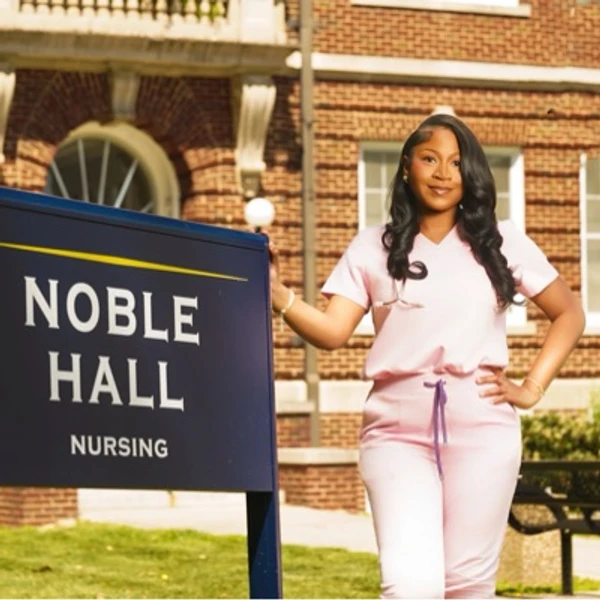
I am a senior nursing student at North Carolina A&T State University, working toward my Bachelor of Science in Nursing. My goal is to become a Certified Registered Nurse Anesthetist (CRNA) and contribute to research that addresses health disparities, especially within marginalized communities. I am also a member of Sigma Theta Tau International Honor Society of Nursing, recognizing academic excellence and leadership in nursing. I have completed a nurse externship in the Medical Intensive Care Unit and participated in the UC Irvine HBCU Summer Research Program. My research focuses on the mental health and socioeconomic challenges faced by Black women who became mothers during high school. These experiences have strengthened my passion for critical care and advocacy-driven nursing. As a first-generation college student, I am determined to break generational barriers and create meaningful change. I am dedicated, compassionate, and resilient, and committed to providing excellent patient care while advocating for equity and innovation in healthcare. Nursing is more than a career for me; it is a calling that I pursue with purpose and perseverance

Education

North Carolina A & T State University

Bachelor's degree program
2022 - 2026
  • Majors:
    • Registered Nursing, Nursing Administration, Nursing Research and Clinical Nursing
Roanoke Valley Early College

High School
2018 - 2022

Miscellaneous

  • Desired degree level:

    Doctoral degree program (PhD, MD, JD, etc.)

  • Graduate schools of interest:

  • Transfer schools of interest:

  • Majors of interest:

    • Registered Nursing, Nursing Administration, Nursing Research and Clinical Nursing
  • Not planning to go to medical school
  • Career

    • Dream career field:

      Hospital & Health Care

    • Dream career goals:

      My long-term career goal is to become a Certified Registered Nurse Anesthetist (CRNA). After graduating from nursing school, I plan to begin my career in a critical care unit where I can strengthen my clinical judgment, critical thinking, and ability to care for patients with complex conditions. Working in the ICU will allow me to build the experience needed to safely manage high-acuity patients and eventually pursue graduate education in nurse anesthesia. I also hope to use my career to advocate for patients and give back to communities like the one I grew up in. Coming from a low-income background has motivated me to work hard and break barriers in healthcare. As a future CRNA, I want to provide high-quality care while also encouraging and mentoring students from underrepresented backgrounds who aspire to pursue careers in healthcare.

    • Nurse Extern

      Cone Health
      2025 – 2025
    • Pediatric CNA

      Angels of Care
      2023 – Present3 years
    • Student Nurse Apprentice (SNAP II)

      Novant Health
      2024 – 20251 year
    • Apparel Team Associate

      Walmart
      2021 – Present5 years

    Sports

    Cheerleading

    Junior Varsity
    2018 – 20202 years

    Research

    • Public Health

      Center of Excellence for Integrative Health Disparities & Equity Research (CIHDER) — Research Assistant
      2026 – Present
    • Public Health

      University of Califronia, Irvine — UCI-HBCU SON Intern
      2025 – Present

    Public services

    • Volunteering

      Cross the Street Ray Warren Program — Volunteer
      2024 – 2024

    Future Interests

    Advocacy

    Volunteering

    Philanthropy

    Entrepreneurship

    Wieland Nurse Appreciation Scholarship
    I decided to pursue a career in nursing because I have seen firsthand what happens when people do not have access to the care they need. Coming from a disadvantaged community, I grew up around family members who did not regularly go to the doctor, not because they did not care about their health, but because of barriers like cost, transportation, and lack of access. Those experiences shaped how I view healthcare and ultimately led me to nursing. One of the most personal examples for me is my dad. He is a 49-year-old Black man who was diagnosed with diabetes just two years ago. Like many others in my family, he did not regularly seek medical care. Because of that, his diagnosis came later than it should have. It made me realize that this is not just about individual choices, it is about access. If we had more affordable and accessible healthcare resources, his condition could have been caught earlier and managed sooner. Seeing that in my own family made everything feel real for me. Now, as a senior nursing student completing my capstone in the intensive care unit, I continue to see this same pattern. I take care of patients, many of them young, who are dealing with conditions that could have been prevented or managed earlier. It is hard to watch, especially knowing that many of these outcomes are tied to larger systemic issues. Underserved communities are still being overlooked, and despite policies that exist, there are still major gaps. People cannot always make it to appointments, afford medications, or even take time off work to prioritize their health. Another thing that stands out to me is that so many decisions about healthcare are being made by people who have never actually worked in healthcare or cared for patients at the bedside. Policies may look good on paper, but they do not always reflect what patients and families are really going through. When you are in the hospital every day, you see the reality. You see patients choosing between paying for medication or paying their bills. You see people delay care because they simply cannot afford it. That disconnect is something I want to help change. That is why I am so passionate about not only becoming a nurse, but also being an advocate. I want to be someone who understands both the clinical side and the real-life barriers patients face. I have been involved in research focused on underserved communities, and that experience has strengthened my desire to be a voice for people who often feel unheard. I want to help bridge the gap between healthcare systems and the communities they are meant to serve. Nurses are in a unique position because we see everything up close. We see how lack of access, financial struggles, and social factors impact health outcomes every day. I am tired of seeing people avoid care because they cannot afford it or are afraid of the cost. I want to be part of the change, not just at the bedside, but also in conversations about policy and health equity. Pursuing this scholarship is another step toward that goal. It would allow me to continue my education and move forward in a career where I can give back to my community and advocate for better access to care for those who need it most. I found out about this scholarship through Bold.org.
    $25,000 "Be Bold" No-Essay Scholarship
    Brian C Jensen Scholarship
    400 Bold Points No-Essay Scholarship
    500 Bold Points No-Essay Scholarship
    WayUp “Unlock Your Potential” Scholarship
    300 Bold Points No-Essay Scholarship
    100 Bold Points No-Essay Scholarship
    Bold Rewards No-Essay Scholarship
    Finance Your Education No-Essay Scholarship
    Grand Oaks Enterprises LLC Scholarship
    Winner
    Growing up, I understood early that where you start does not have to determine where you finish. To make it out of the projects or any rural neighborhood, the first step is education. In many Black communities, higher education is not always emphasized the way it should be. Sometimes it is not because people do not care, but because survival becomes the focus. When you grow up seeing struggle as normal, it can feel safer to stay where you are than to step into something unfamiliar. I saw that mindset around me, even within my own family. Fear of the unknown can keep people stagnant. But I knew from a young age that I was not going to let that be my story. I made a decision early on that I would break that cycle. I did not want the generations after me to understand what it feels like to struggle constantly or to feel like your only option is to accept whatever scraps are handed to you. I wanted more. Because of that, I stayed focused. I made sure I was at the top of my classes and involved in programs and activities that people in my family had never imagined for themselves. I pushed myself into spaces that felt unfamiliar because I understood that growth requires discomfort. Every achievement was not just for me. It was proof that my environment would not define my outcome. I graduated high school as salutatorian of my class, determined to continue building something greater. When I chose to attend North Carolina A&T State University, an HBCU, it was intentional. Attending an HBCU means being surrounded by excellence that looks like me. It means learning in an environment where my culture is celebrated, not explained. At North Carolina A&T, I see future doctors, engineers, nurses, researchers, and leaders who come from backgrounds similar to mine. That representation strengthens my confidence and reminds me that I belong in every space I enter. Attending an HBCU also connects me to a powerful history. These institutions were created at a time when Black students were denied access to education. Knowing that gives my education deeper meaning. I am walking in classrooms built on resilience, sacrifice, and determination. That legacy pushes me to take my opportunities seriously. I am not just earning a degree. I am honoring the sacrifices of those who came before me and proving that their fight was not in vain. I chose to study nursing because I have seen how health disparities impact Black and underserved communities. I have watched family members struggle with chronic illnesses, limited access to quality care, and a lack of health education. As I advanced in nursing school, I gained experience in critical care settings and participated in research focused on social determinants of health in marginalized populations. Those experiences showed me that healthcare is not just about treating disease. It is about addressing inequities, advocating for patients, and educating communities. My goal is to begin my career in critical care, serving patients during some of the most vulnerable moments of their lives. Long term, I plan to become a Certified Registered Nurse Anesthetist so I can continue advancing clinically while increasing representation in advanced practice nursing. Representation matters. When patients see providers who understand their cultural background and lived experiences, it builds trust. I want to be that provider. For my family, my education represents generational change. I am building on sacrifices that were made long before me. I want to create financial stability and opportunities that were not always available to us. I want my younger siblings and cousins to grow up believing that college, advanced degrees, and professional careers are normal and attainable. I want them to see that fear of the unknown should never be stronger than the desire for something better. For my community, I plan to give back through service, mentorship, and advocacy. I have already participated in community health initiatives that provide screenings and education in underserved neighborhoods. I plan to continue that work throughout my career. Whether through mentoring students interested in healthcare, volunteering in community outreach programs, or contributing to research that addresses health disparities, I intend to use my education to uplift others. Attending an HBCU has strengthened my identity and sharpened my purpose. It has surrounded me with mentors who challenge me and peers who inspire me. Most importantly, it has reminded me that excellence is not rare in our communities. It has simply been overlooked. I am committed to changing that narrative. My journey has required resilience, discipline, and faith. I am not pursuing education simply for personal success. I am pursuing it to break cycles, to create opportunities, and to serve others. My degree in nursing will allow me to provide care, advocate for equity, and lead with compassion. Through my actions and my career, I plan to make a lasting difference for my family and for the community that shaped me.
    Community Health Ambassador Scholarship for Nursing Students
    I chose to pursue a degree in nursing because of my lived experiences with caregiving, limited access to healthcare, and the community that shaped me. I am a first-generation Black college student from a rural area where healthcare resources are often limited and not always easily accessible. Growing up, I saw how distance, lack of providers, and limited health education could delay care and leave families feeling overwhelmed or unsure of where to turn. Those early experiences taught me that health outcomes are influenced not only by illness, but also by access, advocacy, and education. My decision to pursue nursing became deeply personal in 2016 when my grandmother suffered a hemorrhagic stroke. I remember being in the hospital and hearing doctors say how lucky she was to survive a stroke of that severity. From that moment on, I witnessed her entire journey, beginning in the neuro intensive care unit, transitioning to a nursing home, and slowly working through the long process of recovery. There were moments when progress felt uncertain and emotionally exhausting for our family. Nearly a decade later, she has regained almost full function on her right side and is once again able to cook for family holidays. Seeing that transformation showed me how powerful nursing care can be, not just in saving lives, but in restoring independence, dignity, and quality of life. One of the most influential parts of this experience was watching my mother step into the role of caregiver and advocate. Although she is not a healthcare professional, she showed up every day without hesitation. She ensured medications were taken correctly, attended appointments, asked questions, and spoke up when something did not feel right. Watching my mother taught me that healthcare does not end when a patient leaves the hospital. It continues at home, within families, and throughout the community. It also showed me how often women are the backbone of caregiving and advocacy, especially in underserved communities. That lesson is one of the main reasons I chose nursing. As a future nurse, I hope to contribute to my community by being both a caregiver and an advocate. I want to work with individuals and families who may feel overlooked, unheard, or unsure of how to navigate the healthcare system. Coming from a rural background, I understand how intimidating healthcare settings can be and how important it is for patients to feel respected and informed. I hope to improve health outcomes by promoting preventative care, increasing health education, and building trust between healthcare providers and the communities they serve. I am also interested in using nursing as a platform for advocacy. I want to support efforts that address health disparities and improve access to care for rural and marginalized populations. As a first-generation Black woman in nursing, representation matters to me. I want patients to see someone who understands their experiences, respects their culture, and is willing to listen. Being selected as a recipient of this scholarship would allow me to continue my education with less financial strain and remain focused on my academic and professional goals. More importantly, it would support my commitment to giving back to the community that shaped me and becoming the kind of nurse who leads with compassion, advocacy, and purpose.
    No Essay Scholarship by Sallie
    Women in Healthcare Scholarship
    I chose to pursue a degree in healthcare because of the experiences that shaped me long before I ever stepped into a classroom or hospital setting. I come from a very rural area where access to healthcare is limited, and growing up, I saw how difficult it could be to get timely care or reliable health information. Those early experiences made me aware of how deeply access and advocacy matter, especially for families who may not have the resources or knowledge to navigate the healthcare system. That reality became even more personal in 2016, when my grandmother suffered a hemorrhagic stroke. I remember being in the hospital and hearing doctors say how lucky she was to survive a stroke that severe. From that point on, I witnessed her entire journey, from the neuro intensive care unit to a nursing home and through years of recovery. Healing did not happen overnight, and it did not stop when she was discharged. It required constant care, education, and advocacy. One of the most influential parts of that journey was watching my mother step into a caregiving role without hesitation. Although she is not a healthcare professional, she became my grandmother’s strongest advocate. She visited her daily, made sure medications were taken correctly, asked questions, and spoke up when something did not feel right. Watching my mother showed me the power women have in healthcare spaces, even when they are not formally trained. She taught me that women are often the ones holding families together during illness, making decisions, and ensuring care continues long after providers leave the room. That example is a major reason I chose nursing. As a woman in the healthcare field, I hope to make a positive impact by being both a caregiver and an advocate. Women in healthcare bring empathy, resilience, and strength to spaces that can often feel overwhelming for patients and families. I want to be the nurse who listens, who educates, and who empowers patients to understand their health and speak up for themselves. This is especially important for women and individuals from rural or underserved communities who may feel dismissed or unheard within the healthcare system. I also hope to contribute to healthcare through research and advocacy. My experiences have made me passionate about understanding how serious health events affect patients and families long term, particularly women and marginalized populations. By engaging in research, I want to help identify gaps in care and work toward solutions that improve outcomes and promote equity. As a woman in healthcare, I see research as a way to elevate voices that are often overlooked and to create change that extends beyond individual patient interactions. Ultimately, my goal is to become a nurse who uses her voice, knowledge, and experiences to empower others. I want to support patients during their most vulnerable moments while also working to strengthen the healthcare system for future generations. Pursuing a degree in healthcare allows me to turn my lived experiences into purpose and to make a meaningful impact as a woman committed to compassionate, equitable care.
    Willie Mae Rawls Scholarship
    My name is Re’Nayal Hines, and I am a nursing student dedicated to critical care, community health, and research. I am a Black woman from a rural town in North Carolina, where I witnessed firsthand the impact of limited access to healthcare on entire families. Growing up, I saw loved ones struggle to receive timely and adequate care. Many were uninsured or dismissed by providers who did not understand their backgrounds or circumstances. These early experiences motivated me to become a nurse who not only treats illness but also advocates for patients and addresses the gaps in our healthcare system. My time in nursing school has only strengthened this desire. During my externship in the Medical Intensive Care Unit (MICU), I learned what it means to care for patients when their lives are on the line. The environment was intense, but what stood out to me most was the compassion exhibited by the nurses. They spoke gently to sedated patients, explained every step with care, and remained present with families during their hardest moments. I witnessed end-of-life conversations, celebrated when patients began to recover, and experienced everything in between. This experience taught me that critical care nursing is not just about clinical skills; it is about being fully present for people during some of the most vulnerable times in their lives. That is the kind of nurse I aspire to be. In addition to my clinical work, I am involved in research as part of the UC Irvine HBCU Summer Research Program. My current research focuses on the long-term mental health and socioeconomic impacts of early motherhood among Black adolescent mothers. This topic resonates with me because I grew up around girls who became mothers in high school and had to put their dreams on hold. Their stories are powerful, and I saw how stress, limited access to care, and a lack of support shaped their futures. I aim to use research to highlight these experiences and advocate for better systems of care that meet the needs of young mothers, especially those from marginalized communities. Eventually, I plan to become a Certified Registered Nurse Anesthetist (CRNA). I want to continue working in critical care while bringing the same compassion and advocacy into advanced practice. I also hope to mentor other students from rural, underrepresented backgrounds. I understand what it feels like to be the only one in the room, and I want to help others navigate that space with confidence and pride. Being a nurse is more than just a career for me; it is a calling rooted in who I am, where I come from, and what I believe in. Through both nursing and research, I hope to help close gaps in healthcare, uplift the voices of those often unheard, and ensure that every patient feels seen, respected, and cared for. That is the impact I aspire to make in this world.
    Catrina Celestine Aquilino Memorial Scholarship
    My name is Re’Nayal Hines, and I am a nursing student committed to critical care, community health, and research. As a Black woman from a rural town in North Carolina, I have seen firsthand how limited access to healthcare impacts entire families. Growing up, I witnessed people I love struggle to receive timely and adequate care. Many were uninsured or dismissed by providers who did not understand their backgrounds or circumstances. These early observations shaped my desire to become a nurse who not only treats illness but also advocates for patients and challenges the gaps in our healthcare system. My experiences in nursing school have only strengthened that desire. During my externship in the Medical Intensive Care Unit (MICU), I learned what it means to care for patients when their lives are on the line. The environment was intense, but what stood out most to me was the compassion displayed by the nurses. They spoke gently to sedated patients, explained every step with care, and stayed present with families during their hardest moments. I witnessed end-of-life conversations, celebrations as patients began to recover, and everything in between. This experience showed me that critical care nursing is not just about clinical skills; it is about being fully present for people during some of the most vulnerable times in their lives. That is the kind of nurse I aspire to be. Beyond my clinical work, I am also involved in research through the UC Irvine HBCU Summer Research Program. My current research focuses on the long-term mental health and socioeconomic impact of early motherhood among Black adolescent mothers. This topic is important to me because I grew up with girls who became mothers in high school and had to put their dreams on hold. Their stories have been powerful, and I have seen how stress, limited access to care, and lack of support shaped their futures. I want to use research to highlight these experiences and advocate for better systems of care that meet the needs of young mothers, especially those from marginalized communities. Ultimately, I plan to become a Certified Registered Nurse Anesthetist (CRNA). I want to continue working in critical care while bringing compassion and advocacy into advanced practice. I also hope to mentor other students from rural, underrepresented backgrounds. I understand what it feels like to be the only one in the room, and I want to help others navigate that space with confidence and pride. Being a nurse is more than just a career for me; it is a calling rooted in who I am, where I come from, and what I believe in. Through both nursing and research, I hope to help close the gaps in healthcare, uplift the voices of those who are often unheard, and ensure that every patient feels seen, respected, and cared for. That is the impact I aspire to have in this world.
    John Walker and Christine Horton Education Scholarship
    Through my education, I want to become a pediatric critical care nurse and eventually a Certified Registered Nurse Anesthetist (CRNA). I’m drawn to pediatric critical care because I want to help children and their families during some of the hardest times in their lives. This kind of nursing takes skill, patience, and the ability to stay calm under pressure, and I’m ready to develop those qualities through my studies and clinical work. My goal is to provide care that not only helps children heal but also supports their families through difficult moments. I’m also really interested in research, especially around how things like income, race, and environment affect children’s health. Right now, I’m part of a summer research program at UC Irvine where I’m looking into the mental health challenges faced by Black women who became mothers as teenagers. This experience showed me how research can help us understand problems better and find ways to fix them. I want to bring that knowledge into my nursing career to help improve care for children from underserved communities. Working with children has been one of the most rewarding parts of my journey. I volunteer with the Cross the Street: Ray Warren Program, helping children with homework and mentoring them. I’ve also worked as a pediatric home health CNA, caring for children with special needs at home. These experiences taught me a lot about patience, empathy, and how important it is to connect with both children and their families. All of this has made me more determined to build a career where I can combine hands-on care, research, and advocacy. I want to make a real difference in the lives of children and families who face challenges, and I believe my education will help me do that. In addition to volunteering, I have worked as a pediatric home health Certified Nursing Assistant (CNA), providing care to children with special needs in their own homes. This role deepened my understanding of the unique challenges that families face when managing complex health conditions. It also taught me how essential compassion, empathy, and adaptability are when working with children and their caregivers. Building strong relationships with both the children and their families helped me learn how to deliver care that is respectful, individualized, and supportive. Both my volunteer and CNA experiences have strengthened my commitment to serving vulnerable populations and inspired me to continue growing as a nurse and advocate. I am determined to use my education to improve the lives of children and families facing health disparities while advancing equity in healthcare more broadly. Ultimately, I want to combine my passion for clinical nursing, research, and community engagement to create positive change. Through dedication and hard work, I believe I can help build a future where quality healthcare is accessible to everyone, regardless of their background or circumstances.to continue serving my community through nursing and advocacy.
    Delories Thompson Scholarship
    In the future, I want to become a Certified Registered Nurse Anesthetist (CRNA) and use my role in critical care to make a difference. I also want to conduct research that focuses on health disparities, especially in underserved and low-income communities. This summer, I’m part of the UC Irvine HBCU Research Program, where my project explores the mental health experiences of Black teen mothers. Through this work, I’ve learned how powerful research can be in shaping policies and improving care for people who are often overlooked. To me, being Black means strength, pride, and purpose. It means carrying the legacy of my ancestors while paving the way for those coming after me. I see my identity as a source of motivation to push through challenges and make space for others who feel unseen or unheard. As a first-generation college student, I’m committed to breaking generational barriers and becoming someone my younger family members can look up to. I chose to attend an HBCU because I wanted to be in a space where I felt supported, represented, and understood. North Carolina A&T has helped me grow not just as a student, but as a future nurse and a leader. It’s a place where I’ve been reminded that I belong and that my voice matters. My time here has shaped how I see myself and the impact I want to make.