
Hobbies and interests
Animals
Church
Crocheting
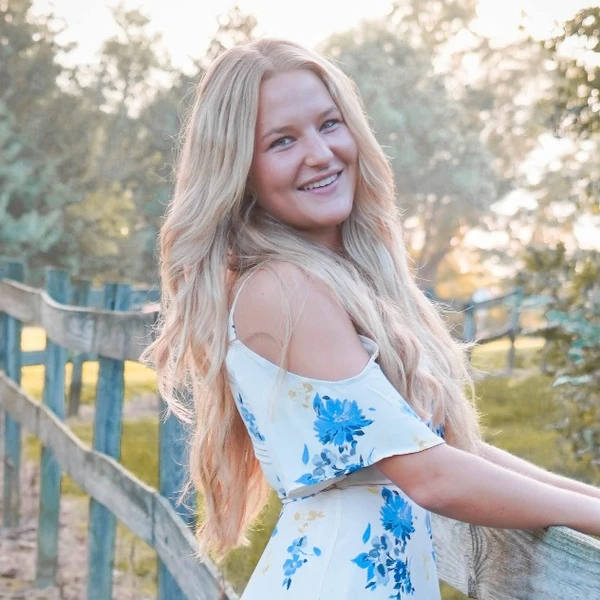
Remi Bearman
1x
Finalist
Remi Bearman
1x
FinalistBio
I am a junior nursing student at Saint Mary’s College pursuing my Bachelor of Science in Nursing. I come from Fort Wayne, Indiana, and I am passionate about serving others through compassionate healthcare. My experiences as a nursing student, hospital nursing tech, and caregiver have strengthened my desire to become a nurse who provides both skilled and heartfelt care during vulnerable moments in people’s lives.
I have a special interest in maternal and child health, patient education, and supporting families through important life transitions. Outside of academics, I enjoy crocheting, faith-based community involvement, staying active, and spending time with family, friends, and my pets. I value hard work, kindness, and perseverance, and I hope to use my education to make a meaningful difference in the lives of others.
As a student seeking to finance my education, scholarships would greatly reduce my financial stress and allow me to stay focused on my studies, clinical training, and future career goals.
Education
Saint Mary's College
Bachelor's degree programMajors:
- Registered Nursing, Nursing Administration, Nursing Research and Clinical Nursing
Miscellaneous
Desired degree level:
Bachelor's degree program
Graduate schools of interest:
Transfer schools of interest:
Majors of interest:
Career
Dream career field:
Nursing
Dream career goals:
Student Teacher
ECDC2024 – Present2 years
Sports
Cross-Country Running
Varsity2022 – 20231 year
Awards
- Medals
Volleyball
Varsity2013 – 20229 years
Arts
High School
Theatre2023 – 2023
Future Interests
Advocacy
Volunteering
Entrepreneurship
Bulkthreads.com's "Let's Aim Higher" Scholarship
When people hear the word “build,” they often think of businesses, inventions, or buildings. What I want to build is less tangible, but just as important. I want to build trust during some of the most vulnerable moments in people’s lives.
As a nursing student, I have learned that healing is not only about medications, procedures, or charting. It is also built through human connection. During one of my clinical rotations, I cared for a patient and spent time talking with her while helping with routine tasks. She shared that she loved crocheting blankets for others. It seemed like a small conversation, but I watched her face light up when she talked about something she loved outside of being a patient. That moment reminded me that people want to be seen as more than their diagnosis. A few weeks later, I bought crochet supplies and taught myself how to crochet because that conversation stayed with me. It showed me how powerful simple connection can be.
That is the kind of foundation I want to build in my future nursing career. I hope to work in women’s health, pediatrics, or another specialty where I can support patients and families during meaningful and sometimes overwhelming life moments. I want to be the nurse who helps people feel calm when they are afraid, heard when they feel overlooked, and supported when life feels uncertain.
Education is helping me build that future. At Saint Mary’s College, I have balanced rigorous nursing coursework, clinical rotations, and multiple jobs to help pay for school. While the financial burden can be stressful, I see my education as an investment in the life I am working toward. Every long clinical day, late-night study session, and work shift is helping me build a future where I can serve others in a meaningful way.
Beyond individual patient care, I hope to give back to my community by mentoring future nursing students, volunteering with children, and continuing to serve others through compassion and faith. I want to build a life that reflects resilience, service, and empathy.
At the end of my career, I do not want success to be measured only by titles or income. I want it to be measured by the lives I impacted, the people I comforted, and the community I helped strengthen through care.
Strong Leaders of Tomorrow Scholarship
Leadership used to look very different in my mind. I thought leaders were always the loudest people in the room, the team captains, or the ones giving directions, which was not who I was. I always said I was more of a follower than a leader, especially coming from such a big family and being the baby; it was easier to follow than lead. Over time, I have learned that real leadership often happens in smaller moments, through consistency, initiative, and how you make others feel supported.
One of the biggest ways I have grown as a leader has been through healthcare. As a nursing student, I have learned that leadership is not about having all the answers. It is about stepping up when things become difficult and remaining calm for others. During a summer healthcare position, I witnessed my first full code in the emergency room. It was intense and fast-paced, and while I was nervous, I quickly realized how important it was to stay focused and help wherever I could. I listened closely, anticipated needs, and remained present. That experience taught me that leadership often means being dependable in high-pressure moments.
I also try to lead through compassion. During clinical rotations, I often take the initiative to help nurses, nursing assistants, and my peers whenever I can. Whether that means helping reposition a patient, answering call lights, comforting someone anxious, or simply stepping in before being asked, I have learned that strong leaders notice what needs to be done and act on it. I also enjoy helping fellow nursing students study for exams by organizing review sessions, sharing study guides, and encouraging classmates when they feel overwhelmed. Nursing school can be stressful, and I want others to feel supported rather than alone.
Outside of healthcare, leadership has also been present throughout my athletic background. Growing up, I participated in volleyball, swimming, track, cross country, and even served as the boys' basketball manager. Sports taught me discipline, accountability, and how to motivate others even when things get hard. Leadership in sports was not always about winning. It was about showing up consistently, encouraging teammates, and learning how to persevere through setbacks.
I was also selected for a Future Leaders fellowship opportunity, which helped strengthen my confidence and leadership abilities. That experience reminded me that leadership is not defined by one title or accomplishment. It is built through everyday choices to serve others, remain disciplined, and continue growing.
Above all, what makes me a leader is my willingness to step up, care deeply for others, and create environments where people feel seen and supported. Whether I am caring for patients, helping classmates, mentoring younger students, or supporting friends, I lead by example. I believe the best leaders are not focused on recognition. They focus on leaving people better than they found them, and that is the kind of leader I strive to be every day.
MJ Strength in Care Scholarship
The first time I realized nursing was what I wanted to do, it was not during a dramatic medical moment. It was during a simple conversation.
During one of my clinical rotations, I was caring for a patient and started talking with her after completing routine tasks. I wanted to know more about her, and just listen and have her know I was there to listen. She shared that she loved crocheting and spent much of her time making blankets for others. It was such a small conversation, but I remember how her face lit up when she talked about something she loved outside of being a patient in a hospital bed. She was no longer just someone receiving care. She was a person with hobbies, memories, and a life beyond her diagnosis.
That interaction stayed with me. A few days later, I bought crochet supplies and taught myself how to crochet a blanket. It helped me relieve stress. I was not making it for myself, but for someone who matters to me. Every time I worked on it, I thought about how meaningful it is when healthcare workers slow down enough to truly see people. That is the kind of nurse I want to become.
I am currently pursuing my nursing degree at Saint Mary’s College while balancing clinical rotations, work, and the financial responsibility of paying for school largely on my own. I work at an early childhood development center, babysit, and have taken on other jobs while continuing my education because earning this degree matters deeply to me. My mom also returned to school later in life to complete her BSN, and watching her determination showed me what perseverance looks like.
My faith has also shaped my journey in healthcare. There have been seasons in my life where I struggled physically and mentally, including experiencing a severe heat stroke that completely changed the way I viewed my health and body. During that difficult period, I leaned heavily on my faith and began viewing my life with more gratitude. That experience gave me empathy for people who feel vulnerable, scared, or physically unwell because I understand how quickly life can shift.
Through clinicals and healthcare experiences, I have learned that I love both the fast-paced side of medicine and the deeply personal side of patient care. During a summer healthcare role, I experienced my first full code in the emergency room. It was intense and emotional, but it taught me how important teamwork, quick thinking, and calm communication are in healthcare settings. At the same time, some of my favorite moments in nursing are the quiet ones; holding someone’s hand, making them laugh, or helping them feel less alone.
Outside of nursing, I am passionate about fitness, running, and spending time outdoors. Movement used to be something I approached from an unhealthy mindset, but now it represents gratitude for what my body can do. Running, long walks, and time in nature help me feel grounded and balanced during stressful seasons of school and life.
I also love working with children, music, and finding joy in small creative hobbies like crocheting.
Nursing is the career I chose because it allows me to combine communication, compassion, resilience, faith, and service into meaningful work. I want to be the kind of nurse patients remember not only because I provided safe care, but because I made them feel valued during some of their hardest days.
Dream BIG, Rise HIGHER Scholarship
The direction of my life became clearer the first time I cared for someone who simply needed to feel seen. It was not a dramatic moment in a hospital room or a scene from a movie. It was a quiet interaction where kindness mattered just as much as skill. I realized then that education was not only a way to build a career. It was the path that would allow me to become the kind of person who could make a real difference in the lives of others. That realization is what led me to pursue nursing.
Education has given me more than classes, grades, or a future degree. It has given me purpose. As a nursing student, I have learned the science behind caring for the human body, but I have also learned the deeper meaning of service, resilience, and responsibility. Every lecture, clinical rotation, and long study night reminds me that knowledge can be used to comfort people during some of the most vulnerable moments of their lives. Education has turned my desire to help others into a practical and meaningful path forward.
My journey through higher education has not been without challenges. I pay for school myself and carry the financial weight of pursuing a degree largely on my own. I have taken out loans and continue to work while balancing demanding nursing coursework and clinical hours. There are many times when it feels like I am carrying two full time responsibilities at once. Nursing school requires focus, discipline, and emotional energy, while work is necessary to afford tuition, gas, housing, and basic needs.
Because of these realities, college has looked different for me than it does for some of my peers. I do not always have extra money for social activities, travel, or the freedom to focus only on school. Sometimes I have had to say no to experiences because I needed to work or save money. There have been moments when I felt behind others financially or worried about how I would afford the next semester. Those moments can be discouraging, but they have also made me stronger.
One of the biggest personal challenges I have overcome was learning how to keep moving forward during seasons of emotional and physical hardship. There were times in my life when I struggled deeply with confidence, health, and mental wellness. Instead of allowing those experiences to define me, I used them as motivation to grow. They taught me empathy. When you know what it feels like to struggle, you become more aware of the silent battles other people may be carrying. That perspective will make me a better nurse.
Through these challenges, education became my anchor. It gave me structure when life felt uncertain and reminded me that I was building something meaningful for my future. Every semester completed has felt like proof that difficult circumstances do not have to determine the outcome of a person’s life. Education showed me that progress often happens quietly, through persistence and daily effort.
I have also worked in childcare and caregiving roles while in school, experiences that reinforced my purpose. Caring for children taught me patience, communication, and the importance of creating safe environments where people feel valued. Clinical experiences in hospitals have shown me how powerful compassionate healthcare workers can be. A smile, calm presence, or simple conversation can change someone’s entire day. These experiences confirmed that I am where I am meant to be.
My goal is to become a registered nurse and build a career centered on both competence and compassion. I am especially interested in areas such as pediatrics, women’s health, or chronic care, where education and trust are essential. I want to help patients understand their health, feel empowered in their care, and know they are not alone during difficult moments. I also hope to advocate for patients who may feel overlooked or unheard.
Beyond the bedside, I hope my journey encourages others who feel limited by finances or personal obstacles. Many students believe success is only for people with easier paths or greater support. I want to show that determination, faith, and consistency can open doors too. I may not have had the smoothest road, but I have learned that strength is often built on uneven ground.
Education has shaped not only my goals but my identity. It has taught me discipline, humility, and gratitude. It has shown me that who I am becoming matters just as much as what I achieve. I am becoming someone who works hard, serves others, and refuses to quit when life becomes difficult.
A better future, to me, is not just personal success. It is using what I have learned to ease suffering, uplift others, and create ripple effects of kindness and care. Through nursing, I hope to do that every day.
Thank you for considering my application and for supporting students who are using education to rise above challenges and build purposeful futures.
Arthur and Elana Panos Scholarship
There was a moment in my life when faith stopped being something I simply said I had and became something I truly depended on. During a severe heat stroke, I felt physically weak, scared, and aware of how fragile life can be. In that moment, when my body was failing me and I felt out of control, I remember calling out to God internally and feeling a peace that did not make logical sense. The circumstances were frightening, but I felt I was not alone. That experience changed me. It reminded me that even in moments of fear, God can meet us with comfort, strength, and perspective.
My faith has helped me through many seasons of life, not only dramatic moments like that one. It has carried me through stress, uncertainty, financial pressure, and personal struggles that felt too heavy to carry on my own. As a college student pursuing nursing, there have been times when balancing academics, work, clinical hours, and responsibilities felt overwhelming. Faith has reminded me to keep going one step at a time. It has taught me that my worth is not based only on performance or perfection, but on who I am in God’s eyes.
Faith has also shaped how I treat other people. I believe every person has dignity and value, no matter their background, mistakes, illness, or current circumstances. That belief matters deeply to me because I want to live in a way that reflects compassion rather than judgment. Some of the people who need kindness the most are often the ones the world overlooks. My faith calls me to notice them.
This is one reason I chose nursing as my career path. Nursing allows me to combine knowledge, service, and human connection. Patients are often at vulnerable points in their lives. They may be in pain, anxious, grieving, or afraid. I want to be the kind of nurse who not only provides competent care, but also offers calmness, patience, and respect. Sometimes healing comes through medicine, and sometimes it comes through feeling seen and cared for.
I believe my faith will continue to guide my career by helping me lead with integrity. In healthcare, trust matters. Patients need professionals who are honest, dependable, and compassionate. My faith reminds me to do the right thing even when no one is watching, to work hard, and to treat others with grace. It also gives me resilience. Difficult days will come in any profession, especially nursing, but faith helps me remain grounded when situations are emotionally heavy.
I also hope to be successful in life without losing my values. Success means more to me than income or titles. It means serving others well, using my gifts responsibly, and becoming someone who brings light into difficult places. Faith keeps success in perspective and reminds me that character matters more than status.
God has helped me through fear, growth, and uncertainty, and I trust that He will continue to guide me in the future. Whatever career path unfolds, I hope to reflect His love through the way I work, care for others, and live my life.
Thank you for considering my application.
EverGreen Trails of Service Scholarship
The reason I chose nursing is simple: I want to be there for people when they need someone most. During vulnerable moments, illness can make a person feel scared, overwhelmed, or powerless. Nurses have the ability to bring not only clinical skill, but also comfort, advocacy, and human connection. That combination of science and compassion is what drew me to this profession and continues to motivate me through nursing school.
My planned specialty is working with adults experiencing chronic illness, cardiac conditions, diabetes, and complex medical needs. Through my clinical experiences, I have realized that I connect deeply with patients who are navigating long term health challenges. These patients often need more than a quick intervention. They need education, encouragement, consistency, and someone who understands that healing is not always immediate. Many are managing conditions that affect every part of daily life, and I admire the resilience it takes to keep going.
My current chronic care rotation has had a strong impact on me. It has shown me that chronic illness care is about far more than medications and appointments. It is about relationships, trust, and helping patients maintain dignity while adapting to life changes. I have worked with patients who face mobility limitations, ongoing pain, fatigue, and emotional frustration from living with conditions that may never fully go away. Watching how nurses support these patients with patience and respect has inspired me.
One reason I am drawn to this population is that I genuinely enjoy talking with patients and learning about who they are beyond their diagnosis. Some of the most meaningful moments I have had in clinical settings came from simple conversations. I enjoy helping patients feel comfortable, heard, and seen as people. Chronic care patients often spend significant time in healthcare settings, and I believe they deserve providers who do not become rushed or desensitized. They deserve nurses who still take time to listen.
I am also interested in cardiac care because heart health is both critical and deeply personal for many families. Cardiac symptoms can be frightening and often happen suddenly. I would like to be a calm, knowledgeable presence for patients experiencing chest pain, heart failure, arrhythmias, or recovery after cardiac procedures. Education in this specialty is powerful because small lifestyle changes, medication understanding, and follow up care can greatly improve outcomes.
Additionally, I am interested in learning more about ostomy care and supporting patients adjusting to major bodily changes. An ostomy can affect confidence, independence, and emotional well being. I would want to help patients build confidence, learn self care skills, and know they can still live full lives. If given the opportunity, I would gladly pursue specialized training in stoma care to better support this population.
What makes me passionate about nursing is the chance to combine competence with kindness. I want to be the nurse who notices when someone is discouraged, explains things clearly, responds quickly, and treats every patient with dignity. Chronic illness may become part of a person’s story, but it should never define their worth.
Thank you for considering my application. I hope to build a career caring for patients with chronic and complex conditions, helping them feel stronger, safer, and supported every step of the way.
Beverly J. Patterson Scholarship
The first time I truly understood the power of nursing was not through a textbook or lecture, but through the feeling of being cared for when life felt overwhelming. Nurses have a unique ability to bring calm into chaos, comfort into fear, and hope into vulnerable moments. That is why I am passionate about nursing. It is one of the few professions where skill, science, and compassion come together every single day to change lives.
My passion for nursing has also grown through my own life experiences. I have faced personal struggles that taught me how important kindness and human connection can be. Sometimes people remember a nurse not because of a medication or procedure, but because that nurse listened, reassured them, or made them feel seen. I want to be that kind of nurse. I want patients to feel that someone genuinely cares about them as a person, not just as a diagnosis.
As a nursing student, I have already seen how meaningful this profession is through clinical rotations and healthcare work experience. I have cared for patients who were scared, in pain, lonely, or simply needing someone to talk to. Even small moments matter. Sitting with a patient, helping them feel comfortable, or learning about their life story can make a difficult hospital stay feel less isolating. Those moments confirm that I chose the right path.
The area of nursing I hope to enter is OBGYN care, particularly labor and delivery or mother baby nursing. I am drawn to this specialty because it combines clinical skill with one of the most emotional and life changing moments a family can experience. Supporting a woman through childbirth, helping a new mother gain confidence, and caring for newborns during their first hours of life would be an incredible privilege. I love the idea of being present during a moment filled with both vulnerability and joy.
I also know that OBGYN nursing is not always easy or picture perfect. It can include high stress situations, emergencies, grief, and patients who need reassurance during uncertain outcomes. That is another reason I feel called to it. I want to be a steady and compassionate presence whether the moment is joyful or difficult. Families deserve excellent care and emotional support in both circumstances.
The impact I hope to make in this specialty is helping women feel empowered, respected, and safe. Pregnancy and childbirth can be exciting, but they can also feel intimidating. I want patients to know their voice matters and that they are being heard. I hope to educate mothers, advocate for their needs, and create an environment where they feel supported rather than dismissed. I also want to encourage confidence in new parents as they begin caring for their babies.
Beyond clinical care, I hope to bring warmth and humanity into every room I enter. A nurse can set the tone for someone’s experience through compassion, patience, and presence. That is the kind of impact I want to have.
Thank you for considering my application and for honoring Beverly J. Patterson’s legacy by investing in future nurses. I hope to carry forward that same spirit of care, dedication, and service throughout my career.
Women in STEM Scholarship
I chose to pursue STEM because I am fascinated by the way science and knowledge can be used to heal, solve problems, and improve lives. For me, STEM is not only about formulas, labs, or technology. It is about understanding the human body, thinking critically, and using evidence based knowledge to care for others. As a nursing student, I have found that healthcare is where science meets compassion, and that combination is exactly what drew me to this path.
From a young age, I was curious about how things worked and why people experienced illness, healing, and recovery differently. As I grew older, that curiosity became a calling. I realized I wanted a career where I could continue learning while also making a direct impact on people’s lives. Nursing allows me to do both. It requires knowledge of anatomy, physiology, pharmacology, technology, communication, and problem solving. Every day in healthcare involves applying science in real time to protect, support, and advocate for patients.
Pursuing STEM as a woman is meaningful to me because women belong in every space where innovation and leadership happen. Although women have made incredible progress in science and healthcare, barriers still exist. At times, women may feel pressure to doubt themselves, minimize their voices, or prove their worth repeatedly. I want to be part of changing that narrative by showing that women can lead confidently, think critically, and thrive in demanding fields.
One of the ways I hope to make a difference is through patient care. As a future nurse, I want to provide compassionate, evidence based care that helps patients feel seen and safe during vulnerable moments. I am especially interested in areas such as pediatrics or women’s health, where education, advocacy, and trust are essential. I want patients to feel empowered by understanding their health and knowing they have someone in their corner.
I also hope to make a difference by encouraging other young women to pursue STEM careers. Representation matters. When girls see women succeeding in healthcare, engineering, technology, and research, it expands their vision of what is possible. I want to mentor younger students, share honestly about challenges, and remind them that intelligence is not about perfection. It is about curiosity, perseverance, and the willingness to keep learning.
My own journey has required resilience. Balancing nursing school, clinical rotations, work, and financial responsibility has taught me discipline and determination. STEM fields are challenging, but the challenge has never discouraged me. It has motivated me to grow stronger, ask better questions, and continue pushing forward.
This scholarship’s mission resonates with me because empowered women create empowered communities. When women are supported in STEM, society benefits from more innovation, empathy, and diverse perspectives. I hope to contribute to that future not only as a nurse but as a woman who leads with intelligence, compassion, and purpose.
Thank you for considering my application and for investing in women who are ready to learn, lead, and make a difference in STEM.
Stephan L. Wolley Memorial Scholarship
Some of the most important lessons I have learned in life came through being a student athlete. Sports taught me discipline, resilience, teamwork, and how to keep going even when things feel difficult. Whether I was in the pool, on the track, or supporting a team from the sidelines, athletics helped shape the person I am today. Those same lessons now guide me as I pursue my education and future career.
I come from a family dynamic that has taught me independence, adaptability, and perseverance. Life has not always been simple or perfectly structured, but those experiences pushed me to grow stronger and more self motivated. I learned early that success often comes from consistency, attitude, and choosing to move forward even when circumstances are challenging. My family has also shown me the importance of love, loyalty, and continuing to support one another through every season of life.
Throughout high school, I stayed heavily involved both academically and athletically. I participated in swimming, volleyball, track, and cross country, and I also served as the boys basketball manager. Being involved in multiple sports while balancing academics and extracurricular activities required strong time management and determination. There were early mornings, long practices, demanding schedules, and moments of exhaustion, but I learned how to stay committed to goals even when it was not easy.
In addition to sports, I participated in clubs and school activities because I wanted to make the most of my education and be part of something bigger than myself. Being active in different areas of school helped me build confidence, leadership skills, and relationships with teammates, coaches, teachers, and peers. It also taught me that every role matters. Whether you are the star athlete, a teammate encouraging others, or someone helping behind the scenes, you can make a difference.
I am now a nursing student pursuing my Bachelor of Science in Nursing degree. My goal is to become a registered nurse and care for people during vulnerable and important moments in their lives. I hope to work in areas such as pediatrics, labor and delivery, or another hospital specialty where I can combine skill with compassion. Nursing school is challenging, but athletics prepared me well. Sports taught me how to perform under pressure, stay focused during long days, work with a team, and continue improving through discipline.
Even though I no longer compete in organized high school sports, being active remains an important part of my life. I still enjoy working out, running, and staying healthy because movement has always helped me feel strong mentally and physically. Athletics gave me a mindset that I carry into adulthood.
This scholarship stands out to me because it honors values that matter deeply to me: family, faith, and competition. Competition, when approached the right way, teaches character. It teaches you how to win humbly, lose gracefully, and keep striving. Those values have shaped my journey so far and will continue to guide my future.
Thank you for considering my application and for supporting student athletes who are working hard to build meaningful futures.
Deanna Ellis Memorial Scholarship
Substance abuse has influenced my life through someone I deeply love, my brother. Watching someone you care about struggle with addiction changes the way you see pain, relationships, and healing. It teaches you that substance abuse is rarely just about the substance itself. Often, it is tied to deeper hurt, mental health struggles, trauma, or feeling lost. My brother’s journey has shaped my beliefs, strengthened my compassion, and played a major role in why I want to become a nurse.
When my brother struggled, our family felt the effects in many ways. There were moments of worry, disappointment, confusion, and fear. Addiction can create distance between people who love each other, even when no one wants that distance. It can bring broken trust, emotional exhaustion, and uncertainty about what each day will bring. At times, it felt like we were grieving someone who was still physically present but not fully themselves.
At the same time, this experience taught me not to judge people who are battling addiction. Before seeing it up close, it can be easy to think recovery is simply about making better choices. I now understand that addiction is far more complex. It affects the mind, body, and spirit. Recovery often requires support, treatment, patience, and a community that believes change is possible. Because of my brother, I learned that people struggling with substance abuse are not weak or hopeless. They are human beings who deserve dignity, compassion, and another chance.
My brother’s struggles also changed my relationships. It taught me the importance of boundaries, honesty, and unconditional love. Loving someone through addiction means learning how to care for them without enabling harmful behaviors. It means hoping for them even when they may not yet hope for themselves. It also taught me to value the people in my life more deeply and never take health or peace for granted.
Most importantly, this experience has shaped my career aspirations. I am pursuing nursing because I want to help people during some of the hardest moments of their lives. I want to care for patients with empathy, especially those who may feel judged, ashamed, or forgotten. Individuals facing substance abuse often encounter stigma in healthcare settings, and I want to be part of changing that. I want to be the kind of nurse who sees the whole person, not just the diagnosis.
I know healing does not happen overnight. Sometimes progress looks like one honest conversation, one safe place, or one person who refuses to give up on you. My brother’s journey showed me how powerful support can be and how deeply addiction impacts entire families. It also showed me the strength people carry even when they are struggling.
Because of this experience, I hope to bring compassion, patience, and understanding into my future nursing career. I want patients and families facing substance abuse to know they are still worthy of respect and care. Pain can either harden us or soften us. Through my brother’s struggles, I chose to let it grow my heart.
Thank you for considering my application and for supporting students who hope to make a difference in the lives of others.
Learner Mental Health Empowerment for Health Students Scholarship
Mental health is important to me as a student because I know firsthand how deeply it can affect every part of life, academics, relationships, confidence, and even physical health. For a long time, I believed struggling silently was a sign of weakness. I thought if I worked harder, stayed busier, or pushed through pain quietly, things would improve on their own. Instead, I learned that mental health cannot be ignored, and healing begins when we are honest about what we are carrying.
During high school, especially my junior year, I experienced depression and unhealthy behaviors around eating and self-worth. At the time, I did not fully understand what I was going through. I only knew that I felt overwhelmed, disconnected, and stuck in my own mind. From the outside, I looked like I was doing well. I was involved in sports, kept up with school, and appeared fine. Internally, however, I was struggling. That experience taught me something important: many students carry invisible battles, and you often cannot tell who needs support just by looking at them.
Because of what I went through, mental health matters deeply to me now as a college student. Nursing school is rewarding, but it is also demanding. There are long study hours, clinical responsibilities, pressure to succeed, and the challenge of balancing work and finances. Without mental wellness, it becomes much harder to thrive academically or personally. Mental health is not separate from success; it is a foundation for it. When students feel supported emotionally, they are more able to learn, grow, and pursue their goals.
I advocate for mental health in my community by trying to be the kind of person I once needed. I make an effort to check in on friends, listen without judgment, and create space for honest conversations. Sometimes advocacy is not a large public gesture; it can be as simple as noticing when someone seems overwhelmed and asking if they are okay. It can be encouraging a friend to seek counseling, reminding someone that rest is productive, or helping others know they are not alone.
As someone who works with children and hopes to become a nurse, I also advocate for mental health through compassion and presence. Children, patients, and peers all deserve to feel seen and valued. In childcare settings, I try to model patience, encouragement, and emotional awareness. In clinical settings, I have learned that a calm tone, kindness, and active listening can make a real difference for someone who may be anxious or afraid. Mental health advocacy often begins with treating people with dignity.
I also advocate by sharing parts of my own story when appropriate. I have learned that vulnerability can reduce stigma. When people realize that someone they know has struggled too, conversations become more open, and shame loses its power. I want others to know that needing help does not make them weak, and healing is possible.
Mental health is important to me because it changed my life. My struggles taught me resilience, empathy, and the importance of caring for the whole person. As a future nurse and current student, I hope to continue building a community where people feel safe to speak honestly, seek support, and know they are never alone.
VNutrition and Wellness Nursing Scholarship
Nutrition is one of the most foundational aspects of health, yet it is often overlooked in everyday patient care. As a future nurse, I want to help patients understand that what they eat directly affects how their bodies heal, function, and maintain homeostasis. My experience in nursing education, clinical settings, and even my visit to a sustainable farm has shown me that health does not begin in the hospital. It begins long before that, in daily choices about nutrition and lifestyle.
During my time at a sustainable farm, I gained a deeper appreciation for how food production and health are connected. Seeing how food is grown and how closely it ties to the environment helped me understand that nutrition is not just about eating “healthy,” but about understanding where food comes from and how it supports the body. That experience reinforced what I have also learned in my nursing courses: the body relies on proper nutrients to function at its best.
As a nurse, I plan to use patient education as a key tool to improve nutrition and overall health outcomes. Many patients are unaware of how their diet affects conditions such as diabetes, hypertension, wound healing, and bone health. I want to help bridge that gap by teaching in a way that is simple, practical, and realistic for each patient’s lifestyle.
For example, adequate protein intake is essential for tissue repair and wound healing, especially in post-operative patients or those recovering from injury. Calcium and vitamin D are important for bone strength and preventing conditions like osteoporosis. Vitamin A supports vision and immune function, while other nutrients like iron help with energy levels and oxygen transport in the blood. Understanding these basics allows nurses to connect nutrition directly to patient recovery and long-term health.
In addition to education, I also want to focus on prevention. Many chronic illnesses are influenced by long-term dietary habits. I plan to encourage patients to make small, sustainable changes rather than overwhelming lifestyle shifts. This can include simple steps such as increasing water intake, incorporating more whole foods, reducing processed sugars, and learning how to read nutrition labels. These practical strategies can make healthier eating more accessible and realistic.
I also believe that nutrition education must be culturally sensitive and individualized. Not every patient has the same access to food, financial resources, or cultural dietary patterns. As a nurse, I want to meet patients where they are and work with them to create nutrition plans that are realistic and respectful of their circumstances.
Ultimately, my nursing career will help improve nutrition and overall health by combining patient education, prevention, and compassionate care. I want to empower patients to understand that nutrition is not separate from medicine. It is a daily form of treatment and prevention. By helping patients make informed choices about what they eat, I hope to improve recovery outcomes, reduce chronic disease, and support healthier communities overall.
Tawkify Meaningful Connections Scholarship
The most defining lesson I have learned about human connection came in a moment where words were not the most important thing I had to offer. I was working as a tech when I was brought in to perform CPR. In that room, connection didn't look like conversation or comfort. It looked like rhythm, urgency, teamwork, and refusing to give up on someone, even when the outcome was uncertain. I remember the weight of my hands, the focus in the room, and how every person there was connected by a shared goal to bring someone back to life. That experience changed the way I understand relationships. It showed me that connection isn't always about knowing someone for a long time. Sometimes it is about showing up fully for a stranger in their most vulnerable moment.
That moment shaped how I now build relationships with others, especially in healthcare settings. I learned that people don't always need perfect words. They need presence. They need someone who notices what they are feeling, even when they cannot explain it themselves. Human connection is often built in silence, in observation, and in small actions that communicate care when language isn't enough.
My understanding of connection also comes from my family. My father is a firefighter, and through him I learned what it means to connect with people in crisis. He doesn't always talk about what he sees, but I have watched how he carries responsibility for strangers at their worst moments. That kind of service taught me that connection isn't always comfortable. It can be heavy, emotional, and lasting. It also taught me that showing up consistently, even when things are difficult, is a form of love and responsibility.
My mother and two great aunts are nurses, and they have shown me another side of connection. I have watched them care for patients not only by treating symptoms, but by building trust in moments of fear and uncertainty. They taught me that listening is a skill and a form of care. Sometimes a patient remembers how you made them feel more than what you did for them medically. That lesson has stayed with me as I continue my own clinical experiences. I try to slow down enough to see the person behind the diagnosis, not just the task in front of me.
Another meaningful relationship in my life is with my church community. Being involved in church has shown me that connection is about consistency and belonging. It is about recognizing people beyond surface-level interactions and understanding what they are carrying in their lives. I have seen how simple acts like checking on someone, helping during community events, or offering encouragement can strengthen someone’s sense of connection to others and to faith.
In my clinical experiences, I have seen how these relationships come together in my work. I remember being a patient with heat stroke, which gave me a very different perspective on care. I was overwhelmed and disoriented, and I learned how much calm communication and reassurance matter. That experience showed me that even when someone is physically unwell, they are still emotionally aware and deeply affected by how they are treated. It reinforced that connection in healthcare is part of healing, and it shaped how I now care for patients with greater empathy.
Even outside of healthcare, I see connection in everyday life. I started crocheting during a difficult time in my training, and it became a way for me to process emotions and create something steady. I made a blanket from my first patient experience, and it reminded me that connection can also be expressed through care, time, and intention.
In the future, I want to continue building meaningful connections as a nurse. I want to be someone who patients trust not only because of my skills, but because of how I make them feel seen and heard. I want to strengthen my ability to communicate in ways that bring comfort, especially in moments of fear or uncertainty. My goal is to be present in a way that reminds people they aren't alone in what they are facing.
Human connection isn't something I learned from one person. It is something I have seen in many relationships throughout my life. It is in my father’s service, my mother’s care, my church community’s support, and the moments I have shared with patients in clinical settings. These experiences have shaped how I see the world and how I choose to show up in it.
Forever90 Scholarship
The first time I had to respond to a real emergency, I understood very quickly that service is not something you can turn on and off. It is something you become. I was working as a tech when a patient went down, and I found myself doing CPR in a room that suddenly felt too quiet except for the rhythm of compressions and the urgency in everyone’s voices. I remember focusing on the rise and fall of my hands, trying to stay steady even when everything in me wanted to freeze. That moment did not end the way I hoped it would, but it changed the way I see my purpose. I did not want to stand on the outside of care anymore. I wanted to be fully in it, especially when it mattered most.
Service has always been part of my life because it is part of my family. My father is a firefighter, and I have grown up watching what it means to walk into situations most people run away from. He does not talk much about what he sees, but I have learned that silence often carries more weight than words. My mother and two great aunts are nurses, and through them I learned that care is not just treatment, it is presence. It is noticeable when someone is scared, even if they are trying to hide it. It is choosing patience when everything feels urgent. Their example taught me that serving others is not about recognition; it is about consistency and compassion.
My faith and my church community have also shaped how I show up for others. Being involved in church has given me opportunities to serve in simple but meaningful ways, whether that is helping with community events, supporting outreach efforts, or checking in on members who are going through difficult seasons. Those experiences taught me that service is not always dramatic. Sometimes it is sitting with someone in silence. Sometimes it is showing up when no one else does. I have learned that faith is lived through action, not just belief.
In my education as a nursing student, I have seen how service and learning are deeply connected. During clinical rotations, I have cared for patients in moments of fear, confusion, and pain, and I have learned that technical skills matter, but so does how you make someone feel in those moments. One of my first patients made me realize that even small actions, like explaining what is happening or simply staying present, can bring comfort. I also come from a background where financial resources have not always been abundant, which has made my education something I value deeply and do not take for granted. It has required sacrifice, focus, and a strong sense of purpose to continue moving forward.
I want to use my education to become a nurse who embodies both skill and compassion. My goal is to serve in environments where people feel overlooked or overwhelmed, and to be someone who listens first and acts with intention. I also hope to use my future as a nurse to contribute to community outreach and patient education, especially for families who may not always have access to resources or understanding of the healthcare system.
Mrs. Marion Makins’ life of faith, education, and service reflects the kind of person I aspire to be. I hope to carry forward that same spirit by using my education not only to build a career but to build a life centered on serving others with humility, consistency, and care.
MSGT & DET Bridgette Rochelle Horn Memorial Scholarship
The first time I performed CPR, I remember the sound of the monitor more than anything else. It was summer, I was working as a tech, and I walked into a situation I had only trained for in simulations. A patient had gone down, and suddenly, everything I thought I knew became real. I did chest compressions with shaking hands but a focused mind, counting, pushing, refusing to stop because in my head I kept thinking I wanted to be the one who brought them back. Even though that patient did not survive, something in me changed that day. I left that room knowing I could not turn away from moments like that. I wanted to be there, fully present, for the hardest seconds of someone’s life.
I come from a family where service is not just a word, it is a way of living. My dad is a firefighter. People often see the uniform and the bravery, but they do not always see what it costs him. He goes to every kind of call, and he carries things most people will never have to imagine. Still, he shows up again and again. Watching him taught me that strength is not about what you can avoid; it is about what you can face and still choose to serve others. My mother and two great aunts are nurses, and they are the reason I first understood what it means to care for people through fear, pain, and uncertainty. They showed me that healing is not always about fixing everything; sometimes it is about staying steady when everything else is not.
During my clinical rotations in the emergency department, I saw how quickly life can change. One of my first patients came in struggling with heat stroke. I remember how chaotic the room felt, but I also remember noticing small things, like how important it was to speak calmly and keep them oriented. That experience did not just teach me clinical skills; it taught me how to be present. Around that same time, I started crocheting. My first patient experience pushed me toward it almost instinctively. I made my first blanket during nights when I needed something grounding, something that reminded me I could still create something steady in the middle of unpredictability. It became more than a hobby; it became a way of processing what I was seeing and feeling.
I want to become a first responder because I want to be the person who listens first. The person who notices the fear in someone’s eyes before the words even come out. I want to be a light in moments that feel overwhelming and dark. Whether it is as an EMT, paramedic, or firefighter, I want to be part of the chain that does not give up on people when things are at their worst.
I understand now, more than ever, that first responders do not just respond to emergencies. They carry them. My goal is to carry that responsibility with compassion, discipline, and heart. I am not drawn to this path because it is easy. I am drawn to it because it matters.
Travel Not to Escape Study Abroad Scholarship
Travel has always felt like more than movement to me. It has felt like calling, like growth, like a way to understand people and faith in a deeper way than I ever could in a classroom. One of the biggest dreams I had when I began college at Saint Mary’s College was to study abroad in Uganda as a student nurse. I imagined myself working with mothers and children, helping care for the sick and the most vulnerable, learning what healthcare looks like in places where resources are limited but resilience is strong. That was not just an idea for me; it felt like a purpose.
However, as much as I wanted that experience, I quickly faced a very real barrier. I come from a low-income background, and the financial cost of studying abroad made that dream feel out of reach. I did not have the funds to make it happen, and that was hard to accept because I knew exactly why I wanted to go. I was not interested in travel for comfort or leisure. I wanted to serve, to learn, and to grow in a way that would shape me as a future nurse. In that moment, I had to learn how to be resourceful with what I did have, instead of letting go of the dream completely.
Even though I could not go to Uganda, I found other ways to grow through travel and faith. I was able to travel to Italy with my church, where I experienced Rome and spent time in churches that carried so much history and peace. I went hiking, I prayed, and I saw how faith is lived in different parts of the world. I also attended World Youth Day in Portugal, which was a powerful experience of being surrounded by people from all over the world who shared the same faith but expressed it in so many different ways. I was also blessed to visit the Holy Land, which deepened my understanding of my faith in a way I will never forget. Each of these experiences strengthened something in me. They showed me that even when I am not where I want to be yet, I am still being shaped.
Those experiences did not replace my dream of Uganda, but they prepared me for it. They helped me understand that travel is not only about seeing new places, but about becoming more aware of people, cultures, and the shared humanity we all carry. They also reminded me that my faith is central to everything I do. Even when I could not afford the opportunities I wanted, I still found ways to grow, to serve, and to stay grounded in purpose.
Studying abroad in a healthcare setting is still one of my biggest goals. I want to travel to Uganda and work alongside communities as a student nurse, supporting mothers, newborns, and families who are navigating care with limited resources. I want to learn from them just as much as I hope to help them. My goal is to become a nurse who not only cares within hospital walls, but one who understands global health, cultural differences, and the importance of compassion across every environment.
For me, travel has never been about escaping where I am from. It has always been about becoming the kind of nurse who can show up anywhere in the world with humility, faith, and a willingness to serve.
Charles B. Brazelton Memorial Scholarship
First, I want to thank you for sharing Charles B. Brazelton’s story. It feels meaningful to read about him not just as a name, but as a person with a full, vibrant life and a unique personality. The way you described him, especially how he had things he was not naturally good at but still had his own strengths and joy, makes him feel real and deeply human. It also reflects something I hold close in my own faith, that every life has purpose, even when it's cut short, and that we are all created with something unique to bring into this world.
Reading about Charles also reminded me that being different is not something to hide, but something that shapes who we are. In my own life, my “awkward” thing is that I feel things very deeply, sometimes more than I know how to explain. I overthink small interactions, like a shift in someone’s tone or a joke that does not quite land the way I expected. I can replay conversations in my head for a long time, wondering if I said the wrong thing or if someone is upset with me. On the outside, it might not seem obvious, but internally, I'm always processing everything very intensely.
I also learn differently from a lot of people around me. I'm a hands-on learner, and I do not always retain information well just from reading or memorizing. I have had to learn how to adapt to that, especially in nursing school, where so much is expected to be absorbed quickly. Instead of being discouraged by it, I have had to become creative with how I study and how I stay focused. I learn best by doing, seeing, and applying things in real time, especially during clinicals. It has made me more aware that intelligence and ability do not look the same for everyone.
Another part that stands out is how much I care about people feeling seen. I notice the small things, especially when someone seems quiet, withdrawn, or overlooked. I naturally find myself wanting to check in on people, even in simple ways. That can be emotional at times because I carry other people’s energy with me, but it's also what makes me feel most connected to nursing. I do not want people to feel like just another patient or task. I want them to feel like a person who matters.
My faith is also a steady part of who I am, especially in moments where I feel uncertain or overwhelmed. I hold onto the belief that my life has purpose, even when things feel difficult or confusing. It's something that has helped me through some of my hardest moments, including times when I didn't feel fully in control of my health or my emotions. It reminds me that even my differences, the things I sometimes see as flaws, are part of how I'm shaped.
What I appreciate most about this scholarship is how it honors individuality. Charles’ story shows that people are not defined by one trait or one skill, but by the full picture of who they are. That is something I connect with deeply. My “awkward” or different qualities are not things I want to change. They are part of how I care, how I learn, and how I move through the world.
I want to thank you again for sharing Charles’ story. He feels like someone I would have gotten along with so well, and I trust that, in some way, his light still impacts people like me who are reading about him now.
Women in Healthcare Scholarship
Healthcare has always been present in my life, not as an abstract idea, but as something lived and real. My mom is a nurse, and so are my great aunts. I grew up watching what it actually looks like to care for people when they are at their most vulnerable. I saw the long shifts, the exhaustion that followed them, and still the way they showed up again and again with patience and compassion. They never described nursing as easy, but they always described it as meaningful. That stayed with me.
My own decision to pursue healthcare became more personal through my experiences as a patient. When I had a heat stroke during high school, I was not just scared physically; I was overwhelmed emotionally. I remember being rushed into care, feeling out of control and unsure of what was happening to me. What I remember most clearly, though, are the nurses who took care of me. They were steady when I was not. They explained things to me in a way that made me feel human instead of like a problem to be fixed. In that moment, I understood the power of nursing in a way I had never understood before. It is not just treatment, it is comfort, safety, and trust.
That experience deepened what I had already seen in my family. It showed me that nursing is not only about knowledge and skill, but about how you make someone feel in their most vulnerable moments. That is what drew me into healthcare and what continues to motivate me as I move forward in my education.
As a woman in healthcare, I also feel a strong sense of purpose in how I show up for patients, especially other women. I have experienced what it feels like to not feel fully seen or understood in healthcare spaces, and I know how important it is for patients to have providers who listen closely and take their concerns seriously. I want to be the kind of nurse who creates space for patients to speak openly without feeling rushed or dismissed. I want women, especially, to feel safe and respected in my care.
My clinical experiences have only strengthened this desire. I have learned that some of the most meaningful moments in nursing are not always the most technical ones. They are the moments where you take time to listen, where you notice what a patient is not saying, and where you remind someone through your presence that they matter. I have seen how powerful it is when patients feel heard, and I want to carry that forward in every setting I work in.
I also understand that women in healthcare have historically had to fight for recognition, leadership, and equal respect within the field. Knowing that makes me even more intentional about the kind of nurse I want to become. I do not just want to participate in healthcare; I want to contribute to its growth by being consistent, compassionate, and committed to improving the patient experience.
Ultimately, I chose healthcare because it feels deeply connected to who I am. I have seen it from the inside through my family, I have experienced it personally as a patient, and I have begun to understand it through my education and clinical work. As I continue forward, my goal is to be a nurse who brings both skill and humanity into every patient interaction, and to be part of a generation of women in healthcare who continue to elevate the standard of care through empathy, advocacy, and presence.
Ethel Hayes Destigmatization of Mental Health Scholarship
I have not always understood my own mind, and for a long time, I tried to push through things quietly, as if struggling meant I was weak or failing. My experience with mental health began to take shape in high school, especially during my junior year, when I stopped eating regularly and fell into a deep depression. At the time, I did not fully have the language for what I was going through. I just knew I felt exhausted, disconnected from myself, and constantly overwhelmed by my own thoughts.
I also carried a heavy pressure to perform and be “enough” in every area of my life. I pushed myself hard in cross country, wanting to be the best, while also not properly fueling my body. Looking back, I can see how harmful that combination was. It led to a major heat stroke during a big meet, where I was unconscious for about 15 minutes and rushed to the emergency room. That moment was terrifying and disorienting, but it also became a turning point in my life. In that experience, I truly felt like I saw God at my right side. I was ready. And even after being better, I liked the attention I got, of people looking after me and checking in, which also made me feel guilty for wanting attention. My faith is a major part of who I am, and I genuinely believe I was protected and brought back for a reason; for He has a plan for my life.
Even after that experience, my mental health journey did not suddenly become easy. I still struggle with eating regularly, with self-comparison, and with finding joy in myself without attaching it to achievement or validation from others. Some days it is hard to get out of bed. I overthink conversations, especially small changes in tone or offhand comments, and I take things very personally. I am a people pleaser, and I care deeply about how others see me, sometimes to the point where it affects my emotional well-being. These patterns have impacted my relationships with family, friends, and even myself. At times, I have felt like I was failing in the very relationships that matter most to me. I have most recently been working on trying to set boundaries, especially with family. It has been really tough; my family keeps pushing back and making me feel guilty for wanting to spend more time with others instead of them. I feel I am letting them down, but doing exactly as they want also is letting myself down, and to be unhappy.
What I have come to understand, though, is that mental health is not something separate from who I am. It shapes how I experience the world, how I connect with others, and how I see my future. There are moments when I have felt so low that I questioned my place in the world, that I see ot future nor want to. But I also hold onto the belief that my life is not random or without purpose. My faith has been one of the strongest anchors in my life. Even in my hardest moments, I remind myself that I am still here for a reason and that my story is not finished.
This journey has shaped the kind of nurse I want to become. I do not want to be someone who only sees symptoms or surface-level concerns. I want to be the kind of nurse who recognizes when someone is silently struggling, because I know what that feels like. I want to treat patients with patience, understanding, and without judgment, especially those who may not have the words to explain what they are going through.
Mental health has shaped my goals by pushing me toward a career where I can care for people in both their physical and emotional struggles. It has shaped my relationships by teaching me that honesty and vulnerability are necessary, even when they feel uncomfortable. Most importantly, it has shaped my understanding of the world by showing me that so many people are carrying silent battles, and compassion can make a difference in ways that are not always visible.
I am still learning, still healing, and still growing. But I am also more aware than ever of the importance of grace, both for others and for myself.
Dashanna K. McNeil Memorial Scholarship
My decision to pursue nursing has never felt like a sudden choice. It has been shaped over time by the people around me, my personal experiences in healthcare settings, and the way I naturally connect with others during moments of vulnerability. Being surrounded by nursing in my family, including my mom and great aunts, showed me early on what it means to care for people in a real and consistent way. I saw that nursing is not only about skills and knowledge, but also about presence, patience, and treating people like they matter, even on their hardest days.
One experience that made nursing feel even more personal was when I had a heat stroke. I remember how overwhelming and frightening it felt to lose control of my own body. What stood out to me most during that experience was the nurses who cared for me. They were calm, attentive, and intentional in everything they did. They did not rush through my care. They listened to what I was feeling, explained what was happening in a way I could understand, and made me feel safe when I was at my most vulnerable. That experience stayed with me because it showed me what nursing truly is at its core, not just treatment, but trust and comfort.
As I have moved through my nursing education and clinical experiences, I have become even more certain that I want to continue advancing in this field. I am especially interested in women’s health and newborn care. I am drawn to these areas because they represent some of the most life-changing and emotional moments in healthcare. Birth, recovery, and early life are deeply sensitive times, and I want to be the kind of nurse who can support patients through both the joy and the fear that can come with them. I want to be someone who helps women feel safe, respected, and heard during one of the most important experiences of their lives, and someone who ensures newborns receive gentle and attentive care from the very beginning.
My goal in continuing my education is to strengthen both my clinical knowledge and my ability to provide compassionate, patient-centered care. I know that becoming an excellent nurse requires more than just learning procedures. It requires understanding people. I have learned through my own challenges that I do best in hands-on environments where I can connect learning to real situations. That has shaped how I approach my studies and clinical experiences. I focus on listening closely, observing, and applying what I learn in ways that make sense in real-time care.
Ultimately, I want to grow into a nurse who patients remember not only for the care I provided, but for how I made them feel. I want them to feel seen, supported, and respected. As I continue my education, I am committed to building the skills and confidence needed to serve in women’s and newborn health, and to carry forward th
Lippey Family Scholarship
I have always been someone who works hard, but learning has not always come easily to me in the traditional way. One of my biggest challenges in college has been realizing that I do not learn best by simply reading and memorizing information. My memory can feel unreliable when I try to study long notes or dense textbook chapters, and staying focused for long periods has been something I have had to actively work on. For a while, this made me doubt myself, especially in a demanding nursing program where so much of success seems tied to exams and memorization.
One moment that really challenged me was during one of my early nursing prerequisite courses. I spent hours reading, highlighting, and re reading material, thinking I was preparing the right way. But when I took the exam, I struggled to recall what I had studied. I remember leaving feeling frustrated and discouraged, wondering if I was truly capable of succeeding in nursing. It felt like I was putting in more effort than ever before, but not seeing the results I expected.
That experience became a turning point for me. Instead of giving up or assuming I was not meant for this path, I started paying attention to how I actually learn. I realized I am a hands on learner. I remember things better when I can see them, do them, or connect them to real life situations. Once I accepted that, I began changing the way I approached school completely.
I started using my clinical experiences and skills labs as learning tools rather than just assignments to complete. When I learned a new concept, I would try to connect it to what I was seeing in patient care or simulation labs. I began drawing diagrams, talking through processes out loud, and teaching concepts to myself as if I were explaining them to a patient. I also started studying in shorter, more focused sessions instead of long hours of passive reading. Over time, I noticed that I was retaining more information and feeling more confident during exams and in clinical settings.
What helped me the most was realizing that my way of learning is not a weakness, it is just different. Once I stopped comparing myself to others and started building strategies that fit me, I became more effective and more confident. My challenges forced me to slow down, reflect, and truly understand how I learn best, rather than just trying to memorize and push through.
This growth has carried over into my clinical experiences as well. I have learned that I do my best work when I am actively engaged, asking questions, and applying what I learn in real time. It has also made me more patient with myself and more aware of the importance of different learning styles in both education and patient care.
Looking back, what once felt like a limitation has become one of my greatest strengths. I now know how to advocate for the way I learn, adapt when something is not working, and keep pushing forward even when things are difficult. That challenge taught me not just how to study differently, but how to believe in my ability to grow through discomfort and keep going anyway.
Community Health Ambassador Scholarship for Nursing Students
Nursing, to me, has never been just a career choice I stumbled into. It feels like something that has been quietly shaping my life for as long as I can remember. I grew up surrounded by it. My mom is a nurse, and so are my great aunts, so caring for others was not something I had to imagine. I saw it lived out in real time. I watched them come home exhausted but still proud, still speaking about patients like they were people whose stories mattered deeply. That stayed with me.
My understanding of nursing became even more personal when I experienced a heat stroke. I remember feeling scared, weak, and completely out of control of my own body. What I remember most clearly, though, is the nurses who took care of me. They were calm when I could not be. They listened when I was confused and anxious. They did not just treat my symptoms; they treated me like I was a person who mattered in that moment. That experience changed how I viewed nursing forever. It was not just medical care, it was presence, patience, and reassurance when someone needs it most.
That is what I want to give to others.
As I have continued into my clinical experiences, I have found myself naturally drawn to the moments where I can slow down and truly listen to patients. I have learned that patients often tell you exactly what they need if you give them the space and respect to speak. I have seen how much difference it makes when someone feels heard instead of rushed. Even small conversations can change the tone of a patient’s entire day. I like being that steady presence, the person who helps them feel less alone in an unfamiliar and often overwhelming environment.
Nursing for me is also about being a source of light and comfort. I have always been someone who wants others to feel seen and valued. Whether it is holding a patient’s hand before a procedure, explaining something in a way that eases their fear, or simply sitting with them for a few extra minutes, I want my patients to know that they matter beyond their diagnosis. Every person has a story, and I want to be the nurse who takes the time to hear it.
My goal is to become a nurse who blends clinical skill with compassion. I want to continue growing through my education and clinical training so I can provide safe, knowledgeable care, but I also want to never lose the human side of nursing that first drew me in. The side that my mom, my great aunts, and the nurses during my heat stroke showed me so clearly.
As a future nurse, I hope to contribute to my community by being present in both the big and small moments of care. I want to be someone patients remember not only for what I did for them medically, but for how I made them feel seen, heard, and valued. To me, that is what true nursing is, and it is the kind of nurse I am determined to become.
YOU GOT IT GIRL SCHOLARSHIP
I believe I am a “You Got It Girl” because I have learned how to keep moving forward, even when life has been difficult. To me, being a YGIG girl means being resilient, hardworking, and refusing to let setbacks define you. It means showing up when things are hard, believing in yourself when confidence feels low, and continuing to grow into the woman you are meant to become. My journey has not always been easy, but every challenge has helped shape my strength, compassion, and determination.
Sports have been a meaningful part of my life for many years. In high school, I competed in swimming, cross country, track, and basketball. Athletics taught me discipline, teamwork, consistency, and mental toughness. I earned varsity letters in multiple sports and received awards such as Defensive Player of the Year and Rookie of the Year. More than the awards, sports gave me confidence and taught me how to push myself beyond what I thought was possible. Being part of a team also taught me how important encouragement and accountability are when working toward a goal.
One of the greatest challenges I faced was developing an unhealthy relationship with exercise and my body. What once started as a way to improve myself became something harmful. I pushed my body too far and eventually suffered severe heat stroke, an experience that became life-threatening and forced me to reevaluate everything. It was one of the hardest moments of my life, physically, mentally, and emotionally. However, that setback became a turning point. I learned that health is not about punishment or extremes; it is about strength, balance, gratitude, and caring for the body you have been given.
Today, movement has a completely different meaning in my life. I still love being active, but now I exercise to feel strong, healthy, and grounded. I enjoy working out, running, and going on walks in nature because they bring peace and joy rather than pressure. That transformation taught me that empowerment often comes when we choose healing over perfection. It also gave me a deeper sense of empathy for others who are struggling silently.
Someone I deeply admire is my mother. She returned to school later in life and completed her BSN in her mid-forties. Watching her work hard, persevere, and continue growing inspired me greatly. She showed me that it is never too late to pursue your goals and that determination matters more than timing. Her example reminds me that strong women continue rising no matter their season of life.
I am currently a nursing student, and being both a student and a former athlete has shaped who I am. Student-athlete life taught me how to manage time, perform under pressure, and stay committed when things become challenging. Those same qualities now help me succeed in nursing school. My goal is to become a nurse who brings compassion, confidence, and positivity to patients during vulnerable moments.
This scholarship would support my journey in a very real way. I pay for school myself, and financial stress can be heavy while balancing classes, clinicals, and work. Assistance would help with tuition, books, and living expenses, and allow me to continue prioritizing both my education and wellness. It would also remind me that people believe in young women who are working hard to build something bigger than themselves.
If there is anything else I would like you to know, it is that I am still growing. I am not defined by my past struggles, but by how I chose to rise from them. I hope to represent YGIG as someone who has fallen, learned, healed, and kept going. To me, that is what “You Got It Girl” truly means.
WCEJ Thornton Foundation Low-Income Scholarship
Attending higher education is helping me build the future I have worked hard for: becoming a nurse who makes a meaningful difference in the lives of others. Earning my nursing degree is not only a personal goal, but also the path that will allow me to serve people during some of the most vulnerable and important moments of their lives. Through higher education, I am gaining the knowledge, clinical skills, and confidence needed to care for patients with both competence and compassion.
My journey to college has required determination and sacrifice. I pay for my education myself and work to cover tuition, gas, and everyday expenses. I have worked in childcare, babysat, and found other ways to support myself while balancing the demanding schedule of nursing school. Between classes, studying, and clinical rotations, it can be difficult to maintain steady work hours, but I continue because I know this education is an investment in my future. I want to complete my nursing degree at a strong school and enter my final year with as little added debt as possible.
Although finances have created challenges, they have also shaped me. They have taught me discipline, gratitude, and resilience. While some students may be able to focus only on academics, I have learned how to manage responsibility, persevere under pressure, and appreciate opportunities that may be easy to overlook. Those lessons will stay with me long after graduation and will make me a stronger nurse.
I plan to create a positive impact through the way I care for others. Nursing is more than completing tasks or giving medications. It is about treating each patient with dignity, kindness, and respect. I want to be the kind of nurse who notices when someone is anxious, who takes time to listen, and who helps patients feel less alone during difficult times. Even small moments of compassion can change someone’s day, and I believe those moments matter deeply.
I am especially passionate about caring for mothers, babies, and families, as I have discovered through my clinical experiences. Supporting families during moments of joy, uncertainty, and transition is meaningful to me. Whether I work in maternal-child health or another area of nursing, my goal is to bring warmth, patience, and excellence to every patient I serve.
My faith also plays an important role in the future I hope to build. It reminds me to keep going during difficult seasons and to treat every person as someone worthy of love and care. I hope to be a light in the lives of my patients and coworkers by bringing positivity, encouragement, and compassion into the workplace.
Higher education is allowing me to turn hard work into purpose. It is opening doors that would otherwise remain closed and preparing me for a career where I can positively impact others every day. With the support of this scholarship, I would be able to continue pursuing that calling with less financial burden and greater focus on becoming the nurse I aspire to be.
Olivia Rodrigo Fan Scholarship
Olivia Rodrigo’s music often captures the complicated emotions that come with growing up, learning who you are, and finding confidence in a world that constantly asks you to compare yourself to others. One lyric that deeply resonates with my own experience is from her song “Jealousy, jealousy”: “I kinda wanna throw my phone across the room / ‘Cause all I see are girls too good to be true.” This lyric reflects a struggle many young people face today: the pressure of comparison and the feeling that everyone else seems to have life figured out.
As a college student, I have often felt this pressure. It can seem like everyone around you is succeeding effortlessly: getting the best grades, finding the perfect internships, building friendships, and knowing exactly what they want for the future. Social media, especially, can make it easy to believe that everyone else is ahead while you are falling behind. There have been moments in my own journey where I questioned whether I was doing enough or whether I was enough at all. As a nursing student, the path can feel especially demanding. Balancing rigorous coursework, clinical rotations, jobs, and personal responsibilities sometimes made me feel like I was constantly trying to catch up.
However, what makes this lyric meaningful is that it names a feeling many people hide. It reminds me that comparison is common, but it does not define our worth. Over time, I have learned that growth is not always visible. Some of the most important victories happen quietly: showing up when life feels overwhelming, choosing discipline over comfort, helping others even when you are tired, and continuing forward despite self-doubt. Those triumphs may never appear on social media, but they matter deeply.
Another Olivia Rodrigo lyric that connects to my journey is from “The Grudge”: “It takes strength to forgive, but I don’t feel strong.” This lyric speaks to the challenge of healing and learning resilience. In life, there are disappointments, misunderstandings, and moments when people let you down. I have had experiences where I carried hurt longer than I wanted to because moving on felt harder than holding on. Yet nursing has taught me compassion—not only for patients, but also for myself and others. I have learned that strength is not pretending nothing hurts; it is continuing to love, trust, and grow anyway.
My journey has included challenges such as self-doubt, comparison, stress, and uncertainty about the future. But it has also included triumphs: earning my place in nursing school, caring for patients during clinical rotations, balancing work and academics, and discovering that I am more capable than I once believed. Olivia Rodrigo’s lyrics resonate with me because they are honest about pain while still leaving room for growth. Like her songs, my story is not perfect or finished, but it is real, resilient, and still unfolding.
Deborah Stevens Pediatric Nursing Scholarship
I decided to pursue a career in nursing because I wanted a profession where I could make a real and meaningful difference in the lives of others. I have always felt drawn to helping people, but as I grew older, I realized I wanted a career that combined compassion, critical thinking, and hands-on service. Nursing stood out to me because nurses care for people during some of the most vulnerable, emotional, and life-changing moments they may ever experience. They not only provide medical care, but also comfort, reassurance, advocacy, and hope.
I was inspired to pursue a career in nursing, especially pediatric nursing, because I have always had a natural connection with children and a genuine desire to help them. Being around children has always brought me joy; their energy, honesty, curiosity, and ability to find happiness in small things are something I deeply admire. I realized early on that I not only enjoy being around children but also connect with them in a way that helps them feel comfortable, understood, and safe.
One of the biggest inspirations in my life has been my niece, who is like a best friend to me. Spending time with her, laughing together, jumping on the trampoline, playing, and watching her grow, has reminded me how special childhood is. Children bring light into the world, and they deserve to feel protected, cared for, and supported. Being close with her helped me realize how much I value the role adults can play in shaping a child’s sense of security and happiness.
That inspiration grew even stronger through my experiences caring for children in babysitting, nannying, and educational settings. I have worked with children of many different ages and personalities, including children with learning differences, and those experiences taught me patience, creativity, and how to meet children where they are emotionally. I learned that sometimes helping a child is as simple as listening, making them laugh, distracting them during a hard moment, or showing them kindness when they feel overwhelmed.
What specifically draws me to pediatric medicine is the opportunity to care for children when they may feel scared or unwell. Medical environments can be intimidating, especially for young patients who may not understand what is happening. I want to be the kind of healthcare provider who helps ease that fear, someone who brings warmth into the room, explains things gently, and makes a child smile even on a difficult day.
I am also inspired by the resilience children often show. Even while facing illness, discomfort, or uncertainty, many children still find ways to laugh, play, and be brave. That strength is incredibly moving to me. It motivates me to become someone who can advocate for them, support their families, and help them heal.
Ultimately, I want to pursue pediatric medicine because it combines two things I care deeply about: helping others and caring for children. I would be honored to use my compassion, patience, and ability to connect with young people to make a po
Noah Jon Markstrom Foundation Scholarship
I was inspired to pursue a career in pediatric medicine because I have always had a natural connection with children and a genuine desire to help them. Being around children has always brought me joy; their energy, honesty, curiosity, and ability to find happiness in small things are something I deeply admire. I realized early on that I not only enjoy being around children but also connect with them in a way that helps them feel comfortable, understood, and safe.
One of the biggest inspirations in my life has been my niece, who is like a best friend to me. Spending time with her, laughing together, jumping on the trampoline, playing, and watching her grow, has reminded me how special childhood is. Children bring light into the world, and they deserve to feel protected, cared for, and supported. Being close with her helped me realize how much I value the role adults can play in shaping a child’s sense of security and happiness.
That inspiration grew even stronger through my experiences caring for children in babysitting, nannying, and educational settings. I have worked with children of many different ages and personalities, including children with learning differences, and those experiences taught me patience, creativity, and how to meet children where they are emotionally. I learned that sometimes helping a child is as simple as listening, making them laugh, distracting them during a hard moment, or showing them kindness when they feel overwhelmed.
What specifically draws me to pediatric medicine is the opportunity to care for children when they may feel scared or unwell. Medical environments can be intimidating, especially for young patients who may not understand what is happening. I want to be the kind of healthcare provider who helps ease that fear, someone who brings warmth into the room, explains things gently, and makes a child smile even on a difficult day.
I am also inspired by the resilience children often show. Even while facing illness, discomfort, or uncertainty, many children still find ways to laugh, play, and be brave. That strength is incredibly moving to me. It motivates me to become someone who can advocate for them, support their families, and help them heal.
Ultimately, I want to pursue pediatric medicine because it combines two things I care deeply about: helping others and caring for children. I would be honored to use my compassion, patience, and ability to connect with young people to make a positive difference in their lives.
Wieland Nurse Appreciation Scholarship
I decided to pursue a career in nursing because I wanted a profession where I could make a real and meaningful difference in the lives of others. I have always felt drawn to helping people, but as I grew older, I realized I wanted a career that combined compassion, critical thinking, and hands-on service. Nursing stood out to me because nurses care for people during some of the most vulnerable, emotional, and life-changing moments they may ever experience. They not only provide medical care, but also comfort, reassurance, advocacy, and hope.
What inspired me most was seeing the impact that genuine care can have on someone who is struggling. Through my own life experiences, I learned how important it is to feel seen, supported, and cared for during difficult times. Experiencing challenges such as financial stress, anxiety, loneliness, and feeling overlooked taught me empathy and resilience. Those experiences made me want to become the kind of person who helps others feel less alone and more supported when life feels heavy.
My clinical experiences in nursing school further confirmed this path for me. During rotations, I discovered how much I value connecting with patients one-on-one. Some of the moments that affected me most were not dramatic events, but simple interactions, answering a call light, helping a patient feel comfortable, listening to their fears, or taking time to speak with them when they needed reassurance. Those moments showed me that nursing care is often found in the smallest acts of kindness.
I was also deeply inspired during my maternal-child clinical rotation. Caring for mothers and newborns and witnessing childbirth was one of the most powerful experiences of my life. Seeing the strength of a woman during labor, the teamwork of the healthcare staff, and hearing a baby cry for the first time reminded me how special it is to care for people during milestone moments. It strengthened my desire to become a nurse who supports families through both joy and uncertainty.
Another inspiration has been the nurses I have worked beside and observed. I have seen nurses remain calm under pressure, advocate for patients, educate families, and continue showing compassion even during busy and stressful shifts. Their ability to combine knowledge with heart is something I deeply admire and hope to emulate.
Ultimately, I chose nursing because it is a career rooted in purpose. I want to be a light to patients during hard days, an advocate when they feel unheard, and a source of comfort when they are afraid. Nursing allows me to use both my mind and heart in service to others, and that is the kind of life and career I want to build.
I found out about this scholarship through Bold.org.
Eric Maurice Brandon Memorial Scholarship
I am interested in pursuing nursing because it allows me to combine compassion, hard work, and meaningful service to others. I have always known I wanted a profession where I could make a real difference in people’s lives, and nursing stood out to me because it allows you to care for others during some of their most vulnerable and important moments. Nurses are not only responsible for physical care, but they also provide comfort, reassurance, education, and advocacy when patients need it most.
My clinical experiences have confirmed that this is the right path for me. Through nursing school rotations, I discovered how much I value hands-on care and one-on-one patient interaction. Some of the moments that impacted me most were simple but meaningful, answering a call light, helping a patient feel comfortable, listening when they were anxious, or assisting them with tasks they could no longer do on their own. Those experiences showed me that small acts of kindness can have a powerful impact on someone who may be scared or overwhelmed.
I am also drawn to nursing because it requires both skill and heart. I enjoy learning about the human body, medications, and procedures, and thinking critically in fast-paced situations. At the same time, I appreciate that great nursing care is built on empathy, patience, and communication. I want to continue growing into someone who can remain calm under pressure while still making patients feel seen and cared for.
One of the most meaningful parts of my nursing journey has been my maternal-child clinical rotation. Caring for mothers and newborns and observing childbirth showed me how special it is to support families during life-changing moments. It reinforced my desire to be a nurse who brings encouragement, education, and compassionate care during major transitions in people’s lives.
My own life experiences have also shaped my interest in nursing. Experiencing challenges such as financial stress, anxiety, and feeling unseen taught me resilience and empathy. Those experiences made me realize how important kindness and support can be, especially when someone is struggling. Because of that, I want to be the type of nurse who listens, advocates, and brings light into difficult situations.
Ultimately, I am pursuing nursing because I want a career centered on purpose. I want to use my strengths to serve others, continue learning, and provide care that helps people feel safe, respected, and valued. Nursing is more than a profession to me; it is the path where my compassion and determination can make the greatest impact.
Pangeta & Ivory Nursing Scholarship
I considered pursuing a career in nursing because I realized that some of the most important moments in a person’s life happen when they are vulnerable, scared, in pain, or uncertain, and the people who stand beside them during those moments can make a lasting difference. I wanted a career where I could help others in a meaningful way while combining compassion, knowledge, and hands-on care. Nursing stood out to me because it is one of the few professions where skill and heart are equally important.
What first made nursing feel real to me was seeing how much impact simple acts of care can have. Through my clinical experiences, I learned that healing is not always dramatic. Sometimes it is answering a call light quickly, helping a patient sit up in bed, listening to their concerns, or explaining something calmly when they are anxious. Those moments may seem small, but to a patient who feels helpless or overwhelmed, they can mean everything. I realized I wanted to be the kind of person who could bring comfort and reassurance when it is needed most.
My work as a Nursing Tech further confirmed this path. Working in a hospital environment taught me how much nurses do every single day. I saw the teamwork, critical thinking, and constant movement required to safely care for multiple patients. I also saw the emotional side of healthcare: lonely patients, worried families, and people who simply needed someone to listen. That experience showed me that nursing is not only about tasks or medications; it is about treating the whole person.
One of the most meaningful parts of my journey has been my maternal-child clinical rotation. Caring for mothers and newborns opened my eyes to the beauty and responsibility of supporting families during life-changing moments. Watching a woman bring new life into the world and hearing a baby cry for the first time was something I will never forget. It reminded me how powerful the human body is and how meaningful it is to care for patients during milestones like birth, recovery, and becoming a parent.
My personal life experiences also influenced my decision. I understand what it feels like to experience anxiety, financial stress, loneliness, and feeling unseen. Those challenges taught me empathy and made me realize how much kindness matters. Because of that, I want to be a nurse who notices when someone is struggling, who listens without judgment, and who makes patients feel valued.
Ultimately, I chose nursing because it allows me to serve others with both competence and compassion. I want to be a light for people during difficult moments, an advocate for those who need support, and a steady presence when life feels uncertain. Nursing is more than a career to me; it is a calling to care for others in the moments they need it most.
Women in Nursing Scholarship
I want to become a nurse because I have learned how powerful it is when someone feels truly cared for during some of the hardest moments of their life. Nursing, to me, is not just a job or a title. It is the ability to bring comfort, skill, safety, and compassion to people when they are vulnerable. Through my clinical experiences, I discovered that nursing combines everything I value most: helping others, building meaningful human connections, working hard, and making a real difference every day.
What first drew me toward nursing was seeing how much impact small acts of care can have. During clinicals, I realized that some of the most meaningful moments were not always dramatic; they were often quiet. Answering a patient’s call light quickly, helping someone who could not do something on their own, listening when they were anxious, or simply sitting and speaking with them like a person rather than just a patient. Those moments showed me that healing is not only physical. Sometimes people need reassurance, dignity, and kindness just as much as they need medicine.
I also enjoy the hands-on and intellectual side of nursing. I have loved learning clinical skills, giving medications, assisting with patient care, and observing procedures such as a PICC line insertion. Watching skilled nurses work under pressure with confidence and precision inspired me. I want to continue growing into someone who can stay calm, think critically, and provide safe, competent care in fast-paced environments.
My own life experiences have strongly influenced this path as well. I understand what it feels like to experience financial stress, anxiety, loneliness, and feeling unseen. Growing up in a big family and navigating challenges taught me resilience, empathy, and the importance of being there for others. Those experiences made me realize how deeply people need compassion, especially when life feels heavy. Because of that, I want to be the kind of nurse who notices the person others may overlook, who listens when someone feels unheard, and who brings light into difficult situations.
Hospitals can be intimidating and emotionally draining places. Patients may be scared, in pain, uncertain, or alone. I want to be the nurse who helps change that atmosphere by making people feel welcomed, respected, and cared for. I want my patients to know they matter and that someone is truly present with them.
What sets me apart is my work ethic and heart. I ask questions, I go out of my way to help, and I do not get discouraged easily. I am determined to keep learning and improving. My faith also guides me to treat every person with dignity, patience, and kindness. I believe nursing is where my compassion, strengths, and purpose come together, and I would be honored to spend my life serving others through this profession.