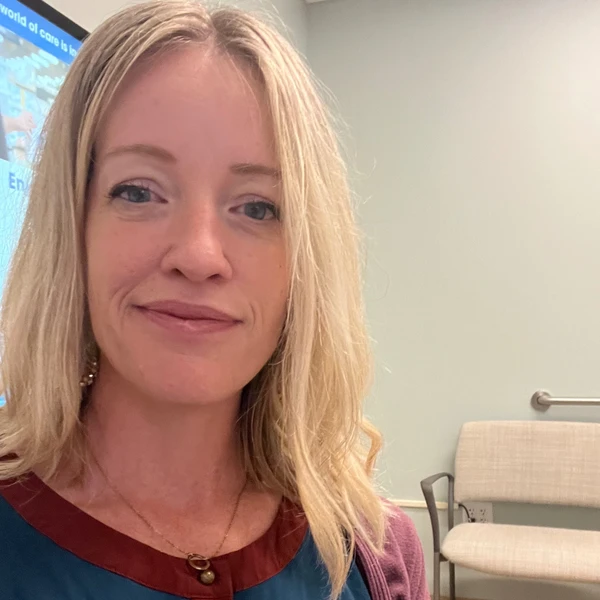
As a clinical social worker, I serve individuals and families who face systemic barriers to mental health care—especially those navigating complex, misunderstood conditions like Functional Neurological Disorder (FND), somatic conditions, and panic disorder. These diagnoses are often dismissed or misinterpreted, leaving clients without adequate support or treatment. I believe equitable access to mental health care includes access to providers trained to understand and treat these conditions with compassion and clinical expertise. I also work with individuals and families who have neurodegenerative conditions who are navigating complex medical conditions with no known cure or treatment.
Through BetterHelp, and working at the University of Cincinnati Gardner Neuroscience Institute I’ve been able to reach clients who might otherwise go without care as many of the available providers do not accept insurance, and are not trained in specialized cognitive behavioral therapy need to resolve symptoms. The BetterHelp platform removes barriers like transportation, scheduling conflicts, and stigma, offering flexible, affordable, and confidential therapy. This accessibility is especially critical for people in underserved areas, caregivers, and those balancing multiple jobs or responsibilities.
My work is rooted in meeting people where they are—emotionally, culturally, and practically. BetterHelp allows me to do that in a way that traditional settings often cannot. I provide cognitive behavioral therapy, treatment of somatic conditions, OCD, panic disorder, and I provide affirming care that helps clients feel safe, seen, and supported. Every session is an opportunity to break cycles and build resilience.
Mental health care should not be a luxury. It should be a lifeline. I’m proud to be part of a movement that prioritizes equity and expands access to those who need it most. While I am paid for my work through BetterHelp, my other counseling sessions are provided at no cost through a grant program at the University of Cincinnati Medical Center. A vital need for families who are already financially burdened by disease. I work with families who are diagnosed with the same genetic condition that runs in my family, Huntington's Disease a rare terminal condition with no treatment or cure. My volunteer work with the Huntington's Disease Society of America also supports needed support for local families suffering from this condition.
I am currently self-paying for my graduate education while supporting three other family members who are also in school. This financial responsibility has placed a significant strain on my resources and limits my ability to invest in professional development and clinical growth.
Receiving this grant would help ease the burden of student loan repayment and allow me to pursue specialized training in treating Functional Neurological Disorder, OCD, TIC disorders, and areas where mental health providers are critically lacking. These conditions are often misunderstood, and clients are left feeling invalidated or misdiagnosed. I want to change that by completing my Doctor of Social Work degree, adding to the accessibility and research knowledge base for these conditions and increasing access to mental health training for providers to more adequately treat these conditions.
This grant is not just an investment in me—it’s an investment in the communities I serve. It would allow me to continue showing up with compassion, increased skill, and add to the research knowledge in our mental health community to demystify these conditions, ensuring that mental health care remains accessible to those who need it most.