“Fishers of Men-tal Health”: A Journey of Grief, Grace, and Calling
"Follow me, and I will make you fishers of men." – Matthew 4:19
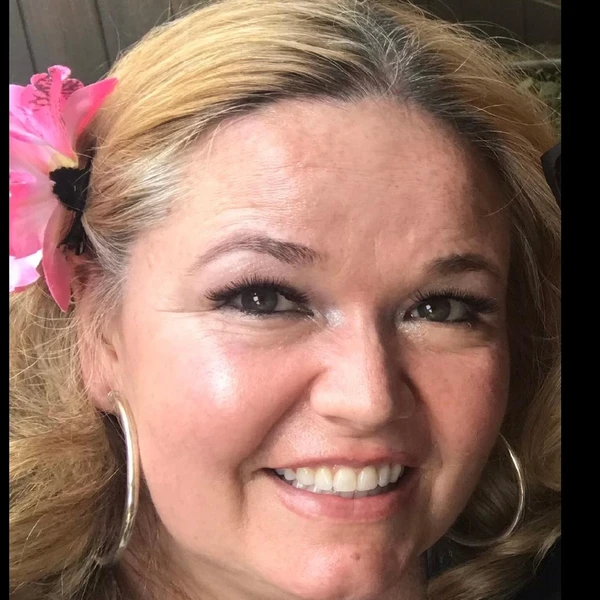
When Jesus called out to the fishermen on the Sea of Galilee, He wasn’t just offering a new line of work—He was extending an invitation to change lives. That same invitation echoes in my heart today as I pursue my calling to serve those battling mental illness and addiction. My name is Rebecca Bennett, and I am a 48-year-old woman of faith, a mother to a teenage son with autism, a full-time methadone nurse, and a graduate student becoming a psychiatric mental health nurse practitioner. I am walking this road not just as a career path but as a spiritual calling—one shaped by personal loss, deep compassion, and a desire to be a vessel for God’s healing work.
Three years ago, my sister died from a fentanyl overdose. No words can capture the heartbreak of losing someone you love to something so insidious and cruel. Her death was not just a personal tragedy—it was a wake-up call. It was the moment when my private grief transformed into public purpose. Addiction had always been something I encountered through my work, but when it came home, it changed me. I began to see not just the symptoms of substance use disorders, but the aching loneliness, the untreated trauma, and the deep spiritual hunger hiding beneath the surface.
My sister’s passing left a crater in our family. But amid the pain, I heard God’s voice more clearly than I ever had before: “Follow me.” I knew then that I had to do more. Not just for my patients, not just for my sister’s memory—but because this is the work Christ has called me to. Like the disciples who dropped their nets, I, too, had to drop my own fears, doubts, and limitations, and step into something larger than myself.
As I continue to navigate graduate school, I find myself reflecting often on the beautiful collision of faith and mental health. Too often, these two worlds are treated as separate—or worse, as incompatible. But I believe the opposite is true. Faith is a foundation of healing. Jesus Himself was a healer, not just of broken bodies, but of broken minds and spirits. When He walked among the people, He didn’t turn away from those who were hurting—He touched them, sat with them, listened to them, and restored them. That is the model I strive to follow.
Working as a methadone-dispensing nurse has allowed me a front-row seat into the lives of individuals clawing their way toward recovery. Every person who comes through our doors brings a story marked by trauma, shame, and resilience. I meet them not with judgment but with open arms, because I know that compassion is a medicine in itself. I’ve also learned that many of them have been abandoned—not just by their families, but by their churches. As a woman of faith, this breaks my heart. The Church should be a place of refuge for the struggling, not a place where wounds are ignored or moralized.
Through my personal and professional experiences, I’ve come to believe that mental health and faith are deeply intertwined. Mental illness is not a failure of faith. Recovery is not just a physical process but a spiritual one. When people are seen, loved, and reminded of their God-given worth, healing begins. I have seen it again and again—how the smallest act of mercy can reawaken hope in someone who believed they were too far gone.
Parenting a child with autism has also shaped my heart and my theology in profound ways. My son’s needs are complex, ever-changing, and often exhausting. He experiences the world differently, and that difference sometimes brings misunderstanding and isolation. But it also brings insight. Through him, I’ve learned the depth of God’s unconditional love. I've learned patience, humility, and the importance of seeing people as whole, not broken. My son has taught me that every person, no matter how they communicate or what challenges they face, carries the divine image.
Caring for him while studying full-time and working is undoubtedly difficult. There are days I run on empty—mentally, emotionally, spiritually. But I rely on God’s strength in those moments. As the Apostle Paul wrote, “My grace is sufficient for you, for my power is made perfect in weakness.” I live that truth every day. Where I am weak, God is strong. Where I fall short, He carries me. And I trust that He is using every sleepless night and every overwhelmed prayer to prepare me for this mission.
This scholarship honors the life of Dima Kapelkin—a man who loved Jesus, fishing, and serving others. I don’t know Dima personally, but I feel a kinship with his legacy. Like fishing, this work requires patience, presence, and trust in the unseen. Sometimes, you cast your net all day and come up empty. Other times, you see miracles unfold before your eyes. But always, you keep showing up. That’s what I intend to do—for my patients, for my family, and for the God who called me.
My long-term goal is to open a clinic that integrates mental health care, addiction treatment, and spiritual support under one roof. I dream of creating a space where people can receive medication and therapy, but also prayer and community. A place where healing is holistic and grace is abundant. I want to train other providers to view their work not just as a job, but as a ministry.
If granted this scholarship, I would not only be financially supported—I would be spiritually affirmed. It would mean that someone else sees this journey not just as admirable, but as sacred. It would help lighten the load on this difficult path and allow me to focus more deeply on learning, growing, and preparing for the work ahead.
To be a “fisher of men” today means entering the waters of despair, addiction, and mental illness—not to condemn, but to lift people out with love. It means believing that no one is beyond reach and that every soul matters. That’s the gospel. That’s the work. And that’s the life I’ve committed myself to living.
Thank you for honoring Dima’s legacy through this scholarship, and for considering me as someone worthy to carry on the mission of fishing for those who are hurting, with both hands wide open and a heart full of Christ’s compassion.