Hobbies and interests
FFA
Fishing
Soccer
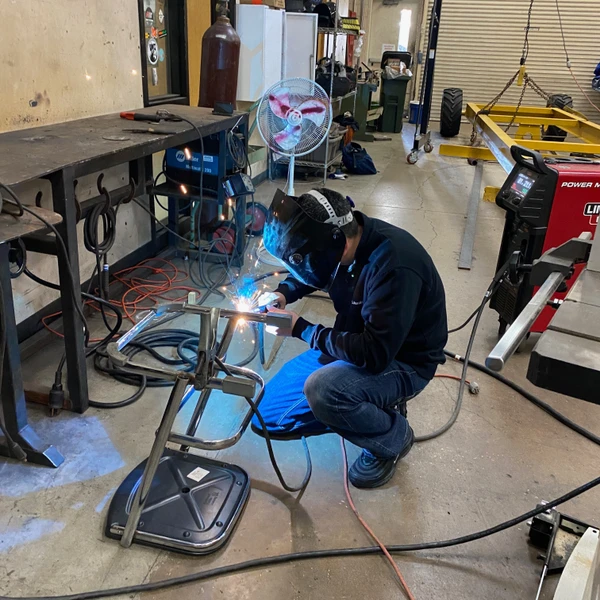
Welding
YouTube
Driving
Raul Fonseca
1x
Finalist1x
WinnerRaul Fonseca
1x
Finalist1x
WinnerBio
In life I would like to accomplish many goals for instance being very successful in my career that I would like to pursue welding in the pipeline or in refineries. Going to school and gettIng educated in this school is a must to know everything that has to be learned and be successful. One of my big life goals is to retire my parents, that is a big goal for me. Im passionate about building this skill for welding that is one of the most rewarding things that I can have at the end of the day. Pursuing excellence in my craft learning all of these technical skills taking pride in becoming the best skilled person that I can be. Im a great candidate because I can become one of the most skilled person out in the field that can be found. Im responsible and make sure things are going the best way possible with a good attitude and positive energy.
Education
Plano East Senior High School
High SchoolMiscellaneous
Desired degree level:
Trade School
Majors of interest:
- Construction Trades, Other
Career
Dream career field:
Welding
Dream career goals:
Welder
Acne brick2025 – 2025Brick layering
Mansory2019 – Present7 years
Sports
Soccer
Club2023 – 2023
Awards
- medal
Research
Agricultural Mechanization
FFA — Interviews with the committee2024 – 2025
Arts
High school
Sculptureabstract , trash art, plaster2022 – 2023
Public services
Volunteering
Plano west rotary club — Trash picker2023 – 2024
Eden Alaine Memorial Scholarship
Losing my grandfather was the hardest moment of my life. He wasn’t just a family member — he was my role model, my best friend, and the steady light that guided me through every storm. When he passed away, it felt like the world had stopped spinning. I remember sitting by his hospital bed, holding his hand, wishing for just one more story, one more laugh, one more reminder that everything would be okay. But life doesn’t always give you that one more moment.
My grandfather was a man of quiet strength. He never had much, but he gave everything — his time, his wisdom, and his love. He worked long hours to support our family, yet still found time to teach me life lessons that no classroom ever could. “Never forget where you came from,” he used to say, “but never stop moving toward where you want to go.” At the time, those words sounded simple. Now, they echo in my heart every single day.
When he died, I felt lost. I struggled to find purpose in the middle of my pain. I remember walking past his old workshop, where he used to build furniture by hand, and seeing his tools covered in dust. It hit me — he had spent his life building more than just tables and chairs; he built people. He built me. I realized that the best way to honor his life wasn’t through sadness, but through living with the same strength and determination he showed me.
His passing changed the way I see the world. I learned that grief and growth can exist side by side. Losing him forced me to grow up faster, to appreciate time, and to value the people who make life meaningful. I began to work harder in school, not because I had to, but because I wanted to make him proud. Every late night studying, every challenge I’ve faced since then, has been driven by the thought of his smile — that proud, knowing smile that told me I was capable of anything.
Most importantly, his loss taught me empathy. When I see others struggling, I feel that familiar ache, and I want to help. I know what it’s like to carry invisible pain, and I’ve learned that sometimes, the smallest act of kindness can change someone’s day — or even their life.
Today, I carry my grandfather’s lessons everywhere I go. I’ve learned that life isn’t measured by how long someone lives, but by how deeply they touch others. His legacy lives through me every time I choose kindness, work hard, or refuse to give up. Losing him broke my heart, but it also built my purpose.
I can’t bring him back, but I can keep his light burning — in my actions, my dreams, and my determination to make a difference. In that way, he’s never truly gone. He’s still here, guiding me, just as he always has.
Shop Home Med Scholarship
Growing up, I’ve always had a strong bond with my family, but that connection grew even deeper when my mom was diagnosed with diabetes. As the oldest son, I felt a responsibility to step up not just because I had to, but because I wanted to. Watching someone you love struggle with a health condition like diabetes changes the way you think about life. It made me mature faster, become more responsible, and learn how to care for others in ways most people my age haven’t experienced yet.
At first, I didn’t fully understand what diabetes meant. I just knew my mom was tired a lot, had to check her blood sugar constantly, and needed to be careful about what she ate. The more I learned, the more I realized that food plays a huge role in managing her condition. That’s when I started learning how to cook. Not just anything but meals that were healthy, balanced, and made with care. I spent hours watching YouTube videos, reading recipes, and even asking our family doctor questions during appointments. My goal was to make sure my mom could enjoy meals that tasted good but also kept her blood sugar in check.
It wasn’t easy at first. I burned food, made mistakes, and had to learn what ingredients to avoid. But over time, I got better. I learned how to use fresh vegetables, whole grains, lean proteins, and how to limit sugar and salt without making meals bland. Now I can confidently cook dinner for the whole family, and I’ve even started teaching my younger siblings a few things in the kitchen. Taking care of my mom through cooking became more than just a chore it became something I take pride in.
Caring for my mom also helped me build patience, empathy, and discipline. There are days when she doesn’t feel well or gets frustrated with her condition, and I’ve learned how to support her without judgment. I’ve become more aware of how invisible health struggles can affect someone’s daily life. That understanding has shaped how I treat others, both in and outside of my family. I try to be more kind, more aware, and more supportive because you never know what someone else might be going through.
This experience has also influenced my future goals. I want a career that lets me work with my hands, stay active, and provide for my family like welding. But beyond that, I want to always keep giving back to the people around me. Whether it’s cooking for my mom, helping out with household responsibilities, or being a positive example for my siblings, I’ve learned that caring for others isn’t a weakness it’s a strength.
Being the oldest in a family where someone has a disability or health issue comes with a lot of responsibility, but it’s also given me a sense of purpose. I’ve learned how to lead, how to serve, and how to turn a difficult situation into something meaningful. I know I still have a lot to learn, but I also know that the lessons I’ve already gained from caring for my mom will stick with me forever. They’ve helped shape the person I am today and the person I want to become.
Ojeda Multi-County Youth Scholarship
Growing up in the inner city has been anything but easy. It’s a place where you see both the beauty of community and the weight of hardship every day. Some people only hear about neighborhoods like mine on the news, but for me, it’s been my whole world. My experiences here have shaped who I am—teaching me to be tough, to stay focused, and to never give up on myself, no matter how difficult life gets.
One of the biggest challenges I’ve faced is the environment itself. In the inner city, violence and crime aren’t just stories—they’re part of daily life. I’ve heard gunshots in the distance and seen memorials go up on street corners more times than I can count. Sometimes, it’s hard not to feel scared or numb to it all. But I’ve also seen how easy it is to get caught up in the wrong things—kids my age getting involved with gangs or dropping out of school because they didn’t have support. I knew from an early age that if I wanted a different life, I had to choose a different path.
Education has always been important to me, but our schools are underfunded, and sometimes it feels like we’re expected to fail. There were days when our classrooms were overcrowded, supplies were limited, and we didn’t have enough computers to go around. Still, I showed up. I kept pushing myself, even when I felt like no one noticed. It wasn’t about being the smartest in the room—it was about not giving up on my goals. I want to become a welder, and that dream keeps me going. Working with my hands gives me a sense of purpose and pride, and it’s something real that I can build a future on.
A turning point for me was joining a trade program at school. It gave me direction and showed me that there are real opportunities out there if I work for them. I remember the first time I welded something and actually saw the finished product—I felt proud of myself in a way I hadn’t in a long time. That feeling of accomplishment gave me hope that I could build a better future not just for me, but for my family, too.
Another challenge I’ve had to overcome is the pressure to “fit in.” In the inner city, toughness is a survival skill. Showing emotion or asking for help can be seen as weak. For a long time, I held everything in. But I’ve learned that strength isn’t about pretending you’re okay all the time it’s about knowing when to speak up and when to lean on others. I’ve found support in my teachers, mentors, and even classmates who are trying to make it just like me.
Despite the struggles, I’m proud of where I come from. My community has taught me resilience, creativity, and the importance of looking out for each other. We may not have a lot, but we share what we can whether it’s food, time, or advice. I want to give back one day by teaching others the trade of welding, especially the younger kids in my neighborhood who might not see their potential yet. If I can make it, they can too.
In the end, growing up in the inner city isn’t just about the challenges it’s about rising above them. Every setback I’ve faced has pushed me to become stronger, wiser, and more determined. I know the road ahead won’t be easy, but I’m ready for it. My story is just beginning, and I plan to use everything I’ve learned to build something better not just for myself, but for my whole community.
Richard (Dunk) Matthews II Scholarship
My name is Raul, and I’m a recent high school graduate preparing to pursue a career in welding. From the first time I saw sparks fly in a welding video, I knew it was something I wanted to learn. The idea of taking raw materials and using skill and heat to create something strong and lasting really stuck with me. Welding isn’t just about metal it’s about building a future with your own hands, and that’s exactly what I want to do.
Growing up, I’ve always been hands-on. I enjoyed fixing things around the house and learning how stuff works. I wasn’t always the best at sitting in a classroom for hours, but when I had the chance to work on something physical something I could see come to life that’s when I felt focused and confident. That’s why welding feels like the perfect fit for me. It’s a skill that takes patience, precision, and pride. I’m ready to put in the work to master it.
I plan to attend a trade school where I’ll train in different welding techniques like MIG, TIG, and stick welding. I know becoming a skilled welder doesn’t happen overnight. It takes practice, discipline, and a willingness to keep learning. I’m fully committed to that process. I’ve already started researching techniques, watching tutorials, and learning about safety and tools so I can walk into my program with a strong foundation. I plan to earn my certifications and eventually get licensed to take on bigger projects, from structural welding to pipeline work.
But welding isn’t just about a paycheck for me it’s about purpose. One of my biggest goals is to use my skills to give back to my community. I’ve seen how many young people feel stuck or unsure about their future. Some think college is their only option, and if that path doesn’t work out, they lose hope. I want to show them that the trades are just as powerful, and welding is a skill that can open a lot of doors.
In the future, I want to start a small welding business in my area, where I can also offer training, apprenticeships, or weekend workshops to anyone interested in learning. I want to mentor others especially high school students like I was and help them realize that learning a trade like welding can lead to independence, success, and pride in their work. Teaching others is my way of giving back, and I believe that sharing a skill like welding can truly change lives.
For me, this isn’t just a career path it’s a mission. I want to master welding, support myself and my family, and lift others up along the way. I believe in working hard, building strong, and leaving something better than you found it. That’s what welding represents for me, and I’m ready to build my future one weld at a time.
Ray Aplin Memorial Scholarship
WinnerI wanted to have my hands dirty since I was a little kid—to repair things, make something every day, and construct things. That is why I chose to make welding my vocation and educational goal. Welding isn't all sparks and steel—it's about constructing strength, working with precision, and taking pride in making something that will last forever. It provides me with guidance and the ability to be part of a world that mostly disregards people like me.
Living with a disability hasn’t been easy. I’ve faced physical challenges, learning difficulties, and moments of deep frustration where it felt like giving up would be easier than pushing forward. In school, I’ve had to work harder than most to keep up. Sometimes that meant extra time on tests, other times it meant battling anxiety that came with being misunderstood or underestimated. But despite these obstacles, I’ve never stopped believing in my future. In fact, my disability has taught me one of the most valuable lessons—how to adapt, persevere, and find a different way forward when the path isn’t clear.
This mindset is exactly why welding speaks to me. Welding takes patience, problem-solving, and a hands-on approach—things I’ve learned to rely on in my everyday life. By taking technical courses and doing practice, I realized that I have the motivation and commitment to excel as a professional in this field. My agenda is to attend a technical school or welding school, get certified, and acquire a career where I am able to sustain myself by doing something that I like.
For me, independence does not just mean living alone or paying bills for myself. It’s about being able to take control of my life—physically, financially, and emotionally. It means not being limited by my disability or having to constantly rely on others. It’s about having the skills and confidence to stand on my own, even when things get tough. Welding will give me the opportunity to earn a stable income, support myself, and have pride in my work. That’s the kind of independence I’ve been fighting for all along.
This training and education will make doors I once thought were closed to me open. I will, as a welder, be empowered to build a life of my own making—one in which I'm not just surviving, but succeeding. I want to be an example for others with disabilities who have been told about all they "can't" do. I want to show that determination, hard work, and a passion for learning are more powerful than any barrier.
Finally, this is not just a journey about a job. It's about building a future I can be proud of. With the right education and guidance, I believe that I have the potential to create a life of independence, purpose, and strength—for myself, and for others who are walking a similar path.
Sunflower Seeds Scholarship
When Russia invaded Ukraine, the effects reached far beyond the borders of Eastern Europe. Even though I live in the United States and am a high school student, the war has impacted me personally—mentally, emotionally, and within my community. Watching the devastation unfold from afar has been heartbreaking, especially knowing that innocent families, students like me, and entire communities are being torn apart. It made me realize how deeply connected our world really is, and how conflict in one country can create a ripple effect felt around the globe.
My family has friends and distant relatives in Ukraine, and since the war began, we’ve heard stories of people losing their homes, becoming refugees, or going days without electricity or food. Hearing their struggles made me feel helpless at first. I wanted to do something, but I didn’t know what I could do as just a student. Over time, though, I found ways to support those affected—through organizing school fundraisers, collecting supplies, and raising awareness about the impact of the war. These efforts, though small, showed me the importance of community and standing together during times of crisis.
The war also changed the atmosphere at school. Many of my classmates are from Eastern European backgrounds, and some of them have family directly affected by the conflict. I’ve seen students break down in tears after getting calls from overseas, and I’ve had friends confide in me about the fear they feel for their loved ones. This experience has brought our school community closer together. We’ve learned to support one another, listen with empathy, and speak up for justice and peace—even when the war feels far away.
This experience has motivated me to take my education seriously. I want to study international relations or social justice because I’ve seen how global issues affect local communities. By getting a strong education, I hope to be part of the solution—to work toward peace, diplomacy, and aid for those in crisis. Whether it’s through nonprofit work, policy change, or direct community support, I want to use what I learn to help others who are suffering, whether from war or other forms of hardship.
For my family and community, my education represents hope. It’s a way of turning pain into purpose. I want to show younger students that even when the world feels out of control, we can choose to rise, lead, and make a difference. We don’t have to be politicians or soldiers to create change—we can start right where we are, with compassion and commitment.
Russia’s war in Ukraine opened my eyes to the reality of suffering—but it also showed me the power of resilience and the importance of education. I plan to carry those lessons forward, using my goals not just to build a better life for myself, but to make a meaningful impact on the world around me.
SnapWell Scholarship
During my junior year of high school, I hit a point where I realized I couldn’t keep pushing myself without taking care of my health. I was balancing school, a part-time job, and helping out at home, and I was constantly tired, mentally drained, and feeling overwhelmed. At first, I thought it was just part of growing up—being busy and stressed all the time—but eventually, I recognized that I was on the edge of burnout. That’s when I decided to make a real change and start putting my mental, emotional, and physical health first.
The first step was slowing down and creating balance in my daily life. I made a routine that included time for rest, better sleep, exercise, and even simple things like making sure I ate real meals instead of skipping them. I also started talking to people—friends, family, and even a school counselor. That helped me realize I wasn’t alone in how I was feeling. It also taught me how important it is to speak up when you’re struggling instead of trying to handle everything on your own.
Around that time, I also signed up for a welding class through my school’s career and technical education program. I had always been interested in working with my hands, but I didn’t expect welding to become such a big part of my life. The moment I put on the helmet and struck my first arc, something clicked. I felt focused, calm, and in control—things I hadn’t felt in a while. Welding gave me a purpose, something to work toward, and it motivated me to take better care of myself so I could keep improving.
From this experience, I’ve learned that taking care of your health isn’t a one-time thing—it’s a habit that makes you stronger over time. That mindset has completely shaped how I’m preparing for my future. Now that I’ve graduated high school, I’m planning to attend a welding certification program where I’ll train in MIG, TIG, and stick welding. My goal is to become a certified welder and eventually specialize in pipe welding or structural welding, depending on where the opportunity takes me.
More importantly, I’m entering this next chapter of life with a better understanding of balance. I know how important it is to rest, to take breaks, and to not let stress build up. Welding is a physically and mentally demanding career, and I believe taking care of my well-being is what’s going to help me succeed long-term. Whether I’m on a job site or one day running my own welding business, I know I’ll be better prepared because I’ve learned how to take care of myself first.
Michael Rudometkin Memorial Scholarship
To me, selflessness means putting others’ needs before your own, not because you want something in return, but because it’s the right thing to do. It’s about being aware of what people around you are going through and choosing to support them, even when it’s not convenient. I try to live by that every day, in big and small ways.
One time that stands out was during my freshman year when one of my classmates, who was new to our school, was struggling both academically and socially. He barely spoke in class, sat alone at lunch, and looked really overwhelmed. I didn’t know him very well, but I could tell he was having a hard time. I decided to reach out. I invited him to sit with my friends and me at lunch, and I offered to study with him after school for our history test. At first, he was quiet and unsure, but over time, he opened up. We ended up becoming good friends, and he later told me that my kindness helped him feel like he belonged. That moment taught me how a simple act of inclusion can make a huge impact.
Another example happened more recently when one of my teammates on the basketball team injured her ankle during practice a week before our big game. She was devastated because it was her senior season and she wouldn’t be able to play. I knew how much the team meant to her, so I helped her stay involved by making sure she still felt part of the team. I suggested she help coach from the sidelines and worked with the rest of the team to include her in our huddles and strategy meetings. She told me it made her feel like she still had a purpose, even though she couldn’t be on the court. I didn’t do it for recognition — I just knew that if I were in her place, I would want the same kind of support.
Sometimes, selflessness isn’t about big actions — it’s about being present. Whether it’s listening to a friend vent after a tough day, volunteering at a local food drive, or giving up a weekend to help my little brother with his science project, I try to show up for the people in my life. I’ve learned that small acts of kindness can ripple out in ways you don’t always see right away.
Selflessness isn’t always easy. Sometimes it means sacrificing time, energy, or comfort. But in the end, helping others has given me a stronger sense of connection, purpose, and empathy. It’s a value I try to carry with me in everything I do at school, at home, and in my community.
RollinOn 3 Kentucky Presents D.B.C. Scholarship
Getting diagnosed with anxiety in the middle of my sophomore year was not something I ever expected. I had always been a good student, involved in extracurriculars, and someone who smiled a lot. But underneath that smile, I was constantly overwhelmed — overthinking everything, fearing failure, and stressing over things most people wouldn’t even notice. I thought it was just normal stress, but it wasn’t until I started having trouble sleeping, constantly feeling on edge, and even avoiding school that I realized something was wrong.
The diagnosis itself was scary at first. The word “anxiety” felt heavy. It made me feel broken, like I was different from everyone else. I worried about what my friends would think if they found out. Would they treat me differently? Would they think I was weak? For a while, I kept it to myself, trying to pretend like everything was okay. But pretending only made things worse. I started slipping in school, missing assignments, and having panic attacks before exams.
Eventually, I reached a point where I couldn’t keep ignoring what was happening. With the support of my family, I started seeing a therapist. At first, talking about my feelings felt awkward and uncomfortable, but slowly it became one of the most important things I’ve ever done. I learned that anxiety is something many people deal with and that it doesn’t define me. Therapy gave me tools to manage my stress — like grounding techniques, journaling, and deep breathing exercises. These might sound simple, but they’ve made a huge difference.
Another big step in my journey was learning to be honest with the people around me. I opened up to a few close friends, and to my surprise, they were incredibly supportive. Some of them even shared their own struggles, and it made me realize how important it is to talk openly about mental health. I also talked to a few of my teachers when I was going through a particularly rough patch, and they helped me by giving extensions or just checking in on me.
Overcoming the challenges hasn’t meant getting rid of anxiety entirely — it’s still something I deal with. But now, I understand it better. I know my limits, and I’ve learned to recognize the early signs of when I’m starting to spiral. I’ve also learned that it’s okay to ask for help, and that struggling doesn’t make me weak — it makes me human.
My diagnosis has changed the way I see myself and others. It’s made me more compassionate, more aware, and stronger than I ever thought I could be. I know that mental health will always be a part of my life, but I also know that it doesn’t control me. I control how I respond, and that has made all the difference.
Dustan Biegler Memorial Scholarship
I’ve always believed that there’s something powerful about building things that last—things that people use every day but might not stop to think about. Roads, houses, schools, bridges—none of these exist without the skilled hands behind them. That’s one of the main reasons I’m passionate about pursuing a career in the construction and skilled trades fields. I want to be one of those people who helps build the world around us, who leaves something behind that others can rely on. The idea of doing work that’s both meaningful and hands-on motivates me every day to stay focused on this path.
From a young age, I enjoyed fixing things and figuring out how stuff worked. I liked taking apart tools or small appliances just to understand how the pieces fit together. In high school, I started taking shop classes and working on small construction projects through tech-ed courses. That’s when I really started to realize how much I enjoyed the process—measuring, cutting, building, and seeing something come to life from start to finish. That experience made me feel accomplished and proud, and it confirmed for me that I was meant to work in a trade, not behind a desk.
One of the biggest influences in my life has been my grandfather. He was a carpenter for most of his life and worked hard to support our family. Even in retirement, he still spends time in his workshop, building furniture and fixing things around the house. He always says, “When you build something with your own two hands, nobody can take that away from you.” That really stuck with me. Watching him work, and listening to his stories about job sites and projects, made me want to follow in his footsteps. He’s taught me the value of hard work, patience, and pride in doing a job right.
Another influence has been my construction teacher at school. He goes out of his way to help students like me learn not just the skills of the trade, but also the mindset it takes to be successful things like responsibility, teamwork, and safety. He once told our class that skilled tradespeople are the backbone of society, and that sentence has stayed with me. It made me feel proud to be entering this field, and it reminded me that this isn’t just a career it’s a service to others.
Looking forward, I want to use my skills to make a positive impact on the world. One goal I have is to eventually work on affordable housing projects. Everyone deserves a safe place to live, and I believe construction workers play a critical role in making that happen. I also hope to mentor young people someday especially those who might not see college as their only option to show them that skilled trades are a valuable and rewarding path.
Be Skilled Find Success Scholarship
Ever since I was young, I’ve always enjoyed working with my hands and figuring out how things go together. Whether it was helping my dad fix things around the house or building projects in shop class, I felt a sense of satisfaction when I could see something I built take shape. That’s what first drew me to welding. It’s more than just melting metal together it’s about creating something strong, useful, and lasting. Choosing welding as my career path wasn’t a random decision. It came from a genuine interest in building and a desire to work in a skilled trade that offers both stability and opportunity.
As I started thinking more seriously about my future during high school, I knew I didn’t want to sit at a desk all day. I like to be active, solve problems, and physically create things. I did some research on different trades and welding quickly stood out. It’s a job that’s always in demand, and it offers a lot of different paths—like construction, manufacturing, pipefitting, or even working on ships and bridges. There are opportunities all across the country, and welders are needed just about everywhere. The more I learned, the more I realized this was the right path for me.
When it came to choosing which school to attend, I looked into a few local technical and trade schools. I wanted a program that focused heavily on hands-on experience, not just classroom instruction. The school I chose had a solid reputation for its welding program and offered access to modern equipment and experienced instructors. I also liked that they helped students find internships and job placements after graduation. A few graduates came to talk to our class about their experiences in the program, and they were really passionate about their work, which gave me confidence in the school’s ability to prepare me for the real world.
So far, I haven’t had an official apprenticeship, but I’m actively looking for summer opportunities to get on-the-job experience. I’ve talked to a few local businesses, and I’m hopeful that I’ll find a placement soon. I know that welding is something you get better at the more you practice, and I’m excited to start learning from professionals in the field. There’s only so much you can learn in a classroom being out there in the field is where the real learning begins.
One of the biggest inspirations for me has been my uncle. He’s been a welder for over two decades and has worked on all kinds of projects from industrial buildings to oil pipelines. He’s told me stories about the places he’s been and the challenges he’s faced, and he always talks with pride about his work. He even let me watch him weld once when I was younger, and I was amazed at how skilled and focused he was. Watching him showed me that welding isn’t just a job it’s a craft. That moment really stuck with me and made me want to follow in his footsteps.
I’m proud to be starting this journey. Welding might not be a path everyone thinks about right away, but for me, it’s the right one. I’m excited for the future, and I’m ready to work hard and keep learning.