
Hobbies and interests
Piano
Art
Politics and Political Science
Comedy
Fitness
Hospitality
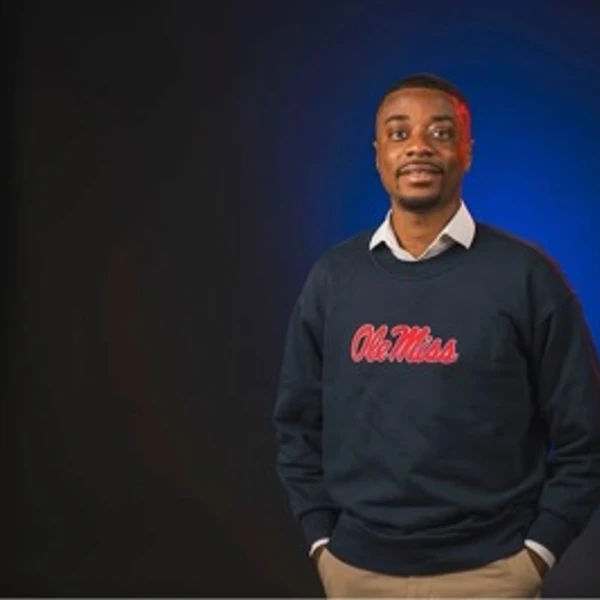
Ransford Addae
1x
Finalist
Ransford Addae
1x
FinalistBio
Graduate student at the University of Mississippi with experience in music, education, collaboration, and organizational support. Passionate about student development, teamwork, leadership, and contributing to inclusive academic communities
Education
University of Pennsylvania
Master's degree programMajors:
- Education, Other
Minors:
- Educational Administration and Supervision
University of Mississippi
Master's degree programMajors:
- Music
University of Mississippi
Master's degree programMajors:
- Music
Miscellaneous
Desired degree level:
Master's degree program
Graduate schools of interest:
Transfer schools of interest:
Majors of interest:
- Education, Other
Career
Dream career field:
Higher Education
Dream career goals:
My long-term career goal is to become a higher education leader dedicated to student development, mentorship, and expanding educational opportunities for underrepresented and international students through impactful academic and administrative leadership.
Sports
Soccer
Junior Varsity2009 – 20167 years
Research
Music
University of Mississippi — Graduate Researcher2024 – 2025
Arts
Harmonious Chorale
Music•International choral performances across Africa and Europe., •Sacred music and worship productions, •Collaborative piano recitals, •Concert accompaniment for choirs and soloists2018 – Present
Public services
Volunteering
Community music — Pianist/Educator2018 – PresentVolunteering
Lamplighter Montessori school — Substitute Educator2025 – Present
Future Interests
Advocacy
Philanthropy
Entrepreneurship
Finance Your Education No-Essay Scholarship
WayUp “Unlock Your Potential” Scholarship
American Dream Scholarship
The American Dream is often described as the belief that hard work leads to success and opportunity regardless of where a person comes from. After moving from Ghana to the United States, I have come to understand that the dream is much deeper than financial success or social status. It is the ability to keep striving for a better future even through uncertainty, sacrifice, and challenges. It is the opportunity to grow into someone who can positively impact others through education, perseverance, and service.
Moving to the United States completely changed my life. Leaving my family behind and adjusting to a different culture was not easy. There were moments when I felt lonely, overwhelmed, and unsure of myself. As an international student, there is a constant pressure to succeed while also managing financial responsibilities, academics, work, and the expectations of the people back home who believe in you. Although those experiences were difficult, they taught me resilience, independence, and discipline in ways I never expected.
Throughout those challenges, music became one of the things that kept me grounded. I have served as a pianist and church musician for many years, both in Ghana and in the United States. Some of the most meaningful moments of my journey have not been on large stages or during major performances, but in churches, rehearsals, and community gatherings where music brought comfort and encouragement to people. Through music ministry and collaboration, I learned how powerful service can be. Sometimes a simple moment of accompaniment, encouragement, or support can mean more to someone than we realize.
While pursuing my master’s degree in Collaborative Piano at the University of Mississippi, I worked hard to continue building a future for myself despite financial and personal struggles. Balancing school, work, and responsibilities was often exhausting, but I understood the sacrifices that had been made for me to pursue my education. My family believed in my dreams long before I fully believed in them myself, and remembering that helped me keep going during difficult times.
One lesson that has stayed with me throughout my journey is that success is not only about personal achievement. It is also about how you use your experiences and abilities to uplift others. Whether serving in church ministry, accompanying choirs, or helping students, I realized that people remember kindness, encouragement, and support far more than titles or accomplishments. That understanding shaped the way I view leadership and purpose.
As I prepare to continue my education at the University of Pennsylvania in Higher Education, my goal extends beyond my own success. I want to help students from diverse and underserved backgrounds feel supported and encouraged as they pursue their goals. I understand what it feels like to chase opportunities while carrying uncertainty and responsibility at the same time, and I hope to use my experiences to create spaces where students feel seen, valued, and capable of succeeding.
The American Dream, to me, is not about perfection or an easy path. It is about continuing to move forward despite obstacles and using every opportunity to grow into someone who can help others do the same. Even when the journey becomes difficult, I still choose to keep learning, keep striving, and keep believing that something greater is possible.
Ethel Hayes Destigmatization of Mental Health Scholarship
Growing up in Ghana and later moving to the United States as an international student, I have come to understand mental health in a deeply personal and meaningful way. In many communities, especially where I come from, mental health is often misunderstood, ignored, or treated as something people should keep hidden. Many individuals are taught to simply endure pain silently, because opening up is sometimes seen as weakness. Over time, I realized how damaging this mindset can be, not only to individuals but also to families, friendships, schools, and entire communities.
My own experiences with mental health challenges have shaped the way I see life, relationships, and my future goals. As a musician, educator, and graduate student, I have faced seasons of stress, uncertainty, loneliness, and emotional exhaustion. Leaving home to study abroad brought opportunities I am deeply grateful for, but it also came with sacrifices and pressures that many people around me did not fully see. Adjusting to a different culture, managing academic expectations, dealing with financial responsibilities, and navigating life as an international student often felt overwhelming. There were moments when I questioned myself, struggled with anxiety about the future, and felt emotionally drained trying to balance everything at once.
One of the biggest lessons I learned through these experiences is that mental health struggles are not always visible. Someone may appear calm, talented, successful, or joyful on the outside while privately carrying fear, stress, or sadness. Understanding this changed the way I interact with people. I became more compassionate and intentional about checking on others because I realized everyone is fighting battles that may not be obvious. Instead of judging people quickly, I learned to approach them with patience and empathy.
Music has played a major role in helping me navigate my mental and emotional well-being. As a pianist and collaborative musician, music became more than just performance or academic study for me; it became a form of healing, reflection, and connection. There were moments when practicing the piano or participating in worship services gave me peace during stressful periods. Music allowed me to express emotions that were difficult to explain with words. It reminded me that healing can come through creativity, faith, and community.
At the same time, being involved in music and church communities also showed me the importance of emotional support systems. I have seen fellow students, musicians, and friends struggle quietly with pressure, burnout, insecurity, and fear of failure. In competitive academic and artistic environments, many people feel the need to constantly appear strong or accomplished. However, I have learned that real strength includes being honest about struggles and seeking support when necessary. Conversations about mental health should not be treated as taboo. They should be welcomed with understanding and care.
These experiences have directly influenced my future goals. I hope to build a career in higher education and eventually establish a music institution that not only develops students artistically but also supports them personally and emotionally. I want to create environments where students feel safe, valued, and encouraged to seek help when they need it. Too often, educational systems focus heavily on achievement and productivity while overlooking emotional wellness. I believe students perform their best when they feel supported as whole individuals, not just as performers or scholars.
My experiences have also strengthened my desire to advocate for empathy and community. I believe mental health awareness is especially important in communities where these conversations are still difficult to have openly. Many people suffer in silence because they fear judgment or rejection. By speaking honestly about mental health, we can help reduce stigma and encourage others to seek support without shame. Even small acts of kindness, listening, encouragement, or simply being present for someone can make a meaningful difference in a person’s life.
Additionally, working as a substitute teacher and serving in church music ministry has deepened my understanding of how emotional well-being affects learning, confidence, and relationships. I have encountered students who simply needed patience, encouragement, and someone who believed in them. I have also learned that leadership is not only about guiding people academically or professionally; it is also about caring for their emotional and mental well-being. These experiences continue to shape the type of educator and mentor I hope to become.
Mental health has also changed the way I define success. Earlier in life, I often viewed success mainly through achievement, recognition, or academic accomplishment. While those things still matter to me, I now understand that true success also includes balance, peace, healthy relationships, and emotional well-being. A person can achieve many external accomplishments while silently struggling internally. Because of this realization, I have become more intentional about prioritizing self-care, faith, supportive relationships, and personal growth alongside professional goals.
Most importantly, my experiences with mental health have taught me the value of humanity and compassion. They have reminded me that every person deserves understanding, dignity, and support, regardless of what they may be going through. I no longer believe strength means pretending everything is perfect. Instead, I believe strength is found in vulnerability, perseverance, and the willingness to support one another through difficult moments.
As I continue pursuing my education and career goals, I want to use my experiences to encourage others and contribute positively to the communities around me. I hope to help create spaces where conversations about mental health are treated with openness rather than shame, and where people feel empowered to seek help without fear of judgment. Mental health awareness matters because it reminds people that they are not alone, and sometimes that reminder alone can change a life.
Joe Gilroy "Plan Your Work, Work Your Plan" Scholarship
When I moved from Ghana to the United States to pursue graduate studies, I carried with me more than a passion for music. I carried a vision of creating opportunities for others through education, mentorship, and the arts. My experiences as a musician, educator, and student have shown me how powerful education can be in transforming lives, especially for young people from underserved communities. Today, my long-term goal is to establish a music and arts institution that provides quality musical training, mentorship, and leadership development for students who may not otherwise have access to those opportunities.
My academic and professional journey has been intentionally shaped around this vision. I earned a degree in Music Education from the University of Education, Winneba in Ghana, and later completed a Master of Music degree in Collaborative Piano at the University of Mississippi. Along the way, I have worked as a collaborative pianist, church musician, and educator. These experiences taught me discipline, teamwork, leadership, and the importance of investing in others. They also helped me realize that building a sustainable educational institution requires more than artistic ability alone.
To reach my goals, I plan to pursue graduate studies in Higher Education at the University of Pennsylvania. This program will equip me with leadership, administrative, and organizational skills necessary to successfully create and manage educational programs in the future. I want to learn how institutions effectively support students, build communities, secure funding, and create long-term impact. Combining this knowledge with my musical background will allow me to build programs that support both artistic and personal growth.
My plan for success includes both educational and financial preparation. During graduate school, I intend to pursue graduate assistantships, scholarships, and educational support positions while continuing to work as a musician and educator when possible. These opportunities will help me gain practical experience while also supporting my financial needs. My expected expenses include tuition, housing, transportation, books, health insurance, and daily living costs. To manage these responsibilities, I maintain a disciplined budget focused on essential needs and long-term goals rather than unnecessary spending.
My timeline is clear. Over the next two years, I hope to complete my graduate studies while gaining leadership and administrative experience. After graduation, I plan to continue working in education and the arts while building professional partnerships with schools, churches, and nonprofit organizations. Ultimately, my goal is to establish an institution that nurtures talent, provides mentorship, and creates opportunities for future generations.
I understand that achieving these goals will require persistence and sacrifice. As an international student, I have already faced financial and personal challenges while pursuing my education. However, those experiences have strengthened my resilience, adaptability, and determination. They have also deepened my commitment to using my education to serve others.
This scholarship would not simply help me pay for school. It would help support a larger vision of expanding educational and artistic opportunities for students who need them most. By investing in my education today, you would also be investing in the many lives I hope to impact through music, mentorship, and leadership in the future.