user profile avatar

Randall Tom

1x

Finalist

1x

Winner

General information

Hobbies & Interests

  • Biking And Cycling
  • Reading
  • Walking
  • Cooking
  • Sewing
  • Baking

Reading

  • Adult Fiction
  • Academic
  • History
  • Education

I read books daily.

Bio

Randall J. Tom, MBA‑HCA, TMP, is a healthcare administration professional dedicated to strengthening leadership, cultural competency, and workforce development within Tribal and Indian Health Service systems. As the Professional Development Coordinator at Fort Defiance Indian Hospital Board, Inc., he leads organizational training initiatives, supervisor development, and culturally grounded leadership programs that integrate Navajo values such as K’é, Nitsáhákees, Nahátá, Iiná, and Siihasin. Randall is currently pursuing his Doctor of Education (EdD) in Organizational Leadership, focusing on improving leadership accountability, employee engagement, and systems‑based learning in healthcare organizations. He is committed to advancing Native leadership pathways and creating positive, sustainable change in the communities he serves.

Education

Grand Canyon University

Doctoral degree program (PhD, MD, JD, etc.)

2026 – 2030

Majors:
  • Educational Administration and Supervision
  • Health and Medical Administrative Services
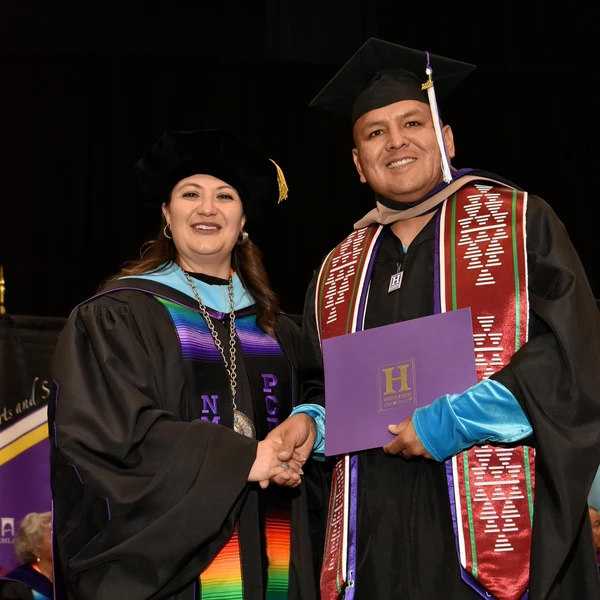
New Mexico Highlands University

Master's degree program

2023 – 2025

Majors:
  • Business Administration, Management and Operations

University of New Mexico-Main Campus

Bachelor's degree program

2020 – 2022

Majors:
  • Liberal Arts and Sciences, General Studies and Humanities

University of New Mexico-Main Campus

Associate's degree program

2020 – 2022

Majors:
  • Liberal Arts and Sciences, General Studies and Humanities

Rehoboth Christian School

High School

1999 – 2003

Miscellaneous

Desired degree level:
Doctoral degree program (PhD, MD, JD, etc.)
Graduate schools of interest:
Grand Canyon University
Majors of interest:
Health Professions and Related Clinical Sciences, Other, Liberal Arts and Sciences, General Studies and Humanities, Human Resources Management and Services
Desired degree modality:
Online
Medical school interest:
No
English as first language:
No
Homeschooled:
No

Career

  • Professional Development Coordinator

    Health, Wellness, and Fitness · Fort Defiance Health Board, Inc.

    Jun 2025 – Present

Miscellaneous

Dream career field:
Hospital & Health Care, Human Resources, Healthcare Administration
Dream career goals:
CEO
Work experience:
10+ years
Has nursing license:
No
Leadership experience:
Yes

Future Interests

  • Advocacy
  • Politics
  • Volunteering
  • Philanthropy
  • Entrepreneurship
Learner Online Learning Innovator Scholarship for Veterans
Using Technology to Strengthen My Education and Career Throughout my educational journey, I’ve learned that education doesn’t stop once we complete a degree. Learning is an ongoing process, especially in healthcare, where policies, technology, and leadership practices continue to change. I believe it’s important to stay informed and find ways to apply what we learn rather than simply memorizing information to pass a class. I earned my bachelor’s degree from the University of New Mexico and later completed my Master of Business Administration in Healthcare Administration from New Mexico Highlands University. As I prepare to pursue my doctorate in Organizational Leadership with an emphasis in Healthcare Administration, I recognize the importance of using online resources to strengthen my research, critical thinking, and leadership abilities. Some of the resources I use or explore include Google Scholar, PubMed, and online academic libraries. These platforms provide access to research articles, scholarly publications, and studies related to healthcare administration, organizational leadership, and workforce development. I find it important to look at evidence-based information rather than relying solely on opinions. Research also helps me understand different perspectives and recognize that challenges within healthcare organizations often require more than one solution. I also value professional webinars, virtual conferences, and online training opportunities. Platforms such as Zoom and Webex allow me to participate in educational sessions and learn from professionals with different experiences and backgrounds. These opportunities help me stay informed about leadership strategies, communication, employee engagement, and organizational improvement. In my current position as a Professional Development Coordinator with Fort Defiance Indian Hospital Board, I have the opportunity to apply many of these concepts directly to my work. I help coordinate leadership development programs, educational sessions, and employee feedback initiatives. I regularly use Microsoft Excel and SurveyMonkey to track participation, collect feedback, evaluate training needs, and identify opportunities for improvement. For example, when employees identify communication or leadership development as areas needing improvement, I can use that feedback to research training approaches and develop educational opportunities that address those concerns. This allows me to connect what I’ve learned academically with the actual needs of our healthcare workforce. One thing I’ve come to appreciate is that technology makes education more accessible, especially for those of us living and working in rural communities. Having access to online research, virtual learning, and educational resources allows me to continue developing professionally while balancing a full-time career, family responsibilities, and my educational goals. As I continue my doctoral studies, I want to strengthen my ability to evaluate research, make informed decisions, and develop practical solutions to challenges facing healthcare organizations. My goal is to use what I learn to improve leadership, strengthen employee development, and contribute to better healthcare services for Native American communities. Ultimately, these online tools and resources have helped me understand that knowledge is most valuable when we put it into practice. I don’t want to pursue another degree simply to add credentials behind my name. I want to become a stronger leader who continues learning, challenges himself, and uses his education to make a meaningful difference in the communities he serves.
Learner Mental Health Empowerment for Health Students Scholarship
Mental Health: Finding Strength Through Life’s Challenges Mental health is important to me because I’ve experienced firsthand how much it can affect every aspect of a person’s life, including their education, career, relationships, and overall well-being. There was a time when I struggled with depression, anxiety, and alcohol addiction. Looking back, I realize how much those struggles affected my decisions, confidence, and ability to focus on the future. Those experiences taught me that mental health is just as important as physical health, and taking care of ourselves should never be something we’re ashamed of. On December 2, 2024, I made the decision to stop drinking and begin rebuilding my life. That decision wasn’t easy. I had to distance myself from people, places, and situations that kept bringing me back to the same lifestyle. Through faith, determination, and personal accountability, I began making positive changes. I learned that protecting my mental health meant setting boundaries, recognizing when something wasn’t healthy for me, and understanding that asking for help isn’t a sign of weakness. As a student, I’ve learned that pursuing higher education requires more than academic ability. It takes discipline, patience, and the ability to manage stress while balancing work, family, and personal responsibilities. I completed my bachelor’s degree at the University of New Mexico and later earned my Master of Business Administration in Healthcare Administration from New Mexico Highlands University. I’m now preparing to pursue my doctorate in Organizational Leadership with an emphasis in Healthcare Administration. Throughout my educational journey, I’ve learned the importance of maintaining balance, taking time for myself, and recognizing that my well-being matters just as much as my academic accomplishments. I’ve also found that walking and running help me manage stress and clear my mind. Participating in events like the Duke City Marathon 5K has become more than a physical activity for me. It’s an opportunity to reset my thoughts, reflect on my goals, and appreciate how far I’ve come. I advocate for mental health by being open about my experiences when I believe sharing my journey may encourage someone else. I know how difficult it can be to struggle silently, especially in communities where mental health and addiction are sometimes misunderstood or stigmatized. I want others to understand that seeking support doesn’t make them less capable or less deserving of opportunities. In my role as a Professional Development Coordinator with Fort Defiance Indian Hospital Board, I encourage professional growth, supportive leadership, and positive workplace communication. I believe creating an environment where employees feel respected, heard, and supported contributes to their overall well-being. I also serve on the Board of Directors for Native American Professional Parent Resources (NAPPR), an organization committed to strengthening children and families. My goal is to continue advocating for greater mental health awareness and accessible resources, particularly in rural Native American communities. I want younger generations to understand that setbacks don’t define who they are and that they don’t have to face their challenges alone. Mental health matters to me because I know what it’s like to lose direction and have to find my way back. If sharing my experiences helps even one person seek support, believe in themselves, or recognize that a better future is possible, then I believe I’m making a meaningful difference.
Bulkthreads.com's "Let's Aim Higher" Scholarship
Building a Future Beyond Myself If there’s one thing I want to build in my lifetime, it’s a legacy that goes beyond my own accomplishments. I want to build a future where I can use my education, experiences, and leadership abilities to create opportunities for others, especially those growing up in rural and underserved Native American communities like the one that raised me. Growing up on the Navajo Nation, I learned the importance of family, culture, education, and helping one another. I also witnessed the challenges our communities face when it comes to accessing quality healthcare, education, and professional opportunities. Those experiences have stayed with me and continue to influence the goals I’ve set for myself. My journey hasn’t always been easy. There was a time when I was struggling with alcohol and making decisions that were taking my life in the wrong direction. On December 2, 2024, I made the decision to stop drinking and begin rebuilding my life. That decision taught me that building something meaningful takes patience, sacrifice, accountability, and determination. I had to learn to believe in myself again and recognize that my past didn’t have to determine my future. Since then, I’ve continued working toward my goals. I completed my Master of Business Administration in Healthcare Administration at New Mexico Highlands University and advanced professionally into my current position as a Professional Development Coordinator with Fort Defiance Indian Hospital Board. In this role, I help employees strengthen their leadership abilities, develop professionally, and recognize their potential. I believe that building stronger healthcare organizations begins with investing in the people who serve our communities. I also serve on the Board of Directors for Native American Professional Parent Resources (NAPPR), where I have an opportunity to contribute beyond my regular employment and support an organization dedicated to strengthening children and families. My next goal is to earn my doctorate in Organizational Leadership with an emphasis in Healthcare Administration. I want to build upon my experiences and become a leader who advocates for accessible healthcare, develops future leaders, and creates opportunities for people who may not have the resources or encouragement to pursue their dreams. Most importantly, I want younger generations to understand that setbacks don’t mean their dreams are over. I’ve learned that success isn’t simply about earning degrees, receiving promotions, or having a good career. It’s about what we do with those opportunities and how we use them to help others. I’m still building my future, and I know there’s much more work ahead. But I want whatever I accomplish to have a purpose beyond myself. If my journey can help someone believe in their potential, pursue an education, or make a positive change in their life, then I’ll know I’m building something worthwhile.
Lotus Scholarship
Growing up on the Navajo Nation, I learned early in life that opportunities aren’t always readily available, especially in rural and underserved communities. Coming from a household where resources were limited taught me the importance of hard work, perseverance, and appreciating the opportunities that came my way. I understood that if I wanted a better future, I would have to work for it. My journey hasn’t always been easy. I’ve experienced personal setbacks, financial challenges, and difficult decisions that forced me to reevaluate my priorities. Through faith, determination, and taking responsibility for my choices, I’ve learned that our circumstances don’t have to determine our future. Those experiences have motivated me to continue pursuing my education, even when the road ahead seemed uncertain. I earned my bachelor’s degree from the University of New Mexico and later completed my Master of Business Administration in Healthcare Administration from New Mexico Highlands University. Today, I work as a Professional Development Coordinator with Fort Defiance Indian Hospital Board, helping employees develop leadership skills and pursue professional growth. I also serve on the Board of Directors for Native American Professional Parent Resources (NAPPR), supporting efforts that strengthen children, families, and communities. I’m now pursuing a doctorate in Organizational Leadership with an emphasis in Healthcare Administration. My goal is to use my education and experiences to improve healthcare access, strengthen leadership, and create opportunities for underserved Native American communities. I believe success isn’t measured solely by what we accomplish for ourselves, but by what we’re willing to do for others. I want younger generations to understand that regardless of where they come from, their circumstances don’t have to limit what they can achieve.
Champions Of A New Path Scholarship
I believe I deserve this scholarship not simply because of my academic accomplishments, but because of the challenges I’ve overcome, the work I’ve put into rebuilding my life, and my commitment to using my education to help others. I know there are many deserving applicants with impressive backgrounds and accomplishments. What sets me apart is my journey, my determination, and the purpose behind why I continue pursuing higher education. Growing up on the Navajo Nation, I was raised with strong values centered around family, culture, education, and giving back to our communities. I come from a place where opportunities aren’t always readily available, and I’ve seen firsthand the challenges many Native American families face in accessing quality healthcare, education, and other essential resources. Those experiences have influenced my career choices and continue to motivate me to do more. I’ve worked in healthcare for more than a decade, serving Native American communities in various capacities. Today, I work as a Professional Development Coordinator with Fort Defiance Indian Hospital Board, where I help employees strengthen their leadership abilities, pursue professional growth, and recognize their potential. I believe that investing in our healthcare workforce ultimately benefits the patients and families who depend on our services. Beyond my professional responsibilities, I also serve on the Board of Directors for Native American Professional Parent Resources (NAPPR), a nonprofit organization dedicated to supporting children and families. Giving back is important to me because I believe success means very little if we’re unwilling to use our opportunities and experiences to help others. However, my journey hasn’t always been one of accomplishments and success. I’ve experienced personal struggles that nearly cost me everything. On December 2, 2024, I made the decision to stop drinking and take control of my life. That decision required me to walk away from people, places, and situations that were preventing me from moving forward. It wasn’t easy, but I knew that if I wanted a different future, I had to make different choices. Through faith, determination, and personal accountability, I began rebuilding my life. I completed my bachelor’s degree at the University of New Mexico and earned my Master of Business Administration in Healthcare Administration from New Mexico Highlands University. Earning my master’s degree in December 2025 was especially meaningful because it represented the progress I’d made and reminded me that my past didn’t have to determine my future. I’m now preparing to pursue a doctorate in Organizational Leadership with an emphasis in Healthcare Administration. My goal is to continue developing as a leader and advocate for meaningful improvements in healthcare, particularly in rural and underserved Native American communities. I also have a strong interest in Federal Indian Law, tribal sovereignty, and protecting the rights of our people. What gives me an advantage over other applicants isn’t that I’ve faced greater challenges or accomplished more than anyone else. It’s that I’ve experienced both setbacks and success, and I’ve learned how to turn those experiences into motivation to help others. I understand what it’s like to struggle, question your future, and have to work hard to create another opportunity for yourself. I don’t take my education or the opportunities I’ve received for granted. I know how quickly life can change, and I also know how much can be accomplished when someone refuses to give up. Receiving this scholarship would help ease the financial responsibility of pursuing my doctorate while allowing me to continue serving my community and advancing professionally. More importantly, it would be an investment in someone who is committed to making a difference beyond his own personal success. I believe the greatest measure of success isn’t how far we get in life, but how many people we’re willing to help along the way. That’s the kind of leader I want to become, and that’s what I intend to continue working toward.
Priscilla Shireen Luke Scholarship
Growing up on the Navajo Nation, I was raised to understand the importance of family, community, culture, and helping others. Giving back has always been something I believe we should do, not because we expect recognition, but because we have a responsibility to help those around us. Those values have stayed with me throughout my life and continue to guide the work I do today. I’ve worked in healthcare for more than a decade, primarily serving Native American communities. Today, as a Professional Development Coordinator with Fort Defiance Indian Hospital Board, I have the opportunity to help employees grow professionally, strengthen their leadership skills, and recognize their potential. I believe that when we invest in our healthcare employees, we’re also investing in the patients, families, and communities who depend on those services. One of the most rewarding parts of my work is seeing someone gain confidence and realize they’re capable of accomplishing more than they initially believed. Outside my professional responsibilities, I serve on the Board of Directors for Native American Professional Parent Resources (NAPPR), a nonprofit organization that supports children and families. This opportunity allows me to give back beyond my regular employment by contributing my time, experience, and knowledge to an organization that serves our communities. I believe strong families and access to resources are essential to building healthier communities and creating better opportunities for future generations. My personal journey has also influenced how I give back. I’ve experienced challenges and setbacks that forced me to make difficult changes in my life. Through faith, determination, and taking responsibility for my decisions, I’ve learned that it’s possible to overcome difficult circumstances and create a better future. Those experiences have taught me to approach others with compassion and understanding rather than judgment. Sometimes a little encouragement or someone believing in you can make a difference. Looking ahead, I plan to continue my education by pursuing a doctorate in Organizational Leadership with an emphasis in Healthcare Administration. My goal is to become a stronger healthcare leader who can advocate for accessible, quality healthcare, particularly in rural and underserved Native American communities. I want to help improve healthcare organizations by strengthening leadership, supporting employees, and ensuring that the needs of our communities remain a priority. I also have a strong interest in Federal Indian Law, tribal sovereignty, and protecting the rights of Native American communities. Whether through healthcare leadership, nonprofit service, or future legal advocacy, I want to use my education and experiences to help create meaningful changes. One thing I hope to accomplish is inspiring younger generations to pursue their education and never allow their circumstances to limit their dreams. I want them to understand that success isn’t measured solely by degrees, job titles, or financial accomplishments, but by how we use those opportunities to help others. I know I cannot change the world overnight, but I can make a difference in the communities I serve. For me, giving back means remaining involved, being willing to help, and never forgetting where I came from. I want to leave behind something meaningful that will continue benefiting others long after my work is done.
Catrina Celestine Aquilino Memorial Scholarship
Growing up on the Navajo Nation, I was raised with strong values centered around family, culture, education, and helping others. Those values have stayed with me throughout my life and continue to influence the decisions I make today. I come from a community where opportunities aren’t always readily available, and I’ve seen firsthand the challenges many families face when trying to access quality healthcare, education, and other essential resources. These experiences have motivated me to pursue a career where I can make a difference. I’ve worked in healthcare for more than a decade, primarily serving Native American communities. Throughout my career, I’ve held various positions that have allowed me to understand healthcare from different perspectives, including patient services, administration, and employee development. One thing I’ve learned is that providing quality healthcare goes beyond treating patients. It also requires strong leadership, knowledgeable employees, effective communication, and an understanding of the communities we serve. Today, I work as a Professional Development Coordinator with Fort Defiance Indian Hospital Board, where I help employees strengthen their leadership skills, pursue professional growth, and recognize their potential. I believe that when we invest in the people who provide healthcare, we’re also investing in the patients, families, and communities who depend on those services. Seeing employees gain confidence and develop their abilities reminds me why I chose to continue working in healthcare. My educational journey has also played an important role in shaping my goals. I earned my bachelor’s degree from the University of New Mexico and later completed my Master of Business Administration in Healthcare Administration at New Mexico Highlands University. These accomplishments didn’t come without challenges. I’ve experienced personal setbacks that forced me to reevaluate my life, make difficult decisions, and work toward becoming a better version of myself. Those experiences taught me resilience, accountability, and the importance of never giving up, regardless of the circumstances. I’m now preparing to pursue a doctorate in Organizational Leadership with an emphasis in Healthcare Administration. My goal is to continue developing the knowledge and leadership skills needed to improve healthcare systems, particularly those serving rural and underserved Native American communities. I want to help create organizations where employees feel supported, patients receive culturally respectful care, and leadership decisions reflect the needs of the people being served. I’ve also developed a strong interest in law, particularly Federal Indian Law and tribal sovereignty. I believe understanding the legal foundations of tribal healthcare, treaty rights, and self-determination is essential to advocating for meaningful improvements in our communities. Whether my future takes me further into healthcare leadership or eventually into the legal profession, my commitment to serving Native American communities will remain the same. One of my greatest motivations is knowing that the younger generation is watching. I want them to understand that where we come from doesn’t determine how far we can go. I’ve learned that success isn’t simply about earning degrees, receiving promotions, or holding leadership positions. It’s about what we do with those opportunities and how we use them to help others. My goal is to make a positive impact by advocating for accessible healthcare, supporting future leaders, and helping strengthen the organizations that serve our communities. I know meaningful change doesn’t happen overnight, but I believe it begins with people who are willing to put in the work, remain committed, and never forget where they came from.
Edith Scarbrough Memorial Early Childhood Education Scholarship
My Commitment to Education, Leadership, and Community Service Growing up on the Navajo Nation, I was raised to understand the importance of education, family, culture, and giving back to our communities. I’ve always believed that education is one of the greatest opportunities we can provide someone, especially our younger generations. The values I learned growing up continue to influence my career and the decisions I make today. What draws me to Head Start is its commitment to helping children and families build a strong foundation for their future. In many rural and Native American communities, access to quality education and resources can be limited. I’ve seen how these challenges affect families and how important it is to provide children with opportunities early in life. Head Start represents more than early childhood education to me. It’s about supporting families, encouraging development, and helping children recognize their potential regardless of their circumstances. Although my professional background has primarily been in healthcare, education has always played an important role in my work. I’ve spent more than a decade serving Native American communities through different healthcare positions. Today, as a Professional Development Coordinator with Fort Defiance Indian Hospital Board, I help employees strengthen their leadership abilities, develop professionally, and continue learning throughout their careers. What keeps me committed to this type of work is seeing people grow and accomplish things they may not have believed were possible. There is something rewarding about helping someone gain confidence, learn a new skill, or take another step toward achieving their goals. I believe that same sense of purpose is what makes Head Start such an important program. The opportunity to make a positive difference in someone’s life is something that continues to motivate me. My own educational journey has also strengthened my appreciation for learning. I earned my bachelor’s degree from the University of New Mexico and later completed my Master of Business Administration in Healthcare Administration at New Mexico Highlands University. Neither accomplishment happened without challenges, sacrifices, and determination. I’ve experienced setbacks in my personal life that forced me to reevaluate my priorities and make difficult changes. Through those experiences, I’ve learned that education can provide opportunities to rebuild, grow, and create a better future. My desire to become an educator comes from wanting to share what I’ve learned and help others recognize their abilities. I believe a good educator does more than teach information. They encourage, listen, lead by example, and create an environment where people feel supported and respected. For Native American students, I also believe it’s important to have educators who understand their culture, traditions, and the unique challenges facing their communities. As I continue pursuing my doctorate in Organizational Leadership with an emphasis in Healthcare Administration, I hope to further develop my skills as both a leader and educator. My long-term goal is to use my education and professional experiences to create opportunities for others and contribute to stronger communities. Ultimately, I want to be someone who makes a difference, whether that’s helping a child build confidence, encouraging an employee to pursue higher education, or mentoring someone who needs guidance. Education has opened many doors in my life, and I believe one of the greatest ways I can give back is by helping open those same doors for others.
Healing Self and Community Scholarship
If I could make one contribution to the world, it would be to create a mental health support system that reaches people regardless of their income, location, or circumstances. Growing up on the Navajo Nation and working in healthcare for more than a decade, I’ve seen how difficult it can be for people in rural and underserved communities to access the care they need. My own experiences with addiction, depression, and rebuilding my life have taught me that mental health struggles don’t discriminate. There was a time when I was fighting my own battles, and I understand how difficult it can be to ask for help, especially when you’re afraid of being judged. I would develop community-based mental health programs that provide free or affordable counseling, virtual appointments, peer support, and educational resources. I would also work with healthcare organizations, tribal governments, and nonprofit agencies to secure funding and bring services directly into communities where resources are limited. One thing I believe strongly is that mental healthcare should be culturally respectful. For Native American communities, incorporating traditional values, language, and cultural understanding can help build trust and encourage people to seek support. As I pursue my doctorate in Organizational Leadership with an emphasis in Healthcare Administration, I want to gain the knowledge and leadership skills necessary to make these ideas a reality. No one should have to choose between paying their bills and getting mental health treatment. Everyone deserves an opportunity to heal, find hope, and live a healthier life.
J&Y Law Yahouda Yahoudai Service Scholarship
Growing up on the Navajo Nation, I was raised to understand the importance of family, community, culture, and helping others. In our communities, we don’t always have the same opportunities or resources available elsewhere, but one thing I’ve learned is that we look out for one another. Those values have stayed with me throughout my life and continue to influence the work I do today. My commitment to serving others has been a major part of my professional journey. Having worked in healthcare for more than a decade, I’ve seen firsthand the challenges that many Native American communities face, especially when it comes to accessing healthcare, education, and opportunities for professional growth. These experiences have motivated me to do more than simply fulfill my job responsibilities. I want to make a difference in the lives of the people I serve. Today, as a Professional Development Coordinator with Fort Defiance Indian Hospital Board, I have the opportunity to support employees through leadership development, education, and professional growth. I believe that when we invest in our employees, we’re also investing in the communities they serve. Helping someone build their confidence, strengthen their leadership skills, or recognize their potential is something I find rewarding. Beyond my professional responsibilities, I’ve also pursued opportunities to serve through nonprofit and community organizations. I believe community service isn’t always about recognition or holding a title. Sometimes it’s about showing up, listening, offering encouragement, and helping someone who may be struggling to find their way. My own journey hasn’t always been easy. I’ve experienced setbacks, made difficult decisions, and had to work hard to get where I am today. Those experiences have taught me humility, compassion, and the importance of never giving up on myself or others. They’ve also reminded me that everyone deserves an opportunity to improve their circumstances, regardless of where they started. After earning my bachelor’s degree and completing my master’s degree in Healthcare Administration, I’ve made the decision to continue my education by pursuing a doctorate in Organizational Leadership with an emphasis in Healthcare Administration. My goal is to become a stronger leader who can advocate for meaningful improvements in healthcare organizations, particularly those serving Native American communities. To me, giving back isn’t something we do only when it’s convenient. It’s a responsibility we carry throughout our lives. I want the younger generation in our communities to see that regardless of the obstacles they may face, education, determination, and service can open doors. Receiving this scholarship would help me continue my education while allowing me to build upon the work I’ve already started. More importantly, it would be an investment in someone who is committed to taking what he learns and using it to help others. I know I still have much to learn and accomplish, but I also know that my purpose goes beyond earning another degree. It’s about making a difference and leaving something meaningful behind for the next generation.
Olivia Rodrigo Fan Scholarship
OOne Olivia Rodrigo lyric that resonates with my experience is, “all I did was try my best.” When I first heard that line, it immediately stood out to me because it reflects how I have approached many of the challenges in my life. It reminds me that success is not always about being perfect or having everything figured out. Sometimes it is simply about continuing to move forward and giving your best effort, even when things are difficult. Growing up, I was influenced by my grandparents, who believed strongly in the value of education. Their experiences were very different from mine. One of my grandparents attended boarding school only through the third grade, while the other had little opportunity to attend school at all. Despite those challenges, they always encouraged our family to pursue education and create a better future for ourselves. They wanted us to have opportunities that were not available to them, and that belief has stayed with me throughout my life. As a Navajo student and professional, my educational journey has not always been easy. There were times when balancing work, school, family responsibilities, and personal challenges felt overwhelming. Pursuing higher education while working full-time required sacrifice and discipline. There were moments when I questioned whether I was capable of reaching my goals, especially when I encountered setbacks or obstacles. During those times, I learned that perseverance was often more important than talent or natural ability. I did not need to have all the answers. I just needed to keep trying. That is why Olivia Rodrigo's lyric speaks to me. It captures the feeling of doing everything you can, even when the outcome is uncertain. Looking back, many of my accomplishments came from consistency rather than perfection. Earning my degrees, advancing in my career, and continuing my education were all the result of taking one step at a time, even when progress felt slow. Today, I am pursuing a Doctor of Education in Organizational Leadership while working in healthcare on the Navajo Nation. My goal is to use my education and experience to help strengthen organizations and create opportunities for Native communities. I am proud of how far I have come, but I also recognize that my journey is still continuing. Every challenge has taught me something valuable about resilience, patience, and determination. The lyrics resonate with me because they reflect an important lesson I have learned: growth is not about never struggling or never making mistakes. It is about continuing to show up, learn, and move forward despite those struggles. My journey has included both triumphs and setbacks, but each experience has helped shape the person I am today. When I hear the words, “all I did was try my best,” I am reminded that giving your best effort is often enough, and that meaningful success comes from perseverance, dedication, and a willingness to keep going no matter what obstacles stand in your way.
Ruthie Brown Scholarship
As a first-generation college graduate raised by my Navajo grandparents, I have always viewed higher education as an investment in both my future and my community. While pursuing my education has opened doors to professional opportunities, it has also resulted in student loan debt that I take seriously and am committed to managing responsibly. My plan to address my student loan debt is centered on a combination of steady repayment, public service, and long-term financial planning. Currently, I work for a healthcare organization that serves my reservation and surrounding Native communities. Although my degree in Healthcare Administration does not qualify me for some of the loan repayment programs available to clinical healthcare providers, I remain committed to serving in a public-service setting because I believe in the mission of improving healthcare access and outcomes for tribal communities. Because I work for a qualifying public organization, I plan to pursue Public Service Loan Forgiveness (PSLF). Through this program, I can make eligible monthly payments while working full-time in public service, with the goal of having any remaining qualifying loan balance forgiven after ten years of service. This option allows me to continue contributing to my community while managing my financial responsibilities in a realistic and sustainable way. In the meantime, I make payments whenever possible and maintain a budget that prioritizes my educational debt. I recognize that paying off student loans is a long-term commitment, and I am determined to remain disciplined and financially responsible throughout the process. Rather than viewing my student loans as a burden, I view them as an investment that has allowed me to gain the knowledge and skills necessary to advance my career and serve others. My experiences have taught me the importance of perseverance and planning for the future. As someone who was raised by grandparents who had limited educational opportunities themselves, I feel a deep responsibility to make the most of the opportunities they worked hard to provide. Their sacrifices motivate me to continue advancing my education, building financial stability, and creating a better future for myself and my family. Ultimately, my goal is not only to repay my student loans but also to use my education to make a meaningful difference in the lives of others. By working in healthcare administration and supporting services within Native communities, I am fulfilling a commitment to public service while taking practical steps to manage my debt responsibly. I believe that investing in my education and serving my community are equally important, and I am dedicated to achieving both goals.
Ethel Hayes Destigmatization of Mental Health Scholarship
Mental health has played a significant role in shaping who I am today. As a Navajo man raised by my grandparents, I grew up with strong values centered on perseverance, family, and respect. While these values provided a solid foundation, I also faced challenges that affected my mental and emotional well-being, including living with ADHD, navigating my identity as a gay man, and struggling with addiction. These experiences have shaped my goals, strengthened my relationships, and given me a deeper understanding of both myself and the world around me. For much of my life, I did not fully understand how ADHD influenced my thoughts, behaviors, and ability to focus. I often felt frustrated when tasks seemed harder for me than they did for others. At times, these struggles affected my confidence and contributed to feelings of self-doubt. As I grew older, I also faced challenges related to accepting my identity as a gay Native American man. There were periods when I felt isolated and uncertain about where I belonged. Rather than seeking support, I often tried to handle these emotions on my own, which eventually contributed to unhealthy coping mechanisms and addiction. One of the most transformative experiences of my life has been recovery. As I approach two years of sobriety, I have learned that mental health is not simply the absence of problems but an ongoing commitment to self-awareness, healing, and growth. Recovery has taught me the importance of accountability, honesty, and asking for help when I need it. It has helped me recognize that vulnerability is not a weakness but a strength that allows us to build meaningful connections with others. My experiences with mental health have significantly influenced my goals. I am committed to continuing my education and expanding my leadership skills so that I can better serve my community. Working in professional development has shown me how education and opportunity can transform lives. Because I understand the challenges many people face, I strive to encourage others to pursue their goals and recognize their own potential. I want to help create supportive environments where people feel empowered to learn, grow, and succeed. Mental health has also strengthened my relationships. Through recovery and personal growth, I have learned the value of open communication, trust, and authenticity. I have developed a greater appreciation for the support of family, friends, mentors, and community members who have encouraged me throughout my journey. These relationships have taught me that healing rarely happens alone. We all need connection, understanding, and support from others. Perhaps most importantly, my experiences have changed how I view the world. I have become more compassionate toward people who are facing struggles that may not be visible to others. I understand that everyone carries challenges, and that kindness, patience, and empathy can make a meaningful difference in someone's life. Rather than judging others for their struggles, I try to meet them with understanding and encouragement. My journey with mental health has not been easy, but it has given me resilience, purpose, and perspective. It has taught me that adversity can be a powerful source of growth and that healing is possible. Today, I am proud of the progress I have made and hopeful about the future. By continuing to invest in my education, support my community, and share my experiences, I hope to help others recognize that their challenges do not define them and that a brighter future is always possible.
Elizabeth Schalk Memorial Scholarship
I am a Navajo man who was raised by my grandparents, and their strength, resilience, and commitment to family have had a profound influence on my life. Growing up, I learned the importance of perseverance, hard work, and education. My grandparents faced challenges that many Native families experienced, including limited educational opportunities and the lasting effects of historical trauma. Despite those hardships, they worked tirelessly to provide stability and encourage their grandchildren to pursue opportunities they never had. Mental health has affected my life in many ways, both personally and within my family. I live with ADHD, which often made school and daily responsibilities more challenging. Growing up, I struggled with focus, organization, and self-confidence. There were times when I felt frustrated because I knew I was capable of succeeding but often found myself approaching tasks differently than my peers. For many years, I did not fully understand how ADHD affected my thinking or behavior, and that lack of understanding contributed to feelings of self-doubt. In addition to ADHD, I experienced challenges with addiction. Looking back, I realize that many of the struggles I faced emotionally were connected to unresolved issues surrounding identity, self-worth, and mental health. As a gay Native American man, there were times when I felt isolated and uncertain about where I belonged. These feelings sometimes impacted my mental well-being and influenced unhealthy decisions. The most significant turning point in my life was choosing recovery. As I approach two years of sobriety, I have learned that mental health is not something we address once and forget about. It requires ongoing attention, self-awareness, and support. Recovery taught me the importance of asking for help, being honest with myself, and developing healthy coping strategies. It also helped me understand that seeking support is a sign of strength, not weakness. My experiences have given me a deep sense of empathy for others who face mental health challenges. I understand how difficult it can be to ask for help and how important it is to have people who believe in you. These lessons have influenced both my personal and professional life. In my role supporting professional development and education, I work to encourage others, help them reach their goals, and create environments where people feel supported and valued. Although mental health challenges have affected my life, they have also taught me resilience, compassion, and perseverance. Today, I view my experiences not as obstacles, but as sources of strength. They have helped shape my commitment to personal growth, lifelong learning, and service to others. My goal is to continue building a healthy and meaningful life while using my experiences to support those who may be facing struggles of their own. Through education, advocacy, and understanding, I hope to contribute to stronger individuals, stronger families, and stronger communities.
Elijah's Helping Hand Scholarship Award
As a gay Native American man, my life has been shaped by the intersection of identity, adversity, and perseverance. Growing up Navajo, I was raised by my grandparents, who taught me the importance of resilience, hard work, and respecting who I am. However, understanding and accepting my sexual orientation was not always easy. For many years, I struggled with feeling different and wondering where I fit in, both within society and within myself. Living with ADHD added additional challenges. I often felt like I had to work harder than others to stay focused and meet expectations. At times, feelings of isolation, self-doubt, and the pressure of navigating multiple identities affected my mental health. As I tried to cope with these struggles, I eventually developed an addiction that took me further away from the person I wanted to be. One of the most important lessons I have learned is that healing begins with self-acceptance. Recovery has been a transformative experience in my life. As I approach two years of sobriety, I have learned how important it is to ask for help, build supportive relationships, and prioritize my mental and emotional well-being. Recovery has helped me develop a stronger sense of self and has shown me that my challenges do not define me. Being LGBTQIA+ has taught me empathy and compassion for others who may feel marginalized, misunderstood, or alone. I know what it feels like to question your worth and to search for acceptance. Because of these experiences, I strive to create supportive environments where people feel valued and respected for who they are. I believe that everyone deserves the opportunity to be their authentic selves without fear of judgment. My experiences have also strengthened my commitment to education and service. In my professional role supporting workforce and professional development, I help individuals pursue opportunities that can improve their lives and careers. I take pride in encouraging others to reach their goals because I understand the power of believing in someone's potential. My own journey has shown me that meaningful change is possible when people are given support, encouragement, and opportunity. Today, I am proud of who I am: a Navajo person, a member of the LGBTQIA+ community, a person in recovery, and someone who continues to grow every day. These experiences have given me strength, resilience, and purpose. Rather than allowing adversity to define my future, I have chosen to use it as motivation to become a better leader, advocate, and role model for others facing their own challenges. My story is not one of hardship alone. It is a story of growth, self-discovery, and hope. Through education, service, and authenticity, I hope to make a positive impact in my community and show others that their differences can become their greatest source of strength.
Lost Dreams Awaken Scholarship
Copilot said: As I approach two years of sobriety, recovery means much more to me than simply not drinking. Recovery is about growth, accountability, and becoming the person I was always capable of being. It is a daily commitment to making healthier choices, staying true to my values, and living with purpose. Recovery has given me the opportunity to rebuild my life and strengthen my relationships with family, friends, and my community. It has taught me that asking for help is not a sign of weakness but a sign of strength. Through this journey, I have learned humility, resilience, and the importance of perseverance, even when faced with difficult challenges. As a Navajo man raised by my grandparents, I grew up with values rooted in hard work, respect, and responsibility. My grandparents overcame tremendous obstacles and emphasized the importance of education and creating a better future for the next generation. Recovery has helped me reconnect with those lessons and use them as a foundation for my personal and professional life. Today, recovery motivates me to continue my education, advance my career, and serve others. It has given me clarity, confidence, and hope for the future. Most importantly, it has shown me that our past does not define us. We have the power to learn from our experiences, make positive changes, and become a source of support and inspiration to others. For me, recovery means freedom, self-respect, and the opportunity to build a meaningful life while helping others do the same.
Eden Alaine Memorial Scholarship
The family member whose loss has had the greatest impact on my life was my grandfather. He was more than a grandparent to me. My grandparents raised my siblings and me, providing the love, guidance, and support that shaped who I am today. As a Navajo family, we were taught the importance of respecting our elders, honoring our traditions, and caring for one another. My grandfather embodied those values every day, and his passing left a profound void in my life. My grandfather belonged to a generation that was deeply affected by the federal government's boarding school policies for Native American children. He attended boarding school through only the third grade, and his educational opportunities were limited. My grandmother did not have the opportunity to attend school at all. Despite the hardships they experienced, they never allowed those challenges to define their future or ours. Instead, they instilled in us the belief that education was one of the most powerful tools we could use to create opportunities and improve our lives. Growing up, my grandfather constantly encouraged us to stay in school, work hard, and pursue our goals. He understood that education could provide opportunities that were unavailable to him. Even though he had little formal schooling, he possessed tremendous wisdom. He taught us the values of perseverance, humility, responsibility, and service to others. He showed us that success is not measured solely by personal achievement but by how we help our families and communities thrive. Losing my grandfather was one of the most difficult experiences I have faced. His absence was deeply felt, not only because he was a caregiver but because he was the foundation of our family. During my grief, I reflected on the sacrifices he made and the lessons he taught us. I realized that one of the best ways to honor his memory was to continue pursuing the educational opportunities he wanted for us and to live according to the values he demonstrated throughout his life. His loss strengthened my determination to succeed and to give back to my community. Today, I work in professional development, helping others access training and educational opportunities that can improve their careers and lives. I see this work as an extension of the lessons my grandfather taught me. Every time I help someone achieve a goal, I think about the opportunities my grandparents hoped their grandchildren would have. My future goals include continuing my education, expanding my leadership skills, and creating pathways for others to succeed, particularly within Native communities. I want to help individuals overcome barriers to education and career advancement so they can build stronger futures for themselves and their families. My grandfather's legacy continues to guide me in this mission. Although I miss him every day, his influence remains a constant source of strength and inspiration. His life taught me that adversity can be transformed into opportunity and that education can create lasting change for generations. By pursuing my goals and serving my community, I hope to honor his sacrifices and ensure that the values he passed on continue to make a positive impact for years to come.
Humanize LLC Gives In Honor of Shirley Kelley Scholarship
I am a Navajo individual who was raised by my grandparents, and their life experiences profoundly shaped my values, goals, and outlook on education. My grandparents were part of a generation affected by the federal government's boarding school policies for Native American children. My grandfather attended boarding school only through the third grade, while my grandmother never had the opportunity to attend school at all. Despite being denied many educational opportunities themselves, they firmly believed that education was the key to building a better future for our family. My siblings and I were raised in a home where resilience, hard work, and respect were expected every day. My grandparents carried the challenges and hardships of their generation, yet they never allowed those experiences to diminish their hopes for us. Instead, they encouraged us to pursue education, reminding us that knowledge could open doors and create opportunities they never had. Their message was simple but powerful: use education to improve your life, support your family, and help your community. Growing up, I understood that their encouragement came from sacrifice. They wanted their grandchildren to have choices and opportunities that were unavailable to them. Although they could not help us with homework or share stories about their college experiences, they taught us lessons that were equally important: perseverance, humility, responsibility, and the importance of giving back. Their love and guidance gave me the confidence to pursue my goals and continue learning throughout my life. Today, those lessons influence both my career and future aspirations. As a Professional Development Coordinator, I help employees identify educational pathways, pursue training opportunities, and achieve their professional goals. I take pride in helping others advance their education because I know firsthand how transformative those opportunities can be. In many ways, my work reflects the values my grandparents instilled in me. My future goals include continuing my education and strengthening my ability to serve Native communities through workforce and leadership development. I want to help create opportunities for others, particularly those who may face barriers to education and career advancement. By supporting lifelong learning and professional growth, I hope to contribute to stronger families, healthier communities, and a brighter future for the next generation. Being raised by my grandparents taught me that our circumstances do not define our potential. Their experiences, marked by hardship and limited educational opportunities, became the motivation that drives me today. I pursue education not only for myself but also to honor their sacrifices, preserve their legacy, and ensure that the opportunities they dreamed of for their grandchildren continue to grow for future generations. Their story is the foundation of mine, and everything I achieve is a reflection of the values they worked so hard to pass on to me.
Camille S. Amantine Scholarship
Education has always been more than a personal goal for me; it is a tool for creating opportunities and strengthening communities. As a Professional Development Coordinator serving healthcare employees, I have dedicated my career to helping others grow professionally, gain new skills, and achieve their goals. Through this work, I have witnessed firsthand how education and professional development can transform lives, improve organizations, and positively impact entire communities. Growing up, I learned the values of hard work, perseverance, and service to others. These values continue to guide me both personally and professionally. In my role, I support individuals who are pursuing careers in healthcare, helping them access training and educational opportunities that allow them to better serve patients and families. Seeing people succeed and knowing that their growth contributes to improved healthcare services is one of the most rewarding aspects of my work. My educational goals are centered on becoming a stronger leader and advocate for workforce development. I aspire to expand my knowledge and skills so I can create innovative programs that help individuals overcome barriers to education and career advancement. By investing in my own education, I will be better equipped to empower others, strengthen our workforce, and support long-term community development. As a member of a community that faces unique challenges in healthcare access and economic opportunity, I understand the importance of meaningful change. My vision is to continue building pathways for learning, leadership, and professional growth that benefit future generations. Whether through mentoring, workforce development initiatives, or educational outreach, I am committed to helping others realize their potential and achieve success. Receiving this scholarship would not only support my educational journey but also strengthen my ability to give back to the community I serve. I believe that lasting change begins with education, opportunity, and a commitment to helping others succeed. By continuing my education and expanding my leadership capacity, I hope to make a positive impact that extends far beyond my own career and contributes to a stronger, healthier, and more empowered community.
Begin Again Foundation Scholarship
Winner
My name is Randall Tom, and my experience with sepsis is deeply personal and permanently shaped the way I understand healthcare, vulnerability, and the urgency of early intervention. I did not learn about sepsis through a textbook or a training module. I learned about it through fear — through watching a close family member decline rapidly from what seemed like a simple infection into a life‑threatening emergency. That experience changed me, both as a person and as a healthcare professional. Sepsis entered my life suddenly. One day my family member was functioning normally, and within hours they were confused, fevered, and struggling to stay conscious. The speed of decline was overwhelming. We went from monitoring symptoms at home to rushing to the hospital, unsure of what was happening or how serious it truly was. I remember the moment the medical team said the word “sepsis.” I had heard it before, but I had never felt the weight of it until that moment. It was terrifying to realize how quickly the body can shift from fighting an infection to fighting for survival. During those hours and days, I witnessed the incredible skill and compassion of healthcare workers. Nurses monitored every change, communicated clearly, and reassured us when fear took over. Physicians acted decisively, explaining each step and making sure we understood the urgency. Their teamwork saved a life, and it gave me a deeper appreciation for the importance of training, communication, and readiness in healthcare settings. Sepsis taught me that emergencies do not wait for convenience — they require systems that respond quickly and people who are prepared. This experience also shaped my professional purpose. As someone working in Tribal healthcare leadership and workforce development, I carry this memory with me every day. I understand how critical it is for staff to recognize early warning signs, communicate effectively, and act with confidence. I also understand how important it is for families — especially in Native communities — to receive clear information, cultural respect, and emotional support during medical crises. Sepsis showed me how fragile life is, but it also showed me how powerful healthcare can be when systems and people work together. My goal is to strengthen leadership development, training programs, and culturally grounded care within Tribal healthcare systems. This scholarship would support my doctoral studies and help me continue building safer, more responsive environments for patients and families. My experience with sepsis changed my family forever, but it also clarified my purpose: to lead, to educate, and to help ensure that no family faces sepsis without awareness, support, and hope.
Bick First Generation Scholarship
Being a first‑generation student means carrying both pride and responsibility. It means stepping into spaces my family never had the chance to enter, while remembering the values that shaped me. My journey has been about bridging two worlds — honoring my Navajo roots and navigating higher education systems that often feel unfamiliar. Each step forward represents not just my progress, but the hopes of my parents and community who taught me resilience, humility, and purpose. As a first‑generation student, I’ve faced challenges that tested my confidence and endurance. There were times when I questioned whether I belonged in academic settings that seemed distant from the realities of my upbringing. I learned to overcome those doubts by leaning on cultural teachings — K’é (kinship), Nitsáhákees (thinking), Nahátá (planning), Iiná (living), and Siihasin (reflection). These principles guided me through late nights of studying, balancing work and school, and learning to ask for help when I needed it most. I realized that perseverance isn’t about perfection; it’s about continuing even when the path feels uncertain. This scholarship would help me move closer to my goal of completing my doctoral degree in Organizational Leadership. My dream is to strengthen leadership development within Tribal healthcare systems and create pathways for Native professionals to grow and lead. Education has become my way of giving back — transforming the lessons I’ve learned into opportunities for others. Financial support would allow me to focus more deeply on research and community initiatives that promote cultural competency and leadership accountability. What drives me is the belief that education can heal and empower. I want to show younger generations that they can pursue higher education without losing their identity. Every challenge I’ve faced has taught me that determination and cultural grounding can coexist — that success doesn’t mean leaving your community behind, but lifting it with you. Being a first‑generation student isn’t just about earning degrees; it’s about rewriting what’s possible for those who come after us. This scholarship would help me continue that journey — not just for myself, but for the families and communities who see education as a path toward collective strength and renewal.
Randall Tom Student Profile | Bold.org