The hardest part about losing my father wasn’t just that he was gone—it was growing up without ever really getting the chance to know him.
I was just a child when my father passed away in a tragic car accident. At an age when most kids are learning how to ride bikes or play sports with their dads, I was trying to understand why mine wasn’t coming home. I didn’t fully understand death then, but I understood pain. I understood watching my mother cry when she thought we weren’t looking. I understood seeing her carry responsibilities that should have been shared by two people. Most of all, I remember feeling helpless. As the oldest of four children, I wanted to help her, but I was only a child myself.
That feeling stayed with me for years.
Growing up in a single-parent household taught me strength, but it also taught me what emotional weight feels like. I often felt like I had to be strong, even when I was hurting. I didn’t want to add to my mother’s burdens because I knew she was already carrying enough. Watching her work tirelessly while earning both her bachelor’s and master’s degrees inspired me, but it also made me realize how much she sacrificed for us. Her resilience became my motivation, even during the moments when I felt lost.
As I got older, my understanding of mental health changed. I realized that carrying grief, fear, and responsibility for so many years had shaped the way I saw the world. Instead of asking for help, I often tried to handle everything on my own. I believed that struggling silently was part of being strong.
Then, during the summer before my senior year of high school, my life changed again.
I was involved in a serious car accident that left me in the intensive care unit for a week with internal bleeding, a collapsed lung, and a fractured rib. I nearly lost my life in the same way I had lost my father. For my family, especially my mother, it reopened wounds that had never truly healed. Seeing the fear in her eyes reminded me that trauma doesn’t disappear—it changes shape and stays with you.
Recovering from that accident forced me to slow down and reflect. It taught me that mental health isn’t about pretending everything is okay. It’s about acknowledging pain, allowing yourself to heal, and finding purpose despite what you’ve been through. I stopped seeing vulnerability as weakness and began seeing it as part of growth.
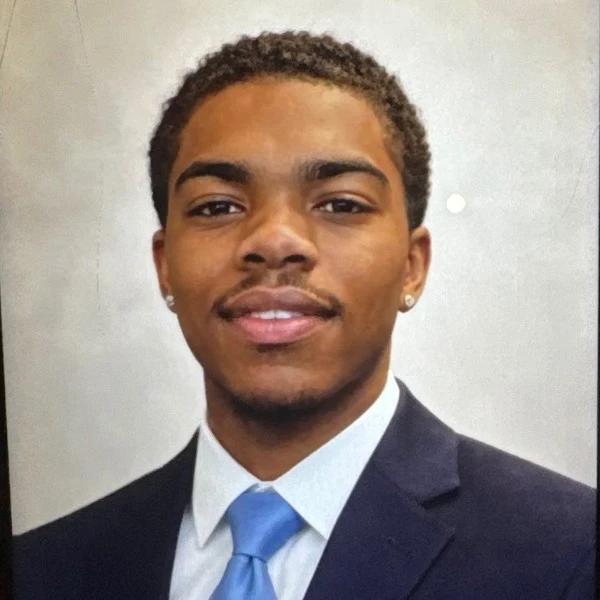
Today, I am a 21-year-old business management student entering my senior year of college. Since my freshman year, I have worked multiple jobs to help pay for school and reduce the financial burden on my mother. I now live independently while balancing work, bills, and a full-time course load. It isn’t easy, but every challenge reminds me of where I came from and what I’m working toward.
I also started my own clothing brand because I wanted to create something that represents resilience, ambition, and hope. One day, I want that business to provide opportunities for young people who have experienced hardship like I have. I want them to know that difficult circumstances do not have to define their future.
My experiences have made me more compassionate, more determined, and more understanding of the struggles that people carry behind closed doors. They have taught me to check on others, to value mental health, and to never underestimate the power of encouragement.
Losing my father changed my childhood. Nearly losing my own life changed my perspective. But neither experience broke me. Instead, they gave me a deeper appreciation for life, a stronger commitment to my goals, and a desire to build a future that honors my family and creates hope for others.
My story is not one of tragedy. It is one of resilience. Every challenge I have faced has strengthened my faith, shaped my character, and reminded me that healing is possible. Today, I move forward carrying my father’s memory, my mother’s strength, and the belief that even our deepest pain can become the foundation for a meaningful life.