
Hobbies and interests
Dance
Food And Eating
Travel And Tourism
Reading
Academic
Cookbooks
Women's Fiction
I read books multiple times per month
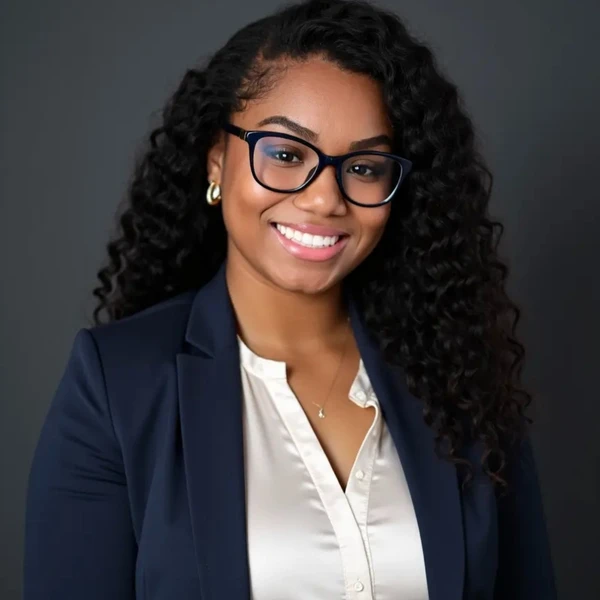
Quiann Bogle
1x
Finalist
Quiann Bogle
1x
FinalistBio
I’m a Master of Biomedical Science Student, EMT, and aspiring physician who is passionate about helping others through healthcare and service. My journey hasn’t always been easy, I’ve faced financial hardships, worked while attending school, and overcome personal challenges that strengthened my resilience and determination.
I earned my Biology degree from Prairie View A&M University and have gained hands-on experience working with patients in both emergency and clinical settings. Outside of healthcare, I enjoy volunteering, tutoring students, traveling, and giving back to underserved communities, including volunteer work in Jamaica. My goal is to become a physician who not only treats patients, but also makes people feel seen, heard, and cared for.
Education
Arkansas Colleges of Health Education
Master's degree programMajors:
- Biological and Biomedical Sciences, Other
Prairie View A & M University
Bachelor's degree programMajors:
- Biology, General
Minors:
- Chemistry
Miscellaneous
Desired degree level:
Doctoral degree program (PhD, MD, JD, etc.)
Graduate schools of interest:
Transfer schools of interest:
Majors of interest:
Career
Dream career field:
Medical Practice
Dream career goals:
Company Founder
EMT/ Medical Assistant/ Medical Scribe
Surgery Partners2024 – Present2 years
Sports
Volleyball
Club2019 – Present7 years
Research
Botany/Plant Biology
Prairie View A&M University — Researcher2020 – 2022
Arts
Pantheretts
Dance2019 – 2022
Public services
Volunteering
Prairie View Fire Department — I am currently training to be a volunteer fire fighter2021 – PresentVolunteering
Houston Food Bank — sort food products2019 – Present
Future Interests
Advocacy
Volunteering
Philanthropy
Entrepreneurship
Stephan L. Daniels Lift As We Climb Scholarship
Growing up as a first-generation immigrant from Jamaica, I witnessed firsthand how limited access to healthcare, educational resources, and economic opportunities can affect entire communities. These experiences inspired me to pursue a career in STEM, specifically in medicine, because I believe science is one of the most powerful tools for creating positive change. STEM fields drive innovation, solve complex problems, and improve quality of life, and I want to contribute to that impact while serving communities that are often overlooked.
My passion for STEM began with a fascination for biology and the human body. As I advanced through school, I became increasingly interested in understanding how scientific discoveries translate into treatments that help people live healthier lives. This passion led me to earn a Bachelor of Science in Biology from Prairie View A&M University, where I participated in research projects examining E. coli and the potential carcinogenic effects of glyphosate. Through research, I learned how scientific inquiry can influence public health and contribute to evidence-based decision-making.
Outside of the classroom, I sought opportunities to serve others through healthcare. As an EMT, medical assistant, and medical scribe, I have worked directly with patients experiencing chronic pain, disability, and complex medical conditions. These experiences exposed me to the healthcare disparities that continue to affect underserved populations. I have met patients who struggle to access quality care due to financial barriers, transportation challenges, or a lack of healthcare providers in their communities. Witnessing these obstacles strengthened my commitment to pursuing medicine and using science to improve healthcare access and outcomes.
I also understand the importance of representation in STEM. As a Black woman pursuing a career in medicine, I recognize that many young students from underrepresented backgrounds do not always see professionals who look like them in scientific and medical fields. This lack of representation can discourage students from pursuing careers they are fully capable of achieving. Through my work as a math and English tutor, I strive to encourage younger students to believe in their abilities and view STEM as a field where they belong. By mentoring students and sharing my journey, I hope to inspire the next generation of scientists, healthcare professionals, and innovators.
My long-term goal is to become a physician serving underserved and rural communities. I plan to combine clinical practice, research, and community outreach to address healthcare disparities and improve health education. I hope to establish programs that provide preventive care, health screenings, and mentorship opportunities for students interested in healthcare careers. By using my STEM education to improve access to healthcare and encourage greater participation in science and medicine, I hope to create lasting change that extends beyond individual patients and strengthens entire communities.
Pursuing a career in STEM is about more than personal achievement. It is an opportunity to use knowledge, innovation, and service to uplift others. Through medicine, research, and mentorship, I hope to help build a healthier, more equitable future while encouraging greater diversity and representation within STEM fields.
Christian Fitness Association General Scholarship
Education has always represented more than a degree to me. As a first-generation immigrant from Jamaica and the first person in my family to navigate higher education in the United States, education has been my pathway to opportunity, service, and purpose. While my journey has included financial hardship, personal challenges, and countless obstacles, it has also been defined by resilience, determination, and a commitment to helping others. For these reasons, I believe I am a strong candidate for this scholarship.
My family immigrated to the United States seeking greater opportunities and a brighter future. Like many immigrant families, we faced significant financial challenges while trying to establish ourselves in a new country. There were times when we lived in a one-bedroom apartment and struggled to make ends meet. Despite these difficulties, my parents consistently emphasized the importance of education. Although they deeply valued learning, they were unfamiliar with the American higher education system, which meant I often had to navigate college applications, financial aid, scholarships, and academic planning independently.
I attended Prairie View A&M University, a Historically Black College and University, where I earned a Bachelor of Science in Biology. During my undergraduate years, I faced numerous challenges, including financial pressures, adapting to online learning during the COVID-19 pandemic, and undergoing a tumor removal procedure. Rather than allowing these obstacles to derail my goals, I used them as motivation to continue moving forward. I graduated while maintaining academic success, earning Dean's List recognition and becoming a member of the TriBeta Biology Honor Society.
My commitment to healthcare has been a driving force throughout my educational journey. Today, I work as an Emergency Medical Technician, Medical Assistant, and Medical Scribe at a pain management practice. In these roles, I have gained invaluable clinical experience while helping patients navigate complex medical conditions. Working closely with physicians and patients has strengthened my desire to pursue medicine and serve communities with limited access to healthcare resources.
Beyond my professional experiences, I have actively sought opportunities to serve others. Community service has always been important to me because I understand firsthand how much a helping hand can mean. I have volunteered at nursing homes, providing companionship and support to elderly residents. I have served at the Houston Food Bank, helping distribute food to families experiencing food insecurity. Through the United for Hope Foundation in Jamaica, I have participated in outreach efforts that provided food, clothing, school supplies, and essential resources to underserved communities.
Education is another area where I strive to make a difference. As a math tutor, I work with middle school students to strengthen their academic skills and confidence. Watching students develop belief in their own abilities has been one of the most rewarding experiences of my life. I know what it feels like to face uncertainty and self-doubt, and I hope to encourage young people to pursue opportunities they may not have thought possible.
My long-term goal is to become an osteopathic physician serving underserved and rural communities. Throughout my healthcare experiences, I have witnessed how social and economic barriers can affect health outcomes. I hope to use my education to reduce healthcare disparities, promote preventive medicine, and provide compassionate, patient-centered care to those who need it most. In addition to practicing medicine, I hope to mentor future healthcare professionals from underrepresented backgrounds and help create pathways for others to succeed.
Financially, pursuing advanced education remains challenging. I am preparing to continue my studies through a Master's in Biomedical Sciences program as I work toward medical school. Tuition, educational expenses, and living costs create significant financial burdens. This scholarship would help relieve some of those pressures and allow me to focus more fully on achieving my academic and professional goals.
More importantly, this scholarship would be an investment in my ability to continue serving others. Every patient I assist, every student I tutor, and every community member I support reinforces my belief that education is most meaningful when it is used to improve the lives of others. My journey has taught me that success is not measured solely by personal accomplishments but by the positive impact we have on the people around us.
One of the lessons I have learned throughout my journey is that perseverance grows strongest during difficult moments. Every obstacle I have encountered has strengthened my commitment to education, service, and leadership. Rather than viewing challenges as setbacks, I have learned to see them as opportunities to develop the skills and character necessary to make a meaningful impact on others.
I am committed to using my education, experiences, and passion for service to create meaningful change in healthcare and in my community. This scholarship would help me continue that journey and move one step closer to becoming the physician and advocate I aspire to be.
Bulkthreads.com's "Let's Aim Higher" Scholarship
When people hear the word "build," they often think of buildings, businesses, or products. What I want to build is something less tangible but equally important: a healthier future for underserved communities.
As a first-generation immigrant from Jamaica, I grew up understanding how circumstances beyond a person's control can limit opportunities. My family faced financial hardship, and there were times when accessing resources and opportunities felt challenging. Those experiences taught me that success is not simply about personal achievement—it is about creating pathways that allow others to succeed as well.
This belief inspired me to pursue a career in medicine. I earned a Bachelor of Science in Biology and currently work as an Emergency Medical Technician, Medical Assistant, and Medical Scribe. Through these experiences, I have seen how healthcare can transform lives. I have also witnessed the barriers many individuals face, including limited access to healthcare providers, financial challenges, and a lack of health education. These barriers often lead to preventable health problems and poorer outcomes for entire communities.
My goal is to build a career as an osteopathic physician dedicated to serving underserved and rural populations. However, I want to build more than a medical practice. I want to build trust between healthcare providers and patients, especially among communities that may feel overlooked or underserved. I want to build programs that promote preventive care, educate patients about their health, and connect families with resources that improve their overall well-being.
I also hope to build opportunities for future generations. As a first-generation college graduate, I understand how difficult it can be to navigate higher education without guidance. Throughout my journey, mentors and educators helped me recognize my potential and continue pursuing my goals. In the future, I hope to mentor students from underrepresented backgrounds who are interested in healthcare and STEM fields. By sharing knowledge, resources, and encouragement, I hope to help others achieve goals that may seem out of reach.
The impact of building a healthier future extends far beyond individual patients. Healthier communities experience stronger educational outcomes, greater economic stability, and improved quality of life. When people have access to quality healthcare and opportunities for growth, entire communities benefit.
This scholarship would help me continue building that future by supporting my educational journey as I pursue advanced training in medicine. Every course I complete, every patient I serve, and every student I mentor brings me closer to my goal.
Ultimately, I want my legacy to be one of service. I hope to build healthier communities, stronger opportunities, and a future where more people have access to the care and support they deserve. Through medicine, mentorship, and community engagement, I believe I can help create lasting change that extends far beyond my own success.
Harry & Mary Sheaffer Scholarship
One of my greatest strengths is my ability to connect with people from different backgrounds and help them feel seen, heard, and understood. As a first-generation immigrant from Jamaica, a first-generation college graduate, and an aspiring physician, I have spent much of my life navigating different cultures, perspectives, and experiences. These experiences have taught me that empathy begins with listening and that understanding often grows when people take the time to learn each other's stories.
Growing up, I experienced the challenges that many immigrant families face. My family worked hard to build a new life in the United States while overcoming financial hardship and adapting to unfamiliar systems. Because of these experiences, I learned at an early age that everyone's journey is different and that many struggles are invisible to those around us. Rather than judging people based on their circumstances, I became curious about their stories. This curiosity has become one of the most valuable skills I bring to every interaction.
My work in healthcare has further strengthened this ability. As an Emergency Medical Technician, Medical Assistant, and Medical Scribe, I interact with patients from a wide variety of cultural, socioeconomic, and educational backgrounds. Many patients are facing pain, fear, uncertainty, or frustration. I have learned that one of the most powerful things a healthcare professional can do is listen. Patients often remember how they were treated long after they forget specific medical details. By showing compassion and respect, healthcare providers can help patients feel valued regardless of their circumstances.
Another talent I hope to use to build a more empathetic global community is education and mentorship. As a math tutor, I work with students who sometimes doubt their abilities or struggle with confidence. I have learned that encouragement can change the way someone views themselves. By helping students recognize their potential, I hope to create a ripple effect that extends beyond academics and empowers them to pursue opportunities they may not have thought possible.
My long-term goal is to become an osteopathic physician serving underserved and rural communities. Through medicine, I hope to bridge gaps between people and healthcare systems by providing compassionate, patient-centered care. I want my future patients to feel respected, understood, and empowered to participate in their own health decisions. I also hope to mentor future healthcare professionals from underrepresented backgrounds so they can bring diverse perspectives into medicine.
Building a more empathetic and understanding global community begins with recognizing our shared humanity. While people may come from different countries, cultures, and experiences, we all want to feel valued and understood. My experiences as an immigrant, healthcare professional, and mentor have taught me that meaningful change often starts with a conversation, a listening ear, or a simple act of kindness.
I plan to use my unique experiences, communication skills, and passion for service to foster greater understanding between people. Through healthcare, mentorship, and community engagement, I hope to create spaces where individuals feel respected, supported, and empowered. In doing so, I hope to contribute to a world that is not only healthier but also more compassionate and connected.
Gladys Ruth Legacy “Service“ Memorial Scholarship
One of the things that makes me different is that I have learned how to navigate spaces where I often felt like I did not fully belong. As a Jamaican immigrant, first-generation college student, African American woman, and aspiring physician, I have spent much of my life balancing different identities while pursuing goals that often seemed larger than my circumstances. Instead of allowing those differences to make me feel out of place, I have learned to embrace them as sources of strength.
Growing up, I did not have a blueprint for success. My family valued education, but navigating the American educational system was unfamiliar territory for all of us. There were times when I questioned whether I was capable of achieving my goals. Financial hardship, cultural adjustments, and the challenges of being the first in my family to pursue higher education often made the path feel overwhelming. However, those experiences taught me resilience, adaptability, and the importance of believing in myself even when the outcome was uncertain.
What makes me unique is not that I have overcome challenges; many people have. What makes me unique is my commitment to using those experiences to serve others. Throughout my journey, I have volunteered at nursing homes, the Houston Food Bank, and through the United for Hope Foundation in Jamaica. I currently tutor middle school students in mathematics and work in healthcare as an Emergency Medical Technician, Medical Assistant, and Medical Scribe. These experiences have shown me that service does not always require grand gestures. Sometimes it is simply showing up consistently for someone who needs support.
I often think about the people who may be watching without me realizing it. It may be the student who sees someone who looks like them succeeding in science and healthcare. It may be a patient who notices that I take the time to listen when they feel unheard. It may be a younger family member who sees me pursuing goals that once seemed impossible. Representation matters, and I have learned that people are often inspired not by perfection but by perseverance.
One of the greatest lessons my mother taught me was to be unapologetically myself. She showed me that authenticity is more powerful than trying to fit into someone else's expectations. As a result, I have learned to embrace my background, my story, and my purpose. I am proud of where I come from, and I believe my experiences allow me to connect with people from many different walks of life.
My goal is to become an osteopathic physician serving underserved communities, but I hope my impact extends beyond medicine. I want to show others that their circumstances do not define their potential. If someone sees my journey and feels encouraged to pursue their own dreams despite obstacles, then I have already made a difference.
Being different has taught me that our unique experiences are not limitations—they are gifts. By embracing who I am and using my experiences to serve others, I hope to honor the legacy of those who invested in me while inspiring others to do the same.
ESOF Academic Scholarship
As an African American first-generation immigrant from Jamaica and a graduate of Prairie View A&M University, a Historically Black College and University, my educational journey has been shaped by perseverance, service, and a commitment to improving the lives of others. My experiences at an HBCU strengthened my belief that education is not only a tool for personal advancement but also a responsibility to uplift the communities around us. This belief guides both my educational goals and my commitment to public service.
My primary educational goal is to continue my training through a Master's in Biomedical Sciences program and ultimately earn a Doctor of Osteopathic Medicine degree. I chose medicine because it combines science, compassion, and service in a way that allows me to make a meaningful impact on people's lives every day. Throughout my experiences as an Emergency Medical Technician, Medical Assistant, and Medical Scribe, I have witnessed how healthcare can transform lives. I have also seen the barriers many individuals face when trying to access quality care. These experiences have inspired my long-term goal of becoming an osteopathic physician who serves underserved and rural communities.
I am particularly interested in primary care because it allows physicians to build long-term relationships with patients while focusing on prevention, education, and whole-person care. Beyond treating illness, I hope to address healthcare disparities that disproportionately affect low-income and minority populations. By combining clinical care with advocacy and community outreach, I want to help create healthier communities and improve access to healthcare resources.
My commitment to civic and public service began long before I entered healthcare. Growing up, my family experienced financial hardship, and I learned firsthand the importance of community support. Those experiences instilled in me a deep appreciation for service and a desire to give back whenever possible.
Over the years, I have volunteered in a variety of settings. I have served at the Houston Food Bank, helping distribute food to families experiencing food insecurity. I have volunteered in nursing homes, providing companionship and support to elderly residents. Through the United for Hope Foundation in Jamaica, I have participated in outreach efforts that provided food, clothing, school supplies, and essential resources to underserved families. These experiences reinforced my belief that service is one of the most powerful ways to create positive change.
I am also committed to educational service. As a math tutor, I work with middle school students to help strengthen their academic skills and confidence. Many students struggle not because they lack ability but because they lack support and encouragement. By investing in young people, I hope to help them recognize their potential and pursue opportunities that may once have seemed unattainable.
My experience at Prairie View A&M University further strengthened my commitment to service. HBCUs have historically served as institutions that empower students to become leaders within their communities. At Prairie View, I learned that success is most meaningful when it creates opportunities for others. That lesson continues to guide my actions today.
In the future, I hope to combine medicine, mentorship, and community engagement to create lasting impact. Whether caring for patients, mentoring future healthcare professionals, or advocating for underserved populations, I want my work to extend beyond the walls of a clinic. My goal is to improve lives not only through medical treatment but also through education, advocacy, and service.
The brothers of Alpha Phi Alpha have a long history of leadership and community impact. Through my educational journey and commitment to public service, I hope to continue that legacy by using my knowledge, skills, and experiences to help build healthier, stronger communities for future generations.
7023 Minority Scholarship
My name is Quiann Bogle, and I am a first-generation immigrant from Jamaica pursuing a career in medicine. I earned a Bachelor of Science in Biology from Prairie View A&M University and currently work as an Emergency Medical Technician, Medical Assistant, and Medical Scribe. My experiences in healthcare, combined with my upbringing and commitment to service, have shaped my desire to become an osteopathic physician serving underserved and rural communities.
Growing up, my family faced significant financial hardship after immigrating to the United States. We often relied on the support of our community during difficult times. Those experiences taught me the importance of compassion and service at a young age. I learned that even small acts of kindness can have a profound impact on someone's life. As a result, I have dedicated myself to giving back to others whenever possible.
One cause I strongly support is increasing access to essential resources and opportunities for underserved communities. This passion has guided much of my volunteer work. I have volunteered with the Houston Food Bank, helping distribute food to families experiencing food insecurity. I have also volunteered in nursing homes, where I provided companionship and support to elderly residents who often felt isolated and overlooked. Through the United for Hope Foundation in Jamaica, I have participated in community outreach efforts that provided food, clothing, school supplies, and other necessities to families in need.
Another cause that is especially important to me is education. As a first-generation college graduate, I understand how difficult it can be to navigate educational systems without guidance. For that reason, I serve as a math tutor for middle school students. Watching students gain confidence in their abilities and develop a stronger belief in their potential has been one of the most rewarding experiences of my life. Education creates opportunities, and I believe every student deserves access to the support necessary to succeed.
My chosen field of medicine will allow me to continue serving these causes on a larger scale. Throughout my healthcare experiences, I have seen how factors such as poverty, limited healthcare access, and inadequate health education can negatively affect health outcomes. My goal is to become an osteopathic physician who not only treats illness but also addresses the broader challenges that affect patients and their families. I hope to improve healthcare access, promote preventive medicine, and advocate for underserved populations who often face barriers to receiving quality care.
If awarded this scholarship, it would help reduce the financial burden of continuing my education and allow me to focus more fully on achieving my goal of becoming a physician. More importantly, it would support my ability to continue serving others through healthcare, mentorship, and community outreach.
Like Addie James Hamerter, I believe meaningful change begins with listening to others, understanding their needs, and taking action. Through medicine and service, I hope to create lasting positive change by improving lives, expanding opportunities, and helping communities thrive.
Tia Lukeya Woods from Books Pages to Boarding Passes Scholarship
When I was a child, my family immigrated from Jamaica to the United States in search of greater opportunities. Although I left Jamaica at a young age, it has always remained a part of my identity. Every visit back home reminds me that crossing a border is about more than geography—it is about gaining perspective. It is about seeing how people live, understanding the challenges they face, and recognizing that the opportunities available to one person are not available to everyone. That understanding has shaped my dream of becoming a physician and my desire to learn beyond the boundaries of a classroom.
If given the opportunity to study abroad or pursue learning in another country, I would seek to better understand how healthcare systems, cultures, and communities approach health and wellness. As someone preparing for a career in medicine, I am fascinated by the ways that factors such as culture, economics, education, and public policy influence health outcomes. I want to see how physicians and healthcare workers address challenges in communities that may have limited resources yet possess tremendous resilience and innovation.
The questions I hope to answer cannot be fully understood through textbooks alone. How do cultural beliefs shape the way patients view illness and treatment? Why do some communities experience better health outcomes despite having fewer resources? What can healthcare providers learn from different countries about prevention, community engagement, and patient trust? Most importantly, how can I become a physician who effectively serves patients from diverse backgrounds if I have not taken the time to understand the world beyond my own experiences?
Travel has always represented possibility to me, but financial realities have often limited access to those opportunities. Growing up, my family worked hard to provide necessities, and experiences such as international educational programs were often beyond our reach. Even as a college student pursuing a degree in Biology, financial responsibilities frequently required me to prioritize tuition, books, and living expenses over opportunities for global learning. While I have never allowed those limitations to stop me from pursuing my goals, they have made certain experiences more difficult to access.
This scholarship would help transform curiosity into action. It would provide support for educational travel experiences that would broaden my understanding of global health, cultural competency, and community-centered care. Rather than simply reading about healthcare disparities, I would have the opportunity to observe them firsthand, learn from professionals working in different environments, and develop a deeper appreciation for the complexity of health around the world.
What I gain from such an experience would extend far beyond my own education. Through my volunteer work with the United for Hope Foundation, I have seen how service can create meaningful change in communities. As a future physician, I hope to use the knowledge gained from international learning experiences to better serve underserved populations, advocate for equitable healthcare access, and contribute to initiatives that address health disparities both locally and globally.
Tia Lukeya Woods believed that learning should move us beyond what is familiar. I share that belief. Crossing borders would not simply help me learn about another country—it would help me better understand humanity, strengthen my ability to care for others, and prepare me to become a more compassionate physician and citizen of the world. The lessons I would bring home would shape not only my future career but also the communities I am committed to serving for years to come.
Zelaya Creativity Scholarship
The Last Babybel
The refrigerator in the break room held exactly one Babybel cheese.
I knew this because I had been thinking about it all morning.
At 7:00 a.m., before starting my shift, I had opened the refrigerator and spotted it sitting proudly on the top shelf. It was the last one from the pack I had brought to work. I smiled, closed the door, and promised myself I would enjoy it during lunch.
By noon, I had survived a chaotic morning. Phones rang nonstop. Patients needed assistance. My to-do list seemed to multiply every time I crossed something off. Through it all, one thought kept me going.
The Babybel.
At exactly 12:03 p.m., I walked into the break room.
The refrigerator door was slightly open.
A bad sign.
I pulled it wider and stared.
The Babybel was gone!
I checked every shelf.
Nothing!
I checked the vegetable drawer.
Nothing!
I even checked the freezer for reasons I still cannot explain.
Nothing!
Someone had taken my cheese.
For the next hour, I conducted what can only be described as a completely unnecessary investigation. I questioned coworkers with the seriousness of a detective solving a major crime.
"Did you see a Babybel in the refrigerator?"
Most responded with confusion.
One laughed.
Another suggested I simply eat something else.
Clearly, they did not understand the principle of the matter.
Then I found my first clue.
A tiny red wax wrapper sat in the trash can.
The culprit had been careless.
I narrowed my list of suspects to three people.
As I prepared to continue my investigation, one of my coworkers walked into the break room carrying a grocery bag.
"Oh," she said. "Were you looking for a Babybel?"
I froze.
"Yes."
She smiled sheepishly.
"I accidentally stole it this morning. Well, not stole it, borrowed it without permission. I felt so bad that I stopped at the store and bought you a replacement."
She handed me an entire new bag.
Not one Babybel.
A whole bag.
The case was solved.
The villain was not a villain at all.
That afternoon, as I enjoyed my cheese, I realized how ridiculous the entire situation had been. I had spent hours worrying about something incredibly small while surrounded by things that actually mattered.
Yet the experience left me smiling.
Life is often filled with challenges that feel enormous in the moment but seem trivial once they are resolved. Sometimes the missing Babybel is not really about the cheese. It is about stress, expectations, and the stories we create in our heads.
Still, if there is one lesson I learned that day, it is this:
Never underestimate the emotional significance of a snack you've been thinking about since 7:00 a.m.
EverGreen Trails of Service Scholarship
I chose to pursue nursing because I have always been drawn to careers that allow me to make a direct and meaningful impact on people's lives. Nursing combines scientific knowledge, clinical skills, compassion, and advocacy in a way that few professions can. Nurses are often the healthcare professionals who spend the most time with patients, providing not only medical care but also comfort, education, and support during some of the most challenging moments of a person's life.
My desired specialty is caring for patients with chronic illnesses, particularly those experiencing cardiac conditions and other long-term health challenges. I am interested in this patient population because chronic illnesses affect every aspect of a person's life, extending beyond physical symptoms to impact emotional well-being, family relationships, finances, and quality of life. Effective care requires healthcare professionals who can build trusting relationships with patients while helping them navigate complex treatment plans and lifestyle changes.
My interest in working with individuals experiencing chronic illness developed through my healthcare experiences and personal observations. Throughout my work in healthcare settings, I have witnessed how chronic conditions can affect patients over many years. I have seen individuals struggle with pain, mobility limitations, medication management, and the emotional burden of living with ongoing health concerns. At the same time, I have seen the tremendous difference compassionate healthcare professionals can make by educating patients, advocating for their needs, and empowering them to take an active role in their care.
What draws me most to this patient demographic is the opportunity to develop long-term relationships and help patients improve their quality of life. Unlike acute illnesses that may resolve quickly, chronic conditions often require ongoing support, monitoring, and education. Nurses play a critical role in helping patients understand their conditions, manage symptoms, prevent complications, and maintain independence whenever possible.
In the future, I hope to become a nurse who not only provides excellent clinical care but also serves as a source of encouragement and support for patients and their families. I believe that effective nursing requires treating the whole person rather than focusing solely on a diagnosis. By listening to patients, understanding their goals, and helping them overcome barriers to care, nurses can make a lasting impact on both health outcomes and overall well-being.
Although I have not yet completed specialized training in stoma care, I am eager to pursue additional education and certifications throughout my nursing career. Continuous learning is essential in healthcare, and I hope to expand my expertise so that I can better serve patients with a variety of complex medical needs.
Ultimately, I chose nursing because it offers the opportunity to combine science, service, and compassion. Through my future work with patients experiencing chronic illness, I hope to improve lives, support families, and help individuals achieve the best possible quality of life despite the challenges they face.
Sola Family Scholarship
Growing up with a single mother taught me some of the most important lessons I have ever learned: resilience, sacrifice, determination, and faith. Long before I understood the challenges she faced, I watched my mother work tirelessly to provide for our family while ensuring that my sister and I had every opportunity possible. Although we did not always have financial security, she never allowed us to believe that our circumstances would determine our future.
As an immigrant family from Jamaica, life was not always easy. My mother carried the responsibility of providing for our household while also offering the emotional support and encouragement we needed to succeed. I witnessed firsthand the sacrifices she made, often putting her own needs aside so that my sister and I could focus on school and pursue our goals. Looking back, I realize that many of the opportunities I have today exist because of the countless sacrifices she made when no one was watching.
Growing up in a single-parent household also taught me responsibility at an early age. I understood that everyone in the family had a role to play. Whether helping around the house, supporting my younger family members, or staying focused on my education, I learned that success requires effort and accountability. Those lessons shaped the way I approach challenges today.
There were times when financial hardships created uncertainty. My family and I shared a one-bedroom apartment and often had to make difficult decisions about how to stretch limited resources. Despite these challenges, my mother consistently emphasized the importance of education. She believed that education could open doors that circumstances alone could not. Her belief in me became a source of motivation during difficult moments, especially when I faced obstacles in my academic journey.
As a first-generation college student, I often had to navigate higher education without a roadmap. My mother encouraged me every step of the way, even when the college process was unfamiliar to both of us. Her support gave me the confidence to pursue a Bachelor of Science in Biology, work in healthcare, and continue pursuing my dream of becoming a physician.
Today, I work as an Emergency Medical Technician, Medical Assistant, and Medical Scribe while preparing for the next stage of my education. My long-term goal is to become an osteopathic physician serving underserved communities. Much of my desire to help others comes directly from watching my mother overcome adversity with strength and grace. She taught me that success is not measured solely by personal achievements but by how we use our experiences to uplift others.
Growing up with a single mother shaped me into a person who values hard work, perseverance, and service. It taught me to remain determined in the face of challenges and to never take opportunities for granted. Most importantly, it showed me what true strength looks like. Every accomplishment I achieve is a reflection of the sacrifices my mother made and the example she set. Her resilience continues to inspire the person I am today and the future I hope to build.
Minority Women in LAS Scholarship
My immigrant experience has influenced every aspect of my educational journey. As a young girl who immigrated from Jamaica to the United States, I quickly learned that opportunity often comes with challenges. My family came to America seeking a better future, but building that future required sacrifice, resilience, and faith. While those experiences created obstacles along the way, they also shaped the determination that has helped me pursue my educational goals and prepare for a career in science and medicine.
Growing up, I watched my family work tirelessly to establish stability in a new country. Financial hardship was a constant reality. We shared a one-bedroom apartment, stretched every dollar, and relied on community resources during difficult times. Despite these challenges, my parents never allowed our circumstances to limit our ambitions. They consistently emphasized the value of education, reminding me that knowledge was one of the few things no one could take away.
Although my parents deeply valued education, they were unfamiliar with the American higher education system. Navigating college applications, financial aid, scholarships, and academic planning often felt overwhelming because I did not have a roadmap to follow. Many of my peers had family members who could explain the process or provide guidance based on their own experiences. I had to learn through research, persistence, and trial and error. As a result, I became independent and resourceful at an early age.
The challenges continued after I entered college. While pursuing my Bachelor of Science in Biology, I balanced academic responsibilities with financial pressures and personal obstacles. During college, I underwent a tumor removal procedure that tested my physical and emotional strength. At the same time, I navigated the disruptions caused by the COVID-19 pandemic. There were moments when continuing my education felt uncertain, but those experiences reinforced my commitment to my goals rather than discouraging me.
My immigrant background has also shaped my purpose. Because I understand what it feels like to overcome barriers, I am passionate about helping others who face similar challenges. Today, I work as an Emergency Medical Technician, Medical Assistant, and Medical Scribe while preparing to continue my education through a Master's in Biomedical Sciences program. My ultimate goal is to become an osteopathic physician serving underserved and rural communities.
I want to use my education to improve healthcare access for individuals and families who may feel overlooked by the healthcare system. I also hope to mentor students from immigrant and underrepresented backgrounds who may struggle to see themselves in science, medicine, or higher education. Representation matters, and I want others to know that their circumstances do not define their potential.
My immigrant experience has not made my educational journey easier, but it has made me stronger. It taught me perseverance, adaptability, and the importance of creating opportunities for others. Every challenge I have overcome has brought me closer to my goals and strengthened my commitment to using education as a tool for service, leadership, and positive change. Through medicine, mentorship, and community involvement, I hope to honor my family's sacrifices while helping others pursue their own dreams.
SigaLa Education Scholarship
As a Black immigrant from Jamaica and a first-generation college graduate, I chose to pursue a career in STEM because I have seen firsthand how science and healthcare can transform lives. From an early age, I was fascinated by the human body and inspired by the ability of healthcare professionals to diagnose illnesses, relieve suffering, and help patients live healthier lives. Over time, that curiosity evolved into a passion for medicine and a commitment to serving communities that often lack access to quality healthcare.
My educational journey has not been without challenges. My family immigrated to the United States seeking greater opportunities, but we faced significant financial hardship. We shared a one-bedroom apartment, stretched every dollar, and relied on community resources during difficult times. While my parents strongly valued education, they were unfamiliar with the American higher education system. As a result, I often had to navigate college applications, financial aid, scholarships, and academic planning independently. Those experiences taught me resilience, determination, and the importance of creating opportunities for others.
I earned a Bachelor of Science in Biology from Prairie View A&M University and currently work as an Emergency Medical Technician, Medical Assistant, and Medical Scribe. Through these roles, I have cared for patients facing chronic pain and complex medical conditions while gaining firsthand exposure to the healthcare system. I have also participated in scientific research and community service initiatives, experiences that reinforced my belief that STEM is one of the most powerful tools for improving lives.
My short-term goal is to complete a Master's in Biomedical Sciences program and successfully matriculate into medical school. My long-term goal is to become an osteopathic physician serving underserved and rural communities. I hope to reduce healthcare disparities by providing compassionate, patient-centered care and promoting preventive medicine. Beyond clinical practice, I want to mentor students from underrepresented backgrounds and encourage them to pursue careers in STEM and healthcare.
Being an underrepresented minority in STEM has strengthened my career goals rather than discouraged them. Throughout my educational journey, I have often been one of only a few students who shared my background. While representation has sometimes been limited, it has motivated me to succeed and become a role model for others. I want young students from immigrant families and underrepresented communities to see that they belong in STEM fields and can achieve their goals regardless of their circumstances.
This scholarship would help alleviate the financial burden of continuing my education. The costs associated with graduate education, tuition, textbooks, transportation, and living expenses can be significant. Receiving this scholarship would allow me to focus more fully on my academic and professional development while reducing financial stress. More importantly, it would be an investment in my ability to serve others through medicine and mentorship.
Through my education, I hope to create lasting change by improving healthcare access, inspiring future STEM professionals, and demonstrating that perseverance and opportunity can transform lives. As a physician and mentor, I hope to help build a future where every student can see themselves represented in STEM and every patient can receive the care they deserve.
Dr. Christine Lawther First in the Family Scholarship
Being the first person in my family to obtain a college degree means carrying both a responsibility and an opportunity. As an immigrant from Jamaica, I grew up understanding that education could open doors that previous generations never had access to. My family sacrificed tremendously to create better opportunities for me, and becoming a first-generation college graduate represents not only a personal achievement but also a way to honor those sacrifices and create a new legacy for future generations.
While my parents always encouraged education, they had never navigated the American higher education system themselves. There was no roadmap for college applications, financial aid, scholarships, or career planning. I often had to figure things out through research, persistence, and the guidance of mentors. At times, it felt overwhelming. In addition to navigating unfamiliar systems, my family faced financial challenges that made pursuing higher education seem uncertain. Despite these obstacles, I remained committed to my goals because I understood that earning a degree could change the trajectory of my life and my family's future.
I chose to pursue a degree in biology because I have always been fascinated by science and the ability of healthcare professionals to improve lives. My interest in medicine became deeply personal during college when I underwent a tumor removal procedure. Experiencing healthcare from a patient's perspective gave me a greater appreciation for the physicians, nurses, and medical professionals who provide comfort and guidance during difficult times. That experience strengthened my desire to pursue a career in medicine and dedicate my life to serving others.
Since graduating with a Bachelor of Science in Biology, I have worked as an Emergency Medical Technician, Medical Assistant, and Medical Scribe. These experiences have allowed me to care for patients facing chronic pain and complex medical conditions while gaining a deeper understanding of healthcare. I am currently preparing to continue my education through a Master's in Biomedical Sciences program as I work toward my ultimate goal of becoming an osteopathic physician.
My long-term goal is to provide compassionate, patient-centered care to underserved and rural communities that often face barriers to healthcare access. I want to use my education to reduce health disparities, promote preventive medicine, and improve the quality of life for patients and families. Beyond practicing medicine, I hope to mentor first-generation students and aspiring healthcare professionals from underrepresented backgrounds. I know how challenging it can be to pursue higher education without a roadmap, and I want to help others navigate that journey with greater confidence and support.
Being a first-generation college graduate means proving that circumstances do not determine potential. My family's sacrifices, my educational journey, and my experiences in healthcare have all shaped my commitment to service. Through medicine, mentorship, and community outreach, I hope to create opportunities for others while honoring the opportunities that my family worked so hard to provide for me.
Sloane Stephens Doc & Glo Scholarship
When I think about the impact I want to make, I think about the people who shaped my understanding of what healthcare truly means. I think about my mother, who struggled with chronic health conditions. I think about my grandfather, who battled colon cancer and often faced barriers to receiving timely care. I think about the elderly patients I cared for as a caregiver and the pain management patients I now assist as an EMT, medical assistant, and medical scribe. Their experiences have inspired my vision for the future: becoming a physician who improves access to compassionate, high-quality healthcare in underserved communities.
My journey began long before I entered a clinic. As a child, I immigrated from Jamaica to the United States with my family in search of greater opportunities. Like many immigrant families, we faced financial hardships and uncertainty. Despite these challenges, my parents taught me the value of education and service. They believed that success is not measured by what you achieve for yourself, but by what you do for others once you have the opportunity to help.
That lesson has guided me throughout my life. While earning my biology degree, I dedicated my time to serving others through tutoring, volunteering, and healthcare experiences. Today, I work in a pain management practice where I assist patients living with chronic pain and complex medical conditions. I have seen how limited access to healthcare, transportation, education, and financial resources can negatively impact health outcomes. These experiences have reinforced my desire to become a physician who serves communities that are often overlooked.
Education is the tool that will allow me to create meaningful change. Through my medical training, I hope to gain the knowledge and skills necessary to provide patient-centered care while also addressing the broader challenges that affect health. My goal is not only to treat illness but to empower patients through education, prevention, and advocacy. I want patients to leave my office feeling heard, respected, and confident in their ability to manage their health.
Beyond clinical practice, I plan to continue giving back through mentorship and community outreach. As a math tutor, I have seen how encouragement can change a young person's confidence and outlook on the future. I hope to expand these efforts by mentoring students from underrepresented backgrounds who are interested in healthcare careers. Representation matters, and I want young people to see that their circumstances do not define their potential.
The people who inspire me most are those who continue to serve others despite adversity. Their resilience reminds me that even small acts of kindness can create lasting change. Through medicine, mentorship, and community service, I hope to honor their example.
My vision for the future is simple: to use my education as a bridge between opportunity and need. By becoming a physician dedicated to underserved populations, I hope to improve health outcomes, inspire future healthcare professionals, and help build healthier, stronger communities for generations to come.
Bick First Generation Scholarship
Being a first-generation student means being the first person in my family to walk a path that no one can fully explain to me. It means carrying the hopes and sacrifices of my family while learning to navigate unfamiliar systems on my own. As an immigrant from Jamaica, I grew up understanding that education was one of the greatest opportunities available to me, but I also learned that access to education and understanding how to succeed within it are not the same thing.
My family came to the United States seeking a better future. While my parents valued education deeply, they had never attended college in the United States and could not guide me through applications, financial aid, scholarships, or the countless decisions that come with pursuing higher education. I often felt like I was building the map while trying to follow it. There were many moments when I questioned whether I belonged in higher education at all.
Financial hardship presented another challenge. My family and I shared a one-bedroom apartment, and there were times when we relied on community resources to help make ends meet. While many students worried only about classes and exams, I often worried about finances, transportation, and balancing responsibilities outside of school. During college, I also faced personal obstacles, including undergoing a tumor removal procedure while trying to stay focused on my education. Despite these challenges, I refused to allow my circumstances to define my future.
Those experiences strengthened my determination to succeed. I earned a Bachelor of Science in Biology from Prairie View A&M University and currently work as an Emergency Medical Technician, Medical Assistant, and Medical Scribe. Through these roles, I have gained firsthand experience caring for patients and serving communities in need. I am now preparing to continue my education through a Master's in Biomedical Sciences program that will help me achieve my ultimate goal of becoming an osteopathic physician.
My dream is to serve underserved and rural communities where access to healthcare is limited. I want to provide compassionate care to patients who may feel overlooked and advocate for those facing barriers similar to the ones my family experienced. I also hope to mentor first-generation students pursuing careers in healthcare and STEM, helping them navigate the path that I once struggled to understand.
This scholarship would help relieve the financial burden of continuing my education and allow me to focus more fully on my academic and professional development. More importantly, it would represent an investment in the future physician I am working to become. Every opportunity I receive brings me one step closer to serving others, improving healthcare access, and creating opportunities for future generations.
Being a first-generation student is not simply part of my story—it is one of my greatest sources of strength. It has taught me resilience, perseverance, and the importance of creating opportunities not only for myself but also for those who will follow after me.
Maxwell Tuan Nguyen Memorial Scholarship
My decision to pursue a career in medicine was shaped by a lifetime of witnessing the impact that healthcare access, compassion, and advocacy can have on individuals and families. As a first-generation immigrant from Jamaica, I grew up in a household where financial hardship often influenced healthcare decisions. I watched family members navigate chronic illnesses while facing barriers to care, and I learned early that good health is not something everyone can easily access. These experiences sparked my desire to become a physician and dedicate my life to serving others.
One of the most significant moments in my journey occurred during college when I underwent a breast biopsy and later surgery to remove a tumor. Although the outcome was positive, the experience gave me firsthand insight into the fear and uncertainty patients face when confronting a potential diagnosis. I gained a deeper appreciation for healthcare professionals who not only provide treatment but also offer reassurance, empathy, and hope. It was during this time that I realized I wanted to be that source of support for others.
My commitment to medicine grew through my clinical experiences. As an Emergency Medical Technician, Medical Assistant, and Medical Scribe at a pain management practice, I have worked closely with patients experiencing chronic pain, disability, and complex medical conditions. I have observed hundreds of patient encounters and witnessed how a physician's ability to listen and build trust can be just as important as prescribing the correct treatment. Through these experiences, I learned that medicine is not only about diagnosing disease—it is about understanding the person behind the diagnosis.
In addition to my clinical work, I served as a caregiver for elderly patients living with dementia. One interaction remains especially meaningful to me. I cared for a husband and wife who had spent decades together, yet the wife no longer recognized her husband due to advanced dementia. Watching him continue to love and care for her despite the heartbreak of her condition taught me the profound impact illness can have on entire families. It reinforced my desire to pursue a career where I could support both patients and their loved ones during some of life's most difficult moments.
As a physician, I plan to make a difference by improving healthcare access for underserved and vulnerable communities. I hope to practice primary care, where I can build long-term relationships with patients and focus on prevention, education, and early intervention. I am particularly interested in serving rural and medically underserved populations, where physician shortages often create significant barriers to care. Beyond treating illness, I want to empower patients with the knowledge and resources needed to take control of their health.
Medicine combines everything I value: service, lifelong learning, advocacy, and human connection. My experiences have shown me the transformative power of compassionate healthcare, and I am committed to using my career to ensure that others receive the same support and dignity they deserve. Through medicine, I hope to create lasting change—one patient, one family, and one community at a time.
Learner Math Lover Scholarship
Many people think of math as simply numbers, equations, and formulas. What I love most about math, however, is the way it teaches us how to think.
Math has always challenged me to approach problems with patience, logic, and persistence. There is something incredibly satisfying about working through a difficult problem, making mistakes along the way, and finally arriving at the correct solution. That process has taught me that success often comes from consistency and critical thinking rather than immediate answers.
My appreciation for math extends beyond the classroom because I see its impact everywhere. As a biology graduate pursuing a career in medicine, I have learned that math plays an essential role in healthcare. Whether calculating medication dosages, analyzing research data, interpreting laboratory results, or evaluating treatment outcomes, math helps healthcare professionals make informed decisions that can improve and save lives. It serves as a foundation for scientific discovery and evidence-based medicine.
One of the most meaningful ways math has influenced my life is through tutoring. I have spent time helping middle school students improve their math skills, and I enjoy watching their confidence grow as they begin to understand concepts that once seemed impossible. Seeing a student go from saying, "I'm bad at math," to successfully solving problems on their own is incredibly rewarding. It reminds me that math is not just about finding answers—it is about building confidence and teaching people how to overcome challenges.
I also appreciate that math is universal. No matter where you come from or what language you speak, mathematical principles remain the same. It is a subject that connects people across cultures and professions, from engineers and scientists to business leaders and healthcare providers.
Most importantly, math has taught me resilience. Not every problem is solved on the first attempt, and not every solution comes easily. The perseverance I developed through mathematics has carried over into every aspect of my life, including my education, career, and future goal of becoming a physician.
For these reasons, I love math not only for what it teaches us academically, but for the mindset it develops. Math encourages curiosity, discipline, and problem-solving skills that help us navigate the world and create meaningful change.
Charles B. Brazelton Memorial Scholarship
Growing up, my "awkward" thing was that I never fit the stereotype people expected of me.
I'm only 5'0", and for as long as I can remember, I loved to dance. I danced throughout elementary school, high school, and college. Dance was a huge part of my life and gave me confidence, discipline, and an outlet to express myself. Because of that, many people assumed they already knew who I was before they got to know me.
What surprised people was that I was just as passionate about science as I was about dance.
While some of my friends spent their free time watching the latest trends or talking about performances, I was often fascinated by biology, the human body, and how diseases affect people. I loved asking questions and understanding why things worked the way they did. I was the student who could spend hours learning about scientific concepts and then head straight to dance practice afterward.
At times, it felt like I was living in two different worlds. In one world, I was a dancer performing at games, events, and competitions. In the other, I was a science student preparing for exams and dreaming about a future as a doctor. Some people thought those interests didn't belong together, but I never saw them as opposites.
In fact, dance and science taught me many of the same lessons. Both require dedication, patience, and a willingness to keep improving even when progress is slow. Both taught me how to stay disciplined and work toward long-term goals. Most importantly, both taught me resilience.
Being different became one of my greatest strengths. Instead of limiting myself to one identity, I embraced every part of who I was. I learned that I didn't have to choose between being creative and being analytical. I could be both.
Today, that mindset continues to guide me. My passion for science led me to earn a degree in biology and pursue a career as a physician, while the confidence and discipline I developed through dance continue to shape the person I am. Looking back, what once felt "awkward" now feels like a gift. It taught me that the qualities that make us different are often the same qualities that help us make a meaningful impact on the world.
Being the short dancer who loved science may have made me stand out, but it also helped me discover exactly who I am.
Ethel Hayes Destigmatization of Mental Health Scholarship
My understanding of mental health did not come from a single event. Instead, it developed through a series of experiences that taught me how deeply emotional well-being influences every aspect of a person's life.
As an immigrant from Jamaica and a first-generation college student, I grew up understanding sacrifice at an early age. My family faced financial challenges, and I often felt pressure to succeed not only for myself but for those who had worked hard to create opportunities for me. While that pressure motivated me academically, it also taught me how easy it is for stress, anxiety, and self-doubt to go unnoticed.
My perspective on mental health changed significantly during college. The COVID-19 pandemic disrupted my education, isolated students from one another, and created uncertainty about the future. At the same time, my father was furloughed from work, creating additional financial strain on my family. I found myself balancing academic responsibilities with personal worries while trying to remain optimistic. Like many students, I often pushed my emotions aside and focused on what needed to be done rather than acknowledging how I felt.
One of the most difficult experiences I faced was the unexpected loss of a close friend during college. The experience reminded me how fragile life can be and how often people carry burdens that others cannot see. It forced me to reflect on grief, resilience, and the importance of supporting those around us. Rather than withdrawing from others, I learned to value open conversations and meaningful relationships.
My own health challenges also contributed to my understanding of mental health. During college, I underwent a breast biopsy and later surgery to remove a tumor. Although the outcome was positive, the uncertainty surrounding my health created fear and anxiety. Through that experience, I gained a greater appreciation for the emotional side of healthcare. Patients are not only managing physical symptoms; they are also coping with uncertainty, stress, and the fear of what comes next.
These experiences have profoundly shaped my relationships. I have become more intentional about checking on friends and family members, listening without judgment, and recognizing that people may be struggling even when they appear strong on the surface. Working as an EMT, Medical Assistant, and Medical Scribe has reinforced this lesson. Many of the patients I encounter live with chronic pain, disability, or significant life stressors. Their experiences have shown me that mental and physical health are inseparable. Effective healthcare requires treating the whole person, not just the diagnosis.
My experiences with mental health have also influenced my career aspirations. I hope to become a physician who prioritizes empathy, communication, and patient-centered care. Too often, mental health concerns are overlooked due to stigma, cultural expectations, or lack of access to resources. I want to help create an environment where patients feel comfortable discussing both their physical and emotional challenges.
Most importantly, my journey has taught me that mental health is not a sign of weakness. It is a fundamental part of being human. The challenges I have faced have strengthened my resilience, deepened my compassion, and reinforced my commitment to serving others. As a future physician, I hope to use these lessons to provide care that recognizes the full complexity of every patient's experience and to contribute to a world where conversations about mental health are met with understanding rather than judgment.
Taylor Swift Fan Scholarship
Of all of Taylor Swift's performances, the one I find most moving is her live performance of "All Too Well (10 Minute Version)" during The Eras Tour. While Taylor has delivered countless memorable performances throughout her career, this one stands out because it demonstrates the power of transforming pain into art and growth.
What makes this performance so impactful is the emotion behind it. "All Too Well" began as a deeply personal song about heartbreak, but over the years it evolved into something much larger. Watching Taylor perform it in front of tens of thousands of fans, all singing every word back to her, is a reminder that difficult experiences can connect people rather than isolate them. What may have started as one person's story became a shared experience for millions.
This performance resonated with me because it reflected a period of my own life. Shortly after graduating college, I went through the end of a five-year relationship. Like many people experiencing heartbreak, I found myself grieving not only the relationship but also the future I had imagined. During that time, music became a source of comfort and understanding. Seeing Taylor perform a song that openly acknowledges loss while also demonstrating growth reminded me that healing is possible.
What I admire most is Taylor's willingness to be vulnerable. Many people view success as appearing strong all the time, but Taylor's career shows that true strength often comes from honesty. In "All Too Well," she does not hide from difficult emotions. Instead, she embraces them and uses them to create something meaningful. That lesson has stayed with me as I pursue my own goals in healthcare. Whether caring for patients or navigating personal challenges, vulnerability and resilience often go hand in hand.
The performance is also significant because of what it represents in Taylor's career. For years, fans hoped for the full version of the song, and when she finally released and performed it, it became one of the most celebrated moments of her career. It showed the value of trusting your voice, even when others may not immediately recognize its importance.
Ultimately, I find this performance moving because it is about more than heartbreak. It is about growth, perseverance, and finding strength in difficult experiences. Watching Taylor stand confidently on stage and perform a song that originated from personal pain reminds me that our struggles do not define us. Instead, they can become the foundation for who we are becoming. That message continues to inspire me both personally and professionally, making "All Too Well (10 Minute Version)" my favorite Taylor Swift performance.
Olivia Rodrigo Fan Scholarship
One of the lyrics from Olivia Rodrigo's discography that resonates most deeply with me comes from "drivers license": "And I just can't imagine how you could be so okay now that I'm gone." When I first heard those words, I felt as though someone had perfectly captured emotions I had been struggling to put into words myself.
Shortly after graduating college, I experienced the end of a five-year relationship. For years, I had imagined building a future with that person. We had grown together through important milestones, supported each other through challenges, and shared dreams for what our lives would look like after graduation. When the relationship ended, I found myself trying to process not only the loss of someone I loved but also the loss of the future I had envisioned.
The lyric resonated with me because one of the hardest parts of heartbreak is realizing that life continues moving forward, even when you feel stuck. I remember wondering how someone who had been such a significant part of my life could seemingly move on while I was still struggling to make sense of everything. Olivia Rodrigo's music made me feel understood during a time when I often felt alone in my emotions.
Another lyric that connected with my experience was, "I still see your face in the white cars, front yards, can't drive past the places we used to go to." While my circumstances were different, the feeling was exactly the same. Everyday places became reminders of memories I wasn't ready to let go of. What impressed me most about Olivia's songwriting was her ability to turn ordinary experiences into powerful reflections on grief, love, and healing.
However, my story is not only about heartbreak. Around the same time, I was entering a new chapter of life. I had graduated with a degree in biology and was working toward my dream of a career in medicine. While I was dealing with personal loss, I was also learning how to become more independent and confident in myself. Looking back, that period challenged me to grow in ways I never expected.
One of the triumphs that came from that difficult season was discovering my own resilience. I learned that my happiness could not depend on another person. Instead, I began investing more energy into my education, my career goals, and serving others through healthcare. The end of my relationship forced me to focus on who I wanted to become rather than who I thought I would become with someone else.
Olivia Rodrigo's music taught me that vulnerability is not something to hide. Songs like "drivers license" reminded me that heartbreak is a universal experience and that healing takes time. More importantly, they showed me that painful experiences can become opportunities for growth.
Today, when I hear those lyrics, I no longer think only about loss. I think about how far I have come. The challenges I faced after that breakup helped shape me into a stronger, more self-aware person. Olivia Rodrigo's music resonated with my journey because it reflected both the pain of letting go and the triumph of moving forward.
MJ Strength in Care Scholarship
When I was younger, I often accompanied my mother to medical appointments as she managed diabetes, high blood pressure, and heart-related complications. I watched healthcare professionals become a source of comfort during some of the most stressful moments in our lives. At the time, I did not realize those experiences were shaping my future, but they planted the first seeds of my desire to pursue a career in healthcare.
As I grew older, my interest in medicine became stronger through both personal experiences and service to others. One of the most impactful experiences was working as a caregiver for an elderly couple living with dementia. I will never forget the day the wife looked at her husband of many years and could no longer recognize him. The confusion and heartbreak in that moment were difficult to witness, yet it reminded me how important compassionate care is. I learned that healthcare is not only about treating diseases; it is about supporting people through some of the most vulnerable moments of their lives.
Today, I work as an EMT, Medical Assistant, and Medical Scribe in a pain management practice. Every day I interact with patients who are navigating chronic pain, disability, and significant life challenges. I assist with patient care, document medical visits, coordinate referrals, and help patients understand the next steps in their treatment. Through these experiences, I have learned the importance of listening carefully and treating every patient with dignity and respect. I have also had the opportunity to observe physicians who combine clinical expertise with genuine compassion, reinforcing the kind of healthcare professional I hope to become.
My journey has also been shaped by resilience. As a first-generation college student who immigrated from Jamaica as a child, I have faced financial challenges, academic obstacles, and personal hardships. During college, I balanced coursework with employment while navigating family difficulties and health concerns of my own. These experiences strengthened my determination and taught me the value of perseverance. They also deepened my empathy for patients who are facing challenges that may not be visible to others.
My long-term goal is to become a physician serving underserved and rural communities. I am passionate about improving access to quality healthcare and advocating for patients who may otherwise fall through the cracks. Whether I am helping a patient understand their treatment plan or simply offering a reassuring presence during a difficult visit, I strive to make people feel seen and cared for.
Outside of medicine, one of my greatest passions is tutoring mathematics. Each week, I work with middle school students to help them build confidence in subjects they may find intimidating. Watching a student grasp a concept they once struggled with is incredibly rewarding. Tutoring has taught me patience, communication, and the importance of meeting people where they are skills that are equally valuable in healthcare. It also provides balance in my life and allows me to contribute to my community in a meaningful way.
At my core, I am driven by service. Whether I am caring for patients, mentoring students, or volunteering in my community, I find purpose in helping others achieve their goals and overcome challenges. Healthcare offers a unique opportunity to combine science, compassion, and advocacy, and I am committed to dedicating my career to that mission. The experiences, values, and people who have shaped my journey have shown me the profound impact a caring healthcare professional can have, and I hope to provide that same impact for others throughout my career.
Love Island Fan Scholarship
My Love Island challenge would be called "The Compatibility Vault."
The challenge begins with each Islander secretly answering twenty questions about relationships, values, communication styles, future goals, and their current partner. Questions could include topics such as, "What is your biggest relationship red flag?" "How many children do you want?" "What quality do you value most in a partner?" and "Who in the villa would you trust with your biggest secret?"
Once everyone's answers are submitted, the Islanders gather around a large transparent vault placed in the center of the villa. Each couple must work together to unlock the vault by correctly matching their partner's answers. For every answer they get right, they earn a key. The more keys they earn, the more compartments of the vault they can open.
However, this is where the twist begins.
Some compartments contain rewards such as private dates, overnight hideaway access, video messages from family, or immunity from the next dumping. Other compartments contain "Truth Cards." If a couple opens a compartment with a Truth Card, they must publicly reveal the answer to one of their partner's secret questions that was not included in the challenge. This could lead to surprising confessions, misunderstandings, and major villa drama.
If a couple performs poorly and fails to earn enough keys, another Islander can steal one of their rewards. This creates competition between couples and encourages strategic gameplay.
The challenge would test much more than physical attraction. It would reveal which couples truly understand each other, who is building genuine connections, and who may be saying what their partner wants to hear. Viewers love moments where relationships are tested, hidden truths are exposed, and strong couples prove their compatibility.
What makes "The Compatibility Vault" unique is that it combines romance, teamwork, competition, strategy, and drama all in one challenge. Strong couples are rewarded for communication, while weaker couples are forced to confront gaps in their connection. The hidden Truth Cards ensure that no one is completely safe from unexpected revelations.
I believe this challenge would become a fan favorite because it captures everything that makes Love Island special: authentic relationships, unexpected twists, emotional moments, and unforgettable villa drama. It would give viewers a deeper look into each couple while creating the perfect balance of fun and chaos that Love Island fans love to watch.
Sabrina Carpenter Superfan Scholarship
I am a fan of Sabrina Carpenter because her career represents perseverance, growth, and the courage to remain authentic despite challenges. While many people recognize her success as a singer and performer today, what inspires me most is the journey she took to get there. Sabrina did not become successful overnight. She spent years building her career, taking on different opportunities, facing criticism, and continuously working to improve her craft. Her story reminds me that meaningful success often comes from consistency and determination rather than instant results.
One of the qualities I admire most about Sabrina Carpenter is her resilience. Throughout her career, she has experienced both praise and criticism in the public eye, yet she has continued to focus on her goals rather than allowing outside opinions to define her. As someone pursuing a challenging career in medicine, I relate to the importance of perseverance. The path to becoming a physician requires years of education, sacrifice, and hard work. There are setbacks, obstacles, and moments of self-doubt, but Sabrina's example reminds me that growth often happens through challenges.
I also admire her willingness to evolve. She has successfully transitioned from acting to becoming a globally recognized musician while remaining true to herself. Her ability to adapt and embrace new opportunities demonstrates the importance of continuous learning and self-improvement. In my own life, I strive to adopt a similar mindset by seeking opportunities to grow academically, professionally, and personally. Whether working as an Emergency Medical Technician, Medical Assistant, and Medical Scribe or preparing for graduate studies, I understand that success requires a commitment to lifelong learning.
Another reason Sabrina Carpenter's career resonates with me is her work ethic. Achieving excellence in any field requires discipline, preparation, and persistence. Watching her dedication to her craft has reinforced my belief that success is earned through consistent effort. This lesson has motivated me throughout my educational journey as a first-generation immigrant and aspiring physician.
Ultimately, Sabrina Carpenter's career has impacted me because it serves as a reminder that dreams are achievable when passion is combined with hard work and resilience. Her journey encourages me to remain focused on my goals, embrace challenges as opportunities for growth, and continue striving to make a positive difference in the lives of others. Those lessons will stay with me as I pursue my own path in healthcare and work toward becoming a physician dedicated to serving my community.
Kayla Nicole Monk Memorial Scholarship
I chose to pursue higher education in STEAM because I have always been fascinated by the connection between science and human health. Growing up, I wanted to understand how the body works, why people become ill, and how healthcare professionals can use science to improve and save lives. Over time, that curiosity evolved into a passion for medicine and a commitment to serving others through healthcare.
As a first-generation immigrant from Jamaica, my journey toward higher education has not been easy. My family came to the United States seeking greater opportunities, but we faced significant financial hardship. We lived in a one-bedroom apartment, stretched every dollar, and often had to rely on determination and faith to overcome challenges. Despite these obstacles, my parents continuously emphasized the importance of education. They taught me that education is one of the most powerful tools for changing not only your own life but also the lives of others.
Those lessons motivated me to earn a Bachelor of Science in Biology and pursue a career in medicine. Along the way, I experienced challenges that strengthened my commitment to healthcare. During college, I underwent a tumor removal procedure that allowed me to see healthcare from a patient's perspective. I also gained valuable experience working as an Emergency Medical Technician, Medical Assistant, and Medical Scribe. These experiences showed me that science is not confined to textbooks and laboratories—it directly impacts people's lives every day.
My passion for STEAM extends beyond academics and healthcare. I have participated in scientific research, volunteered at nursing homes and food banks, and served communities in both the United States and Jamaica. Through the United for Hope Foundation, I helped distribute food, clothing, and school supplies to families in need. I also tutor middle school students in mathematics because I believe education can open doors that once seemed impossible to reach. These experiences have taught me that knowledge becomes most powerful when it is used in service of others.
I am currently preparing to continue my education through a Master's in Biomedical Sciences program that will serve as a pathway to medical school. My goal is to become an osteopathic physician who serves underserved and rural communities. Many people face barriers to healthcare because of financial hardship, limited access to providers, or a lack of educational resources. I hope to use my education to reduce those disparities by providing compassionate care, promoting preventive medicine, and advocating for underserved populations.
This scholarship would help alleviate some of the financial burden associated with continuing my education and allow me to focus more fully on achieving my academic and professional goals. More importantly, it would bring me one step closer to making a meaningful impact through medicine and service.
Like Kayla Nicole Monk, I believe in setting ambitious goals and working relentlessly to achieve them. Through my education, I hope to create a legacy of service, compassion, and opportunity by improving lives, strengthening communities, and inspiring future generations of students to pursue careers in STEAM. My goal is not simply to succeed personally, but to use my success to uplift others and create lasting change.
Annie Pringle Memorial Scholarship
Breast health education is important to me because I have experienced firsthand how frightening and overwhelming breast health concerns can be. During college, I underwent a breast tumor biopsy and subsequent tumor removal procedure. What began as a medical concern quickly became a period filled with uncertainty, fear, and countless questions. As a young woman pursuing a degree in biology, I understood some of the science behind the process, yet I still found myself overwhelmed by the emotional impact of navigating a breast health issue. That experience gave me a new perspective on the importance of education, access to care, and compassionate healthcare professionals.
One of the most difficult aspects of any breast health concern is the uncertainty. Patients often face unfamiliar medical terminology, complex diagnostic procedures, and anxiety about potential outcomes. During my own experience, I realized how important it is for patients to have access to knowledgeable professionals who can provide accurate information, answer questions, and offer reassurance throughout the process. Education empowers patients to make informed decisions about their health and reduces the fear that often accompanies the unknown.
My experience also showed me that breast health education extends far beyond diagnosis and treatment. It includes prevention, awareness, early detection, and helping individuals feel comfortable discussing concerns that they may otherwise ignore. Many people delay seeking medical attention because they do not fully understand what symptoms to watch for or because they are afraid of what they might discover. By improving education and awareness, healthcare professionals can help patients recognize concerns earlier, leading to better outcomes and potentially life-saving interventions.
As I continued my journey into healthcare, my appreciation for breast health education only grew stronger. Working as an Emergency Medical Technician, Medical Assistant, and Medical Scribe has allowed me to witness how healthcare professionals can influence patients' lives through education and advocacy. I have learned that some of the most meaningful moments in healthcare occur when patients feel heard, understood, and empowered to participate in their own care. These experiences reinforced my belief that healthcare providers play a critical role in helping patients navigate difficult medical situations with confidence and dignity.
Breast health education is especially important because disparities in healthcare access continue to affect many communities. Individuals from underserved backgrounds often face barriers to screening, treatment, and health literacy. As someone who grew up in a family that experienced financial hardship, I understand how access to healthcare resources can influence health outcomes. In the future, I hope to use my medical education to help bridge these gaps by promoting awareness, providing patient education, and advocating for equitable access to preventive care and screening services.
My goal is to become an osteopathic physician who treats patients with compassion while emphasizing education and prevention. I want patients to feel informed rather than intimidated and supported rather than alone. My personal experience with breast health concerns showed me the profound difference that knowledgeable and caring healthcare professionals can make in a patient's life.
Breast health education matters because knowledge has the power to reduce fear, encourage early intervention, and improve outcomes. Through my future career in medicine, I hope to honor that principle by helping patients understand their health, advocate for themselves, and receive the care they deserve. In doing so, I hope to continue the work of individuals like Annie Pringle, whose dedication to education and support helped countless people facing breast health challenges.
Learner Calculus Scholarship
Many students view calculus as one of the most difficult subjects in mathematics, often seeing it as a hurdle to overcome rather than a valuable tool. While calculus can be challenging, I believe it is one of the most important subjects in STEM because it teaches us how to understand change, predict outcomes, and solve complex real-world problems. Whether developing new technologies, designing infrastructure, conducting research, or advancing healthcare, calculus provides the foundation that makes innovation possible.
At its core, calculus is the mathematics of change. It helps scientists, engineers, and researchers analyze how systems behave over time. In fields such as physics and engineering, calculus is used to calculate motion, energy, and forces. Civil engineers rely on calculus when designing bridges, roads, and buildings to ensure they can withstand environmental and structural stresses. Computer scientists use calculus in areas such as artificial intelligence, machine learning, and data analysis, allowing technology to become more efficient and responsive.
As someone pursuing a career in medicine, I am particularly interested in the role calculus plays in healthcare and biological sciences. Many people do not realize that calculus contributes significantly to medical advancements. Researchers use calculus to model the spread of diseases, predict treatment outcomes, and analyze biological processes within the human body. Pharmacologists use calculus to determine how medications are absorbed, distributed, and eliminated by the body. Medical imaging technologies such as MRI and CT scans also rely on mathematical principles derived from calculus to produce accurate diagnostic images.
My experiences working as an Emergency Medical Technician, Medical Assistant, and Medical Scribe have shown me the importance of scientific reasoning in patient care. While healthcare providers may not solve calculus equations during every patient interaction, the medical research, technologies, and treatment protocols they rely upon are often built on mathematical models developed using calculus. Without these tools, many of the advances that improve patient outcomes would not be possible.
Calculus also teaches valuable skills that extend beyond mathematics itself. It develops critical thinking, problem-solving, persistence, and analytical reasoning. Students learn how to break complex problems into manageable parts, evaluate relationships between variables, and arrive at logical solutions. These skills are essential across all STEM disciplines and help prepare future innovators to tackle challenges that do not yet have clear answers.
Throughout history, many of humanity's greatest advancements have been made possible by individuals who understood how to apply mathematics to real-world problems. Calculus serves as a bridge between theoretical knowledge and practical innovation. It allows us to understand the world more deeply and create solutions that improve lives.
For these reasons, I believe calculus is one of the most important subjects in STEM. While it may be difficult, its value extends far beyond the classroom. Calculus empowers scientists, engineers, healthcare professionals, and researchers to make discoveries, develop technologies, and solve problems that benefit society. As STEM fields continue to evolve, calculus will remain an essential tool for driving progress and improving the world around us.
Emerging Leaders in STEM Scholarship
My interest in STEM began with a simple question: how can science be used to improve and save lives? As a child, I was fascinated by how the human body worked and how medical professionals could use scientific knowledge to diagnose illnesses, relieve suffering, and help patients heal. Over time, that curiosity developed into a passion for biology and medicine, leading me to pursue a Bachelor of Science in Biology and a career in healthcare.
Today, I work as an Emergency Medical Technician, Medical Assistant, and Medical Scribe while preparing to continue my education through a Master's in Biomedical Sciences program. For me, STEM is more than a field of study—it is a powerful tool for solving problems, improving communities, and creating opportunities for people who often feel overlooked. Through science and medicine, I hope to make a lasting impact on individuals and families facing health challenges.
My passion for STEM has been shaped by both personal experiences and adversity. I immigrated from Jamaica to the United States with my family in search of greater opportunities. Like many immigrant families, we faced significant financial hardship. We shared a one-bedroom apartment, stretched every dollar, and relied on community resources during difficult times. While my parents valued education, they were unfamiliar with the American higher education system, leaving me to navigate college applications, financial aid, and scholarships largely on my own.
The challenges continued during college. I balanced academics with financial responsibilities and worked through periods of uncertainty brought on by the COVID-19 pandemic. During this time, I also underwent a tumor removal procedure that forced me to view healthcare from a patient's perspective. Experiencing fear, vulnerability, and recovery firsthand strengthened my appreciation for the medical professionals who dedicate their lives to helping others. It also reinforced my determination to pursue a career in medicine.
In addition to my academic and clinical experiences, I have participated in scientific research involving microbiology and cancer-related studies. These opportunities allowed me to see how STEM extends beyond classrooms and laboratories. Research has the power to improve treatments, answer important questions, and contribute to discoveries that can change lives for generations.
My long-term goal is to become an osteopathic physician serving underserved and rural communities. Many individuals face barriers to healthcare because of financial limitations, geographic isolation, or a lack of educational resources. I hope to use my STEM education to help reduce those disparities by providing compassionate care, promoting preventive medicine, and advocating for greater healthcare access.
I also hope to inspire future generations of students from underrepresented backgrounds to pursue STEM careers. Representation matters, and I want young people who share similar experiences to see that success in science, medicine, and research is possible regardless of their circumstances.
The adversities I have faced have not discouraged me from pursuing STEM; they have strengthened my commitment to it. Every challenge has reinforced my belief that education, science, and service can create meaningful change. Through medicine, research, and mentorship, I hope to use my STEM education to improve lives and help build a healthier, more equitable future for others.
First Generation Scholarship For Underprivileged Students
As a first-generation college student, I often felt like I was navigating unfamiliar territory without a map. My family immigrated from Jamaica to the United States in search of greater opportunities, but while my parents valued education deeply, they had never experienced the American college system themselves. There was no one in my household who could explain financial aid, college applications, scholarships, or the countless decisions that come with pursuing higher education. I had to learn through trial and error, determination, and the support of mentors who believed in me.
Growing up, my family faced significant financial challenges. We shared a one-bedroom apartment, stretched every dollar, and relied on community resources when times were difficult. Despite these hardships, my parents never stopped emphasizing the importance of education. They taught me that while circumstances may limit opportunities temporarily, hard work and perseverance can create new possibilities for the future.
That mindset helped me persevere through challenges that could have easily derailed my educational journey. I attended Prairie View A&M University, where I earned a Bachelor of Science in Biology while balancing academic responsibilities, financial pressures, and personal obstacles. During college, I underwent a tumor removal procedure, adapted to the challenges of the COVID-19 pandemic, and continued pursuing my goal of becoming a physician. Those experiences taught me resilience and reinforced my belief that obstacles are not barriers to success—they are opportunities to grow stronger.
Today, I work as an Emergency Medical Technician, Medical Assistant, and Medical Scribe while preparing to enter a Master's in Biomedical Sciences program that will serve as a pathway to medical school. My goal is to become an osteopathic physician who serves underserved and rural communities. However, my impact extends beyond my future career in medicine. I am equally passionate about helping students realize that higher education is possible regardless of their background.
I currently tutor middle school students in mathematics and have volunteered through organizations such as the Houston Food Bank, nursing homes, and the United for Hope Foundation in Jamaica. Through these experiences, I have learned that representation matters. When students see someone who shares similar experiences achieving their goals, it becomes easier for them to believe they can do the same.
In the future, I plan to mentor first-generation and underrepresented students pursuing careers in healthcare and STEM fields. I want to help them navigate the challenges I once faced by sharing resources, guidance, and encouragement. Many talented students do not lack ability; they simply lack access to information and support. I hope to become the mentor I wish I had when I first began my educational journey.
As a first-generation student, I understand the challenges of entering spaces where few people look like you or share your experiences. My goal is to use my education not only to improve lives through medicine but also to inspire others to pursue opportunities they may have once believed were beyond their reach. If my journey can help even one student believe in their potential, then I will have made a meaningful impact.
Goobie-Ramlal Education Scholarship
My family's journey from Jamaica to the United States was built on sacrifice, hope, and the belief that education could create opportunities that previous generations never had. Like many immigrant families, my parents left behind familiar surroundings and support systems in pursuit of a better future. They worked tirelessly to provide for our family, often making sacrifices so that my sister and I could have opportunities they never had. Their determination became the foundation of my own.
Growing up, I quickly learned that success would require hard work. My family faced financial hardship, and there were times when we relied on community resources to help meet basic needs. We shared a one-bedroom apartment and learned how to stretch every dollar. Although my parents valued education deeply, they were unfamiliar with the complexities of the American education system. As a result, I often had to navigate college applications, financial aid, scholarships, and academic planning on my own. While that was intimidating, it also taught me independence, resilience, and resourcefulness.
As a first-generation college student, I viewed education as more than a personal achievement. It represented an opportunity to honor my family's sacrifices and create a different future for generations to come. I attended Prairie View A&M University, where I earned a Bachelor of Science in Biology while balancing financial pressures, academic responsibilities, and personal challenges. During college, I also underwent a tumor removal procedure, an experience that deepened my appreciation for healthcare professionals and strengthened my desire to pursue medicine.
My passion for service is deeply connected to my Caribbean roots. I have volunteered at nursing homes, the Houston Food Bank, and through the United for Hope Foundation in Jamaica, where I helped distribute food, clothing, and school supplies to underserved families. Returning to Jamaica to serve communities similar to those that shaped my own upbringing reminded me of the importance of giving back and using education as a tool for empowerment.
Today, I work as an Emergency Medical Technician, Medical Assistant, and Medical Scribe while preparing to enter a Master's in Biomedical Sciences program that will serve as a pathway to medical school. My goal is to become an osteopathic physician dedicated to serving underserved and rural communities. Many patients face challenges that extend beyond medicine, including financial hardship, limited access to healthcare, and a lack of educational resources. Because I have experienced many of these barriers firsthand, I hope to provide care that is both compassionate and accessible.
In addition to practicing medicine, I plan to mentor students from immigrant and underrepresented backgrounds who may feel uncertain about pursuing higher education. I want them to see that their circumstances do not determine their future. Representation matters, and I hope my journey demonstrates what is possible when determination is paired with opportunity.
My family's immigration story taught me that progress often begins with one generation willing to sacrifice for the next. Through my education, service, and future career in medicine, I hope to honor those sacrifices by creating opportunities, improving lives, and helping others achieve dreams that once seemed out of reach.
Noah Jon Markstrom Foundation Scholarship
My desire to pursue a career in pediatric medicine stems from a combination of personal experiences, clinical exposure, and a deep appreciation for the unique role pediatric healthcare providers play in the lives of children and their families. While medicine has always interested me, it was my experiences as both a patient and a healthcare professional that showed me the profound impact compassionate pediatric care can have during some of life's most difficult moments.
During college, I underwent a tumor removal procedure that gave me a firsthand understanding of the fear, uncertainty, and vulnerability that often accompany medical challenges. Although I was not a pediatric patient at the time, the experience allowed me to see healthcare through the eyes of someone receiving care rather than providing it. I learned that healing involves much more than medical treatment. The kindness, reassurance, and support offered by healthcare professionals can make an enormous difference in a patient's experience and in the well-being of their family.
My understanding of pediatric medicine continued to grow through volunteer and clinical experiences. While shadowing in a pediatric urgent care clinic and later working in healthcare settings as an Emergency Medical Technician, Medical Assistant, and Medical Scribe, I witnessed how children often display remarkable resilience in the face of illness. I also observed how deeply parents and caregivers are affected when a child is sick. Pediatric healthcare providers have the unique responsibility of caring for both the patient and the family, helping them navigate fear, uncertainty, and difficult medical decisions.
One experience that particularly shaped me was working as a caregiver for an elderly couple living with dementia. Although this was not a pediatric setting, it taught me the importance of family-centered care. I witnessed how illness affects entire families, not just individuals. That lesson translates directly to pediatrics, where physicians often care for children while simultaneously supporting parents, siblings, and loved ones. It reinforced my belief that compassionate healthcare must address emotional needs alongside physical ones.
What inspires me most about pediatric medicine is the opportunity to positively influence a child's future. Whether treating acute illness, managing chronic conditions, or providing preventive care, pediatric providers have the ability to improve a child's quality of life and long-term health outcomes. They also serve as advocates, educators, and sources of hope for families facing challenging circumstances.
As I continue my journey toward becoming a physician, I hope to carry these lessons into my future career. I want every patient and family I encounter to feel heard, respected, and supported. I am particularly passionate about serving underserved communities where children may face barriers to accessing quality healthcare. Through compassionate care, patient education, and community outreach, I hope to help children not only survive illness but thrive throughout their lives.
The healthcare professionals who cared for me demonstrated the power of empathy and human connection. Their example inspired me to pursue medicine, and it continues to motivate me to become the kind of physician who brings comfort, hope, and healing to children and families during their most challenging moments.
STEAM Generator Scholarship
When I immigrated from Jamaica to the United States as a child, my family came seeking opportunities that were not available to us at home. What I did not realize at the time was that one of the greatest opportunities and challenges would be higher education. As a first-generation immigrant and the first person in my family to pursue an advanced degree, I entered college without a roadmap. While many of my peers had parents or relatives who could guide them through applications, financial aid, course selection, and career planning, my family and I had to learn everything as we went.
My educational journey has been shaped by both hope and uncertainty. Growing up, my family faced significant financial hardship. We lived in a one-bedroom apartment, relied on community resources at times, and worked hard to make ends meet. College always felt important, but it also felt distant. I knew that earning a degree could change the trajectory of my life and my family's future, yet I constantly worried about how I would afford tuition, books, housing, and other expenses.
When I began college at Prairie View A&M University, I quickly realized that academic success would require more than intelligence. It required resilience. During my undergraduate years, I balanced coursework with employment to help support myself and my family. I navigated financial challenges, adapted to online learning during the COVID-19 pandemic, and faced personal hardships, including undergoing a tumor removal procedure while trying to stay on track academically. There were moments when the path forward seemed overwhelming, but each challenge strengthened my determination to succeed.
As an outsider to higher education, one of my greatest concerns was whether I truly belonged. Imposter syndrome often made me question whether I was capable of achieving my goals. However, mentors, professors, and healthcare professionals helped me realize that my background was not a disadvantage—it was a source of strength. My experiences taught me perseverance, adaptability, and empathy, qualities that continue to shape both my character and my career aspirations.
Today, I work as an Emergency Medical Technician, Medical Assistant, and Medical Scribe while preparing to attend a Master's in Biomedical Sciences program that provides a pathway to medical school. My goal is to become an osteopathic physician serving underserved and rural communities. Many of the patients I hope to serve face challenges similar to those my family experienced, including financial barriers, limited healthcare access, and a lack of resources. My background allows me to understand these struggles on a personal level.
My hope is that my educational journey will create opportunities not only for myself but also for my family and future generations. I want to demonstrate that circumstances do not define potential. By earning a medical degree, mentoring students from underrepresented backgrounds, and serving communities in need, I hope to help others navigate paths that once seemed impossible.
Higher education has never been a straightforward journey for me, but it has been a transformative one. As a first-generation immigrant, I view education as more than a personal achievement—it is a bridge to service, opportunity, and lasting impact.
Byte into STEM Scholarship
As a first-generation immigrant from Jamaica and a Black woman pursuing a career in medicine, my journey has been shaped by perseverance, service, and a commitment to creating opportunities for others. Growing up, my family faced significant financial hardship. We shared a one-bedroom apartment, relied on community resources at times, and learned to make the most of limited means. While those circumstances presented challenges, they also instilled in me a strong work ethic, resilience, and a deep appreciation for education.
My passion for STEM began with a fascination for science and the human body, but it grew into a calling through personal experiences. During college, I underwent a tumor removal procedure that gave me a firsthand understanding of the vulnerability patients experience and the impact compassionate healthcare professionals can have during difficult moments. That experience strengthened my desire to pursue medicine and inspired me to dedicate my life to improving the health and well-being of others.
Throughout my academic journey, I have worked to turn obstacles into opportunities. I graduated from Prairie View A&M University with a Bachelor of Science in Biology and later completed an Emergency Medical Technician program, where I graduated as valedictorian and passed the National Registry exam on my first attempt. Today, I work as an Emergency Medical Technician, Medical Assistant, and Medical Scribe in a pain management practice. In these roles, I assist patients facing chronic pain and complex medical conditions while learning from physicians who emphasize compassionate, patient-centered care.
Service and leadership have always been central to who I am. I have volunteered at the Houston Food Bank, served in nursing homes, participated in community outreach through the United for Hope Foundation in Jamaica, and tutor middle school students in mathematics. Through tutoring, I have seen how mentorship can transform a student's confidence and academic performance. Through community service, I have learned that meaningful impact often comes from consistently showing up for others and investing in their success.
I have also participated in scientific research, including projects studying Escherichia coli and the potential carcinogenic effects of glyphosate exposure. More recently, I have contributed to research evaluating outcomes for chronic pain patients receiving advanced treatment options. These experiences have shown me how STEM innovation can improve lives and address complex health challenges.
I am preparing to pursue a Master's in Biomedical Sciences program that provides a pathway to medical school. This program will strengthen my scientific foundation, expand my research experience, and prepare me to become an osteopathic physician. My long-term goal is to serve underserved and rural communities that often lack adequate access to healthcare. I hope to combine clinical practice, community outreach, and mentorship to address healthcare disparities and inspire future generations of STEM professionals.
Education has opened doors that once seemed out of reach for me. Through my degree and future medical training, I hope to create lasting change by improving access to healthcare, mentoring students from underrepresented backgrounds, and demonstrating that obstacles do not determine a person's potential. My goal is not only to succeed in STEM but also to help others see themselves in fields where representation matters and opportunities can transform lives.
Natalie Joy Poremski Scholarship
Faith has been one of the most influential forces in my life. It has guided me through challenges, shaped my values, and inspired my commitment to serving others. As the granddaughter of a pastor, I was raised with the belief that every person is created with inherent value and dignity. This belief forms the foundation of my support for the pro-life movement and influences how I approach my relationships, service, and future career in medicine.
I actively live out my faith through service. Throughout my life, I have volunteered in nursing homes, food banks, community outreach programs, and charitable initiatives in both the United States and Jamaica. These experiences have taught me that supporting life extends beyond a single issue—it involves caring for people at every stage of life. Whether assisting elderly individuals living with dementia, distributing food to families facing hardship, tutoring children, or helping patients navigate healthcare challenges, I strive to demonstrate compassion and respect for the dignity of every human being.
My faith has strengthened my belief that all life has value, from the unborn child to the elderly patient nearing the end of life. During my work as a caregiver, I witnessed the vulnerability that accompanies aging and chronic illness. Later, as an Emergency Medical Technician, Medical Assistant, and Medical Scribe, I saw firsthand how compassionate healthcare can restore hope during difficult circumstances. These experiences reinforced my conviction that healthcare professionals have a unique responsibility to protect, support, and advocate for life in all its forms.
Faith has also shaped my future goals. I am pursuing a career as an osteopathic physician because I want to serve individuals and families during some of the most important moments of their lives. I believe medicine is more than diagnosing and treating disease; it is about caring for the whole person—physically, emotionally, and spiritually. My faith motivates me to approach every patient with compassion, empathy, and respect, regardless of their background or circumstances.
In the future, I plan to use my education to promote a culture that values and protects life. As a physician, I hope to provide quality healthcare, educate patients about preventive care, and connect individuals with resources that support healthy families and communities. I also hope to advocate for underserved populations who often face barriers to receiving adequate medical care. By improving access to healthcare, mentorship, and community support, I believe I can help create conditions that allow people to thrive throughout every stage of life.
My faith has taught me that true service requires action. It is not enough to simply believe in the value of life; we must actively work to protect and uplift others. Through medicine, community service, and advocacy, I hope to honor that calling and make a meaningful difference in the lives of those I serve. In doing so, I aim to reflect my faith by treating every individual with the dignity, compassion, and respect they deserve.
Catrina Celestine Aquilino Memorial Scholarship
My name is Quiann Bogle, and I am a first-generation immigrant from Jamaica pursuing a career in medicine. My journey has been shaped by resilience, service, and a deep desire to improve the lives of others. Growing up, my family faced significant financial hardship. We lived in a one-bedroom apartment, relied on food banks at times, and worked hard to build a better future. Although those experiences were challenging, they taught me perseverance, gratitude, and the importance of helping others when they need it most.
My passion for medicine developed through both personal and professional experiences. During college, I underwent a tumor removal procedure that allowed me to experience healthcare from a patient's perspective. The compassion shown by my healthcare team made a lasting impression on me and demonstrated the profound impact medical professionals can have during vulnerable moments in a person's life. That experience strengthened my desire to pursue a career dedicated to caring for others.
Since graduating with a Bachelor of Science in Biology, I have worked as an Emergency Medical Technician, Medical Assistant, and Medical Scribe in a pain management practice. In these roles, I have cared for patients facing chronic pain, mobility limitations, and complex medical conditions. I have learned that effective healthcare requires more than clinical knowledge; it requires empathy, communication, and a commitment to understanding each patient's unique circumstances.
Service has always been an important part of my life. I have volunteered at nursing homes, the Houston Food Bank, and through the United for Hope Foundation in Jamaica, where I helped distribute food, clothing, and school supplies to underserved families. I also tutor middle school students in mathematics, helping them build confidence and develop skills that will support their future success. These experiences have reinforced my belief that meaningful change occurs when individuals invest their time and energy into uplifting others.
In the future, I plan to become an osteopathic physician serving underserved and rural communities. I am particularly interested in primary care because it allows physicians to build long-term relationships with patients while addressing preventive health needs. Through my medical career, I hope to improve access to healthcare, educate patients about disease prevention, and advocate for populations that often face barriers to receiving quality care.
Beyond direct patient care, I hope to make a positive impact by mentoring future healthcare professionals from disadvantaged backgrounds. As someone who has overcome financial challenges and navigated the complexities of higher education as a first-generation student, I understand the value of mentorship and support. I want to help others recognize that their circumstances do not define their potential.
My goal is not only to treat illness but also to inspire hope, improve communities, and create opportunities for others. Through compassionate patient care, community outreach, and mentorship, I hope to leave a lasting impact that extends far beyond the walls of a clinic and contributes to a healthier, more equitable world.
Future Nonprofit Leaders Award
I chose to pursue a career in medicine because I have seen firsthand how healthcare can change the trajectory of a person's life. Growing up as an immigrant from Jamaica, my family faced significant financial hardship. We lived in a one-bedroom apartment, relied on community resources at times, and often struggled to access the support we needed. Those experiences taught me that health and opportunity are deeply connected. They also sparked my desire to become a physician who can make quality healthcare more accessible to those who need it most.
My decision was further shaped by personal experiences with illness and caregiving. During college, I underwent a tumor removal procedure that forced me to become a patient rather than a student focused solely on academics. Experiencing the uncertainty, fear, and vulnerability that often accompany medical care gave me a deeper appreciation for compassionate healthcare providers. I also worked as a caregiver for elderly patients living with dementia, where I witnessed the emotional impact chronic illness has not only on patients but also on their families. These experiences showed me that medicine is not simply about treating diseases—it is about supporting people through some of the most challenging moments of their lives.
My commitment to healthcare has continued to grow through my work as an Emergency Medical Technician, Medical Assistant, and Medical Scribe in a pain management practice. Every day, I interact with patients who are living with chronic pain, mobility limitations, and complex medical conditions. I have observed procedures, coordinated patient care, and worked alongside physicians who emphasize listening, education, and holistic treatment. Through these experiences, I have learned that the most effective healthcare providers treat the whole person rather than focusing solely on symptoms.
I am currently preparing to continue my education through a Master's in Biomedical Sciences program that provides a pathway to medical school. My goal is to earn a Doctor of Osteopathic Medicine degree and pursue a career in primary care. I am particularly interested in serving underserved, rural, and aging populations because these communities often face significant barriers to healthcare access.
In the future, I want to use my degree for more than individual patient care. I hope to advocate for preventative medicine, health education, and community outreach programs that address health disparities before they become medical crises. I also plan to mentor students from disadvantaged backgrounds who aspire to enter healthcare, helping them navigate challenges similar to those I have faced.
For me, medicine is not just a profession—it is a way to serve. My experiences as a patient, caregiver, healthcare professional, and community volunteer have shown me the profound difference that compassionate care can make. By becoming a physician, I hope to improve lives, strengthen communities, and create opportunities for others while providing the kind of care that every patient deserves.
Pay It Forward Scholarship
I chose to pursue a career in medicine because I have seen firsthand how healthcare can change the trajectory of a person's life. Growing up as an immigrant from Jamaica, my family faced significant financial hardship. We lived in a one-bedroom apartment, relied on community resources at times, and often struggled to access the support we needed. Those experiences taught me that health and opportunity are deeply connected. They also sparked my desire to become a physician who can make quality healthcare more accessible to those who need it most.
My decision was further shaped by personal experiences with illness and caregiving. During college, I underwent a tumor removal procedure that forced me to become a patient rather than a student focused solely on academics. Experiencing the uncertainty, fear, and vulnerability that often accompany medical care gave me a deeper appreciation for compassionate healthcare providers. I also worked as a caregiver for elderly patients living with dementia, where I witnessed the emotional impact chronic illness has not only on patients but also on their families. These experiences showed me that medicine is not simply about treating diseases—it is about supporting people through some of the most challenging moments of their lives.
My commitment to healthcare has continued to grow through my work as an Emergency Medical Technician, Medical Assistant, and Medical Scribe in a pain management practice. Every day, I interact with patients who are living with chronic pain, mobility limitations, and complex medical conditions. I have observed procedures, coordinated patient care, and worked alongside physicians who emphasize listening, education, and holistic treatment. Through these experiences, I have learned that the most effective healthcare providers treat the whole person rather than focusing solely on symptoms.
I am currently preparing to continue my education through a Master's in Biomedical Sciences program that provides a pathway to medical school. My goal is to earn a Doctor of Osteopathic Medicine degree and pursue a career in primary care. I am particularly interested in serving underserved, rural, and aging populations because these communities often face significant barriers to healthcare access.
In the future, I want to use my degree for more than individual patient care. I hope to advocate for preventative medicine, health education, and community outreach programs that address health disparities before they become medical crises. I also plan to mentor students from disadvantaged backgrounds who aspire to enter healthcare, helping them navigate challenges similar to those I have faced.
For me, medicine is not just a profession—it is a way to serve. My experiences as a patient, caregiver, healthcare professional, and community volunteer have shown me the profound difference that compassionate care can make. By becoming a physician, I hope to improve lives, strengthen communities, and create opportunities for others while providing the kind of care that every patient deserves.
Brian Moore Memorial Scholarship
One moment changed the way I viewed medicine forever.
After graduating from college, I worked as a caregiver for an elderly husband and wife living with dementia. Every day, I helped them with daily activities, provided companionship, and ensured they remained safe and comfortable. Although both struggled with memory loss, they shared a deep bond that had clearly lasted decades.
One afternoon, I witnessed something I will never forget. The wife looked at her husband and asked me, "Who is that man?" She no longer recognized the person she had spent her life with. Her husband smiled gently, introduced himself again, and sat beside her as if it were the first time they had met. Despite the heartbreak in that moment, he responded with patience, kindness, and unconditional love.
As I stood there, I realized that medicine is about much more than diagnosing diseases or prescribing treatments. It is about preserving dignity, supporting families, and caring for people through some of the most difficult moments of their lives. Watching that couple navigate dementia showed me the profound impact healthcare professionals can have, even when they cannot cure a disease.
That experience solidified my decision to pursue a career in medicine. I had always been interested in healthcare, but witnessing the emotional toll of chronic illness firsthand transformed that interest into a calling. I saw the importance of physicians who take the time to listen, educate, and provide compassionate care not only to patients but also to the loved ones who support them.
My inspiration continued to grow through my work as an Emergency Medical Technician, Medical Assistant, and Medical Scribe in pain management. Every day, I observe patients battling chronic pain, mobility limitations, and complex medical conditions. I have learned that healing often begins with empathy and trust. These experiences have reinforced my desire to become an osteopathic physician who treats the whole person rather than just a diagnosis.
I plan to pay this inspiration forward by dedicating my career to serving underserved and aging populations. As a physician, I hope to advocate for patients who may feel overlooked and to provide compassionate, patient-centered care that addresses physical, emotional, and social needs. I also want to mentor students from backgrounds similar to my own, showing them that obstacles do not define their future.
The husband and wife I cared for taught me a lesson I will carry throughout my career: medicine is not simply about adding years to life; it is about adding life to those years. Their story continues to inspire the physician I hope to become and the impact I hope to make on others.
Joe Gilroy "Plan Your Work, Work Your Plan" Scholarship
My ultimate goal is to become an osteopathic physician who serves underserved and rural communities. As a first-generation immigrant from Jamaica and someone who has personally experienced financial hardship, I have seen how limited access to healthcare can affect individuals and families. My career goal is to provide compassionate, patient-centered care while helping reduce healthcare disparities in communities that often lack adequate medical resources.
To reach this goal, I have developed a detailed educational and financial plan. The next step in my journey is attending the Master's in Biomedical Sciences program at the Arkansas College of Osteopathic Medicine. This program will strengthen my academic foundation and provide a pathway to medical school. During the program, I plan to maintain a strong GPA, build relationships with faculty mentors, participate in research opportunities, and continue gaining clinical experience. These efforts will help position me for successful matriculation into medical school.
The resources necessary to achieve this goal include tuition assistance, housing, transportation, educational materials, and living expenses. Based on my current projections, tuition and fees for the master's program will be approximately $30,000. Housing and utilities are expected to cost approximately $1,200 per month, totaling roughly $14,400 annually. Transportation, food, books, and other educational expenses are estimated at $6,000 to $8,000 per year. Overall, my annual educational budget is approximately $50,000 to $55,000.
To finance these expenses, I plan to utilize a combination of federal financial aid, scholarships, personal savings, and employment. I currently work as an Emergency Medical Technician, Medical Assistant, and Medical Scribe at a pain management practice, where I have gained valuable clinical experience. I will continue seeking scholarship opportunities throughout graduate school and medical school to minimize debt while maintaining focus on my studies.
My timeline is carefully structured. During the next one to two years, I will complete the master's program and strengthen my medical school application. Within the following four years, I plan to complete medical school training. After graduation, I intend to pursue residency training in a primary care specialty such as Family Medicine or Internal Medicine. Within ten years, I hope to be practicing medicine in an underserved area while also mentoring students from backgrounds similar to my own.
I recognize that success often requires flexibility. While my primary pathway is matriculation into medical school through the master's program, I have also considered alternative paths that would allow me to continue serving patients and contributing to healthcare. Regardless of the route, my commitment to medicine remains unchanged. Challenges such as financial barriers, relocation costs, and academic demands may arise, but I have overcome obstacles throughout my life and education. Through determination, careful planning, mentorship, and faith, I am confident in my ability to achieve my goals.
Becoming a physician is not simply a career aspiration for me—it is a mission to serve others, improve lives, and give back to communities that need compassionate healthcare providers the most.
Patricia Lindsey Jackson Foundation-Mary Louise Lindsey Service Scholarship
Growing up, I understood what it felt like to need help. After immigrating from Jamaica to the United States as a child, my family faced significant financial hardship. We lived in a one-bedroom apartment, relied on food banks, and often depended on the generosity of others to get through difficult times. Those experiences never left me. Instead, they became the foundation of my commitment to serving others.
One of the most meaningful ways I have given back was through my work with the United for Hope Foundation in Jamaica. The organization provides food, clothing, school supplies, and other necessities to families and children in underserved communities. Returning to the country where I was born and serving people facing many of the same challenges my family once experienced was both humbling and inspiring.
What motivated me to take action was gratitude. I have always believed that blessings carry responsibility. The support my family received during difficult times helped us build a better future, and I felt called to extend that same support to others. Through the foundation, I helped distribute food packages, clothing, hygiene products, and book bags filled with school supplies to children and families in need. While the items themselves were important, I quickly learned that the greatest gift was often human connection. Many families simply wanted to be seen, heard, and reminded that they were not forgotten.
One challenge I faced was witnessing the extent of the need. There were far more people who needed assistance than we could immediately help. It was difficult knowing that a single outreach event could not solve every problem. At times, I felt overwhelmed by the scale of poverty and hardship. However, that experience taught me that service is not measured solely by the number of people reached but by the sincerity and consistency of one's efforts. Even small acts of kindness can create lasting impact.
This experience transformed my understanding of leadership. I learned that leadership is not about titles or recognition; it is about showing up, listening, and serving alongside others. True leaders inspire hope through action and empower communities rather than seeking credit for themselves. I also gained a deeper appreciation for teamwork, compassion, and cultural humility.
Most importantly, the experience strengthened my faith. My faith teaches me that serving others is one of the highest forms of love. Seeing the gratitude, resilience, and joy of the families we served reminded me that God often works through ordinary people willing to help. It reinforced my belief that service is not an occasional act but a lifelong calling.
As I continue pursuing a career in medicine, I carry these lessons with me. Whether through community outreach or patient care, I hope to dedicate my life to serving those in need with compassion, humility, and faith.
Social Media Handles:
Instagram: @_baby_q_
Junie Project Scholarship
My journey toward a career in medicine began long before I stepped into a clinic or wore scrubs. It started as a young immigrant from Jamaica, watching my family navigate financial hardship while striving to build a better future in the United States. Growing up, I witnessed how access to healthcare, education, and economic opportunity could dramatically impact a person's quality of life. Those experiences planted the seeds of my desire to become a physician who not only treats illness but also serves as an advocate for underserved communities.
Several personal experiences strengthened my commitment to medicine. During college, I underwent surgery to remove a tumor, giving me firsthand insight into the vulnerability and uncertainty patients often experience. I also watched family members manage chronic health conditions and observed the challenges many individuals face when trying to access quality healthcare. These experiences transformed medicine from an academic interest into a personal calling. I realized that I wanted to dedicate my life to providing compassionate care while helping patients feel seen, heard, and supported during difficult moments.
Attending Prairie View A&M University, a Historically Black College and University, played a transformative role in shaping my goals, values, and sense of purpose. Prairie View provided more than an education—it provided a community that believed in my potential. As a first-generation immigrant pursuing medicine, I was surrounded by professors, mentors, and peers who challenged me to dream bigger while reminding me that excellence and service go hand in hand. The university's commitment to leadership, community engagement, and social responsibility reinforced my belief that healthcare professionals have an obligation to give back to the communities they serve.
While at Prairie View, I balanced academics with research, leadership roles, volunteer work, and employment. Despite financial challenges, I remained committed to my education and graduated with a Bachelor of Science in Biology. Since graduation, I have continued pursuing my dream through clinical experience as an Emergency Medical Technician, Medical Assistant, and Medical Scribe. These roles have allowed me to work directly with patients, observe physicians, and gain a deeper understanding of the importance of empathy, communication, and patient-centered care.
Receiving The Junie Project Scholarship would help me continue my journey toward becoming a physician by easing the financial burden associated with my educational and professional development. As I prepare for the next phase of my medical training, scholarship support would allow me to focus more fully on academic success, clinical experiences, and service opportunities rather than financial concerns. It would also represent an investment in my long-term goal of improving healthcare access for underserved populations.
As a future physician, I hope to help bridge the diversity gap in medicine by serving as both a healthcare provider and mentor. Representation matters. Patients often feel more comfortable and understood when they see healthcare professionals who share similar backgrounds or life experiences. As a Black woman and immigrant, I hope to bring cultural understanding, empathy, and advocacy into every patient interaction. I also plan to mentor future students from underrepresented backgrounds and encourage them to pursue careers in healthcare.
The Junie Project Scholarship represents more than financial assistance—it represents a commitment to cultivating the next generation of diverse healthcare leaders. By investing in students like me, this scholarship helps ensure that medicine becomes more representative, equitable, and accessible for future generations. I am committed to honoring that investment through a lifetime of service, leadership, and compassionate patient care.
William A. Lewis Scholarship
One of the greatest obstacles I have faced in pursuing higher education was balancing financial hardship, personal adversity, and academic responsibilities while remaining committed to my dream of becoming a physician.
As an immigrant from Jamaica, I grew up in a family that worked hard to create opportunities despite limited resources. There were times when financial challenges made it difficult to focus solely on school. During college, those challenges became even more significant. My family experienced financial instability, and I often had to work while pursuing my degree in Biology at Prairie View A&M University. Balancing coursework, employment, and family responsibilities was exhausting, but I knew that earning a degree was the first step toward achieving my goal of becoming a doctor.
The situation became even more difficult during the COVID-19 pandemic. My father was furloughed from work, creating additional financial strain on our household. At the same time, my science courses transitioned online. As a hands-on learner, I found it challenging to adapt to virtual instruction, especially in subjects that traditionally relied on in-person lectures and laboratory experiences. There were moments when I felt overwhelmed by the uncertainty surrounding both my education and my family's circumstances.
During this same period, I faced a personal health challenge that tested my resilience. I underwent surgery to remove a tumor while continuing my college coursework. Managing my recovery while maintaining my academic performance required determination, discipline, and faith. There were days when the physical and emotional stress felt overwhelming, but I refused to let those obstacles derail my future.
The people who helped me overcome these challenges were my family, mentors, and professors. My parents consistently reminded me why I started this journey and encouraged me to keep moving forward, even when circumstances were difficult. Their sacrifices inspired me to persevere when I wanted to give up. My professors and academic mentors provided guidance and support during challenging periods, helping me navigate coursework while managing personal responsibilities. Their belief in my potential gave me confidence during moments of self-doubt.
These experiences taught me valuable lessons about resilience, perseverance, and gratitude. Rather than allowing obstacles to define me, I learned how to adapt, seek support, and continue working toward my goals. As a result, I earned my Bachelor of Science in Biology, graduated with honors, and later became a certified Emergency Medical Technician. Today, I work as an Emergency Medical Technician, Medical Assistant, and Medical Scribe while preparing for medical school.
Looking back, I realize that overcoming these challenges has made me a stronger student, healthcare professional, and future physician. The support I received from my family and mentors not only helped me succeed academically but also reinforced my desire to serve others facing their own hardships. Their encouragement reminds me that success is rarely achieved alone, and I hope to one day provide the same support and encouragement to my future patients and the next generation of students pursuing their dreams.
HBCU LegaSeed Scholarship
Growing up, I learned very early that success is not determined by where you start, but by how you respond to adversity. As an immigrant from Jamaica, my family came to the United States seeking greater opportunities and a better future. While I am grateful for those opportunities, the journey was not easy. For much of my childhood, my family struggled financially. At one point, four of us shared a one-bedroom apartment, and there were times when we relied on food banks to help put meals on the table. Watching my parents work tirelessly to provide for our family taught me the value of resilience, sacrifice, and perseverance.
My upbringing was also shaped by the environment around me. I attended a high school affected by gang violence, where I witnessed situations that many students should never have to experience. Despite these challenges, I remained focused on my education and graduated near the top of my class. I understood that education would be my pathway to creating opportunities not only for myself but also for my family and future generations.
The challenges continued into college. I worked while earning my degree, often balancing academics, financial responsibilities, and personal hardships. During this time, I underwent a tumor removal procedure and faced additional obstacles that tested my determination. There were moments when giving up would have been easier, but each challenge strengthened my commitment to my goals. Rather than allowing adversity to define me, I used it as motivation to keep moving forward.
These experiences have had a profound impact on the person I am today. They taught me empathy for others facing difficult circumstances and inspired my desire to pursue a career in medicine. I know what it feels like to experience uncertainty, financial hardship, and fear. Because of that, I hope to become a physician who not only treats illnesses but also understands the personal struggles patients face beyond their diagnoses.
Building a new legacy means changing the trajectory of my family's story. My parents sacrificed so much to provide opportunities they never had, and I want to honor those sacrifices by becoming a physician and serving communities that often lack access to quality healthcare. I want future generations of my family to see that hardship does not have to be a barrier to success. Instead, it can become the foundation upon which success is built.
I also hope to continue giving back through mentorship, volunteer service, and community outreach. Throughout my life, people invested their time, resources, and encouragement in me. By helping others pursue their own educational and professional goals, I can create a ripple effect that extends far beyond my own achievements.
My upbringing taught me resilience, compassion, and gratitude. The obstacles I have faced have not weakened me; they have prepared me. As I work toward becoming a physician, I plan to use every lesson I have learned to build a legacy defined by service, opportunity, and hope for those who come after me.
Tajia M. Perry Memorial Scholarship
When I was in college, I woke up one morning and discovered a lump in my breast. As a young woman pursuing a biology degree and dreaming of becoming a physician, I understood enough to know that it needed immediate medical attention. What followed were appointments, tests, uncertainty, and ultimately surgery to remove the tumor. At a time when many students were focused solely on classes and campus life, I was learning firsthand what it felt like to be a patient.
That experience challenged me physically and emotionally, but it was only one of many obstacles I have faced on my educational journey.
I immigrated to the United States from Jamaica as a child with my family in search of greater opportunities. Like many immigrant families, we started with very little. For much of my childhood, four family members shared a one-bedroom apartment. There were times when money was tight and we relied on community resources, including food banks, to help make ends meet. My parents worked tirelessly, sacrificing their own comfort to provide opportunities for my sister and me.
Growing up, I quickly learned that success would require determination, discipline, and perseverance. I attended a high school where violence was common, and I witnessed events that many students should never have to experience. Yet I refused to allow my environment to determine my future. I focused on my education and graduated third in my high school class.
My challenges did not end when I entered college. During my undergraduate years at Prairie View A&M University, my family faced financial hardships, and I often worked while balancing a demanding academic schedule. The COVID-19 pandemic created additional obstacles. My father was furloughed from work, increasing financial strain on our household. As a hands-on learner, I struggled with the transition to online science courses that traditionally relied on in-person instruction and laboratory experiences.
One of the most difficult moments occurred when a close friend passed away unexpectedly from respiratory complications during the pandemic. Losing someone my age was heartbreaking and forced me to confront the fragility of life in a way I never had before. Between grief, financial pressures, academic demands, and my own health challenges, there were many moments when giving up would have been easier.
Instead, I continued moving forward.
I earned my Bachelor of Science in Biology, graduated with honors, and was consistently recognized on the Dean's List. I later completed an Emergency Medical Technician program, graduating as valedictorian and passing the National Registry of Emergency Medical Technicians examination on my first attempt. Today, I work as an Emergency Medical Technician, Medical Assistant, and Medical Scribe, gaining invaluable clinical experience while preparing for medical school.
My ambition has never been driven solely by personal achievement. Rather, it stems from a desire to create opportunities for others and serve communities that often lack access to healthcare resources. Through volunteering at food banks, nursing homes, educational programs, and humanitarian outreach initiatives in Jamaica, I have seen how health, education, and economic circumstances are deeply connected.
These experiences have shaped the physician I hope to become. I want to provide compassionate, patient-centered care to underserved populations, particularly those facing barriers related to income, education, and healthcare access. I understand what it feels like to navigate difficult circumstances while trying to build a better future. Because of that, I hope my patients will see not only a physician, but also an advocate who genuinely understands their struggles.
Recently, I was accepted into a master's program that provides a pathway to medical school, bringing me one step closer to achieving my lifelong dream of becoming a physician. While I am proud of that accomplishment, I recognize that my success is the result of countless people who supported me along the way—family members, mentors, teachers, healthcare professionals, and community organizations.
The lessons I have learned from adversity have taught me resilience, gratitude, and empathy. They have shown me that challenges do not have to define a person's future. Instead, they can become the foundation upon which purpose is built.
Like Tajia M. Perry, whose legacy inspired this scholarship, I have learned to move forward despite obstacles. My journey has not been easy, but every challenge has strengthened my commitment to serving others. Through medicine, mentorship, and community service, I hope to honor those who invested in me by creating opportunities, providing care, and helping others realize that their circumstances do not determine their potential.
GD Sandeford Memorial Scholarship
My degree in medicine will be more than a personal achievement—it will be a tool that allows me to create meaningful change in the communities that shaped me. Growing up as an immigrant from Jamaica, I witnessed firsthand how financial hardship, limited healthcare access, and a lack of resources can impact families. Those experiences inspired me to pursue a career as a physician and dedicate my life to serving others, particularly individuals from underserved and disadvantaged backgrounds.
When my family first arrived in the United States, we relied on community resources such as food banks to help us get by. My parents worked tirelessly to provide for our family, but there were many challenges along the way. Those experiences taught me the importance of compassion, service, and giving back to the people who need it most. Today, those lessons continue to guide my actions and my career goals.
Through my work as an Emergency Medical Technician, Medical Assistant, and Medical Scribe, I have seen the profound impact healthcare professionals can have on patients during some of the most difficult moments of their lives. I have worked with individuals suffering from chronic pain, mobility limitations, and complex medical conditions. Many patients face barriers such as transportation issues, financial constraints, and limited health literacy. These experiences have reinforced my desire to become a physician who not only treats illness but also advocates for patients and helps them navigate challenges that affect their overall well-being.
My degree will allow me to address healthcare disparities in underserved communities by providing compassionate, patient-centered care. I hope to work in areas where access to healthcare is limited and where patients often struggle to receive preventative services and early interventions. By educating patients about disease prevention, healthy lifestyles, and available healthcare resources, I hope to empower individuals to take an active role in their health and improve long-term outcomes.
In addition to my future work as a physician, I plan to remain actively involved in community outreach. I have volunteered through the United for Hope Foundation, where I helped distribute food, clothing, school supplies, and essential resources to families and children in Jamaica. I have also volunteered at food banks, nursing homes, and educational programs that support students. These experiences have shown me that improving a community's health extends beyond the walls of a clinic. It requires addressing social needs, supporting education, and creating opportunities for individuals to thrive.
As a physician, I hope to organize health fairs, provide health education workshops, mentor aspiring healthcare professionals, and participate in medical mission work both locally and internationally. I want young people from backgrounds similar to mine to see that their circumstances do not define their future. By serving as a mentor and role model, I hope to inspire others to pursue careers in healthcare and community service.
Earning my degree will give me the knowledge and skills necessary to improve lives, but its true value lies in how I use it to serve others. My goal is to combine medical expertise with compassion, advocacy, and service to create healthier communities and expand opportunities for those who need them most. Through medicine, I hope to make a lasting impact that extends far beyond individual patient encounters and contributes to a stronger, healthier future for my community.
Women in Healthcare Scholarship
I did not choose healthcare because I always had everything figured out. In fact, my decision came from some of the hardest moments in my life. During college, I underwent surgery to remove a tumor, and for the first time, I experienced healthcare from the patient’s perspective instead of simply admiring it from the outside. I remember feeling scared, overwhelmed, and uncertain about what would happen next. What stayed with me most was not just the treatment itself, but the people who cared for me along the way. The nurses who checked on me when I was anxious, the doctors who explained everything with patience, and the healthcare workers who treated me like more than just another patient showed me the kind of difference a compassionate provider can make.
That experience changed my life. It made me realize that healthcare is not only about medicine or science, it is about helping people through some of the most vulnerable moments they will ever face. I knew then that I wanted to be someone who could give that same comfort and support to others.
My journey toward healthcare has not been easy. I grew up facing financial struggles, and throughout school I often had to balance academics, work, and family responsibilities. There were moments where pursuing medicine felt impossible, but every challenge pushed me to work harder instead of giving up. I earned my degree in biology, became an EMT, and now work in interventional pain management as a medical assistant and medical scribe. Every day, I see people who are struggling physically and emotionally, and those experiences continue to remind me why I chose this path.
One thing I have learned is that patients remember how you make them feel. Sometimes they come into the office frustrated because they feel unheard or discouraged after dealing with chronic pain for years. Even small acts such as listening carefully, showing empathy, or simply speaking kindly, can completely change someone’s experience. That human connection is what I value most about healthcare.
As a woman in healthcare, I hope to make a positive impact by being someone patients can trust and feel comfortable with. Representation matters. Many young girls, especially those from underserved communities, do not always see women who look like them in medicine or leadership positions. I want to be an example that your background, struggles, or circumstances do not define your future. I want young women to know they belong in healthcare, science, and any space they dream of entering.
I also hope to continue serving communities outside of clinical settings. I have volunteered at food banks, nursing homes, and through the United for Hope Foundation in Jamaica, where we distributed food, school supplies, and necessities to families in need. Giving back has always been important to me because I know what it feels like to need support during difficult times.
At the end of the day, healthcare is personal to me. It is more than a career, it is a way to turn my experiences, struggles, and compassion into something meaningful. I want to make people feel cared for, heard, and hopeful, just like others once did for me.
Women in STEM Scholarship
From the moment I first stepped into a hospital as a patient instead of a visitor, I realized that science is more than formulas, diagnoses, and lab results it is hope. During college, I underwent surgery to remove a tumor, and for the first time, I saw healthcare from the perspective of someone whose future felt uncertain. What stayed with me most was not just the medicine or technology, but the people behind it, the physicians, nurses, and healthcare workers who used their knowledge to bring comfort during one of the hardest moments of my life. That experience solidified my decision to pursue a career in STEM and ultimately become a physician.
As a woman in STEM, I understand the importance of representation, resilience, and determination. Growing up, I did not always see women who looked like me in positions of leadership within science and medicine. Despite that, I refused to let my circumstances define my future. My family faced financial hardship for much of my life, and throughout high school and college I often balanced academics with work responsibilities to support myself and my loved ones. Even during difficult moments, I remained committed to my education because I knew STEM would allow me to create meaningful change, not only for myself, but for others who feel overlooked or underserved.
I chose STEM because it combines two things I value deeply, problem-solving and service. Science constantly challenges us to think critically, adapt, and innovate, while healthcare allows us to apply those innovations directly to improving lives. After earning my biology degree, I became an EMT and later worked in interventional pain management as a medical assistant and scribe. In these roles, I have seen patients arrive feeling defeated by chronic pain and leave with renewed hope after receiving compassionate care. Those experiences reminded me that medicine is not simply about treating conditions; it is about restoring dignity and quality of life.
Beyond my clinical work, I am passionate about giving back to my community. I have volunteered at food banks, nursing homes, and through the United for Hope Foundation in Jamaica, where we distributed food, school supplies, and necessities to underserved families. I also tutor middle school students in math because I believe early encouragement in STEM can shape a child’s confidence and future opportunities. Many young girls become discouraged from pursuing science because they feel they do not belong. I want to help change that narrative by showing them that women are capable of excelling in medicine, research, technology, and every corner of STEM.
In the future, I hope to become a physician who advocates for underserved communities while also mentoring young women pursuing careers in science and healthcare. I want my journey to serve as proof that adversity does not have to limit ambition. STEM has given me the opportunity to transform challenges into purpose, and as a woman in the field, I hope to inspire others to pursue their goals fearlessly, regardless of the obstacles in front of them.
Bold Self-Care Scholarship
I practice self-care by getting my hair, nails, and lashes done. As a broke college student, I can not always afford to have my hair, nails, or lashes done. When I start to feel like school is getting overwhelming, I just make the sacrifice and pamper myself. This has impacted me significantly because there was a point in my life when it almost felt wrong to spend my time and money on making myself feel good. It is a personal struggle that I am still overcoming. I love giving and making sure that everyone around me is happy and taken care of. However, I find that when it comes to myself, I often feel less enthused. I have to remind myself that my happiness is just as important as everyone else's. When I take a self-care day and doll myself up, I feel powerful and confident.
Tanya C. Harper Memorial SAR Scholarship
My name is Quiann Bogle, I am a 20-year -old biology major, chemistry minor at Prairie View A&M University. I am the first person in my family to make it this far educationally. I am originally from Jamaica. Being from Jamaica has equipped me with the skills I need to be successful anywhere. For example, I can market myself to anyone and express why I am the person best suited for a particular task. I picked up this skill from the interactions I had when selling handmade jewelry at the craft market in Jamaica. I work hard to prove that I deserve to be where I am in life. I am currently involved with a nonprofit organization called United for Hope Charity, we focus on doing health care mission trips to Jamaica. Because of my upbringing, it is important to me to give back when I am in the position. I know firsthand what it is like not to have the money to get food or medicine. Once I graduate from medical school I defiantly plan on starting a scholarship fund to assist graduating seniors and college students with similar backgrounds and struggles. In addition to this, I will continue to do medical mission trips to provide free medical care for my community.
Papi & Mamita Memorial Scholarship
My name is Quiann Bogle, I am a 20-year -old biology major, chemistry minor at Prairie View A&M University. I am the first person in my family to make it this far educationally. I am originally from Jamaica. Being from Jamaica has equipped me with the skills I need to be successful anywhere. For example, I can market myself to anyone and express why I am the person best suited for a particular task. I picked up this skill from the interactions I had when selling handmade jewelry at the craft market in Jamaica. I work hard to prove that I deserve to be where I am in life. I am currently involved with a nonprofit organization called United for Hope Charity, we focus on doing health care mission trips to Jamaica. Because of my upbringing, it is important to me to give back when I am in the position to. I know firsthand what it is like to not have the money to get food or medicine. Once I graduate from medical school I defiantly plan on starting a scholarship fund to assist graduating seniors and college students with similar backgrounds and struggles. In addition to this, I will continue to do medical mission trips to provide free medical care for my community.
First Generation POH Scholarship Fund
Being Jamaican has positively impacted my life both socially and educationally. I have such a profound love for the country in which I was born, the country that gave me a sense of community like no other. Being from Jamaica has equipped me with the skills I need to be successful anywhere. For example, I can market myself to anyone and express why I am the person best suited for a particular task. I picked up this skill from the interactions I had when selling handmade jewelry at the craft market. When I moved to the United States, my teachers quickly recognized that I had a great foundation from my primary and secondary school in Jamaica. I was considered to be "above the curve", and was given the opportunity to skip a grade. I did not want to grow up too fast so I declined. I am currently involved with a nonprofit organization called United for Hope Charity, we focus on doing health care mission trips to Jamaica. Once I graduate medical school I defiantly plan on starting a scholarship fund like this one to assist graduating seniors and college students with similar backgrounds and struggles. In addition to this, I will continue to do medical mission trips to the Caribbean to provide free medical care for my community.