user profile avatar

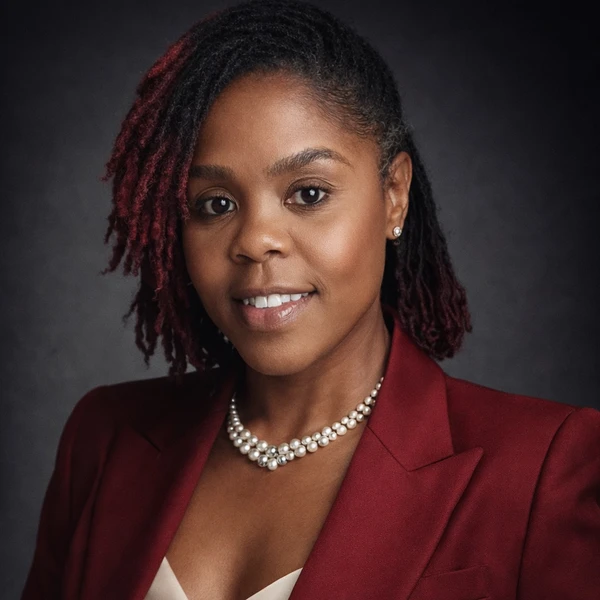
Qiana Stewart

1x

Finalist

General information

Hobbies & Interests

  • Choir
  • Church
  • Advocacy And Activism
  • Business And Entrepreneurship
  • Counseling And Therapy
  • Karaoke
  • Mental Health
  • Neuroscience
  • Pilates
  • Self Care
  • Softball
  • Teaching
  • Reading

Reading

  • Adult Fiction
  • Book Club
  • Cultural
  • Drama
  • Historical
  • Biography
  • Literary Fiction
  • Leadership
  • Mystery
  • Novels
  • Psychology
  • Realistic Fiction
  • Self-Help
  • Social Issues
  • Social Science
  • Speculative Fiction
  • Suspense
  • Thriller
  • Women's Fiction
  • Academic

I read books multiple times a week.

Bio

My name is Qiana Stewart, and I am a Licensed Professional Clinical Counselor with Supervisory designation, an EMDR-certified therapist, a single mother, private practice founder, and Ph.D. student in Counselor Education and Supervision at Hampton University. I am self-funding this degree because the work I am called to do is too important to abandon, but I cannot do it without scholarship support. For more than 25 years, I have served individuals, families, and communities through social services and mental health care. I founded Fostering Hope; A Transformational Wellness & Consulting Group to provide therapy, clinical supervision, consultation, community education, and culturally responsive mental health training. My commitment is deeply personal. In 2023, I lost my grandmother, my uncle, and my significant other, who was also my daughter’s father, within a short period of time. My daughter had just turned four. I had to grieve, parent, lead, run a practice, and continue showing up for clients who trusted me with their healing. That season did not break my purpose; it refined it. My doctoral journey is about expanding impact. I want to teach, supervise, mentor, conduct research, and prepare counselors who are clinically excellent, culturally humble, ethically grounded, and committed to serving communities with dignity. Scholarships are essential for my daughter and me. Every award helps reduce tuition, books, and fees while allowing me to build a legacy of healing, access, advocacy, and hope that reaches far beyond us.

Education

Hampton University

Doctoral degree program (PhD, MD, JD, etc.)

2026 – 2030

Majors:
  • Clinical, Counseling and Applied Psychology
University of Dayton

Master's degree program

2005 – 2008

Majors:
  • Clinical, Counseling and Applied Psychology

Central State University

Bachelor's degree program

1995 – 2000

Majors:
  • Psychology, General

Cass Technical High School

High School

1991 – 1995

Miscellaneous

Desired degree level:
Doctoral degree program (PhD, MD, JD, etc.)
Majors of interest:
Clinical, Counseling and Applied Psychology
Medical school interest:
No
English as first language:
Yes
Homeschooled:
No

Career

  • Case Worker

    Social Work · Franklin County Children Services

    Sep 2000 – Jul 2001

Miscellaneous

Dream career field:
Higher Education, Mental Health Care, Public Policy
Work experience:
10+ years
Has nursing license:
No
Leadership experience:
Yes

Future Interests

  • Advocacy
  • Politics
  • Volunteering
  • Philanthropy
  • Entrepreneurship
Camille S. Amantine Scholarship
I have spent more than 25 years helping others overcome obstacles, and today, I am confronting one of my own: financing a doctoral education while raising my daughter as a single mother. I am not pursuing this degree simply to advance my career. I am pursuing it because I believe my greatest contributions to mental health care are still ahead of me. My name is Qiana Stewart, and I am a Licensed Professional Clinical Counselor with Supervisory designation (LPCC-S), an EMDR-certified therapist, and the founder of Fostering Hope; A Transformational Wellness & Consulting Group. Throughout my career, I have helped individuals and families navigate trauma, grief, emotional challenges, and life transitions. My work is grounded in faith, integrity, compassion, and the belief that everyone deserves to be seen, heard, and treated with dignity. In 2023, within three months, I lost my grandmother, my uncle, and my significant other, who was also my daughter's father. Suddenly, I was navigating profound grief while raising a four-year-old, operating my practice, and supporting clients through their own struggles. That season taught me that resilience is not the absence of pain. It is the courage to accept support, remain grounded in faith, and continue pursuing purpose despite uncertainty. Today, I am self-funding my Ph.D. in Counselor Education and Supervision at Hampton University. My ambition extends beyond providing therapy. I intend to educate future counselors, mentor developing clinicians, and conduct research examining how counseling ethics, professional boundaries, and institutional policies affect Black clients. I want to challenge practices that mistake cultural differences for dysfunction and help build systems where marginalized communities receive care that genuinely honors their experiences. My commitment to service also extends into my community through Delta Sigma Theta Sorority, Incorporated, my church's community kitchen, and mental health education and wellness initiatives. Scholarship support would relieve a meaningful financial burden while allowing me to continue investing in my education without compromising my daughter's stability. More importantly, it would help multiply an impact already underway. My grandmother dreamed of attending college but never had that opportunity. Today, I carry her belief in education forward. My goal is to ensure that the doors opened for me become pathways for others. That is the legacy I am determined to build.
Arnetha V. Bishop Memorial Scholarship
Access to mental health care means little if the person seeking help must leave their culture, identity, or lived experiences at the door. After more than 25 years in social services and mental health, I have learned that healing requires more than professional credentials and clinical techniques. It requires trust, dignity, cultural understanding, and a willingness to challenge systems that have historically overlooked the people they were created to serve. My name is Qiana Stewart, and I am a Licensed Professional Clinical Counselor with Supervisory designation (LPCC-S), an EMDR-certified therapist, founder of Fostering Hope; A Transformational Wellness & Consulting Group, and a doctoral student pursuing a Ph.D. in Counselor Education and Supervision at Hampton University. My life's work has centered on helping individuals and families navigate trauma, grief, anxiety, relational challenges, and the barriers that prevent them from experiencing emotional wellness. My commitment to marginalized communities comes from recognizing that equal access does not always mean equitable care. Black clients and other underserved populations may encounter providers who misunderstand cultural expressions, overlook historical experiences, or interpret differences in communication and relationships through a pathologizing lens. I believe effective mental health care must consider the whole person, including their culture, community, faith, identity, and experiences with systems that have not always earned their trust. Through my practice, I provide therapy, clinical supervision, consultation, and mental health education. I also facilitate wellness trainings and participate in community service through Delta Sigma Theta Sorority, Incorporated, and my church. These experiences have reinforced my belief that advocacy cannot be confined to a therapy office. It must reach schools, community organizations, faith communities, and families who may lack the resources or confidence to seek professional support. My understanding of mental health is also deeply personal. In 2023, I lost my grandmother, my uncle, and my significant other, who was also my daughter's father, within three months. While navigating grief and single parenthood, I continued serving clients who were confronting their own struggles. That experience deepened my compassion and challenged the expectation that strength means suffering silently. It strengthened my conviction that people deserve care that honors both their resilience and their vulnerability. These experiences have shaped my activism and career aspirations. I am pursuing doctoral education not simply to advance professionally, but to influence how counselors are educated, supervised, and held accountable. My research focuses on how counseling ethical standards, professional boundaries, and institutional policies are interpreted and applied with Black clients. I want to examine whether practices intended to protect clients sometimes overlook culturally meaningful ways of building trust and therapeutic relationships. My ambition is to translate that research into improved counselor training, culturally responsive supervision, and informed conversations about professional standards. I want future clinicians to understand that cultural difference is not dysfunction and that authentic connection does not automatically constitute a boundary violation. Ultimately, I measure impact not by the credentials I earn, but by the opportunities those credentials allow me to create for others. I want marginalized communities to experience mental health care where they are not simply welcomed into existing systems, but where their voices help shape those systems. My goal is not merely to open more doors to mental health care. It is to help transform what people encounter when they walk through them.
Learner Mental Health Empowerment for Health Students Scholarship
In 2023, while helping others navigate their emotional pain, I was learning how to carry my own. Within three months, I lost my grandmother, my uncle, and my significant other, who was also the father of my four-year-old daughter. I was grieving while parenting, operating my mental health practice, and continuing to support clients through their own challenges. That season reinforced a lesson that shapes my life as a doctoral student today: mental health is not a luxury reserved for moments when life slows down. It is essential to how we learn, lead, persevere, and live. My name is Qiana Stewart, and I am a Licensed Professional Clinical Counselor with Supervisory designation (LPCC-S), an EMDR-certified therapist, and a doctoral student pursuing a Ph.D. in Counselor Education and Supervision at Hampton University. With more than 25 years of experience in social services and mental health, I understand the relationship between emotional wellness, academic achievement, and personal growth. As a single mother, business owner, and doctoral student, I recognize that academic success requires more than intellectual ability. It demands emotional regulation, healthy boundaries, resilience, and the willingness to seek support. My personal experiences have taught me that perseverance should never be confused with self-neglect. I want my daughter to witness a mother who pursues ambitious goals while also honoring her emotional well-being. Maintaining my mental health allows me to remain present for her, engaged in my studies, and effective in serving others. My commitment to mental health advocacy extends far beyond the classroom. As the founder of Fostering Hope; A Transformational Wellness & Consulting Group, I provide therapy, clinical supervision, community education, and professional training. Through these services, I help individuals navigate trauma, grief, anxiety, relationship challenges, and life transitions while developing healthier ways of understanding themselves and their experiences. I also advocate through community partnerships, wellness trainings, and service. My work with organizations serving youth and families creates opportunities to discuss stress, burnout, emotional wellness, and the importance of seeking support. Through my involvement with Delta Sigma Theta Sorority, Incorporated, and my church, I participate in community initiatives that address needs affecting families' overall well-being. These experiences reinforce my belief that mental health advocacy must extend beyond clinical settings and into the communities where people live, learn, work, and worship. My doctoral education represents the next chapter of that advocacy. I am particularly interested in examining how counseling ethics, professional boundaries, and institutional policies affect Black clients and whether prevailing practices adequately consider cultural and historical experiences. I intend to use my research, teaching, and supervision to prepare future counselors who recognize cultural differences without automatically interpreting them as dysfunction. Mental health matters to me as a student because I understand what happens when people are expected to achieve while silently struggling. I am pursuing this degree not merely to advance my career, but to influence the profession responsible for supporting others. My ambition is to turn more than two decades of clinical experience into lasting change through education, research, mentorship, and advocacy. I do not want mental health to be something people prioritize only when they are struggling to survive. I want to help build a world where emotional wellness is recognized as foundational to their ability to thrive.
Harriett Russell Carr Memorial Scholarship
I define excellence by what a person does when life is full, resources are stretched, and no one is standing nearby to applaud. For me, excellence is not perfection. It is consistency, integrity, discipline, compassion, and a commitment to serving well in every role I carry. As a mother, Licensed Professional Clinical Counselor with Supervisory designation, EMDR-certified therapist, private practice founder, doctoral student, and community servant, I strive to live with excellence by showing up with purpose and responsibility. In my professional life, excellence means honoring the trust people place in me during some of the most vulnerable seasons of their lives. For more than 25 years, I have worked in social services and mental health, supporting individuals and families through trauma, grief, anxiety, depression, relational challenges, and life transitions. As the founder of Fostering Hope; A Transformational Wellness & Consulting Group, I provide therapy, clinical supervision, consultation, community education, and mental health training. I understand that clinical work is not only about skill; it is about presence, ethics, cultural responsiveness, and care. I also exemplify excellence through my commitment to growth. I am pursuing a Ph.D. in Counselor Education and Supervision at Hampton University while balancing single parenthood, private practice ownership, client care, supervision, doctoral coursework, and community service. This requires sacrifice, organization, faith, and drive. I am not pursuing this degree simply to elevate myself. I am pursuing it so I can teach, supervise, mentor, conduct research, and prepare future counselors to serve communities with dignity, humility, and clinical excellence. My commitment to excellence is also reflected in how I give back. As a member of Delta Sigma Theta Sorority, Incorporated, I participate in ongoing community service efforts that meet real needs. Last year, our chapter received an award for our Impact Day of Service, where we volunteered at the Ronald McDonald House, served at a local nursing home, participated in a coat drive for an alcohol and drug housing facility, and supported a school. These experiences reminded me that service is not symbolic. It is practical, personal, and necessary. I also serve through my church’s community kitchen on Wednesdays and occasionally through food drives. These opportunities keep me grounded in the everyday needs of my community. They remind me that giving back can look like preparing a meal, offering kindness, meeting a basic need, or simply showing someone that they have not been forgotten. Ultimately, I exemplify a spirit of excellence by refusing to separate achievement from service. My ambition is not only to earn a degree or advance professionally. My ambition is to multiply impact. Every client I support, every supervisee I guide, every student I hope to teach, and every community space I serve is part of a larger legacy. I want my life and work to reflect healing, access, advocacy, and hope. Excellence, for me, means using every gift and opportunity I have to help others rise.
Priscilla Shireen Luke Scholarship
Service has taught me that giving back does not always require a grand stage; sometimes it begins with showing up where people are hungry, hurting, displaced, lonely, or simply in need of care. My commitment to service is rooted in the belief that communities are strengthened when people are willing to give their time, gifts, and compassion to support others. As a licensed mental health professional, clinical supervisor, private practice owner, mother, doctoral student, and member of Delta Sigma Theta Sorority, Incorporated, service is not something I do occasionally. It is part of how I live out my purpose. Currently, I give back through ongoing community service with my sorority and through my church. Through my sorority, I have participated in service efforts that address practical needs within the community. Last year, our chapter received an award for our Impact Day of Service, where we volunteered at the Ronald McDonald House, served at a local nursing home, participated in a coat drive for an alcohol and drug housing facility, and supported a school. Each of these service opportunities reminded me that community care must be both compassionate and practical. Sometimes giving back means offering comfort to families navigating medical hardship. Sometimes it means honoring older adults with presence and dignity. Sometimes it means making sure someone has a warm coat or that students have the support they need to thrive. I also serve through my church’s community kitchen on Wednesdays and occasionally through our food drives. These experiences keep me connected to the everyday needs of people in my community. Food insecurity, housing instability, addiction recovery, aging, illness, and educational barriers are not distant issues; they affect real people and real families. Serving in these spaces reminds me that impact begins with humility. It requires seeing people not as problems to be solved, but as neighbors worthy of dignity, consistency, and care. My professional work is also a form of service. For more than 25 years, I have worked in social services and mental health, helping individuals and families navigate trauma, grief, anxiety, depression, relationship challenges, and life transitions. Through my practice, Fostering Hope; A Transformational Wellness & Consulting Group, I provide therapy, clinical supervision, consultation, community education, and mental health training. This work allows me to give back by creating spaces where people can heal, grow, and feel seen. In the future, I plan to positively impact the world by expanding the reach of that service through doctoral education, teaching, supervision, research, and advocacy. As a Ph.D. student in Counselor Education and Supervision, my goal is to help prepare future counselors who are clinically excellent, culturally humble, ethically grounded, and committed to serving communities with compassion. I also want to continue advancing culturally responsive mental health care, particularly for Black communities and other underserved populations that have historically faced barriers to access and representation. My ambition is not only to succeed personally, but to multiply impact. Every client I support, every counselor I supervise, every student I teach, and every community partnership I build becomes part of a larger legacy of healing, access, and hope. I give back now by showing up in service, clinical care, and community spaces. I plan to impact the future by helping create systems and professionals that continue serving long after my individual efforts end.
Raquel Merlini Pay it Forward Scholarship
Every day, I am reminded that healing can change the direction of a person’s life. My name is Qiana Stewart, and I am a Licensed Professional Clinical Counselor with Supervisory designation, an EMDR-certified therapist, a private practice founder, a single mother, and a doctoral student pursuing a Ph.D. in Counselor Education and Supervision at Hampton University. My career in mental health care is rooted in more than professional interest. It is rooted in calling, lived experience, service, and a deep belief that people deserve access to care that helps them feel seen, heard, supported, and whole. For more than 25 years, I have worked in social services and behavioral health, supporting individuals, families, and communities through trauma, grief, anxiety, depression, relationship challenges, life transitions, and emotional pain. As the founder of Fostering Hope; A Transformational Wellness & Consulting Group, I provide therapy, clinical supervision, consultation, community education, and mental health training. Through this work, I have seen how mental health affects every part of a person’s life, including physical wellness, family stability, parenting, employment, education, relationships, and hope for the future. I plan to make a positive impact on the world by expanding access to culturally responsive mental health care and preparing future counselors to serve with excellence, compassion, and humility. Too many people suffer in silence because of stigma, cost, lack of representation, or previous experiences of being misunderstood by systems that were supposed to help them. I want my work to challenge those barriers. I want to help build a mental health field where clients, especially those from Black and underserved communities, receive care that honors their culture, history, identity, and lived experience. My doctoral education is a major part of that vision. I am not pursuing a Ph.D. simply to earn another credential. I am pursuing it so I can teach, supervise, mentor, conduct research, and influence how future counselors are trained. My research interests focus on counseling ethics, professional boundaries, institutional policies, and culturally responsive care for Black clients. Through scholarship, advocacy, and leadership, I hope to help shape systems of care that are more ethical, accessible, and responsive to the communities they serve. What inspires me to keep going every day is my daughter and the legacy I want to build for her. In 2023, after losing my grandmother, my uncle, and my significant other, who was also my daughter’s father, within a short period of time, I had to keep parenting, working, leading, and healing. That season did not break my purpose; it refined it. It reminded me that life is fragile, purpose is sacred, and the work of healing matters. I want my daughter to see that pain does not have to cancel purpose. I want my clients to know that healing is possible. I want future counselors to understand the power and responsibility of this profession. Ultimately, I plan to use my medical and mental health career to create a lasting impact through healing, advocacy, education, and access, so more people can move from surviving to living fully.
Eden Alaine Memorial Scholarship
When I lost my grandmother in 2023, I did not just lose a family member; I lost one of the people who helped shape the foundation of who I am. She was a source of love, wisdom, stability, and belief. Her presence was woven into my upbringing, my values, my understanding of family, and my belief that education could create opportunities that circumstances often try to limit. I was raised by a single mother, and although my mother did her very best, there were times when life was hard and resources were limited. My father was absent, and my grandparents helped fill the spaces that hardship created. My grandmother was one of the people who helped make sure I had what I needed, not only materially, but emotionally and spiritually. She represented consistency. She represented care. She represented the kind of love that did not always need many words because it showed up through action. One of the things that stays with me most is that my grandmother always wanted to go to college. Although she did not have the opportunity to pursue that dream herself, she believed in education deeply. She encouraged my mother to go to college, and although my mother did not take that path, my grandmother’s belief in education never left our family. That dream became part of the legacy she passed down. It taught me that education is not just about personal achievement; it is about access, possibility, and opening doors for future generations. Losing her was painful because I understood the magnitude of what she had meant to my life. Her death forced me to reflect on what it means to carry someone’s legacy forward. I could not honor her only by grieving her. I had to honor her by living with purpose, discipline, and courage. Her life reminded me that even deferred dreams can still bear fruit through the people we love, encourage, and invest in. That loss also shaped how I understand resilience. In the same season, I experienced other profound losses, including my uncle and my significant other, who was also the father of my daughter. My daughter had just turned four years old. I had to grieve while parenting, working, leading, and continuing to show up for clients who trusted me with their healing. During that time, I leaned on my faith, my family, my church family, and my village. I learned that strength is not pretending pain does not exist. Strength is continuing to move forward while allowing support, faith, and purpose to carry you. My grandmother’s life and death continue to shape my goals. Today, I am a licensed mental health professional, clinical supervisor, private practice owner, mother, and doctoral student in Counselor Education and Supervision. I am pursuing my Ph.D. not simply for myself, but because I want to expand healing, teach future counselors, mentor students, and advocate for culturally responsive mental health care. My grandmother’s dream of education did not end with her. It lives in me. Every step I take toward my degree is connected to the love, sacrifice, and belief she poured into our family. Losing her changed my life, but it also clarified my purpose. I want to build a legacy that honors her: one rooted in faith, perseverance, education, healing, and hope.
Humanize LLC Gives In Honor of Shirley Kelley Scholarship
I grew up understanding that love could be abundant even when resources were limited. I was raised by a single mother who did her very best to provide for me, but my father was absent, and there were times when our needs were difficult to meet. In those moments, my grandparents and uncles became more than extended family. They were part of the foundation that helped hold my life together. My mother worked hard and sacrificed, but she did not have the opportunity to attend college. My grandparents encouraged her to pursue higher education because my grandmother had always dreamed of going to college herself. Although that dream was deferred for her, she never stopped believing in the power of education. I grew up surrounded by that belief. Even before I fully understood what college could make possible, I understood that education represented access, stability, dignity, and opportunity. My grandparents helped fill the gaps when life was hard. Their support made a difference when resources were stretched and when my mother needed help carrying the weight of single parenthood. They provided love, guidance, consistency, and practical support. My uncles were also instrumental in my upbringing. They attended college, and their exposure to higher education allowed me to see possibilities beyond my immediate circumstances. Watching them pursue education helped me understand that college was not just an idea for other people. It could be part of my story, too. Being raised in this kind of family structure shaped my ambition. I learned early that perseverance is not optional when people are depending on you. I also learned that no one succeeds alone. My life was impacted by people who stepped in, invested, encouraged, and modeled what was possible. Their influence taught me to value hard work, resilience, faith, and community support. Those lessons continue to shape my future goals. Today, I am a licensed mental health professional, clinical supervisor, private practice owner, mother, and doctoral student in Counselor Education and Supervision. I am pursuing my Ph.D. not simply to earn another credential, but to expand the impact that began with the people who invested in me. My goal is to teach, supervise, mentor, conduct research, and help prepare future counselors who will serve communities with excellence, cultural humility, and compassion. My upbringing also deepened my commitment to supporting individuals and families who face barriers to stability, education, and care. I know what it feels like to come from a household where love is present, but resources are not always enough. I know how important it is for someone to step in, offer guidance, and help create access. That is why my future work is rooted in advocacy, healing, and opportunity. The legacy of my grandparents, my mother, and my uncles lives in my determination. My grandmother’s deferred dream, my mother’s sacrifice, and my uncles’ example all push me forward. I plan to use my education to honor them by widening the path for others. I want my work to remind students, clients, and families that their circumstances may shape their beginning, but they do not have to limit their future.
Ella's Gift
In 2023, while my daughter was only four years old, I had to keep living, parenting, leading, and serving while grieving losses that changed my family forever. Within a short period of time, I lost my grandmother, with whom I was extremely close, my uncle, and my significant other, who was also the father of my daughter. That season became one of the clearest reminders that mental health is not an abstract concept. It is the foundation that helps people survive, heal, function, and eventually begin to hope again. My experiences with mental health have been both personal and professional. As a Licensed Professional Clinical Counselor with Supervisory designation, an EMDR-certified therapist, private practice founder, clinical supervisor, mother, and doctoral student in Counselor Education and Supervision, I have spent more than 25 years serving individuals, families, and communities through social services and behavioral health care. I have supported clients navigating anxiety, depression, trauma, grief, relationship challenges, life transitions, and the emotional impact of substance abuse within families and communities. Although substance abuse has not been the central story of my own life, I have seen how deeply it can affect individuals and the people who love them. In clinical and community settings, I have witnessed how addiction can be connected to untreated trauma, grief, shame, stress, poverty, family disruption, and lack of access to care. I have also seen that recovery requires more than willpower. It requires support, accountability, treatment, compassion, structure, and hope. These experiences have shaped my belief that mental health and substance abuse recovery must be approached with dignity rather than judgment. My own recovery journey has been centered on grief, resilience, faith, and learning how to care for myself while continuing to care for others. During my season of loss, I had to confront the reality that being strong did not mean being untouched by pain. I had to lean on my faith, my family, my church family, and my village. I had to allow others to support me instead of believing I had to carry everything alone. That was personal growth for me. I learned that healing requires honesty, boundaries, rest, and the courage to ask for help. That season also strengthened my purpose. I continued showing up for clients who trusted me with their own healing, but I did so with a deeper understanding of what it means to carry pain while still having responsibilities. My grief did not end my calling; it refined it. It made me more compassionate, more grounded, and more committed to becoming the kind of provider, supervisor, and educator who understands the humanity behind every diagnosis, every symptom, and every survival strategy. Academically, I am pursuing a Ph.D. in Counselor Education and Supervision at Hampton University because I want to expand my impact beyond the therapy room. My educational goals include teaching future counselors, supervising developing clinicians, conducting meaningful research, and advocating for culturally responsive care. I am especially interested in how counseling ethics, professional boundaries, institutional policies, and culturally responsive practices affect Black clients and underserved communities. I want my scholarship and leadership to help strengthen the mental health field and prepare clinicians who serve with excellence, humility, and compassion. My plan for continuing to manage recovery is intentional and ongoing. I will continue caring for my mental health through prayer, supportive relationships, healthy boundaries, rest, reflection, and professional consultation when needed. I will remain connected to my village and my faith community rather than isolating during difficult seasons. I will continue using tools such as journaling, supervision, therapy or consultation as appropriate, and structured routines to manage stress. I will also practice what I encourage in others: recognizing early signs of emotional overload, asking for support, and honoring the need for rest. For me, recovery is not a single event. It is a continued commitment to healing, growth, accountability, and wellness. My experiences with mental health, grief, and the impact of substance abuse in the lives of others have strengthened my resilience and clarified my goals. I am pursuing this degree not only to advance my career, but to build a legacy of healing, access, advocacy, and hope. My story has taught me that pain can shape purpose, support can restore strength, and education can become a tool for helping others heal.
Elizabeth Schalk Memorial Scholarship
In 2023, while my daughter was only four years old, I had to explain loss before she was old enough to fully understand grief. Within a short period of time, I lost my grandmother, with whom I was extremely close, my uncle, and my significant other, who was also the father of my daughter. That season changed my family forever. It also deepened my understanding of how grief, trauma, and mental health challenges can affect a person’s ability to feel safe, hopeful, present, and whole. My name is Qiana Stewart, and I am a licensed mental health professional, clinical supervisor, private practice owner, mother, and current doctoral student in Counselor Education and Supervision. For much of my career, I have supported individuals and families as they navigate anxiety, depression, trauma, grief, relationship challenges, and major life transitions. I have always understood the importance of mental health care professionally, but experiencing profound loss in my own family made that understanding deeply personal. During that season, I was grieving while parenting, working, leading, and continuing to show up for clients who trusted me with their own pain. I learned that mental health challenges are not always visible. Sometimes they look like a mother getting her child ready for school after crying the night before. Sometimes they look like a professional holding space for others while privately learning how to hold herself together. That experience taught me that strength is not pretending to be unaffected. Strength is knowing when to lean on faith, family, community, and support. Mental health has affected my family by showing us how deeply loss can disrupt stability, routines, and emotional security. It also showed me how healing begins through connection. I leaned on my faith, my family, my church family, and my village. Their support reminded me that no one should have to carry grief or emotional pain alone. It strengthened my belief that families need access to safe, culturally responsive spaces where they can process pain without shame. These experiences have sharpened my ambition. I am not pursuing doctoral education simply to earn another credential. I am pursuing it because I want to expand my impact beyond the therapy room. My goal is to teach, supervise, mentor, advocate, and help prepare future counselors who can serve individuals and families with compassion, cultural humility, and clinical excellence. I want to help build a mental health field where people are not judged for struggling and where underserved communities receive care that honors their lived experiences. This scholarship would help meet a real financial need as I balance doctoral education, single parenthood, private practice ownership, and household responsibilities. Tuition, books, fees, and academic expenses require sacrifice, and every scholarship helps reduce the financial pressure of pursuing this degree while maintaining stability for my daughter. Mental health has affected my life and family in deeply personal ways, but it has also clarified my purpose. I want to use my story, education, and professional experience to help others feel seen, supported, and empowered. My pain has not ended my purpose. It has strengthened my commitment to healing, advocacy, and creating a legacy that reaches beyond my own family into the lives of the clients, students, and communities I am called to serve.
Therapist Impact Fund: NextGen Scholarship
In 2023, while my daughter was only four years old, I lost my grandmother, my uncle, and my significant other, who was also the father of my daughter, within a short period of time. That season changed how I understood grief, strength, motherhood, and mental health. I had to mourn while parenting, running a private practice, leading others, and continuing to show up for clients who were also depending on me. It taught me that strength is not the absence of pain. Strength is choosing faith, support, discipline, and purpose even when life feels heavy. Those lived experiences have deeply shaped my path to mental health care and the kind of provider I hope to become. As a licensed mental health professional, clinical supervisor, private practice owner, mother, and current doctoral student in Counselor Education and Supervision, I understand that people often appear functional while quietly carrying grief, fear, exhaustion, trauma, or uncertainty. I want to be the kind of provider who listens beneath the surface and honors the whole person, including their culture, family, faith, history, identity, and lived experience. As a future counselor educator, I also want to prepare clinicians who are not only clinically skilled, but also courageous enough to challenge barriers that keep people from receiving quality care. One unwritten rule I believe takes the greatest toll on women’s mental health is the expectation to “take care of everyone else, but make their own needs easy.” Women are often praised for being dependable, selfless, emotionally available, and strong, yet discouraged from resting, asking for help, setting boundaries, or naming their own needs without guilt. Over time, this can lead to anxiety, burnout, resentment, depression, and a loss of identity. A therapist can help a client recognize this rule by asking reflective questions such as: When do you feel guilty for having needs? Who taught you that rest must be earned? What happens when you disappoint someone? Therapy can help the client rewrite the rule from “I must carry everything” to “My needs matter, too.” This does not mean abandoning care for others. It means learning that healthy care includes boundaries, mutual support, and self-compassion. One change that could make mental healthcare more accessible and effective for the next generation is expanding culturally responsive teletherapy while also addressing affordability and representation. As a fully virtual provider, I have seen how teletherapy can reduce barriers related to transportation, scheduling, parenting, work demands, and location. However, access is not only about whether someone can log into a session. True access means people can find care that is affordable, ethical, culturally responsive, and grounded in trust. My ambition is to expand my impact beyond the therapy room. Through doctoral education, supervision, teaching, advocacy, and scholarship, I plan to help shape a mental health field where women and underserved communities are not merely encouraged to survive, but equipped to heal, lead, and live fully. Technology can open the door, but representation, affordability, and culturally responsive care determine whether people feel safe enough to walk through it. My goal is to help build that doorway wider.
Poynter Scholarship
Balancing my education with my commitment to my family as a single parent requires faith, structure, discipline, support, and a clear understanding of my purpose. As a mother, licensed mental health professional, clinical supervisor, private practice owner, and doctoral student in Counselor Education and Supervision, I carry multiple responsibilities. However, I do not view these roles as competing with one another. Instead, I see them as deeply connected. My desire to earn my degree is not separate from my commitment to my daughter; it is one of the ways I am working to build a stronger future for both of us. As a single parent, my daughter’s well-being remains my highest priority. I am intentional about creating stability, consistency, and emotional presence in her life while also pursuing my academic and professional goals. This means planning ahead, using my time wisely, maintaining routines, and being honest about what I can realistically commit to in each season. I have learned to maximize small windows of time, complete assignments with focus, and remain organized so that my daughter continues to feel supported and loved. I also understand the importance of modeling perseverance for her. I want my daughter to see that challenges do not have to stop purpose. I want her to witness what it means to pursue a goal with faith, courage, and commitment, even when the path is demanding. Being a doctoral student as a single parent is not easy, but it gives me the opportunity to show her that education matters, dreams are worth pursuing, and women can lead, serve, parent, and grow without giving up who they are called to become. My support system is also an important part of how I balance school and family. I have leaned on my faith, family, church family, and village during difficult seasons, and their encouragement continues to help me move forward. I recognize that balance does not mean doing everything alone. It means knowing when to plan, when to ask for help, when to rest, and when to keep pressing forward. This scholarship would help me achieve my goal of earning my degree by reducing some of the financial pressure that comes with pursuing doctoral education while raising a child. As a single parent, every financial decision impacts my household. Tuition, books, fees, technology, and other academic expenses must be balanced with the everyday costs of parenting and maintaining stability for my daughter. Receiving scholarship support would allow me to focus more fully on my studies, reduce the need to rely on additional debt, and continue progressing toward graduation with greater peace of mind. Earning my degree is about more than personal achievement. It is about expanding my ability to serve others through counseling, supervision, teaching, advocacy, and leadership. My goal is to use my education to prepare future counselors, support underserved communities, and contribute to more culturally responsive mental health care. This scholarship would be an investment not only in my education, but also in the communities, students, clients, and families I hope to impact through my future work. Ultimately, I plan to balance my education and family by staying grounded in my purpose, honoring my role as a mother, and continuing to move forward with discipline and faith. My daughter is not a barrier to my success; she is one of my greatest reasons for pursuing it.
Catrina Celestine Aquilino Memorial Scholarship
My name is Qiana Stewart, and I am a licensed mental health professional, clinical supervisor, private practice owner, mother, and current doctoral student in Counselor Education and Supervision. My professional journey has been rooted in service, advocacy, healing, and the belief that people deserve access to care that honors their full humanity. Through my work in behavioral health, I have had the privilege of supporting individuals and families as they navigate anxiety, trauma, grief, depression, life transitions, relational challenges, and the process of becoming healthier versions of themselves. My decision to pursue advanced education is deeply connected to my desire to make a broader impact in the world. As a clinician, I have seen how mental health affects every area of a person’s life, including physical health, relationships, parenting, education, employment, and overall quality of life. I have also seen how barriers such as stigma, cost, lack of representation, limited resources, and cultural misunderstanding can prevent people from receiving the care they need. These realities have strengthened my commitment to expanding access to ethical, culturally responsive mental health services. I plan to use my education and future healthcare career to make a positive impact by serving not only clients, but also future counselors, students, families, and communities. My doctoral training will allow me to teach, supervise, mentor, conduct research, and advocate for practices that better reflect the lived experiences of diverse populations. I am especially passionate about supporting Black communities and other historically underserved groups that have often faced barriers to quality mental health care. Through my private practice and future work in higher education, I hope to continue creating spaces where people feel seen, heard, and supported. I want to help reduce stigma around mental health by normalizing conversations about grief, trauma, stress, boundaries, emotional wellness, and healing. I also want to help train future clinicians to approach their work with compassion, cultural humility, ethical responsibility, and a deep respect for the people they serve. My personal experiences have also shaped my purpose. As a mother and someone who has navigated significant grief and life transitions, I understand that healing is not always linear. I know the importance of faith, family, community, and support. These experiences have deepened my empathy and strengthened my belief that healthcare must address the whole person, not just symptoms or diagnoses. Ultimately, I plan to make a positive impact by using my education, gifts, and career to expand healing, increase access, and empower others. Whether I am counseling a client, supervising a developing clinician, teaching future counselors, or advocating for more culturally responsive systems of care, my goal is to contribute to a world where people are not limited by their pain, circumstances, or lack of access. I want my work to help others recognize their worth, find their voice, and move toward healthier, more hopeful futures.
Elijah's Helping Hand Scholarship Award
Mental health has impacted my life both personally and professionally. As a licensed mental health professional, clinical supervisor, private practice owner, mother, and doctoral student in Counselor Education and Supervision, I have seen how mental health shapes the way people understand themselves, relate to others, manage hardship, and imagine their future. It has influenced not only the work I do, but also the way I move through the world with compassion, purpose, and a deep awareness that many people are carrying pain others may never see. Professionally, mental health has given me the opportunity to walk alongside individuals and families during some of the most vulnerable seasons of their lives. I have supported clients as they navigate anxiety, depression, trauma, grief, relationship challenges, identity concerns, and major life transitions. Through this work, I have learned that mental health care is not simply about treating symptoms. It is about helping people feel seen, heard, supported, and empowered to become healthier versions of themselves. Each client’s story has reminded me of the importance of access to quality, culturally responsive care. Mental health has also impacted me personally. In 2023, I experienced a season of profound grief when I lost my grandmother, my uncle, and my significant other, who was also the father of my daughter, within a short period of time. My daughter had just turned four years old. During that time, I had to navigate my own grief while continuing to parent, work, lead, and remain present for others. That experience taught me that mental health is deeply connected to resilience, faith, community, vulnerability, and support. As a counselor, I had often helped others process loss and trauma, but experiencing grief so personally gave me an even deeper understanding of what it means to keep going when life feels overwhelming. I leaned into my faith, family, church family, and village. Their support reminded me that healing does not happen in isolation. It also reminded me that strength is not the absence of pain; sometimes strength is allowing yourself to be supported while taking the next step forward. This experience has shaped my future goals in meaningful ways. It has strengthened my desire to expand my impact through doctoral education, teaching, supervision, advocacy, and scholarship. I want to help prepare future counselors who understand the humanity behind every diagnosis and the courage it takes for people to seek help. I also want to continue advocating for communities that face stigma, limited access, and cultural barriers to mental health care. Ultimately, mental health has impacted me by deepening my empathy, clarifying my purpose, and strengthening my commitment to service. It has taught me that healing is possible, support matters, and people deserve safe spaces where they can tell the truth about their pain without shame. My goal is to use my education, experience, and future career to help others feel seen, supported, and empowered to heal, grow, and live fully.
Ethel Hayes Destigmatization of Mental Health Scholarship
My experience with mental health has shaped nearly every part of who I am, including my goals, relationships, and understanding of the world. As a licensed mental health professional, clinical supervisor, small business owner, mother, and current doctoral student in Counselor Education and Supervision, I have learned that mental health is not separate from everyday life. It influences how people see themselves, connect with others, make decisions, cope with challenges, and imagine what is possible for their future. Through my work as a counselor, I have had the privilege of walking alongside individuals and families during some of the most vulnerable seasons of their lives. I have supported clients as they process trauma, grief, anxiety, depression, identity concerns, relational wounds, and major life transitions. These experiences have deepened my belief that healing is possible when people are given safe, supportive, culturally responsive spaces to be heard and understood. They have also strengthened my commitment to expanding access to mental health care, especially for communities that have historically faced stigma, systemic barriers, and limited representation in the counseling field. My personal life has also shaped my understanding of mental health. In 2023, I experienced profound loss when my grandmother, my uncle, and my significant other, who was also the father of my daughter, passed away within a short period of time. My daughter had just turned four, and I had to navigate my own grief while remaining emotionally present for her. That season taught me that mental health is not simply about managing symptoms; it is about survival, faith, support, resilience, and learning how to keep living when life changes in ways you never expected. That experience changed my relationships by helping me understand the importance of community, vulnerability, and asking for support. I leaned on my faith, my family, my church family, and my village. Their presence reminded me that healing does not happen in isolation. It also made me more compassionate toward others because I know what it feels like to carry pain while still showing up for responsibilities, loved ones, and purpose. My experience with mental health has shaped my goals by confirming that my calling is bigger than individual achievement. I am pursuing doctoral education because I want to teach, supervise, mentor, advocate, and contribute to the future of the counseling profession. I want to help prepare counselors who are clinically excellent, culturally humble, ethically grounded, and deeply aware of the human experiences behind every diagnosis. I also want to continue building bridges between professional mental health services and the communities that need access, education, and hope. Ultimately, mental health has taught me to see the world with greater compassion. Everyone carries a story, and many people are fighting battles that are not immediately visible. My goal is to use my education, gifts, and career to help others feel seen, supported, and empowered to become the best versions of themselves. My journey has taught me that pain can produce purpose, support can restore strength, and healing can become a legacy that reaches far beyond one person.
Lotus Scholarship
Growing up with the awareness that stability, opportunity, and access are not always guaranteed taught me how to persevere, work hard, and remain focused even when the path is difficult. Coming from a single-parent household shaped my understanding of sacrifice, resilience, and determination. It showed me that success often requires faith, discipline, community support, and the ability to keep going even when resources are limited or circumstances feel overwhelming. Those lessons continue to influence how I show up in my personal, academic, and professional life. As a licensed mental health professional, clinical supervisor, small business owner, mother, and current doctoral student in Counselor Education and Supervision, I understand what it means to balance multiple responsibilities while pursuing a greater purpose. My life experiences have strengthened my commitment to helping others feel seen, supported, and empowered to overcome their own challenges. I plan to use my education and future career to make a positive impact by expanding access to culturally responsive mental health care, mentoring future counselors, and advocating for individuals and families who face barriers to wellness and opportunity. I am actively working toward these goals through my doctoral studies, my private counseling practice, community-based trainings, clinical supervision, and continued service to others. My journey has not been without difficulty, but it has given me perspective, compassion, and purpose. I want to use everything I have learned to open doors for others, strengthen my community, and leave a legacy of healing, advocacy, and hope.
Bulkthreads.com's "Let's Aim Higher" Scholarship
I want to build something that will outlive the hours I can personally spend in a therapy room. My goal is to develop Fostering Hope into a sustainable center for healing, education, and leadership that strengthens both the people seeking care and the professionals responsible for providing it. After more than 25 years in social services and mental health, I have learned that lasting change requires more than helping one person at a time. Individual therapy is valuable, but communities also need well-prepared therapists, informed leaders, supportive organizations, and trusted spaces where conversations about mental health can begin. I want Fostering Hope to provide culturally responsive therapy, clinical supervision, professional training, organizational consulting, and community education. Through this work, individuals could receive support while therapists, churches, schools, nonprofits, and businesses gain tools to create healthier environments. Pursuing my Ph.D. in Counselor Education and Supervision is a major part of this building process. My education is strengthening my ability to teach future therapists, mentor and supervise clinicians, conduct research, and influence mental health systems. I am especially committed to centering Black experiences and examining how trauma, identity, faith, family, and systemic barriers affect help-seeking and treatment. My work with NAMI, which focuses on connecting faith communities with mental health resources, has also shown me how much impact is possible when education is brought into spaces people already trust. Building this future will require scholarship, collaboration, and consistency. I plan to develop partnerships, expand training opportunities, prepare culturally responsive clinicians, and translate research into practical resources that communities can use. I also hope to teach at the collegiate level and may return to executive leadership, where I can help shape programs, policies, and organizational cultures. This goal would positively affect my life by allowing me to grow from a clinician serving individual clients into a scholar-practitioner whose work reaches entire systems. It would create greater professional sustainability and allow me to balance service with motherhood, faith, and personal wellness. Most importantly, this is the legacy I want to build for my daughter, Sydni. I want her to see that purpose can grow from hardship and that success is most meaningful when it creates opportunities for others. What I am building is larger than a business. It is a foundation of knowledge, access, representation, and hope that can continue strengthening my community for generations.
Dr. Jade Education Scholarship
The life of my dreams begins with something that sounds simple but means everything to me: peace. I wake up in a home filled with warmth, laughter, and the comfort of knowing that my daughter, Sydni, and my mother are safe and supported. There is room for family gatherings, a kitchen where I can cook and bake, and a quiet office where I can create, teach, and lead. My days are no longer governed by survival or financial uncertainty. They are shaped by purpose, stability, and the freedom to be fully present. In this life, I have completed my Ph.D. in Counselor Education and Supervision and become Dr. Qiana Stewart. My education allows me to expand Fostering Hope beyond individual therapy into a thriving center for clinical supervision, professional training, organizational consulting, and culturally responsive community wellness. I teach future therapists at the collegiate level, mentor emerging professionals, and conduct research that centers the experiences of Black people and other communities of color. I may also return to executive leadership, where I can influence policies, programs, and workplace cultures on a broader scale. My dream is not simply to achieve more credentials or titles. It is to use every position I hold to make mental health care more trustworthy, affordable, and accessible. I continue building bridges between faith and mental health through my work with NAMI and partnerships with churches, schools, and community organizations. I help prepare therapists who understand trauma, culture, identity, family, and the systemic barriers that affect whether people seek and remain in treatment. Success means that the work I do continues helping others even when I am not in the room. The life of my dreams also includes financial freedom. I can support Sydni’s education, care for my mother, invest in my business, give generously, and enjoy meaningful experiences without anxiety about every expense. I have a schedule that allows me to serve others without sacrificing myself. Work remains meaningful, but rest, health, worship, friendship, and family are protected priorities. I also imagine traveling with Sydni and the people I love, experiencing new cultures, celebrating milestones, and making ordinary days feel special. There is time for girlfriends’ trips, family dinners, cake decorating, laughter, and quiet mornings with God. Sydni grows up knowing that ambition and joy can coexist. She sees that a woman can experience profound loss, rebuild her life, and still dream boldly. After losing my life partner unexpectedly in 2023, I learned that the life of my dreams is not one without hardship. It is one in which hardship does not have the final word. My dream life is rooted in faith, sustained by love, and measured by impact. It looks like raising a confident daughter, honoring the village that carried us, living with peace, and leaving behind systems, opportunities, and healing that will continue serving others for generations.
Healing Self and Community Scholarship
My unique contribution would be creating a community-based bridge-to-care model that brings affordable, culturally responsive mental health support into the places people already know and trust. Instead of expecting individuals to navigate complicated systems alone, I would build partnerships among licensed therapists, churches, schools, nonprofits, and community organizations. Through my private practice, Fostering Hope, and my contract work with NAMI, I have seen the importance of connecting faith communities with accurate mental health education. I would expand that work by offering free workshops, screenings, support groups, and referral navigation, while using grants, community sponsorships, sliding-scale fees, and telehealth to make therapy more affordable and flexible. My contribution would also include training and supervising culturally responsive clinicians who understand how trauma, racism, faith, family, and community shape a person’s willingness to seek help. This creates a multiplier effect: every well-prepared therapist can reach many more individuals and families. Ultimately, I want to help create a world where receiving mental health care does not depend on income, insurance, location, or whether someone knows how to ask for help. Support should be available before a crisis occurs, delivered with dignity, and rooted in the belief that everyone deserves the opportunity to heal.
Brian J Boley Memorial Scholarship
I am pursuing an advanced degree in the mental health field because, after more than 25 years of serving individuals and families, I have learned that compassion alone is not enough. People also need competent care, practical tools, culturally responsive professionals, and systems that recognize the full context of their lives. My Ph.D. in Counselor Education and Supervision at Hampton University will help me expand my impact from supporting individual clients to preparing counselors, contributing research, influencing organizations, and educating communities. As a Licensed Professional Clinical Counselor with Supervisory designation and an EMDR-certified therapist, I have witnessed how trauma, grief, anxiety, depression, and life transitions can affect every area of a person’s life. I have also seen how healing becomes possible when people feel safe, respected, and understood. These experiences shaped my commitment to helping people recognize their strengths, develop healthier patterns, and make informed decisions rather than defining themselves by their diagnoses or most difficult experiences. My identity as a Black woman has made me especially attentive to the barriers Black communities face when seeking mental health care. Historical mistreatment, stigma, cost, limited access, and cultural misunderstanding can influence whether people ask for help and whether the help they receive feels trustworthy. I want to contribute to a profession in which culturally responsive care is not viewed as an optional addition, but as an essential part of ethical and effective practice. I will use my degree to make a difference in several interconnected ways. Through teaching, I plan to prepare future counselors who are clinically competent, ethically accountable, culturally humble, and willing to examine how their identities and biases influence their work. Through supervision, I will help developing therapists strengthen their skills, tolerate uncertainty, and make thoughtful clinical decisions without believing they must pretend to know everything. Research will allow me to center Black experiences, evaluate the effectiveness of culturally responsive practices, and help bridge the gap between academic knowledge and real-world clinical care. I may also return to executive leadership, where I can influence organizational policies, workplace culture, professional development, and the delivery of mental health services on a broader scale. Through Fostering Hope; A Transformational Wellness & Consulting Group, I will continue providing clinical services, professional training, and community education within schools, churches, and organizations. My contract work with NAMI also allows me to help build a bridge between faith and mental health. I want people to understand that prayer and professional treatment can coexist and that seeking help can reflect wisdom rather than weakness. Ultimately, I am pursuing this degree to create a multiplier effect. Every counselor I teach or supervise will eventually serve individuals and families I may never meet. Every community training can help someone recognize a concern earlier or respond with greater compassion. Every research contribution can move the profession toward more equitable care. My goal is not simply to earn another credential. It is to use my education, experience, faith, and leadership to help people feel seen, strengthen the professionals who serve them, and improve the systems that shape their access to healing.
Ruthie Brown Scholarship
My approach to student loan debt begins with a simple but intentional goal: borrow as little as possible and avoid treating loans as the automatic way to finance my education. As a single mother, private practice owner, and doctoral student, I understand that educational debt would affect more than my monthly budget. It could influence the financial stability I am building for my daughter, my ability to invest in my business, and the choices available to our family in the future. My primary strategy is prevention. I am consistently applying for scholarships and seeking funding opportunities for doctoral students, Black women, single mothers, mental health professionals, and small business owners. Every scholarship I receive reduces the amount I may need to finance and allows me to preserve more of my household income for essential expenses. I also pay educational costs from current income when feasible, while being careful not to compromise my family’s immediate stability or the operations of my practice. I chose a fully online Ph.D. program in Counselor Education and Supervision at Hampton University partly because it allows me to continue working and parenting without the additional costs of relocating, commuting regularly, or leaving my practice. Maintaining my professional income while attending school is an important part of my financial plan. I carefully structure my work and academic schedules so that I can continue serving clients while protecting enough time to complete my coursework successfully. Budgeting is another essential part of my strategy. I evaluate expenses carefully, distinguish between immediate needs and purchases that can be delayed, and plan for tuition alongside household and business obligations. I am also committed to progressing through my program efficiently. Successfully completing courses on schedule helps me avoid the additional tuition and fees that can result from extending my time in the program. If borrowing becomes necessary, I plan to borrow only what remains after scholarships, personal contributions, and other funding have been applied. I will track the balance, interest, and repayment requirements closely rather than allowing the debt to remain an abstract future concern. Any repayment plan must fit realistically within my household budget while still allowing me to meet my responsibilities as a mother. My long-term strategy includes using my doctoral education to expand and diversify my income. My goal is to teach at the collegiate level, supervise developing counselors, provide professional training and consultation, conduct research, and continue growing my clinical practice. These additional professional opportunities would allow me to designate a consistent portion of my earnings toward repayment while strengthening my family’s long-term financial security. This scholarship would support my strongest debt-management strategy by reducing the need to borrow before debt is created. I view scholarship funding as both financial assistance and an opportunity to practice responsible stewardship. My goal is not simply to earn a doctorate, but to complete it in a way that does not place an unnecessary financial burden on my daughter or limit the future I am working to build for us.
J&Y Law Yahouda Yahoudai Service Scholarship
I believe community service is most meaningful when we use what we know to address needs that others may not have the language, resources, or access to address alone. For more than 25 years, I have served individuals and families through social services and mental health. My contributions to the community have grown from that experience and from my belief that emotional wellness should not be limited to people who can easily access a therapist’s office. As the founder of Fostering Hope; A Transformational Wellness & Consulting Group, I extend mental health education beyond individual clinical sessions. I facilitate trainings and conversations within churches, schools, and community organizations, helping participants recognize mental health concerns, respond compassionately, and understand when professional support may be needed. I work to make clinical information practical and culturally relevant so that people can apply it within their families and communities. Faith communities are especially important to my service. As a Christian and therapist, I understand that some people have been taught to view emotional struggles as evidence of weak faith. Through faith-based mental health education, I help challenge the idea that prayer and professional treatment are incompatible. I encourage communities to see help-seeking as an act of wisdom and to create environments where people can discuss grief, trauma, depression, anxiety, and other concerns without shame. I also serve through Delta Sigma Theta Sorority, Incorporated. My involvement includes supporting mental wellness initiatives, youth and family programming, educational outreach, scholarship fundraising, and community events. This work allows me to collaborate with other women who are committed to addressing the needs of underserved communities. Whether we are promoting education, supporting young people, or connecting families with resources, I value the opportunity to contribute to organized efforts that create a broader impact than any one person could accomplish alone. Mentoring and professional development are additional forms of community service for me. As a Licensed Professional Clinical Counselor with Supervisory designation, I provide guidance to developing therapists as they strengthen their clinical skills, professional identities, ethical decision-making, and cultural awareness. I have also served as a guest lecturer for graduate social work students. I view this work as a multiplier: every professional I help prepare will eventually support individuals and families I may never meet. My service also occurs through quieter, everyday actions. I connect people with mental health resources, share educational information, advocate for culturally responsive care, and help normalize conversations about emotional wellness. I am particularly committed to addressing the stigma, historical mistrust, and access barriers that affect Black communities. I want people to know that they deserve care that respects their dignity, culture, faith, and lived experiences. I am now pursuing a Ph.D. in Counselor Education and Supervision at Hampton University so I can expand this work through teaching, research, supervision, and advocacy. The good I contribute is not centered on one event or organization. It is a continuing commitment to use my knowledge, relationships, and opportunities to help others heal, grow, and gain access to support. This scholarship would strengthen my ability to continue that commitment and prepare others to carry the work forward.
Learner Online Learning Innovator Scholarship for Veterans
For me, technology is most valuable when it helps move knowledge from theory into practice. I learn best when I can read about a concept, discuss it, apply it, and then explain it in my own words. As a student in Hampton University’s fully online Ph.D. program in Counselor Education and Supervision, I use several digital platforms and resources to support each stage of that process. My university’s online learning platform serves as the central location for course materials, recorded lectures, discussion boards, assignment submissions, and faculty feedback. Having these resources available online allows me to revisit complex information instead of relying on a single classroom explanation. Discussion boards are especially helpful because they require me to organize my thoughts, connect course concepts to counseling situations, and respond thoughtfully to my peers. Reading perspectives from classmates with different professional and cultural experiences also challenges me to consider how the same theory may be understood or applied in different ways. I use Hampton University’s online library resources and academic databases to locate peer-reviewed research in counseling, psychology, education, and mental health. I also use Google Scholar to identify additional research and trace related sources. These tools have strengthened my ability to evaluate the credibility, relevance, methodology, and limitations of research rather than accepting a claim simply because it appears online. They are particularly valuable to my interest in culturally responsive mental health care because they help me compare established literature with the experiences and needs I encounter in Black and underserved communities. For statistics and research courses, I use IBM SPSS along with instructional videos, digital textbooks, and step-by-step practice exercises. SPSS has helped me understand how research questions are translated into data analysis and how findings are interpreted responsibly. Concepts such as correlation, regression, statistical significance, and reliability became more understandable when I could work with actual data, review the output, and write the results in plain language. This process has helped me connect quantitative analysis to real counseling questions and strengthened my ability to evaluate whether clinical claims are supported by evidence. Virtual class meetings and professional webinars also expand my learning beyond textbooks. They allow me to hear experienced educators and clinicians explain current issues, demonstrate strategies, and discuss ethical or cultural considerations that may not be fully captured in written material. Microsoft Word and PowerPoint help me organize that knowledge into papers, lesson plans, presentations, and community training materials. Creating a presentation or teaching tool requires me to identify the most important information and communicate it in a way that others can understand and use. These resources have made me a more active and accountable learner. They allow me to move repeatedly between scholarship and application: I can study a theory, evaluate the research behind it, discuss it with others, and consider how it applies to clinical practice, supervision, or counselor education. As a therapist, supervisor, trainer, and future counselor educator, that connection is essential. Online learning tools do more than help me complete assignments. They help me transform information into knowledge that can improve how I serve clients, prepare future counselors, and educate my community.
A Grandmother's Love Single Mom Scholarship
The greatest hardship I face as a single mother pursuing higher education is knowing that every demand on my time affects both my future and my daughter’s present. I am pursuing a Ph.D. in Counselor Education and Supervision at Hampton University while operating a private mental health practice, maintaining our household, and serving as my daughter’s only parent in the home. Each role matters deeply to me, but they often require my attention at the same time. In 2023, my life partner died unexpectedly from a massive stroke shortly before our daughter began prekindergarten. His death changed our family emotionally, practically, and financially. I became solely responsible for the routines, decisions, emergencies, and long-term planning that parenting requires. There is no second parent in the household to take over when I have a major assignment due, need uninterrupted study time, or feel mentally exhausted. If my daughter becomes sick, needs help with school, has an activity, or simply needs her mother, I must adjust my plans. The emotional tension can be more difficult than managing the schedule itself. When I am studying, I sometimes question whether I am taking too much time away from my daughter. When I am spending time with her, I may still be thinking about an assignment, reading, or deadline that needs my attention. I am constantly navigating the desire to be fully present for her while also making the temporary sacrifices required to build a stronger future for us. I have had to accept that balance does not always mean giving every responsibility equal time each day. Work-life balance presents another challenge because I am self-employed. My private practice provides our household income, but it also requires clinical attention, administrative work, and business leadership. Time devoted to school is necessary for my future, yet it is time I cannot use to see clients, manage my practice, rest, or complete household responsibilities. I must carefully protect my academic time while ensuring that my clients receive quality care and my business remains stable. Financial pressure is closely connected to this challenge. As a single mother, I am responsible for my daughter’s needs, household expenses, business obligations, and doctoral tuition. There is no second household income to absorb unexpected costs or reduce the impact of tuition. Every financial decision requires me to consider both our immediate stability and the long-term value of my education. Pursuing this degree is an investment in our future, but making that investment while meeting our current needs requires significant sacrifice. Returning to school after years as an established professional has also challenged me academically. I brought more than 25 years of experience in social services and mental health into my program, but doctoral-level research, statistics, scholarly writing, and educational technology require new skills. I have had to become comfortable being both accomplished and teachable. Successfully completing my first doctoral term showed me that I can meet rigorous expectations, but doing so required structure, repetition, humility, and the willingness to ask questions. I navigate these hardships through faith, intentional planning, stronger boundaries, and flexibility. I schedule focused study periods, break large assignments into manageable steps, and remind myself that asking for support is responsible rather than weak. Most importantly, I remain connected to my purpose. I want my daughter to see that hardship may change the route, but it does not have to cancel the destination. Pursuing this doctorate is demanding, but it is also teaching both of us that courage can look like continuing to build a future even when the path is difficult.
Learner Mental Health Empowerment for Health Students Scholarship
Mental health is important to me as a student because education requires more than an active mind. It requires an emotionally supported person. A student can be intelligent, motivated, and capable while also experiencing stress, anxiety, grief, exhaustion, or self-doubt. When those concerns are ignored, they can affect concentration, confidence, relationships, academic performance, and the ability to persist. As a doctoral student, single mother, therapist, and business owner, I understand how easily high achievement can coexist with emotional strain. There are times when coursework, parenting, professional responsibilities, and financial concerns all require attention at once. Protecting my mental health helps me recognize when I need stronger boundaries, additional rest, a different strategy, or support from others. It also reminds me that productivity is not the only measure of wellness or success. I can be committed to excellence without expecting myself to function without limits. Mental health is also important to me because of what I am studying. I am pursuing a Ph.D. in Counselor Education and Supervision at Hampton University. My education is preparing me to teach and supervise future counselors, contribute research, and influence how mental health professionals serve diverse communities. To do that responsibly, I must be willing to practice the self-awareness, balance, and accountability that I hope to encourage in my future students. I advocate for mental health in several areas of my life. Through Fostering Hope; A Transformational Wellness & Consulting Group, I provide clinical services and create spaces where people can discuss their experiences without shame or judgment. I also provide professional supervision to developing therapists, helping them strengthen their clinical skills while remaining attentive to their own wellness, biases, boundaries, and professional development. Within my community, I facilitate mental health education and training for churches, schools, and community organizations. I believe advocacy includes making mental health information understandable and available outside traditional therapy settings. These conversations help people identify concerns earlier, respond more compassionately to others, and understand when professional support may be needed. As a Black woman and faith-centered therapist, I am especially committed to challenging the belief that seeking mental health care reflects weakness or a lack of faith. I teach that prayer and treatment can coexist and that asking for help can be an act of wisdom and courage. Advocacy also begins in my home. I am intentional about teaching my daughter emotional language, helping her understand that feelings are valid but do not always tell the entire story, and reminding her that she can do hard things without doing them alone. I want her to grow up viewing emotional wellness as a normal part of caring for herself. Ultimately, I advocate through both my words and my example. I want students, families, and communities to understand that mental health is not separate from success. It is one of the foundations that makes sustainable success possible.
Christian Fitness Association General Scholarship
I should be considered for this scholarship because I bring a demonstrated record of academic persistence, professional excellence, community service, and a clear plan for using my education to benefit others. I am not pursuing a doctorate simply to obtain another credential. I am building upon more than 25 years of experience in social services and mental health so that I can prepare future counselors, contribute culturally responsive research, and expand access to ethical mental health care. I am currently pursuing a Ph.D. in Counselor Education and Supervision at Hampton University. One of my most meaningful academic accomplishments has been successfully completing my first doctoral term while managing the responsibilities of single motherhood and operating a private mental health practice. Returning to school after years as an established professional required me to adjust to doctoral-level scholarship, new learning technologies, intensive reading, research expectations, and the discipline of producing high-quality academic work within firm deadlines. My previous graduate education prepared me to become a Licensed Professional Clinical Counselor with Supervisory designation. I am also an EMDR-certified therapist and the founder of Fostering Hope; A Transformational Wellness & Consulting Group. Throughout my career, I have continued learning beyond the minimum requirements of my profession because I believe competence requires ongoing study, reflection, and accountability. I have also served as a guest lecturer for graduate social work students, provided clinical supervision to developing professionals, and facilitated mental health education for schools, churches, and community organizations. These experiences strengthened my desire to teach at the collegiate level and influenced my decision to pursue doctoral education. My activities outside the classroom reflect the same commitment to service. Through my practice, I provide clinical care and create educational opportunities that make mental health information practical and understandable. I am also an active member of Delta Sigma Theta Sorority, Incorporated, where service, scholarship, and advocacy are central values. My community involvement has included supporting mental wellness initiatives, youth and family programming, educational outreach, and events designed to strengthen underserved communities. I also remain actively involved in my daughter’s education and development. Whether I am serving as a therapist, trainer, sorority member, school parent, or community advocate, I am consistently drawn to work that helps people feel informed, supported, and empowered. One of the most significant challenges I faced during my first doctoral term was returning to statistics. As a therapist with decades of clinical experience, I was accustomed to listening to stories, recognizing patterns, and applying knowledge through relationships and direct practice. Doctoral statistics required me to interpret those patterns through numbers, research designs, statistical assumptions, and analytic language. Concepts such as correlation, regression, statistical significance, and data interpretation initially felt distant from the relational work that had shaped most of my career. The challenge was not a lack of ability. It was learning to trust myself in an unfamiliar academic area. I had to resist the temptation to interpret difficulty as evidence that I did not belong in a doctoral program. Instead, I treated statistics as I would encourage a client to approach a difficult goal: break it into smaller parts, identify what is not yet understood, practice consistently, and evaluate the evidence rather than allowing feelings to become facts. I learned to translate complex concepts into my own words, work through examples repeatedly, connect statistical findings to real counseling questions, and write out interpretations until the language became more familiar. I asked questions, revisited material, and created a study process that matched how I learn best. I also became more intentional about protecting study time while remaining flexible when my daughter or practice required my attention. Successfully completing the term did more than move me closer to my degree. It reminded me that being experienced and being teachable are not opposites. I can bring expertise into the classroom while still allowing new knowledge to stretch me. This experience is noteworthy because it reflects how I respond to challenges. I do not avoid areas that expose what I have yet to learn. I approach them with humility, discipline, curiosity, and persistence. That mindset has carried me through professional transitions, entrepreneurship, single parenting, and profound personal loss. In 2023, my life partner died unexpectedly, and within the following months, I also lost my grandmother and uncle. Continuing to raise my daughter, lead my practice, and eventually return to school required faith and the decision to believe that hardship could alter my route without canceling my destination. Scholarship support would reduce the financial pressure of paying doctoral tuition while maintaining my household and supporting my daughter. It would allow me to protect more time for coursework, research, and professional development rather than feeling that every available hour must be used to generate additional income. This support would strengthen my ability to remain fully engaged in my program and continue progressing toward my long-term goals. What makes me a strong candidate is the combination of academic determination, extensive professional experience, community involvement, and a vision that extends beyond personal advancement. My goal is to educate and supervise future counselors, contribute research that centers Black experiences, and help improve the cultural responsiveness of mental health care. Each counselor I teach will serve individuals and families I may never meet, creating a multiplier effect from my education. Investing in me means supporting a student who has already demonstrated a commitment to scholarship, service, resilience, and using knowledge to create meaningful change.
Sloane Stephens Doc & Glo Scholarship
The impact I want to make can be described in one word: access. I want people to have access not only to a therapist, but also to mental health care that feels safe, respectful, culturally informed, and worthy of their trust. I want future counselors to receive an education that prepares them to understand the full context of the people they serve. I also want communities to have practical mental health information before a crisis occurs, not only after someone has reached a breaking point. For more than 25 years, I have worked in social services and mental health. As a Licensed Professional Clinical Counselor with Supervisory designation, an EMDR-certified therapist, and the founder of Fostering Hope; A Transformational Wellness & Consulting Group, I have supported individuals, supervised developing professionals, and provided education within churches, schools, and community organizations. These experiences have shown me that effective care requires more than clinical knowledge. It requires trust, cultural humility, ethical accountability, and a willingness to listen to communities rather than assume what they need. Black individuals and families continue to face barriers created by stigma, cost, limited access, historical mistreatment, and a shortage of culturally responsive providers. My vision is to help change both who receives care and how that care is delivered. I am pursuing a Ph.D. in Counselor Education and Supervision at Hampton University so I can prepare future counselors, conduct research that centers Black experiences, and influence the professional standards that shape clinical practice. I plan to use my education in several interconnected ways. In the classroom, I want to prepare counselors who are clinically competent, self-aware, and willing to examine how their identities and biases influence their work. Through supervision, I want to mentor emerging therapists and help them develop confidence without losing humility. Through research, I want to strengthen the evidence supporting culturally responsive mental health practices. Within the community, I will continue offering education and training through churches, schools, and nonprofit organizations so that mental health knowledge is understandable, practical, and available outside traditional clinical settings. The people who inspire me include the clients who trusted me with their most vulnerable experiences, the Black women who continue caring for others while quietly carrying their own burdens, and community members who seek help despite fear or stigma. My daughter is also one of my greatest inspirations. She motivates me to create a future in which children learn emotional language early, asking for help is viewed as strength, and culturally responsive care is an expectation rather than an exception. My goal is not simply to earn another degree or add a title to my name. I want to create a multiplier effect. Every counselor I teach or supervise will serve individuals and families I may never meet. Every community training can help someone recognize a concern earlier, respond with greater compassion, or connect another person to appropriate support. Every research contribution can help move the profession toward more ethical and equitable care. I am determined to help build a future in which people do not have to choose between receiving mental health care and feeling culturally understood. My education will allow me to combine clinical experience, teaching, research, supervision, and advocacy to expand the impact I have already begun making. Giving back means using what I learn to open doors, strengthen communities, and prepare others to continue the work long after I leave the room.
Organic Formula Shop Single Parent Scholarship
The most challenging part of being both a student and a single parent is not simply managing a crowded calendar. It is carrying the knowledge that nearly every decision I make affects two futures: my own and my daughter’s. I am the person pursuing the dream, but I am also the person responsible for making sure that pursuing it does not disrupt the stability, attention, and security my daughter needs. In 2023, my life partner died unexpectedly from a massive stroke shortly before our daughter began prekindergarten. His death changed our family emotionally, practically, and financially. I became solely responsible for the daily decisions, emergencies, routines, and long-term planning that parenting requires. There is no second parent in the household to take over when I have a major assignment due, need uninterrupted study time, or feel mentally exhausted. If my daughter is sick, needs help with school, has an activity, or simply needs her mother, I must adjust. My responsibilities as a parent do not become less important because I am also a doctoral student. The greatest tension is often emotional rather than logistical. When I am completing coursework, I sometimes think about whether I am taking too much time away from my daughter. When I am fully present with her, I may still be aware of an assignment, discussion post, or reading that needs my attention. I have had to learn that balance does not always mean giving every responsibility equal time. Some days motherhood must come first, while other days require my daughter to see me prioritize an important academic deadline. My goal is not to perform every role perfectly. It is to remain consistent, communicate clearly, and make intentional choices based on what matters most in that moment. Finances add another layer of difficulty. In addition to being a student and single mother, I am self-employed and operate a private mental health practice. I am responsible for earning our household income, sustaining my business, meeting my daughter’s needs, and paying doctoral tuition. Time spent studying is necessary for my future, but it is also time that cannot be used to generate income, complete business responsibilities, or rest. I am continually balancing the immediate needs of our household with an educational investment that I believe will create greater opportunities for both of us. Despite these challenges, motherhood is not separate from my motivation to pursue this degree. It is central to it. My daughter has watched me rebuild our life after devastating loss, continue leading my practice, and return to school to pursue a Ph.D. in Counselor Education and Supervision at Hampton University. I want her to see that grief can change a person’s life without eliminating purpose. I want her to understand that women, especially Black women and mothers, do not have to abandon their aspirations because the timing is difficult or the path is unconventional. This scholarship would help relieve one of the most significant pressures affecting our family by reducing the financial burden of doctoral tuition. It would allow me to dedicate more focused time to my coursework, research, and professional development without feeling that every available hour must be used to generate additional income. That relief would also help me protect meaningful time with my daughter and remain emotionally present rather than constantly calculating how to stretch limited time and resources. The scholarship would also support a future that extends beyond earning a degree. My goal is to prepare future counselors, conduct culturally responsive research, supervise developing professionals, and improve mental health care for Black and underserved communities. A doctorate will expand my ability to teach at the collegiate level and create a broader professional impact through education, research, training, and advocacy. It will also strengthen my family’s long-term financial stability by expanding the ways I can use my experience and expertise. For my daughter, the impact would be both practical and generational. She would benefit from the increased stability and opportunities my education can create, but she would also inherit a living example of perseverance. I want her to remember that she watched her mother choose growth even when life was demanding. I want her to know that asking for support is not weakness, that education is worth pursuing, and that difficult circumstances do not determine the limits of her future. I do not view this scholarship as assistance for me alone. It would be an investment in a mother working to create security, a student committed to completing her degree, a therapist seeking to serve more effectively, and a child learning what determination looks like in real time. It would help me continue building a future in which my daughter and I are not merely surviving what we lost, but intentionally creating what comes next.
Jerrye Chesnes Memorial Scholarship
Returning to school has required me to make space for a new dream inside a life that was already full. Unlike my earlier educational experiences, I entered my doctoral program as a single mother, an established therapist, and the owner of a private practice. I did not have the freedom to organize my life around school alone. I had to learn how to pursue an academically demanding goal while remaining present for my daughter, serving my clients, leading my business, and maintaining a household. Time has been one of my greatest challenges. There is no pause button for motherhood or entrepreneurship when an assignment is due. My daughter still needs consistency, my clients deserve my full attention, and my practice requires decisions that cannot always be postponed. I have had to become more disciplined about my schedule, establish stronger boundaries around my time, and accept that every priority cannot receive equal attention every day. I am learning to identify what is most important in each season without losing sight of the larger goal. Returning to an academic environment after years of professional practice has also required humility. I brought more than 25 years of experience in social services and mental health into the classroom, but clinical expertise does not automatically translate into mastery of doctoral-level research, statistics, scholarly writing, or new educational technology. I have had to become comfortable being both accomplished and teachable. Instead of viewing questions as evidence that I do not belong, I now see them as part of the learning process. Successfully completing my first doctoral term confirmed that I am capable of meeting rigorous expectations while continuing to grow. Financial pressure is another significant challenge. As a self-employed single mother, I am responsible for maintaining my household, supporting my daughter, sustaining my practice, and paying doctoral tuition. Pursuing this degree requires careful financial decisions and sacrifices because I do not want educational expenses to compromise the stability I am building for my family. This has made scholarships especially important to my ability to continue progressing toward my degree. My return to school also follows a period of profound personal loss. In 2023, my life partner died unexpectedly, and within the next three months, I also lost my grandmother and uncle. I had to rebuild my life while raising my daughter and continuing to serve others professionally. Grief changed my responsibilities and my expectations for the future, but it also clarified my purpose. I decided that hardship could alter my route without canceling my destination. I have overcome these challenges through faith, intentional planning, stronger boundaries, and a willingness to seek support and remain flexible. Most importantly, I continually reconnect with why I returned. I am pursuing a Ph.D. in Counselor Education and Supervision so I can prepare future counselors, contribute culturally responsive research, and improve mental health care for underserved communities. Returning to school has stretched me academically, emotionally, and financially, but it has also shown me that growth remains possible at every stage of life.
Champions Of A New Path Scholarship
My advantage is not that I have faced more hardship than every other applicant. It is that I have consistently transformed hardship, experience, and opportunity into service. I am not asking this scholarship committee to invest only in what I might accomplish someday. I am inviting you to invest in work that is already in motion and in a leader who knows exactly how to expand its impact. For more than 25 years, I have served individuals and families through social services and mental health care. I am a Licensed Professional Clinical Counselor with Supervisory designation, an EMDR-certified therapist, the founder of Fostering Hope; A Transformational Wellness & Consulting Group, and a doctoral student pursuing a Ph.D. in Counselor Education and Supervision at Hampton University. My experience includes direct clinical care, professional supervision, community education, and mental health training within churches, schools, and organizations. This combination allows me to understand mental health from several perspectives: as a clinician, supervisor, educator, business owner, Black woman, mother, and person who has experienced profound grief. What distinguishes me is the bridge I am building between real-world clinical practice and counselor education. I have witnessed what happens when mental health care is culturally disconnected, financially inaccessible, or delivered without an understanding of the historical experiences that shape trust within Black communities. I have also seen what becomes possible when people feel respected, understood, and safe enough to be honest. I am pursuing my doctorate so that I can bring those lessons into classrooms, research, supervision, and professional training. I want future counselors to learn not only how to apply theories, but also how to examine themselves, recognize bias, practice cultural humility, and provide ethical care to people whose lives may differ from their own. My path also demonstrates persistence under circumstances that could have caused me to abandon this goal. In 2023, my life partner died unexpectedly from a massive stroke just days after his 46th birthday and shortly before our daughter began prekindergarten. Within the next three months, I also lost my grandmother and uncle. I became the sole parent responsible for providing my daughter with stability while continuing to serve clients and lead my practice. I do not share these losses to suggest that grief makes me more deserving than someone else. I share them because they reveal how I respond when life changes without permission. I grieve, adapt, seek God, reassess what matters, and continue moving with purpose. Returning to higher education at this stage of my life has required humility as well as determination. I entered doctoral study with decades of professional experience, but I also entered willing to learn new research methods, strengthen my scholarly writing, deepen my understanding of statistics, and allow my ideas to be challenged. I have learned to be both accomplished and teachable. That balance gives me an advantage because leadership requires more than expertise. It requires curiosity, accountability, and the willingness to grow. I also understand that education is not valuable merely because it creates personal advancement. Its greatest value is found in what it equips us to change. My doctoral degree will strengthen my ability to prepare future counselors, conduct culturally responsive research, supervise developing professionals, and make mental health education more accessible within underserved communities. Each counselor I teach or supervise will go on to serve many clients and families. Therefore, an investment in my education will not stop with me. It will multiply through the professionals I train, the organizations I advise, the research I contribute, and the communities those efforts reach. I believe I deserve this scholarship because I have demonstrated that I will use it with intention, discipline, and integrity. My faith, family, commitment to excellence, and dedication to continued growth guide the decisions I make. As a single mother and business owner, I also understand stewardship. I know how to maximize limited time and resources while maintaining responsibility to the people who depend on me. Scholarship support would reduce the financial pressure of doctoral tuition, protect more of my time for academic and professional development, and help me continue my education without compromising the stability I am working to provide for my daughter. My daughter is one of my greatest motivations. I want her to see that life can be devastating and still remain meaningful. I want her to understand that courage is not the absence of fear, grief, or uncertainty. It is the decision to continue building despite them. By completing this doctorate, I am showing her that hardship may alter the route, but it does not have to cancel the destination. What gives me an advantage is the convergence of experience, purpose, resilience, and a proven commitment to service. I am already doing the work this degree will allow me to expand. I have a clear understanding of the communities I want to serve, the changes I want to influence, and the responsibility that comes with receiving support. This scholarship would not create my commitment. It would strengthen my capacity to fulfill it.
Bick First Generation Scholarship
Being a first-generation student means becoming the roadmap I did not inherit. It means learning how to navigate higher education while also creating a clearer path for those who will come after me. My journey has taught me that academic success requires more than intelligence. It also requires the courage to ask questions, seek resources, enter unfamiliar spaces, and continue even when no one in your immediate family can tell you exactly what comes next. My path has not been traditional or easy. I have spent more than 25 years working in social services and mental health, built a private practice, and become a mother. In 2023, my life partner died unexpectedly, and within the next three months, I also lost my grandmother and uncle. I had to continue raising my daughter, serving my clients, leading my business, and rebuilding my own life while carrying tremendous grief. Those experiences did not make pursuing a doctorate more convenient. They made it more meaningful. Today, I am pursuing a Ph.D. in Counselor Education and Supervision at Hampton University. Returning to school while parenting, operating a business, and managing the financial demands of both has required discipline, sacrifice, and faith. I have had to become comfortable being both experienced and teachable. My years as a therapist give me practical knowledge, while doctoral study is challenging me to transform that knowledge into research, teaching, supervision, and advocacy. My dream is to prepare future counselors who are clinically competent, ethically grounded, and culturally responsive. I also want to contribute research that centers Black experiences and improves mental health care for communities that have too often been misunderstood, underserved, or excluded. I want my daughter to see that hardship may change the route, but it does not have to cancel the destination. I also want her to inherit something I did not have: a living example of how to navigate higher education with confidence and purpose. This scholarship would reduce the financial pressure of earning my doctorate while supporting my daughter and sustaining my practice. It would allow me to devote more energy to my coursework, research, and professional development without placing additional strain on my family. More than financial assistance, it would be an investment in the clients, students, and communities my work will reach. What drives me is the belief that education should extend beyond personal advancement. It should create access, challenge inequity, and widen what others believe is possible. As a first-generation student, every step I take carries both personal meaning and generational impact. I am determined to complete this journey and use what I gain to build a stronger path for others.
Fishers of Men-tal Health Scholarship
Mental health has never been an abstract subject to me. I have spent more than 25 years supporting people through trauma, grief, depression, anxiety, and major life transitions. I have also learned what it means to keep living when grief enters your own home. Together, these experiences have shaped what I believe about healing, how I show up in relationships, and the kind of impact I hope to make through my career. In 2023, my life partner died unexpectedly from a massive stroke just days after his 46th birthday and shortly before our daughter began prekindergarten. Within approximately three months, I also lost my grandmother and my uncle. Until then, I had accompanied many clients through grief as a therapist. Suddenly, I was experiencing it as a woman, mother, and partner whose life had changed without warning. I still had a daughter who needed safety and reassurance, clients who depended on me, and a business that required leadership, even while I was trying to understand my own loss. That season deepened my belief that mental health is not separate from the rest of life. It affects how we parent, work, make decisions, connect with others, and understand ourselves. I learned that strength is not the absence of pain and that resilience does not mean pretending everything is fine. Sometimes resilience is completing the next necessary task. At other times, it is acknowledging that the task is too heavy to carry alone. Living through grief also gave me a more personal understanding of how differently people can experience the same loss. There is no universal timeline for healing and no single correct way to grieve. A person can laugh and still be hurting, feel grateful and still feel angry, or move forward while continuing to miss what was lost. This has made me even more careful not to impose expectations on another person’s healing. It has reinforced my commitment to meeting people where they are while helping them identify where they want to go. My experience has also strengthened my belief that faith and mental health care do not have to compete with one another. My Christian faith has been foundational throughout my life, particularly during grief and uncertainty. At the same time, I believe people benefit from having emotional language, practical coping skills, healthy support, and access to competent professional care. Prayer can coexist with treatment. Hope can coexist with sadness. Gratitude can coexist with grief. Multiple things can be true at the same time, and accepting that complexity allows people to heal without feeling ashamed of their humanity. These beliefs have changed my relationships by making me more intentional about presence, honesty, and boundaries. Working in mental health has taught me to listen for what may be underneath a person’s words or behavior rather than reacting only to what is visible. Personal loss has taught me that people do not always need an immediate solution. Sometimes they need someone who can remain present without rushing them through their pain. I have become more aware of the importance of checking on people after the initial crisis has passed, when support often becomes quieter but the need for connection remains. I have also learned that healthy relationships require both compassion and accountability. Caring for others does not mean abandoning myself, and setting boundaries is not rejection. Boundaries help me protect what I value, communicate clearly, and participate in relationships from a place of integrity rather than exhaustion or resentment. As a mother, I want my daughter to understand that emotions are not weaknesses and that she can do hard things without having to do them alone. I hope the way I live teaches her that seeking support, naming what she feels, and continuing to grow are signs of courage. Professionally, my experiences have confirmed that mental health work is not simply my occupation. It is part of my purpose. As a Licensed Professional Clinical Counselor with Supervisory designation, an EMDR-certified therapist, and the founder of Fostering Hope; A Transformational Wellness & Consulting Group, I have had the privilege of supporting individuals, supervising developing professionals, and providing education within churches, schools, and community organizations. These roles have shown me that healing can occur in many spaces, but only when people feel respected, understood, and safe enough to be honest. My identity as a Black woman has made me especially attentive to the barriers Black communities face when seeking mental health care. Historical mistreatment, stigma, cost, limited access, and a shortage of culturally responsive providers can influence whether people seek help and whether the help they receive is effective. I have seen how damaging it can be when a person’s cultural reality is ignored or interpreted through a narrow lens. I have also seen the transformation that becomes possible when care honors the full context of a person’s life. Cultural responsiveness is not an optional addition to effective treatment. It is essential to building trust, understanding meaning, and providing ethical care. This understanding is central to my decision to pursue a Ph.D. in Counselor Education and Supervision at Hampton University. Doctoral study is helping me connect decades of clinical experience with research, scholarship, teaching, and advocacy. My career aspiration is to prepare future counselors who are clinically competent, ethically grounded, culturally humble, and willing to examine how their own beliefs influence the care they provide. I want students to understand that mastering theories and techniques is important, but truly effective counseling also requires self-awareness, accountability, and respect for the communities they serve. I also want to contribute research that centers Black experiences, strengthens culturally responsive practices, and bridges the gap between academic knowledge and the realities therapists encounter in their work. Through teaching, supervision, consultation, and community training, I hope to challenge mental health stigma and make useful information accessible beyond traditional clinical settings. My vision is to influence not only individual clients, but also the professionals, organizations, and systems that shape their access to care. Ultimately, my experiences with mental health have taught me that healing is both personal and communal. When one person gains the tools to understand themselves, communicate differently, or interrupt a harmful pattern, the impact often extends to families and future generations. My goal is to expand that impact through counseling, teaching, supervision, research, and advocacy. I am pursuing this doctorate not only to deepen my own knowledge, but also to help build a mental health profession in which more people, especially those from historically underserved communities, can receive care that recognizes their dignity, culture, strength, and humanity.
Yaa Asantewaa Scholarship
I did not begin my doctoral journey because life had finally become convenient. I began because the work I am called to do had become too important to postpone. As a Black woman pursuing a Ph.D. in Counselor Education and Supervision at Hampton University, I carry more than books and assignments into the classroom. I bring more than 25 years of experience in social services and mental health, the responsibility of leading my private practice, and the daily commitment of raising my daughter as a single mother. I also carry the memory of my life partner, who died unexpectedly in 2023, just days after his 46th birthday and shortly before our daughter began prekindergarten. In the same season, I experienced the deaths of my grandmother and uncle. Grief changed nearly every part of my life, but it also clarified my purpose. One of my greatest challenges has been learning how to make room for my own aspirations while remaining responsible for everyone and everything that depends on me. Black women are often praised for being strong, but that praise can conceal the emotional, financial, and practical cost of constantly having to be strong. Pursuing a doctorate while parenting, operating a business, serving clients, and managing a household requires careful stewardship of my time, energy, and resources. There is no pause button for motherhood or entrepreneurship when an assignment is due. Returning to higher education at this stage of my life has presented academic challenges as well. Although I have extensive clinical experience, doctoral education requires me to translate what I know through practice into research, scholarly writing, statistics, and evidence-based contributions to the profession. I have had to become comfortable being both accomplished and teachable. That process has stretched me, but it has also reminded me that growth does not diminish expertise. It expands it. My identity as a Black woman also shapes the questions I bring into academic spaces. I have witnessed how stigma, historical mistrust, unequal access, and culturally disconnected services affect Black individuals and families seeking mental health care. Too often, our experiences are discussed without our voices being centered. I am pursuing this degree so that I can help prepare future counselors to serve with greater cultural humility, challenge practices that overlook the realities of marginalized communities, and contribute research that strengthens culturally responsive care. Faith has been the foundation that has carried me through grief, uncertainty, and exhaustion. My daughter is also a constant source of motivation. I want her to see that hardship may alter the route, but it does not have to cancel the destination. Every course I complete is both a personal achievement and a lesson I am modeling for her about perseverance, purpose, and the courage to continue. My path has not been easy, but it has been deeply meaningful. Scholarship support would reduce the financial pressure of pursuing my degree while supporting my family and sustaining my practice. More importantly, it would invest in the broader impact I intend to make as a counselor educator, researcher, therapist, and advocate. I am not pursuing this doctorate for the title alone. I am pursuing it to create change, widen access, and ensure that more Black voices help shape the future of mental health care.
Qiana Stewart Student Profile | Bold.org