user profile avatar

Promise Smith

1x

Finalist

1x

Winner

Bio

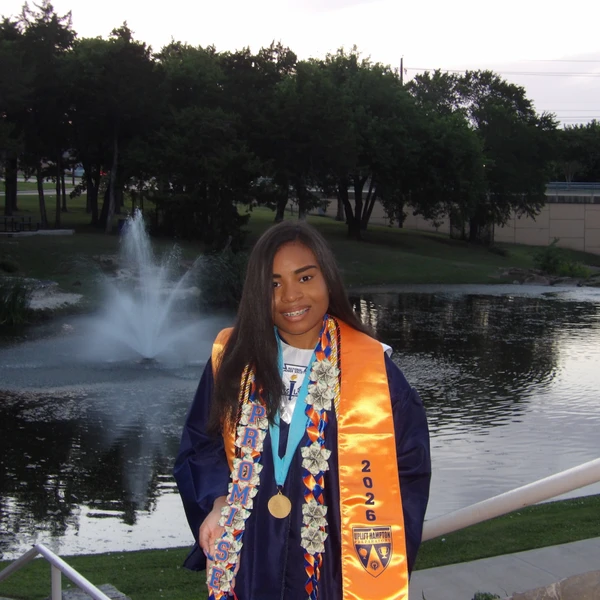
Hi, I’m Promise Smith, an incoming UNT student studying Studio Art and Illustration. I’m passionate about art because it helped me through epilepsy, a brain tumor, seizures, grief, and the loss of my older brother in 2023. Art became my voice when I struggled to express what I felt. My goal is to create work that helps others feel seen and understood. My biggest influence is my mom, a cancer survivor and single mother whose strength inspires me every day. I’m pursuing scholarships to help achieve my dreams while reducing the financial burden on my family.

Education

University of North Texas

Bachelor's degree program
2026 - 2026
  • Majors:
    • Fine and Studio Arts
  • Minors:
    • Psychology, General

Uplift Hampton Prep High School

High School
2022 - 2026

Miscellaneous

  • Desired degree level:

    Bachelor's degree program

  • Graduate schools of interest:

  • Transfer schools of interest:

  • Majors of interest:

    • Design and Applied Arts
    • Fine and Studio Arts
    • Mental and Social Health Services and Allied Professions
  • Not planning to go to medical school
  • Career

    • Dream career field:

      Graphic Design

    • Dream career goals:

    • Cashier

      Party City
      2024 – 20251 year

    Sports

    Bowling

    Varsity
    2020 – Present6 years

    Research

    • Fine and Studio Arts

      Home — Creator
      2024 – Present

    Arts

    • Home

      Drawing
      A portfolio
      2018 – Present

    Public services

    • Volunteering

      Crystal Creek HOA — Events committee
      2022 – Present

    Future Interests

    Advocacy

    Volunteering

    Christian ‘Myles’ Pratt Foundation Fine Arts Scholarship
    There is one sketchbook I will probably keep forever. Its pages aren’t perfect. Some are smudged from being carried around so much, and some were drawn in hospital waiting rooms while my family waited to hear what came next. Long before I knew I wanted to become an illustrator, drawing became the one place where I could make sense of feelings I didn’t know how to explain. When I was scared, I drew. When I was frustrated, I drew. When life felt uncertain, art reminded me that I was still me. Looking back, I realize those pages tell my story better than words ever could. The person who made that possible is my mom. She is the biggest influence in my life because she never let our circumstances decide who we would become. I have watched her survive homelessness, difficult seasons that would have made many people give up, and even cervical cancer. At the same time, she was helping me through brain surgery, epilepsy, countless doctor’s appointments, and every fear that came with them. Somehow, she still found a way to come home with hope. She never told me to stop dreaming because life was hard. Instead, she reminded me that difficult chapters are not the end of the story. When I doubted myself after another seizure or another setback, she reminded me that I was stronger than I believed. Because of her, I learned that resilience isn’t about pretending everything is okay. It’s about choosing to keep moving forward anyway. My own experiences changed the way I see people, and they changed the way I create art. There were days when I felt different from everyone around me. Sometimes I worried people saw my diagnosis before they saw me. Drawing became the one place where epilepsy didn’t define me. That is what makes my artwork different. I don’t create characters just because they look interesting, I create people with stories. I think about the kid who feels left out, the teenager who is struggling with anxiety, the child sitting in a hospital room wondering if life will ever feel normal again. Every illustration I make begins with the same question: Will someone feel a little less alone when they see this? If the answer is yes, then I’ve created something meaningful. This fall, I will attend the University of North Texas to study Studio Art with a concentration in Illustration and a minor in Psychology because I want to understand both the heart and the imagination. My dream is to create books, illustrations, and creative programs that help children and families process emotions they don’t always have words for. I want my artwork to remind people that they are more than their diagnosis, their grief, or the hardest thing they have ever experienced. If one child opens a book I illustrated while sitting in a hospital waiting room like I once did and feels even a little more hopeful, then every challenge I’ve faced will have been worth it. That is the artist, and the person I hope to become.
    Sloane Stephens Doc & Glo Scholarship
    When people ask me what kind of difference I want to make, I don’t talk about awards, money, or job titles. I think about one little kid sitting in a hospital room, scared and convinced that no one understands what they’re feeling. I know that feeling because I was that child. When I was young, doctors discovered a brain tumor. After surgery, I continued living with epilepsy, endless doctor’s appointments, medications, and the uncertainty that came with never knowing when another seizure might happen. There were days when I felt like everyone else was moving through life while I was standing still. I missed school, struggled with my memory, and sometimes wondered if people only saw me as my diagnosis instead of the person I wanted to become. During those years, art became my voice. When I couldn’t explain my fear, I drew it. When I felt isolated, creating reminded me that my story still had purpose. Looking back, I realize I wasn’t just learning how to survive—I was discovering how healing can begin when someone feels seen. The person who taught me what real strength looks like is my mother. As a single parent, she faced homelessness, battled cervical cancer, worked long hours, and still somehow made our home feel safe. She never let me believe that my circumstances determined my future. Instead, she reminded me that difficult seasons don’t last forever, but the way we treat people always does. Watching her sacrifice so much without losing her compassion changed me. It taught me that success isn’t measured by what you achieve for yourself but by how many people you lift along the way. That lesson has become the foundation of every dream I have. This fall I will attend the University of North Texas to study Studio Art with a concentration in Illustration and a minor in Psychology because I want to combine creativity with healing. My goal isn’t simply to become an artist. I want to create children’s books, therapeutic art programs, and community spaces where young people facing illness, grief, anxiety, or disability feel understood instead of invisible. I know firsthand how lonely those experiences can be, and I want every child who walks into my classroom, studio, or therapy space to leave believing they are stronger than they think. I hope to mentor children with chronic illnesses, volunteer with pediatric hospitals, and use my artwork to start conversations about mental health and resilience. Sloane Stephens built her legacy by proving that success means opening doors for other people. That’s the kind of life I want to live. Receiving this scholarship would ease the financial burden of college, but more importantly, it would allow me to continue preparing for the work I believe I was meant to do. My dream isn’t just to earn a degree. My dream is that one day a child who feels scared, different, or forgotten will see themselves in something I’ve created and realize they are not alone. If my education helps even one person believe their future is bigger than their struggles, then every obstacle I’ve overcome will have been worth it.
    Marcia Bick Scholarship
    People often assume that opportunity looks the same for everyone. For me, it never has. Most of my memories are of hospital waiting rooms instead of playgrounds. As a child, I was diagnosed with epilepsy, and later doctors discovered a brain tumor that required surgery. While other students worried about homework or afterschool plans, I worried about seizures, medications, and missing class because of doctor’s appointments. There were moments when I questioned whether I would ever feel normal.Even after my surgery, I continued living with epilepsy and the challenges that came with it. School was harder because of memory difficulties, and there were days when I felt like I had to work twice as hard just to keep up. Still, every obstacle taught me something important: I could choose to let my circumstances define me, or I could let them shape the person I wanted to become. I didn’t learn that strength on my own. I learned it from my mom. She experienced homelessness, battled cervical cancer, and still found a way to give my family a loving, stable home. No matter how difficult life became, she never stopped believing that tomorrow could be better than today. Watching her keep moving forward taught me that resilience isn’t pretending everything is okay. It’s choosing hope anyway. Because of her example, I stopped seeing my challenges as something to be ashamed of and started seeing them as a reason to help others who feel overlooked or discouraged. This fall, I will attend the University of North Texas to study Studio Art with a concentration in Illustration and a minor in Psychology. Art became my safe place during some of the hardest moments of my life. When I couldn’t explain my fears, I could draw them. When I felt different from everyone around me, creating reminded me that there was still beauty in my story. My dream is to become an art therapist and use creativity to help children and families facing illness, trauma, grief, and anxiety. I want to create books, illustrations, and therapeutic spaces where young people feel understood instead of alone. I know what it feels like to need that kind of support, and I want to become the person I once needed. Scholarships like this do more than pay tuition. They tell students that someone believes in their future before they’ve had the chance to prove it. Receiving the Marcia Bick Scholarship would ease the financial burden of college and allow me to focus on becoming the first person in my family to build the career I’ve dreamed about. More importantly, it would help me continue a cycle that started with my mother’s determination and shaped my own life. One day, I hope a child who feels scared, different, or uncertain will sit across from me, pick up a pencil, and realize that their story isn’t ending, it’s just beginning. If I can help create that moment for someone else, every challenge I’ve faced will have been worth it.
    FIAH Scholarship
    When people ask why I chose to study Studio Art with a concentration in Illustration and a minor in Psychology, the answer is simple: art gave me something I couldn’t always find anywhere else, hope. Long before I thought about careers or college, drawing became the place where I could sort through emotions that were too big for words. I have always loved anime and storytelling because they remind me that every character, no matter how broken or overlooked they feel, has the ability to grow. As I created my own illustrations, I realized I wanted my artwork to do the same thing for other people. I want someone to look at something I created and feel understood, encouraged, or a little less alone. That dream became even more meaningful because of my own experiences. Growing up with epilepsy and undergoing brain surgery after doctors discovered a brain tumor changed my childhood in ways many people never experience. There were days filled with hospital visits, seizures, medications, and uncertainty. There were moments when I felt isolated because my life looked different from everyone else’s. During those times, art became my escape and my comfort. It reminded me that even when I couldn’t control what was happening around me, I could still create something beautiful. Those experiences didn’t just teach me resilience, they taught me empathy. They showed me how important it is for every person to feel seen, heard, and valued. At the University of North Texas, I hope to continue growing as both an artist and a future art therapist. My goal is to combine creativity and psychology to help children, teenagers, and families facing illness, trauma, anxiety, grief, or depression. I want to create books, illustrations, and therapeutic activities that help people express emotions they may not know how to explain. I especially hope to work with children who feel different because I know what it’s like to wonder if anyone truly understands what you’re going through. If I can use my career to help even one child find confidence, hope, or healing through art, then I will know I have made a difference. I don’t believe changing the world always begins with something big. Sometimes it starts with one conversation, one act of kindness, or even one drawing that reminds someone they are not alone. That is the kind of impact I hope to have. I want my life to be proof that difficult experiences do not have to define your future. Instead, they can become the reason you choose to make someone else’s future brighter.
    Charlene K. Howard Chogo Scholarship
    When people ask me what women’s empowerment means, I don’t think about famous leaders or people I’ve only read about. I think about my mom. Growing up with epilepsy and later undergoing brain surgery after being diagnosed with a brain tumor wasn’t easy, but she never allowed me to believe my diagnosis defined my future. She sat beside me during hospital visits, fought for me when people underestimated my abilities, and reminded me that I was stronger than my circumstances. Watching her taught me that empowered women don’t just overcome challenges—they help others believe they can overcome theirs too. Because of her, I learned to believe in myself even when life became difficult. As I’ve gotten older, I’ve realized that I can have that same influence on other girls. I have never been someone who follows every trend. I love anime, digital illustration, and expressing myself through art, even when my interests make me stand out. For a while, I wondered if being different meant I didn’t fit in. Now I know that confidence comes from embracing who you are instead of trying to become someone else. I hope that by being authentic, working hard, and refusing to let obstacles define me, I encourage other young women to believe that they don’t have to change who they are to succeed. My own experiences have inspired the career I hope to build. I will attend the University of North Texas to study Studio Art with a concentration in Illustration before pursuing graduate studies in art therapy. I want to help children, teenagers, and families facing illness, trauma, anxiety, grief, or depression discover healthy ways to express emotions they may not have words for. I know firsthand how healing creativity can be because art became my safe place during some of the hardest moments of my life. My goal is to create that same safe place for others, especially young girls who need someone to remind them that they are seen, valued, and capable of overcoming life’s challenges. To me, women’s empowerment isn’t about recognition or titles. It’s about leaving people stronger than you found them. If a young girl sees my journey and realizes that setbacks don’t have to become excuses, or if she finds confidence because I encouraged her to believe in herself, then I will know I’ve made a difference. The women who believed in me changed the direction of my life. I hope to honor them by doing the same for the next generation.
    Marsha Cottrell Memorial Scholarship for Future Art Therapists
    After almost every hospital visit, I would come home, grab my iPad or sketchbook, and start drawing. No one ever told me to. It was simply the one place where I felt like myself again. Growing up with epilepsy and a brain tumor meant that hospitals, doctor’s appointments, MRIs, and recovery became part of my childhood. While other kids worried about homework or weekend plans, I worried about seizures and whether another hospital stay was around the corner. Sometimes I felt different from everyone else, but I didn’t always know how to explain why. Art became my way of saying the things I couldn’t put into words. I started creating anime-inspired digital illustrations because I loved the creativity, but drawing quickly became much more than a hobby. It gave me something positive to hold onto when everything else felt uncertain. For a while, I wasn’t thinking about my diagnosis or my next appointment. I was simply creating something that belonged to me. Then my family faced another heartbreaking loss. In 2023, my older brother passed away. Losing him brought a different kind of pain. There was nothing anyone could do to fix it, and I struggled to express emotions that felt overwhelming. Counseling helped, but art became part of my healing again. Some days I didn’t want to talk. Instead, I drew. Looking back, I realize those drawings carried emotions I wasn’t ready to say out loud. When I read about Marsha Cottrell, I immediately connected with her belief that art can help people heal from experiences that are difficult to describe. That isn’t just an idea I admire. It reflects my own life. Art gave me a voice when I felt like I had lost one, and because of that, I know it can help others find theirs. Those experiences are why I plan to attend the University of North Texas to study Studio Art with a concentration in Illustration before pursuing graduate studies in art therapy. I don’t want to become an art therapist simply because I enjoy creating art. I want to become one because I know what it feels like to be the child sitting in a hospital room wishing someone understood what was happening inside. My goal is to work with children, teenagers, and adults facing illness, trauma, grief, anxiety, or depression. I want to create a space where people feel safe expressing themselves however they can. Not everyone is ready to talk, and not every feeling can be explained with words. Sometimes healing begins with a drawing, a painting, or simply knowing someone is willing to sit beside you without asking you to explain everything. Living with epilepsy, surviving brain surgery, and losing my brother are not the things I want people to remember most about me. I hope they remember that I chose to turn those experiences into compassion for others. Years ago, art helped me find hope during some of the hardest moments of my life. One day, I hope to sit beside a child who feels frightened or alone, hand them a blank page, and remind them that they don’t have to find the perfect words before they begin healing. Sometimes the first step is simply creating something that says, “I am still here.”
    7023 Minority Scholarship
    My name is Promise, and I am an incoming freshman at the University of North Texas, where I will be pursuing a degree in Studio Art with a concentration in Illustration and a minor in Psychology. I am a creative person who has always been fascinated by the way people think, feel, and connect with one another. Whether I am drawing, reading about psychology, or volunteering in my community, I am constantly looking for ways to better understand the human experience. My goal is to combine creativity and compassion to help people feel seen, understood, and supported. The cause I am most passionate about is supporting children and teenagers who are facing medical challenges, disabilities, and mental health struggles. This cause is deeply personal to me because I have spent much of my life navigating challenges that many of my peers have never experienced. After being diagnosed with a brain tumor and later epilepsy, I learned firsthand how isolating it can feel to be different. I also learned how powerful encouragement, understanding, and representation can be when someone is facing difficult circumstances. Growing up, I often felt misunderstood. There were times when people focused more on my diagnosis than on who I was as a person. Those experiences taught me empathy and helped me recognize that many young people are carrying invisible struggles. Whether someone is dealing with a medical condition, anxiety, depression, grief, or family hardships, everyone deserves to feel seen, valued, and supported. Because of these experiences, I have become involved in volunteer efforts supporting pediatric cancer patients. Spending time with children who are fighting battles far bigger than themselves has changed my perspective on life. I have seen incredible courage from children who continue to smile despite difficult treatments and uncertain circumstances. Through volunteering, I have learned that sometimes the greatest gift you can give someone is your presence, your compassion, and your willingness to listen. This passion has directly influenced my educational goals. At the University of North Texas, I will study illustration and psychology because I believe both fields have the power to change lives. Art allows people to tell stories, process emotions, and connect with others. Psychology helps us understand human behavior, emotional wellness, and resilience. By combining these disciplines, I hope to create resources that help young people navigate life’s challenges and recognize their own potential. My long-term goal is to create books, educational materials, and visual resources that make mental health topics more accessible to children and teenagers. I also hope to advocate for greater awareness of emotional wellness in underserved communities, particularly within communities of color where mental health conversations are often overlooked. Through my work, I want young people to know that they are more than their diagnosis, circumstances, or struggles. As an African American student, I understand how important representation can be. Many young people need to see someone who shares their experiences succeeding despite obstacles. My education will allow me to use creativity, empathy, and service to uplift others and create opportunities for healing and self-expression. The world becomes better when we use our experiences to help others. Through my education, volunteer work, and future career, I hope to continue transforming my own challenges into opportunities that inspire, encourage, and empower the next generation.
    GD Sandeford Memorial Scholarship
    When I was younger, I spent more time in hospitals and doctor’s offices than most kids my age. After being diagnosed with a brain tumor and later epilepsy, I quickly learned that many people only saw my medical condition before they saw me. While those experiences were difficult, they also taught me something powerful: people heal best when they feel understood. As a first-generation African American college student, I recognize how meaningful higher education is, not only for me but for my family. My mother worked tirelessly to create opportunities for my sister and me despite facing challenges that would have caused many people to give up. Watching her sacrifice, persevere, and continue helping others taught me that success is not measured by what you achieve for yourself alone. True success is using your gifts to create opportunities for others. This fall, I will attend the University of North Texas to pursue a degree in Studio Art with a concentration in Illustration and a minor in Psychology. Some people view art as entertainment, but I view it as a powerful tool for communication, healing, and understanding. Art has the ability to tell stories that words cannot always express. Psychology helps us understand why people think, feel, and behave the way they do. By combining both fields, I hope to create meaningful change within my community. Throughout my life, I have met many young people who struggle with feelings of isolation because of medical conditions, disabilities, mental health challenges, grief, or personal hardships. I understand those feelings because I have experienced them myself. My goal is to use my education to create resources, programs, and artwork that help people process difficult emotions while encouraging self-expression and emotional wellness. I have already begun this work through volunteer efforts supporting pediatric cancer patients. Being able to connect with children facing medical challenges has shown me how important representation and encouragement can be. Sometimes a young person simply needs someone who understands their fears and reminds them that their circumstances do not define their future. As an illustrator, I hope to create books, visual resources, and educational materials that make mental health topics more accessible to children and teenagers. As someone studying psychology, I want to advocate for greater awareness of emotional wellness in underserved communities where mental health conversations are often overlooked. My long-term goal is to develop programs that combine creativity and psychology to help young people build confidence, resilience, and healthy coping skills. I believe my experiences have prepared me to serve others with empathy and understanding. I know what it feels like to face obstacles that seem overwhelming, but I also know what it feels like when someone believes in you. My degree will allow me to become that source of encouragement for others. As a first-generation college student, earning a degree is more than a personal achievement. It is an opportunity to open doors for those who come after me. Through art, advocacy, and service, I hope to create a community where young people feel seen, supported, and empowered to believe in their own potential.
    First Generation Scholarship For Underprivileged Students
    My name is Promise, and this fall I will become a first-generation college student at the University of North Texas. While many students grow up with parents who can guide them through college applications, financial aid, and university life, my family and I have had to learn much of the process on our own. Being the first person in my family to pursue a four-year degree is both exciting and intimidating, but it is also one of my proudest accomplishments. My journey to college has not been easy. Throughout my life, I have faced challenges that could have easily discouraged me from pursuing higher education. I was diagnosed with epilepsy as a child, and doctors later discovered a brain tumor that required surgery. Even after my surgery, I continued to experience seizures, memory difficulties, and academic challenges. There were times when I felt frustrated and questioned whether I would ever reach the goals I had set for myself. However, those obstacles taught me resilience and determination. They showed me that success is not about having an easy path but about continuing forward even when the path is difficult. As a first-generation student, I understand how overwhelming college can feel. There are so many questions, responsibilities, and decisions that come with pursuing higher education. Without family members who have experienced college themselves, students often feel like they are figuring everything out alone. I know that feeling firsthand. However, I have learned that asking questions, seeking support, and believing in yourself can open doors that once seemed impossible to reach. I plan to study Studio Art with a concentration in Illustration and a minor in Psychology. My goal is to combine creativity and psychology to help people feel seen, understood, and supported. Through art, I hope to create stories and projects that promote mental health awareness and encourage people who may be struggling with disability, grief, anxiety, depression, or isolation. I want to use my experiences to remind others that challenges do not define their future. The way I hope to inspire other first-generation students is by showing them that their circumstances do not limit their potential. Many students come from backgrounds where college feels out of reach, whether because of finances, family circumstances, health challenges, or a lack of guidance. I want them to see someone who faced obstacles and still chose to pursue her dreams. I want them to know that it is okay to ask for help, to make mistakes, and to keep going even when things feel uncertain. For me, earning a college degree is about more than personal success. It is about creating opportunities for future generations and proving that perseverance can overcome obstacles. If my journey encourages even one student to believe in themselves and pursue higher education, then I will know that my story has made a difference.
    Students Impacted by Incarceration Scholarship
    When people hear that my father was incarcerated for most of my childhood, they often assume they know my story. What they don’t see are the years behind that statement and the lessons that came from living through it. My father was incarcerated when I was only a few months old and remained absent for much of my childhood. While other children had both parents attending school events, helping with homework, or simply being present every day, my reality looked different. I grew up watching my mother carry responsibilities that were meant for two people. She worked hard to provide for me and my younger sister while also making sure we felt loved, supported, and encouraged. As a child, I didn’t fully understand why my family was different. I only knew that my mother rarely complained, even when things were difficult. She continued moving forward no matter what obstacles appeared in front of her. Watching her taught me that strength is not about pretending everything is easy. Strength is choosing to keep going when life is hard. The absence of my father forced me to mature earlier than many of my peers. It taught me independence, responsibility, and resilience. It also taught me empathy. I learned that every person is carrying struggles that others may not see and that people should not be defined by their worst circumstances. At the same time, I was facing challenges of my own. I survived a brain tumor and continue to live with epilepsy. Those experiences, combined with growing up in a single-parent household affected by incarceration, showed me how important support systems are. They also inspired my interest in understanding people and helping others navigate difficult situations. Today, I plan to pursue a degree in Studio Art with a concentration in Illustration and a minor in Psychology. Through art, I hope to create work that helps people feel seen and understood. Through psychology, I hope to better understand mental health and advocate for individuals facing challenges that often go unnoticed. My experiences have shown me that healing can come from being understood, represented, and supported. Incarceration affected my life in ways I cannot ignore, but it does not define who I am. Instead, it helped shape the values I carry today: perseverance, compassion, and determination. It taught me that circumstances do not determine a person’s future. My mother’s example taught me that even when life does not go according to plan, you can still build something meaningful. Because of her strength and the lessons I learned through adversity, I am pursuing higher education not only to create a better future for myself but also to help others believe that their circumstances do not have to define theirs either.
    Charles B. Brazelton Memorial Scholarship
    When I was younger, I spent a lot of time wondering why I never seemed to fit into the boxes people expected me to fit into. I was never the girl who loved shopping, getting my nails done, or keeping up with the latest fashion trends. Even now, I feel most comfortable in oversized hoodies, baggy clothes, and sneakers. People have told me for years that I should dress more feminine or put more effort into my appearance, but I never understood why I needed to change myself to make other people comfortable. For a while, I thought maybe something was wrong with me because I was different. As I’ve gotten older, I’ve realized that being different is one of my greatest strengths. One thing people often find unusual about me is my love for anime. To some people, it’s just cartoons. To me, it’s storytelling, art, creativity, and imagination. Anime inspired my love for drawing and character design, which is one of the reasons I’m pursuing a degree in Studio Art with a focus on Illustration. I can spend hours studying character expressions, colors, and visual storytelling. While other people may not understand it, anime gave me a place where being different wasn’t something to hide. It was something to celebrate. Another thing that sets me apart is my fascination with the human brain. I love learning about psychology, personalities, emotions, and why people think the way they do. I find myself reading about mental health, behavior, and personal growth simply because I’m curious. Most people my age aren’t excited to talk about how the brain works, but I could have those conversations all day. I think part of that curiosity comes from my own experiences. When I was nine years old, doctors discovered a brain tumor. I underwent brain surgery and have continued to live with epilepsy ever since. Those experiences changed my life in ways that most people my age can’t fully understand. There were moments when I felt isolated, scared, and frustrated. There were days when I wondered why my life looked so different from everyone else’s. But those challenges also taught me empathy. Because I know what it feels like to struggle, I notice when other people are struggling too. Through Children’s Health, I’ve had the opportunity to serve as a teen mentor for other young cancer patients. I’ve also volunteered in my community through my HOA and worked at Party City. Each experience has shown me how important kindness and understanding can be. Sometimes people don’t need someone to fix their problems. They just need someone who understands. What some people see as awkward or unusual, I now see as pieces of who I am. I am the girl who can spend hours drawing fictional characters, reading about psychology, and discussing anime storylines. I am the girl who survived a brain tumor and continues to face epilepsy with determination. I am the girl who chooses authenticity over fitting in. The truth is, standing out can feel uncomfortable sometimes. But if my experiences have taught me anything, it’s that the things that make us different are often the things that make us memorable. I don’t want to spend my life trying to be like everyone else. I want to use my creativity, compassion, and experiences to help others feel seen, understood, and accepted for exactly who they are. And that’s something I never want to change.
    Sola Family Scholarship
    My mom has never called herself a superhero, but growing up, that’s exactly what she looked like to me. When I was two months old, my biological father was incarcerated. He remained in prison until I was eleven years old, which meant my mom carried the responsibility of raising me and my younger sister on her own. She was the one working, paying bills, making sacrifices, showing up to school events, helping with homework, and somehow finding the strength to keep going even when life gave her every reason to give up. As a child, I didn’t fully understand the challenges she faced. I only knew that she was always there. Looking back now, I realize how much she carried without letting us see it. She worked hard to make sure we had a home, food on the table, and opportunities she never had. Even during difficult times, she made sure we felt loved and supported. What makes my mother’s story even more inspiring is that she continued to fight for me when I faced my own challenges. I was diagnosed with a brain tumor as a child and later developed epilepsy. There were countless doctor’s appointments, hospital visits, treatments, and moments filled with uncertainty. Through all of it, my mom never stopped advocating for me. She taught me that difficult circumstances do not determine your future. Your response to them does. She also taught me resilience after the loss of my brother. Losing him changed our family forever, but my mother showed me what it means to keep moving forward while carrying grief. She showed me that strength is not pretending everything is okay. Strength is continuing to love, support others, and pursue your goals even when life hurts. Because of her example, I learned responsibility at an early age. I learned that success is earned through hard work, perseverance, and faith in yourself. I learned to be compassionate toward others because I saw her constantly helping people despite having her own struggles. Her actions taught me that kindness is a choice you make every day. My experiences growing up with a single mother have shaped the person I am becoming. I plan to attend the University of North Texas and study Illustration with a minor in Psychology. My goal is to use art and mental health advocacy to help people who are struggling with grief, illness, depression, and isolation. I want to create spaces where people feel understood and supported because I know how much that support can change someone’s life. My mother’s journey taught me that resilience is not about having an easy life. It is about refusing to let hardships define you. Everything I have accomplished and everything I hope to become is rooted in the example she set for me. Watching her overcome obstacles with determination, grace, and unconditional love has inspired me to build a future where I can help others the same way she helped me.
    Sweet Dreams Scholarship
    The story that changed my life most is my brother’s. When I was younger, I thought my brother would always be there. He was one of the most important people in my life. Losing him changed everything. It changed how I see the world, how I view relationships, and how I think about time. His death left a space in my life that can never truly be filled, but it also taught me that every person is carrying struggles that others may never see. After losing him, I went through periods of grief, depression, and isolation. At the same time, I was dealing with my own health challenges. I was diagnosed with epilepsy after surviving a childhood brain tumor, and there were times when I felt different from everyone around me. It would have been easy to shut people out, but instead, those experiences taught me empathy. They helped me recognize pain in others because I understood what it felt like to carry it myself. One problem I notice in my community that many people walk past is the emotional isolation experienced by young people facing illness, disability, grief, or mental health struggles. People often see the medical diagnosis, but they do not always see the fear, loneliness, anxiety, or sadness that comes with it. Many teenagers feel like they have to suffer quietly because they do not want to burden anyone else. Because of my own experiences, I have tried to help others feel less alone. I have volunteered within my community through my HOA and served as a teen mentor through Children’s Hospital, supporting younger cancer patients and families who are facing some of the hardest moments of their lives. I have also worked at Party City, where I learned the value of creating positive experiences for families during important celebrations and milestones. Each experience has taught me that small acts of kindness can have a lasting impact. If I had the resources to address this problem, I would create programs that combine art and mental health support for young people. Art has always been one of the ways I process emotions and express things that are difficult to say out loud. I plan to attend the University of North Texas to study Illustration with a minor in Psychology because I want to use both creativity and understanding to help others heal. My goal is to create safe spaces where young people dealing with grief, illness, depression, or isolation can feel seen, heard, and supported. My brother’s story changed mine because it taught me that life can change in an instant. His memory reminds me to lead with compassion, help others whenever I can, and use my experiences to make a positive difference. While I cannot change what happened, I can honor his life by becoming someone who brings hope, understanding, and encouragement to others who need it most.
    TOMORROW X TOGETHER (TXT) MOA Scholarship
    I found TXT during high school when I was going through a difficult time emotionally. Their music was one of the first things that made me feel understood. I started by listening to a few songs and eventually became a fan because of the messages in their music and the way they encourage people to keep moving forward even when life is hard. 2. What do you think is one of the most important characteristics of a MOA? I think empathy is one of the most important characteristics of a MOA. The fandom is supportive and welcoming, and I have seen people encourage each other through difficult situations. Being a MOA means caring about others and helping people feel less alone. 3. Do you have a TXT bias, and if so, why did you choose them? My bias is Yeonjun because of his determination. No matter what role he takes on, he always seems willing to work harder and keep improving. As I prepare for college, that mindset inspires me because success doesn’t happen overnight. 4. Who is your ult bias, if any, of any group? My ult bias is Yeonjun because of his perseverance and dedication. He reminds me that success comes from continuing to work hard even when challenges arise. 5. What is your favorite TXT song, and why? My favorite TXT song is Maze in the Mirror. The song feels honest about struggling with yourself and trying to figure out who you are. I connected with it because there have been times in my life when I felt lost, especially after losing my brother. The song reminds me that growth isn’t always easy, but it’s still worth pursuing. 6. Have you had a chance to see TXT live in concert before? No, I have not had the opportunity to see TXT live yet. As a student preparing for college, finances have always come first. I hope to attend a concert someday, but for now I enjoy supporting them through their music and content. 7. What was your favorite album concept, and why? My favorite album concept is The Name Chapter: FREEFALL. I love the themes of finding yourself, facing fears, and continuing forward despite uncertainty. Those themes feel very relevant to my own life as I transition into college. 8. How are you currently paying for school? I am relying on financial aid, scholarships, and support from my family. I am actively applying for scholarships because I want to reduce the financial burden of college and focus on my education. 9. How will the scholarship help you? What gaps can it fill? This scholarship would help cover expenses that are often overlooked, such as textbooks, art supplies, software subscriptions, technology, and other educational costs. As an Illustration major, many required materials are expensive, and this support would allow me to focus more on learning and creating. 10. How has TXT influenced you for good? TXT helped me realize that it’s okay to keep moving forward even when life doesn’t go as planned. Their music doesn’t pretend that life is perfect. Instead, it acknowledges fear, uncertainty, and growth. That perspective helped me during some of the hardest moments of my life and encouraged me to keep pursuing my goals. I chose the image attached to this application, because it reminds me of standing at the edge of a new chapter in life. As I prepare for college, it reflects hope, growth, and looking ahead while carrying the experiences that shaped me. 11. How will you use your education to do good in the world? I plan to study Illustration with a minor in Psychology at the University of North Texas. My goal is to create artwork that helps people feel seen and understood, especially those who struggle with grief, mental health challenges, or isolation. I hope to combine creativity and advocacy to make a positive impact on others, just as art and music have helped me.
    Beyond The Ride Scholarship
    When people ask about losing a sibling, they usually focus on the day they died. What they don’t talk about is everything that comes after. My brother, CJ, and I both loved drawing and anime. Some of my favorite memories are sitting together, sharing ideas, showing each other our sketches, and talking about characters we liked. At the time, I never thought those moments would become memories I would hold onto so tightly. When he passed away, it felt like part of my future disappeared too. There were so many things I assumed we would do together someday. Losing him at a young age forced me to grow up in ways I wasn’t ready for. I watched my family grieve while trying to figure out my own grief. Sometimes I felt like I had to be strong because everyone else was hurting too. What I wish people understood is that sibling loss doesn’t go away. It changes over time, but it stays with you. There are still moments when I see something funny, watch a new anime, or finish a drawing and immediately think about telling CJ before remembering I can’t. At the same time, his memory continues to shape who I am. Art became one of the ways I processed my grief and stayed connected to him. It is one of the reasons I chose to attend the University of North Texas to study Illustration. Every time I create something, I carry a piece of him with me. I don’t think moving forward means leaving someone behind. For me, it means building a life that would make my brother proud while making sure his memory remains part of my story.
    Michael Rudometkin Memorial Scholarship
    When I think about selflessness, I don’t think about grand gestures. I think about showing up for people when they need someone to understand what they’re going through. Throughout my life, I have faced challenges that have taught me the importance of empathy, including living with epilepsy, recovering from a brain tumor, and coping with the loss of my older brother. Those experiences changed how I see the world and made me more aware of the struggles that other people may be carrying silently. One way I have helped others is by being open about my own experiences. For a long time, I felt different because of my medical condition. Seizures can be frightening, and many people do not understand what it is like to live with epilepsy. Instead of hiding my experiences, I chose to share them with classmates and friends when appropriate. By answering questions and talking honestly about my challenges, I helped others better understand epilepsy and reduced misconceptions about it. I have also encouraged people who were dealing with their own health issues or personal struggles by reminding them that they are not alone. Another example of helping others comes from supporting friends and family members through difficult times. After losing my brother, I understood firsthand how grief can affect every part of a person’s life. Because of that, I try to be someone who listens without judgment and offers support when people need it. Sometimes helping someone is not about having the perfect answer. Sometimes it is simply being present and letting them know they matter. My passion for helping others has also influenced my future goals. This fall, I will attend the University of North Texas to study Studio Art with a concentration in Illustration and a minor in Psychology. Art became an important outlet for me during some of the hardest moments in my life. It allowed me to process emotions that were difficult to express through words. In the future, I hope to combine art and psychology to create programs and spaces where young people can use creativity as a tool for healing, self-expression, and personal growth. Selflessness is not something I practice because I expect recognition. I do it because I know how much a single act of kindness, understanding, or support can mean to someone who is struggling. The challenges I have faced have taught me resilience, but they have also taught me compassion. As I continue my education and pursue my career goals, I hope to use those lessons to make a positive difference in the lives of others, just as others have made a difference in mine.
    Lotus Scholarship
    Growing up in a single-parent household taught me how much strength, sacrifice, and determination it takes to keep moving forward, even when life gets difficult. I watched my mom work hard to provide for our family while always encouraging me to pursue my goals. Seeing her perseverance showed me that challenges don’t have to stop you from achieving something meaningful. I’ve also faced challenges of my own. I have epilepsy and have undergone brain surgery due to a tumor. On top of that, I experienced the loss of my older brother, CJ, who was one of the people I looked up to most. There were times when these experiences felt overwhelming, but they taught me resilience and helped me appreciate every opportunity I have been given. Because of my experiences, I want to make a positive impact by helping others who may feel alone in their struggles. This fall, I will attend the University of North Texas to study Studio Art with a concentration in Illustration and a minor in Psychology. Art helped me cope with grief, stress, and difficult emotions, and I hope to use both art and psychology to help others heal and express themselves. I am actively working toward my goals by continuing my education, developing my artistic skills, and applying for scholarships that will help make college more affordable. My goal is to create programs and creative spaces where young people can use art as a healthy outlet and find support during difficult times. The challenges I’ve faced have not defined me. Instead, they have motivated me to help others and build a future where creativity, compassion, and resilience can make a difference.
    Richard Neumann Scholarship
    Growing up, I often faced challenges that made it difficult to express what I was feeling. Between managing epilepsy, recovering from a brain tumor, and coping with the loss of my older brother, there were many moments when emotions felt overwhelming. One of the most important things I created to solve this problem was my artwork. Art became more than a hobby; it became a tool for communication, healing, and self-expression. Through drawing, character design, and digital illustration, I found a way to express emotions that I struggled to put into words. Creating art helped me process grief after losing my brother and provided an outlet during difficult periods of my health journey. It allowed me to transform pain into something meaningful and gave me a sense of control during situations that often felt uncertain. As I continued creating, I realized that my artwork did not only help me. Friends, classmates, and family members would often connect with the emotions and stories portrayed in my drawings. Some told me they felt understood when they saw artwork that reflected loneliness, perseverance, or hope. In that way, I discovered that creativity can solve a larger problem: helping people feel less isolated in their struggles. If I had unlimited resources and funding, I would expand this idea into a much larger solution. I would create a community-based program called Creative Connections, a combination art studio, mental health resource center, and digital platform designed specifically for teenagers and young adults facing challenges such as grief, depression, anxiety, chronic illness, or social isolation. The physical space would provide free art supplies, workshops, mentorship programs, and access to licensed mental health professionals. Students could participate in illustration classes, digital art training, animation workshops, and creative writing sessions. The goal would be to give young people a safe environment where they can express themselves while developing valuable skills. In addition to the physical location, I would develop a digital platform where students could create profiles, share artwork, join support groups, and access mental health resources regardless of where they live. The platform would include educational content about coping strategies, self-care, and emotional wellness. It would also allow young artists to collaborate on projects and build supportive communities with others who understand their experiences. To bring this vision to life, I would first partner with schools, hospitals, and community organizations to identify students who could benefit from the program. Funding would be used to hire counselors, art educators, software developers, and mentors. Grants and sponsorships would help keep participation free so that financial limitations would never prevent someone from receiving support. This fall, I will attend the University of North Texas to study Studio Art with a concentration in Illustration and a minor in Psychology. My long-term goal is to combine creativity and mental health advocacy to help others. What started as a personal solution to my own challenges has inspired a vision that could positively impact thousands of young people. I believe some of the world’s most important solutions begin with understanding a problem firsthand. Art helped me heal, and with the right resources, I hope to create opportunities for others to heal, grow, and thrive through creativity as well.
    Dr. Christine Lawther First in the Family Scholarship
    Being the first person in my family to earn a college degree means more to me than receiving a diploma. It represents perseverance, opportunity, and the chance to create a different future for myself and those who come after me. Throughout my life, I have faced challenges that could have easily discouraged me from pursuing higher education. I have navigated serious health issues, including epilepsy and the long-term effects of a brain tumor, while also coping with the loss of my older brother. These experiences taught me resilience and strengthened my determination to continue moving forward, even when circumstances were difficult. As the first in my family to earn a college degree, I understand that I am setting an example for younger family members and showing them that obstacles do not have to define their future. Earning a degree is not only a personal achievement but also a way to honor the sacrifices and support of my family. It symbolizes breaking barriers and creating opportunities that can have a lasting impact for generations. This fall, I will attend the University of North Texas to pursue a degree in Studio Art with a concentration in Illustration and a minor in Psychology. Art has always been an important part of my life. Growing up, I loved drawing and creating characters, and my brother shared that same passion. After his passing, art became more than a creative outlet—it became a way to process grief, express emotions, and stay connected to the memories we shared. Studying illustration will allow me to develop my artistic skills while psychology will help me better understand how creativity can support emotional well-being and personal growth. My long-term goal is to combine art and psychology to make a positive impact on others. I hope to build a career creating meaningful artwork while also advocating for mental health awareness. I want to develop programs, workshops, and creative spaces where young people can use art as a tool for self-expression, healing, and confidence-building. Too many individuals struggle with grief, depression, anxiety, and feelings of isolation without having healthy ways to express what they are experiencing. I want to help change that. In addition, I hope to mentor aspiring artists and encourage students who face challenges similar to my own. I want young people to know that their circumstances do not determine their potential. Through my education, artwork, and community involvement, I hope to inspire others to pursue their goals despite adversity. Being the first in my family to earn a college degree is about more than personal success. It is about creating opportunities, honoring the people who helped me along the way, and using my education to uplift others. My goal is to leave a lasting impact through creativity, compassion, and service, while proving that resilience can transform even the most difficult experiences into something meaningful and positive.
    Arin Kel Memorial Scholarship
    If I could start a business with my deceased brother, CJ, it would be a creative studio called Legacy Ink Studios, a place where art, storytelling, and healing come together. We both loved drawing, creating characters, and immersing ourselves in anime. Some of my favorite memories are of us spending hours sketching, sharing ideas, and letting our imaginations run wild. Even though he is no longer here, those memories continue to inspire me every day. Our business would focus on creating original illustrations, graphic novels, anime-inspired artwork, and digital content that tell meaningful stories. We would design characters that reflect resilience, hope, and overcoming adversity. Art has always been more than a hobby for me—it has been a way to express emotions that are difficult to put into words. After losing my brother, art became an outlet for my grief and a way to stay connected to him. I believe our business would help others discover that same sense of comfort and healing through creativity. One of the most important parts of Legacy Ink Studios would be our community outreach programs. We would offer art workshops for young people dealing with loss, depression, anxiety, or other personal struggles. As someone who has faced significant challenges, including health issues and the loss of my brother, I understand how isolating those experiences can feel. I want to create a space where young people feel seen, supported, and encouraged to express themselves through art. My brother had a creative spirit that inspired everyone around him. He had big dreams, a vivid imagination, and a talent for bringing ideas to life on paper. If he were here today, I know he would be excited to build something that combined our shared passions. Through this business, his creativity would continue to impact others, and his legacy would live on in every project we created. I will be attending the University of North Texas to study Studio Art with a concentration in Illustration and a minor in Psychology. My goal is to use both art and an understanding of mental health to help others. If I could start a business with CJ, it would not just be about creating artwork. It would be about creating hope, encouraging healing, and proving that even after tremendous loss, something beautiful can still grow. In that way, our business would become a lasting tribute to my brother and the bond we will always share.
    Larry Darnell Green Scholarship
    Growing up in a single-parent household has had a significant impact on my educational journey and the person I am today. My mother has always been my biggest supporter, advocate, and source of strength. Watching her work hard to provide for our family while raising me taught me the value of perseverance, responsibility, and determination. Although our journey has not always been easy, the challenges we faced together have motivated me to pursue higher education and create opportunities for myself and others. In addition to the challenges that can come with a single-parent household, I have also faced significant health obstacles throughout my life. I was diagnosed with epilepsy as a child, and doctors later discovered a brain tumor that required surgery. My mother was by my side through every appointment, treatment, and setback. There were times when managing my health made school more difficult, and there were moments when I felt frustrated by the obstacles I faced. However, watching my mother continue to push forward, no matter how difficult life became, inspired me to do the same. Because of her example, I learned that success is not about having a perfect path. Success is about continuing to move forward despite challenges. My mother’s sacrifices allowed me to focus on my education, pursue my interests, and believe in my potential. Seeing her balance work, family responsibilities, and my medical needs showed me what resilience truly looks like. Her determination became my motivation. Today, I am preparing to attend college as a first-generation student pursuing a degree in Studio Art with a concentration in Illustration and a minor in Psychology. My experiences have shaped both my educational goals and the impact I hope to make in the future. Through art and psychology, I want to help others who may be struggling with challenges such as disability, mental health concerns, grief, isolation, or self-doubt. I understand what it feels like to face obstacles and wonder if anyone truly understands what you are going through. In the future, I hope to give back to my community by using art as a tool for connection, healing, and advocacy. I want to create projects that promote mental health awareness, encourage self-expression, and help people feel seen and supported. I also hope to mentor young people who are facing challenges similar to my own and show them that their circumstances do not define their future. Coming from a single-parent household taught me resilience, gratitude, and the importance of helping others. My mother’s strength has inspired me to pursue my dreams, and my experiences have given me a desire to make a positive difference in the lives of others. Through education, creativity, and service, I hope to honor the sacrifices that were made for me by creating opportunities and encouragement for those who need it most.
    Bright Lights Scholarship
    As a first-generation college student, attending college is more than a personal achievement for me. It represents an opportunity to create a future that once felt uncertain. My goal is to earn a degree in Studio Art with a concentration in Illustration while pursuing a minor in Psychology. I want to combine creativity and compassion to make a meaningful difference in the lives of others. My path to college has not been easy. I was diagnosed with epilepsy as a child, and doctors later discovered a brain tumor that required surgery. Although the surgery was successful, I continue to face challenges related to epilepsy, memory difficulties, and learning obstacles. Throughout high school, I often had to balance medical appointments, treatments, and recovery while keeping up with my education. There were moments when I questioned whether college would be possible, but I refused to let my circumstances define my future. Art became an important outlet during some of the most difficult periods of my life. Drawing allowed me to express emotions that were difficult to explain and helped me cope with feelings of frustration, fear, and isolation. Through art, I discovered not only my passion but also my purpose. I realized that creative expression can help people feel understood, connected, and hopeful. This realization inspired me to pursue illustration as a career. In the future, I hope to create artwork, books, and visual projects that promote mental health awareness and encourage conversations about disability, grief, self-acceptance, and resilience. My interest in psychology comes from a desire to better understand how people process challenges and emotions. I am especially interested in the role art can play in supporting mental health and helping people who may feel alone in their struggles. I want my work to remind others that their experiences matter and that they are not alone. This scholarship would help relieve some of the financial burden associated with pursuing a college education while managing a chronic medical condition. The cost of tuition, supplies, technology, medications, and other educational expenses can be overwhelming. Receiving this scholarship would allow me to focus more fully on my studies, artistic development, and long-term goals rather than worrying about how to cover every expense. My future plans extend beyond building a successful career. I want to use my experiences to advocate for others facing challenges similar to my own. I hope to show that a diagnosis, disability, or difficult circumstance does not determine a person’s potential. Through education, creativity, and service, I want to make a positive impact on my community and help others find hope, confidence, and strength. This scholarship would not only support my education but also help me continue working toward a future where I can make a difference in the lives of others.
    Taylor Swift Fan Scholarship
    Of all of Taylor Swift’s performances, the one I find most moving is her performance of “Soon You’ll Get Better” during the One World: Together at Home concert. Unlike many of her stadium performances filled with elaborate sets and choreography, this performance was simple, emotional, and deeply personal. Sitting beside her mother, Taylor allowed viewers to see a side of her that felt completely genuine and vulnerable. What makes this performance so powerful is that it is rooted in love, fear, and hope. The song was written about her mother’s battle with illness, and you can hear the emotion in every word she sings. Rather than trying to hide her pain, Taylor shares it openly. That honesty is what makes the performance memorable. It reminds us that even people who seem successful and confident face moments of uncertainty and heartbreak. This performance resonates with me because I understand what it feels like to watch someone you love struggle and to wish you could take away their pain. Life does not always go according to plan, and sometimes all we can do is hold on to hope and support the people we care about. Taylor’s performance captures that feeling perfectly. I also admire the courage it took to perform such a personal song. By sharing her experience, she created a connection with millions of people who have faced similar challenges. To me, the performance is a reminder that vulnerability is not weakness. It is often one of the greatest forms of strength. That message is why I find this performance the most moving and why it continues to resonate with audiences around the world.
    Hazel Joy Memorial Scholarship
    My brother was only twenty years old when he died, and I was only fifteen. Before losing him, I never truly understood how one moment could change the rest of your life. To me, he wasn’t just my brother. He was my protector, my role model, and one of my best friends. He was the person I looked up to when I needed advice, the person who could always make me laugh, and the person I thought would always be there. Losing him felt like losing a piece of myself. The day he died, my world stopped. While everyone else seemed to continue living their lives, I felt stuck in the moment I learned he was gone. I remember feeling numb at first. Then the sadness came. Then the anger. Then the questions that still sometimes keep me awake at night. Why did this happen? Did he know how much I loved him? Could I have done something differently? Losing a sibling leaves behind an emptiness that is difficult to describe. It is like losing part of your past, your present, and the future you thought you would share together. His death affected every part of my life. School became harder because I could not focus. Things that once made me happy no longer felt important. There were days when getting out of bed felt like a victory. I struggled with depression and felt isolated from my friends because it seemed impossible for anyone my age to understand what I was going through. While other teenagers worried about dances, sports, and weekend plans, I was trying to figure out how to live with a heartbreak that felt too heavy to carry. For a long time, I thought healing meant getting over the loss. I know now that it doesn’t. Healing means learning how to live while carrying the loss with you. I still miss my brother every day. I still wish he were here to see me grow up, graduate, and accomplish the goals I am working so hard to achieve. There are moments when I wonder what advice he would give me or what he would think of the person I am becoming. Even though losing my brother is the hardest thing I have ever experienced, it has shaped me in ways I never expected. It taught me to be compassionate because I never know what battles someone else may be facing. It taught me to appreciate the people I love and never take time for granted. Most importantly, it taught me that strength is not the absence of pain. Strength is choosing to keep going even when your heart is broken. Today, at seventeen years old, I carry my brother with me in everything I do. I work hard because I want him to be proud of me. I pursue my goals because I know he would want me to keep moving forward. Although his life ended too soon, the impact he had on mine will last forever. Losing him changed me, but it did not destroy me. Instead, it taught me resilience, gratitude, and the importance of living a life filled with purpose. His story is part of who I am, and his memory continues to inspire the person I hope to become.
    Jean Ramirez Scholarship
    I was fifteen years old when I lost my twenty-year-old brother to suicide. He was my best friend, my protector, and the person I looked up to most. Some of my favorite memories are with him. He could always make me laugh, make me feel safe, and make a bad day better. I never imagined a time when he wouldn’t be here. When I got the news that he was gone, it felt like my whole world stopped. The months after losing him were the hardest time of my life. I was heartbroken, confused, and angry all at once. I kept asking myself why it happened and if there was something I could have done differently. Those questions followed me everywhere. At fifteen years old, I was carrying a pain that felt too heavy for someone my age. While other teenagers were focused on school, sports, and spending time with friends, I was trying to figure out how to live without my brother. As time went on, my grief became depression. There were days when I didn’t want to get out of bed. I stopped enjoying things that used to make me happy. I felt alone, even when people were trying to help. The hardest part was realizing that life was continuing even though it felt like mine had fallen apart. I struggled to accept that my brother was really gone. Over time, I learned that healing does not mean forgetting. I still miss my brother every single day, but I have learned how to carry that loss with me instead of letting it control me. Losing him taught me how important it is to check on the people we love because we never truly know what someone may be going through. It also taught me to appreciate every moment and never take the people in my life for granted. The tragedy of losing my brother changed me forever, but it also taught me resilience. I found strength in my family, my faith, and the people who supported me when I felt broken. I learned that being strong does not mean never crying. It means getting back up when life knocks you down. Today, at seventeen years old, I continue to move forward because I know my brother would want me to. I want to make him proud by working hard, pursuing my education, and becoming the best version of myself. Although his death will always be one of the greatest challenges I have faced, it also taught me hope. My brother’s story did not end the way I wished it had, but his love, his memories, and the lessons he left behind continue to guide me every day.
    RonranGlee Literary Scholarship
    “You have power over your mind, not outside events. Realize this, and you will find strength.” My thesis is that Marcus Aurelius’ statement teaches that true strength comes from self-mastery rather than control over external circumstances. The passage argues that individuals achieve resilience, wisdom, and personal growth when they focus on their thoughts, choices, and actions instead of becoming consumed by events beyond their control. This philosophy remains relevant today because it provides a practical framework for overcoming adversity and pursuing success despite life’s uncertainties. At its core, the passage draws a clear distinction between what is within human control and what is not. Many people spend significant time worrying about circumstances they cannot change, such as the actions of others, unexpected hardships, financial difficulties, or unfortunate events. Aurelius suggests that this focus is misplaced because it distracts individuals from the one domain where they possess genuine authority: their own minds. By recognizing that thoughts, attitudes, and responses belong to us, while external events do not, a person gains a greater sense of stability and purpose. The writer’s message is not that outside events are unimportant, but rather that our reaction to them ultimately determines their impact on our lives. The passage also reflects the Stoic belief that character is more important than circumstance. Aurelius does not claim that life will be easy or fair. Instead, he acknowledges that difficulties are inevitable. The strength he describes comes from maintaining discipline and virtue regardless of what challenges arise. This idea rejects the belief that happiness depends entirely on favorable conditions. If happiness depended only on external success, then every setback would destroy a person’s peace of mind. Aurelius argues that lasting strength comes from cultivating qualities such as patience, courage, wisdom, and self-control. These traits cannot be taken away by failure or hardship because they exist within the individual. Another important aspect of the passage is its emphasis on personal responsibility. Modern society often encourages people to blame circumstances, institutions, or other individuals for their problems. While external factors certainly influence opportunities and outcomes, Aurelius reminds readers that they still retain responsibility for how they think and act. This perspective does not deny the existence of obstacles; instead, it empowers people to respond constructively to them. The passage challenges individuals to ask not, “Why did this happen to me?” but rather, “How will I respond to this situation?” By shifting attention from blame to action, the writer promotes growth and self-improvement. I believe the passage has particular significance in education. Students frequently encounter challenges such as difficult coursework, personal responsibilities, financial pressures, and academic setbacks. It is easy to become discouraged when circumstances seem overwhelming. However, Aurelius’ philosophy suggests that students should focus on factors they can control, including their effort, preparation, persistence, and willingness to learn. A student cannot control every grade, every obstacle, or every unexpected challenge, but that student can control the commitment to continue moving forward. Education itself is an exercise in developing the mind, which aligns directly with the principle expressed in the passage. The quotation also reveals a deeper understanding of freedom. Many people associate freedom with having complete control over their environment. Aurelius offers a different definition. According to his philosophy, freedom comes from refusing to allow external events to dictate one’s emotions, values, or decisions. A person who remains calm, thoughtful, and purposeful in the face of adversity possesses a form of freedom that circumstances cannot remove. This concept is powerful because it suggests that strength is available to everyone regardless of wealth, status, or background. Ultimately, the underlying meaning of this passage is that human beings possess far greater power than they often realize. While external events may shape the conditions of life, they do not determine a person’s character, values, or potential. Marcus Aurelius teaches that resilience begins when individuals recognize the limits of their control and focus their energy on what they can influence: their thoughts, choices, and actions. By practicing self-mastery, people develop the strength needed to face adversity, pursue their goals, and live meaningful lives. For this reason, I believe the passage remains a timeless lesson in personal responsibility, perseverance, and inner strength.
    Kristinspiration Scholarship
    Education is important to me because it represents opportunity, independence, and the ability to create a better future. As a working mother of two daughters, I have learned that education is one of the few things that no one can take away from you. It provides knowledge, confidence, and the ability to overcome obstacles that may otherwise limit a person’s potential. Throughout my life, education has been the foundation that allowed me to build a career, support my family, and continue pursuing goals that once seemed out of reach. My journey has not always been easy. Like many parents, I have balanced work, financial responsibilities, and raising children while continuing to invest in my own personal and professional growth. I understand the value of hard work because I have lived it. Every advancement I have achieved in my career has come from learning new skills, adapting to change, and remaining committed to growth. Education has taught me how to think critically, solve problems, and make informed decisions for my family. It has also shown my daughters that success is not determined by where you start, but by your willingness to learn and persevere. Education is especially meaningful to me because I want to break generational barriers and create new opportunities for my children. My oldest daughter, Promise, has faced significant medical challenges throughout her life, including epilepsy and a brain tumor. Despite those obstacles, she graduated high school and is preparing to attend college. Watching her determination has reinforced my belief that education can transform lives. I want both of my daughters to understand that their circumstances do not define them. Through education, they can pursue their dreams, become financially independent, and make meaningful contributions to their communities. The legacy I hope to leave is one of perseverance, empowerment, and service. I want my daughters to remember that their mother never stopped striving to improve herself and create a better future for our family. I want them to see that challenges can be overcome through dedication, faith, and education. Beyond my family, I hope to inspire other women, especially single mothers and women facing adversity, to believe in their ability to succeed. When women pursue education and achieve their goals, they create positive change not only for themselves but for future generations. Ultimately, education is more than earning a degree or obtaining a job. It is a tool that empowers people to change their lives and help others do the same. The legacy I hope to leave is one where my daughters, and those around me, understand the importance of lifelong learning, resilience, and giving back. If I can inspire even one person to pursue their education despite obstacles, then I will know I have made a lasting impact. Through education, I am building a future for my family and creating a legacy of strength, opportunity, and hope.
    Joe Gilroy "Plan Your Work, Work Your Plan" Scholarship
    My Goals and the Plan I Have to Achieve Them My primary goal is to earn a bachelor’s degree in Studio Art with a concentration in Illustration while also pursuing a minor in Psychology. I have always been passionate about art, creativity, and understanding how people think and feel. My long term career goal is to become a professional illustrator and digital artist who creates meaningful artwork for books, animation, gaming, or other creative industries. I would also like to use my psychology studies to better understand people and incorporate those insights into my artwork. To reach this goal, I plan to attend the University of North Texas and successfully complete all degree requirements. During my first year, I will focus on building a strong academic foundation by completing core classes, introductory art courses, and the requirements for my psychology minor. I understand that college requires discipline, organization, and time management, so I plan to create a structured schedule that balances classes, studying, personal responsibilities, and self-care. One important resource that will help me succeed is the academic support available through my university. I plan to utilize tutoring services, academic advising, disability accommodations, and professor office hours whenever needed. Because I have a history of epilepsy and a previous brain tumor diagnosis, it is important for me to advocate for myself and use the resources available to ensure I can perform at my highest level academically. Financial planning is also an important part of my success strategy. My estimated college expenses include tuition, fees, books, supplies, technology, transportation, and living expenses. My family and I plan to use a combination of financial aid, scholarships, grants, and careful budgeting to help cover these costs. I also plan to apply for scholarships throughout my college career to reduce the financial burden on my family. Maintaining good grades will be critical because academic performance often affects scholarship eligibility. In addition to my coursework, I plan to build a professional portfolio throughout college. A strong portfolio is essential for an illustrator because it showcases artistic skills and creativity to future employers and clients. I will dedicate time each semester to creating original artwork, improving my digital illustration techniques, and learning industry-standard software. I also plan to participate in art exhibitions, student organizations, and networking opportunities that will help me gain experience and build professional connections. I recognize that there may be challenges along the way. Health issues, academic stress, and financial concerns are all possibilities. To prepare for these challenges, I will maintain regular medical care, follow my treatment plan, communicate with professors when necessary, and seek support when needed. Having backup plans and staying flexible will help me remain focused on my goals even when obstacles arise. Ultimately, my goal is not only to graduate from college but also to build a fulfilling career that allows me to use my creativity to make a positive impact. Through careful planning, responsible budgeting, hard work, and the support of my family and educational resources, I am confident that I can achieve my goals and create a successful future for myself.
    Ruthie Brown Scholarship
    As I prepare to begin college at the University of North Texas, I am excited about the opportunities ahead of me, but I am also aware of the financial responsibility that comes with earning a degree. My goal is to graduate with as little student loan debt as possible so that I can focus on building my future instead of spending years overwhelmed by repayment. One of the most important ways I plan to address future student loan debt is by actively applying for scholarships. I understand that every scholarship, whether it is $500 or $5,000, is money that does not have to be borrowed later. I have dedicated time to researching and applying for scholarship opportunities because I know they can make a significant difference in reducing my educational costs. I also plan to take advantage of financial aid opportunities and carefully manage my expenses throughout college. Creating and following a budget will help me avoid unnecessary spending and allow me to focus my resources on tuition, books, and other educational needs. Learning strong financial habits now will benefit me long after graduation. Another way I plan to reduce debt is by seeking part-time work and other opportunities that fit around my academic schedule and health needs. Living with epilepsy has taught me the importance of balancing responsibilities while taking care of myself. Because of this, I understand the value of planning ahead and making thoughtful decisions about both my time and finances. I chose to pursue a degree in Studio Art with a concentration in Illustration because it aligns with my passion and long-term career goals. Art has been a source of comfort and expression throughout my life, especially during difficult periods involving my health. After being diagnosed with epilepsy and undergoing brain surgery as a child to remove a tumor, I learned that life can change unexpectedly. Those experiences taught me resilience, determination, and the importance of making the most of every opportunity I am given. My education is not simply about earning a degree. It is about creating a future where I can support myself, contribute to my community, and inspire others through my creativity. By pursuing a career that combines my talents and passions, I hope to build financial stability and avoid unnecessary debt in the future. Receiving this scholarship would directly help me reduce the amount of money I may need to borrow for college expenses. More importantly, it would allow me to focus more of my energy on my education and personal growth rather than financial stress. Every scholarship I receive brings me one step closer to graduating with financial freedom and the ability to pursue my goals without being burdened by excessive student loan debt. I am committed to working hard, making responsible financial choices, and taking advantage of every opportunity available to me. Through careful planning, scholarships, and determination, I am confident that I can successfully manage the cost of college while building a strong foundation for my future.
    Jules Ehlers-Danlos Syndrome Resilience Scholarship
    When I was nine years old, I underwent brain surgery after doctors discovered a tumor in my brain. At an age when most children were focused on school, friends, and hobbies, I was learning how to navigate doctor appointments, MRIs, medications, and the uncertainty that comes with a serious medical condition. Not long before that, I had already been diagnosed with epilepsy, a chronic neurological disorder that continues to affect my daily life. Living with epilepsy has impacted every part of my education. Seizures can happen without warning, and the fear of having one at school has often followed me into the classroom. There have been days when I struggled with memory issues, headaches, exhaustion, or anxiety about my health. While my classmates could focus solely on assignments and tests, I often had to balance academics with medical appointments, medication adjustments, and recovery from seizures. Despite these challenges, I refused to let my diagnosis define my future. My brain tumor was successfully removed, and my follow-up scans have remained stable. Although I still live with epilepsy and continue treatment, I have learned how to advocate for myself, manage my health, and keep moving forward even when things are difficult. Rather than giving up, I chose to focus on what I could control: my education, my goals, and my determination to succeed. Art became one of the ways I found hope during some of my hardest moments. Drawing allowed me to express emotions that were difficult to put into words and gave me a creative outlet when I felt overwhelmed by my medical challenges. Through art, I discovered a passion that I plan to pursue in college. This fall, I will attend the University of North Texas to study Studio Art with a concentration in Illustration while also exploring psychology. My goal is to use creativity to inspire others and to show that challenges do not have to limit a person’s dreams. My journey has taught me resilience, patience, and perseverance. I have learned that strength is not the absence of struggle but the decision to keep going despite it. Every seizure, doctor’s appointment, and obstacle has helped shape me into a stronger and more determined person. Receiving this scholarship would help ease the financial burden of college and allow me to focus more fully on my education and career goals. More importantly, it would serve as a reminder that my story matters and that the challenges I have faced can be transformed into opportunities for growth and success. While epilepsy and a brain tumor have been significant parts of my life, they are not the end of my story. I am entering college with hope, determination, and a commitment to building a future that is defined not by my illness, but by my resilience.
    WCEJ Thornton Foundation Low-Income Scholarship
    When people hear the words “low income,” they often think only about money. For me, it has meant learning resilience, gratitude, and determination from a young age. It has meant watching my mom work tirelessly to provide for our family while still finding ways to encourage my dreams. It has meant understanding that opportunities are valuable because not everyone receives them easily. Most importantly, it has taught me that where you start does not have to determine where you finish. Attending higher education will help me accomplish something that means more to me than simply earning a degree. It will allow me to build a future where I can turn my passion into a career, support myself independently, and give back to others who face challenges similar to my own. This fall, I will attend the University of North Texas to study Studio Art with a concentration in Illustration. Art has always been more than a hobby for me. It is how I express myself, process emotions, and connect with others. My journey has not always been easy. When I was young, I was diagnosed with epilepsy and later underwent brain surgery after doctors discovered a tumor. While the surgery was successful, living with a neurological condition has required strength, patience, and perseverance. There have been moments when I felt different from my peers or uncertain about what the future might hold. However, those experiences never stopped me from dreaming. Instead, they taught me to appreciate every opportunity I am given and to keep moving forward even when life feels difficult. Going to college represents something bigger than myself. It represents years of sacrifices made by my family, especially my mother. She has always encouraged me to pursue my goals, even when finances made things challenging. Watching her work hard and continue showing up for our family has inspired me to work just as hard for my future. That is one of the reasons I actively apply for scholarships. I want to help reduce the financial burden of college and lessen the amount of debt my family may face while supporting my education. Higher education will provide me with the skills, knowledge, and experiences needed to grow both personally and professionally. Through my studies in illustration, I hope to develop artwork that inspires people, tells meaningful stories, and creates emotional connections. Art has the power to comfort people during difficult times, encourage conversations, and help others feel seen and understood. I want my work to have that kind of impact. In addition to my academic goals, I plan to create a positive impact by using my experiences to encourage others who face obstacles. Living with a medical condition has shown me how important empathy and support can be. Sometimes a person simply needs someone who believes in them. I want to be that source of encouragement for others, especially young people who may feel limited by their circumstances, health challenges, or financial struggles. I also hope to use my artistic abilities to support causes that matter to me, including mental health awareness, disability advocacy, and educational opportunities for underserved students. Whether through community projects, volunteer work, mentorship, or creative campaigns, I want to use my talents to make a difference beyond myself. Success, to me, is not measured only by personal achievements. It is measured by how many lives you positively influence along the way. Receiving this scholarship would not only help me financially but would also remind me that people believe in students like me. It would be an investment in someone who is determined to work hard, overcome challenges, and use her education to make the world a little brighter. My future goal is simple: I want to create meaningful art, build a stable life, and use every opportunity I receive to help others. Higher education is the bridge that will help me get there. While my circumstances may not have always been easy, they have given me something powerful, a determination to succeed and a desire to leave a positive impact on everyone I meet. That is the future I am working toward, and college is the next step in making that dream a reality.
    Learner Mental Health Empowerment for Health Students Scholarship
    Mental health is important to me because I have seen firsthand how much it can affect every part of a person’s life. It impacts how we learn, how we build relationships, how we handle challenges, and how we see ourselves. As a student, I have learned that success is not only about grades. It is also about having the emotional strength and support needed to keep moving forward when life becomes difficult. Throughout my life, I have faced challenges that have shaped my understanding of mental health. As a child, I was diagnosed with epilepsy and later underwent brain surgery after doctors discovered a tumor. While my physical health was a major part of my journey, the emotional side of those experiences was just as significant. There were times when I felt anxious about my future, frustrated by limitations, and worried about whether I would ever feel completely normal. Living with a medical condition taught me that mental health deserves the same attention and care as physical health. As I grew older, I realized that many students silently carry struggles that others cannot see. Some students are dealing with anxiety, depression, grief, family problems, financial stress, or medical conditions. From the outside, they may seem fine, but internally they may be fighting battles every day. That realization made me more compassionate and understanding toward others. Mental health is especially important for students because we are often expected to balance school, extracurricular activities, work, family responsibilities, friendships, and planning for the future all at the same time. The pressure can become overwhelming. When students do not have healthy ways to manage stress or feel supported, their confidence, motivation, and academic performance can suffer. That is why creating environments where students feel safe, heard, and valued is so important. I advocate for mental health in my community by being someone who listens without judgment. Sometimes people do not need advice. They simply need someone who will hear them and remind them they are not alone. I try to be that person for my friends and family. I encourage open conversations about emotions and remind people that asking for help is a sign of strength, not weakness. I also advocate through my creativity. As an artist, I believe art gives people a powerful way to express feelings that can be difficult to put into words. Art can communicate fear, hope, sadness, joy, and healing in ways that connect people on a deeper level. Through my artwork, I hope to create pieces that encourage conversations about mental health and help others feel understood. My experiences have also influenced my future goals. I plan to study Studio Art with a concentration in Illustration at the University of North Texas. I want to explore how creativity can support emotional healing and help people process their experiences. I believe art has the ability to comfort, inspire, and connect people during difficult times. Mental health matters because every person deserves the opportunity to thrive, not just survive. When we support mental health, we help people build confidence, resilience, and hope. As I continue my education and pursue my career, I hope to use my experiences, compassion, and creativity to advocate for mental wellness and remind others that they are never alone in their struggles. Sometimes a simple act of understanding can change someone’s life, and I want to be part of creating that change.
    Hines Scholarship
    When I was younger, I thought college was simply the next step after high school. As I have gotten older, I have realized that college means much more than earning a degree. To me, college represents opportunity, growth, independence, and the chance to create a future that once felt out of reach. As a first generation college student, I am stepping into unfamiliar territory. There is no roadmap in front of me and no one in my immediate family who can tell me exactly what to expect. While that can be intimidating, it is also motivating. I know that every class I take, every challenge I overcome, and every goal I achieve is helping create a new path for my family and future generations. My journey to this point has not always been easy. I was diagnosed with epilepsy as a child and later underwent brain surgery after doctors discovered a tumor. Growing up with medical challenges taught me resilience at a young age. There were moments when I felt different from my peers, moments when I questioned whether my health would limit my future. Instead of allowing those experiences to define me, they taught me determination. They showed me that obstacles may slow me down, but they do not have the power to stop me. Going to college means proving to myself that I am capable of achieving goals that once seemed impossible. It means showing other young people facing challenges that their circumstances do not determine their potential. It means taking everything I have learned from my struggles and using those lessons to build something meaningful. This fall, I will attend the University of North Texas and pursue a degree in Studio Art with a concentration in Illustration. Art has always been one of the most important parts of my life. It has been a source of comfort, creativity, and self expression during both the best and hardest moments. Through drawing and illustration, I have learned how powerful visual storytelling can be. Art allows people to communicate emotions, experiences, and ideas that words sometimes cannot fully express. My goal is to build a career where I can use my creativity to inspire, connect with, and help others. I hope to create artwork that tells meaningful stories and encourages people to feel seen and understood. I also want to continue exploring how art can support emotional healing and mental well being. I believe creativity has the power to bring people together and remind them they are not alone. College is also important to me because it represents financial opportunity and stability. My mother has worked incredibly hard to support our family and make sure I had opportunities to succeed. One of my biggest goals is to graduate with as little debt as possible so I can begin my adult life on strong financial footing and lessen the burden on my family. That is why I actively apply for scholarships and seek every opportunity available to help fund my education. Ultimately, going to college means investing in my future. It means turning challenges into motivation, dreams into goals, and goals into accomplishments. I am not pursuing higher education only for myself. I am doing it for my family, for the people who have supported me, and for the younger students who may one day look at my journey and believe they can achieve their own dreams too. That is what I hope to accomplish through my education.
    Our Destiny Our Future Scholarship
    For a long time, I thought making a positive impact on the world meant changing millions of lives. As I have grown older, I have realized that real impact often starts with helping one person feel seen, understood, or hopeful. That is the kind of impact I want to make. My life has been shaped by challenges that taught me compassion at a young age. I was diagnosed with epilepsy as a child, and later doctors discovered a brain tumor that required surgery. Growing up with seizures, medical appointments, memory challenges, and uncertainty was not easy. There were times when I felt isolated from my peers because my life looked very different from theirs. One of the hardest experiences I have ever faced was losing my older brother in 2023. His death deeply affected me and changed the way I view the world. Grief is something that cannot always be explained with words. Through counseling, family support, and art, I learned that healing takes time and that everyone carries battles that others may never see. That experience made me more empathetic and taught me the importance of kindness. Because of everything I have been through, I want to spend my life helping people feel less alone. As an incoming freshman at the University of North Texas studying Studio Art with a concentration in Illustration, I hope to use creativity as a tool for connection and healing. Art helped me through some of the darkest moments of my life. It gave me a way to express emotions I could not always say out loud and reminded me that difficult circumstances do not define who I am. My goal is to create artwork and visual stories that inspire hope, raise awareness, and encourage others to keep moving forward. I want to create projects that bring attention to epilepsy, mental health, grief, and other invisible challenges that many people face every day. Too often, people struggle in silence because they feel misunderstood. I want my work to remind them that they are seen and that their experiences matter. I also plan to continue volunteering and giving back to my community whenever possible. Whether it is mentoring younger students, participating in community service projects, or using my artistic abilities to support nonprofit organizations, I believe everyone has something valuable to contribute. Making a difference does not always require a large platform. Sometimes it simply means showing up for others and using your talents to help where you can. As a first generation college student, I also hope to inspire younger students who may feel uncertain about pursuing higher education. I want them to see that challenges, disabilities, financial obstacles, or difficult life experiences do not have to limit their future. Success is not about having a perfect path. It is about continuing to move forward even when the journey is difficult. I may not change the entire world by myself, but I can positively impact the people around me. If my art helps someone feel understood, if my story encourages someone to keep going, or if my kindness brightens someone’s day, then I will know I am making a difference. To me, that is what creating a positive impact is all about.
    Hilda Klinger Memorial Scholarship
    My love of art started long before I realized it would become my future. Growing up, I often felt different from other kids because of my health challenges. I was diagnosed with epilepsy as a child and later underwent brain surgery after doctors discovered a brain tumor. There were many days filled with medical appointments, uncertainty, and moments when I felt overwhelmed. During those times, art became my safe place. When I picked up a pencil or opened Procreate on my iPad, I could create worlds that were bigger than my fears. Art gave me a way to express emotions that were difficult to put into words. It helped me process frustration, anxiety, and grief while also reminding me that I was more than my diagnosis. No matter what challenges I faced, art was always there for me. My connection to art became even stronger after my older brother passed away in 2023. Losing him was one of the most painful experiences of my life. The grief affected me deeply, and I spent time in counseling learning how to cope with those emotions. During that period, art became more than a passion. It became a lifeline. Some feelings were too difficult to say out loud, but I could draw them. Through creating, I found healing, comfort, and hope. Today, I am an incoming freshman at the University of North Texas studying Studio Art with a focus on illustration. I love creating digital artwork, especially anime inspired illustrations and character designs. What excites me most about art is its ability to tell stories. Every piece of art has the power to make someone feel seen, understood, or inspired. That is something I hope to do through my own work. My favorite artist is Hayao Miyazaki, the cofounder of Studio Ghibli. His films have inspired me for years because of the way he combines imagination, emotion, and beautiful artwork. His stories are filled with strong characters who face challenges, grow through adversity, and find courage within themselves. Watching films like Spirited Away and Howl’s Moving Castle taught me that art can be more than something beautiful to look at. It can tell meaningful stories that stay with people for years. What I admire most about Miyazaki is that his work makes people feel something. His art creates entire worlds while still focusing on human emotions and relationships. That is the kind of artist I want to become. I want my illustrations to connect with people on a deeper level and remind them that they are not alone in whatever they may be facing. As a first generation college student, pursuing an art degree is both exciting and challenging. I know there will be obstacles ahead, but I also know how much art has already changed my life. It has helped me overcome medical challenges, navigate grief, and discover my purpose. My dream is to build a career as an illustrator and visual storyteller while creating artwork that inspires others to keep going through difficult times. Art began as an escape, but it became my voice. It gave me confidence when I needed it most and helped me find beauty even during difficult seasons of life. That is where my love of art comes from, and that is why I am determined to continue pursuing it for the rest of my life.
    Angela Engelson Memorial Scholarship for Women Artists
    Art has never been just a hobby to me. It has been my way of understanding myself and the world around me. As someone who has lived with epilepsy and a brain tumor since childhood, there have been many moments in my life when I felt scared, frustrated, or different from everyone else. Art became the place where I could put those feelings when I did not know how to explain them. I started creating digital art because I loved anime, character design, and storytelling. What began as something fun quickly became something much more important. Whenever I was dealing with medical appointments, seizures, memory challenges, or stress, I could open my iPad and create. Drawing gave me a sense of peace and control during times when life felt uncertain. It reminded me that even when I could not control what was happening around me, I could still create something beautiful. Art became even more meaningful after my older brother passed away in 2023. Losing him changed my life forever. The grief, depression, and emotions that followed were some of the hardest things I have ever faced. Through counseling and support from my family, I slowly began to heal. Art was a huge part of that healing process. Sometimes I could not find the words to describe how I felt, but I could draw those feelings. Creating allowed me to express pain, hope, memories, and emotions that felt too heavy to carry alone. That is why I am passionate about studying studio art at the University of North Texas. I want to continue developing my skills as an illustrator while learning new ways to communicate stories and emotions through visual art. I believe art has the power to connect people from different backgrounds and experiences. A single piece of artwork can make someone feel understood, inspired, or less alone. My artistic process is where I feel most like myself. I usually begin with an idea, a feeling, or a story I want to tell. Then I sketch, experiment, and slowly bring the piece to life. There are moments when I become completely focused on creating, and everything else fades into the background. It feels calming, exciting, and freeing all at the same time. Seeing a blank canvas transform into something meaningful reminds me why I love being an artist. As a first generation college student, pursuing a degree in art means more than earning a diploma. It means showing other young women that creative careers are valuable and possible. It means proving to myself that my challenges do not define my future. Most importantly, it means using my experiences to create artwork that inspires, encourages, and helps others feel seen. Art has helped me find strength during some of the hardest moments of my life. Now I want to spend my future creating work that does the same for others. That is why I am passionate about being an artist, and why studying studio art is the path I am proud to follow.
    Bick First Generation Scholarship
    Being a first generation college student means stepping into a world that no one in my immediate family has experienced before. It is exciting, but it can also be scary. There is no roadmap sitting at home for me to follow, so I have had to learn how to navigate college admissions, financial aid, scholarships, and enrollment largely on my own. Even with those challenges, I am proud to be the first person in my family taking this step toward higher education. My journey has not been easy. I was diagnosed with epilepsy as a child and later underwent brain surgery after doctors discovered a brain tumor. Living with seizures, medical appointments, medications, and memory challenges has made school more difficult than it is for many students. There were times when I felt frustrated watching other teenagers do things that my health sometimes prevented me from doing. Instead of letting those challenges stop me, I learned how to adapt, advocate for myself, and keep moving forward. One of the most difficult moments of my life came when my older brother passed away in 2023. Losing him changed me forever. I struggled with grief, depression, and emotions that felt overwhelming for someone my age. Through counseling, support from my family, and a lot of personal growth, I learned healthier ways to cope and heal. That experience taught me the importance of resilience and showed me that asking for help is a strength, not a weakness. What drives me most is my mom. She has overcome her own hardships and has worked tirelessly to give my sister and me opportunities she did not always have. Watching her sacrifice for our family has inspired me to work hard and pursue my dreams. I want to make her proud and show that her efforts were not in vain. This fall, I will attend the University of North Texas and study Studio Art with a concentration in Illustration. Art has been my outlet through every challenge I have faced. When words were difficult, drawing helped me express myself. My dream is to become an illustrator and create artwork that helps people feel seen, understood, and represented. This scholarship would help me continue my education without placing additional financial stress on my family. I spend a lot of time applying for scholarships because I want to help cover the cost of college and reduce the amount of loans my mom may need to take on. Receiving this award would bring me one step closer to earning my degree and building the future I have worked so hard for. Being a first generation student means breaking barriers, creating new opportunities, and showing others that challenges do not have to define your future. I am determined to succeed, and I hope to use my education to make a positive impact on others while creating a better future for myself and my family.
    The Concrete Rose Scholarship Foundation
    People see my graduation pictures and assume I had a normal high school experience. The truth is that my journey to college has looked very different from most students my age. My name is Promise Smith, and I will be attending the University of North Texas this fall to study Studio Art with a concentration in Illustration and a minor in Psychology. Becoming a college student is something I am incredibly proud of because there were times when I wasn’t sure what my future would look like. I was diagnosed with epilepsy when I was young, and later doctors found a brain tumor. Since then, I have gone through surgery, countless doctor’s appointments, medications, and seizures that continue to affect my daily life. While other kids worried about sports, parties, or staying out late, I often had to think about my health and safety. Living with these challenges taught me how to be resilient and appreciate opportunities that many people take for granted. One of the hardest moments in my life happened in 2023 when my older brother passed away. Losing him affected me deeply. I struggled with depression, grief, and emotions that felt impossible to understand at times. I spent a lot of time in counseling learning how to cope with the loss and move forward in a healthy way. Even now, it is something I carry with me every day. During those difficult years, art became my escape and my way of healing. When I couldn’t explain how I felt, I could draw it. Art gave me a voice when I felt lost and helped me express emotions that were hard to put into words. What started as a hobby became a passion and eventually a career goal. The person who has inspired me the most is my mom. She is a cervical cancer survivor, a single mother, and the strongest person I know. She has overcome homelessness, financial struggles, and many obstacles throughout her life, but she never stopped fighting for our family. No matter what she was going through, she always made sure my sister and I had love, support, and encouragement. Watching her push through challenges taught me that difficult circumstances do not have to determine your future. As a first generation college student, I understand how important this opportunity is. I also understand the financial challenges that come with higher education. My mom has sacrificed so much to help me get to this point, which is why I spend time applying for scholarships. I want to help pay for my education and reduce the financial burden on her so she does not have to take on more debt for me to pursue my dreams. My goal is to become an illustrator and create art that helps people feel seen, especially those facing disabilities, chronic illnesses, grief, or mental health challenges. I want my work to remind others that they are stronger than their circumstances and that they are never alone. Receiving this scholarship would help me continue my education and move closer to achieving those goals. More importantly, it would allow me to continue proving that even through loss, illness, and hardship, it is possible to keep moving forward and create a future filled with hope.
    RollinOn 3 Kentucky Presents D.B.C. Scholarship
    When people look at me, they usually see someone who is graduating high school and getting ready to start college. What they do not see is everything that happened behind the scenes to get me here. For most of my life, I have faced challenges that many people my age have never experienced. I was diagnosed with a brain tumor when I was a child and continue to live with epilepsy. Between surgeries, doctor appointments, medications, MRIs, and seizures, there were many times when I felt different from everyone around me. While other teenagers worried about sports, parties, or learning to drive, I often had to worry about my health and whether my body would cooperate with my plans. As difficult as those challenges were, one of the hardest experiences of my life happened in 2023 when my older brother passed away. He was someone I loved deeply, and losing him changed my life forever. The grief was overwhelming. I struggled to understand how someone I cared about so much could suddenly be gone. For a long time, I carried sadness, confusion, anger, and guilt. I felt lost and questioned things that I had never questioned before. After his death, my mental health suffered significantly. I experienced depression and had thoughts that scared me. There were days when getting out of bed felt difficult. I felt disconnected from the world around me and struggled to imagine a future where I would feel happy again. My family recognized that I needed help, and I began counseling. Counseling became one of the most important tools in my healing process. It gave me a safe place to talk about my emotions and learn healthy ways to cope with grief, anxiety, and depression. My counselors helped me understand that asking for help is not a sign of weakness. They taught me that healing takes time and that it is okay to have difficult days while still moving forward. Although my struggles did not disappear overnight, I slowly began rebuilding my confidence and hope. I focused on school, my future goals, and the people who loved and supported me. Art also became an important outlet for me. Through drawing and illustration, I found a way to express emotions that were sometimes difficult to put into words. Creating art helped me process my experiences and reminded me that even painful stories can create something meaningful. Today, I am proud of how far I have come. I am preparing to attend the University of North Texas, where I plan to study Illustration with a minor in Psychology. My experiences with mental health have inspired me to help others who are struggling. I want to use both art and psychology to encourage healing, self-expression, and understanding. My mental health challenges have shaped who I am, but they do not define me. Instead, they have taught me resilience, empathy, and perseverance. I know what it feels like to face darkness, and because of that, I want to be a light for others. The obstacles I have faced have not stopped me from pursuing my dreams. They have made me even more determined to achieve them. Every step I take toward college is proof that difficult circumstances do not have to determine a person’s future. My journey has taught me that healing is possible, hope is powerful, and asking for help can change a life.
    Hampton Roads Unity "Be a Pillar" Scholarship
    When I was younger, I often felt different from everyone around me. Part of that was because I was dealing with medical challenges that many people my age could not understand. I survived a brain tumor and continue to live with epilepsy, including genetic epilepsy. While other kids worried about sports, parties, or staying out late with friends, I had to think about medications, seizures, doctor appointments, and whether certain activities were safe for me. Feeling different because of my health was difficult enough, but as I got older and began understanding my identity, I sometimes felt even more isolated. One of the people who had the biggest impact on me was a member of the LGBTQIA+ community who showed me what acceptance truly looks like. They never made me feel like I had to explain myself, hide parts of who I was, or fit into someone else’s expectations. Instead, they listened, encouraged me, and reminded me that being different was not something to be ashamed of. For the first time, I felt seen for who I was rather than judged for what made me different. That experience changed the way I viewed myself and other people. I realized that everyone is carrying challenges that may not be visible on the outside. Some people are navigating medical conditions. Some are struggling with their identity. Others are facing family, financial, or personal hardships. What many people need most is acceptance and understanding. Having someone extend that kindness to me helped me become more compassionate toward others. Because of that experience, I have tried to create safe spaces for the people around me. Whether it is standing up for classmates, supporting friends who feel left out, or simply listening without judgment, I want others to feel the same sense of belonging that was given to me. Sometimes activism is not only about large events or public speeches. Sometimes it starts with treating people with respect, educating others, and helping someone feel less alone. As I begin college at the University of North Texas, where I plan to study Illustration with a minor in Psychology, I hope to continue that work. My goal is to use both art and psychology to help people express themselves, tell their stories, and feel understood. I believe art has the power to connect people from different backgrounds and experiences. Through my future career, I want to advocate for greater inclusion of LGBTQIA+ individuals, people with disabilities, and anyone who has ever felt like they did not belong. The support and acceptance I received from a member of the LGBTQIA+ community helped me find confidence in myself during some of the hardest moments of my life. It taught me that being different is not a weakness—it is part of what makes us unique. That lesson continues to shape the person I am today and inspires the kind of advocate I hope to become in the future.
    Kay Sykes Arts Scholarship
    I chose illustration because it became a way for me to express myself when I didn’t always know how to explain what I was feeling. Growing up, I dealt with epilepsy and later had brain surgery after doctors found a tumor. There were a lot of times when I felt scared, frustrated, or different from other kids my age. During those moments, drawing became something I could always turn to. When everything felt overwhelming, art gave me a place where I felt calm, understood, and free to be creative. At first, I just liked drawing characters and random ideas that came to mind. Over time, it became something much more important to me. I realized that art allowed me to tell stories, express emotions, and create worlds that felt bigger than the challenges I was facing. Even on difficult days, picking up my iPad or sketchbook gave me something positive to focus on. The art form I connect with most is illustration, especially digital illustration and character design. I love creating characters because every character has a story, personality, and emotions of their own. I have always been inspired by animation, video games, and artists who create entire worlds through their artwork. What amazes me most is how one image can make someone laugh, feel understood, or see something from a different perspective. Being involved in art has impacted my life in so many ways. It has helped me build confidence, patience, and resilience. Art taught me that not everything has to be perfect the first time and that growth comes from continuing to practice and improve. Those lessons have helped me outside of art as well. When I faced health challenges or moments of self-doubt, I learned not to give up on myself. Art has also helped me understand other people better. When I create characters and stories, I think about different emotions, experiences, and perspectives. That is one reason I plan to study Psychology along with Illustration at the University of North Texas. My goal is to combine both fields so I can help children and adults use creativity as a way to express themselves, build confidence, and work through challenges. What started as a hobby became something that helped me through some of the hardest moments of my life. Art gave me a voice when I struggled to find one. Because of that, I want to create work that helps other people feel seen, understood, and encouraged. Illustration is more than the career I want to pursue—it is a part of who I am and the person I hope to become.
    Al Luna Memorial Design Scholarship
    My name is Promise, and I am an incoming freshman at the University of North Texas, where I will major in Studio Art with a concentration in Illustration and minor in Psychology. Art has been a part of my life for as long as I can remember, but over the years it became much more than something I enjoyed doing. It became a source of strength, comfort, and hope during some of the most difficult moments of my life. When I was younger, I was diagnosed with epilepsy and later underwent brain surgery after doctors discovered a tumor. Those experiences were scary and often made me feel different from other kids my age. There were times when I felt frustrated, isolated, and uncertain about what the future would look like for me. During those moments, art became my escape. Drawing allowed me to express emotions that I struggled to put into words and helped me focus on possibilities instead of limitations. As I grew older, I realized that art has the power to do much more than create beautiful images. Art can tell stories, build connections, encourage healing, and help people feel seen and understood. That realization inspired me to pursue illustration as a career and to combine it with psychology so that I can help others through creativity. My goal is to use my education to support children and adults who may be facing challenges similar to my own. I hope to work in spaces where art can be used as a tool for self-expression, emotional growth, and healing. Whether that is through art therapy programs, educational workshops, community projects, or creating illustrations that inspire others, I want my work to have a positive impact on people’s lives. Representation is also important to me. Through my illustrations, I hope to create diverse characters and stories that allow people from different backgrounds to feel included and valued. Everyone deserves to see themselves reflected in the art they enjoy, and I want my work to help create that sense of belonging. Although my health challenges have shaped my journey, they do not define who I am. They have taught me resilience, empathy, and perseverance. Those qualities continue to motivate me as I pursue my dreams and work toward helping others. Art helped me find my voice during difficult times, and my goal is to use that voice to encourage, uplift, and support others. Through creativity, compassion, and education, I hope to make a meaningful difference in the world and inspire others to believe in their own potential.
    WCEJ Thornton Foundation Music & Art Scholarship
    Art has the ability to connect people, tell stories, and express emotions that can be difficult to put into words. That is why I want to use my art to make a positive impact on the world. As someone who has faced health challenges throughout my life, including epilepsy and brain surgery, I know what it feels like to experience fear, uncertainty, and isolation. During those difficult times, art became more than just a hobby. It became a way for me to process my emotions, express myself, and focus on hope instead of obstacles. Because of that experience, I understand how powerful creativity can be. I will be attending the University of North Texas as a Studio Art major with a concentration in Illustration and a minor in Psychology. My goal is to combine these two passions to help children and adults use creativity as a tool for self-expression, confidence, and healing. I am especially interested in art therapy and creating artwork that encourages people to share their feelings in healthy and positive ways. Through illustration, I also hope to create diverse and meaningful characters and stories that help people feel represented and understood. Everyone deserves to see themselves reflected in the art they enjoy. I believe art can change lives because it has helped change mine. Whether I am creating illustrations, supporting mental health through creative programs, or simply encouraging someone to express themselves through art, I hope to make the world a little more understanding, compassionate, and connected through creativity.
    Phillip Morales Memorial Art Scholarship
    My name is Promise, and I am an incoming freshman at the University of North Texas majoring in Studio Art with a concentration in Illustration and minoring in Psychology. Art has always been one of the most important parts of my life because it gives me a way to express emotions and tell stories when words are not enough. Growing up, I faced challenges that many people my age have never experienced. I was diagnosed with epilepsy as a child and later underwent brain surgery after doctors discovered a tumor. There were times when I felt scared, overwhelmed, and different from my peers. During those difficult moments, art became my safe place. Drawing allowed me to process my emotions, escape my fears, and focus on creating something meaningful. I especially love digital illustration and character design because they allow me to bring ideas and stories to life. Some of my biggest inspirations come from animation, video games, and artists who are not afraid to be creative and unique. Art has taught me resilience, patience, and confidence, and it continues to help me grow as a person. In college, I hope to combine my passion for art with my interest in psychology. My goal is to use illustration, creativity, and art therapy techniques to help children and adults express emotions, build confidence, and heal through creative outlets. I know firsthand how powerful art can be during difficult times, and I want to help others experience that same comfort and encouragement. I believe challenges can shape us without defining us. My experiences have taught me strength, empathy, and perseverance, and I hope to use both art and psychology to make a positive difference in the lives of others.
    Transgender Future Scholarship
    For the past three years, I have identified as non-binary. For even longer, I have understood that my identity and the way I love do not fit into traditional boxes. I am also pansexual. Learning to understand myself took courage. Learning to live openly in that identity while navigating high school took even more. Accessing education as a non-binary student has not always been simple. There have been moments of misgendering that felt small to others but heavy to me. There have been forms that did not reflect who I am. There have been classrooms where I carefully measured how much of myself felt safe to share. When you are constantly deciding whether to correct someone or stay quiet, it affects your ability to focus on learning. Layered on top of that, I live with epilepsy and a brain tumor. Managing seizures, memory challenges, and medical appointments already made school complicated. Adding identity-based stress sometimes made it overwhelming. There were days when I felt like I was carrying too many things at once — my health, my academics, and my identity. But those struggles shaped me instead of silencing me. I learned how to advocate for myself. I learned how to calmly correct pronouns. I learned how to speak to administrators about inclusion. I learned that my presence alone challenges systems that were not built with people like me in mind. Even when I felt anxious or tired, I chose to remain visible. Education has not always felt like a neutral space. It has sometimes felt like a space I had to carve out for myself. But that experience is exactly why I want to continue my education and use it to create change. As a future Graphic Design student, I want to use visual storytelling to make schools and communities more inclusive for transgender and non-binary youth. Representation in media and design matters deeply. When young people see themselves reflected in materials, campaigns, or artwork, it validates their existence. I want to create inclusive educational resources, awareness campaigns, and digital platforms that center marginalized voices. I also want to mentor other LGBTQ+ youth who are balancing identity with other challenges. I know what it feels like to question whether you belong in a classroom. I know what it feels like to shrink yourself to avoid conflict. I want to help create environments where no student has to choose between safety and authenticity. Being non-binary and pansexual is not separate from my academic journey — it is part of it. It has strengthened my empathy, my resilience, and my commitment to advocacy. Combined with navigating chronic illness, I have developed a deep understanding of what it means to feel different and still strive for excellence. My education will give me tools. But my lived experience gives me purpose. I want future transgender and non-binary students to walk into classrooms that already feel prepared for them — not classrooms they have to fight to be seen in. Because access to education should not require hiding who you are. And I am determined to use my voice, my art, and my degree to make sure the next generation does not have to.
    James Lynn Baker II #BeACoffeeBean Scholarship
    The #BeACoffeeBean message reminds me of my own life. I have not always been able to control my circumstances, but I have learned how to change the atmosphere around me. Living with epilepsy and a brain tumor has brought challenges that could have easily made me withdraw from my community. I have experienced seizures at school, memory struggles in class, and anxiety about what might happen next. There were moments when I felt embarrassed or different. But instead of letting those experiences isolate me, I chose to be open about them. When classmates asked questions about epilepsy, I answered honestly. I explained what seizures look like and how to respond safely. Over time, I saw a change. Instead of fear or confusion, there was understanding. Instead of whispers, there were supportive check-ins. My willingness to share turned uncertainty into awareness. I did not realize it at first, but simply telling my story was creating impact. Outside of school, I assist with community activities in my neighborhood. I help organize materials and support elderly residents who need assistance understanding important information. These moments may seem small, but I believe change often begins in quiet spaces. Showing up consistently, listening, and helping where I can has strengthened my sense of responsibility to others. Art has been another way I have impacted my environment. During difficult seasons filled with medical appointments and stress, I turned to digital illustration. I began creating anime-inspired artwork and portraits, channeling resilience into every piece. Sharing my art online and with peers has sparked conversations about creativity, mental health, and perseverance. People have told me that my artwork feels inspiring and calming. Knowing that something I created can shift someone’s mood or perspective reminds me that influence does not have to be loud to be powerful. My chosen degree in Graphic Design will allow me to further that change. Visual communication shapes how people think and respond. I want to design awareness campaigns for invisible illnesses like epilepsy and brain cancer so students feel safe and supported. I want to create educational materials that help schools respond with compassion instead of confusion. I want to design stories and characters that represent strength so young people facing medical challenges feel seen rather than alone. Being a coffee bean means transforming your surroundings instead of absorbing negativity. My health challenges could have made me fearful and silent. Instead, they taught me empathy, discipline, and courage. They taught me that even in uncertain situations, I can choose to influence the outcome. Through my actions — sharing my story, supporting my community, and creating meaningful art — I have seen how small shifts in awareness can create larger waves of change. With my education, I plan to continue transforming spaces into environments of understanding, creativity, and hope. Because even when life feels overwhelming, I believe we all have the power to change the water around us.
    Alexis Mackenzie Memorial Scholarship for the Arts
    Winner
    Art is the place where I feel most like myself. When my world feels uncertain, when doctor appointments and diagnoses become overwhelming, art gives me something steady. Living with epilepsy and a brain tumor has taught me that control is not always guaranteed. But when I sit down with my iPad and begin drawing, I regain it. Every line, every color choice, every expression I create belongs to me. My passion for the arts began with anime. I was drawn to characters who faced impossible challenges and still found strength within themselves. Over time, I stopped just watching their stories and started creating my own. Using Procreate, I design digital portraits and anime-inspired illustrations that reflect resilience, emotion, and movement. What began as a personal escape became something deeper — a form of storytelling. Art, to me, is not just decoration. It is dialogue. Through my future career in Graphic Design, I want to create work that sparks conversation and increases awareness about invisible illnesses like epilepsy and brain cancer. Many people do not understand what it feels like to live with seizures or memory loss. They see moments, but they do not see the anxiety behind them. I believe visual storytelling can bridge that gap. A single image can evoke empathy faster than paragraphs of explanation. I want my art to inspire others, especially young people who feel different or isolated. When I create characters who overcome fear or uncertainty, I am sending a message: struggle does not erase strength. Representation matters. Seeing someone who reflects your experience can change the way you see yourself. Beyond awareness, I want my work to spark wonder. I believe art should make people pause. It should make them feel something — curiosity, comfort, hope. Whether through branding, illustration, or digital campaigns, I want my designs to combine beauty with purpose. I want them to be visually striking, but emotionally meaningful. My vision for a better world includes more understanding and less stigma. Through art, I can contribute to that. I can design educational materials that make complex medical topics approachable. I can create digital platforms that allow others to share their stories visually. I can use typography, color, and imagery to transform fear into clarity. Art has already transformed me. It has taken moments of frustration and turned them into focus. It has given me confidence when my health made me question myself. It has reminded me that even when parts of my life feel fragile, my creativity is powerful. I do not see art as separate from impact. I see it as a tool for change. Through my education and career, I plan to use that tool intentionally — to create awareness, evoke emotion, and build connection. If my art can make someone feel understood, if it can turn confusion into conversation, or fear into hope, then I will know I have used my passion the right way. Because art is not just what I do. It is how I heal. It is how I speak. And it is how I plan to change the world.
    Valerie Rabb Academic Scholarship
    My name is Promise Smith, and I am a senior preparing to attend the University of North Texas as a Visual Arts major with a concentration in Graphic Design. I am an artist, a daughter, a sister, and someone who has learned resilience earlier in life than I expected. Living with epilepsy and a brain tumor has been the greatest adversity I have faced. There have been seizures at school, memory lapses that made studying frustrating, and sleepless nights filled with uncertainty. I have woken up confused in classrooms and struggled to remember lessons I had just reviewed. I have watched my mom sit in hospital waiting rooms trying to be strong while carrying fear I could see in her eyes. My eleven-year-old sister has had to understand words like “MRI” and “EEG” before most kids her age even know what they mean. At first, I felt defeated. It is difficult to feel confident when your body and brain do not always cooperate. But over time, I realized that adversity does not erase potential. It reveals it. I overcame these challenges by learning to advocate for myself. I worked with teachers to ensure I received the accommodations I needed. I developed study routines that supported my memory challenges. I learned to manage stress because anxiety can trigger seizures. Most importantly, I refused to let my diagnosis define my identity. Art became my anchor. Drawing on my iPad and creating anime-inspired digital portraits gave me something cancer and epilepsy could not take from me. When I create, I feel powerful. I feel steady. Art allowed me to transform fear into expression and frustration into focus. It reminded me that even when my health felt uncertain, my creativity was strong. In my chosen career path of Graphic Design, I plan to use visual storytelling to make a positive impact on the world. Design shapes how people think, feel, and respond. I want to create awareness campaigns about invisible illnesses like epilepsy and brain cancer. I want to design educational materials that help schools respond safely and compassionately to students with medical conditions. I also hope to create characters and digital stories that represent resilience, so young people facing similar diagnoses feel seen rather than isolated. My experiences have given me empathy that cannot be taught in a classroom. I understand what it feels like to struggle quietly while trying to appear strong. That understanding fuels my desire to create work that supports others emotionally and educationally. Adversity did not weaken me. It strengthened my discipline, maturity, and determination. It taught me that success is not about having an easy path — it is about continuing forward when the path is difficult. Through my education, I will not only build a career in design; I will build a platform for advocacy, awareness, and encouragement. I cannot control that epilepsy and a brain tumor are part of my story. But I can control how I respond. And I choose to respond with creativity, resilience, and purpose.
    Aserina Hill Memorial Scholarship
    My name is Promise Smith, and I am a senior in high school preparing to attend the University of North Texas as a Visual Arts major with a concentration in Graphic Design. Throughout high school, I have balanced academics, medical challenges, and community involvement while discovering who I am and what I want my future to represent. Living with epilepsy and a brain tumor has shaped my high school experience in ways I never expected. I have had to manage seizures, doctor appointments, memory challenges, and anxiety while continuing to pursue my education. Being on an IEP has taught me self-advocacy and discipline. Instead of allowing my diagnosis to define me, I focused on building resilience. I learned how to ask for help, how to push through difficult days, and how to remain committed to my goals even when my body felt uncertain. Art has been my greatest outlet and passion. I create anime-inspired illustrations and digital portraits using Procreate on my iPad. Drawing allows me to express emotions that are sometimes difficult to put into words. Through art, I discovered not only creativity but purpose. It has become my way of turning fear into something meaningful. Outside of school, I assist with neighborhood community activities, helping organize meetings and supporting elderly residents who need assistance understanding information. I have learned that service does not always require a large platform; sometimes it begins with showing up and helping where you are needed. After high school, I plan to earn my degree in Graphic Design and use visual storytelling to create awareness for invisible illnesses like epilepsy and brain cancer. I want to design campaigns that educate schools and communities about seizure safety and reduce stigma around chronic conditions. I believe design has the power to influence how people think and respond. If I could start my own charity, it would focus on supporting young people living with chronic illnesses and their families. The mission would be simple: to provide emotional support, educational resources, and creative outlets for teens navigating medical challenges. I would serve families who often feel overwhelmed, isolated, or misunderstood. Volunteers would help organize support groups, create informational materials, and lead creative workshops where teens could express themselves through art, writing, or design. I would also include mentorship opportunities connecting older students who have lived through similar diagnoses with younger children who need encouragement. Sometimes what helps most is simply knowing someone else understands. High school has taught me that adversity does not eliminate potential. It can shape it. My experiences have strengthened my empathy, discipline, and determination. I do not want my story to end with survival. I want it to expand into service. Through my education and future career, I hope to build a life that reflects resilience, creativity, and compassion — and to use every lesson I have learned to uplift others walking difficult paths.
    Kristie's Kids - Loving Arms Around Those Impacted By Cancer Scholarship
    Cancer did not just enter my life. It entered my family’s life. When I was diagnosed with a brain tumor, I did not fully understand what it meant at first. I just knew it made my mom’s voice tremble when she tried to explain it. Over time, I realized brain cancer is not only about scans and appointments. It is about uncertainty. It is about sitting in waiting rooms wondering if the tumor has grown. It is about living between checkups, trying to feel normal while carrying fear in the background. Living with brain cancer and epilepsy has changed my daily life, but it has also deeply affected my mom and my eleven-year-old sister. I have seen my mom sit quietly after doctor visits, absorbing information she never imagined hearing. I have watched her fight sleep so she could check on me through the night because I have had seizures in my sleep before. There are nights when the house is silent, but none of us are truly resting. I know she worries about the tumor growing. I know she worries about what the future holds. My little sister has had to grow up faster too. At eleven, she should only be thinking about friends and homework. Instead, she knows what an MRI is. She has seen ambulances. She has watched me come home exhausted and confused after seizures. Even when she smiles, I can see the questions in her eyes. Cancer does not isolate itself to one person — it wraps around the whole family. There have been moments at school when I woke up disoriented after a seizure, embarrassed and unsure of what happened. There have been nights when I was afraid to fall asleep. There have been days when memory loss made studying frustrating and discouraging. The hardest part is not always the diagnosis — sometimes it is the quiet fear that follows you everywhere. But cancer has also changed me in ways I never expected. It has taught me empathy. It has taught me resilience. It has shown me what love looks like in action — in my mom’s sleepless nights, in my sister’s quiet strength, in the small victories we celebrate together. A stable scan. A seizure-free week. A normal afternoon that feels like a gift. Through it all, art has been my safe place. Drawing on my iPad allows me to process emotions that feel too heavy to speak. When I create characters who overcome impossible odds, I am reminding myself that strength can exist inside struggle. Art gives me control in a life that often feels uncertain. By attending college as a Visual Arts major, I hope to turn my experiences into something that brings comfort to others. I want to create designs and stories that educate, reduce fear, and wrap loving arms around families impacted by cancer. I want my work to reflect compassion, understanding, and hope. Cancer changed my life. It changed my family. But it did not take our love, our faith, or our determination. And if my journey can become a light for another child lying awake at night, afraid of what tomorrow might bring, then every sleepless night we endured will have carried purpose. Cancer may be part of my journey — but it will never define my destination. And one day, I hope another child facing cancer will see my story and feel held instead of alone.
    Text-Em-All Founders Scholarship
    I am a seventeen-year-old artist, daughter, and survivor learning how to turn fear into purpose. Living with epilepsy and brain cancer has shaped my life in ways most people my age don’t fully understand. I have experienced seizures at school, memory lapses that made me question myself, and nights where sleep felt more frightening than comforting because I’ve had seizures in my sleep before. I have watched my mom stay awake just to make sure I was breathing safely. I have learned what it means to be strong long before I felt ready. But I have also learned something else: adversity does not have to silence you. It can shape you. Art became my voice when I struggled to explain what I was feeling. Drawing on my iPad, creating anime-inspired characters, and designing digital portraits helped me process fear in ways words could not. When I design, I feel steady. I feel powerful. I feel like my condition does not control the narrative of my life. I will attend the University of North Texas as a Visual Arts major with a concentration in Graphic Design. My goal is not just to build a career, but to build impact. I want to use design to create awareness campaigns about epilepsy and other invisible conditions. I want to design materials that help schools better understand seizure safety. I want to create characters and stories that represent resilience so that young people who feel different can see strength reflected back at them. Too often, chronic illness is shown as weakness. I want to change that visual language. Through graphic design, I can turn education into something engaging and accessible. I can use color, imagery, and storytelling to reduce stigma. I can create digital platforms that give voice to those who struggle quietly. My education will give me the tools to transform lived experience into advocacy. Beyond my medical journey, I contribute to my community by being open about my condition, answering questions honestly, and helping others understand what epilepsy really is. I assist with community activities in my neighborhood and help elderly residents who need support. These moments may seem small, but impact often begins in small spaces. My life has taught me empathy, patience, and perseverance. Managing seizures, anxiety, and memory challenges while maintaining my academic goals has required discipline. It has required faith. It has required courage. I do not want my story to end with survival. I want it to expand into service. Through my education and career, I plan to create a world where students with medical conditions feel safe, represented, and understood. I want to design visuals that educate without fear and empower without pity. I want to show that adversity can produce creativity, and that creativity can produce change. I cannot control that epilepsy is part of my life. But I can control how I respond to it. I choose to respond with art, awareness, and advocacy. If given the opportunity, I will use my education not only to succeed — but to make sure someone else feels less afraid walking their own path.
    Mrs. Yvonne L. Moss Scholarship
    Attending high school has shaped me in ways I never expected. When I first started, I thought it would just be about classes, grades, and figuring out what I wanted to do after graduation. Instead, it became a place where I learned resilience, confidence, and how to speak up for myself. Living with epilepsy and brain cancer while navigating high school hasn’t been easy. There have been days when seizures interrupted my routine and I had to leave class unexpectedly. There have been moments when I woke up confused and embarrassed after losing awareness in front of classmates. I’ve struggled with memory challenges after episodes, rereading assignments because the information didn’t always stick the first time. Balancing academics with medical appointments and follow-ups has forced me to grow up quickly. At times, I felt different. I worried about how others saw me. But high school also showed me that being different doesn’t mean being less capable. Some of my teachers encouraged me when I doubted myself. They reminded me that effort matters and that perseverance is a strength. Their support helped me realize that my circumstances do not define my future. That realization inspired me to pursue higher education. During stressful periods, especially after seizures or long hospital visits, art became my safe space. Drawing on my iPad allowed me to focus on something creative instead of fear. Creating anime-inspired illustrations and digital portraits helped me express emotions I couldn’t always explain. Through art, I discovered not just a hobby, but a passion. It gave me purpose and direction. Because of that, I plan to attend the University of North Texas and major in Visual Arts with a concentration in Graphic Design. I want to use design as a form of storytelling and advocacy. I hope to create visual campaigns that raise awareness about epilepsy and other invisible illnesses. Many people don’t understand seizure safety or what it feels like to live with uncertainty. Through art and design, I want to make information accessible and relatable. Beyond academics, I contribute to my community in ways that may seem small but are meaningful to me. I help support neighborhood meetings and assist elderly residents who need help understanding information. At school, I try to be open about my condition when others have questions. Education reduces fear, and simply sharing my story has helped classmates better understand epilepsy. High school has inspired me because it showed me that growth often comes through challenge. I have learned how to advocate for accommodations, manage anxiety, and keep pushing forward even when I feel uncertain. Those lessons are shaping the person I am becoming. Pursuing higher education is not just about earning a degree for me. It is about expanding my voice and using my creativity to make a difference. I want to turn my experiences into something meaningful — art that empowers others, spreads awareness, and creates understanding. High school taught me that strength is not about avoiding obstacles. It is about continuing forward despite them. Now, I am ready to take that strength with me into the next chapter of my life.
    Be A Vanessa Scholarship
    Living with epilepsy and brain cancer has shaped my life in ways most teenagers do not have to think about. Seizures have interrupted ordinary school days. Ambulances, EEGs, and follow-up appointments have become part of my routine. There have been nights when I was afraid to fall asleep because I’ve had seizures in my sleep before. There have been days at school when I woke up confused and embarrassed, surrounded by classmates after losing control of my own body. Those moments are scary, and they stay with you. But adversity has not only tested me — it has built me. My family and I have faced every challenge together. My mom has stayed up through sleepless nights, listening for sounds from my room. She has learned medical terms she never expected to know. Even when she is tired, she stands strong for me. Watching her strength has taught me what perseverance looks like in real life. We did not choose this journey, but we have chosen how we respond to it. Living with epilepsy has forced me to mature early. I have learned how to advocate for myself in classrooms and doctors’ offices. I have learned to manage stress and anxiety because I know they can trigger seizures. I have learned to work harder when memory challenges make school more difficult. Most importantly, I have learned empathy. I understand what it feels like to feel different, to struggle quietly, and to still show up. As an incoming Visual Arts major at the University of North Texas, I plan to use my education to turn my experiences into impact. Art has always been my safe place. When fear feels overwhelming, drawing on my iPad helps me process emotions I cannot always say out loud. Creating anime-inspired illustrations and digital portraits has shown me how powerful visual storytelling can be. Through design, I can turn pain into color, fear into expression, and struggle into strength. With a degree in Graphic Design, I want to create awareness campaigns that educate schools about seizure safety and reduce stigma around invisible illnesses. I want to design visuals and stories that help young people with medical conditions feel represented instead of isolated. Representation matters. When you see someone who looks like you overcoming something hard, it changes what you believe is possible. My family has overcome adversity through faith, love, and determination. We have learned that strength is not the absence of fear — it is choosing to move forward anyway. Through my education, I will transform my challenges into creativity that empowers others. I will use design not just as a career, but as a platform for awareness, compassion, and change. Because if my story can make even one young girl with epilepsy feel less afraid, then every obstacle I’ve faced will have had a purpose.