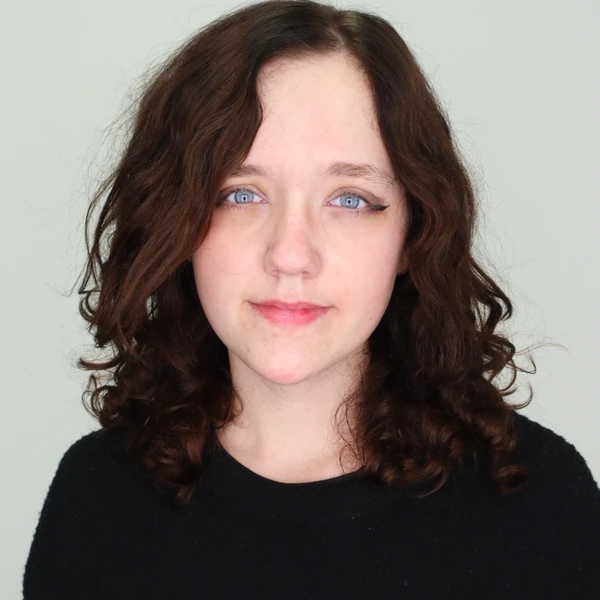
When I was three years old, I was diagnosed with Neurofibromatosis type one. The diagnosis came as a shock to my family because I am a spontaneous mutation; no one else in my family has this condition. While my parents did their best to understand what this meant medically, growing up, I often felt like no one truly understood what I was experiencing. My doctors knew my diagnosis, my family knew my diagnosis, but emotionally and mentally, I felt completely alone. That sense of isolation followed me throughout my childhood and adolescence.
As I got older, the weight of feeling different became heavier. There was a time when it became overwhelming enough that I needed therapy and antidepressants just to get through daily life. Unfortunately, medication could not shield me from the bullying I faced throughout my academic years. Because of the plexiform fibromas on my body, classmates targeted me with cruel names and rumors. Some even claimed I was contagious, telling others that if they touched me, they would “catch” my disease. Those moments were deeply painful and left lasting emotional scars, reinforcing the feeling that I did not belong.
In addition to the emotional challenges, I faced significant physical obstacles. I experience extreme nerve pain that often makes everyday tasks difficult. In school, I struggled with writing due to a fine motor disorder, which made completing assignments frustrating and exhausting at times. Simple tasks that others took for granted required immense effort from me. Despite these challenges, I refused to let my condition define my limits. I found strength and confidence through movement and music. I danced ballet for seven years and participated in marching band for four years during high school, which are both activities that demanded discipline, resilience, and physical endurance. Today, I proudly continue these passions as a college student.
I am currently a freshman at the University of Kentucky, where I am studying public health and nursing. My goal is to become a nurse so that I can help children who face challenges similar to mine. I know firsthand what it feels like to sit in a hospital room filled with fear, confusion, and pain. Because of my experiences, I can understand patients not only on a physical level, but also emotionally and mentally in ways that textbooks alone cannot teach.
I want to be like the nurses that I had when I was younger, the ones who brought warmth, patience, and reassurance into an intimidating environment. Hospitals can be frightening places, especially for children, and it was the kindness of nurses that helped me survive some of my hardest moments. Their compassion gave me comfort when I felt powerless, and without it, I do not know how I would have made it through. By becoming a nurse, I hope to provide that same sense of safety and understanding to future patients, reminding them that they are seen, valued, and never alone. Becoming a nurse would be my way of giving back, to repay the compassion I once received, and to show others living with my condition that we are capable of doing hard things, achieving our goals, and creating meaningful change despite the obstacles we face.
I am a strong candidate for this scholarship because my lived experience with a chronic condition has shaped my resilience, compassion, and commitment to nursing, motivating me to serve others with empathy, determination, and a deep understanding of both physical and emotional challenges.