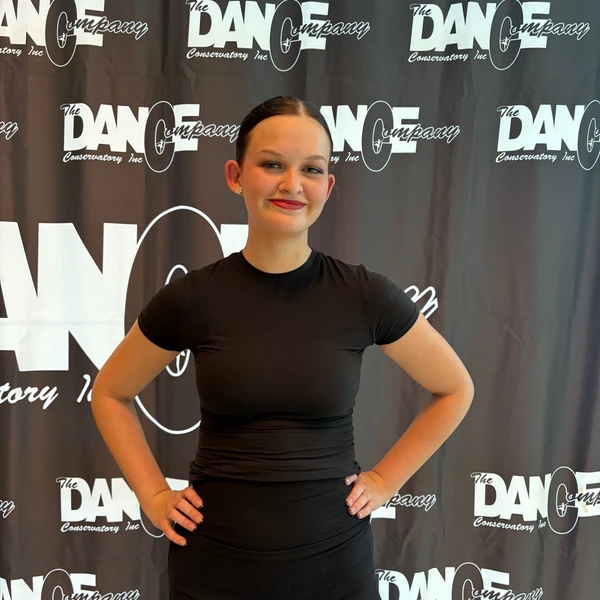
Hobbies and interests
Dance
Reading
Adult Fiction
I read books multiple times per week
Phoebe Jones
1x
FinalistPhoebe Jones
1x
FinalistBio
Through hard work I have overcome my own learning disabilities and now want to pursue a bachelor’s degree to become a teacher.
Education
Blue Water Middle College Academy
High SchoolMiscellaneous
Desired degree level:
Bachelor's degree program
Majors of interest:
- Education, Other
Career
Dream career field:
Education
Dream career goals:
Assistant Dance Teacher
Dance Company conservatory2024 – 20251 year- 2022 – Present4 years
Sports
Dancing
Club2013 – 202512 years
Track & Field
Varsity2023 – 20241 year
Arts
Dance Company Conservatory
Dance2013 – 2025
Future Interests
Advocacy
Volunteering
Harvest Scholarship for Women Dreamers
I am interested in a career in teaching because I struggled in school for many years. For most of my academic life, I carried a secret I was too ashamed to share. From fifth grade until the end of my junior year, I was placed on an Individualized Education Program (IEP), a learning support plan designed to help students who struggle in certain academic areas. At first, I did not know exactly what it meant, I just knew I was different. I was pulled from regular classes to take tests elsewhere, given extra time for assignments, and worked with specialists while my friends stayed in the classroom. As I got older, that difference became harder to ignore. I began to associate my IEP with failure. I thought it meant I was not smart enough, fast enough, or capable enough to succeed like everyone else. To the outside world, I pretended like everything was normal, but inside, I felt like I was hiding a part of myself I could not be proud of. As the years went on, the weight of that silence started to affect more than just my confidence. I second-guessed myself constantly. In group projects, I hesitated to take the lead, even when I knew what I was doing. In class discussions, I often stayed quiet, afraid that if I said something wrong, it would only confirm the doubts I already had about myself. Around ninth grade, I started to get tired of carrying that fear. I was tired of letting a label control how I saw myself. I decided to work harder, not to prove something to anyone else, but to prove it to myself. The progress was not immediate, but it was steady. Over time, I noticed that I did not need as much accommodation. I became more independent, more confident, and more aware of how I learned best. By junior year, after a thorough review with my teachers and school counselor, I was officially exited from my IEP. It was one of the proudest moments of my life, not because I had “gotten rid of it” but because I had outgrown the limits that I had put on myself. For the first time, I saw my learning differences not as weaknesses but as part of the way I overcame challenges. Looking back, I realize that the IEP itself was never the problem, it was the shame I attached to it. I thought it made me less than others, when in fact, it helped me become more. The process of working through my struggles gave me patience, determination, and empathy, qualities I now bring into every part of my life. I have found that I can connect with people in ways others sometimes cannot because I have been in their shoes. I understand what it is like to feel behind or to doubt your intelligence because you learn differently. More importantly, I have experienced the feeling of overcoming that doubt and concealing the embarrassment I once felt. My IEP taught me how to advocate for myself, how to adapt when things are not easy, and how to keep pushing even when progress feels slow. It taught me that growth does not come from being perfect; it comes from perseverance. Now that is a lesson I will carry with me far beyond the classroom. My story isn’t complete without the help I received from a handful of teachers that helped and encouraged me along the way. They are the reason I want to give back by being that type of teacher for other children.
Dream BIG, Rise HIGHER Scholarship
I am interested in a career in teaching because I struggled in school for many years. For most of my academic life, I carried a secret I was too ashamed to share. From fifth grade until the end of my junior year, I was placed on an Individualized Education Program (IEP), a learning support plan designed to help students who struggle in certain academic areas. At first, I did not know exactly what it meant, I just knew I was different. I was pulled from regular classes to take tests elsewhere, given extra time for assignments, and worked with specialists while my friends stayed in the classroom.
As I got older, that difference became harder to ignore. I began to associate my IEP with failure. I thought it meant I was not smart enough, fast enough, or capable enough to succeed like everyone else. To the outside world, I pretended like everything was normal, but inside, I felt like I was hiding a part of myself I could not be proud of.
As the years went on, the weight of that silence started to affect more than just my confidence. I second-guessed myself constantly. In group projects, I hesitated to take the lead, even when I knew what I was doing. In class discussions, I often stayed quiet, afraid that if I said something wrong, it would only confirm the doubts I already had about myself.
Around ninth grade, I started to get tired of carrying that fear. I was tired of letting a label control how I saw myself. I decided to work harder, not to prove something to anyone else, but to prove it to myself. The progress was not immediate, but it was steady. Over time, I noticed that I did not need as much accommodation. I became more independent, more confident, and more aware of how I learned best.
By junior year, after a thorough review with my teachers and school counselor, I was officially exited from my IEP. It was one of the proudest moments of my life, not because I had “gotten rid of it” but because I had outgrown the limits that I had put on myself. For the first time, I saw my learning differences not as weaknesses but as part of the way I overcame challenges.
Looking back, I realize that the IEP itself was never the problem, it was the shame I attached to it. I thought it made me less than others, when in fact, it helped me become more. The process of working through my struggles gave me patience, determination, and empathy, qualities I now bring into every part of my life. I have found that I can connect with people in ways others sometimes cannot because I have been in their shoes. I understand what it is like to feel behind or to doubt your intelligence because you learn differently. More importantly, I have experienced the feeling of overcoming that doubt and concealing the embarrassment I once felt.
My IEP taught me how to advocate for myself, how to adapt when things are not easy, and how to keep pushing even when progress feels slow. It taught me that growth does not come from being perfect; it comes from perseverance. Now that is a lesson I will carry with me far beyond the classroom.
My story isn’t complete without the help I received from a handful of teachers that helped and encouraged me along the way. They are the reason I want to give back by being that type of teacher for other children. In order to do that I need to empower myself further by pursing a bachelor’s degree in education. I understand what it is like to be a student that struggles, feels ashamed, and stupid, but I need an education to be able to create this better future for other struggling students. I want to be able to give back to those students what I was graciously given by some selfless teachers. They helped me to see myself, not as my learning disability, but as someone with worth who just had to chart a slightly different path to get there than the majority of my peers. That path made me stronger and a better version of myself than I would have been had my path been the predictable or easier one. They say it’s not about the destination, but the journey. I’m here to say that without the journey I had, even with all it’s difficulties, the destination would not be as great without it. It has truly given me a sense of direction.
Joieful Connections Scholarship
I am interested in a career in teaching because I struggled in school for many years. For most of my academic life, I carried a secret I was too ashamed to share. From fifth grade until the end of my junior year, I was placed on an Individualized Education Program (IEP), a learning support plan designed to help students who struggle in certain academic areas. At first, I did not know exactly what it meant, I just knew I was different. I was pulled from regular classes to take tests elsewhere, given extra time for assignments, and worked with specialists while my friends stayed in the classroom. As I got older, that difference became harder to ignore. I began to associate my IEP with failure. I thought it meant I was not smart enough, fast enough, or capable enough to succeed like everyone else. To the outside world, I pretended like everything was normal, but inside, I felt like I was hiding a part of myself I could not be proud of. As the years went on, the weight of that silence started to affect more than just my confidence. I second-guessed myself constantly. In group projects, I hesitated to take the lead, even when I knew what I was doing. In class discussions, I often stayed quiet, afraid that if I said something wrong, it would only confirm the doubts I already had about myself. Around ninth grade, I started to get tired of carrying that fear. I was tired of letting a label control how I saw myself. I decided to work harder, not to prove something to anyone else, but to prove it to myself. The progress was not immediate, but it was steady. Over time, I noticed that I did not need as much accommodation. I became more independent, more confident, and more aware of how I learned best. By junior year, after a thorough review with my teachers and school counselor, I was officially exited from my IEP. It was one of the proudest moments of my life, not because I had “gotten rid of it” but because I had outgrown the limits that I had put on myself. For the first time, I saw my learning differences not as weaknesses but as part of the way I overcame challenges. Looking back, I realize that the IEP itself was never the problem, it was the shame I attached to it. I thought it made me less than others, when in fact, it helped me become more. The process of working through my struggles gave me patience, determination, and empathy, qualities I now bring into every part of my life. I have found that I can connect with people in ways others sometimes cannot because I have been in their shoes. I understand what it is like to feel behind or to doubt your intelligence because you learn differently. More importantly, I have experienced the feeling of overcoming that doubt and concealing the embarrassment I once felt. My IEP taught me how to advocate for myself, how to adapt when things are not easy, and how to keep pushing even when progress feels slow. It taught me that growth does not come from being perfect; it comes from perseverance. Now that is a lesson I will carry with me far beyond the classroom. My story isn’t complete without the help I received from a handful of teachers that helped and encouraged me along the way. They are the reason I want to give back by being that type of teacher for other children.
RonranGlee Special Needs Teacher Literary Scholarship
I am passionate about becoming a special education teacher because of my own personal struggles with learning disabilities.
For most of my academic life, I carried a secret I was too ashamed to share. From fifth grade until the end of my junior year, I was placed on an Individualized Education Program (IEP), a learning support plan designed to help students who struggle in certain academic areas. At first, I did not know exactly what it meant, I just knew I was different. I was pulled from regular classes to take tests elsewhere, given extra time for assignments, and worked with specialists while my friends stayed in the classroom.
As I got older, that difference became harder to ignore. I began to associate my IEP with failure. I thought it meant I was not smart enough, fast enough, or capable enough to succeed like everyone else. To the outside world, I pretended like everything was normal, but inside, I felt like I was hiding a part of myself I could not be proud of. As the years went on, the weight of that silence started to affect more than just my confidence. I second-guessed myself constantly. In group projects, I hesitated to take the lead, even when I knew what I was doing. In class discussions, I often stayed quiet, afraid that if I said something wrong, it would only confirm the doubts I already had about myself.
Around ninth grade, I started to get tired of carrying that fear. I was tired of letting a label control how I saw myself. I decided to work harder, not to prove something to anyone else, but to prove it to myself. The progress was not immediate, but it was steady. Over time, I noticed that I did not need as much accommodation. I became more independent, more confident, and more aware of how I learned best. By junior year, after a thorough review with my teachers and school counselor, I was officially exited from my IEP. It was one of the proudest moments of my life, not because I had “gotten rid of it” but because I had outgrown the limits that I had put on myself. For the first time, I saw my learning differences not as weaknesses but as part of the way I overcame challenges. Looking back, I realize that the IEP itself was never the problem, it was the shame I attached to it. I thought it made me less than others, when in fact, it helped me become more. The process of working through my struggles gave me patience, determination, and empathy, qualities I now bring into every part of my life. I have found that I can connect with people in ways others sometimes cannot because I have been in their shoes. I understand what it is like to feel behind or to doubt your intelligence because you learn differently. More importantly, I have experienced the feeling of overcoming that doubt and concealing the embarrassment I once felt. My IEP taught me how to advocate for myself, how to adapt when things are not easy, and how to keep pushing even when progress feels slow. It taught me that growth does not come from being perfect; it comes from perseverance. Now that is a lesson I will carry with me far beyond the classroom.
My story isn’t complete without the help I received from a handful of teachers that helped and encouraged me along the way. They are the reason I want to give back by being that type of teacher for other children.
“I have learned that the purpose of teaching is to bring the student to his or her sense of his or her own presence." This quote by Professor Harold Bloom, from Possessed by Memory sums up what I experienced through overcoming my own learning disabilities. I would define this statement as leading the student to see themselves through a lens of who they are, their victories, their positive qualities, and not to define themselves by their disabilities, but rather to view their disability as not something to be ashamed of, but something to be embraced. I would guide my special needs students to experiencing a sense of their own presence by not putting limits on them. I would teach them that their abilities are limitless, that their special needs are not something that defines them, but something that makes them unique and interesting. My mission in accomplishing this task would be to approach special needs as just another learning style. Not something that is bad or something to be ashamed of, just a learning style that requires different strategies to help my special needs students discover a sense of their own presence thereby embracing their unique gifts.
Marie Humphries Memorial Scholarship
I am interested in a career in teaching because I struggled in school for many years. For most of my academic life, I carried a secret I was too ashamed to share. From fifth grade until the end of my junior year, I was placed on an Individualized Education Program (IEP), a learning support plan designed to help students who struggle in certain academic areas. At first, I did not know exactly what it meant, I just knew I was different. I was pulled from regular classes to take tests elsewhere, given extra time for assignments, and worked with specialists while my friends stayed in the classroom.
As I got older, that difference became harder to ignore. I began to associate my IEP with failure. I thought it meant I was not smart enough, fast enough, or capable enough to succeed like everyone else. To the outside world, I pretended like everything was normal, but inside, I felt like I was hiding a part of myself I could not be proud of.
As the years went on, the weight of that silence started to affect more than just my confidence. I second-guessed myself constantly. In group projects, I hesitated to take the lead, even when I knew what I was doing. In class discussions, I often stayed quiet, afraid that if I said something wrong, it would only confirm the doubts I already had about myself.
Around ninth grade, I started to get tired of carrying that fear. I was tired of letting a label control how I saw myself. I decided to work harder, not to prove something to anyone else, but to prove it to myself. The progress was not immediate, but it was steady. Over time, I noticed that I did not need as much accommodation. I became more independent, more confident, and more aware of how I learned best.
By junior year, after a thorough review with my teachers and school counselor, I was officially exited from my IEP. It was one of the proudest moments of my life, not because I had “gotten rid of it” but because I had outgrown the limits that I had put on myself. For the first time, I saw my learning differences not as weaknesses but as part of the way I overcame challenges.
Looking back, I realize that the IEP itself was never the problem, it was the shame I attached to it. I thought it made me less than others, when in fact, it helped me become more. The process of working through my struggles gave me patience, determination, and empathy, qualities I now bring into every part of my life. I have found that I can connect with people in ways others sometimes cannot because I have been in their shoes. I understand what it is like to feel behind or to doubt your intelligence because you learn differently. More importantly, I have experienced the feeling of overcoming that doubt and concealing the embarrassment I once felt. My IEP taught me how to advocate for myself, how to adapt when things are not easy, and how to keep pushing even when progress feels slow. It taught me that growth does not come from being perfect; it comes from perseverance. Now that is a lesson I will carry with me far beyond the classroom.
My story isn’t complete without the help I received from a handful of teachers that helped and encouraged me along the way. They are the reason I want to give back by being that type of teacher for other children.
Mickey Hamilton Memorial Scholarship
For most of my academic life, I carried a secret I was too ashamed to share. From fifth grade until the end of my junior year, I was placed on an Individualized Education Program (IEP), a learning support plan designed to help students who struggle in certain academic areas. At first, I did not know exactly what it meant, I just knew I was different. I was pulled from regular classes to take tests elsewhere, given extra time for assignments, and worked with specialists while my friends stayed in the classroom.
As I got older, that difference became harder to ignore. I began to associate my IEP with failure. I thought it meant I was not smart enough, fast enough, or capable enough to succeed like everyone else. To the outside world, I pretended like everything was normal, but inside, I felt like I was hiding a part of myself I could not be proud of.
As the years went on, the weight of that silence started to affect more than just my confidence. I second-guessed myself constantly. In group projects, I hesitated to take the lead, even when I knew what I was doing. In class discussions, I often stayed quiet, afraid that if I said something wrong, it would only confirm the doubts I already had about myself.
Around ninth grade I started to get tired of carrying that fear. I was tired of letting a label control how I saw myself. I decided to work harder, not to prove something to anyone else, but to prove it to myself. The progress was not immediate, but it was steady. Over time, I noticed that I did not need as much accommodation. I became more independent, more confident, and more aware of how I learned best.
By junior year, after a thorough review with my teachers and school counselor, I was officially exited from my IEP. It was one of the proudest moments of my life, not because I had “gotten rid of it” but because I had outgrown the limits that I had put on myself. For the first time, I saw my learning differences not as weaknesses but as part of the way I overcame challenges.
Looking back, I realize that the IEP itself was never the problem, it was the shame I attached to it. I thought it made me less than others, when in fact, it helped me become more. The process of working through my struggles gave me patience, determination, and empathy, qualities I now bring into every part of my life. I have found that I can connect with people in ways others sometimes cannot because I have been in their shoes. I understand what it is like to feel behind or to doubt your intelligence because you learn differently. More importantly, I have experienced the feeling of overcoming that doubt and concealing the embarrassment I once felt. My IEP taught me how to advocate for myself, how to adapt when things are not easy, and how to keep pushing even when progress feels slow. It taught me that growth does not come from being perfect; it comes from perseverance.
For 13 years, I competed in dancing, which required commitment, self-control, and excellent time management. I learned perseverance, teamwork, and how to manage demanding responsibilities in addition to my studies from participating in dancing. I also participated in volunteer activities as a member of the National Honor Society during my time in high school, including Key Club, a group dedicated to volunteering and giving back to the community.