Hobbies and interests
Acting And Theater
Bible Study
Church
Ethics
Girl Scouts
Government
Criminal Justice
Politics and Political Science
Polish
Law Enforcement
Volunteering
Youth Group
Reading
Adventure
I read books daily
Peyton Kemprowski
19x
Nominee1x
Finalist
Peyton Kemprowski
19x
Nominee1x
FinalistBio
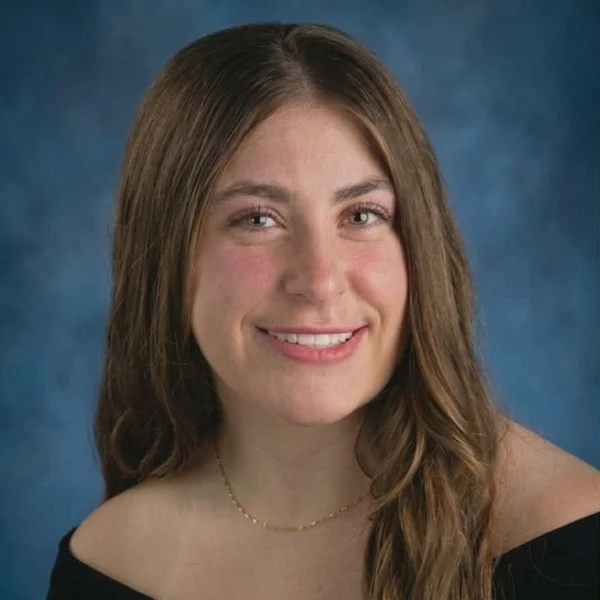
I am an eighteen-year-old student passionate about leadership, service, and advocating for those who may not always feel heard. My experiences in Girl Scouts, school leadership, and the Police Explorer Program have shaped my commitment to responsibility and community impact.
Through Girl Scouts, I earned my Gold Award by creating “It’s Not Just Black and Blue,” a program that teaches high school students to recognize and prevent domestic violence in relationships. This project emphasized the importance of early awareness and education.
In my community, I serve as a Police Explorer, where I hold the rank of Staff Sergeant and serve as post president, gaining leadership experience and real-world responsibility.
At school, I have been involved in student council for several years and was elected school president, where I worked to increase student engagement and connection. I also graduated with 30 college credits, reflecting my academic commitment.
I plan to pursue degrees in psychology and criminal justice and continue advocating for domestic violence awareness, using my leadership experience to help create safer and more supportive environments.
Education
Calvary Academy
High SchoolMiscellaneous
Desired degree level:
Bachelor's degree program
Majors of interest:
- Law
- Behavioral Sciences
- Bible/Biblical Studies
- Business, Management, Marketing, and Related Support Services, Other
- Communication, General
- Cultural Studies/Critical Theory and Analysis
- Family and Consumer Sciences/Human Sciences, General
- Psychology, General
- Religious Institution Administration and Law
- Social Work
- Clinical, Counseling and Applied Psychology
- Mental and Social Health Services and Allied Professions
- Entrepreneurial and Small Business Operations
- Criminal Justice and Corrections, General
- Psychology, Other
- Research and Experimental Psychology
Career
Dream career field:
Law Enforcement
Dream career goals:
My long-term career goal is to work in a field related to psychology and criminal justice where I can support individuals affected by trauma and contribute to preventing harm before it escalates. I hope to use my education and leadership experience to improve awareness, access to resources, and early intervention, especially for young people experiencing unsafe or unhealthy situations.
Explorer Post President and Staff Sargent
Jackson Police Explorers2021 – Present5 years
Sports
Bowling
Club2020 – 20255 years
Research
Law
Girl Scouts of America — Created "Its not just black and blue" a domestic violence program for teens2024 – Present
Arts
Jackson Arts Ministry
Acting2017 – Present
Public services
Volunteering
Operation Christmas Child — student relations for area prayer team2024 – PresentVolunteering
Vacation Bible School — Group Leader2017 – PresentAdvocacy
Girl Scouts Ambassador Gold Award Project — I created a outreach project that visits high schools to teach about domestic violence in teen age relationships2024 – Present
Future Interests
Advocacy
Politics
Volunteering
Philanthropy
Entrepreneurship
Christian Fitness Association General Scholarship
I was born prematurely on Christmas morning at just 26 weeks gestation and spent 127 days in the NICU. My prematurity caused a brain injury at birth that made school more difficult growing up. Because of that, I learned early that I would have to put in extra effort to reach my goals.
Despite these challenges, I was fortunate to have teachers who didn’t give up on me. My faith has also been steady throughout my life, helping me stay patient and grounded when things felt overwhelming. That support helped me stay focused, keep my grades up, and continue pushing myself academically.
That hard work paid off in high school, where I graduated with 30 college credits, giving me a strong head start entering college. Even with that preparation, I know college will still be expensive. My twin brother is also starting college at the same time, which adds to the financial responsibility my family is managing. Between tuition, books, housing, and other costs, this scholarship would ease that pressure and allow me to focus more fully on my education and long-term goals.
Alongside academics, I have taken on leadership roles as president of both my Christian school and my Police Explorer post. I am also an Ambassador-level Girl Scout and have earned my Gold Award, the highest honor in Girl Scouting. One of my most meaningful accomplishments is leading my Girl Scout Gold Award project, “It’s Not Just Black & Blue,” which I designed to teach teenagers about domestic violence awareness and prevention. I worked with local police departments, domestic abuse advocates, and school administrators to bring the program directly into schools. Over 150 students have attended presentations, and the program has also been shared online so the impact can go beyond the classroom.
One moment I keep coming back to happened after a presentation when a student stayed behind and told me she had been feeling uneasy in her relationship but kept convincing herself she was overthinking it. After the session, she said she finally felt what she was noticing was real, not just in her head. That moment showed me this work is not just about awareness, but about helping someone trust what they already sense but are afraid to believe.
After earning my Gold Award, I met a domestic abuse survivor and advocate who had heard about my project through local organizations. I was surprised to learn that something I had created was already reaching people I had never met. She told me how important it is to reach teenagers early, before patterns become harder to recognize. That reinforced my belief in early education and prevention, and showed me the program was beginning to extend beyond my own school and presentations.
I have been a police explorer for six years, and now I serve as Post President and Staff Sergeant. This experience strengthened my sense of responsibility and communication. Working with officers and helping organize events showed me that leadership is about paying attention to people, making sure they feel included, and knowing when to step forward and when to step back. I also attended my state youth police academy each summer for four years, graduating last year and ranking 2nd in my class.
Next fall, I will be attending a Christian university to study psychology and criminal justice. I plan to pursue a career as a first responder working with domestic violence victims, focusing on prevention, support, and intervention. I also want to continue expanding “It’s Not Just Black & Blue” and grow it into a nonprofit so schools can use it more easily. I have already secured the domain as a first step toward that goal.
This scholarship would ease the financial pressure of college and allow me to focus more fully on my education and long-term goals instead of constantly worrying about costs. With my twin brother also starting college at the same time, my family is managing multiple college expenses at once. This support would help me continue building on the foundation I have worked hard to create while still being able to pursue my degree and serve others.
I have learned that challenges don’t define you. They shape how you respond. My faith has been part of that for me, reminding me to stay grounded and keep moving forward even when things are hard. From being born prematurely to overcoming learning challenges to leading programs that impact my community, I have learned to keep showing up, even when the path takes longer than expected. With support, I am committed to continuing that path throughout college and into my future career.
Our Destiny Our Future Scholarship
Sometimes the hardest battles are the ones no one else can see. Teenagers facing domestic violence often feel isolated, confused, and unsure if what they are experiencing is real, but noticing those unseen struggles can make all the difference. I want to help change that.
For my Girl Scout Gold Award project, It’s Not Just Black & Blue, I created a program to educate teenagers about unhealthy relationship dynamics and provide accessible resources for support. Partnering with local domestic violence agencies, my town’s police department, and a father who lost his daughter to domestic violence, I developed presentations and materials that helped students recognize emotional harm before it escalates. One moment stands out: after a presentation, a girl came up to me, her eyes wide and worried, and told me that she finally had words for what she had been feeling. She realized she wasn’t imagining the warning signs in her own relationship. In that moment, I realized service is not just awareness, it is helping someone trust what they are experiencing and take steps to stay safe.
Through my work as post president in my town’s Police Explorer Program, I have seen firsthand how common domestic violence is in real situations. While adults often have resources, teenagers frequently do not. That gap is what drives me. I want to make my program more accessible to middle and high school students, giving them something clear and usable before situations escalate. Leading this group has also shown me that selflessness is not just about helping strangers, it is about showing up consistently for the people around you and helping them grow. Watching younger explorers gain confidence and leadership skills has been one of the most meaningful parts of my experience.
I plan to continue combining leadership, advocacy, and compassion throughout my life. Whether expanding my domestic violence awareness program, continuing my work in youth advocacy, or pursuing a degree in psychology with a criminal justice minor so I can work directly with domestic violence victims in prevention and support roles, I want to focus on prevention and early support. Real impact does not always mean changing everything at once, it means paying attention to what people are quietly going through and doing something about it.
Through education, mentorship, and service, I hope to build work that helps students feel safe enough to speak up sooner and supported enough to know they are not alone. Even helping one young person recognize what they are experiencing and take their first step toward help is meaningful to me, and that is the kind of impact I want to keep doing.
Kristinspiration Scholarship
When people ask what being a first-generation college student means to me, I usually say I want options. But more than that, I want choice—something real I can actually build my future on.
Growing up, I watched my mom give everything to our family. She did not go to college and became a stay-at-home mom. I love and respect her deeply, and I know she does not regret her life, but I also saw what it looked like when someone chooses family over other paths like college. Her life showed me how responsibility can shape the paths people take and the tradeoffs that come with it.
Since neither of my parents went to college, I did not grow up with someone who could answer questions about the process or explain what steps I should take. My dad works as a union tradesman and has always provided a loving and stable home, but when it came to things like college planning, financial aid, or what opportunities to look for, I often had to figure it out myself. I remember starting college applications with no idea where to even begin or how to fill out the forms. There were moments where I did not even realize what I was missing, and I learned by asking questions I did not even know to ask and slowly building my own way forward.
That independence shaped how I approached everything that came after. I graduated with 30 college credits in high school despite my learning challenges, and what I am most proud of is not the number, but the fact that I kept showing up even when I was not fully sure of myself.
At the same time, I have had my own challenges that shaped how I learn and move through the world. I was born nearly four months prematurely and grew up with learning difficulties that made school take more effort and patience. For a long time, I saw that as falling behind. Over time, I realized it meant I had to learn differently, not less. That shift changed how I see myself and how I approach challenges.
Outside of school, I started finding ways to understand people and situations more clearly. Through Girl Scouts, I built leadership and responsibility, which led me to create my Gold Award project, It’s Not Just Black & Blue, a domestic violence prevention program for teens. Through the Police Explorer Program, I gained experience in professional settings and saw how complex real issues like mental health and safety actually are. One moment that stayed with me was when a student told me she recognized parts of her past relationship in what I had shared. It made me realize that education is not just information. Sometimes it is the first time someone has words for what they have lived through.
That is part of why I want to study psychology and criminal justice. I want to understand people better and work in prevention and awareness, especially for people who feel unheard or unsure of what they are experiencing.
To me, being first-generation is not just about being the first to go to college. It is about carrying responsibility without always having a guide and still choosing to move forward anyway. To me, it means going to college so I can have real choices for my future and use what I learn to create a different future for myself and help others who are still figuring it out the same way I did.
Joe Gilroy "Plan Your Work, Work Your Plan" Scholarship
My goal is to expand my Girl Scout Gold Award project, It’s Not Black & Blue, a domestic abuse prevention program I created for teenagers. I am now working to grow it into a nonprofit that can scale beyond my own school community. What started as a way to help students recognize early warning signs of unhealthy relationships has turned into something I am actively building into a long-term program schools can actually use.
Right now, the program is delivered through school presentations where students go through real-life examples, talk through warning signs, and leave with resources they can use if they ever need help. I have presented in two schools, working alongside local police and domestic abuse prevention advocates, and I plan to continue expanding into new schools each October during Domestic Violence Awareness Month. After seeing how students respond, my focus has shifted to making this something schools can run on their own without me needing to be there in person.
To do that, I am building It’s Not Black & Blue into a packaged curriculum schools can use as part of health or advisory classes. The goal is for schools to be able to run it without outside presenters or major changes to their schedule. I already have connections with domestic abuse survivors, advocates, and a small tech team helping with the digital side, most of whom are involved because they care about the mission.
My focus now is writing a full script and producing short educational videos that will be the core of the program. These videos will cover warning signs, healthy relationship patterns, and how to seek help in a clear, consistent way schools can use. I also have access to a local theater group, and volunteers ready to act in the videos. I have the official .org domain for It’s Not Black & Blue, which helps give it a more established foundation. Once the content is finished, I plan to pilot it in local schools, then adjust it based on feedback before expanding further.
Alongside this, I am building supporting materials like a website and simple handouts that break down red flags, communication patterns, and where to find help. I am also continuing to get feedback from students, teachers, and advocates so the program keeps improving instead of staying the same.
There are also real costs involved, such as a QR code system that connects students directly to support resources, which costs about $200 per year. Most of the program is intentionally kept low-cost through volunteer support and partnerships with people who believe in the mission.
Eventually, I want to formalize It’s Not Black & Blue into a nonprofit and build partnerships that let it grow without depending on my presence. My goal is to continue developing it through college so it becomes a program schools can actually implement in different communities.
I have lived in a home where I often had to walk on eggshells. That experience is a big part of why I created this program. It made me realize how easily unhealthy patterns can feel normal when there is no language for what healthy relationships should look like.
At its core, my goal is simple: I want students to recognize warning signs early enough that they can protect themselves before situations escalate. Prevention only works when it reaches people early, and I want It’s Not Black & Blue to be something schools can rely on to do exactly that.
Cooper Congress Scholarship
To me, making sure everyone has a voice means people feel heard and respected, no matter where they come from. I think leaders need to listen, understand, and bring people together. Through my experiences in police explorers, Girl Scouts, student leadership, and civic programs, I’ve learned that change happens when people listen, speak up, and follow through.
I’ve been a police explorer for six years, and now I serve as Post President and Staff Sergeant. Being in that environment taught me responsibility and communication. Working with officers and helping organize events showed me leadership isn’t just about giving directions. It’s more about paying attention to people, making sure they feel included, and knowing when to step forward and when to step back.
My experiences in Explorers and the academy made me start noticing a pattern. In domestic disputes, things usually didn’t happen out of nowhere. There were warning signs long before anything serious happened. I also started seeing similar patterns in people my age, where jealousy gets called “caring,” controlling behavior gets excused as love, and uncomfortable situations get brushed off because they don’t seem serious enough at first.
That realization is what led me to create my Girl Scout Gold Award project, It’s Not Black & Blue, a domestic violence prevention program for teens. I worked with domestic violence prevention advocates, police departments, and school administrators. I brought it into schools, reached over 150 students in person, and created online resources so students could still access support after presentations.
At my Gold Award ceremony, a domestic abuse survivor who now advocates for others came up to me. She said she had heard about my project through community organizations and wished something like it had existed when she was younger. I didn’t know what to say, so I just listened. That moment made me realize this work is not only reaching students—it’s connecting to a much larger need in the community.
Through my long-term involvement in Politics in Action, a local civic education program, I’ve taken part in discussions and simulations about American democracy, the Constitution, and civic responsibility. A big part of it is learning how to actually talk to people you don’t always agree with. It made me realize democracy only works when people are willing to listen, not just argue over each other.
As student body president, I learned pretty quickly that leadership isn’t about being popular. I tried to represent different groups of students, not just the loudest voices, and bring their concerns forward. I also worked on creating more opportunities so more students felt included in school life. That role showed me leadership isn’t always visible, but it still matters in real ways.
Being born almost four months premature and dealing with learning challenges shaped me too. School wasn’t always easy, and I had to work through things people couldn’t really see. It made me more aware of how quickly someone can feel overlooked when they’re struggling quietly.
All of these experiences, whether in law enforcement training, civic programs, student leadership, or my own life, shaped how I see leadership. For me, it’s about noticing problems, stepping up when it matters, and making sure people don’t get ignored.
I want to pursue a career in criminal justice, focusing on domestic violence advocacy and community support. I plan to keep growing It’s Not Black & Blue so more students can learn how to recognize and prevent abuse, and feel confident using their voice.
Going forward, I’ll keep bringing what I’ve learned into everything I do and build spaces where people feel seen, heard, and supported.
Bright Lights Scholarship
When people ask what being a first-generation college student means to me, I usually just say I want options. But more than that, I want a choice.
My family comes from union trades and hands-on work, and college was never clearly laid out for me. Growing up, I watched my mom give everything to our family, and I saw how life feels when your choices are limited even when you are doing your best. There was no roadmap for applications, financial aid, or even what college would look like, so I’ve had to figure most of it out.
I plan to study psychology and criminal justice because I want to understand why people end up in harmful situations and how those situations are often missed before they escalate. I am especially interested in prevention—how awareness and education can help people recognize warning signs earlier and avoid situations before they become harder to leave or understand.
That idea didn’t come from a classroom. It came from realizing, over time, that certain patterns in relationships and behavior can look different when you don’t yet have language for them. Things like control, pressure, and emotional manipulation don’t always show up in obvious ways. Sometimes they build slowly enough that they are easy to rationalize, until you step back and see the pattern for what it is. Through my experience in a Police Explorer Post, I also had the opportunity to tag along on real calls and see firsthand how domestic violence situations unfold and what things look like afterward. It made those patterns harder to ignore.
That realization led me to create *It’s Not Black & Blue* for my Girl Scout Gold Award project, a domestic violence prevention program that helps teenagers recognize early warning signs in relationships, including control, isolation, pressure, and emotional manipulation. I worked with local police officers and domestic violence advocates to bring it into schools and present to students in my community.
So far, I have reached over 150 students directly through presentations, along with many more through online materials and resources I created for the program. The number matters, but what stands out more are the conversations afterward. After one presentation, a student stayed behind and told me she recognized parts of a past relationship in what I had shared. She said it helped her understand why something had never felt right. Moments like that reminded me people often feel something is wrong long before they can name it or explain it.
I also serve as President and Staff Sergeant in my local Police Explorer Post. That role has given me leadership experience and shown me how quickly situations can escalate when warning signs are missed. It has strengthened my focus on prevention, communication, and recognizing patterns before they become more serious.
Being first-generation has also meant learning to navigate systems I wasn’t raised inside of, especially college and financial aid. It hasn’t always been easy, but it’s made me more independent and willing to figure things out even when they feel unfamiliar.
This scholarship would ease financial pressure so I can focus more fully on my education and the work I’ve already started. It would support my studies in psychology and criminal justice and give me more room to continue building programs focused on prevention and awareness.
For me, being first-generation is not just about being the first in my family to go to college. It is about building a future where I have real choices—and using those choices to help others recognize the situations they are in before they become harder to understand or leave.
Augustin Gonzalez Memorial Scholarship
The day I turned 13, I joined my local Police Explorer Post. I thought it looked fun, and honestly the uniform was cool. What I didn’t expect was how it would change how I saw people, leadership, and my future.
Through my Police Explorer Post and state youth academy I attended, I saw situations I had never been exposed to before. At the academy, we worked through scenarios requiring teamwork, communication, and quick decision-making. Through Explorers, we trained and went on ride-alongs during calls, some escalating quickly.
At first, I was taking everything in, but over time I started noticing a pattern. The officers who stood out to me most weren’t always the ones who acted first or spoke the loudest, but those who could slow everything down and keep control. Watching that changed how I viewed law enforcement.
My first summer at the academy almost ended before it really began. I struggled a lot and considered quitting. I was one of the youngest cadets and felt like I didn’t fit in. I remember thinking I might not be cut out for this—I felt tired, sore, and homesick. Then Officer Fabricatore stepped in and changed that for me. He pushed me when I wanted to give up, corrected me when I needed it, and never lowered his expectations. Even when I doubted myself, he didn’t. Because of him, I stayed. Four years later, I graduated second in my class.
My experiences in Explorers and the academy made me notice a pattern. In domestic disputes, problems didn’t start overnight but showed warning signs long before a crisis. I saw similar patterns among people my own age, where jealousy was brushed off as caring, controlling behavior was excused as love, and discomfort was ignored because it didn’t seem serious enough.
That led me to create my Girl Scout Gold Award project, It's Not Black and Blue, a domestic violence prevention program for teenagers. I brought presentations into schools, reached more than 150 students in person, and created online resources for students to access if needed.
What surprised me most was how often students connected with the examples. After one presentation, a girl told me she had been questioning a relationship for a while but kept convincing herself she was overthinking it. Hearing the presentation helped her trust what she had already been noticing. Another moment came when a domestic violence survivor told me she wished the program had existed when she was younger. That stayed with me because it showed how different a person’s path can be when warning signs are recognized early instead of after a crisis.
Those experiences are why I want to become a police officer. I want to serve my community, but also be someone people can trust in their hardest moments. I aim to stay calm in tense situations, listen before reacting, and help people feel safe enough to ask for help.
Studying criminal justice and psychology will help me better understand behavior and decision making in high-risk situations. I hope to expand It's Not Black and Blue in college and beyond by visiting a new school each year and build it into a program that can be shared beyond my community.
Officer Fabricatore showed up for me when I was ready to quit. My advisors stood by me through Explorers, and through my project I've tried to do the same for others. As a police officer, I hope to keep doing that—not just responding when something goes wrong, but being there when someone needs someone to count on.
Charles B. Brazelton Memorial Scholarship
Honestly, I think everyone gets teased for something growing up it’s just part of school. My “awkward thing” has never really been something obvious though. I’m not the tallest or shortest, not the loudest or quietest. It’s more that I’ve always ended up in leadership roles in places where I don’t really fit the social side of things, and I’m usually known, just not in the way most students are.
While a lot of people in high school focused on friends and popularity, I ended up in student government, taking on responsibilities most people avoided. I didn’t set out to be “the leader” it just happened because I was the one who stayed when things needed to get done. That became clear when I ran for school president.
I talked to students, campaigned, and was honest about what I could actually do. I didn’t overpromise anything, just focused on following through, and I won. At first I thought it would feel exciting, but it didn’t go that way.
A group of students tried to impeach me, and I heard rumors that I didn’t deserve to win. Even knowing it came mostly from popular opinions, it still affected me more than I expected.
I thought I was doing everything right showing up, working, staying consistent, but I realized leadership doesn’t always come with acceptance. I didn’t know how to process that at first. It made me question whether being responsible even mattered if people still saw me that way.
But I stayed anyway. I kept going to meetings, handling issues, and fixing problems as they came up. Nothing dramatic, just showing up when it would have been easier to step back.
Over time that became my pattern, not being the most popular person in the room, but being the one who still shows up when things get uncomfortable or messy.
That’s been true outside school too. I’m a female Staff Sergeant in my local Police Explorers program, and I graduated from the New Jersey State Youth Police Academy. In those environments I was often one of the few girls in leadership spaces. I was still learning, still new, still expected to lead anyway.
That’s where it clicked for me. I’m often put in positions where I have to take responsibility before I feel settled in them. I used to see that as a disadvantage, but I don’t anymore.
Most of what feels important in high school doesn’t last. Popularity fades, titles fade, even awkward moments fade. What stays is whether you showed up when it would have been easier not to.
My “awkward thing” is that I’ve never really been part of the popular group. I end up in leadership spaces I wasn’t socially part of at first, and I’ve learned to lead without needing approval.
I don’t need to fit into a space to be responsible for it.
And I’ll probably keep ending up in roles like that especially going into law enforcement. I’m okay with it. I’d rather be useful than comfortable, because for me leadership has never been about fitting in.
It’s about staying when things get uncomfortable and still doing what needs to be done.
Arthur and Elana Panos Scholarship
Faith has guided me since before I was born. My twin brother and I were born at 26 weeks after my mother’s water broke at 22 weeks. Doctors said we would not survive, but through prayer and God’s protection, we did. Spending 123 days in the NICU taught me early that God had a purpose for my life, one centered on service, leadership, and perseverance. I learned early that resilience was not optional, it was necessary.
Growing up was not easy. I had a brain injury at birth and learning disabilities that made school difficult in ways others could not see. Faith gave me the strength to keep going and helped me see challenges as something that could shape me rather than stop me. My family’s support and my trust in God kept me moving forward when progress felt slow.
That mindset shaped how I serve others. As a Girl Scout, I created my Gold Award project, It’s Not Just Black & Blue, to help teenagers recognize domestic violence. Many do not recognize emotional or controlling behavior until it becomes abuse. Through presentations, videos, and partnerships with local police and advocacy groups, I helped students identify warning signs earlier. One student told me it helped her recognize red flags in her own relationship and gave her the confidence to make safer choices. After the presentation, she stayed behind and told me she had felt something was wrong in her relationship, but until that moment, she thought it was only in her mind and did not have the words for what she was experiencing. That moment reminded me that what I have lived through can be used to protect someone else.
Leadership has tested me in similar ways. As president of my school and Post President of my Police Explorer program, I have had to step into responsibility in real time, especially in moments of pressure or uncertainty. There were times I doubted myself, but I learned to keep going anyway. I learned that my leadership is only strong when it is grounded in something deeper than confidence. It is strongest when it is grounded in faith. I have learned to trust God even when things feel impossible, because through Christ, all things work for good. Leadership is not recognition. It is responsibility when it is inconvenient and difficult.
Looking ahead, I plan to pursue a career in law enforcement while continuing to advocate for domestic violence prevention. I trust that my faith will guide that path by giving me clarity in difficult decisions, courage in high-pressure situations, and compassion when people are at their most vulnerable. I want my career to reflect what has shaped me: honesty, service, and hope.
Faith is not just something I believe in. It steadied me in the NICU, carried me through moments of doubt, and reminds me that even when I feel unsteady, my purpose is still unfolding.
Through law enforcement and advocacy, I hope to continue that purpose by protecting others, guiding those in need, and helping people feel seen, safe, and supported.
Bick New Jersey Scholarship
New Jersey is where I grew up and learned to rely on others. It is where my family is, where my memories were made, and where I began to understand who I am. It is where I found opportunities that shaped me. More than anything, it is where I learned that people show up for you when you least expect it.
I was born 14 weeks premature and dealt with serious vision and learning challenges that made school harder in ways most people could not see. These challenges shaped me early. I had to work harder to keep up, and I often felt behind. But I never gave up.
Even with those setbacks, I was elected school president and later became president of my Police Explorer post. Those moments showed I was doing more than getting by. People trusted me with responsibility, even when I didn’t trust myself.
New Jersey shaped how I see people. In my Police Explorer program and state youth academy, I saw officers who were strict but patient. They slowed things down, explained, and made sure I understood. That stuck with me. It showed me leadership is not strength alone, but how you use it for others.
At my first police academy, I felt like I did not belong and considered quitting. I wasn’t as prepared as the other cadets, but Officer Fabricatore from Bayonne changed that for me. He pushed me, corrected me, and kept me going when I struggled. He saw my potential before I could see it myself. Because of him, I stayed. Four years later, I graduated second in my class. Even now, I hear his voice telling me I can do it.
One of the moments I will never forget was high school graduation. My Police Explorer advisors showed up in their cruiser. I didn’t know they were coming. When I saw them, I froze. In a sea of graduation gowns, I saw only them. It felt like my life had come full circle, not because of what I had accomplished, but because I mattered enough for people to show up. My advisor told me he was proud, and I understood how far I had come.
That is what New Jersey is to me, not just a place, but people who show up when it matters most. My Police Explorer experience led me to create my Girl Scout Gold Award project, It’s Not Just Black & Blue, which I brought into local high schools, reaching over 150 students in person, along with additional outreach through online platforms I created to spread awareness and prevention. I plan to continue growing this work into my career in law enforcement, focusing on domestic violence response and support.
This scholarship would ease financial pressure so I can focus on my studies. New Jersey is where my path started, where I learned what it looks like when people show up, and I want to carry that forward and be that person for others.
Tawkify Meaningful Connections Scholarship
My twin brother Marc and I were born fourteen weeks early on Christmas morning. We were so small and fragile that the doctors didn’t expect us to survive. I spent 123 days in the NICU, but Marc went home after 97. That short gap is the only time we’ve ever been apart. From the very beginning we’ve relied on each other. Being born prematurely shaped how I face challenges and taught me that I am never truly alone.
Growing up, we loved using our imaginations. We made little plays for our family, sang at the top of our lungs, crafted, told jokes, and swam all summer long. Even recently, we were in a high school production of Annie. Marc was Daddy Warbucks, I was Lily St. Regis. It was our last high school play together, and performing side by side felt bittersweet, a reminder of all the moments we’ve shared. We tease each other like siblings do, but it was always in fun, and we laughed until our sides hurt. Those moments taught me how much joy comes from creating, laughing, and just being together.
School wasn’t always easy for me. Marc faces physical challenges because he has cerebral palsy. He can walk, but using his hands is difficult. Sometimes he’d get frustrated, but he never gave up. Marc helped me through my learning challenges, taught me math, guided me in writing essays, and even supported me when I ran for school president. With his encouragement, and his help on my campaign…I won. Watching him persevere taught me patience, determination, and how to support someone even when it’s hard. I try to do the same for him: helping with tasks, cheering him on, or just being there.
Our faith in Christ has guided us through many challenges. Recently, we went on a mission trip to the Dominican Republic. It was the first time we had been away from our parents for so long. Everything felt new—the people, the routines, even the food. Having Marc there made everything feel possible. Serving others showed me how God works through simple actions to teach and guide us. During that trip, Marc and I both decided to be baptized. Standing side by side, I felt God’s presence more deeply than ever. I was not alone.
Marc and I have also volunteered together for years through our school’s Key Club, where Marc is president. We visit nursing homes, make care bags, collect items for Operation Christmas Child, and lead groups at Vacation Bible Schools. Teaching kids about Jesus and helping our community has become something we love doing together. These experiences, sometimes messy, sometimes funny, sometimes exhausting, have shown me that meaningful connections are built through empathy, service, and simply showing up for others.
Looking ahead, we’re both excited to attend Cairn University this fall. I’m eager to continue our journey together while also forging my own path. Marc has given me the strength to navigate life’s challenges and shown me that I am capable of giving and receiving love. Because of him, I approach all my relationships with patience, encouragement, and a desire to lift others up—whether helping a friend, mentoring a younger student, or working on a team.
Looking back, I see how God has worked through my brother and me in both small and big ways. Every challenge, every act of support, every ordinary moment has shaped who I am. My story isn’t about one dramatic event—it’s about how God is faithful in the quiet moments, teaching us to love, serve, and trust Him. Honestly? I wouldn’t trade a single day of it. It’s brought me closer to my brother and closer to God—and it has shown me how to build meaningful connections with everyone I meet.