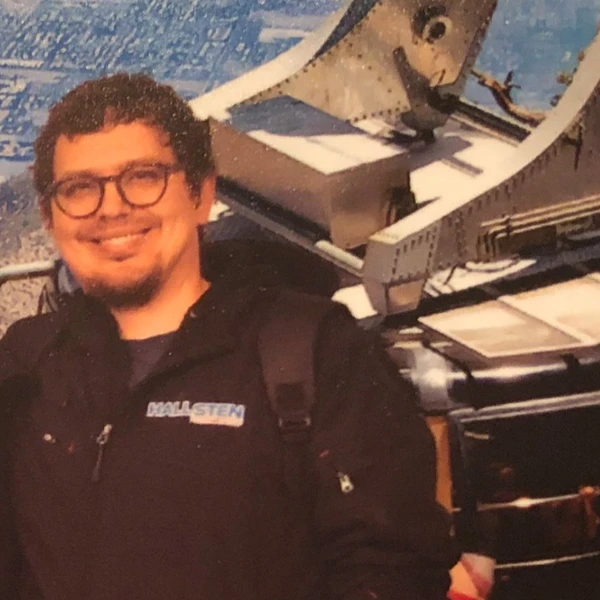
Civil engineering, and specifically the niche of environmental infrastructure, fascinates me because it combines technical innovation with a profound sense of public service. At Hallsten, I manage projects that involve the installation of custom aluminum covers over wastewater treatment tanks, digesters, and other odor-emitting facilities. These covers are not just metal structures-they are critical solutions that help municipalities and industries control harmful emissions, protect public health, and comply with environmental regulations. Through my work, I see firsthand how civil engineering can directly address pressing environmental challenges and improve quality of life for entire communities.
My interest in pursuing a civil engineering degree is rooted in the desire to contribute more deeply to projects that matter. The field is evolving rapidly, with new materials and technologies transforming how we design and build infrastructure. By advancing my education, I hope to gain a stronger technical foundation, learn about the latest sustainable design practices, and eventually lead larger, more complex projects that set new standards for environmental stewardship.
Receiving this scholarship would be a crucial step toward these goals. The financial support would ease the burden of tuition and allow me to focus on my studies and professional growth. It would also connect me with a network of peers and mentors who share my commitment to sustainability and innovation in civil engineering. Most importantly, this scholarship would recognize my dedication to the field and motivate me to continue striving for excellence in my work.
The importance of my major-civil engineering with a focus on environmental infrastructure-has never been greater. As cities grow and environmental regulations become more stringent, the need for effective odor control solutions is critical. Aluminum covers, for example, play a key role in reducing air pollution, preventing the spread of harmful gases, and improving the overall livability of urban and industrial areas. Civil engineers are at the forefront of designing these solutions, ensuring that infrastructure not only meets functional needs but also protects public health and the environment.
Looking ahead, I believe that in ten years, civil engineering-especially in the realm of environmental infrastructure-will have an even greater impact on society. Advances in materials science will make aluminum covers lighter, stronger, and more cost-effective, while improvements in design will enhance their efficiency and durability. As public awareness of environmental issues grows, the demand for innovative odor control solutions will only increase, positioning civil engineers as key contributors to healthier, more sustainable communities.
My experiences at Hallsten have also shaped my development as a leader. Managing aluminum cover projects requires coordinating with engineers, contractors, and clients to ensure that installations meet strict safety and environmental standards. I have learned that leadership is about clear communication, attention to detail, and the ability to inspire a team to work toward a shared goal. Outside of work, I have volunteered for local environmental initiatives, helping to educate the public about the benefits of odor control and sustainable infrastructure. These experiences have strengthened my ability to connect with people, resolve challenges, and motivate teams to achieve more than they thought possible.
In conclusion, my work with aluminum covers for odor control has shown me the vital role civil engineering plays in building healthier, more sustainable communities. This scholarship will empower me to advance my education, refine my leadership skills, and contribute even more meaningfully to the profession. As our society faces growing environmental challenges, I am determined to be part of the next generation of civil engineers who design, innovate, and lead with purpose.