user profile avatar

Payton Larkowski

1x

Finalist

Bio

I’ve had a lot of different career goals since I was a kid, before I settled on cardiothoracic surgery, but things could still inevitably change.  Although, don’t we all question our careers too many times to count as kids, at least that's what I believe.  I believe you should do something you’ll love for the rest of your life, something you’re passionate about.  You shouldn’t just blindly choose a career like you would pick a lottery ticket.  It should be planned out and meticulous.  There should be a reason behind why you want that career, and for me, there is a reason behind my choice.   For me, in simpler terms, I just want to help people.  Although when you think about it, you could help people in so many ways, here I am choosing to be a surgeon.  I'm choosing to pursue this because, yes, I would be helping people, but not only that, I would be saving people's lives in a way that can only be tangible through surgery.  Being a cardiothoracic surgeon would be a dream for me because of the history my family has with heart and lung problems.  To be able to help people similar to my family who have passed away would feel like I’m helping them spiritually by curing other people.  I want to be able to save other people like I wish they could’ve been saved, but I also know you can’t physically save everyone yourself.  They have to want to be saved.  But for those people who want to be saved, and for the people who need life-changing surgery, I would love to be a part of their surgical team.   

Education

West Seneca West Senior High School

High School
2022 - 2026
  • GPA:
    3.7

Miscellaneous

  • Desired degree level:

    Bachelor's degree program

  • Majors of interest:

    • Biological and Biomedical Sciences, Other
  • Planning to go to medical school
  • Career

    • Dream career field:

      • Medicine
    • Dream career goals:

      Cardiothoracic Surgeon

      Sports

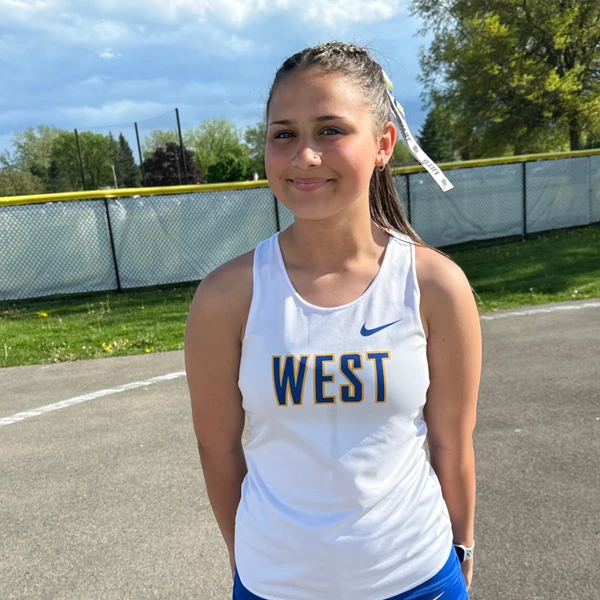
      Track & Field

      Varsity
      2024 – Present2 years

      Awards

      • scholar athlete

      Research

      • Medicine

        Health careers by Bocce's — Student
        2025 – Present

      Public services

      • Volunteering

        Burrito project — Helped cook
        2024 – Present

      Future Interests

      Advocacy

      Volunteering

      Philanthropy

      Entrepreneurship

      Olivia Rodrigo Fan Scholarship
      Music has always been one of the easiest ways for me to understand emotions I didn’t always know how to explain. The songs of Olivia Rodrigo stand out to me because they capture complicated feelings—confusion, frustration, reflection, and growth—in a way that feels very real and unfiltered. Even though my life experiences are different from what her songs are literally about, I find myself connecting them to my own personal journey, especially my experiences with learning challenges and having a 504 Plan in school. One lyric that resonates with me is from “Drivers License”: “I still see your face.” That line reminds me of how certain moments in life stay with you longer than you expect. For me, it connects to times in school where I struggled to understand material or felt like I was falling behind. Even after those moments passed, the feelings didn’t disappear right away. I would still think about them—sometimes overanalyzing what I could have done differently or wondering if I was improving fast enough. Over time, I realized that growth doesn’t mean forgetting those experiences, but learning how to move forward without letting them define you. Another lyric that connects to my experience is from “deja vu”: “I know you get deja vu.” While the song is about emotional repetition, I relate it to the feeling of repeating academic struggles. There were times when I felt like I was putting in effort but still running into the same challenges again and again. That can be discouraging, especially when you feel like you’re trying harder than ever but not seeing immediate results. However, those moments eventually pushed me to change how I approached learning. Instead of continuing the same habits and hoping for a different outcome, I started adjusting my strategies—asking more questions, using my 504 accommodations more effectively, and being more honest about what I needed to succeed. A third lyric that stands out to me is from “good 4 u”: “Good for you, I guess you moved on.” I relate this less to its original meaning and more to the feeling of comparison. There were times when I watched other students seem to move through school with ease while I was still working through my own challenges. It was easy to feel behind or frustrated with myself in those moments. But over time, I learned that comparing my journey to someone else’s only made things harder. Everyone moves at a different pace, and my progress, even if it looked slower or more complicated, was still progress. What I appreciate most about Olivia Rodrigo’s music is how honest it feels. She doesn’t hide difficult emotions—she puts them into words in a way that makes them feel shared instead of isolating. That honesty reflects my own experience with school and learning challenges. My 504 Plan didn’t remove difficulty from my life, but it helped me understand myself better and gave me tools to keep going when things felt overwhelming. Looking back, I can see that my journey has been shaped by both struggle and growth. The challenges I faced taught me patience, self-awareness, and resilience. More importantly, they helped me understand that success is not about having an easy path, but about continuing forward even when the path is difficult.
      Rick Levin Memorial Scholarship
      My experience in Special Education, specifically having a 504 Plan, has played a major role in shaping both my mindset and my goals for the future. When I was younger, I didn’t always understand why school felt harder for me than it seemed to for others. I would put in effort, spend extra time trying to understand the material, and still sometimes feel like I was just trying to catch up. That feeling could be frustrating and, at times, discouraging. There were moments when I questioned whether I was truly capable of succeeding in the same way as my peers. Over time, though, my 504 Plan helped shift the way I saw myself as a learner. Instead of focusing on what I struggled with, I began to understand that I simply learned differently—and that difference did not make me less capable. It just meant I needed different tools and strategies to succeed. The accommodations I received in school gave me structure and support, but the bigger impact came from what I learned about myself. I began to recognize when I needed to slow down, when I needed to ask questions, and when I needed to advocate for myself instead of staying silent and hoping things would get easier on their own. That process of learning how to speak up for my needs was not immediate. It took time, and honestly, it took some uncomfortable moments. There were times I hesitated to ask for help because I didn’t want to feel different or stand out. But eventually, I realized that everyone needs support in some form, even if it looks different from person to person. That realization changed my perspective completely. Instead of seeing support as something that made me “less than,” I started to see it as something that helped me move forward. This experience has inspired me to pursue college or certification training because it has shown me that success is not about having a perfect academic path—it is about persistence, adaptation, and self-awareness. I know that higher education will bring new challenges, but I also know that I already have experience navigating difficulty and finding ways to keep going even when things are not easy. I want to continue building on that foundation. I want to put myself in environments where I can grow, learn new skills, and continue proving to myself that I am capable of more than I may have once believed. My experience with challenge and difficulty has also played a significant role in shaping who I am as a person. There were moments in school where I felt overwhelmed, especially when I was putting in more effort but still not seeing the results I wanted right away. That can be emotionally draining, and at times, it made me feel like I was falling behind. But looking back, those experiences taught me something important: progress is not always immediate, and it does not always look the same for everyone. I learned how to be patient with myself in ways I hadn’t been before. I learned that struggling with something does not mean I am incapable—it means I am still learning. I also learned how to adjust my approach when something is not working, instead of giving up altogether. Whether that meant studying differently, asking a teacher for clarification, or simply giving myself more time to process information, I began to understand that flexibility is just as important as effort. Over time, those challenges built resilience in me. Not dramatically or suddenly, but gradually, through small moments of pushing through frustration and choosing not to quit. I also became more comfortable asking for help, which is something I once avoided. I realized that support systems exist for a reason, and using them is part of being responsible for my own success. Most importantly, my experience has changed the way I define success. It is no longer about being the fastest or the easiest learner—it is about consistency, growth, and effort over time. I may not have taken the easiest path through school, but that path has given me a deeper understanding of myself and my abilities. As I move forward into college or certification training, I carry those lessons with me. I know there will still be challenges, but I also know I have already faced difficulties and learned how to work through them. My 504 Plan did not define my limits—it helped me discover my resilience, my voice, and my determination to keep moving forward no matter what obstacles I face.
      Tawkify Meaningful Connections Scholarship
      2. In a world increasingly shaped by technology, authentic human connection can easily feel like it is slipping into the background. We are more “connected” than ever through messages, social media, and constant notifications, yet many people still feel isolated or misunderstood. Preserving and strengthening real connections doesn’t mean rejecting technology—it means learning how to use it without losing what makes human relationships meaningful in the first place. One of the most important ways to preserve authentic connection is to be intentional about presence. It sounds simple, but it is becoming rare. Too often, conversations are interrupted by phones lighting up on the table or minds half-focused on something happening online. Real connection happens when someone feels fully seen and heard. Small choices matter—putting a phone away during a conversation, making eye contact, or actually listening without planning a response. These moments tell people, “You matter more than what is happening on my screen right now.” At the same time, strengthening connections in a digital world means recognizing that technology itself is not the problem. It is how we use it. A message sent with care can strengthen a friendship. A video call can bridge miles between family members. Even social media can be meaningful when it is used to genuinely support others instead of just comparing lives or chasing attention. The difference is intention. Are we using technology to replace connection, or to support it? There is also something to be said about slowing down. A lot of digital communication is fast, automatic, and surface-level—quick replies, reactions, emojis. While that can be convenient, it can also strip away depth. Reimagining connection might mean choosing slower, more thoughtful communication when it matters. Write a longer message instead of a short reply. Checking in on someone without waiting for a reason. Asking questions that go beyond “how are you?” and actually listening to the answer. Another important part of preserving connection is remembering the human being behind every screen. It is easy to forget that every text, post, or comment comes from a real person with experiences, emotions, and struggles that we may not see. When we keep that in mind, even digital interactions can become more respectful and empathetic. It changes how we speak to others and how we interpret what they say to us. At the same time, a real human connection often needs physical space to grow. Shared experiences—sitting together, eating together, volunteering together, or simply spending time without distractions—create a depth that technology cannot fully replace. These moments allow for silence, laughter, and understanding that happens naturally, without needing to be typed or posted. Ultimately, preserving authentic human connection in a technology-driven world is about balance. It is about using technology as a tool, not a replacement for real relationships. It is about choosing presence over distraction, depth over speed, and understanding over assumption. If we approach both online and offline interactions with intention and empathy, technology does not have to weaken connection—it can become something that supports it, while real human relationships remain at the center of our lives.
      “I Matter” Scholarship
      One of the most meaningful experiences I’ve had was volunteering with my church group to feed people experiencing homelessness. It wasn’t something I planned to do for recognition or even with a fully clear understanding of what I was stepping into. I joined because a few members of my church encouraged me, and I thought I was simply signing up to help prepare meals for a few hours. I didn’t realize how personal the experience would become. We met in the church kitchen earlier that afternoon, where the air was filled with the smell of cooked food and the quiet urgency of people working together. Trays were being filled, bags being packed, and labels being checked twice. I was given simple tasks at first—organizing items, helping load containers—but even those small responsibilities made me feel like I was part of something bigger than myself. Still, I felt nervous. I kept wondering if I would say the wrong thing when we actually met the people we were serving. When we arrived at the distribution site, the atmosphere shifted. The noise of preparation was replaced by a quieter, heavier reality. People were already waiting, some sitting alone, others talking softly among themselves. I remember standing there for a moment, unsure of how to approach anyone. It felt strange at first—like I was stepping into a space where I didn’t quite belong, even though I was there to help. Eventually, I started handing out meals. At first, I kept my interactions short, just offering food and stepping back. But then I met one man who changed how I experienced the entire evening. He accepted the meal, paused, and instead of walking away, asked if I was new to volunteering. That small question turned into a conversation. He told me about his past—how he used to have steady work, a home, and routines that most people take for granted. Life, as he explained, didn’t change in one dramatic moment, but in a series of setbacks that slowly built up. What stayed with me wasn’t just his story, but how he spoke—with honesty, not bitterness. He wasn’t asking for pity. He was just talking, like anyone else would if someone actually took the time to listen. In that moment, I realized how often people in his position are seen but not truly acknowledged. There were parts of the experience that were difficult. I didn’t always know what to say, and I worried about being awkward or insensitive. Hearing personal stories of struggle also weighed on me more than I expected. I felt a sense of helplessness at times, wishing I could do more than just hand out meals. But over time, I learned that presence itself has value. Even simple actions—eye contact, a respectful conversation, a warm greeting—can restore a sense of dignity that is often missing. That night taught me that helping someone isn’t always about having solutions. Sometimes it’s about showing up consistently and treating people with basic human respect. Since then, I’ve tried to carry that mindset beyond church volunteering and into everyday life, looking for small ways to be more aware of the people around me and more willing to act when I see a need.
      William T. Sullivan Memorial Scholarship
      One of the most meaningful ways I have contributed to my community was by volunteering to help feed individuals experiencing homelessness. It started as something simple—just agreeing to help out for a few hours one weekend—, but it turned into an experience that changed the way I understand responsibility, compassion, and what it actually means to be part of a community. What motivated me to get involved wasn’t a single dramatic moment, but more of a growing awareness. I would often see people asking for help in passing, whether outside stores, on sidewalks, or near busy intersections, and I noticed how easy it was for others—and sometimes even myself—to look away or keep walking. That realization stayed with me. I began to feel uncomfortable with the idea that I could recognize someone’s struggle but do nothing about it. Eventually, I decided I didn’t want my awareness to stop at guilt. I wanted it to turn into action, even if it started small. When I first volunteered to help distribute meals, I honestly thought the experience would be mostly about logistics—handing out food, keeping things organized, and then going home. But it became something far more personal. I remember one of the first people I served. He accepted the meal, then looked up and asked my name before telling me his. We talked for a few minutes, and he shared how quickly his life had changed after losing his job and housing. What struck me most wasn’t just his story, but how long it had been since someone had taken the time to speak with him like a regular person. That interaction made me realize that the experience wasn’t only about feeding people—it was about restoring a sense of dignity and connection. There were challenges I didn’t fully anticipate. At times, I felt unsure of myself, like I didn’t know the right thing to say or how to act. I worried about saying something insensitive or making someone uncomfortable. Other moments were emotionally heavy, especially hearing stories that felt overwhelming or unfair. It was hard not to feel helpless at times, like what I was doing wasn’t enough. But over time, I learned that showing up consistently matters more than having perfect answers. People weren’t expecting me to fix everything—they were simply responding to being treated with kindness and respect. This experience taught me a lot about empathy. Before, I thought of helping others as something big or complicated, but I learned that small, consistent actions can still carry real meaning. It also made me more aware of how easily people can be overlooked, and how important it is to acknowledge their humanity in everyday interactions. Going forward, I want to continue being involved in efforts that support people in need. I plan to keep volunteering, but I also want to encourage others—especially people my age—to get involved as well. In the future, I hope to help organize larger community efforts like food drives or awareness events. More than anything, I want to keep building a habit of service, not as something occasional, but as a regular part of how I live and interact with the world around me.
      Scorenavigator Financial Literacy Scholarship
      My experience with finances hasn’t come from a textbook—it’s come from real life, small lessons, and sometimes mistakes. Growing up, money was always something to be mindful of. It wasn’t talked about in complicated terms like investments or credit scores, but I understood early on that it mattered. I learned by watching—seeing how budgeting, saving, and prioritizing needs over wants shaped everyday decisions. As I got older, I started managing my own money, even in small amounts. Whether it was saving from a part-time job, deciding when to spend, or realizing how quickly money can disappear if you’re not paying attention, those experiences taught me responsibility. I’ve made choices I wish I could redo, like spending too quickly on things that didn’t last, but those moments were just as important as the smart ones. They showed me that financial awareness isn’t something you’re born with—it’s something you build over time. What I’ve noticed is that financial education often isn’t emphasized enough, especially in everyday conversations. A lot of people are expected to figure it out on their own, which can lead to confusion or poor decisions. Because of that, I’ve started to take more initiative in learning. Whether it’s understanding how credit works, the importance of saving, or how to plan for long-term goals, I’ve realized that financial knowledge is a form of independence. It gives you options and a sense of control over your future. Looking ahead, I plan to use what I learn not just to make money, but to manage it wisely. I want to build habits that will support long-term stability—creating a budget I actually stick to, saving consistently even when it’s difficult, and making informed decisions instead of impulsive ones. I also want to understand bigger concepts like investing and building credit, so I can create opportunities for myself rather than just reacting to financial situations as they come. More importantly, I want to break the cycle of uncertainty that often surrounds money. I don’t want finances to feel stressful or unpredictable. Instead, I want them to feel like something I understand and can handle with confidence. That doesn’t mean I expect everything to be perfect, but I do want to be prepared. In the future, I also hope to share what I learn with others, whether that’s family, friends, or people in my community. Financial education shouldn’t feel out of reach, and even small pieces of knowledge can make a big difference in someone’s life. At the end of the day, my goal isn’t just financial success—it’s financial stability and freedom. I want to be in a position where I’m not constantly worried about money, where I can support myself and eventually give back to others. The lessons I’m learning now, even the difficult ones, are helping me build that foundation step by step.
      Ava Wood Stupendous Love Scholarship
      3. I’ve never been the loudest person in the room, but I’ve learned that bringing people together doesn’t always require a big voice—sometimes it just takes intention. In my community, I’ve tried to create belonging in small, consistent ways. It started with noticing who was left out: the quiet students, the ones who didn’t seem to have a group, or those who felt different for one reason or another. Instead of waiting for someone else to step in, I made the effort to include them—inviting them to sit with me, starting conversations, or simply acknowledging them when others didn’t. Over time, those small moments built something bigger. I’ve helped create spaces where people feel comfortable being themselves, whether that’s through group projects, school activities, or just everyday interactions. I try to make sure no one feels invisible, because I know how easy it is to feel that way. Creating an inclusive community isn’t about grand gestures; it’s about consistency. It’s choosing kindness when it’s inconvenient, listening without judgment, and making room for people who might otherwise be overlooked. Those choices have helped me not only bring people together but also understand the value of connection and empathy. 1. One moment that has stayed with me wasn’t dramatic or public—it was quiet, but deeply meaningful. A classmate of mine was going through a difficult time and had slowly started to withdraw from everything. They stopped participating, sat alone, and seemed like they were carrying more than they could handle. Most people noticed, but no one really stepped in. I decided to sit with them one day, not with a big speech or any perfect words, but just to be there. At first, the conversation was simple—school, assignments, everyday things—but eventually they opened up. I realized they didn’t need someone to fix everything; they just needed someone to listen without judgment. After that, I kept checking in, making sure they knew they weren’t alone, even in small ways. That moment mattered because it reminded me how powerful presence can be. You don’t always need the right answers to support someone—you just need to show up. It also changed how I see kindness. It’s not always about big gestures; sometimes it’s about consistency, patience, and making sure someone feels seen when they’re at their lowest. Since then, I’ve tried to carry that mindset into other relationships, understanding that even small acts of care can have a lasting impact on someone’s sense of belonging and hope.
      Arthur and Elana Panos Scholarship
      Faith has never been something loud or obvious in my life. It hasn’t always shown up in dramatic moments or perfect clarity. Instead, it’s been steady—almost quiet—guiding me through moments when I felt uncertain, overwhelmed, or unsure of who I was becoming. My relationship with God has grown not just in the good times, but especially in the difficult ones, when I needed something to hold onto beyond myself. There have been times when I struggled with doubt—about my abilities, my future, and even my place in the world. In those moments, faith became less about having all the answers and more about trusting that there was a purpose to what I was going through. Prayer gave me a space to be honest, to admit fear without feeling judged, and to find a sense of peace even when nothing around me seemed settled. I’ve learned that faith doesn’t remove challenges; it changes how I face them. Instead of feeling completely alone, I’ve felt supported in ways that are hard to fully explain but impossible to ignore. One of the biggest ways my faith has helped me is by shaping my perspective on failure and growth. Rather than seeing setbacks as the end of the road, I’ve started to view them as part of a larger plan. This mindset has helped me stay resilient. When things don’t go the way I expect, I’m more likely to reflect, learn, and keep moving forward instead of giving up. Faith has taught me patience—not everything happens instantly, and not everything makes sense right away. It has also influenced how I treat others. Believing that everyone has value has pushed me to be more compassionate and understanding. I try to listen more, judge less, and approach people with kindness, even when it’s not easy. These aren’t always perfect efforts, but they are intentional ones. Faith reminds me that who I am becoming matters just as much as what I accomplish. Looking ahead, I believe my faith will play an important role in my career. No matter what field I go into, there will be pressure, competition, and moments of doubt. Faith will help ground me, reminding me that my worth isn’t defined solely by success or failure. It will encourage me to stay ethical, even when taking shortcuts might seem easier, and to lead with integrity in the decisions I make. More importantly, it will shape how I interact with others in my professional life. Whether I’m working on a team, helping clients, or leading others, I want to bring a sense of empathy and purpose into what I do. Faith gives me a reason to care beyond just outcomes—it reminds me that people matter. In the end, my faith isn’t about being perfect. It’s about growing, trusting, and continuing forward even when the path isn’t clear. It has been a quiet strength in my life, and I believe it will continue to guide me as I step into my future.
      Elijah's Helping Hand Scholarship Award
      Mental health has shaped my life in ways that are both challenging and deeply transformative. It is not always something visible to others, but it influences how I think, feel, and interact with the world every day. There have been times when my mental health felt like an obstacle—making simple tasks seem overwhelming, affecting my confidence, and creating a sense of isolation even when I wasn’t alone. However, through these experiences, I have gained a stronger understanding of myself and developed resilience that continues to guide me forward. One of the most significant impacts mental health has had on me is how I handle stress and pressure. Whether it comes from school, relationships, or personal expectations, I have learned that mental health plays a major role in how I respond. At times, stress has made it difficult to stay motivated or focused, and I have struggled with self-doubt. These moments can feel discouraging, especially when it seems like others are managing things more easily. But over time, I have realized that everyone faces their own battles, even if they are not always visible. Through these challenges, I have learned the importance of self-awareness and self-care. I have started to recognize when I need to take a step back, whether that means giving myself time to rest, talking to someone I trust, or finding healthy ways to cope with difficult emotions. This has not been an easy process, and it is something I continue to work on. However, learning to prioritize my mental well-being has made a meaningful difference in how I approach life. Mental health has also impacted how I view others. Going through my own struggles has made me more empathetic and understanding. I am more aware that people’s actions are often influenced by things we cannot see, and this has helped me become less judgmental and more compassionate. I try to be someone who listens and supports others, because I know how important it can be to feel understood. Another way mental health has influenced me is in my goals for the future. It has made me more determined to create a life where balance and well-being are priorities, not afterthoughts. I want to succeed academically and professionally, but not at the cost of my mental health. Instead, I aim to build habits and a mindset that allow me to grow while also taking care of myself. Overall, my experiences with mental health have not been easy, but they have shaped me into a stronger and more thoughtful person. They have taught me resilience, empathy, and the importance of taking care of myself. While it is still a journey, I am learning to face challenges with greater understanding and to keep moving forward, even when things feel difficult.
      Forever90 Scholarship
      Living a life of service means choosing to put others into consideration in both small, everyday moments and larger life decisions. I strive to embody this mindset by being aware of the needs of people around me and taking action when I can help. Service is not always something dramatic or highly visible; often, it is found in simple acts like offering support, listening without judgment, or stepping in when someone is struggling. By consistently showing up for others in these ways, I aim to make service a natural part of who I am rather than something I do occasionally. In my daily life, I try to demonstrate service through my attitude and actions. Whether it is helping a classmate understand an assignment, being patient with someone who is having a difficult day, or contributing to group efforts, I focus on being reliable and considerate. These small choices reflect a larger commitment to helping others succeed and feel valued. I believe that service begins with recognizing that everyone has challenges, even if they are not always visible, and choosing to respond with empathy. My upbringing and experiences have also shaped my perspective on service. I have seen how support from others can make a meaningful difference, and that has encouraged me to pay it forward. When someone takes the time to guide, encourage, or uplift another person, it creates a cycle of positivity. I want to be part of that cycle by offering the same kind of support that has helped me grow. This mindset reinforces the idea that service is not just about giving, but about building connections and strengthening communities. Education plays a crucial role in how I plan to serve others in the future. Through learning, I am gaining the tools necessary to make a broader and more lasting impact. Education provides knowledge, critical thinking skills, and opportunities that can be used to address real-world problems. I intend to use what I learn not only to advance my own career, but to contribute to the well-being of others. By applying my education in meaningful ways, I can extend my ability to serve beyond my immediate surroundings. No matter what career path I choose, I want my work to reflect a commitment to helping people. This could mean working directly with individuals, supporting communities, or contributing to systems that improve quality of life. I want to approach my future profession with integrity and a genuine desire to make a difference. Education will allow me to develop expertise, but it is my dedication to service that will guide how I use that expertise. Additionally, I plan to remain actively involved in service throughout my life, not just in my career. Volunteering, mentoring, and participating in community initiatives are all ways I can continue to give back. Service is not limited to one stage of life; it is an ongoing responsibility that evolves over time. By staying engaged and open to opportunities to help, I can continue to grow while making a positive impact. Ultimately, embodying a life of service means making intentional choices to support others and contribute to something greater than myself. By combining this mindset with the knowledge and skills I gain through education, I hope to create meaningful change and leave a positive impact on the world around me.
      Our Destiny Our Future Scholarship
      Making a positive impact on the world is not something that happens all at once; it is built through consistent actions, thoughtful choices, and a commitment to growth. I plan to make a difference by focusing on how I treat others, how I use my education, and how I contribute to my community. While I may not be able to change the entire world on my own, I believe that small, meaningful actions can create a ripple effect that extends far beyond what I can immediately see. One of the most important ways I plan to make a positive impact is by leading with empathy and kindness. In everyday interactions, I want to be someone who listens, understands, and supports others. Whether it is helping a classmate who is struggling, including someone who feels left out, or simply offering encouragement, these small acts can make a significant difference. People often remember how they are treated, and by being compassionate, I hope to create an environment where others feel valued and respected. This kind of positivity can spread, encouraging others to act in similar ways. Education will also play a major role in how I make an impact. By taking my studies seriously and continuing to learn, I can develop the knowledge and skills needed to contribute meaningfully to society. I plan to use my education not just for personal success, but to help solve problems and improve the lives of others. No matter what career path I pursue, I want my work to have purpose. Whether it involves helping individuals directly or contributing to larger systems, I aim to use what I learn to create positive change. Another way I hope to make a difference is through community involvement. Being active in my community allows me to understand the needs of others and find ways to help. Volunteering, participating in local initiatives, or supporting causes I care about are all ways I can give back. Even simple actions, like helping organize events or supporting local efforts, can strengthen communities and bring people together. By staying involved, I can ensure that I am contributing to something bigger than myself. I also believe that making a positive impact involves personal growth and accountability. It is important to reflect on my actions, learn from mistakes, and continuously strive to improve. By holding myself to high standards and staying open to new perspectives, I can become a better person and make more thoughtful decisions. Growth is not always easy, but it is necessary if I want to have a meaningful and lasting impact. Finally, I want to inspire others through my actions. By working hard, staying positive, and treating others with respect, I hope to set an example that encourages others to do the same. Impact is not just about what I achieve individually, but about how I influence those around me. If I can motivate even a few people to act with kindness or pursue their goals, then I am contributing to a larger cycle of positivity. In the end, making a positive impact is about intention and consistency. By focusing on kindness, education, community, personal growth, and leading by example, I believe I can contribute to a better world. Even small actions matter, and over time, they can add up to something meaningful and lasting.
      Patricia Lindsey Jackson Foundation - Eva Mae Jackson Scholarship of Education
      Faith plays a steady and guiding role in my life, shaping how I see challenges, success, and my purpose. It is not only about belief, but about trust—trust that there is meaning in difficult moments and that growth often comes from perseverance. This perspective has helped me stay grounded, especially during times when school feels overwhelming or when self-doubt begins to take over. Faith reminds me that setbacks are not failures, but opportunities to learn and become stronger. In my academic life, faith has encouraged discipline and resilience. There have been moments when assignments pile up, exams approach, and motivation feels low. During those times, faith helps me push forward by reminding me of the bigger picture. It gives me a sense of purpose beyond grades, helping me see education as a way to grow intellectually and personally. Instead of giving up when things get difficult, I feel encouraged to keep trying, trusting that my effort will lead to improvement. This mindset has allowed me to stay focused and determined, even when the path is not easy. Faith has also influenced my future goals by shaping the kind of person I want to become. It encourages me to pursue a path that is not only successful, but meaningful. Rather than focusing solely on personal achievement, I think about how I can use my education to make a positive impact on others. Whether that means helping people directly, contributing to my community, or simply being someone who leads with integrity, faith pushes me to aim higher than just personal gain. It gives me a sense of direction and reminds me that my goals should align with values like compassion, honesty, and service. In addition to faith, there are people in my life who have motivated me to pursue higher education. Family members, in particular, have played a major role. Their encouragement, sacrifices, and belief in my potential have inspired me to take my education seriously. Seeing how hard they have worked to provide opportunities for me makes me want to succeed not only for myself, but for them as well. Their support reminds me that I am not alone in my journey, and that my achievements are shared with those who have helped me along the way. Teachers and mentors have also been important influences. Their guidance and belief in my abilities have made a lasting impact. When a teacher takes the time to offer support or recognize effort, it can change the way I see myself as a student. These moments build confidence and show me that I am capable of more than I might think. Their encouragement has helped me set higher goals and believe that higher education is within reach. Ultimately, faith and the support of others work together to shape my path. Faith provides the internal motivation and sense of purpose, while the people around me offer encouragement and inspiration. Together, they push me to continue striving for success and to pursue higher education with determination. As I look toward the future, I carry both my faith and the support of those around me, knowing they will continue to guide me toward achieving my goals and becoming the person I hope to be.
      Jeanne Murphy Scholarship: Compassion in Action
      Struggling to make friends can be a deeply isolating experience, but it often becomes a powerful source of growth. Over time, those challenges can shape a person into someone more compassionate, understanding, and emotionally aware. When connection does not come easily, it forces a person to reflect, to observe others more closely, and to recognize the quiet struggles that many people carry. In this way, difficulty in forming friendships can become the foundation for a lifelong commitment to compassion. When someone struggles socially, they often become familiar with feelings of rejection, loneliness, and self-doubt. These emotions, while painful, create an opportunity to develop empathy. A person who has felt left out understands what it means to be overlooked or misunderstood. This awareness can make them more sensitive to others who may be going through similar experiences. Instead of judging or ignoring others, they are more likely to reach out, offer kindness, or simply listen. Their past struggles give them the ability to connect on a deeper level, even if forming friendships once felt difficult. Additionally, struggling to make friends encourages self-reflection. A person may begin to ask themselves why connections feel hard and what they can do to grow. This process builds emotional intelligence, helping them better understand both their own feelings and the feelings of others. Over time, they may become more patient, more open-minded, and more accepting of differences. These qualities are at the heart of compassion. Rather than expecting relationships to be easy or perfect, they learn to appreciate effort, vulnerability, and authenticity. As they grow, individuals who have faced social challenges often become intentional about how they treat others. They know how much a small act of kindness can mean because they have needed it themselves. Something as simple as including someone in a conversation, offering encouragement, or checking in on someone can have a lasting impact. These actions are not accidental; they come from a place of understanding and a desire to prevent others from feeling the same loneliness they once experienced. Continuing to exemplify compassion throughout life requires conscious effort. It means choosing kindness even when it is not convenient and being patient even when it is difficult. A compassionate person actively listens, seeks to understand before judging, and respects the experiences of others. They also recognize that everyone is fighting their own battles, many of which are invisible. By remembering their own struggles, they remain grounded and motivated to treat others with care. Furthermore, compassion can grow through continued exposure to different people and perspectives. By stepping outside of their comfort zone and engaging with others, a person can deepen their empathy and strengthen their ability to connect. Volunteering, supporting peers, or simply being present for someone in need are all ways to practice compassion in everyday life. Over time, these actions become habits, shaping not only how they interact with others but also how they see the world. In the end, struggling to make friends does not have to be a permanent hardship. Instead, it can be a transformative experience that fosters compassion and emotional strength. By embracing those challenges and learning from them, a person can develop into someone who not only understands others but actively works to make them feel seen, valued, and supported.
      WCEJ Thornton Foundation Low-Income Scholarship
      I’ve had a lot of different career goals since I was a kid before I settled on cardiothoracic surgery, but things could still inevitably change. Although don’t we all question our careers too many times to count as a kid, at least that's what I believe. I believe you should do something that you’re going to love for the rest of your life, something you’re passionate about. You shouldn’t just blindly choose a career like the way you pick a lottery ticket. Choosing your career should be planned out and meticulous. This is something you have to do for the rest of your life so it should be something you love. There should be a reason behind why you want that career and for me there is a reason behind my choice. For me, in simpler terms I just want to help people. Although when you think about it you could help people in so many ways but here I am choosing to be a surgeon. I'm choosing to pursue this because yes I would be helping people but not only that, I would be saving people's lives in a way that can only be tangible through surgery. Being a cardiothoracic surgeon would be a dream for me because of the history my family has with heart and lung problems. To be able to help people similar to my family who have passed away would feel like I’m helping them spiritually by curing other people. I want to be able to save other people like I wish they could’ve been saved, but I also know you can’t physically save everyone yourself. They have to want to be saved. But for those people who want to be saved, and for the people who need life changing surgery I would love to be a part of their surgical team. Through the program I am in for my senior year I’m getting to experience life in the hospital. This program is called “New Visions; Connections Health Related Careers” and in this program I get to attend my normal school classes within Buffalo General Hospital as well as experiencing clinicals. I believe having this opportunity to see the hospital on a day to day experience gives me a new perspective on the healthcare world. After doing clinical for a little bit now, I’ve grasped a deeper passion for going into the medical community. I’ve been able to witness the hustle and bustle within certain areas in the hospital and it's made me love the medical field even more. I’ve been able to interact with patients and staff, this has allowed me to see if I can picture myself in this kind of setting in the future. Even though I can only observe right now I’ve learned so much and I truly think the medical field is right for me. Before this program I didn’t feel like I belonged in school. I was surrounded by people who didn’t strive for the same things I did, people who vaped and drank as their kind of “fun”. They didn’t have the same morals or values as me, because I didn’t go around doing those things. I’ve always focused on managing my grades and my passions. In spite of that, when I entered this program I was so excited to be surrounded by people who are like me. The peers I have now at the hospital share the same values for themselves, they focus on school and see themselves pursuing something in the medical field and it's so refreshing to be surrounded by people who understand you. Although having these new friendships isn't the only benefit, now I have people who push me to reach my goals. People who don’t bring me down and judge me for having such big goals at our young age. I feel as though I finally belong.
      Sabrina Carpenter Superfan Scholarship
      I am a Sabrina Carpenter superfan for so so many reasons although one of her strongest qualities is her evolution. She started out in acting—especially with Girl Meets World—and gradually transitioned into a more defined musical identity. I must say I loved her in the show as well. That shift wasn’t instant; it took experimentation across albums to land on the confident, witty, and self-aware style she’s now known for. Songs like those on Emails I Can’t Send show a balance of vulnerability and humor, which gives her music a very human, relatable edge. Her impact largely comes from that honesty. She’s open about complicated emotions—relationships, self-image, growth—but she doesn’t present them in a one-dimensional way. There’s often a mix of sarcasm, reflection, and resilience, which mirrors how people actually process experiences. That makes listeners feel seen without being overwhelmed by heaviness. Another important part of her influence is how she’s navigated public scrutiny. Instead of letting outside narratives define her, she’s leaned into self-expression and control over her work. That kind of artistic ownership can be meaningful, especially for younger audiences figuring out their own identities. Overall, her career shows how persistence, reinvention, and authenticity can shape a lasting connection with an audience.
      Taylor Swift Fan Scholarship
      A performance that stands out as especially moving is Taylor Swift’s stripped-down rendition of “Clean” during The 1989 World Tour. Unlike the polished, high-energy pop production that defined much of that tour, this moment felt intentionally quiet and vulnerable. With minimal instrumentation—often just a piano or acoustic guitar—Taylor let the lyrics take center stage. What makes this performance so powerful is the emotional clarity she brings to it. “Clean” is about healing and finally letting go after a difficult chapter, and you can hear that sense of release in her voice. There’s a fragility to the way she sings it live, as if she’s still processing the emotions in real time. At certain points, she even pauses or softens her delivery, letting the silence speak just as loudly as the words. It’s also moving because of the connection she builds with the audience. In a stadium full of thousands, the performance somehow feels intimate, almost like a personal conversation. Fans often sing along quietly, creating a shared sense of understanding and closure. This performance captures a key part of Taylor’s artistry: her ability to turn deeply personal experiences into something universal. It’s not about spectacle—it’s about honesty, and that’s what makes it unforgettable.
      Love Island Fan Scholarship
      Challenge Name: “Truth or Temptation: The Loyalty Lab” This challenge is designed to test trust, honesty, and how easily heads can turn under pressure. The villa is transformed into a sleek, futuristic “lab,” where each Islander is hooked up to a fake lie detector (purely for drama, of course). The twist: they think it’s real. The challenge unfolds in three rounds: Round 1: Truth Pulse Each Islander is asked a series of spicy, relationship-focused questions in front of everyone. Examples include: “Are you more attracted to someone else in the villa than your partner?” or “Have you ever doubted your current couple?” After each answer, the “lie detector” flashes green (truth) or red (lie). Islanders won’t know if the result is accurate—only the audience and producers do. This creates instant tension, suspicion, and arguments. Round 2: Temptation Trials New bombshells (or previously dumped Islanders) enter individually and take each contestant aside for a private “temptation test.” They’ll flirt, suggest switching couples, or reveal secrets. Meanwhile, their current partner watches short clips—but not the full conversation—fueling paranoia. Round 3: The Final Choice At the end, each Islander must publicly decide: stay loyal or twist to someone new. If both partners choose loyalty, they win a romantic overnight date. If one twists and the other stays, the one who stayed becomes vulnerable at the next recoupling. This challenge mixes psychological pressure, incomplete information, and emotional risk—perfect for maximum drama.
      Ethel Hayes Destigmatization of Mental Health Scholarship
      I've struggled with my mental health for as long as I can remember. For some reason I always think I'm being judged or made fun of and that has absolutely tanked my mental health at times. Although having to deal with a poor mental health while also juggling; school, friendships, relationships both family wise and romantically has pushed me to overcome my mental challenges. In school I had to understand that nobody's opinion really mattered to me unless it was a teacher helping me to better my academics. In reference to other students though I started to care less about what they said about me, and that gave me a sense of relief. It felt like a burden was being taken off my shoulders. Therefore when I realized I have the power to change my mental health, my outlook on life changed. Instead of always thinking the world sucked and everyday was going to be terrible I had a more positive outlook on the world. I am now able to focus more so on my goals rather than fixating on everyone else's opinions or everything that I believed went wrong that day. With my mental health being improved I am now the best version of myself and it allows me to cherish every day.
      Women in STEM Scholarship
      I’ve had a lot of different career goals since I was a kid before I settled on cardiothoracic surgery, but things could still inevitably change. Although don’t we all question our careers too many times to count as a kid, at least that's what I believe. I believe you should do something that you’re going to love for the rest of your life, something you’re passionate about. You shouldn’t just blindly choose a career like the way you pick a lottery ticket. Choosing your career should be planned out and meticulous. This is something you have to do for the rest of your life so it should be something you love. There should be a reason behind why you want that career and for me there is a reason behind my choice. For me, in simpler terms I just want to help people. Although when you think about it you could help people in so many ways but here I am choosing to be a surgeon. I'm choosing to pursue this because yes I would be helping people but not only that, I would be saving people's lives in a way that can only be tangible through surgery. Being a cardiothoracic surgeon would be a dream for me because of the history my family has with heart and lung problems. To be able to help people similar to my family who have passed away would feel like I’m helping them spiritually by curing other people. I want to be able to save other people like I wish they could’ve been saved, but I also know you can’t physically save everyone yourself. They have to want to be saved. But for those people who want to be saved, and for the people who need life changing surgery I would love to be a part of their surgical team. Through the program I am in for my senior year I’m getting to experience life in the hospital. This program is called “New Visions; Connections Health Related Careers” and in this program I get to attend my normal school classes within Buffalo General Hospital as well as experiencing clinicals. I believe having this opportunity to see the hospital on a day to day experience gives me a new perspective on the healthcare world. After doing clinical for a little bit now, I’ve grasped a deeper passion for going into the medical community. I’ve been able to witness the hustle and bustle within certain areas in the hospital and it's made me love the medical field even more. I’ve been able to interact with patients and staff, this has allowed me to see if I can picture myself in this kind of setting in the future. Even though I can only observe right now I’ve learned so much and I truly think the medical field is right for me.
      Women in Healthcare Scholarship
      I’ve had a lot of different career goals since I was a kid before I settled on cardiothoracic surgery, but things could still inevitably change. Although don’t we all question our careers too many times to count as a kid, at least that's what I believe. I believe you should do something that you’re going to love for the rest of your life, something you’re passionate about. You shouldn’t just blindly choose a career like the way you pick a lottery ticket. Choosing your career should be planned out and meticulous. This is something you have to do for the rest of your life so it should be something you love. There should be a reason behind why you want that career and for me there is a reason behind my choice. For me, in simpler terms I just want to help people. Although when you think about it you could help people in so many ways but here I am choosing to be a surgeon. I'm choosing to pursue this because yes I would be helping people but not only that, I would be saving people's lives in a way that can only be tangible through surgery. Being a cardiothoracic surgeon would be a dream for me because of the history my family has with heart and lung problems. To be able to help people similar to my family who have passed away would feel like I’m helping them spiritually by curing other people. I want to be able to save other people like I wish they could’ve been saved, but I also know you can’t physically save everyone yourself. They have to want to be saved. But for those people who want to be saved, and for the people who need life changing surgery I would love to be a part of their surgical team. Through the program I am in for my senior year I’m getting to experience life in the hospital. This program is called “New Visions; Connections Health Related Careers” and in this program I get to attend my normal school classes within Buffalo General Hospital as well as experiencing clinicals. I believe having this opportunity to see the hospital on a day to day experience gives me a new perspective on the healthcare world. After doing clinical for a little bit now, I’ve grasped a deeper passion for going into the medical community. I’ve been able to witness the hustle and bustle within certain areas in the hospital and it's made me love the medical field even more. I’ve been able to interact with patients and staff, this has allowed me to see if I can picture myself in this kind of setting in the future. Even though I can only observe right now I’ve learned so much and I truly think the medical field is right for me.
      David Foster Memorial Scholarship
      I had a teacher in my freshman year, she teaches social studies. She has changed my life for the better in so many ways. When I first entered high school I was so shy and kept to myself. However, when I was in this teachers class she spent time, one on one, talking to me about school, life, anything. With each day that I was in her classroom she made me feel like I was in a safe space to not only talk to her about anything but also to learn to my full potential. As we got to know each other more and more, I would visit her classroom afterschool and do my homework, study, etc. She would help me with anything I needed which I still appreciate more than she will ever know. Getting to know her more, I learned that she knew my stepmom's family. She buys meats and eggs from my families farm that I also help with. In a way I felt like this brought us closer together because my teacher would ask how me and my family were doing occasionally. I felt like I had a true connection with her that I did not have with any other teacher. This teachers intentions when trying to make me more comfortable in this new school were to bring me out of my shell and it really worked because now I'm extremely outgoing, talkative and encouraging to my peers. She changed how i approach my life in the sense that I'm not the quiet student I once was. I also feel much more comfortable leaving my shell and expanding my learning opportunities. For example, right now in my senior year I am in a special program at a hospital where I experience clinical settings which will help me set myself up for my future. This is because I plan to pursue a career in the medical field, being a cardiothoracic surgeon. Considering the fact that I am not as quiet and shy as I once was, I am now more easily able to make friendships because I am more confident talking to people and opening up to make new relationships. I have also been able to keep my friendships and relationships for longer than I ever used to. For all of these reasons I owe it to my freshman year social studies teacher, because she helped me grow in ways I couldn't have even imagined at the time.
      Julie Adams Memorial Scholarship – Women in STEM
      I’ve had a lot of different career goals since I was a kid before I settled on cardiothoracic surgery, but things could still inevitably change. Although don’t we all question our careers too many times to count as a kid, at least that's what I believe. I believe you should do something that you’re going to love for the rest of your life, something you’re passionate about. You shouldn’t just blindly choose a career like the way you pick a lottery ticket. Choosing your career should be planned out and meticulous. This is something you have to do for the rest of your life so it should be something you love. There should be a reason behind why you want that career and for me there is a reason behind my choice. I want to help people in a way I wasn't able to help my family. I dream of being able to save lives through the medical field, being a surgeon. For me, in simpler terms I just want to help people. Although when you think about it you could help people in so many ways but here I am choosing to be a surgeon. I'm choosing to pursue this because yes I would be helping people but not only that, I would be saving people's lives in a way that can only be tangible through surgery. Being a cardiothoracic surgeon would be a dream for me because of the history my family has with heart and lung problems. To be able to help people similar to my family who have passed away would feel like I’m helping them spiritually by curing other people. I want to be able to save other people like I wish they could’ve been saved, but I also know you can’t physically save everyone yourself. They have to want to be saved. But for those people who want to be saved, and for the people who need life changing surgery I would love to be a part of their surgical team. Through the program I am in for my senior year I’m getting to experience life in the hospital. This program is called “New Visions; Connections Health Related Careers” and in this program I get to attend my normal school classes within Buffalo General Hospital as well as experiencing clinicals. I believe having this opportunity to see the hospital on a day to day experience gives me a new perspective on the healthcare world. After doing clinical for a little bit now, I’ve grasped a deeper passion for going into the medical community. I’ve been able to witness the hustle and bustle within certain areas in the hospital and it's made me love the medical field even more. I’ve been able to interact with patients and staff, this has allowed me to see if I can picture myself in this kind of setting in the future. Even though I can only observe right now I’ve learned so much and I truly think the medical field is right for me.
      Medford Volunteer Ambulance Aspiring Healthcare Hero’s Scholarship
      I’ve had a lot of different career goals since I was a kid before I settled on cardiothoracic surgery, but things could still inevitably change. Although don’t we all question our careers too many times to count as a kid, at least that's what I believe. I believe you should do something that you’re going to love for the rest of your life, something you’re passionate about. You shouldn’t just blindly choose a career like the way you pick a lottery ticket. Choosing your career should be planned out and meticulous. This is something you have to do for the rest of your life so it should be something you love. There should be a reason behind why you want that career and for me there is a reason behind my choice. For me, in simpler terms I just want to help people. Although when you think about it you could help people in so many ways but here I am choosing to be a surgeon. I'm choosing to pursue this because yes I would be helping people but not only that, I would be saving people's lives in a way that can only be tangible through surgery. Being a cardiothoracic surgeon would be a dream for me because of the history my family has with heart and lung problems. To be able to help people similar to my family who have passed away would feel like I’m helping them spiritually by curing other people. I want to be able to save other people like I wish they could’ve been saved, but I also know you can’t physically save everyone yourself. They have to want to be saved. But for those people who want to be saved, and for the people who need life changing surgery I would love to be a part of their surgical team. Through the program I am in for my senior year I’m getting to experience life in the hospital. This program is called “New Visions; Connections Health Related Careers” and in this program I get to attend my normal school classes within Buffalo General Hospital as well as experiencing clinicals. I believe having this opportunity to see the hospital on a day to day experience gives me a new perspective on the healthcare world. After doing clinical for a little bit now, I’ve grasped a deeper passion for going into the medical community. I’ve been able to witness the hustle and bustle within certain areas in the hospital and it's made me love the medical field even more. I’ve been able to interact with patients and staff, this has allowed me to see if I can picture myself in this kind of setting in the future. Even though I can only observe right now I’ve learned so much and I truly think the medical field is right for me. Although I don't have volunteer experience through healthcare, I do volunteer at my church whenever there is an event I can attend. I try to volunteer whenever possible, whether it be feeding the homeless and handing out food or helping to make tie blankets to donate to an animal shelter.
      Robert F. Lawson Fund for Careers that Care
      I’ve had a lot of different career goals since I was a kid before I settled on cardiothoracic surgery, but things could still inevitably change. Although don’t we all question our careers too many times to count as a kid, at least that's what I believe. I believe you should do something that you’re going to love for the rest of your life, something you’re passionate about. You shouldn’t just blindly choose a career like the way you pick a lottery ticket. Choosing your career should be planned out and meticulous. This is something you have to do for the rest of your life so it should be something you love. There should be a reason behind why you want that career and for me there is a reason behind my choice. For me, in simpler terms I just want to help people. Although when you think about it you could help people in so many ways but here I am choosing to be a surgeon. I'm choosing to pursue this because yes I would be helping people but not only that, I would be saving people's lives in a way that can only be tangible through surgery. Being a cardiothoracic surgeon would be a dream for me because of the history my family has with heart and lung problems. To be able to help people similar to my family who have passed away would feel like I’m helping them spiritually by curing other people. I want to be able to save other people like I wish they could’ve been saved, but I also know you can’t physically save everyone yourself. They have to want to be saved. But for those people who want to be saved, and for the people who need life changing surgery I would love to be a part of their surgical team. Through the program I am in for my senior year I’m getting to experience life in the hospital. This program is called “New Visions; Connections Health Related Careers” and in this program I get to attend my normal school classes within Buffalo General Hospital as well as experiencing clinicals. I believe having this opportunity to see the hospital on a day to day experience gives me a new perspective on the healthcare world. After doing clinical for a little bit now, I’ve grasped a deeper passion for going into the medical community. I’ve been able to witness the hustle and bustle within certain areas in the hospital and it's made me love the medical field even more. I’ve been able to interact with patients and staff, this has allowed me to see if I can picture myself in this kind of setting in the future. Even though I can only observe right now I’ve learned so much and I truly think the medical field is right for me.
      Maxwell Tuan Nguyen Memorial Scholarship
      I’ve had a lot of different career goals since I was a kid before I settled on cardiothoracic surgery, but things could still inevitably change. Although don’t we all question our careers too many times to count as a kid, at least that's what I believe. I believe you should do something that you’re going to love for the rest of your life, something you’re passionate about. You shouldn’t just blindly choose a career like the way you pick a lottery ticket. Choosing your career should be planned out and meticulous. This is something you have to do for the rest of your life so it should be something you love. There should be a reason behind why you want that career and for me there is a reason behind my choice. For me, in simpler terms I just want to help people. Although when you think about it you could help people in so many ways but here I am choosing to be a surgeon. I'm choosing to pursue this because yes I would be helping people but not only that, I would be saving people's lives in a way that can only be tangible through surgery. Being a cardiothoracic surgeon would be a dream for me because of the history my family has with heart and lung problems. To be able to help people similar to my family who have passed away would feel like I’m helping them spiritually by curing other people. I want to be able to save other people like I wish they could’ve been saved, but I also know you can’t physically save everyone yourself. They have to want to be saved. But for those people who want to be saved, and for the people who need life changing surgery I would love to be a part of their surgical team. Through the program I am in for my senior year I’m getting to experience life in the hospital. This program is called “New Visions; Connections Health Related Careers” and in this program I get to attend my normal school classes within Buffalo General Hospital as well as experiencing clinicals. I believe having this opportunity to see the hospital on a day to day experience gives me a new perspective on the healthcare world. After doing clinical for a little bit now, I’ve grasped a deeper passion for going into the medical community. I’ve been able to witness the hustle and bustle within certain areas in the hospital and it's made me love the medical field even more. I’ve been able to interact with patients and staff, this has allowed me to see if I can picture myself in this kind of setting in the future. Even though I can only observe right now I’ve learned so much and I truly think the medical field is right for me.
      Big Picture Scholarship
      I’ve had a lot of different career goals since I was a kid before I settled on cardiothoracic surgery, but things could still inevitably change. Although don’t we all question our careers too many times to count as a kid, at least that's what I believe. I believe you should do something that you’re going to love for the rest of your life, something you’re passionate about. You shouldn’t just blindly choose a career like the way you pick a lottery ticket. Choosing your career should be planned out and meticulous. This is something you have to do for the rest of your life so it should be something you love. There should be a reason behind why you want that career and for me there is a reason behind my choice. For me, in simpler terms I just want to help people. Although when you think about it you could help people in so many ways but here I am choosing to be a surgeon. I'm choosing to pursue this because yes I would be helping people but not only that, I would be saving people's lives in a way that can only be tangible through surgery. Being a cardiothoracic surgeon would be a dream for me because of the history my family has with heart and lung problems. To be able to help people similar to my family who have passed away would feel like I’m helping them spiritually by curing other people. I want to be able to save other people like I wish they could’ve been saved, but I also know you can’t physically save everyone yourself. They have to want to be saved. But for those people who want to be saved, and for the people who need life changing surgery I would love to be a part of their surgical team. Through the program I am in for my senior year I’m getting to experience life in the hospital. This program is called “New Visions; Connections Health Related Careers” and in this program I get to attend my normal school classes within Buffalo General Hospital as well as experiencing clinicals. I believe having this opportunity to see the hospital on a day to day experience gives me a new perspective on the healthcare world. After doing clinical for a little bit now, I’ve grasped a deeper passion for going into the medical community. I’ve been able to witness the hustle and bustle within certain areas in the hospital and it's made me love the medical field even more. I’ve been able to interact with patients and staff, this has allowed me to see if I can picture myself in this kind of setting in the future. Even though I can only observe right now I’ve learned so much and I truly think the medical field is right for me.
      Robin Irving Memorial Scholarship
      I’ve had a lot of different career goals since I was a kid before I settled on cardiothoracic surgery, but things could still inevitably change. Although don’t we all question our careers too many times to count as a kid, at least that's what I believe. I believe you should do something that you’re going to love for the rest of your life, something you’re passionate about. You shouldn’t just blindly choose a career like the way you pick a lottery ticket. Choosing your career should be planned out and meticulous. This is something you have to do for the rest of your life so it should be something you love. There should be a reason behind why you want that career and for me there is a reason behind my choice. For me, in simpler terms I just want to help people. Although when you think about it you could help people in so many ways but here I am choosing to be a surgeon. I'm choosing to pursue this because yes I would be helping people but not only that, I would be saving people's lives in a way that can only be tangible through surgery. Being a cardiothoracic surgeon would be a dream for me because of the history my family has with heart and lung problems. To be able to help people similar to my family who have passed away would feel like I’m helping them spiritually by curing other people. I want to be able to save other people like I wish they could’ve been saved, but I also know you can’t physically save everyone yourself. They have to want to be saved. But for those people who want to be saved, and for the people who need life changing surgery I would love to be a part of their surgical team. Through the program I am in for my senior year I’m getting to experience life in the hospital. This program is called “New Visions; Connections Health Related Careers” and in this program I get to attend my normal school classes within Buffalo General Hospital as well as experiencing clinicals. I believe having this opportunity to see the hospital on a day to day experience gives me a new perspective on the healthcare world. After doing clinical for a little bit now, I’ve grasped a deeper passion for going into the medical community. I’ve been able to witness the hustle and bustle within certain areas in the hospital and it's made me love the medical field even more. I’ve been able to interact with patients and staff, this has allowed me to see if I can picture myself in this kind of setting in the future. Even though I can only observe right now I’ve learned so much and I truly think the medical field is right for me.
      Dr. Michal Lomask Memorial Scholarship
      I’ve had a lot of different career goals since I was a kid before I settled on cardiothoracic surgery, but things could still inevitably change. Although don’t we all question our careers too many times to count as a kid, at least that's what I believe. I believe you should do something that you’re going to love for the rest of your life, something you’re passionate about. You shouldn’t just blindly choose a career like the way you pick a lottery ticket. Choosing your career should be planned out and meticulous. This is something you have to do for the rest of your life so it should be something you love. There should be a reason behind why you want that career and for me there is a reason behind my choice. For me, in simpler terms I just want to help people. Although when you think about it you could help people in so many ways but here I am choosing to be a surgeon. I'm choosing to pursue this because yes I would be helping people but not only that, I would be saving people's lives in a way that can only be tangible through surgery. Being a cardiothoracic surgeon would be a dream for me because of the history my family has with heart and lung problems. To be able to help people similar to my family who have passed away would feel like I’m helping them spiritually by curing other people. I want to be able to save other people like I wish they could’ve been saved, but I also know you can’t physically save everyone yourself. They have to want to be saved. But for those people who want to be saved, and for the people who need life changing surgery I would love to be a part of their surgical team. Through the program I am in for my senior year I’m getting to experience life in the hospital. This program is called “New Visions; Connections Health Related Careers” and in this program I get to attend my normal school classes within Buffalo General Hospital as well as experiencing clinicals. I believe having this opportunity to see the hospital on a day to day experience gives me a new perspective on the healthcare world. After doing clinical for a little bit now, I’ve grasped a deeper passion for going into the medical community. I’ve been able to witness the hustle and bustle within certain areas in the hospital and it's made me love the medical field even more. I’ve been able to interact with patients and staff, this has allowed me to see if I can picture myself in this kind of setting in the future. Even though I can only observe right now I’ve learned so much and I truly think the medical field is right for me.