user profile avatar

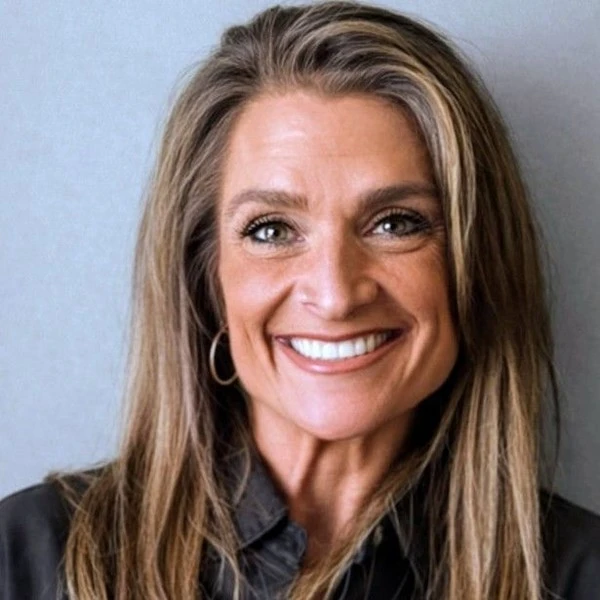
Paulette Walters-Werpy

1x

Finalist

Bio

I am a resilient professional transitioning from a 20-year career as a Project Manager and Client Advocate in financial services into the healthcare field. My personal journey—navigating a Multiple Sclerosis diagnosis in 2001 and a brain cancer diagnosis in 2021—has redefined my professional purpose. After undergoing a successful aHSCT (stem cell transplant) in 2022, I am now MS-free and cancer-free, and I am pursuing an Associate Degree in Nursing (ADN) at Front Range Community College. My goal is to serve as a Patient Navigator and Healthcare Advocate, utilizing my "patient-as-partner" mindset to help others navigate complex clinical environments and overcome barriers to care.

Education

Front Range Community College

Associate's degree program
2026 - 2028
  • Majors:
    • Registered Nursing, Nursing Administration, Nursing Research and Clinical Nursing
Miscellaneous

  • Desired degree level:

    Bachelor's degree program

  • Graduate schools of interest:

  • Transfer schools of interest:

  • Majors of interest:

    • Registered Nursing, Nursing Administration, Nursing Research and Clinical Nursing
  • Not planning to go to medical school
  • Career

    • Dream career field:

      Health, Wellness, and Fitness

    • Dream career goals:

      Patient Advocate and Healthcare Navigator

    • Project Manager

      ALPS Fund Services
      2004 – 202117 years

    Public services

    • Volunteering

      Challenge Day Denver — Led small-group workshops for high school students, facilitating discussion and vulnerability exercises. Helped coordinate a class ‘Cross the Line’ activity where students stepped forward to highlight shared struggles and reduce isolation.
      2015 – 2018
    • Volunteering

      Junior Achievement — Taught students about investments
      2014 – 2018
    • Volunteering

      National MS Society — MS Walk Participant and/or Team Leader
      1990 – Present
    • Volunteering

      Victory Church — Assist Kids Ministry Director with Sunday School preparations, reporting, birthday card mailings, events
      2020 – Present

    Future Interests

    Advocacy

    Volunteering

    Philanthropy

    Community Health Ambassador Scholarship for Nursing Students
    Guidance, Advocacy, and Hope For more than fifteen years, I worked in financial services focused on project management and client advocacy. I learned how to navigate systems and turn confusion into clear next steps. When my own life—and the lives of my parents—became defined by medical crises, I realized those strengths belong in service of people facing their hardest days. I want to pursue a nursing degree because I have experienced gaps in our healthcare system as both a critical care patient and a remote caregiver. An Associate Degree in Nursing will give me the clinical foundation to do this work with greater impact. My motivation is rooted in a long personal medical journey. Since my Multiple Sclerosis diagnosis in 2001, I have faced astrocytoma brain cancer (2021), an aHSCT stem cell transplant (2022), a custom cranioplasty (2023), and melanoma (2025). I understand the fear that follows a life-altering diagnosis, along with the cognitive, physical, and emotional toll of aggressive treatment. My desire to become a nurse sharpened when I became Healthcare and Financial Power of Attorney for my parents in Idaho. In 2024, my father was diagnosed with bladder cancer and later kidney cancer, while my stepmother faced rapidly progressing Alzheimer’s dementia. During four major heart surgeries in late 2025, I monitored her charts from Colorado and coordinated communication between her care team and my father. After a 2026 surgery led to vocal cord paralysis and significant cognitive and physical decline, her needs intensified. Today, I coordinate physicians, manage dementia-related psychological and physical support, and secure community resources and respite services—because caregiver burnout is a daily risk in my family. Those experiences revealed a painful reality: even when clinical care is excellent, patients and families can feel lost in the system around it. Too often, people receive a diagnosis and plan without support for what comes next—referrals, authorizations, follow-up scheduling, disability paperwork, Social Security, Medicare, and logistics that hit at the worst moment. I want to be the nurse who helps patients navigate the whole journey, not just the appointment. As a nurse, I hope to contribute to my community by closing the navigation gap for patients overwhelmed by illness and its logistics. My goal is to become an Oncology or Bone Marrow Transplant Nurse Navigator and serve as an ambassador of health—someone who provides care, guidance, and follow-through. I have been the patient and have managed what follows a diagnosis: insurance decisions, disability claims, Social Security, Medicare coverage, referrals, and care coordination across multiple providers. I know how exhausting those tasks are while trying to absorb life-changing news. In that role, I will translate complex medical information into clear options, coordinate multidisciplinary care plans, and connect families to practical resources—from transportation and financial counseling to caregiver support and respite services. I will bring the strengths that have defined my previous career—organization, follow-through, and calm problem-solving—so patients feel seen, informed, and supported from diagnosis through treatment and recovery, whatever that path looks like. Nursing is not merely a career change for me; it is a calling shaped by what I have survived and what I have carried for others. I believe my testimony has a purpose—to bring hope, clarity, and steady advocacy to people who are frightened and overwhelmed. I understand the rigor ahead: demanding coursework and clinical hours. This scholarship would help remove a barrier so I can complete my training and put it to work where it matters most. My goal is simple: in my community, no one should have to face a devastating illness alone.
    Sharra Rainbolt Memorial Scholarship
    Cancer in my family is not a singular event; it has been a relentless, multi-front campaign that has entirely redefined our lives. My personal journey began with a Multiple Sclerosis diagnosis in 2001, but the medical complexities escalated dramatically in 2021 when I was diagnosed with astrocytoma brain cancer and underwent 2 brain surgeries. In 2022, I underwent an autologous hematopoietic stem cell transplant (aHSCT) for MS, but due to high-dose chemotherapy it was also to treat the cancer. The high-dose chemotherapy required for the transplant was lifesaving but physically devastating; in 2023, I required a cranioplasty with a custom 3D implant because the chemo had severely damaged my skull. By the time I had melanoma removed from my leg in 2025, I was intimately familiar with the grueling realities of oncology, long-term recovery, and the sheer resilience required to survive. However, cancer’s impact extended far beyond my own body. In 2024, my father was diagnosed with bladder cancer. Realizing my aging parents needed an advocate who truly understood the medical machine, I assumed Financial Power of Attorney for both him and my stepmother. That same year, my stepmother began experiencing rapidly progressing dementia, prompting me to take over as her Healthcare POA in 2025. Late that year, the family faced another crisis when she required four major heart surgeries over nine hours. I traveled from my home in Colorado to Idaho to anchor my father during her first week in critical care, but my advocacy continued long after I returned home. While she spent six weeks in a rehabilitation center, I remotely project-managed her survival. I reviewed her charts and test results daily, staying in constant contact with her doctors, nurses, and my father. When a January 2026 follow-up surgery to repair an aortic tear resulted in vocal cord paralysis and a severe physical and cognitive decline, I coordinated her complex recovery from a state away, working with her physicians and a community senior care coordinator to establish a proper physical therapy program. Simultaneously, my father was recently diagnosed with renal cell carcinoma. Because of my deep familiarity with cancer protocols, we are navigating his three-month active surveillance plan calmly and strategically. Through this prolonged crucible, the most vital lesson I have learned is that surviving severe illness requires more than excellent clinicians; it requires a fiercely dedicated, highly organized navigator. When families are drowning in fear and medical jargon, they need someone who can bridge the gap between specialists and home care. For fifteen years, I managed complex, high-stakes projects in the financial sector. My family’s journey with cancer taught me that those skills were meant for a different purpose: project-managing survival. I am currently pursuing my Associate Degree in Nursing to merge my corporate organizational expertise with the profound clinical empathy I have gained as both a critical-care patient and a remote caregiver. My goal is to become an Oncology or BMT Nurse Navigator by 2030. My family’s journey has shown me exactly where the healthcare system fractures, and I intend to spend my career ensuring no other family has to navigate those terrifying gaps alone.
    Debra S. Jackson New Horizons Scholarship
    For many, the calling to nursing is discovered through observation; for me, it was forged in survival. My interest in the nursing profession is a direct response to a life spent navigating the profound complexities of the healthcare system from the inside out. Having survived brain cancer and a stem cell replacement, and Multiple Sclerosis, I have lived the patient experience at its most grueling acuity. I am pursuing nursing because I want to provide the fierce, compassionate advocacy that saved my own life. My medical history forms the bedrock of my clinical empathy. Surviving cancer and a transplant introduced me to the harsh realities of long-term recovery, including the cognitive fog of "chemo brain." Navigating life with ADHD, anxiety, and depression has only deepened my understanding of the invisible, psychological hurdles that accompany critical illness. Concurrently, I was called to act as the healthcare and financial power of attorney for my father and step-mother. Balancing my own recovery while coordinating all of our complex medical referrals, insurance transitions, and surgical follow-ups allowed me to identify exactly where the healthcare system often fractures: the gap between clinical treatment and holistic patient navigation. I have also been deeply inspired by my niece, a Lead Charge Oncology RN, whose professional perspective has illuminated the critical impact a dedicated oncology nurse makes on a family's darkest days. My accomplishments reflect a sustained commitment to advocacy and resilience. Prior to pursuing healthcare, I built a 15-year career in project management and client advocacy within financial services. I proved to myself that I could repurpose these robust organizational skills into healthcare advocacy when I took on community engagement leadership roles for the National MS Society. Mobilizing resources for individuals facing life-altering diagnoses sharpened my ability to communicate complex, overwhelming information with clarity and compassion. Transitioning back to the classroom to pursue my Associate Degree in Nursing at Front Range Community College, despite my own cognitive and physical challenges, is a testament to my unyielding dedication to this path. My ultimate goal for a successful career is to become a Nurse Navigator specializing in either Oncology—specifically brain cancer—or Bone Marrow Transplant (BMT) by 2030. I want to work with patients who feel entirely lost in the machinery of modern medicine. Having sat in the transplant chair myself, I know exactly how terrifying and isolating the journey is. I intend to use my clinical training to bridge the communication gap between oncologists, transplant teams, and terrified families. To me, a successful nursing career is defined by the ability to make a patient feel seen, understood, and fiercely protected during their most vulnerable moments. I intend to be the Nurse Navigator who understands that a patient’s anxiety is just as real as their physical symptoms, and who coordinates their care with the precision of a project manager and the empathy of a fellow survivor. This scholarship will provide the vital support I need to complete my ADN and transform my history of survival into a career of service.
    Sara Jane Memorial Scholarship
    For many, the calling to nursing is discovered through observation; for me, it was forged in survival. My interest in the nursing profession is a direct response to a life spent navigating the profound complexities of the healthcare system from the inside out. Having survived brain cancer and a stem cell replacement, and Multiple Sclerosis, I have lived the patient experience at its most grueling acuity. I am pursuing nursing because I want to provide the fierce, compassionate advocacy that saved my own life. My medical history forms the bedrock of my clinical empathy. Surviving cancer and a transplant introduced me to the harsh realities of long-term recovery, including the cognitive fog of "chemo brain." Navigating life with ADHD, anxiety, and depression has only deepened my understanding of the invisible, psychological hurdles that accompany critical illness. Concurrently, I was called to act as the healthcare and financial power of attorney for my father and step-mother. Balancing my own recovery while coordinating all of our complex medical referrals, insurance transitions, and surgical follow-ups allowed me to identify exactly where the healthcare system often fractures: the gap between clinical treatment and holistic patient navigation. I have also been deeply inspired by my niece, a Lead Charge Oncology RN, whose professional perspective has illuminated the critical impact a dedicated oncology nurse makes on a family's darkest days. My accomplishments reflect a sustained commitment to advocacy and resilience. Prior to pursuing healthcare, I built a 20-year career in project management and client advocacy within financial services. I proved to myself that I could repurpose these robust organizational skills into healthcare advocacy when I took on community engagement leadership roles for the National MS Society. Mobilizing resources for individuals facing life-altering diagnoses sharpened my ability to communicate complex, overwhelming information with clarity and compassion. Transitioning back to the classroom to pursue my Associate Degree in Nursing at Front Range Community College, despite my own cognitive and physical challenges, is a testament to my unyielding dedication to this path. My ultimate goal for a successful career is to become a Nurse Navigator specializing in either Oncology—specifically brain cancer—or Bone Marrow Transplant (BMT) by 2030. I want to work with patients who feel entirely lost in the machinery of modern medicine. Having sat in the transplant chair myself, I know exactly how terrifying and isolating the journey is. I intend to use my clinical training to bridge the communication gap between oncologists, transplant teams, and terrified families. To me, a successful nursing career is defined by the ability to make a patient feel seen, understood, and fiercely protected during their most vulnerable moments. I intend to be the Nurse Navigator who understands that a patient’s anxiety is just as real as their physical symptoms, and who coordinates their care with the precision of a project manager and the empathy of a fellow survivor. This scholarship will provide the vital support I need to complete my ADN and transform my history of survival into a career of service.
    Evan T. Wissing Memorial Scholarship
    Engineering Resilience A single medical diagnosis does not define the struggle I have worked to rise above, but rather the total disruption of my cognitive and professional identity. In June 2021, I transitioned from a high-functioning career in financial project management to a patient fighting for my life against Brain Cancer and Multiple Sclerosis. Rising above this did not mean simply surviving; it meant re-engineering how my brain functions and reclaiming my purpose through a lens of radical adaptation. The most profound challenge was the cognitive “fog” that followed brain cancer treatment and Stem Cell Replacement Therapy. For someone who spent fifteen years managing complex financial portfolios and client advocacy, losing the ability to process information at my previous speed was a devastating blow. This struggle was compounded by my lifelong ADHD, which suddenly had no “professional structure” to lean on. I found myself in a position where the systems I used to manage million-dollar projects were now required to manage my daily recovery protocols. I chose to rise above this by treating my recovery as the most critical project of my career. I refused to let my cognitive challenges define my ceiling. Instead, I developed what I call “cognitive scaffolding”—a series of advanced organizational systems, digital anchors, and tactile memory aids designed to bypass my executive function deficits. I applied the same rigorous risk assessment and resource management skills I used in finance to my own health. I did not just attend appointments; I managed a multidisciplinary medical team, cross-referenced complex lab results, and navigated the healthcare system’s bureaucracy with the precision of a professional advocate. However, “rising above” is not a finished state; it is an ongoing practice. Every day, I work to balance the physiological realities of MS with the academic demands of my Associate Degree in Nursing (ADN) at Front Range Community College. I have learned that resilience is not about returning to the person I was before 2021, but about evolving into a clinician who possesses a “fast-brain” capability for crisis, sharpened by the lived experience of physical and cognitive adversity. My struggle has given me a “superpower” for the nursing floor: I understand the invisible barriers patients face. I know the frustration of a brain that will not cooperate and the fear of a system that feels too big to navigate. By pursuing my nursing degree, I am taking the final step in rising above my circumstances. I am moving from being a recipient of care to being a provider of it. My goal is to use my mastered resilience to ensure that no patient under my watch has to struggle through the fog alone. I am ready to bring my engineered systems and my hard-won perspective to the Westminster healthcare community, proving that a struggle, when managed with professional discipline, can become a person’s greatest contribution.
    Wieland Nurse Appreciation Scholarship
    Purpose, Resilience, and the Path to Nursing Since June 2021, I have navigated a transformative health journey that has fundamentally redefined my professional purpose. My experience managing Multiple Sclerosis (since 2001) and undergoing intensive treatment for Brain Cancer, including Stem Cell Replacement Therapy, and undergoing a cranioplasty has given me a deep appreciation for patient resilience. This journey was not just about survival; it was a masterclass in the exact type of patient advocacy and complex care coordination I now intend to provide as a Registered Nurse. Living with these conditions, while simultaneously navigating ADHD and cognitive challenges, has required me to develop advanced personal organizational systems and a persistent "patient-as-partner" mindset. I have spent years coordinating between multidisciplinary teams of specialists, managing intensive recovery protocols, and advocating for my own care needs. These challenges did not hinder me; they forced me to refine a level of professional discipline and systemic thinking that most students have not yet had to test. This unique toolkit, combined with over 15 years of experience in project management and client advocacy within the financial services industry, provides me with a rare perspective on the intersection of clinical efficiency and human empathy. I have decided to pursue an Associate Degree in Nursing (ADN) at Front Range Community College because I believe that the most impactful advocacy happens at the bedside. My inspiration comes from the nurses who treated me not just as a diagnosis to manage, but as a person with a history and a future. I saw, however, that even the best systems have gaps where patients feel lost or unheard. I am inspired to fill those gaps because I want to make patients feel truly understood and supported. I don't just want to provide treatment; I want to provide clarity. My goal is to work as a clinical nurse for several years to master the frontline complexities of patient care, using that experience as the essential foundation for my ultimate career goal: becoming a specialized Patient Health Care Navigator. Nursing is the only profession that allows me to marry my past professional life with my personal resilience. In the financial sector, I was a protector of assets and a manager of complex systems. In the clinical sector, I will be a protector of people and a manager of recovery. My ADHD, which I once viewed as a challenge, has become a "fast-brain" asset that allows me to thrive in high-intensity environments where rapid prioritization is a necessity. By awarding me this scholarship, you are investing in a student who brings 20+ years of professional leadership and a survivor's deep-rooted empathy to the nursing floor. I am prepared to return to the workforce, not just to fill a role, but to lead as a nurse who understands exactly what it is like to be the person in the bed, and what it takes to help them recover and return home. I learned of this scholarship opportunity through Bold.org.