Fentanyl and drug addiction have deeply impacted my life and my family in ways that cannot be separated from who I am today. Both of my parents died from addiction. Losing them at a young age shaped my understanding of how powerful, destructive, and misunderstood substance use disorder can be. At eighteen years old, I tried pain pills for the first time. What started as curiosity and a way to escape quickly turned into addiction, and eventually fentanyl. My life became a cycle of survival, homelessness, incarceration, and instability, and I felt completely disconnected from any sense of worth or future.
Addiction stripped away everything I thought defined me. It isolated me from support systems and convinced me that change wasn’t possible. The hardest part wasn’t the physical withdrawal, but the belief that I was too broken to matter. There were times I didn’t think I’d make it. That belief is something I see reflected in so many people who are still actively using today. Addiction doesn’t only affect the individual; it devastates families, children, and entire communities, often leaving behind grief, stigma, and unanswered questions.
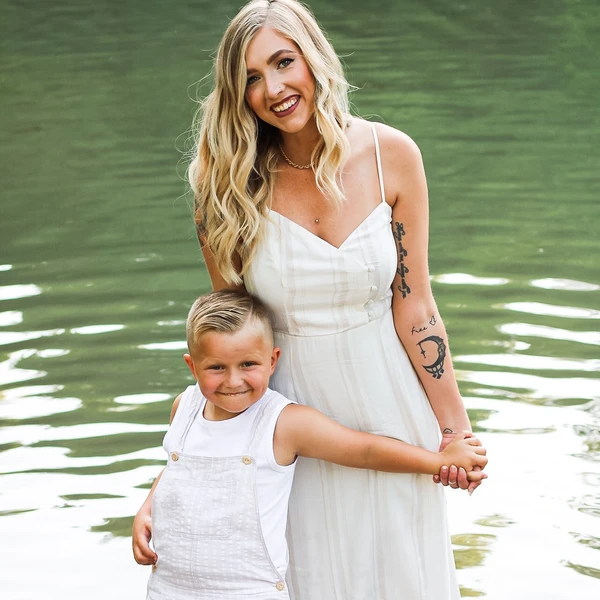
Everything changed when I became pregnant. For the first time, I saw a future that didn’t revolve around survival, but responsibility and love. I knew I wanted something different for my child than what I had known growing up. Recovery wasn’t instant or easy, but it was real. Today, I am a full-time single mother and a Criminal Justice student with a 4.0 GPA, committed to building a stable, honest life for my son and myself.
I don’t claim to have a single solution to the fentanyl crisis. What I do know is that empathy saves lives. Loving people who don’t yet love themselves can be the difference between someone giving up and someone trying again. My lived experience allows me to see addiction through a human lens rather than a purely punitive one. I understand both accountability and compassion, and I believe effective criminal justice work must include both.
Through my Criminal Justice degree, I am working toward being on the front lines of change, whether through advocacy, investigative work, or reform focused roles that address addiction as both a public safety and public health issue. I want to be someone who bridges the gap between policy and people, especially those who feel invisible or written off. I want individuals in active addiction to see that recovery is possible because someone like them is standing in front of them as proof that change can happen.
This scholarship wouldn’t only support my education; it would support a future where lived experience is used to protect others, strengthen communities, and prevent more families from losing parents, children, and hope to fentanyl. I am determined to turn my past into purpose and be part of a solution that saves lives.