Hobbies and interests
Acting And Theater
Reading
Gardening
Health
Adult Fiction
I read books multiple times per week
Patience Biesiot
1x
FinalistPatience Biesiot
1x
FinalistBio
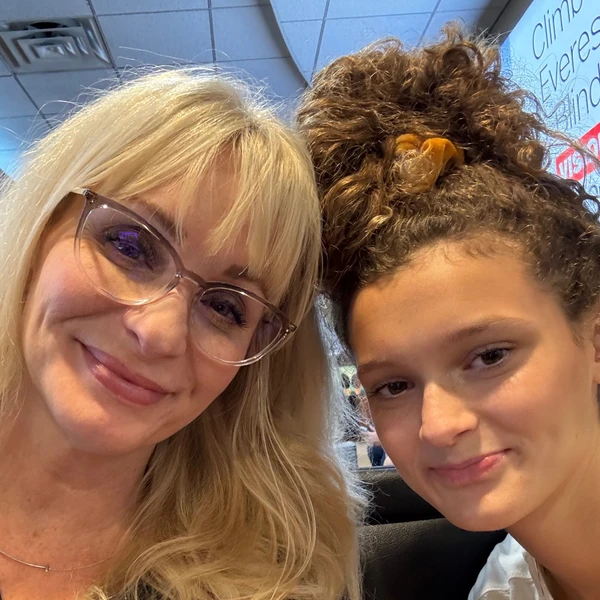
Hello! My journey through nursing has been an amazing one. For over 20 years I have been an RN working in many different areas of ICU, PACU, research, and education. I have my MSN and I am currently working on my post masters certificate in Psychiatric Mental Health Sciences to be an NP. I have 1 year remaining and I am very excited to graduate and work with patients struggling with addiction and mental illness through my practice!
Education
University of Cincinnati-Main Campus
Master's degree programMajors:
- Health Professions and Related Clinical Sciences, Other
University of Arizona Online
Master's degree programMajors:
- Registered Nursing, Nursing Administration, Nursing Research and Clinical Nursing
New Mexico State University-Main Campus
Bachelor's degree programMajors:
- Registered Nursing, Nursing Administration, Nursing Research and Clinical Nursing
Career
Dream career field:
Mental Health Care
Dream career goals:
Assistant Professor of Nursing
Dickinson State University2020 – 20244 years
Sports
Golf
Club1998 – 202527 years
Research
Medicine
CRO — Drug Safety Lead2017 – 2020
Arts
Community's
Theatre1997 – 2024
Public services
Volunteering
Red Cross — Crisis2022 – 2024
Foundation 4 Change Scholarship
Drinking and driving remains one of the most preventable yet persistent public safety issues in our country. Despite increased awareness, education campaigns, and legal consequences, impaired driving continues to result in injuries, fatalities, and lifelong trauma for individuals and families. As I pursue my career as a Psychiatric Mental Health Nurse Practitioner (PMHNP) in North Dakota, I recognize that mental health treatment and substance use rehabilitation play a critical role in preventing impaired drivers. Through psychotherapy, psychoeducation, and recovery support, PMHNPs can help individuals make healthier choices that ultimately protect both that individual and the community.
The consequences of drinking and driving extend far beyond legal ramifications. On an individual level, impaired driving can result in severe injury, permanent disability, incarceration, financial hardship, and emotional trauma. For families, a single incident can lead to devastating loss, grief, and long-term psychological distress, as experienced by the Deutscher family when they tragically lost Aaron, Allison, Brielle, and their unborn baby Deutscher in 2012. Importantly, individuals who engage in impaired driving may themselves struggle with substance use disorders, poor impulse control, or untreated mental health conditions, highlighting the connection between behavioral health and public safety.
As a PMHNP, I believe one of the most effective ways to prevent drinking and driving is through early intervention and treatment of substance use disorders. Many individuals who engage in risky alcohol-related behaviors are coping with underlying mental health concerns such as depression, anxiety, trauma, or stress. By providing therapy and medication management within rehabilitation settings, I will have opportunities to help patients develop healthier coping mechanisms, improve emotional regulation, and reduce reliance on alcohol. Motivational interviewing, cognitive behavioral therapy, and relapse prevention strategies are evidence-based approaches that can increase self-awareness and accountability, ultimately reducing the likelihood of impaired driving decisions.
Promoting responsible decision-making also requires practical strategies that individuals can use in real-world situations. Education about planning for transportation, such as designating a sober driver, using rideshare services like Uber or Lyft, or arranging alternative transportation, can significantly reduce risk. Therapy settings provide an ideal environment to discuss high-risk scenarios, identify triggers, and develop personalized safety plans. As a PMHNP, I plan to integrate these conversations into treatment for patients with substance use concerns, emphasizing that responsible choices protect not only themselves but also others.
Although I may not have a personal experience directly involving impaired driving, I have seen the broader effects of substance misuse and poor decision-making in healthcare settings. These experiences reinforce how quickly lives can change due to a single preventable decision. Prevention often occurs through conversations, education, and therapeutic relationships that help patients recognize risks and make safer choices.
In addition to individual treatment, community initiatives are essential for reducing impaired driving. Public awareness campaigns, school-based education programs, and community partnerships with law enforcement and healthcare providers can reinforce prevention messages. I believe integrating mental health professionals into these initiatives can strengthen outcomes by addressing the psychological factors that influence behavior. For example, community workshops that combine substance use education with coping skills training and stress management techniques may help individuals better manage situations that involve alcohol.
On a larger scale, expanding access to substance use treatment services is critical. Many communities face shortages of behavioral health providers, which limit opportunities for early intervention. As a PMHNP, I hope to contribute to expanding access to care, particularly in underserved or rural areas within North Dakota, where resources are limited. Increasing availability of outpatient treatment, support groups, and recovery programs can reduce relapse rates and high-risk behaviors, including impaired driving. Telehealth services may also play a role in reaching individuals who might otherwise not seek treatment.
Another important initiative involves collaboration with rehabilitation programs that include court-mandated treatment following impaired driving offenses. Rather than focusing solely on punishment, these programs can incorporate therapeutic interventions that address underlying substance use disorders and behavioral patterns. PMHNP involvement in these settings can improve treatment adherence, mental health outcomes, and long-term behavior change, ultimately reducing repeat offenses.
Ultimately, preventing drinking and driving requires a multifaceted approach that includes education, accountability, mental health treatment, and community support. As a future PMHNP, my role will extend beyond individual patient care to include advocacy, prevention, and public health education. By helping individuals achieve recovery, develop coping skills, and make safer decisions, I can contribute to reducing impaired driving incidents and protecting communities.
Drinking and driving is entirely preventable, yet its consequences can be permanent. Through mental health treatment, rehabilitation support, and community engagement, healthcare providers have the opportunity to influence behavior and save lives. My commitment to becoming a PMHNP is not only about treating mental illness but also about promoting healthier behaviors that improve safety and well-being for individuals and society as a whole. This commitment comes at a great financial cost. Receiving this scholarship would help offset the financial burden of my education, allowing me to focus more fully on my training and clinical development as I work toward becoming a Psychiatric Mental Health Nurse Practitioner.
Deanna Ellis Memorial Scholarship
I unfortunately know the pain of losing an unborn child at 38 weeks’ gestation. Losing my son, Gaige, was the most profound and transformative experience I have endured. Gaige was my first child, and his loss fundamentally reshaped my perspective on life, relationships, and provided tremendous personal growth.
At that time, I was 25 years old, newly married, an RN of 3 years, and a freshly accepted family nurse practitioner student. I had everything I could have asked for, but that all changed in a moment when I suddenly stopped feeling Gaige moving, and my husband rushed us to the hospital, where I worked as a CICU nurse. An ultrasound was performed, and I was notified that “there was no heartbeat”. In that moment, I was overwhelmed with so many emotions and unable to process. The months and years that followed included many tragic events, including returning home to a fully stocked nursery with an empty car seat. The day my breasts filled with milk, because my body did not know there was no longer a baby to feed, pushed me into a deep depression. My marriage suffered the most; he leaned into a Percocet addiction, which led to a divorce. I would experience panic attacks just thinking of returning to the hospital where I had to relive Gaige’s death, and therefore, I had no choice but to quit my job. My dreams of becoming a nurse practitioner were no longer a priority, and I declined my admission to that program.
During that first year, I honestly thought there were days my heart would stop from the brokenness I felt, the hopelessness that reigned over me like a cloud of despair. This experience profoundly influenced my outlook on life. It taught me the importance of cherishing every moment and valuing the people around me. I realized that life is fleeting and unpredictable, making it essential to express love and gratitude openly. My son’s death motivated me to strengthen my relationships with family, friends, and my patients, ensuring that I demonstrate my appreciation through actions rather than words alone. It also instilled in me a sense of resilience; I learned to confront grief and mental illness with patience and acceptance, understanding that mourning is a natural part of healing.
Today, I am 19 years wiser, a mother to a beautiful 12-year-old girl, Ava, who knows she has an older brother in heaven who specifically chose her to be with me here on earth, and a husband who is supportive, loving, and a true blessing to my soul. I just completed my second semester of a psychiatric mental health NP program. I am completing this dream in memory of my son. Everything I experienced through my grief is something I will carry with me into my practice.
In conclusion, the loss of Gaige was a pivotal moment that shaped who I am today. His loss taught me invaluable lessons about love, resilience, and the importance of living authentically. Though his absence is felt deeply, his memory continues to inspire me to lead with compassion and purpose. This experience has made me more appreciative of life's transient beauty. It has propelled me to cherish every moment, knowing that the gifts I have gained will eventually be shared to help others struggling with loss, addiction, and mental illness. I hope to honor Deanna Ellis by receiving her memorial scholarship.
Elizabeth Schalk Memorial Scholarship
I unfortunately know the pain of losing an unborn child at 38 weeks’ gestation. Losing my son, Gaige, was the most profound and transformative experience I have endured. Gaige was my first child, and his loss fundamentally reshaped my perspective on life, relationships, and provided tremendous personal growth.
At that time, I was 25 years old, newly married, an RN of 3 years, and a freshly accepted family nurse practitioner student. I had everything I could have asked for, but that all changed in a moment when I suddenly stopped feeling Gaige moving, and my husband rushed us to the hospital, where I worked as a CICU nurse. An ultrasound was performed, and I was notified that “there was no heartbeat”. In that moment, I was overwhelmed with so many emotions and unable to process. The months and years that followed included many tragic events, including returning home to a fully stocked nursery with an empty car seat. The day my breasts filled with milk, because my body did not know there was no longer a baby to feed, pushed me into a deep depression. My marriage suffered the most and led to a divorce. I would experience panic attacks just thinking of returning to the hospital where I had to relive Gaige’s death, and therefore, I had no choice but to quit my job. My dreams of becoming a nurse practitioner were no longer a priority, and I declined my admission to that program.
During that first year, I honestly thought there were days my heart would stop from the brokenness I felt, the hopelessness that reigned over me like a cloud of despair. This experience profoundly influenced my outlook on life. It taught me the importance of cherishing every moment and valuing the people around me. I realized that life is fleeting and unpredictable, making it essential to express love and gratitude openly. My son’s death motivated me to strengthen my relationships with family, friends, and my patients, ensuring that I demonstrate my appreciation through actions rather than words alone. It also instilled in me a sense of resilience; I learned to confront grief and mental illness with patience and acceptance, understanding that mourning is a natural part of healing.
Today, I am 19 years wiser, a mother to a beautiful 12-year-old girl, Ava, who knows she has an older brother in heaven who specifically chose her to be with me here on earth, and a husband who is supportive, loving, and a true blessing to my soul. I just completed my second semester of a psychiatric mental health NP program. I am completing this dream in memory of my son. Everything I experienced through my grief is something I will carry with me into my practice.
In conclusion, the loss of Gaige was a pivotal moment that shaped who I am today. His loss taught me invaluable lessons about love, resilience, and the importance of living authentically. Though his absence is felt deeply, his memory continues to inspire me to lead with compassion and purpose. This experience has made me more appreciative of life's transient beauty. It has propelled me to cherish every moment, knowing that the gifts I have gained will eventually be shared to help others struggling with loss and mental illness.
Learner Mental Health Empowerment for Health Students Scholarship
I unfortunately know the pain of losing an unborn child at 38 weeks’ gestation. Losing my son, Gaige, was the most profound and transformative experience I have endured. Gaige was my first child, and his loss fundamentally reshaped my perspective on life, relationships, and provided tremendous personal growth.
At that time, I was 25 years old, newly married, an RN of 3 years, and a freshly accepted family nurse practitioner student. I had everything I could have asked for, but that all changed in a moment when I suddenly stopped feeling Gaige moving, and my husband rushed us to the hospital, where I worked as a CICU nurse. An ultrasound was performed, and I was notified that “there was no heartbeat”. In that moment, I was overwhelmed with so many emotions and unable to process. The months and years that followed included many tragic events, including returning home to a fully stocked nursery with an empty car seat. The day my breasts filled with milk, because my body did not know there was no longer a baby to feed, pushed me into a deep depression. My marriage suffered the most and led to a divorce. I would experience panic attacks just thinking of returning to the hospital where I had to relive Gaige’s death, and therefore, I had no choice but to quit my job. My dreams of becoming a nurse practitioner were no longer a priority, and I declined my admission to that program.
During that first year, I honestly thought there were days my heart would stop from the brokenness I felt, the hopelessness that reigned over me like a cloud of despair. This experience profoundly influenced my outlook on life. It taught me the importance of cherishing every moment and valuing the people around me. I realized that life is fleeting and unpredictable, making it essential to express love and gratitude openly. My son’s death motivated me to strengthen my relationships with family, friends, and my patients, ensuring that I demonstrate my appreciation through actions rather than words alone. It also instilled in me a sense of resilience; I learned to confront grief and mental illness with patience and acceptance, understanding that mourning is a natural part of healing.
Today, I am 19 years wiser, a mother to a beautiful 12-year-old girl, Ava, who knows she has an older brother in heaven who specifically chose her to be with me here on earth, and a husband who is supportive, loving, and a true blessing to my soul. I just completed my second semester of a psychiatric mental health NP program. I am completing this dream in memory of my son. Everything I experienced through my grief is something I will carry with me into my practice.
In conclusion, the loss of Gaige was a pivotal moment that shaped who I am today. His loss taught me invaluable lessons about love, resilience, and the importance of living authentically. Though his absence is felt deeply, his memory continues to inspire me to lead with compassion and purpose. This experience has made me more appreciative of life's transient beauty. It has propelled me to cherish every moment, knowing that the gifts I have gained will eventually be shared to help others struggling with loss and mental illness.
Ethel Hayes Destigmatization of Mental Health Scholarship
I unfortunately know the pain of losing an unborn child at 38 weeks’ gestation. Losing my son, Gaige, was the most profound and transformative experience I have endured. Gaige was my first child, and his loss fundamentally reshaped my perspective on life, relationships, and provided tremendous personal growth.
At that time, I was 25 years old, newly married, an RN of 3 years, and a freshly accepted family nurse practitioner student. I had everything I could have asked for, but that all changed in a moment when I suddenly stopped feeling Gaige moving, and my husband rushed us to the hospital, where I worked as a CICU nurse. An ultrasound was performed, and I was notified that “there was no heartbeat”. In that moment, I was overwhelmed with so many emotions and unable to process. The months and years that followed included many tragic events, including returning home to a fully stocked nursery with an empty car seat. The day my breasts filled with milk, because my body did not know there was no longer a baby to feed, pushed me into a deep depression. My marriage suffered the most and led to a divorce. I would experience panic attacks just thinking of returning to the hospital where I had to relive Gaige’s death, and therefore, I had no choice but to quit my job. My dreams of becoming a nurse practitioner were no longer a priority, and I declined my admission to that program.
During that first year, I honestly thought there were days my heart would stop from the brokenness I felt, the hopelessness that reigned over me like a cloud of despair. This experience profoundly influenced my outlook on life. It taught me the importance of cherishing every moment and valuing the people around me. I realized that life is fleeting and unpredictable, making it essential to express love and gratitude openly. My son’s death motivated me to strengthen my relationships with family, friends, and my patients, ensuring that I demonstrate my appreciation through actions rather than words alone. It also instilled in me a sense of resilience; I learned to confront grief and mental illness with patience and acceptance, understanding that mourning is a natural part of healing.
Today, I am 19 years wiser, a mother to a beautiful 12-year-old girl, Ava, who knows she has an older brother in heaven who specifically chose her to be with me here on earth, and a husband who is supportive, loving, and a true blessing to my soul. I just completed my second semester of a psychiatric mental health NP program. I am completing this dream in memory of my son. Everything I experienced through my grief is something I will carry with me into my practice.
In conclusion, the loss of Gaige was a pivotal moment that shaped who I am today. His loss taught me invaluable lessons about love, resilience, and the importance of living authentically. Though his absence is felt deeply, his memory continues to inspire me to lead with compassion and purpose. This experience has made me more appreciative of life's transient beauty. It has propelled me to cherish every moment, knowing that the gifts I have gained will eventually be shared to help others struggling with loss and mental illness.
Women in Healthcare Scholarship
I unfortunately know the pain of losing an unborn child at 38 weeks’ gestation. Losing my son, Gaige, was the most profound and transformative experience I have endured. Gaige was my first child, and his loss fundamentally reshaped my perspective on life, relationships, and provided tremendous personal growth.
At that time, I was 25 years old, newly married, an RN of 3 years, and a freshly accepted family nurse practitioner student. I had everything I could have asked for, but that all changed in a moment when I suddenly stopped feeling Gaige moving, and my husband rushed us to the hospital, where I worked as a CICU nurse. An ultrasound was performed, and I was notified that “there was no heartbeat”. In that moment, I was overwhelmed with so many emotions and unable to process. The months and years that followed included many tragic events, including returning home to a fully stocked nursery with an empty car seat. The day my breasts filled with milk, because my body did not know there was no longer a baby to feed, pushed me into a deep depression. My marriage suffered the most and led to a divorce. I would experience panic attacks just thinking of returning to the hospital where I had to relive Gaige’s death, and therefore, I had no choice but to quit my job. My dreams of becoming a nurse practitioner were no longer a priority, and I declined my admission to that program.
During that first year, I honestly thought there were days my heart would stop from the brokenness I felt, the hopelessness that reigned over me like a cloud of despair. This experience profoundly influenced my outlook on life. It taught me the importance of cherishing every moment and valuing the people around me. I realized that life is fleeting and unpredictable, making it essential to express love and gratitude openly. My son’s death motivated me to strengthen my relationships with family, friends, and my patients, ensuring that I demonstrate my appreciation through actions rather than words alone. It also instilled in me a sense of resilience; I learned to confront grief and mental illness with patience and acceptance, understanding that mourning is a natural part of healing.
Today, I am 19 years wiser, a mother to a beautiful 12-year-old girl, Ava, who knows she has an older brother in heaven who specifically chose her to be with me here on earth, and a husband who is supportive, loving, and a true blessing to my soul. I just completed my second semester of a psychiatric mental health NP program. I am completing this dream in memory of my son. Everything I experienced through my grief is something I will carry with me into my practice.
In conclusion, the loss of Gaige was a pivotal moment that shaped who I am today. His loss taught me invaluable lessons about love, resilience, and the importance of living authentically. Though his absence is felt deeply, his memory continues to inspire me to lead with compassion and purpose. This experience has made me more appreciative of life's transient beauty. It has propelled me to cherish every moment, knowing that the gifts I have gained will eventually be shared to help others struggling with loss and mental illness.
Debra S. Jackson New Horizons Scholarship
I unfortunately know the pain of losing an unborn child at 38 weeks’ gestation. Losing my son, Gaige, was the most profound and transformative experience I have endured. Gaige was my first child, and his loss fundamentally reshaped my perspective on life, relationships, and provided tremendous personal growth.
At that time, I was 25 years old, newly married, an RN of 3 years, and a freshly accepted family nurse practitioner student. I had everything I could have asked for, but that all changed in a moment when I suddenly stopped feeling Gaige moving, and my husband rushed us to the hospital, where I worked as a CICU nurse. An ultrasound was performed, and I was notified that “there was no heartbeat”. In that moment, I was overwhelmed with so many emotions and unable to process. The months and years that followed included many tragic events, including returning home to a fully stocked nursery with an empty car seat. The day my breasts filled with milk, because my body did not know there was no longer a baby to feed, pushed me into a deep depression. My marriage suffered the most and led to a divorce. I would experience panic attacks just thinking of returning to the hospital where I had to relive Gaige’s death, and therefore, I had no choice but to quit my job. My dreams of becoming a nurse practitioner were no longer a priority, and I declined my admission to that program.
During that first year, I honestly thought there were days my heart would stop from the brokenness I felt, the hopelessness that reigned over me like a cloud of despair. This experience profoundly influenced my outlook on life. It taught me the importance of cherishing every moment and valuing the people around me. I realized that life is fleeting and unpredictable, making it essential to express love and gratitude openly. My son’s death motivated me to strengthen my relationships with family, friends, and my patients, ensuring that I demonstrate my appreciation through actions rather than words alone. It also instilled in me a sense of resilience; I learned to confront grief and mental illness with patience and acceptance, understanding that mourning is a natural part of healing.
Today, I am 19 years wiser, a mother to a beautiful 12-year-old girl, Ava, who knows she has an older brother in heaven who specifically chose her to be with me here on earth, and a husband who is supportive, loving, and a true blessing to my soul. I just completed my second semester of a psychiatric mental health NP program. I am completing this dream in memory of my son. Everything I experienced through my grief is something I will carry with me into my practice.
In conclusion, the loss of Gaige was a pivotal moment that shaped who I am today. His loss taught me invaluable lessons about love, resilience, and the importance of living authentically. Though his absence is felt deeply, his memory continues to inspire me to lead with compassion and purpose. This experience has made me more appreciative of life's transient beauty. It has propelled me to cherish every moment, knowing that the gifts I have gained will eventually be shared to help others struggling with loss and mental illness.
Ella's Gift
I unfortunately know the pain of losing an unborn child at 38 weeks’ gestation. Losing my son, Gaige, was the most profound and transformative experience I have endured. Gaige was my first child, and his loss fundamentally reshaped my perspective on life, relationships, and provided tremendous personal growth.
At that time, I was 25 years old, newly married, an RN of 3 years, and a freshly accepted family nurse practitioner student. I had everything I could have asked for, but that all changed in a moment when I suddenly stopped feeling Gaige moving, and my husband rushed us to the hospital, where I worked as a CICU nurse. An ultrasound was performed, and I was notified that “there was no heartbeat”. In that moment, I was overwhelmed with so many emotions and unable to process. The months and years that followed included many tragic events, including returning home to a fully stocked nursery with an empty car seat. The day my breasts filled with milk, because my body did not know there was no longer a baby to feed, pushed me into a deep depression. My marriage suffered the most and led to a divorce. I would experience panic attacks just thinking of returning to the hospital where I had to relive Gaige’s death, and therefore, I had no choice but to quit my job. My dreams of becoming a nurse practitioner were no longer a priority, and I declined my admission to that program.
During that first year, I honestly thought there were days my heart would stop from the brokenness I felt, the hopelessness that reigned over me like a cloud of despair. This experience profoundly influenced my outlook on life. It taught me the importance of cherishing every moment and valuing the people around me. I realized that life is fleeting and unpredictable, making it essential to express love and gratitude openly. My son’s death motivated me to strengthen my relationships with family, friends, and my patients, ensuring that I demonstrate my appreciation through actions rather than words alone. It also instilled in me a sense of resilience; I learned to confront grief and mental illness with patience and acceptance, understanding that mourning is a natural part of healing.
Today, I am 19 years wiser, a mother to a beautiful 12-year-old girl, Ava, who knows she has an older brother in heaven who specifically chose her to be with me here on earth, and a husband who is supportive, loving, and a true blessing to my soul. I just completed my second semester of a psychiatric mental health NP program. I am completing this dream in memory of my son. Everything I experienced through my grief is something I will carry with me into my practice.
In conclusion, the loss of Gaige was a pivotal moment that shaped who I am today. His loss taught me invaluable lessons about love, resilience, and the importance of living authentically. Though his absence is felt deeply, his memory continues to inspire me to lead with compassion and purpose. This experience has made me more appreciative of life's transient beauty. It has propelled me to cherish every moment, knowing that the gifts I have gained will eventually be shared to help others struggling with loss and mental illness. I hope to honor Ella by receiving her memorial scholarship.
Skin, Bones, Hearts & Private Parts Scholarship for Nurse Practitioners, Physician Assistants, and Registered Nurse Students
I unfortunately know the pain of losing an unborn child at 38 weeks’ gestation. Losing my son, Gaige, was the most profound and transformative experience I have endured. Gaige was my first child, and his loss fundamentally reshaped my perspective on life, relationships, and provided tremendous personal growth.
At that time, I was 25 years old, newly married, an RN of 3 years, and a freshly accepted family nurse practitioner student. I had everything I could have asked for, but that all changed in a moment when I suddenly stopped feeling Gaige moving, and my husband rushed us to the hospital, where I worked as a CICU nurse. An ultrasound was performed, and I was notified that “there was no heartbeat”. In that moment, I was overwhelmed with so many emotions and unable to process. The months and years that followed included many tragic events, including returning home to a fully stocked nursery with an empty car seat. The day my breasts filled with milk, because my body did not know there was no longer a baby to feed, pushed me into a deep depression. My marriage suffered the most and led to a divorce. I would experience panic attacks just thinking of returning to the hospital where I had to relive Gaige’s death, and therefore, I had no choice but to quit my job. My dreams of becoming a nurse practitioner were no longer a priority, and I declined my admission to that program.
During that first year, I honestly thought there were days my heart would stop from the brokenness I felt, the hopelessness that reigned over me like a cloud of despair. This experience profoundly influenced my outlook on life. It taught me the importance of cherishing every moment and valuing the people around me. I realized that life is fleeting and unpredictable, making it essential to express love and gratitude openly. My son’s death motivated me to strengthen my relationships with family, friends, and my patients, ensuring that I demonstrate my appreciation through actions rather than words alone. It also instilled in me a sense of resilience; I learned to confront grief and mental illness with patience and acceptance, understanding that mourning is a natural part of healing.
Today, I am 19 years wiser, a mother to a beautiful 12-year-old girl, Ava, who knows she has an older brother in heaven who specifically chose her to be with me here on earth, and a husband who is supportive, loving, and a true blessing to my soul. I just completed my second semester of a psychiatric mental health NP program. I am completing this dream in memory of my son. Everything I experienced through my grief is something I will carry with me into my practice.
In conclusion, the loss of Gaige was a pivotal moment that shaped who I am today. His loss taught me invaluable lessons about love, resilience, and the importance of living authentically. Though his absence is felt deeply, his memory continues to inspire me to lead with compassion and purpose. This experience has made me more appreciative of life's transient beauty. It has propelled me to cherish every moment, knowing that the gifts I have gained will eventually be shared to help others struggling with loss and mental illness.
Susie Green Scholarship for Women Pursuing Education
I unfortunately know the pain of losing an unborn child at 38 weeks’ gestation. Losing my son, Gaige, was the most profound and transformative experience I have endured. Gaige was my first child, and his loss fundamentally reshaped my perspective on life, relationships, and provided tremendous personal growth.
At that time, I was 25 years old, newly married, an RN of 3 years, and a freshly accepted family nurse practitioner student. I had everything I could have asked for, but that all changed in a moment when I suddenly stopped feeling Gaige moving, and my husband rushed us to the hospital, where I worked as a CICU nurse. An ultrasound was performed, and I was notified that “there was no heartbeat”. In that moment, I was overwhelmed with so many emotions and unable to process. The months and years that followed included many tragic events, including returning home to a fully stocked nursery with an empty car seat. The day my breasts filled with milk, because my body did not know there was no longer a baby to feed, pushed me into a deep depression. My marriage suffered the most and led to a divorce. I would experience panic attacks just thinking of returning to the hospital where I had to relive Gaige’s death, and therefore, I had no choice but to quit my job. My dreams of becoming a nurse practitioner were no longer a priority, and I declined my admission to that program.
During that first year, I honestly thought there were days my heart would stop from the brokenness I felt, the hopelessness that reigned over me like a cloud of despair. This experience profoundly influenced my outlook on life. It taught me the importance of cherishing every moment and valuing the people around me. I realized that life is fleeting and unpredictable, making it essential to express love and gratitude openly. My son’s death motivated me to strengthen my relationships with family, friends, and my patients, ensuring that I demonstrate my appreciation through actions rather than words alone. It also instilled in me a sense of resilience; I learned to confront grief and mental illness with patience and acceptance, understanding that mourning is a natural part of healing.
Today, I am 19 years wiser, a mother to a beautiful 12-year-old girl, Ava, who knows she has an older brother in heaven who specifically chose her to be with me here on earth, and a husband who is supportive, loving, and a true blessing to my soul. I just completed my second semester of a psychiatric mental health NP program. I am completing this dream in memory of my son. Everything I experienced through my grief is something I will carry with me into my practice.
In conclusion, the loss of Gaige was a pivotal moment that shaped who I am today. His loss taught me invaluable lessons about love, resilience, and the importance of living authentically. Though his absence is felt deeply, his memory continues to inspire me to lead with compassion and purpose. This experience has made me more appreciative of life's transient beauty. It has propelled me to cherish every moment, knowing that the gifts I have gained will eventually be shared to help others struggling with loss and mental illness. I hope to honor Susie Green by receiving her memorial scholarship.
Eden Alaine Memorial Scholarship
I am deeply sorry for the loss of sweet Eden Alaine. I, too, unfortunately, know the pain of losing an unborn child at 38 weeks’ gestation. Losing my son, Gaige, was the most profound and transformative experience I have endured. Gaige was my first child, and his loss fundamentally reshaped my perspective on life, relationships, and provided tremendous personal growth.
At that time, I was 25 years old, newly married, an RN of 3 years, and a freshly accepted family nurse practitioner student. I had everything I could have asked for, but that all changed in a moment when I suddenly stopped feeling Gaige moving, and my husband rushed us to the hospital, where I worked as a CICU nurse. An ultrasound was performed, and I was notified that “there was no heartbeat”. In that moment, I was overwhelmed with so many emotions and unable to process. The months and years that followed included many tragic events, including returning home to a fully stocked nursery with an empty car seat. The day my breasts filled with milk, because my body did not know there was no longer a baby to feed, pushed me into a deep depression. My marriage suffered the most and led to a divorce. I would experience panic attacks just thinking of returning to the hospital where I had to relive Gaige’s death, and therefore, I had no choice but to quit my job. My dreams of becoming a nurse practitioner were no longer a priority, and I declined my admission to that program.
During that first year, I honestly thought there were days my heart would stop from the brokenness I felt, the hopelessness that reigned over me like a cloud of despair. This experience profoundly influenced my outlook on life. It taught me the importance of cherishing every moment and valuing the people around me. I realized that life is fleeting and unpredictable, making it essential to express love and gratitude openly. My son’s death motivated me to strengthen my relationships with family, friends, and my patients, ensuring that I demonstrate my appreciation through actions rather than words alone. It also instilled in me a sense of resilience; I learned to confront grief and mental illness with patience and acceptance, understanding that mourning is a natural part of healing.
Today, I am 19 years wiser, a mother to a beautiful 12-year-old girl, Ava, who knows she has an older brother in heaven who specifically chose her to be with me here on earth, and a husband who is supportive, loving, and a true blessing to my soul. I just completed my second semester of a psychiatric mental health NP program. I am completing this dream in memory of my son. Everything I experienced through my grief is something I will carry with me into my practice.
In conclusion, the loss of Gaige was a pivotal moment that shaped who I am today. His loss taught me invaluable lessons about love, resilience, and the importance of living authentically. Though his absence is felt deeply, his memory continues to inspire me to lead with compassion and purpose. This experience has made me more appreciative of life's transient beauty. It has propelled me to cherish every moment, knowing that the gifts I have gained will eventually be shared to help others struggling with loss and mental illness. I hope to honor Eden Alaine by receiving her memorial scholarship.