Age
26
Gender
Female
Ethnicity
Middle Eastern, Caucasian
Religion
Jewish
Hobbies and interests
Anatomy
Advocacy And Activism
Animals
Anthropology
Babysitting And Childcare
Beach
Board Games And Puzzles
Biology
Child Development
Cleaning
Community Service And Volunteering
Criminology
Dance
Dermatology
Education
Environmental Science and Sustainability
Exploring Nature And Being Outside
Epidemiology
Forensics
Genetics
Girl Scouts
Gymnastics
Health Sciences
Hebrew
Human Rights
Ice Skating
Key Club
Learning
Medicine
Meditation and Mindfulness
Mental Health
Mentoring
Movies And Film
Music
Mythology
Nails
National Honor Society (NHS)
Nursing
Occupational Therapy
Nutrition and Health
Paddleboarding
Pediatrics
Pet Care
Pharmacy
Physical Therapy
Physics
Physiology
Psychology
Psychiatry
Public Health
Reading
Research
Science
Self Care
Spending Time With Friends and Family
Spikeball
Social Work
Sociology
Stargazing
STEM
Studying
Sustainability
Teaching
Television
Travel And Tourism
Trivia
True Crime
Tutoring
Upcycling and Recycling
Volleyball
Volunteering
Walking
Yoga
Youth Group
YouTube
Zumba
Ballet
Artificial Intelligence
Baking
Candle Making
Cognitive Science
Foreign Languages
Cooking
Latin Dance
Tumbling
Soap Making
Neuroscience
Reading
Childrens
Academic
Cookbooks
Fantasy
Health
Psychology
Young Adult
Sociology
Self-Help
Romance
Science
Philosophy
Mystery
Novels
Thriller
I read books multiple times per month
US CITIZENSHIP
US Citizen
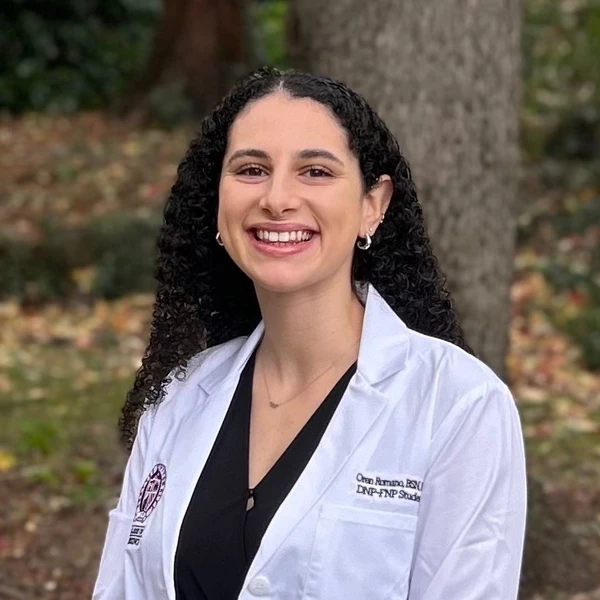
Oren Romano
1x
FinalistOren Romano
1x
FinalistBio
On my way to becoming a DNP. I strive to help others and hope to provide care to those in underserved communities.
Education
Emory University
Doctoral degree program (PhD, MD, JD, etc.)Majors:
- Registered Nursing, Nursing Administration, Nursing Research and Clinical Nursing
Seattle University
Bachelor's degree programMajors:
- Registered Nursing, Nursing Administration, Nursing Research and Clinical Nursing
University of Washington-Bothell Campus
Bachelor's degree programMajors:
- Health/Medical Preparatory Programs
- Health Professions Education, Ethics, and Humanities
- Public Health
- Health and Medical Administrative Services
Bellevue College
Associate's degree programMajors:
- Liberal Arts and Sciences, General Studies and Humanities
Redmond High
High SchoolMiscellaneous
Desired degree level:
Doctoral degree program (PhD, MD, JD, etc.)
Graduate schools of interest:
Transfer schools of interest:
Majors of interest:
- Registered Nursing, Nursing Administration, Nursing Research and Clinical Nursing
- Practical Nursing, Vocational Nursing and Nursing Assistants
- Medical Clinical Sciences/Graduate Medical Studies
- Health and Medical Administrative Services
- Health Professions and Related Clinical Sciences, Other
Career
Dream career field:
Hospital & Health Care
Dream career goals:
To become a Nurse Practitioner
Registered Nurse
Eastside Endoscopy Center2025 – Present1 yearRegistered Nurse
Emerald Heights2024 – 20251 yearMedical Assistant
Cabrillo Centers for Rheumatic Disease2022 – 20231 yearLead Medical Assistant
Dermatology Arts2021 – 20221 year
Sports
Artistic Gymnastics
Club2008 – 20135 years
Volleyball
Junior Varsity2013 – Present13 years
Badminton
Junior Varsity2013 – 2013
Dancing
Intramural2009 – 20134 years
Public services
Volunteering
Everett Gospel Mission — Volunteer2021 – 2021Advocacy
WIZO — Recruiter, Advocate, Representative2018 – 2019Volunteering
WIZO — Mentor, counselor2018 – 2019Volunteering
Friendship Circle — Volunteer, friend, mentor2013 – 2015Volunteering
Israeli American Scouts — Counselor and Leadership2013 – 2018
Future Interests
Advocacy
Volunteering
Entrepreneurship
Ilya Flantsbaum Memorial Scholarship
Growing up in the heart of my Jewish community, I learned early on that our stories are not just memories, they are blueprints for how we treat the world. My heritage is woven from the threads of L’dor V’dor, the sacred passing of values from one generation to the next. It is a legacy of resilience and radical empathy that has transformed my career in nursing from a professional choice into a personal calling. This connection to my past is what guides my hands today and shapes the impact I hope to make as a Family Nurse Practitioner.
I carry the concept of Tikkun Olam, or "repairing the world," not as an abstract ideal, but as a quiet, steady heartbeat behind every patient interaction. My upbringing taught me that we are each born with a responsibility to leave our surroundings better than we found them, and this is something I have carried with me in everything I do. I remember watching the elders in my community show up for one another with a sense of duty that transcended simple kindness; it was a fundamental obligation to the collective. In my future role, I envision my practice as a site of this repair. Whether I am advocating for a patient’s preventative screenings or sitting with a family during a difficult diagnosis, I am driven by the belief that healing one person is a step toward healing the world.
My commitment to Chesed, or loving-kindness, is what I hope will define my clinical impact. My heritage taught me that the most powerful tool a healer possesses is not always the stethoscope, but the ability to listen with an open heart. I want to build a practice where inclusion isn't just a policy, but a lived experience of safety and belonging—much like the warmth and sanctuary I felt at a crowded Shabbat table. I hope to make an impact by bridging the gap between clinical expertise and genuine human connection. In a healthcare system that often feels rushed and impersonal, I want to ensure my patients feel that they are being cared and valued as whole individuals, not just a list of symptoms.
Finally, the Jewish tradition of Limmud, or lifelong learning, ensures that my hands will always be as sharp as my heart is full. In my culture, the pursuit of knowledge is a spiritual endeavor. By dedicating myself to the rigors of advanced nursing practice and staying at the forefront of medical advancements, I honor the ancestors who valued education as a form of survival and growth. My goal is to be a provider who never stops asking "why" and "how", ensuring that my patients receive care that is as intellectually rigorous as it is compassionate.
Ultimately, I hope to leave a legacy where my clinical expertise is always in service of my community’s well-being. By blending the ancient values of my Jewish heritage with the modern demands of primary care, I aim to be a bridge between the wisdom of my past and the health of our future. I want to be known as a provider who didn't just treat illnesses, but who fostered a sense of unity and strength in every life I touched.
Eden Alaine Memorial Scholarship
For most of my childhood, death was an abstract concept, a phone call from across the ocean, a hushed conversation between my parents, or a candle lit in memory of a relative I had barely known. Growing up on a different continent than my extended family, I was geographically buffered from the immediate realities of loss. Funerals were events that happened "over there," while I remained in the safety of my daily life.
That changed entirely during my gap year. At nineteen, I was living abroad, volunteering at a boarding school for at-risk youth. I was navigating the challenges of gaining the trust of teenagers and learning to be an independent adult. But the most profound lesson of that year didn’t happen in a classroom; it happened in a hospital room, and subsequently, at a graveside.
My Great Aunt, my grandmother’s sister, was battling leukemia. She was a vibrant, loving woman who shared an incredibly tight bond with my grandmother. They were the last two survivors of their immediate family, a duo that seemed inseparable. She was also deeply connected to my mother, serving as a second maternal figure throughout my mom’s life.
A few days before my nineteenth birthday, I went to visit her. It was the first time I had seen the ravages of a terminal illness up close. The distance that had always protected me from the physical reality of death evaporated. She was frail, but her spirit was present. Leaving her bedside, I had a sinking realization that it was the last time I would see her. She passed away shortly after.
The days that followed I experienced grief and the power of family like I never had before. Because my mother was back in America, unable to travel on such short notice, the responsibility of representing our branch of the family fell to me. For the first time, I wasn’t just a grandchild being protected from grief; I was a participant in it.
Standing at the funeral, the reality of the loss washed over me. I wasn't just mourning my Great Aunt; I was witnessing the shattering heartbreak of my grandmother. I watched her stand by the grave, now the only survivor of her side of the family, facing a terrifying new solitude. The grief was palpable, heavy, and suffocatingly real.
In that moment, I felt the immense weight of my role. I had to be strong not just for myself, but for my mother, who was grieving from thousands of miles away. I had to be physically present for my grandmother, holding her hand when her sister no longer could. I realized that "showing up" is not a passive act; it is an active, difficult, and essential form of love.
Losing my Great Aunt shaped my understanding of family and duty. It taught me that while we cannot stop death, we can mitigate the loneliness of those left behind. It stripped away my childhood innocence regarding mortality and replaced it with a mature understanding of the fragility of life. Most importantly, it taught me that in times of crisis, being present, truly, physically present, is the greatest gift we can offer. I walked away from that burial not just as a grieving grand-niece, but as an adult who understood that loving someone means standing with them in their darkest moments, even when you are scared, and even when you are only nineteen.
Learner Math Lover Scholarship
To many, mathematics is a cold collection of rigid rules and abstract variables. To me, however, math is a language of connection—one that I first learned to speak alongside my father.
My passion for the subject didn't start in a classroom, but on the living room couch, watching the crime procedural Numb3rs. The show followed a mathematician who helped the FBI solve crimes, operating on the premise that everything in the world, from water sprinkler patterns to criminal flight paths, could be explained and predicted through mathematics.
Watching the protagonist, Charlie Eppes, scribble equations on transparent boards was mesmerizing, but the real magic happened in the conversations it sparked with my dad. He would pause the TV to explain a concept or simply marvel with me at the logic displayed on screen. Through these shared viewings, he helped me realize that math wasn't just about solving for 'x' on a worksheet; it was about solving the world.
I love math because it offers a sense of order in a chaotic existence. In a world often dominated by subjective opinions and gray areas, mathematics offers the comfort of objective truth. It is the ultimate puzzle, a discipline that rewards persistence and logic. Whether it is calculating the trajectory of a planet or optimizing a system, math proves that with the right tools, even the most complex problems have solutions.
The show Numb3rs taught me that everything is numbers, but my dad taught me to love the search for them. That combination of curiosity and logic drives me today. I love math not just for the answers it provides, but for the way it teaches us to look at the world: not as a series of random events, but as a beautiful, solvable equation.
Annie Pringle Memorial Scholarship
During my fifth-grade graduation, a potluck celebration was organized for students and their families, culminating in a performance of “Smile” by Uncle Kracker. Unfortunately, my parents were unable to attend, as my mother was undergoing a medical procedure. At the time, as an eleven-year-old, I understood little about the situation, only that my mother was absent. Over the following years, I recall occasional comments from my mother and our primary care provider about our family’s medical history, with assurances that potential health concerns would be addressed as I grew older.
At the age of twenty-one, my mother sat my sister and me down for a conversation that would profoundly shape my understanding of our family's health history. She explained that a decade earlier, she had participated in a genetic screening study aimed at identifying heightened risk factors for breast cancer in specific populations. Through this study, she discovered that she carried the BRCA1 and BRCA2 genetic mutations, a life-altering revelation that led her to pursue genetic counseling and eventually undergo a total hysterectomy. It was this procedure that had caused her to miss my fifth-grade graduation, a moment that now took on a deeper significance as I came to understand the weight of her decision.
Suddenly, the memory of my fifth-grade graduation transformed. My mother’s absence wasn't just a medical inconvenience; it was an act of survival. She wasn't missing my milestone because she was sick; she was missing it so she would be alive to see my future ones.
This revelation is the core of why breast health education is profoundly important to me. It is not merely an academic subject or a set of medical guidelines; it is the difference between fear and empowerment, between passivity and survival.
Breast health education is important to me because it grants agency. My mother was able to make a preemptive, life-saving decision because she had access to information. She knew her genetic makeup, she understood her risks, and she had the medical literacy to navigate her options. However, my journey since that conversation has highlighted a stark reality: this agency is not accessible to everyone.
After learning of my family history, I underwent genetic testing myself. While the process gave me clarity, it also opened my eyes to the systemic barriers surrounding breast health. I began to investigate the broader implications of BRCA testing and realized that the privilege of "knowing" is often reserved for those who can afford it. The identification of BRCA mutations has revolutionized early detection, yet the prohibitive cost of testing, often reaching thousands of dollars, serves as a gatekeeper.
This is why my commitment to breast health education extends beyond biology to advocacy. True education involves illuminating the disparities in our healthcare system. It is heartbreaking to realize that thousands of women may carry these same risks but lack the financial resources or the educational outreach to find out. A lack of education regarding family history, combined with financial barriers, creates a cycle of preventability that goes unaddressed until it is often too late.
To me, breast health education means demystifying the complex interaction between genetics and environmental factors. It means encouraging open dialogue between generations, so that children do not have to wait until they are twenty-one to understand their own biological risks. It means advocating for policy changes that make genetic testing a standard of preventative care rather than a luxury good.
My mother’s story taught me that knowledge is a form of preventative medicine. Her knowledge allowed her to take control of her future. My goal is to ensure that this level of health literacy and access is not an anomaly, but a standard. I want to be part of a future where breast health education empowers every individual to make informed decisions about their bodies, regardless of their socioeconomic status.
That day in fifth grade, I smiled through a song while missing my mother, unaware that she was fighting for more time with me. Now, armed with understanding, I fight for a world where health education ensures that no mother has to miss a moment, and no child is left in the dark.
Arne Hyson Memorial Scholarship: Studies in Mental Health and Related Healthcare
My journey toward a career in healthcare has been guided by compassion, resilience, and a deep curiosity about what it truly means to heal. As a Registered Nurse, I learned early on that medicine is about more than just treating a diagnosis; it is about treating the human being behind the condition. My professional experiences, coupled with my time as a volunteer, have shaped who I am and clarified my path toward becoming a Family Nurse Practitioner (FNP) through the Doctor of Nursing Practice (DNP) program at Emory University.
To understand my approach to care, one must look at my time volunteering at a boarding school for at-risk youth. This experience was a crucible for my professional identity. Many of the students there had endured significant trauma and viewed adults with deep suspicion. My role required me to walk a delicate line: I had to build genuine rapport with these students while upholding my legal and ethical duties as a mandated reporter.
There were moments when this balance felt nearly impossible. I vividly remember the challenge of creating a safe space for a student to speak, while knowing that certain disclosures would require me to involve authorities; a vital action that could feel like a betrayal to a vulnerable child. I learned that I could not "fix" their pasts, but I could offer them consistency. I learned to navigate this tension by prioritizing transparency and honesty, proving that safety and trust are not mutually exclusive. This experience taught me that true advocacy is not just about protecting a patient physically, but about honoring their dignity in every interaction.
I carried these lessons into my clinical work as a nurse. Working with families in diverse care settings, I witnessed firsthand how illness impacts entire family systems. I saw that a child’s asthma was often linked to housing conditions, or that a parent’s non-compliance with medication was rooted in financial instability rather than negligence. I realized that while I could deliver excellent bedside care as an RN, I wanted the autonomy and clinical scope to address these root causes. This realization drove me to pursue my DNP at Emory University.
My career goal is to establish a practice rooted in holistic, community-based care for underserved families. I plan to make an impact by bridging the gap between high-level medical science and the everyday realities of my patients. As an FNP, I aim to serve populations where barriers such as cost, geography, and systemic bias often prevent access to quality care. I plan to implement care models that integrate mental health support and social resource management directly into primary care visits, ensuring that we are treating the "whole person."
Emory’s program is preparing me to be not just a clinician, but a leader. I intend to use my DNP education to engage in quality improvement projects that specifically target healthcare disparities in rural and urban underserved areas. Ultimately, my impact will be measured by the families who feel heard, the patients who gain agency over their health, and the communities that become stronger through accessible, compassionate medicine. I am dedicated to a future where healthcare is not a privilege, but a reliable source of support for those who need it most.
Skin, Bones, Hearts & Private Parts Scholarship for Nurse Practitioners, Physician Assistants, and Registered Nurse Students
From an early age, I have been drawn to the intersection of compassion, science, and human connection. What makes my journey unique is how deeply I’ve come to understand the power of holistic care, not just as a nursing philosophy but as a way of being. My path toward becoming a Family Nurse Practitioner and pursuing a Doctor of Nursing Practice (DNP) at Emory University is rooted in a commitment to treat people, not just their conditions. I believe that healing happens when we address the whole person, mind, body, and spirit, and when we extend empathy beyond the hospital walls into the everyday lives of those we serve.
Before entering advanced practice nursing, I spent years working closely with children and families in a variety of care settings. One of the most formative experiences was my time volunteering at a boarding school for at-risk youth. Many of the students carried significant trauma and were understandably hesitant to trust adults. As a mandated reporter, I faced the complex challenge of establishing rapport while being transparent about my legal and ethical obligations to report safety concerns. I learned that I had to earn their trust not by hiding these boundaries, but by consistently showing up with honesty and non-judgmental support. Navigating this tension taught me that true advocacy requires a delicate balance of protective vigilance and unwavering empathy.
These experiences taught me that health struggles often impact far more than the individual; they reverberate through families, communities, and social systems. I saw firsthand how small acts of compassion could restore dignity and trust in moments of vulnerability. I also learned that collaboration among providers, patients, and interdisciplinary teams creates the foundation for sustainable wellness. These lessons reinforced my belief that nursing’s holistic framework is uniquely positioned to bridge the gap between science and humanity.
In pursuing my DNP-FNP degree, I am motivated by curiosity, the desire to continuously ask questions, explore evidence, and improve the quality-of-care delivery. My academic and clinical experiences at Emory are preparing me to become not only a clinician, but also a leader capable of driving change in primary care. I hope to contribute to shaping a future in which healthcare is more equitable, preventive, and person-centered. This means advocating for accessible community-based care, integrating mental health and social determinants into primary care models, and ensuring every patient feels seen and heard.
This scholarship would help me continue my education with greater focus and purpose, enabling me to dedicate more time to research and community engagement. Financial support would alleviate the burden of tuition and allow me to pursue opportunities such as rural health initiatives and quality improvement projects aimed at reducing healthcare disparities. Through these efforts, I hope to advance nursing science and strengthen the profession’s voice in shaping public health policy.
Ultimately, I see my role as part of a larger movement; one that redefines healthcare not as a system that treats illness, but as one that fosters wellness and human connection. By combining compassion with clinical excellence and curiosity with collaboration, I aim to empower patients and future nurses alike. Nursing has always been about caring for others in their most vulnerable moments; I am inspired to carry that legacy forward, using both heart and knowledge to help shape a healthier, more compassionate future.
Dashanna K. McNeil Memorial Scholarship
My choice to pursue a career in healthcare is rooted in a profound commitment to making a meaningful impact on individuals and communities. From a young age, I have been drawn to the idea of helping others, and as I grew older, this desire crystallized into a passion for healthcare. The field offers a unique opportunity to not only alleviate physical suffering but also to provide emotional support, offering care in moments when people are most vulnerable. It is this combination of technical skill and compassionate care that inspires me to dedicate my life to this profession.
One of the most compelling aspects of healthcare is its direct impact on people's lives. Healthcare professionals have the privilege and responsibility of being there for patients in their most challenging times, whether it’s managing chronic conditions, performing life-saving interventions, or simply providing comfort in moments of pain or uncertainty. The idea that my actions could be the difference between despair and hope for someone is incredibly motivating. I am driven by the desire to be that source of strength and comfort, to build trust with patients, and to guide them through their healthcare journeys with empathy and expertise.
Moreover, the healthcare field is dynamic and ever evolving, offering endless opportunities for learning and growth. The continuous advancements in medical technology, treatments, and patient care practices mean that healthcare professionals must constantly adapt and expand their knowledge. This aspect of the field excites me because it ensures that my career will be one of lifelong learning. I am eager to be part of a profession that challenges me intellectually and keeps me at the forefront of new developments that can improve patient care. My goal is to not only stay informed about the latest advancements but also to contribute to the innovation of new practices and treatments that can better serve patients.
On a personal level, my decision to enter healthcare is influenced by my own experiences working in healthcare environments. Witnessing the dedication of healthcare providers, their compassion, coupled with their clinical expertise, inspired me to pursue a path where I can give back in a similar way. These experiences have fueled my determination to be a healthcare professional who not only treats conditions but also cares for the whole person—acknowledging the emotional, psychological, and social aspects of healing.
Ultimately, my goal is to make a tangible difference in the world through my work as a Nurse Practitioner. I am committed to advocating for my patients, ensuring they receive the best possible care, and contributing to the overall health and well-being of my community. I believe that by combining my passion for helping others with the skills and knowledge I will gain throughout my education and career, I can make a significant and lasting impact. My journey in healthcare is more than a career choice; it is a calling to serve humanity and to contribute to a field that embodies the values of compassion, dedication, and the pursuit of excellence.
Rose Browne Memorial Scholarship for Nursing
My decision to pursue a career in healthcare, culminating in the Doctor of Nursing Practice (DNP) as a Family Nurse Practitioner at Emory University, is rooted in the powerful intersection of compassion, science, and human connection. While I was drawn to the profession from an early age, it was nursing’s foundational philosophy of holistic care that defined my path. I believe that true healing happens when we address the whole person—mind, body, and spirit—which requires the highest level of practice to integrate human dignity with cutting-edge medical evidence.
My journey toward advanced practice is motivated by an intense sense of curiosity, but it was crystallized by a profound family experience. Learning about my mother’s proactive decision to pursue genetic screening, which revealed her BRCA1 and BRCA2 genetic mutations, shifted my perspective from general empathy to focused advocacy. Understanding that her choice to undergo a total hysterectomy was a life-saving measure compelled me to investigate the implications for my own health. This process revealed the immense value of early prevention, but also the significant systemic barrier: the prohibitive cost of screening, often reaching thousands of dollars, which limits accessibility for many.
This revelation cemented my belief that illness is never an isolated event; it affects families and is profoundly shaped by economic and social systems. As a woman in the healthcare field, I recognize the profound responsibility and opportunity I have to make a positive impact. Historically, women have been the primary caregivers, yet their voices have often been marginalized in leadership and policy decisions. I am determined to break that pattern. My goal is to serve as both a clinician and an advocate, using my DNP platform to dismantle systemic inequities that disproportionately affect women and their families. This includes championing initiatives that normalize mental health discussions, advocate for robust health access, and ensure that people's pain and symptoms are always met with validation and exhaustive clinical inquiry, free from cost barriers.
I hope to contribute to my community by focusing on expanding access to primary care, particularly in underserved or rural areas. I will utilize my DNP training in quality improvement science, and the mission of Emory's Lilian Carter Center, to address the social determinants of health that impede wellness. My capstone project at Emory is explicitly focused on implementing strategies aimed at reducing healthcare disparities through the systematic integration of psychosocial screening into primary care workflows. This work directly stems from the realization that access to vital, preventative services, like the genetic testing my mother received, should not be dictated by wealth. By combining my innate compassion with clinical excellence and leveraging collaboration with interdisciplinary partners, I aim to create models of care where the patient’s context—heir environment, their resources, and their life story—is central to the treatment plan. Ultimately, I see my role as a leader in a larger movement: one that empowers patients, strengthens communities, and ensures every individual, especially those often overlooked, feels genuinely seen, heard, and cared for.
Dr. Tien Vo Healthcare Hope Scholarship
My journey toward a career in healthcare has been guided by compassion, resilience, and a deep curiosity about what it truly means to care for others. From an early age, I was drawn to helping people navigate moments of vulnerability, whether through volunteering, supporting families, or working directly in patient care. Over time, I realized that nursing embodies the perfect balance between science and humanity. It allows me to apply critical thinking while nurturing empathy, and to bring healing not just through treatment, but through presence, understanding, and advocacy.
The road to becoming a nurse has not been without challenges. Balancing rigorous academics with clinical work and personal responsibilities demanded perseverance and adaptability. There were times when the emotional weight of patient care felt overwhelming—witnessing suffering, loss, and uncertainty. Yet, these experiences shaped my strength and reaffirmed my purpose. I learned that resilience in healthcare is not about detachment, but about remaining compassionate even when the work is hard. It’s about showing up fully and wholeheartedly for patients and their families, no matter the circumstance.
Before entering advanced practice, I worked with children and families in diverse settings, where I witnessed how illness impacts not just the individual but entire support systems. These experiences deepened my belief in the holistic model of nursing care. Health cannot be separated from social, emotional, and environmental factors; true healing happens when we address all aspects of a person’s life. This perspective inspired me to pursue a Doctor of Nursing Practice (DNP) degree at Emory University, specializing as a Family Nurse Practitioner. My goal is to use this education to expand access to equitable, community-based care and to advocate for preventive health measures that empower patients to live well beyond the clinic walls.
One of my greatest motivations is the desire to make healthcare more compassionate and accessible for underserved populations. Too often, barriers such as cost, language, or geography prevent people from receiving the care they need. I hope to play a role in bridging that gap through clinical practice, policy involvement, and community education. I aspire to develop programs that integrate mental health, primary care, and social resources, ensuring that patients are cared for as whole individuals.
Through this scholarship, I would be able to focus more deeply on research, outreach, and advocacy efforts that align with these goals. Financial support would allow me to dedicate more time to service learning and rural health initiatives, ultimately strengthening my ability to serve as both a clinician and leader in advancing equitable care.
Ultimately, my journey has been one of growth, empathy, and purpose. Nursing has taught me that healing is not just about curing disease; it’s about listening, connecting, and restoring dignity. I hope to impact the world by upholding those values in every interaction and by helping shape a healthcare system that sees every patient as a person first. Through compassion, collaboration, and curiosity, I strive to be part of a generation of nurses who redefine what it means to heal, one human connection at a time.
Jessica Dahl Nurses with Chutzpah Scholarship
My decision to pursue a career in nursing, culminating in the Doctor of Nursing Practice (DNP) as a Family Nurse Practitioner at Emory University, is rooted in the powerful intersection of compassion, science, and human connection. My career is fundamentally defined by the nursing profession’s philosophy of holistic care, the belief that true healing addresses the whole person (mind, body, and spirit). Yet, the deeper spiritual commitment that shapes my journey is drawn directly from my Jewish faith and its core values of service, learning, and mutual responsibility.
The overarching principle guiding my career is Tikkun Olam, or "repairing the world." This principle emphasizes the profound responsibility each person has to contribute positively to society, driving me to choose a path where I can make a tangible, positive difference in people’s lives. In the role of an FNP, this manifests through Chesed (loving-kindness). I aim to be a provider who listens empathetically, builds unwavering trust, and offers comprehensive care that is compassionate and respectful of each patient’s unique circumstances and dignity.
This sense of individual and collective responsibility was irrevocably refined by the events of October 7th, 2023. As a student pursuing my advanced degree in the United States, the distance from home (Israel) only magnified the acute sense of collective trauma. Knowing friends and family fought for their lives, and where a friend was taken hostage from the NOVA festival, made continuing my life—and my studies—impossible without a transformed sense of purpose. The tragedy underscored a painful, profound truth articulated by the community: "We are not whole until they are all home." This saying perfectly articulates the holistic framework of my faith, Areyvut (mutual responsibility), teaching that the health of one individual, whether a hostage abroad or a vulnerable patient in my local community, directly impacts the well-being of the collective. My inability to be physically present in Israel led to a fierce dedication to healing and community repair here, now, through the practice of nursing.
As I prepare to become a Family Nurse Practitioner, I will carry this sense of collective wholeness into every encounter. My professional commitment is to serve as both a clinician and a leader, utilizing my DNP training to drive systemic change. This work aligns directly with the value of Limmud (lifelong learning). Just as learning is an ongoing pursuit in Jewish tradition, I am committed to continuous advanced study to stay current with cutting-edge medical evidence and apply best practices to my patient populations.
Furthermore, I am committed to fostering a strong sense of community and unity within the healthcare setting and beyond. I will use my DNP focus of implementing quality improvement strategies to reduce health disparities through psychosocial screening, to integrate trauma-informed care and proactively address the social determinants of health in underserved populations. By leveraging collaboration and creating a welcoming, inclusive atmosphere for all, I am building a practice that reflects the powerful unity I have witnessed in my own community.
Ultimately, my choice of nursing is about embodying the spiritual duty to perform Tikkun Olam. By synthesizing clinical excellence with the deeply rooted values of Chesed, Limmud, and Areyvut, I aim to create a model of care that not only treats illness but actively fosters the complete well-being of the entire community, moving us closer to wholeness one person at a time.
MJ Strength in Care Scholarship
My decision to pursue a career in healthcare, culminating in the Doctor of Nursing Practice (DNP) as a Family Nurse Practitioner at Emory University, is rooted in the powerful intersection of compassion, science, and human connection. While I was drawn to the profession from an early age, it was nursing’s foundational philosophy of holistic care that defined my path. I believe that true healing happens when we address the whole person—mind, body, and spirit.
My journey toward advanced practice is motivated by an intense sense of curiosity, but it was profoundly shaped by a personal family experience. Learning about my mother’s proactive decision to pursue genetic screening, which revealed her BRCA1 and BRCA2 genetic mutations, shifted my perspective from general empathy to focused advocacy. Understanding that her choice to undergo a total hysterectomy was a life-saving measure compelled me to investigate the implications for my own health. This process revealed the immense value of early prevention, but also the significant systemic barrier: the prohibitive cost of screening, often reaching thousands of dollars, which limits accessibility for many.
This revelation cemented my belief that illness is never an isolated event; it affects entire families and is profoundly shaped by economic and social systems. As I pursue my DNP, I recognize the responsibility I have as a future leader to address these disparities. My goal is to serve as both a clinician and an advocate, using my DNP platform to dismantle systemic inequities that disproportionately affect families. This includes championing initiatives that normalize mental health discussions, advocate for robust health access, and ensure that patients are always met with validation and exhaustive clinical inquiry, free from cost barriers.
I hope to contribute to my community by focusing on expanding access to primary care, particularly in underserved areas. I will utilize my DNP training in quality improvement science, guided by the mission of Emory's Lilian Carter Center, to address the social determinants of health that impede wellness. My capstone project at Emory is explicitly focused on implementing strategies aimed at reducing healthcare disparities through the systematic integration of psychosocial screening into primary care workflows. This work directly stems from the realization that access to vital, preventative services should not be dictated by wealth. By combining my innate compassion with clinical excellence and leveraging collaboration with interdisciplinary partners, I aim to create sustainable models of care where the patient’s entire context—their environment, their resources, and their life story—is central to the treatment plan.
While the principles of curiosity, compassion, and collaboration drive my professional life, I find equal joy, balance, and purpose in activities that engage me outside of the academic and clinical setting. Volleyball and live music are my essential counterweights, enriching my life and reinforcing the values I bring to patient care.
As a dedicated volleyball player, I constantly rely on teamwork, communication, and resilience. There is a unique adrenaline rush in working with other people toward a shared, immediate goal. Every bump, set, and spike requires rapid assessment and absolute trust in your teammates. This translates directly to my vision for nursing: effective patient care is a flawless collaboration between the provider, the patient, the family, and the broader healthcare team. The necessity of quickly shaking off a missed point and immediately refocusing on the next serve is a powerful lesson in emotional regulation, a vital skill when navigating the demanding and often emotionally complex moments in a clinical environment.
Similarly, going to concerts and embracing live music provides me with necessary connection and perspective. Stepping into an arena or a small venue and experiencing the collective energy of hundreds or thousands of people united by a single sound is profoundly grounding. It’s a moment of release and a powerful reminder of the deep human need for connection, passion, and shared experience. These events replenish my spirit, allowing me to return to my studies and clinical rotations with renewed energy and a heightened awareness of the individual stories and varied lives that exist outside the hospital walls.
Ultimately, I see these pursuits as two sides of the same coin. My commitment to nursing is a commitment to the well-being of the whole person, and embracing my passions outside of the field ensures that I, too, remain whole, balanced, and capable of bringing my best, most empathetic self to the patients I am privileged to serve.
Women in Healthcare Scholarship
My decision to pursue a career in healthcare, culminating in the Doctor of Nursing Practice (DNP) as a Family Nurse Practitioner at Emory University, is rooted in the powerful intersection of compassion, science, and human connection. While I was drawn to the profession from an early age, it was nursing’s foundational philosophy of holistic care that defined my path. I believe that true healing happens when we address the whole person—mind, body, and spirit—which requires the highest level of practice to integrate human dignity with cutting-edge medical evidence.
My journey toward advanced practice is motivated by an intense sense of curiosity, but it was crystallized by a profound family experience. Learning about my mother’s proactive decision to pursue genetic screening, which revealed her BRCA1 and BRCA2 genetic mutations, shifted my perspective from general empathy to focused advocacy. Understanding that her choice to undergo a total hysterectomy was a life-saving measure compelled me to investigate the implications for my own health. This process revealed the immense value of early prevention, but also the significant systemic barrier: the prohibitive cost of screening, often reaching thousands of dollars, which limits accessibility for many women.
This revelation cemented my belief that illness is never an isolated event; it affects families and is profoundly shaped by economic and social systems. As a woman in the healthcare field, I recognize the profound responsibility and opportunity I have to make a positive impact. Historically, women have been the primary caregivers, yet their voices have often been marginalized in leadership and policy decisions. I am determined to break that pattern. My goal is to serve as both a clinician and an advocate, using my DNP platform to dismantle systemic inequities that disproportionately affect women and their families. This includes championing initiatives that normalize mental health discussions, advocate for robust reproductive health access, and ensure that women's pain and symptoms are always met with validation and exhaustive clinical inquiry, free from cost barriers.
I hope to contribute to my community by focusing on expanding access to primary care, particularly in underserved or rural areas. I will utilize my DNP training in quality improvement science, and the mission of Emory's Lilian Carter Center, to address the social determinants of health that impede wellness. My capstone project at Emory is explicitly focused on implementing strategies aimed at reducing healthcare disparities through the systematic integration of psychosocial screening into primary care workflows. This work directly stems from the realization that access to vital, preventative services, like the genetic testing my mother received, should not be dictated by wealth. By combining my innate compassion with clinical excellence and leveraging collaboration with interdisciplinary partners, I aim to create models of care where the patient’s context—heir environment, their resources, and their life story—is central to the treatment plan. Ultimately, I see my role as a leader in a larger movement: one that empowers patients, strengthens communities, and ensures every individual, especially those often overlooked, feels genuinely seen, heard, and cared for.
Community Health Ambassador Scholarship for Nursing Students
My decision to pursue a career in nursing, culminating in the Doctor of Nursing Practice (DNP) as a Family Nurse Practitioner at Emory University, is rooted in the powerful intersection of compassion, science, and human connection. From an early age, I was drawn to healthcare, but it was nursing’s foundational philosophy, the commitment to holistic care, that defined my path. I believe that true healing happens when we address the whole person: mind, body, and spirit, rather than merely managing isolated symptoms. This philosophy compels me to pursue the highest level of clinical practice, where I can lead efforts to integrate human dignity with cutting-edge medical evidence.
My journey toward advanced practice is motivated by an intense sense of curiosity—the desire to continuously ask questions, explore evidence, and improve the quality-of-care delivery. Before pursuing advanced practice, I spent years working closely with children and families in a variety of care settings. These experiences revealed that illness is never an isolated event—it affects families, relationships, and communities. I witnessed how small acts of compassion and attentive listening could restore hope during moments of fear or uncertainty. I also saw how collaboration between providers and patients leads to better outcomes and stronger trust. These moments solidified my belief that nursing has a unique ability to bridge the gap between science and humanity, turning care into connection.
Pursuing a Doctor of Nursing Practice–Family Nurse Practitioner degree at Emory University is not merely about expanding my clinical skill set; it is about cultivating the leadership capabilities necessary to transform these beliefs into tangible, systemic change. I aim to move beyond treating conditions to actively fostering sustainable wellness through evidence-based practice and strong interdisciplinary collaboration.
My goal is to serve as both a clinician and an advocate for equitable, person-centered care. I hope to contribute to my community by expanding access to primary care, particularly in underserved or rural areas, and by addressing the social determinants of health that influence wellness. I envision creating initiatives that integrate mental health support and preventive education into community clinics, empowering individuals to take charge of their health.
My DNP capstone work at Emory is explicitly focused on implementing quality improvement strategies aimed at reducing healthcare disparities. By combining my passion for compassion with clinical excellence and leveraging collaboration with interdisciplinary partners and community resources, I aim to embed this patient-centered approach into the fabric of care delivery. Ultimately, I see my role as part of a larger movement to redefine healthcare—not as a system that simply treats illness, but as one that empowers patients, strengthens communities, and ensures every individual feels genuinely seen and heard.
Losinger Nursing Scholarship
1. Please discuss your personal inspiration for pursuing a career in nursing. (250-300 words)
My inspiration for pursuing a career in nursing stems from a deep belief in the power of compassion and connection to transform lives. I have always been drawn to roles that allow me to support others during moments of vulnerability, and nursing embodies that calling. What makes nursing unique is its holistic approach to care. Nurses see patients not as diagnoses, but as individuals whose physical, emotional, and social well-being are intertwined.
Throughout my experiences in healthcare, I’ve witnessed how the smallest gestures, such as a reassuring word, a moment of listening, or a shared smile, can restore a patient’s sense of dignity and hope. I have cared for patients of all ages and backgrounds, and each encounter has reinforced my conviction that empathy is as essential to healing as any medication or procedure. These experiences have inspired me to pursue advanced practice as a Family Nurse Practitioner, where I can continue to deliver evidence-based care that honors the whole person.
Now, as a DNP-FNP student at Emory University, I am guided by compassion, collaboration, and curiosity. I want to be part of a profession that doesn’t just treat illness but helps people live healthier, fuller lives. Nursing gives me the opportunity to bridge science and humanity. My commitment to pursuing an advanced degree in nursing will prepare me to care, to lead, and to make a meaningful impact in the lives of others.
2. What does the phrase "human touch" mean to you? Explain how "human touch" can impact patient care. (350-400 words)
To me, “human touch” represents the essence of nursing. It is the ability to connect with patients on a profoundly human level, beyond clinical interventions or medical technology. It is the presence, empathy, and understanding that remind patients they are not alone in their experience. Human touch can be literal, a handheld during pain or fear, or metaphorical, expressed through attentive listening, respect, and compassionate communication. It’s the bridge between science and soul, where healing becomes more than physical recovery.
In my nursing practice, I’ve seen how human touch can transform patient outcomes. A frightened child calms when a nurse sits at their bedside and explains what’s happening in gentle terms. An elderly patient struggling with chronic illness feels renewed hope when they sense that someone truly cares. Even when medicine cannot cure, human touch can comfort, restore dignity, and affirm worth. These moments remind me why I chose nursing: to be a presence of empathy and reassurance when it matters most.
Human touch also builds trust, the cornerstone of effective care. When patients feel understood and valued, they are more likely to engage openly in their treatment and adhere to care plans. It fosters collaboration between provider and patient, turning care into partnership.
As I advance in my DNP-FNP studies, I hope to model this approach in every patient encounter and inspire others to do the same. Technology and science will continue to evolve, but the need for human touch will never fade. It is what grounds nursing in humanity and ensures that healing remains a deeply personal act. Through compassion and presence, we remind patients that they are seen, heard, and cared for, a truth at the very heart of nursing.
Andy Huff Memorial Scholarship
As I reflect on my path towards becoming a Family Nurse Practitioner (FNP), I recognize that my goals are deeply intertwined with the values and experiences I have gained from my Jewish community. The journey to this career is not just about acquiring clinical skills; it is about embodying the principles of compassion, service, and continuous learning that have been instilled in me since childhood.
One of my primary goals in becoming an FNP is to serve others, a value rooted in the Jewish concept of tikkun olam, or "repairing the world." This principle emphasizes the responsibility each person has to contribute positively to society. Growing up, I was taught that helping those in need is not just an act of charity, but a fundamental duty. This sense of responsibility has shaped my career aspirations, driving me to choose a path where I can make a tangible difference in people's lives.
In the role of an FNP, I envision myself as a healthcare provider who is accessible and empathetic listening attentively to patients, understanding their needs, and providing comprehensive care that addresses both physical and emotional well-being. My Jewish upbringing has instilled in me the importance of chesed, or loving-kindness, which I believe is essential in building trust and rapport with patients. By becoming an FNP, I hope to embody these values, offering care that is not only medically sound but also compassionate and respectful of each patient’s unique circumstances.
Another significant goal in my journey to becoming an FNP is to engage in lifelong learning, a value that resonates with the Jewish tradition of limmud, or learning. In Judaism, learning is not just a means to an end, but a lifelong pursuit that enriches the mind and spirit. As an FNP, I will be required to stay current with the latest medical advancements and best practices. I am eager to pursue advanced studies in family medicine, explore specialized areas of care, and continuously update my skills to provide the best possible care to my patients. My Jewish heritage teaches that learning is an ongoing process, and I am committed to applying this principle throughout my career in healthcare.
An additional goal in my pursuit of becoming an FNP is to foster a sense of community, both within the healthcare setting and beyond. The Jewish community has always been a cornerstone of my life, providing me with a strong support network and a sense of belonging. This experience has highlighted the importance of building connections and creating environments where people feel valued and supported.
In my role as an FNP, I aim to create a welcoming and inclusive atmosphere for all patients. I want to be a healthcare provider who is not only trusted for clinical expertise but also known for creating a space where patients feel understood and cared for. My experience within the Jewish community has taught me the power of unity and collaboration, and I am committed to bringing these values into my practice. Whether it is through patient education, community health initiatives, or simply offering a listening ear.
My goals of serving others, engaging in continuous learning, and building a strong community are shaped by the values and experiences I have gained from my Jewish community. As I continue on this path, I am confident that these goals will not only help me succeed as an FNP but also enable me to make a meaningful impact in the lives of those I serve.
John Young 'Pursue Your Passion' Scholarship
My choice to pursue a career in healthcare is rooted in a profound commitment to making a meaningful impact on individuals and communities. From a young age, I have been drawn to the idea of helping others, and as I grew older, this desire crystallized into a passion for healthcare. The field offers a unique opportunity to not only alleviate physical suffering but also to provide emotional support, offering care in moments when people are most vulnerable. It is this combination of technical skill and compassionate care that inspires me to dedicate my life to this profession.
One of the most compelling aspects of healthcare is its direct impact on people's lives. Healthcare professionals have the privilege and responsibility of being there for patients in their most challenging times, whether it’s managing chronic conditions, performing life-saving interventions, or simply providing comfort in moments of pain or uncertainty. The idea that my actions could be the difference between despair and hope for someone is incredibly motivating. I am driven by the desire to be that source of strength and comfort, to build trust with patients, and to guide them through their healthcare journeys with empathy and expertise.
Moreover, the healthcare field is dynamic and ever evolving, offering endless opportunities for learning and growth. The continuous advancements in medical technology, treatments, and patient care practices mean that healthcare professionals must constantly adapt and expand their knowledge. This aspect of the field excites me because it ensures that my career will be one of lifelong learning. I am eager to be part of a profession that challenges me intellectually and keeps me at the forefront of new developments that can improve patient care. My goal is to not only stay informed about the latest advancements but also to contribute to the innovation of new practices and treatments that can better serve patients.
On a personal level, my decision to enter healthcare is influenced by my own experiences working in healthcare environments. Witnessing the dedication of healthcare providers, their compassion, coupled with their clinical expertise, inspired me to pursue a path where I can give back in a similar way. These experiences have fueled my determination to be a healthcare professional who not only treats conditions but also cares for the whole person—acknowledging the emotional, psychological, and social aspects of healing.
Ultimately, my goal is to make a tangible difference in the world through my work as a Nurse Practitioner. I am committed to advocating for my patients, ensuring they receive the best possible care, and contributing to the overall health and well-being of my community. I believe that by combining my passion for helping others with the skills and knowledge I will gain throughout my education and career, I can make a significant and lasting impact. My journey in healthcare is more than a career choice; it is a calling to serve humanity and to contribute to a field that embodies the values of compassion, dedication, and the pursuit of excellence.
Rory J. and Kathryn A. Blanchard Allied Health Scholarship
Technology has revolutionized nearly every aspect of modern life, and healthcare is no exception. The integration of advanced technologies into healthcare delivery has significantly transformed patient care, leading to improved outcomes, greater efficiency, and enhanced accessibility.
One of the most profound ways technology has impacted healthcare is through the development and use of Electronic Health Records (EHRs). EHRs have replaced traditional paper records, enabling healthcare providers to access comprehensive patient information in real time. This immediate access to data allows allied health professionals and first responders to make informed decisions quickly, which is crucial in emergency situations. This not only improves patient outcomes but also reduces the risk of medical errors.
Telemedicine is another technological advancement that has significantly expanded the reach of healthcare services. Through telemedicine, providers can offer care to patients in remote or underserved areas, breaking down geographical barriers and allowing for continued care when in-person visits are not feasible. Similarly, first responders can use telemedicine tools to consult with specialists in real time, ensuring that patients receive expert guidance during critical situations. The efficacy of telemedicine was particularly demonstrated during the COVID-19 pandemic, where minimizing physical contact was essential.
Wearable technology is also playing a crucial role in transforming healthcare. Devices such as smartwatches and fitness trackers monitor vital signs like heart rate, blood pressure, and oxygen levels, providing continuous health data that can be shared with healthcare providers. Allied health professionals can use this data to monitor patients’ progress, adjust treatment plans, and intervene early if any irregularities are detected. For first responders, wearable technology can track their physical condition during emergencies, ensuring they remain safe while performing their duties. Additionally, in cases of chronic conditions like diabetes or heart disease, wearable devices empower patients to take an active role in managing their health, leading to better long-term outcomes.
Another innovative solution is the use of mobile apps designed to support various aspects of healthcare. For instance, apps like “PulsePoint” allow first responders and even trained civilians to be alerted when someone nearby is experiencing a cardiac arrest, enabling them to provide CPR before emergency services arrive. This kind of technology dramatically increases the chances of survival in life-threatening situations. Moreover, mobile apps that provide drug information, dosage calculators, or treatment guidelines are invaluable tools for healthcare professionals, ensuring they have accurate information at their fingertips.
Artificial Intelligence (AI) and machine learning are also making significant inroads into healthcare. AI-powered systems can analyze vast amounts of data to identify patterns and predict outcomes, aiding in diagnostics and treatment planning. For example, AI can assist radiologists in detecting abnormalities in medical imaging, leading to earlier diagnosis and treatment. First responders equipped with AI-driven tools can triage patients more effectively in mass casualty situations, ensuring that resources are allocated to those who need them most urgently. AI is also transforming the field of surgery, where AI-driven robotic systems are increasingly being used to perform complex procedures with precision that surpasses human capability. These systems allow for more accurate incisions reducing the risk of complications, leading to shorter recovery times, less invasive procedures, and overall improved patient outcomes.
In conclusion, technology has become an indispensable part of modern healthcare, offering tools that enhance the practice of allied health professionals and first responders. From EHRs and telemedicine to wearable devices and AI, these innovations have improved the efficiency and effectiveness of care, leading to better patient outcomes. As technology continues to evolve, it will undoubtedly open new avenues for healthcare providers to deliver even more personalized, timely, and life-saving care.
Women in Nursing Scholarship
My passion for nursing was sparked during my time working as a Medical Assistant at a dermatology clinic dedicated to both cosmetic and medical specialties. At the clinic, I worked closely with Physician’s Assistants, Nurse Practitioners, and Doctors to diagnose and treat patients, while gaining exposure to the reality of the clinical world and the various paths to becoming a provider. More recently, I also worked as a Medical Assistant in a rheumatology clinic where many of our patients were active or retired veterans managing chronic pain.
Appreciating the compassion presented by my colleagues, their meticulous care for patients, and their willingness to help others strengthened my desire to nurse others through a formative role in healthcare. By performing a variety of tasks, such as communicating with insurance companies to determine medical coverage, reviewing lab reports, participating in medical procedures, and following up with patients, I gained administrative skills and medical experience in patient care.
Despite lacking a nursing degree, I chose the path of becoming a Nurse Practitioner because I found that my values aligned most with those of the nursing care model. Nurses are advocates for patients in a broken system. As a nurse, I will get to actively participate in patient care, and also advocate for patients, ensuring they are receiving the most appropriate and best care plans. By taking it a step further and pursuing an advanced nursing degree, I will be able to contribute to research and leadership roles, creating greater, systemic change in healthcare in the United States.
Currently, I am enrolled in an accelerated nursing program tailored for individuals like me—on a path to a Doctor of Nursing Practice with non-nursing bachelor’s degrees.
As I continue my education and pursue my goal to become a DNP, I will gain an understanding of the studies, and how they relate to conditions I encounter while treating patients. With this knowledge, I will be able to provide exceptional education and care for patients of all ages and backgrounds when addressing their health concerns.
My overarching career goal upon completion of the DNP program is to practice Family Medicine before specializing in Pediatric Oncology. Both of these fields rely heavily on long-term care; the importance of which care was instilled in me during my time abroad volunteering at a boarding school for at-risk youth. Many of the students I worked with came from unstable homes; they depended immensely on the counselors, teachers, and social workers that fostered them during their time at the school and after their graduation. As an Advanced Practice Nurse, I plan to provide continuous emotional and physical support to families as they navigate their health.
Just Some Podcast Media Scholarship
My passion for nursing was sparked during my time working as a Medical Assistant at a dermatology clinic dedicated to both cosmetic and medical specialties. At the clinic, I worked closely with Physician’s Assistants, Nurse Practitioners, and Physicians to diagnose patients and treat their conditions, while gaining exposure to the reality of the clinical world and the various paths to becoming a provider. More recently, I also worked as a Medical Assistant in a rheumatology clinic where many of our patients were active or retired veterans managing chronic pain.
Appreciating the compassion presented by my colleagues, their meticulous care for patients, and their willingness to help others strengthened my desire to nurse others through a formative role in healthcare. By performing a variety of tasks, such as communicating with insurance companies to determine medical coverage, reviewing lab reports, participating in medical procedures, and following up with patients, I gained administrative skills and medical experience in patient care.
Despite lacking a nursing degree, I chose the path of becoming a Nurse Practitioner because I found that my values aligned most with those of the nursing care model. Nurses are advocates for patients in a broken system. As a nurse, I will get to actively participate in patient care, and also advocate for patients, ensuring they are receiving the most appropriate and best care plans. By taking it a step further and pursuing an advanced nursing degree, I will be able to contribute to research and leadership roles, creating greater, systemic change in healthcare in the United States.
Currently, I am enrolled in an accelerated nursing program tailored for individuals like me—on a path to a Doctor of Nursing Practice with non-nursing bachelor’s degrees.
As I continue my education and pursue my goal to become a DNP, I will gain an understanding of the studies, and how they relate to conditions I encounter while treating patients. With this knowledge, I will be able to provide exceptional education and care for patients of all ages and backgrounds when addressing their health concerns.
My overarching career goal upon completion of the DNP program is to practice Family Medicine before specializing in Pediatric Oncology. Both of these fields rely heavily on long-term care; the importance of which care was instilled in me during my time abroad volunteering at a boarding school for at-risk youth. Many of the students I worked with came from unstable homes; they depended immensely on the counselors, teachers, and social workers that fostered them during their time at the school and after their graduation. As an Advanced Practice Nurse, I plan to provide continuous emotional and physical support to families as they navigate their health.
Book Lovers Scholarship
The Giving Tree by Shel Silverstein is a timeless classic that resonates with readers of all ages, making it a book that everyone should read. This seemingly simple tale, with its minimalistic illustrations and straightforward narrative, carries profound themes and life lessons that are both thought-provoking and emotionally impactful.
At its core, The Giving Tree explores the nature of selfless love and generosity. The story revolves around the relationship between a boy and a tree, where the tree repeatedly gives to the boy without expecting anything in return. This dynamic highlights the beauty of unconditional love and the joy of giving, a lesson that remains relevant throughout our lives. For children, it teaches the importance of kindness and generosity. For adults, it serves as a poignant reminder of the sacrifices made by caregivers and the often-overlooked value of selflessness.
The book also delves into the concept of taking and receiving. As the boy grows older, his demands increase, and the tree continues to give, ultimately sacrificing everything it has. This aspect of the story prompts readers to reflect on their own relationships and the balance between giving and taking. It encourages a deeper understanding of gratitude and the consequences of taking others for granted.
Furthermore, The Giving Tree addresses themes of growth, change, and the passage of time. The boy's evolving needs and desires symbolize the different stages of life, illustrating how our priorities shift over time. This narrative arc resonates with readers, as it mirrors the inevitable changes and transitions we all experience.
In addition to its thematic depth, the simplicity and beauty of Silverstein’s prose and illustrations make the book accessible and engaging. Its brevity ensures that it can be enjoyed in a single sitting, yet its impact lingers long after the final page is turned.
In conclusion, The Giving Tree by Shel Silverstein is a must-read for everyone. Its timeless themes of love, generosity, and the human condition offer valuable insights and reflections that are pertinent at any age. By reading this book, we can all gain a deeper appreciation for the simple, yet profound, acts of giving and receiving in our own lives.
Deborah Stevens Pediatric Nursing Scholarship
For me, a career in nursing, particularly pediatric nursing, aligns perfectly with my values, aspirations, and desire to make a meaningful impact on the lives of others. Nursing is fundamentally about providing care and comfort, and this resonates strongly with me. From a young age, I have felt a compelling urge to support and assist those in need. Whether it was volunteering at local shelters or helping friends and family through difficult times, these experiences have reinforced my commitment to a career that prioritizes the well-being of others. Nursing, with its direct patient care and opportunity to make a tangible difference, provides an ideal avenue to fulfill this desire.
In addition to personal fulfillment, nursing offers excellent job stability and a plethora of opportunities for growth and specialization. The demand for nurses continues to rise globally, ensuring a stable and rewarding career. This stability is particularly appealing in today’s ever-changing job market. Moreover, nursing is a field rich with diverse paths, including specialties such as emergency care, critical care, oncology, and my chosen focus: pediatric nursing. This diversity allows nurses to find their niche and work in areas that align with their interests and strengths, further enhancing job satisfaction and professional growth.
Nursing is a dynamic field that requires continuous learning and adaptation. The healthcare environment is ever-evolving, with advancements in medical technology, treatment protocols, and patient care practices. This aspect of nursing is particularly exciting for me, as I am passionate about lifelong learning and professional development. The need to stay current with medical advancements and continually improve my skills ensures that a career in nursing will never be stagnant, keeping me engaged and motivated throughout my professional journey.
While nursing as a whole is appealing, my passion specifically lies in pediatric nursing. I have always loved working with children and am inspired by their resilience and capacity for joy even in the face of illness. Pediatric nursing involves caring for infants, children, and adolescents, and requires a unique blend of medical expertise and compassionate care tailored to young patients. The prospect of playing a crucial role in the early stages of a child's development, helping to establish healthy habits, and providing education to families is incredibly rewarding.
Children are among the most vulnerable patients, often unable to advocate for themselves. Pediatric nurses serve as important advocates for these young patients, ensuring they receive the best possible care and support. This advocacy extends to working closely with families, providing education, resources, and support to help them care for their children. The holistic approach of pediatric nursing, which includes both the patient and their family, aligns with my belief in comprehensive, compassionate care.
One of the most fulfilling aspects of pediatric nursing is witnessing the resilience and recovery of young patients. Seeing children overcome illnesses and injuries, and knowing that my care played a role in their recovery, provides a profound sense of accomplishment and joy. The opportunity to support children and their families through challenging times and celebrate their successes is a unique and rewarding aspect of pediatric nursing.
In conclusion, choosing a career in nursing and specializing in pediatric nursing stems from a combination of personal passion, professional aspirations, and a commitment to making a meaningful difference. The desire to help others, coupled with the opportunities for growth, learning, and making a long-term impact on the lives of children and their families, makes pediatric nursing the ideal career path for me. This journey promises to be both challenging and incredibly rewarding, fulfilling my goal of contributing positively to the world around me.
Community Health Ambassador Scholarship for Nursing Students
My passion for nursing was sparked during my time working as a Medical Assistant. Over the last few years accruing healthcare experience, I have worked with a diverse array of patients, ranging from newborn babies to end-of-life patients in living facilities, and in San Diego, I spent majority of my time caring for active or retired veterans managing chronic pain.
Appreciating the compassion presented by my colleagues, their meticulous care for patients, and their willingness to help others strengthened my desire to nurse others through a formative role in healthcare. By performing a variety of tasks, such as communicating with insurance companies to determine medical coverage, reviewing lab reports, participating in medical procedures, and following up with patients, I gained administrative skills and medical experience in patient care.
Despite lacking a nursing degree, I chose the path of becoming a Nurse Practitioner because I found that my values aligned most with those of the nursing care model. Nurses are advocates for patients in a broken system. As a nurse, I will get to actively participate in patient care, and also advocate for patients, ensuring they are receiving the most appropriate and best care plans. By taking it a step further and pursuing an advanced nursing degree, I will be able to contribute to research and leadership roles, hopefully creating greater, systemic change in healthcare in the United States.
Currently, I am enrolled in an accelerated nursing program tailored for individuals like me—on a path to a Doctor of Nursing Practice with non-nursing bachelor’s degrees.
As I continue my education and pursue my goal to become a DNP, I will gain an understanding of the studies, and how they relate to conditions I encounter while treating patients. With this knowledge, I will be able to provide exceptional education and care for patients of all ages and backgrounds when addressing their health concerns.
My overarching career goal upon completion of the DNP program is to practice Family Medicine in underserved communities before transitioning to pediatric oncology. Both fields rely heavily on long-term care; the importance of which care was instilled in me during my time abroad volunteering at a boarding school for at-risk youth. Many of the students I worked with came from unstable homes; they depended immensely on the counselors, teachers, and social workers that fostered them during their time at the school and after their graduation. Additionally, I have worked closely with staff and residents at a women and children’s shelter in Washington to promote healthy habits and an overall healthier lifestyle through different daily activities (i.e. exercise, cooking, hygiene, education, etc). As an Advanced Practice Nurse, I plan to provide the same continuous emotional and physical support to similar families/communities as they navigate their health.
Dashanna K. McNeil Memorial Scholarship
My passion for nursing was sparked during my time working as a Medical Assistant at a dermatology clinic dedicated to both cosmetic and medical specialties. At the clinic, I worked closely with Physician’s Assistants, Nurse Practitioners, and Doctors to diagnose and treat patients, while gaining exposure to the reality of the clinical world and the various paths to becoming a provider. More recently, I also worked as a Medical Assistant in a rheumatology clinic where many of our patients were active or retired veterans managing chronic pain.
Appreciating the compassion presented by my colleagues, their meticulous care for patients, and their willingness to help others strengthened my desire to nurse others through a formative role in healthcare. By performing a variety of tasks, such as communicating with insurance companies to determine medical coverage, reviewing lab reports, participating in medical procedures, and following up with patients, I gained administrative skills and medical experience in patient care.
Despite lacking a nursing degree, I chose the path of becoming a Nurse Practitioner because I found that my values aligned most with those of the nursing care model. Nurses are advocates for patients in a broken system. As a nurse, I will get to actively participate in patient care, and also advocate for patients, ensuring they are receiving the most appropriate and best care plans. By taking it a step further and pursuing an advanced nursing degree, I will be able to contribute to research and leadership roles, creating greater, systemic change in healthcare in the United States.
Currently, I am enrolled in an accelerated nursing program tailored for individuals like me—on a path to a Doctor of Nursing Practice with non-nursing bachelor’s degrees.
As I continue my education and pursue my goal to become a DNP, I will gain an understanding of the studies, and how they relate to conditions I encounter while treating patients. With this knowledge, I will be able to provide exceptional education and care for patients of all ages and backgrounds when addressing their health concerns.
My overarching career goal upon completion of the DNP program is to practice Family Medicine before specializing in Pediatric Oncology. Both of these fields rely heavily on long-term care; the importance of which care was instilled in me during my time abroad volunteering at a boarding school for at-risk youth. Many of the students I worked with came from unstable homes; they depended immensely on the counselors, teachers, and social workers that fostered them during their time at the school and after their graduation. As an Advanced Practice Nurse, I plan to provide continuous emotional and physical support to families as they navigate their health.
Christina Taylese Singh Memorial Scholarship
Just a short six months after the start of my freshman year of college, a new, harsh reality struck the world. It was amidst the chaos of quarantine and the constant news cycle dominated by the virus, that I found unexpected opportunities for personal and professional growth. As I completed my final quarter of college in 2021, I also started a job as a medical assistant. I quickly learned the ropes of the healthcare system and worked on applying some of my school-learned knowledge to interactions on the job. Concurrently, I volunteered at a women’s shelter in Everett, Washington, collaborating closely with occupational therapy students completing the last year of their program. Together, we developed engaging activities for the residents, ranging from yoga or dance-along videos, to creating recipes, and cooking with the residents in the shared kitchen area. From my close collaboration with the occupational therapy students, I came to appreciate the benefits of having a diverse array of disciplines available in our healthcare systems.
Over the span of several months, I gained experience working with a variety of healthcare workers in different settings. It was from these encounters, that I came to the decision that I wanted to become a healthcare provider myself. After much contemplation, and despite lacking a nursing degree, I chose the path of becoming a Nurse Practitioner because I found that my values aligned most with those of the nursing care model. Nurses are advocates for patients in a broken system. As a nurse, I will get to actively participate in patient care, and also advocate for patients, ensuring they are receiving the most appropriate and best care plans.
In June 2023, I started at Seattle University’s APNI-DNP Nursing Program, a program tailored for individuals like me—on a path to a Doctor of Nursing Practice with non-nursing bachelor’s degrees. In all of the clinicals that I have been placed at so far during this program, I have witnessed providers from various disciplines and backgrounds work together seamlessly to create an optimal care plan for their patients. With my foundational knowledge accrued from prior experiences, and knowledge to be gained from the forthcoming years in this program, I will learn how to best integrate multidisciplinary care and interdisciplinary medicine in my own practices. Implementing such an immersive form of care will support me in my goal of providing the best patient care, and hopefully contribute to my endeavors of creating greater, systemic change in healthcare in the United States.
Julie Holloway Bryant Memorial Scholarship
If we delve into the literal definition of "first language," Hebrew would technically hold that title for me. Until the age of three, prior to my enrollment in preschool, Hebrew was the sole language that I spoke fluently. However, with the commencement of my education within the public school system and immersion in an English-speaking environment, my proficiency in Hebrew rapidly dwindled. Despite my parents' insistence on speaking Hebrew at home and their expectation for us to reciprocate, the dominance of English in my surroundings gradually eroded my connection to my native tongue.
As a child, my mother always kept me in Hebrew lessons to help preserve my reading and writing skills, but I despised going to these, because of course I would rather spend my time with friends or doing “normal” extracurriculars like the other kids my age were participating in. In high school, I joined the Israeli Scouts. My involvement in the Jewish community reignited my interest in Hebrew, prompting me to reclaim and nurture my linguistic heritage. Becoming bilingual has not only enriched my personal identity but has also facilitated connections with diverse communities and supplied me with a profound sense of belonging among various groups.
Crucially, bilingualism has forged a vital link between my two homelands – the United States, where I was born and raised, and Israel, where the majority of my extended family resides. Many of my summers growing up were spent in Israel; with my bilingual proficiency, I was able to communicate with relatives and seamlessly integrate into the local culture. This linguistic duality serves as a bridge spanning continents, fostering a deep-rooted connection to both my American upbringing and Israeli heritage.
Furthermore, my bilingualism has proven instrumental in my professional pursuits, particularly in my role as a medical assistant. Interacting with Hebrew-speaking patients has underscored the importance of effective communication in healthcare delivery. By bridging language barriers, I have enhanced patient care and fostered trust and rapport with individuals from diverse linguistic backgrounds.
Looking ahead, as I embark on my journey to become a Family Nurse Practitioner, and potentially transition into an oncology nurse practitioner role, my bilingualism will continue to be a valuable asset. In the healthcare field, where cultural competence is paramount, my ability to communicate proficiently in Hebrew ensures that no patient is left unheard or misunderstood. Moreover, it underscores my commitment to providing inclusive and equitable healthcare services to all.
In conclusion, my journey towards bilingualism has been transformative, shaping both my personal and professional identity. Embracing my Hebrew roots has filled me with a profound appreciation for cultural diversity and equipped me with the tools to navigate an increasingly interconnected world. As I embark on the next chapter of my career in healthcare, I remain steadfast in my commitment to leveraging my bilingualism to promote holistic and patient-centered care for individuals from all walks of life.
Nintendo Super Fan Scholarship
Amidst the twinkling lights and festive decorations of a Hallmark Christmastime, there's a tradition that holds a special place in my heart—playing Nintendo games, especially Mario Party. It encapsulates the essence of fun, camaraderie, and friendly competition, making it the perfect game to play with people during festive occasions like Christmas.
Every Christmas Eve, we gather at my best friend's house, armed with Nintendo Switch controllers and a shared sense of excitement. As we selected our favorite characters—mine always being Yoshi due to my long nights playing Yoshi’s Island as a kid—we felt a surge of anticipation for the friendly competition and endless laughter that awaited us.
The beauty of Mario Party lies in its ability to bring people together. Despite the rivalry and playful banter, the game fosters a spirit of cooperation and camaraderie. Additionally, the game's simple mechanics and intuitive controls allow beginners and experienced gamers alike to participate without feeling intimidated. Whether it's rolling dice, navigating game boards, or competing in mini games, Mario Party offers something for everyone, ensuring that no one is left out of the fun.
What makes Mario Party truly special is its dynamic gameplay and unpredictable twists. From navigating treacherous game boards to competing in a variety of mini games, every round brought new challenges and surprises. Whether we were racing to collect stars, stealing coins from each other, or teaming up in cooperative mini games, there was never a dull moment.
But it wasn't just about the gameplay; it was about the memories we created along the way. I'll never forget the time my friend's mom, always the life of the party, hilariously mimicked Princess Peach's voice before starting her turn. Or the time we burst into fits of laughter as we attempted to outdo each other in a particularly chaotic mini game.
As the night wore on and Christmas Day approached, our Mario Party marathon continued, fueled by laughter and the sheer joy of being together. And while the presents under the tree and the delicious holiday treats were undoubtedly wonderful, it was the simple act of playing Mario Party with loved ones that truly made the holiday season magical. Mario Party brings people together, creating cherished memories and a plethora of inside jokes that endure long after the game has ended.
In the grand tapestry of Christmastime traditions, Mario Party has emerged as a favorite, weaving its way into the fabric of our holiday celebrations year after year. Its ability to bring people together, foster meaningful connections, and create moments of pure joy is what makes it the best co-op game to play, not just at Christmastime, but any time of the year.
Martha Galvez Memorial Scholarship
Embarking on a nursing career isn't just a profession; it's a profound commitment to making a difference in the lives of individuals and communities. As I set forth on this journey, my vision encompasses multifaceted approaches to promoting positive change within the healthcare field, fostering holistic well-being, and advocating for those in need.
First and foremost, my aspiration as a nurse is to provide compassionate and competent care to patients. I firmly believe in the significance of human connection in healing processes. By actively listening to patients, understanding their unique circumstances, and tailoring care plans to meet their individual needs, I aim to foster a sense of trust in delivering care. Through empathy and understanding, I seek to alleviate not only physical ailments but also emotional distress, thereby promoting overall wellness and resilience.
Furthermore, I am passionate about promoting health education and preventive care within communities. As a nurse, I envision myself as a proactive advocate for public health initiatives, striving to empower individuals with the knowledge and resources necessary to lead healthier lifestyles. Whether through conducting educational workshops, participating in community outreach programs, or leveraging digital platforms to disseminate health information, I intend to address prevalent health disparities and promote health equity among underserved populations.
Additionally, I am committed to both advancing and applying evidence-based practice in my own personal care of patients. Through continuous learning and professional development, I aspire to stay aware of the latest advancements in healthcare and nursing science. By engaging in research endeavors, quality improvement projects, and interdisciplinary collaborations, I aim to enhance patient outcomes, optimize care delivery processes, and contribute to overall nursing knowledge.
Moreover, I recognize the importance of advocating for healthcare policy reforms that prioritize patient well-being and address systemic inequities. Whether through participation in professional nursing organizations, or engagement in policy-making processes, I intend to lend my voice to initiatives aimed at improving healthcare access, affordability, and quality for all individuals. By advocating for policies that promote social justice, health equity, and patient-centered care, I aim to effect systemic change and create a more just and equitable healthcare system.
By embodying the core values of nursing—compassion, integrity, advocacy, and excellence—I aim to make a meaningful difference in the lives of those entrusted to my care and contribute to the advancement of healthcare as a whole. Through dedication, empathy, and a steadfast commitment to serving others, I am confident that I can make a lasting and impactful difference in the world of nursing.
Fall Favs: A Starbucks Stan Scholarship
Green landscapes fade yellow as the sun, then to crimson red before falling into vibrant, crisp piles on the ground. The fall foliage is always accompanied by autumn scents filling the air, and the excitement of the return of the most beloved fall-inspired Starbucks drink-the Pumpkin Spice Latte. The rich blend of espresso, steamed milk, and medley of spices that create this iconic beverage has become a symbol of the arrival of the new season and is a cherished characteristic of my own fall journey.
Just as Pumpkin Spice Latte season rolls in during the fall, the start of a new academic year follows right along with it. With the stress of the new school year beginning, Starbucks has continuously remained a crutch for me and my friends. Whether it be on the way to school to start the day, during a lunch break, or even after class when meeting for an intense study session, Pumpkin Spice Lattes have always provided a comforting aroma to my fall routine.
One cannot discuss the Pumpkin Spice Latte without acknowledging its role as a cultural phenomenon. The annual return of the drink, also affectionately known as PSL, sparks conversations among friends, coworkers, and even strangers waiting in line at a coffee shop. The nostalgic whiff of cinnamon and nutmeg fuels the imagination, inviting comforting moments and memories encapsulating the very essence of autumn. It becomes a shared experience, a topic of discussion that bridges generational and cultural gaps.
Starbucks’ Pumpkin Spice Latte is more than a drink; it has become an influential staple of American culture and is well known around the world for its seasonal exclusivity. It indicates changing of seasons and inspires growth, comradery, and spirit. In a world often characterized by its divisions, the flavorful cup of Starbucks Pumpkin Spice Latte is a unifying force. It reminds us that despite our differences we all seek warmth and connection, especially as the months get colder and the year comes to an end.
As I sip from my steaming cup of blended fall flavors and watch the world transform around me, I am reminded to embrace the warmth of autumn and to find the beauty in the fleeting moments that define this time of year. Just as the leaves fall and nature prepares for a period of rest, I too find solace in the rituals of fall, with the Pumpkin Spice Latte as my faithful companion on this journey of reflection and renewal.