user profile avatar

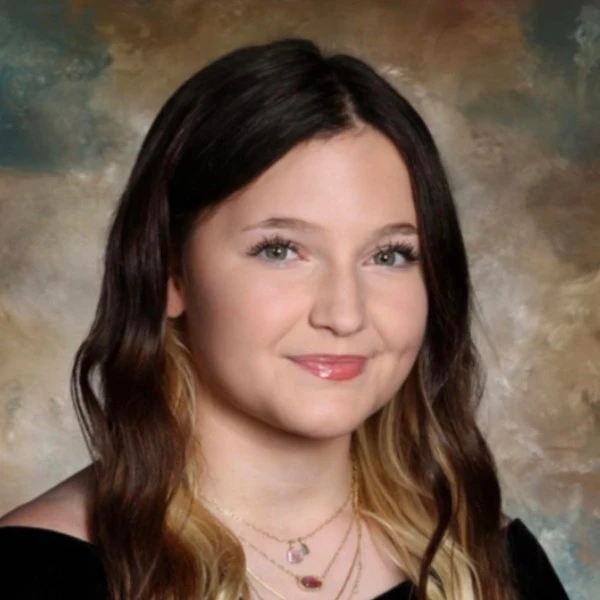
Olivia Joyce

1x

Finalist

Bio

My life goals are to start a family and build a stable career in which I can support them and live a comfortable life. I am most passionate about making a positive impact on everyone that I meet, spreading kindness one small act or word of affirmation at a time.

Education

Fair Lawn High School

High School
2022 - 2026

Miscellaneous

  • Desired degree level:

    Master's degree program

  • Majors of interest:

    • Nuclear and Industrial Radiologic Technologies/Technicians
    • Health and Medical Administrative Services
  • Not planning to go to medical school
  • Career

    • Dream career field:

      • Hospital & Health Care
    • Dream career goals:

      Ultrasound Technician

      Sports

      Soccer

      Varsity
      2022 – 20264 years

      Public services

      • Volunteering

        Fair Lawn All-Sports STARs Program — Volunteer helper
        2022 – 2025
      Ava Wood Stupendous Love Scholarship
      Creating a sense of belonging and inclusivity has always been important to me, even before I fully understood why. Growing up in New Jersey, I was fortunate to be part of tight-knit communities, both at school and through youth sports. From a young age, I saw how powerful it could be when people felt welcomed, supported, and included. Those experiences shaped the way I try to bring people together and make my community a place where everyone feels like they belong. One of the most meaningful ways I have contributed to inclusivity has been through my involvement in youth sports. For years, I played in town recreation leagues, and those programs were a place where I first understood the impact of community. The older athletes and coaches I looked up to created environments where everyone felt respected and encouraged, and I wanted to do the same for the younger kids. As I got older, I began volunteering as a referee for youth soccer and basketball, and eventually coaching a junior track and field team. These experiences taught me that creating belonging often starts with small gestures offering encouragement, listening to someone’s concerns, and celebrating progress rather than just results. I remember one moment vividly during a third-grade girls’ basketball game I was refereeing. One player fell and scraped her knee, and the entire opposing team immediately gathered around her to check if she was okay. They helped her off the court and made sure she was comfortable before continuing the game. Watching that moment, I realized how small acts of kindness and support could foster trust, empathy, and connection. I strive to encourage that same attitude in every game I referee, reminding players that competition does not have to come at the expense of respect and care. Moments like that are reminders that creating belonging is not a single event, rather it's the culture we nurture every day. Beyond sports, I have tried to extend this approach to my school and peer groups. I have always made an effort to include students who might feel overlooked or isolated, whether by starting conversations with new classmates, helping students understand challenging material, or encouraging people to participate in group projects. Sometimes simply listening or offering a word of encouragement can help someone feel like they matter, and I have seen how much it can change the way someone engages with their peers. These experiences have taught me that inclusivity and community are built not only by grand gestures but by everyday actions that show care and respect. They have also shaped who I am as a person. I have learned patience, empathy, and the value of listening before speaking. I have seen how fostering a sense of belonging allows people to grow, take risks, and support each other. As I move forward in life, I hope to continue creating environments where people feel included and valued. Whether in sports, school, or eventually in my career as a healthcare professional, I want to bring people together, encourage connection, and ensure that everyone feels seen and supported. Inclusivity is not just a goal, it is a responsibility I carry with me every day, and I hope to continue building communities where people feel like they truly belong.
      Dream BIG, Rise HIGHER Scholarship
      Education has always been more than a series of classes or assignments for me. It has been a lens through which I see the world, a compass that helps me navigate challenges, and a tool to shape the person I want to become. Growing up in northern New Jersey, I was surrounded by hardworking teachers, supportive classmates, and family members who emphasized the value of learning. Yet despite these advantages, my journey has not always been smooth. Education has shaped my goals and given me a sense of direction, but only after I learned to overcome obstacles that sometimes made me doubt myself. One of the biggest challenges I have faced in school has been living with ADHD. For years, I struggled to focus, to stay organized, and to complete work at the pace my peers seemed to manage effortlessly. I remember one period in high school when I was falling behind in nearly every class. My report cards reflected C- and F’s, and I felt completely overwhelmed. At the time, I questioned whether I could ever meet the expectations I had for myself. Simple tasks felt like mountains, and no matter how hard I tried, I often felt like I was failing. The frustration of knowing I was capable but unable to consistently show it was crushing. It was during this time that I began to understand the importance of self-awareness and support. With guidance from my teachers, encouragement from my family, and the introduction of medication, I slowly discovered strategies that helped me focus and organize my thoughts. Learning to manage my ADHD did not happen overnight. It required persistence, trial and error, and the willingness to ask for help when I needed it. Over time, I realized that ADHD is not a limitation, but part of how I experience the world. It has taught me creativity in problem-solving, patience with myself and others, and an understanding that everyone learns differently. These lessons have made me more compassionate and empathetic, qualities I hope to carry into my future career and everyday life. Through this experience, education became much more than a measure of grades or test scores. It became a tool for self-discovery, growth, and resilience. I learned to break down complex tasks into smaller, manageable steps, to advocate for my needs, and to focus on effort and progress rather than perfection. Education gave me a sense of purpose and direction when I had felt lost. It reminded me that challenges do not define us. How we respond to them does. These lessons have directly shaped my career goals. I plan to attend St. John's University and major in radiologic technology to pursue a career as an ultrasound technician. I am drawn to this field because it allows me to combine science, technology, and compassionate patient care. I want to help people during moments when they may feel anxious, uncertain, or vulnerable. I hope to provide reassurance, empathy, and a listening ear while also performing technical tasks with precision. The struggles I faced with ADHD and learning have given me a deep understanding of what it feels like to face challenges and the importance of patience, encouragement, and support—qualities I hope to offer my patients every day. Education has also shaped how I view my role in the world. Beyond personal growth, it has shown me that learning can be used to serve others. Whether through mentoring younger students, volunteering in youth sports programs, or participating in community projects, I have seen firsthand how sharing knowledge and offering guidance can impact someone’s life. Teaching a younger athlete a skill, helping a classmate understand a difficult concept, or simply encouraging someone to keep going are all ways that education extends beyond the classroom. I want to continue using what I learn not only to improve myself but to make life better for others. Ultimately, education has given me direction, resilience, and confidence. It has taught me to see challenges as opportunities, to persevere when things feel impossible, and to approach the world with empathy and curiosity. It has shown me that knowledge, when combined with compassion, can make a real difference in people’s lives. I hope to take what I have learned and use it to create a future where I can help, support, and inspire others—whether through healthcare, mentorship, or community involvement. Education has given me the tools to face obstacles, pursue my goals, and serve the people around me, and it has instilled in me a belief that every step forward, no matter how small, can shape a better future.
      Aserina Hill Memorial Scholarship
      I am a high school senior in northern New Jersey, and as I approach graduation I have been reflecting on the experiences that have shaped who I am. My life has always been centered around family, sports, community, and learning how to grow through both challenges and opportunities. These parts of my life have helped me develop a strong sense of responsibility and a desire to make a positive impact on the people around me. Sports have played a big role in my high school experience. I play soccer and I'm also the captain of my school’s varsity flag football team. Being part of a team has taught me lessons that go beyond competition. I have learned how to communicate clearly, support people during difficult moments, and lead by example. As captain, I try to create an environment where every teammate feels valued and confident. Leadership to me is not about being the loudest voice. It's about making sure everyone feels included and motivated to do their best. Outside of sports, one of my favorite hobbies is baking. I love the creativity that comes with it and the satisfaction of making something from scratch. Baking has also become something I enjoy sharing with others. Whether I am bringing treats to friends, family, or teammates, it is a small way to bring people together and brighten someone’s day. I am also very involved in my community, especially youth sports. I enjoy helping younger athletes learn and build confidence in themselves. When I was younger, older players and coaches made a difference in my life by encouraging me and helping me grow. Being able to give that same encouragement to younger kids is incredibly meaningful to me. It reminds me that even small acts of support can leave a lasting impression. After high school, I plan to attend St. John's University and major in radiologic technology. My goal is to become an ultrasound technician. I'm drawn to this field because it allows me to combine science and technology with compassionate patient care. I want to work in a profession where I can help people during moments when they may feel anxious or uncertain about their health. If I could start my own charity, my mission would be to find a cure for Lupus. This cause is deeply personal to me because my mom lives with lupus. Watching someone you love deal with a chronic illness is incredibly difficult, especially knowing that there isn't a cure. Seeing the challenges she faces has made me more aware of how important medical research and awareness truly are. The goal of this charity would be to raise awareness about lupus and support research that works toward better treatments and, hopefully, a cure. The organization would serve people living with lupus as well as their families, who face emotional challenges alongside their loved ones. Volunteers could organize fundraising events such as community walks, charity sports tournaments, and awareness campaigns. Volunteers would also help educate the public about lupus so more people understand the condition and the impact it has on families. By spreading knowledge and raising funds for research, the charity would aim to create hope for families like mine who are searching for better answers and a future where lupus no longer controls people’s lives.
      Forever90 Scholarship
      Service has always meant more to me than simply helping when it is convenient. To me, living a life of service means being aware of the people around you and using your time, energy, and abilities to make their lives a little easier. It is about showing compassion in everyday moments and recognizing that even small actions can have a meaningful impact on someone else. One of the ways I have learned to embody this mindset is through my role as a referee. Officiating games might not seem like an obvious form of service at first, but it has taught me a lot about responsibility, fairness, and supporting a community. As a referee, I help create a safe and respectful environment where players can compete, learn, and enjoy the game. It requires patience, clear communication, and the ability to remain calm under pressure. There are moments when players or coaches may be frustrated, and part of my job is to handle those situations with professionalism and understanding. Refereeing has also shown me how important it is to be someone others can rely on. When I step onto the field or court, I know that the players, coaches, and families trust me to do my job with integrity. That responsibility has helped me grow not only as a leader but also as someone who values fairness and accountability. It reminds me that service is not always about grand gestures. Sometimes it is about doing your role well so that others can have positive experiences. My personal challenges have also shaped the way I approach service. Living with ADHD has not always been easy, especially during times when I struggled to focus in school and felt discouraged by my academic performance. Those experiences gave me a deeper sense of empathy for people who may be facing their own challenges. I understand how frustrating it can feel when something others seem to handle easily becomes difficult. Because of that, I try to approach people with patience and compassion rather than judgment. This perspective is one of the reasons I am drawn to the healthcare field. My goal is to pursue an education in radiologic technology and eventually become an ultrasound technician. What excites me most about this career is the opportunity to help people during moments when they may feel uncertain or vulnerable. Medical environments can be intimidating, especially when patients are worried about their health or waiting for answers. As an ultrasound technician, I hope to provide more than just technical skill. I want to offer reassurance, kindness, and understanding to the people I work with. Even a small conversation, a calm explanation, or a supportive attitude can help someone feel more comfortable during a stressful experience. Those moments of human connection are just as important as the medical technology involved. Education will give me the knowledge and training I need to serve others effectively. It will allow me to develop the skills necessary to provide accurate imaging that doctors rely on to diagnose and treat patients. At the same time, my personal experiences and values will guide the way I interact with the people I meet. Ultimately, embodying a life of service means using both my abilities and my character to support others. Whether I am refereeing a game, helping someone through a difficult moment, or working with patients in a medical setting, my goal is the same. I want to contribute to the well being of the people around me and make a positive difference in their lives through compassion, responsibility, and care.
      Tawkify Meaningful Connections Scholarship
      One of the most meaningful relationships in my life is the friendship I share with two of my closest friends, Robert and Daniel. I first met them in eighth grade, in separate settings, and they didn't know who each other were. At the time I was just classmates with Robert, and teammates with Daniel, we talked here and there, but we were not especially close. It was not until our sophomore year of high school where Daniel and Robert met, that our friendship really began to grow. What started as simple conversations and shared classes slowly turned into a friendship that has shaped the way I see myself and the way I build relationships with others. Before becoming close with them, I often struggled with being fully comfortable as myself around other people. For a long time, I had a habit of adjusting my personality depending on who I was around. In certain environments I would hold back my humor or opinions because I was worried they might not be received well. In others I would quiet parts of my personality in hopes that I would fit in more easily. At the time I believed this was just how social situations worked. I thought that being accepted meant reshaping yourself to match the people around you. When I started spending more time with Robert and Daniel, that mindset slowly began to change. Our friendship developed naturally through everyday moments. We would talk after school, joke around during class, and share stories about what was going on in our lives. What stood out to me almost immediately was how easy it felt to be around them. I did not feel like I had to carefully filter everything I said or adjust the way I acted. I could simply be myself. Their acceptance helped me realize something important. For years I had heard the phrase “be yourself,” but it always sounded like a cliché that people said without really thinking about it. Through my friendship with them, I began to understand that it was actually meaningful advice. When you are around the right people, you do not feel pressure to hide parts of who you are. You can be sarcastic, emotional, serious, or completely ridiculous and still feel accepted. One of the things I value most about our friendship is the level of trust we have built with each other. They are some of the only people I can truly be my full self around without worrying about judgment or resentment. They understand me on many different levels of my life, and I know I can trust them with anything. There have been times when I have gone from ranting about something frustrating or even crying over a situation to laughing so hard that I could barely breathe because they managed to lift my mood. Those moments remind me how powerful genuine support can be. Our friendship has also changed the way I think about relationships in general. Robert and Daniel raised my standards for what friendship and connection should look like. They showed me that men can be emotionally open, that they can listen when someone is struggling, and that communication is an important part of any healthy relationship. Their willingness to be honest, supportive, and expressive helped me realize that strength is not about hiding emotions. In many ways, it is about being willing to share them. Because of this relationship, the way I build connections with others has changed. I no longer feel the same pressure to change who I am in order to be accepted. Instead, I try to approach friendships with authenticity and openness. I want the people around me to feel the same sense of comfort and acceptance that I feel with them. I try to listen more carefully, communicate more honestly, and support people through both the difficult and exciting moments of their lives. Looking back, meeting Robert and Daniel may have seemed like a small moment at the time, but their friendship has had a lasting impact on who I am today. They helped me understand the value of authenticity, trust, and emotional openness. Because of them, I now approach relationships with a deeper appreciation for honesty and connection, and I strive to create friendships where people feel safe being exactly who they are.
      Scorenavigator Financial Literacy Scholarship
      Growing up, I was aware from a young age that my family had less financial stability than many of the families around me. While many of my friends seemed to have easy access to things like new clothes, vacations, or the latest technology, my family had to be much more careful about how we spent money. At times, that difference was difficult to notice as a kid. But as I grew older, I began to understand how hard my parents worked to give me opportunities that might have otherwise been out of reach. My parents always did everything they could to make sure I never felt like I was missing out. They worked long hours and made sacrifices so I could participate in the same activities, sports, and experiences that my peers had. Looking back, I realize that many of those opportunities were not easy for them to afford. They simply believed that giving me those experiences was worth the effort. Watching their determination taught me an important lesson about responsibility, perseverance, and the value of hard work. Because of our financial situation, I learned early on how to appreciate what I had rather than focus on what I did not. I became used to making the most out of small things, whether that meant finding inexpensive ways to spend time with friends or learning to be patient when I wanted something new. Over time, that mindset helped me develop a sense of financial awareness that many people do not gain until much later in life. I learned that happiness and comfort are not determined by how much money you have. Instead, they come from how you choose to live and the people you surround yourself with. These experiences also taught me how to adapt to different situations. Living with fewer financial resources helped me understand how to stretch what I have and how to stay grounded even during uncertain times. I believe that learning how to live a happy and comfortable life with less money has given me a kind of resilience. It has shown me that I can handle different financial situations and still move forward with my goals. As I prepare for my future, financial education has become increasingly important to me. Pursuing higher education is a major step, and I want to approach it with a strong sense of responsibility. I plan to use what I learn about finances to make thoughtful decisions about saving, budgeting, and managing debt. Understanding how to plan for the future will help me build stability not only for myself, but also for the family I may have one day. My goal of becoming an ultrasound technician will allow me to enter a field where I can both support myself financially and make a meaningful difference in the lives of others. Financial stability would give me the opportunity to help my family in the same way they have always helped me. It would also allow me to give back to my community and support people who may be facing challenges similar to the ones I grew up with. Ultimately, my experiences with finances have taught me that money does not define success or happiness. What matters most is resilience, gratitude, and the willingness to work hard for the life you want to build. Those lessons will continue to guide the financial decisions I make as I work toward creating a stable and meaningful future.
      Patricia Lindsey Jackson Foundation - Eva Mae Jackson Scholarship of Education
      Faith has always been a quiet but steady presence in my life. Growing up in a Catholic family, my understanding of faith developed through both my home and my church community. Every Sunday my family attends Mass at the Church of the Annunciation, where my grandfather serves as a deacon. Watching him stand at the altar and serve others has shaped how I understand faith. For him, faith is not only about belief. It is about service, humility, and caring for the people around you. Seeing his dedication from a young age made faith feel personal to me, and it helped form the values that guide many of the decisions I make today. My faith has been especially important during the more difficult moments of my academic journey. As a student with ADHD, I have experienced periods where school felt overwhelming and discouraging. There was a time when I struggled to stay focused in class and began falling behind in my coursework. My grades dropped significantly and I found myself with C minus and even F grades in several classes. During that period, I started questioning my abilities and wondering if I was capable of succeeding academically. Faith helped me through those moments of doubt. It reminded me that challenges do not define who I am or what I am capable of becoming. Instead of seeing those struggles as proof that I could not succeed, my faith encouraged me to view them as obstacles that could be overcome with patience, effort, and support. Prayer and reflection often helped me calm my thoughts and regain perspective when I felt overwhelmed. Over time, I began learning better ways to manage my ADHD, including working with medication that has helped me focus and engage more effectively in my classes. Adjusting to this change has not been instant or easy, but it has made a meaningful difference in how I approach learning. As my focus improved, so did my confidence. I began to see that my struggles were not permanent barriers. They were challenges that I could work through with determination and the right support system. These experiences have shaped my motivation for pursuing higher education. I want to prove to myself that ADHD does not have to limit my potential. Instead, it has helped me develop empathy, patience, and understanding for others who may be facing their own challenges. Those qualities are especially important in the healthcare field, where compassion can make a meaningful difference in someone’s experience. My goal is to pursue a degree in radiologic technology and eventually work as an ultrasound technician. What draws me to this career is the opportunity to combine science, technology, and patient care. Ultrasound technicians often work closely with patients during moments when they may feel anxious or uncertain. I want to be someone who not only performs the technical aspects of the job well, but also helps patients feel comfortable and supported during those moments. Faith has influenced that goal as well. It has taught me that the talents and opportunities we are given are meant to be used in service of others. Pursuing higher education is not only about building a successful career. For me, it is also about preparing myself to help people, contribute to my community, and make a positive impact in the lives of those I encounter. In addition to faith, the people in my life have also encouraged me to pursue higher education. My family has always believed in my potential, even when I struggled to believe in myself. Their support reminded me that setbacks do not determine the future. Teachers and mentors have also shown patience and encouragement as I worked to overcome academic challenges. Together, my faith and the support of the people around me have pushed me to keep striving for growth. They have taught me that perseverance, compassion, and service matter more than perfection. As I continue my education, I hope to carry those values with me and use them to make a meaningful difference in the lives of others. Instagram : @livxjoyce
      Dr. Michal Lomask Memorial Scholarship
      My passion for STEM comes from the opportunity it provides to combine knowledge, problem solving, and compassion in a way that can directly improve someone’s life. I have always been curious about how things work and how science can be used to better understand the human body. Over time I realized that STEM is not only about numbers, technology, or research. It is also about using those tools to help people during moments when they are often vulnerable or uncertain. That realization is what led me to pursue an education in radiologic technology and to work toward my dream of becoming an ultrasound technician. What draws me most to this field is the balance between science and human connection. Ultrasound technology requires a strong understanding of anatomy, imaging, and medical equipment, but it also requires empathy and communication. When someone comes in for an ultrasound, they are often anxious or worried about their health. The technician performing the scan is one of the first people they interact with during that process. Being able to explain what is happening, help someone feel comfortable, and treat them with patience and kindness can make a stressful experience feel a little more manageable. STEM allows me to pursue a career where learning never stops. Medical technology is constantly evolving, and professionals in this field must stay curious and committed to growth. I find that exciting. The idea that I can continue expanding my knowledge while helping people at the same time motivates me to work hard in my education. Each class I take and each concept I learn is another step toward being able to understand the human body more clearly and contribute to someone’s care. My personal experiences with challenges in school have also shaped my passion for STEM. Living with ADHD forced me to learn resilience and develop strategies to stay focused and organized. There were times when I doubted my ability to succeed academically, but as I learned how to manage those challenges I realized that persistence and determination can overcome obstacles. That journey has given me a deeper appreciation for education and the opportunities it creates. STEM represents a path where my effort and curiosity can turn into real skills that help others. I am especially drawn to ultrasound technology because of the role it plays in diagnosing and monitoring health conditions. An ultrasound image can help doctors detect problems early, guide treatment decisions, and even provide joyful moments such as when parents first see their child during pregnancy. Knowing that my work could contribute to those important moments gives my education a strong sense of purpose. Ultimately, my passion for STEM comes from the chance to make a meaningful difference in people’s lives. I want my education to give me the knowledge and technical skills needed to support patients and healthcare teams. By becoming an ultrasound technician, I hope to combine science, compassion, and dedication in a career that helps people feel cared for and understood during some of the most important moments of their lives.
      Christian Fitness Association General Scholarship
      One of the most difficult challenges I have faced in school was learning how to manage ADHD and the impact it had on my ability to learn. For a long time, I did not fully understand why school felt so much harder for me than it seemed for others. I cared about doing well and wanted to succeed, but my mind often felt like it was moving in too many directions at once. During lessons I would try to focus on what the teacher was saying, but my attention would drift before I even realized it. Assignments that should have taken thirty minutes sometimes stretched into hours because I struggled to stay on track. For a while I convinced myself that I just needed to try harder. I told myself that if I focused more or worked longer, things would eventually fall into place. Instead, the opposite happened. I fell into a serious slump in school where my grades dropped dramatically. At one point I had C- and F grades in several classes. Seeing those grades was discouraging and embarrassing. I felt like I was letting down my teachers, my family, and myself. It was especially frustrating because I knew I was capable of understanding the material when I could actually focus on it. The problem was that my brain would not cooperate in the way I needed it to. That period was one of the lowest points in my academic experience. It felt like no matter how much time I spent trying to catch up, I was always a step behind. Homework piled up faster than I could finish it. I would sit down to study and suddenly realize that thirty minutes had passed while my mind wandered somewhere else. I started to question my abilities and whether I was capable of succeeding in school at all. Eventually I realized that ignoring the problem was not helping me. I began speaking with professionals about what I was experiencing and learned more about how ADHD affects attention, organization, and executive functioning. For the first time, many of my struggles started to make sense. Understanding that my brain simply worked differently helped me shift my mindset. Instead of blaming myself for every difficulty, I started looking for strategies and support systems that could help me succeed. One of the most significant changes came when I began treatment and started medication for ADHD. At first I was nervous about it because I did not know how it would affect me. The adjustment period took time, but gradually I began to notice differences in my learning experience. Tasks that once felt impossible to begin became more manageable. I could sit through a class and actually follow the lesson from beginning to end. For the first time in years, my thoughts felt quieter and more organized when I was working. The change was not instant perfection, but it gave me the ability to use the skills I already had. I began completing assignments more consistently and understanding material more deeply because I could finally stay focused long enough to process it. My grades improved and, more importantly, my confidence began to return. I realized that the problem had never been a lack of intelligence or effort. I simply needed the right tools to work with the way my brain functions. This experience has changed the way I view challenges, both in school and in life. Struggling with ADHD has taught me resilience, patience, and empathy. I know what it feels like to fall behind and doubt yourself, and that perspective has made me more compassionate toward others who are facing their own difficulties. Everyone carries challenges that are not always visible, and my experiences have taught me how important understanding and support can be. Learning how to manage ADHD has also strengthened my motivation to pursue my goals. I want to prove to myself that ADHD is not a limitation that defines my future. Instead, it is something that has taught me how to adapt, advocate for myself, and keep pushing forward even when things feel difficult. The progress I have made reminds me that setbacks do not determine where someone will end up. What matters is the willingness to seek help, learn from challenges, and continue working toward improvement. Looking back, that difficult period of failing classes was painful, but it was also a turning point. It forced me to confront my struggles and find solutions that allow me to move forward. Today I approach school with a stronger sense of confidence and determination because I know that I have already overcome one of my biggest obstacles. My journey with ADHD is still ongoing, but it has made me stronger, more self aware, and more prepared to face whatever challenges come next.
      Our Destiny Our Future Scholarship
      I plan to make a positive impact on the world by helping others feel supported, valued, and understood. Growing up, I have seen how small acts of kindness and attention can have lasting effects. Whether it was mentoring younger athletes, volunteering in my community, or simply listening to someone who needed to be heard, I realized that showing empathy and offering support can make a real difference in someone’s life. These experiences taught me that impact is not always about grand gestures, but about consistency, care, and being present for others. One of the ways I have worked toward this goal is through my involvement in youth sports programs. Refereeing games and coaching younger athletes has given me the opportunity to create safe and positive environments where kids can learn, grow, and enjoy themselves. I have seen firsthand how encouragement and guidance can help someone gain confidence, overcome challenges, and develop skills that extend far beyond the court or field. These experiences have reinforced my belief that lifting others up and helping them reach their potential is one of the most meaningful ways to contribute to the world. My personal experiences with ADHD and moments of struggle in school have also shaped how I approach making a difference. I understand what it feels like to face obstacles and doubt yourself, and I want to use that perspective to support others who may feel the same way. By advocating for mental health, offering guidance, and modeling persistence, I hope to help people feel empowered to overcome challenges and reach their goals. I have learned that empathy and understanding are just as important as skills or knowledge, and that being patient and compassionate can have a ripple effect that reaches far beyond the immediate moment. Looking ahead, I plan to continue finding ways to combine my skills, experiences, and compassion to help others. I want to work in fields that allow me to serve people directly, whether through healthcare, education, or community programs. I also hope to mentor younger students and peers, share the lessons I have learned from my own struggles, and inspire others to see challenges as opportunities for growth. Ultimately, my goal is to make the world a little kinder, a little more supportive, and a little more understanding. I may not change everything at once, but by helping even one person feel heard, supported, or encouraged, I know I am contributing to something larger than myself. I plan to continue living my values through service, empathy, and connection, because I believe that positive change begins with compassion and the willingness to care for others in meaningful ways.
      Learner Math Lover Scholarship
      I love math because it challenges me to think critically, solve problems, and find patterns in ways that feel both creative and logical. From a young age, I was drawn to numbers and puzzles, enjoying the satisfaction that comes from solving a problem step by step. Math has a clarity that other subjects sometimes lack; every problem has a solution, and each step toward that solution requires focus, reasoning, and persistence. I find that process rewarding in a way that feels both disciplined and exciting. One of the aspects I love most about math is its ability to connect abstract ideas to real-life situations. When I work through an equation or analyze a graph, I am learning how to approach complex problems, think systematically, and consider multiple perspectives. These skills extend beyond the classroom, shaping the way I make decisions, approach challenges, and understand the world. Math has taught me patience and resilience, especially when I struggle with a concept. The moment when a problem finally clicks after persistent effort is one of the most satisfying feelings I have experienced. Math also inspires me because it is universal. Regardless of background, language, or culture, numbers and patterns are something everyone can explore and understand. This universality makes math feel like a shared language, one that connects me to people across classrooms, communities, and even generations of thinkers. I love that it can be both precise and creative, structured yet open to exploration. Ultimately, I love math because it challenges me to grow intellectually, teaches me persistence, and provides a sense of clarity and accomplishment. It has shaped the way I think, approach problems, and see the world. Math is more than a subject to me, it's a way of understanding and engaging with life itself.
      Learner Mental Health Empowerment for Health Students Scholarship
      Mental health is important to me as a student because it affects every aspect of my life, from my ability to focus in class to how I connect with others. I have faced my own challenges with anxiety and periods of low motivation that made school and daily life feel overwhelming. These experiences taught me that mental health is not just about avoiding illness but about building resilience, understanding emotions, and having the tools to manage stress in a healthy way. When my mental health is supported, I am able to be more present, engaged, and compassionate toward the people around me. I have learned that taking care of my own mental health allows me to show up as a better student, friend, and community member. Because of my experiences, I have made it a priority to advocate for mental health in my community. At school, I speak openly with friends about the importance of seeking help and normalizing discussions about stress, anxiety, and self-care. I encourage peers to use the resources available to them, such as counseling services or mental health workshops, and I help create a safe space where others feel comfortable sharing their struggles. I have also volunteered with younger students in mentorship roles, helping them develop coping strategies for stress and providing support when they feel overwhelmed. This advocacy is not about giving advice I cannot relate to but about showing empathy and understanding because I know how isolating it can feel to struggle silently. At home, I make an effort to support my family and friends by listening without judgment and helping them navigate challenges in their own lives. I have found that small gestures, like checking in regularly or validating someone’s feelings, can have a meaningful impact on how they feel. My experiences with mental health challenges have made me more attuned to the emotional needs of others. I try to be patient, compassionate, and understanding, recognizing that everyone copes differently and that kindness can make a difference even in small moments. Mental health matters to me because it is the foundation for learning, growth, and connection. Advocating for it in my school and home communities has helped me develop empathy, leadership, and a deeper understanding of the struggles people face. I hope to continue fostering awareness and support for mental health, both for my peers and in the broader community, by creating environments where people feel safe, heard, and valued. By prioritizing mental well-being and encouraging others to do the same, I aim to help build stronger, healthier, and more compassionate communities.
      Dylan's Journey Memorial Scholarship
      Living with ADHD has been one of the most defining challenges of my life, shaping both the obstacles I’ve faced and the resilience I’ve developed. For years, I struggled to focus in school, often feeling overwhelmed and frustrated as my mind raced between thoughts, assignments, and distractions. There was a period in high school when this struggle reached a peak. I fell into a slump where paying attention felt nearly impossible, and I ended the semester with D's and F's in all my classes. It was discouraging and disheartening, and at times I wondered if my ADHD would always be a limitation standing in the way of my goals. That period, though difficult, was a turning point. With the help of therapy, organizational strategies, and ultimately medication, I began learning how to focus my attention and manage the challenges ADHD presents. Slowly, I started seeing improvement not just in my grades, but in my confidence and motivation. For the first time, I realized that my learning difference was not a barrier I couldn’t overcome, rather it was a challenge that required understanding, tools, and persistence. With consistent effort, I could accomplish what I had once thought was impossible. These experiences have motivated me to pursue higher education with determination. I want to prove to myself that ADHD does not define my potential or limit my ability to succeed. I am driven by a desire to make a meaningful impact in the lives of others, and I see higher education as a critical step toward that goal. The skills, knowledge, and experiences I gain in college will allow me to contribute to my community, support others, and work in a field where I can help people thrive. I refuse to let ADHD be framed as a disadvantage; instead, I use it as a lens through which I have learned perseverance, adaptability, and creative problem-solving, all qualities that I know will help me succeed in college and beyond. I believe I am a strong candidate for this scholarship because I approach challenges with determination and a willingness to learn and grow. My journey has taught me the importance of resilience, self-advocacy, and using the resources available to achieve my goals. Receiving this scholarship would not only provide financial support for my education, but also affirm that students with learning differences can overcome obstacles, pursue their ambitions, and make a meaningful impact. I hope to use this opportunity to continue proving to myself and to othersthat with focus, effort, and dedication, ADHD does not limit what I can accomplish.
      Student Referee Scholarship
      I want to make a change in my life because I want to fully embrace the values that have shaped me through my experiences refereeing youth sports and contributing to my community. Over the years, I’ve seen how even small actions like officiating a game fairly, encouraging a young athlete, or helping a teammate feel included can have a lasting impact. These experiences have shown me that personal growth and meaningful change aren’t just about improving myself, but also about how I support and uplift others. I realized that the habits I build, the responsibility I take, and the leadership I demonstrate can shape the environment around me as much as my own success. Refereeing has been one of the most significant ways I’ve pursued this change. I’ve had the privilege of officiating youth basketball, soccer, and track, and each game has taught me patience, leadership, and empathy. One memory that stands out is from a girls’ third-grade basketball game: a player fell and scraped her knee, and the opposing team immediately stopped to help her, asking if she was okay and guiding her to the bench. Witnessing that moment reminded me why I love being part of sports—it’s not just about competition, but about teaching respect, teamwork, and kindness. As a referee, I’ve learned how to enforce rules fairly while encouraging sportsmanship, and I’ve seen firsthand how my actions on the court can help create a positive environment for young athletes. Through these experiences, I’ve developed skills that extend far beyond the game. Refereeing has strengthened my ability to communicate clearly, make quick decisions, and remain calm under pressure. It has reinforced the importance of integrity, accountability, and supporting others, even when it’s challenging. I’ve also learned that leadership isn’t about authority, rather it's about fostering trust, encouraging growth, and helping people feel valued and included. This scholarship would allow me to continue building on these experiences by supporting my education and community involvement. With its assistance, I can invest in opportunities to further develop my skills, participate in programs that serve others, and continue pursuing leadership roles that positively impact those around me. I hope to pay it forward by mentoring younger referees, volunteering in youth sports programs, and creating spaces where children and teens feel supported, encouraged, and empowered. Ultimately, the change I want in my life is one of purpose: to grow as a leader, serve my community, and inspire others to do the same. Refereeing has shown me the power of small, consistent actions, and this scholarship would help me continue turning those lessons into meaningful impact, both for myself and for those I have the privilege of supporting.
      Second Chance Scholarship
      I want to make a change in my life because I recognize that my past coping mechanisms were keeping me from the person I truly want to become. For years, I turned to substances like alcohol and weed to manage stress and difficult emotions, thinking they were helping me. In reality, they were pulling me deeper into cycles of anxiety, low motivation, and self-doubt. Recognizing this truth was difficult. I felt ashamed, frustrated, and uncertain about whether I could break free, but it also became the catalyst for change. I realized that if I wanted a future that reflected my values, ambitions, and potential, I needed to take intentional steps toward growth and healthier choices. The first steps I took were small but significant. I sought support from therapists and mentors who could help me understand my mental health and develop healthier coping strategies. I started building routines that promote well-being, such as journaling, exercising, and reaching out to trusted friends and family when I needed guidance. I also committed to taking responsibility for my actions, learning from my setbacks, and focusing on consistency rather than perfection. Each day I choose a healthier path, whether it’s saying no to old habits, leaning into productive outlets, or challenging myself to face difficult emotions head-on, I feel closer to the life I want to lead. This scholarship represents more than financial support, it symbolizes an opportunity to continue on the path I’ve worked hard to create. With its assistance, I can focus more fully on my education, personal growth, and career aspirations without being weighed down by financial uncertainty. It would allow me to dedicate myself to building skills and knowledge that I can use to make meaningful contributions in my chosen field, while continuing to reinforce the positive habits and values I’ve been cultivating in recovery. Equally important, I see this scholarship as a chance to pay it forward. I want to use my experiences to help others who may be struggling with similar challenges. Whether through mentoring peers, volunteering, or simply being present for someone who feels unseen, I want to offer support, guidance, and encouragement the way I’ve received it. I hope to show others that change is possible, that setbacks don’t define you, and that every step toward growth is meaningful. By using what I’ve learned to lift others up, I can transform my own journey of struggle into a source of inspiration and support for someone else. Ultimately, I want to make a change in my life because I believe I am capable of more than I have allowed myself to be. Through intentional growth, perseverance, and service to others, I hope to create a life that reflects resilience, purpose, and compassion. This scholarship is a vital step in that journey, empowering me to continue moving forward while helping me ensure that the lessons I’ve learned can impact someone else in a positive and lasting way.
      Sabrina Carpenter Superfan Scholarship
      I’ve been a fan of Sabrina Carpenter for years, and what draws me to her goes far beyond her music or acting. It’s the way she approaches her career and life with authenticity, resilience, and growth. From her early days on television to her current work as a singer-songwriter, Sabrina has consistently demonstrated a willingness to evolve, take risks, and share her experiences honestly with her audience. That transparency has had a meaningful impact on me, both as a fan and as someone navigating my own challenges and ambitions. Sabrina’s music, in particular, has been a source of comfort and inspiration. Songs like Skin and Almost Love resonate with me because they explore real emotions and personal struggles, not just the surface-level aspects of life. Her willingness to be vulnerable in her lyrics, talking about heartbreak, self-discovery, and the pressures of growing up reminds me that it’s okay to feel deeply and to process emotions openly. There have been times when listening to her music has helped me work through stress, anxiety, or moments of self-doubt, simply by hearing someone articulate feelings I couldn’t put into words myself. Beyond her artistry, I admire Sabrina’s approach to her career. She doesn’t shy away from challenging herself, whether it’s experimenting with new musical styles, taking on complex acting roles, or advocating for causes she believes in. Watching her navigate the ups and downs of the entertainment industry has taught me the value of perseverance, hard work, and staying true to your own voice. Her example encourages me to pursue my goals with dedication while remaining authentic, even when the path feels uncertain. Sabrina Carpenter has also impacted me on a personal level by showing that success doesn’t require sacrificing integrity or emotional honesty. Her career demonstrates that it’s possible to grow, make mistakes, and learn from them while continuing to thrive creatively and professionally. For me, being a fan isn’t just about enjoying her work—it’s about seeing someone navigate life in a way that inspires reflection, resilience, and personal growth. She reminds me that embracing who I am, acknowledging my struggles, and striving to improve are not only okay but essential parts of pursuing my own ambitions and passions.
      Love Island Fan Scholarship
      Name : Tangled Hearts The Tangled Hearts challenge is a mix of strategy, trust, and emotional connection, designed to test how well couples communicate under pressure while keeping the island drama alive. The challenge combines physical obstacles with relationship-based tasks, ensuring that both mental and emotional skills are put to the test. Setup: - The villa is transformed into a winding obstacle course with multiple stations, each representing a different relationship “hurdle.” Stations include physical tasks like climbing walls or navigating balance beams, alongside relationship-based challenges like memory games, trust falls, and honesty quizzes. Each couple starts at the same point, tied together by a symbolic “heart rope” that represents their connection; if they let go or fail to cooperate, the rope slackens and they lose points. Rules & Mechanics: - Time & Points: Couples have 30 minutes to complete the course. Each station offers points, but some “bonus hurdles” give extra points if completed perfectly. However, failing a station results in a small point deduction. - Heart Tangles: These are unexpected curveballs—like having to answer a tough question about each other, or switching partners temporarily for a team task—which test honesty, empathy, and adaptability. - Strategic Choices: At two points in the course, couples must choose between a “risk” route (faster but harder) or a “safe” route (slower but easier). Choosing wisely tests their communication and decision-making as a pair. - Island Twist: At the halfway mark, a mystery “Heartbreaker” task is revealed, forcing couples to perform an action that challenges their trust (for example : retrieving a hidden item while one partner is temporarily blindfolded) - Winning & Rewards: The couple with the highest points at the end wins a special date or a night in a private villa. More importantly, the challenge creates dramatic tension, encourages vulnerability, and reveals which couples can truly work as a team when the stakes and emotions are high. Tangled Hearts is designed to push contestants out of their comfort zones physically, mentally, and emotionally, while giving viewers an engaging mix of competition, strategy, and romance. By combining fun obstacles with moments of genuine connection, it’s the ultimate test of love under pressure.
      Ella's Gift
      Throughout my life, I have struggled with my mental health in ways that were often invisible to others. Anxiety and persistent low moods have made even simple tasks feel overwhelming at times. For a period, I turned to alcohol and weed as a way to cope, thinking they would provide relief. At first, it felt like a temporary escape. It was an easy way to numb the weight of my thoughts, but it didn’t take long for the temporary relief to turn into something more dangerous. I found myself using substances more frequently, seeking comfort in ways that ultimately pulled me further away from clarity, motivation, and the person I wanted to be. Nights I had hoped would bring calm often ended with regret, and I noticed myself withdrawing from friends, family, and activities I once loved. Acknowledging the depth of this struggle was one of the hardest things I’ve ever done. I had to face the ways I was avoiding my problems and admit that I couldn’t manage everything on my own. For a long time, I felt ashamed, both of my dependence on substances and that I had let my mental health get so far out of control. But that shame eventually became a catalyst for change. It pushed me to seek help, to reach out for guidance, and to start learning healthier ways to cope with life’s challenges. I began attending therapy, which became a space where I could be honest about my struggles without judgment. There, I learned to identify my triggers, understand the patterns in my thoughts, and develop tools to manage stress and anxiety. I also began to rely more on the people around me, my friends, family, and mentors who supported me when I was tempted to fall back into old habits. I discovered that recovery is not about perfection, but about persistence, self-compassion, and accountability. Even small victories, like choosing to take a walk instead of lighting a cigarette or calling a friend instead of reaching for a drink, became reminders of my progress and resilience. These experiences have shaped my educational goals in ways I could never have predicted. I want to pursue a path that allows me to help others navigate challenges similar to my own. Whether it's through counselling, healthcare, or community engagement, I want my education to equip me with the knowledge and skills to make a real difference in people’s lives. I hope to combine academic growth with practical experiences, using what I learn in the classroom to create positive impact in my community. Managing my recovery is now a central part of my life, and I approach it with intentionality and reflection. I maintain regular therapy sessions, participate in peer support groups, and stay mindful of the habits, people, and environments that support my sobriety. I also practice self-care through exercise, creative outlets, and service to others, which help me stay grounded and connected. I understand that recovery is not linear and that setbacks are not failures, rather they are opportunities to adjust, learn, and grow stronger. Through this journey, I have learned that resilience is not about avoiding struggles, but about facing them with honesty, humility, and determination. My experiences with mental health and substance use have taught me empathy, patience, and the value of intentional action. They have shown me that even in my darkest moments, growth is possible, and purpose can emerge from struggle. I approach the future with hope and commitment, ready to continue learning, serving, and building a life grounded in self-awareness, compassion, and the determination to make a positive impact on the people around me.
      God Hearted Girls Scholarship
      My relationship with Jesus has shaped the way I understand faith, community, and my responsibility to others. Growing up, my faith was closely tied to my family and the sense of belonging I felt at church. Seeing my grandfather serve as a deacon at the Church of the Annunciation showed me that faith is not just a set of beliefs, but a way of living that impacts the people around you. His example inspired me to see my relationship with Jesus as something active and something I express through service, compassion, and intentional care for others. Over the years, my faith has been strengthened by experiences both in and outside of church. CCD classes taught me the principles of Catholicism, but the friendships I formed there taught me how faith can bring people together. Through those relationships, I learned that being part of a faith community means supporting one another, celebrating one another’s growth, and offering help during struggles. These lessons became especially meaningful when I faced challenges in school and life that tested my confidence and perseverance. My faith reminded me that even when situations feel uncertain or overwhelming, I am never truly alone. Jesus’ presence encourages me to approach difficulties with patience, humility, and trust. The teachings of St. Vincent de Paul have also shaped how I live my faith. His emphasis on compassion, dignity, and service has inspired me to seek out ways to help others, no matter how small the act may seem. Through volunteering, mentoring younger athletes, refereeing youth sports, and supporting community programs, I have seen firsthand how encouragement and guidance can impact someone’s life. These experiences have helped me understand that leadership is not about status or recognition, but it is about being present, listening, and helping others feel valued and supported. My faith motivates me to continue living in this way, striving to serve others and build meaningful connections in all areas of my life. As I begin my journey at a Catholic university, I plan to carry my relationship with Jesus into every part of my education. I want to integrate my faith by seeking out opportunities to serve, mentor, and support those around me while pursuing intellectual growth. I hope to participate in campus ministries, volunteer programs, and student-led initiatives that align with the values of service and compassion that are central to my faith. Beyond that, I aim to let Jesus’ example guide how I interact with peers, faculty, and my community, and to approach challenges with empathy, integrity, and a commitment to making a positive difference. Ultimately, my faith is both a foundation and a compass. It has taught me to value compassion over judgment, action over complacency, and service over recognition. I hope to carry these lessons with me throughout college, using my education not only to grow academically but also to serve, encourage, and uplift the people and communities I am a part of.
      Valerie Rabb Academic Scholarship
      Throughout my life, many of my experiences have shaped the way I view challenges, relationships, and the type of career I hope to pursue in the future. I value compassion, perseverance, and the importance of supporting others during difficult moments. These values have developed through my own personal struggles and have played a significant role in guiding my decision to pursue a career in healthcare. One of the most significant adversities I have faced has been my experience with mental health. For much of my life, I have struggled with anxiety, depression, ADHD, and eating disorders. Many of these challenges began when I was very young, long before I had the words or understanding to explain what I was feeling. As a child and throughout much of my early teenage years, I often felt overwhelmed by emotions and thoughts that I didn't fully understand. Despite these internal struggles, I often presented myself to others as a happy and confident person. I developed a reputation for being upbeat and positive, and people would naturally gravitate toward me because of that energy. While I valued those relationships, it also meant that many people did not see the difficulties I was experiencing internally. I built emotional walls and avoided asking for help because I felt pressure to appear strong and capable, even when I was struggling. It was not until my later teenage years that I received formal diagnoses and began learning more about how to manage my mental health. Through treatment, support from trusted people in my life, and learning healthier coping strategies, I slowly began to understand myself better. This process was not easy, and there were times when it felt overwhelming. However, it also helped me realize the importance of vulnerability, self-awareness, and accepting support from others. Over time, I began to challenge the belief that I had to face everything alone. I started to open up to people I trusted and allow myself to build a small but meaningful support system. Learning that it was okay to ask for help was one of the most important lessons I have experienced. These changes allowed me to begin focusing not only on managing my challenges but also on growing from them. Living with mental health struggles has also shaped the way I interact with others. It has given me a deep sense of empathy for people who may be facing difficulties that are not immediately visible. I have learned that many individuals carry challenges that others may never see, and because of this, I try to approach people with patience, kindness, and understanding. These experiences have helped me become someone who values listening and offering support to others whenever I can. My experiences with mental health have also influenced my desire to pursue a career in healthcare as an ultrasound technician. I want to work in a field where I can contribute to helping others during moments when they may feel vulnerable or uncertain about their health. Healthcare professionals often play an important role not only in diagnosing and treating medical conditions but also in helping patients feel reassured and supported. Through my career, I hope to create an environment where patients feel respected, heard, and cared for. My experiences have shown me how meaningful compassion and patience can be, especially when someone is facing a difficult situation. Ultimately, the challenges I have faced have helped shape the person I am today. They have taught me resilience, empathy, and the importance of human connection, and I hope to use these lessons to make a positive impact on the lives of others.
      Gabriel Martin Memorial Annual Scholarship
      Growing up with asthma and severe seasonal allergies has had a lasting impact on my life and the way I approach challenges. From a young age, breathing was something I had to be very aware of. While many children could run, play, and participate in activities without thinking about it, I had to learn how to manage my breathing and pay attention to how my body responded to physical activity and changes in the environment. My seasonal allergies were especially difficult when I was younger. During the spring, when pollen levels were high, my symptoms often became severe enough that I had to stay indoors for long periods of time. While other kids were outside enjoying the warm weather, I was inside using a nebulizer to help manage my breathing. Missing out on those opportunities to play outside and make childhood memories was frustrating and sometimes isolating. At a young age, it was difficult to understand why my body reacted the way it did or why I had to be so cautious when others did not. Because of these breathing difficulties, I spent a significant amount of time in doctors’ offices growing up. Appointments, treatments, and learning how to manage my asthma became a regular part of my life. Although these visits sometimes felt overwhelming, they also introduced me to healthcare professionals who played an important role in helping me manage my condition. Their patience, knowledge, and encouragement helped me learn that having asthma did not mean I had to stop pursuing the things that were important to me. One of the biggest challenges I faced was learning how to stay active while managing my breathing. Despite my asthma, I wanted to participate in sports and be involved in the activities that many of my peers enjoyed. Playing sports required me to become very aware of my breathing and to develop strategies that allowed me to exercise safely. Over time, I learned how to pace myself, use my inhaler when needed, and listen to my body when it signaled that I needed to slow down. Learning how to manage these challenges helped me develop resilience, discipline, and confidence in my ability to overcome obstacles. These experiences have also shaped my goals for the future. Spending so much time interacting with healthcare professionals gave me an early understanding of how meaningful their work can be in someone’s life. I saw how medical professionals not only treated physical symptoms, but also helped patients feel supported and understood during difficult moments. Because of this, I developed a strong interest in pursuing a career in healthcare. In the future, I hope to work in the medical field as an ultrasound technician. This career appeals to me because it combines technical skill with direct patient interaction. I want to contribute to helping diagnose and monitor medical conditions while also supporting patients during moments when they may feel anxious or uncertain about their health. My own experiences have shown me how important compassion and patience can be in healthcare settings. Although living with asthma and severe allergies has presented challenges, it has also helped shape the person I am today. These experiences have taught me resilience, empathy, and the importance of perseverance. As I move forward, I hope to use what I have learned to support others and make a positive impact through my future career in healthcare.
      Robert F. Lawson Fund for Careers that Care
      Throughout my life, I have been shaped by experiences that have taught me the importance of compassion, resilience, and supporting others during difficult moments. These values have influenced the way I see the world, the relationships I build, and the career path I hope to pursue. I have always been drawn to environments where people care for one another, where empathy and responsibility are important, and where the work being done has a meaningful impact on people’s lives. For these reasons, I plan to pursue a career in healthcare as an ultrasound technician. One of the experiences that has most influenced who I am today has been my journey with mental health. Throughout much of my life, I have faced challenges with anxiety, depression, ADHD, and eating disorders. For many years, these struggles were largely internal, and I often tried to present myself as confident and positive to the outside world even when I was having a difficult time. Over time, however, these experiences helped me develop a deeper understanding of how important support, patience, and compassion can be when someone is going through a challenging period in their life. Through receiving help and learning healthier ways to cope, I began to see how meaningful it can be when someone takes the time to listen, offer reassurance, and treat others with understanding. These experiences helped shape my desire to work in healthcare, where professionals have the opportunity to support people not only physically but emotionally as well. I realized that healthcare is about more than diagnosing or treating medical conditions; it is also about helping people feel seen, heard, and cared for during moments when they may feel vulnerable or uncertain. The role of an ultrasound technician appeals to me because it combines both technical knowledge and direct patient interaction. Ultrasound imaging plays an important role in diagnosing and monitoring many health conditions, and technicians contribute essential information that helps physicians provide the best possible care for their patients. At the same time, ultrasound technicians often work closely with individuals who may feel anxious about their health or the procedures they are undergoing. Being able to guide patients through these moments with patience and empathy is something that I find especially meaningful. Through my career, I hope to make a positive impact by helping create an environment where patients feel comfortable and supported. Medical settings can sometimes feel intimidating, and even small actions—such as explaining procedures clearly, answering questions, or offering reassurance—can make a significant difference in someone’s experience. I want to be the kind of healthcare professional who approaches each patient with respect and compassion, recognizing that every person has their own story and concerns. Ultimately, I believe that making a positive impact on the world often comes from consistently showing kindness, dedication, and care in everyday interactions. As an ultrasound technician, I hope to contribute to the well-being of others by providing accurate medical imaging while also helping patients feel understood and supported during important moments in their healthcare journey.
      Kathryn Graham "Keyport's Mom" Scholarship
      Throughout my life, I have been drawn to environments where compassion, responsibility, and human connection play an important role. I value meaningful relationships, supporting others during difficult moments, and continuously learning about the world around me. These values have guided many of the choices I have made and have ultimately inspired my decision to pursue a career as an ultrasound technician. My interest in healthcare is closely connected to my personal experiences and my understanding of how deeply health can affect every aspect of a person’s life. Throughout my life, I have faced challenges related to mental health that required me to learn resilience and develop a deeper understanding of the importance of compassionate care. These experiences helped me recognize how meaningful it can be when someone takes the time to listen, offer reassurance, and treat others with patience and understanding. Because of this, I developed a strong appreciation for healthcare professionals who support patients not only physically, but emotionally as well. The role of an ultrasound technician appeals to me because it allows healthcare professionals to play a direct role in helping patients understand their health while also providing comfort during vulnerable moments. Medical imaging is an important part of diagnosing and monitoring many conditions, and ultrasound technicians contribute essential information that helps physicians make important decisions about patient care. At the same time, ultrasound technicians often interact closely with patients, guiding them through procedures and helping them feel more comfortable during what can sometimes be stressful situations. I am drawn to a career that combines technical skill with human interaction, where I can contribute to patient care while also supporting individuals during uncertain moments. One of the most important ways I hope to make a positive impact through my career is by creating an environment where patients feel respected, heard, and supported. Medical settings can sometimes feel intimidating, especially for people who may already be anxious about their health. I want to be someone who approaches every patient with patience and empathy, recognizing that each person brings their own experiences and concerns into the healthcare environment. Even small gestures, such as explaining procedures clearly or offering reassurance, can make a meaningful difference in how someone experiences their care. In addition to supporting patients individually, I also hope to contribute to the healthcare field by continuously learning and improving my skills. Medicine and medical technology are constantly evolving, and staying informed about new techniques and advancements is an important part of providing high-quality care. By remaining curious and committed to growth, I hope to contribute to a healthcare system that continues to improve outcomes for patients. Ultimately, I believe that making a positive impact on the world does not always require large or dramatic actions. Sometimes it comes through consistent acts of kindness, dedication, and professionalism. As an ultrasound technician, I hope to contribute to the well-being of others by providing accurate imaging, offering compassionate care, and helping patients feel more comfortable during challenging moments. Through my career, I want to play a small but meaningful role in supporting the health and well-being of the people and communities I serve.
      Elijah's Helping Hand Scholarship Award
      My experiences with mental health have had a profound impact on the way I understand myself, the way I interact with others, and the goals I have for my future. For much of my life, I have struggled with anxiety, depression, ADHD, and eating disorders. Many of these challenges began when I was very young, although at the time I did not yet have the language or diagnoses to explain what I was feeling. For years, I learned to navigate school, friendships, and daily responsibilities while quietly managing thoughts and emotions that often felt overwhelming. Because my struggles were largely internal, they were not always visible to the people around me. I often presented myself as a happy and confident person, and others frequently described me as upbeat and positive. While I valued that perception, it also created pressure to maintain an image of strength even when I was struggling. Instead of asking for help, I built emotional walls and convinced myself that I needed to handle everything on my own. Looking back, I realize that this made some of my experiences even more difficult, because I was trying to face them in isolation. It was not until my later teenage years that I received formal diagnoses and began working with professionals who helped me better understand my mental health. Through treatment, support, and medication, I started to develop healthier ways of coping and communicating about what I was experiencing. Although adjusting to these changes was not easy, the process helped me begin to see my challenges from a new perspective. Instead of viewing them only as obstacles, I began to recognize how they had also shaped my empathy, resilience, and self-awareness. Living with mental health challenges has taught me that many people carry struggles that are not immediately visible. Because of this, I have learned to approach others with greater compassion and understanding. I try to remember that someone who appears confident or happy may still be facing their own difficulties. This perspective has made me more attentive to the needs of others and more willing to offer support when someone may be going through a challenging time. Over time, I have also worked on changing the way I view vulnerability. For a long time, opening up about my struggles felt overwhelming and uncomfortable. However, through the support of trusted friends, family members, and professionals, I have slowly learned that allowing others to help is not a sign of weakness, but rather a step toward healing and growth. Building a small circle of people who I feel comfortable confiding in has made a meaningful difference in my life. Although my mental health experiences have presented challenges, they have also helped shape the person I am becoming. They have taught me perseverance, compassion, and the importance of human connection. Most importantly, they have shown me that growth often comes from learning how to face difficulties with honesty and support. These lessons continue to influence the way I approach relationships, challenges, and my future, and they motivate me to create a life where I can use my experiences to support and uplift others.
      Maxwell Tuan Nguyen Memorial Scholarship
      My decision to pursue a career in the medical field has been shaped by my personal experiences and the way those experiences have influenced how I understand health, compassion, and the impact that support can have on someone’s life. Throughout my life, I have faced a number of mental health challenges, including anxiety, depression, ADHD, and eating disorders. These struggles have affected many parts of my life and have required me to learn how to navigate difficult emotions while continuing to grow as a person. While these experiences were often challenging, they also gave me a deeper understanding of how important compassionate and supportive healthcare can be. For many years, I found it difficult to openly talk about what I was experiencing. I often tried to present myself as confident and positive, even when I was struggling internally. Because of this, I learned firsthand how easy it can be for people to carry invisible challenges that others may not notice. Over time, however, I began to understand that seeking help and allowing others to support you is an important part of healing. The healthcare professionals who helped guide me through these experiences played a meaningful role in my life. Their patience, understanding, and ability to listen made an incredible difference during times when I felt uncertain and overwhelmed. Seeing the impact that compassionate care can have on someone’s well-being inspired me to pursue a path where I could offer that same kind of support to others. I became drawn to the medical field because it allows professionals to combine scientific knowledge with empathy and human connection. Healthcare is not only about diagnosing conditions or providing treatment, but also about helping patients feel heard, respected, and supported during vulnerable moments. I hope to be someone who approaches patients with patience and understanding, recognizing that every individual’s experience with health is unique. In my career, I hope to make a difference by creating an environment where people feel comfortable expressing their concerns and asking for help. I want to be the kind of healthcare professional who listens carefully and treats each patient with compassion and respect. I believe that small actions, like taking the time to truly listen, offering reassurance, and acknowledging someone’s fears can have a powerful impact on how patients experience their care. My experiences have also given me a strong sense of empathy for individuals who may be struggling with challenges that are not immediately visible. Because of this, I hope to advocate for a more holistic approach to healthcare that recognizes the connection between physical and mental well-being. Patients deserve care that looks at the whole person, not just their symptoms. Ultimately, what inspires me most about the medical field is the opportunity to positively impact the lives of others. Through my education and future career, I hope to contribute to a healthcare environment built on compassion, understanding, and respect. By combining knowledge with empathy, I hope to support patients during difficult moments and help them feel valued, understood, and cared for.
      Women in STEM Scholarship
      This scholarship’s mission of fostering a community of women who are empowered by knowledge, driven by curiosity, and prepared to contribute to the STEM field strongly resonates with my personal goals and values. For me, pursuing STEM is not only about gaining technical knowledge, but also about using that knowledge to better understand the world and improve the lives of others. Curiosity has always been one of the main forces behind my interest in science and learning. I am motivated by the desire to ask questions, explore complex problems, and discover ways that science and innovation can create meaningful change. My interest in STEM is closely connected to my goal of pursuing a career in healthcare. Healthcare is a field where science directly impacts people’s lives every day, and it requires both intellectual curiosity and a commitment to helping others. The scientific knowledge behind medicine, biology, and human health continues to evolve, and being part of that process means constantly learning, adapting, and seeking new solutions to challenges. This constant pursuit of understanding is one of the aspects of STEM that excites me the most. At the same time, I recognize that women in STEM have historically faced barriers when entering and advancing in these fields. Although progress has been made, it remains important to continue building supportive environments where women feel encouraged to pursue their interests in science, technology, engineering, and mathematics. Programs and scholarships that focus on empowering women help create spaces where students can grow academically while also supporting one another. Being surrounded by other driven and curious women would motivate me to continue pushing myself and exploring new opportunities for growth. I also believe that representation matters. When young girls see women succeeding in STEM fields, it helps them imagine themselves pursuing similar paths. As someone who hopes to build a career in healthcare and science, I want to contribute to that sense of possibility. By working hard, continuing to learn, and supporting other women who share similar ambitions, I hope to help create an environment where more women feel confident pursuing STEM-related careers. Curiosity is another value that deeply connects me to the purpose of this scholarship. Scientific progress depends on individuals who are willing to ask difficult questions, challenge assumptions, and search for new knowledge. Throughout my academic experiences, I have learned that curiosity drives growth, both in the classroom and in real-world problem solving. Whether studying scientific concepts or exploring new ideas, I enjoy the process of learning and discovering how knowledge can be applied to solve meaningful problems. Ultimately, this scholarship represents more than financial support. It represents a community built on empowerment, learning, and shared ambition. I would be honored to be part of a group of women who are dedicated to advancing knowledge and contributing to the STEM field. By continuing to pursue my education with curiosity, determination, and compassion, I hope to contribute to a future where scientific innovation improves lives and where women continue to play a vital role in shaping that progress.
      Women in Healthcare Scholarship
      I have chosen to pursue a degree in healthcare because I want to build a career that allows me to directly support and improve the lives of others. Throughout my life, I have been drawn to environments where compassion, responsibility, and human connection are at the center of the work being done. Healthcare is a field where knowledge and empathy come together to make a meaningful difference, and that combination is what inspires me most about pursuing this path. My interest in healthcare is closely connected to my understanding of how deeply physical and mental health affect a person’s quality of life. Health challenges can impact every part of someone’s daily experience, from their relationships to their ability to pursue their goals. Because of this, healthcare professionals play a critical role not only in treating illness, but also in supporting patients emotionally and helping them feel understood during vulnerable moments. I am drawn to a field where science and compassion work together to help people recover, manage challenges, and maintain their well-being. I also believe that healthcare is about more than treating symptoms; it is about listening to people and recognizing the individuality of every patient. Each person comes from a different background and carries unique experiences that shape how they understand their health and their treatment. Being able to communicate clearly, show empathy, and create a supportive environment can make a significant difference in how patients feel during difficult situations. I hope to be someone who approaches healthcare with patience, understanding, and respect for every person I encounter. As a woman entering the healthcare field, I hope to contribute to a profession that continues to grow in diversity, leadership, and representation. Women have played an essential role in healthcare for generations, yet there are still opportunities to expand leadership, advocacy, and mentorship within the field. I hope to serve not only as a healthcare professional, but also as someone who encourages and supports other young women who may want to pursue careers in science and medicine. I also believe that women in healthcare can bring valuable perspectives to patient care. Qualities such as empathy, communication, and collaboration are essential in healthcare environments where teamwork and trust are necessary for success. By working with colleagues from diverse backgrounds and perspectives, healthcare professionals can develop more thoughtful and inclusive approaches to patient care. I hope to contribute to this collaborative environment by building strong relationships with both patients and fellow healthcare providers. Ultimately, my goal in pursuing healthcare is to make a positive impact on the lives of others. Whether through providing care, offering support, or helping patients navigate challenging moments, I want my work to contribute to the well-being of the people and communities I serve. Healthcare is a field built on service, and I am motivated by the opportunity to dedicate my education and career to helping others live healthier, more supported lives.
      Learner Calculus Scholarship
      Calculus plays a fundamental role in the STEM field because it provides the mathematical tools needed to understand change, motion, and complex relationships in the world around us. Many scientific and technological advancements rely on the principles of calculus to model real-world systems, solve problems, and make predictions. Because STEM fields often involve analyzing patterns, measuring rates of change, and optimizing processes, calculus serves as a foundation that allows scientists, engineers, and researchers to better understand how systems behave. One of the most important ideas in calculus is the concept of change. In many STEM disciplines, variables are constantly changing over time. For example, in physics, calculus helps describe how objects move, how forces interact, and how energy is transferred. Concepts such as velocity and acceleration are defined using derivatives, which measure how one quantity changes in relation to another. Without calculus, it would be much more difficult to accurately model motion or understand the forces that influence it. This is why calculus is so heavily used in physics and engineering when studying systems like vehicles, bridges, or even space travel. Calculus is also essential in engineering and technology because it allows professionals to design and optimize systems. Engineers often need to determine the most efficient or safest way to build structures, machines, or circuits. Using calculus, they can analyze how different variables interact and determine the best possible solutions. For example, derivatives can help identify maximum or minimum values, which can be used to optimize designs for efficiency, cost, or safety. Integrals, another major component of calculus, allow engineers to calculate quantities such as area, volume, and accumulated change, which are critical when designing structures or analyzing physical systems. In addition to physics and engineering, calculus is also widely used in fields such as biology, chemistry, and environmental science. In biology, calculus can be used to model population growth or the spread of diseases. In chemistry, it helps scientists understand reaction rates and changes in concentration over time. Environmental scientists use calculus to model climate patterns, resource consumption, and ecosystem changes. These applications show that calculus is not just an abstract mathematical subject, but a practical tool used to understand complex systems in nature. Another reason calculus is important in STEM is that it teaches a way of thinking that is valuable for problem-solving. Learning calculus requires breaking complex problems into smaller parts, analyzing patterns, and applying logical reasoning. These skills are essential in scientific research and technological innovation, where challenges often involve complicated systems with many interacting factors. Overall, calculus is a cornerstone of the STEM field because it provides both the mathematical framework and the analytical mindset needed to study change, solve real-world problems, and advance technology. By allowing scientists and engineers to model and understand complex systems, calculus continues to play a critical role in innovation and discovery across many different areas of science and technology.
      Ethel Hayes Destigmatization of Mental Health Scholarship
      My experiences with mental health have deeply shaped the way I see the world, the way I build relationships, and the goals I have for my future. For much of my life, I have struggled with anxiety, depression, ADHD, and eating disorders that includes anorexia and mild ARFID. These challenges have affected the way I think, act, and make decisions, and they have been a part of my life for as long as I can remember. Many of these struggles began when I was very young, around 5 or 6 years old, although at the time I did not have the words or diagnoses to explain what I was feeling. For years, I learned to navigate school, friendships, and daily life while quietly dealing with anxiety and ADHD that had not yet been identified. It was only more recently, at 16 and 17 years old, that I received formal diagnoses and began learning how to manage them with treatment and medication. Adjusting to these changes has not been easy in the slightest, but it has helped me understand myself better and begin building healthier ways to cope. Despite the challenges I was experiencing internally, I often presented myself as a happy and upbeat person to the outside world. This created a reputation for me, and people would naturally gravitate towards me because of my 'confidence'. I rarely talked about my struggles and avoided asking for help, even when I needed it most. I felt pressure to appear strong and positive, and I convinced myself that if I kept smiling, no one would notice the battles I was fighting in my own mind. Because of this, I often built emotional walls around myself and struggled to allow others to see when I was hurting. However, living with these challenges has also shaped the way I treat others. One of the most important lessons I have learned is that you never truly know what someone else may be going through. Many people carry struggles that are invisible to the outside world. Because of this, I try to approach others with compassion rather than judgment. I believe that kindness and understanding can make a powerful difference in someone’s life, even in small ways. For a long time, I also struggled to believe that I deserved the same support and care that I tried to offer others. I pushed away opportunities to open up or accept help because vulnerability felt overwhelming. Over time, though, I have begun to challenge those beliefs. Little by little, I have worked on breaking down the walls I built and I've allowed myself to trust people who care about me. Through that process, I have created a small but meaningful circle of people who support me and who I feel comfortable confiding in. There was a time when it was difficult for me to imagine my future. Now, however, my perspective has changed. My experiences with mental health have given me a deeper understanding of resilience, empathy, and the importance of human connection. They have also motivated me to make a positive impact on others. In the future, I hope to use what I have learned to help support and uplift people around me. Whether through my career, my relationships, or my involvement in my community, I want to be someone who listens, understands, and offers encouragement to those who may be struggling. I want to be the kind of person who helps others feel seen and valued. Although my experiences with mental health have been challenging, they have also helped shape the person I am becoming. They have taught me compassion, perseverance, and the importance of seeking connection rather than hiding from it. These lessons will continue to guide me as I move forward and work toward building a future where I can help others and make a meaningful difference.
      Olivia Joyce Student Profile | Bold.org