
Hobbies and interests
Tennis
Orchestra
Key Club
Reading
Novels
I read books multiple times per month
Nyla Lones
1x
Finalist
Nyla Lones
1x
FinalistBio
My name is Nyla Lones, and I am pursuing a nursing degree with the goal of becoming a surgical nurse. Nursing is more than a career path to me — it is a way for me to care for others and make a positive difference in people’s lives.
Throughout high school, I stayed committed to serving my community and growing as a person. I was involved in Girl Scouts from Daisy through Cadette, which taught me leadership, responsibility, and the importance of helping others. I also participated in Key Club from my freshman year through my senior year, completing 30 hours of community service each year. In addition, during my senior year, I worked as a recreational leader in the before and after-care program at my local park district, the same program I attended when I was in grammar school. That experience was especially meaningful because it allowed me to give back to the place that helped shape my childhood.
My motivation comes from my personal experiences. I had two unexpected surgeries during my last 2 years of high school, and those experiences taught me strength, patience, and perseverance. They inspired me to stay focused on my goals, even during difficult times.
As I begin college, I hope to complete a CNA program to gain hands-on experience and start working in the healthcare field. My long-term goal is to earn my nursing degree and become a surgical nurse. I want to use my education, compassion, and determination to help others and build a future I can be proud of.
Education
Ball State University
Bachelor's degree programMajors:
- Registered Nursing, Nursing Administration, Nursing Research and Clinical Nursing
Homewood-Flossmoor Community High School
High SchoolGPA:
3.2
Miscellaneous
Desired degree level:
Bachelor's degree program
Graduate schools of interest:
Transfer schools of interest:
Majors of interest:
- Registered Nursing, Nursing Administration, Nursing Research and Clinical Nursing
Career
Dream career field:
Hospital & Health Care
Dream career goals:
Surgical Nurse
Recreational Leader Before/After school
Park District2025 – 20261 year
Sports
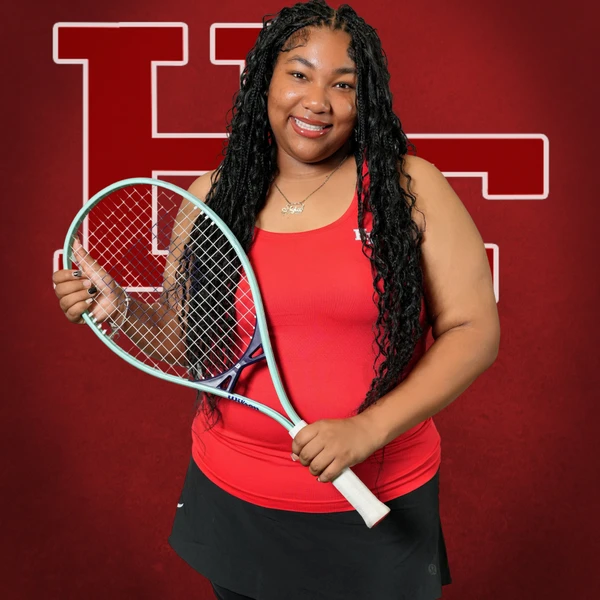
Tennis
Varsity2022 – 20264 years
Awards
- Best Sportmanship 2025
Research
English Language and Literature, General
student2025 – 2025
Arts
Homewood Flossmoor High School
Music2022 – 2026Parker Junior High School
Music2018 – 2022
Public services
Advocacy
Student Government — member2026 – 2026Volunteering
Key Club — Volunteer2022 – 2026
Future Interests
Advocacy
Volunteering
Maxwell Tuan Nguyen Memorial Scholarship
Although I do not have a perfect GPA, I maintained a 3.2 while staying true to myself. I participated in activities I genuinely enjoyed and made the most of my high school years. I took my studies seriously, but I did not give in to the pressure to join every activity or chase the highest GPA. Did I consider the tuition at the schools I applied to? No. Am I concerned about how it will be paid? Yes. Still, my main goal is to stay focused and continue pursuing my dream of becoming the best and most caring surgical nurse I can be—someone who inspires future nurses to help others in every way possible. This is my story.
My desire to help others began when I was young. I have always enjoyed caring for people, speaking kindly to strangers, offering compliments, and finding the good in everyone. I try to wake up each day with a smile, grateful for the chance to live another day. Because tomorrow is never promised, I believe it is important to live life to the fullest.
During my junior year of high school, while playing in a tennis tournament, pain I had been ignoring grew worse each day. I finally told my mom, and when she saw the large knot on my side, she immediately said I needed to see a doctor. I felt scared as the doctor entered the room, especially when I noticed the medical instruments and hoped I would not need to be cut. After examining me, he said I needed surgery right away. I started to cry because I had never had surgery before, but he hugged me and reassured me that everything would be okay. Two days later, I had unexpected surgery to remove a sebaceous cyst. Although I was afraid, the nurses and medical staff were patient, compassionate, and supportive. They answered my questions, comforted me, and helped me feel safe before and after the procedure.
But a year later, during my senior year and just two weeks before prom, I had to have the same surgery again in the same spot. I kept asking myself, why is this happening to me, and why now? I was angry and frustrated because my last year of high school was supposed to be one of the best times of my life, but instead, I had to go through another surgery. This time, I met a wonderful nurse who treated me like her own child. She made sure I was okay, and when I told her I wanted to become a nurse, she was proud of me. She gave me great advice and shared how much she loved her job as a surgical nurse and working with a great team. That was the moment I decided I wanted to become a surgical nurse.
That experience showed me the kind of nurse I want to become: a surgical nurse who not only helps patients heal physically, but also offers the comfort, reassurance, and kindness that helped me through one of the scariest moments of my life. Through nursing, I hope to make patients feel seen, supported, and less afraid while inspiring others to care for people with kindness. I hope to turn my own experience into compassionate care for others and to inspire future nurses to lead with patience, compassion, and commitment.
Christian Fitness Association General Scholarship
I encountered a significant challenge that fundamentally shaped my growth and future ambitions—recovering from surgery while striving to maintain my academic and athletic responsibilities. This experience forced me to temporarily step away from the routines and activities that defined my daily life, particularly tennis, which was a key part of my identity. The process of healing was both physically demanding, requiring patience, adaptability, and self-discipline as I navigated setbacks and uncertainty. I had to find ways to manage my time and energy effectively, ensuring that my recovery did not undermine my academic performance or my commitment to my tennis team. At first, the frustration of being sidelined from the sport I loved was overwhelming. Tennis had always been more than a pastime—it was a source of motivation and pride. Being unable to participate fully made me question my abilities and resilience. Yet, as I progressed through physical therapy and gradually returned to practice, I learned to redefine success. Rather than measure achievement by immediate results or flawless performance, I began to value perseverance and incremental progress. The process taught me that setbacks, though discouraging, are temporary and can be overcome with determination and effort. Balancing recovery with schoolwork presented its own set of challenges. I had to adapt to new routines, sometimes completing assignments from home or prioritizing rest over extracurricular activities. Through this balancing act, I discovered the importance of flexibility, discipline, and self-awareness. I also learned to seek support when needed, drawing strength from my family, coaches, and teachers who encouraged me during moments of doubt. Returning to tennis after surgery was one of the most meaningful risks I took during high school. The uncertainty of whether I could perform at my previous level lingered, but I refused to let fear dictate my choices. By pushing myself to rejoin the team and compete, I demonstrated to myself that determination outweighs setbacks. Completing four years on the tennis team while maintaining strong academic performance is an accomplishment I take great pride in; it represents dedication, consistency, and passion. Ultimately, this experience taught me that success is not defined by the absence of difficulty, but by confronting adversity with resilience and purpose. It shaped my approach to future goals, instilling the confidence that I can persevere through challenges. As I pursue higher education and new endeavors, I will carry these lessons with me, applying the discipline and determination I developed during my recovery to all aspects of my life.
One of the most significant challenges I overcame was recovering from surgery during my high school years. Navigating this period required me to balance my physical recovery with maintaining my academic responsibilities and athletic involvement, especially tennis. The experience tested my patience and self-discipline, forcing me to adapt and find new ways to stay focused on my goals.
Facing this challenge helped me realize that setbacks are temporary and do not have to define my path forward. It taught me the value of resilience and determination, qualities that have shaped my approach to future goals. Because I learned to persevere through adversity, I am now more confident in my ability to tackle obstacles and remain committed to both my academic and personal aspirations.
Throughout my high school years, I encountered experiences that tested my resilience, commitment, and ability to continue through hardship. One of the most significant challenges I faced was undergoing surgery while still maintaining my academic responsibilities and athletic commitments. At a time when many students focus solely on school and extracurricular activities, I was required to step back physically while continuing to push forward mentally and emotionally. This experience reshaped my understanding of determination and taught me lessons that continue to guide my personal and academic growth.
Recovering from surgery was not only physically demanding but also mentally challenging. I was forced to slow down, remain patient, and temporarily distance myself from activities that were significant to my identity, particularly tennis. Balancing recovery with schoolwork required discipline and flexibility, as I needed to manage my time carefully while listening to my body. Although the process was frustrating at times, it taught me the importance of strength. I learned that setbacks may delay progress, but they do not have to define the outcome. This period strengthened myself discipline and helped me develop a deeper sense of determination, patience, and self-confidence.
These experiences have shaped who I am today. They have taught me that success is not defined by the absence of difficulty, but by the willingness to confront adversity with determination and purpose. I have learned how to adapt, remain focused under pressure, and approach challenges with a positive mindset. As I pursue higher education, I will carry these lessons with me, applying the same discipline, resilience, and commitment to my academic and personal goals.
My dedication demonstrated throughout high school will allow me to succeed in college and beyond
Henry Respert Alzheimer's and Dementia Awareness Scholarship
Alzheimer’s disease has impacted my family long before I was born, but its effects continue to shape how I understand compassion, patience, and dignity in care. My knowledge of the disease comes from the stories my mother has shared about my great-grandmother, who developed Alzheimer’s in 1976—at a time when the condition was far less understood—and lived with it for twenty years before passing in 1996.
Each summer, my great-grandmother traveled from Mississippi to Chicago to stay with my grandmother, giving my great-aunt a much-needed break from caregiving. During those visits, my mother spent long stretches of time with her grandmother and began to notice the changes that Alzheimer’s brought. What started as small lapses in memory slowly became more serious: repeated questions, confusion about time and place, and difficulty recognizing familiar people.
My mother often describes how they would drive what felt like endlessly back and forth to the hospital for tests, searching for answers when Alzheimer’s was still largely unfamiliar to many families and even some medical professionals. Over the years, she watched the disease progress in stages, moving from mild forgetfulness to severe cognitive decline, where her grandmother needed help with basic daily tasks and constant supervision. Caregiving became a family effort, and those summers were no longer just about visiting relatives, but about adjusting to a new reality.
As my great-grandmother’s Alzheimer’s worsened, her condition moved into its final stages. She became mostly nonverbal and could no longer clearly express her needs, often relying on facial expressions or small sounds instead of words. Eating and drinking grew more difficult as she began to lose the ability to swallow safely, and she eventually needed help with every bite and sip. Over time, she became bedridden, completely dependent on others for her care, from turning her in bed to prevent sores to helping with basic hygiene and comfort. My family often said that taking care of her as an adult felt similar to caring for a baby again—she needed protection, gentle handling, and constant attention, but also the same tenderness and love you would give a newborn.
The family agreed that they wanted her to remain at home, surrounded by the people and memories she knew, rather than placing her in a nursing home. They arranged for a nurse to come to the house every day and set up a hospital bed in the bedroom she shared with my great-grandfather, so she could receive medical care while still staying in a familiar, loving environment. That choice showed me how love can guide difficult medical decisions and how families often sacrifice to give their loved ones as much comfort and dignity as possible.
Despite this, my mother remained by her side. One of the most meaningful memories she shares is walking with her grandmother every day. Those walks became a routine, a moment of connection in the middle of uncertainty. However, one day, a passerby referred to her grandmother as “crazy.” That moment stayed with my mother. It was not just hurtful—it revealed how misunderstood Alzheimer’s was, and in many ways, still can be. Even now, my mother is deeply sensitive to how people speak about the disease, especially when it is reduced to jokes or ignorance.
Hearing these stories has taught me that Alzheimer’s does not only affect the individual—it impacts entire families emotionally, mentally, and physically. I have learned that behind every diagnosis is a story of love, sacrifice, and resilience. My mother’s experience showed me the importance of empathy, especially toward those who may not fully understand what is happening to them.
My great-grandmother’s journey, as told by my mother, has deeply influenced how I see my future in nursing. It has taught me that care is not just about performing tasks or following medical charts—it is about truly seeing the person in front of you, especially when they can no longer fully express who they are. As an aspiring surgical nurse, I want to bring that same empathy into the operating room and beyond, understanding that every patient has a family, a story, and people who love them.
Most of all, my family’s experience with Alzheimer’s has taught me the power of respect and language. A careless joke or thoughtless comment can reopen old wounds for someone who has watched a loved one slowly lose themselves to this disease. I have learned to speak carefully, to advocate for understanding, and to stand up when I hear others dismiss conditions like Alzheimer’s as something to laugh about.
Although I never met my great-grandmother in a way I could remember, her story continues to guide me. Through my mother’s memories, I have gained a deeper understanding of resilience, compassion, and the importance of dignified care. These lessons are at the heart of why I want to become a nurse: to be the kind of caregiver who not only treats illness but honors the person living with it.
EverGreen Trails of Service Scholarship
For as long as I can remember, I have felt called to care for people when they need support the most. That calling became deeply personal when I was hospitalized twice for unexpected surgery to remove a sebaceous cyst. I remember feeling scared and confused, wondering why I had to go through the experience again. During those moments, the nurses who cared for me showed me how powerful compassion, patience, and attentiveness can be in a patient’s recovery. Their kindness helped me feel seen, safe, and understood. Since then, I have known that nursing is not just a career I want to pursue, but a purpose I want to live out through service, compassion, and meaningful care for others. This is when I decided I wanted to be a surgical nurse and no longer a traveling nurse.
The essence of nursing is compassion. When patients are scared, hurting, or feeling alone, a nurse who listens can make them feel calmer, respected, and less alone. Compassionate care builds trust between patients and their health care team, and that trust can make a difficult experience feel more manageable. As a nurse, I know clinical skills are essential, but I also believe compassion is what helps patients feel human during vulnerable moments. I want to be a comforting presence for every patient I care for, whether I am holding a patient’s hand before surgery, explaining what to expect, or simply sitting with someone who needs reassurance. Small gestures of compassion can mean everything to a patient.
Nursing will help me learn more about myself as both a person and a future health care provider. It will challenge me to think critically, communicate clearly, and handle high-stress situations with confidence and grace. I plan to approach every lesson, simulation, and clinical rotation as an opportunity to strengthen my skills and better understand the needs of different patients. I also want to learn how health differences affect underserved communities so I can provide care that is both knowledgeable and compassionate. By continuing to learn and grow, I can become the kind of nurse who gives patients the quality care they deserve.
I want to become a surgical nurse because nursing is a lifelong journey of learning, service, and compassion. It will allow me to grow in knowledge and character while helping people during some of the most vulnerable moments of their lives. My own experience as a patient showed me the difference a caring surgical nurse can make, and I hope to offer that same comfort and support to others. I look forward to the challenges and rewards ahead because each one will help shape me into a nurse who leads with skill, kindness, and purpose.
Charles B. Brazelton Memorial Scholarship
I call myself weird, but I do not mean it in a negative way. To me, being weird means being different, honest, curious, and unafraid to stand out. Everyone has something about them that makes them unique, and for me, my “weird” is the way I see the world. I notice small things that other people might overlook. I am not afraid to admit when I see things differently. I realized that the parts of me I once felt unsure about were the parts that made me memorable. Being different does not mean something is wrong with me. It means I bring something to the table that no one else can bring in the same way.
My weirdness shows up in my personality, my thoughts, and the way I connect with people. I may have a different sense of humor, or I may be the person who says what everyone else is thinking but is afraid to say. I might be quiet at first, but once I feel comfortable, I can be creative, funny, and full of unexpected ideas. I like being around people who allow me to be myself because I believe the best relationships are built when people do not have to pretend. Calling myself weird is my way of accepting myself instead of trying to shrink who I am.
Being weird also helps me stand out because it makes me more open-minded. Since I know what it feels like to be different, I try not to judge other people for being themselves. I understand that everyone has quirks, habits, dreams, fears, and interests that may not make sense to everyone else. Instead of seeing those differences as strange, I see them as part of what makes people interesting. My own weirdness has taught me to be more accepting, more patient, and more willing to learn from others.
“One moment that helped me feel confident about calling myself weird was when I interviewed for a Recreational Leader position with the park district where I live. During the interview, I was asked to share one thing about myself that made me stand out. Instead of giving a typical answer, I said that I was weird. I explained that being weird meant I was creative, open-minded, and willing to connect with people in a fun and genuine way. That answer may have sounded unusual, but it was honest. In the end, I was hired, and that experience showed me that being myself was not a weakness—it was one of the reasons I stood out.” Being hired meant even more to me because I had once attended before-and-after care myself. It felt great to become someone I used to see in that role—someone who could guide, support, and make a positive difference for children the way others had done for me.”
So when I say I call myself weird, I say it with confidence. My weirdness is not something I want to erase. It is something I have learned to appreciate because it represents my individuality. It shows that I am not a copy of anyone else. I am thoughtful in my own way, creative in my own way, and unique in my own way. What makes me stand out is not that I am perfect, but that I am willing to be myself. My weird is part of my strength, and it is one of the things that makes me who I am.
Sara Jane Memorial Scholarship
During my high school years, I encountered a significant challenge that shaped my growth and future ambitions—recovering from unexpected surgery while striving to maintain my academic and athletic responsibilities. This experience forced me to temporarily step away from the routines and activities that defined my daily life, particularly tennis, which was a key part of my identity. The process of healing was both physically demanding and mentally draining, requiring patience, adaptability, and self-discipline as I navigated setbacks and uncertainty. I had to find ways to manage my time and energy effectively, ensuring that my recovery did not undermine my academic performance or my commitment to my tennis team. At first, the frustration of being sidelined from the sport I loved was overwhelming. Tennis had always been more than a pastime—it was a source of motivation and pride. Being unable to participate fully made me question my abilities and resilience. Yet, as I progressed through by supporting my teammates and gradually returned to practice, I learned to redefine success. Rather than measure achievement by immediate results or flawless performance, I began to value perseverance and incremental progress. The process taught me that setbacks, though discouraging, are temporary and can be overcome with determination and effort. Balancing recovery with schoolwork presented its own set of challenges. I had to adapt to new routines, sometimes completing assignments from home or prioritizing rest over extracurricular activities. Through this balancing act, I discovered the importance of flexibility, discipline, and self-awareness. I also learned to seek support when needed, drawing strength from my family, coaches, and teachers who encouraged me during moments of doubt. Returning to tennis after surgery was one of the most meaningful risks I took during high school. The uncertainty of whether I could perform at my previous level lingered, but I refused to let fear dictate my choices. By pushing myself to rejoin the team and compete, I demonstrated to myself that determination outweighs setbacks.
During my last two years of high school and the experience of my surgeries made me change from wanting to become a travel nurse to wanting to become a surgical nurse. Seeing first hand, compassionate and patience from the nurses who cared for me to one particular nurse who gave me great advice of her working with wonderful co-workers and hospitals to research and what to look for .
As I start my new chapter my first year of college, I plan to look for a part time job at the hospital that is close to the college I will be attending hoping to get hands on experience in the healthcare field. My interest in nursing started with me always caring get a head start on my nursing experience but also personally continue to help people at something I really enjoy doing not just doing work for the money.
My goal is to gain experience , do the best as I can and graduate college and be the best surgical nurse like the one who cared for me .
Dashanna K. McNeil Memorial Scholarship
I really care for people and I want to help take of them and my passion to become a surgical nurse was not my 1st choice but grew stronger after undergoing an unexpected surgery last year to remove a sebaceous cyst. At the time, I did not know how much that experience would shape my view. What stood out most to me was not just the procedure itself, but the staff surrounding it, the fast-paced movement, the care of the team, and most importantly, the quiet but powerful presence of the nurses. They were the ones who spoke to me when I felt anxious, who explained what was happening in ways I could understand, and who made me feel like more than just a patient on a schedule.
Then, just two weeks before my senior prom, I faced the same surgery for the same issue. What should have been a time of excitement quickly turned into stress and disappointment. I worried about recovery, about missing important moments, and about how everything would turn out. Yet again, it was the surgical nurses who made the greatest impact on me. They recognized not only the physical aspect of my situation but also the emotional weight of it. Their understanding, patience, and concern reminded me that healthcare is not just about treatment; it is about understanding the person behind the condition.
Because of these experiences, the impact I hope to have in surgical nursing is centered on compassion-driven care. I want to be the kind of nurse who sees beyond the procedure and acknowledges the human experience attached to it. Surgery can be intimidating, especially for patients like me who did not fully understand what was happening or who feel a loss of control. I want to bridge that gap by offering clear communication, emotional support, and a sense of calm in what can feel like a confused environment.
I hope to contribute to the surgical field by promoting a belief in teamwork and respect. The operating room is a place where every second counts, and every role matters. From surgeons to anesthesiologists to nurses, success depends on collaboration and trust. I want to be someone who not only performs my responsibilities with excellence but also supports my team, communicates well, and helps create an environment where everyone can perform their best. A strong team ultimately leads to better patient outcomes, and I want to be an active part of that dynamic. I want to give back by becoming the same nurse who really cared for me .
Sloane Stephens Doc & Glo Scholarship
I did not choose the challenges that shaped my life, but I have chosen to turn them into strength, compassion, and a purpose to care for others. So here is MY STORY-MY TRUTH
My mother has always been my greatest inspiration because she has shown me what strength, sacrifice, and unconditional love truly look like. When my father chose not to be involved in my life from birth to now, at 18, my mother made the difficult decision to separate and finally divorced him. She raised me with the love, stability, and support I needed. She became the person who stood beside me, believed in me, and showed me that I was still worthy of love. Watching her face her own challenges, including major neck surgery, taught me that strength is not about never struggling; it is about continuing to move forward with faith, courage, and compassion. Her example has shaped the person I am becoming and the future I am determined to create.
Many people, including my mother, thought I might become depressed because my father did not want to have anything to do with me. Especially when I had both surgeries, my father chose not to be there. This really hit me to the core, like my own dad was not even there for my surgery, but instead, that pain became a source of strength. It made me more determined to care for people who need love, support, and encouragement.
My own medical experiences also deepened that purpose. Last year, I had unexpected sebaceous cyst removal surgery right before a tennis tournament, and this year I went through the same experience again just two weeks before prom. Both times, I felt how quickly life can change and how vulnerable a person can feel when medical challenges interrupt moments they have been looking forward to. Those experiences helped me understand that nurses do more than provide medical care; they bring calm, comfort, and hope when patients need it most.
Because of everything I have been through, I want to use my education to become a skilled and compassionate surgical nurse. I want to be the person who helps patients feel safe before surgery, supported during recovery, and reminded that they are not alone. Earning this education would give me the knowledge and training to serve my community with excellence. Still, it would also allow me to give back from a place of personal understanding. I know what it feels like to face pain, uncertainty, and disappointment, and I want to use those experiences to bring comfort to others. My goal is to turn my hardships into purpose and help create a better future where every patient is treated with dignity, compassion, and respect. I am determined to become a nurse who not only helps people heal physically, but also makes them feel valued, seen, and cared for in their most difficult moments.
MJ Strength in Care Scholarship
This is my truth; it all started with my grandmother saying I was always smiling as a baby. I woke up smiling all the time. My role models are my mother and grandmother. Both have been supportive and caring, and I am always being told that I am nice and that I am a genuinely caring person. My mother has instilled in me that if you are determined, you can do whatever you want to do. It not going to be easy, but keep at it, and it will happen. She never pressured me into getting straight A's and a top GPA and saying I need to be in a lot of activities; instead, she said Do what you enjoy and stick with it. So, my GPA is 3.24, and I started Girl Scouts as a Daisy and went through to Cadette. In grammar school, I started playing the violin with orchestra and kept playing through my senior year of high school. I played tennis all 4 years of high school and won Best Sportsmanship my senior year. I was in Key Club for community service, and I had the opportunity to attend culinary class a 4yrs of high school and receive ServSafe certification.
My senior year, I applied for many jobs, and again my mom said Don't give up so I kept applying until I was offered a position as a Recreational Leader through the park district where I live and attended for before- and after-care. It was so rewarding to be working where I actually was receiving care before experiencing work where someone cared for me in the same role.
As I had mentioned culinary all my years of high school, and I also attended one summer culinary camp where I learned to make chicken alfredo pasta from scratch; this is when I became passionate about cooking- to the point it was my choice between nursing or culinary school. My Best friend now always asks me to cook her chicken alfredo, and my mom always says my chicken breasts are so flavorful and tender. Cooking is relief and excitement of doing something I love and providing good home cooking.
Well, as you see now, I did not choose culinary- my second love; I chose what is really dear to my heart, which is caring and taking care of people, and that is why I want to become a nurse.
One day, my side started hurting, and I did not think anything of it and assumed it would go away, but it did not. I went to urgent care, and within a few days, I had to have surgery to remove a sebaceous cyst. This was during my junior year and while I was participating in a tennis tournament. Scared because this was my 1st major surgery and mad that I had to support my teammates and not fully participate in the tennis tournament.
But guess what, a year later and 2 weeks before my senior prom- BAM, it happened again, having to have the same surgery. Frustrating, and I ask why this is happening again, right before prom. But this time, it was this nurse who was so nice to me, and I mentioned that I was going to be attending school and majoring in nursing; she was so excited and said she was so proud of me that she explained to me her day as a surgical nurse, tips on hospitals to work at and how it great to work with a great and a supportive team and coworkers. This is when I decided that I no longer wanted to be a traveling nurse- I now want to become a surgical nurse. Her inspiration will carry on with me as I enter this new chapter of nursing.
7023 Minority Scholarship
My grandmother is my hero, who was born and raised in Fayette, Mississippi, a small town of about 1,200 people, and she experienced racism growing up. Telling me a story of how her mother had to go to another town to attend college, and she had to go to the bathroom strictly for her race. Even with those struggles, she never allowed them to define her. Instead, she built a life marked by strength, toughness, and kindness.
Later in life, she faced colon cancer with incredible courage. She was told she had the option of radiation and chemotherapy, but after surgery, her doctor was able to remove the tumor completely and said it had not spread to any of her other organs. My grandmother had already been through so much, so she decided not to go through radiation or chemotherapy. Today, she is cancer-free, and at 79 years young, she is healthy and strong as ever.
Her story motivates me to pursue nursing with purpose. Watching her overcome both discrimination and illness taught me that strength is not just about undergoing hardship, but about continuing forward with self-respect and hope. She is my hero because she showed me how to keep going even when life is difficult, and how to remain compassionate even after being treated unfairly. Her example reminds me that one person’s strength can inspire an entire family.
Through my chosen major, I plan to make a positive impact on the world by being a compassionate and reliable healthcare professional. I want to serve people with patience, compassion, and professionalism while contributing to better health outcomes in my community. Nursing is more than a career to me; it is a way to make a real difference in people’s lives every single day.
If awarded this scholarship, it would help me meet my educational goals by reducing the financial weight of college and allowing me to focus more fully on my nursing education. I hope to use my education and dedication to provide not only excellent care but also comfort and encouragement to those who need it most.
Most importantly, this scholarship would help me continue working toward a career where my passion for nursing stems from a desire to help others in a meaningful and honest way. I have always admired the way nurses combine knowledge, compassion, and strength to care for patients and support families. Surgical nursing is especially important to me because it allows me to play a role in a patient’s care before, during, and after surgery.
I can serve others, honor my grandmother’s strength, and make a lasting difference in the lives of patients and families
The Concrete Rose Scholarship Foundation
My mother always says every dollar counts, so I decided I wanted to work, and I was hired last summer as a summer intern with the CEDA program, which is a non-profit program that offers free programs like WIC, utility assistance, and housing counseling. I was fortunate to work and learn how to build a home from the ground up.
After the summer job ended, I was determined to look for another job and work as I attend my senior year of high school. I think I completed 20 or more applications and was becoming discouraged especially after someone interview you and say you are qualified and get your hopes up to turn around and say the position been filled by a more qualified person, my mom said if you really want it keep applying and someone will give you a chance and as long as you show that you are determined and don't give up. So, I didn't give up and I got an interview with park district I live in, the interviewer said that I walked with confidence and was really impressed with answers I gave to his questions, I was offered the job as a Recreation Leader and when I say I was so excited not just because he gave me a chance but given the opportunity to now in return working/helping kids as the same as someone was helping me as I was one of those kids in before and after care.
So, coming to the end of my senior year, excited to start a new chapter of my life, nothing can stop me now-so I thought. I get a pain in my right side, and each day it was getting worse, no, it couldn't be -YES, it happened again. Almost just a year ago, I had to have unexpected surgery to remove a sebaceous cyst, which was very scary because I had never had surgery and was so overwhelmed that I instantly started crying, and my surgeon reassured me by hugging me and saying everything was going to be o.k. Again, repeat, same surgeon, and this time, 2 weeks before my prom, how could this be happening to me again?
This is when I say this is my calling to become a nurse, now I have the chance to give back and comfort people when they are scared, like the wonderful nurses and medical staff who helped and made me feel safe.
These experiences have led me to my passion for becoming a nurse, and this scholarship will help me start my journey, fulfill my promise to give back, and continue my mission of helping and caring for others. Like I was given the chance to work, this will be a great opportunity to tell others not to give up and keep applying because someone will believe in you and give you a CHANCE
VNutrition and Wellness Nursing Scholarship
My nursing career will serve as a connection between medical care and everyday lifestyle choices, especially around nutrition and overall health. My passion for this work is deeply personal. After undergoing two unexpected surgeries for sebaceous cysts, I experienced firsthand how closely nutrition, healing, and patient education are connected. That experience not only strengthened my desire to become a nurse but also shaped my commitment to helping others understand how their daily habits impact their long-term health.
As a future surgical nurse, I will care for patients during some of their most vulnerable moments—before and after procedures that require both physical and emotional recovery. I have learned that healing does not begin and end in the operating room. What patients eat, how they care for their bodies, and the support they receive all play a critical role in their recovery outcomes. This is where I plan to make a meaningful difference.
One of the first steps I will take is to include simple, practical nutritional help in patient care. After surgery, patients often need clear direction on how to support wound healing, reduce inflammation, and rebuild strength. I will educate them on the importance of protein for tissue repair, hydration for recovery, and balanced meals for energy. Rather than overwhelming patients with strict diets, I will offer realistic, manageable suggestions that fit their lifestyle and resources.
My personal health has taught me that people are more likely to make changes when they feel understood, not judged. As a nurse, I will approach each patient with compassion, recognizing that cultural background, financial limits, and past experiences influence eating habits. I will assist patients, helping them set small, achievable goals such as choosing healthier choices, preparing meals at home, or slowly reducing processed foods.
Teamwork will also be a key part of my approach. I plan to work closely with dietitians and other healthcare professionals to ensure patients receive reliable, well-rounded care. By supporting nutritional guidance across the care team, we can create a stronger support system that encourages lasting change.
Beyond the hospital setting, I am committed to community education. I plan to use my voice and experiences to reach others through workshops and digital platforms like Instagram and TikTok, where I can share relatable health tips, recovery advice, and simple nutrition guidance. My goal is to make health information accessible, especially for individuals who may not have regular access to healthcare resources.
Ultimately, my nursing career will be more than treating illness—it will be about prevention, education, and inspiration. Through compassionate care, patient-balanced teaching, and community outreach, I will help individuals take control of their nutrition and overall health. My journey has shown me the power of knowledge and support, and I am committed to passing that forward as a surgical nurse.
Wieland Nurse Appreciation Scholarship
I decided to pursue a career in nursing after experiencing firsthand the profound impact of compassionate care during my own unexpected health challenges. What began as a dream of adventure as a traveling nurse evolved into a clear calling for surgical nursing, inspired by the wisdom and encouragement of a nurse who saw my potential even as I lay on surgery table.
Two weeks before my senior prom—a milestone I had anticipated with excitement and elaborate dress fittings with my friend —an unexpected sebaceous cyst required surgery for the second time in a year. The first procedure, during my junior year, had been a shock. I remember the sterile smell of the prep room, the cold gel of the ultrasound, and the sudden realization that my body had betrayed me in a way I couldn't control. Recovery meant missing tennis practice and navigating awkward explanations to friends. It left me anxious, not just about the pain, but about the uncertainty of whether it would return. Yet, that initial experience planted a seed of curiosity about the medical world that quietly took root.
When the cyst recurred just two weeks before prom, the stakes felt higher. Senior year was supposed to be about celebrations, not scalpels. As I lay in the operating room, the bright lights overhead and the rhythmic beeps of monitors shifted my focus from disappointment to fascination. The surgical team's precision—the way they moved with quiet efficiency, anticipating each other's needs—captivated me. Instead of dwelling on the timing that threatened my big night, I observed with new eyes. This wasn't just a procedure; it was a symphony of skill and trust. In that vulnerable moment, facing the same surgery again, I realized my true passion play here: in the operating room, guiding patients through their most intense medical moments.
During recovery, as I reflected on my experience, anxiety overwhelmed me. With my heart pounding, I found the courage to share my aspiration of becoming a nurse with the nurse attending to my care. That moment marked a turning point, strengthening my resolve to pursue a career dedicated to compassion and service. Her face lit up with genuine pride. "That's wonderful," she said, squeezing my hand. She didn't just offer routine post-op instructions; she became an instant mentor. Over the next few minutes, she shared invaluable advice: seek hospitals with strong support systems for new nurses—those offering structured onboarding, peer mentorship programs, and team cultures that balance cutting-edge patient care with staff well-being. She spoke passionately about the close-knit teamwork in surgical units, where every shift builds lasting bonds. That conversation was transformative. It bridged my role as patient with my future as a provider, solidifying my shift from travel nursing's to surgical nursing's path.
These experiences taught me that nursing transcends technical expertise; it's about being a steady anchor amid chaos. Patients don't remember only the successful excision—they remember the voice that calmed their fears, the hand that reassured them. As a surgical nurse, I'll embody that empathy, communicating clearly, validating anxieties, and advocating fiercely, no matter how "routine" the case seems. My prom night went on, dress intact thanks to quick healing, but it paled compared to the clarity I gained.
This scholarship will fuel my nursing degree, allowing me to honor that nurse's belief in me by delivering the same compassionate precision to others. I've turned personal interruption into professional purpose—ready to thrive in the OR, one patient at a time.
I found out about this scholarship thru Bold.org under search engine of nursing scholarships
Philippe Forton Scholarship
One experience that deeply shaped my understanding of compassion happened during my own unexpected surgery. Nearly a year ago, I underwent sebaceous cyst removal surgery, and more recently, I had to repeat the same procedure during my senior year and two weeks before my prom. Although the surgeries were relatively short, the care I received from the surgical nurses made a lasting impression on me and helped clarify the kind of healthcare professional I want to become.
Before the procedures, I felt nervous, uncertain, and vulnerable. I did not know exactly what to expect, and I struggled with the fear of the unknown. The surgical nurses noticed that, and instead of simply moving through the routine, they took time to explain each step, answer my questions, and reassure me in a calm and thoughtful way. After the surgery, they continued to check on me, made sure I understood my recovery instructions, and treated me with patience and respect. Their kindness made a stressful experience feel more manageable, and I felt genuinely cared for as a person, not just as a patient.
What affected me most was realizing how impactful compassion can be in moments of fear and uncertainty. The nurses were doing their jobs with skill and professionalism, but they also brought empathy and human connection into their care. They reminded me that healthcare is not only about treating a condition, but about supporting a person through one of the most vulnerable times in their life. On particular nurse, was so nice that she gave me advice on a hospital to consider working at and she said she was so proud of me of choosing surgical nursing. That experience stayed with me long after the surgery was over, and it changed the way I view the role of nurses in patient care.
Because of this experience, I want to become a surgical nurse who offers that same level of compassion to others. I hope to be the person who helps patients feel calm, informed, and supported when they are facing something unfamiliar or stressful. I want to combine technical skill with empathy, strong communication, and genuine care so that every patient I encounter feels safe and respected. This experience taught me that compassion has the power to transform a difficult moment, and it inspired me to pursue a career where I can make that kind of difference in people’s lives.
Women in Healthcare Scholarship
I chose to pursue a degree in healthcare because my own medical experiences showed me how deeply compassionate care can change a person’s life. After having two unexpected cyst removal surgeries — one almost a year ago and another recently — I saw firsthand how vulnerable a patient can feel and how much of a difference skilled, empathetic healthcare professionals make. The nurses who cared for me didn’t just treat my condition; they treated me. They explained what was happening, eased my fears, and made me feel safe during moments that could have been overwhelming. Their impact stayed with me, and it inspired me to follow a path where I can provide that same comfort and support to others.
Healthcare is a field where science and humanity meet, and that balance is exactly what draws me in. I want to be part of a profession where I can help people heal physically while also supporting them emotionally. My goal is to become a surgical nurse, using my experiences as a patient to guide the way I care for others. I know what it feels like to be scared before a procedure, to wait for answers, and to rely on the people around you for reassurance. I want to be the nurse who stands beside someone in those moments and helps them feel seen, understood, and protected.
As a woman entering the healthcare field, I hope to make a positive impact by bringing strength, empathy, and leadership into every space I step into. Women have always played a vital role in healthcare, but we continue to push boundaries, break stereotypes, and raise the standard of care. I want to be part of that movement. I want to show younger girls — especially those who come from single‑parent households like mine — that they can pursue demanding careers, make a difference, and create futures they’re proud of.
I also hope to use my voice to advocate for patients who may feel overlooked or unheard. Healthcare can be intimidating, especially for those who don’t have strong support systems. I want to be someone who listens, who explains, and who makes sure every patient receives the dignity and respect they deserve.
Choosing healthcare is choosing purpose. It’s choosing to show up for people on their hardest days. It’s choosing to turn my own challenges into a career built on compassion, strength, and service. As a woman in healthcare, I hope to bring all of that — and more — to the communities I serve.
Community Health Ambassador Scholarship for Nursing Students
I want to pursue a degree in nursing, specifically surgical nursing, because of the two unexpected cyst removal surgeries I experienced — one almost a year ago and another recently. Those moments changed the way I understood healthcare. What could have been frightening and overwhelming instead became experiences where I felt supported, informed, and genuinely cared for. The surgical nurses who stood beside me made all the difference. They were the ones who explained each step, reassured me when I was anxious, and treated me with compassion at a time when I felt vulnerable. Their presence stayed with me long after the surgeries were over, and it is the reason I want to follow this path.
Being a patient in the operating room opened my eyes to how powerful a nurse’s role truly is. Surgical nurses are there during some of the most critical and emotional moments of a person’s life. They are the steady hands and calm voices that help patients feel safe when everything around them feels uncertain. I want to be that person for someone else. I want to turn my own medical experiences into something meaningful — a career where I can help others feel the same comfort and trust that I felt.
This scholarship would help me take the next step toward becoming a surgical nurse who gives back to my community. I hope to serve patients who may be scared, confused, or facing procedures they never expected, just like I did. I want to provide care that is not only skilled but deeply compassionate. I want to be the nurse who listens, who explains, and who advocates for patients when they feel unsure or overwhelmed.
My goal is to support individuals who may not have strong support systems at home, ensuring they feel cared for from the moment they enter the operating room to the moment they begin healing. I also hope to educate patients and families about their procedures, recovery, and long‑term health, helping them feel empowered rather than afraid.
My surgeries taught me that healthcare is not just about treatment — it is about connection, understanding, and humanity. Becoming a surgical nurse allows me to bring all of that into my work. It gives me the chance to turn my own challenges into purpose. I want to be part of the team that helps people heal, both physically and emotionally, and I want to serve my community with the same compassion that was shown to me.
Pursuing surgical nursing is more than a career choice for me. It is a calling shaped by my experiences, my desire to help others, and my commitment to making a difference when it matters most.
Curtis Holloway Memorial Scholarship
The person who has supported me most in my educational journey is my mom. After nineteen years of marriage and thirteen years of separation, she has been a single parent since 2013 — carrying the weight of two roles with the strength of one. She has been my stability, my encouragement, and my example of what resilience truly looks like.
Her support has never been passive. She obtained a secure job that allowed her to provide for our family on her own, and she has worked with determination toward her upcoming retirement in 2028. Even while managing everything by herself, she made sure I always felt supported, valued, and capable. She showed up for me in every way that mattered — emotionally, academically, and personally. I honor her by taking my education seriously, by pushing myself, and by striving toward the dreams she always encouraged me to chase.
In 2024, my mom had unexpected neck surgery — a moment that reminded me how quickly life can shift. Seeing her go through something so sudden made me realize how much she has always protected me from worry. Even during her recovery, she continued to encourage me, reminding me to stay focused on school and my goals. Her ability to stay strong and supportive, even in the middle of something she didn’t see coming, showed me a level of courage that I carry with me every day.
Growing up in a single‑parent household shaped me in ways I didn’t fully understand until I got older. It taught me responsibility early. It taught me to appreciate every opportunity because I knew how intentionally she worked to create them. It taught me that love can be powerful enough to fill the space where another parent should have been. Her support wasn’t just helpful — it was essential. It gave me stability in moments when life could have felt unstable. It gave me confidence when I could have felt alone.
Her belief in me has driven me to be successful. She taught me that my circumstances don’t define my future — my effort does. She taught me to stay disciplined, to keep going when things get difficult, and to trust that hard work will open doors. When I face setbacks, I think about everything she has overcome, and it reminds me that I can overcome my challenges too.
As I move toward my goals, I plan to build on the foundation she created. I want to carry her values — strength, perseverance, and compassion — into my education and future career. I want my achievements to reflect her sacrifices and her belief in me. Every step I take forward is a way of honoring her, of showing her that everything she did mattered.
Her support has been instrumental because it came during a time when our family could have easily fallen apart. Instead, she held everything together. She gave me the kind of love and stability that allowed me to dream bigger than my circumstances. I am who I am because of her. And as I continue my education, I carry her strength with me — not just as motivation, but as a legacy I am determined to honor.
Dick Loges Veteran Entrepreneur Scholarship
My dad’s journey — from serving in the U.S. Navy during the Gulf War, to becoming a correctional officer and earning the rank of sergeant, to building his own catering business from a simple love of grilling — has shaped my educational and career goals more than anything else. His life has shown me what discipline, resilience, and purpose look like in action.
He served on aircraft carriers in the Gulf War, where he was responsible for landing aircraft. That job demanded precision, calm under pressure, and absolute trust in his training. Growing up hearing his stories, I learned early how much responsibility and courage it takes to serve in that environment. Those qualities didn’t disappear when he left the Navy. Instead, they became the foundation of everything he did afterward.
After his military service, he continued serving his community by becoming a correctional officer. That role requires patience, strength, and the ability to stay steady in high‑stress situations — qualities he carried from the flight deck into the correctional facility. His promotion to sergeant showed me what dedication and integrity can lead to. He earned respect not by demanding it, but by showing up every day with consistency and purpose.
But what inspires me just as much is the entrepreneurial path he built for himself. What started as him simply grilling for friends and family turned into something bigger. He began selling his food in sports bars, taking on catering jobs, and eventually building a business from the ground up. Watching him turn a passion into a source of income taught me that entrepreneurship isn’t just about owning a business — it’s about believing in your skills enough to share them with the world. His determination showed me that you can create opportunities even when they don’t exist yet.
His military service has also shaped my educational journey. Growing up with a parent who served in such a high‑stakes role taught me the value of discipline and resilience. When I face setbacks in school or sports, I think about the pressure he handled on the flight deck and the sacrifices he made for our family. It reminds me that challenges are temporary, but perseverance lasts. His service also taught me to take my education seriously. I understand that the opportunities I have today are built on sacrifices made long before I ever stepped into a classroom.
Overall, my dad’s Navy service, his rise to sergeant in corrections, and his entrepreneurial success have given me a blueprint for the kind of person I want to become: focused, resilient, and committed to making a difference. As I move into college, I’m carrying those lessons with me — not just as motivation, but as a reminder of the legacy I’m continuing
Doing Hard Things My Way: Adaptive Athlete Scholarship
I became an athlete because I wanted to see what I was capable of, even with the challenges I faced. When I joined the tennis team freshman year, I had no idea how much the sport would shape me. I just knew I wanted to try. Over the four years, tennis became more than a sport, it became a place where I learned discipline, resilience, and how to trust my body even when it didn’t always cooperate.
My journey took an unexpected turn almost a year ago during tennis sectionals. Sectionals were supposed to be the culmination of everything I had worked toward since freshman year. Instead, they became the moment everything stopped. In the middle of the competition, I suddenly needed emergency cyst surgery. One moment I was fighting for every point, and the next I was being pulled away from the court and into a situation I never saw coming. The timing was devastating, training for years to compete at that level, and suddenly I was recovering instead of playing.
The recovery process was slow and frustrating. I had to rebuild confidence and momentum. I worked hard to return to the athlete I knew I was becoming. But just as I felt like I was finally getting back on track, it happened again. Another cyst. Another unexpected surgery. This time, it was only two weeks before prom — a moment that was supposed to be simple, fun, and normal. Instead, I found myself back in recovery mode, managing pain, disappointment, and the fear of falling behind all over again.
These surgeries tested me in ways I didn’t expect. Physically, I had to pause when all I wanted was to push forward. Emotionally, I had to deal with the feeling that life was moving on without me. But those experiences also taught me something essential: resilience doesn’t wait for perfect timing. Strength isn’t just about hitting harder serves or winning long rallies. It’s about choosing to rise every time life knocks you down. I learned how to rebuild with patience, how to trust my body even when it scared me, and how to stay committed to my goals even when the path twisted in ways I never planned.
Being an adaptive athlete means more to me than competing. It means adapting to every challenge, expected or not and finding a way forward. It means redefining what ability looks like, not just for others, but for myself. My surgeries aren’t obstacles that stopped me; they’re chapters that shaped me. They taught me creativity, determination, and the kind of mental toughness you can only learn from fighting your way back. Tennis gave me the space to practice that mindset every day, whether I was grinding through drills, playing matches, or simply showing up when things felt heavy.
Sports have shaped my mindset in every part of my life. They’ve taught me discipline, confidence, and how to stay focused even when things feel uncertain. Because of sports, I’ve learned to trust my work ethic, to believe in my ability to adapt, and to set goals that push me beyond what I once thought possible.
As I move into college, I’m bringing this mindset with me. I plan to continue and pushing myself as an adaptive student. I want to surround myself with people who challenge me, and I want to keep proving to myself first that I can overcome whatever comes next. My journey hasn’t been easy, but it has made me stronger, more determined, and more confident in who I am. And I’m not done growing. I’m just getting started.
David Foster Memorial Scholarship
The teacher who has had the deepest impact on my life is Ms. Terri Davis — my freshman and sophomore tennis coach, my sophomore history teacher, and someone who has stayed in my corner all the way through senior year. She’s the kind of person who doesn’t just teach you for a season; she stays with you, even when you move on.
I first met her as a freshman on the tennis team. I was nervous, unsure of myself, and trying to figure out where I fit in. She noticed that right away. She had this way of pushing me without overwhelming me, of expecting effort without demanding perfection. And somehow, she always knew when I needed encouragement and when I needed a reality check.
One of the first things we bonded over was something small — Blue Bell ice cream. When she found out we loved the same flavor, she laughed and said, “Well, that means we’re related.” It became our inside joke, something that made practices feel lighter and made me feel like she saw me as more than just another player.
But the moment that really changed our relationship happened during a practice full of drama. People were arguing, attitudes were flaring, and the whole team felt tense. I got caught in the middle of it, and the pressure hit me harder than I expected. I tried to keep playing, but my emotions were all over the place. I felt embarrassed, overwhelmed, and ready to walk off the court.
Ms. Davis didn’t let me. She blew the whistle, pulled me aside, and said quietly, “Look at me. You’re okay. Breathe.” She didn’t judge me or make me feel weak. She grounded me. Then she said something I’ll never forget: “You’re stronger than the chaos around you. Don’t let other people’s drama decide who you are.”
That moment stuck with me. She wasn’t just coaching my tennis game — she was coaching my life.
Even after I made varsity and she wasn’t my coach anymore, she never stopped supporting me. She checked in after matches. She asked how school was going. She celebrated my wins and reminded me of my worth when I doubted myself. She stayed present, even when she didn’t have to.
And this year, as a senior, she showed up to see me off before prom. She hugged me, told me how proud she was, and reminded me how far I’d come since that overwhelmed freshman on the tennis court. That moment meant more to me than she probably realizes. It showed me that her belief in me wasn’t tied to a class or a team — it was real.
Because of Ms. Davis, I’ve learned to trust myself, to stay grounded when things get chaotic, and to show up fully even when I’m unsure. She taught me that confidence is something you build, not something you wait for. She taught me that the right people don’t just teach you — they stay with you.
She didn’t just influence my high school years. She changed the way I approach my life.
Ava Wood Stupendous Love Scholarship
The most meaningful act of kindness I’ve offered happened during first‑period English, shortly after our school lost one of our own classmates to suicide. The whole building felt different that week — quieter, heavier — but one of my classmates seemed especially shaken. She had been close to him, and even though she tried to stay focused, I could see her fighting back tears from the moment she sat down.
Halfway through the lesson, her breathing changed. She kept wiping her eyes, pretending to read, but her hands were trembling. I leaned over and quietly asked if she wanted to step outside for a minute. She nodded without even looking up. I asked the teacher if we could go into the hallway, and he agreed.
The second the door closed behind us, she broke down. She didn’t need advice or explanations — she just needed someone to stand with her while she let everything out. I stayed beside her, letting her cry, letting her talk when she could, and letting the silence be enough when she couldn’t. I told her it was okay to feel overwhelmed, that she didn’t have to hold everything in just because we were at school.
We stayed out there until she felt steady again. For the rest of the week, I checked in on her — sometimes just a quick “You good?” or sitting next to her so she didn’t feel alone in class.
That moment mattered to me because it showed me that kindness isn’t always about fixing anything. Sometimes it’s about noticing when someone is carrying a kind of grief that’s too heavy for one person and choosing to share even a small part of that weight. Being there for her taught me how powerful it can be to simply show up when someone’s world feels like it’s cracking open.
A time I chose to be unapologetically myself was when I stopped letting other people’s comments about my weight define how I felt about my own body. For a long time, I felt pressure to look a certain way — to be smaller, thinner, or to “fit” the version of myself that other people thought I should be. Even when no one said anything out loud, the looks, the jokes, and the comparisons were enough to make me want to shrink into the background.
There was one moment that changed things for me. During a school event, a group of people made a comment about my weight, expecting me to laugh along like I usually did. Instead of pretending it didn’t bother me, I told them calmly that I was done letting other people’s opinions control how I saw myself. I didn’t say it to start an argument — I said it because I finally believed it.
For the first time, I chose to stand in my own skin without apologizing for it. I stopped hiding behind oversized clothes just to blend in. I stopped avoiding pictures. I stopped letting other people’s expectations shape my confidence. I started focusing on being healthy, happy, and comfortable — not perfect.
That moment mattered because it taught me that being myself means valuing who I am, not who others think I should be. It wasn’t about being loud or dramatic. It was about choosing self‑respect over approval. And once I made that choice, I realized how powerful it is to show up as the real me — confidently, fully, and without shrinking to make anyone else comfortable.
Sabrina Carpenter Superfan Scholarship
I’m a fan of Sabrina Carpenter because she has this rare ability to make her music feel both fun and deeply honest at the same time. She’s playful, confident, and bold, but she also writes from a place of vulnerability that feels real. Watching her grow from someone people underestimated into an artist who owns her voice, her style, and her success has been incredibly inspiring.
What impacts me most about Sabrina Carpenter career is the way she handles pressure and reinvention. She’s been through public criticism, comparisons, and moments where people tried to define her—but she never let any of that stop her. Instead, she turned it into art. She turned it into humor. She turned it into confidence. Seeing her do that made me rethink how I handle my own challenges. It reminded me that you can be soft and strong at the same time, that you can be hurt and still come back brighter, and that you don’t have to shrink yourself to make other people comfortable.
Her music has been a comfort during times when I felt misunderstood or overwhelmed. Songs where she’s honest about heartbreak, insecurity, or trying to find her place in the world made me feel less alone. And then there are the songs where she’s unapologetically herself—those remind me that it’s okay to take up space, to be confident, to be a little dramatic, to laugh at your own chaos.
Sabrina’s career has shown me that growth isn’t always straight, that success can come from staying true to who you are, and that you can turn even the hardest moments into something beautiful. She makes me want to be braver, more expressive, and more comfortable in my own skin.
Beverly J. Patterson Scholarship
My passion for nursing comes from a place I never expected to find myself in. A year ago, I had to undergo an unexpected surgery to remove a cyst, and just when I thought that chapter of my life was behind me, I found myself facing the same situation again. There’s a very specific kind of fear that comes with being told you need surgery—especially when it’s sudden. It’s the feeling of losing control over your own body, of not knowing what’s going to happen next, of trying to stay strong while your mind is racing.
What got me through those moments wasn’t just the medical care—it was the nurses. They were the ones who noticed when my hands were shaking, who stayed with me when I tried to hide how scared I was, who explained things slowly when my mind was too overwhelmed to process anything. They didn’t just prepare me for surgery; they held space for my fear, my frustration, and my hope. Their presence made me feel human again at a time when I felt like nothing but a diagnosis.
Those experiences changed me. They made me realize how deeply a nurse can impact someone’s life in a moment that lasts only minutes. They made me want to be that person for someone else—the one who brings calm into a room full of uncertainty, the one who makes a terrifying moment feel survivable.
That’s why I want to become a surgical nurse. I’m drawn to the intensity of the operating room, but even more than that, I’m drawn to the emotional weight of it. I know what it feels like to be wheeled into a cold room full of bright lights, trying to steady your breathing. I know what it feels like to put your trust in people you’ve only just met. And I know how much it matters when one of those people looks you in the eye and makes you feel safe.
The impact I hope to make in surgical nursing is deeply personal. I want to be the nurse who sees the fear behind the brave face, who explains things in a way that brings comfort, who advocates for patients when they’re too overwhelmed to speak up. I want to turn my own difficult experiences into something meaningful—something that helps someone else feel less alone.
My surgeries took a lot from me, but they also gave me clarity. They showed me the kind of nurse I want to be: one who leads with empathy, steadiness, and genuine human connection. And that’s the impact I hope to make every single day in the surgical field.