
Nyieres Porter
1x
Finalist
Nyieres Porter
1x
FinalistBio
I am a very young educated African American who wants to succeed in life by pursuing a career in neuroscience and becoming an officer in the Air Force.
Education
Clemson University
Bachelor's degree programMajors:
- Neurobiology and Neurosciences
Minors:
- Psychology, General
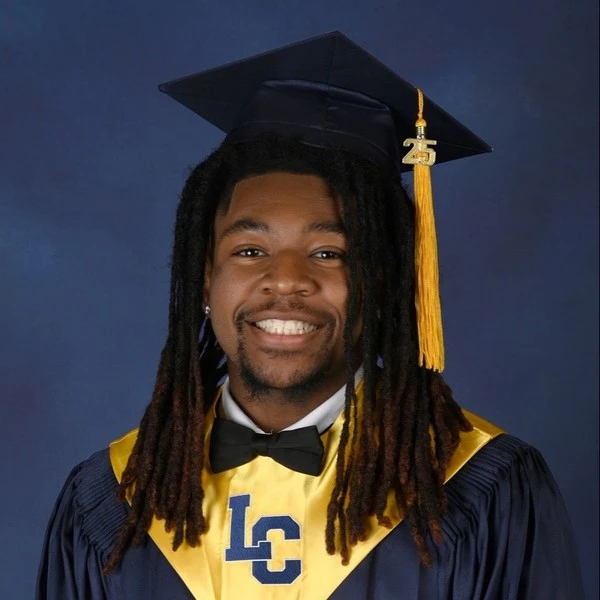
Lake City High School
High SchoolMiscellaneous
Desired degree level:
Doctoral degree program (PhD, MD, JD, etc.)
Graduate schools of interest:
Transfer schools of interest:
Majors of interest:
- Neurobiology and Neurosciences
Career
Dream career field:
neuroscience
Dream career goals:
Sports
Wrestling
Varsity2021 – 20254 years
Track & Field
Varsity2021 – 20254 years
Football
Varsity2020 – 20244 years
Future Interests
Advocacy
Politics
Volunteering
Entrepreneurship
AROC AI/ML Scholarship
My hands-on experience with artificial intelligence and machine learning has grown from simple curiosity into a disciplined, project-driven pursuit of innovation. What began as experimenting with basic Python scripts evolved into building functional applications, training models, and exploring how intelligent systems can solve real-world problems. These experiences have shaped both my technical foundation and my vision for the impact I hope to make in the field.
My earliest work with AI involved developing small machine learning models using Python libraries such as TensorFlow, scikit-learn, and PyTorch. I started by training classification models on publicly available datasets, learning how to preprocess data, tune hyperparameters, and evaluate performance metrics. These early projects taught me the importance of data quality, model interpretability, and ethical considerations in algorithmic decision-making.
As my skills grew, I began creating my own applications. One of my most meaningful projects was developing a lightweight mobile tool that used a convolutional neural network to identify plant species from images. I built the model architecture, trained it on a curated dataset, and integrated it into a simple app interface. This project strengthened my understanding of model deployment, edge computing constraints, and user-centered design. It also showed me how AI can bridge gaps in education and accessibility, especially for communities with limited resources.
I later expanded my work into natural language processing, experimenting with transformer-based models to build a chatbot capable of answering basic academic questions. Although the project was modest in scale, it required me to engage deeply with tokenization, fine-tuning, and prompt engineering. Through this, I gained a clearer understanding of how language models can support learning, mentorship, and communication when used responsibly.
These hands-on experiences have shaped my vision for the impact I want to make in AI. I am particularly committed to developing technologies that advance healthcare, education, and equity. As a neuroscience major and aspiring Air Force neurologist, I see immense potential for AI to transform diagnostic accuracy, optimize treatment plans, and expand access to care for underserved populations. Machine learning models can help detect neurological disorders earlier, analyze imaging data more efficiently, and support clinicians in making informed decisions. My goal is to contribute to this intersection of AI and medicine by designing tools that are not only technically advanced but also ethical, transparent, and accessible.
Beyond healthcare, I hope to use AI to uplift communities that have historically been overlooked in technological development. This includes creating educational tools that support first-generation students, building applications that help small family-run businesses compete in a digital economy, and ensuring that AI systems reflect diverse perspectives rather than reinforce existing biases.
Ultimately, my hands-on experience with AI has taught me that innovation is most meaningful when it serves people. I aim to continue building, researching, and applying machine learning in ways that improve lives, expand opportunity, and strengthen the communities I care about. Through continued study and purposeful application, I hope to become a leader who shapes the future of AI with integrity, creativity, and impact.
Jean Ramirez Scholarship
Losing my aunt was one of the most painful and transformative experiences of my life. Her death was not only a tragedy—it was a moment that exposed the hidden struggles she carried and the quiet battles she fought alone. When she took her own life, our family was confronted with the heartbreaking reality that she had been silently suffering from addiction. Learning that she had been using drugs in secret and ultimately overdosed added another layer of grief, confusion, and unanswered questions. Her loss reshaped our family in ways we are still learning to understand.
In the immediate aftermath, the hardest challenge was accepting that someone we loved so deeply had been hurting in ways we never fully saw. Addiction often hides in the shadows, and in her case, it masked itself behind moments of laughter, strength, and the familiar warmth she brought into every room. When she passed, our family was left grappling with guilt—wondering what signs we missed, what conversations we should have had, and whether anything could have changed the outcome. That emotional weight was heavy, and it took time for us to realize that love alone cannot always save someone from their internal battles.
Her death also forced our family to confront the stigma surrounding both addiction and suicide. These topics are often whispered about, avoided, or misunderstood, and that silence can make healing even harder. We had to learn how to talk openly about what happened, how to support one another without judgment, and how to honor her memory without letting the manner of her death define her life. Through this process, I learned the importance of compassion—toward others and toward myself. Grief is complicated, and healing requires patience, honesty, and the willingness to face painful truths.
Despite the heartbreak, my aunt’s story taught me powerful lessons about resilience. I learned that tragedy does not have to break a family; it can bring people closer together. In the months that followed, we leaned on each other in ways we never had before. We became more intentional about checking in, more open about our emotions, and more aware of the importance of mental health. Her loss pushed me to value connection, to listen more deeply, and to recognize that people often carry burdens we cannot see.
Most importantly, I found hope in the idea that her life still has meaning through the lessons she left behind. Her story motivates me to advocate for mental‑health awareness, to support those who feel unseen, and to approach others with empathy rather than assumptions. While the pain of losing her will always be part of my story, it has also shaped my strength, my purpose, and my commitment to being a source of support for others.
My aunt’s passing was a tragedy, but it also taught me that resilience is not about forgetting—it is about learning to carry loss with grace, honoring the person you loved, and choosing to move forward with compassion and hope.
Pierson Family Scholarship for U.S. Studies
My background has been shaped by the strength of my family, the support of my community, and the educational opportunities that pushed me to grow beyond my circumstances. I was raised in a single‑mother household where discipline, resilience, and service were daily expectations rather than abstract ideals. My mother, an Air Force veteran, balanced military service, entrepreneurship, and parenthood with unwavering determination. Her example taught me that higher education is not simply a personal achievement but a pathway to expanding opportunity and honoring the sacrifices of those who came before me. Growing up in a community where many young people struggled to access academic resources, I learned early on that pursuing higher education in the United States was both a privilege and a responsibility. It represented a chance to break generational barriers, uplift my family, and build a future rooted in service.
One of the most significant challenges I have overcome is navigating family adversity while maintaining my academic goals. During my teenage years, my family faced financial instability and emotional strain, especially as my mother worked tirelessly to provide for us on her own. At the same time, I was coping with the absence of my father due to incarceration, an experience that forced me to confront feelings of uncertainty and instability. Instead of allowing these circumstances to limit me, I used them as motivation to excel academically and develop a strong sense of discipline. This period taught me perseverance, emotional maturity, and the importance of transforming adversity into purpose. I learned that challenges do not define a person; they reveal their capacity for growth and resilience.
Throughout my life, my mother has been the person who has inspired me the most. Her journey—from serving in the United States Air Force to raising a family and building a business—showed me what it means to lead with courage, integrity, and compassion. She taught me that service is not limited to wearing a uniform; it is a mindset rooted in responsibility and commitment to something greater than oneself. Her resilience shaped my desire to pursue higher education, join Air Force ROTC, and dedicate my career to serving others through science and medicine. Watching her navigate hardship with dignity inspired me to follow a path where I could combine leadership, academic excellence, and service.
After graduating from Clemson University with a degree in Neuroscience, I plan to attend medical school and pursue a career as a neurologist in the United States Air Force. My goal is to serve as a physician who supports the health, readiness, and resilience of service members and their families. Neurology offers the opportunity to study the most complex organ in the human body while addressing conditions that profoundly affect cognitive function and quality of life. In the long term, I hope to contribute to advancements in neurological care, mentor future cadets and medical professionals, and continue serving in ways that honor the values instilled in me since childhood.
Learner Calculus Scholarship
Calculus stands as one of the most foundational disciplines in the STEM field because it provides the language, structure, and analytical tools necessary to understand change, motion, growth, and complex systems. While mathematics as a whole forms the backbone of scientific inquiry, calculus in particular enables scientists, engineers, and researchers to move beyond static observations and instead analyze dynamic processes that evolve over time. Its importance extends across every major STEM discipline, shaping the way we model the natural world, solve real‑world problems, and innovate for the future.
At its core, calculus allows us to describe how quantities change. Derivatives measure instantaneous rates of change, while integrals quantify accumulation over time or space. These concepts are not abstract mathematical curiosities—they are essential tools for understanding the physical universe. In physics, calculus explains how objects move, how forces interact, and how energy transfers across systems. In engineering, it guides the design of structures, circuits, and machines by predicting stress, optimizing efficiency, and modeling system behavior. In chemistry, calculus helps describe reaction rates, molecular interactions, and thermodynamic processes. Even in computer science, calculus underpins algorithms, machine learning models, and simulations that rely on continuous change and optimization.
In the biological and health sciences, calculus is equally indispensable. Modern medicine relies heavily on mathematical modeling to understand population growth, the spread of diseases, neural signaling, and the behavior of complex biological systems. For students like me pursuing neuroscience, calculus is especially important. The brain is a dynamic organ defined by electrical impulses, chemical gradients, and constantly changing networks of communication. Understanding neural activity requires the ability to model differential equations, analyze rates of change in membrane potentials, and interpret continuous data from EEGs, MRIs, and other neuroimaging technologies. Without calculus, the scientific study of the brain would be limited to surface‑level observations rather than deep, mechanistic understanding.
Beyond its scientific applications, calculus also cultivates a mindset essential for success in STEM. It teaches students how to break down complex problems into manageable parts, how to think logically through multiple steps, and how to approach challenges with patience and precision. These habits of mind extend far beyond the classroom. Whether designing a medical device, analyzing environmental data, or conducting laboratory research, STEM professionals rely on the analytical reasoning skills that calculus develops. It strengthens problem‑solving abilities, encourages creative thinking, and fosters intellectual resilience—qualities that define effective scientists, engineers, and healthcare providers.
Calculus also plays a critical role in technological advancement. Many of the innovations that shape modern life—from aerospace engineering to artificial intelligence—depend on calculus‑based models. The ability to optimize flight paths, predict weather patterns, design safer vehicles, and simulate complex systems all stems from calculus. As society becomes increasingly dependent on data‑driven decision‑making and advanced technology, the importance of calculus continues to grow. It is not simply a subject to be learned; it is a tool that empowers discovery, innovation, and progress.
Ultimately, calculus is important in the STEM field because it bridges theory and application. It transforms abstract scientific ideas into practical solutions that improve lives, advance knowledge, and expand human capability. For students pursuing careers in science, medicine, engineering, or technology, calculus is not just a requirement—it is a gateway to understanding the world at its most fundamental level. Its principles shape the way we explore the unknown, solve the problems of today, and build the innovations of tomorrow.
SrA Terry (TJ) Sams Jr. Civil Engineering Scholarship
I am currently pursuing a Bachelor of Science in Neuroscience at Clemson University, a field that aligns directly with both my intellectual passions and my long‑term commitment to service. Neuroscience offers a unique intersection of biology, psychology, and human resilience, allowing me to explore the mechanisms that shape thought, behavior, and neurological health. This degree is not simply an academic pursuit; it is the foundation for my future career as a neurologist and my broader mission to serve others through science, medicine, and leadership.
My interest in neuroscience began with a deep curiosity about how the brain governs every aspect of human life—from memory and emotion to movement and decision‑making. As I progressed through my coursework, I became increasingly fascinated by the complexity of neural systems and the challenges associated with diagnosing and treating neurological disorders. Clemson’s rigorous curriculum, research opportunities, and emphasis on interdisciplinary learning have strengthened my desire to pursue medical school and specialize in neurology. Studying neuroscience has taught me to think critically, analyze problems from multiple perspectives, and approach complex questions with patience and precision. These skills are essential not only for a future physician, but also for an officer in the United States Air Force.
My academic goals are closely connected to my commitment to military service. I am a Cadet Third Class in Air Force ROTC Detachment 770, and I fully intend to pursue a career as an officer in the United States Air Force. Growing up as the child of an Air Force veteran, I witnessed firsthand the values of discipline, integrity, and service before self. My mother’s career in the Air Force shaped my understanding of what it means to serve with purpose, resilience, and honor. Her example inspired me to follow a similar path, and AFROTC has given me the opportunity to develop as a leader while preparing for the responsibilities of military service.
My goal is to become a neurologist within the United States Air Force Medical Service. This career path allows me to merge my passion for neuroscience with my desire to support service members and their families. Neurological conditions—whether caused by traumatic brain injury, operational stress, genetic disorders, or disease—require specialized care and a deep understanding of both the science and the human experience behind each diagnosis. I hope to contribute to the Air Force mission by providing advanced neurological care, conducting research that improves treatment outcomes, and ensuring that Airmen can maintain the physical and cognitive readiness required for service.
After graduating from Clemson University, I plan to attend medical school and continue my training through military pathways that align with my professional goals. I am committed to earning my commission, completing my medical education, and serving as a physician who embodies the Air Force core values. In the long term, I hope to build a career defined by service, leadership, and innovation. Whether I am treating patients, mentoring future officers, or contributing to advancements in neurological medicine, I want my work to reflect the values that have guided me throughout my life.
Ultimately, my pursuit of a neuroscience degree, my dedication to the United States Air Force, and my long‑term career aspirations are all rooted in a single purpose: to serve others with integrity, compassion, and excellence. I believe that combining military service with medical expertise will allow me to make a meaningful impact on both individual lives and the broader mission of protecting and supporting those who serve. My education at Clemson University is not only preparing me for a career—it is preparing me to fulfill a calling.
Sgt. Albert Dono Ware Memorial Scholarship
Sgt. Albert Dono Ware’s legacy stands as a testament to the enduring values of service, sacrifice, and bravery—values that have shaped generations and continue to guide the African diaspora in its ongoing pursuit of dignity, opportunity, and justice. His life reflects a tradition of Black military excellence forged in the face of adversity, where service was not merely a duty but a declaration of worth and belonging. As I navigate my own journey as a Cadet in AFROTC and an aspiring Air Force neurologist, I find myself continually grounded in the example set by leaders like Sgt. Ware, whose courage illuminates the path toward purposeful service and community uplift.
The values embodied by Sgt. Ware have shaped my personal journey by teaching me that service is most powerful when it is rooted in empathy and responsibility. Growing up in a family that modeled resilience and community commitment, I learned early that leadership is not defined by rank but by the willingness to stand for others. AFROTC strengthened this understanding, challenging me to cultivate discipline, integrity, and a mission‑focused mindset. These experiences have deepened my commitment to serve not only the nation but also the communities that shaped me—especially those within the African diaspora who continue to face systemic inequities in health, education, and economic mobility.
Sgt. Ware’s legacy also inspires my vision for addressing the current challenges confronting African-descended communities in the United States. Today, disparities in healthcare access, mental health support, economic opportunity, and representation in STEM fields continue to limit the full potential of Black communities. As someone pursuing a career in military medicine, I see the urgent need for reforms that expand culturally competent healthcare, strengthen pathways into medical and scientific careers, and address the structural barriers that disproportionately affect Black families. His example reminds me that bravery is not only found on the battlefield—it is also found in the courage to confront injustice, advocate for equity, and build systems that honor the humanity of every individual.
To address these challenges, several policy and community reforms stand out as most critical. First, expanding equitable healthcare access—particularly in neurological and mental health services—is essential. Black communities face higher rates of chronic stress, trauma, and underdiagnosed neurological conditions, yet remain underserved by the medical system. Policies that increase funding for community clinics, diversify the healthcare workforce, and integrate mental health services into primary care settings would significantly improve outcomes.
Second, strengthening educational pipelines for Black students in STEM and medicine is vital for long-term change. This includes expanding scholarship programs, mentorship networks, and partnerships between universities, military programs, and community organizations. Representation in scientific and medical fields not only improves trust in healthcare but also ensures that research and innovation reflect the needs of diverse populations.
Third, community-level reforms—such as supporting Black-owned businesses, investing in youth development programs, and expanding access to affordable housing—are essential for building stable, thriving neighborhoods. These reforms address the social determinants of health and create environments where families can grow, learn, and lead.
Driving these reforms requires collaboration among key stakeholders. Policymakers at the local, state, and federal levels must prioritize equity-driven legislation. Healthcare institutions and universities must commit to inclusive practices and community partnerships. Military leaders and veteran organizations can play a powerful role by advocating for service members of color and expanding opportunities for their families. Finally, community leaders, faith-based organizations, and grassroots advocates must remain central to shaping solutions that reflect lived experience.
Sgt. Albert Dono Ware’s legacy reminds us that service is a bridge between generations—a call to honor the past by building a more just future. His example strengthens my resolve to serve with purpose, lead with integrity, and contribute to reforms that uplift the African diaspora. As I continue my journey in AFROTC and pursue a career in military medicine, I carry forward his values as both a responsibility and a promise: to serve not only the nation, but also the communities whose resilience and brilliance continue to shape its story.
Dick Loges Veteran Entrepreneur Scholarship
My educational and career goals have been shaped profoundly by my mother, whose dual identity as a United States Air Force veteran and an entrepreneur has guided the way I approach opportunity, responsibility, and service. Watching her navigate the demands of military life while building a future for our family taught me that leadership is not defined by circumstance but by character. Her journey—marked by discipline, sacrifice, and determination—became the foundation upon which I built my own aspirations in higher education and military service.
My mother’s entrepreneurial spirit emerged from the same values that defined her military career: resilience, adaptability, and a commitment to excellence. As a single parent, she balanced the challenges of raising a family with the drive to create something meaningful beyond her service. Whether she was managing finances, solving problems under pressure, or finding new ways to support our household, she demonstrated the mindset of a leader who refuses to be limited by obstacles. Her example showed me that entrepreneurship is not just about business—it is about vision, courage, and the willingness to build opportunities where none exist.
This perspective directly influenced my academic and career goals. Her ability to transform challenges into motivation inspired me to pursue a path that blends service, science, and leadership. As a biology major and AFROTC cadet, I am working toward becoming a neurologist in the United States Air Force—a career that allows me to serve others while advancing medical knowledge. My mother’s entrepreneurial journey taught me to think boldly, pursue excellence, and approach my goals with the same determination she modeled throughout my childhood.
Her military service has also shaped my educational journey in ways that extend far beyond inspiration. Growing up with a veteran parent meant growing up with structure, discipline, and high expectations. She taught me the importance of integrity, accountability, and perseverance—values that became essential as I navigated the challenges of being a first‑generation college student. When I faced moments of uncertainty, I relied on the lessons she lived every day: stay focused, stay resilient, and never lose sight of your purpose. These principles helped me excel academically, earn a full scholarship, and step confidently into leadership roles within AFROTC.
Most importantly, her service instilled in me a deep sense of responsibility to give back. I want to honor her legacy not only by serving in the Air Force, but by using my education to support others—especially those who, like me, come from families without a roadmap to higher education. Her journey showed me that service is not limited to a uniform; it is a lifelong commitment to uplifting others.
My mother’s entrepreneurial drive and military service shaped the person I am becoming: a scholar, a leader, and a future officer determined to serve with purpose. Her example continues to guide my path, reminding me that the greatest achievements are built on resilience, sacrifice, and the courage to pursue something greater than oneself.
First Generation Scholarship For Underprivileged Students
As a first‑generation college student, my journey into higher education is rooted in resilience, responsibility, and a deep commitment to transforming the opportunities available to those who come after me. I was raised in a single‑parent household where perseverance was not just encouraged—it was necessary. My mother’s sacrifices, my family’s unwavering support, and the challenges we faced together shaped my determination to pursue higher education and build a future defined by service, leadership, and impact. These experiences have not only molded my identity but have also fueled my desire to inspire and motivate other first‑generation students to recognize their own potential.
Being the first in my family to navigate college means learning to succeed without a blueprint. It means confronting uncertainty, overcoming self‑doubt, and pushing forward even when the path feels unfamiliar. Yet it also means carrying a powerful sense of purpose. I understand the weight of being a trailblazer, and I know how isolating the journey can feel. That is why I am committed to ensuring that other first‑generation students never have to walk that path alone. I want them to see that their background is not a barrier but a source of strength—proof that they are capable of achieving more than they once imagined.
I plan to inspire and motivate other first‑generation students by serving as a mentor, advocate, and example of what is possible when determination meets opportunity. My goal is to create spaces where students feel seen, supported, and empowered to pursue their ambitions. Whether through formal mentorship programs, academic guidance, or simply sharing my story, I want to show students that their experiences matter and that their voices belong in every academic and professional setting. I hope to help them build confidence, develop strong study habits, and navigate the challenges of college life with resilience and clarity.
Most importantly, I want to demonstrate that higher education is not just about earning a degree—it is about expanding one’s vision of what is possible. As I continue my own journey toward becoming a neurologist and serving in the United States Air Force, I carry with me the responsibility to uplift others. I want first‑generation students to know that their dreams are valid, their struggles are shared, and their success has the power to change the trajectory of their families and communities.
My story is still being written, but I hope that through my actions, leadership, and commitment to service, I can help other first‑generation students begin writing theirs with confidence and pride.
Addie Lanta’s Scholarship
I welcomed my beagle, Duke, into my life during a time when I needed grounding, joy, and a renewed sense of balance. Duke came to me as a young, energetic puppy—curious about everything, stubborn in the way only beagles can be, and immediately full of personality. From the moment I brought him home, he became far more than a pet. He became a source of comfort, responsibility, and emotional growth that continues to shape my daily life.
Having Duke has enhanced my life in countless ways. His presence brought structure and discipline to my routine, especially as I balanced the demands of school, AFROTC training, and personal responsibilities. Caring for him—feeding him, walking him, training him—taught me consistency and patience. Even on days when exhaustion set in or stress felt overwhelming, Duke reminded me that showing up matters. His needs encouraged me to stay organized and grounded, and his companionship made even the most demanding days feel manageable.
Duke has also been a powerful source of emotional support. Dogs have an uncanny ability to sense when something is wrong, and Duke is no exception. Whether I am dealing with academic pressure, navigating personal challenges, or simply feeling the weight of a long day, he is always there—curling up beside me, nudging my hand, or offering quiet reassurance. His presence has taught me empathy, patience, and the importance of slowing down long enough to appreciate small moments of peace.
Beyond the emotional support, Duke has changed the way I connect with others. Walking him around the neighborhood or taking him to parks has introduced me to people I might never have met otherwise. He has become a bridge to conversations, friendships, and a sense of community. His friendly nature and boundless curiosity make him a natural icebreaker, helping me build connections in ways I never expected.
Most importantly, Duke has brought joy into my life. His excitement at the sound of his leash, his determination when following a scent, and his ability to find happiness in the simplest things have taught me to appreciate life with the same enthusiasm. He has been a constant source of laughter, comfort, and companionship—shaping my life in ways that continue to influence who I am becoming.
Bringing Duke into my life was one of the most meaningful decisions I have made. He has helped me grow, stay grounded, and find balance amid the demands of my academic and military journey. In every way, Duke has enhanced my life—not just as a pet, but as a loyal companion who has made me more disciplined, more compassionate, and more grateful for the everyday moments that make life full.
Miley Cyrus Fan No-Essay Scholarship
Post Malone Fan No-Essay Scholarship
Bulkthreads.com's "Let's Aim Higher" Scholarship
One of the most important things I hope to build in my life is a future defined by service, resilience, and meaningful contribution to my community. While many people think of “building” as creating a physical product, I see it as constructing something deeper: a purposeful life shaped by discipline, compassion, and a commitment to uplifting others. As a neuroscience major and an AFROTC cadet at Clemson University, I am actively building the foundation for a career as a neurologist and officer in the United States Air Force. This future is not just about personal achievement—it is about creating a structure of support, representation, and opportunity for the communities that shaped me.
The first thing I am building is myself. AFROTC has taught me that strong leaders are not born; they are built through challenge, accountability, and consistent effort. Every early‑morning PT session, every leadership lab, and every moment of self‑doubt has strengthened my discipline and sharpened my sense of purpose. I am building the kind of character that can withstand pressure, inspire others, and serve with integrity. This personal foundation is essential, because the impact I hope to make depends on the strength of the person I am becoming.
I am also building a career in STEM that serves others, particularly through neuroscience. The brain is the center of identity, memory, and movement, and neurological conditions can change a person’s entire life. By becoming an Air Force neurologist, I hope to support service members who face traumatic brain injuries, operational stress, and other neurological challenges. My goal is to build a career that blends scientific expertise with empathy—one that improves the lives of Airmen and contributes to research that benefits both military and civilian communities.
Beyond my own career, I am committed to building pathways for others, especially young people from underrepresented backgrounds. Growing up in a single‑parent household and overcoming adversity taught me how powerful representation can be. I want to build mentorship networks, educational opportunities, and community programs that show students—especially those who have faced hardship—that their dreams are possible. By sharing my journey, I hope to inspire others to pursue STEM, leadership, and service.
Finally, I am building a legacy of uplift. Everything I strive for—my education, my military service, my future medical career—is rooted in the desire to give back. The community that raised me, the family that supported me, and the challenges that shaped me all deserve to be honored through the impact I make. By building a future grounded in service, I am creating something that extends far beyond myself.
What I am building is not just a career or a goal—it is a life of purpose. And as it grows, it will strengthen not only my own future but the communities I am committed to uplifting.
100 Bold Points No-Essay Scholarship
No Essay Scholarship by Sallie
300 Bold Points No-Essay Scholarship
200 Bold Points No-Essay Scholarship
400 Bold Points No-Essay Scholarship
Bold.org No-Essay Top Friend Scholarship
$25,000 "Be Bold" No-Essay Scholarship
500 Bold Points No-Essay Scholarship
Veterans Next Generation Scholarship
Growing up as the child of an Air Force veteran profoundly shaped my identity, my values, and ultimately my career aspirations. Watching my mother serve with discipline, resilience, and unwavering commitment gave me a firsthand understanding of what it means to dedicate oneself to a mission greater than personal ambition. Her service was not just a career—it was a calling. Seeing the pride she carried in her uniform, the sacrifices she made for our family, and the integrity she demonstrated in every aspect of her life inspired me to follow a similar path. It is because of her example that I aspire to become an officer in the United States Air Force.
From a young age, I witnessed the unique challenges and responsibilities that come with military life. My mother balanced demanding duties with the realities of raising a family, often navigating long hours, relocations, and the pressures of service with remarkable strength. Her ability to lead with both firmness and compassion taught me that true leadership is rooted in character, not authority. These lessons shaped my understanding of what it means to serve and instilled in me a desire to contribute to the same institution that shaped her into the person I admire.
Her influence became even more significant as I began to define my own academic and professional goals. The Air Force values—integrity first, service before self, and excellence in all we do—aligned naturally with the standards she raised me with. When I joined AFROTC at Clemson University, I immediately recognized the familiar expectations of discipline, accountability, and teamwork. The program challenged me, but it also affirmed that I was on the right path. Every leadership lab, early‑morning PT session, and moment of self‑doubt reminded me of the resilience my mother demonstrated throughout her career. Her example became my motivation to push harder, lead better, and grow into the kind of officer who can uphold the legacy she began.
My mother’s service also shaped my desire to pursue a career in military medicine. Seeing the sacrifices service members make—and the physical and emotional toll that military life can take—motivated me to study neuroscience and work toward becoming a neurologist in the Air Force. I want to support Airmen the way my mother supported our family: with dedication, empathy, and a commitment to their well‑being. Her career showed me that service is not just about strength; it is about care, responsibility, and the willingness to uplift others.
Ultimately, being the child of an Air Force veteran gave me a model of excellence to strive toward. It taught me that service is honorable, leadership is earned, and sacrifice is meaningful. My mother’s journey shaped my aspirations not by telling me what to do, but by showing me who I could become. As I work toward commissioning as an officer, I carry her values with me—determined to honor her legacy through my own service to the nation.
Lippey Family Scholarship
Personal growth rarely comes from comfort. It emerges in the moments when expectations rise, responsibilities intensify, and the path forward demands more discipline than you believed you possessed. For me, one of the most defining challenges—and one that led to profound personal growth—was joining AFROTC at Clemson University. What began as a commitment to serve my country quickly became a transformative experience that reshaped my mindset, strengthened my resilience, and clarified the kind of leader I aspire to become.
When I first entered AFROTC, I underestimated the mental and physical demands of the program. Balancing early‑morning physical training, rigorous academic expectations, uniform inspections, leadership labs, and the pressure to perform at a high standard was overwhelming. I was suddenly responsible not only for my own success but for contributing to the cohesion and professionalism of a cadet wing that depended on every individual doing their part. The challenge was immediate and unrelenting. Yet it was precisely this intensity that pushed me to grow.
One of the most difficult adjustments was learning to lead under pressure. AFROTC does not simply teach leadership; it tests it. There were moments when I doubted myself—when instructions came quickly, expectations were high, and mistakes felt magnified. But each challenge forced me to develop composure, adaptability, and confidence. I learned that leadership is not about perfection but about accountability, humility, and the willingness to improve. I began to understand that the Air Force values leaders who can remain steady in uncertainty, communicate clearly, and uplift the people around them. These lessons reshaped how I approached not only AFROTC responsibilities but also my academic and personal life.
Another challenge was the physical rigor of the program. Early‑morning PT sessions demanded discipline long before the sun rose. At first, I struggled to meet the standards, but over time, I learned to push past my limits. I discovered that growth happens when you refuse to quit—when you show up even on the days you feel tired, discouraged, or unsure. This discipline carried over into my studies, helping me manage the demanding coursework required for my neuroscience major. The resilience I built in AFROTC strengthened my ability to balance academic pressure with military training, shaping me into a more focused and determined student.
Perhaps the most meaningful growth came from the sense of purpose AFROTC instilled in me. The program taught me that service is not just a career choice but a commitment to something greater than yourself. It reminded me that every challenge I faced was preparing me to one day support Airmen who rely on strong, compassionate leaders. As someone who aspires to become a neurologist in the United States Air Force, these lessons are invaluable. They taught me to approach every responsibility with integrity, to remain calm in high‑stress situations, and to lead with empathy—qualities essential for both military service and medical practice.
Reflecting on my journey, AFROTC at Clemson was not simply a challenge; it was a catalyst for transformation. It pushed me to grow into a more disciplined, resilient, and purpose‑driven version of myself. The difficulties I faced did not break me—they built me. And as I continue pursuing my goals, I carry with me the lessons, values, and strength that AFROTC instilled, confident that the challenges ahead will only continue to shape me into the leader I am meant to become.
Stephan L. Daniels Lift As We Climb Scholarship
My desire to pursue a career in STEM is rooted in a commitment to service, discovery, and community uplift. STEM is more than a collection of disciplines; it is a pathway to solving problems that shape people’s lives. For me, choosing STEM—specifically neuroscience—is choosing a future where I can use scientific understanding to improve health outcomes, expand access to care, and serve communities that have historically been overlooked. It is choosing a career defined by purpose, responsibility, and impact.
I am drawn to STEM because it challenges me to think critically, ask difficult questions, and search for solutions that can transform lives. Neuroscience, in particular, allows me to explore the complexities of the human brain and understand how injury, illness, and trauma affect a person’s identity and functioning. This field gives me the opportunity to combine scientific rigor with compassion, especially as I work toward becoming a neurologist in the United States Air Force. In military medicine, neurological health is essential to readiness, resilience, and long-term well-being. By studying neuroscience, I am preparing myself to serve those who serve our nation, ensuring that Airmen receive the highest standard of care.
My commitment to STEM is also deeply connected to my desire to uplift my community. Growing up in a single‑parent household and navigating adversity taught me the importance of representation and access. Many young people—especially those from underrepresented backgrounds—do not see themselves reflected in scientific fields or medical leadership. I want to change that. With a degree in neuroscience, I hope to mentor students, advocate for equitable healthcare, and contribute to research that addresses disparities in neurological outcomes. My goal is to use my education not only to treat patients but to inspire the next generation of scientists, physicians, and innovators.
The adversities I have overcome have shaped my determination to pursue this path. Losing a parent and being raised by a single mother meant learning resilience early. It meant balancing academic goals with family responsibilities and finding motivation in moments of uncertainty. These challenges could have discouraged me, but instead they strengthened my resolve. They taught me discipline, empathy, and the ability to persevere—qualities essential for both STEM and military service. My experiences also gave me a personal understanding of how instability, limited resources, and emotional strain can affect a child’s educational journey. This perspective fuels my commitment to creating opportunities for others who face similar obstacles.
As I continue my STEM journey, I carry my community with me. I plan to use my degree to expand access to neurological care, contribute to research that benefits underserved populations, and serve as a mentor for students who need someone to believe in their potential. STEM gives me the tools to make a tangible difference, but my experiences give me the purpose behind that work. Together, they shape a future where I can honor my family, uplift my community, and serve my country through science, compassion, and leadership.
Emerging Leaders in STEM Scholarship
My interest in neuroscience—and my goal of becoming a neurologist in the United States Air Force—comes from a deep desire to understand the most complex organ in the human body and to serve those who dedicate their lives to protecting our nation. The brain determines how we think, move, feel, and experience the world. When it is injured or diseased, a person’s entire identity can shift. That reality has always fascinated me, but it has also motivated me. I want to be part of restoring what neurological illness takes away, especially for service members whose readiness, careers, and futures depend on their cognitive and physical health. Neuroscience gives me the scientific foundation to do that, and military medicine gives me the mission-driven environment where my work can have lasting impact.
The impact I hope to make extends beyond clinical treatment. As a future Air Force neurologist, I want to contribute to research, improve access to neurological care, and advocate for early intervention and prevention. Service members face unique neurological risks—traumatic brain injuries, operational stress, sleep deprivation, and exposure to extreme environments. My goal is to help advance the understanding of these conditions and ensure that Airmen receive the highest standard of care. I want to be part of a medical community that not only treats illness but strengthens resilience, readiness, and long-term well-being.
My path to this field has been shaped by adversity, and those challenges have become the foundation of my determination. Growing up in a single‑parent household after losing a parent meant learning responsibility early. It meant watching my mother carry the weight of two roles while still encouraging my academic dreams. It meant stepping up alongside my older brother to support our family, even when we were still figuring out our own lives. These experiences could have limited my ambition, but instead they sharpened it. They taught me discipline, empathy, and the ability to persevere through uncertainty—qualities essential for both medicine and military service.
The adversity I faced also shaped my understanding of why representation and service matter. Children who lose a parent or grow up in single‑parent homes often feel pressure to succeed without the emotional or financial safety nets others may have. I learned to navigate grief, instability, and responsibility while still pursuing excellence in school and in AFROTC. Those challenges strengthened my resilience and gave me a sense of purpose that now drives my academic and career goals. They taught me that success is not just about personal achievement but about honoring the sacrifices of those who supported me.
As I continue working toward becoming an Air Force neurologist, I build on the support of my family by striving to embody the values they instilled—hard work, humility, and service. Their belief in me fuels my commitment to serve others with the same dedication they showed me. My journey in neuroscience is not only about understanding the brain; it is about using that knowledge to make a meaningful difference in the lives of Airmen and their families. The adversities I have overcome have not only shaped who I am but have prepared me for the responsibility, compassion, and resilience required in this field.
Curtis Holloway Memorial Scholarship
My educational journey has never been a solitary pursuit. It has been shaped, strengthened, and sustained by the people who stood beside me during moments of uncertainty, responsibility, and profound loss. Growing up in a single‑parent household after losing a parent meant that stability was something my family had to build day by day. Yet it was precisely within that challenge that I found my greatest sources of motivation. The support of my mother, my older brother, and the memory of the parent I lost has become the foundation on which I continue to build my dreams.
My mother has been the most influential force in my academic life. As a single parent, she carried the weight of two roles—provider and nurturer—without ever allowing the strain to diminish her belief in my potential. I watched her work long hours, stretch every dollar, and still find the energy to ask about my classes or celebrate my achievements. Her sacrifices taught me that education is not just a personal opportunity but a family investment. I honor her by approaching my goals with the same determination she modeled: showing up fully, working with discipline, and refusing to let adversity dictate my future.
My older brother has also been a steady source of strength. Together, we learned to grow up faster than most, sharing responsibilities and supporting each other through the emotional and financial realities of a single‑parent home. His encouragement—whether through late‑night conversations, shared frustrations, or quiet moments of understanding—reminded me that success is not only about individual effort but about the people who help you stay grounded. I honor him by striving to be a role model in return, proving that the challenges we faced did not limit us but prepared us.
The parent I lost continues to shape my journey in a different but equally powerful way. Their absence created a void that could have easily turned into discouragement, yet it became a source of purpose. I honor their memory by refusing to let grief silence my ambition. Instead, I use it as a reminder that life is fragile, time is precious, and every opportunity is worth pursuing with intention. Their influence lives on in the goals I set, the compassion I show others, and the resilience I carry into every new challenge.
This support has been instrumental precisely because of the circumstances in which I grew up. Children who lose a parent or are raised in single‑parent households often face emotional and financial barriers that can derail academic progress. For me, these challenges became motivation. My family’s support gave me the stability I needed to focus on my education, the confidence to believe in my abilities, and the determination to push through moments of doubt. Their belief in me transformed hardship into fuel.
As I continue working toward my goals, I build on their support by striving to embody the values they instilled—discipline, gratitude, resilience, and service. I aim to create a future where their sacrifices are reflected in my achievements and where the next generation in my family sees possibility instead of limitation. Their support did more than help me succeed academically; it shaped the person I am becoming and the dreams I am determined to pursue.
Josh Gibson MD Grant
Sharra Rainbolt Memorial Scholarship
Cancer entered my family quietly, the way life‑changing things often do. When my granddad was diagnosed with colon cancer, none of us fully understood how profoundly it would alter our lives. He had always been the steady anchor of our family—the man who opened our restaurant each morning, who greeted customers by name, who carried himself with a calm strength that made everyone around him feel grounded. Watching that strength tested by illness was one of the most difficult experiences of my life, and it changed me in ways I am still discovering.
At first, we tried to treat his diagnosis as just another challenge we would face together. My grandmother, my uncle, and the rest of us rallied around him, determined to support him through every appointment, every treatment, every moment of uncertainty. But cancer is relentless. As the disease progressed, I watched the man who had always seemed invincible grow tired, lose weight, and struggle with tasks he once handled effortlessly. Yet even in those moments, he never complained. He never asked “Why me?” He faced each day with quiet courage, and that resilience became one of the greatest lessons he ever taught me.
For my family, his illness reshaped our daily lives. We learned to navigate hospital visits, medication schedules, and the emotional strain of watching someone we loved fight a battle we could not fight for him. Our family restaurant, Double Up’s, which he had poured his heart into, became harder to maintain as his health declined. The place that had once been full of laughter, community, and the smell of food cooking slowly became a reminder of how much was changing. When the trailer park eventually closed and the restaurant shut down, it felt like losing another piece of him.
His passing left a void that words cannot fully capture. Losing him was not just losing a grandparent—it was losing a mentor, a role model, and the person who taught me what it means to work hard, serve others, and lead with humility. Grief changed me, but so did the strength he showed throughout his illness. I learned that life is fragile, that time is precious, and that love is expressed not only in grand gestures but in the everyday moments we often overlook.
Most importantly, his battle with cancer taught me empathy. It taught me to pay attention to people’s struggles, to approach others with compassion, and to value health in a way I never had before. His experience deepened my desire to pursue a career in healthcare, where I can help families facing the same fear and uncertainty mine once did. It also strengthened my commitment to education and service—because I want to build a future that honors the sacrifices and lessons of the man who helped raise me.
My granddad’s fight with colon cancer changed my family forever, but it also shaped the person I am becoming. His strength lives in the way I approach challenges, the way I care for others, and the way I carry his memory forward.
Dinakara Rao Memorial Scholarship
As a first‑generation college student, my story is shaped by resilience, responsibility, and the determination to build a future beyond the limits of what my family once believed possible. Navigating higher education without a roadmap has been both challenging and empowering. It has required me to step into unfamiliar spaces, learn to advocate for myself, and carry the weight of expectations that extend far beyond my own ambitions. Yet it is precisely this journey that fuels my motivation to pursue my chosen career path in neuroscience and to become a neurologist in the United States Air Force.
Growing up, college was not a guaranteed destination—it was a dream shaped by the sacrifices of my family, especially my mother, who raised my older brother and me on her own after my father’s incarceration. She worked tirelessly to keep our household stable, often putting her own needs aside so we could have opportunities she never had. Watching her navigate hardship with strength and dignity taught me that education is not just a personal achievement; it is a generational turning point. Becoming a first‑generation student is my way of honoring her sacrifices and rewriting the narrative for the generations that will follow.
My motivation to pursue neuroscience began with a deep curiosity about the human brain—how it shapes identity, behavior, memory, and healing. I became fascinated by the idea that understanding the brain could help restore lives, especially for individuals facing neurological trauma or illness. This interest grew into a calling when I learned about the critical need for neurologists in the military. The Air Force’s commitment to innovation, service, and medical advancement aligns with my desire to serve others while contributing to research that can improve long‑term health outcomes for service members and civilians alike.
As a first‑generation student, I approach this path with a sense of purpose that goes beyond academic success. I know what it means to navigate uncertainty, to learn through trial and error, and to push forward even when the path is unclear. These experiences have strengthened my discipline, sharpened my focus, and taught me to persevere through challenges—qualities essential for a future physician and military officer.
Being first‑generation also means that my achievements are not mine alone. They belong to my family, my community, and every young person who has been told that their circumstances define their potential. My journey is proof that they do not. I want my career to reflect that truth—to serve as an example of what is possible when determination meets opportunity.
Ultimately, my story as a first‑generation student is not just about being the first to attend college; it is about ensuring I am not the last. My pursuit of neuroscience and military medicine is driven by a commitment to service, representation, and impact. I am building a future that honors where I come from and expands what is possible for those who will come after me.
Students Impacted by Incarceration Scholarship
My father’s incarceration is one of the earliest and most defining events of my life—an experience that reshaped my family, my sense of responsibility, and the future I am determined to build. His absence transformed our household overnight, leaving my mother to raise my older brother and me on her own. What began as a moment of loss became a long journey of adjustment, resilience, and growth that continues to influence my academic and career ambitions today.
When my father was incarcerated, the stability of our family shifted dramatically. My mother suddenly carried every responsibility—financial, emotional, and practical—without the support she once had. I watched her work long hours, juggle bills, and still find the strength to show up for us every day. The weight she carried was heavy, but she never let it break her. Instead, she became the foundation of our home, modeling perseverance in the face of circumstances she did not choose.
For my brother and me, the impact was equally profound. We had to grow up faster, learning to support each other and contribute to the household in ways many children never have to consider. The absence of a father figure created a void, but it also pushed us to rely on one another and to appreciate the sacrifices our mother made. I learned early that life can change without warning, but that strength, discipline, and unity can carry a family through even the hardest moments.
From this experience, I learned three lessons that continue to guide me. First, adversity is not an excuse to give up—it is a reason to push harder. Second, responsibility is not something to fear; it is something to embrace. And third, the circumstances you are born into do not determine the person you become. These lessons shaped my approach to school, motivating me to excel academically and pursue opportunities that would allow me to build a different future for myself and my family.
My father’s incarceration did not derail my ambitions—it sharpened them. It made me determined to break cycles, not repeat them. It fueled my commitment to education, leadership, and service. It is one of the reasons I chose a rigorous academic path and set high goals for my future. I want a career defined by purpose, stability, and impact—one that honors the sacrifices my mother made and the resilience my family developed.
In many ways, the challenges created by my father’s incarceration became the foundation of my drive. They taught me to work harder, think bigger, and believe in a future beyond the limits of my circumstances. That experience shaped who I am today—and who I intend to become.
HeySunday Green Minds Scholarship
When I think about the future I hope to help create, I imagine a world where health, stability, and opportunity are accessible to every community—regardless of background, income, or geography. My commitment to neuroscience and my goal of becoming a neurologist in the United States Air Force are not just career ambitions; they are pathways through which I hope to contribute to a healthier, more sustainable world for generations to come.
A healthier world begins with understanding the systems that sustain life, and the human brain is one of the most critical of those systems. Neurological health affects every aspect of a person’s well‑being—physical, emotional, cognitive, and social. By dedicating my career to studying and protecting the brain, I hope to advance medical knowledge, improve treatment outcomes, and contribute to a future where individuals can live longer, fuller, and more capable lives. Whether addressing traumatic brain injuries, neurodegenerative diseases, or mental health challenges, my work will focus on strengthening the foundation of human health.
Serving as a neurologist in the Air Force will allow me to contribute to sustainability in a broader sense—by protecting the health and readiness of service members, supporting military families, and contributing to research that benefits both military and civilian populations. The Air Force is deeply invested in innovation, resilience, and long‑term planning, and I hope to be part of efforts that advance medical technology, improve emergency response systems, and expand access to high‑quality neurological care. These contributions support not only individual patients, but the long‑term stability and safety of communities across the nation.
Sustainability also means building systems that last. As an underrepresented minority entering a field where diversity is still limited, I hope my presence and leadership will help create a more inclusive medical community—one that better reflects the populations it serves. Representation strengthens trust, improves communication, and leads to more equitable health outcomes. By mentoring future students, advocating for underserved communities, and working to reduce disparities in neurological care, I hope to contribute to a healthcare system that is more just, more accessible, and more sustainable for future generations.
Ultimately, my work will be guided by a simple belief: a healthier world is a stronger world. Through neuroscience, military service, and a commitment to equity, I hope to help build a future where communities thrive, innovation flourishes, and every individual has the opportunity to live a life defined not by limitations, but by possibility.
Adrin Ohaekwe Memorial Scholarship
My career goals are rooted in a desire to serve others with precision, discipline, and purpose. I plan to pursue a career in neuroscience and ultimately become a neurologist in the United States Air Force, where I can combine scientific expertise with service to my country. This path requires resilience, strategic thinking, and the ability to make sound decisions under pressure—qualities I have strengthened through years of playing chess.
Chess has been more than a game for me; it has been a teacher. Every match presents a new challenge, a new opponent, and a new opportunity to think critically. One of the most important lessons chess has taught me is the value of long‑term planning. Success on the board does not come from reacting impulsively, but from anticipating future moves, understanding patterns, and preparing for obstacles before they appear. This mindset mirrors the approach required in medicine, where every decision must be thoughtful, informed, and grounded in a larger strategy for patient care.
Chess has also taught me patience and discipline—two qualities essential for anyone pursuing a demanding scientific field. There are moments in a match when progress feels slow or uncertain, yet the game rewards those who remain focused and committed to their plan. Similarly, the journey to becoming a neurologist is long and rigorous. It requires years of study, training, and perseverance. The discipline I developed through chess helps me stay steady through challenges, maintain confidence in my abilities, and continue moving toward my goals even when the path becomes difficult.
Another lesson chess has instilled in me is the importance of adaptability. No matter how carefully I plan, opponents make unexpected moves. The ability to reassess, adjust, and respond with clarity is crucial. In the medical field—especially in neurology—unexpected situations arise often. Patients present with complex symptoms, emergencies unfold quickly, and treatment plans must evolve. Chess has trained me to remain calm under pressure, analyze situations from multiple angles, and make decisions that balance logic with urgency.
Ultimately, chess has shaped the way I think, the way I solve problems, and the way I approach my future. It has taught me that success is not determined by how quickly I move, but by how wisely I choose each step. These lessons will guide me as I work toward becoming an Air Force neurologist—someone who serves with precision, compassion, and unwavering commitment.
My career goals are ambitious, but they are grounded in the strategic mindset I have built over years of studying the board. Chess has prepared me not just to pursue this path, but to excel in it.
SigaLa Education Scholarship
My decision to study neuroscience is rooted in a deep desire to understand the most complex organ in the human body and to use that knowledge in service to others. Growing up, I witnessed how neurological conditions can alter a person’s life and the lives of those around them. That early exposure sparked a curiosity that grew into a calling. As I learned more about the brain—its fragility, its resilience, and its central role in every human experience—I realized that I wanted to dedicate my career to protecting and restoring its function. This passion, combined with my commitment to serve my country, led me to pursue a path toward becoming a neurologist in the United States Air Force.
In the short term, my goal is to excel in my neuroscience coursework, engage in research that deepens my understanding of neural systems, and develop the discipline and leadership skills required of an Air Force officer. I am committed to taking advantage of every academic and professional opportunity available to me at Clemson, from laboratory experience to mentorship to service‑based organizations. These experiences will prepare me for the rigor of medical school and the responsibilities of military medicine.
My long‑term goal is to serve as an Air Force neurologist, providing care to Airmen, veterans, and military families. I want to contribute to advancements in brain health, traumatic brain injury treatment, and neurological readiness—areas that are critical to the well‑being and operational capability of the armed forces. Ultimately, I hope to combine clinical practice with research and leadership, helping shape the future of military medicine while serving those who serve our nation.
Being an underrepresented minority in neuroscience and medicine profoundly shapes my career goals. I am acutely aware of how few people of color are represented in these fields, especially in specialized areas like neurology. Instead of discouraging me, this reality motivates me to push forward. Representation matters—not only for visibility, but for trust, access, and equity in healthcare. I want to be a physician who reflects the diversity of the communities I serve, someone who inspires younger students to pursue careers they may have never seen modeled before. My presence in this field is not just personal achievement; it is a step toward broader change.
This scholarship would significantly support my journey by easing the financial pressures that come with pursuing a demanding academic path. Tuition, textbooks, lab fees, housing, and other educational expenses create challenges that can limit a student’s ability to fully focus on their studies. Receiving this scholarship would allow me to dedicate more time to my academic and professional development, participate in research opportunities, and continue progressing toward my long‑term goals without the constant weight of financial strain.
Neuroscience is more than my major—it is the foundation of the future I am determined to build. With this scholarship, I can continue moving toward my goal of becoming an Air Force neurologist and serving both my community and my country.
Growing up in the Family Restaurant Business Scholarship
Some of the most important lessons I carry today were not learned in a classroom, but in a small family restaurant called Double Up’s—a place my grandmother, granddad, uncle, and I ran together in the trailer park where we lived. It was more than a business; it was a community hub, a gathering place, and a symbol of what resourcefulness and family commitment can build even in the most modest of settings. Working there shaped my work ethic, my understanding of people, and my vision for how the restaurant industry could better serve communities like the one that raised me.
Double Up’s was the kind of place where everyone knew everyone. Neighbors stopped by not just for food, but for conversation, comfort, and connection. My grandmother handled the recipes, my granddad managed the operations, my uncle kept the energy high, and I learned to do a little bit of everything—taking orders, prepping food, cleaning, and greeting customers who felt more like extended family. The restaurant taught me early that service is not just about transactions; it is about relationships. People came to Double Up’s because they felt seen, welcomed, and valued.
The day we learned the trailer park was being shut down was the first time I understood how fragile community spaces can be. Watching my family pack up the restaurant we had poured years into was painful, not just because we were losing a business, but because the neighborhood was losing a piece of itself. That moment challenged me in ways I did not expect. It forced me to confront how easily the voices and needs of working‑class communities can be overlooked, and it made me determined to carry the lessons of Double Up’s into my future.
Working in our family restaurant taught me discipline, patience, and the importance of showing up even when circumstances are difficult. It shaped my leadership style—steady, people‑centered, and grounded in empathy. It also gave me a clear vision of how the restaurant industry could change for the better. Too often, small, family‑run establishments lack access to resources, fair financing, and long‑term stability. I believe the industry needs more support systems for local businesses: affordable commercial spaces, community‑based grants, mentorship programs, and policies that protect small restaurants from being displaced by development.
If Double Up’s had been given those opportunities, it might still be serving our neighborhood today.
My experience in that little restaurant continues to guide me. It taught me that meaningful work is built on service, that community matters, and that the best ideas often come from the people closest to the struggle. Double Up’s may no longer stand, but the lessons it gave me shape who I am—and who I intend to become.
Marie J. Lamerique Scholarship for Aspiring Scholars
A defining moment in my upbringing occurred one evening during my sophomore year of high school, when I sat at the kitchen table across from my mother as she sorted through a stack of bills. My older brother and I had grown up watching her shoulder every responsibility alone—provider, protector, motivator, and the steady force that held our home together. But that night, as she paused and pressed her hands against her forehead, I saw something I had never fully recognized before: the quiet exhaustion of a woman who refused to let her circumstances define her children’s future. It was the first time I understood the true weight she carried, and the first time I realized how deeply her sacrifices shaped the expectations I held for myself.
My brother and I exchanged a glance that said more than words ever could. We had always known our mother worked tirelessly, but witnessing her struggle so openly made the reality of our situation impossible to ignore. In that moment, I felt a shift within myself—a recognition that I could not control our financial circumstances, but I could control how I responded to them. I understood that the best way to honor everything she had given us was to make sure her effort was not in vain. That night became a turning point, not because she asked anything of me, but because I finally understood what I owed to myself, to her, and to the future she believed I could build.
From that point forward, I approached my education with a new sense of purpose. I studied late into the night, often after helping my brother with chores or navigating the normal challenges of a household stretched thin. I learned to work in silence when the house was asleep, to stay focused even when life felt uncertain, and to treat every assignment as an opportunity to build the future my mother had fought so hard to make possible. My brother, in his own way, became a source of motivation as well—someone who understood the same pressures and pushed me to keep going when the weight of expectation felt heavy.
That determination carried me through the rest of high school, ultimately leading me to graduate as valedictorian. When I stood at the podium on graduation day, I saw my mother and brother in the crowd—two people who had shaped me more than any textbook ever could. Earning a full‑ride scholarship to Clemson University was not just a personal achievement; it was a testament to the resilience of our family and the strength that grows from adversity. It was proof that the sacrifices made in our small kitchen, late at night, had blossomed into opportunity.
This experience continues to guide the way I approach my future. Growing up in a single‑mother household taught me discipline, gratitude, and the importance of turning challenges into motivation. It shaped me into someone who does not shy away from responsibility, who understands the value of hard work, and who strives to create opportunities not only for myself but for those who come after me. My upbringing did not limit my potential—it defined my purpose, and it continues to inspire the future I am determined to build.
Zelaya Creativity Scholarship
The matter began, as many great conflicts do, with an object so ordinary it should have passed unnoticed: a black, fine‑tipped pen. It belonged to Mr. Alden Whitcombe, a man whose sense of order bordered on the ceremonial. His desk drawers were arranged with military precision, his papers aligned to the millimeter, and his pens—each identical—were kept in a polished wooden holder that gleamed like a badge of honor.
On a Tuesday morning, as sunlight filtered through the frosted windows of the municipal records office, Mr. Whitcombe discovered that one pen—his pen—was missing. In its place sat a blue ballpoint of inferior quality, the sort given freely at banks and forgotten in the bottoms of tote bags. The offense was small, but to Mr. Whitcombe, it was nothing short of a breach of the social contract.
He rose from his desk with the solemnity of a man preparing to deliver a verdict. His eyes scanned the room, settling on the most likely culprit: Ms. Eleanor Bristow, whose workspace was a monument to cheerful disarray. Papers fanned out like fallen leaves, sticky notes clung to her monitor in a chaotic mosaic, and—most damning of all—a black fine‑tipped pen rested behind her ear.
“Ms. Bristow,” he began, voice crisp as winter air, “I believe you have something that belongs to me.”
She blinked, then laughed lightly, as though he had commented on the weather. “Oh, this? I found it on the counter near the copier. I assumed it was communal.”
“Communal?” he repeated, as if she had suggested the sun might be borrowed. “This pen is part of a matched set.”
Ms. Bristow shrugged, unbothered. “Well, you can have it back. No harm done.”
But harm had been done. The pen, once returned, bore the faintest dent near the cap—evidence of having been tapped absentmindedly against a desk. Mr. Whitcombe felt the injury like a bruise.
Over the next days, the office hummed with the quiet tension of their disagreement. Ms. Bristow insisted the pen was indistinguishable from any other. Mr. Whitcombe maintained that principles, not pens, were at stake. Their colleagues exchanged glances, unsure whether to intervene or simply wait for the storm to pass.
It was the department head, Mrs. Langford, who finally resolved the matter. She called them both into her office, listened patiently, and then, with the wisdom of someone who had raised three children and managed thirty employees, handed each of them a brand‑new set of pens.
“Consider this an investment in office harmony,” she said.
And so the conflict ended—not with triumph or defeat, but with the quiet realization that peace, like pens, is sometimes best restored by simply providing more of it.
WayUp “Unlock Your Potential” Scholarship
Dorothy Walker Dearon Scholarship
My academic and career goals are rooted in a deep commitment to service, scientific inquiry, and the pursuit of meaningful impact. As a student of biology and neuroscience, I am driven by a desire to understand the complexities of the human brain and to apply that knowledge in ways that improve the lives of others. This motivation guides both my academic path at Clemson University and my long‑term ambition to serve as a neurologist in the United States Air Force.
Academically, my primary goal is to build a strong foundation in the biological sciences while developing the analytical and research skills necessary for medical training. I aim to maintain a high level of academic excellence by engaging deeply with my coursework, seeking opportunities for laboratory experience, and strengthening my understanding of neuroscience, chemistry, and physiology. I am committed to mastering the material not only for the sake of grades, but to prepare myself for the rigor of medical school and the responsibility of caring for patients. In addition, I plan to continue developing disciplined study habits, time‑management strategies, and professional communication skills that will support my success in both academic and military environments.
Beyond my undergraduate studies, my career goal is to become a neurologist in the United States Air Force. This path reflects my desire to combine scientific expertise with service to my country. As a future Air Force officer and physician, I hope to contribute to the health and readiness of service members while advancing medical understanding of neurological conditions. My aspiration is to work in clinical settings where I can diagnose, treat, and support individuals facing complex neurological challenges, including traumatic brain injuries, neurodegenerative diseases, and disorders affecting cognition and motor function. I am also interested in contributing to research that enhances military medicine and improves long‑term outcomes for patients.
Achieving these goals requires dedication, resilience, and a long‑term commitment to growth. I intend to continue strengthening my leadership abilities through AFROTC, developing the discipline and character expected of an officer. I also plan to pursue opportunities that broaden my exposure to the medical field, such as shadowing physicians, participating in research, and engaging in community service.
Ultimately, my academic and career goals reflect a desire to serve with purpose, lead with integrity, and contribute to advancements in neurological health. I am committed to pursuing this path with determination, knowing that the work I do now will shape my ability to make a meaningful difference in the future.
Arin Kel Memorial Scholarship
If I had the opportunity to start a business with my deceased sibling, I would create an organization centered on healing, empowerment, and community support. Losing a sibling reshapes a person’s understanding of time, purpose, and connection. It teaches that life is fragile, that relationships are irreplaceable, and that the impact one person can have on another extends far beyond their physical presence. For these reasons, the business I would build with my sibling would be one that honors their memory by uplifting others—specifically, a wellness and rehabilitation center dedicated to helping individuals rebuild their lives after trauma, injury, or loss.
This business would reflect both my personal values and the lessons I learned through grief. A rehabilitation and wellness center would allow us to combine compassion with service, creating a space where people feel supported in their journey toward recovery. Whether someone is healing from physical injury, emotional hardship, or life‑altering circumstances, the center would provide resources, guidance, and a sense of community. In many ways, it would represent the kind of support I wish my sibling could have received and the kind of strength I hope to offer others.
Starting this business with my sibling would also symbolize the partnership we never had the chance to fully experience. Siblings often share dreams, ideas, and ambitions, but when one is lost, those possibilities become memories instead of realities. Imagining a business together allows me to transform grief into purpose. My sibling’s presence—through their personality, values, and the impact they had on my life—would shape the mission of the organization. Their strengths would complement mine: where I bring discipline, structure, and a commitment to service, they would bring creativity, empathy, and the unique perspective that only they possessed. Together, we would build something meaningful, something that reflects both of us.
The purpose of this business would extend beyond profit. Its true goal would be to create a lasting legacy—one that honors my sibling’s life by helping others reclaim theirs. Every person who walks through the doors would be a reminder that healing is possible, that support matters, and that even in loss, something powerful can be built. In this way, the business would not only represent what my sibling and I could have accomplished together, but also what love, memory, and purpose can create when they are transformed into action.
Ultimately, if I could start a business with my deceased sibling, it would be one rooted in service, healing, and hope. It would stand as a testament to their life, a reflection of my values, and a reminder that even in absence, the people we love continue to shape who we become.
Finance Your Education No-Essay Scholarship
Hines Scholarship
College represents a pivotal stage in my life—a period defined by growth, discipline, and the pursuit of purpose. For me, college is not simply a requirement or a traditional next step; it is the environment where I am actively shaping the person I want to become. As a student at Clemson University and a Cadet Third Class in AFROTC Detachment 770, I view college as both an opportunity and a responsibility. It is the place where I am learning to balance academic rigor, military training, and personal development while preparing for a future dedicated to service.
Academically, college is the foundation for my long‑term goal of becoming a neurologist in the United States Air Force. This path demands a deep understanding of biology, neuroscience, chemistry, and the complex systems that govern human life. Each course I take strengthens my ability to think critically, analyze information, and approach scientific problems with precision. I am not here solely to earn a degree; I am here to build the intellectual and professional foundation required for a career centered on healing, research, and service. College challenges me to push beyond memorization and develop the analytical mindset necessary for a demanding medical field.
At the same time, college is where I am learning to lead. Through AFROTC, I am developing discipline, resilience, and the ability to perform under pressure. The program teaches me that leadership is rooted in integrity, accountability, and a commitment to others. These lessons extend far beyond uniformed training—they influence how I manage my time, how I communicate, and how I carry myself in every setting. My goal is to commission as an officer who leads with confidence, humility, and purpose, and college is where those qualities are being shaped.
College is also a journey of personal growth. Balancing coursework, military obligations, and personal responsibilities has taught me perseverance and self‑discipline. I am learning to navigate challenges, adapt to new expectations, and remain focused on long‑term goals even when the path becomes difficult. This experience is helping me understand who I am, what I value, and how I want to contribute to the world.
Ultimately, college means opportunity—the opportunity to transform ambition into achievement and potential into capability. Everything I am striving for begins with the work I am doing now. College is where I am building the foundation for a future defined by service, leadership, and impact, and I am committed to making every step of this journey meaningful.
Mark A. Jefferson Teaching Scholarship
I’ve always been the kind of person who wants to understand why — why people think the way they do, why the brain can change so drastically after injury or illness, why some people recover and others don’t. That curiosity didn’t come from a textbook; it came from watching people I love struggle with neurological challenges that reshaped their lives. Those moments stayed with me. They made me realize that the brain isn’t just an organ — it’s identity, memory, personality, and possibility all wrapped into one. And that realization is what set me on the path I’m on today.
Now, as a biology major with a psychology minor at Clemson University, I’m diving into the science behind the questions that shaped my childhood. At the same time, I’m training as a Cadet in AFROTC, preparing for a future where I can serve as a neurologist in the United States Air Force. It’s a path that blends science, service, discipline, and compassion — and it’s one that has already taught me how powerful education can be.
When people think of educators, they often picture classrooms, chalkboards, and lesson plans. But to me, education is much bigger than that. Education is the moment someone finally understands what’s happening inside their own body. It’s the relief on a patient’s face when a doctor explains a diagnosis in a way that makes sense. It’s the confidence a young cadet gains when someone takes the time to mentor them. Education is connection — and connection is what changes lives.
As a future Air Force neurologist, I want to be the kind of educator who makes science feel human. I want to help Airmen understand their brain health, stress responses, and cognitive performance so they can stay safe, resilient, and mission‑ready. I want to guide patients and families through some of the most frightening moments they may ever face, giving them clarity instead of confusion. And I want to mentor younger students — especially those who come from backgrounds where careers in medicine or the military might feel out of reach — so they can see themselves in places they never imagined.
My goal isn’t just to treat the brain; it’s to empower the person. I want to make complex information feel accessible, to turn fear into understanding, and to help people see that knowledge is a form of strength. Whether I’m in a clinic, a classroom, or a briefing room, I plan to lead with empathy, patience, and a genuine desire to help others grow.
In the end, I want my career to be defined by the people I’ve lifted up — the Airmen who feel more confident in their health, the patients who feel seen and understood, and the students who discover their own potential. That’s the impact I hope to make: one mind, one moment, one life at a time.
Marie J. Lamerique Scholarship for Aspiring Scholars
Growing up in a single-parent household has been a unique journey that has significantly shaped my goals, values, and ambitions. From a young age, I learned the importance of resilience and hard work. My mother, my sole support, faced numerous challenges while providing for our family. This environment instilled in me a sense of responsibility and determination to succeed. I understood that my achievements were not just for me, but also for my mother who sacrificed so much to give me opportunities.
Being on the superintendent honor roll since 4K has been a testament to my dedication to education. It reflects my commitment to my studies and the values my mother instilled in me about the importance of learning and striving for excellence. The recognition I received fueled my ambition to push myself further. I wanted to make my mother proud and show that their hard work was paying off. This drive led me to become the valedictorian of my class in 2025, a milestone that I cherish deeply. It symbolizes not only my academic achievements but also the support and love I received from my mother throughout my educational journey.
My aspirations to major in neuroscience stem from a deep curiosity about the human mind and body. Growing up, I often witnessed the struggles people faced with mental and physical health, and I developed a desire to understand and help others navigate these challenges. Neuroscience fascinates me because it combines my interests in biology and psychology, allowing me to explore the complexities of the brain. I believe that by studying this field, I can contribute to advancements in mental health treatments and improve the lives of others.
Additionally, my ambition to become an officer in the Air Force reflects my desire to serve my country and make a difference in the world. Growing up in a single-parent household taught me the value of service and sacrifice. I want to embody those values in my career by protecting and serving others. The discipline and leadership skills that come with being an officer resonate with my personal goals of becoming a strong and influential leader. I am excited about the prospect of combining my passion for neuroscience with my commitment to service in the military, as I believe both paths will allow me to make a meaningful impact.
Throughout my life, I have learned to navigate challenges with a positive mindset. The experience of growing up in a single-parent household has shaped my values of empathy, perseverance, and gratitude. I understand the importance of supporting others, as my mother supported me. This understanding drives my ambition to create a positive influence in my community and beyond. I hope to inspire others who may be facing similar challenges, showing them that with hard work and determination, they can achieve their dreams.
In conclusion, growing up in a single-parent household has profoundly influenced my goals, values, and ambitions. My experiences have instilled in me a sense of resilience and a commitment to education, leading me to excel academically and strive for excellence. My aspirations to major in neuroscience and serve as an officer in the Air Force reflect my desire to understand and help others while embodying the values of service and sacrifice. As I move forward, I carry with me the lessons learned from my upbringing, ready to face new challenges and make a difference in the world.