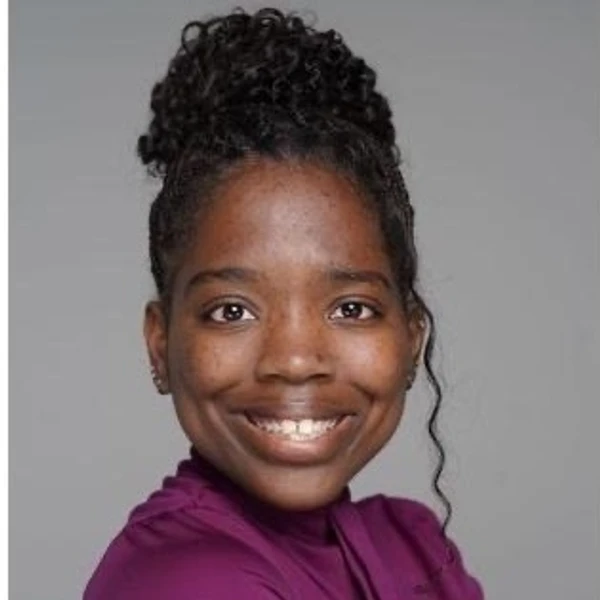
Greensboro, NC
Hobbies and interests
Acting And Theater
Advocacy And Activism
Cinematography
Community Service And Volunteering
Directing
Law
Legos
Reading
Cultural
Adult Fiction
Biography
Education
History
I read books daily
Nyasia Parker
1x
FinalistNyasia Parker
1x
FinalistBio
My life’s purpose is rooted in service, storytelling, and social impact. I plan to attend law school and pursue a career in communications and public interest law—where I can amplify marginalized voices, advocate for equity, and help shape a more just society. Whether through media, policy work, or legal advocacy, I’m committed to using my voice and platform to tell the stories that often go unheard and fight for the communities too often left behind.
Having experienced homelessness and financial hardship as a first-generation student, I know the power of being seen, supported, and heard. These challenges didn’t just shape my resilience—they deepened my empathy and sharpened my sense of purpose. I’ve turned those hardships into fuel for my work in creative media, grassroots organizing, and mentorship.
I’m passionate about using storytelling as a tool for empowerment—lifting up others through digital content, public programs, and advocacy that creates real change. What sets me apart is not just my determination, but my dedication to building opportunities for others. I don’t just want to succeed for myself—I want to open doors for the next girl who grew up like me.
Education
North Carolina A & T State University
Bachelor's degree programMajors:
- Communication, Journalism, and Related Programs, Other
GPA:
3.6
Miscellaneous
Desired degree level:
Bachelor's degree program
Graduate schools of interest:
Transfer schools of interest:
Majors of interest:
- Communication, Journalism, and Related Programs, Other
Career
Dream career field:
Law Practice
Dream career goals:
My long-term career goal is to become a civil rights attorney who uses law and media to fight systemic injustice and empower underserved communities. I plan to open a nonprofit that provides free legal services, media advocacy, and youth outreach, especially for Black and brown communities in the South. Through this work, I aim to make justice and representation more accessible for the next generation.
Sales Associate
Victoria's Secret2024 – Present2 yearsResident Assistant
North Carolina A&T State University2025 – Present1 year
Sports
Cheerleading
Varsity2018 – 20202 years
Awards
- Coaches’ Award
- Scholar-Cheerleader Award
- Team Spirit Award
- Leadership Award
Track & Field
Varsity2017 – 20214 years
Awards
- Coaches’ Award
- Scholar-Athlete Award
- Varsity Letter
Arts
Myself
Videography2021 – Present
Public services
Volunteering
Reconsider Goods — Volunteer – Helped sort and organize donations, assisted customers, and supported daily store operations to further the mission of sustainable living.2025 – PresentVolunteering
Lewis Gives — Volunteer – Assisted with youth mentorship, community events, and outreach efforts aimed at providing support, guidance, and resources to those in need.2025 – PresentVolunteering
Village of Women — Mentor – Provided guidance and support to young women, led discussions focused on self-worth and goal-setting, and helped create a safe, nurturing space for growth and empowerment.2023 – 2025Volunteering
Spread Da Luv — Volunteer – Assisted with outreach events, helped distribute essential items to those in need, and supported efforts to create a positive impact in the local community.2023 – PresentAdvocacy
Carrie Mae’s Legacy — Student Organizer – Helped coordinate on-campus fundraisers and service projects, mobilized student volunteers, and promoted community engagement around issues impacting foster youth.2024 – PresentAdvocacy
Divine Disability — Advocacy Volunteer – Assisted with outreach efforts, supported event planning, and helped promote inclusive practices across campus and in the broader community.2023 – 2024Advocacy
NAACP , North Carolina A&T Collegiate Chapter — Programming Chair – Organized events, led advocacy campaigns, facilitated community discussions, and collaborated with campus and local partners to advance the NAACP’s mission on and off campus.2023 – PresentAdvocacy
The Black Periodt Project — Executive Secretary – Maintained meeting records, managed internal communications, supported campaign planning, and helped coordinate outreach efforts to promote menstrual equity and social justice.2025 – Present
Future Interests
Advocacy
Volunteering
Entrepreneurship
Hilda Ann Stahl Memorial Scholarship
Growing up, storytelling was how I made sense of the world around me. As a first-generation college student who has experienced homelessness, I know firsthand how powerful it is to see your story reflected somewhere — whether in a film, a news story, or an Instagram post. Storytelling connects people. It reminds others that they are not alone.
I believe that stories can break cycles. When I create, I’m not just telling my own story — I’m telling the stories of people who often go unheard: Black youth, foster kids, and first-generation students who deserve to be seen. My storytelling blends journalism, filmmaking, and digital media to amplify voices that are often pushed to the margins.
Through my work, I aim to change the narrative about who deserves care, attention, and opportunity. I’ve used media to highlight student activism, organize community service projects, and create spaces for honest conversations about mental health, equity, and education. Stories move people to act, to question what’s normal, and to imagine something better.
In the future, I want to continue creating projects that spark change on both local and global levels. Whether it’s a documentary, an interview, or a digital campaign, I believe every story I tell has the potential to reach someone who needs it. That’s how I plan to make a difference — by using storytelling as a tool for understanding, action, and hope.
Sarah F. Watson and James E. Dashiell Scholarship
Charity has always been personal to me because I know what it feels like to need help. During my first year of college, I faced housing insecurity. It was the kindness of others and community organizations that helped me get back on my feet. Their generosity inspired me to live by the same values and give back whenever I can.
So far, I’ve volunteered with programs supporting children in foster care, organized donation drives, and led service projects on my campus. I believe charity is not just about giving money—it’s about giving your time, skills, and care to people who need it most.
In the future, I plan to continue serving through grassroots community work. As I pursue my career, I hope to build programs that uplift young people, especially those from underserved backgrounds like mine. Whether it’s through mentorship, organizing events, or creating resources, I want to be the person who helps someone else feel seen, supported, and capable of achieving more.
TRAM Purple Phoenix Scholarship
I was a child the first time I witnessed intimate partner violence. I watched my father beat my mother, and when he left us, the cycle didn’t stop—it shifted. My mother, burdened by pain she never healed from, turned that same violence onto me. The trauma was not just physical—it was emotional, financial, generational. I have watched the women in my family endure relationships filled with abuse, isolation, and silence. As I’ve grown older, I’ve realized how deeply rooted these patterns are and how urgently they need to be broken.
Despite everything, I do not consider myself a victim. I am a survivor—and more importantly, I am a fighter for change. Even as a young adult, I helped two of my close friends escape situations that mirrored my mother’s. I saw their fear and confusion because I had once felt it too. Helping them reminded me that our experiences are not meant to break us; they can become the fuel we use to protect others. That’s exactly what I plan to do with my education and career.
I am currently earning my degree in Journalism and Mass Communication at North Carolina A&T State University. I plan to attend law school after graduation, with the goal of becoming a public interest lawyer and advocate for marginalized communities, especially women and children affected by intimate partner violence. Through law and media, I want to create platforms that give survivors the power to share their truth, access justice, and heal. My career path is not about prestige—it’s about purpose.
Education, in my life, has been the one consistent tool of freedom. It has helped me understand the systems that perpetuate violence—poverty, sexism, generational trauma—and it’s given me the skills to fight them. Learning about policy, communication, and the law has shown me that real change is possible when we give people the tools to advocate for themselves and for others. I want to be a part of that work. I want to use everything I’ve learned—not just in the classroom but from life—to be the voice in courtrooms, classrooms, and communities where too many voices go unheard.
But I don’t just want to help survivors after harm has been done—I want to prevent violence before it starts. That’s why I’ve also been involved in service and advocacy work that focuses on education, mentorship, and emotional wellness. I believe we can disrupt the cycle by empowering young adults—especially women—to recognize their worth, understand healthy relationships, and know they are never alone. I hope to one day create a nonprofit that supports first-generation students and survivors of family violence with resources, legal aid, and trauma-informed education.
To me, healing is a form of resistance. Every time I show up—whether as a leader on campus, a volunteer, or a mentor—I do so with the intention of breaking the silence that once kept me small. I carry my story not as a burden, but as a blueprint for change. If I can help even one person feel less alone, if I can be the support I once needed, then every moment of pain will have had a purpose.
This scholarship would not just support my education—it would support my mission. I’ve worked hard to maintain a 3.6 GPA while balancing leadership roles and service, all while continuing to heal. I know what it’s like to rebuild from nothing, and I know how powerful it is to be given a chance. I’m determined to take the education I receive and turn it into protection, empowerment, and justice for others. That is the legacy I want to leave behind.
Charles E. Nettles Continued Education Scholarship
The decision to pursue law school is not just about earning another degree—it’s about rewriting the narrative of where I come from and what I believe is possible. As a first-generation, low-income college student who once experienced homelessness during my freshman year, continuing my education is both a personal triumph and a public promise. I want to ensure that the doors I’ve worked so hard to open remain open for others like me—those who are often overlooked but deserve to be heard.
I plan to attend law school after graduating from North Carolina A&T State University, where I’m majoring in Journalism and Mass Communication. My goal is to specialize in public interest law, using my skills in media and advocacy to fight for equity and amplify the voices of marginalized communities. I’m particularly passionate about working at the intersection of law and communication—where policy meets people, and stories become catalysts for change.
This path was shaped by the hardships I faced early in my college journey. At UNC Greensboro, I was an out-of-state student with no family nearby and very few financial resources. I couldn’t afford housing, and I found myself couch surfing and working as a line cook just to survive. Eventually, I transferred to North Carolina A&T, and it was there that I found community, purpose, and the support I needed to thrive. A&T didn’t just educate me—it empowered me. It taught me how to lead, how to serve, and how to turn my lived experience into a tool for change.
Now, I want to take everything I’ve learned and deepen my impact through legal education. I’ve seen firsthand how policy gaps and lack of access to representation affect low-income families, especially Black and Brown communities. Whether it’s housing insecurity, foster care challenges, or barriers to quality education, the need for compassionate and community-centered legal professionals is urgent. I plan to become the kind of advocate I once needed—someone who not only understands the law, but who knows how to communicate it, defend it, and improve it for the people it affects most.
Graduate education is critical to reaching this goal, but the financial reality is daunting. Many graduate programs offer limited funding, and I’m already navigating the financial strain of undergrad as an independent student. Scholarships like this one help make graduate education not just a dream, but a sustainable reality. With support, I can focus on preparing for law school and positioning myself to serve my community on a greater scale—through legal clinics, policy research, or advocacy organizations rooted in justice.
Ultimately, my pursuit of higher education is not just for me. It’s for the student who’s working a double shift instead of studying. It’s for the young girl who’s never seen a lawyer who looks like her. It’s for the communities who’ve been failed by the system, and for the stories that deserve to be heard and fought for. I believe in building power through education, and I’m determined to use mine to make a difference.
Continuing my education is how I prepare for the future—not just my own, but the future of the communities I want to protect and uplift. It’s how I turn ambition into action, and passion into impact. And with the help of this scholarship, I’ll be one step closer to doing just that.
Cooper Congress Scholarship
The first time I truly understood what it meant to give someone a voice was when I helped a classmate speak up about her housing insecurity. She had been struggling in silence, afraid of judgment. I had once been in her shoes—homeless during my freshman year of college, working a minimum-wage job just to keep a roof over my head. I knew the shame that came with silence, and I also knew the power of being heard. Sitting with her, listening, and helping her connect with resources reminded me that advocacy doesn’t always happen on a big stage—it starts in small moments, one conversation at a time.
To me, ensuring everyone has a voice means creating space for people to be seen, heard, and respected—especially those who have been overlooked. It’s not about speaking for people, but about making sure they feel safe enough to speak for themselves. It means challenging systems of exclusion, listening without judgment, and using your platform to pass the mic, not hog it. I’ve carried this value with me into every part of my life, from the classroom to community organizing.
As a student leader and the Programming Chair of my university’s NAACP chapter, I intentionally create programs and initiatives that center underrepresented voices. For example, I helped organize a campus film screening followed by a community discussion on Black mental health. I made sure we invited students who had personal experiences to share—not just experts or professionals. I believe people closest to the pain are closest to the solutions, and they deserve the mic. Through this event and others like it, I aim to show students that their stories matter and that they have the power to drive change.
Even in group projects or leadership meetings, I pay close attention to who’s being left out of the conversation. If someone’s quiet or hesitant, I invite their input and create a space where vulnerability is welcome. That comes from experience—there were times in my own journey when I had something to say but didn’t feel like I belonged. That’s why I lead with empathy and intentionality. Making space is not about having all the answers—it’s about being willing to listen and learn from others.
Outside of school, I’ve mentored younger girls from underserved communities, many of whom didn’t feel confident expressing themselves. I focus on building them up—whether it’s helping them write personal essays, practice public speaking, or just talk through their goals. Watching them gain confidence in their own voice is one of the most rewarding parts of what I do.
Ultimately, ensuring everyone has a voice is about shifting power—not just providing opportunity, but actively working to remove barriers that keep people silent. I plan to carry this value into my future as a public interest lawyer and communications professional. I want to build platforms, policies, and media that reflect real people’s lives—not just those already in power. Whether I’m advocating in a courtroom, creating content, or mentoring the next generation, I’ll continue making sure voices from the margins are heard loud and clear.
Because I know what it’s like to be voiceless—and I’ve made it my mission to never let someone feel that way when I have the power to change it.
Ann Holiday Memorial Scholarship
When I began college at UNC Greensboro, I had big dreams—but very little support. As an out-of-state student with limited financial resources, I struggled to afford housing and basic necessities. I eventually became homeless during my freshman year, working long hours as a line cook just to afford my first apartment. That experience was isolating and exhausting, but it also revealed something important: I wasn’t willing to give up. I knew I had more to offer, and I deserved a place where I could grow—not just survive.
Transferring to North Carolina A&T State University changed everything. A&T didn’t just give me a new campus—it gave me a community, a renewed sense of purpose, and a legacy to be proud of. For the first time, I felt like I belonged. I was surrounded by Black excellence, professors who saw potential in me, and students who were passionate about creating change. Being an Aggie means something deeper to me because I know what it took to get here.
At A&T, I’ve found ways to connect my education with my purpose. I’ve been able to engage in creative storytelling, community service, and leadership that reflects my values: resilience, service, and advocacy. Whether through grassroots organizing, mentoring, or media work, I’ve leaned into opportunities that allow me to uplift others—especially those who’ve experienced the kind of struggle I once did.
The lessons I’ve learned at A&T go beyond the classroom. I’ve learned how to lead with empathy, how to turn pain into purpose, and how to use my voice to speak up for the unheard. Most of all, I’ve learned that success is not just about individual achievement—it’s about impact.
I plan to carry these lessons with me as I pursue my future goals. I hope to attend law school and build a career in public interest law and communications. I want to be an advocate who doesn’t just tell stories—but helps rewrite them. Whether it’s representing underserved clients, shaping policy, or creating media that brings awareness to injustice, I want to use every tool I’ve gained to push for real change.
I don’t take my time at A&T for granted. This university gave me the second chance I didn’t know I needed. It reminded me that I’m not alone, that my voice matters, and that I have a responsibility to open doors for others. In the future, I hope to start an organization that supports first-generation and low-income students—especially those impacted by homelessness or the foster care system. I want to be the kind of resource I once needed.
Being an Aggie means rising above, reaching back, and showing up for your community. North Carolina A&T didn’t just prepare me for the next chapter—it empowered me to write it boldly.
Sabrina Carpenter Superfan Scholarship
I became a fan of Sabrina Carpenter during a time when I was learning how to use my voice—not just to speak, but to stand in my truth. What first drew me to her wasn’t just the music, but the honesty behind it. She wasn’t afraid to talk about growing pains, heartbreak, or what it feels like to be misunderstood. As someone who’s had to navigate a lot of difficult transitions—from being a homeless college freshman to becoming a leader on campus—I saw pieces of myself in her lyrics.
Sabrina’s evolution as an artist has taught me that you don’t have to fit into one box to be powerful. From her early days on Girl Meets World to her bold and unapologetic songs like “because i liked a boy” or “Nonsense,” she’s shown how to reclaim your narrative with both vulnerability and confidence. As a young Black woman studying mass media production and preparing for law school, I often feel like I have to code-switch or tone things down. But seeing someone like Sabrina embrace every version of herself—messy, confident, soft, clever—reminds me that I can be multi-layered too. I can be a leader and still be playful. I can be serious about my future and still find joy in the little things.
Her career has also inspired me creatively. I run a platform called grlywitavision, where I tell stories through film, photography, and journalism. Like Sabrina, I want to use media to express emotion, start conversations, and make people feel seen. Watching how she uses her art to challenge assumptions and connect with others has pushed me to do the same with my work—whether it’s capturing the voice of students on my HBCU campus or producing short films about community issues.
Most importantly, Sabrina reminds me to keep going. There were times when I didn’t feel like I belonged in certain rooms or like I wasn’t enough. But she turned her struggles into art and made a career out of staying true to who she is. That’s what I want for myself too—to build a life that feels honest, joyful, and impactful.
Being a fan of Sabrina Carpenter isn’t just about the music—it’s about the mindset. She’s taught me that you can be soft and strong, clever and kind, all at once. And for girls like me, who are still figuring things out while chasing big dreams, that message means everything.
Xavier M. Monroe Heart of Gold Memorial Scholarship
One of the biggest challenges I’ve ever faced was being homeless during my freshman year of college. I was an out-of-state student attending UNC Greensboro, and while I had been excited about starting a new chapter, the reality of my financial situation hit hard once I got there. After covering tuition and fees, I didn’t have enough left for on-campus housing. I tried to figure things out on my own, crashing on couches, staying with acquaintances, or walking over 20 minutes from a small apartment I could barely afford just to make it to class.
There were days when I went to class hungry, nights when I didn’t know where I would sleep, and moments when I seriously questioned if I should just drop out. I was trying to do everything right—go to class, study, work part-time jobs—but it still never felt like enough. The weight of my situation made me feel isolated and embarrassed. I didn’t want to admit to anyone what I was going through because I didn’t want pity. I just wanted the chance to succeed like everyone else.
That experience affected me deeply. It forced me to grow up quickly and taught me the importance of self-advocacy, community, and resilience. I learned how to survive, but more importantly, I learned how to adapt. I eventually gained in-state residency, transferred to North Carolina A&T, and started to rebuild not just my academic path, but my confidence. Having gone through that struggle made every small win feel huge: renting my first real apartment, affording my books, earning a spot on the Chancellor’s List. None of it came easy, and that’s why I don’t take any of it for granted.
What I learned from that setback is that failure is not always the end—it can be the beginning of a better story. My experience taught me how to ask for help, how to build relationships, and how to show up for others who might be going through something similar. That’s why I’ve become so involved in campus leadership and community service. As the Programming Chair for my university’s NAACP chapter, I help organize events and campaigns that uplift and educate others. I’ve also used my creative platform, grlywitavision, to amplify the stories of people often overlooked.
The biggest lesson I carry with me is this: your current situation doesn’t define your worth or your future. I may not have had a traditional path, but I have something that can’t be taught—perseverance. Now, whenever I face a challenge, I remind myself of the girl who walked across campus with tired feet and an empty stomach, determined to make it to class. If she could keep going, so can I.
This experience didn’t break me—it built me. And as I continue my journey toward law school and a career in public service, I know I’ll keep turning my challenges into motivation. Because I’ve been there. And I’ll never forget how far I’ve come.
Robert and Suzi DeGennaro Scholarship for Disabled Students
Growing up with a lazy eye meant I saw the world differently—literally and figuratively. Since I was young, my condition made it difficult to focus on objects clearly, especially in the classroom. Reading from the board, tracking moving visuals, or sitting in certain seats could trigger discomfort or headaches. I learned early on that I had to work twice as hard just to keep up—and that determination has carried me throughout my academic journey.
My lazy eye, also known as amblyopia, has been both a challenge and a quiet teacher. As a child, I often felt self-conscious when others would stare or make comments. Even as I got older, the visual strain affected my ability to study for long hours or engage in certain hands-on classroom activities. Despite these obstacles, I never let my disability define me. Instead, it became fuel for my ambition.
School has never been easy, but I’ve always been a hard worker. I took pride in being the student who stayed after class, who asked questions, and who found alternative ways to learn when my eyes couldn’t keep up with traditional methods. When I started college, those challenges only grew—especially since I was also navigating financial hardship, homelessness, and the stress of being a first-generation college student. But I stayed focused, motivated by the belief that my education could open doors not only for me but for others who share my story.
Now, as a junior at North Carolina A&T State University, I’ve built a strong academic record with a 3.6 GPA and a 3.88 last semester. I’ve also taken on leadership roles, such as serving as the Programming Chair for our NAACP chapter and leading service initiatives across campus. I’ve created an online platform to elevate Black stories, and I plan to attend law school so I can advocate for underrepresented communities through media and policy.
Still, even with all I’ve accomplished, the financial burden of higher education remains heavy. My disability means I sometimes need extra accommodations like larger screens, front-row seating, or longer time on exams. It also limits the types of jobs I can take on campus, especially ones that require long hours on the computer or detailed visual tasks. Additional scholarship funding would provide me with more breathing room—allowing me to focus on my studies, invest in tools that support my vision, and participate in internships or fellowships that align with my career goals.
I’ve come a long way from the little girl who was ashamed of her eye. Today, I speak with confidence, lead with compassion, and embrace the challenges that make me unique. My disability has taught me patience, creativity, and resilience—and it’s shaped me into a future lawyer, storyteller, and community builder. With the right support, I’m ready to keep going, keep growing, and keep building a life of purpose that uplifts others like me.
WCEJ Thornton Foundation Low-Income Scholarship
When I think about my greatest achievement to date, it isn’t a trophy or a title—it’s surviving homelessness my freshman year of college and still making it to where I am today: a thriving, purpose-driven student at North Carolina A&T State University with a 3.6 GPA, leadership experience, and a vision to uplift others. That season of my life, though painful, reshaped the way I see myself and the kind of legacy I want to build.
I started college out of state with big dreams and not nearly enough money. When I could no longer afford housing at UNC Greensboro, I had to make a choice: give up, or find a way to keep going. I chose to fight. I found work as a line cook at a local sports bar, saving every dollar I could to get my first apartment. I had no car, little support, and at times, nowhere consistent to sleep. Still, I went to class, studied on the bus, and showed up as my best self, even when things were falling apart behind the scenes.
That experience taught me I’m not just resilient—I’m resourceful. I learned how to ask for help when I needed it, how to lean on my faith, and how to keep moving even when the odds felt stacked against me. Eventually, I became a North Carolina resident, transferred to NC A&T, and started rebuilding my life with the same grit that kept me going through the hardest moments. Now, I use that lived experience as motivation to help others who feel unseen, unheard, or underestimated.
Since that turning point, I’ve become deeply involved in service and advocacy work. As Programming Chair of our NAACP chapter, I’ve organized events that spark dialogue around race, policy, and community action. I’ve volunteered with organizations like Carrie Mae’s Legacy, Village of Women, and Lewis Gives, helping foster youth, mentoring girls, and distributing essentials to families in need. I also served as Executive Secretary for The Black Periodt Project, an initiative aimed at ending period poverty and advocating for menstrual equity—issues that deeply impact low-income communities like the one I came from.
Outside of service, I’ve taken steps to amplify Black voices and stories through media. I launched my own online outlet, “grlywitavision,” where I produce creative visuals and storytelling centered around Black culture, empowerment, and social justice. I want to be the person I needed when I was struggling—someone using media to make people feel seen, validated, and powerful.
Looking ahead, my goal is to attend law school and eventually launch a creative communications agency that partners with nonprofits and grassroots organizers. I want to provide legal support, media strategy, and storytelling tools to the very communities that are often overlooked. I’m also planning to study abroad this summer to gain a global perspective on advocacy and how different cultures fight for equity and justice.
What makes me proud of my journey so far isn’t just that I survived hardship—it’s that I never let those hardships dim my light. I turned my pain into purpose, and I want to keep building a future where young people from backgrounds like mine have access to opportunity, justice, and representation.
My greatest achievement isn't a single moment—it’s the person I’ve become because of everything I’ve had to overcome. And that, more than anything, fuels what I hope to achieve in the future: a world where stories like mine are no longer rare, because barriers have been broken and doors have been opened for those who come next.
Bulkthreads.com's "Let's Build Together" Scholarship
Growing up, I never imagined I would one day become the person who builds the very support system I once needed. As a first-generation college student who once faced homelessness, I’ve learned that survival is only part of the journey—building something greater is where true transformation happens.
I want to build a communications agency that focuses on uplifting marginalized voices through media, storytelling, and advocacy. This agency would provide creative services for nonprofits, grassroots organizations, and young changemakers who often lack the resources to tell their stories on a broader scale. My goal is to create a space that connects powerful messages with the platforms they deserve, giving underrepresented communities the opportunity to speak, be heard, and influence change.
But before I can build that agency, I’m laying the foundation through education, service, and leadership. At North Carolina A&T State University, I’m majoring in mass media production and actively involved in organizations like the NAACP, Carrie Mae’s Legacy, and Divine Disability. These roles have helped me develop the skills to lead with compassion and purpose. I’ve also launched my own online media outlet to highlight Black stories and social justice issues, giving me hands-on experience in content creation, project management, and advocacy.
Building my future means using my past as fuel—not a setback. Every experience, from working as a line cook to pay rent, to mentoring young girls through Village of Women, has shown me the power of persistence and the importance of pouring into others. I plan to attend law school to gain the legal knowledge needed to defend and expand the rights of the communities I serve.
This vision isn’t just about my success—it’s about legacy. By building a purpose-driven business rooted in equity, I’ll create opportunities for others to rise, find their voice, and know that they matter. And in doing so, I’ll not only change my life, but the lives of those who come after me.
Let Your Light Shine Scholarship
Legacy means leaving something behind that outlives you—and for me, that legacy begins with turning struggle into service. As a first-generation college student who has experienced homelessness and financial hardship, I know what it means to feel invisible. But I also know what it means to be helped, to be seen, and to have someone believe in you. That’s the light I carry forward: I want to become the person I once needed.
One day, I plan to launch a creative agency that supports and amplifies underrepresented voices—especially Black women and low-income youth—through storytelling, media production, and brand development. My business, rooted in community and equity, will focus on providing accessible tools for people to share their narratives authentically and powerfully. I envision a space where creativity and advocacy meet: a production studio, mentorship hub, and resource center all in one, helping others build platforms that change minds and shift culture.
My passion for entrepreneurship grew out of my own journey. I’m currently majoring in Mass Media Production at North Carolina A&T State University, where I’ve worked as a filmmaker, photographer, and creative director. I’ve already started laying the groundwork for my brand, combining visual storytelling with a mission to uplift marginalized voices. But my dream goes beyond profit—I want to reinvest in communities, offer internships for students like me, and host workshops that empower young people to see value in their stories.
Through volunteer work with organizations like Lewis Gives, Spread Da Luv, and Carrie Mae’s Legacy, I’ve seen the power of consistent service. Whether mentoring younger girls or organizing community clean-ups, I show up because I believe impact starts at the local level. I also serve as the Programming Chair for my university's NAACP chapter, creating events that raise awareness and bring students together for social justice causes.
What sets me apart is my resilience and clarity of purpose. I shine my light by using media to tell the truth—about our challenges, our brilliance, and our potential. I want to give the next generation the tools to tell their truth too. Entrepreneurship, for me, is not just about independence; it’s about creating pathways for others. I wake up each day with a mission to make sure the people and stories that are too often overlooked are finally seen and celebrated.
Winning this scholarship would bring me one step closer to that goal, helping me invest in both my education and my business vision. My legacy won’t just be the company I build—but the lives I touch along the way.
SCFU Scholarship for HBCU Business Students
Growing up, I saw how economic hardship could cast a long shadow over people’s dreams. I witnessed family members work tirelessly, sometimes juggling multiple jobs, just to make ends meet—never for lack of ambition, but for lack of access. These early experiences made me realize that the gap between potential and opportunity is often not a matter of effort, but of equity. That’s why I believe so deeply in economic empowerment and business innovation as tools for social change. They are not just pathways to personal success, but powerful vehicles to uplift entire communities that have historically been overlooked, underestimated, and underfunded.
For underrepresented communities, economic empowerment is about more than income—it’s about freedom. The freedom to pursue education without debt. The freedom to build a business that reflects your values. The freedom to invest in your neighborhood and leave a legacy for the next generation. Business innovation can be the engine behind these freedoms when used thoughtfully and inclusively. It can reshape systems that were never designed with marginalized people in mind, and instead build new structures that celebrate diversity, collaboration, and justice.
My own path has been shaped by both struggle and determination. During my freshman year of college, I became homeless due to financial instability. I worked as a line cook to afford my first apartment while staying committed to my studies. That experience humbled me and opened my eyes to how many students like me are trying to thrive under the weight of invisible burdens. It also lit a fire in me to do more than just survive—I wanted to build something meaningful that would allow others to thrive, too.
That’s where my passion for business comes in. I want to help create and lead businesses that are intentional about who they serve and how they operate. My goal is to merge business strategy with purpose-driven storytelling—helping brands and organizations not only reach broader audiences but also align their operations with real social impact. I believe that the most powerful companies of the future will be the ones that understand how deeply business and justice are intertwined.
Through initiatives like community-based investing, equitable hiring practices, and mentorship programs for young entrepreneurs, I see a future where innovation is not just about profit margins, but about creating systems where everyone has a fair shot. I also want to use my skills in media and communications to amplify grassroots efforts that are often ignored by traditional power structures. Whether it’s highlighting a local business owned by a Black woman, or creating digital platforms that tell stories of resilience, I’m committed to making sure that voices from the margins are seen, heard, and respected.
At the core of my vision is the belief that when we empower one person, we uplift many. Every scholarship, every internship, every business opportunity given to someone from an underrepresented background has ripple effects. It changes families. It changes communities. And over time, it changes the narrative about what’s possible.
I want to be a part of that change—not just in theory, but in practice. My career in business will be grounded in compassion, justice, and a fierce commitment to inclusion. I’m not just building a career—I’m building a legacy rooted in giving others the opportunities I once fought so hard to find. Through business innovation, I hope to create a more just world—one where equity is not a dream, but a reality we all have a hand in shaping.
First-Gen Futures Scholarship
Pursuing higher education is a deeply personal and intentional choice for me. As a first-generation college student, I am not only investing in my future but also creating a new path for my family. Higher education represents opportunity, growth, and the chance to challenge generational cycles of struggle. I’ve chosen this journey because I believe in the power of education to transform not just my own life but also the lives of those around me.
Growing up, college always felt like a distant dream. I didn’t have immediate examples of what it looked like to prepare for or succeed in higher education. What I did have was ambition, resilience, and a strong sense of purpose. I knew early on that I wanted more for myself and that I would have to work harder and seek out my own resources to get there. That mindset has guided me through every step of my academic journey.
Being a first-generation student means navigating unfamiliar systems, often alone. I had to learn how to complete the FAFSA, apply for scholarships, choose the right courses, and advocate for myself in academic spaces. I sought out mentors, joined college prep programs, and did a lot of research to make sure I was making informed decisions. Each step required me to be proactive and resourceful, traits I’ve come to take pride in.
One of the biggest ways I prepared myself for college was by gaining work experience and becoming financially responsible early on. I worked as a line cook during my senior year of high school and throughout my early college years, saving money for housing and essentials. This not only taught me discipline and time management but also helped me understand the true value of my education. I wasn’t just showing up to class—I was investing in a future I was building from scratch.
I’ve also remained actively involved in my community through service and leadership. Volunteering with youth, organizing campus events, and participating in advocacy work has shown me that education isn’t just about textbooks—it’s about how we use knowledge to make a difference. My college experience is not only for me; it’s also about giving back and being a role model for others like me who might not see many examples of success in higher education.
In short, I’ve chosen to pursue higher education because I want to break barriers—for myself, my family, and my community. I’ve prepared by being self-driven, seeking out support systems, working hard to support myself financially, and always keeping my long-term goals in mind. College is not just a destination; it’s part of a much bigger journey, and I’m proud to be walking this path with purpose.
Curtis Holloway Memorial Scholarship
One of the most important people who has supported me in my educational journey is my mother. As a single parent, she had to take on the responsibilities of two people, all while making sure I never felt like I was lacking in anything that truly mattered. Her sacrifices, determination, and belief in me have shaped who I am and how I show up in the world. She’s the reason I keep going, even when the odds are against me.
My mother never had it easy, and growing up, I saw firsthand what perseverance looks like. There were times when bills piled up, when we had to stretch what little we had, and when the future felt uncertain but she never allowed our circumstances to define us. She showed me that while we couldn't always control our situation, we could always control how we responded to it. Through her, I learned how to fight with grace, to move with purpose, and to trust that hard work no matter how small it seems can open big doors.
I honor my mother by striving for everything she worked so hard to give me access to. I remind myself that every class I attend, every scholarship I apply for, and every step I take toward law school isn’t just about me it’s about honoring the legacy of strength that she built. Her belief in education as a pathway to a better life stuck with me. Even when I struggled or felt discouraged, I could always hear her voice reminding me that I didn’t come this far just to stop. She reminds me that success isn’t just about individual achievement, but about how I use what I’ve learned to give back, uplift, and inspire others who might be walking a similar path.
Losing a parent or growing up in a single-parent home changes the way you view the world. There’s a different kind of pressure that comes with it. You don’t just carry your own dreams you carry the dreams of the person who stayed, who sacrificed, and who never gave up on you. That pressure can feel heavy, but it also becomes your fuel. I’ve had to grow up quicker, learn independence faster, and develop a deep sense of responsibility for my future. But all of that has made me more prepared, more focused, and more determined.
My mother's support has been instrumental because it gave me the foundation to dream bigger than my environment. When I was homeless during my freshman year of college, I remembered her strength and the way she always found a way. That gave me the courage to work as a line cook, to find housing, and to transfer to a university where I could thrive. Her resilience lived in me in those moments. I knew if she could survive everything she did for me, then I could do the same for myself.
As I work toward my goals whether it’s law school, community activism, or creating opportunities for others I will carry everything she taught me. I will stay grounded in my purpose, and I will continue to show others, especially those from single-parent households, that we are not defined by what we lack but by how we rise.
My mother gave me more than support , she gave me a blueprint for resilience. And for that, I will always be grateful.
Justice Adolpho A. Birch Jr. Scholarship
Question 1
I plan to begin law school in Fall 2026. I am currently preparing to take the LSAT and researching law schools that align with my goals of serving marginalized communities and pursuing justice through grassroots advocacy, policy reform, and media. I aim to apply to institutions such as Howard University School of Law, North Carolina Central University School of Law, and UNC School of Law, among others that emphasize public interest law and racial equity.
Question 2
My short-term career goal is to earn a Juris Doctor degree and begin working as a legal advocate focused on community empowerment, policy reform, and social justice. I am particularly interested in using law as a tool to challenge systemic inequality and uplift underserved populations—especially Black and Brown communities. Long-term, I hope to establish a nonprofit that provides legal education, storytelling platforms, and direct support to first-generation students and low-income families. I want to blend media and law to ensure access to legal knowledge and civic engagement.
Question 3
Outside of formal education, I constantly seek growth through community-based learning, storytelling, and advocacy. As a mass media production major, I’ve worked on documentary projects and social media campaigns that spotlight Black youth activism, reproductive justice, and educational equity. I serve as the Programming Chair for the NAACP chapter at my university, where I organize events that educate students about policies like Project 2025 and host film screenings followed by conversations about civil rights. These experiences taught me that combining legal knowledge with media can create powerful movements. They also shaped my passion for pursuing a law degree not just for courtroom work, but to change narratives, shape policy, and build community power.
Question 4
During my time as a college student, I organized a “Back to School Clean Up” initiative through the NAACP, involving our chapter president and Mr. and Miss NAACP as central figures. Some questioned why I prioritized this community-focused event over more high-profile or social activities. I explained that giving back, especially in areas surrounding our campus, was just as important as student life on the yard. Although I faced pushback and a few students disengaged, I stayed committed to our mission. The event was a success and sparked renewed interest in service among our chapter members. This experience reinforced that standing up for community care—especially when it’s not glamorous—is one of the most radical forms of leadership.
Question 5
If I had the resources to create a philanthropic initiative, I would launch a community law and media lab for first-generation youth of color. This space would offer workshops in civic education, media production, and grassroots organizing. The lab would partner with HBCUs, legal aid organizations, and local schools to ensure students learn how to advocate for their rights, tell their stories, and navigate systems that often weren’t built for them. I would focus on creating safe, affirming, and resource-rich environments for students like me—those who grew up low-income, first-gen, and full of purpose. This cause is close to my heart because I wouldn’t be here if people hadn’t poured into me. Now, it’s my turn to pour into others.
Dounya Irrgang Scholarship for College Reading Materials
Growing up as a first-generation, low-income student, the path to college wasn’t paved for me—it was one I had to build on my own. My family didn’t have a roadmap for higher education, and money was always tight. I faced financial instability, uncertainty, and often had to balance school with work just to meet basic needs. During my freshman year of college, I even experienced homelessness. I was an out-of-state student with little support, working as a line cook just to afford a small apartment. But through all of this, I never lost sight of my dreams.
My experiences have shaped me into someone who is resourceful, driven, and determined to create opportunities not only for myself but for others who come from similar backgrounds. These hardships didn’t make me bitter—they made me bold. Being low-income taught me to be innovative and make the most out of limited resources. Being first-generation taught me to ask questions, seek guidance, and carve out a space in environments that weren’t built with me in mind.
Attending college means everything to me because it represents more than just a degree—it’s proof that I’m breaking cycles. I’m earning my education not just for myself but for the people who’ve supported me, for my younger family members, and for the students watching me who might think college is out of reach. As a student at North Carolina A&T State University majoring in mass media production, I’ve found a way to merge my academic interests with my passion for advocacy and service. I currently serve as the Programming Chair for our NAACP chapter, and I use my skills in media and communication to highlight social issues affecting Black and brown communities.
My ultimate goal is to become a civil rights attorney. I want to combine media, law, and grassroots activism to fight for justice and tell stories that often go unheard. I believe in building community power and ensuring that people know their rights and how to use their voices. One day, I plan to open a nonprofit that offers pro bono legal aid, storytelling platforms, and outreach programs to empower youth—especially in the South, where access to resources can be scarce.
College is the foundation for all of this. It’s where I’ve gained the knowledge, leadership experience, and network to turn my vision into action. Every assignment I complete, every event I plan, every story I share brings me one step closer to creating real change. That’s why getting a college degree is so important to me—it’s not just about upward mobility, it’s about building something bigger than myself.
STLF Memorial Pay It Forward Scholarship
During my time at North Carolina A&T State University, I organized a “Back to School Clean-Up” service event through the NAACP chapter, where I serve as Programming Chair. The initiative was designed to prepare the campus and nearby student communities for a fresh, safe, and welcoming start to the semester. With the support of NAACP members, including Miss and Mr. NAACP and our chapter president, we encouraged students to take ownership of their environment by coming together to clean up campus areas and surrounding spaces.
Organizing this event meant coordinating volunteers, partnering with university staff, promoting the effort on campus, and ensuring everyone had the materials they needed to contribute. It wasn't just about picking up trash—it was about restoring pride in our shared space and reminding our peers that community care starts with small actions. The clean-up helped students, especially first-years, feel welcomed and reminded them that we are responsible for the spaces we occupy.
Beyond this one event, I consistently look for ways to give back to the Black and brown community through creative service initiatives. I’ve helped lead fundraisers for children in the foster care system through Carrie Mae’s Legacy, giving students the chance to earn community service hours while directly impacting vulnerable youth. I’ve also launched a digital menstrual equity campaign to combat period poverty, using video storytelling to raise awareness and distribute resources to students who need them. These efforts allow me to combine my media skills and passion for advocacy to make real, lasting change.
Leadership through service, to me, means showing up—not just when it's convenient, but when it counts. It means listening to the needs of others, creating opportunities for people to feel seen, and finding sustainable ways to uplift your community. It’s about turning pain into purpose, and recognizing that true leadership doesn’t center personal recognition but community empowerment.
I’ve learned that leadership isn’t just about titles—it’s about action. It's about organizing when no one else will, speaking up when it's uncomfortable, and finding innovative ways to support those around you. Service is how I lead. Whether I’m behind the camera capturing stories or on the ground handing out supplies, I’m driven by a deep desire to make things better for those who come after me.
Through every initiative, I’ve seen the power of what happens when students feel empowered to serve. That’s why I believe leadership through service is so vital—it doesn’t just change the community; it changes the people in it. It builds compassion, unity, and action. And that’s the kind of leader I strive to be.
Catrina Celestine Aquilino Memorial Scholarship
As a first-generation college student and a young Black woman, my journey into law is rooted in lived experience, resilience, and an unwavering belief that justice should be accessible to everyone—not just those who can afford it. I grew up navigating systemic barriers that made basic needs like housing and education difficult to access. My freshman year of college, I experienced homelessness after being priced out of student housing. Working as a line cook just to keep up with rent taught me how quickly people can fall through the cracks, and how urgently we need legal advocates who truly understand those struggles.
Now, as a mass media production major with a concentration in communication law, I’ve combined my passion for advocacy with my skillset in storytelling and media. My goal is to become a civil rights attorney who focuses on dismantling the systemic inequalities that disproportionately harm Black and brown communities. I want to use the law not only to defend people’s rights but also to help rewrite the narratives that are often used to silence, criminalize, or overlook them.
In my current role as Programming Chair for the NAACP at North Carolina A&T State University, I’ve organized campaigns and events that raise awareness around voter suppression, menstrual equity, and policy issues like Project 2025. I also use digital platforms to create educational content that breaks down complex legal and social issues in a way that young people can engage with. My work centers the voices of the underserved and the overlooked, and I plan to carry that same mission with me into my legal career.
What makes my approach to law unique is my commitment to combining legal knowledge with media strategy. Too often, people are left out of important conversations because legal language feels inaccessible or intimidating. I want to build bridges between communities and the legal system through storytelling, advocacy, and community education. Whether it’s creating explainer videos about tenant rights or hosting legal clinics in underserved neighborhoods, I want to demystify the law and empower people to protect themselves.
Ultimately, I plan to open a nonprofit legal media center that provides pro bono services, media literacy education, and legal aid to vulnerable communities. I also want to mentor other students from marginalized backgrounds and help them see law not as a gatekeeping system, but as a tool for liberation and transformation.
My experiences have made me deeply aware of how policy affects real lives. I’m not entering the legal field for prestige—I’m entering it because I know what it’s like to need someone in your corner and not have one. I plan to be that person for others, and I believe that’s how I’ll make a meaningful and lasting impact on the world.
Zedikiah Randolph Memorial Scholarship
As a first-generation college student and a Black woman majoring in mass media production with a concentration in communication law, I’ve always understood that representation is powerful—and necessary. My passion lies in using storytelling, media, and advocacy to uplift marginalized voices and address systemic issues that disproportionately affect Black and brown communities. I chose my program because I saw the need for communicators who not only understand policy and media, but who are committed to using those tools to spark change.
While I’m not in a traditional STEM or finance program, my work intersects with these fields by challenging the narratives and structures that often exclude people of color. I am part of the 5.8% of African American students majoring in communication or journalism in the U.S., and even fewer go on to study law or policy. My degree is about more than producing content—it’s about reshaping public conversations, holding institutions accountable, and empowering future leaders to be informed, heard, and protected.
In my role as Programming Chair for my campus NAACP chapter, I’ve led initiatives that amplify student voices, organize service events, and encourage civic engagement. I’ve launched storytelling campaigns around menstrual equity, organized panels about Project 2025, and worked to create digital content that educates and mobilizes. I see communications as a gateway—not just to inform—but to transform.
I want to make an impact by increasing access to media literacy, legal knowledge, and community-based storytelling. I plan to pursue law school to further advocate for media rights and systemic change, particularly as it relates to policy that harms marginalized communities. Whether I’m in a courtroom, behind a camera, or organizing a community event, I want young people—especially girls who look like me—to know that their voices matter.
To increase access in my field, I mentor students interested in digital media and social justice. I plan to create a scholarship fund for first-generation Black media students and launch a media literacy series for high school students in underserved areas. I also use my platform to share career-building resources, free creative tools, and highlight the work of young BIPOC creators who deserve visibility.
Being one of the few isn’t easy—but I’ve learned that by simply existing in these spaces, I help carve out room for others. And by staying rooted in service, I can push the boundaries of what leadership looks like in media, law, and advocacy. I may not fit the mold of what people expect from a changemaker in these fields—but that’s exactly why I belong.
Gladys Ruth Legacy “Service“ Memorial Scholarship
I’m different because I’m not afraid to be real about where I come from and what I’ve been through. As a first-generation college student, a young Black woman, and someone who has overcome homelessness, anxiety, and financial instability, I’ve learned that my strength lies in my ability to turn pain into purpose. My journey hasn’t been picture-perfect, but it’s genuine—and I use that honesty to inspire others, even those I may never meet.
What sets me apart is my commitment to showing up authentically and using my story to help others believe in their own potential. Whether I’m organizing a service event through my campus NAACP chapter, leading a storytelling campaign about menstrual equity, or simply sharing encouragement on social media, I never pretend to be perfect. I believe there’s power in transparency—especially for young Black and brown students who don’t always see themselves reflected in leadership or success narratives. I want them to know that you don’t have to have it all figured out to make an impact. You just have to care and try.
I understand that someone is always watching—whether it’s a freshman trying to find her way, a peer looking for reassurance, or even a child in the community seeing a college student who looks like them. I lead with that in mind. I may not always know who I’m influencing, but I take the responsibility seriously. That’s why I advocate, volunteer, and create spaces where others feel seen, valued, and uplifted. Whether I’m mentoring, filming a Reel about a social issue, or speaking up in class, I aim to lead in a way that’s loud enough to be noticed—but grounded enough to be felt.
My uniqueness lies in my ability to connect deeply and move intentionally. I’ve been the student struggling in silence, the person feeling out of place, and the one who almost gave up. Because of that, I make sure that others know they’re not alone. I bring empathy and realness into everything I do—whether it’s through creative projects, activism, or simple acts of kindness. I don’t have to know someone personally to leave a mark on them. By living boldly and truthfully, I open a door that invites others to do the same.
I’m different because I believe vulnerability is a form of leadership. And I leverage that difference by choosing to lead in ways that challenge shame, uplift my community, and remind others that even in their quietest moments, they matter.
West Family Scholarship
One of the most urgent social issues I’ve committed myself to addressing is period poverty—an often overlooked crisis that deeply impacts Black and brown communities, especially among college students. As a student at North Carolina A&T State University and the Programming Chair for our campus NAACP chapter, I’m using my platform to lead conversations, organize resources, and create impactful change around menstrual equity.
Period poverty affects millions of people who don’t have consistent access to menstrual products due to financial hardship, stigma, or institutional neglect. On college campuses, it can mean missing class, suffering in silence, or having to choose between food and personal hygiene. These small but significant barriers add up and can derail academic success and mental health—especially for first-generation, low-income students like myself.
To tackle this issue, I launched a digital storytelling campaign that centers real voices from our community. Using my skills in media production, I create Instagram Reels and short videos that feature students, community members, and campus leaders responding to questions like, “Why is period equity important?” and “What do you wish more people knew about menstrual health?” The goal is to normalize the conversation, remove shame, and show solidarity.
The campaign also includes menstrual product drives and giveaways. We place free pads and tampons in high-traffic campus areas and work with student organizations to distribute supplies to those in need. We don’t ask questions—we just meet people where they are. By blending storytelling with direct service, we’re tackling both the emotional and physical realities of period poverty.
This work is personal. I’ve experienced what it’s like to feel unseen in institutions that weren’t built with people like me in mind. I’ve struggled with homelessness, mental health, and systemic barriers that made me feel like my basic needs didn’t matter. That’s why I take on social issues from a place of lived experience—not pity, but purpose. I don’t just want to raise awareness; I want to shift how we show up for one another.
My vision is to expand this campaign beyond campus—into other HBCUs, public schools, and community centers. Period products should be as accessible as toilet paper, and menstrual health should be treated as a human right, not a privilege. I believe that by amplifying stories and pairing them with action, we can chip away at shame and move toward equity.
In addressing period poverty, I’m not just fighting for products—I’m fighting for dignity, access, and representation. My work is rooted in service, empathy, and a deep desire to create safer, more inclusive spaces for Black and brown students. That’s the kind of change I’m committed to, and I won’t stop until every student knows their needs are valid and their voice matters.
Jeannine Schroeder Women in Public Service Memorial Scholarship
As a student at North Carolina A&T State University, I’ve committed myself to addressing the systemic inequities that affect Black and brown communities, particularly around access, representation, and education. One of the most pressing social issues I work to confront is period poverty—a challenge that disproportionately impacts women and nonbinary individuals of color in low-income and student populations.
Many students on my campus silently struggle to afford basic menstrual hygiene products. The stigma around menstruation and the lack of consistent access to products often forces people to miss class or feel ashamed about a natural biological experience. As Programming Chair for our campus NAACP chapter, I launched a digital menstrual equity storytelling campaign to address this issue head-on. The project uses video reels and interviews to uplift student voices, share personal experiences, and raise awareness around the importance of equitable access to menstrual care.
Each week, we feature students, staff, or community leaders answering questions about period poverty, access, and stigma. Alongside the campaign, we collect and distribute menstrual hygiene products in high-traffic campus areas. This project is not just about meeting material needs—it's about changing the narrative and breaking the silence around an issue that is often ignored.
But my advocacy work doesn’t stop there. I’ve also organized fundraisers for children in foster care, led a campus clean-up event to promote student pride and responsibility, and use my background in media production to tell stories that reflect the lived experiences of marginalized people. As someone who has faced homelessness, economic hardship, and mental health challenges, I approach this work with empathy, urgency, and a deep understanding of how systemic issues affect everyday lives.
Social issues are never one-dimensional. That’s why I combine service, storytelling, and community organizing to approach them from multiple angles. Whether I’m directing a campaign, speaking at a student event, or handing out hygiene kits, I’m always asking: Who is being left out of the conversation? What systems need to change? And how can I help create that change?
Ultimately, my goal is to use my platform, voice, and skills to continue creating solutions rooted in care and accountability. I believe addressing social issues requires both grassroots action and long-term vision. It means centering the most impacted voices and challenging the structures that keep inequality in place.
Through my efforts, I hope not only to meet immediate needs but to inspire others to take action. Because when students see their peers leading change, they start to believe they can do it too. That’s how real progress begins—one story, one campaign, one act of service at a time.
Mark Green Memorial Scholarship
My name is Nyasia Parker, a mass media production student at North Carolina A&T State University with a 3.6 GPA. I’m a first-generation college student, and my journey has been defined by resilience, community advocacy, and a deep belief in the power of storytelling and service.
As a teenager, I experienced homelessness after my family could no longer afford to support me at an out-of-state university. I worked as a line cook just to afford my first apartment in North Carolina. That period of uncertainty taught me how strong I could be and gave me a sense of responsibility to give back to others who feel forgotten or left behind. Rather than let adversity define me, I let it drive me. Today, I’m committed to being a changemaker—using media, advocacy, and grassroots organizing to empower Black and brown communities.
At A&T, I serve as the Programming Chair of our NAACP chapter, where I organize educational events and advocacy campaigns that uplift student voices and address social justice issues. I’ve launched service initiatives like campus clean-ups, student-led fundraisers for foster youth, and a menstrual equity digital storytelling campaign featuring HBCU voices. I also use creative direction and filmmaking to amplify untold stories, especially those of marginalized students navigating systemic barriers.
Receiving this scholarship would directly support my academic journey and allow me to continue creating impact while in school. Financial support would lessen the burden that comes with working multiple jobs to afford tuition, allowing me to focus on expanding my work in advocacy and media production.
Long term, I plan to attend law school and pursue a career in communications and policy work centered on racial equity. My dream is to use storytelling, law, and organizing to influence policy and fight for fair access to education, housing, healthcare, and economic opportunity—especially for those whose voices are often ignored.
I should be selected for this scholarship because I don’t just dream—I take action. I’ve turned my lived experiences into fuel to help others, and I lead with integrity, humility, and heart. Whether it's through creating platforms for student dialogue, offering community service opportunities, or capturing moments through film and photography, I’m committed to changing narratives and conditions for the next generation.
Helping my community is not just something I do—it’s who I am. This scholarship would be an investment not just in my education, but in the lives I aim to uplift with it.
Sgt. Albert Dono Ware Memorial Scholarship
Sgt. Albert Dono Ware’s legacy of service, sacrifice, and bravery reflects values that guide my life today. As a first-generation college student, I’ve faced challenges that forced me to lean into those same values to stay focused on my goals and give back to my community. His example inspires the work I hope to do, especially in helping solve the systemic challenges faced by the African diaspora in the U.S.
Service is the foundation of how I approach life. At North Carolina A&T, I’ve organized events, led initiatives through the NAACP, and volunteered in my community to support people who often feel overlooked. I believe service isn’t just about giving—it’s about building something lasting. I want to help build safer, more supportive spaces where people like me can thrive.
I’ve also learned the meaning of sacrifice. From experiencing homelessness as a freshman to juggling jobs to afford housing and tuition, I’ve made difficult choices to stay in school. These sacrifices taught me resilience and the importance of dreaming beyond my circumstances. Every obstacle has made me more determined not just to succeed for myself, but to create opportunities for others who come after me.
Bravery, to me, means continuing to show up despite fear or uncertainty. I’ve battled anxiety, imposter syndrome, and moments of doubt about whether I belonged in higher education. But like Sgt. Ware, I’ve come to understand that bravery doesn’t mean you’re fearless—it means you keep going anyway. I carry that mindset into everything I do, especially when advocating for Black and brown students who face barriers just like I have.
The African diaspora in the U.S. continues to face systemic issues that demand urgent attention. The racial wealth gap is one of the most pressing problems. Generational poverty, redlining, and a lack of access to capital have kept many Black families from building financial security. Black students are often buried in debt, and Black entrepreneurs are routinely denied funding. We also see disparities in healthcare, policing, and education that keep our communities from progressing.
I believe the most critical reforms must begin with equitable policies around education and economic justice. Canceling student loan debt, investing in HBCUs, expanding access to mental health resources, and providing grants for Black-owned businesses are necessary steps toward closing the wealth gap. Reforming school funding models, ending discriminatory discipline practices, and training teachers to be culturally competent would also help ensure Black students are seen, supported, and empowered from the classroom to the boardroom.
But policy alone isn’t enough. We need grassroots solutions and community leaders at the center of these conversations. Often, the people most impacted by systemic inequality are the ones doing the most powerful work on the ground—but they’re rarely funded or heard. As someone pursuing a career in media and advocacy, I want to use storytelling, digital campaigns, and community programming to spotlight their efforts and push for change that reflects real experiences—not just politics.
To make any of this work, we need collaboration. Lawmakers must listen to constituents. Universities need to create more inclusive environments. Nonprofits and organizers need resources, and students must be given the power to help shape the future—not just be tokens in a diversity brochure. The more we work together across roles, the closer we get to liberation for the African diaspora.
Sgt. Ware’s legacy motivates me to keep going. His life reminds me that service, sacrifice, and bravery aren’t just traits—they’re strategies for survival and growth. I plan to carry these values with me into law school and beyond, using my voice to advocate for policies and reforms that give our communities the futures we deserve.
Selective Mutism Step Forward Scholarship
How My Experience with Anxiety Has Shaped Me and Why Pursuing a College Degree Matters
Anxiety has been an ever-present part of my life, especially during my transition into college. Growing up, I was often told that “anxiety” was something to “get over” or “push through.” It wasn’t until I reached college that I realized anxiety wasn’t something I could simply outgrow or ignore. The pressure to succeed, make decisions, and balance the responsibilities of college life exacerbated the anxiety I had been dealing with for years. The constant worry about my performance, the future, and even whether I was making the “right” choices created a sense of overwhelm that often left me physically drained and mentally clouded.
As a first-generation college student, I didn’t have a roadmap for how to navigate higher education, let alone how to manage my anxiety in an environment that demanded so much of me. My initial experiences were filled with self-doubt, fear of failure, and the feeling of being behind. The challenge of balancing schoolwork, a part-time job, and personal life while managing my mental health was daunting. I often found myself questioning whether I was even cut out for college. The anxiety made me second-guess every step I took, from small decisions like what to eat for lunch to big ones like choosing my major.
However, over time, I learned to acknowledge my anxiety rather than avoid it. I sought help from campus counseling services, talked openly with friends, and began practicing mindfulness techniques to reduce stress. I also made it a point to set realistic goals for myself, understanding that it was okay not to be perfect. Through this process, I developed coping mechanisms that helped me understand that while anxiety may always be a part of me, it doesn’t have to control me. I learned how to manage it, making space for my personal growth and academic success.
Pursuing a college degree is incredibly important to me because it represents more than just an academic achievement; it’s a symbol of my resilience, determination, and commitment to breaking generational barriers. As a first-generation student, I am aware of how transformative education can be in shaping one’s future. My degree is not just for me, but for my family and my community. It is an opportunity to create a better life for myself and to give back to others who are in similar situations. It’s an opportunity to show that no matter the struggles—whether they are financial, mental, or emotional—education is a tool that can help overcome them.
Beyond personal achievement, earning a degree allows me to pursue my goals of working in grassroots activism, helping marginalized communities, and creating meaningful change. I believe that education equips us with the knowledge and tools needed to advocate for ourselves and others. It provides the foundation for the work I want to do in my career—combining communication, law, and advocacy to fight for social justice and equality.
In conclusion, my experience with anxiety has been difficult, but it has shaped my determination to succeed. It has taught me resilience and the importance of seeking help when needed. Pursuing a college degree is important to me because it represents not only personal growth and achievement but also the ability to serve others and create lasting change. It is through education that I will continue to build the life I want for myself and the community I hope to serve.
Thadford Dickerson and Paula Schuman Scholar Award
Forming a Task Force to Combat Systemic Inequality in Education
The issue I would focus on is systemic inequality in education, particularly for Black and Brown students. Despite progress made in civil rights and educational reform, disparities in educational access, resources, and outcomes remain a significant barrier. From overcrowded classrooms to unequal access to technology and resources, students in marginalized communities are left behind while others thrive. This inequality fuels a cycle of poverty, limiting upward mobility and reinforcing social stratification.
To address this issue, I would form a task force consisting of three historical figures who demonstrated a commitment to equality, justice, and educational reform: W.E.B. Du Bois, Maya Angelou, and Thurgood Marshall.
1. W.E.B. Du Bois
W.E.B. Du Bois was one of the most influential thinkers and civil rights activists of the early 20th century. As a co-founder of the NAACP and a strong proponent of higher education for African Americans, Du Bois believed in the importance of education in achieving social equality. His idea of the "Talented Tenth" promoted the notion that a select, well-educated group of Black individuals could lead the charge toward racial progress. Du Bois’s advocacy for the education of Black youth in a country that perpetually sought to suppress their intellectual and cultural growth would be essential in addressing systemic educational inequities today. His expertise in higher education policy and his long-standing commitment to Black empowerment would provide a solid foundation for this task force’s work.
2. Maya Angelou
Maya Angelou, poet, writer, and activist, understood the power of language, self-expression, and resilience. Her life experiences, from growing up in segregation to becoming a prominent global voice for civil rights, inform her approach to addressing inequality. Angelou’s emphasis on the importance of self-love, personal empowerment, and fostering a supportive, nurturing environment would help inform the social-emotional aspects of education reform. She would ensure that the task force’s focus includes addressing mental health, identity, and cultural sensitivity within school systems. Her belief in the power of storytelling and the arts as tools for healing and empowerment would also help bridge the gaps between education and the lived experiences of marginalized students.
3. Thurgood Marshall
Thurgood Marshall, the first Black Supreme Court Justice, is best known for his legal work fighting segregation, most famously in the landmark case Brown v. Board of Education, which led to the desegregation of schools in the United States. Marshall’s legal expertise, combined with his lifelong commitment to civil rights, would bring the legal framework needed to challenge systemic barriers within the education system. His deep understanding of constitutional law and the legal system would allow him to create the necessary legal strategies to hold institutions accountable for discriminatory practices and ensure that marginalized communities receive the educational opportunities they deserve.
Together, this task force would bring a combination of academic, social, emotional, and legal expertise to the issue of systemic educational inequality. W.E.B. Du Bois would provide a strong academic and philosophical foundation, Maya Angelou would bring a focus on empowerment and social-emotional well-being, and Thurgood Marshall would contribute the legal and policy changes necessary to challenge and dismantle systemic barriers in education. By combining their knowledge, each of these historical figures would be integral to creating a more equitable and inclusive education system for future generations.
Elijah's Helping Hand Scholarship Award
How Mental Health Has Impacted My Life
Mental health has been one of the most defining parts of my college journey. As a first-generation student, I entered higher education with a fire to succeed—but also with baggage that I didn't yet know how to unpack. I was balancing school, work, and survival in a way that left little time to breathe, let alone prioritize my emotional well-being. During my freshman year, I experienced homelessness after not being able to afford housing at UNC Greensboro. I worked long hours as a line cook just to afford my first apartment. Most nights, I would come home completely drained—mentally, emotionally, and physically. I wasn’t just tired; I was struggling with depression and high-functioning anxiety, although I didn’t have the words for it back then.
In my community, especially as a Black woman, mental health wasn’t something we talked about. I was raised to believe that strength meant silence and that showing emotion made you weak. But inside, I was hurting. I constantly questioned my worth, second-guessed my future, and carried the weight of expectations I could barely meet. It wasn’t until I transferred to North Carolina A&T and gained access to therapy and campus support services that I began to truly understand the toll these unspoken battles had taken on me.
Seeking help was one of the most courageous things I’ve ever done. Therapy helped me realize that I had been living in survival mode for so long that I had never learned what it meant to feel safe, grounded, or deserving of rest. I unpacked not only the trauma of being housing insecure but also the years of emotional suppression that came before it. I learned to name what I was feeling, to ask for help, and to start building a more honest and healthy relationship with myself.
This journey has shaped how I view the world, how I treat others, and what I want to do with my life. I now understand that mental health and systemic injustice are deeply connected. It’s not enough to tell people to "get help" if the systems in place—like poverty, racism, and lack of access—are the things hurting them in the first place. That understanding has driven my activism and leadership. I currently serve as the Programming Chair for my university’s NAACP chapter, where I organize events that center healing, justice, and education. I’ve also created a digital storytelling campaign about menstrual equity and Black womanhood, giving voice to conversations we’re often left out of, including mental health.
My mental health journey also inspired my future career path. I plan to become a lawyer and communications strategist focused on advocacy and equity. I want to change the policies and narratives that continue to fail people like me—first-gen, low-income, and Black students who are expected to beat the odds without ever being given the tools. I want to work at the intersection of media and law to ensure that stories of survival, healing, and resistance are heard, protected, and valued.
I now have a 3.6 GPA and a renewed sense of self. I’m proud of my academic achievements, but I’m even more proud of the emotional growth I’ve done along the way. Mental health is not a weakness; it’s a part of life that deserves care and compassion. I am no longer ashamed of my struggles. They’ve made me a more empathetic leader, a more determined student, and a more grounded person. And with every step forward, I’m committed to creating a world where others like me can feel seen, supported, and safe.
Mikey Taylor Memorial Scholarship
How My Mental Health Journey Has Shaped My Life
Mental health isn’t something I was encouraged to talk about growing up. In my community, especially as a Black woman, strength is often defined by silence—by how much you can carry without breaking. But when I experienced anxiety and depression during one of the hardest chapters of my life, silence was no longer an option.
I was homeless my freshman year of college. As an out-of-state student at UNC Greensboro, I couldn’t afford on-campus housing. With no safety net and no family nearby, I worked as a line cook just to keep a roof over my head. I was exhausted, anxious, and felt completely alone. I didn’t have the words to name what I was feeling back then. I just knew I was drowning.
It wasn’t until I transferred to North Carolina A&T State University and began therapy through campus resources that I started to unpack everything. I learned that I had been experiencing depression and high-functioning anxiety for years—constantly masking my struggles so I wouldn’t seem like a burden. Therapy helped me realize that my survival wasn’t just physical, but emotional. That growth didn’t mean ignoring pain, but healing through it.
This journey has shaped everything about me—my relationships, my beliefs, and especially my career path. It taught me how to show up for others, but also how to show up for myself. I now prioritize friendships that are grounded in honesty, vulnerability, and mutual care. I’ve learned to communicate my needs and to recognize when I’m slipping into patterns of burnout or self-neglect. I’ve also become more empathetic toward others who may be battling battles we can’t see.
Most importantly, it gave me purpose. My lived experience with mental health drives my work as a student leader and future advocate. I currently serve as the Programming Chair for the NAACP chapter at NCAT, where I organize events that center around healing, justice, and Black joy. I’m also the creator of a digital storytelling campaign focused on menstrual equity, giving Black and Brown women a platform to share how health and access affect their everyday lives—including mental health. I’ve worked as a photojournalist and filmmaker, capturing the raw realities and resilience of underserved communities.
My ultimate career goal is to become a lawyer and communications strategist. I want to work at the intersection of media and law, helping rewrite policies and reshape narratives around race, equity, and well-being. I know how deeply mental health is impacted by systemic injustice—poverty, discrimination, lack of access to care. I want to fight those root causes while also making space for people to feel seen and heard.
My GPA is a 3.6, but what I’m most proud of is how I’ve grown beyond the numbers. I’ve turned pain into purpose and isolation into advocacy. I’ve transformed from a girl who felt invisible to a young woman determined to make sure others don’t feel the same.
This scholarship would help ease the financial pressure that still lingers in my journey. But more than that, it would be a reminder that my story matters—and that mental health is not a weakness, but a part of our shared humanity.
I’m still healing, still learning, and still growing. But I now believe that’s a strength. And I’m using it to create a better world for those who come after me.
Private (PVT) Henry Walker Minority Scholarship
If given the opportunity, I would improve my community by expanding access to resources, representation, and advocacy for underserved Black and Brown populations—especially youth and students. As someone who has personally experienced the consequences of being overlooked, under-supported, and underrepresented, I’ve made it my mission to be a voice and a bridge for others facing the same.
My journey began with adversity. During my freshman year of college, I was homeless. I had enrolled at an out-of-state university but could not afford housing. With no nearby support system, I worked as a line cook just to keep a roof over my head. That experience humbled me and changed my perspective entirely. I realized how many students—particularly those of color—are forced to fight battles in silence, just to survive. I made a promise to myself that once I found stability, I would use it to help uplift others.
Now, as a student at North Carolina A&T State University, I serve as the Programming Chair for our campus NAACP chapter. In this role, I’ve helped lead initiatives that promote civic engagement, political awareness, and student empowerment. I organize events that educate our student body about voter suppression, criminal justice reform, and Black history—ensuring our community not only knows its power but how to use it.
Beyond organizing, I’ve launched and led a digital storytelling campaign on menstrual equity across HBCU campuses, including NCAT. The campaign highlights the experiences of Black and Brown women and students through weekly reels and testimonials from students, community leaders, and activists. It aims to de-stigmatize menstrual health and amplify the voices of those too often ignored in public health conversations.
In addition to my activism, I’ve worked behind the camera as a photojournalist, videographer, and production assistant—using media to capture our truth. Whether filming a protest, creating visuals for community clean-ups, or interviewing local leaders, I center stories that speak to the resilience and brilliance of Black and Brown people. I believe that storytelling is one of the most powerful tools we have to shift narratives and demand justice.
I also coordinate volunteer-based service initiatives that directly support marginalized communities. From organizing student-led donation drives for foster youth to collaborating on events that provide hygiene and school supplies to families in need, I ensure that my advocacy isn’t just symbolic—it’s tangible.
Looking forward, I plan to pursue a career in law with a focus on civil rights and public policy. My goal is to become a legal advocate who understands the power of both storytelling and strategy—someone who not only amplifies the voices of the unheard but helps rewrite the laws that silence them in the first place.
Improving my community is not a one-time goal for me—it’s a lifelong commitment. It’s important because I’ve lived through the gaps that exist in support, access, and opportunity for Black and Brown people. I know how transformational it can be to have just one person believe in you, advocate for you, or offer you a chance.
If awarded this scholarship, I will continue the work I’ve started—expanding it, deepening it, and using every resource available to create safe, informed, and empowered spaces for those who need them most. Because when you uplift a community, you change futures—not just your own, but generations to come.
Ethel Hayes Destigmatization of Mental Health Scholarship
My experience with mental health has shaped nearly every part of who I am—how I show up for others, how I pursue my goals, and how I understand the world around me. Like many young Black women, I was taught to be strong, to push through pain, and to keep going no matter what. But living with high-functioning anxiety and facing emotional struggles alone for so long eventually taught me that silence doesn’t equal strength—and that healing requires honesty, vulnerability, and support.
In college, I reached a breaking point. During my freshman year, I was housing insecure, working late shifts to survive, and trying to maintain good grades with very little rest. I constantly felt overwhelmed, but I didn’t feel like I could talk to anyone about it. I thought admitting that I was struggling would make me look weak, incapable, or ungrateful. I didn’t know then that this kind of pressure can build up until it turns into burnout, isolation, or worse.
Eventually, I reached out to a campus counselor. That decision changed everything for me. It was the first time I had space to unpack what I was feeling, and it was the first time someone told me that what I was carrying wasn’t mine to hold alone. From that point forward, I began to take my mental health seriously. I learned to set boundaries, ask for help, and make space for stillness. I also learned how common these struggles are, especially among students like me—first-generation, Black, and determined to succeed despite the odds.
These experiences didn’t just change how I take care of myself—they changed my relationships, too. I’ve become more intentional about checking in on the people I love. I don’t just ask “How are you?”—I ask “How’s your heart?” “What do you need?” I’ve learned that being a good friend, leader, or community member doesn’t mean always being the strongest person in the room—it means being present, being honest, and creating space for others to be real about what they’re going through. My friendships and connections have grown deeper because of that shift.
Mentally and emotionally, I’m still learning. Healing isn’t a straight path. But one of the biggest changes is that I now see my mental health as part of my purpose. I want to create safe spaces for people who have been made to feel invisible, overwhelmed, or unheard. I want to tell stories that explore the truth of our emotional lives—especially for Black women and girls, who are so often expected to be everything for everyone while being given very little room to just be. Whether through media, activism, or law, I want my work to center compassion and truth-telling.
Because of what I’ve experienced, I’ve become a better listener, a more grounded leader, and someone who can see beyond the surface. I’ve learned that everyone is carrying something—and sometimes the strongest people are the ones who are hurting the most. That awareness fuels my desire to make real, lasting change. My goals aren’t just about success—they’re about impact, healing, and justice.
In a world that often encourages performance over authenticity, I’ve learned that there is power in being real. My mental health journey has given me empathy, insight, and a deep belief in the possibility of transformation. And as I continue to grow, I hope to use those lessons to uplift others—because no one should have to struggle in silence, and no one should be made to feel alone for simply being human.
Michele L. Durant Scholarship
My name is Nyasia Parker, and I am a Mass Media Production student at North Carolina A&T State University. As a Black woman who has overcome adversity, I am committed to using my experiences, voice, and leadership to empower others—especially young women and students of color—through media, advocacy, and service.
My journey has not been easy. During my freshman year of college, I experienced housing insecurity after being priced out of on-campus housing as an out-of-state student. With no nearby family and limited resources, I worked as a line cook at a local sports bar to afford my first apartment. That season of my life was filled with uncertainty and survival. But it also shaped my values: perseverance, service, and community uplift. I found strength in the support I received from others in North Carolina, and I made a promise to pay that kindness forward.
Today, I serve as the Programming Chair for the NAACP chapter on my campus, where I plan events that educate students about their rights, elevate Black voices, and encourage civic engagement. I’m also leading a campus-wide storytelling campaign focused on menstrual equity—featuring reels and testimonials from students, activists, and community leaders in the Greensboro area. This campaign is part of my mission to bring awareness to issues that are often stigmatized or ignored, and to promote dignity, representation, and access for those most affected.
In addition to organizing, I have worked as a production assistant, photojournalist, and videographer, using media to tell stories that matter. Whether I’m capturing footage of a community clean-up or producing a short film about local activism, I view media as a tool for visibility and transformation. My goal is to pursue a career in law so that I can not only tell stories but also help change the policies and structures that limit equity and access for Black and brown communities.
The Michele L. Durant Scholarship resonates deeply with me because it supports Black women who are creating space for themselves and others to thrive. That is exactly what I strive to do—turn my hardships into purpose and use my platforms to advocate for those still finding their voices. I believe leadership starts with service, and that service requires compassion, creativity, and courage.
Receiving this scholarship would not only ease the financial burden of my senior year but also affirm that my efforts and aspirations matter. It would allow me to continue mentoring other young women, building inclusive projects, and preparing for the next chapter of my journey—law school—where I hope to continue fighting for justice in and out of the courtroom.
In all I do, I want to leave a legacy of impact, not just achievement. I want to inspire others the way I was inspired during my hardest moments. With the support of the Michele L. Durant Scholarship, I can keep building that legacy—one story, one step, and one community at a time.