user profile avatar

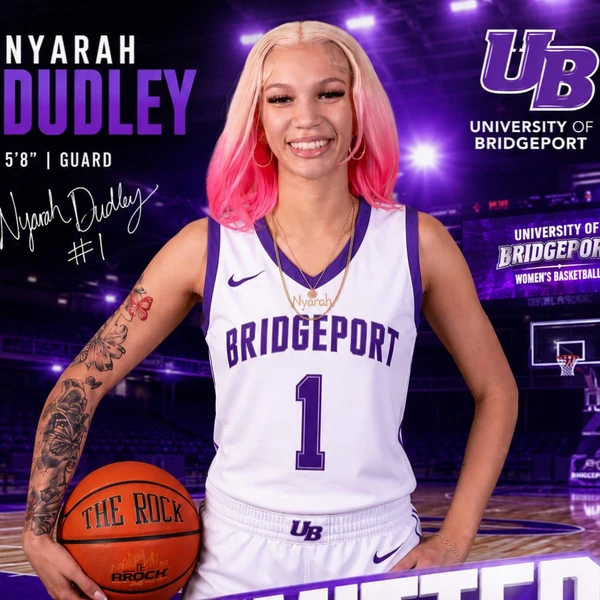
Nyarah Dudley

1x

Finalist

Bio

I am a dedicated student-athlete from Connecticut committed to excelling both academically and athletically. As a women’s basketball player, I take pride in my discipline, work ethic, and focus in the classroom, and I plan to major in psychology. On the court, I am known for my grit, defensive intensity, and team-first mindset. After sustaining an ACL injury in my final high school game, my college path has shifted. I will begin my freshman year continuing my recovery while working toward earning a spot scholarship spot on the roster. During this time, I will be responsible for covering the full cost of tuition, room, and board, making financial support especially important. Receiving this scholarship would help ease the financial burden on my family during my recovery year and allow me to stay focused on my academics and rehabilitation. I am committed to returning stronger, earning my opportunity, and continuing my journey as a women’s basketball player at the collegiate level. I bring resilience, leadership, and determination, and I am driven to make a meaningful impact both in the classroom and on the court.

Education

New London Visual and Performing Arts Magnet Pathway

High School
2022 - 2026

Miscellaneous

  • Desired degree level:

    Bachelor's degree program

  • Majors of interest:

    • Psychology, General
  • Not planning to go to medical school
  • Career

    • Dream career field:

      psychology

    • Dream career goals:

      Sports

      Basketball

      Varsity
      2014 – Present12 years

      Awards

      • State champion

      Arts

      • School

        Drawing
        2020 – Present

      Public services

      • Public Service (Politics)

        Hearing Youth Voices — Student
        2024 – Present
      Charlene K. Howard Chogo Scholarship
      Growing up, I have always believed that empowering women starts with showing younger girls what is possible through perseverance, leadership, and service. As a Black female student-athlete, I understand that representation matters. When girls see someone who looks like them succeeding academically, athletically, and personally despite challenges, they begin to believe they can do the same. I have tried to use my experiences to encourage other young women to stay confident in themselves, pursue their goals, and never let setbacks determine their future. Throughout high school, I have been involved in volunteering and community-based programs, including Hearing Youth Voices, where I worked alongside other students to discuss issues affecting young people and advocate for positive change in our community. Being a four-year varsity basketball player, captain, and teammate also allowed me to mentor younger athletes by leading through example. I have always emphasized the importance of balancing academics, sports, and mental well-being. Whether helping younger players during practices, supporting teammates through difficult moments, or simply being someone others can talk to, I have learned that leadership is often found in everyday actions. Empowering women does not always require a large platform; sometimes it means helping one person believe in herself when she is struggling. One of the most difficult experiences of my life occurred during my senior year when I tore my ACL and meniscus in the state tournament game, ending my final high school season and significantly impacting my college recruiting opportunities. Initially, I felt disappointed and uncertain about my future, but I chose not to allow my injury to define me. Instead, I focused on rehabilitation, maintaining my academic performance, and committing to my goal of continuing my education and basketball career at the University of Bridgeport. By sharing my journey openly, I hope younger girls understand that setbacks are temporary and that resilience can create new opportunities. I want them to know that their worth is not determined by statistics, scholarships, or circumstances but by their determination to keep moving forward. As I pursue a degree in psychology, I hope to continue empowering women by working with children and adolescents, especially those facing medical challenges, injuries, or other obstacles that affect their confidence and mental health. I want young girls to have someone who understands that success is rarely a straight path and that asking for help is a sign of strength, not weakness. Charlene Howard's commitment to education reminds me that investing in students creates lasting change. I hope to honor that legacy by uplifting other young women, advocating for their potential, and helping them realize that they are capable of achieving far more than they may ever imagine.
      Marcia Bick Scholarship
      Many students from disadvantaged backgrounds deserve scholarships because some of us have to work twice as hard to reach the same goals. Financial struggles, health problems, and unexpected setbacks can make school and planning for the future much harder, but they can also teach us determination, resilience, and how to keep going when things don't go as planned. In eighth grade, I was diagnosed with a rare autoimmune disorder. Since then, I have had to manage my health every day through medication, staying hydrated, and following a specific diet. Balancing my condition with school, sports, and everyday life has been challenging. There were times I felt sick and so frustrated because I had to think about my health before doing things that seemed simple for everyone else. Still, I never wanted my diagnosis to define me or stop me from reaching my goals. Basketball has been a major part of my life since early on. It gave me confidence, structure, and something to work toward. I spent years training, maintaining good grades, and hoping to earn a college basketball scholarship that would help my family afford college. I knew I had opportunities ahead of me and was excited about what the future could hold. During my senior year, everything changed. While playing in the state tournament and being recruited by colleges, I tore my ACL and meniscus. I needed surgery and physical therapy that will take nine to twelve months of recovery. Because of my injury, I will have to redshirt my freshman year of college, and I lost the chance at the full athletic scholarship I had hoped to earn. Athough this has been disappointing, I haven't given up. Recovering from my injury while managing a chronic illness has taught me patience and perseverance. I still plan to pursue a degree in psychology because I want to help children and teens with medical conditions understand that they can still have goals, dreams, and a meaningful future despite the challenges they face. Receiving this grant would help ease the financial burden of college tuition and allow me to focus on healing, succeeding in college, and continuing to work toward my career goals. My journey has shown me that setbacks don't have to define a person. What matters most is choosing to keep moving forward, even when life doesn't go the way you expected.
      TRAM Resilience Scholarship
      Living with a rare autoimmune disorder has shaped nearly every part of who I am today. Before entering high school, I became severely ill with constant exhaustion, dehydration, dangerously low blood pressure, and electrolyte imbalances that eventually caused my body to go into crisis. I was hospitalized for weeks before finally being diagnosed with Addison’s disease, a condition that requires lifelong medication, careful monitoring, increased sodium and fluid intake, and constant awareness of my body’s limits. I also live with a second rare medical condition that requires me to eat every few hours to maintain my energy levels, making balancing athletics and daily life even more challenging. Growing up, I was always active and competitive. I played basketball, soccer, dance, ran track, wrestled, football, and baseball. Sports were a huge part of my identity, so suddenly struggling to walk up stairs or stay awake during the day was devastating. During my recovery, I had to rebuild my endurance little by little while learning how to manage my health independently. It was one of the hardest periods of my life, both physically and emotionally. Instead of allowing my disability to stop me, I used it as motivation. When high school began, I pushed myself to compete at the varsity level in multiple sports while still managing my health every day. I became a four year varsity basketball player, team captain, Connecticut State Champion, and scored over 1,000 career points. Even while dealing with hospitalizations and daily health challenges, I continued competing at a high level because basketball gave me purpose and taught me perseverance. In the final game of my high school basketball career, I suffered a complete ACL tear and meniscus tear. After years of fighting through medical adversity just to stay on the court, facing another major physical setback was heartbreaking. However, the injury reminded me how much strength I had already built throughout my life. Rehabilitation has required patience, determination, and mental toughness, but it has also reinforced my belief that challenges do not define a person’s future. Living with multiple medical conditions and overcoming serious injuries has taught me resilience, leadership, discipline, and empathy for others facing challenges of their own. These experiences inspired my goal of studying Psychology in college so I can better understand and support people dealing with adversity, mental health struggles, injuries, and chronic illness. I hope to continue using my experiences to encourage others to keep pushing forward, even when life becomes difficult.
      Nabi Nicole Grant Memorial Scholarship
      One of the most challenging moments I am facing right now happened during the the state tournament game of my senior season. We were leading well into the third quarter when I suffered an ACL injury. In that moment, everything shifts. We lose our momentum and ultimately lose the game. Just like that, my high school career ends in a way I did not expect, and I'm forced to adjust to a completely new path. I am currently preparing for surgery and a recovery process that will take about a year. While this is not what I planned, it is something I am learning to face with perspective. I have experienced challenges before, and I know that difficult moments are a part of growth. This situation is different because of the timing and the impact it has on my college plans, but it is not something that defines me. My faith plays an important role in how I approach this obstacle. Rather than asking why this happened, I focus on how I respond to it. My faith keeps me grounded and reminds me to stay disciplined, patient, and focused on what I can control. It gives me confidence that even when things do not go as planned, there is still purpose in the process. This injury requires me to adjust my college path. Instead of entering and competing immediately, I will likely begin my freshman year as a walk-on and redshirt while I recover. It also creates a financial challenge, as I will need to cover expenses during a time when I am not yet able to earn an athletic scholarship. While this is not ideal, I see it as part of the process I need to go through to reach my long term goals. Right now, I am focused on recovery, both physically and mentally. I am committed to doing everything necessary to come back stronger. I am also focused on my academics and preparing for the next level, knowing that my development as a student and as a person is just as important as my development as an athlete. This experience is teaching me patience, resilience, and discipline in a new way. It is not about feeling sorry for myself, but about staying focused and continuing to move forward. I understand that setbacks happen, and I am prepared to work through them. Although this injury changes my immediate plans, it does not change my goals. I am still driven to compete at the college level, earn my place, and continue growing. With my faith guiding me, I trust that I am on the path I am meant to be on, even if it looks different than I expected
      Hearts on Sleeves, Minds in College Scholarship
      I used to believe that staying silent was a sign of strength. As a lifelong athlete and fierce competitor, I prided myself on pushing through anything. Excuses were never part of my mindset. So when I became critically ill just before my freshman year of high school and was diagnosed with Addison’s disease and a metabolic disorder, I made a decision—I would not let it define me, and I would not talk about it. These conditions require constant management: a high-sodium diet, at least three liters of fluids daily, and strict medication just to function normally. For most people, even adults, these diagnoses are unfamiliar. Trying to explain them felt overwhelming, and I didn’t want to be seen differently. I wanted to earn everything on the court without anyone questioning whether I needed special consideration. So I stayed quiet. I started varsity as a freshman, stepping into a high-level role immediately. The expectations were high, and I embraced them. But there were moments during practices and games when my body was telling me something was wrong—dizziness, fatigue, warning signs I had been taught not to ignore. Still, I ignored them. I would rather push myself to the point of collapse than explain what I was feeling. That silence caught up with me. It led to me being hospitalized again. Lying in that hospital bed, I had to face a truth I had been avoiding: staying silent wasn’t making me stronger—it was putting everything I had worked for at risk. If I wanted to keep playing, keep competing, and keep pushing myself, I had to learn how to use my voice. Speaking up didn’t come naturally. It felt uncomfortable and unfamiliar. But I started by having an honest conversation with my coach. I explained my conditions, what my body needed, and what warning signs meant for me. I expected doubt or hesitation. Instead, I was met with understanding and support. That moment changed my perspective completely. Using my voice didn’t take away from my work ethic or toughness—it allowed me to sustain it. With that support, I was able to continue competing at a high level throughout the season. Our team had only seven players, and many games we played with just five, no substitutions. Every possession mattered. Every player had to give everything they had. At the end of that season, we won the Connecticut State Championship. That experience taught me more than how to win—it taught me when to speak. I learned that communication is not about making excuses; it is about taking responsibility for yourself so you can continue to show up fully. I learned that advocating for yourself is a form of discipline, not weakness. Most importantly, I learned that your voice can be the key to unlocking your full potential. Now, I carry that lesson into every part of my life. I no longer see communication as something to avoid—I see it as a tool to lead, connect, and create change. There are so many people, especially young athletes, who deal with invisible challenges and feel pressure to stay silent in order to be accepted. I understand that mindset because I lived it. In the future, I want to use my voice to advocate for those individuals. I plan to create spaces where athletes and young people feel safe speaking up about their struggles without fear of being judged or overlooked. Whether through mentorship, community programs, or my career path, I want to help shift the narrative so that strength includes honesty, not silence. My journey showed me that communication is not just about confidence—it is about courage. The courage to speak when it’s uncomfortable, to be honest when it’s easier to stay quiet, and to prioritize yourself so you can continue moving forward. I used to think strength meant pushing through everything alone. Now I know real strength is knowing when to speak—and having the courage to be heard.
      Students Impacted by Incarceration Scholarship
      As a freshman on varsity, I was part of a team with only seven players total. Most days at practice, we didn’t have enough players to scrimmage, so we had to find other ways to prepare. During games, we often played with just five players and no substitutions. That meant no breaks, no margin for error, and no excuses. We pushed through fatigue, sickness, and injuries because we had no other choice. Every possession mattered, and every player had to give everything they had. What made that season even more meaningful was playing alongside my sister, who was a senior on the team. Competing with her pushed me to grow up quickly and hold myself to a higher standard. As a freshman, I wasn’t just there to learn—I had to contribute and perform under pressure. Winning the Connecticut State Championship that year is the achievement I am most proud of because of everything we overcame. We didn’t have the depth or resources that most teams rely on, but we built our success on grit, discipline, and trust. Off the court, my life has come with its own challenges. Having a parent who has been incarcerated has shaped my perspective in ways that go far beyond basketball. It has taught me resilience at a young age and forced me to grow up quickly. There were moments of uncertainty, emotional stress, and questions that didn’t always have easy answers. It impacted my family, my relationships, and how I viewed stability and support. But instead of letting it define me negatively, I used it as motivation to become stronger, more focused, and more determined to create a different path for myself. This experience has also shaped my understanding of mental health. I’ve learned that not all struggles are visible, and that people carry challenges others may never see. It taught me the importance of empathy, staying mentally strong, and leaning on the people who support me. My relationships with my family have become stronger because of it, and I’ve developed a deeper appreciation for perseverance and emotional resilience. As a senior, I am now facing another challenge after suffering an ACL tear that will require surgery and force me to redshirt my freshman year. Mentally, this has tested me, but I am committed to my recovery and to returning stronger than before. These experiences have shaped my goals both academically and athletically. I plan to major in psychology because I want to better understand mental health and help others who may be facing challenges similar to mine. Athletically, my goal is to earn a Division I opportunity and continue proving that my circumstances do not define my potential. Through every obstacle—whether it was a limited roster, personal challenges at home, or injury—I have learned that adversity does not limit you unless you allow it to. It builds you. It pushes you. And for me, it has fueled my drive to succeed, grow, and make an impact both on and off the court.
      Ethel Hayes Destigmatization of Mental Health Scholarship
      As a freshman on varsity, I was part of a team with only seven players total. Most days at practice, we didn’t have enough players to scrimmage, so we had to find other ways to prepare. During games, we often played with just five players and no substitutions. That meant no breaks, no margin for error, and no excuses. We pushed through fatigue, sickness, and injuries because we had no other choice. Every possession mattered, and every player had to give everything they had. What made that season even more meaningful was playing alongside my sister, who was a senior on the team. Competing with her pushed me to grow up quickly and hold myself to a higher standard. As a freshman, I wasn’t just there to learn—I had to contribute and perform under pressure. That experience taught me accountability and how to stay composed in difficult moments. Winning the Connecticut State Championship that year is the achievement I am most proud of because of everything we overcame to get there. We didn’t have the depth, resources, or outside support that most teams rely on, but we built our identity around grit, discipline, and trust. That same mindset has carried into one of the most challenging times in my life. As a senior, I suffered an ACL tear that will require surgery and force me to redshirt my freshman year of college. As an unsigned player, this setback could feel discouraging, but my experience has taught me how to respond. Mentally, this has been one of the toughest obstacles I’ve faced. Basketball has always been a big part of who I am, so being forced to step away from the game has tested my confidence, patience, and identity. However, this experience has shaped my mental health in a positive way. I’ve learned the importance of staying mentally strong, asking for support, and giving myself grace during difficult moments. It has strengthened my relationships with my family, teammates, and coaches because I’ve learned to lean on others instead of trying to handle everything alone. It has also given me a deeper understanding of others who are going through their own challenges, whether seen or unseen. This journey has influenced my goals both academically and athletically. I plan to major in psychology because I want to better understand mental health and eventually help others navigate their own struggles. I’ve seen firsthand how mindset can impact performance, recovery, and overall well-being. Athletically, my goal remains the same—to earn a Division I opportunity. I am fully committed to my recovery and to returning stronger, both physically and mentally. Through everything I’ve experienced—from winning a state championship under tough conditions to facing a major injury—I’ve learned that adversity doesn’t define you. It reveals you. My experiences have shaped me into someone who leads with resilience, values connection, and understands the importance of mental strength. I am determined to use those lessons to grow, succeed, and make an impact both on and off the court.
      Doing Hard Things My Way: Adaptive Athlete Scholarship
      As a freshman starting on varsity at New London, CT High School, I was part of a team with only seven players total. Most days at practice, we didn’t have enough players to scrimmage, so we had to find other ways to prepare. During games, we often played with just five players and no substitutions. That meant no breaks, no margin for error, and no excuses. We pushed through fatigue, sickness, and injuries because we had no other choice. Every possession mattered, and every player had to give everything they had. What made that season even more meaningful was playing alongside my sister, who was a senior on the team. Competing with her pushed me to grow up quickly and hold myself to a higher standard. As a freshman, I wasn’t just there to learn—I had to contribute and perform under pressure. That experience taught me accountability and how to stay composed in difficult moments. Winning the Connecticut State Championship that year is the achievement I am most proud of because of everything we overcame to get there. We didn’t have the depth, resources, or outside support that most teams rely on. On paper, we weren’t expected to succeed. But we built our identity around grit, discipline, and trust. We held each other accountable and refused to let our circumstances define us. We didn’t focus on what we lacked—we focused on what we could control. That mindset is what continues to drive me today. Just recently, as a senior, I recently suffered an ACL and meniscus tear that will require surgery and force me to redshirt my freshman year of college. As an unsigned player, this is another challenge in my journey. But the lessons I learned from that championship season have prepared me for moments like this. I understand what it means to face adversity and keep going, even when the path isn’t easy or guaranteed. Although this injury was an unexpected setback, it has not changed my goals—it has strengthened them. I am focused on my recovery, committed to becoming stronger both mentally and physically, and determined to earn a Division I opportunity after I return. I know what I bring to the game: grit, intensity, and the ability to impact winning. Just like that championship season, I am ready to embrace the challenge, outwork the obstacles in front of me, and prove that setbacks do not define my future—they fuel it.
      Resilient Scholar Award
      As a freshman starting on varsity at New London, CT High School, I was part of a team with only seven players total. Most days at practice, we didn’t have enough players to scrimmage, so we had to find other ways to prepare. During games, we often played with just five players and no substitutions. That meant no breaks, no margin for error, and no excuses. We pushed through fatigue, sickness, and injuries because we had no other choice. Every possession mattered, and every player had to give everything they had. What made that season even more meaningful was playing alongside my sister, who was a senior on the team. Competing with her pushed me to grow up quickly and hold myself to a higher standard. As a freshman, I wasn’t just there to learn—I had to contribute and perform under pressure. That experience taught me accountability and how to stay composed in difficult moments. Winning the Connecticut State Championship that year is the achievement I am most proud of because of everything we overcame to get there. We didn’t have the depth, resources, or outside support that most teams rely on. On paper, we weren’t expected to succeed. But we built our identity around grit, discipline, and trust. We held each other accountable and refused to let our circumstances define us. We didn’t focus on what we lacked—we focused on what we could control. That mindset is what continues to drive me today. Just recently, as a senior, I recently suffered an ACL and meniscus tear that will require surgery and force me to redshirt my freshman year of college. As an unsigned player, this is another challenge in my journey. But the lessons I learned from that championship season have prepared me for moments like this. I understand what it means to face adversity and keep going, even when the path isn’t easy or guaranteed. Although this injury was an unexpected setback, it has not changed my goals—it has strengthened them. I am focused on my recovery, committed to becoming stronger both mentally and physically, and determined to earn a Division I opportunity after I return. I know what I bring to the game: grit, intensity, and the ability to impact winning. Just like that championship season, I am ready to embrace the challenge, outwork the obstacles in front of me, and prove that setbacks do not define my future—they fuel it.
      Kalia D. Davis Memorial Scholarship
      As a freshman on varsity, I was part of a team with only seven players total at New London High Schoo, CT. Most days at practice, we didn’t have enough people to scrimmage, which meant we had to get creative just to prepare. During games, it wasn’t unusual for us to play with only five players on the court and no substitutions. That meant no rest, no breaks, and no room for mistakes. If someone got into foul trouble or needed a breather, there was no one to step in. We had to push through fatigue, injuries, and even sickness just to compete. What made it even more meaningful for me was that my sister was a senior on the team. Playing alongside her during such a challenging season pushed me to grow up quickly, both as a player and as a person. I wasn’t just trying to keep up—I was expected to contribute, compete, and help us win at a high level despite the circumstances. Winning the Connecticut State Championship that year is the achievement I am most proud of because of everything we had to overcome to get there. We didn’t have the depth, resources, or outside support that many other teams had. On paper, we shouldn’t have been able to compete at that level, let alone win it all. But we refused to let our situation define us. We built a mindset around toughness, accountability, and trust. Every player had to give everything they had, every single game, because we knew there was no one else coming to help. That experience changed me. It taught me how to stay mentally strong when things aren’t ideal and how to lead by example through effort and consistency. I learned that adversity doesn’t limit you unless you allow it to. Instead of making excuses, I learned to adjust, push through discomfort, and stay focused on the bigger goal. I carry those lessons with me in every area of my life. In the classroom, I approach challenges with the same determination and discipline. On the court, I continue to play with grit and intensity, knowing what it takes to win under pressure. That championship wasn’t just a title—it was proof that with the right mindset, you can overcome any obstacle and achieve more than anyone expects. This translates to my college aspirations because plan to attend college and major in psychology so I can better understand how people think, feel, and grow through challenges. My goal is to become a psychologist, where I can help others navigate mental health struggles and build stronger, healthier lives. Through my education, I hope to combine what I learn in the classroom with real-life experiences so I can make a meaningful impact in my community. I am especially motivated to support young people and athletes, helping them develop both mentally and emotionally on and off the court.
      Scorenavigator Financial Literacy Scholarship
      As a freshman on varsity, I was part of a team with only seven players total. Most days at practice, we didn’t have enough people to scrimmage, which meant we had to get creative just to prepare. During games, it wasn’t unusual for us to play with only five players on the court and no substitutions. That meant no rest, no breaks, and no room for mistakes. If someone got into foul trouble or needed a breather, there was no one to step in. We had to push through fatigue, injuries, and even sickness just to compete. What made it even more meaningful for me was that my sister was a senior on the team. Playing alongside her during such a challenging season pushed me to grow up quickly, both as a player and as a person. I wasn’t just trying to keep up—I was expected to contribute, compete, and help us win at a high level despite the circumstances. Winning the Connecticut State Championship that year is the achievement I am most proud of because of everything we had to overcome to get there. We didn’t have the depth, resources, or outside support that many other teams had. On paper, we shouldn’t have been able to compete at that level, let alone win it all. But we refused to let our situation define us. We built a mindset around toughness, accountability, and trust. Every player had to give everything they had, every single game, because we knew there was no one else coming to help. That experience changed me. It taught me how to stay mentally strong when things aren’t ideal and how to lead by example through effort and consistency. I learned that adversity doesn’t limit you unless you allow it to. Instead of making excuses, I learned to adjust, push through discomfort, and stay focused on the bigger goal. I carry those lessons with me in every area of my life. In the classroom, I approach challenges with the same determination and discipline. On the court, I continue to play with grit and intensity, knowing what it takes to win under pressure. That championship wasn’t just a title—it was proof that with the right mindset, you can overcome any obstacle and achieve more than anyone expects. This translates to my college aspirations because plan to attend college and major in psychology so I can better understand how people think, feel, and grow through challenges. My goal is to become a psychologist, where I can help others navigate mental health struggles and build stronger, healthier lives. Through my education, I hope to combine what I learn in the classroom with real-life experiences so I can make a meaningful impact in my community. I am especially motivated to support young people and athletes, helping them develop both mentally and emotionally on and off the court.
      Nicholas J. Fillmore Opportunity Scholarship
      As a freshman on varsity, I was part of a team with only seven players total. Most days at practice, we didn’t have enough people to scrimmage, which meant we had to get creative just to prepare. During games, it wasn’t unusual for us to play with only five players on the court and no substitutions. That meant no rest, no breaks, and no room for mistakes. If someone got into foul trouble or needed a breather, there was no one to step in. We had to push through fatigue, injuries, and even sickness just to compete. What made it even more meaningful for me was that my sister was a senior on the team. Playing alongside her during such a challenging season pushed me to grow up quickly, both as a player and as a person. I wasn’t just trying to keep up—I was expected to contribute, compete, and help us win at a high level despite the circumstances. Winning the Connecticut State Championship that year is the achievement I am most proud of because of everything we had to overcome to get there. We didn’t have the depth, resources, or outside support that many other teams had. On paper, we shouldn’t have been able to compete at that level, let alone win it all. But we refused to let our situation define us. We built a mindset around toughness, accountability, and trust. Every player had to give everything they had, every single game, because we knew there was no one else coming to help. That experience changed me. It taught me how to stay mentally strong when things aren’t ideal and how to lead by example through effort and consistency. I learned that adversity doesn’t limit you unless you allow it to. Instead of making excuses, I learned to adjust, push through discomfort, and stay focused on the bigger goal. I carry those lessons with me in every area of my life. In the classroom, I approach challenges with the same determination and discipline. On the court, I continue to play with grit and intensity, knowing what it takes to win under pressure. That championship wasn’t just a title—it was proof that with the right mindset, you can overcome any obstacle and achieve more than anyone expects. This translates to my college aspirations because plan to attend college and major in psychology so I can better understand how people think, feel, and grow through challenges. My goal is to become a psychologist, where I can help others navigate mental health struggles and build stronger, healthier lives. Through my education, I hope to combine what I learn in the classroom with real-life experiences so I can make a meaningful impact in my community. I am especially motivated to support young people and athletes, helping them develop both mentally and emotionally on and off the court.
      Abigail O. Adewunmi Memorial Scholarship
      As a freshman on varsity, I was part of a team with only seven players total. Most days at practice, we didn’t have enough people to scrimmage, which meant we had to get creative just to prepare. During games, it wasn’t unusual for us to play with only five players on the court and no substitutions. That meant no rest, no breaks, and no room for mistakes. If someone got into foul trouble or needed a breather, there was no one to step in. We had to push through fatigue, injuries, and even sickness just to compete. What made it even more meaningful for me was that my sister was a senior on the team. Playing alongside her during such a challenging season pushed me to grow up quickly, both as a player and as a person. I wasn’t just trying to keep up—I was expected to contribute, compete, and help us win at a high level despite the circumstances. Winning the Connecticut State Championship that year is the achievement I am most proud of because of everything we had to overcome to get there. We didn’t have the depth, resources, or outside support that many other teams had. On paper, we shouldn’t have been able to compete at that level, let alone win it all. But we refused to let our situation define us. We built a mindset around toughness, accountability, and trust. Every player had to give everything they had, every single game, because we knew there was no one else coming to help. That experience changed me. It taught me how to stay mentally strong when things aren’t ideal and how to lead by example through effort and consistency. I learned that adversity doesn’t limit you unless you allow it to. Instead of making excuses, I learned to adjust, push through discomfort, and stay focused on the bigger goal. I carry those lessons with me in every area of my life. In the classroom, I approach challenges with the same determination and discipline. On the court, I continue to play with grit and intensity, knowing what it takes to win under pressure. That championship wasn’t just a title—it was proof that with the right mindset, you can overcome any obstacle and achieve more than anyone expects. This translates to my college aspirations because plan to attend college and major in psychology so I can better understand how people think, feel, and grow through challenges. My goal is to become a psychologist, where I can help others navigate mental health struggles and build stronger, healthier lives. Through my education, I hope to combine what I learn in the classroom with real-life experiences so I can make a meaningful impact in my community. I am especially motivated to support young people and athletes, helping them develop both mentally and emotionally on and off the court.
      Chris Ford Scholarship
      As a freshman on varsity, I was part of a team with only seven players total. Most days at practice, we didn’t have enough people to scrimmage, which meant we had to get creative just to prepare. During games, it wasn’t unusual for us to play with only five players on the court and no substitutions. That meant no rest, no breaks, and no room for mistakes. If someone got into foul trouble or needed a breather, there was no one to step in. We had to push through fatigue, injuries, and even sickness just to compete. What made it even more meaningful for me was that my sister was a senior on the team. Playing alongside her during such a challenging season pushed me to grow up quickly, both as a player and as a person. I wasn’t just trying to keep up—I was expected to contribute, compete, and help us win at a high level despite the circumstances. Winning the Connecticut State Championship that year is the achievement I am most proud of because of everything we had to overcome to get there. We didn’t have the depth, resources, or outside support that many other teams had. On paper, we shouldn’t have been able to compete at that level, let alone win it all. But we refused to let our situation define us. We built a mindset around toughness, accountability, and trust. Every player had to give everything they had, every single game, because we knew there was no one else coming to help. That experience changed me. It taught me how to stay mentally strong when things aren’t ideal and how to lead by example through effort and consistency. I learned that adversity doesn’t limit you unless you allow it to. Instead of making excuses, I learned to adjust, push through discomfort, and stay focused on the bigger goal. I carry those lessons with me in every area of my life. In the classroom, I approach challenges with the same determination and discipline. On the court, I continue to play with grit and intensity, knowing what it takes to win under pressure. That championship wasn’t just a title—it was proof that with the right mindset, you can overcome any obstacle and achieve more than anyone expects. This translates to my college aspirations because plan to attend college and major in psychology so I can better understand how people think, feel, and grow through challenges. My goal is to become a psychologist, where I can help others navigate mental health struggles and build stronger, healthier lives. Through my education, I hope to combine what I learn in the classroom with real-life experiences so I can make a meaningful impact in my community. I am especially motivated to support young people and athletes, helping them develop both mentally and emotionally on and off the court.
      Gregory Flowers Memorial Scholarship
      My freshman year of highschool in 2023, I played as a starting varsity player on the New London, CT girls basketball team. I was part of a team with only seven players in total. Most days at practice, we didn’t have enough girls to scrimmage or run a 5v5, which meant we had to get creative just to prepare. During games, it wasn’t unusual for us to play with only five players on the court and no substitutions. That meant no rest, no breaks, and no room for mistakes. If someone got into foul trouble or needed a breather, there was no one to step in. We had to push through fatigue, injuries, and even sickness just to compete. What made it even more meaningful for me was that my sister was a senior on the team. Playing alongside her during such a challenging season pushed me to grow up quickly, both as a player and as a person. I wasn’t just trying to keep up—I was expected to contribute, compete, and help us win at a high level despite the circumstances. Winning the Connecticut State Championship that year is the achievement I am most proud of because of everything we had to overcome to get there. We didn’t have the depth, resources, or outside support that many other teams had. On paper, we shouldn’t have been able to compete at that level, let alone win it all. But we refused to let our situation define us. We built a mindset around toughness, accountability, and trust. Every player had to give everything they had, every single game, because we knew there was no one else coming to help. That experience changed me. It taught me how to stay mentally strong when things aren’t ideal and how to lead by example through effort and consistency. I learned that adversity doesn’t limit you unless you allow it to. Instead of making excuses, I learned to adjust, push through discomfort, and stay focused on the bigger goal. I carry those lessons with me in every area of my life. In the classroom, I approach challenges with the same determination and discipline. On the court, I continue to play with grit and intensity, knowing what it takes to win under pressure. That championship wasn’t just a title—it was proof that with the right mindset, you can overcome any obstacle and achieve more than anyone expects.